Your One-Stop Wire Mesh Fence Supplier | POLYMETAL

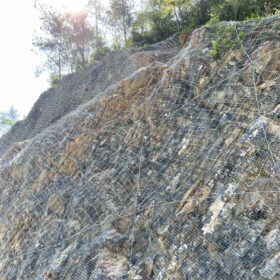
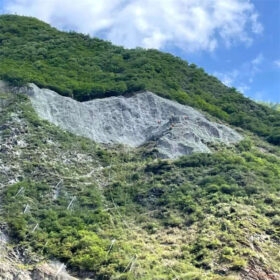
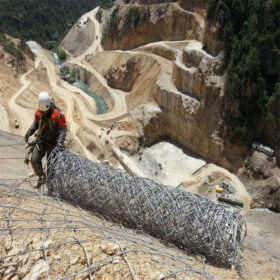
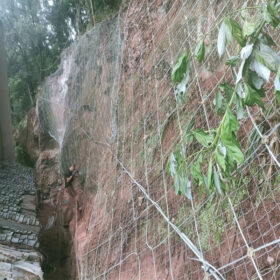
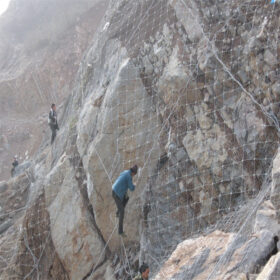
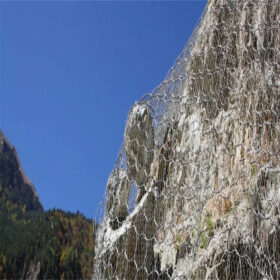
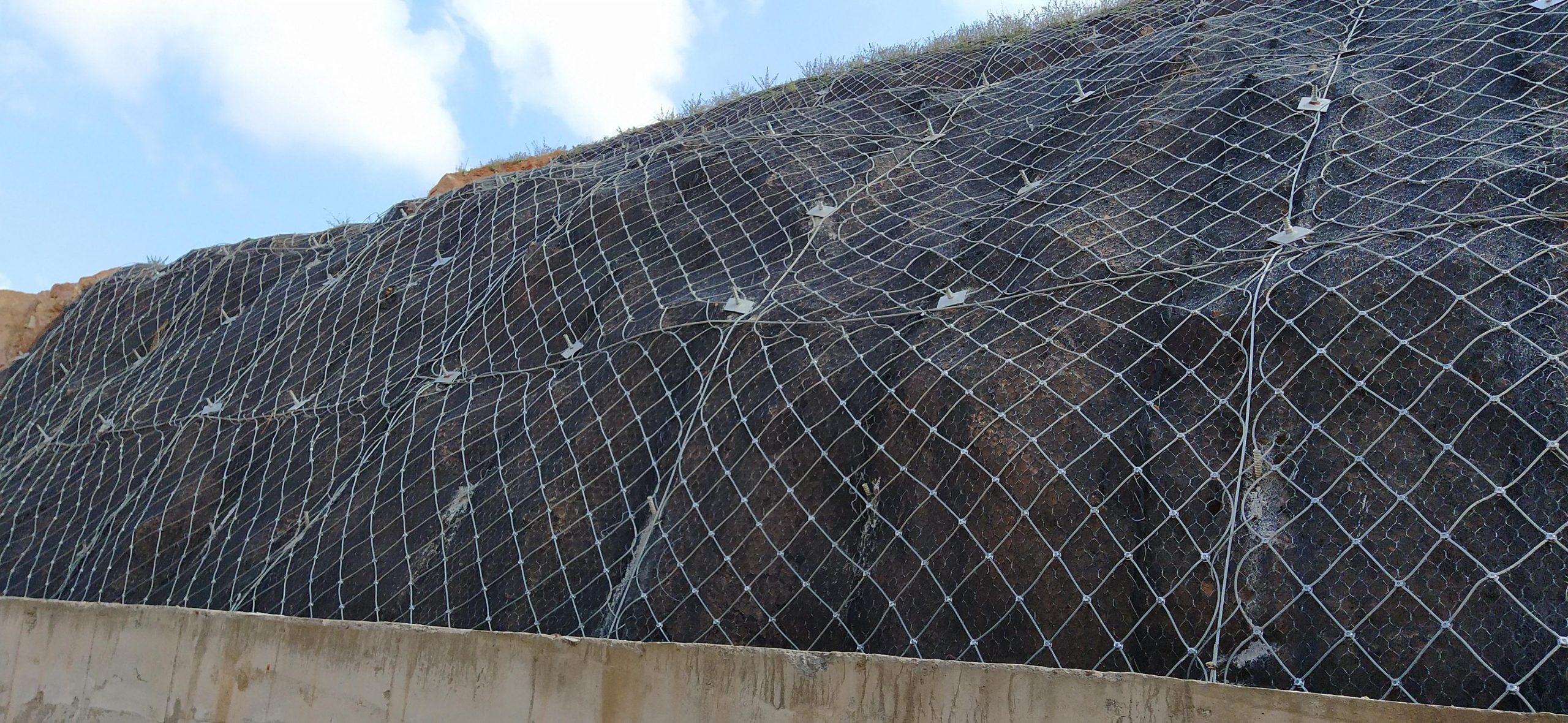
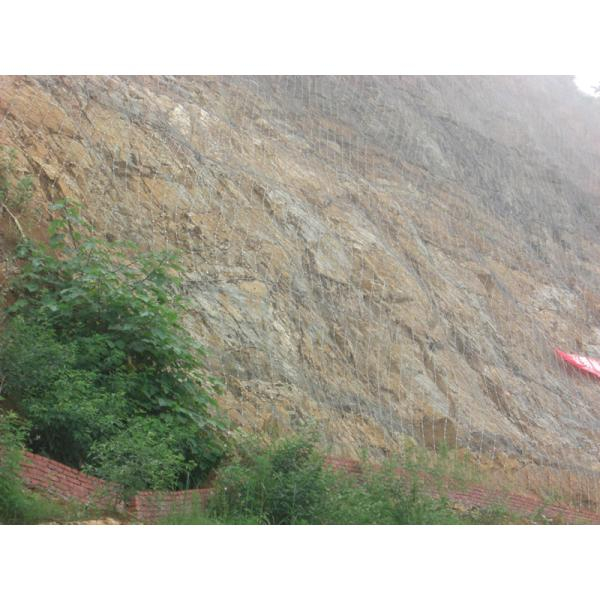
GPS2 Rockfall Netting is an active rockfall protection system installed directly on the slope surface. It uses a double-layer structure of:
Outer layer: 8 mm galvanized steel wire rope net, mesh size about 300 × 300 mm
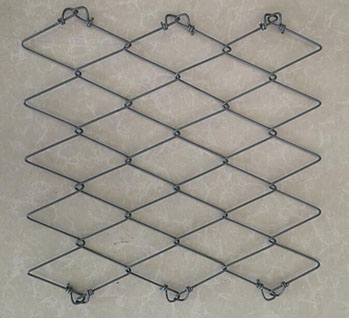
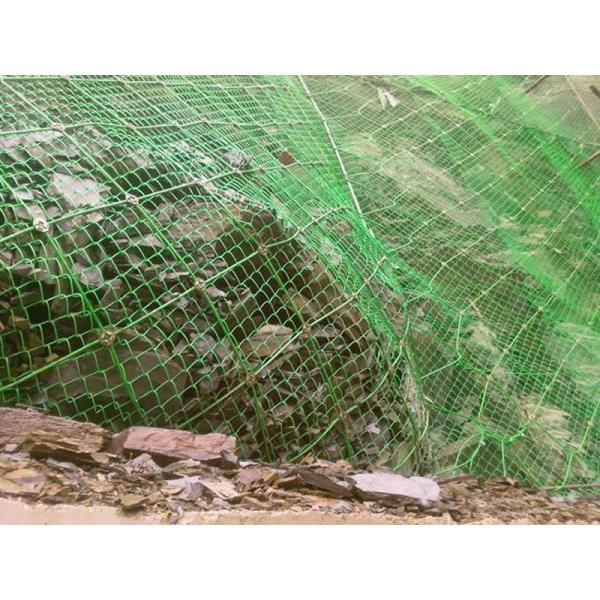
Inner layer (backing): 2.2 mm galvanized chain link mesh, mesh size about 50 × 50 mm, roll size around 2.25 m × 10.2 m
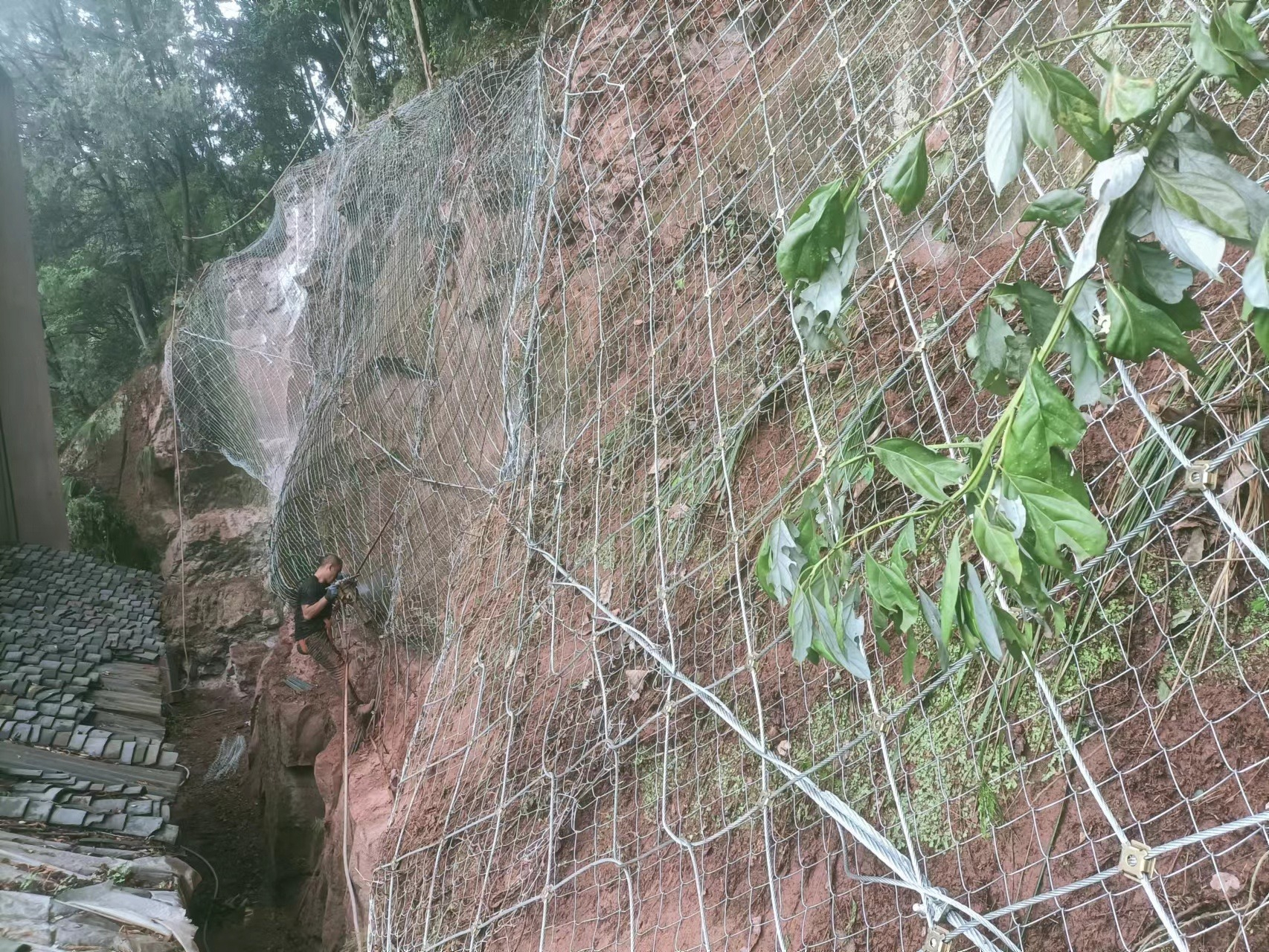
These two layers are fixed to the rock slope with wire rope anchors (Ø16 mm, 2–3 m long) and support ropes (typically 16 mm horizontal, 12–16 mm vertical) to form a continuous flexible shell over the slope.
In some designs, Tecco mesh (a high-tensile steel wire mesh) is also applied beneath the GPS2 system as an additional reinforcement layer to control smaller rock fragments and surface weathering.
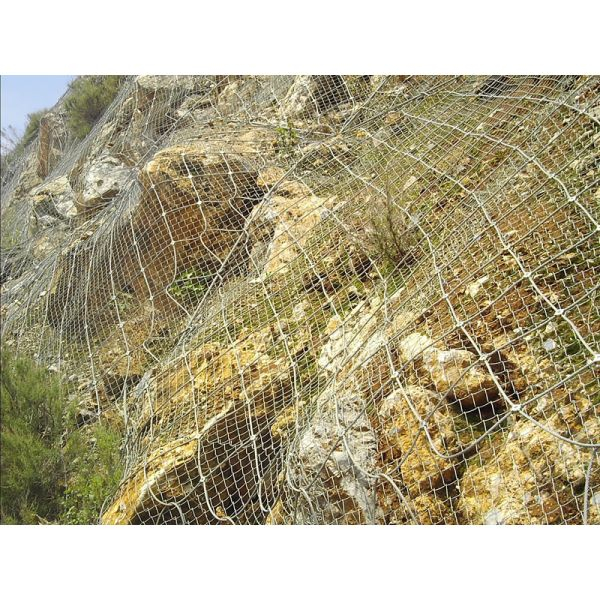
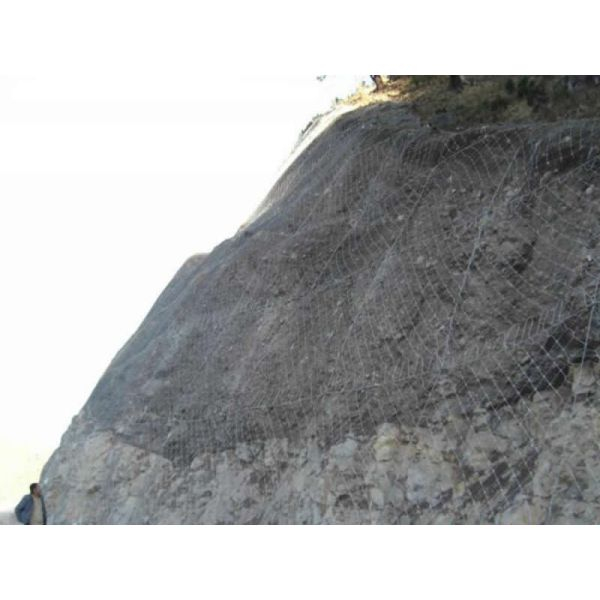
GPS2 Rockfall Netting is especially suitable for weakly weathered hard rock slopes where joints and cracks are well developed but the overall slope is still structurally stable. It prevents loose blocks and rock fragments from detaching and falling onto roads, railways, or infrastructure below.
- Highway and expressway cut slopes Stabilization of rock cuts with jointed, fractured rock and prevention of rockfall onto traffic lanes and shoulders
- Railway lines and tunnel portals Protection of rock cuts above tracks and securing tunnel entrances and nearby cliff faces
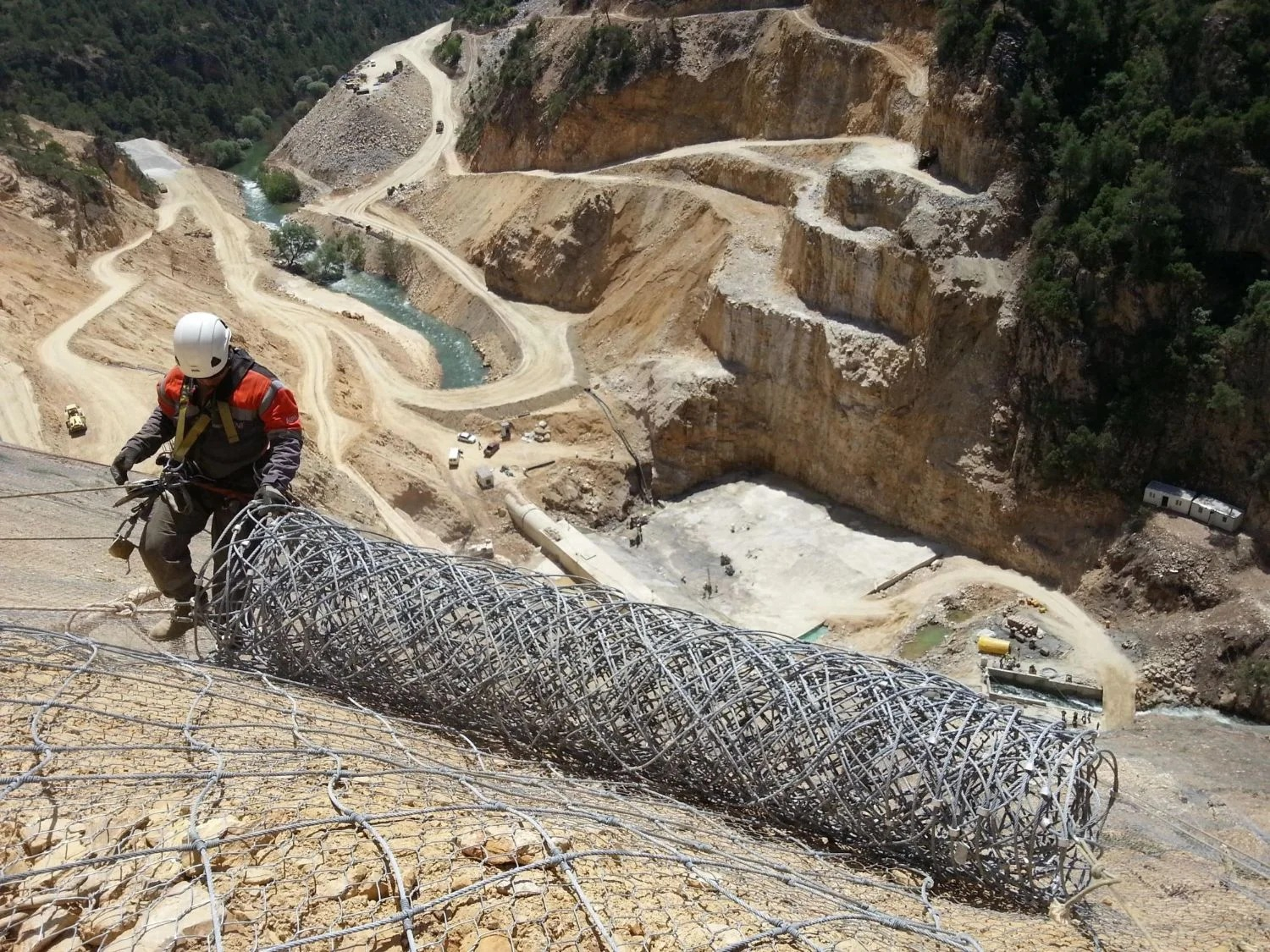
- Hydropower and dam projects Slope stabilization around reservoirs, spillways, penstocks and access roads, and protection of powerhouses and switchyards located beneath rock slopes
- Mining and quarry slopes Protection of open-pit benches and highwalls, and safeguarding haul roads and working platforms near steep rock faces
- Industrial plants and utility corridors Rockfall control behind factories, storage yards, substations and pipelines in mountainous or cliff-side locations
- Scenic and tourist areas Rockfall protection for mountain roads, cableways, viewpoints and walking trails in rockfall-prone terrain
- Combined block and fragment control Because GPS2 combines wire rope net and chain link backing mesh, it is well suited for slopes where both larger rock blocks and smaller fragments need to be controlled.
 |  |
 |  |
 |  |
 |  |
| Item | Specification |
|---|---|
| System Type | Active rockfall barrier / slope stabilization mesh (double-layer structure) |
| Main Wire Rope Net | Steel wire rope net, hot-dip galvanized Wire rope diameter: 8 mm Mesh size: 300 mm × 300 mm |
| Backing Mesh (Chain Link Mesh) | Galvanized chain link mesh Wire diameter: 2.2 mm Mesh (hole) size: 50 mm × 50 mm Typical roll size: 2.25 m × 10.2 m |
| Structure | Double-layer system: – Outer layer: 8 mm steel wire rope net (300 × 300 mm) – Inner layer: 2.2 mm chain link mesh (50 × 50 mm) |
| Horizontal Supporting Rope | Galvanized steel wire rope, diameter 16 mm |
| Vertical Supporting Rope | Galvanized steel wire rope, diameter 12 mm or 16 mm (depending on design) |
| Wire Rope Anchors | Anchor (rock bolt) bar diameter: 16 mm Typical anchor length: 2 m – 3 m |
| Typical Panel / Coverage | Rope net and chain link mesh combined to cover the slope; panel width and height designed according to slope geometry (commonly several meters wide × high). |
| Typical Application | Slope surface protection for overall stable, moderately weathered rock slopes with joints and fissures; control of small–medium rockfalls and peeling on highway, railway and other cut slopes. |
Key Benefits of GPS2 Rockfall Netting
1. Double-Layer Protection – Large Blocks + Small Fragments
- The 8 mm wire rope outer net (300 × 300 mm) carries the main load and intercepts larger rock blocks.
- The 2.2 mm chain link inner mesh (50 × 50 mm) retains small stones, debris and weathered fragments that would otherwise fall through the larger rope net.
This combination offers significantly better containment than single-layer systems.
2. High Strength and Reliability
- Steel rope meshes typically use high-tensile ropes (7 × 19 construction, Ø7–8 mm) with tensile strength > 1770 MPa and zinc coating > 200 g/m² for long-term durability.
- Anchors (usually Ø16 mm steel bars) provide strong load transfer from the mesh to the rock mass.
This allows GPS2 to withstand repeated rockfall impacts and long-term weathering.
3. Active Slope Stabilization
Unlike passive barriers at the slope toe, GPS2 is an active system:
- Installed directly on the rock face
- Pre-tensioned through support ropes and anchoring
- Restrains local rock movement before blocks can detach and fall
This is ideal where rock mass has cracks and joints but is globally stable, and where the goal is to keep the slope intact and quiet rather than only catch falling rocks.
4. Modular and Adaptable
- Standard panels are often around 4.0 m × 4.0 m for rope net meshes, but can be adapted to slope geometry.
- Support ropes can be configured with 16 mm horizontal ropes and 12–16 mm vertical ropes, depending on design.
- Can be combined with other active systems (Tecco mesh, spider mesh) or passive barriers/ditches at the toe for composite protection schemes.
5. Faster and Less Invasive Than Concrete Structures
- No need for massive concrete retaining walls or thick shotcrete layers over the whole slope.
- Many installations can be done using rope access and light equipment, reducing earthworks.
- The open mesh structure preserves natural drainage and allows vegetation to grow through, improving the visual impact and environmental performance.

Frequently Asked Questions (FAQs)
1. Is GPS2 Rockfall Netting an active or passive system?
GPS2 is an active rockfall protection system.
It is installed directly on the slope surface, anchored and pre-tensioned to stabilize blocks in place and control rockfall near the source, not just at the slope toe.
2. What is the difference between GPS2 and GPS1?
Both GPS1 and GPS2 use a combination of wire rope net + chain link backing mesh, but GPS2 is typically configured for enhanced protection:
Similar double-layer concept
GPS2 normally uses a more complete support rope configuration and is selected for larger or more frequent rockfalls, while GPS1 is often described as a simpler, lower-cost option for smaller rockfalls.
Exact differences can depend on the manufacturer’s design, but this is the general positioning.
3. What are the main technical parameters of GPS2?
Typical GPS2 configuration (can vary by supplier/design):
Steel wire rope net: 8 mm, mesh size 300 × 300 mm
Chain link mesh: 2.2 mm, aperture 50 × 50 mm, roll size about 2.25 m × 10.2 m
Steel rope diameter: about 7–8 mm, 7 × 19 construction
Support ropes: horizontal 16 mm, vertical 12–16 mm
Anchors: Ø16 mm steel bars, length 2–3 m
Typical panel size: approx. 4.0 m × 4.0 m
Designers can adjust these values for project-specific needs.
4. Can GPS2 be used on soil slopes or only on rock?
GPS2 is mainly designed for rock slopes, especially:
Weakly weathered hard rock
Developed joints and fissures
Overall stable rock mass with local instabilities
For pure soil slopes or very loose materials, other systems (such as soil nailing with shotcrete or geogrid + facing) are usually more appropriate, or GPS2 is combined with additional measures after geotechnical design.
5. How long does GPS2 Rockfall Netting last?
With proper hot-dip galvanizing / Zn–Al coating and correct design and installation, service life in typical inland environments is commonly in the range of 10–20 years or more, depending on:
Climate and corrosion conditions
Rockfall frequency and impact intensity
Maintenance and inspection regime
In aggressive coastal or industrial atmospheres, enhanced coatings or stainless elements may be specified.
6. What kind of maintenance is required?
Regular visual inspections (e.g. annually or after strong storms/earthquakes)
Check for:
Damaged or heavily deformed net zones
Loose anchors, plates or support ropes
Broken or missing clips, ties or chain link sections
Local repairs or panel replacement if significant rockfall has occurred
Compared with rigid concrete structures, GPS2 systems usually need less heavy maintenance, but they should definitely be included in the owner’s slope inspection plan.
Conclusion
GPS2 Rockfall Netting is a proven, high-performance active slope protection solution for jointed, weakly weathered rock slopes with overall stability but local rockfall risk. By combining a robust 8 mm steel wire rope net with a 2.2 mm chain link backing mesh, anchored and supported by high-strength wire ropes, GPS2 forms a flexible, continuous shell over the slope that:
Stabilizes fractured rock
Retains both large blocks and small fragments
Protects roads, railways, hydropower plants, mines and industrial facilities below