Your One-Stop Wire Mesh Fence Supplier | POLYMETAL

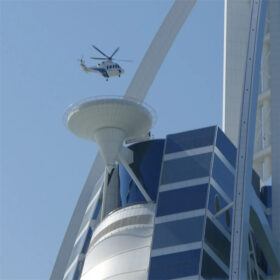

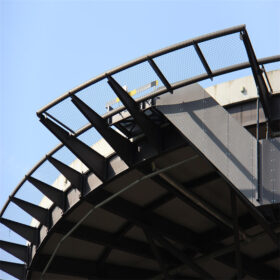
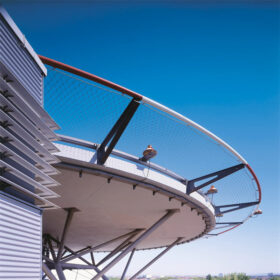
Helipad X tend mesh is a high-performance stainless steel cable net system designed to keep helicopters, crews and passengers safe on exposed decks and rooftops. Built from marine-grade stainless steel wire rope, Helipad X tend mesh combines low weight with high strength, outstanding transparency and long-term corrosion resistance, giving you a clean and modern helideck edge without sacrificing safety.
On offshore platforms, FPSOs, ships and hospital rooftops, the helideck perimeter is the last line of defence against overrun, rotor wash and falling people or equipment. Correctly specified Helipad X tend mesh will protect aircraft and structures for decades – but ignoring a few critical design rules can expose you to serious safety incidents and hidden financial losses.
What Is Helipad X tend mesh?
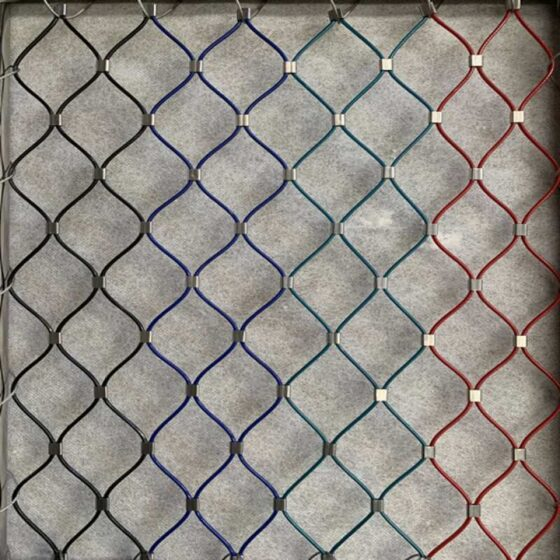
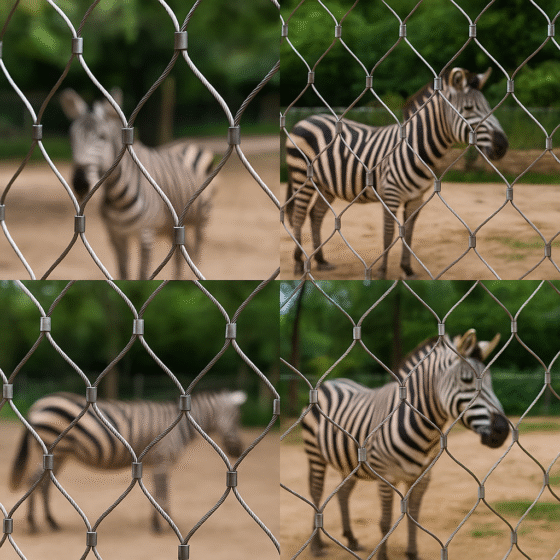
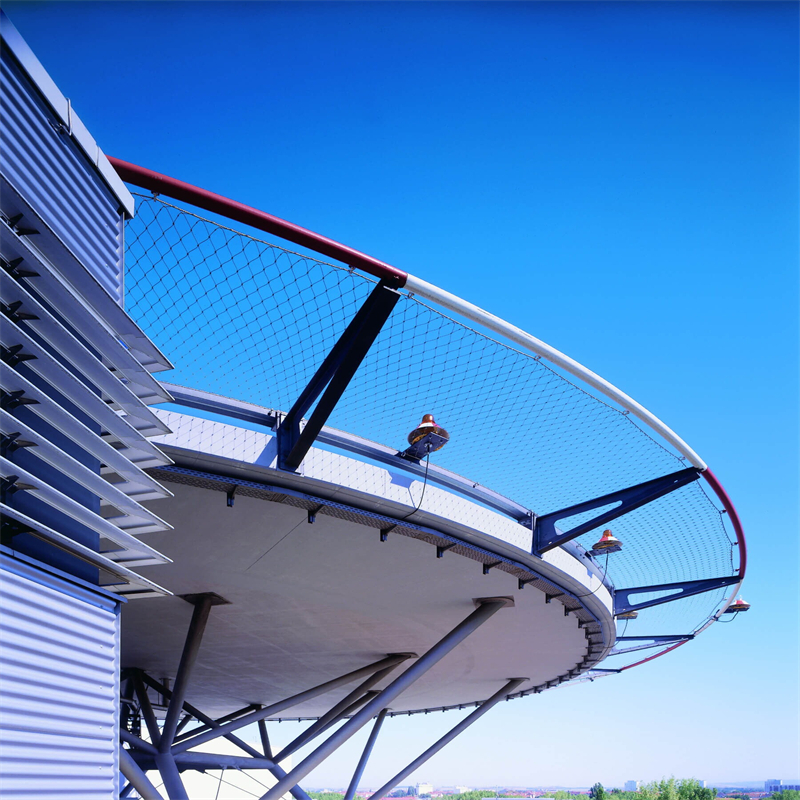
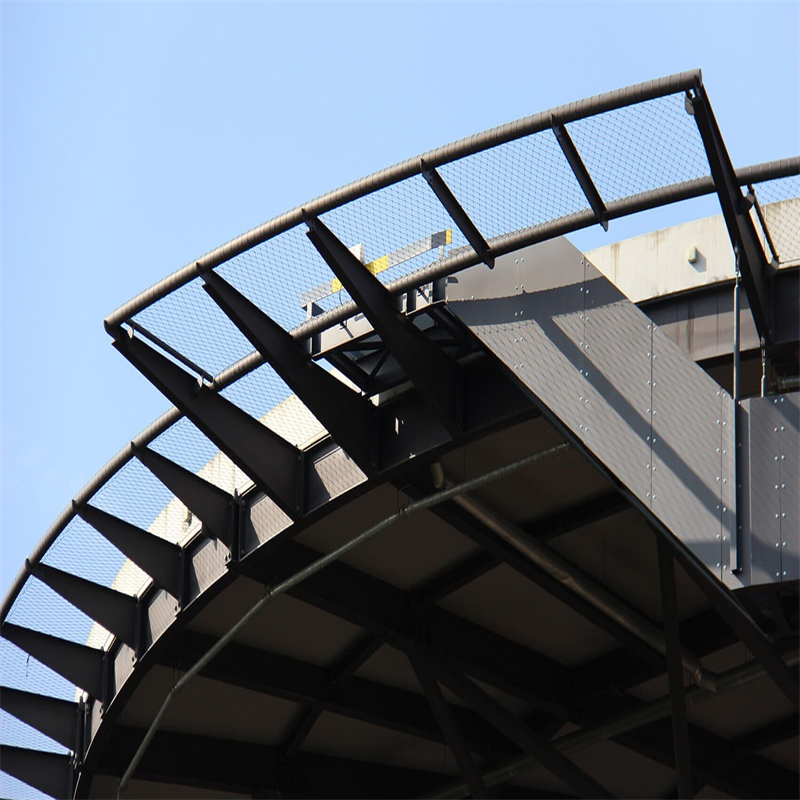
Helipad X tend mesh is a flexible stainless steel cable mesh system woven from high-tensile wire rope into a resilient net. The diamond or square openings deform elastically under impact, absorbing energy while preventing people, tools or debris from leaving the deck. The mesh is usually installed around the helideck perimeter, access stairways and adjoining platforms, forming a continuous safety envelope.
The system consists of AISI 304, 304L, 316 or 316L stainless steel wire rope, mechanically pressed ferrules or hand-woven knots, and engineered edge terminations that connect to steel frames, brackets or tension rings. The result is a light, transparent barrier that resists salt spray, UV and mechanical fatigue in harsh marine environments.
Insight #1 – Load geometry insight that controls real helipad safety
For Helipad X tend mesh, mesh aperture, angle and wire rope diameter are not cosmetic options – they define how the net behaves under rotor wash, emergency landings and crowd loading. Oversized apertures or shallow mesh angles can allow objects to slip through or cause excessive deflection, creating dangerous openings along the deck edge. Correct combinations of wire rope diameter, mesh aperture and angle degrees deliver controlled deflection and reliable retention.

Material Grades and Wire Rope Structure
To survive permanent exposure on helipads, Helipad X tend mesh uses carefully selected stainless steel materials and rope constructions:
- Wire diameter range: 1.6–4.0 mm
- Mesh opening range: 40 × 40–300 × 300 mm (diamond or square)
- Angle: typically 60–85 degrees depending on layout
- Technique: hand-woven mesh or ferrule-pressed mesh with closed or open ferrules
- Material: AISI 304/304L for inland sites, AISI 316/316L for offshore and marine environments
- Wire rope structures: 7 × 7 and 7 × 19 for optimal flexibility and strength
Detail #2 – Material selection detail that blocks hidden corrosion
Choosing between AISI 304 and AISI 316 in Helipad X tend mesh is a decisive safety detail. AISI 316 and 316L contain molybdenum, which dramatically increases resistance to pitting and crevice corrosion in salt spray and chemical fallout. Using non-marine grades on offshore helipads may look acceptable at installation but leads to staining, wire pitting and premature mesh failure, forcing costly shutdowns and replacement.

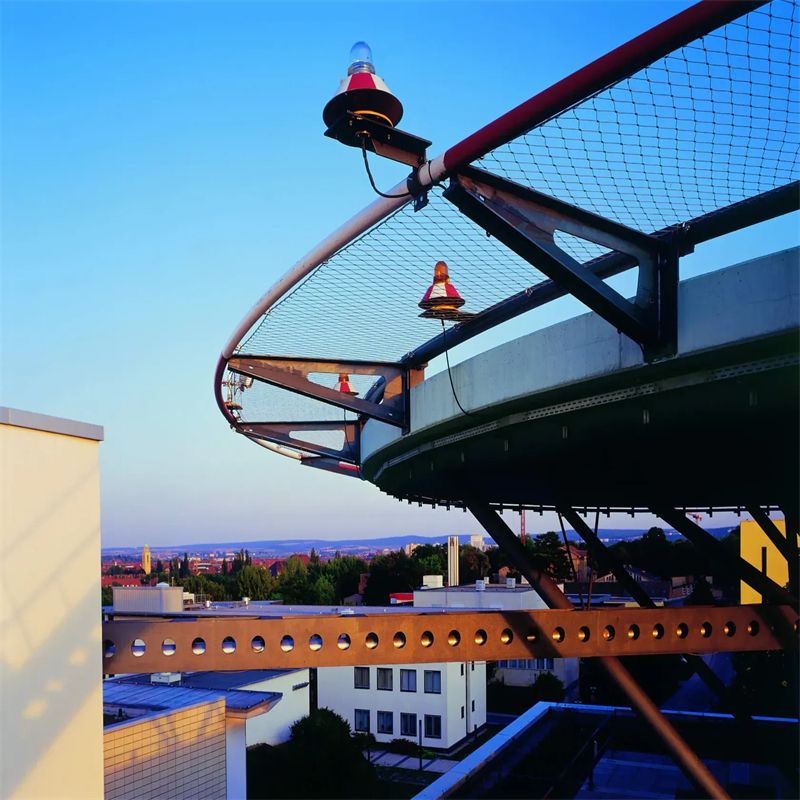


Core Safety Features of Helipad X tend mesh
Helipad X tend mesh is engineered specifically for aviation environments:
- High energy absorption: flexible mesh distributes impact loads throughout the net and edge cables.
- Low weight: significantly lighter than traditional steel plate or bar systems, reducing structural load on decks.
- High transparency: maintains pilot visibility, improves deck lighting and reduces visual clutter.
- Non-flammable and UV-resistant: stainless steel construction maintains strength under extreme weather and temperature changes.
- Custom-shaped panels: mesh can be tailored to circular, octagonal or irregular helideck layouts.
Risk #3 – Edge risk that exposes helicopters to overrun
If the wrong Helipad X tend mesh aperture or wire diameter is selected for the perimeter, the system can sag too much under rotor wash or impact, creating a low edge that invites wheel or skid overrun. This edge risk directly threatens hull integrity and crew safety. Properly sized mesh with adequate nominal breaking load keeps the perimeter high and firm enough to stop overshoot without damaging the aircraft.
Helipad X tend mesh Standard Perimeter Specifications
The following table shows typical Helipad X tend mesh specifications used around offshore and rooftop helideck perimeters.
| WIRE ROPE DIAMETER | MESH APERTURE | Angle degrees: | Light Transmittance (%) | Material | Nominal Breaking Load (lbs) | WIRE ROPE STRUCTURES |
| 1.6 mm | 40 × 40 mm | 60° | 82% | AISI 316 | 1,250 | 7 × 7 |
| 1.6 mm | 50 × 50 mm | 60° | 85% | AISI 316 | 1,250 | 7 × 7 |
| 2.0 mm | 60 × 60 mm | 60° | 88% | AISI 316 | 2,000 | 7 × 7 |
| 2.0 mm | 70 × 70 mm | 70° | 89% | AISI 316 | 2,000 | 7 × 7 |
| 2.4 mm | 80 × 80 mm | 70° | 90% | AISI 316 | 3,100 | 7 × 7 |
| 2.4 mm | 90 × 90 mm | 70° | 91% | AISI 316 | 3,100 | 7 × 7 |
| 3.0 mm | 100 × 100 mm | 75° | 92% | AISI 316 | 4,600 | 7 × 19 |
| 3.0 mm | 120 × 120 mm | 75° | 93% | AISI 316 | 4,600 | 7 × 19 |
| 3.2 mm | 130 × 130 mm | 75° | 94% | AISI 316 | 5,100 | 7 × 19 |
| 3.2 mm | 150 × 150 mm | 80° | 95% | AISI 316 | 5,100 | 7 × 19 |
| 4.0 mm | 150 × 260 mm | 80° | 95% | AISI 316 | 7,900 | 7 × 19 |
| 4.0 mm | 180 × 300 mm | 80° | 96% | AISI 316 | 7,900 | 7 × 19 |
| 4.0 mm | 200 × 300 mm | 85° | 96% | AISI 316 | 7,900 | 7 × 19 |
| 3.2 mm | 180 × 250 mm | 80° | 95% | AISI 316 | 5,100 | 7 × 19 |
| 2.4 mm | 120 × 200 mm | 75° | 93% | AISI 316 | 3,100 | 7 × 7 |
Warning #4 – Rotor wash warning you must design for
Helipad X tend mesh must resist repeated rotor wash loads without pumping, fluttering or fatigue failures at edge fixings. Under-designed mesh can work loose over time, leaving slack spans and dangerous bulges near the deck edge. Choosing the right wire rope structure and nominal breaking load, as in the table above, ensures stable performance under daily operations and emergency landings.
Helipad X tend mesh for Access, Stairs and Rescue Routes
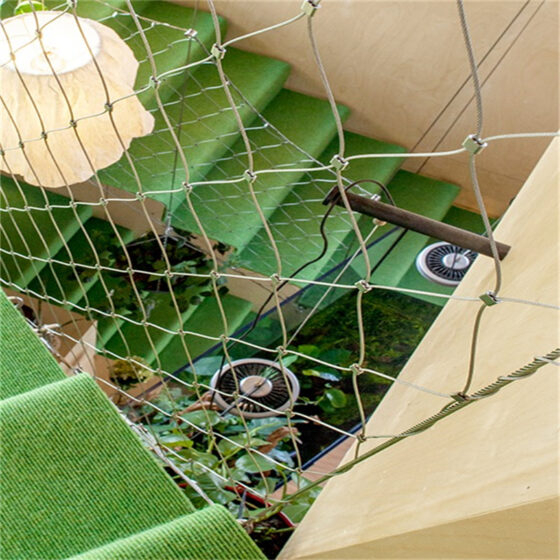
Helideck operations rely on safe access routes for pilots, passengers and fire-fighting teams. Helipad X tend mesh is widely used on stairways, escape ladders, catwalks and surrounding platforms to prevent falls without closing off visibility. Smaller mesh apertures and slightly lighter wire diameters are often selected for these zones to keep the look refined while still meeting load requirements.
| WIRE ROPE DIAMETER | MESH APERTURE | Angle degrees: | Light Transmittance (%) | Material | Nominal Breaking Load (lbs) | WIRE ROPE STRUCTURES |
| 1.6 mm | 30 × 50 mm | 60° | 80% | AISI 316 | 1,250 | 7 × 7 |
| 1.6 mm | 35 × 60 mm | 60° | 82% | AISI 316 | 1,250 | 7 × 7 |
| 1.6 mm | 40 × 70 mm | 60° | 84% | AISI 316 | 1,250 | 7 × 7 |
| 2.0 mm | 40 × 80 mm | 60° | 86% | AISI 316 | 2,000 | 7 × 7 |
| 2.0 mm | 50 × 80 mm | 70° | 87% | AISI 316 | 2,000 | 7 × 7 |
| 2.0 mm | 50 × 90 mm | 70° | 88% | AISI 316 | 2,000 | 7 × 7 |
| 2.4 mm | 60 × 100 mm | 70° | 89% | AISI 316 | 3,100 | 7 × 7 |
| 2.4 mm | 60 × 120 mm | 70° | 90% | AISI 316 | 3,100 | 7 × 7 |
| 2.4 mm | 70 × 130 mm | 75° | 91% | AISI 316 | 3,100 | 7 × 7 |
| 3.0 mm | 70 × 140 mm | 75° | 92% | AISI 316 | 4,600 | 7 × 19 |
| 3.0 mm | 80 × 160 mm | 75° | 93% | AISI 316 | 4,600 | 7 × 19 |
| 3.0 mm | 90 × 180 mm | 80° | 94% | AISI 316 | 4,600 | 7 × 19 |
| 3.2 mm | 90 × 200 mm | 80° | 95% | AISI 316 | 5,100 | 7 × 19 |
| 3.2 mm | 100 × 220 mm | 80° | 95% | AISI 316 | 5,100 | 7 × 19 |
| 3.2 mm | 120 × 240 mm | 85° | 96% | AISI 316 | 5,100 | 7 × 19 |
Trap #5 – Aperture trap that lets tools and PPE fall through
On access stairs and platforms around the helipad, using apertures that are too large creates a dangerous trap: radios, helmets, gloves and small tools can slip through the mesh and fall to lower decks or the sea. Helipad X tend mesh avoids this trap by pairing tighter apertures with suitable rope diameters, greatly reducing dropped-object risk without adding bulk.
Helipad X tend mesh for Platforms, Facades and Extended Safety Zones
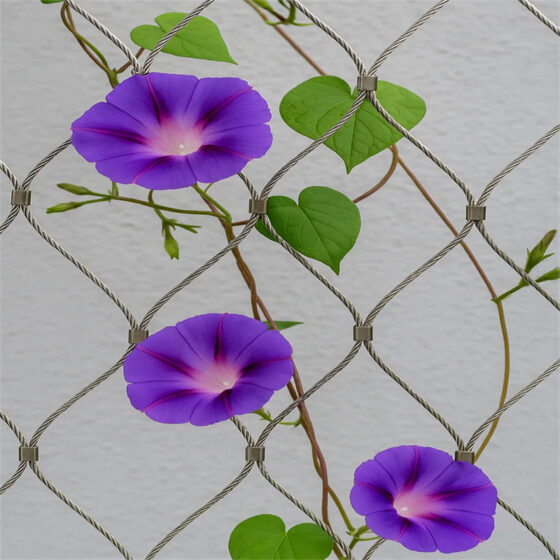
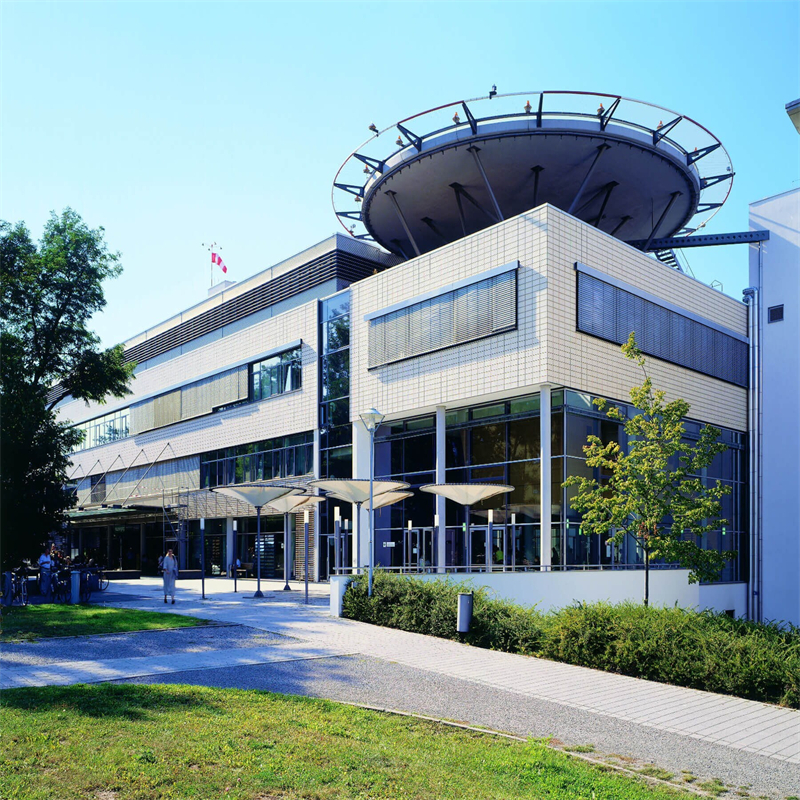
Many operators extend Helipad X tend mesh beyond the immediate landing zone to adjacent platforms, façades and greened areas. This creates a unified architectural look and prevents people from reaching unprotected edges near the helideck. The mesh can be shaped into three-dimensional forms, following curved hull lines or building contours while maintaining consistent safety performance.
| WIRE ROPE DIAMETER | MESH APERTURE | Angle degrees: | Light Transmittance (%) | Material | Nominal Breaking Load (lbs) | WIRE ROPE STRUCTURES |
| 1.6 mm | 40 × 40 mm | 60° | 78% | AISI 304 | 1,250 | 7 × 7 |
| 1.6 mm | 50 × 50 mm | 60° | 80% | AISI 304 | 1,250 | 7 × 7 |
| 2.0 mm | 60 × 80 mm | 70° | 84% | AISI 316 | 2,000 | 7 × 7 |
| 2.0 mm | 70 × 100 mm | 70° | 86% | AISI 316 | 2,000 | 7 × 7 |
| 2.4 mm | 80 × 120 mm | 75° | 88% | AISI 316 | 3,100 | 7 × 7 |
| 2.4 mm | 100 × 150 mm | 75° | 90% | AISI 316 | 3,100 | 7 × 7 |
| 3.0 mm | 120 × 180 mm | 80° | 92% | AISI 316 | 4,600 | 7 × 19 |
| 3.0 mm | 150 × 200 mm | 80° | 93% | AISI 316 | 4,600 | 7 × 19 |
| 3.2 mm | 180 × 220 mm | 80° | 94% | AISI 316 | 5,100 | 7 × 19 |
| 3.2 mm | 180 × 250 mm | 80° | 95% | AISI 316 | 5,100 | 7 × 19 |
| 3.2 mm | 200 × 300 mm | 85° | 96% | AISI 316 | 5,100 | 7 × 19 |
| 4.0 mm | 220 × 300 mm | 85° | 96% | AISI 316 | 7,900 | 7 × 19 |
| 4.0 mm | 250 × 300 mm | 85° | 96% | AISI 316 | 7,900 | 7 × 19 |
| 4.0 mm | 250 × 320 mm | 85° | 96% | AISI 316 | 7,900 | 7 × 19 |
| 4.0 mm | 260 × 340 mm | 85° | 97% | AISI 316 | 7,900 | 7 × 19 |
Cost #6 – Lifecycle cost pattern that silently erodes profit
Choosing painted steel grating or non-marine mesh instead of Helipad X tend mesh often looks cheaper initially but creates a damaging lifecycle cost pattern. Frequent repainting, corrosion repairs, unplanned deck closures and early replacement steadily erode profit. AISI 316 Helipad X tend mesh avoids these recurring expenses, delivering decades of service with minimal cleaning and inspection only.
Inspection, Certification and Regulatory Advantages
Helipad X tend mesh is designed to align with common aviation and offshore guidelines for helideck perimeters, obstacle-free zones and dropped-object protection. Its high transparency supports clear visual cues for pilots, while the continuous barrier simplifies safety documentation and incident reporting. Inspectors can visually confirm mesh integrity quickly without removing cladding or covers.
Advantage #7 – Safety advantage that boosts audit scores
Using Helipad X tend mesh across the entire helideck perimeter, stairways and nearby platforms delivers a measurable safety advantage during audits. Consistent impact-tested mesh, neat edge terminations and corrosion-free surfaces demonstrate strong safety culture, improving audit scores and reducing the chance of operational restrictions or enforced upgrades.
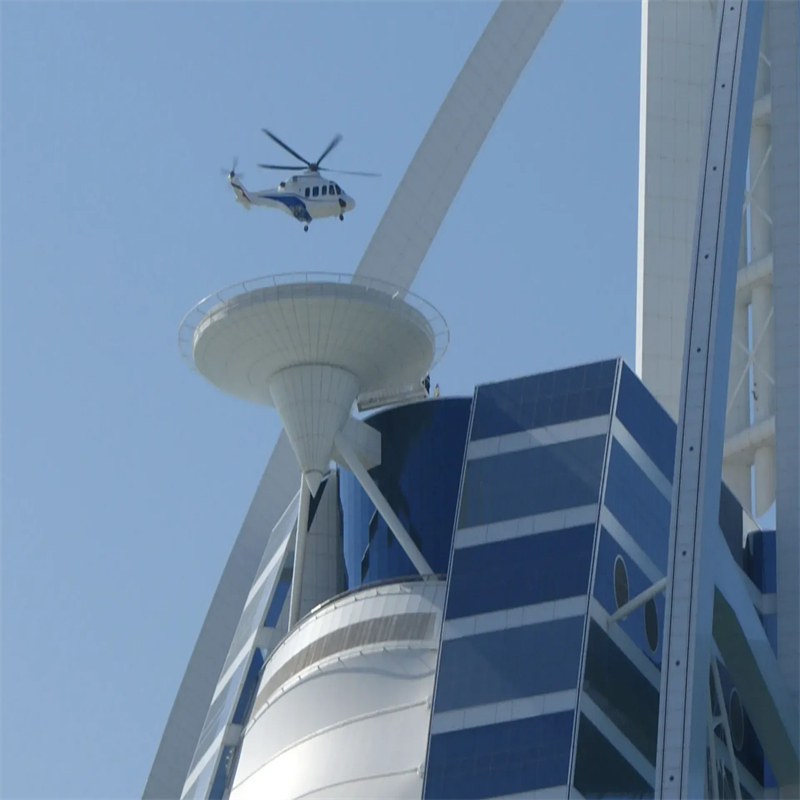
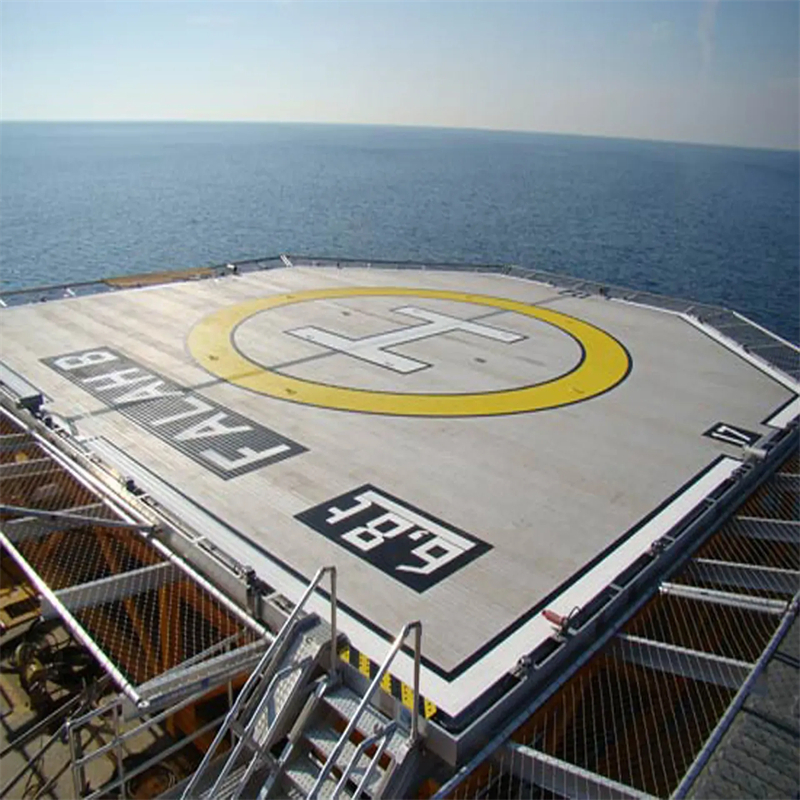
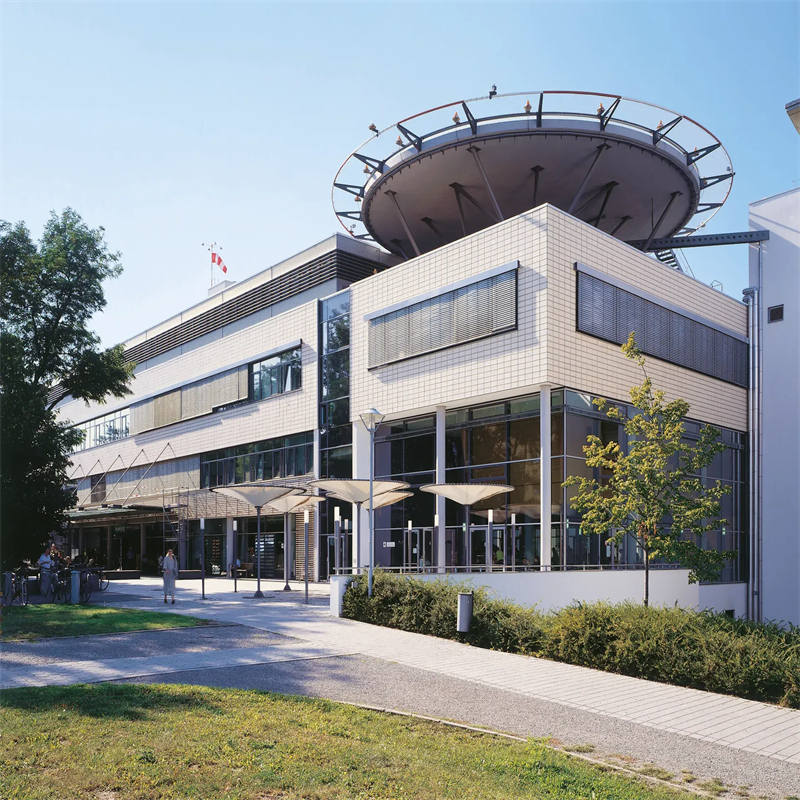

Installation, Tensioning and Edge Details
Correct installation of Helipad X tend mesh is as important as choosing the right specification. Panels are typically pre-cut and pre-ferruled, then attached on site to tensioned edge cables, ring beams or perimeter frames. Proper tension keeps the mesh flat and responsive, while stainless steel or isolated hardware avoids galvanic corrosion.
Flaw #8 – Design flaw that creates dangerous perimeter gaps
One hidden design flaw is leaving unprotected gaps between Helipad X tend mesh panels and structural steel. Small openings near stairs, corners or penetrations can become escape routes for tools and, in extreme cases, foot or leg entrapment points. A correctly detailed Helipad X tend mesh design closes every interface and transition so the safety envelope is truly continuous.
Threat #9 – Installation threat that can cause sudden failure if you ignore it
The most serious installation threat is incorrect tensioning and clamping of Helipad X tend mesh. Under-tensioned panels or poorly crimped ferrules can slip under repeated rotor wash, suddenly releasing slack mesh into the operational area. Especially Threat #9 is the one you cannot afford to ignore: if you skip proper tensioning and clamp control, you invite sudden failure, aircraft damage and immediate financial loss.
By using calibrated tension tools, certified ferrules and stainless steel hardware, you lock in the designed mesh performance for the full service life.
Service Life, Reliability and Overall Payoff
With marine-grade stainless steel, optimized mesh geometry and correct installation, Helipad X tend mesh routinely delivers more than 30 years of reliable service. The system stands up to salt spray, wind, rain, UV and constant vibration without needing repainting or major repairs. Occasional washing and visual checks are usually sufficient to maintain full functionality.
Payoff #10 – Long-term payoff that rewards the right Helipad X tend mesh specification
When you invest in correctly specified Helipad X tend mesh – matching wire diameter, aperture, angle, material and installation method to your real helideck conditions – the payoff is powerful and long-term, and the same engineering approach also helps you control realistic zoo mesh cost for related cable net enclosures. You gain a clean, modern and highly transparent helipad perimeter that protects crews, aircraft and assets year after year, while cutting maintenance costs and avoiding the devastating losses that come from overlooked design and installation errors.