Your One-Stop Wire Mesh Fence Supplier | POLYMETAL
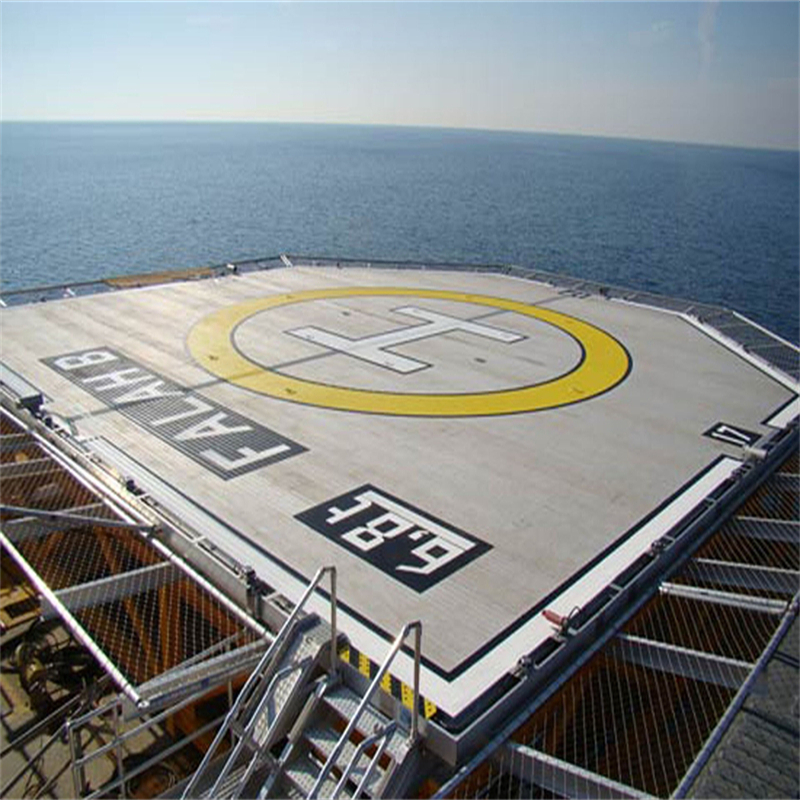


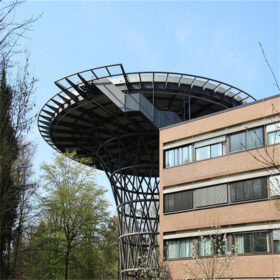
Helipad X-TEND Mesh – Safe, Transparent Helideck Perimeter Protection
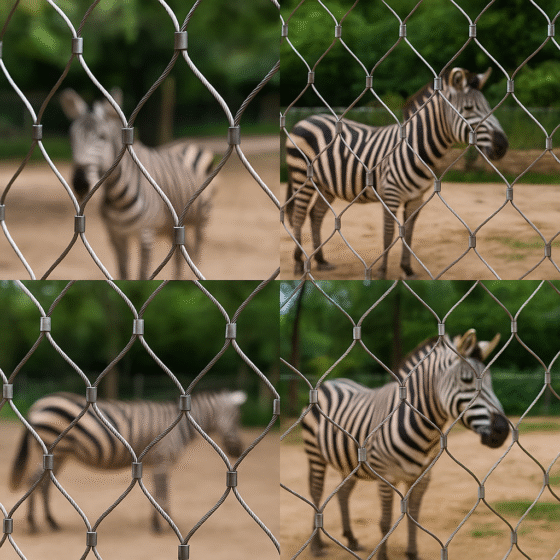
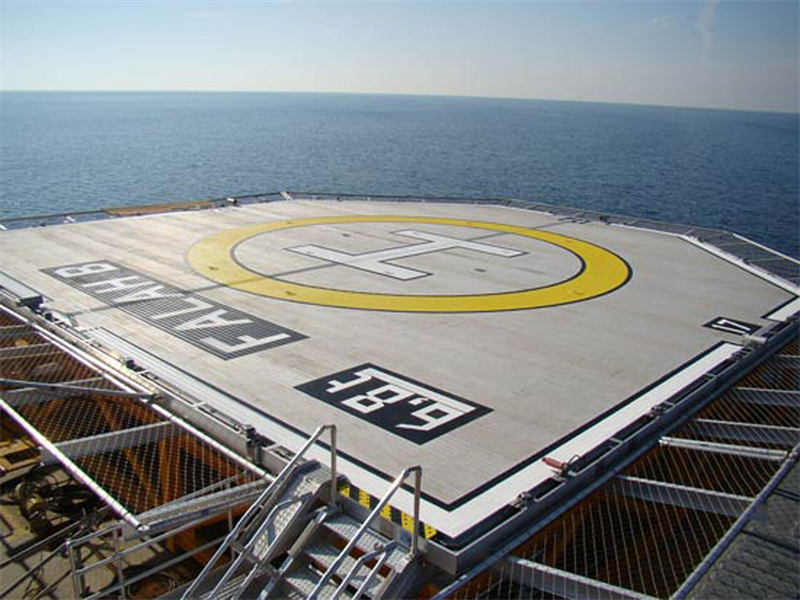
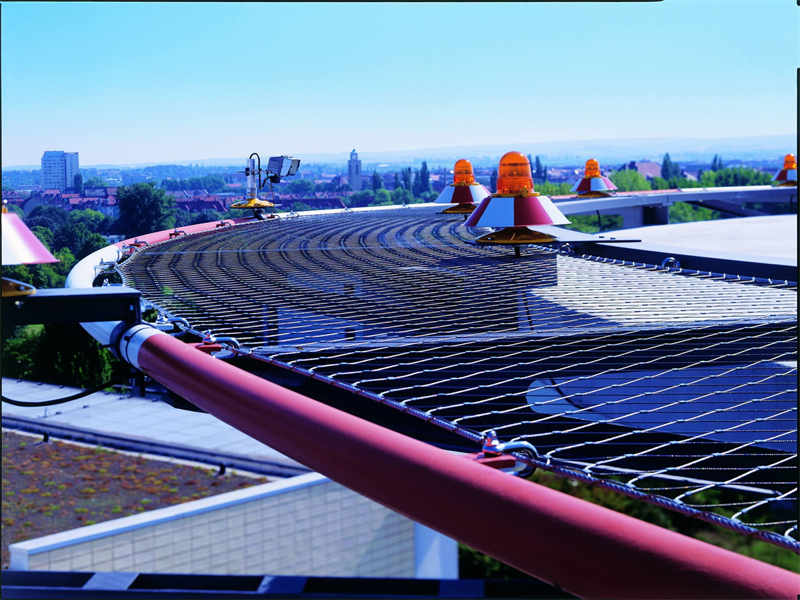
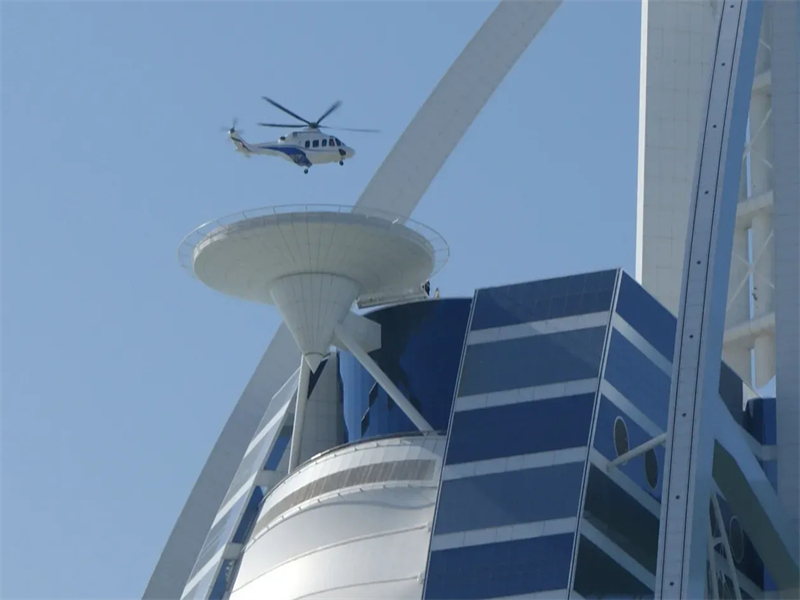
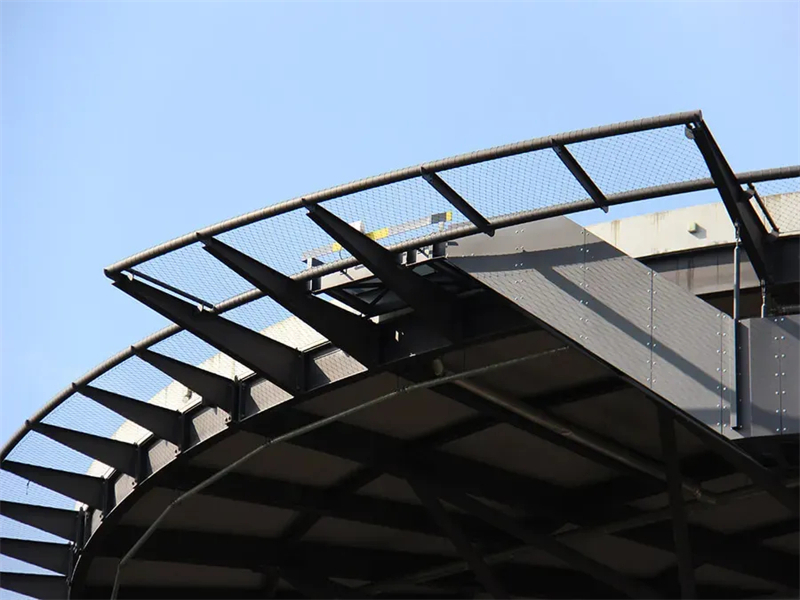
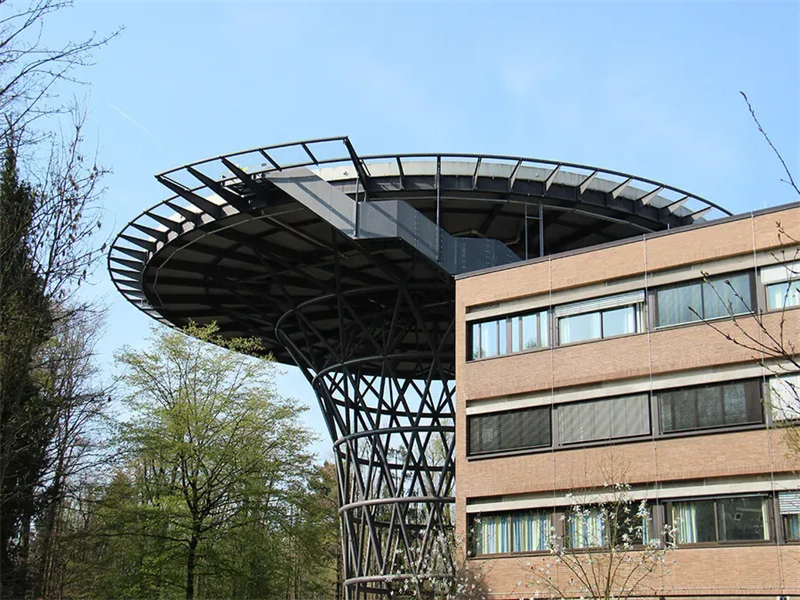
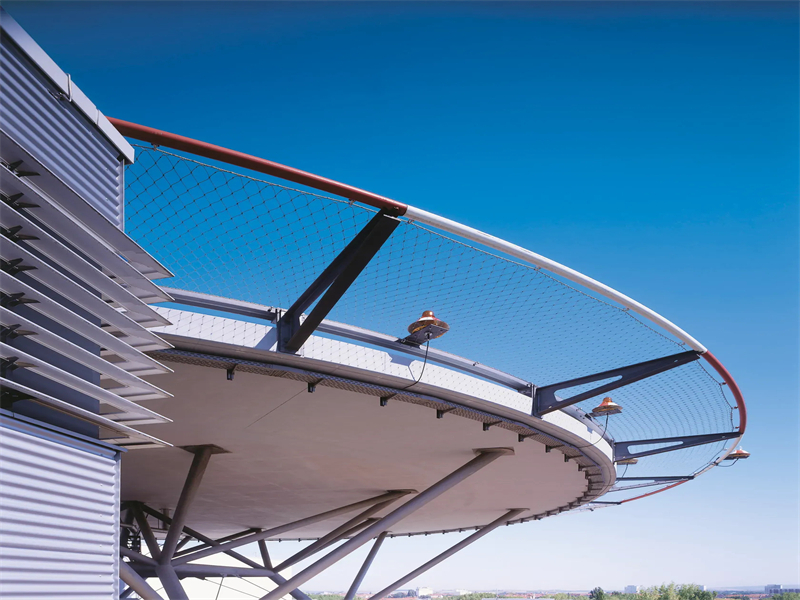
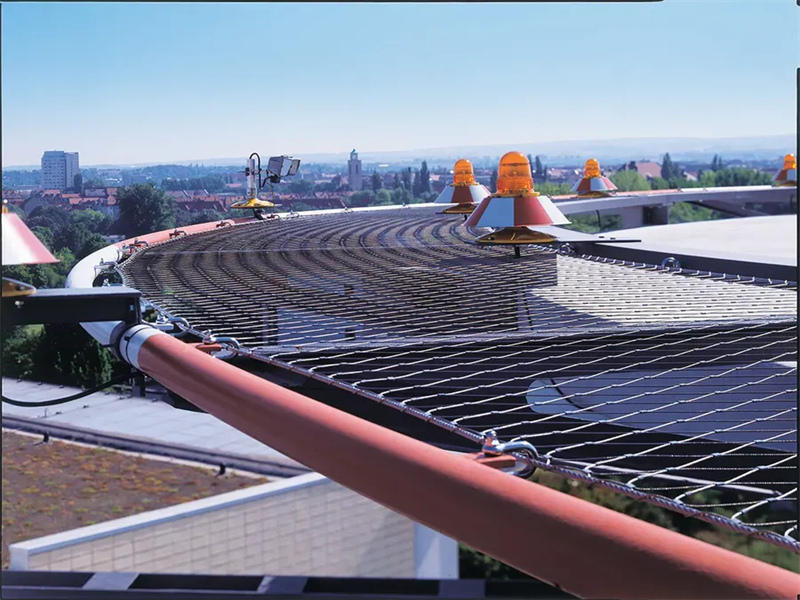
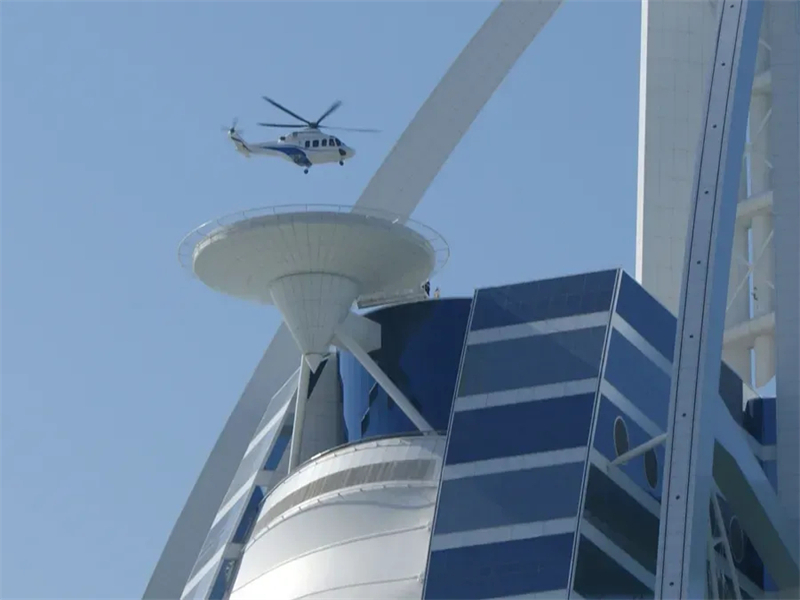
Helipad X-TEND mesh is a flexible stainless steel cable net system used as a perimeter safety barrier around helicopter landing pads on buildings, hospitals, offshore platforms and ships. Instead of heavy solid panels or bulky railings, it uses finely woven stainless steel wire ropes in a diamond pattern to create a transparent, durable and architecturally light protective skin along the helideck edge.
The mesh works in tension: when a person or object impacts it, the net deflects, absorbs energy and safely retains the load without breaking. This makes Helipad X-TEND mesh ideal wherever you need reliable fall protection without blocking air flow, light or visibility.
1. How Helipad X-TEND Mesh Works
On a helipad or helideck, Helipad X-TEND mesh is typically installed:
- As a continuous perimeter safety net around the deck edge
- Fixed to posts, frames or edge beams with tensioned border cables
- At a height that complies with local aviation and safety regulations
If someone slips or is pushed by rotor downwash towards the edge, the tensioned stainless steel cable mesh arrests and restrains them, without sharp edges or rigid bars that could increase injury risk.
Because the mesh has a high open area, it allows:
- Rotor downwash to pass through
- Minimal additional wind load on the structure
- Clear sight lines for pilots and personnel
2. Materials & Construction
Helipad X-TEND mesh uses the same stainless steel cable mesh technology proven on bridges and facade safety nets, adapted to helideck requirements.
Material grades
- AISI 304, 304L stainless steel
- AISI 316, 316L stainless steel (preferred for coastal and offshore environments)
Cable structures
- 7 × 7 compact strand – common for 1.2–2.0 mm cables
- 7 × 19 flexible strand – used for thicker cables such as 3.2 mm
Mesh types
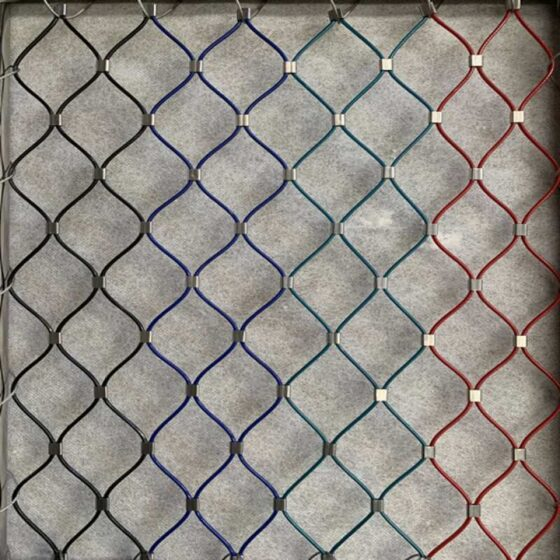
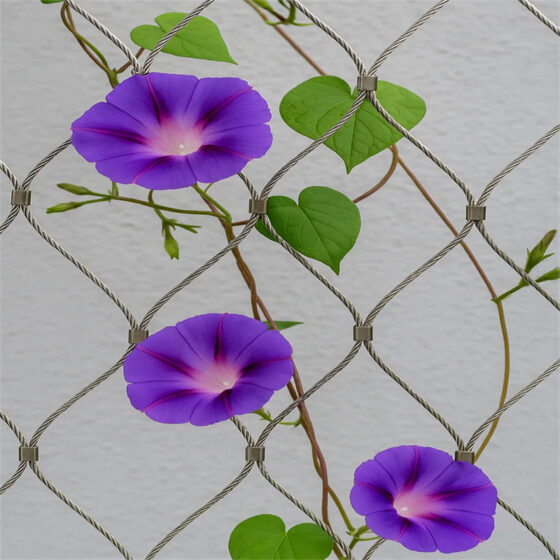
- Ferrule mesh (X-TEND style) – parallel cables joined with pressed stainless steel ferrules at each intersection, forming a clean 60° diamond pattern
- Knotted (interwoven) mesh – cables twisted together at crossings, creating a net-like structure with very high flexibility
3. Typical Technical Specifications
Exact values are engineered for each project, but Helipad X-TEND mesh usually falls within these ranges:
- Cable diameter range: 1.2 – 3.2 mm
- Common cable diameters: 1.6 mm, 2.0 mm, 2.4 mm, 3.2 mm
- Mesh opening (diamond): approx. 25 × 25 mm to 100 × 100 mm
- Typical helipad apertures: 25, 38, 51, 76 mm (1″, 1½”, 2″, 3″)
- Mesh angle: usually 60° diamond; 90° diamond possible
- Mesh orientation: vertical installation as a perimeter safety screen
- Panel size: custom-made to helideck sectors or bay widths
Example Helipad X-TEND Mesh Specification Table
| Model | Material Grade | Cable Ø (mm) | Rope Construction | Mesh Opening (approx.) | Mesh Type | Typical Use |
|---|---|---|---|---|---|---|
| HXM-01 | AISI 316 | 1.6 | 7 × 7 | 25 × 25 mm | Ferrule | Hospital rooftop helipad, tight aperture, high corrosion resistance |
| HXM-02 | AISI 316L | 1.6 | 7 × 7 | 38 × 38 mm | Ferrule | Offshore helideck perimeter net, anti-fall protection |
| HXM-03 | AISI 316 | 2.0 | 7 × 7 | 38 × 38 mm | Ferrule | Building-top helipad with frequent staff movement |
| HXM-04 | AISI 316L | 2.0 | 7 × 7 | 51 × 51 mm | Ferrule | General helideck safety net, balance of visibility and safety |
| HXM-05 | AISI 316L | 2.4 | 7 × 7 | 51 × 51 mm | Ferrule | Heavy-duty offshore helideck with higher design loads |
| HXM-06 | AISI 316 | 2.4 | 7 × 7 | 76 × 76 mm | Ferrule | Large rooftop helipad where maximum transparency is needed |
| HXM-07 | AISI 316L | 3.2 | 7 × 19 | 51 × 51 mm | Ferrule | High-load perimeter screens with wide post spacing |
| HXM-08 | AISI 316L | 3.2 | 7 × 19 | 76 × 76 mm | Ferrule | Long-span helideck barriers with strong structural demands |
| HXM-09 | AISI 304 | 2.0 | 7 × 7 | 38 × 38 mm | Knotted | Inland private helipad with moderate exposure |
| HXM-10 | AISI 304L | 1.6 | 7 × 7 | 25 × 25 mm | Knotted | Small building helipad needing very tight aperture |
These models can be adjusted in material grade, cable diameter and mesh opening to match local rules and structural requirements.
4. Key Performance Features
High safety performance
- Functions as a perimeter fall-arrest and restraint system
- Tensioned net deforms to absorb energy and prevent falls off the deck
High strength, low weight
- Cable mesh has a very high strength-to-weight ratio
- Allows slender support posts and frames while meeting safety loads
Excellent corrosion resistance
- Stainless steel, especially AISI 316/316L, withstands marine air, spray and de-icing salts
- Ideal for offshore platforms and coastal hospitals
Rotor downwash compatible
- High open area lets rotor downwash pass through
- Reduces the risk of unwanted uplift or turbulence that solid panels can create
Non-combustible and safe
- Stainless steel is non-combustible and does not emit toxic fumes
- Smooth, burr-free surfaces reduce injury risk during contact
Low maintenance
- No repainting required
- Only periodic cleaning to remove dust, salt or dirt
5. Design Considerations
When specifying Helipad X-TEND mesh, designers typically consider:
- Safety function
- Fall protection only, or fall plus anti-climb and anti-throw (tools, luggage, loose items)
- Perimeter height
- Must comply with aviation and safety standards for the specific country or sector (onshore vs. offshore)
- Mesh aperture
- 25–51 mm for maximum safety and small-object retention
- 60–76 mm where regulations allow and transparency is a priority
- Cable diameter and construction
- Thicker cables (2.4–3.2 mm) for higher loads or larger post spacing
- 7 × 19 construction where extra flexibility is needed
- Support structure
- Posts, edge beams and border cables must be engineered to carry mesh tension and impact forces
- Connections use stainless steel clamps, lugs, turnbuckles and custom fittings
- Environment
- Offshore and coastal: 316 or 316L strongly recommended
- Inland rooftop: 304/304L may be acceptable if exposure is less aggressive
- Integration
- Coordinate with helipad lighting, wind sock, signage, access gates and rescue equipment
6. Typical Applications
Helipad X-TEND mesh is widely used for:
- Offshore oil and gas platform helidecks
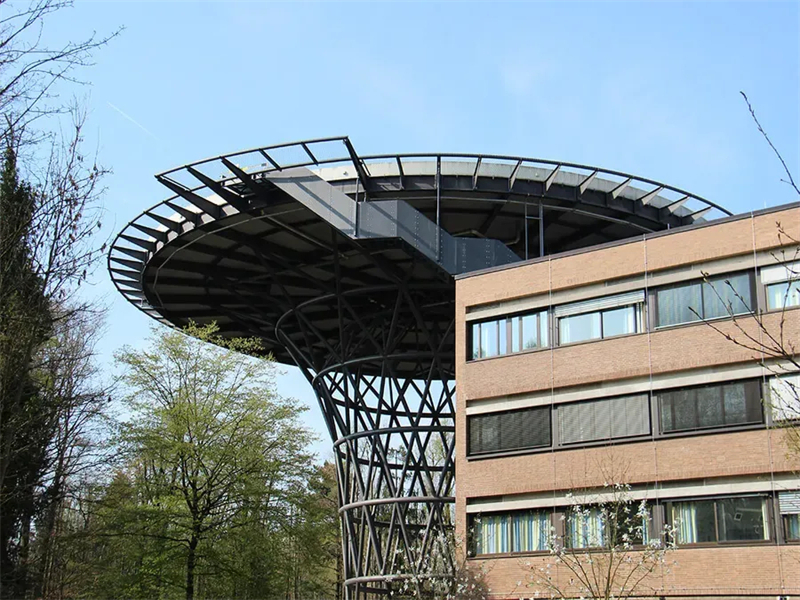
- Rooftop hospital and trauma center helipads
- Helipads on high-rise commercial and residential buildings
- Ship, FPSO and yacht helidecks
- Public building helipads where appearance and safety are both critical
In all these environments, Helipad X-TEND mesh provides reliable edge protection while keeping the helipad visually open and aerodynamically efficient.
7. Summary
Helipad X-TEND mesh is a stainless steel cable mesh system specially developed for helipad and helideck perimeter protection. It combines:
- High safety and energy absorption
- Strong yet lightweight construction
- Excellent corrosion resistance in harsh marine climates
- Very high transparency and minimal visual impact
- Long service life with almost no maintenance
By choosing the right cable diameter, mesh aperture and material grade, Helipad X-TEND mesh can be tailored to almost any helipad geometry and safety standard, providing a modern, elegant and durable safety solution.