Your One-Stop Wire Mesh Fence Supplier | POLYMETAL
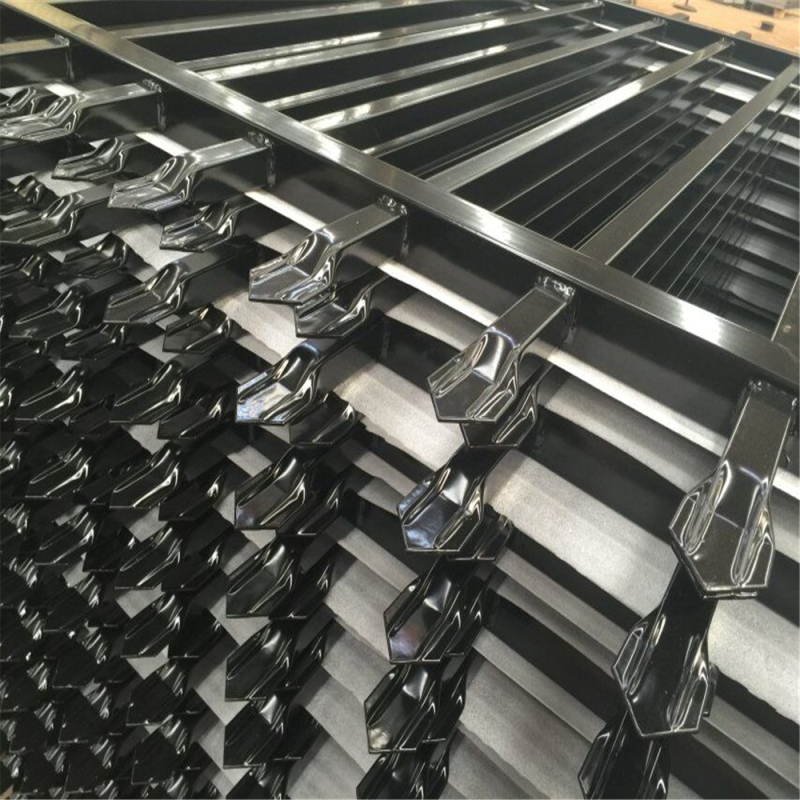
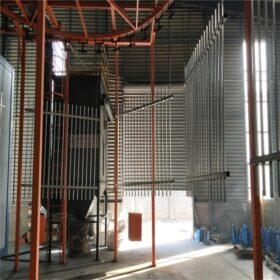

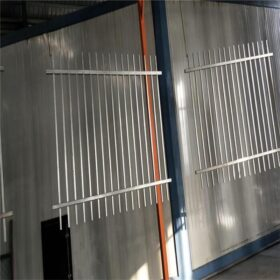
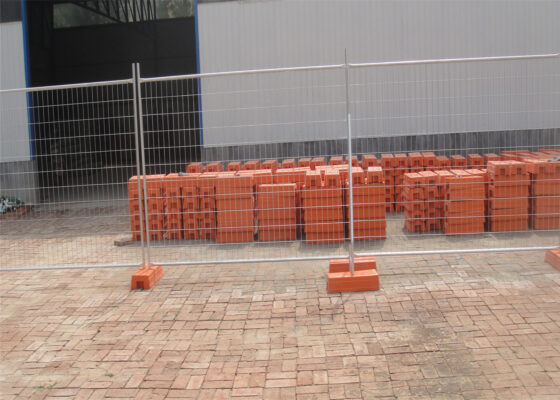
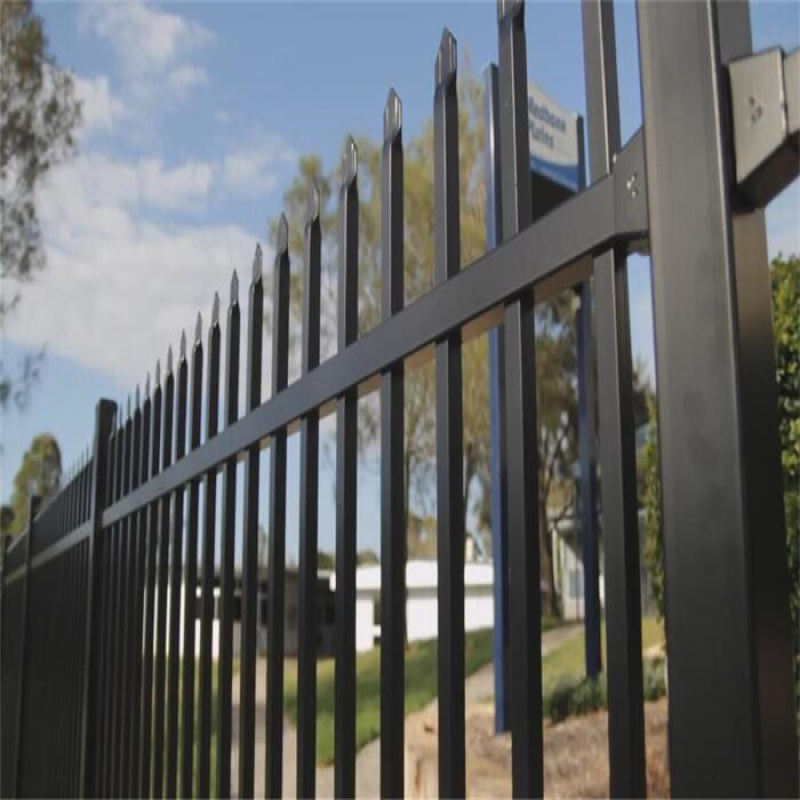
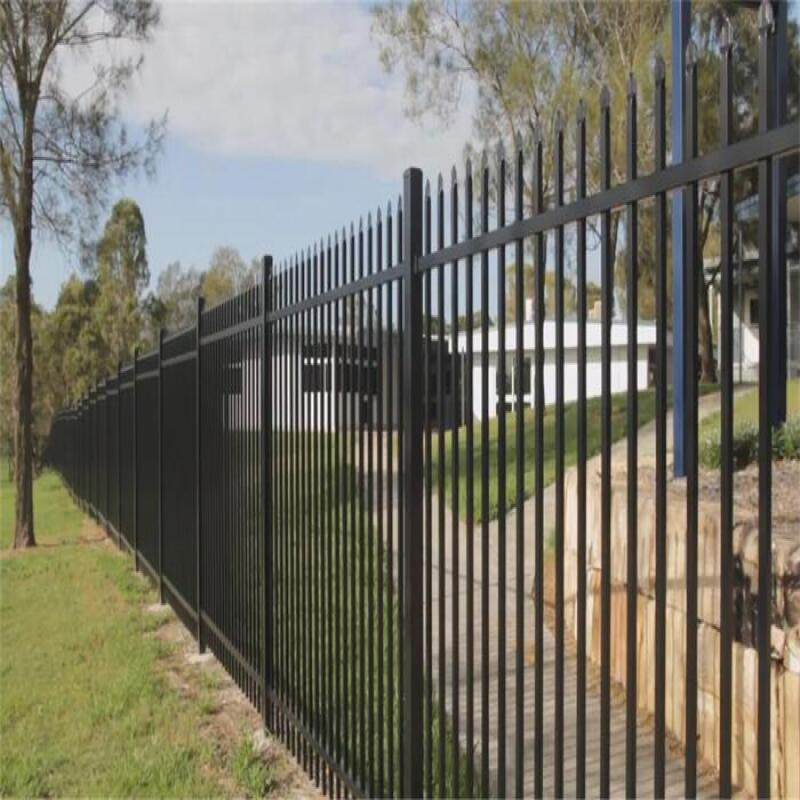
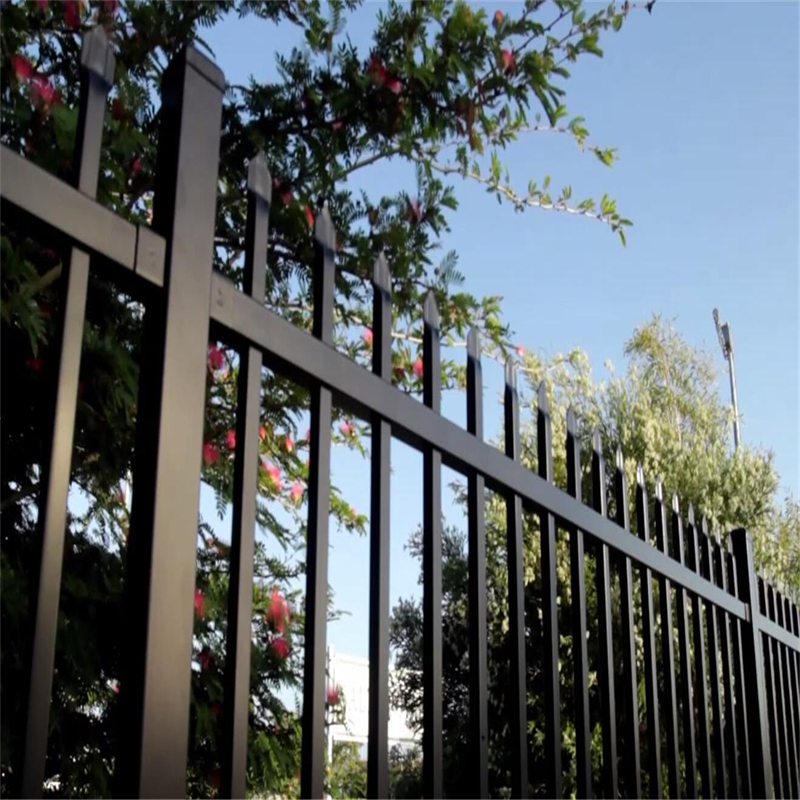
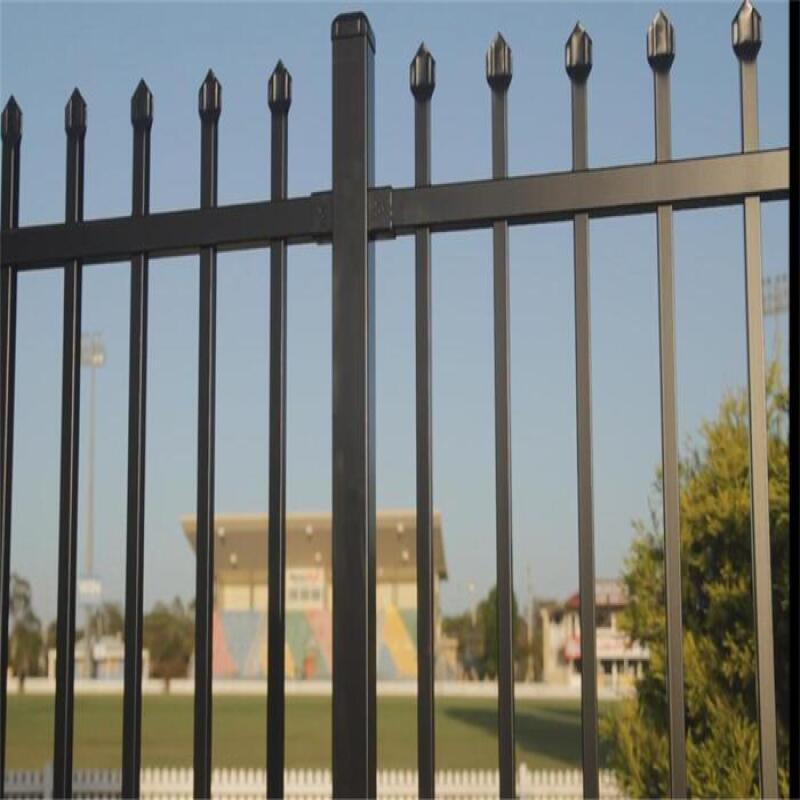
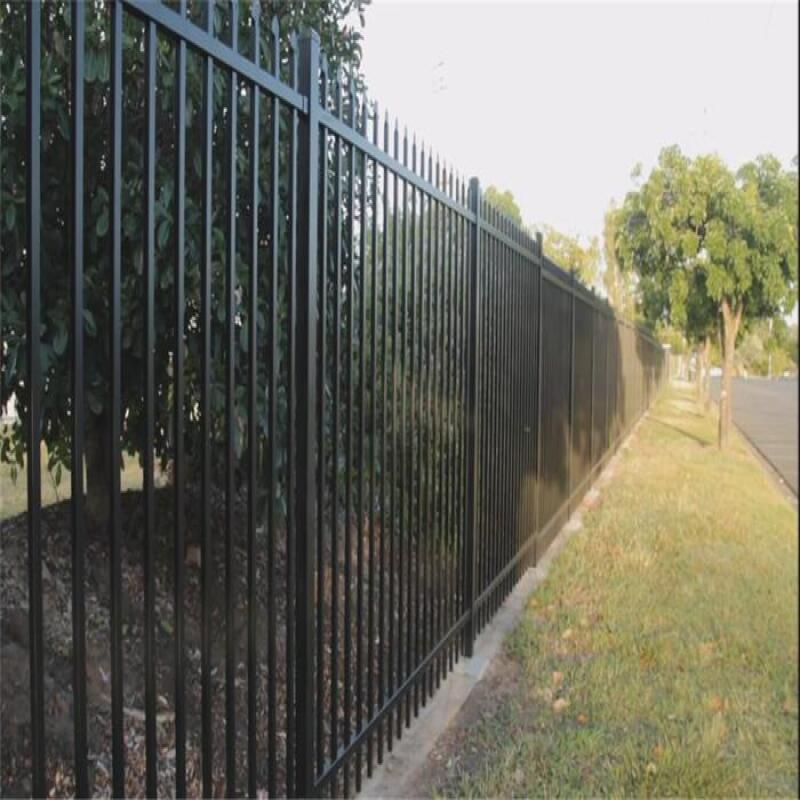
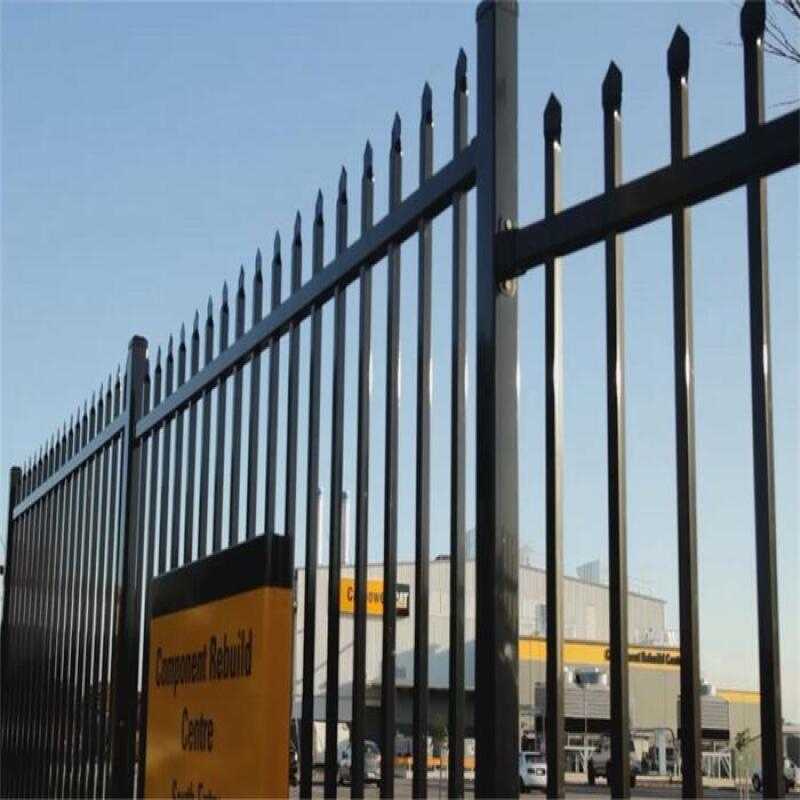
POLYMETAL hercules steel fencing is built for projects that need a rigid steel boundary with strong visibility and repeatable installation quality. The system combines heavy-duty rail frames with evenly spaced uprights to create a clean architectural line that discourages climbing, resists impact deformation, and keeps the perimeter looking professional across long runs.
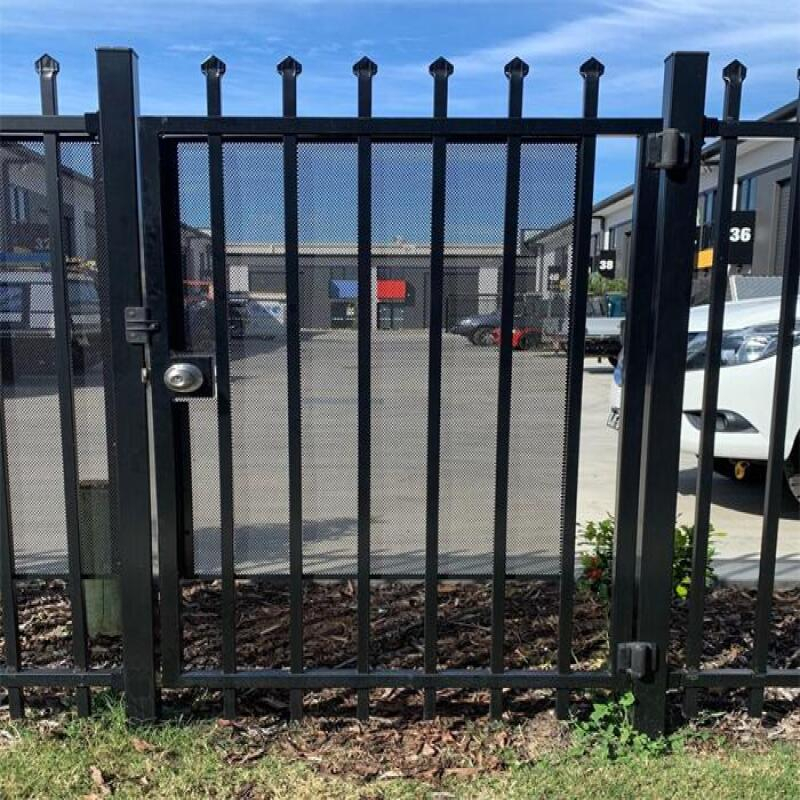
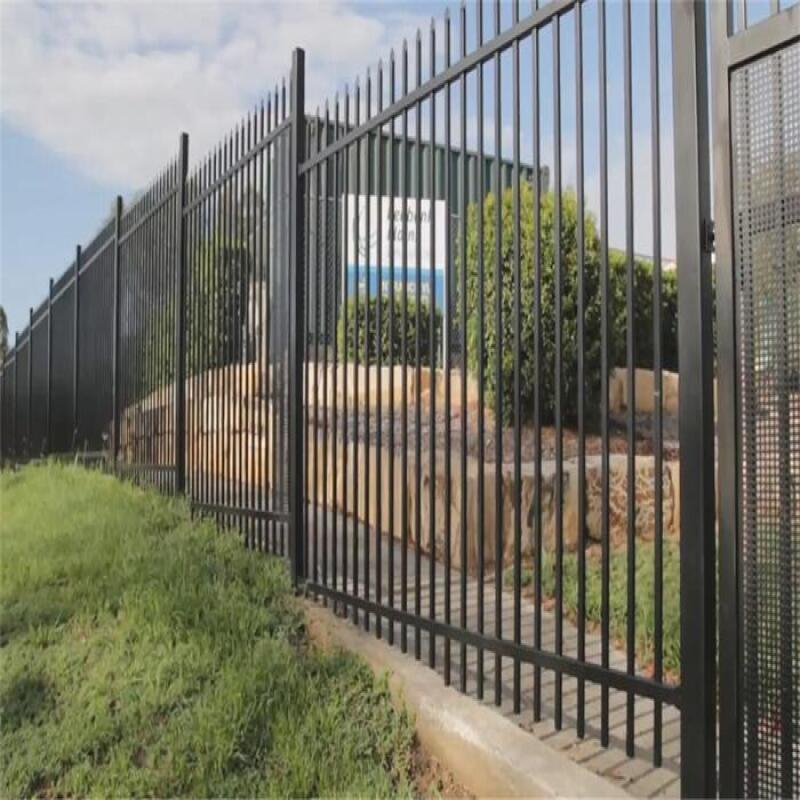
Product description
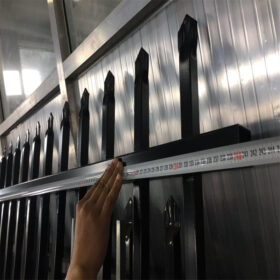
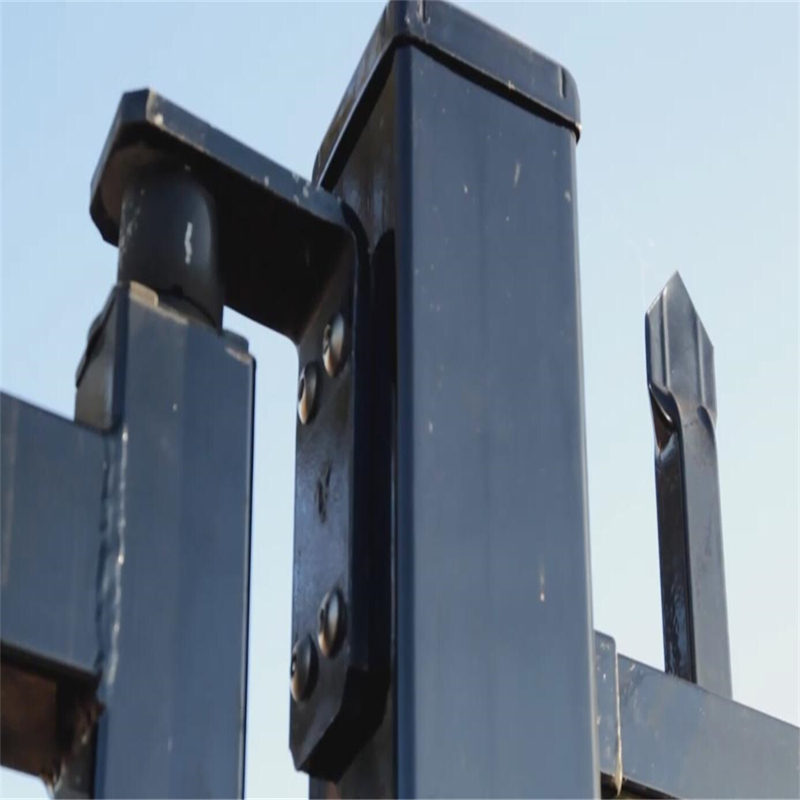
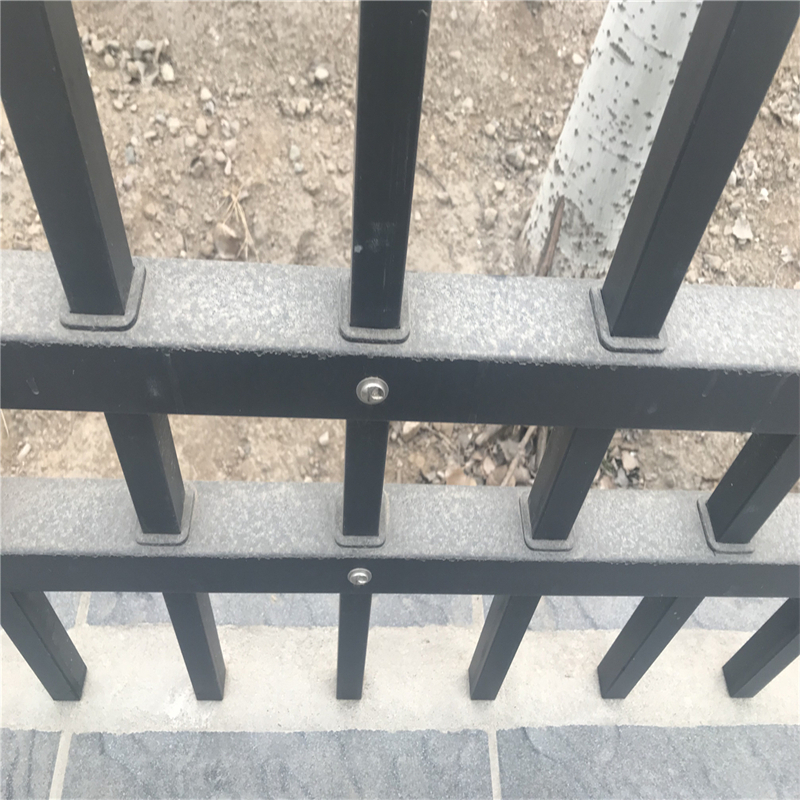
POLYMETAL hercules steel fencing is engineered for buyers who want an upscale appearance without sacrificing structural discipline. The panel design combines rigid rails with evenly spaced steel uprights to create a boundary that is difficult to climb, difficult to cut with common hand tools, and resistant to deformation during transport and installation. The result is a fence line that looks clean from a distance, stays aligned at joints, and supports reliable site management for years.
Product application
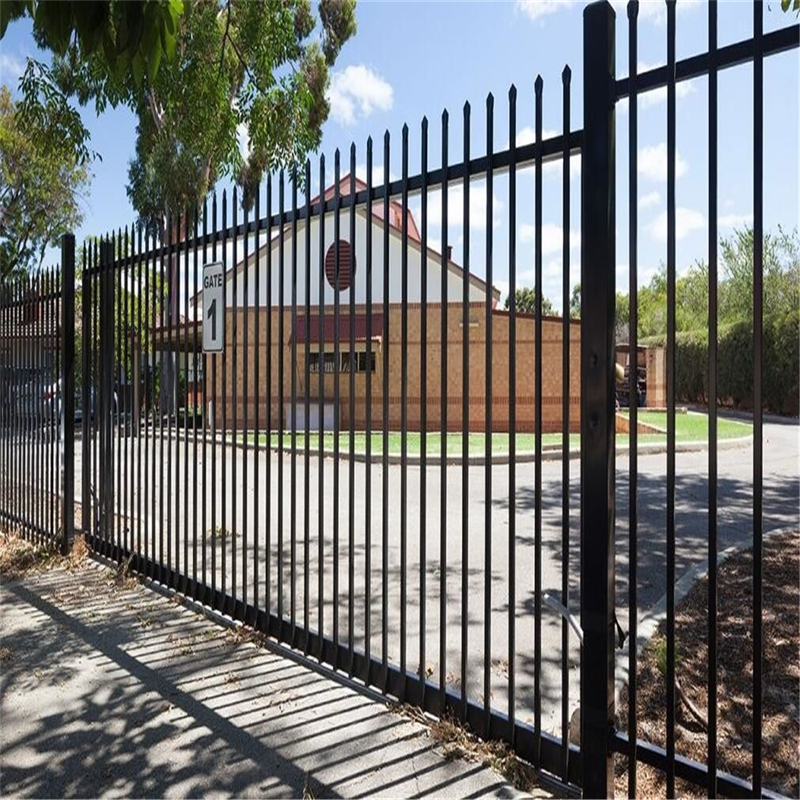
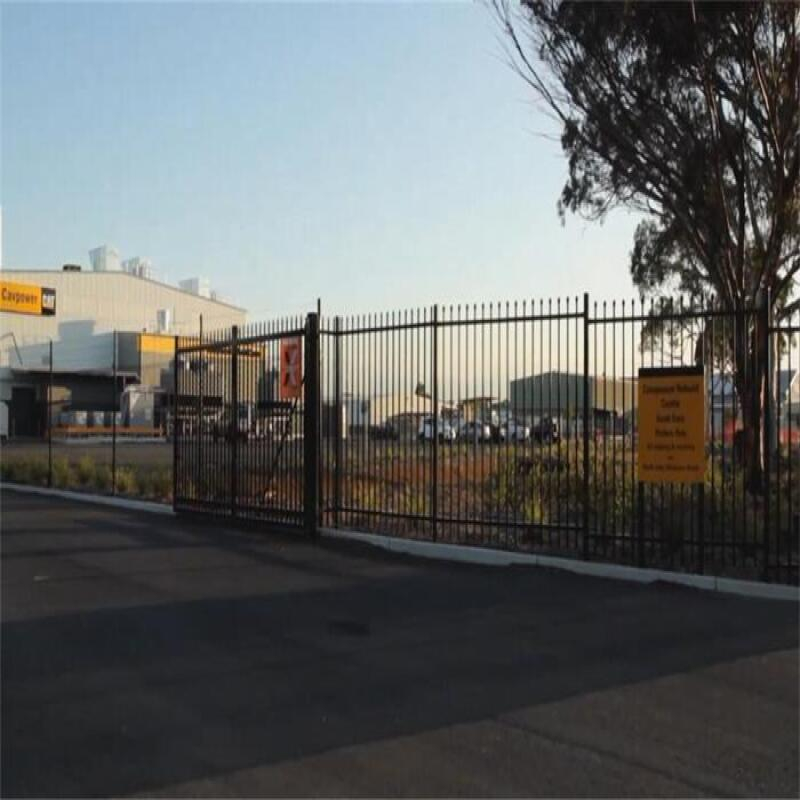
POLYMETAL hercules steel fencing is commonly used for residential communities, commercial properties, schools, parks, factories, warehouses, logistics yards, and public facilities where a decorative but strong boundary is required. The rigid steel construction supports consistent alignment, making it suitable for long straight perimeters, entrances, and landscape-facing frontages.
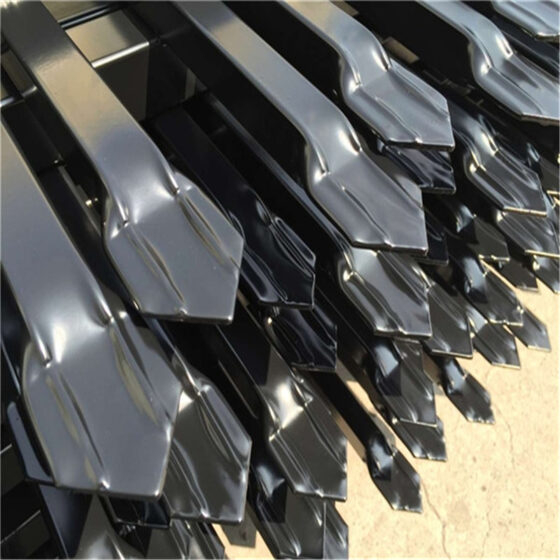
Climbing deterrence comes from close upright layouts and reduced foothold rhythm on the fence face, limiting toe and finger hold opportunities and discouraging casual climbing attempts. Cutting resistance comes from strong steel rails and uprights combined with stable connections that increase cutting difficulty using common hand tools. Impact resistance comes from a stiff frame structure that reduces flex under load, making brute-force leverage less effective and helping the fence keep a straight, high-end appearance after installation; for a deeper reference on system sizing and layout, see this guide to garrison fencing specifications.
The Top 12 Pitfall headlines you can’t ignore in hercules steel fencing (Especially #11)
Pitfall #1: Rail frame chosen for price, not fence height
If the frame is under-sized, the line can look “wavy” and feel weak even if the uprights look fine.
Pitfall #2: Rail thickness is too light for wind and vibration
Long runs amplify movement. Light rails loosen faster and show alignment issues sooner.
Pitfall #3: Upright size looks decorative but lacks stiffness
Small uprights can dent during handling and flex under impact.
Pitfall #4: Upright thickness is under-specced
The fence may arrive straight but deform during unloading, installation, or later vibration cycles.
Pitfall #5: Upright spacing is inconsistent across panels
Small spacing drift ruins visual uniformity and can create practical “grab rhythm” zones.
Pitfall #6: Post option is treated as “just support”
A strong panel on a weak post becomes a moving fence—shake, lean, and long-term loosening follow.
Pitfall #7: Post wall thickness is ignored
Thin-wall posts twist under load, especially near corners, ends, and gate returns.
Pitfall #8: Finish system looks good now, then fails at edges
Early corrosion often starts at corners and handling points when coating build or packing protection is weak.
Pitfall #9: Clip/fastener holding strength isn’t matched to height
The fixing system becomes the weak link when panels are tall or wind exposure is high.
Pitfall #10: Corners, transitions, and gates are not planned as a system
The perimeter fails where geometry changes—if not engineered, the site improvises weak solutions.
Pitfall #11: Tight tolerances are not controlled—then the site pays twice
When panel width, height, upright spacing, and post alignment drift, installation slows down, rework begins, and small gaps appear where the perimeter should be continuous.
Pitfall #12: Packing is treated like shipping, not quality control
If panels rub, twist, or stack poorly, damage arrives disguised as “factory defects,” and the job loses time immediately.
Specifications for hercules steel fencing
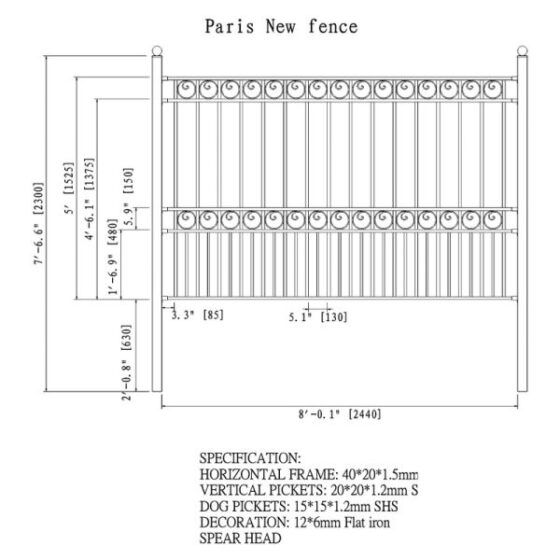
The specification sets below are structured for practical ordering: fence heights are 1200/1500/1800/2100/2400 mm, panel widths are 2400 or 2450 mm, and post height is always fence panel height + 600 mm for stable installation planning.
Specifications Table 1: Rail frame 40×40 mm (balanced structure + value)
| Fence height (mm) | Fence width (mm) | Rail frame (mm) | Rails thickness (mm) | Upright (mm) | Upright thickness (mm) | Upright number | Upright spacing (mm) | Fence post option (mm) | Post wall thickness (mm) | Post height (mm) |
|---|---|---|---|---|---|---|---|---|---|---|
| 1200 | 2400 | 40×40 | 1.60 | 16×16 | 0.80 | 18 | 100 | 60×60 | 1.60 | 1800 |
| 1200 | 2450 | 40×40 | 2.00 | 25×25 | 1.00 | 17 | 108 | 65×65 | 2.00 | 1800 |
| 1500 | 2400 | 40×40 | 2.00 | 25×25 | 1.00 | 18 | 100 | 65×65 | 1.60 | 2100 |
| 1500 | 2450 | 40×40 | 2.50 | 30×30 | 1.20 | 17 | 108 | 75×75 | 2.00 | 2100 |
| 1800 | 2400 | 40×40 | 2.00 | 25×25 | 1.20 | 16 | 115 | 75×75 | 2.00 | 2400 |
| 1800 | 2450 | 40×40 | 2.50 | 30×30 | 1.20 | 18 | 100 | 80×80 | 2.00 | 2400 |
| 2100 | 2400 | 40×40 | 2.50 | 30×30 | 1.20 | 17 | 108 | 80×80 | 2.50 | 2700 |
| 2100 | 2450 | 40×40 | 3.00 | 30×30 | 2.00 | 18 | 100 | 100×100 | 2.00 | 2700 |
| 2400 | 2400 | 40×40 | 2.50 | 30×30 | 1.20 | 16 | 115 | 100×100 | 2.50 | 3000 |
| 2400 | 2450 | 40×40 | 3.00 | 30×30 | 2.00 | 18 | 100 | 100×100 | 2.50 | 3000 |
Specifications Table 2: Rail frame 45×45 mm (stiffer line for busy sites)
| Fence height (mm) | Fence width (mm) | Rail frame (mm) | Rails thickness (mm) | Upright (mm) | Upright thickness (mm) | Upright number | Upright spacing (mm) | Fence post option (mm) | Post wall thickness (mm) | Post height (mm) |
|---|---|---|---|---|---|---|---|---|---|---|
| 1200 | 2400 | 45×45 | 2.00 | 25×25 | 1.00 | 16 | 115 | 65×65 | 2.00 | 1800 |
| 1200 | 2450 | 45×45 | 2.50 | 25×25 | 1.20 | 17 | 108 | 75×75 | 1.60 | 1800 |
| 1500 | 2400 | 45×45 | 2.00 | 25×25 | 1.20 | 17 | 108 | 75×75 | 2.00 | 2100 |
| 1500 | 2450 | 45×45 | 2.50 | 30×30 | 1.20 | 18 | 100 | 80×80 | 2.00 | 2100 |
| 1800 | 2400 | 45×45 | 2.50 | 30×30 | 1.20 | 18 | 100 | 80×80 | 2.50 | 2400 |
| 1800 | 2450 | 45×45 | 3.00 | 30×30 | 2.00 | 17 | 108 | 100×100 | 2.00 | 2400 |
| 2100 | 2400 | 45×45 | 2.50 | 30×30 | 1.20 | 16 | 115 | 100×100 | 2.00 | 2700 |
| 2100 | 2450 | 45×45 | 3.00 | 30×30 | 2.00 | 18 | 100 | 100×100 | 2.50 | 2700 |
| 2400 | 2400 | 45×45 | 3.00 | 30×30 | 2.00 | 17 | 108 | 100×100 | 2.50 | 3000 |
| 2400 | 2450 | 45×45 | 3.00 | 30×30 | 2.00 | 18 | 100 | 100×100 | 2.50 | 3000 |
Specifications Table 3: Rail frame 50×50 mm (heavy-duty for tall fences + wind)
| Fence height (mm) | Fence width (mm) | Rail frame (mm) | Rails thickness (mm) | Upright (mm) | Upright thickness (mm) | Upright number | Upright spacing (mm) | Fence post option (mm) | Post wall thickness (mm) | Post height (mm) |
|---|---|---|---|---|---|---|---|---|---|---|
| 1200 | 2400 | 50×50 | 2.00 | 25×25 | 1.20 | 18 | 100 | 75×75 | 2.00 | 1800 |
| 1200 | 2450 | 50×50 | 2.50 | 30×30 | 1.20 | 17 | 108 | 80×80 | 2.00 | 1800 |
| 1500 | 2400 | 50×50 | 2.50 | 30×30 | 1.20 | 18 | 100 | 80×80 | 2.50 | 2100 |
| 1500 | 2450 | 50×50 | 3.00 | 30×30 | 2.00 | 16 | 115 | 100×100 | 2.00 | 2100 |
| 1800 | 2400 | 50×50 | 2.50 | 30×30 | 1.20 | 17 | 108 | 100×100 | 2.00 | 2400 |
| 1800 | 2450 | 50×50 | 3.00 | 30×30 | 2.00 | 18 | 100 | 100×100 | 2.50 | 2400 |
| 2100 | 2400 | 50×50 | 3.00 | 30×30 | 2.00 | 17 | 108 | 100×100 | 2.50 | 2700 |
| 2100 | 2450 | 50×50 | 3.00 | 30×30 | 2.00 | 18 | 100 | 100×100 | 2.50 | 2700 |
| 2400 | 2400 | 50×50 | 3.00 | 30×30 | 2.00 | 16 | 115 | 100×100 | 2.50 | 3000 |
| 2400 | 2450 | 50×50 | 3.00 | 30×30 | 2.00 | 18 | 100 | 100×100 | 2.50 | 3000 |
Specifications Table 4: Security spacing focus (more 100 mm layouts for deterrence)
| Fence height (mm) | Fence width (mm) | Rail frame (mm) | Rails thickness (mm) | Upright (mm) | Upright thickness (mm) | Upright number | Upright spacing (mm) | Fence post option (mm) | Post wall thickness (mm) | Post height (mm) |
|---|---|---|---|---|---|---|---|---|---|---|
| 1200 | 2400 | 40×40 | 2.00 | 16×16 | 1.00 | 18 | 100 | 60×60 | 2.00 | 1800 |
| 1200 | 2450 | 45×45 | 2.00 | 16×16 | 1.20 | 18 | 100 | 65×65 | 2.00 | 1800 |
| 1500 | 2400 | 45×45 | 2.50 | 25×25 | 1.20 | 18 | 100 | 75×75 | 2.00 | 2100 |
| 1500 | 2450 | 50×50 | 2.50 | 25×25 | 1.20 | 18 | 100 | 80×80 | 2.00 | 2100 |
| 1800 | 2400 | 45×45 | 2.50 | 25×25 | 1.20 | 18 | 100 | 80×80 | 2.50 | 2400 |
| 1800 | 2450 | 50×50 | 3.00 | 30×30 | 2.00 | 18 | 100 | 100×100 | 2.00 | 2400 |
| 2100 | 2400 | 50×50 | 3.00 | 30×30 | 2.00 | 18 | 100 | 100×100 | 2.50 | 2700 |
| 2100 | 2450 | 50×50 | 3.00 | 30×30 | 2.00 | 18 | 100 | 100×100 | 2.50 | 2700 |
| 2400 | 2400 | 50×50 | 3.00 | 30×30 | 2.00 | 18 | 100 | 100×100 | 2.50 | 3000 |
| 2400 | 2450 | 50×50 | 3.00 | 30×30 | 2.00 | 18 | 100 | 100×100 | 2.50 | 3000 |
Specifications Table 5: 2450 mm module emphasis (clean alignment for long runs)
| Fence height (mm) | Fence width (mm) | Rail frame (mm) | Rails thickness (mm) | Upright (mm) | Upright thickness (mm) | Upright number | Upright spacing (mm) | Fence post option (mm) | Post wall thickness (mm) | Post height (mm) |
|---|---|---|---|---|---|---|---|---|---|---|
| 1200 | 2450 | 40×40 | 1.60 | 25×25 | 0.80 | 16 | 115 | 60×60 | 1.60 | 1800 |
| 1200 | 2450 | 45×45 | 2.00 | 25×25 | 1.00 | 17 | 108 | 65×65 | 2.00 | 1800 |
| 1500 | 2450 | 40×40 | 2.00 | 25×25 | 1.00 | 17 | 108 | 75×75 | 1.60 | 2100 |
| 1500 | 2450 | 45×45 | 2.50 | 30×30 | 1.20 | 18 | 100 | 80×80 | 2.00 | 2100 |
| 1800 | 2450 | 45×45 | 2.50 | 30×30 | 1.20 | 16 | 115 | 80×80 | 2.50 | 2400 |
| 1800 | 2450 | 50×50 | 3.00 | 30×30 | 2.00 | 17 | 108 | 100×100 | 2.00 | 2400 |
| 2100 | 2450 | 45×45 | 3.00 | 30×30 | 2.00 | 17 | 108 | 100×100 | 2.50 | 2700 |
| 2100 | 2450 | 50×50 | 3.00 | 30×30 | 2.00 | 18 | 100 | 100×100 | 2.50 | 2700 |
| 2400 | 2450 | 50×50 | 3.00 | 30×30 | 2.00 | 16 | 115 | 100×100 | 2.50 | 3000 |
| 2400 | 2450 | 50×50 | 3.00 | 30×30 | 2.00 | 18 | 100 | 100×100 | 2.50 | 3000 |
Applications
POLYMETAL hercules steel fencing is selected for schools and campuses, commercial properties, parks and municipal boundaries, factories and industrial facilities, warehouses and storage yards, logistics areas, and public-facing sites where a strong steel perimeter must look clean while keeping visibility for patrol, lighting, and CCTV.
Benefits
POLYMETAL hercules steel fencing improves perimeter control while keeping the environment open and visible, supporting lighting plans, CCTV coverage, and routine inspections. Correct rail and upright thickness reduce vibration and deformation, helping panels stay straight during transport, installation, and long-term wind cycles. Consistent panel widths, planned post heights, and stable connections reduce installation delays, minimize on-site cutting, and help projects finish faster with a cleaner final line.
Packing
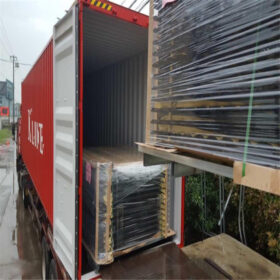
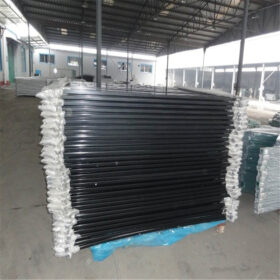
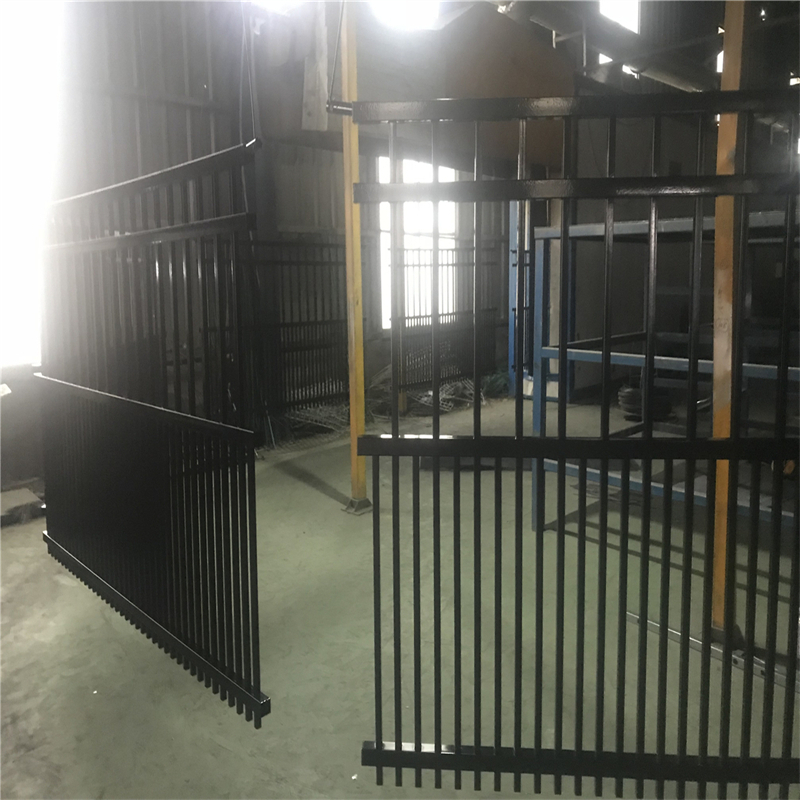
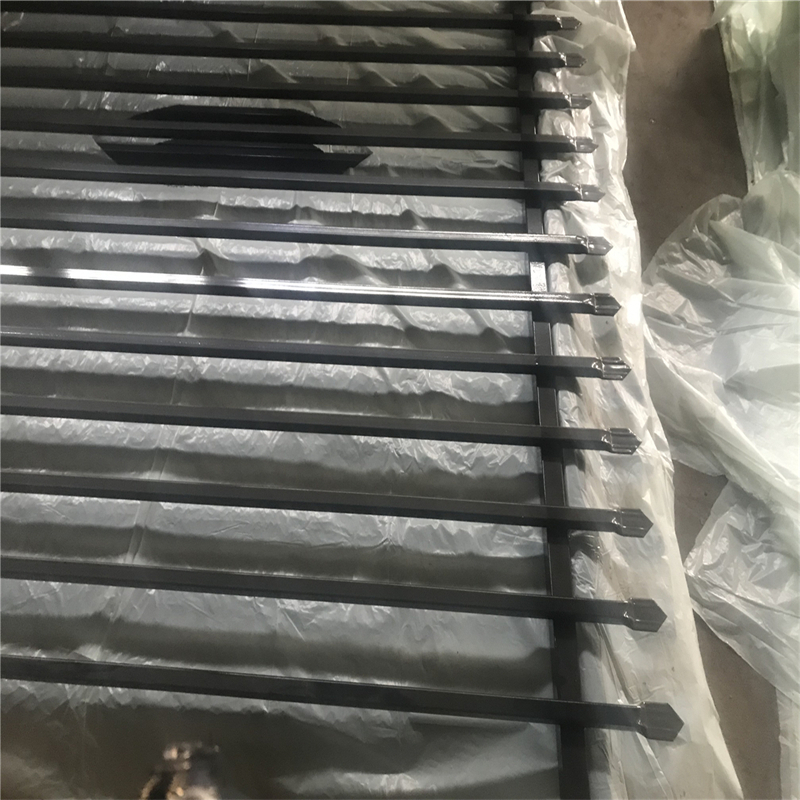
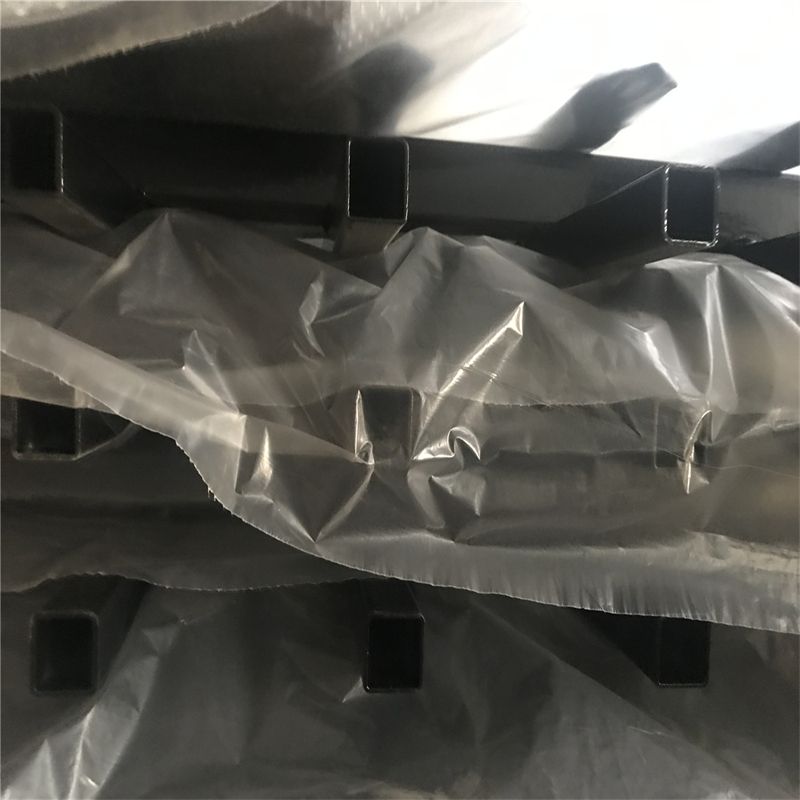
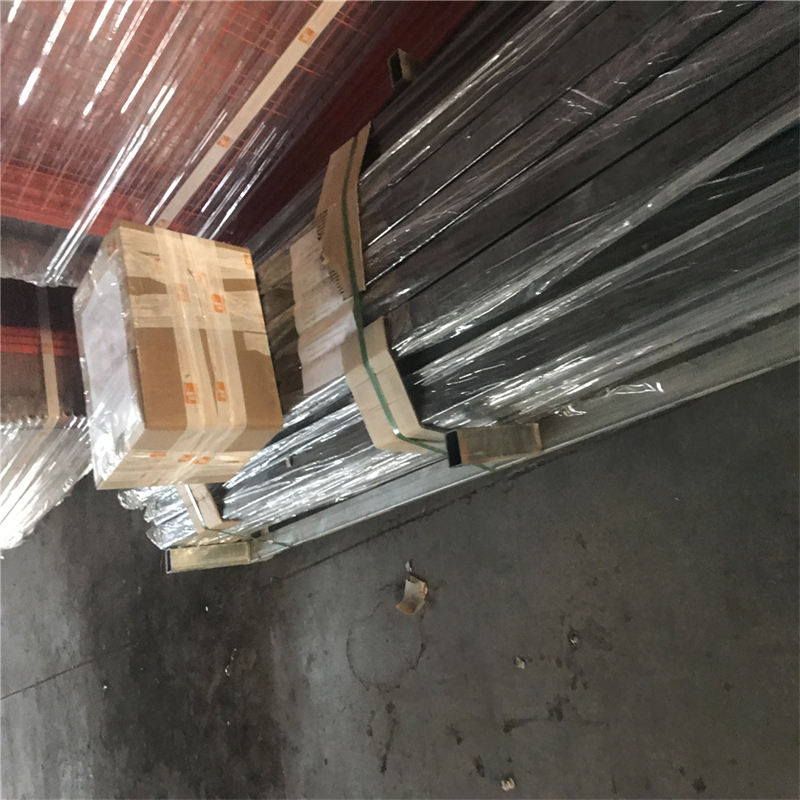
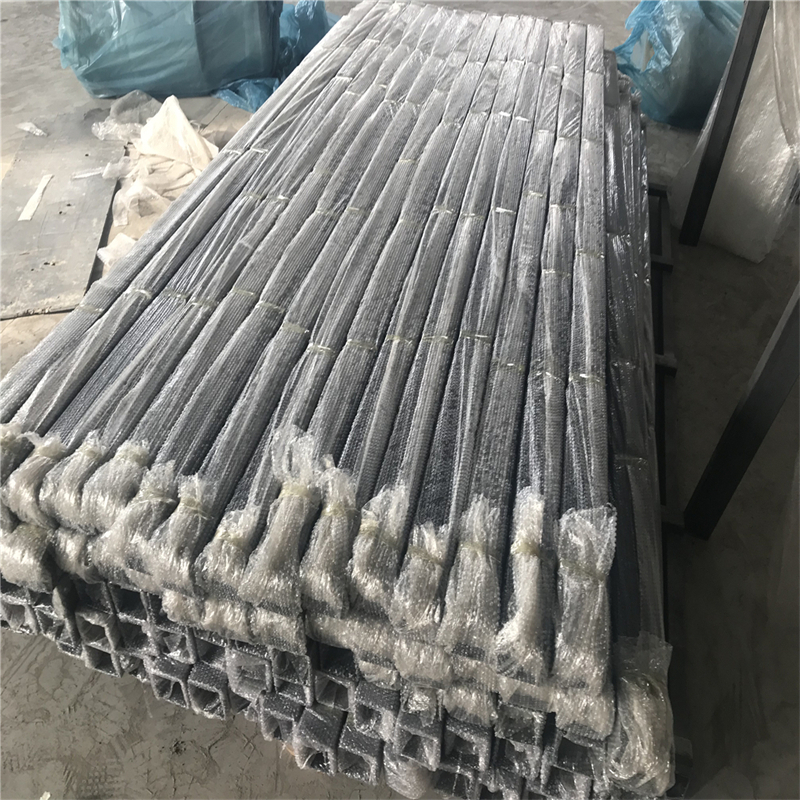
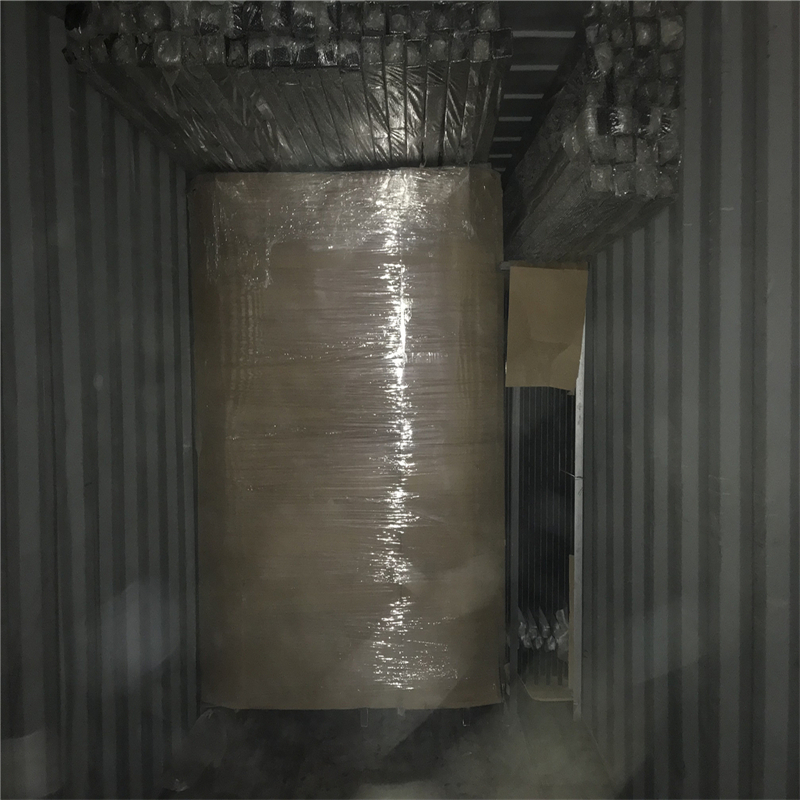
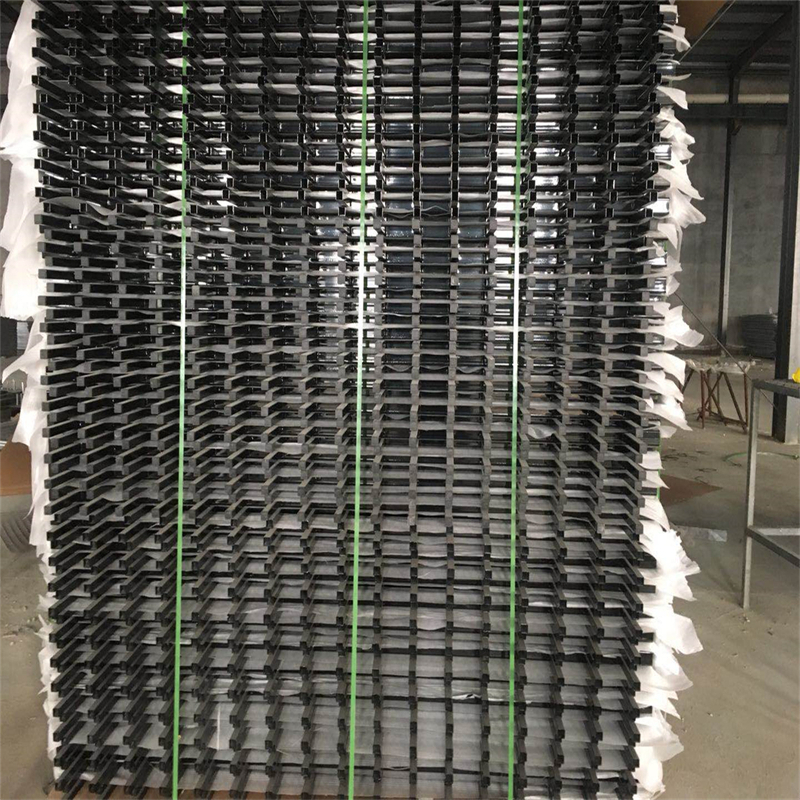
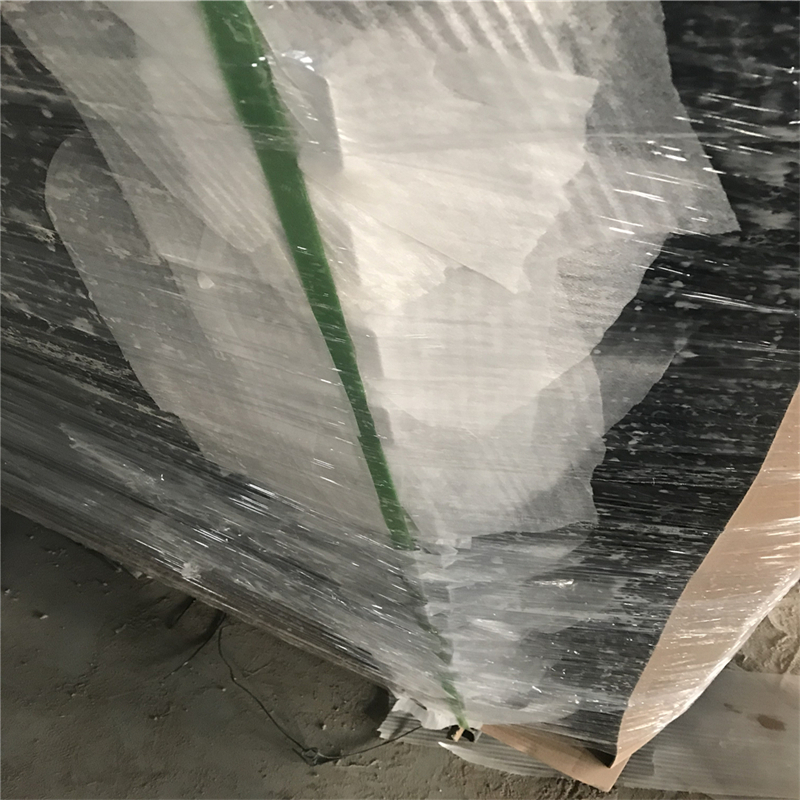
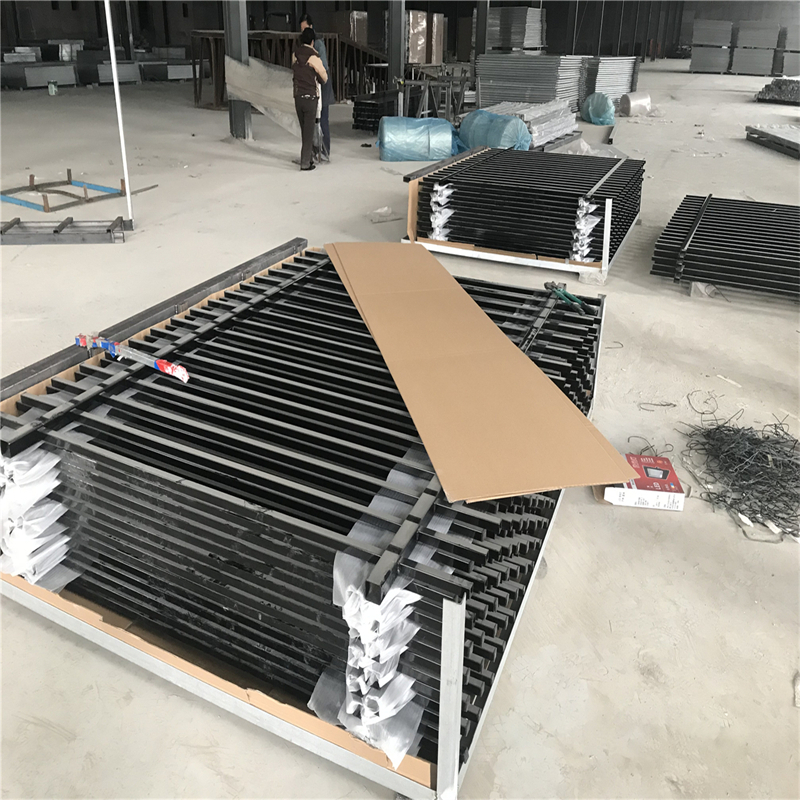
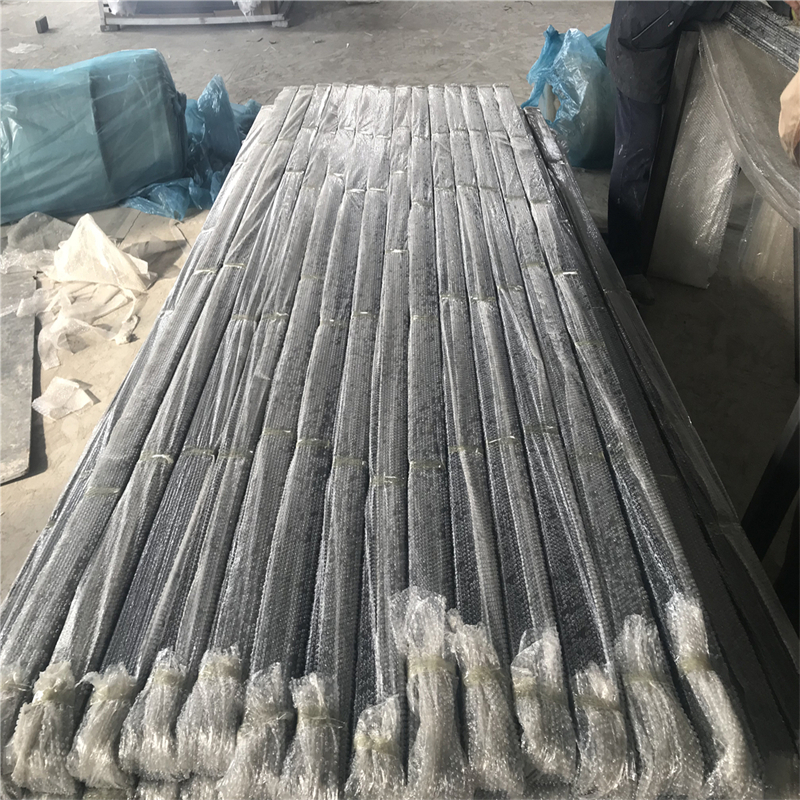
Panels are commonly pallet-packed with protective separation to reduce rubbing, wrapped to reduce scuffing, and reinforced with corner protection to keep stacks stable during loading and delivery. Posts are bundled, wrapped, and palletized to reduce deformation risk. Clips, caps, and other accessories are packed in labeled bags and cartons to reduce loss and speed up site distribution.
Standard
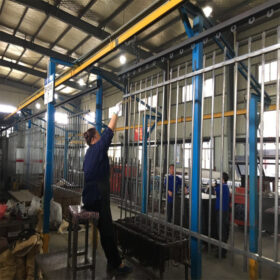
POLYMETAL hercules steel fencing production focuses on dimensional accuracy, spacing consistency, rail straightness control, coating build management, and packing inspection to reduce site rework and protect visual quality. Key control points typically include squareness checks, spacing checks, connection-fit checks with posts and clips, coating coverage on edges and corners, and pallet stability checks to reduce transit damage; for animal enclosures and wildlife safety projects, you can also explore our welded wire mesh for zoo as a complementary containment solution.
FAQs
What is hercules steel fencing?
Hercules steel fencing is a heavy-duty steel perimeter fence system built around rigid rail frames and evenly spaced uprights for visibility, strong deterrence, and a clean architectural finish.
Which rail frames are commonly used?
Common rail frames include 40×40 mm, 45×45 mm, and 50×50 mm. Taller fences and windier sites typically require heavier frames and thicker rails.
What upright spacing is common?
Typical upright layouts include 18 uprights per panel at about 100 mm spacing, 17 uprights at about 108 mm spacing, or 16 uprights at about 115 mm spacing, depending on style and deterrence level.
Why is post height higher than panel height?
Posts need extra length for embedment depth or base mounting allowance. A practical planning rule is post height = panel height + 600 mm for stability and long-term performance.
How do I reduce long-term corrosion risk?
Select a robust finish system and ensure coating coverage at edges and corners, while using protective packing to prevent early transit damage before installation.