Your One-Stop Wire Mesh Fence Supplier | POLYMETAL
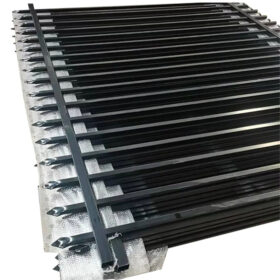
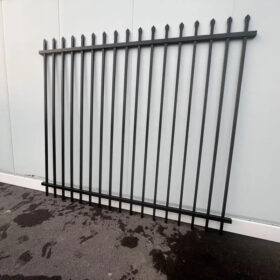


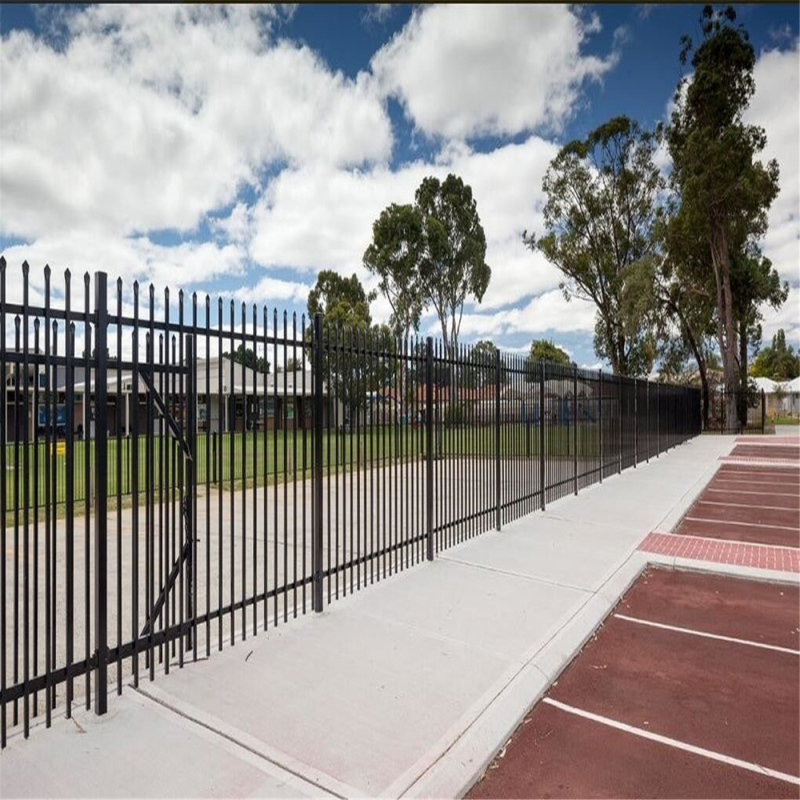
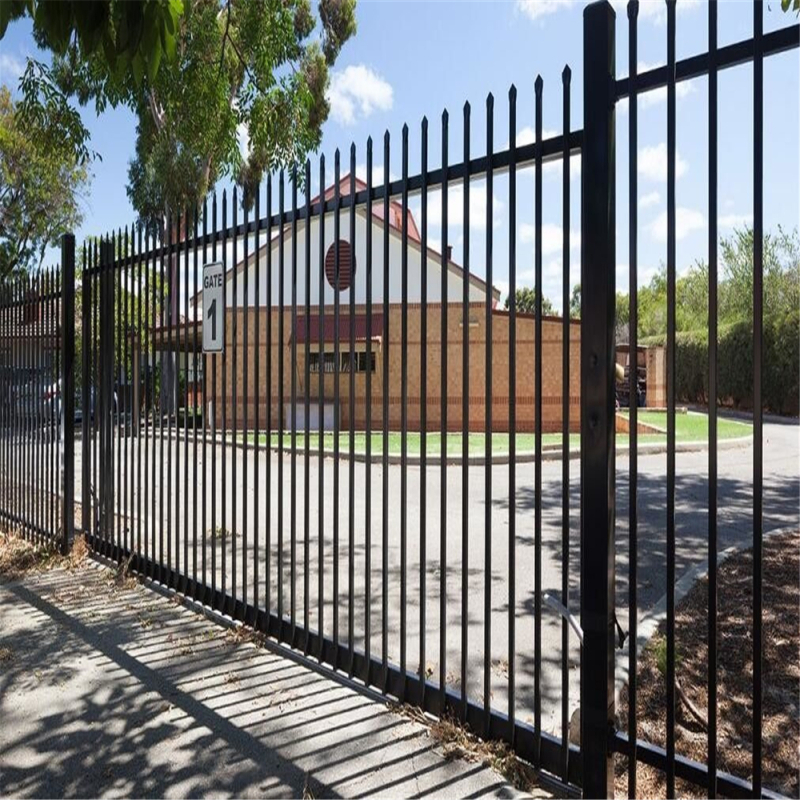
Hercules Tubular Steel Fencing from POLYMETAL is a high-strength tubular wrought iron style fence system designed for premium residential, factory, commercial, industrial, building and garden applications. Using galvanized steel pipes with a durable electrostatic powder-coated surface, the fence delivers a clean architectural profile and a powerful security edge while resisting corrosion, UV and harsh weather conditions.
Colour options include classic black and white, and POLYMETAL can also provide custom colours to match project palettes, company branding or surrounding façades. Connection between panels and posts is normally via welding or robust bracket systems, and posts are usually embedded about 300 mm into concrete, ensuring the fence line can withstand wind, impact and long-term movement.
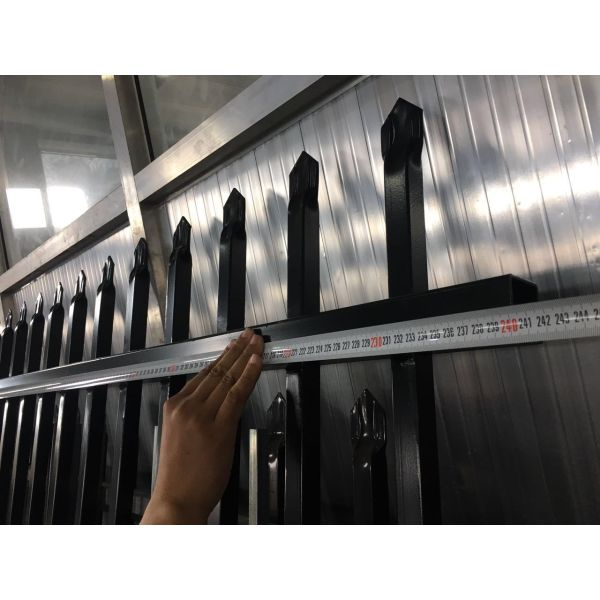
Standard features of POLYMETAL Hercules Tubular Steel Fencing include corrosion resistance, age resistance, sunshine proof and weatherproof performance. Installed fence heights above ground are typically in the 0.9–1.8 m range, with column spacing of 2.2–3.0 m depending on the area and security level. Standpipe spacing between vertical pickets is usually 120–150 mm, giving a clear security profile without appearing too heavy. The fence is suitable for Residential, Factory, Commercial, Industrial, Building, Garden and House boundaries that demand both appearance and performance, and can be integrated with high-security solutions such as garrison fencing panels where a stronger deterrent is required.

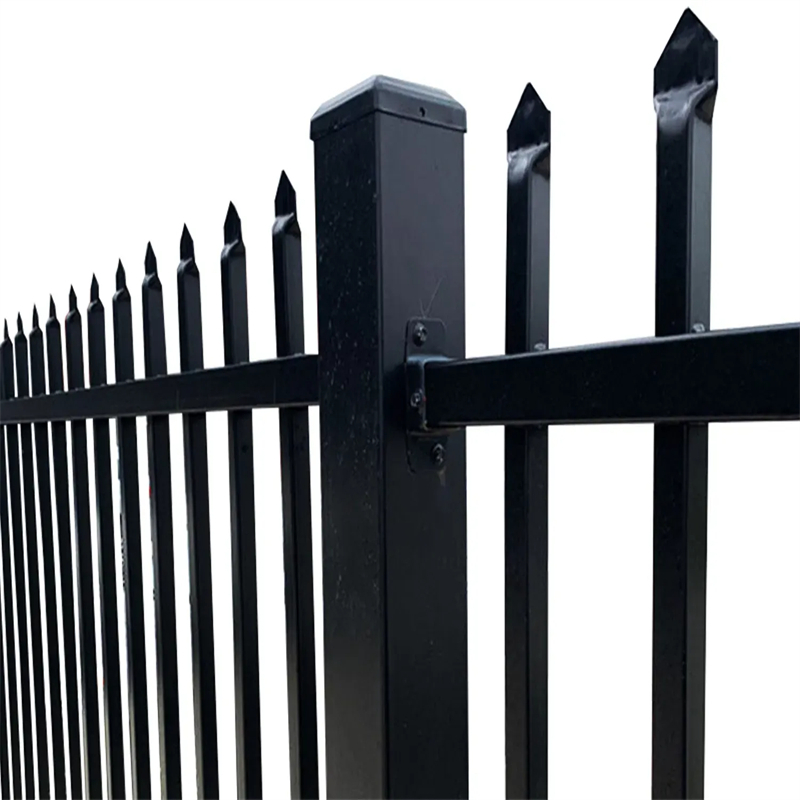
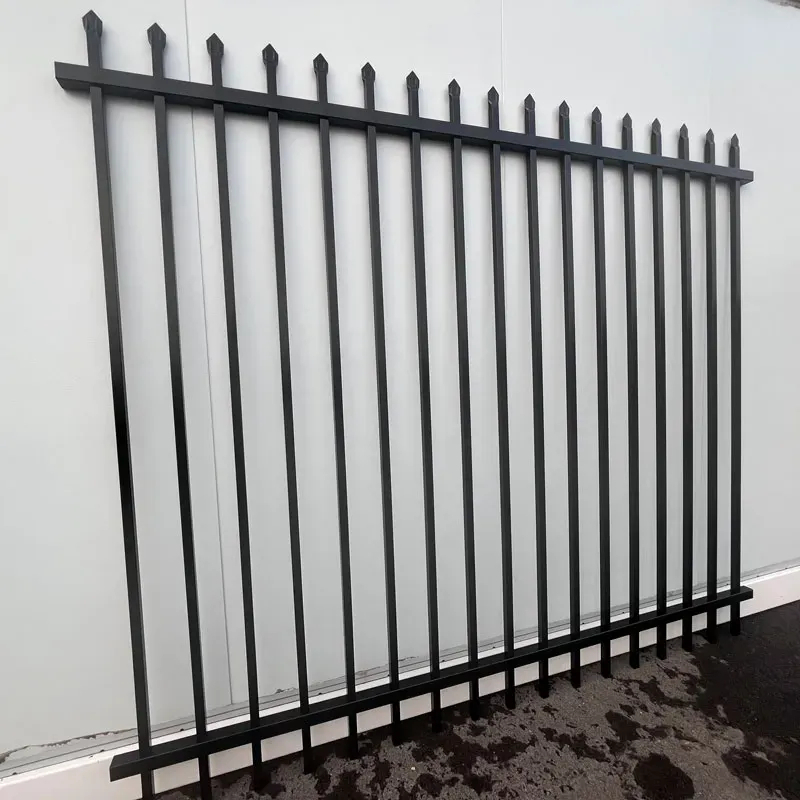
Hercules Tubular Steel Fencing Key Factory Specifications
The following data summarises the basic factory specification profile for POLYMETAL Hercules Tubular Steel Fencing, combining structural tube sizes, key features and core dimensions into a practical overview for designers and buyers.
| Material | Galvanized Steel pipes |
| Feature | Easy Assembled, Eco-Friendly, corrosion resistant, age resistant, sunshine proof, weatherproof |
| Post | 50 × 50 mm, 60 × 60 mm |
| Post thickness | 1.5 mm, 2.0 mm, 2.5 mm, 3.0 mm |
| Horizontal bars | 40 × 40 mm, 45 × 45 mm |
| Vertical pickets | 19 × 19 × 1.0 mm, 20 × 20 mm, 25 × 25 mm |
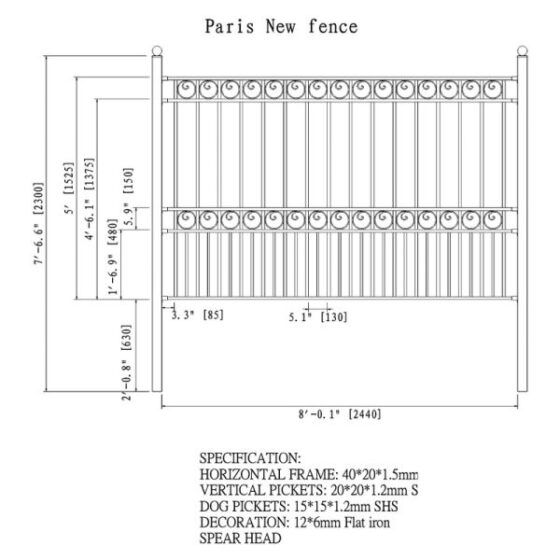
| Panel dimensions | 2405 × 1270 mm |
| Distance between poles | 2440 mm |
| Standpipe spacing | 120–150 mm |
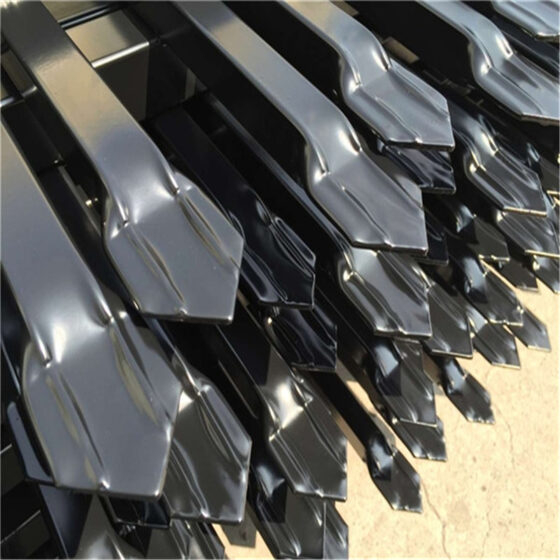
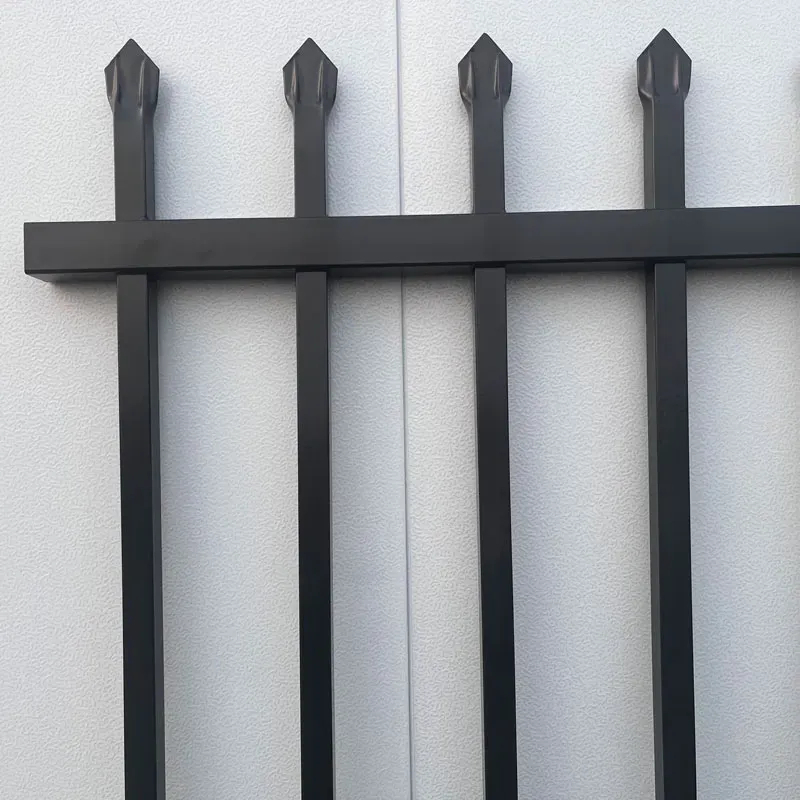
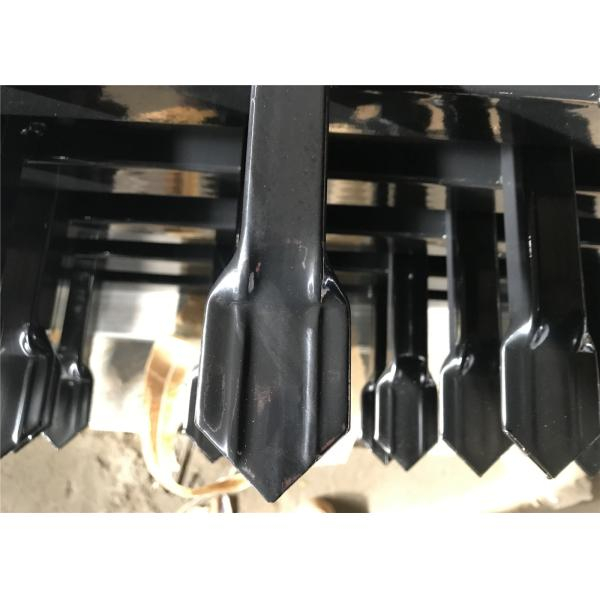
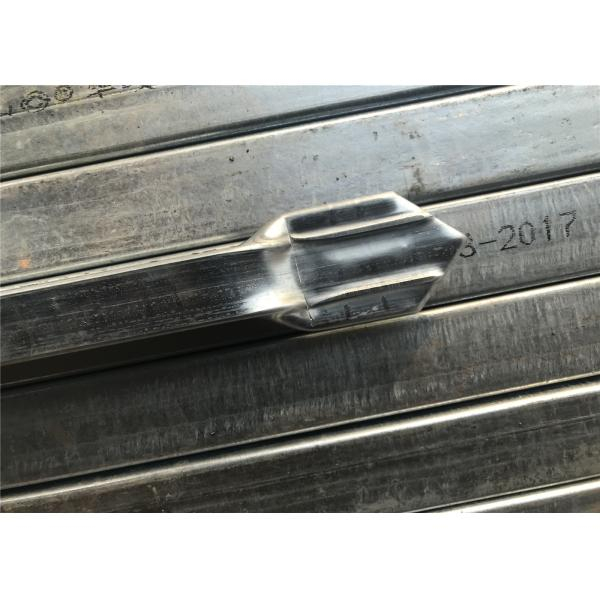
| Spire / Arrowhead | Approx. 50 × 33 mm, 90° spear |
| Fence height above ground | 0.9–1.8 m (typical) |
Product Images – Hercules Tubular Steel Fencing (POLYMETAL)
All original product photos are preserved and arranged in the table below for a clear visual profile of POLYMETAL Hercules Tubular Steel Fencing.
 |  |  |
 |  |  |
15 Critical Risks, Details and Warnings in Hercules Tubular Steel Fencing
Before you commit to any Hercules Tubular Steel Fencing order, you must understand the hidden risks, dangers, defects and cost traps that can turn a premium-looking fence into a long-term crisis. The following sections expose key secrets, facts, truths and lessons, and show how POLYMETAL uses these signals as leverage to protect your project instead of wasting your budget.
Risk 1 – The secret of wall thickness behind a perfect surface
Two Hercules-style fences can share the same outline and colour but hide a completely different data profile in wall thickness. A 40 × 40 mm rail with only 1.2 mm wall is a weakness compared with a 2.0–3.0 mm rail, especially under impact, vandalism or wind. Ignoring this detail is not a small mistake; it is a structural defect that shortens life span and increases long-term damage.
Danger 2 – The illusion that all “Hercules” fencing is identical
There is a common myth and bias that any black tubular fence with spears is the same as Hercules Tubular Steel Fencing. This illusion ignores the real info: tube chemistry, galvanizing thickness, coating pattern and weld quality. Believing this fantasy is a misbelief that opens a loophole for failure, loss and waste as cheaper copies corrode, bend and crack years before a genuine POLYMETAL system.
Problem 3 – Misreading fence height and picket spacing data
Fence height above ground and standpipe spacing form a critical safety principle. If you choose the wrong height range (for example below 0.9 m where 1.5–1.8 m is required) or a spacing pattern outside 120–150 mm, you create an unsafe side of the fence that is easy to climb or reach through. This oversight turns a security asset into a visible gap in your protection outline.
Trap 4 – Overlooking the arrowhead angle and anti-climb trait
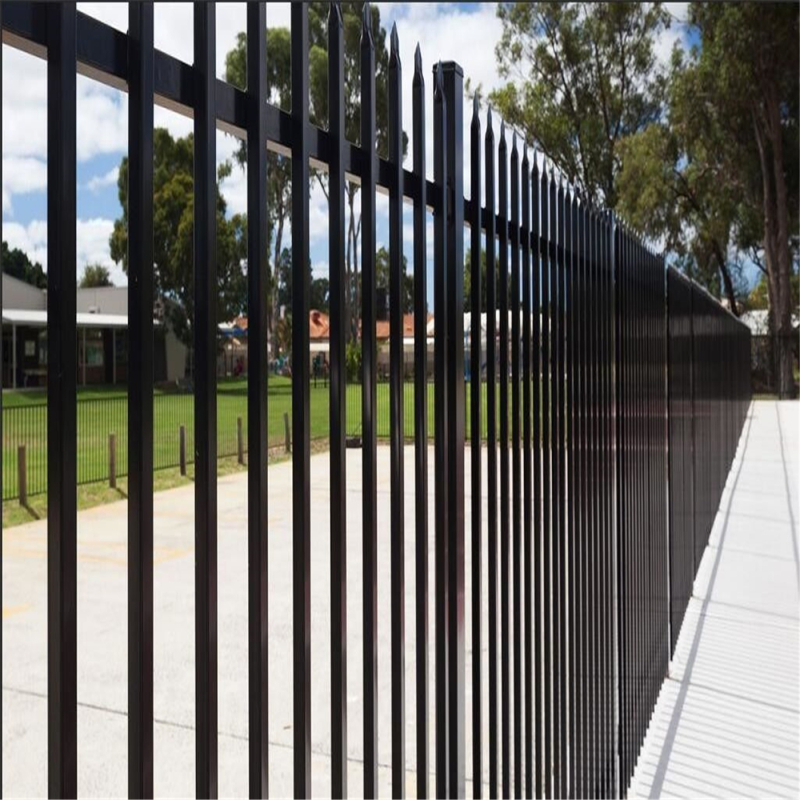
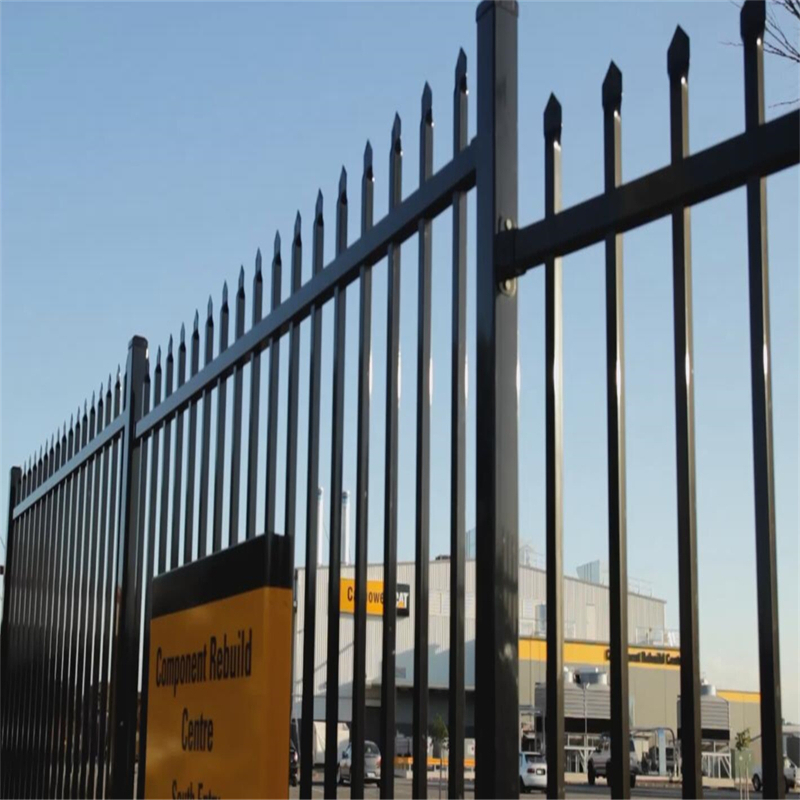
The arrowhead or spear tip is not only a decorative feature; its 50 × 33 mm profile and 90° angle are a deliberate anti-climb element. If a supplier cuts cost with shorter, blunter, thinner spears, the deterrent effect disappears. This trap leaves you with a stylish but weak fence that invites climbing and trespass instead of preventing it.
Pitfall 5 – Incomplete anti-corrosion treatment steps
The POLYMETAL process uses pre-hot-dipped galvanizing followed by electrostatic coating and repeated paint stages. When a competitor quietly removes one of these steps, a hidden bug appears in the system: micro-defects in the coating that allow rust to start at welds and cut edges. This pitfall leads to a pattern of coating failure, peeling and long-term structural damage that is far more expensive than the small upfront saving.
Downside 6 – Treating posts as an afterthought instead of the main support
Posts in 50 × 50 mm or 60 × 60 mm sections with proper thickness are the backbone of Hercules Tubular Steel Fencing. Choosing thin or undersized posts is a serious downside that produces leaning lines, cracked concrete and visible fatigue over time. POLYMETAL treats post dimensions as a fundamental rule, not an optional cost-cutting idea.
Weakness 7 – Ignoring embedment depth and footing design
Columns embedded only shallowly in the footing create a critical weakness. The recommended 300 mm embedment is not a vague guideline; it is a structural rule. Reducing this to save concrete is a misstep that generates a chain of failures: loosening, rotation, and eventual collapse under repeated loads or strong wind.
Flaw 8 – No clear checklist for custom panels and sloping ground
Many sites need stepped or raked panels. Without a proper design guide or manual, installers improvise on site, cutting, drilling and rewelding. Every improvisation is a flaw that creates small coating defects, misalignment and unpredictable behaviour. POLYMETAL’s controlled approach to customising Hercules Tubular Steel Fencing closes this gap and prevents random on-site experiments.
Fault 9 – Ignoring spacing patterns under high wind and impact
Column spacing between 2.2–3.0 m must be matched to wind exposure, fence height and terrain. Using wide spacing on corners and exposed sides is a fault that only appears in storms or heavy impact. The correct pattern includes shorter spans where loads are higher and, where necessary, larger post sections such as 75 × 75 mm, 80 × 80 mm or 100 × 100 mm.
Error 10 – No snapshot of long-term maintenance trends
Buyers sometimes skip any overview of life-cycle performance, focusing only on initial cost. Without a clear snapshot of repaint intervals, expected corrosion behaviour and mechanical fatigue, they step into an error pattern where maintenance and failure costs accumulate quietly. POLYMETAL provides a clearer profile of long-term behaviour so owners can see the true payoff instead of a short-term illusion.
Defect 11 – Poor packaging that hides transport damage
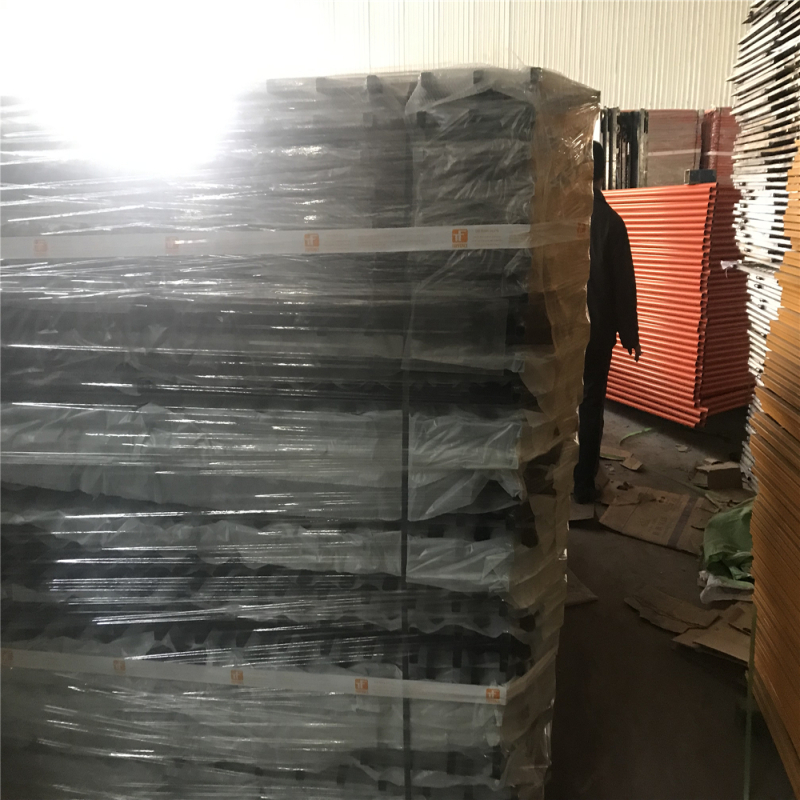
If panels, posts and spears are not wrapped with bubble film, arranged on pallets or metal stillages and strapped correctly, hidden damage builds up during transport. Bent spear tips, scraped powder coating and twisted rails are defects that only appear during installation. POLYMETAL uses defined packaging details and a tight packing checklist to prevent this waste.
Gap 12 – No internal inspection checklist for installed lines
Even a high-quality Hercules Tubular Steel Fencing system can fail visually if there is no site inspection checklist. Missing caps, misaligned panels, inconsistent spear height and irregular post spacing create a visible gap between design and reality. A simple, written checklist closes this loophole and secures the professional appearance that clients expect.
Warning 13 – Overlooking local safety, pool or boundary regulations
Hercules-style fencing near pools, public paths or front boundaries may fall under strict codes. Assuming compliance without mapping fence data to the rules is a serious warning sign. Fence height, rail positions, picket spacing and gate latching positions must follow applicable standards; otherwise the fence becomes a legal hazard rather than a safety measure.
Threat 14 – Underestimating brand reputation and security image
A fence that rusts, leans or peels creates a negative visual signal to customers, neighbours and inspectors. This threat to brand image and perceived security can be more costly than the hardware itself. POLYMETAL Hercules Tubular Steel Fencing is engineered so that the long-term view—clean lines, stable posts, solid coating—supports a stronger safety and quality reputation.
Benefit 15 – Using POLYMETAL data as leverage for real profit
When you treat each specification as reliable data instead of marketing decoration, you gain a powerful advantage. Tube sizes, thickness, spacing, coating steps and packing methods form a checklist you can use as leverage in comparisons. This approach turns Hercules Tubular Steel Fencing into a high-payoff investment with clear rewards in reduced failures, lower maintenance and a durable security edge.
Bonus 16 – Modular flexibility without structural compromise
POLYMETAL Hercules Tubular Steel Fencing can be adapted in height, width and picket pattern to match site-specific layouts, but this flexibility is controlled by rules and principles rather than random changes. That means you get the bonus of custom appearance and alignment without structural compromise, misfit or unsafe shortcuts.
POLYMETAL Hercules Tubular Steel Fencing – Detailed Product Description
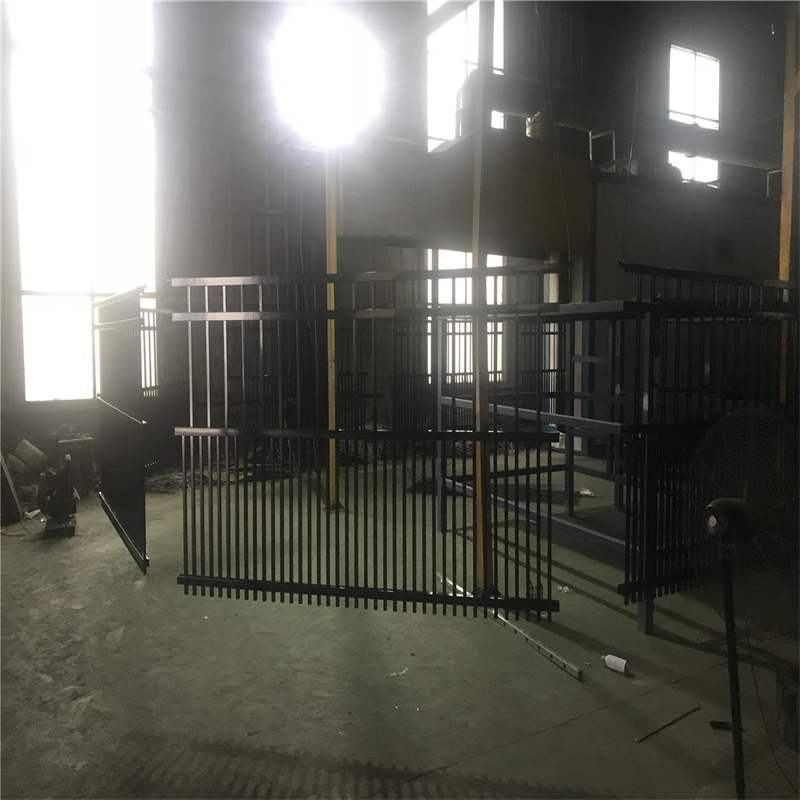
POLYMETAL Hercules Tubular Steel Fencing is engineered as a modular welded steel fence system that combines the visual appeal of wrought iron with the efficiency of modern tubular fabrication. Each panel is formed from galvanized steel pipes, with posts typically in 50 × 50 mm or 60 × 60 mm sections, horizontal rails in 40 × 40 mm or 45 × 45 mm square tube, and vertical pickets in 19 × 19 × 1.0 mm, 20 × 20 mm or 25 × 25 mm profiles. Panel dimensions around 2405 × 1270 mm and pole spacing of about 2440 mm create a regular rhythm along the boundary line.
The fence height above ground usually ranges from 0.9 m to 1.8 m, chosen according to security level, site angle and architectural style. Standpipe spacing between vertical pickets is typically 120–150 mm, giving enough openness for visibility and ventilation while keeping gaps too small for easy climbing. Spear-topped pickets with approximately 50 × 33 mm arrowheads at about 90° add an unmistakable security signal and anti-climb function.
The surface finish follows a strict anti-corrosion sequence: pre-hot-dip galvanizing, surface cleaning and preparation, then electrostatic powder coating and multiple paint passes. This layered defence gives POLYMETAL Hercules Tubular Steel Fencing a long, reliable service life in outdoor conditions, resisting UV degradation, rain, humidity and industrial pollution. Standard colours include black and white, with the option to match project colours where required.
Columns are embedded into concrete foundations, typically about 300 mm, and the connection system uses welding or robust brackets engineered to carry wind and impact loads. As a result, Hercules Tubular Steel Fencing behaves like a continuous structural barrier rather than a lightweight decorative screen, providing a dependable perimeter solution for residential front boundaries, factories, commercial estates, industrial plants and high-end gardens.

Hercules Tubular Steel Fencing Specifications – Dimensional Tables
The following four tables provide a structured overview of typical Hercules Tubular Steel Fencing configurations under the POLYMETAL brand. Each specification set includes fence height, fence width, rail frame size, upright size, upright spacing, post height and post section options, giving engineers and buyers a complete data profile for design and quotation.
Table 1 – Standard 2400 mm Width Panels (25 × 25 mm Uprights)
| Fence height (mm) | Fence width (mm) | Rail frame (mm) | Upright (mm) | Upright spacing (mm) | Post height (mm) | Post section (mm) |
| 900 | 2400 | 40 × 40 | 25 × 25 | 100 | 1800 | 60 × 60 |
| 1000 | 2400 | 40 × 40 | 25 × 25 | 100 | 2000 | 60 × 60 |
| 1200 | 2400 | 40 × 40 | 25 × 25 | 100 | 2400 | 60 × 60 |
| 1200 | 2400 | 45 × 45 | 25 × 25 | 100 | 2400 | 65 × 65 |
| 1500 | 2400 | 40 × 40 | 25 × 25 | 100 | 2700 | 65 × 65 |
| 1500 | 2400 | 45 × 45 | 25 × 25 | 100 | 2700 | 65 × 65 |
| 1800 | 2400 | 40 × 40 | 25 × 25 | 100 | 3000 | 65 × 65 |
| 1800 | 2400 | 45 × 45 | 25 × 25 | 100 | 3000 | 75 × 75 |
| 2100 | 2400 | 45 × 45 | 25 × 25 | 100 | 3300 | 75 × 75 |
| 2100 | 2400 | 50 × 50 | 25 × 25 | 100 | 3600 | 80 × 80 |
Table 2 – 2400 mm Width Panels (30 × 30 mm Uprights)
| Fence height (mm) | Fence width (mm) | Rail frame (mm) | Upright (mm) | Upright spacing (mm) | Post height (mm) | Post section (mm) |
| 1000 | 2400 | 40 × 40 | 30 × 30 | 100 | 2000 | 60 × 60 |
| 1200 | 2400 | 45 × 45 | 30 × 30 | 100 | 2400 | 65 × 65 |
| 1500 | 2400 | 45 × 45 | 30 × 30 | 100 | 2700 | 65 × 65 |
| 1500 | 2400 | 50 × 50 | 30 × 30 | 100 | 2700 | 75 × 75 |
| 1800 | 2400 | 45 × 45 | 30 × 30 | 100 | 3000 | 75 × 75 |
| 1800 | 2400 | 50 × 50 | 30 × 30 | 100 | 3000 | 80 × 80 |
| 2100 | 2400 | 45 × 45 | 30 × 30 | 100 | 3300 | 80 × 80 |
| 2100 | 2400 | 50 × 50 | 30 × 30 | 100 | 3600 | 80 × 80 |
| 2400 | 2400 | 45 × 45 | 30 × 30 | 100 | 3600 | 80 × 80 |
| 2400 | 2400 | 50 × 50 | 30 × 30 | 100 | 3900 | 100 × 100 |
Table 3 – 2400 mm Width Panels (16 × 16 mm Uprights – Light Style)
| Fence height (mm) | Fence width (mm) | Rail frame (mm) | Upright (mm) | Upright spacing (mm) | Post height (mm) | Post section (mm) |
| 900 | 2400 | 40 × 40 | 16 × 16 | 100 | 1800 | 60 × 60 |
| 1000 | 2400 | 40 × 40 | 16 × 16 | 100 | 2000 | 60 × 60 |
| 1200 | 2400 | 40 × 40 | 16 × 16 | 100 | 2400 | 60 × 60 |
| 1200 | 2400 | 45 × 45 | 16 × 16 | 100 | 2400 | 65 × 65 |
| 1500 | 2400 | 40 × 40 | 16 × 16 | 100 | 2700 | 65 × 65 |
| 1500 | 2400 | 45 × 45 | 16 × 16 | 100 | 2700 | 75 × 75 |
| 1800 | 2400 | 40 × 40 | 16 × 16 | 100 | 3000 | 65 × 65 |
| 1800 | 2400 | 45 × 45 | 16 × 16 | 100 | 3000 | 75 × 75 |
| 2100 | 2400 | 45 × 45 | 16 × 16 | 100 | 3300 | 75 × 75 |
| 2100 | 2400 | 50 × 50 | 16 × 16 | 100 | 3600 | 80 × 80 |
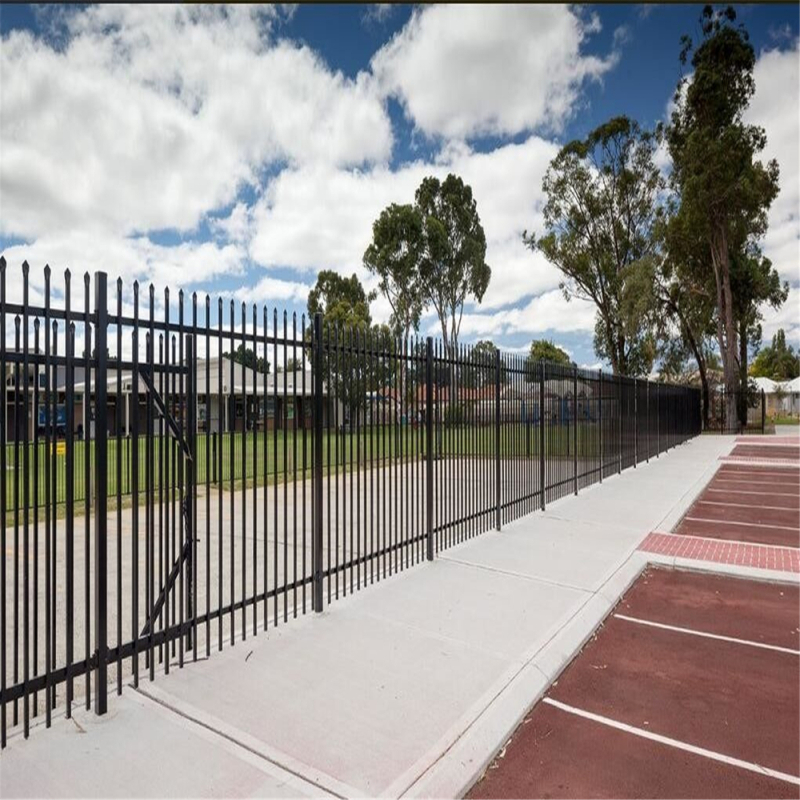
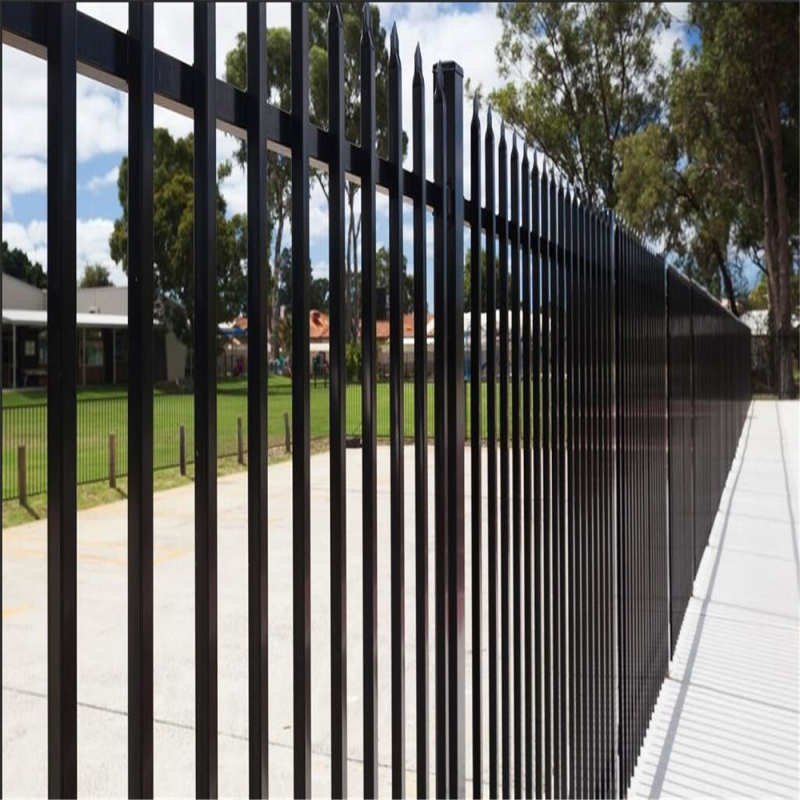
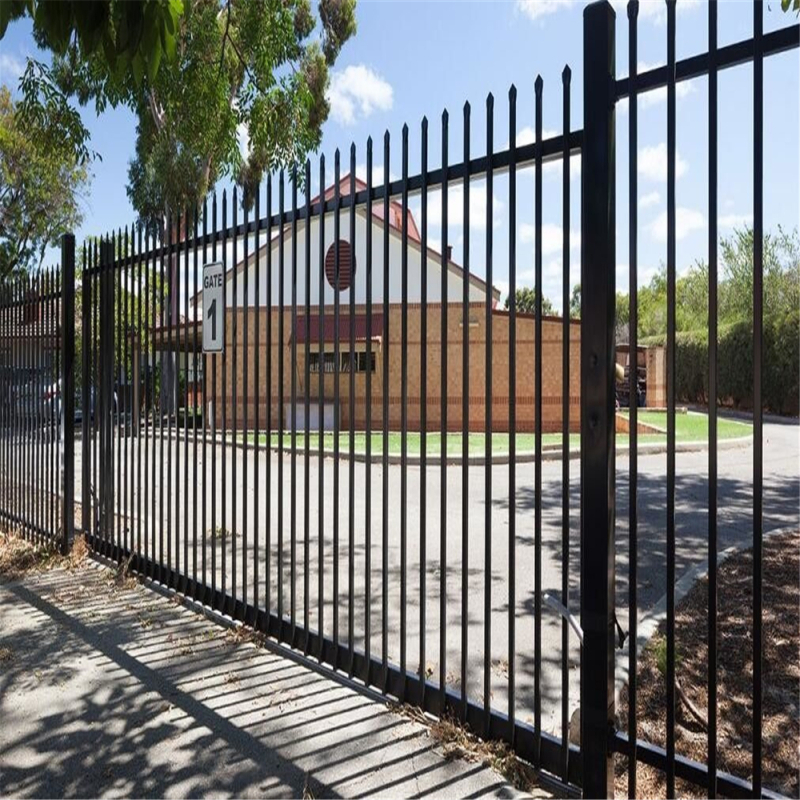
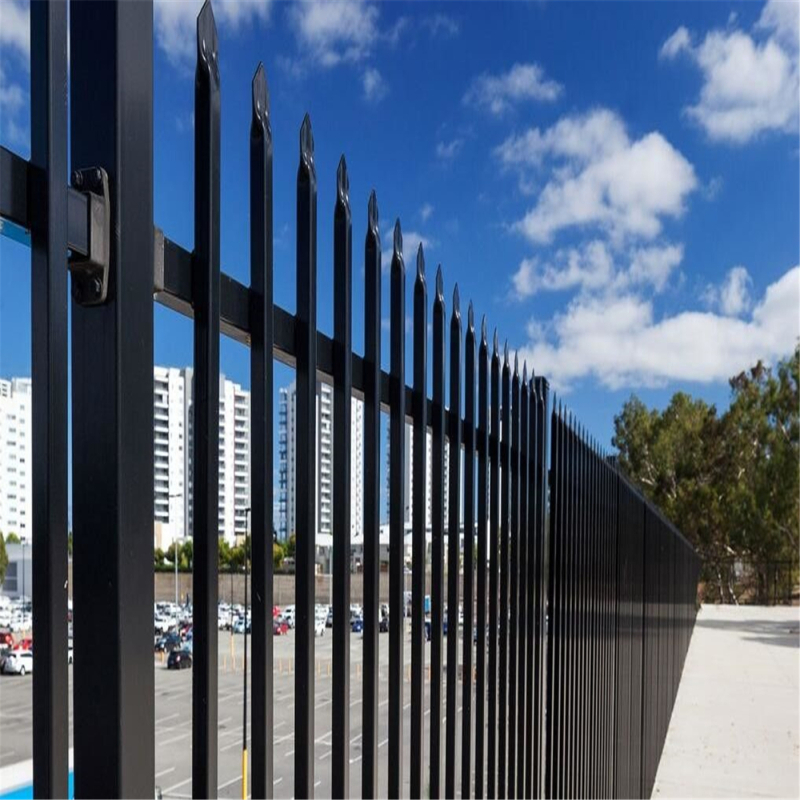
Table 4 – 2450 mm Width Panels (Mixed Upright Profiles)
| Fence height (mm) | Fence width (mm) | Rail frame (mm) | Upright (mm) | Upright spacing (mm) | Post height (mm) | Post section (mm) |
| 900 | 2450 | 40 × 40 | 25 × 25 | 100 | 1800 | 60 × 60 |
| 1000 | 2450 | 40 × 40 | 25 × 25 | 100 | 2000 | 60 × 60 |
| 1200 | 2450 | 45 × 45 | 25 × 25 | 100 | 2400 | 65 × 65 |
| 1200 | 2450 | 40 × 40 | 30 × 30 | 100 | 2400 | 65 × 65 |
| 1500 | 2450 | 45 × 45 | 30 × 30 | 100 | 2700 | 75 × 75 |
| 1500 | 2450 | 50 × 50 | 25 × 25 | 100 | 2700 | 75 × 75 |
| 1800 | 2450 | 45 × 45 | 30 × 30 | 100 | 3000 | 80 × 80 |
| 1800 | 2450 | 50 × 50 | 30 × 30 | 100 | 3300 | 80 × 80 |
| 2100 | 2450 | 45 × 45 | 25 × 25 | 100 | 3600 | 80 × 80 |
| 2100 | 2450 | 50 × 50 | 30 × 30 | 100 | 3900 | 100 × 100 |
Packing of POLYMETAL Hercules Tubular Steel Fencing
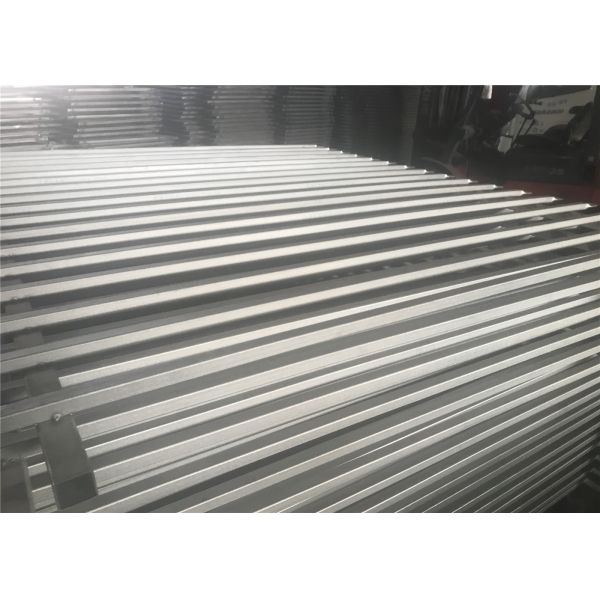
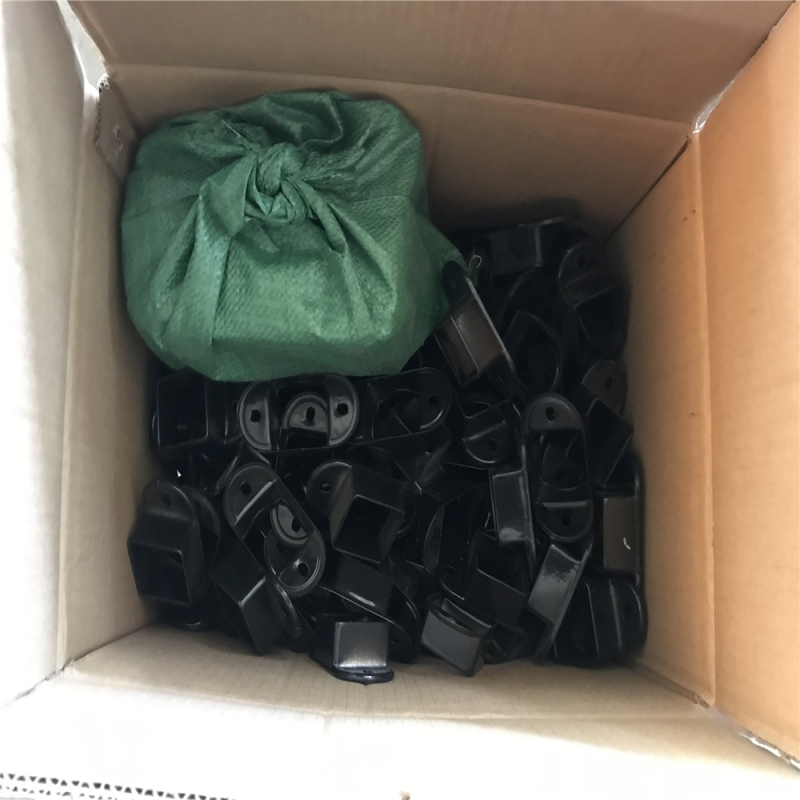
POLYMETAL Hercules Tubular Steel Fencing is packed according to a strict protection checklist so that every post, panel and spearhead arrives without hidden damage. Panels are wrapped with bubble film or placed in protective layers, then stacked in uniform bundles. Wooden or metal pallets, or custom steel stillages, are used to support the bundles and allow safe forklift handling. Each bundle is secured with steel or heavy-duty plastic strapping to prevent movement during transport.
Posts in 50 × 50 mm, 60 × 60 mm and larger section sizes are bundled by length and wall thickness, with clear labelling that lists post height, section, coating type and quantity. Vertical pickets and spearheads are protected to avoid scratches and coating chips, preserving the clean profile seen in the product photos. Where requested, panels may be packed into cartons for retail or high-value residential deliveries. These packing rules reduce the risk of transport damage, loss and waste, and form part of the overall quality profile of POLYMETAL Hercules Tubular Steel Fencing.
Production Process of Hercules Tubular Steel Fencing
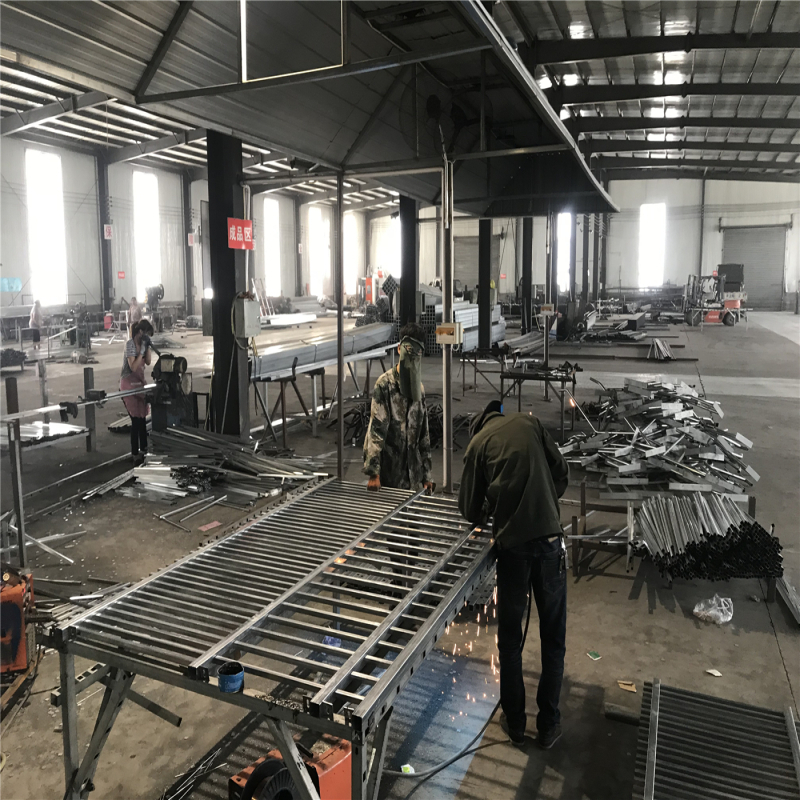
The production process for POLYMETAL Hercules Tubular Steel Fencing starts with selecting high-grade galvanized steel pipes according to the required post, rail and picket dimensions. Tubes are cut to length on precision equipment and prepared in jigs that control geometry for each panel. Horizontal rails in 40 × 40 mm or 45 × 45 mm and vertical pickets in 19 × 19 × 1.0 mm, 20 × 20 mm or 25 × 25 mm are positioned according to the spacing pattern and welded together using controlled parameters to ensure consistent penetration, strength and straightness.
After welding, panels are cleaned to remove oil, scale and contaminants, then pass into the surface treatment line. Pre-hot-dip galvanizing protects the steel from inside to outside, after which the products undergo surface conditioning in preparation for electrostatic powder coating. Powder is applied in an even film, and panels are cured in ovens at controlled temperature and time, forming a continuous protective layer that bonds tightly to the galvanized substrate.
Once cooled, each panel, post and accessory is inspected for weld quality, coating coverage, colour consistency and dimensional accuracy. Any visible flaw, bug or coating defect is corrected or rejected according to internal quality rules. Only after this inspection checklist is complete are the products counted, labelled and sent to the packing area, where they are wrapped, palletised and prepared for shipment. This disciplined process ensures that every Hercules Tubular Steel Fencing shipment reflects the expected POLYMETAL standard rather than an uncertain, variable outcome.

Standards and Compliance Overview
POLYMETAL Hercules Tubular Steel Fencing is designed to align with commonly accepted principles for residential and commercial security barriers. Typical fence heights from 0.9 m to 1.8 m, combined with controlled picket spacing of 120–150 mm, allow the system to be configured to meet many project requirements for boundary fences, estate security, industrial perimeters and institutional enclosures. Where local regulations impose specific rules for pool fencing, front boundaries or public access routes, the fence data profile—height, rail positions, spacing and gate hardware—can be mapped directly to those rules by designers and engineers.
The use of galvanized steel pipes, as well as closely related systems such as Galvanized Steel Tubular Fencing, together with multiple anti-corrosion treatments and robust welded joints, supports long-term durability and structural reliability. This standards-based approach reduces the chance of compliance gaps, safety oversights and regulatory threats. For project owners and specifiers, POLYMETAL Hercules Tubular Steel Fencing provides a clear technical outline, strong visual profile and proven performance pattern, turning each fence line into a dependable control measure rather than a decorative uncertainty.