Your One-Stop Wire Mesh Fence Supplier | POLYMETAL
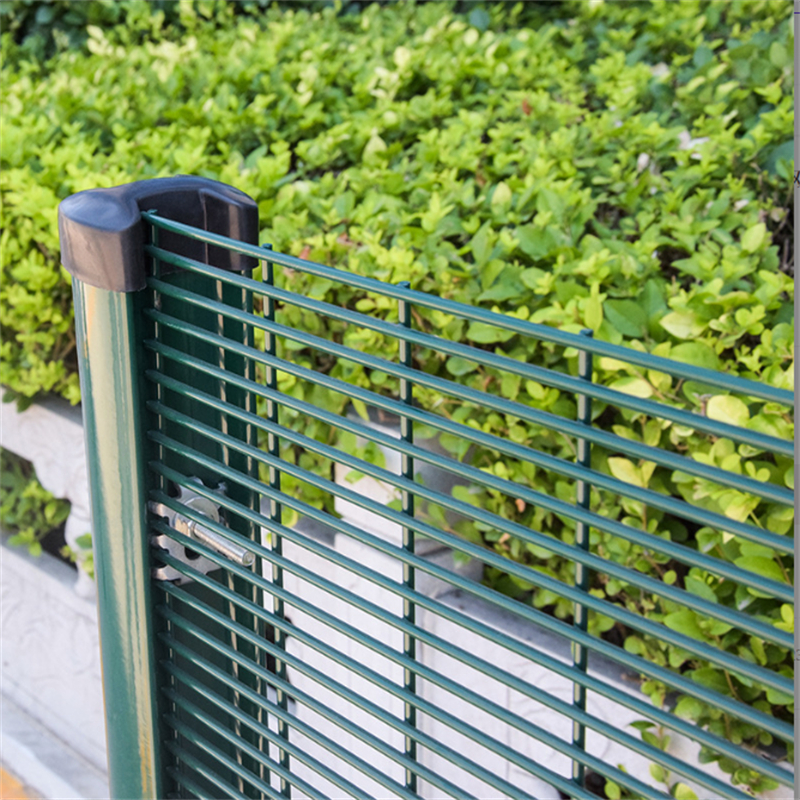
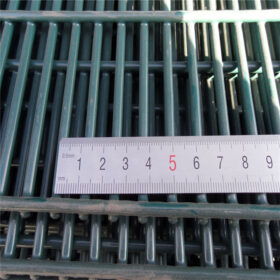
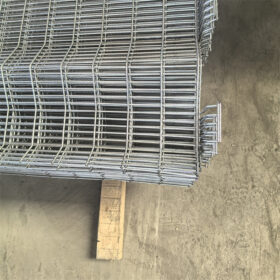
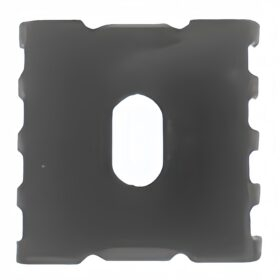
High 358 Security Mesh Fencing (often called “358 prison mesh”) is built for anti-climb and anti-cut outcomes using a dense welded mesh pattern that is extremely difficult to grip, shear, or force open with common hand tools. The “358” name comes from the classic imperial description 3″ × 0.5″ × 8 gauge, which is approximately 76.2mm × 12.7mm mesh opening with a heavy security wire range typically between 3.00mm and 5.00mm depending on the threat level.
POLYMETAL supplies High 358 Security Mesh Fencing as a controlled system—panel geometry, overlap at posts, clamp bar strength, bolt spacing, post selection, and coating performance are treated as one package. This system-first control is what stops the typical failure pattern: panels that appear correct on paper but shift, loosen, or show weakness at fixing points after installation, wind loading, and repeated inspection cycles.
Applications of High 358 Security Mesh Fencing
High 358 Security Mesh Fencing is used where maximum visibility and maximum attack resistance must exist together. Typical applications include prisons and correctional facilities, military and defense zones, airports and ports, rail and transport corridors, substations and power plants, water treatment works, laboratories, high-value warehouses, logistics yards, hospitals that require secure boundaries, and public-facing sites that need safety without a “hostile wall” appearance.
Height selection usually follows risk and public exposure. Around schools, parks, and general public areas, a 3.6m system commonly delivers strong deterrence while keeping the boundary visually clean. For high-risk assets such as prisons and defense environments, 5.2m systems are frequently specified to increase climb difficulty, extend delay time, and support stronger detection integration.
Visual Reference: High 358 Security Mesh Fencing
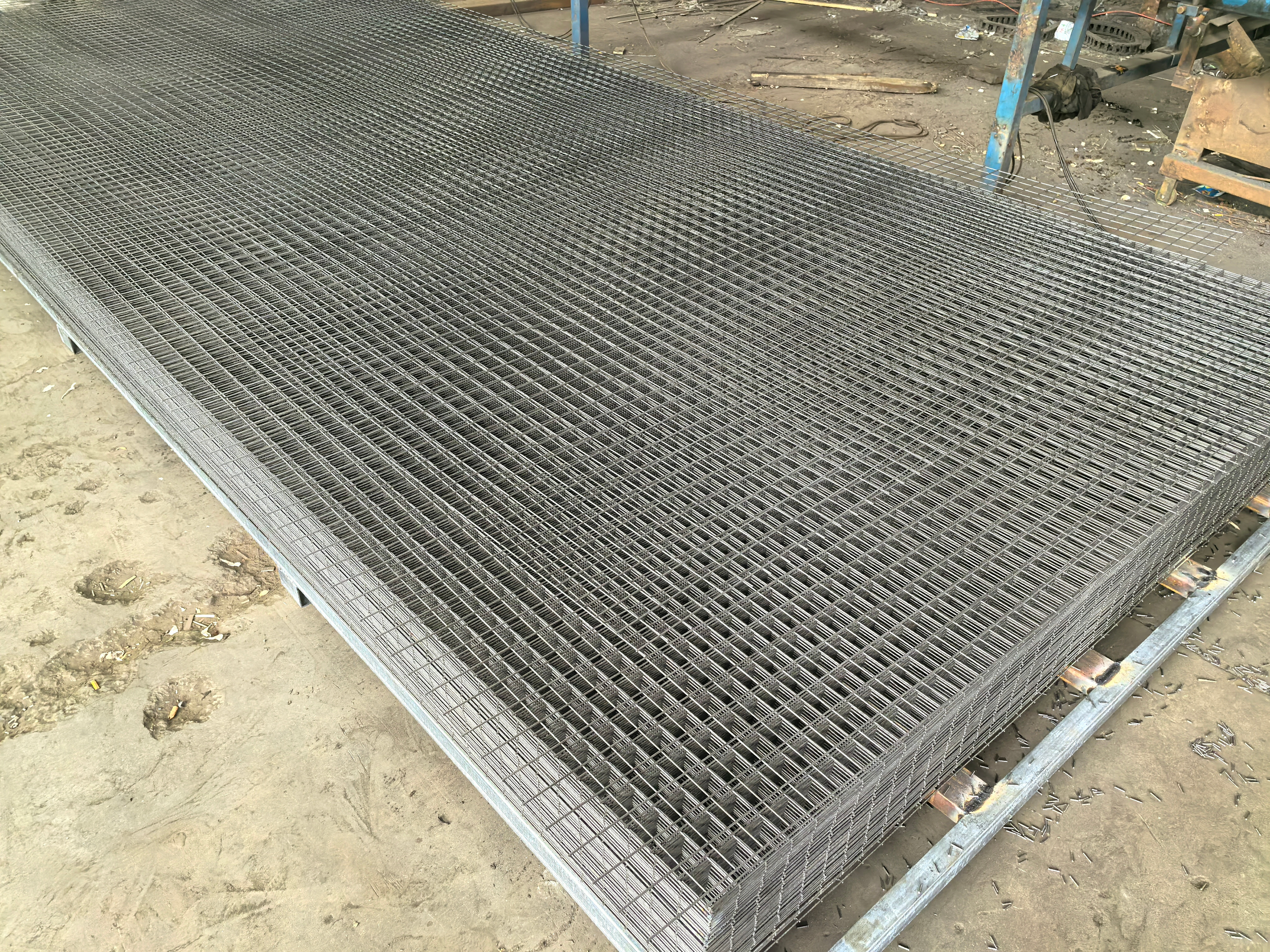
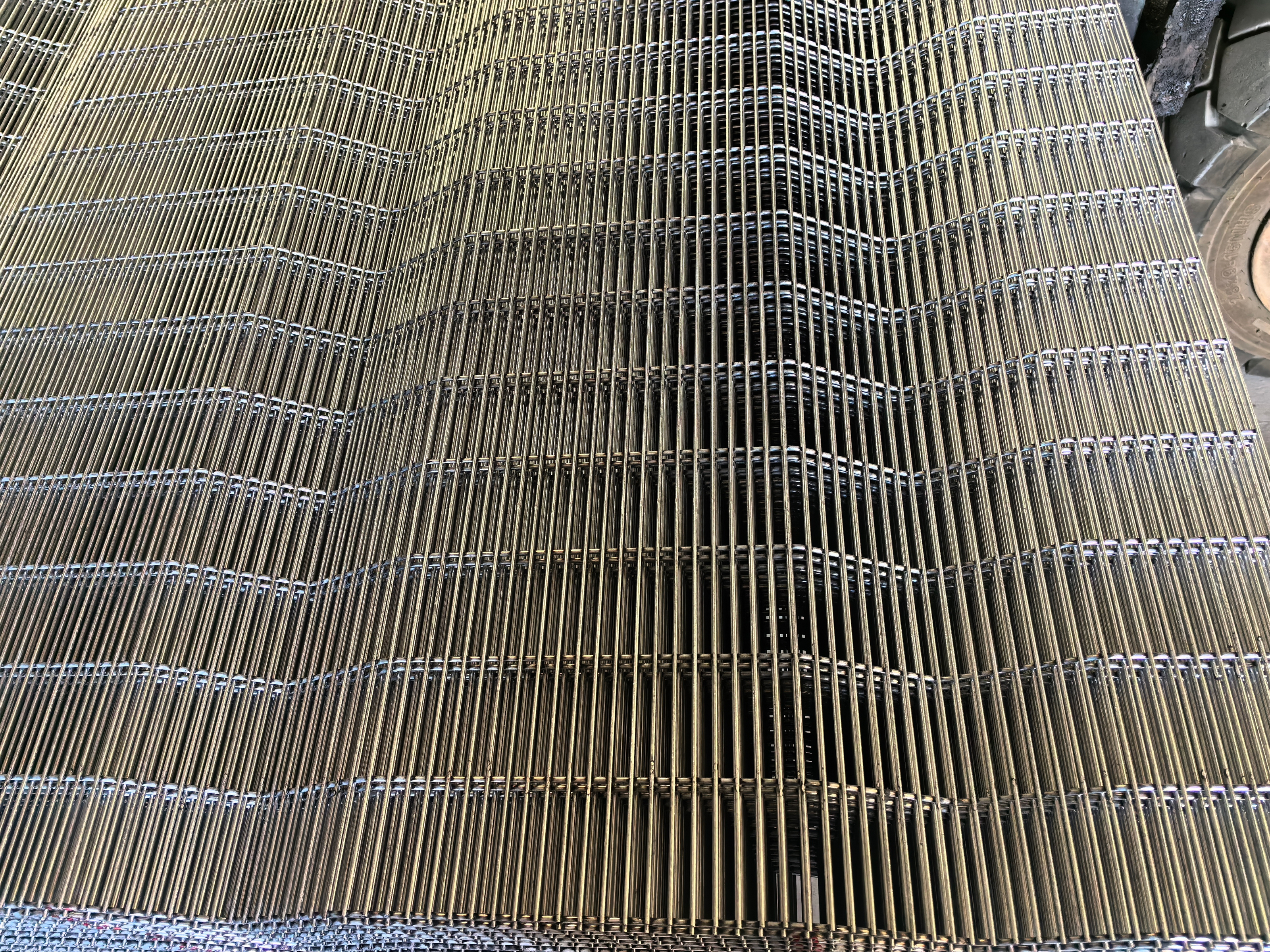
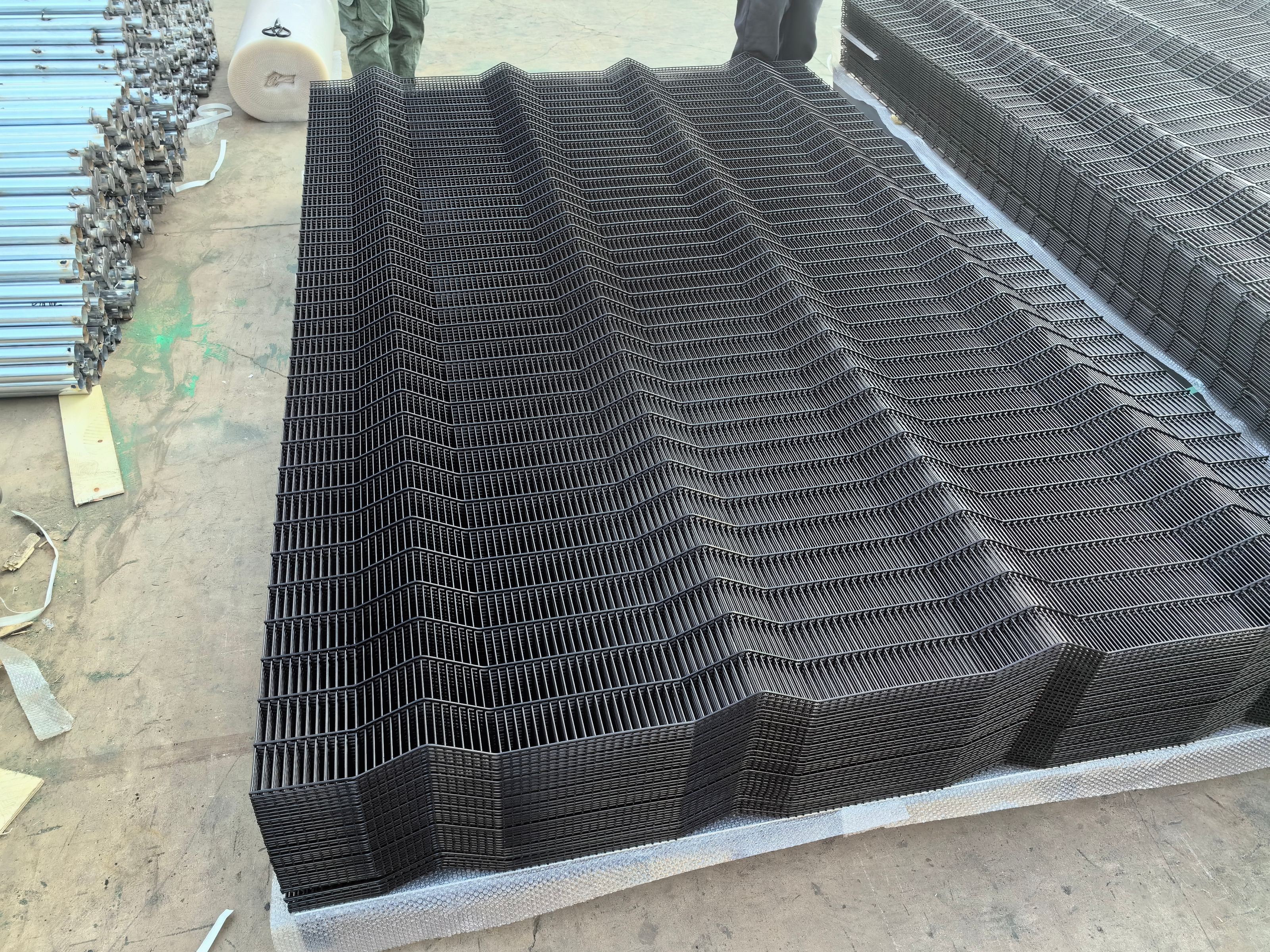
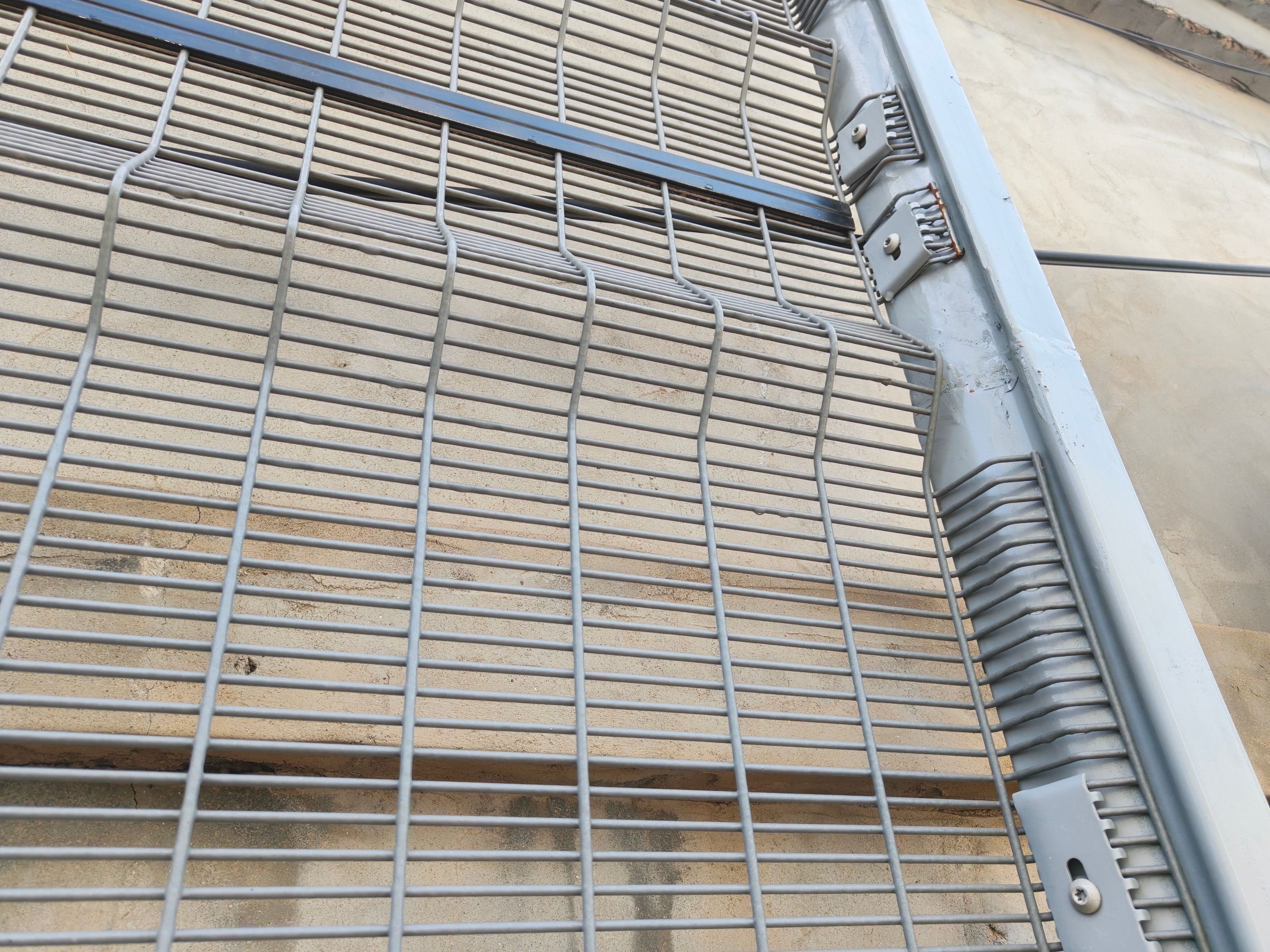
Product Description: POLYMETAL High 358 Security Mesh Fencing
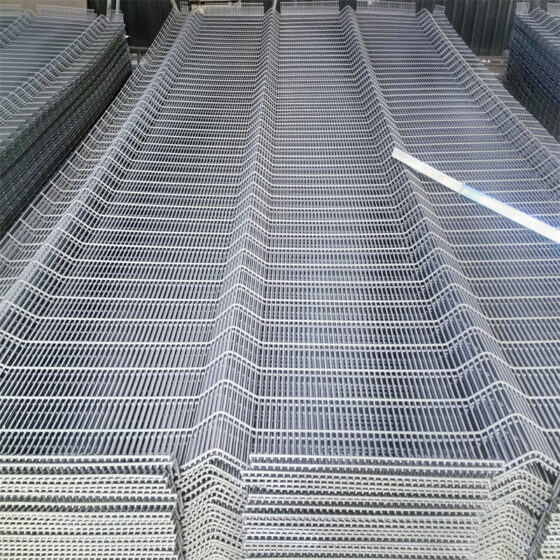
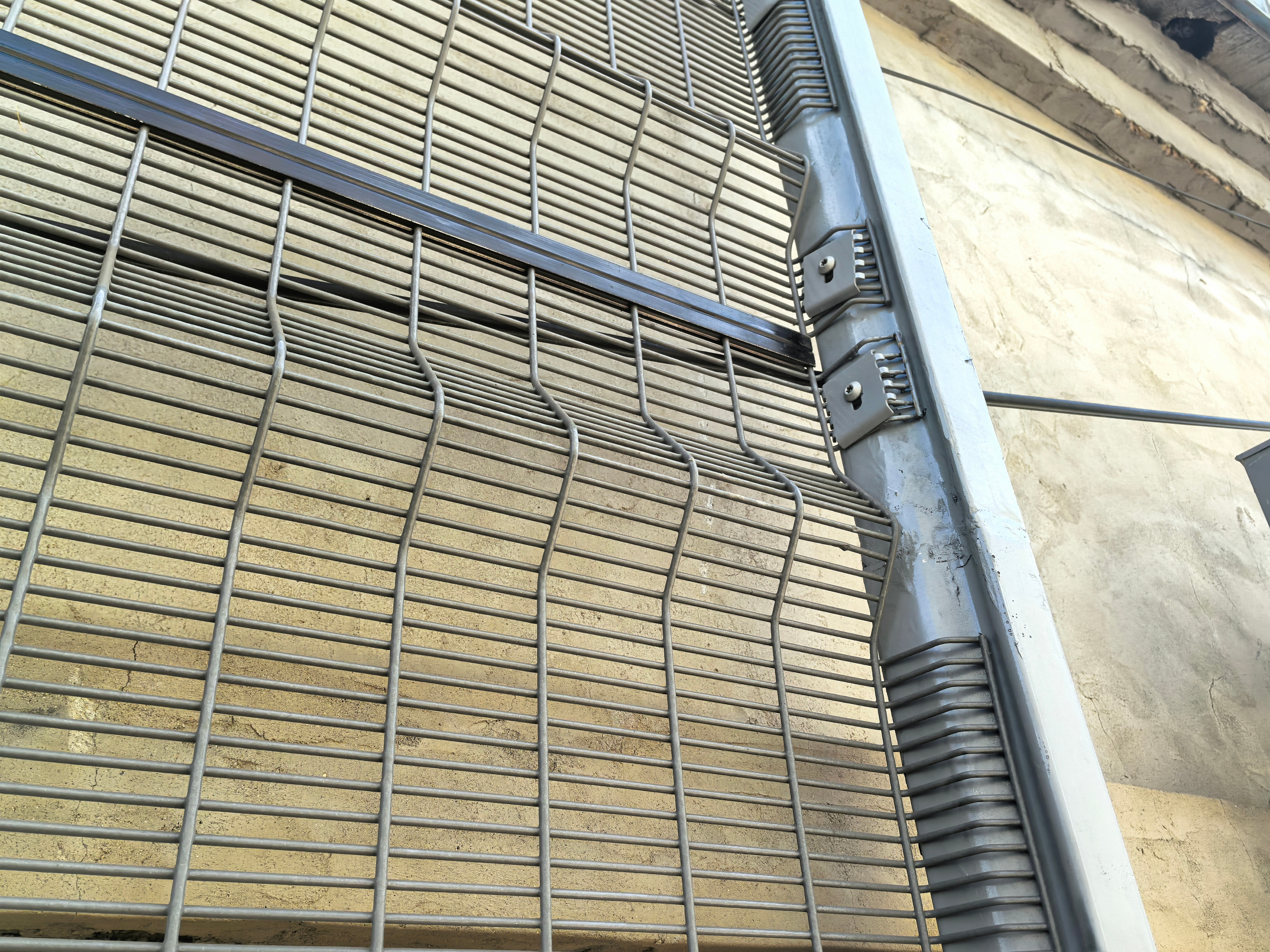
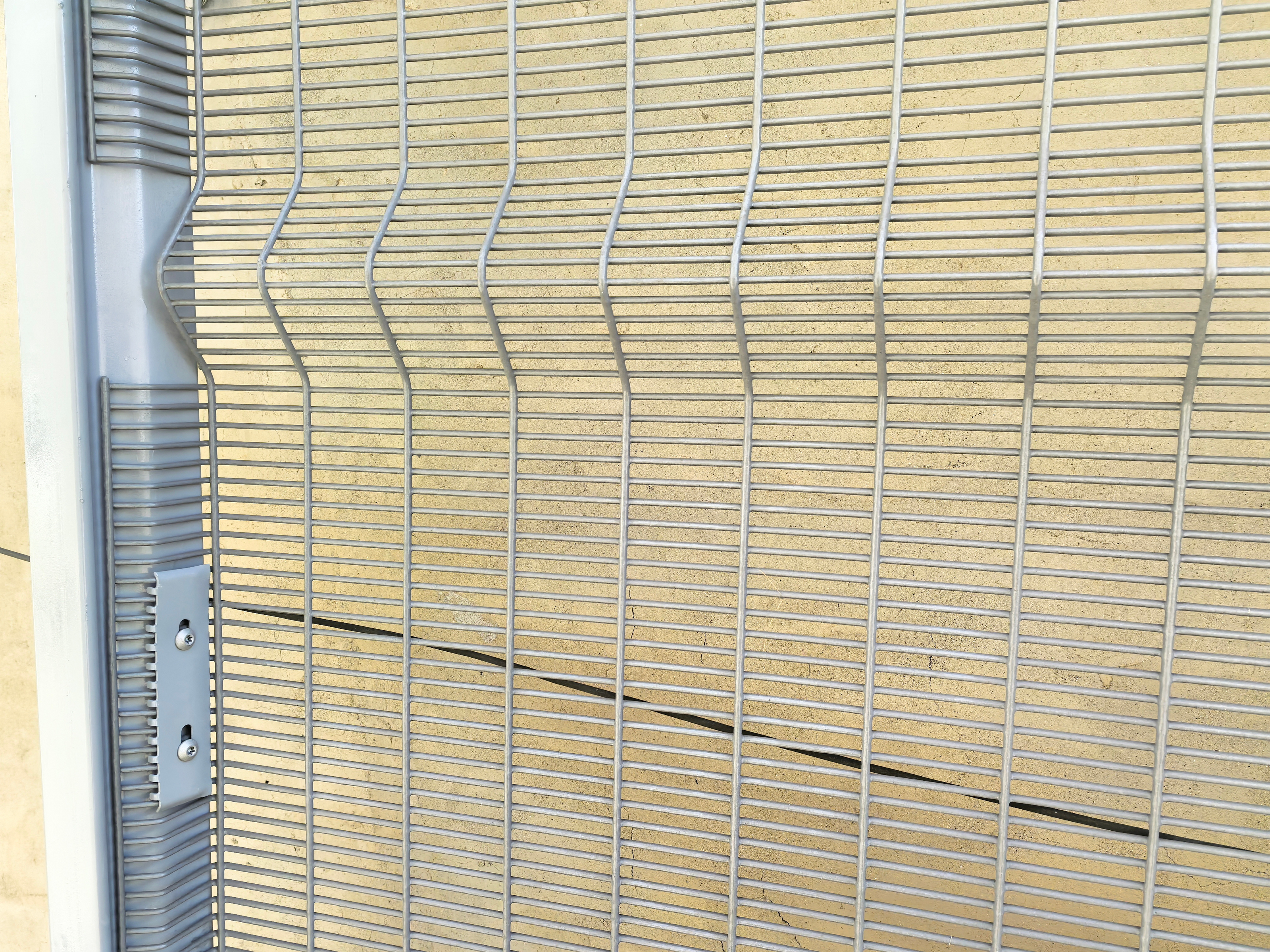
POLYMETAL High 358 Security Mesh Fencing is manufactured from high-grade steel wire welded at each intersection to form a rigid, tamper-resistant panel face. The small aperture pattern removes toe and finger holds, dramatically reducing climb success, while the weld density and wire diameter make cutting slow, loud, and tool-intensive. For secure installations, panels are overlapped at posts (commonly ≥75mm overlap) and locked using full-height clamp bars with consistent bolt spacing so the panel edge cannot be peeled away or “worked loose” over time.
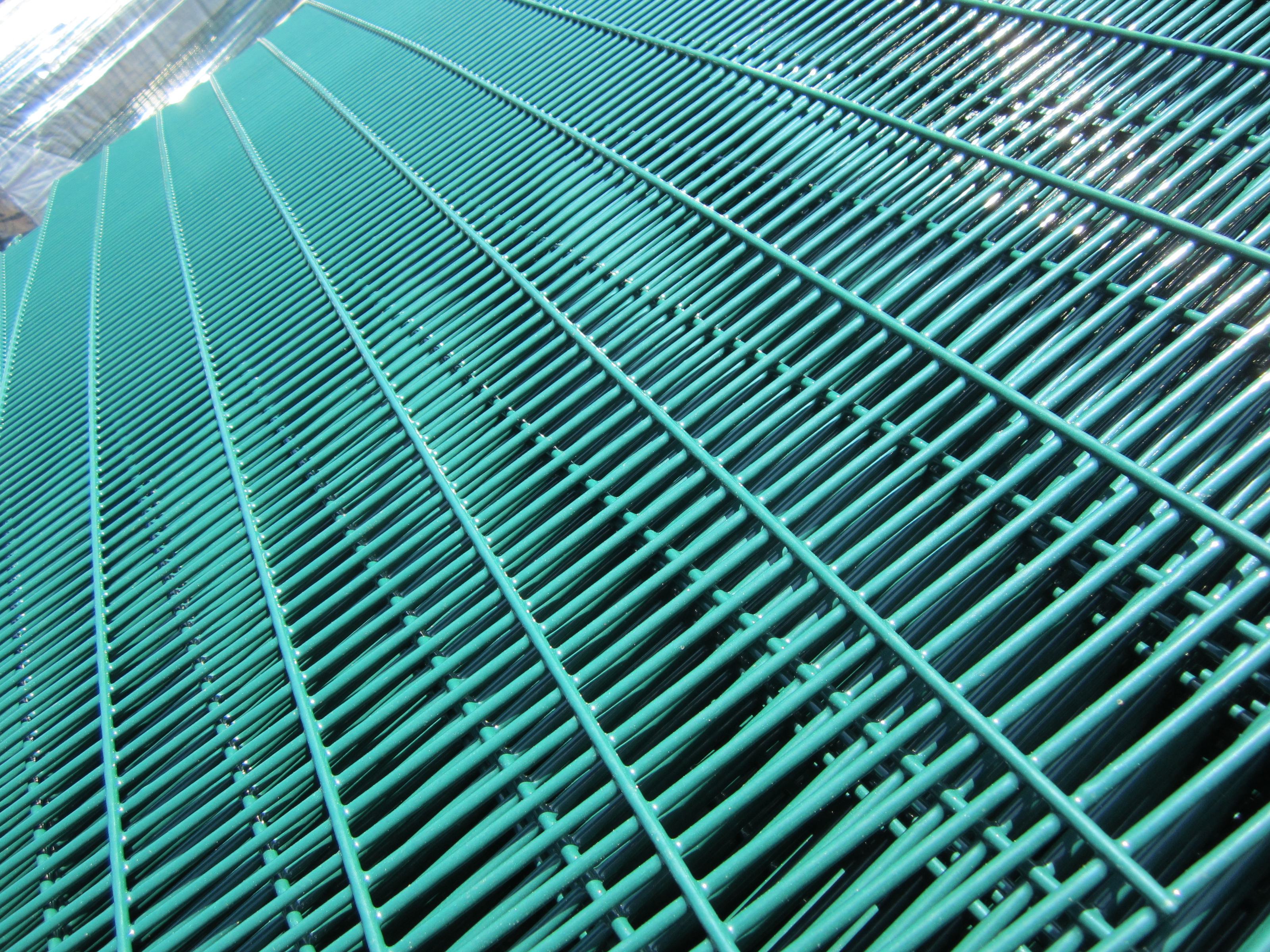
Finish performance is engineered through galvanized protection and an optional polymer powder coat layer to increase corrosion resistance, reduce maintenance, and keep the fence visually consistent across long runs. Color options are commonly specified as Green (RAL 6005) and Black (RAL 9005 Jet Black), with additional RAL colors available when projects require architectural matching.
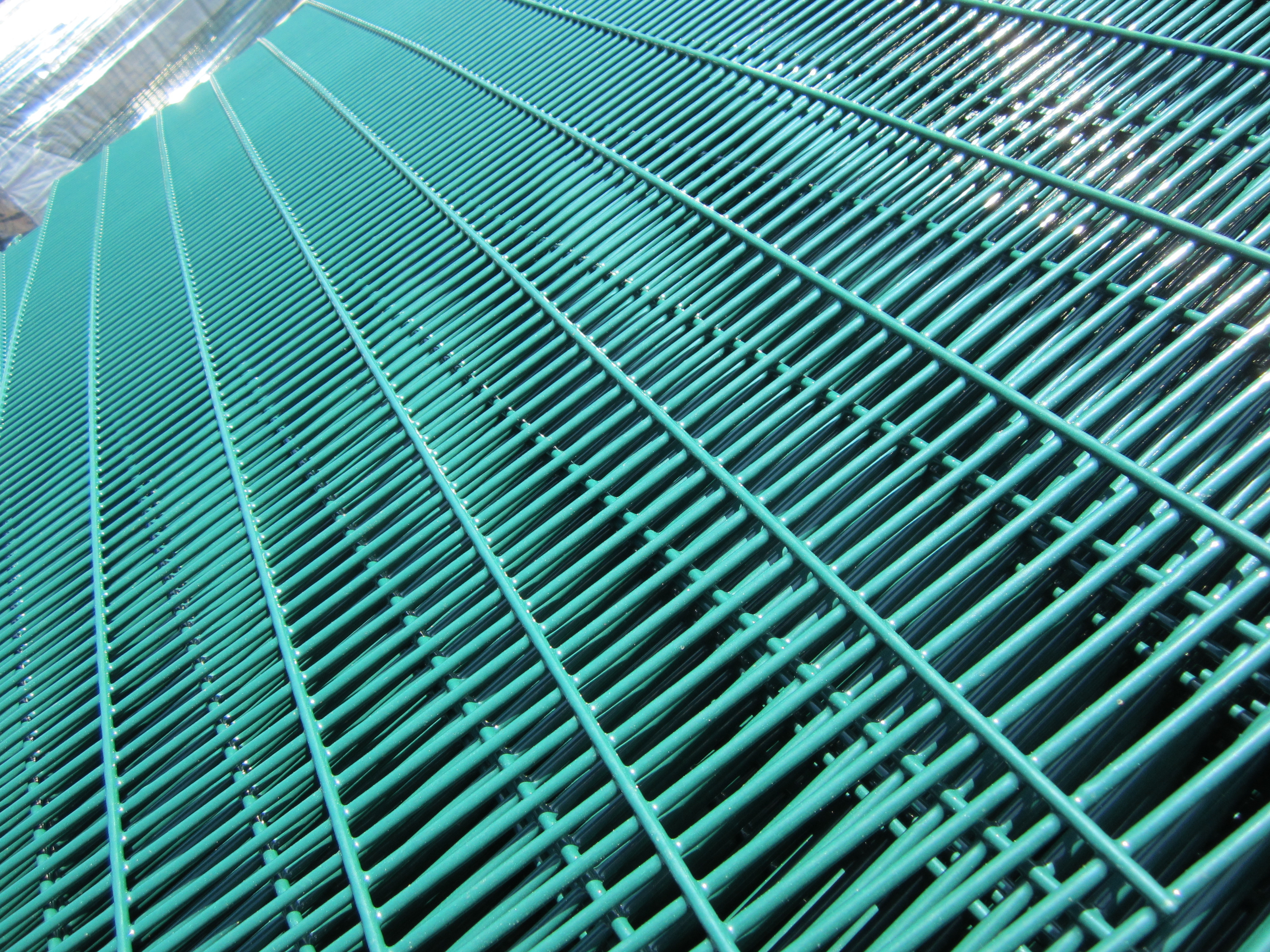
Core Features Explained
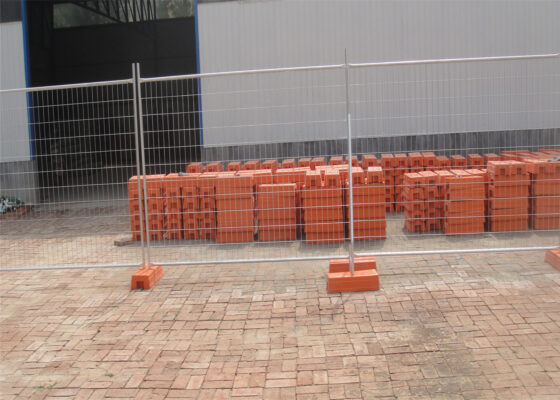
High 358 Security Mesh Fencing achieves anti-climb performance because the aperture is too small to form a reliable grip, even with footwear pressure. Anti-cut performance is achieved by combining thick wire options with full intersection welding that resists bolt-cutter leverage. The welded structure provides strong impact behavior, while the open mesh delivers high visibility for CCTV, alarms, and detection systems, allowing security teams to see and respond quickly without blind spots created by solid barriers. For projects that also require fast-deploy perimeter control, it’s common to pair high-security zones with temporary site fence panels in lower-risk boundary areas.
Anti-Climb Fence Panels Specification (High 358 Security Mesh Fencing)
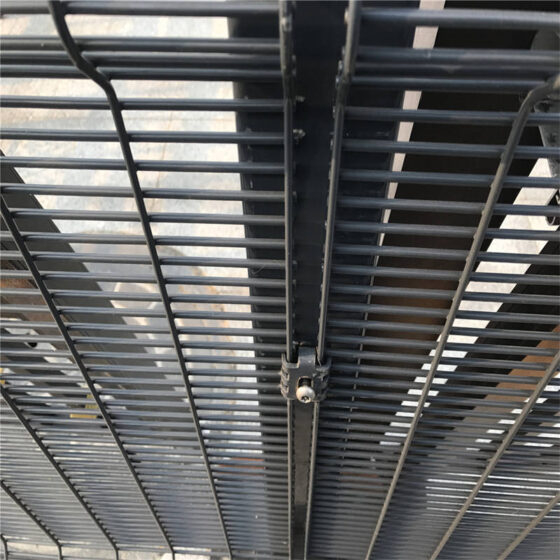
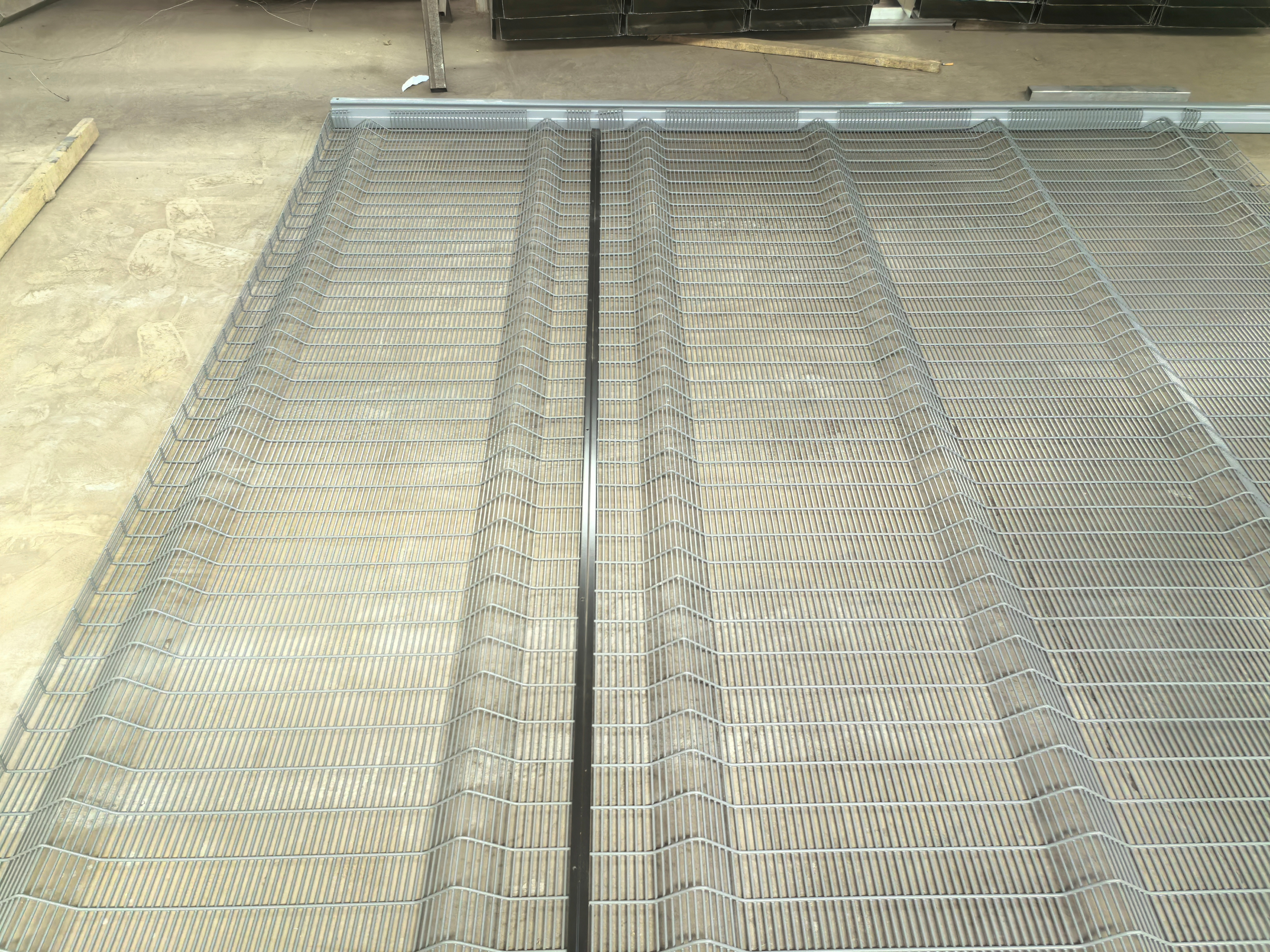
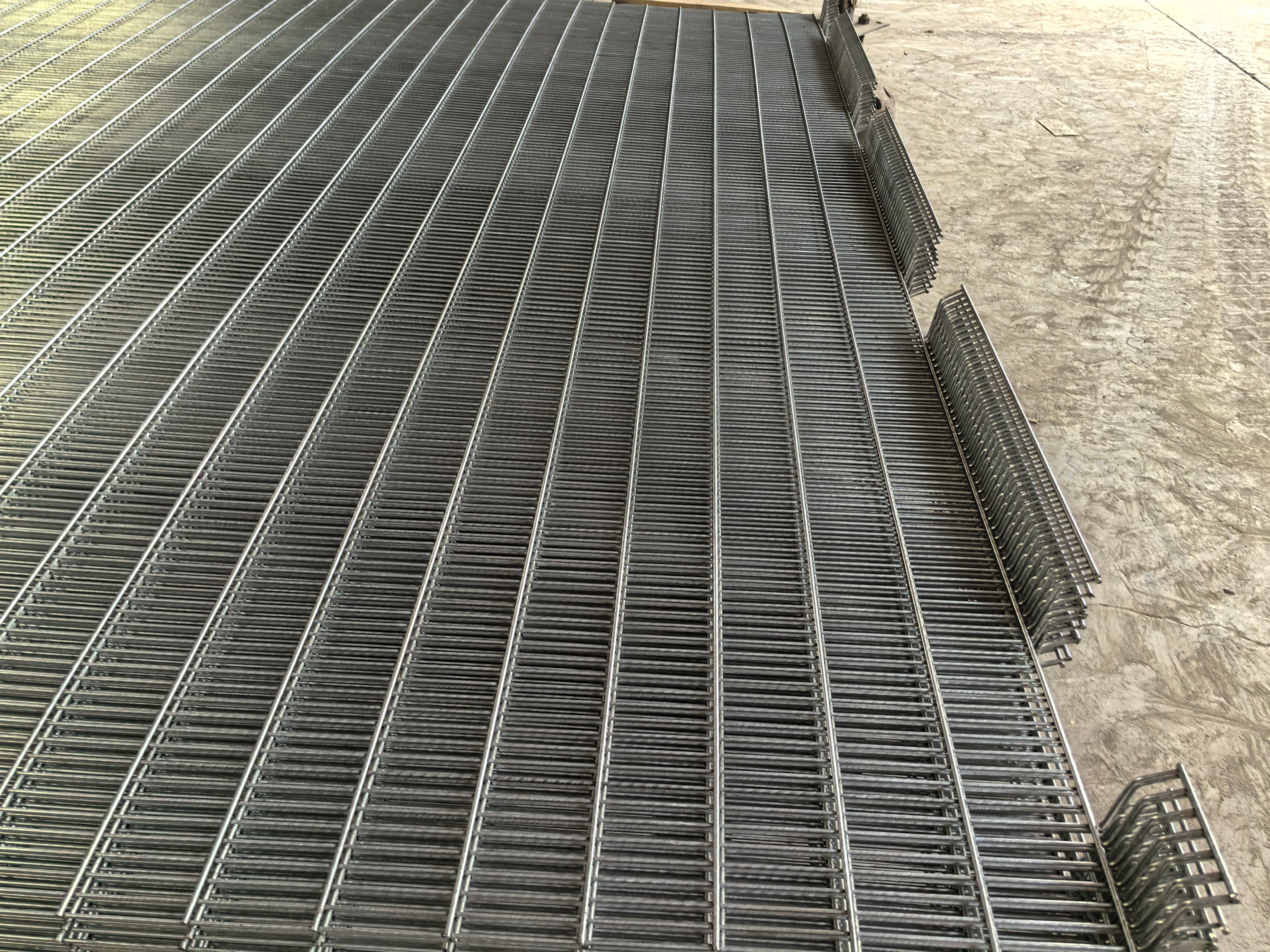
POLYMETAL panels are produced with a common system width of 2515mm and height modules that can be used as single panels or stacked in controlled configurations. The standard 358 mesh opening is 76.2mm × 12.7mm, with security wire ranges commonly specified from 3.00mm up to 5.00mm depending on the threat environment. For a secure perimeter line, panels are overlapped at posts and captured by full-height clamp bars that distribute load and prevent localized “tear points” at fasteners.
| Photo | Caption |
|---|---|
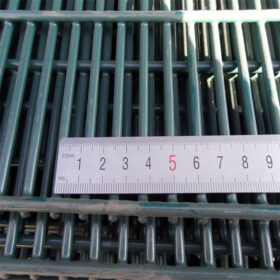
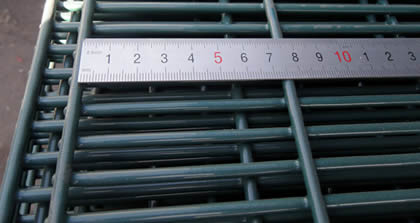 | 358 fence panel face shows the 76.2mm length pitch pattern. |
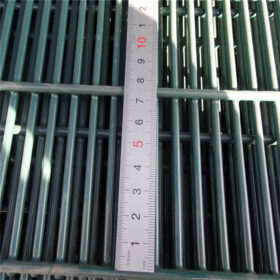
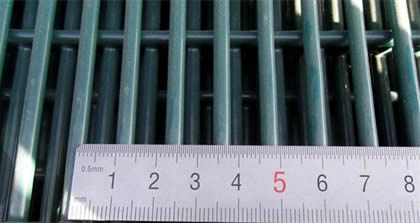 | 358 mesh detail photo (panel section reference). |
Specifications (Table 1): High 358 Security Mesh Fencing System Heights
| Fence Height (m) | Panel Size (H × W) | Mesh Opening | Wire Diameter | Fence Post (H × Size × Thick) | Clamp Bar (H × W × Thick) | Inter / Corner Clamp No. (pcs) | Typical Use Level |
|---|---|---|---|---|---|---|---|
| 1.8 | 1800mm × 2515mm | 12.70mm × 76.20mm | 3.00–4.00mm | 2500mm × 60×60×2.5mm | 1800mm × 60mm × 5.00mm | 7 / 14 | Public-facing deterrence |
| 2.0 | 2007mm × 2515mm | 12.70mm × 76.20mm | 3.00–5.00mm | 2700mm × 60×60×2.5mm | 2007mm × 60mm × 5.00mm | 7 / 14 | General high-security |
| 2.4 | 2400mm × 2515mm | 12.70mm × 76.20mm | 3.00–5.00mm | 3100mm × 60×60×2.5mm | 2400mm × 60mm × 5.00mm | 9 / 18 | Higher delay time |
| 3.0 | 2997mm × 2515mm | 12.70mm × 76.20mm | 4.00–5.00mm | 3800mm × 80×80×2.5mm | 2997mm × 80mm × 6.00mm | 11 / 22 | Critical boundary lines |
| 3.3 | 3302mm × 2515mm | 12.70mm × 76.20mm | 4.00–5.00mm | 4200mm × 80×80×2.5mm | 3302mm × 80mm × 6.00mm | 12 / 24 | Schools / public areas (tall) |
| 3.6 | 3607mm × 2515mm | 12.70mm × 76.20mm | 4.00–5.00mm | 4500mm × 100×60×3.0mm | 3607mm × 100mm × 7.00mm | 13 / 26 | High deterrence + clean view |
| 3.6 | 3607mm × 2515mm | 12.70mm × 76.20mm | 4.00–5.00mm | 4500mm × 100×100×3.0mm | 3607mm × 100mm × 7.00mm | 13 / 26 | High rigidity upgrade option |
| 4.2 | 4204mm × 2515mm | 12.70mm × 76.20mm | 4.00–5.00mm | 5200mm × 100×100×4.0mm | 4204mm × 100mm × 8.00mm | 15 / 30 | Infrastructure security |
| 4.5 | 4496mm × 2515mm | 12.70mm × 76.20mm | 4.00–5.00mm | 5500mm × 100×100×5.0mm | 4496mm × 100mm × 8.00mm | 16 / 32 | High threat + high height |
| 5.2 | 5207mm × 2515mm | 12.70mm × 76.20mm | 4.00–5.00mm | 6200mm × 120×120×5.0mm | 5207mm × 100mm × 8.00mm | 18 / 36 | Prison / defense perimeter |
Fence Posts (Material + Finish) — Written as Paragraphs
POLYMETAL High 358 Security Mesh Fencing posts are specified to match the fence height and threat level, with common section options including 60×60, 80×80, 100×60, 100×100, and 120×120. Post thickness is selected to resist rotation and impact load (commonly from 2.5mm up to 5.0mm at higher heights). Metal clamp bars and clamps are supplied with corrosion-resistant treatment and finished to match the fence system so fasteners remain stable and consistent in appearance across the full perimeter line.
For long-term service, steel components can be specified with galvanized protection and optional polymer powder coating to increase weather resistance. Post caps are selected to prevent water ingress and reduce internal corrosion risk, and clamp geometry is controlled so panels clamp flat to the post without “edge lift,” which is a common hidden failure point in high-security mesh systems.
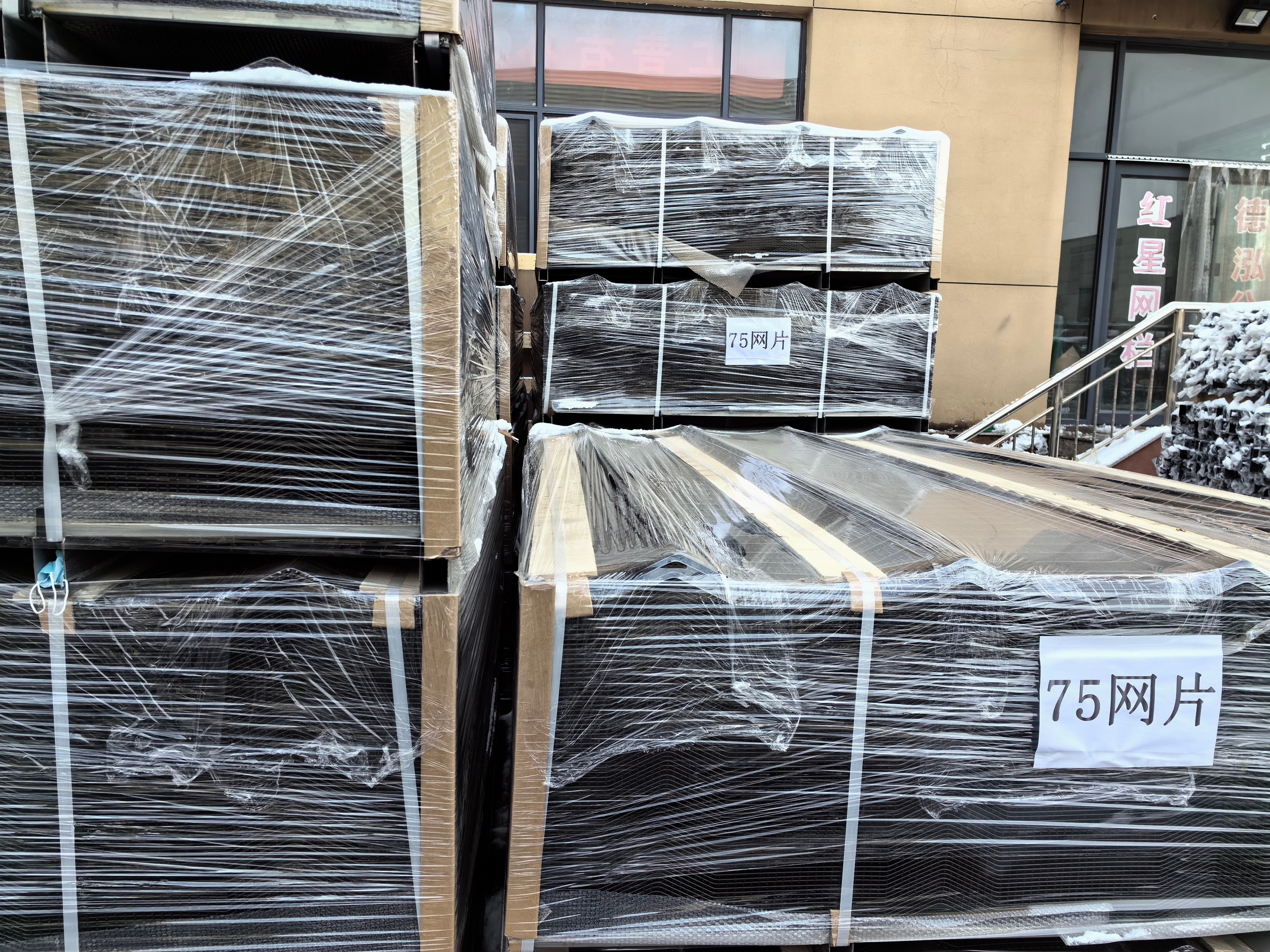
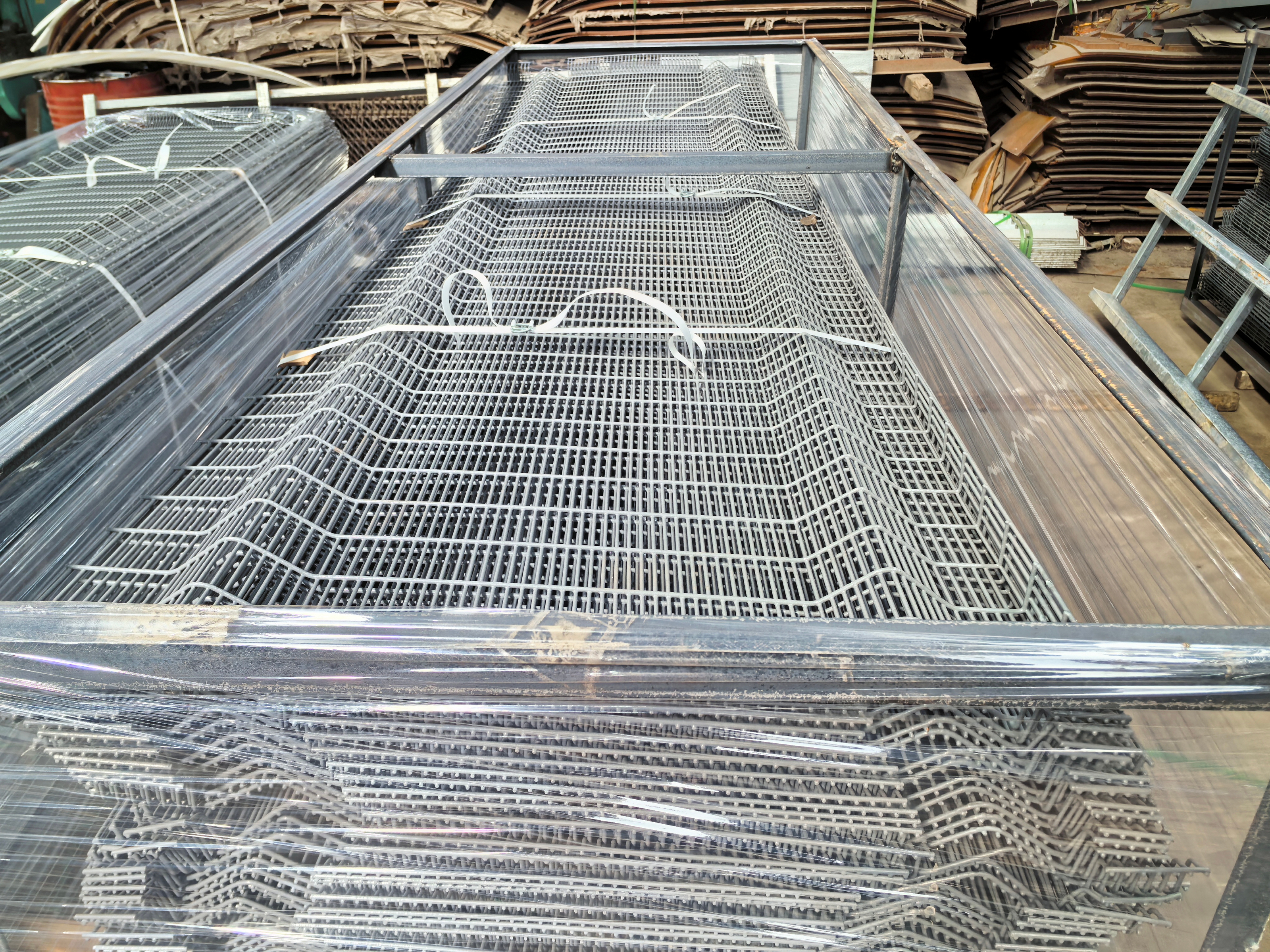
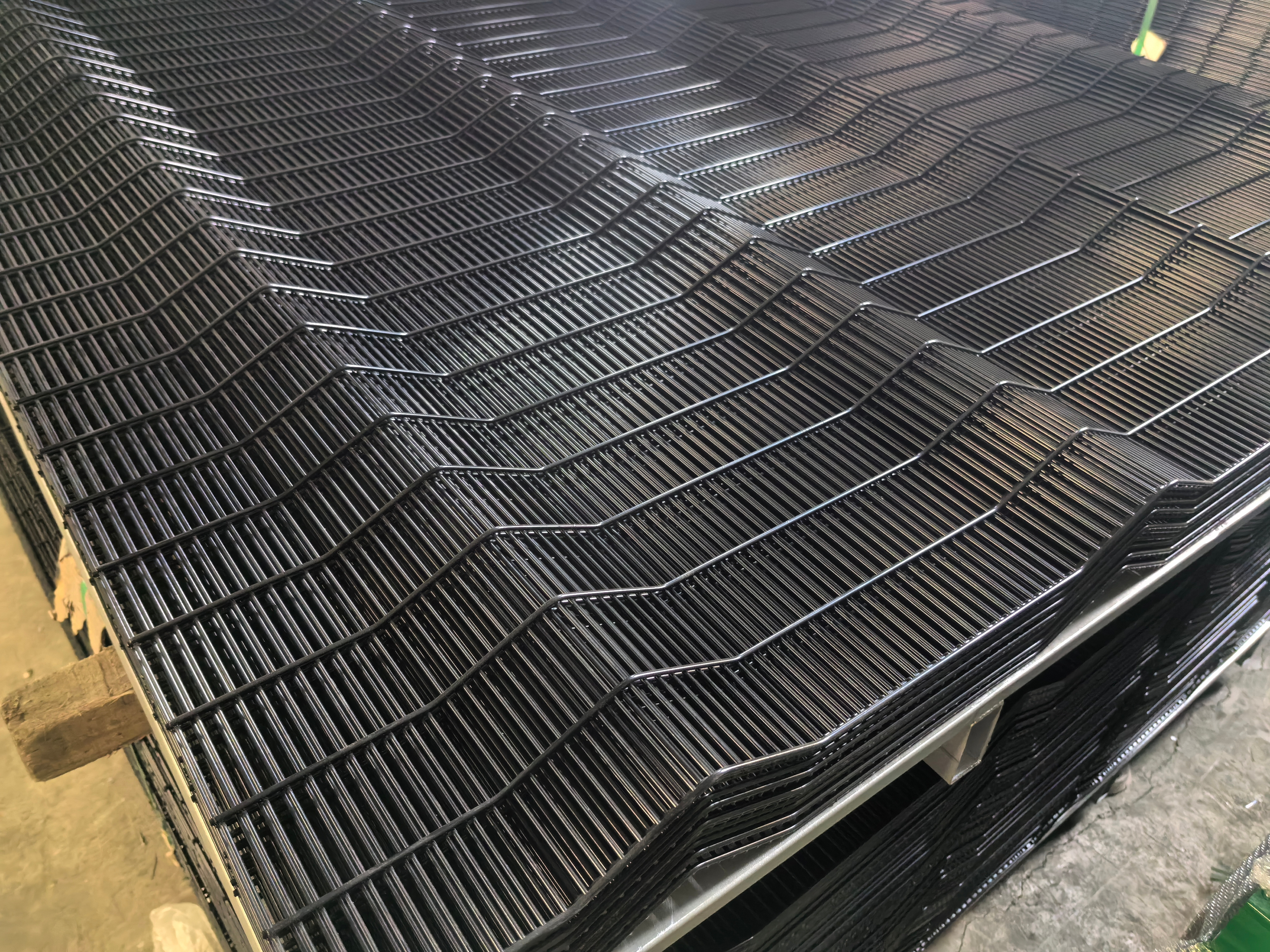
Packing: High 358 Security Mesh Fencing
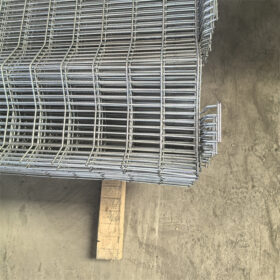
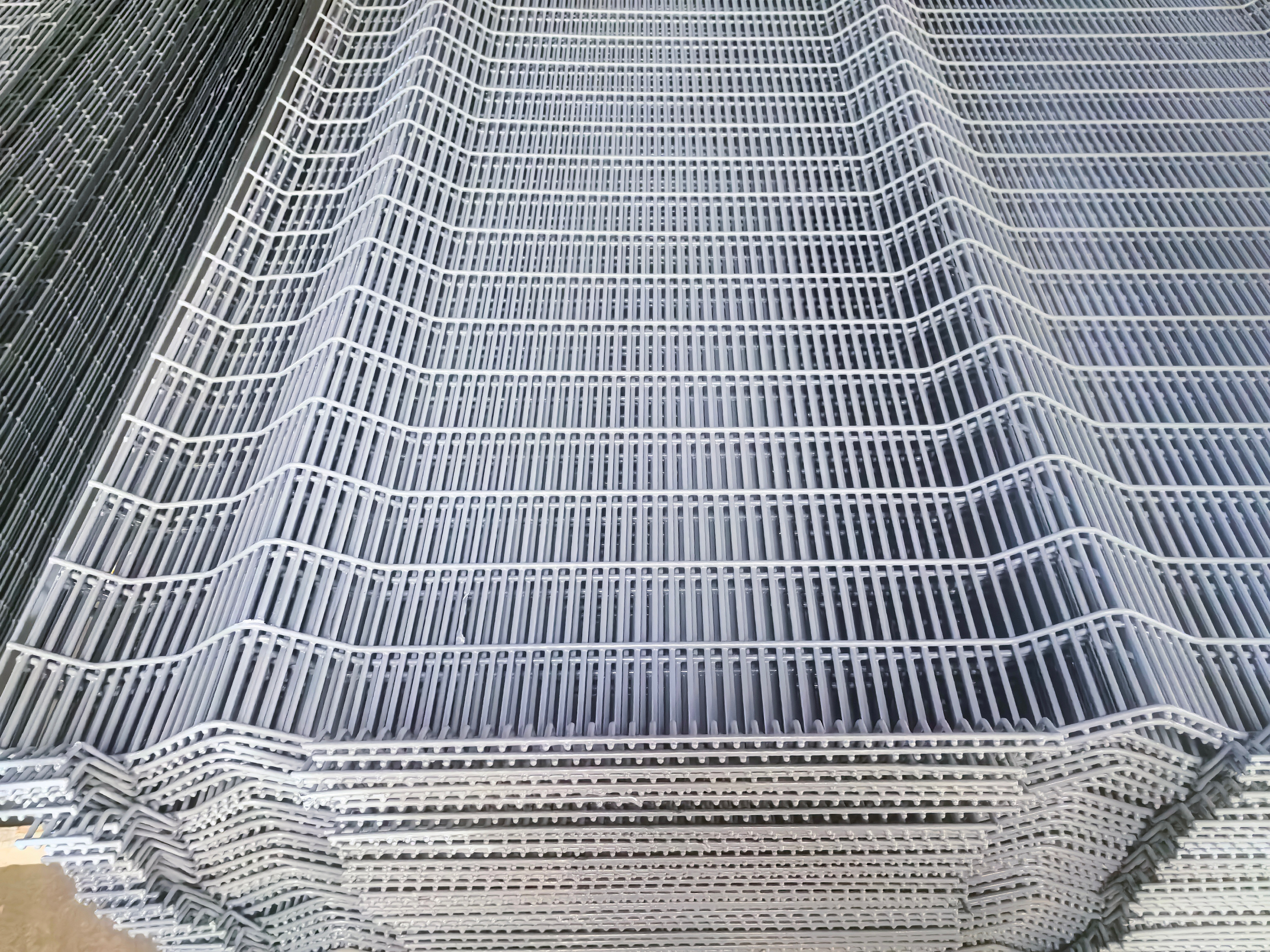
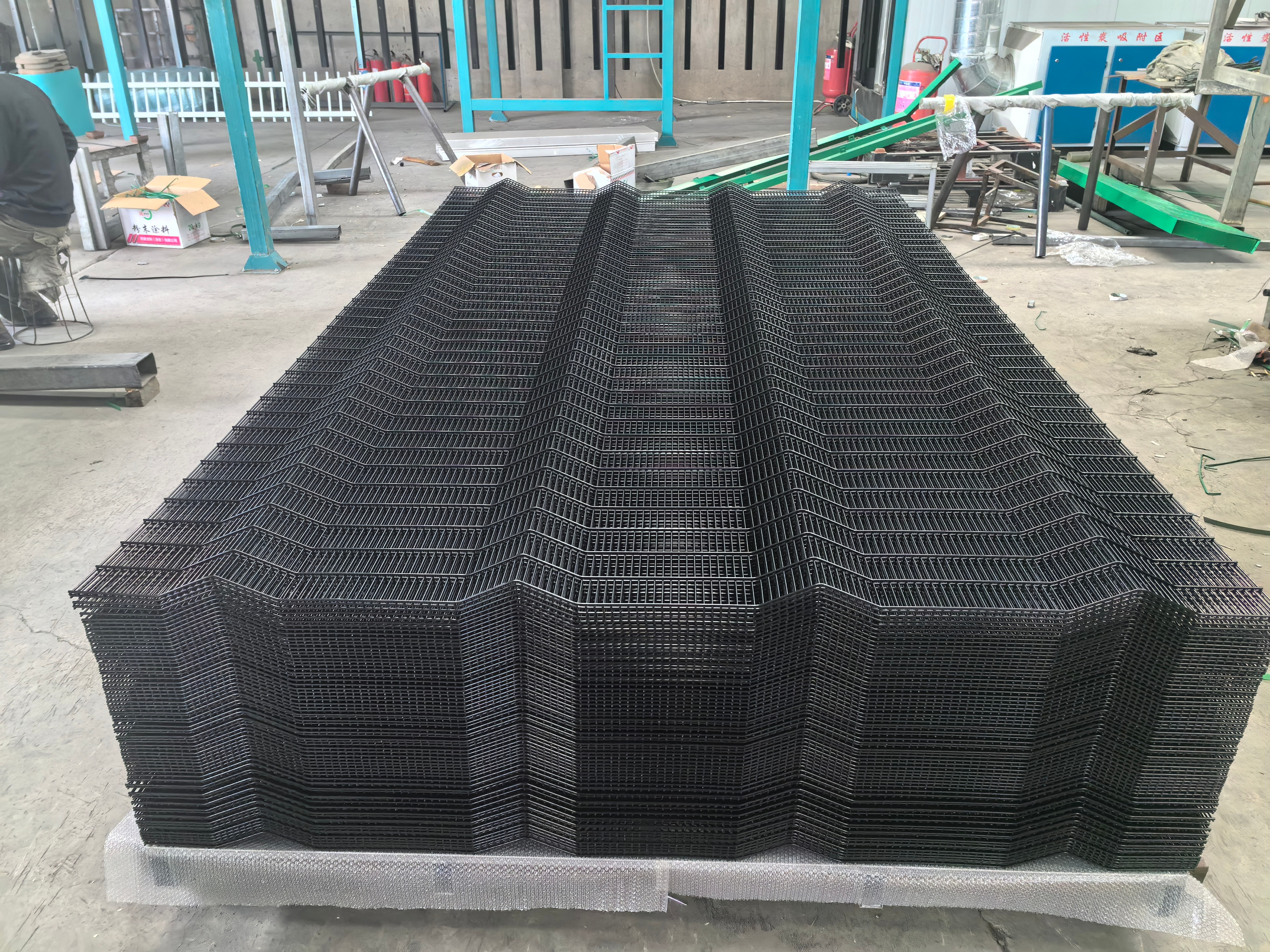
High 358 Security Mesh Fencing panels are packaged to minimize abrasion at contact points and to prevent weld-edge damage during transport. Panels are typically wrapped in protective film and secured tightly to pallets to stop movement and rubbing. Posts are bundled and protected to reduce scuffing, while clamps, bolts, and small accessories are packed by set to prevent missing-part delays that force on-site improvisation. Good packing is not cosmetic—it directly prevents early coating damage that later becomes corrosion hotspots.
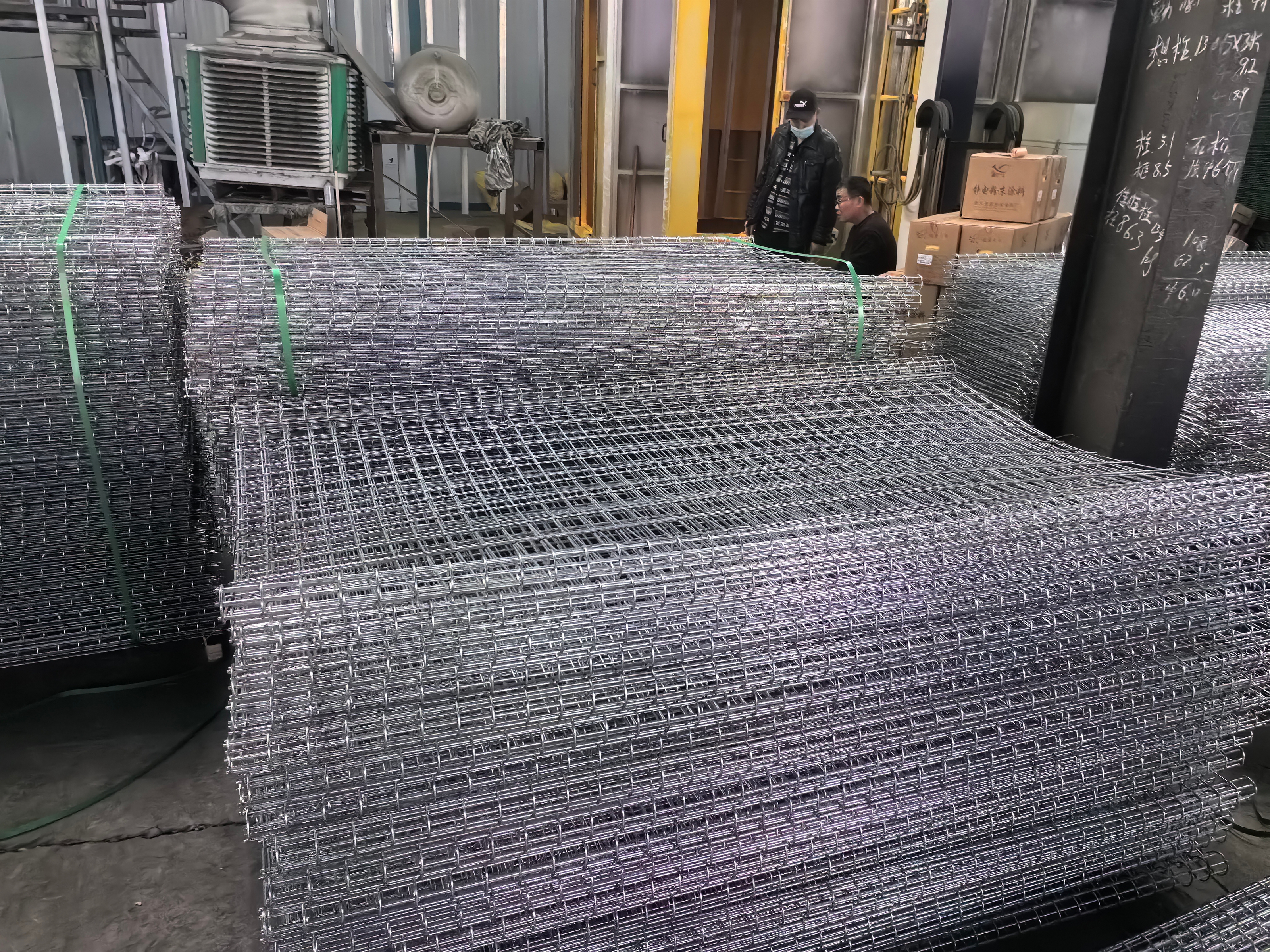
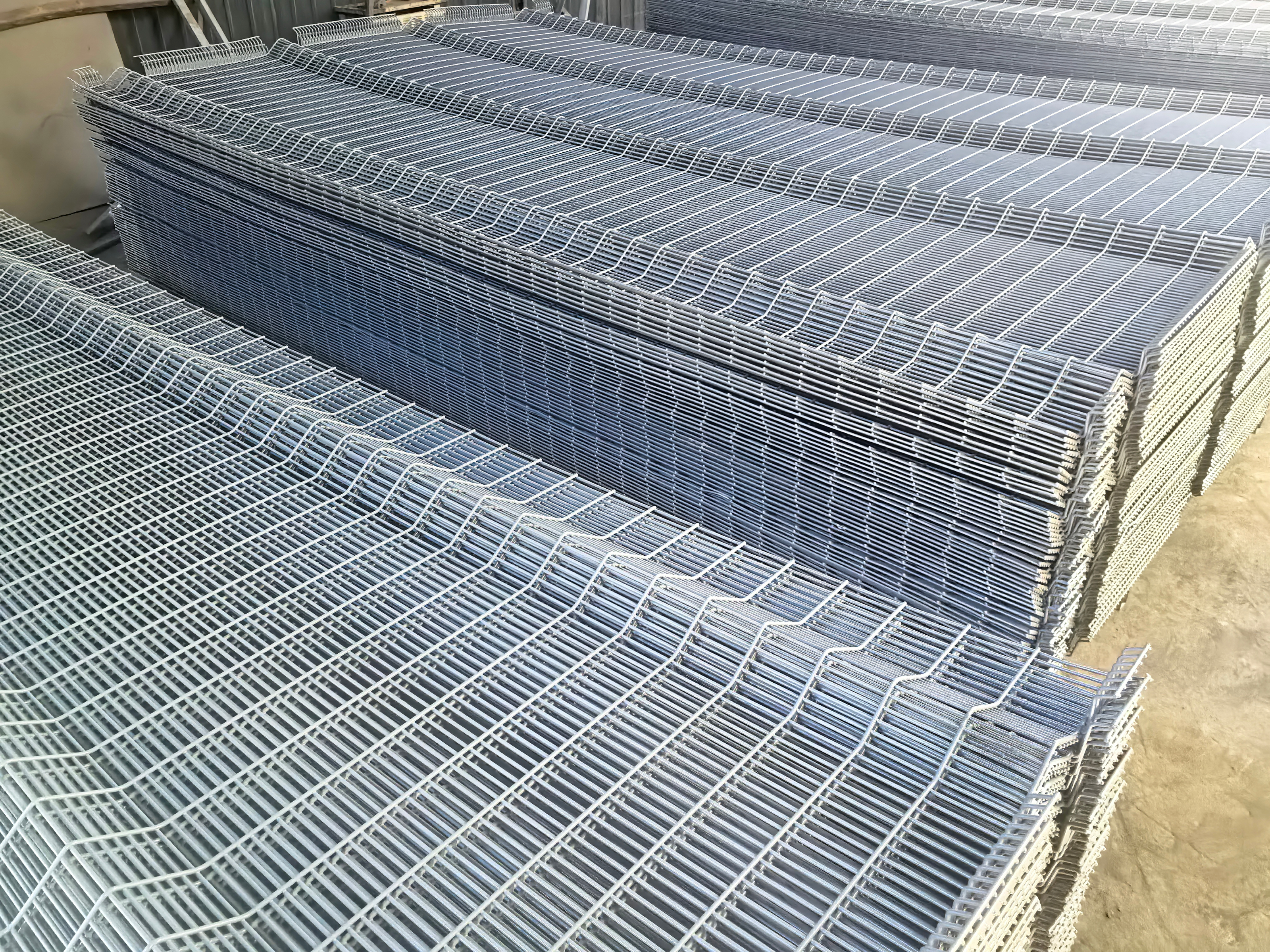
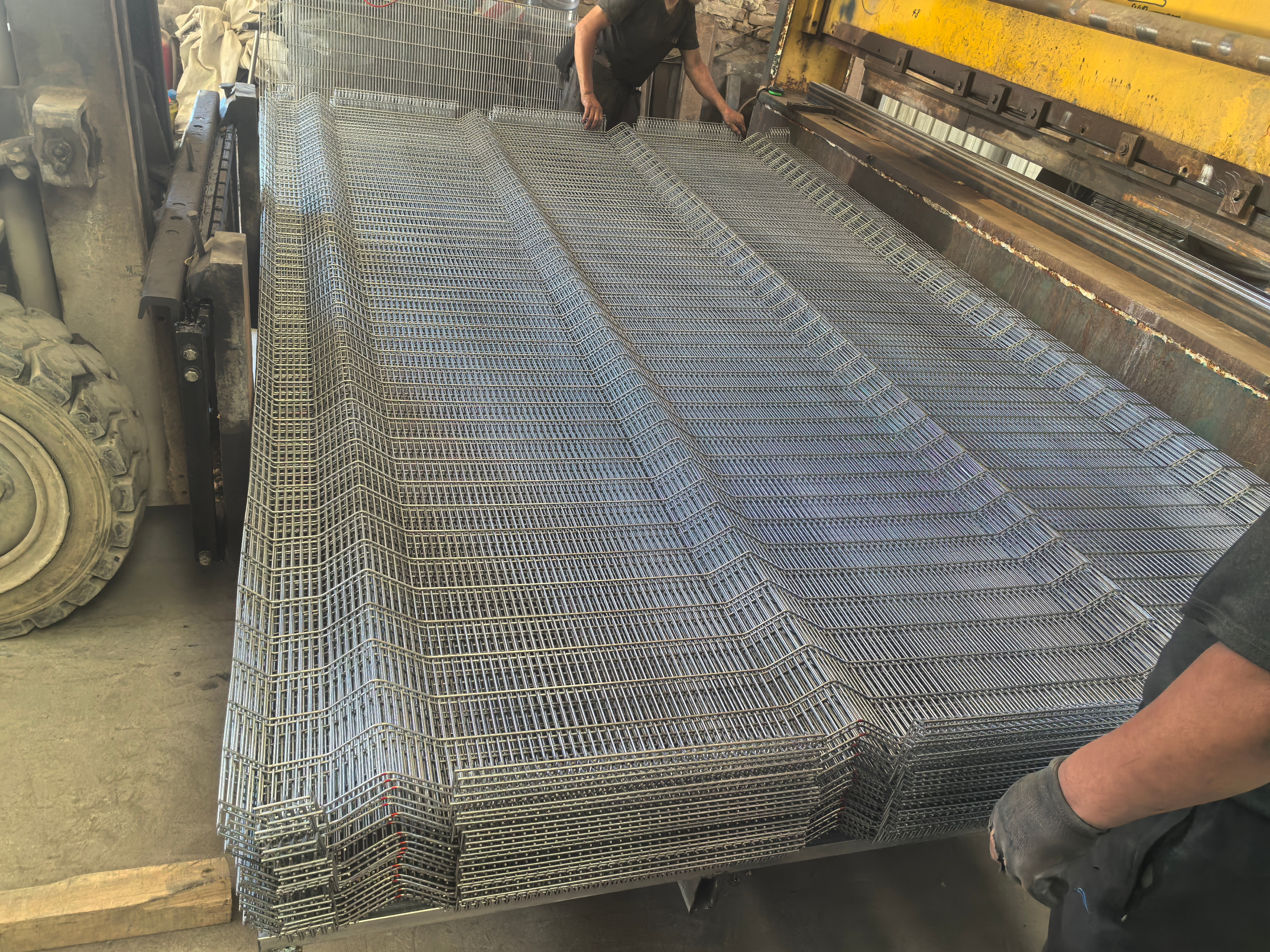
2D Anti-Climb Fence (High 358 Security Mesh Fencing Upgrade)
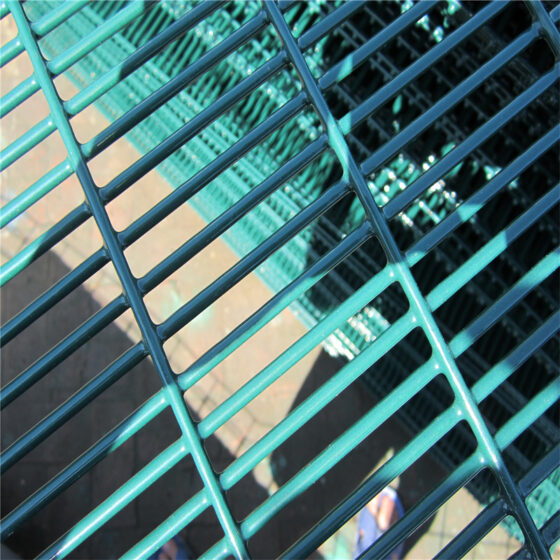
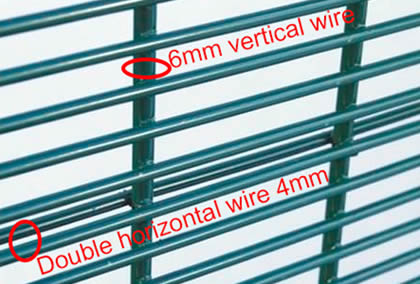
2D anti-climb systems increase rigidity by using heavier vertical wire and additional reinforcement wires at set centers. A common 2D build uses 6mm vertical wires combined with 4mm horizontal wires, including double horizontal reinforcement at intervals to increase stiffness and reduce panel face flex. This structure is widely used for schools, industrial sites, infrastructure corridors, and high-security lines where deflection control matters as much as cut resistance.
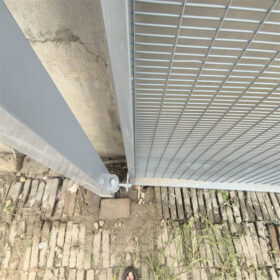
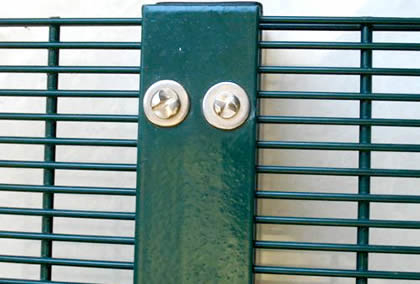
| Green powder coating 2D security fencing with 6mm vertical wire and 4mm double horizontal wire | 2D security fencing panel detail installed on a post |
 |  |
Specifications (Table 4): 2D Anti-Climb System Options
| Fence Height (m) | Panel Size (H × W) | Mesh Opening | Vertical Wire | Horizontal Wire | Reinforcement Pattern | Post Suggestion | Clamp Bar | Typical Use | Primary Advantage |
|---|---|---|---|---|---|---|---|---|---|
| 2.0 | 2007×2515mm | 12.7×76.2mm | 6.0mm | 4.0mm | Double H at 152.4mm centers | 60×60×2.5 | 60×5.0 | Schools | Higher rigidity |
| 2.4 | 2400×2515mm | 12.7×76.2mm | 6.0mm | 4.0mm | Double H reinforcement | 60×60×2.5 | 60×5.0 | Industrial sites | Lower flex |
| 3.0 | 2997×2515mm | 12.7×76.2mm | 6.0mm | 4.0mm | Double H reinforcement | 80×80×2.5 | 80×6.0 | Substations | Stronger face |
| 3.3 | 3302×2515mm | 12.7×76.2mm | 6.0mm | 4.0mm | Double H reinforcement | 80×80×2.5 | 80×6.0 | Hospitals (secure) | Delay + stability |
| 3.6 | 3607×2515mm | 12.7×76.2mm | 6.0mm | 4.0mm | Double H reinforcement | 100×100×3.0 | 100×7.0 | Ports | Impact resistance |
| 4.2 | 4204×2515mm | 12.7×76.2mm | 6.0mm | 4.0mm | Double H reinforcement | 100×100×4.0 | 100×8.0 | Rail corridors | High stiffness |
| 4.5 | 4496×2515mm | 12.7×76.2mm | 6.0mm | 4.0mm | Double H reinforcement | 100×100×5.0 | 100×8.0 | Airports | Strong delay |
| 5.2 | 5207×2515mm | 12.7×76.2mm | 6.0mm | 4.0mm | Double H reinforcement | 120×120×5.0 | 100×8.0 | Corrections | Maximum rigidity |
| 2.0–3.6 | Module options | 12.7×76.2mm | 6.0mm | 4.0mm | Custom reinforcement spacing | System matched | System matched | Public assets | Cleaner fence line |
| 3.0–5.2 | Module options | 12.7×76.2mm | 6.0mm | 4.0mm | Extra reinforcement available | System matched | System matched | High threat zones | Higher attack resistance |
3D Anti-Climb Fence (V-Beam Enhanced Appearance)
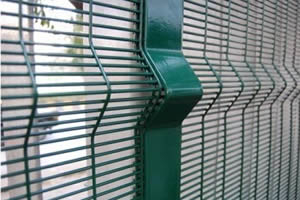
3D anti-climb fencing uses the same security mesh logic but adds pressed horizontal V-shaped beams to improve stiffness and appearance. This gives a clean architectural feel while still delivering strong security performance, making it a frequent choice for schools, hospitals, railways, ports, airports, warehouses, industrial facilities, and commercial sites that require protection without sacrificing presentation.
Specifications (Table 5): 3D Security Fence System (Expanded)
| Fence Height (m) | Panel Size (H × W) | No. of V-Beams | Post O/A Length (mm) | Inter Post Material | Inter Fixings (pcs) | Corner Post Material | Corner Fixings (pcs) | Mesh Opening | Wire Diameter |
|---|---|---|---|---|---|---|---|---|---|
| 1.8 | 1800 × 2515 | 2 | 2500 | 80×60×2.0 RHS | 6 | 80×80×2.5 SHS | 12 | 12.7×76.2 | 4.0mm |
| 2.0 | 2000 × 2515 | 2 | 2700 | 80×60×2.0 RHS | 6 | 80×80×2.5 SHS | 12 | 12.7×76.2 | 4.0mm |
| 2.4 | 2400 × 2515 | 3 | 3100 | 80×60×2.0 RHS | 7 | 80×80×2.5 SHS | 14 | 12.7×76.2 | 4.0mm |
| 3.0 | 3000 × 2515 | 3 | 3800 | 80×80×2.5 SHS | 10 | 80×80×2.5 SHS | 20 | 12.7×76.2 | 4.0–5.0mm |
| 3.3 | 3300 × 2515 | 3 | 4200 | 80×80×2.5 SHS | 11 | 80×80×2.5 SHS | 22 | 12.7×76.2 | 4.0–5.0mm |
| 3.6 | 3600 × 2515 | 4 | 4500 | 100×60×3.0 RHS | 12 | 100×100×3.0 SHS | 24 | 12.7×76.2 | 4.0–5.0mm |
| 4.2 | 4200 × 2515 | 4 | 5200 | 100×100×4.0 SHS | 14 | 100×100×4.0 SHS | 28 | 12.7×76.2 | 4.0–5.0mm |
| 4.5 | 4500 × 2515 | 4 | 5500 | 100×100×5.0 SHS | 15 | 100×100×5.0 SHS | 30 | 12.7×76.2 | 4.0–5.0mm |
| 5.2 | 5200 × 2515 | 5 | 6200 | 120×120×5.0 SHS | 18 | 120×120×5.0 SHS | 36 | 12.7×76.2 | 5.0mm |
| 3.0–5.2 | System matched | 3–5 | Matched | Matched | Matched | Matched | Matched | 12.7×76.2 | 4.0–5.0mm |
Benefits of High 358 Security Mesh Fencing
High 358 Security Mesh Fencing delivers real security value when the system is specified as a complete set: correct wire diameter for cut resistance, correct post size and thickness for stiffness, and correct clamp bars to prevent panel edge lifting. The tight mesh pattern provides strong delay time against climbing while keeping excellent visibility for CCTV and patrol response. When coating and corrosion control are engineered correctly, the fence stays stable and presentable with lower lifetime maintenance, reducing “looks worn” complaints on public-facing assets.
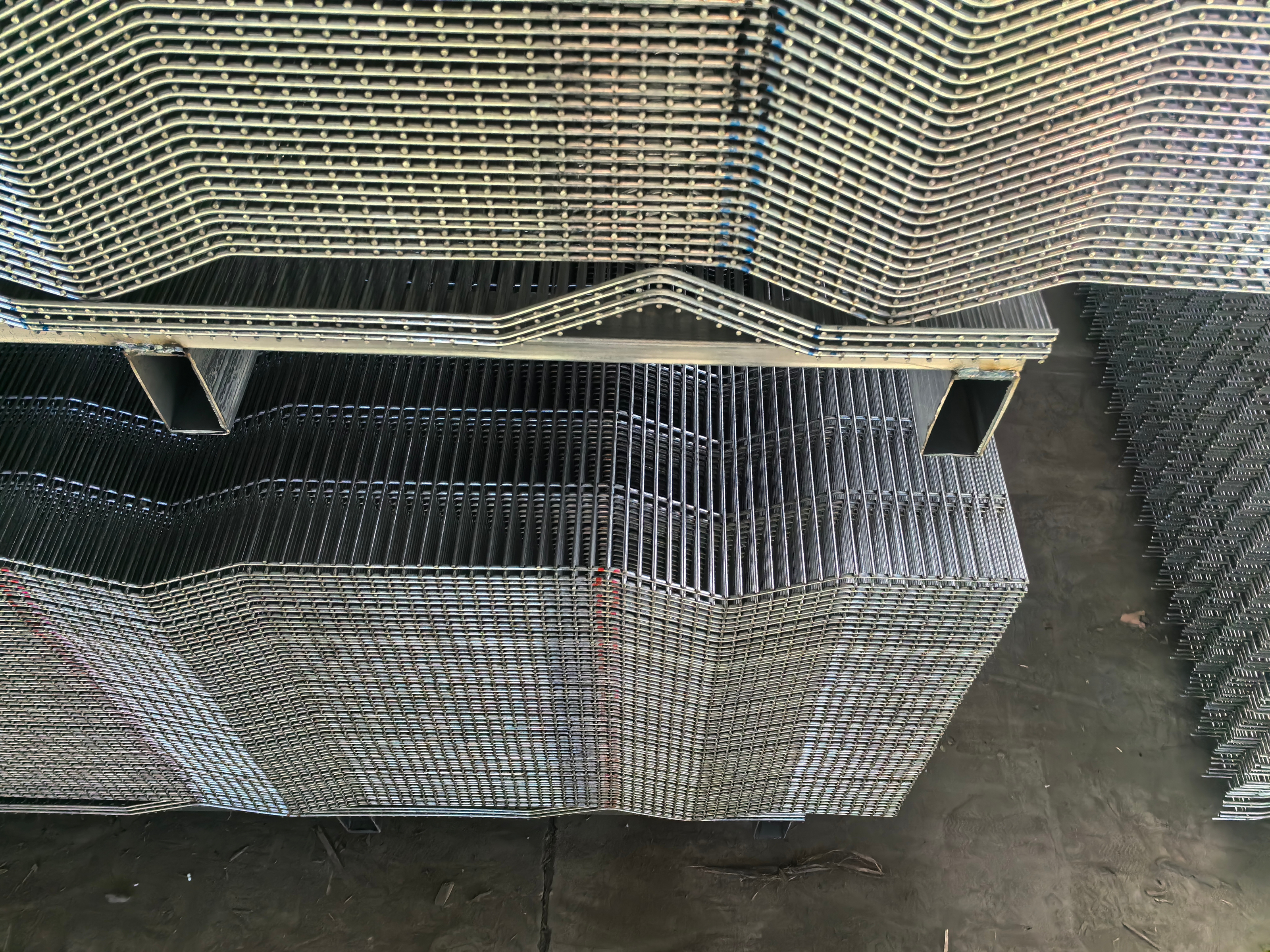
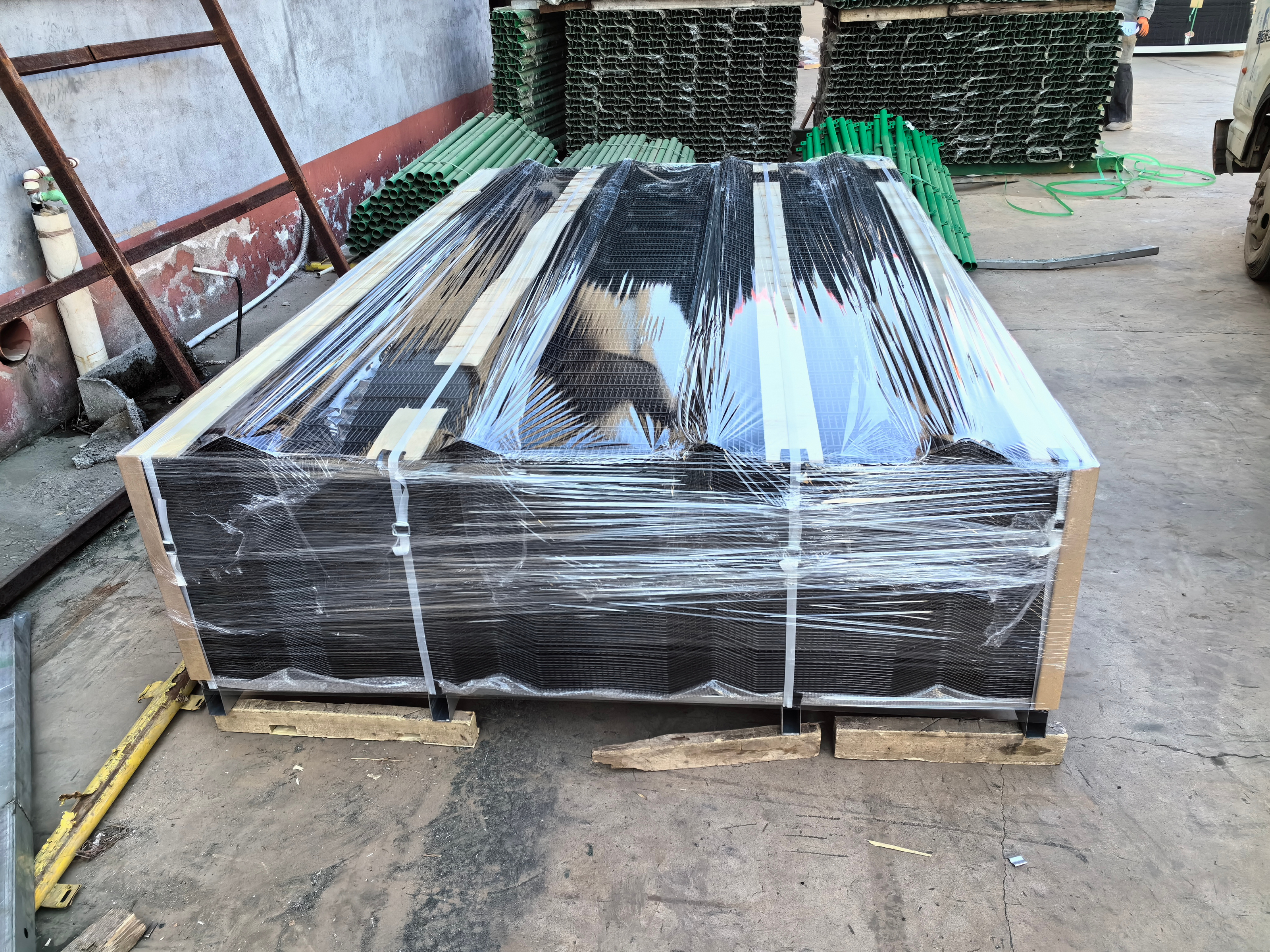
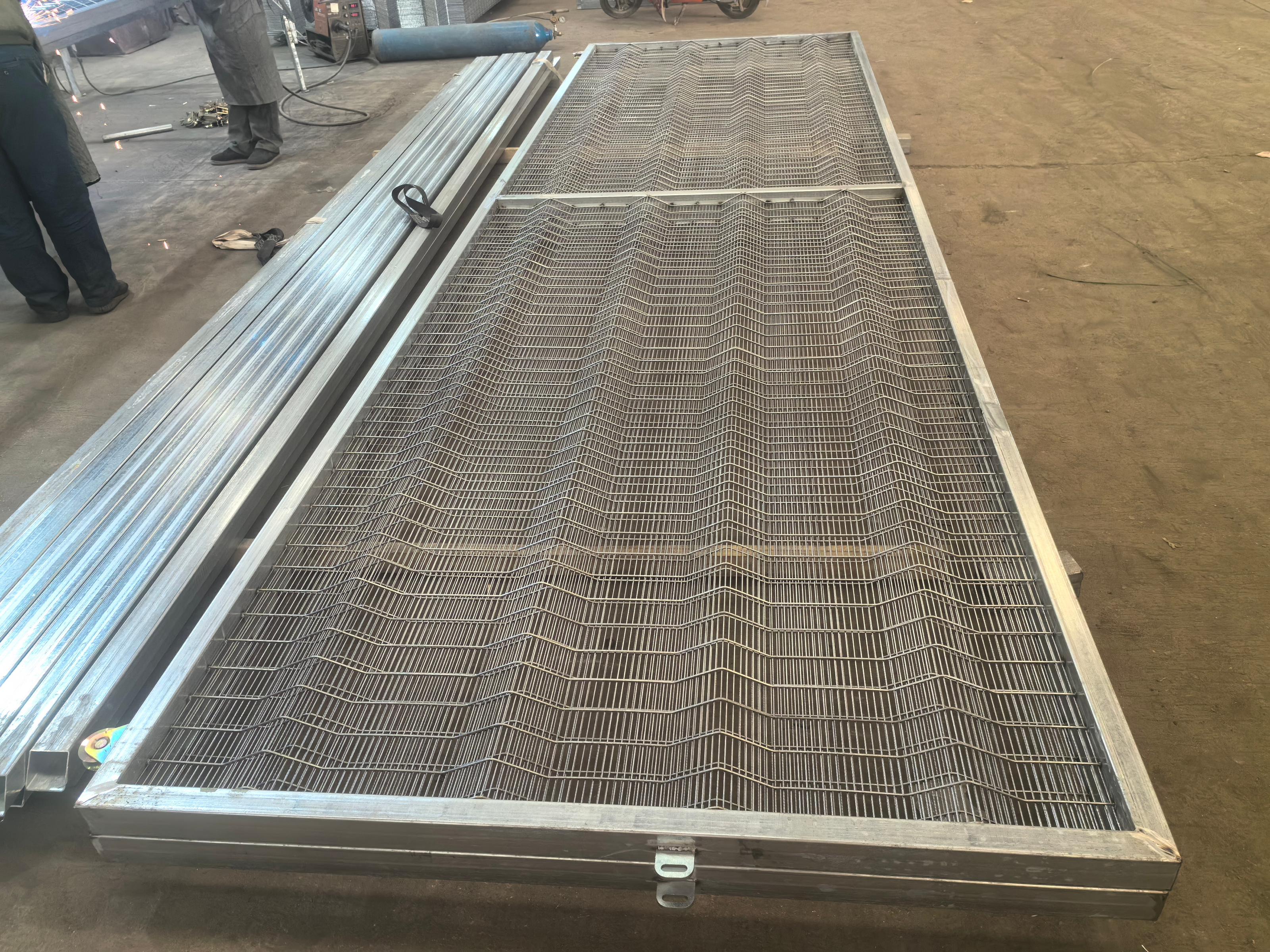
Standard, Manufacturing Control, and Delivery Documents
POLYMETAL manufacturing control for High 358 Security Mesh Fencing focuses on weld integrity at every intersection, dimensional consistency for overlap and clamp fit, post compatibility across inter and corner conditions, and finish performance for long service life. For export deliveries, document sets typically include packing list, commercial invoice, and bill of lading copy/draft (including telex release workflow where required). Project documentation can also include material traceability and coating process records when high-security compliance requires it.
Top 28 Buyer WARNINGS for High 358 Security Mesh Fencing (Especially #21)
WARNING #1: Buying “358” by name but receiving the wrong mesh opening
The real anti-climb effect comes from the tight 12.7mm × 76.2mm pattern. If the opening is larger, the fence becomes easier to grip and climb, and the “358” label becomes meaningless. Lock the mesh opening on the drawing, not only in the quotation title.
WARNING #2: Accepting “approximate wire” instead of a defined wire diameter range
A 3.0mm panel and a 5.0mm panel behave like different security products. Thinner wire reduces cut resistance and impact rigidity, especially at vulnerable zones near corners and access points. Define the wire diameter clearly to match threat level.
WARNING #3: Weak weld density that looks fine until the fence is attacked
Cut attacks and repeated vibration target weld points. If weld penetration is inconsistent, attackers can “work” the panel face and create movement that grows into a breach. Require strong welding at every intersection to stop progressive failure.
WARNING #4: Ignoring clamp bar thickness and inviting edge peel
Clamp bars are the real lock. Thin clamp bars can flex, allowing panel edges to lift under force. Once an edge lifts, the panel can be levered and the whole security line becomes vulnerable at one post.
WARNING #5: Using light posts for tall systems and getting fence-line drift
At 3.6m and above, posts must resist twist and wind leverage. Undersized posts can rotate, loosening clamps and creating panel movement. Drift often appears after installation when wind cycles begin—exactly when rework is most painful.
WARNING #6: Skipping the required overlap at posts
Overlap prevents a straight attack line at the post. If panels butt with no overlap, the seam becomes a weak vertical channel that can be forced, pried, or cut more efficiently. Controlled overlap is a simple detail that blocks a common breach route.
WARNING #7: Inconsistent bolt spacing that creates “soft points”
If bolt spacing is uneven, certain zones of the clamp bar become weak and can flex under attack. Attackers and even strong wind load will exploit the weakest segment. Consistent fixing geometry keeps the fence uniformly strong.
WARNING #8: Poor coating on clamp bars and fasteners that rust first
Fasteners and clamps often corrode before the mesh face if coating is weak. Once corrosion starts, bolts seize, maintenance becomes slow, and replacement costs rise. Specify corrosion protection for all components, not just panels.
WARNING #9: Choosing color without controlling batch uniformity
High-security assets are often inspected visually. If batches vary in gloss or shade, the fence line looks patched and unprofessional. Consistent coating control across batches protects both appearance and acceptance outcomes.
WARNING #10: Treating corner posts as “standard” instead of load points
Corners carry tension and vibration concentration. If corners are not upgraded, movement begins there and spreads down the run. Strong corner planning prevents progressive loosening and keeps the line tight.
WARNING #11: Installing tall fencing without a wind plan
Mesh is open, but tall runs still catch wind load and transfer force into posts and clamps. Without correct post sizing and clamp count, the fence line can move, loosen, and become noisy. Wind is a system test, not a weather inconvenience.
WARNING #12: Buying panels that do not match the post pitch
If panel width and post centers don’t match, installers improvise, creating uneven overlaps and inconsistent clamping. Improvisation produces visible irregularity and hidden weak points. System compatibility must be locked before production.
WARNING #13: Using thin post thickness that twists under tension
Post thickness is not cosmetic. Thin posts twist, clamps loosen, and the fence line develops movement that gets worse over time. Heavier post thickness protects alignment and security without constant retightening.
WARNING #14: Under-specifying at gates and access points
Most breaches occur at access points. If gates, hinge posts, and latch zones aren’t upgraded to match the panel security level, the system fails at the most obvious point. Build access zones as stronger than the line, not weaker.
WARNING #15: Accepting “PVC powder” without a defined thickness target
Coating thickness and cure quality determine abrasion resistance and service life. If coating is thin, it scratches at clamps and corners, then corrosion begins. Define a practical powder thickness target and control handling to protect it.
WARNING #16: Poor packaging that damages panels before installation
Scraped edges, bent corners, and rubbed coating often happen during transport. That damage becomes early corrosion and complaint triggers. Packaging is part of quality control—especially for high-security projects that demand clean presentation.
WARNING #17: Mixing clamp systems and causing fit problems
Different clamp designs can create different pressure points and uneven panel capture. When clamp systems are mixed, one section becomes “softer,” creating an attack target and an alignment defect. Standardize clamp bars, bolts, and spacing.
WARNING #18: Ordering “stackable height” without a real stacking detail
Stacking without proper design creates weak seams, uneven overlaps, and misaligned clamps. If you need high systems, define the stacking method, post length, and clamp logic so stacked modules behave as one strong wall.
WARNING #19: Assuming 3D V-beams are only cosmetic
V-beams can add stiffness, but only when matched to correct post and fixing logic. If beams are present but posts are weak, the system still drifts. Treat 3D systems as a structural choice, not just appearance.
WARNING #20: Ignoring detection system integration needs
High 358 Security Mesh Fencing is often paired with CCTV, alarms, and sensors. If posts, clamp bars, and top details don’t support cable routing and stable sensor mounting, detection reliability drops. Integration is part of the perimeter plan.
WARNING #21: The hidden LOSS—when “looks right” fencing fails under real conditions and forces shutdown
This is the budget killer. The fence may look correct on day one, then fail when reality arrives: clamp bars flex, post twist appears, overlaps are inconsistent, and an attacker finds the weak seam. The result is forced emergency reinforcement, perimeter downtime, security incident risk, and costly rework that far exceeds the initial fence budget. Prevent it by locking the full system specification—wire diameter, post size/thickness, clamp bar thickness, overlap detail, and consistent fixing count—before production starts.
WARNING #22: Buying “heavy wire” but receiving light fasteners
A strong panel is wasted if bolts and clamps are weak. Attack force transfers into fasteners; if they bend or corrode early, the fence becomes serviceable only with constant repairs. Fasteners must match the panel security grade.
WARNING #23: Under-building coastal or chemical exposure sites
Ports, coastal utilities, and harsh industrial environments accelerate corrosion. If corrosion control is under-specified, the fence ages fast, looks degraded, and becomes harder to maintain. Choose coatings and component protection to match exposure reality.
WARNING #24: Inconsistent panel flatness that creates “visual waves” in high-security lines
Even when security is strong, visible waviness triggers rejection on critical assets. Flatness control, consistent welding, and correct packaging prevent the fence from arriving with distortion that cannot be fixed on site.
WARNING #25: Skipping spare clamps and creating stop-work repairs
High-security systems rely on complete clamp sets. Missing parts stop installation or force unsafe improvisation. A defined spare pack keeps the project moving and prevents weak repairs that later fail inspection.
WARNING #26: Not upgrading the first and last bays
Ends and transitions are often attacked or stressed. If the first and last bays are not treated as reinforced zones, movement starts there and spreads. Strong end planning protects the whole perimeter line.
WARNING #27: Choosing the cheapest supplier and paying the highest lifecycle cost
When welds crack, posts twist, clamps rust, or panels shift, the real cost is labor, downtime, and replacement. High-security fencing is a cost-per-year product, not a cheapest-line-item product. Durability is the real savings.
WARNING #28: Buying panels only instead of a complete High 358 Security Mesh Fencing system
Panels do not create security alone. Posts, clamp bars, overlap detail, bolt logic, finish performance, packaging, and installation control determine whether the perimeter stays secure and acceptance-ready. System buying prevents weak points.
FAQs: High 358 Security Mesh Fencing
What does “358” mean?
It refers to the classic 3″ × 0.5″ mesh pattern (approx. 76.2mm × 12.7mm). The tight aperture is what drives anti-climb performance.
What wire diameter should be used?
Common security ranges are 3.00mm to 5.00mm. Higher wire diameter increases cut resistance and rigidity, especially for high threat zones and tall systems.
Why are clamp bars critical?
Clamp bars prevent edge lifting and distribute load along the post. Thick, consistent clamp bars reduce peel attack risk and stop long-term loosening at fixing points.
Can this fencing be used with CCTV and detection systems?
Yes. The open mesh provides excellent visibility and supports detection integration when post selection and mounting details are planned correctly.
What packing method helps protect finish and geometry?
Film-wrapped and pallet-secured packaging prevents rubbing, corner impact, and weld-edge damage that otherwise becomes early corrosion and appearance failure.
Processing Overview (High 358 Security Mesh Fencing)
Material selection → wire straightening and cutting → panel welding → galvanizing → optional powder coating → inspection → protective packaging → shipment.
| Photo | Title | Alt | Size (W×H) |
|---|---|---|---|
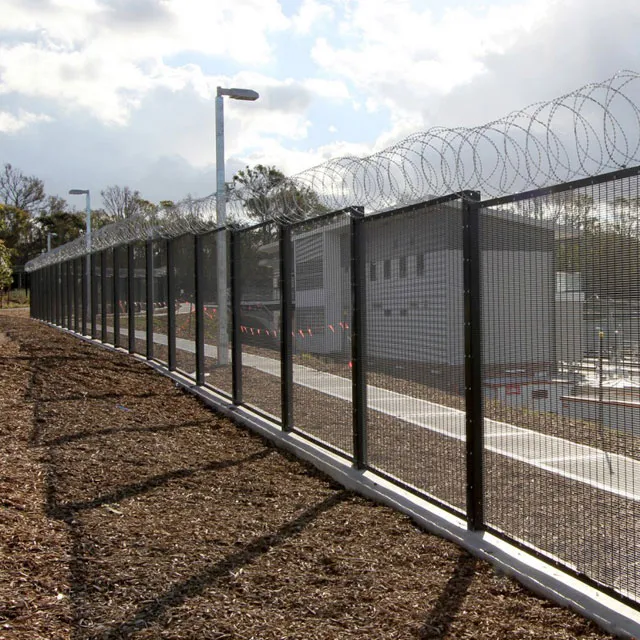 | Anping-Outdoor-High-Security-358-Welded-Iron-Wire-Mesh-Metal-Fence-1 | Anping-Outdoor-High-Security-358-Welded-Iron-Wire-Mesh-Metal-Fence-1 | 640×640 |
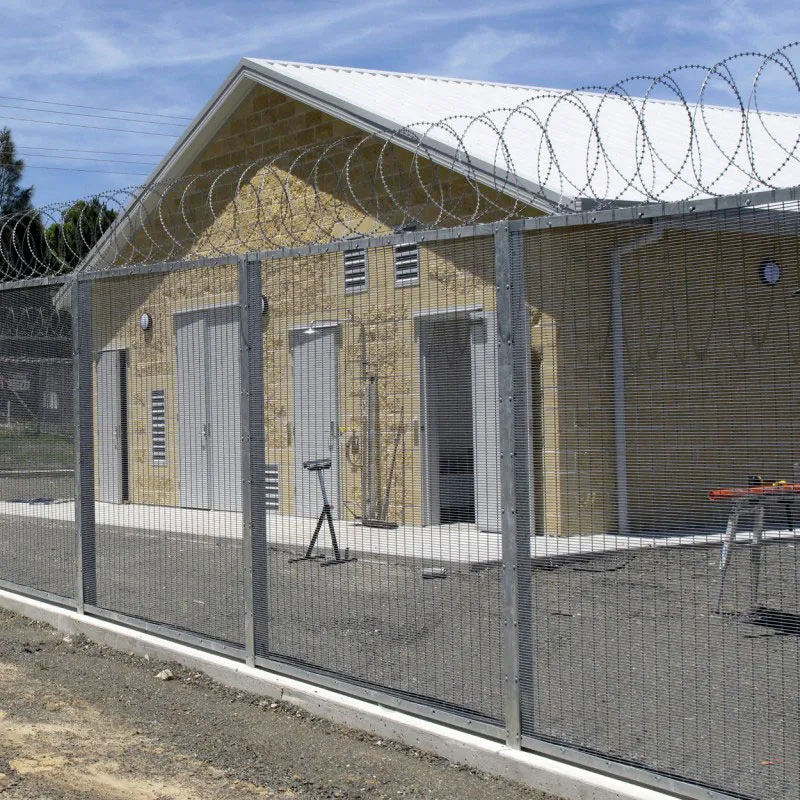 | Anping-Outdoor-High-Security-358-Welded-Iron-Wire-Mesh-Metal-Fence-3 | Anping-Outdoor-High-Security-358-Welded-Iron-Wire-Mesh-Metal-Fence-3 | 667×781 |
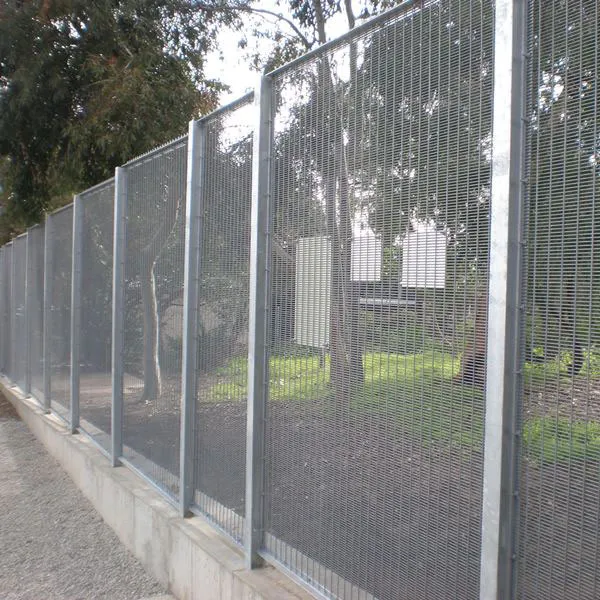 | Anping-Outdoor-High-Security-358-Welded-Iron-Wire-Mesh-Metal-Fence | Anping-Outdoor-High-Security-358-Welded-Iron-Wire-Mesh-Metal-Fence | 600×600 |
| Anping-Outdoor-High-Security-358-Welded-Iron-Wire-Mesh-Metal-Fence-3 | Anping-Outdoor-High-Security-358-Welded-Iron-Wire-Mesh-Metal-Fence-3 | 800×800 |
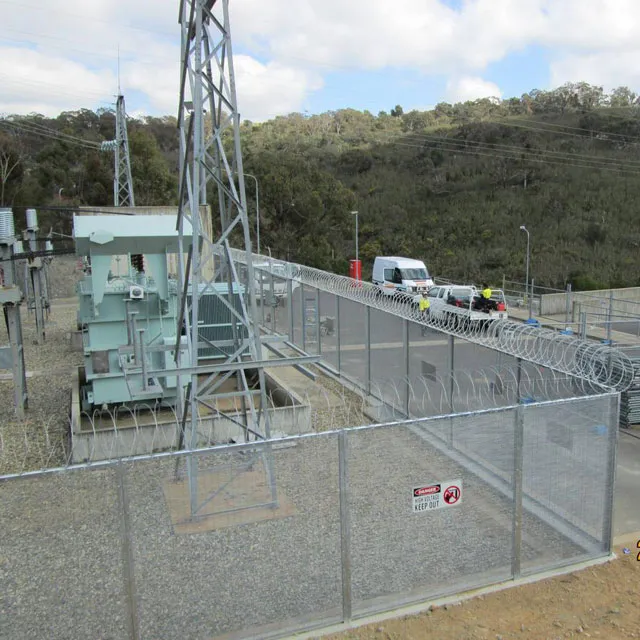 | Anping-Outdoor-High-Security-358-Welded-Iron-Wire-Mesh-Metal-Fence-2 | Anping-Outdoor-High-Security-358-Welded-Iron-Wire-Mesh-Metal-Fence-2 | 640×640 |
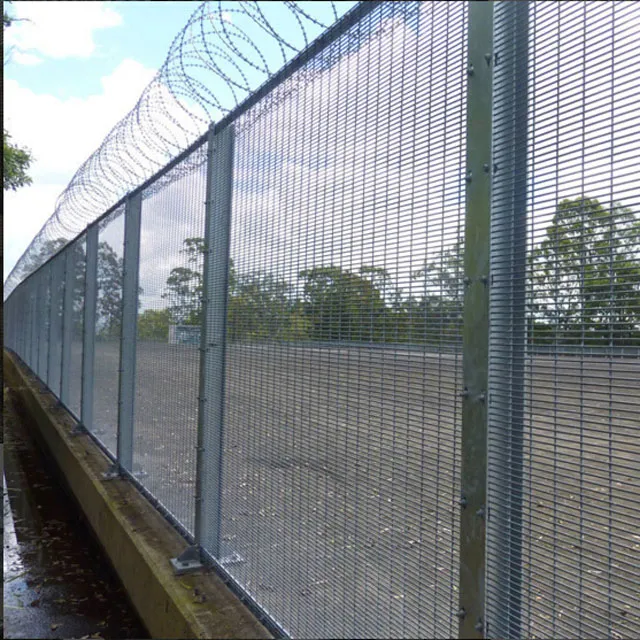 | Anping-Outdoor-High-Security-358-Welded-Iron-Wire-Mesh-Metal-Fence-4 | Anping-Outdoor-High-Security-358-Welded-Iron-Wire-Mesh-Metal-Fence-4 | 640×640 |
Conclusion
High 358 Security Mesh Fencing is a top-tier security solution when it is specified as a full system rather than “just panels.” The tight aperture blocks climbing, heavy wire and full welding resist cutting, and proper posts with clamp bars prevent edge lifting and movement. When you control the details—wire diameter, overlap, clamp strength, post stiffness, and finish—you get a perimeter that stays stable, looks professional, and resists both attack and long-term drift. For buyers who also want to understand how base steel choice can influence forming and weld consistency in security fencing components, a useful reference is Q195 steel.