Your One-Stop Wire Mesh Fence Supplier | POLYMETAL
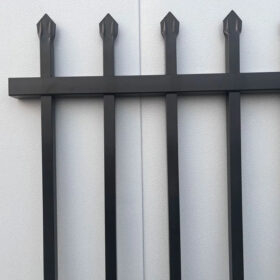
Most buyers initially treat a modern steel picket fence – or even a dedicated Fixed Spear Top Fence Panel system – as a simple metal product: a few rails, a row of spears, just another line in the security budget. In reality, the situation is far more dangerous. A poorly specified modern steel picket fence can become a silent hazard that opens gaps, loopholes and weaknesses along your perimeter, turning “safety” into an expensive illusion. A single unnoticed defect or installation misstep is enough to trigger real risk, danger, damage, loss and long-term waste for both your site and your brand.
POLYMETAL modern steel picket fence systems are engineered to turn that threat into a powerful advantage, but only when the critical facts behind the design are understood. Once you treat each panel as a complete security system instead of a generic barrier, every dimension becomes vital data, every component becomes a strategic feature, and every small oversight becomes a clear warning signal instead of a nasty surprise.
This article serves as your fear-proof guide, profile and checklist in one. It reveals seven dangerous facts about modern steel picket fence design—seven distinct angles that expose both the benefits and the hidden hazards in this style of fencing. Fact number seven is particularly brutal: ignore it and you invite a crisis that can wipe out profit, damage reputation and destroy peace of mind long after the fence has been installed.
Product Overview of POLYMETAL Modern Steel Picket Fence
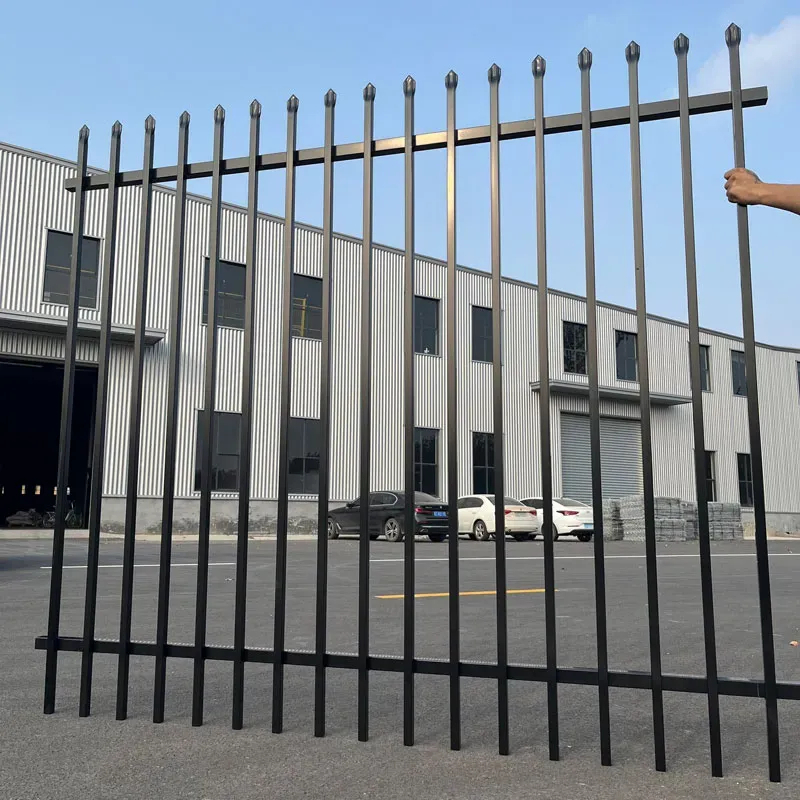
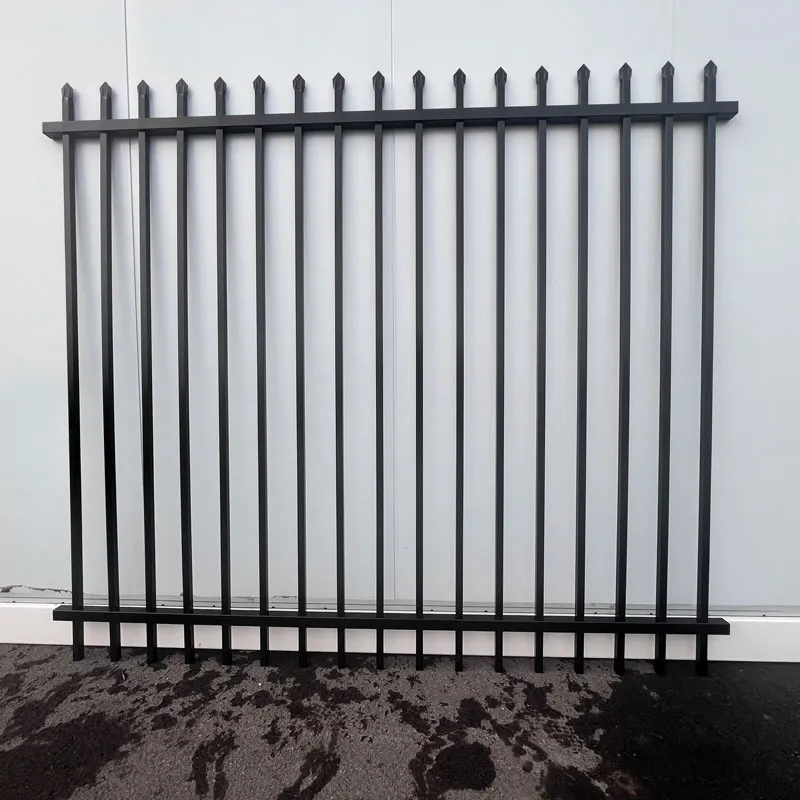
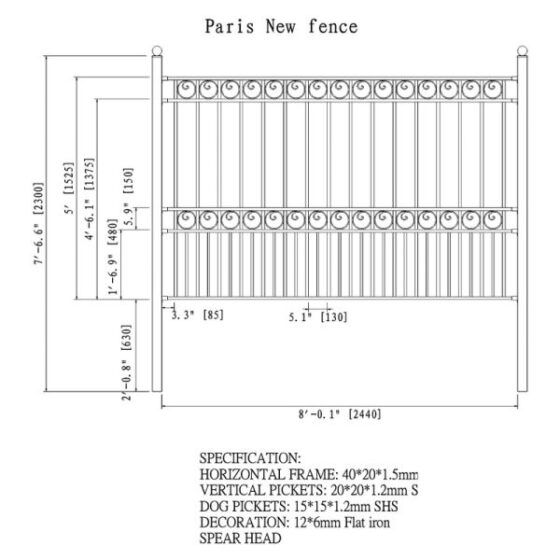
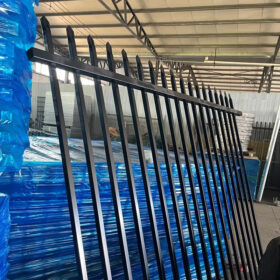
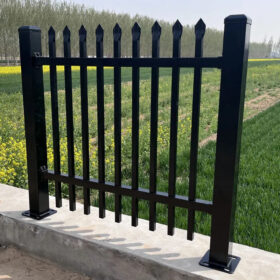
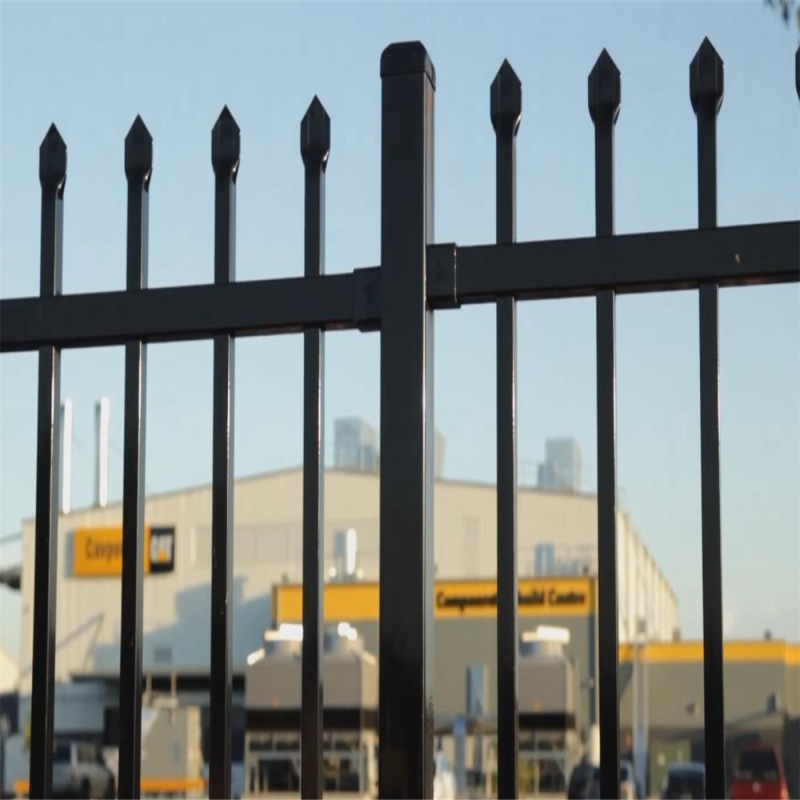
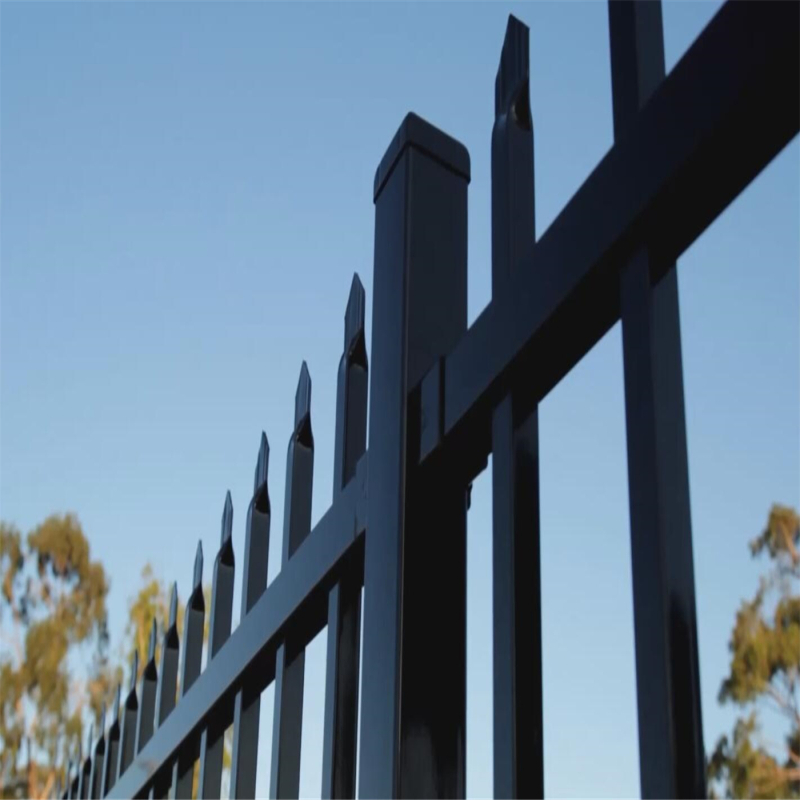
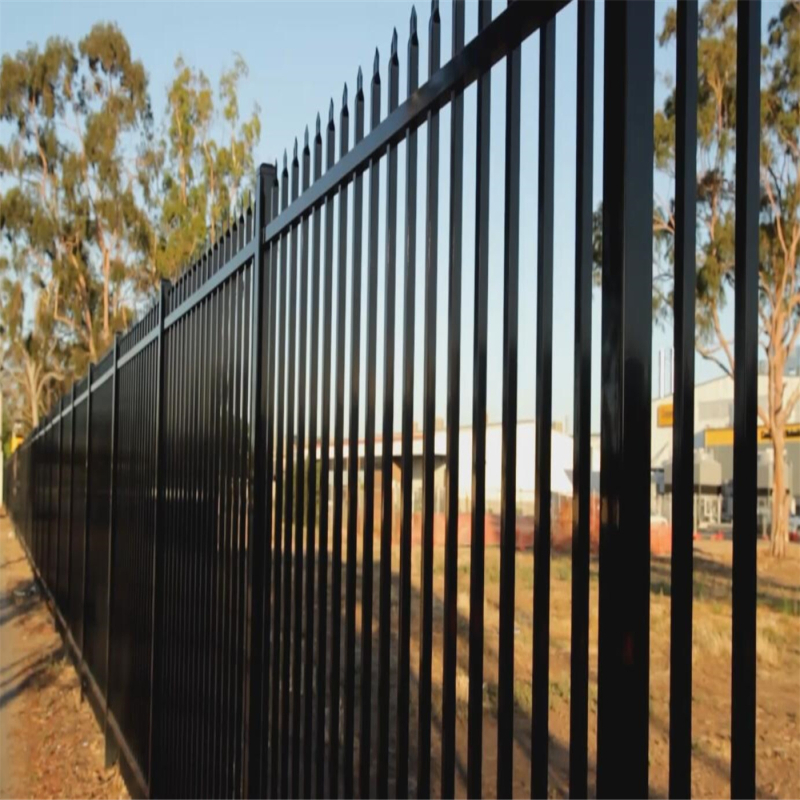
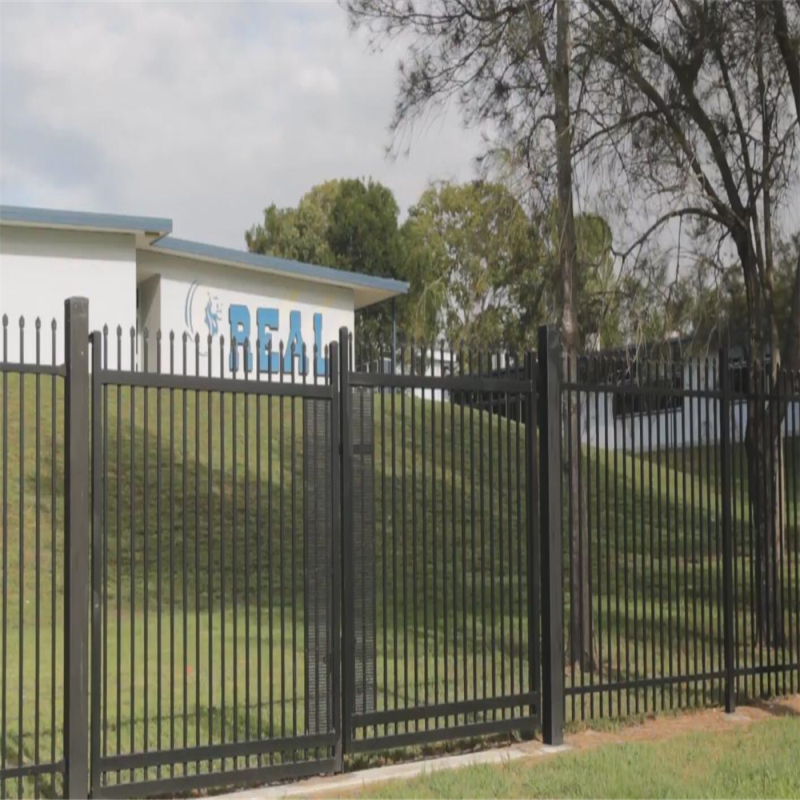
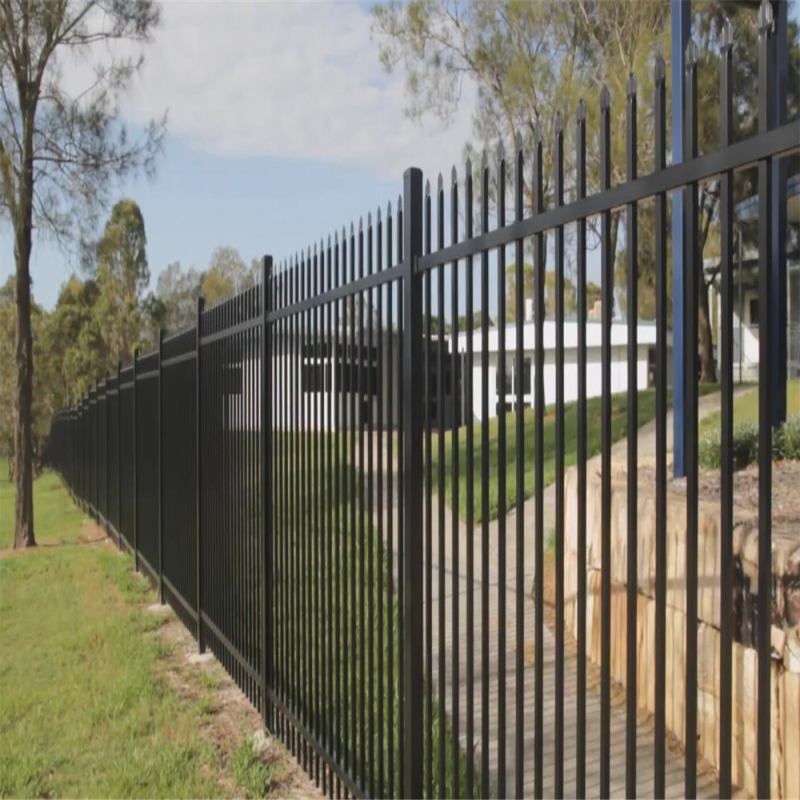
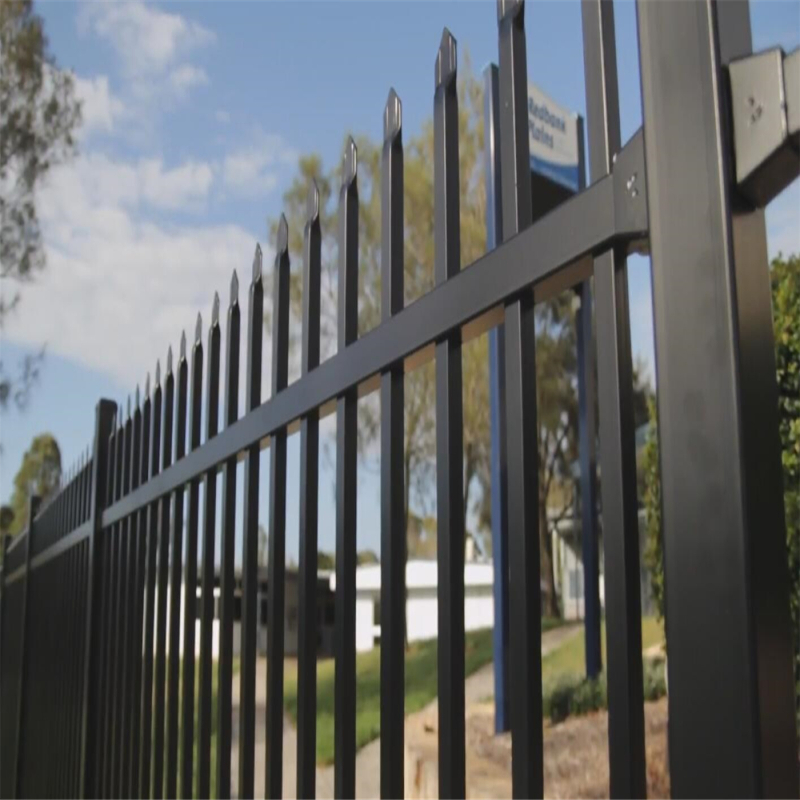
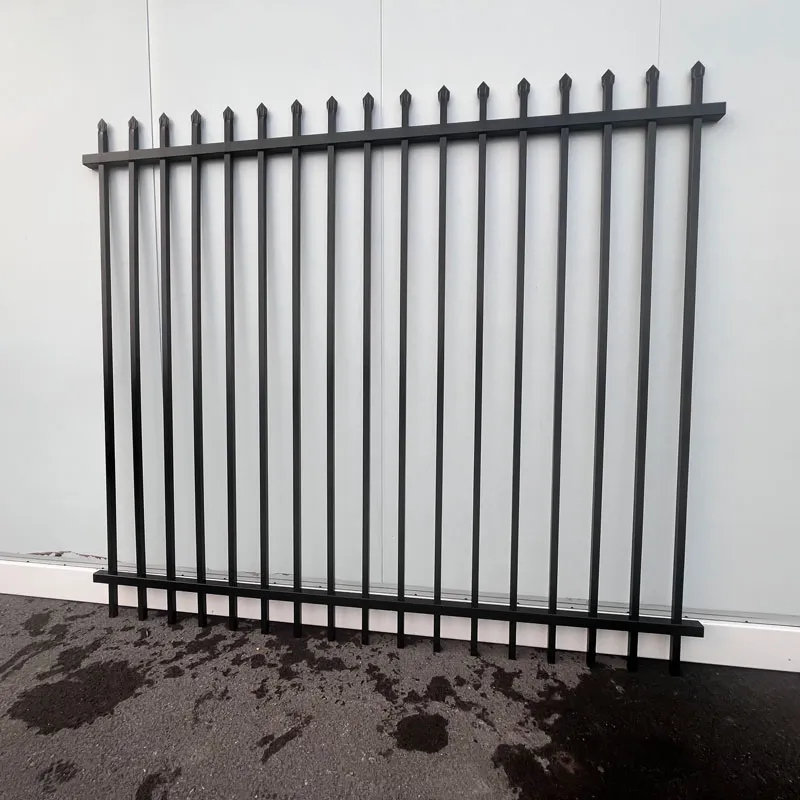
POLYMETAL modern steel picket fence is a heavy-duty, permanently installed security barrier designed for industrial estates, warehouses, substations, schools, distribution centres and public facilities where ordinary chain link or light tubular fences are no longer sufficient. Typical panels range from 1200 mm to 2400 mm in height and 2400–2450 mm in width, forming a tall, rigid outline that sends a clear sign and signal: this boundary is not meant to be crossed.
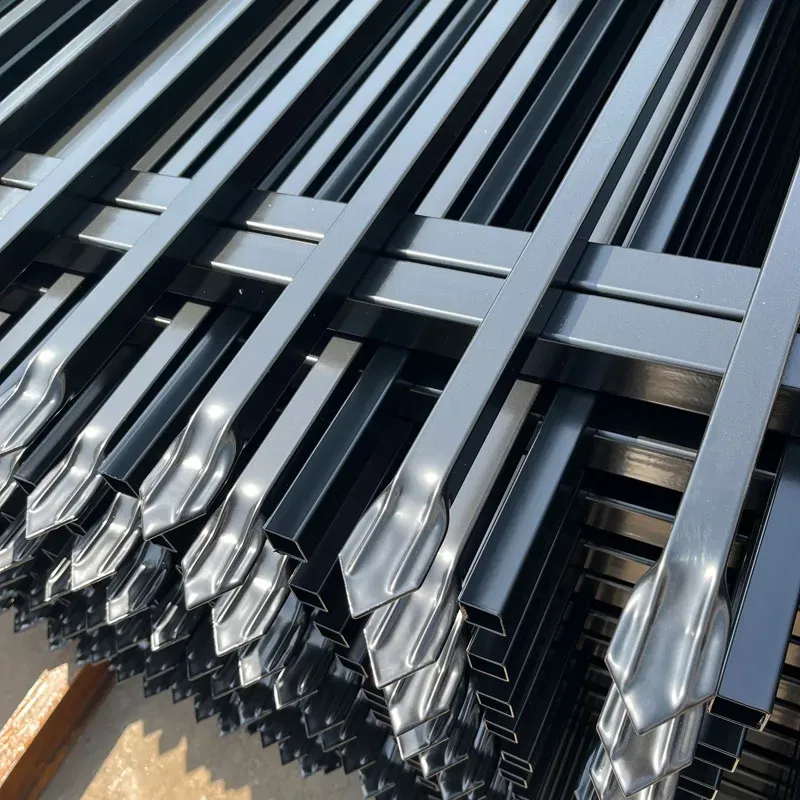
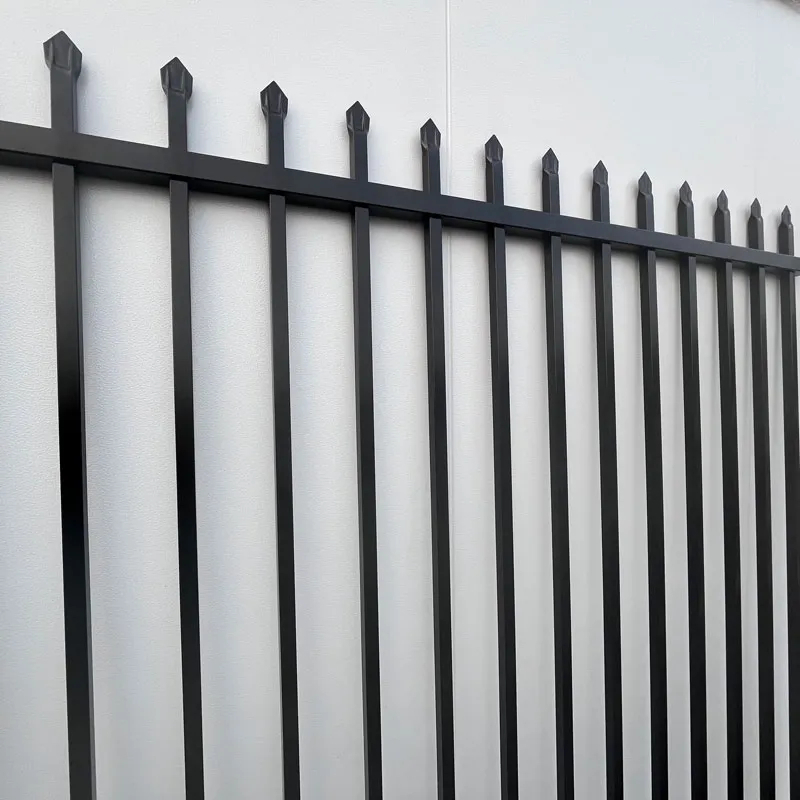
The frame is fabricated from square hollow section (SHS) rail frames in 40 × 40 mm, 45 × 45 mm or 50 × 50 mm sizes, welded into a strong, stable rectangular profile. Between the top and bottom rails runs a dense line of square vertical uprights in 16 × 16 mm, 25 × 25 mm or 30 × 30 mm. Uprights are typically spaced at 100 mm centres, generating an anti-climb pattern that removes convenient footholds and makes scaling the fence both difficult and dangerous.
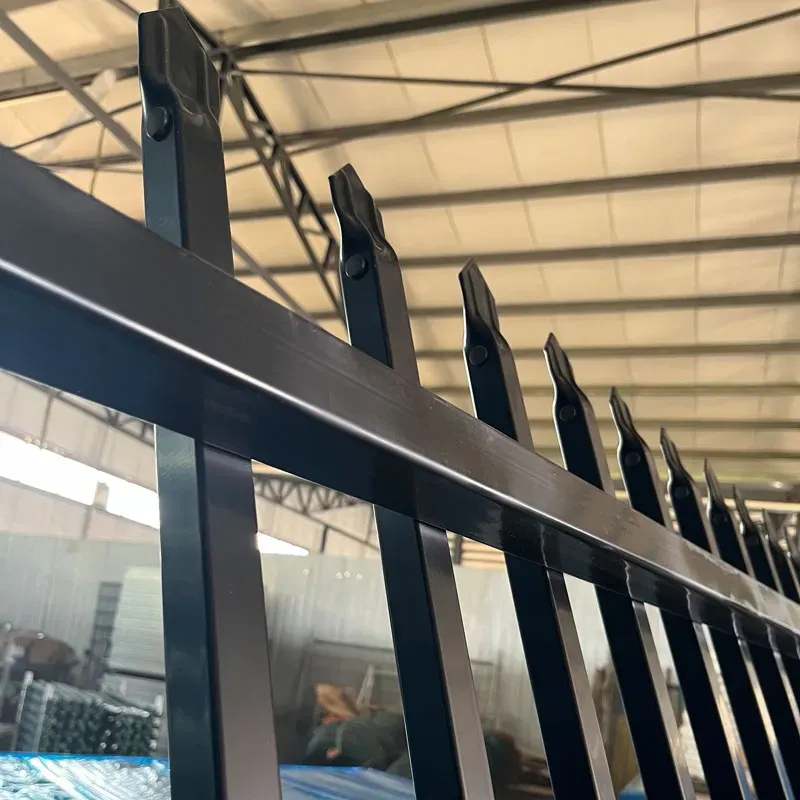
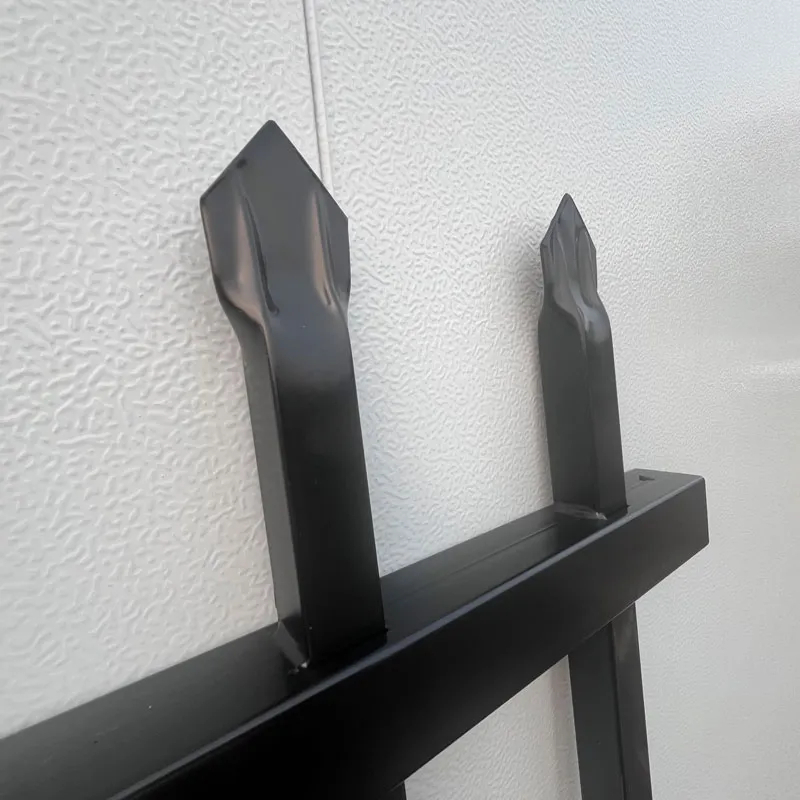
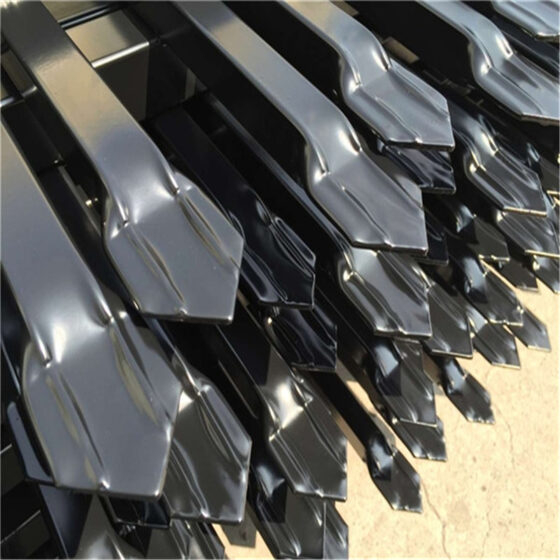
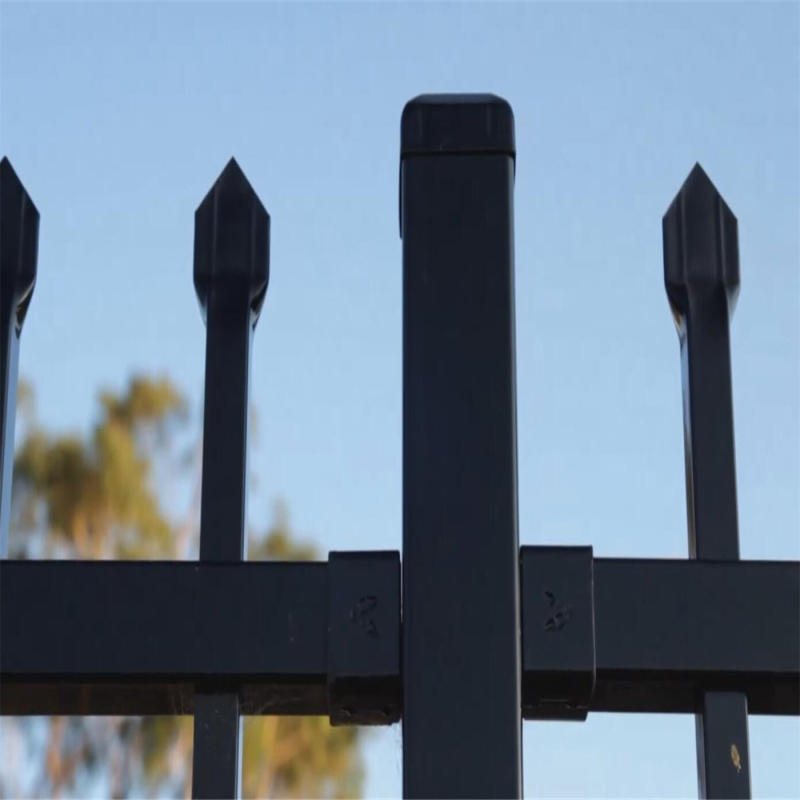
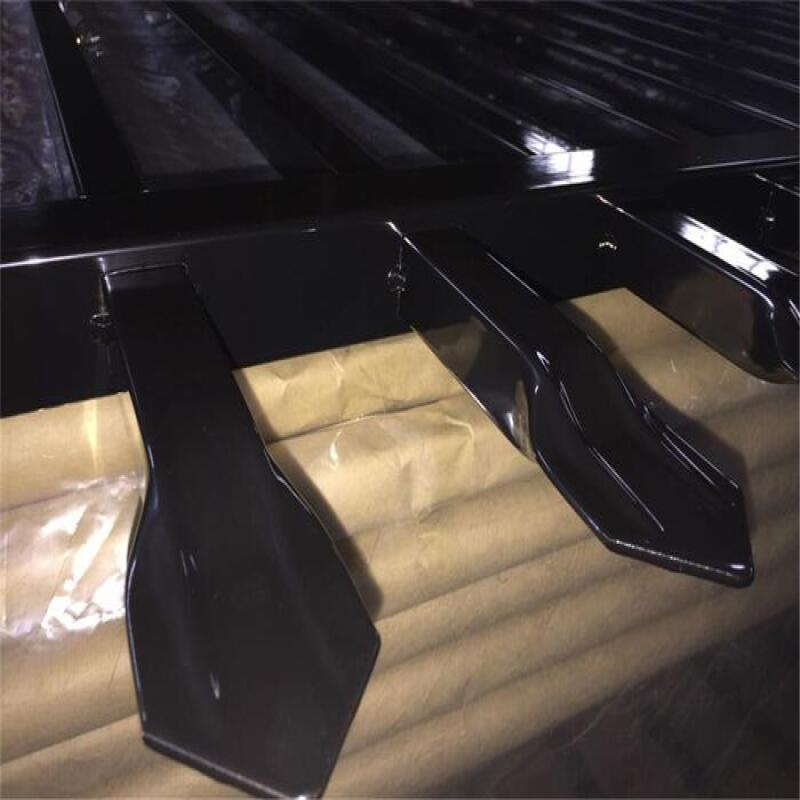
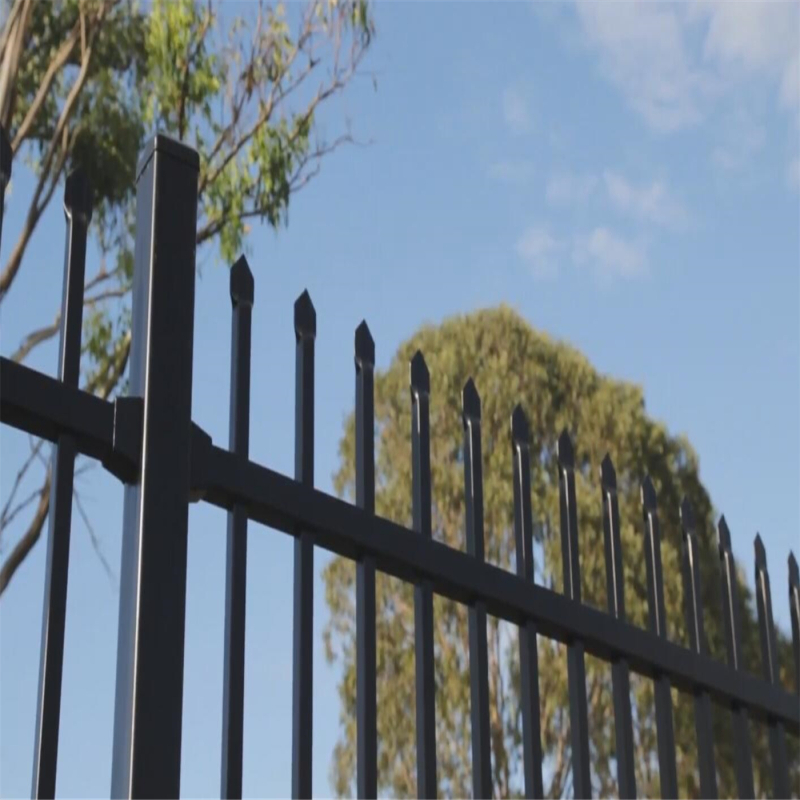
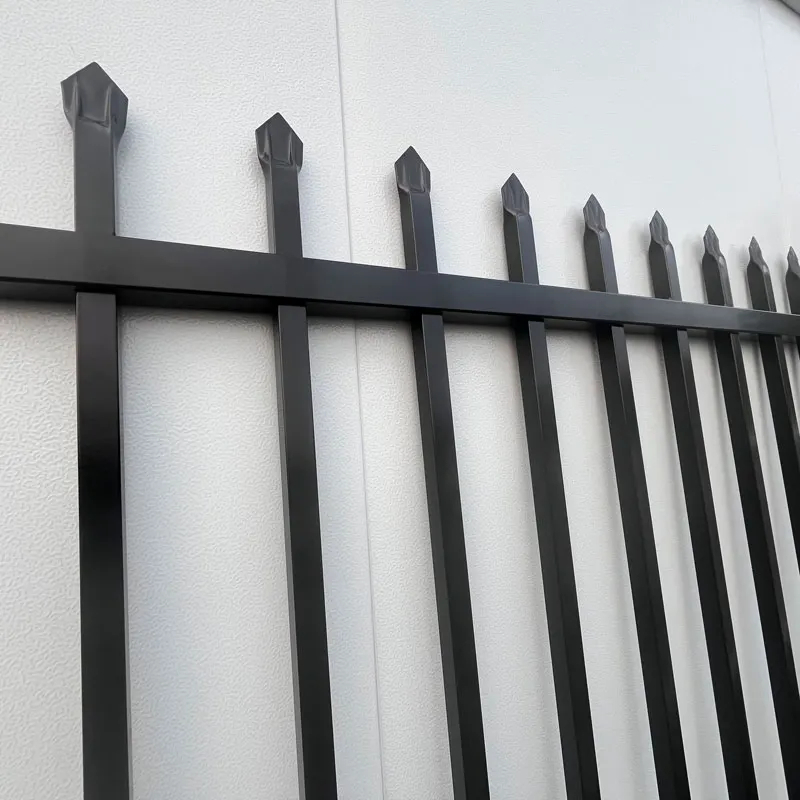
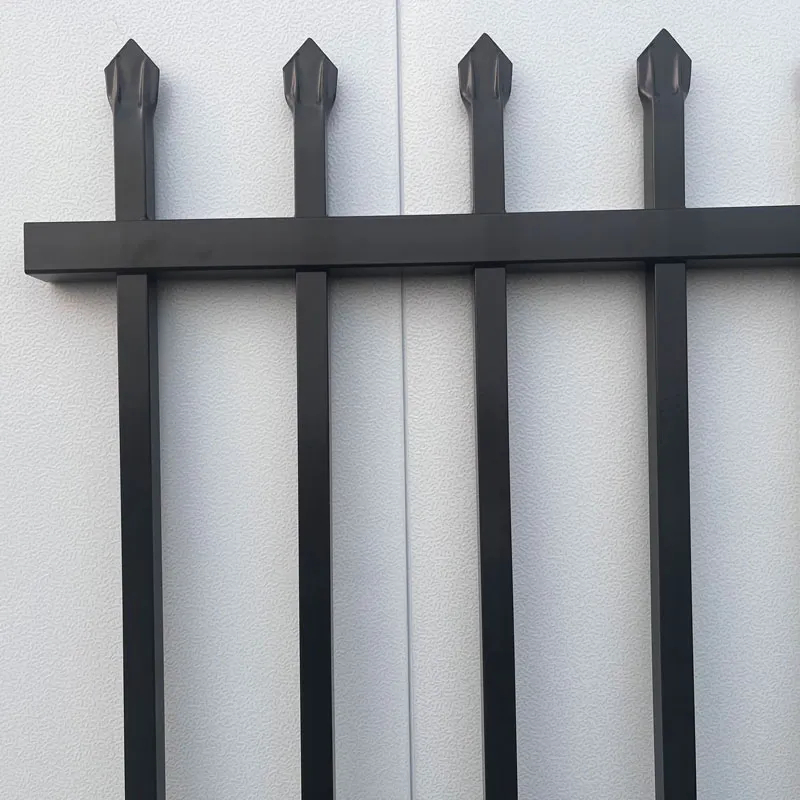
Each upright can be finished with a flat top, pressed spear, 45° mitred spear or other security head, transforming the top line of the fence into an intimidating feature that is extremely uncomfortable and risky to grip. With the rails set slightly inboard from the panel edges, the fence achieves a clean side view, a strong structural outline and a professional architectural appearance that suits both modern commercial façades and high-security compounds.
Combined with matching posts from 60 × 60 mm up to 100 × 100 mm and correctly designed concrete footings, POLYMETAL modern steel picket fence delivers a rigid, permanent-looking barrier ideal for industrial sites, business parks and prestige projects that demand robust protection, clean lines and long-term visual order.
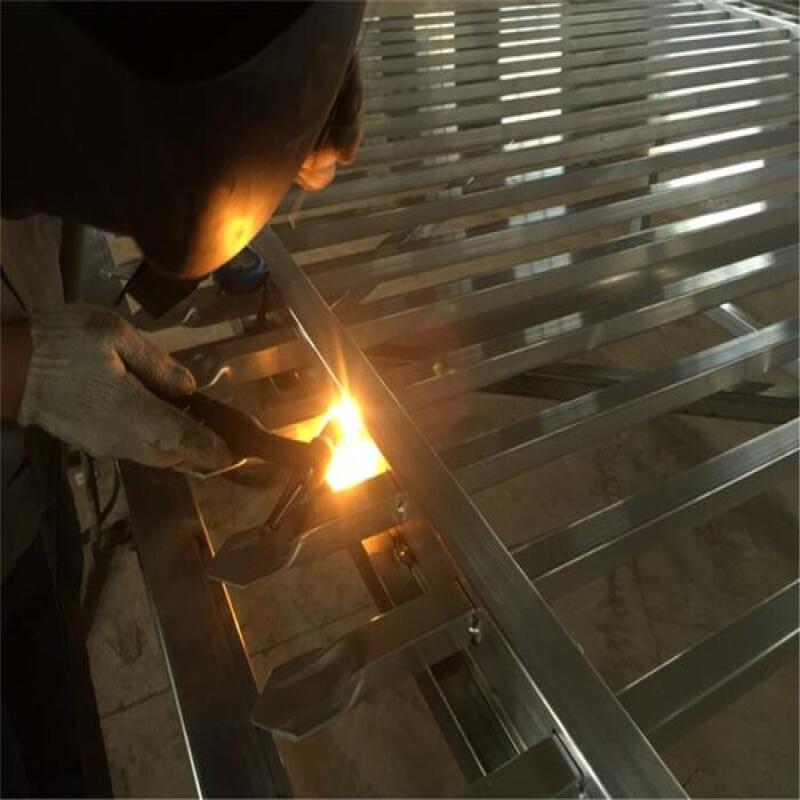
Robust Welded Connections
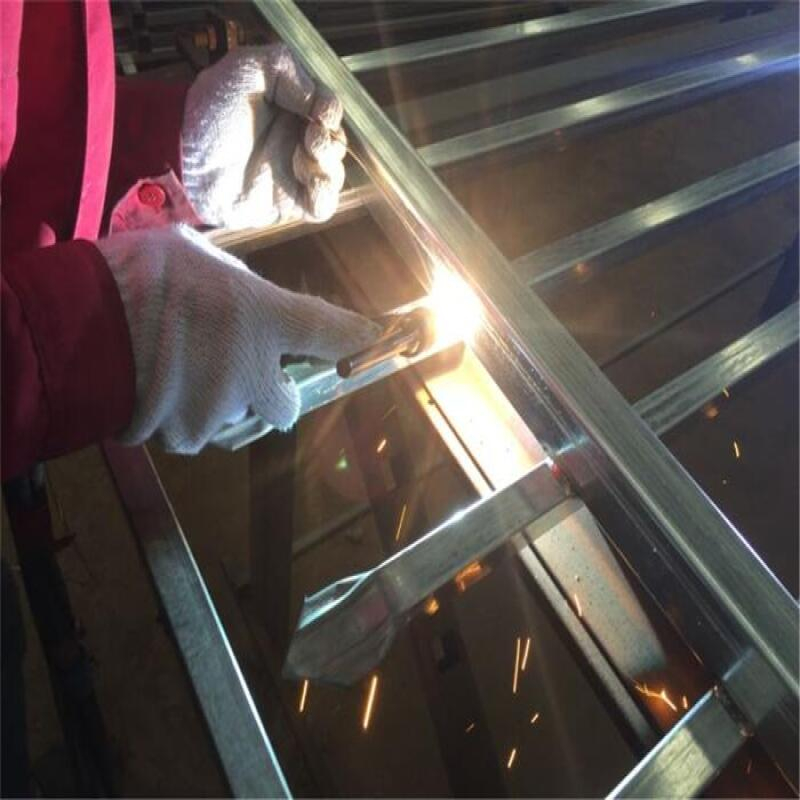
Every POLYMETAL modern steel picket fence panel is fully welded at each rail and picket intersection, forming a continuous, rigid structure rather than a loose assembly of parts. These 100% welded joints are engineered to withstand daily impact, vibration, wind loading and harsh weather exposure, providing a durable, long-lasting fencing solution that maintains alignment, security performance and appearance even in demanding commercial and industrial environments. This welded profile eliminates the weakness and flaw of clip-on systems, reducing the risk of loosening, failure and costly maintenance.
Specification Tables for POLYMETAL Modern Steel Picket Fence Systems
Table 1: Light Commercial POLYMETAL Modern Steel Picket Fence
| Model Code | Fence Height (mm) | Fence Width (mm) | Rail Frame (mm) | Upright Size (mm) | Upright Spacing (mm) | Post Height (mm) | Post Section (mm) |
|---|---|---|---|---|---|---|---|
| MSPF-LC1200-01 | 1200 | 2400 | 40 × 40 | 16 × 16 | 100 | 2100 | 60 × 60 |
| MSPF-LC1200-02 | 1200 | 2400 | 40 × 40 | 25 × 25 | 100 | 2100 | 60 × 60 |
| MSPF-LC1200-03 | 1200 | 2450 | 40 × 40 | 25 × 25 | 100 | 2100 | 65 × 65 |
| MSPF-LC1500-04 | 1500 | 2400 | 40 × 40 | 16 × 16 | 100 | 2400 | 60 × 60 |
| MSPF-LC1500-05 | 1500 | 2400 | 40 × 40 | 25 × 25 | 100 | 2400 | 65 × 65 |
| MSPF-LC1500-06 | 1500 | 2450 | 40 × 40 | 25 × 25 | 100 | 2400 | 75 × 75 |
| MSPF-LC1800-07 | 1800 | 2400 | 40 × 40 | 16 × 16 | 100 | 2600 | 60 × 60 |
| MSPF-LC1800-08 | 1800 | 2400 | 40 × 40 | 25 × 25 | 100 | 2600 | 65 × 65 |
| MSPF-LC1800-09 | 1800 | 2450 | 40 × 40 | 25 × 25 | 100 | 2600 | 75 × 75 |
| MSPF-LC1800-10 | 1800 | 2450 | 40 × 40 | 30 × 30 | 100 | 2600 | 75 × 75 |
Table 2: Standard Commercial POLYMETAL Modern Steel Picket Fence
| Model Code | Fence Height (mm) | Fence Width (mm) | Rail Frame (mm) | Upright Size (mm) | Upright Spacing (mm) | Post Height (mm) | Post Section (mm) |
|---|---|---|---|---|---|---|---|
| MSPF-SC1500-01 | 1500 | 2400 | 45 × 45 | 16 × 16 | 100 | 2400 | 65 × 65 |
| MSPF-SC1500-02 | 1500 | 2450 | 45 × 45 | 25 × 25 | 100 | 2400 | 75 × 75 |
| MSPF-SC1800-03 | 1800 | 2400 | 45 × 45 | 16 × 16 | 100 | 2600 | 65 × 65 |
| MSPF-SC1800-04 | 1800 | 2450 | 45 × 45 | 25 × 25 | 100 | 2600 | 75 × 75 |
| MSPF-SC1800-05 | 1800 | 2450 | 45 × 45 | 30 × 30 | 100 | 2600 | 80 × 80 |
| MSPF-SC2100-06 | 2100 | 2450 | 45 × 45 | 25 × 25 | 100 | 3000 | 75 × 75 |
| MSPF-SC2100-07 | 2100 | 2450 | 45 × 45 | 30 × 30 | 100 | 3000 | 80 × 80 |
| MSPF-SC2400-08 | 2400 | 2450 | 45 × 45 | 25 × 25 | 100 | 3300 | 80 × 80 |
| MSPF-SC2400-09 | 2400 | 2450 | 45 × 45 | 30 × 30 | 100 | 3300 | 100 × 100 |
| MSPF-SC2100-10 | 2100 | 2400 | 45 × 45 | 25 × 25 | 100 | 3000 | 80 × 80 |
Table 3: Heavy-Duty Security POLYMETAL Modern Steel Picket Fence
| Model Code | Fence Height (mm) | Fence Width (mm) | Rail Frame (mm) | Upright Size (mm) | Upright Spacing (mm) | Post Height (mm) | Post Section (mm) |
|---|---|---|---|---|---|---|---|
| MSPF-HD1800-01 | 1800 | 2400 | 50 × 50 | 25 × 25 | 100 | 2600 | 75 × 75 |
| MSPF-HD1800-02 | 1800 | 2450 | 50 × 50 | 30 × 30 | 100 | 2600 | 80 × 80 |
| MSPF-HD2000-03 | 2000 | 2450 | 50 × 50 | 25 × 25 | 100 | 3000 | 80 × 80 |
| MSPF-HD2000-04 | 2000 | 2450 | 50 × 50 | 30 × 30 | 100 | 3000 | 100 × 100 |
| MSPF-HD2100-05 | 2100 | 2450 | 50 × 50 | 25 × 25 | 100 | 3000 | 80 × 80 |
| MSPF-HD2100-06 | 2100 | 2450 | 50 × 50 | 30 × 30 | 100 | 3000 | 100 × 100 |
| MSPF-HD2400-07 | 2400 | 2450 | 50 × 50 | 25 × 25 | 100 | 3300 | 100 × 100 |
| MSPF-HD2400-08 | 2400 | 2450 | 50 × 50 | 30 × 30 | 100 | 3300 | 100 × 100 |
| MSPF-HD1800-09 | 1800 | 2400 | 50 × 50 | 30 × 30 | 100 | 2600 | 80 × 80 |
| MSPF-HD2000-10 | 2000 | 2400 | 50 × 50 | 30 × 30 | 100 | 3000 | 100 × 100 |
Table 4: Mixed Application POLYMETAL Modern Steel Picket Fence Options
| Model Code | Fence Height (mm) | Fence Width (mm) | Rail Frame (mm) | Upright Size (mm) | Upright Spacing (mm) | Post Height (mm) | Post Section (mm) |
|---|---|---|---|---|---|---|---|
| MSPF-MX1200-01 | 1200 | 2400 | 40 × 40 | 16 × 16 | 100 | 2100 | 60 × 60 |
| MSPF-MX1500-02 | 1500 | 2450 | 40 × 40 | 25 × 25 | 100 | 2400 | 65 × 65 |
| MSPF-MX1800-03 | 1800 | 2450 | 45 × 45 | 25 × 25 | 100 | 2600 | 75 × 75 |
| MSPF-MX2100-04 | 2100 | 2450 | 45 × 45 | 30 × 30 | 100 | 3000 | 80 × 80 |
| MSPF-MX2400-05 | 2400 | 2450 | 50 × 50 | 25 × 25 | 100 | 3300 | 80 × 80 |
| MSPF-MX1800-06 | 1800 | 2400 | 40 × 40 | 30 × 30 | 100 | 2600 | 75 × 75 |
| MSPF-MX2000-07 | 2000 | 2400 | 45 × 45 | 25 × 25 | 100 | 3000 | 80 × 80 |
| MSPF-MX2000-08 | 2000 | 2450 | 50 × 50 | 30 × 30 | 100 | 3000 | 100 × 100 |
| MSPF-MX2100-09 | 2100 | 2400 | 50 × 50 | 25 × 25 | 100 | 3000 | 100 × 100 |
| MSPF-MX2400-10 | 2400 | 2400 | 45 × 45 | 30 × 30 | 100 | 3300 | 100 × 100 |
Seven Dangerous Facts About Modern Steel Picket Fence Design
Truth 1: Dimensional Detail – The Small Height and Width Gap That Becomes a Big Risk
The first dangerous truth is that many fences do not fail because the steel is weak, but because the dimensions are wrong. If a modern steel picket fence is even slightly lower than specified, the finished barrier becomes easier to climb. If the width is reduced without correctly recalculating post centres, small but critical gaps appear between panels and posts. These openings are not minor details; they are defects and loopholes in your security outline. The rule is straightforward: fence height and width must be treated as strict principles, not flexible hints. Accurate dimensions provide predictable coverage, consistent patterns and fewer joints. Every dimensional shortcut is a visible sign that cost-saving has been prioritised over genuine safety.
Danger 2: Rail Frame Weakness – When the Main Structural Element Turns into a Flaw
The second danger is buried in the rail frame. A modern steel picket fence can look strong while concealing a structural weakness, bias or design error. A 40 × 40 mm rail with a thin wall may twist or deflect under impact, whereas a 45 × 45 mm or 50 × 50 mm rail with appropriate wall thickness retains its shape and strength for years. If the frame is under-specified, the fence gradually deforms under wind and crowd loads. Rails bow, pickets drift out of line and gates stop closing properly. This is far more than a cosmetic drawback; it is a structural fault and a clear warning sign that the system is drifting towards failure and costly damage.
Trap 3: Upright Size and Spacing – When Anti-Climb Turns into a Ladder
The third critical fact destroys a common myth: not every steel picket layout is truly anti-climb. If uprights are too small or spaced too far apart, the fence effectively turns into a rigid ladder. Hands and feet quickly discover a repeating pattern of footholds, and the top rail becomes only a partial barrier. POLYMETAL modern steel picket fence designs use uprights in 16 × 16 mm, 25 × 25 mm or 30 × 30 mm at 100 mm spacing to create a robust anti-climb trait. Relax this pattern to cut cost and you create a hidden gap between how your fence looks and how it actually performs. That gap is a real trap and a significant long-term downside for any serious security profile.
Risk 4: Post Height and Section – The Support That Fails When You Need It Most
The fourth risk lives in the posts. A fence panel is only as dependable as the post that supports it. Using a 60 × 60 mm post where a 75 × 75 mm or 80 × 80 mm section is required introduces a structural weakness that will reveal itself under storm winds or impact. If the post height is too short, embedment depth and leverage are compromised, and the entire line can tilt, lean or crack at the base. This pattern of subtle movement, diagonal rails and hairline cracks around footings is a clear warning signal that the system is failing. Correct post size and height are not optional; they are a non-negotiable rule in any serious modern steel picket fence project.
Pitfall 5: Coating System – Corrosion as a Slow, Silent Hazard
The fifth fact exposes a silent hazard: corrosion. Even a perfectly fabricated POLYMETAL modern steel picket fence will fail prematurely if the coating system is poorly specified. Insufficient zinc, low-quality hot-dip galvanizing or inferior powder coating create a corrosion trend that begins as small stains and ends as serious structural loss. Every rust spot is data about material damage. Once spear tops, uprights and rail welds start to corrode, the fence loses both strength and visual appeal. Neighbours, customers and inspectors see not a strong, modern profile but a decaying one. POLYMETAL treats galvanizing and architectural-grade powder coating as a core element of the system rather than a cosmetic bonus, turning potential waste and loss into long-term protection, benefit and value.
Warning 6: Installation Mistakes – Human Missteps That Create Loopholes
The sixth dangerous insight is that people can undermine even the best design. Poor installation introduces missteps and oversights that become real loopholes: misaligned post centres, uneven concrete footings, under-torqued brackets, unsealed cut ends and incomplete weld touch-ups. These faults are not factory defects; they are on-site errors. When installers follow a strict guide and checklist—precise post spacing, correct footing depth, true line and level, fully tightened anti-tamper fasteners—the fence behaves as a continuous, high-performing security element. When they improvise, they create gaps, faults and weak spots. The difference between a secure perimeter and a risky one often lies in these “small” mistakes that only become visible after failure.
Crisis 7: Compliance Myth – The Legal Threat Behind a “Good-Looking” Fence
The seventh fact is the most dangerous because it concerns law and liability rather than just steel and paint. If your modern steel picket fence does not satisfy relevant security, boundary or safety standards for height, spacing and structural strength, you are sitting on a legal threat. In the event of an incident—injury, intrusion or property damage—investigators and insurers do not focus on marketing claims or glossy photos. They demand standards, test data, installation manuals and inspection records. A fence that looks impressive but fails these rules quickly becomes the centre of a crisis. By aligning design data, material choices, erection methods and documentation with serious security standards, POLYMETAL turns compliance from a marketing illusion into a hard protective edge, transforming your fence from a potential liability into a documented advantage.
Product Applications
POLYMETAL modern steel picket and security welded fence systems are engineered for demanding environments where safety, access control and long-term durability are critical. Typical applications include, but are not limited to, the following sectors.
Commercial and Retail Complexes
Perimeter security and frontage fencing for shopping centres, business parks, office campuses and mixed-use developments, providing a strong visual barrier while maintaining an orderly, high-end appearance that matches contemporary architecture.
Industrial Plants, Warehouses and Logistics Hubs
Protection of loading docks, storage yards, freight depots and distribution centres, helping to control vehicle and pedestrian access, safeguard valuable stock and reduce theft, vandalism and unauthorised entry in busy industrial environments.
Railway Corridors and Transport Infrastructure
Securing rail lines, depots, marshalling yards, tram corridors and adjacent public areas, reducing trespass risk, improving safety near tracks and guiding authorised movements around critical transport assets without blocking visibility.
Correctional and Mental Health Facilities
Robust perimeter and internal zone control for prisons, detention centres and mental health institutions, where controlled access, anti-climb performance and clear sightlines for monitoring and response are essential to daily operations.
Defence, Security and Government Installations
High-security boundaries for military bases, armouries, training areas and sensitive government buildings, integrating with surveillance, access control, perimeter detection and response systems as part of a layered security strategy.
Airports and Aviation Perimeters
Protection of airside and landside boundaries, hangars, fuel farms and service areas, helping operators meet stringent aviation security requirements while clearly separating public zones from restricted and controlled areas.
Utility, Energy and Critical Infrastructure Sites
Long-life fencing for substations, water treatment plants, telecommunications facilities, data centres, power generation sites and renewable energy farms, protecting critical infrastructure from intrusion, tampering, sabotage and operational disruption.
Packaging
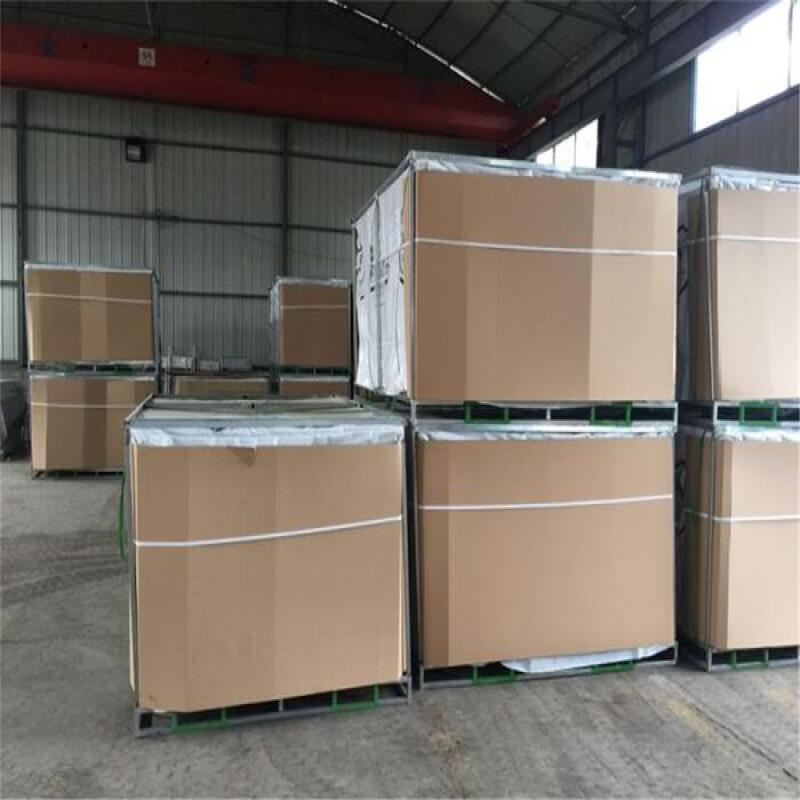
Each security welded fence panel is individually wrapped in protective plastic film, securely packed in a reinforced carton and then loaded onto strong metal or wooden pallets for safe handling and transport. Fence posts are protected with plastic wrapping and supplied either in bulk or neatly arranged on pallets to suit project and container loading requirements. All welded mesh fence accessories are packed in clearly labelled, durable carton boxes so that small components remain clean, organised and easy to identify on site.
Production Process of POLYMETAL Modern Steel Picket Fence
Production of POLYMETAL modern steel picket fence panels begins with certified Q235 or equivalent mild-steel SHS for rails, uprights and posts. Rails are cut to precise widths such as 2400 mm and 2450 mm, while uprights are cut to match fence heights from 1200 mm to 2400 mm plus the allowance required for spear or decorative heads. Spear tops or flat caps are formed using precision tooling so every picket shares the same sharp, consistent profile and visual trait.
Cut components are loaded into calibrated welding jigs that lock rail frames and upright spacing according to the specification. This jigging process controls geometry, keeps panels square and preserves the anti-climb pattern. Skilled welders or automated welding cells then fuse uprights to top and bottom rails, following controlled parameters that minimise porosity, undercut and distortion. Welds are inspected visually and selectively tested to confirm strength, avoiding hidden defects that could become future problems.
Panels then pass through surface preparation stages—degreasing, rinsing and, where required, abrasive cleaning—to remove oil, scale and contamination. They are hot-dip galvanized so that molten zinc reaches every surface, including internal corners and weld roots. Where a coloured architectural finish is specified, panels pass through powder-coating booths, receiving an electrostatically applied polyester layer that is oven-cured to form a tough, UV-resistant coating. Final inspection checks dimensions, upright spacing, spear alignment, coating thickness and overall appearance before panels are labelled, recorded and released to packing.
Standards and Compliance for POLYMETAL Modern Steel Picket Fence
POLYMETAL modern steel picket fence systems are designed in accordance with common garrison-style and commercial security fence principles, aligned with typical requirements for boundary, security and barrier systems in demanding markets. Fence height, upright spacing, head style and structural layout are selected to deliver an effective anti-climb barrier while preserving clear views for patrols and surveillance cameras.
Rails and posts are sized to withstand site-specific wind and impact loading when installed with correct post centres and footing details. Hot-dip galvanizing follows recognised international expectations for zinc thickness and coverage, providing a robust base layer against corrosion. On top of this, powder-coated finishes use architectural-grade polyester powders, comparable to the professional systems shown under powder coatings, which are applied electrostatically to pre-treated steel and then oven-cured to form a smooth, UV-resistant skin that resists chipping, fading and chemical attack. This combination of galvanizing and carefully controlled powder coating delivers a durable, low-maintenance surface that keeps the modern steel picket fence looking sharp and performing reliably over many years of outdoor exposure.
By treating standards as essential truths rather than optional suggestions, POLYMETAL converts compliance into a real benefit. The result is a modern steel picket fence that not only looks strong and contemporary, but also carries the data, test information and documented powder-coating processes needed to minimise legal risk, avoid hidden lifecycle costs and give specifiers, contractors and owners a powerful edge in audits, approvals and insurance reviews.