Your One-Stop Wire Mesh Fence Supplier | POLYMETAL

What Are Passive Rockfall Barriers?
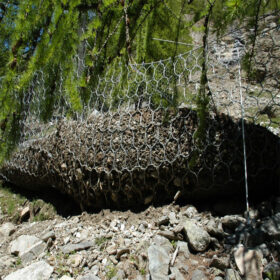
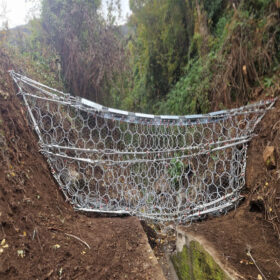
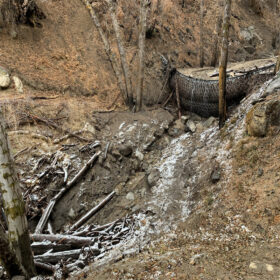
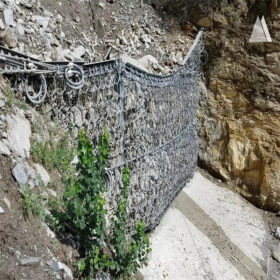
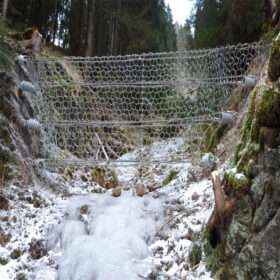
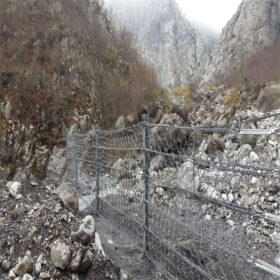
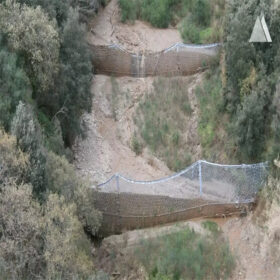
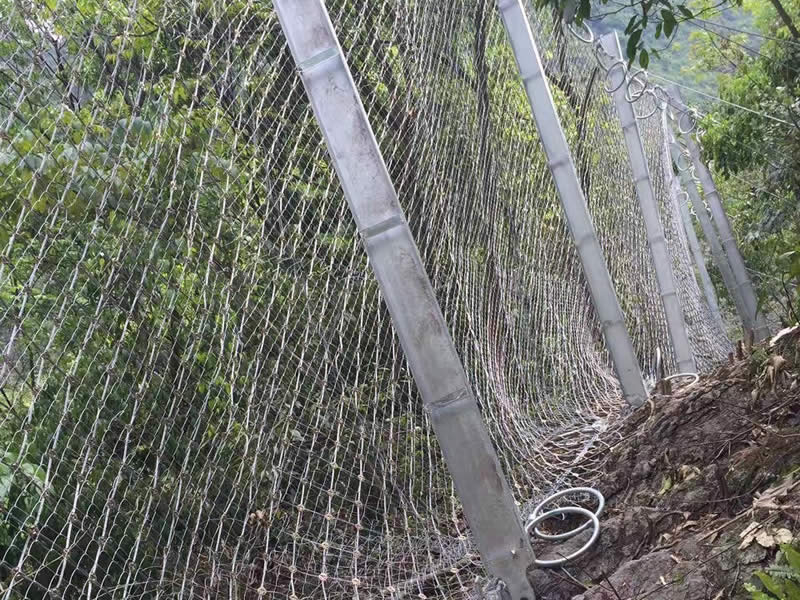
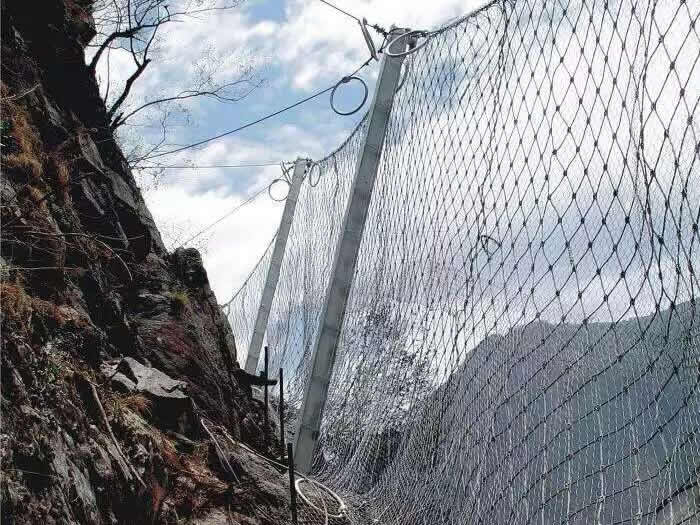
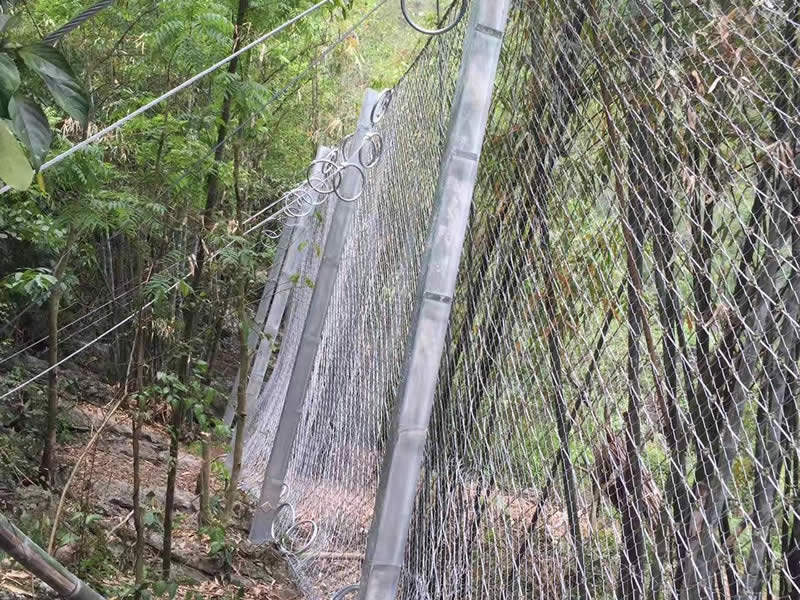
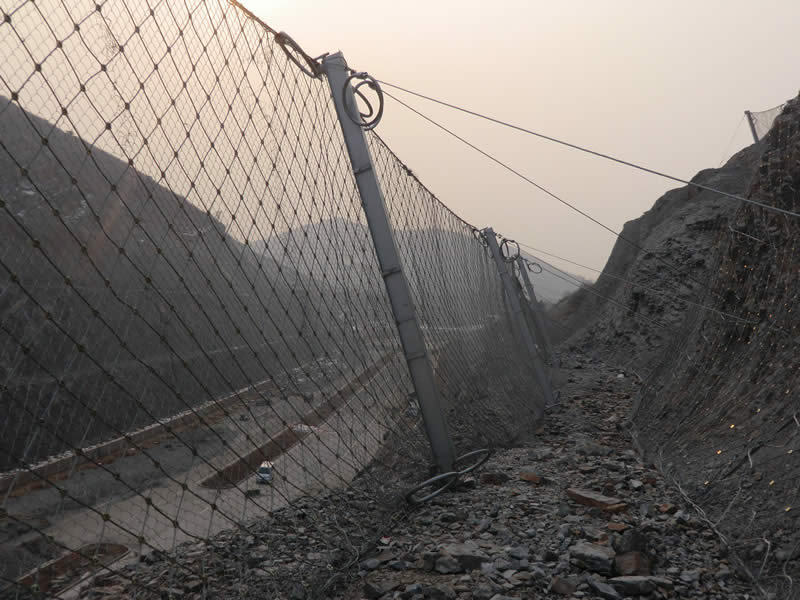
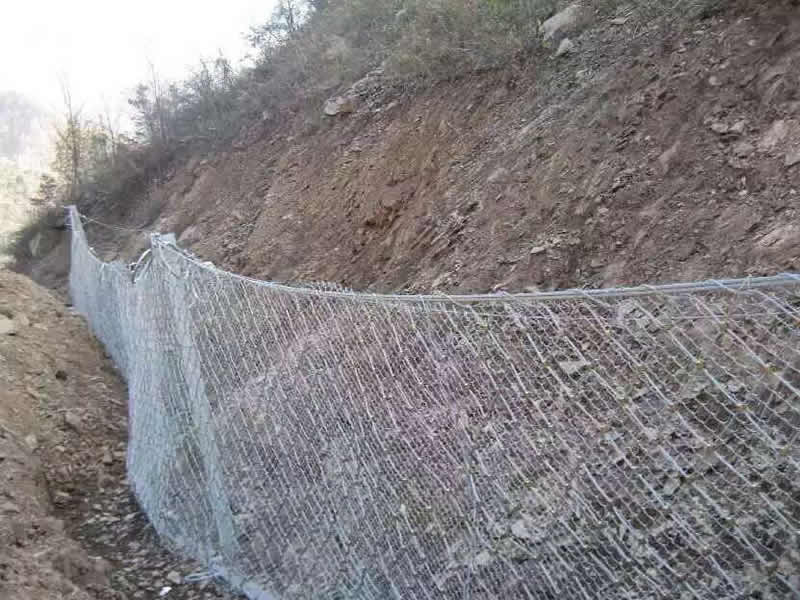
A passive rockfall barrier is a flexible interception system installed at the bottom of a slope or at a safe offset distance from the slope face. When rocks, debris flow or snow detach from the slope and travel downslope, they are intercepted by the barrier, which absorbs and disperses impact energy through steel wire ropes, nets, posts and specially designed energy-dissipation rings.
Passive rockfall barriers are particularly suitable where the slope is too high or too steep for full active stabilization, where rockfall occurs sporadically but with high kinetic energy, or where existing infrastructure must remain in operation during protection works.


RX Passive Rockfall Barrier System Overview
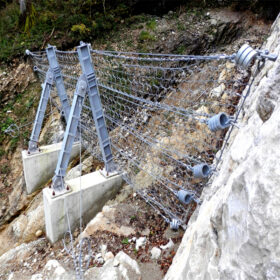
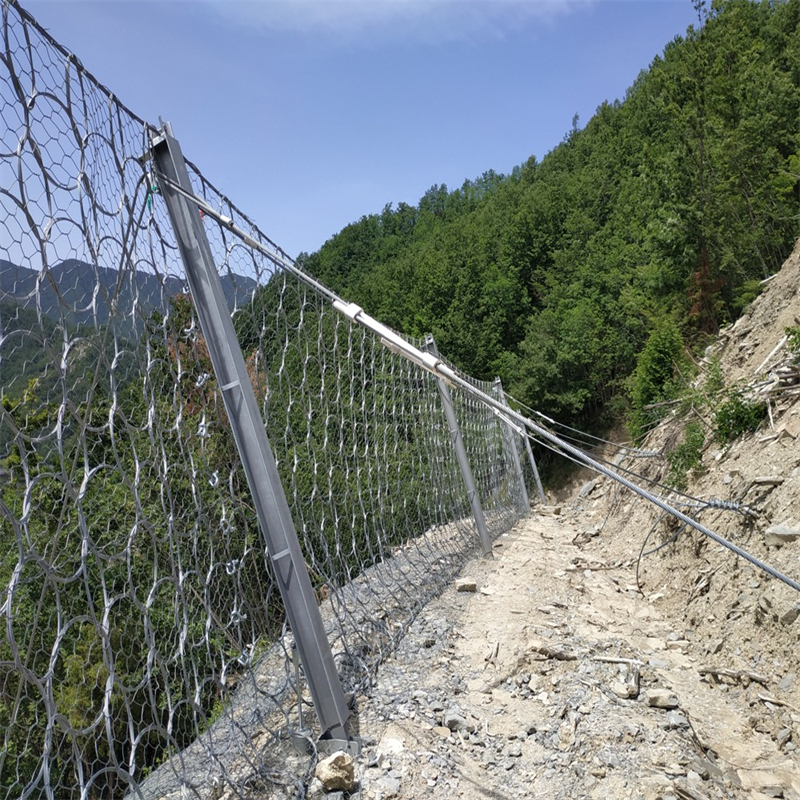
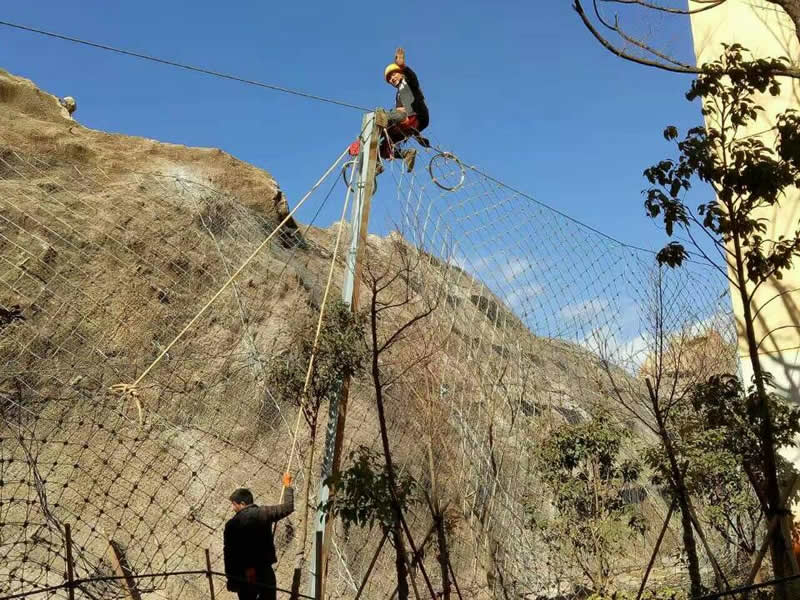
The RX Rockfall Barriers system is composed of high-strength steel wire rope nets or steel wire ring nets, steel wire ropes (supporting ropes, upper anchor ropes and anchor ropes), steel posts (uprights) with base plates and anchors, anchor rods and anchor plates, up-slope and down-slope anchor ropes, energy dissipation (decompression) rings arranged along the ropes, sewing ropes and connection fittings such as clips, shackles and clamps.
Steel posts and steel wire ropes are combined into a continuous system to form a protective barrier along the slope toe. Falling rocks are intercepted by the RX passive rockfall barrier, which deforms in a controlled way while the energy dissipation rings activate, absorbing and dissipating impact energy. This creates a flexible yet strong rockfall protection system compared with rigid concrete or masonry retaining walls.
RX passive rockfall barriers are designed on the basis of the expected rockfall impact energy. Different system configurations and models are available to match impact energy levels from approximately ≤ 250 kJ up to ≤ 2000 kJ.
Applications of Passive Rockfall Barriers
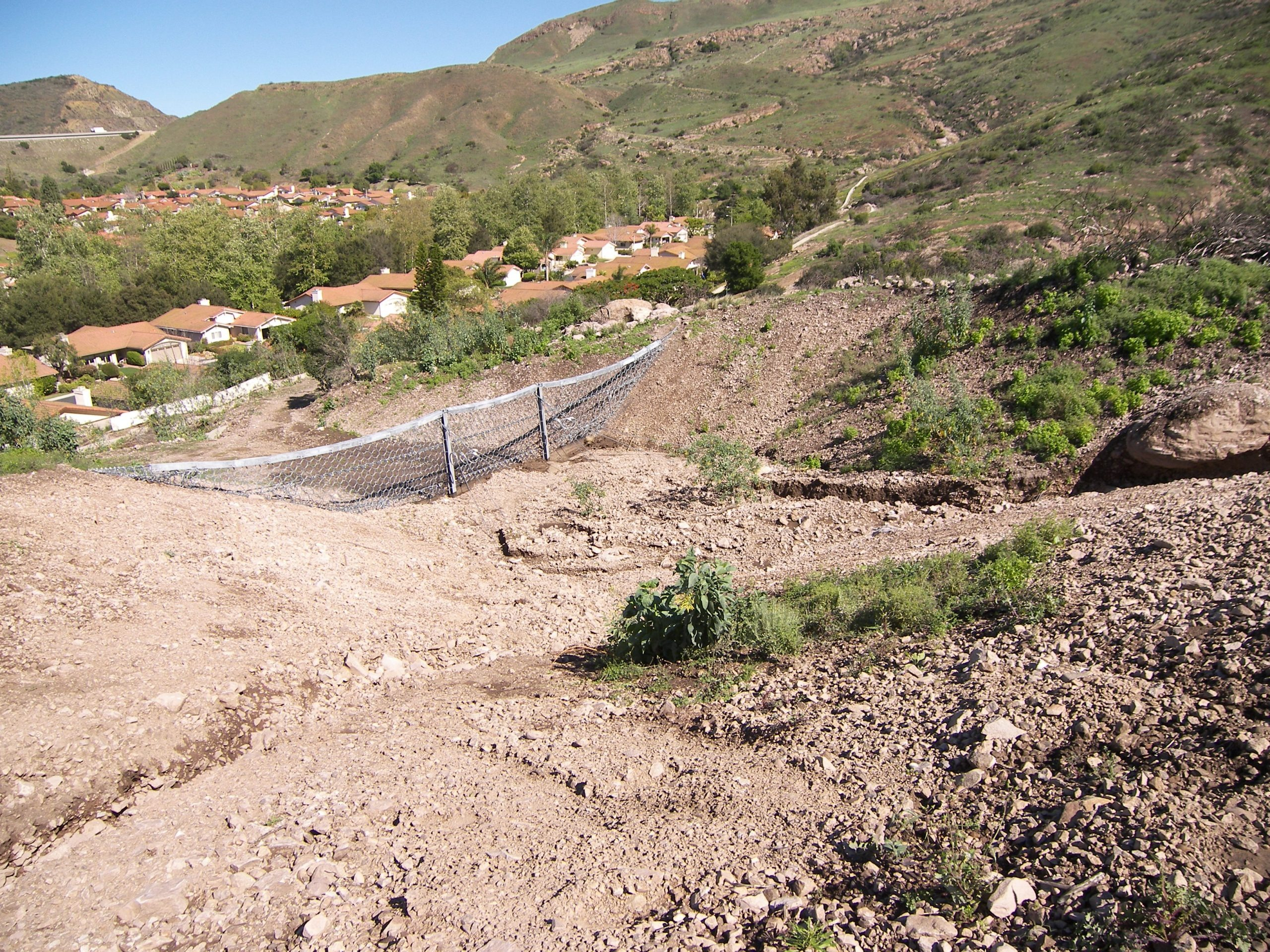
Passive rockfall barriers are widely used wherever falling rocks may threaten people, infrastructure or assets. Typical applications include highways and expressways at the foot of rock cuttings or natural slopes, railway lines in mountainous or hilly terrain, mountain roads and scenic routes, hydropower plants and dam access roads, mining haul roads and open-pit benches, residential and industrial areas near steep rock slopes, as well as ski resorts and cableway corridors exposed to rockfall or snow slides.

Benefits of RX Passive Rockfall Barriers
The RX passive rockfall barrier system offers several key advantages over rigid retaining structures and traditional masonry walls.
- High loading capacity: systems designed for impact energies up to 2000 kJ, suitable for medium to high energy rockfalls.
- High flexibility: large deformation capacity enables the system to absorb and dissipate energy instead of transmitting it directly to the foundations and anchors.
- Efficient energy dissipation: energy dissipation rings ensure uniform load distribution and reduce peak forces on ropes, posts and anchors.
- Uniform force distribution: loads are shared among multiple ropes, nets and posts to improve overall system stability.
- Excellent buffering performance: the system deforms in a controlled way to capture rock blocks safely and minimize rebound.
- Corrosion and rust resistance: hot-dip galvanized steel wires and ropes provide long-term durability even in harsh climates.
- Durable and long service life: robust materials, high safety factors and proven designs reduce maintenance needs and life-cycle costs.
- Modular design: different net types (steel wire rope net and steel ring net) and multiple energy levels are available to meet specific project requirements.
- Reduced construction time and cost: lighter and easier to install than massive concrete or masonry walls, with less excavation and foundation work.
- Low visual impact: slim steel structures and transparent nets blend into the natural landscape and preserve the environment.

Key Technical Specifications (RX Passive Rockfall Barriers)
| Item | Specification / Description |
|---|---|
| System type | Passive rockfall barrier system installed at the slope toe or in front of the protected area to intercept rockfalls and debris. |
| Main net types | Steel wire rope net: 8 mm wire diameter with mesh sizes from 150 mm × 150 mm to 250 mm × 250 mm. Steel ring net: 3 mm wire diameter with 300 mm ring diameter and different ring quantities according to energy level. |
| Energy levels | Standard RX and RXI systems designed for impact energies from ≤ 250 kJ up to ≤ 2000 kJ, suitable for small to high rockfall energies. |
| Materials | High-tensile steel wire, steel wire ropes, steel posts with base plates, anchor rods, anchor plates and steel connection hardware. |
| Surface protection | Hot-dip galvanized steel components providing high corrosion resistance and long service life in outdoor conditions. |
| Energy dissipation | Energy dissipation (decompression) rings mounted on supporting ropes and anchor ropes to absorb and dissipate rockfall impact energy. |
| Installation | Steel posts anchored into concrete or rock foundations; nets connected to posts and wire ropes; anchors fixed into rock or soil by grouting or mechanical anchoring. |
| Typical locations | Highways, railways, hydropower facilities, mining roads, residential slopes, industrial areas and scenic sites exposed to rockfalls. |


Popular RX Passive Rockfall Barrier Models
| Model | Net size | Supporting rope | Upper anchor rope | Anchor rope | Sewing rope | Loading capacity |
|---|---|---|---|---|---|---|
| RX-025 | Wire rope net: Wire diameter: 8 mm. Mesh size: 250 mm × 250 mm. | 12 mm double steel wire rope. Each spacer has 3 decompression rings. | 16 mm single steel wire rope. 1 decompression ring. | 12 mm single steel wire rope. | 8 mm. | ≤ 250 kJ |
| RX-050 | Wire rope net: Wire diameter: 8 mm. Mesh size: 200 mm × 200 mm. | 16 mm double steel wire rope. Each spacer has 6 decompression rings. | 14 mm single steel wire rope. 1 decompression ring. | 16 mm single steel wire rope. | 8 mm. | ≤ 500 kJ |
| RX-075 | Wire rope net: Wire diameter: 8 mm. Mesh size: 150 mm × 150 mm. | 18 mm double steel wire rope. Each spacer has 10 decompression rings. | 18 mm single steel wire rope. 2 decompression rings. | 18 mm single steel wire rope. | 8 mm. | ≤ 750 kJ |
| RXI-025 | Steel ring net: Circle quantity: 5. Wire diameter: 3 mm. Circle diameter: 300 mm. | 18 mm single steel wire rope. | 16 mm single steel wire rope. | 16 mm single steel wire rope. | 8 mm. | ≤ 250 kJ |
| RXI-050 | Steel ring net: Circle quantity: 7. Wire diameter: 3 mm. Circle diameter: 300 mm. | 22 mm single steel wire rope. | 18 mm single steel wire rope. | 18 mm single steel wire rope. | 8 mm. | ≤ 500 kJ |
| RXI-075 | Steel ring net: Circle quantity: 5. Wire diameter: 3 mm. Circle diameter: 300 mm. | 16 mm double steel wire rope. Each spacer and each metal column has 1 decompression ring. Total: 6 decompression rings. | 14 mm single steel wire rope. 1 decompression ring. | 14 mm single steel wire rope. | 8 mm. | ≤ 750 kJ |
| RXI-100 | Steel ring net: Circle quantity: 9. Wire diameter: 3 mm. Circle diameter: 300 mm. | 18 mm double steel wire rope. Each spacer and each metal column has 1 decompression ring. Total: 6 decompression rings. | 16 mm single steel wire rope. 1 decompression ring. | 16 mm single steel wire rope. | 12 mm. | ≤ 1000 kJ |
| RXI-150 | Steel ring net: Circle quantity: 12. Wire diameter: 3 mm. Circle diameter: 300 mm. | 22 mm double steel wire rope. Each spacer and each metal column has 1 decompression ring. Total: 6 decompression rings. | 18 mm single steel wire rope. 1 decompression ring. | 18 mm single steel wire rope. | 12 mm. | ≤ 1500 kJ |
| RXI-200 | Steel ring net: Circle quantity: 19. Wire diameter: 3 mm. Circle diameter: 300 mm. | 18 mm double steel wire rope. Each spacer and each metal column has 1/2 decompression rings. Total: 8 decompression rings. | 18 mm single steel wire rope. 1 decompression ring. | 18 mm single steel wire rope. | 14 mm. | ≤ 2000 kJ |
Photo Gallery – RX Passive Rockfall Barriers
 |  |
 |  |
 |  |
Conclusion
Passive rockfall barriers are an efficient and reliable solution for protecting roads, railways and infrastructure located in rockfall-prone areas. The RX passive rockfall barrier system combines high-strength steel wire nets, wire ropes, posts and energy dissipation rings to safely intercept and contain falling rocks over a wide range of impact energies.
With high loading capacity, excellent flexibility, corrosion resistance and a modular design, RX passive rockfall barriers provide long-term slope protection while minimizing construction time and visual impact. They are an ideal choice for engineers and owners who need a proven, durable and cost-effective passive rockfall barrier solution.