Your One-Stop Wire Mesh Fence Supplier | POLYMETAL
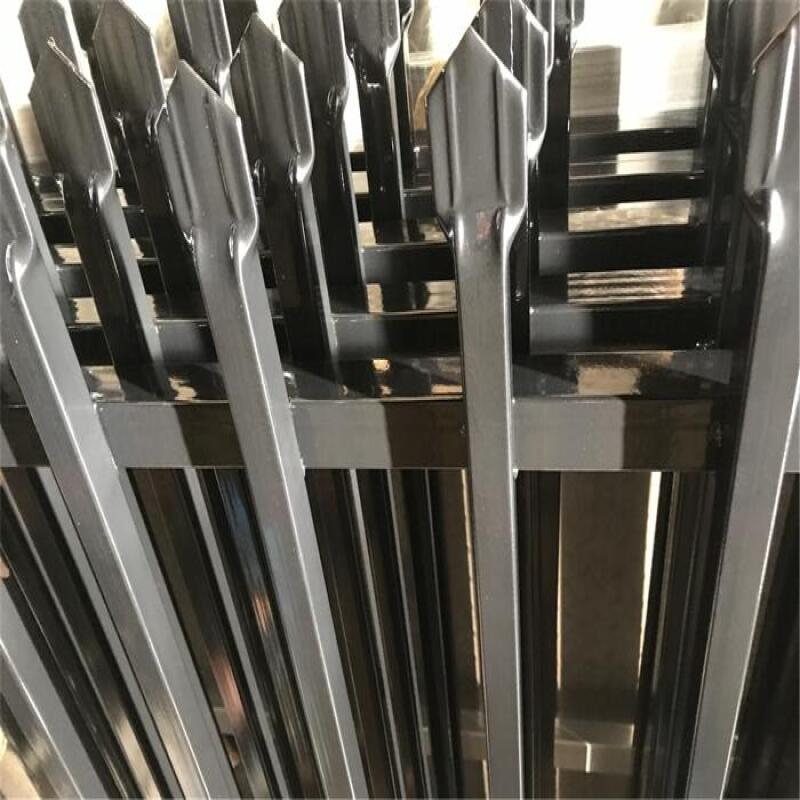
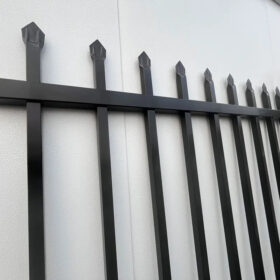
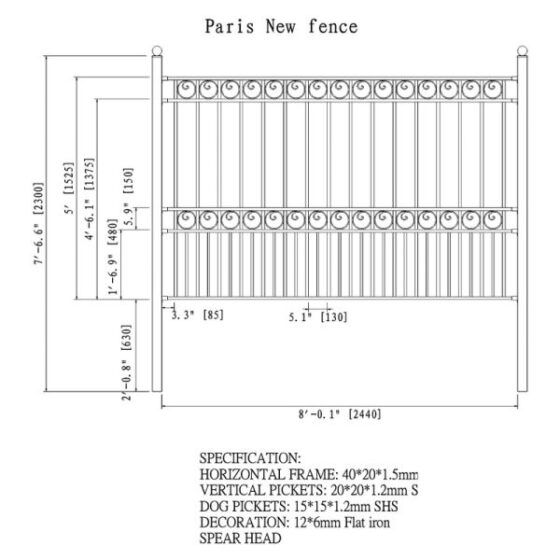
Picket Fencing Panels are one of the fastest ways to create a clean, modern boundary while still delivering real protection for residential, commercial, and industrial properties. But not all panels are built the same. Small choices in steel gauge, rail structure, welding, coating, and fasteners decide whether your fence stays straight and corrosion-resistant for years—or becomes a costly redo.
POLYMETAL focuses on professional steel picket fencing solutions designed for different market preferences, including North America’s multi-style system and Australia’s heavier-duty 2400 mm panel format. With the right configuration, Picket Fencing Panels can provide a strong visual deterrent, consistent quality, and low lifetime maintenance.
Product Description of POLYMETAL Picket Fencing Panels
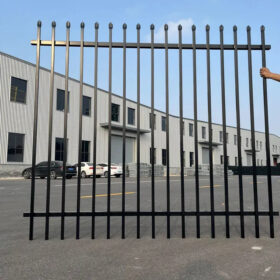
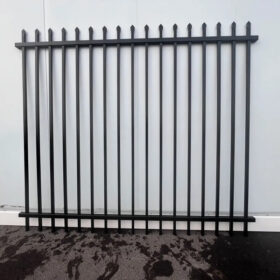
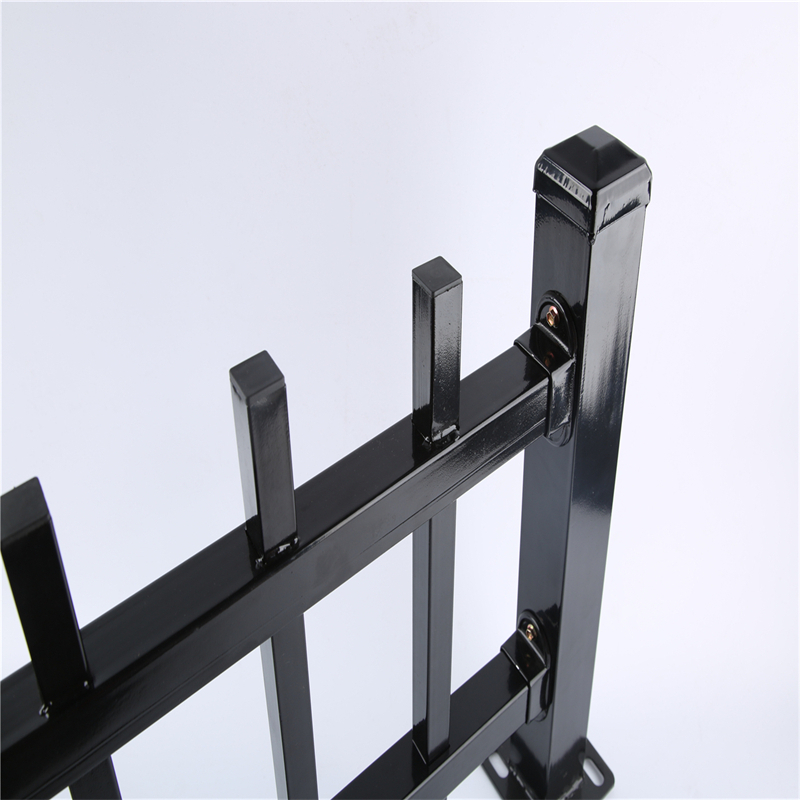
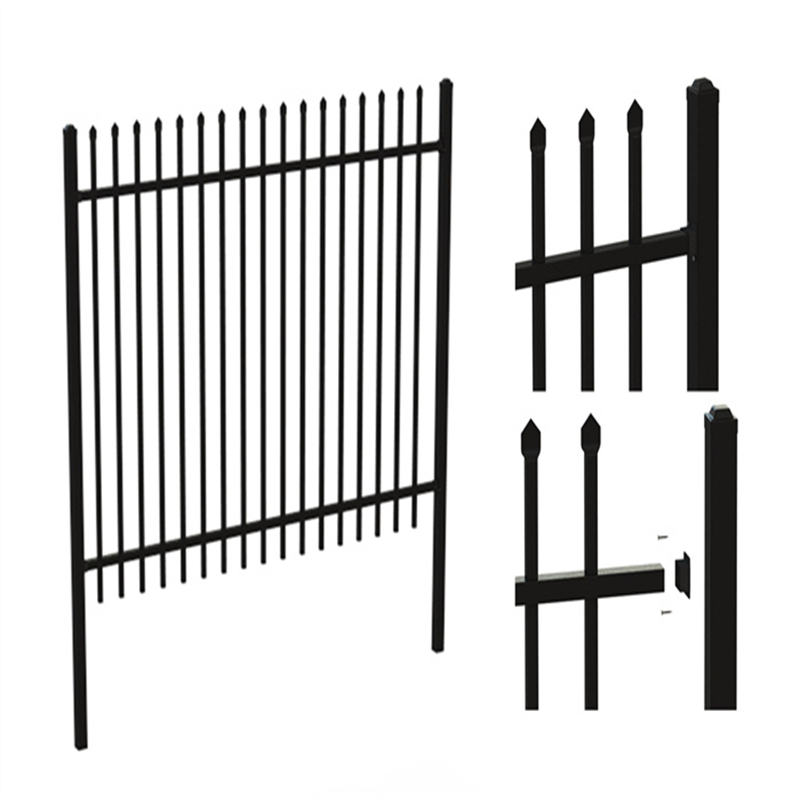
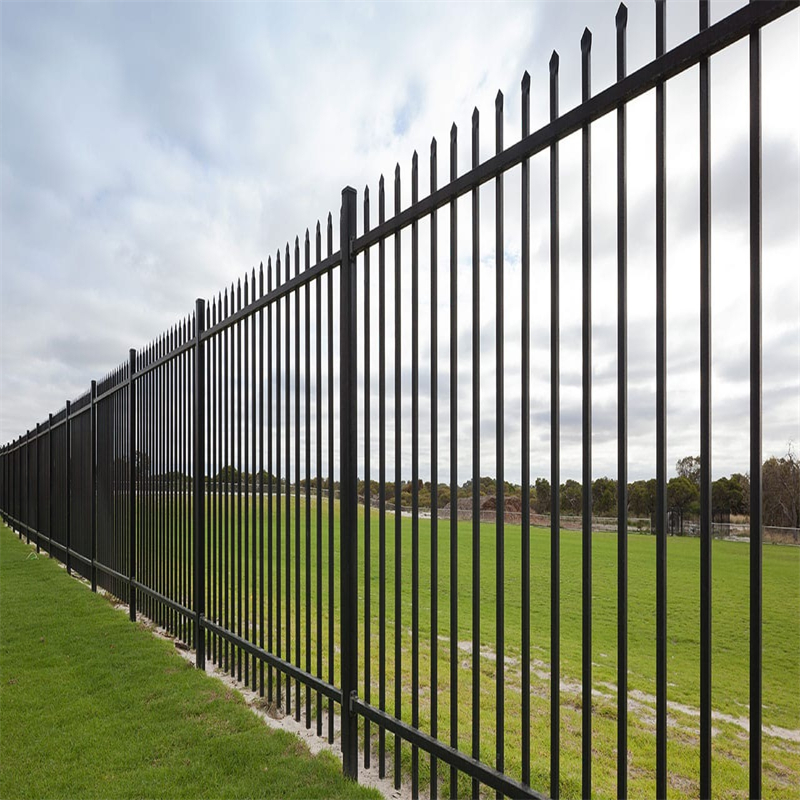
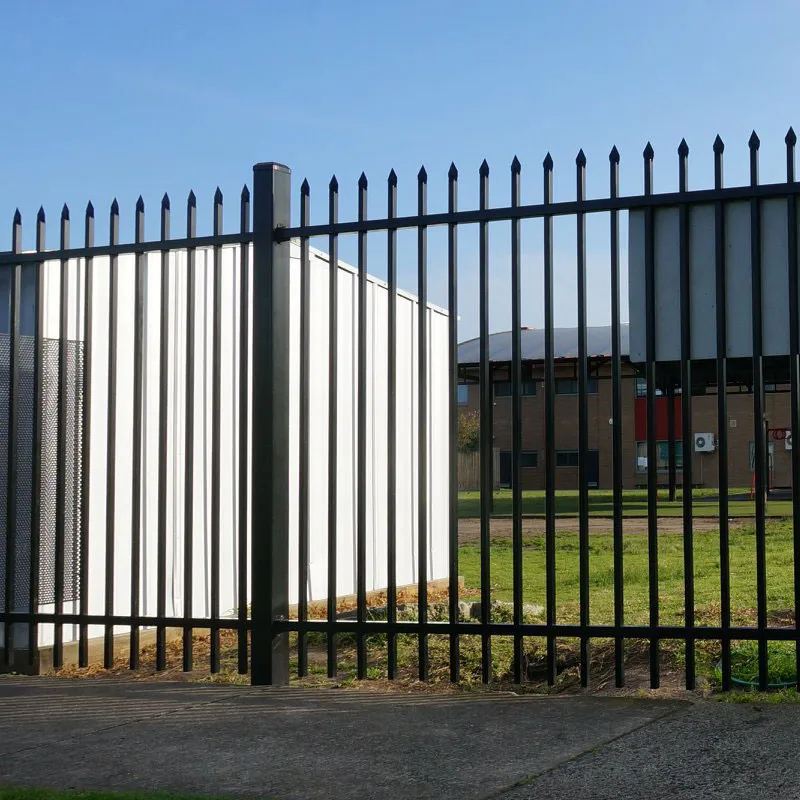
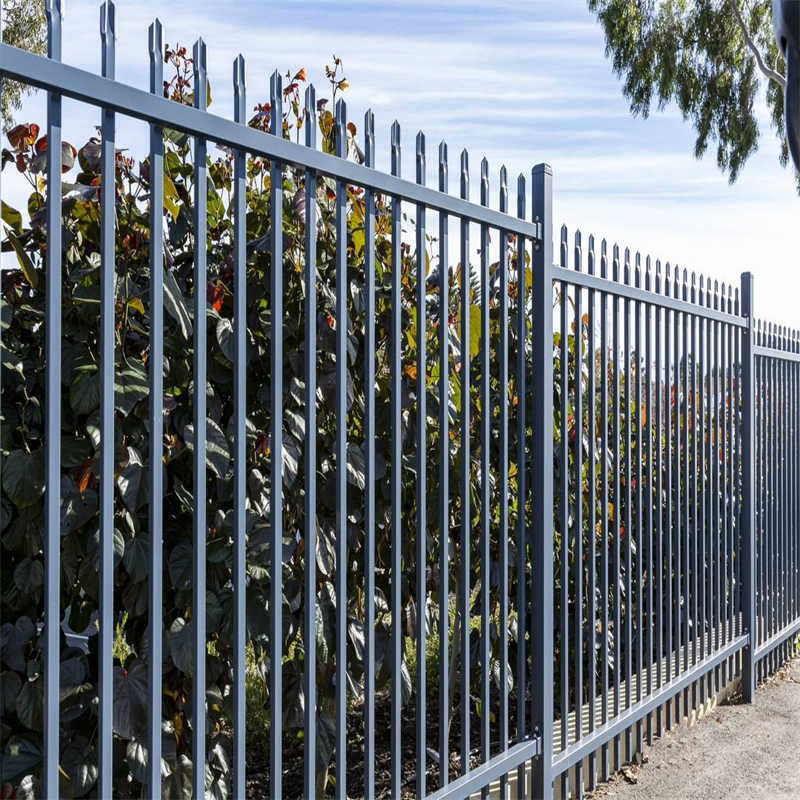
POLYMETAL Picket Fencing Panels are steel security-style panels engineered for strength, durability, and a crisp architectural look. The panels are designed around welded uprights and horizontal rails, producing a rigid structure that resists bending, climbing, and impact. For customers who need consistent appearance across long boundaries, the panelized format helps keep spacing, alignment, and finishing uniform from start to end.
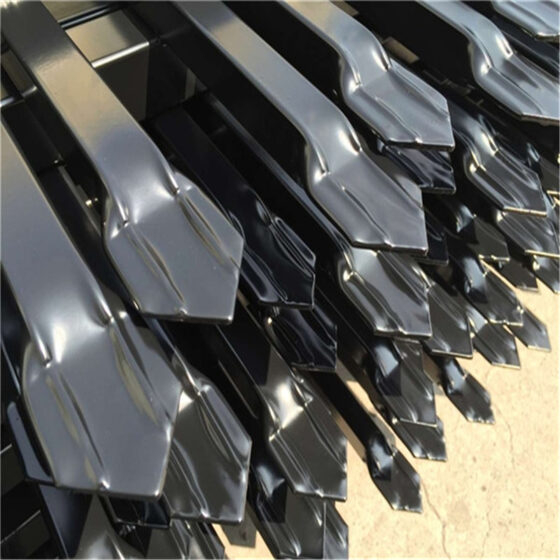
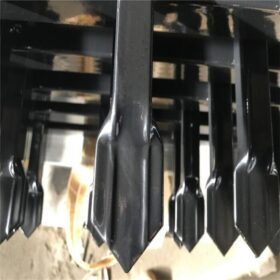
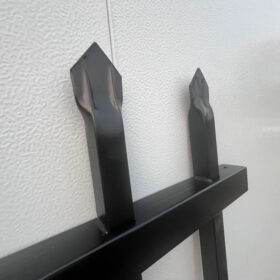
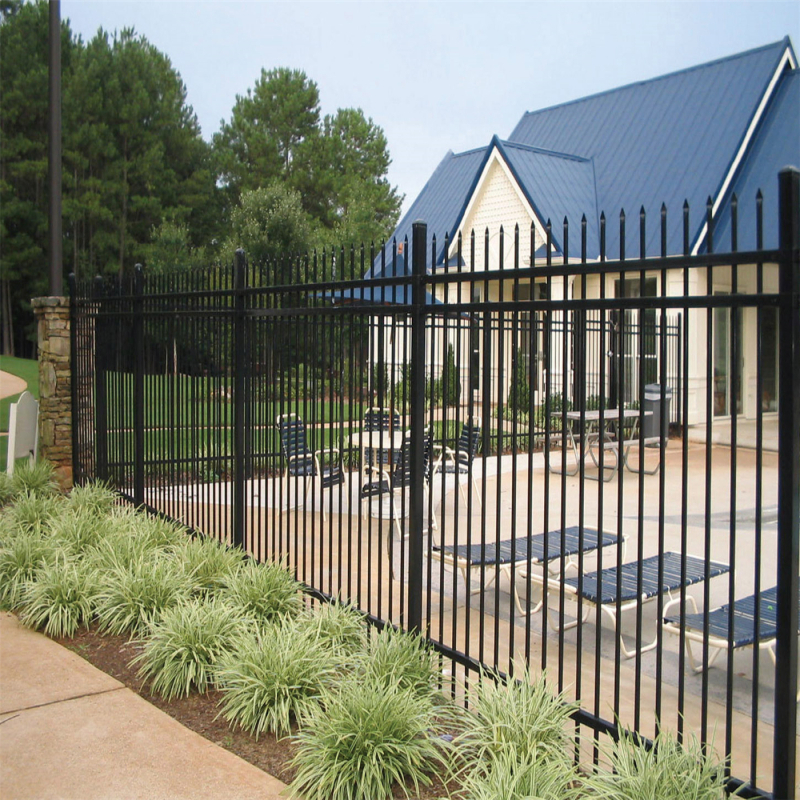
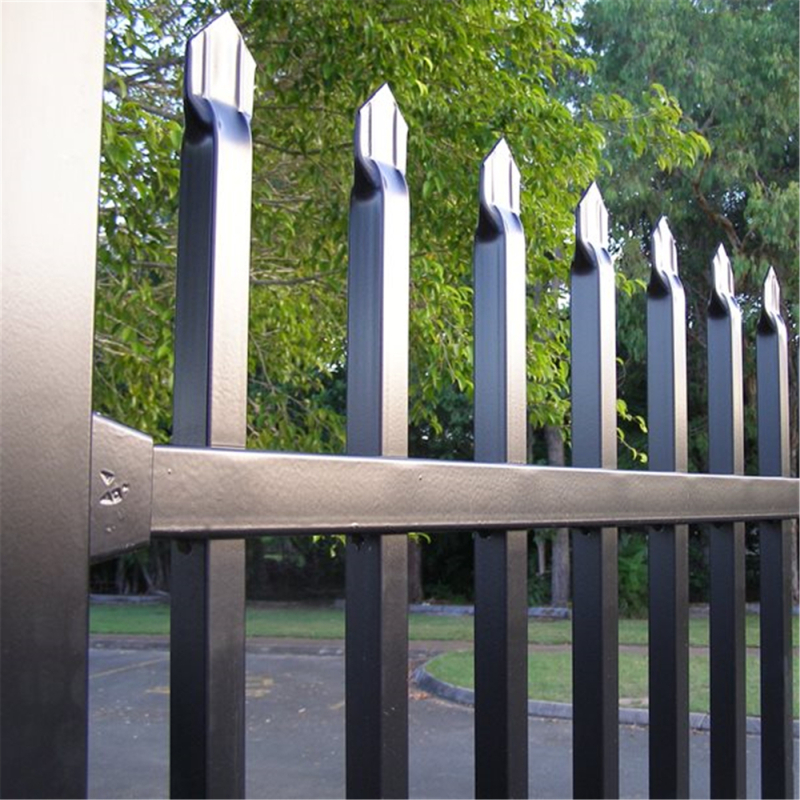
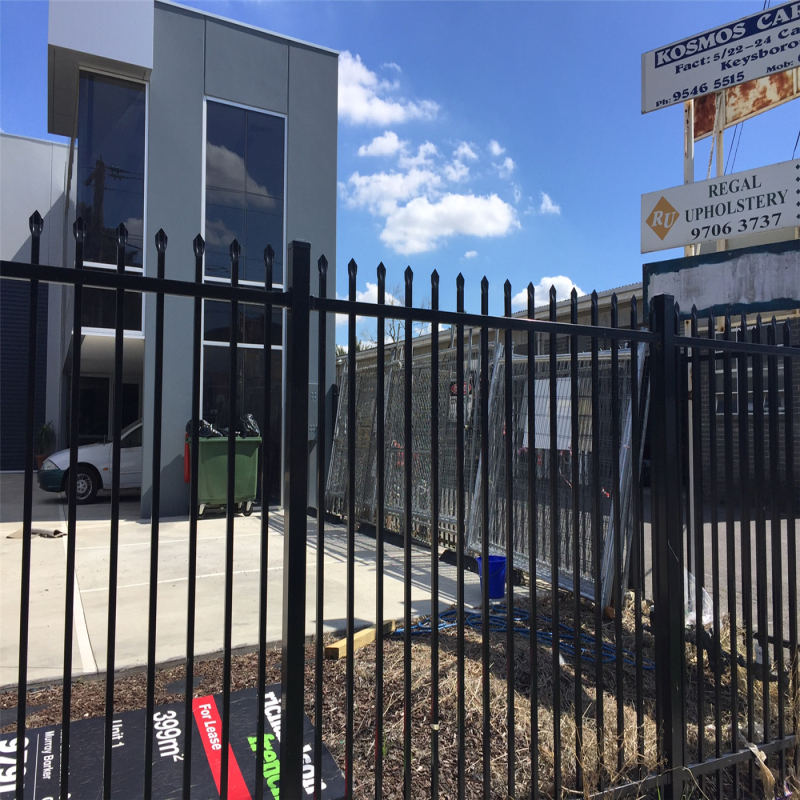
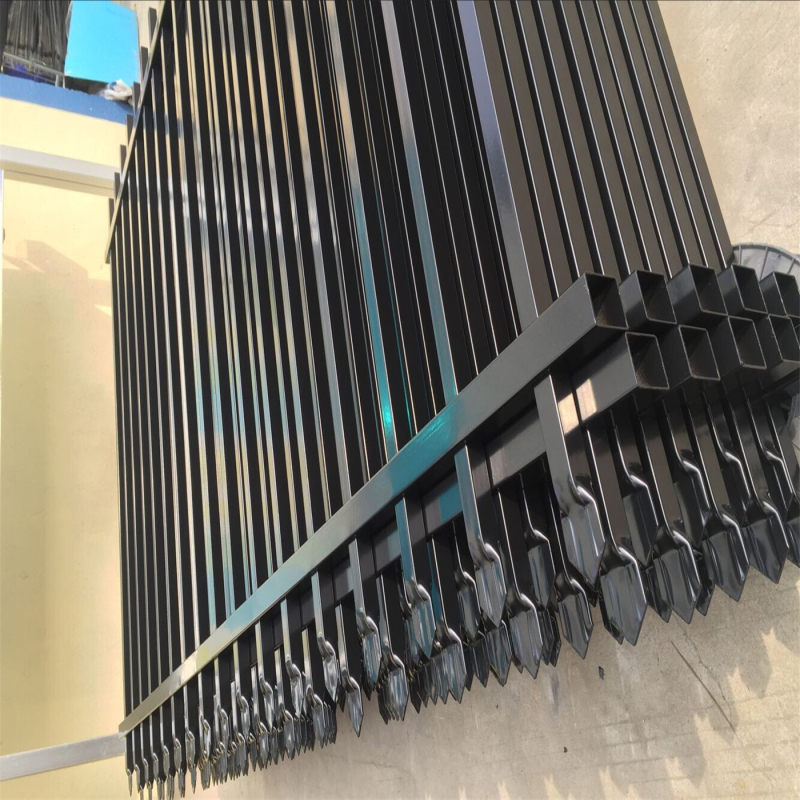
Depending on the target market and application, POLYMETAL can provide North American-style panel families with multiple top and rail options, as well as Australian garrison-style panels built around 2400 mm lengths, heavier uprights, and sharp crushed spear tops. These Picket Fencing Panels are commonly finished with galvanizing plus powder coating to increase corrosion resistance and extend service life.
Coating, Colors, and Warranty
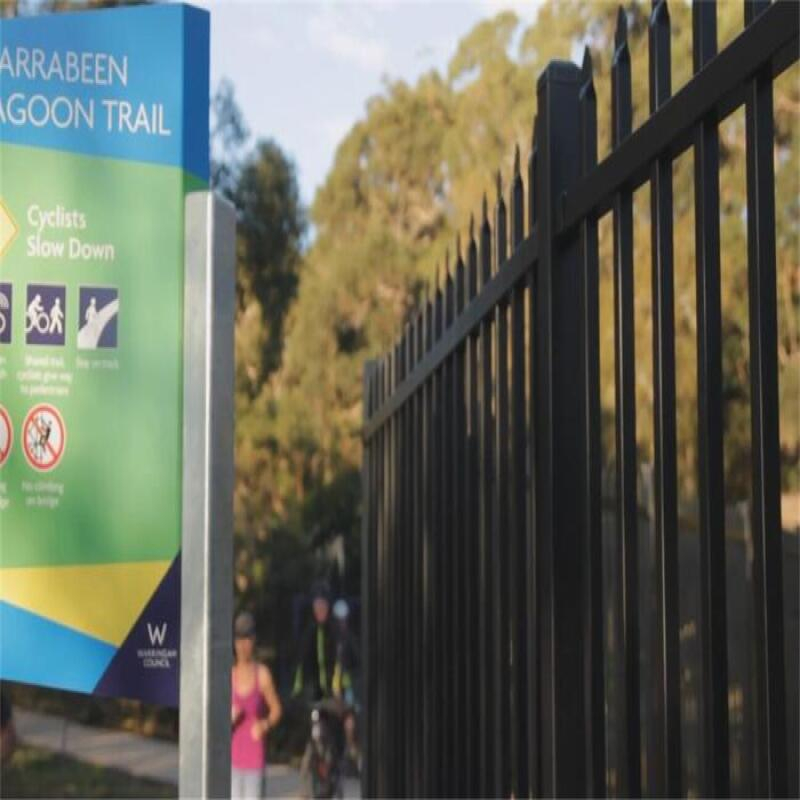
POLYMETAL Picket Fencing Panels can be supplied with an architectural-grade powder coated system designed to be tough and weather-stable, improving UV resistance and corrosion performance compared with many standard coatings. Black is commonly used as a standard finish, and additional colors or custom matches can be supplied to meet project requirements.
Specifications (Typical Options)
North America Style Picket Fencing Panels (Typical Range)
| Item | Panel Height Options | Upright Pickets | Horizontal Rails | Post | Top Type | Finish |
|---|---|---|---|---|---|---|
| Classic Style (Arrow-Pointed Spear Picket) | 3′, 3½’, 4′, 5′, 6′ | 0.625″ sq × 18ga | 2 or 3 rails (standard or flush bottom rail) | 2″ sq × 16ga | Straight | Galvanized + Powder Coated |
| Popular Style | 3′, 3½’, 4′, 5′, 6′ | 1″ dia × 14ga tubes @ 4″ centers | 1.25″ dia 11ga / square tube, 2 rails | 2½” dia × 14ga | Swaged (option to bend top picket ~45° for strength) | Galvanized + Powder Coated |
| Residential Steel Fencing | 3′, 3½’, 4′, 5′, 6′ | 0.625″ sq × 18ga | 0.9375″ × 1.25″ × 14ga | 2″ sq × 16ga | Straight | Galvanized + Powder Coated |
| Commercial Steel Fence | 7′, 8′ | 0.75″ sq × 14ga | 1.4375″ × 1.5″ × 14ga, 3–4 rails | 2″ sq × 16ga | Straight | Galvanized + Powder Coated |
| Flush Top Style | 3′, 3½’, 4′, 5′, 6′ | 0.625″ sq × 18ga | 2 or 3 rails | 2″ sq × 16ga | Straight | Galvanized + Powder Coated |
| Extended Flat-Topped Pickets | 3′, 3½’, 4′, 5′, 6′ | 0.625″ sq × 18ga | 2 or 3 rails | 2″ sq × 16ga | Straight | Galvanized + Powder Coated |
| Alternating Picket Style | 3′, 3½’, 4′, 5′, 6′ | 0.625″ sq × 18ga | 2 or 3 rails | 2″ sq × 16ga | Straight | Galvanized + Powder Coated |
| Crescent Style | 3′, 3½’, 4′, 5′, 6′ | 0.625″ sq × 18ga | 2 or 3 rails | 2″ sq × 16ga | Straight | Galvanized + Powder Coated |
| Child-Safe Playground Fencing | Common: 1200 / 1500 / 1800 mm | Anti-climb / anti-tunnel focus | Project-based | Project-based | Safer top profile | Galvanized + Powder Coated |
Australia Style Picket Fencing Panels (Typical)
| Item | Size (L × H) | Upright Pickets | Horizontal Rails | Post | Top Type | Finish |
|---|---|---|---|---|---|---|
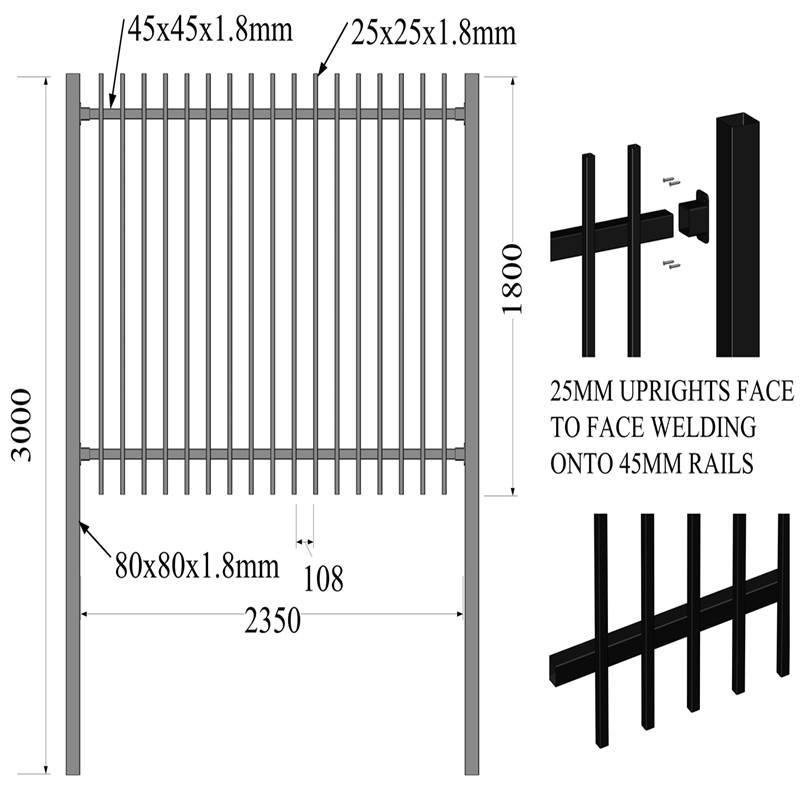
| Standard Style | 2400 × 1800 mm | 25 × 25 × 1.6 mm tube, 100 mm centers | 40 × 40 mm tube (project-based thickness) | 60 × 60 × 2.0 mm tube | Sharp crushed spear top | Galvanized + Powder Coated |
The Top 18 Traps When Buying Picket Fencing Panels (Especially #15)
The fence can look perfect on a quote and still become your most expensive “small project” of the year. Use these traps to pressure-test any supplier—including before you lock in POLYMETAL production details.
Trap 1: Choosing height for looks, not threat level
If the property faces public foot traffic, a “nice-looking” height can become an invitation. Match height to risk: residential boundaries differ from warehouses, schools, or utility zones.
Trap 2: Ignoring picket spacing until it’s too late
Wide spacing can weaken security and create climb opportunities. Tight spacing improves deterrence and reduces footholds, especially on higher-risk sites.
Trap 3: Picking the wrong top type for the job
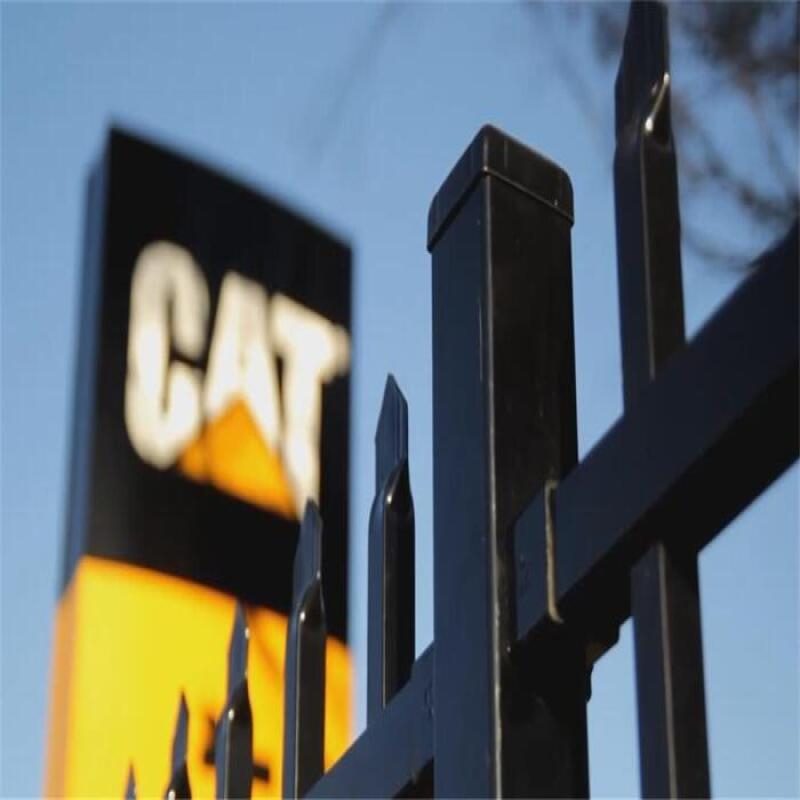
Straight tops can look clean, but spear or crushed spear styles increase deterrence. Child-safe areas require safer top profiles to reduce injury risk.
Trap 4: Underestimating rail structure
Two rails may be fine for light-duty boundaries, but high-traffic or higher panels often need three or four rails for stiffness and long-term straightness.
Trap 5: Buying “gauge” without knowing where it applies
Some quotes highlight thick posts while using lighter pickets or rails. Ask for thickness across pickets, rails, and posts—because weak links fail first.
Trap 6: Treating welding as “all the same”
Weld quality affects rigidity, lifespan, and even coating performance. Poor welds invite early corrosion and cracking at stress points.
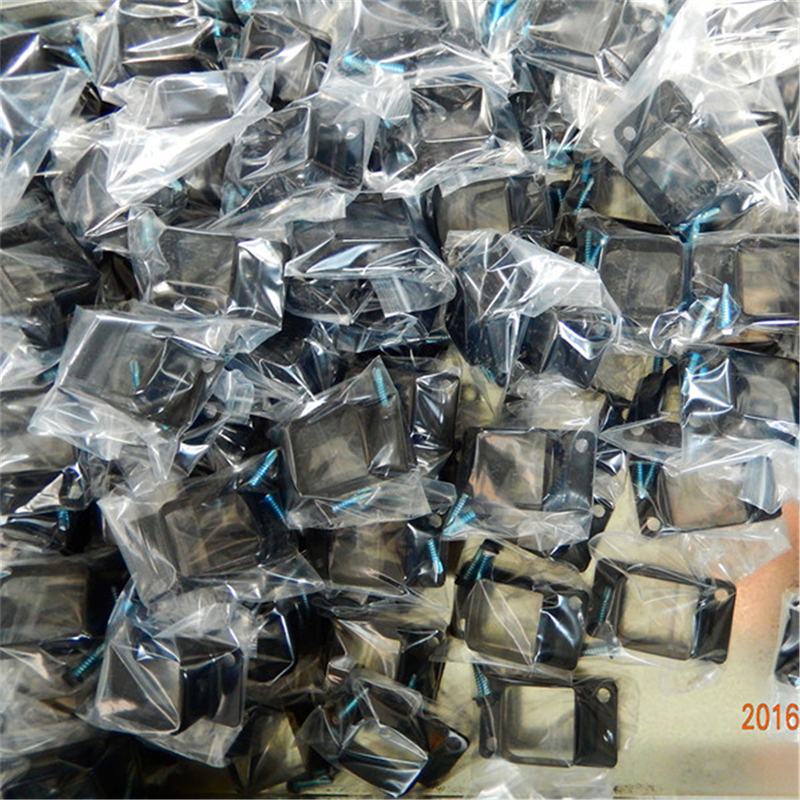
Trap 7: Skipping anti-tamper fastening options
If the site has real security concerns, standard fasteners can be removed quickly. Anti-tamper systems raise the effort and time required to breach.
Trap 8: Assuming every “galvanized” finish is equal
Galvanizing thickness and process control matter. Thin or inconsistent galvanizing can rust early, especially at cut edges and welded joints.
Trap 9: Believing powder coat alone is enough
Powder coat is excellent, but if surface prep is weak, adhesion fails and you’ll see peeling and rust creep. Demand a full system approach.
Trap 10: Forgetting UV + salt exposure realities
If the site faces intense sun or coastal air, coatings must be selected for UV stability and salt resistance—or fading and corrosion will show fast.
Trap 11: Choosing style first, maintenance last
Ornate looks can create more cleaning points and harder repairs. For long fence lines, simple profiles reduce future labor and cost.
Trap 12: Not planning gates and access control from day one
Panels are easy—gates are where projects go wrong. Gate sag, latch mismatch, and access clearance issues can force expensive rework.
Trap 13: Ignoring ground conditions and post setting details
Soft soil, poor drainage, or sloped terrain can twist posts over time. Correct post specification and installation depth protect alignment.
Trap 14: Overlooking local safety requirements
Schools, playgrounds, and public areas can require safer top designs and anti-climb features. Wrong selection can trigger replacement orders.
Trap 15: Ordering without a written “spec lock” (this is where money disappears)
This is the trap that quietly drains budgets: you approve “Picket Fencing Panels,” but the quote doesn’t lock picket size, rail count, spacing, finish system, and hardware. When the delivered product doesn’t match your expectations, you pay twice—once for the fence, and again for fixes, disputes, or replacement. Always lock specs in writing before payment and before production.
Trap 16: Assuming “standard black” means the same black
Shade consistency varies between batches and coating lines. For long projects, insist on batch control or clear color matching terms.
Trap 17: Forgetting packaging protection for long-distance shipping
Scratches, corner damage, and rubbing during transit ruin the finish and trigger on-site touch-ups that never look perfect.
Trap 18: Treating warranty as a slogan
A long warranty means nothing without defined coverage conditions. Know what’s covered (finish, workmanship, structural) and what installation requirements apply.
Applications of POLYMETAL Picket Fencing Panels
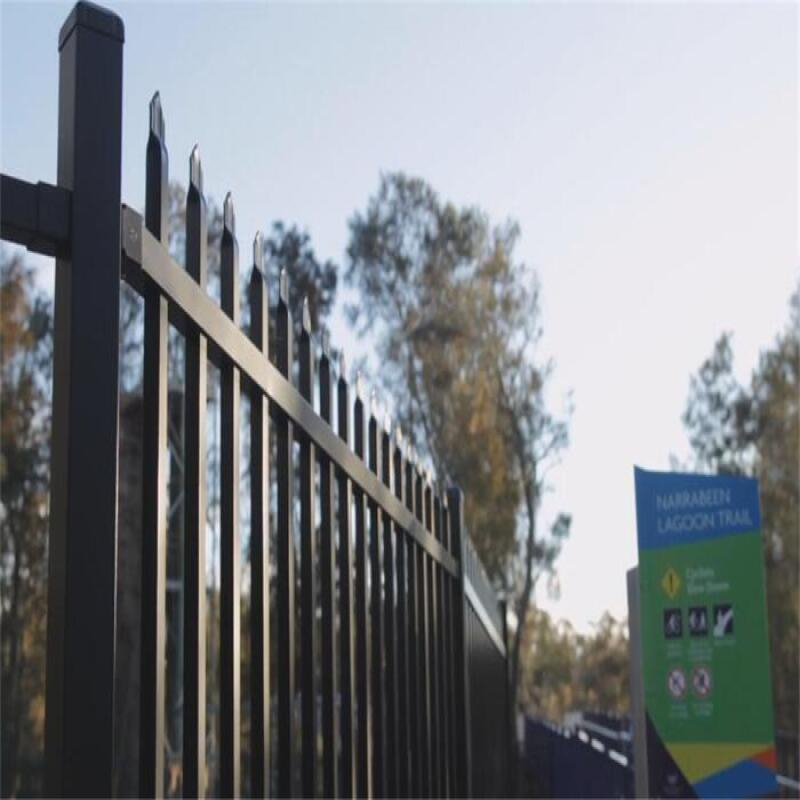
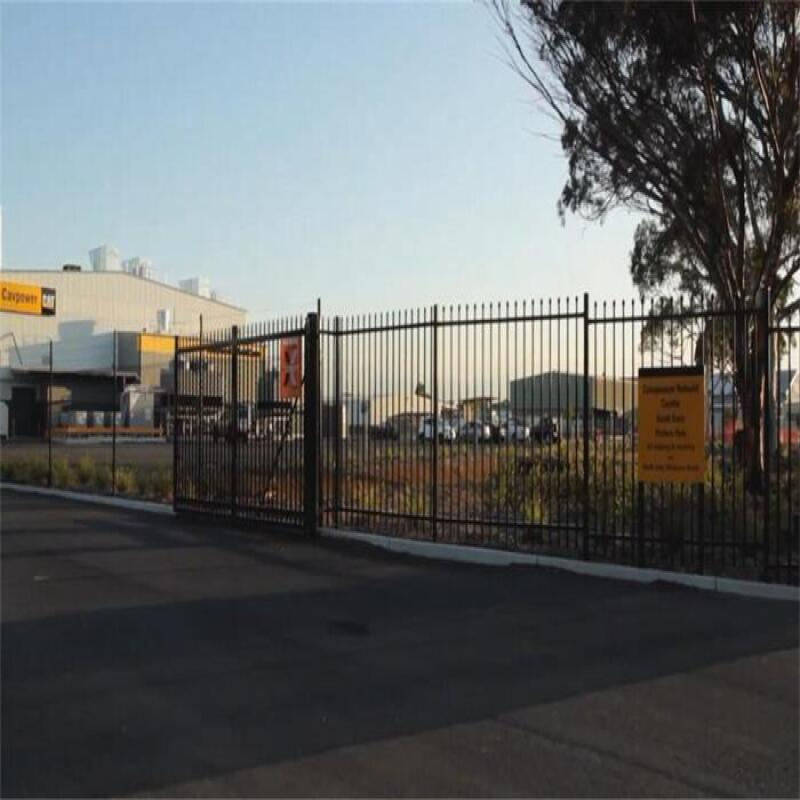
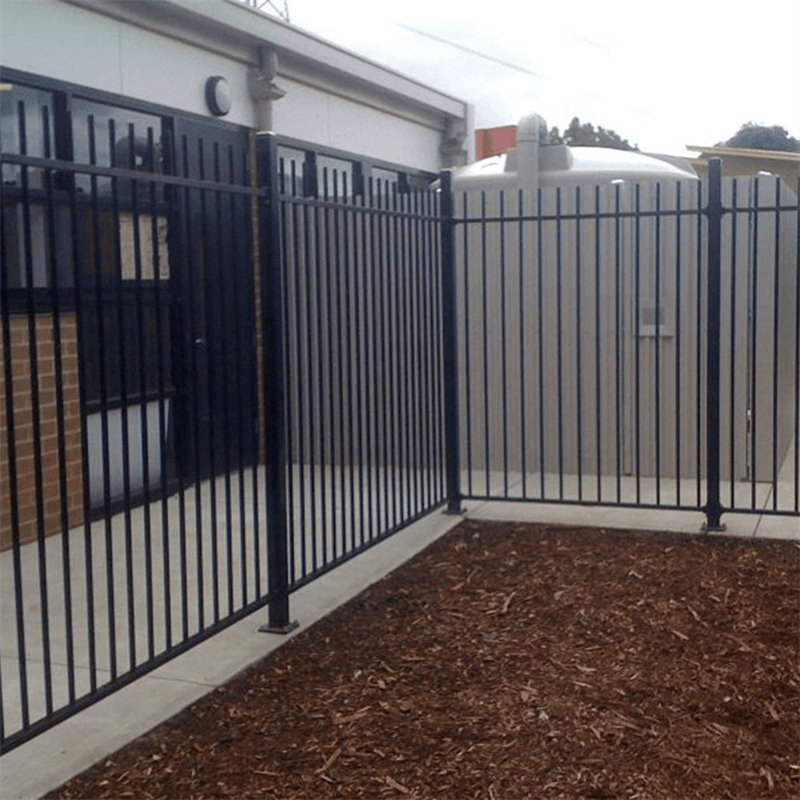
POLYMETAL Picket Fencing Panels are widely used for villas, residential communities, gardens, schools, factories, industrial parks, sports venues, convention centers, public squares, roads, balconies, and landscaped boundaries where a clean modern look is needed without sacrificing protective value. They also fit commercial frontages where a professional appearance matters as much as perimeter definition.
Benefits of POLYMETAL Picket Fencing Panels
POLYMETAL Picket Fencing Panels help create a strong deterrent while maintaining an architectural, upscale appearance. The panelized structure supports faster installation and more consistent alignment than piecemeal fencing. With galvanizing and powder coating options, the panels can deliver improved corrosion resistance and reduced maintenance compared with many traditional fence materials. For projects needing long-term stability, heavier posts, appropriate rail counts, and secure fastening systems reduce the chance of sagging, loosening, and costly repairs.
Packing
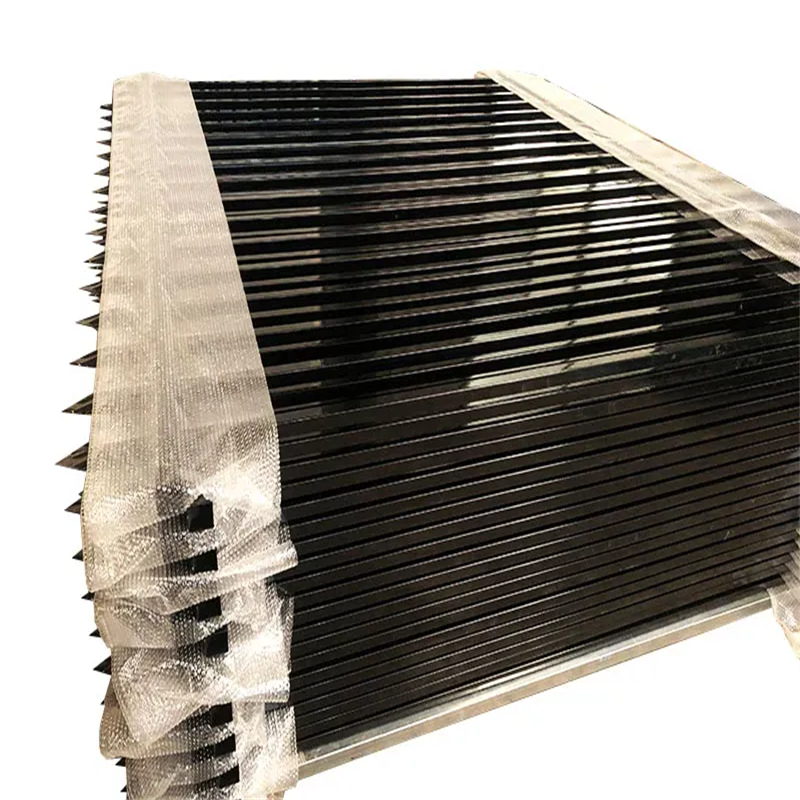
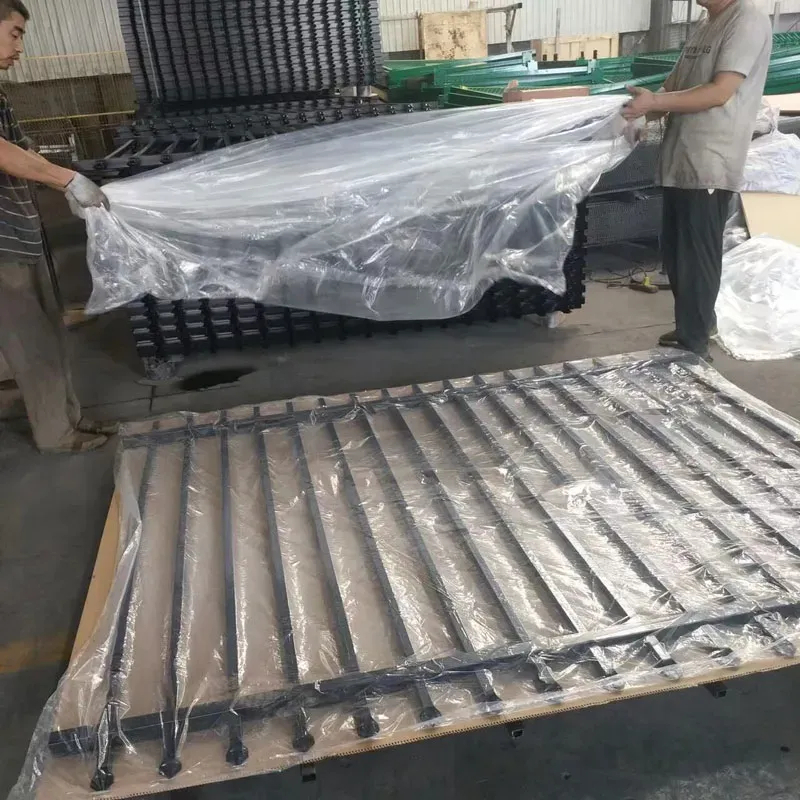
POLYMETAL Picket Fencing Panels are typically packed to protect edges and finished surfaces during handling and shipping. Panels are usually stacked in stable bundles, separated where needed to reduce abrasion, and secured for safe forklift movement. For export or long-distance transport, additional corner protection and reinforced strapping are commonly used to help prevent transit scratches and deformation that can trigger touch-up costs on site.
Standard
POLYMETAL can manufacture Picket Fencing Panels to common project requirements used across different markets, including North American and Australian style formats. If your project requires compliance targets (such as specific dimensions, coating performance expectations, or installation practices), the safest approach is to define them directly in the purchase specification so the delivered panels match the site’s security level, climate conditions, and regulatory expectations. For projects that demand enhanced anti-climb performance and tighter aperture control, referencing PVC Coated 358 Anti-Climb Fence alongside your panel specification can help you align protection level, budget, and site risk more precisely.
FAQs
Q: Can POLYMETAL provide both North America and Australia styles of Picket Fencing Panels?
Yes. POLYMETAL supports multi-style configurations, including North American design families with multiple tops and rail options, and Australian 2400 mm panel formats with heavier uprights and security-focused spear tops.
Q: What finish is best for corrosion resistance?
For most demanding environments, a combined system of galvanizing plus powder coating is commonly selected because it supports both base corrosion protection and durable exterior appearance.
Q: Can I order custom colors?
Yes. Black is common, and additional colors or custom matching can be produced based on project requirements, especially when appearance consistency is critical.
Q: How do I choose between 2 rails vs 3 or 4 rails?
Higher panels, higher-security sites, and areas with more impact risk typically benefit from more rails for stiffness and long-term straightness. Matching rail count to panel height and threat level helps avoid bending and vibration issues later.
Q: What information should I provide for an accurate quotation?
Provide required panel length and height, picket size and spacing, rail count and rail size, post size, top type, finish system, color, quantity, gate needs, and the destination climate (coastal, high UV, industrial exposure). This prevents the #15 trap where missing details become expensive changes.
Q: Are Picket Fencing Panels hard to maintain?
They are generally easy to maintain. Routine cleaning and quick touch-up of accidental damage helps keep the finish stable and the fence line looking consistent.
Closing Thought
If you want Picket Fencing Panels that stay straight, stay clean-looking, and keep doing their security job year after year, the “pretty picture” isn’t enough. Lock the specs, match the style to the risk level, and choose a finish system built for your climate. POLYMETAL Picket Fencing Panels are designed to make that process straightforward—so you don’t discover the real cost after installation.