Your One-Stop Wire Mesh Fence Supplier | POLYMETAL
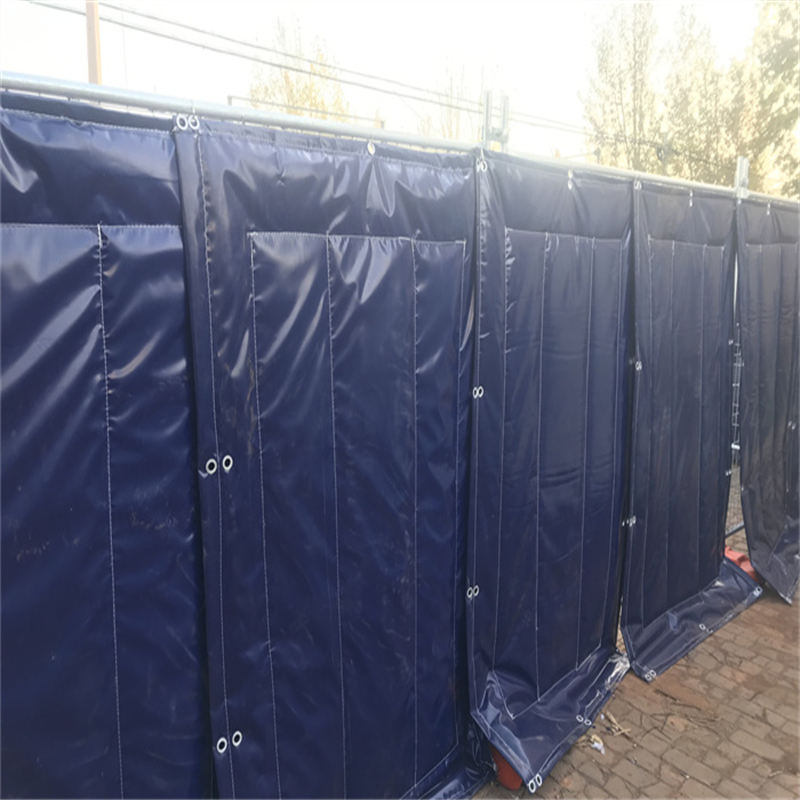
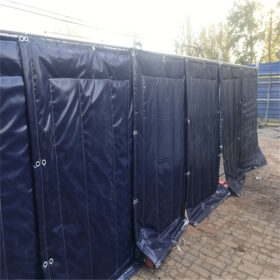
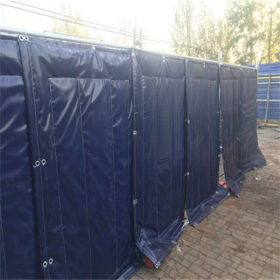
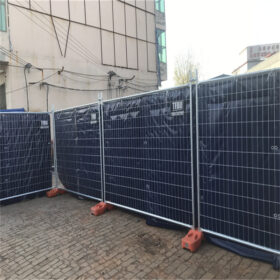
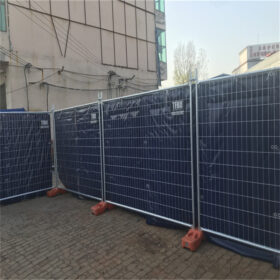
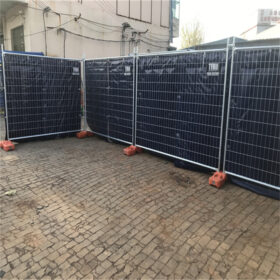
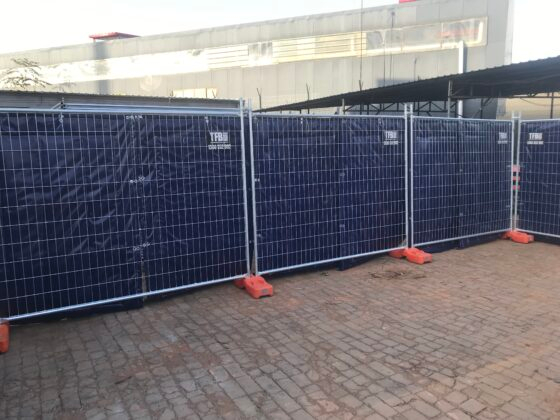
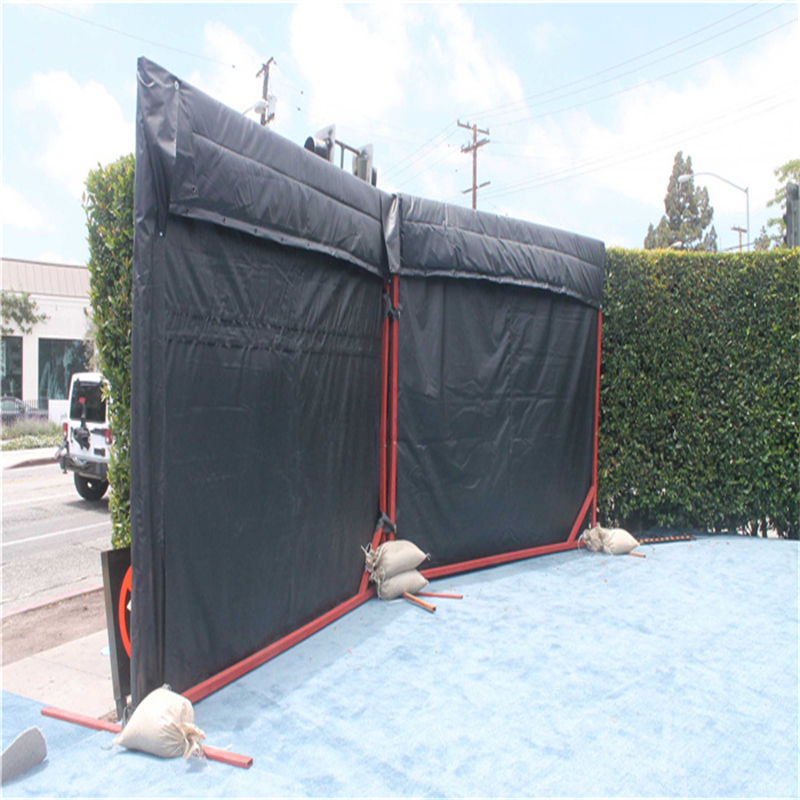
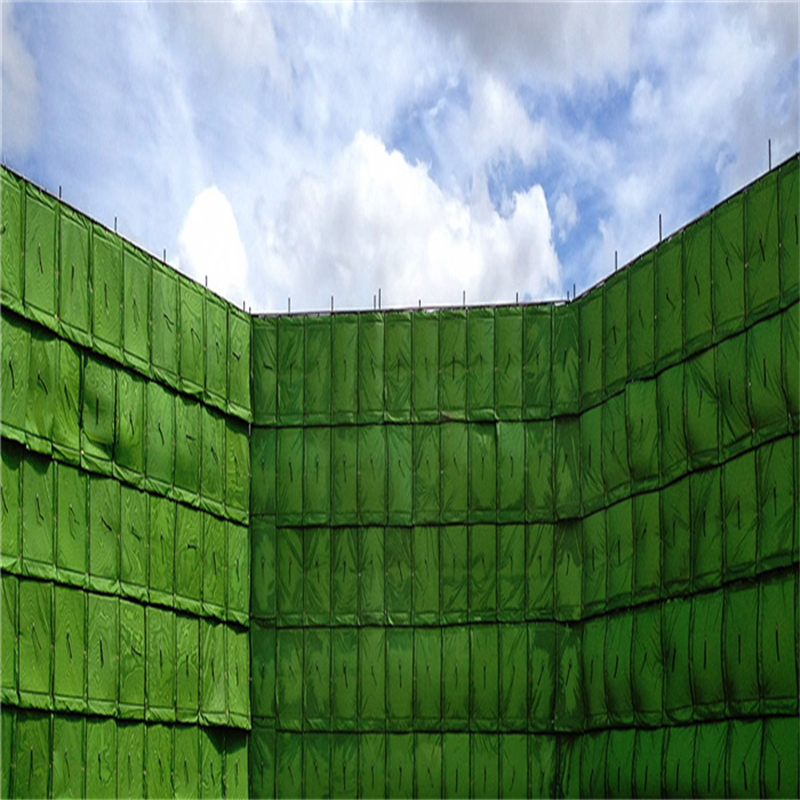
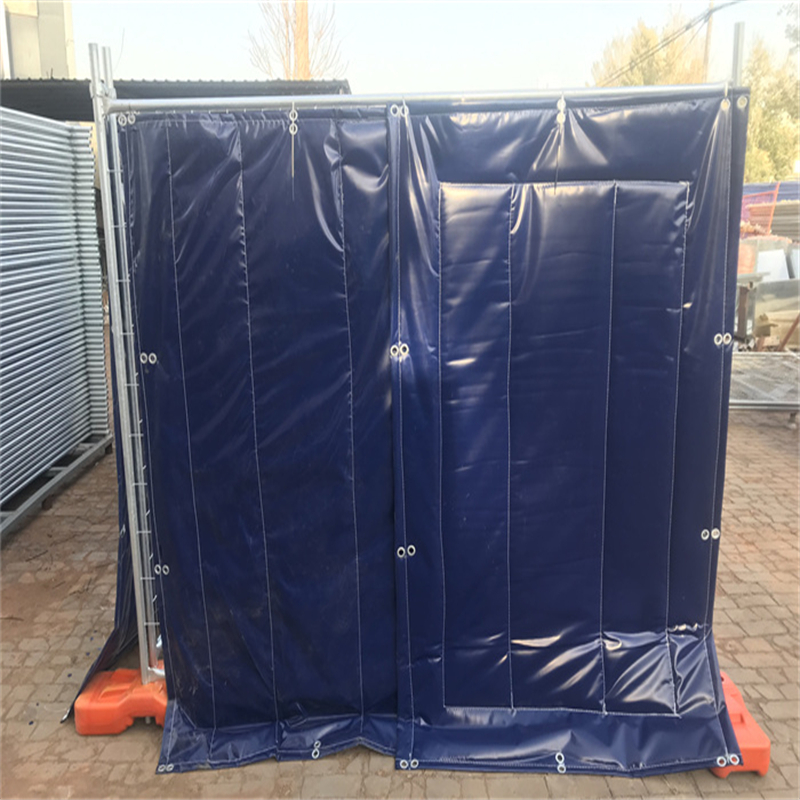
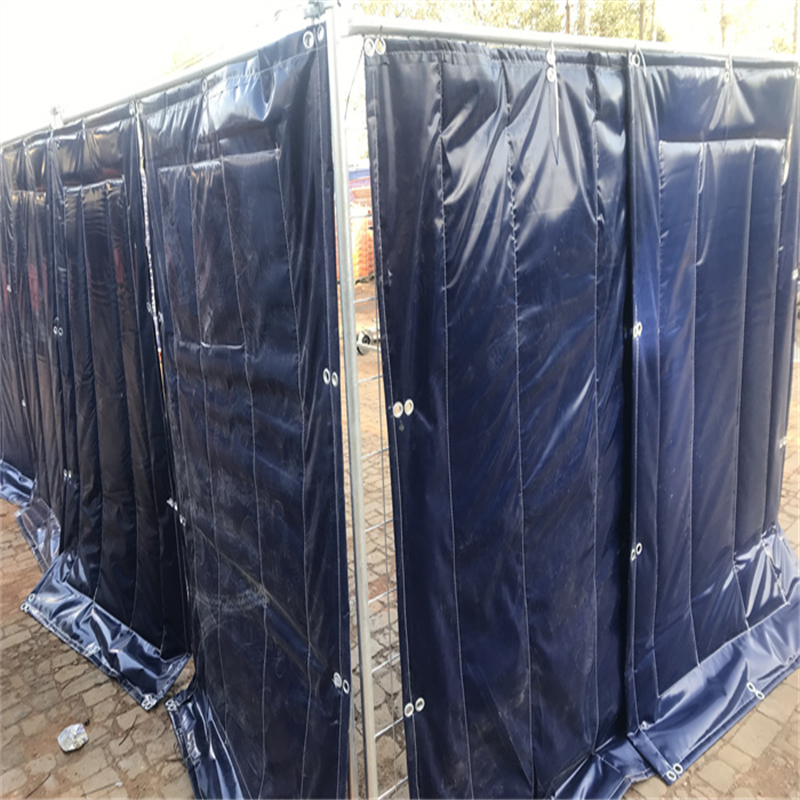
A Porable Acoustic Sound Barrier is a flexible, non-rigid noise shielding system built to reduce sound propagation from construction, demolition, traffic, and temporary industrial work zones. Unlike hard wall systems that require permanent foundations, a Porable Acoustic Sound Barrier is designed to hang on steel frames, hoarding, scaffolding, or temporary walls, so you can control complaints and keep crews working without constantly fighting neighborhood noise pressure.
The hidden risk is that many “portable” barriers look similar in photos but behave very differently once rain, sun, wind, and repeated handling start. If seam strength, hanging points, insulation density, and waterproof finishing are not controlled, the barrier performance degrades fast—then the project pays twice: first for the barrier, then for the fixes, delays, and noise complaints.
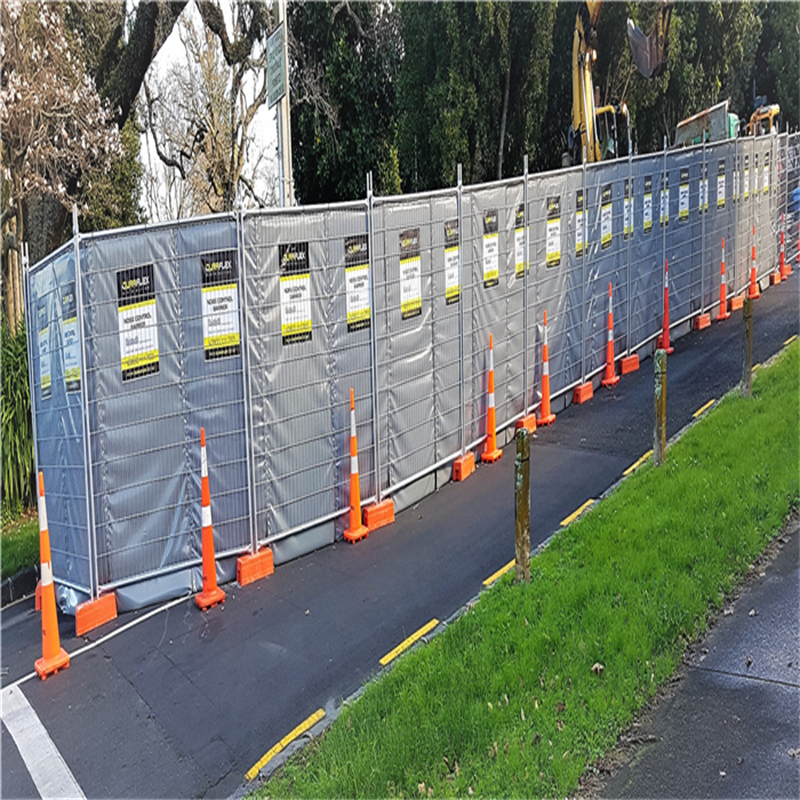
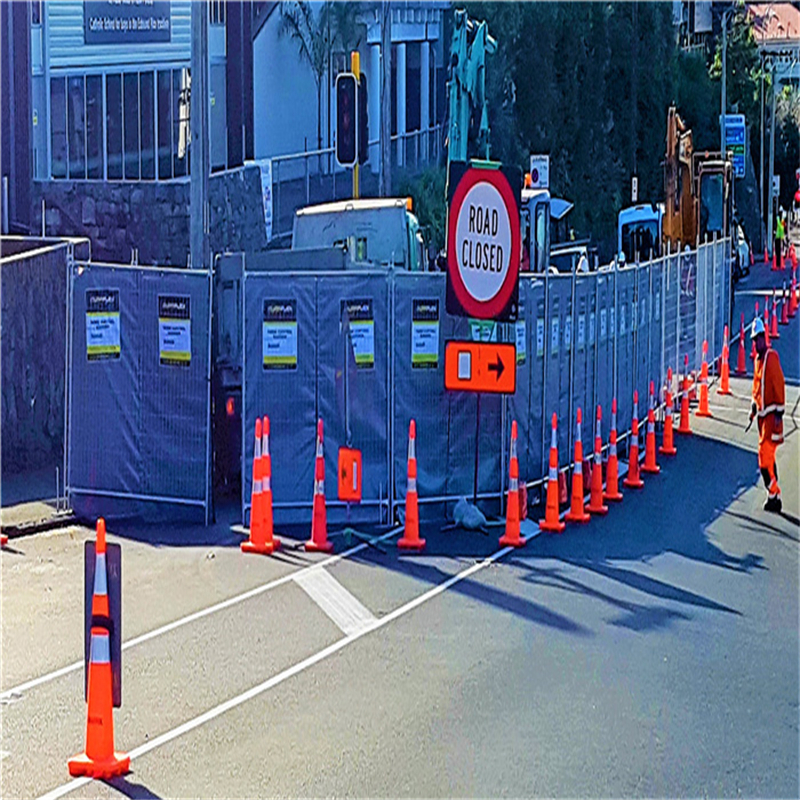
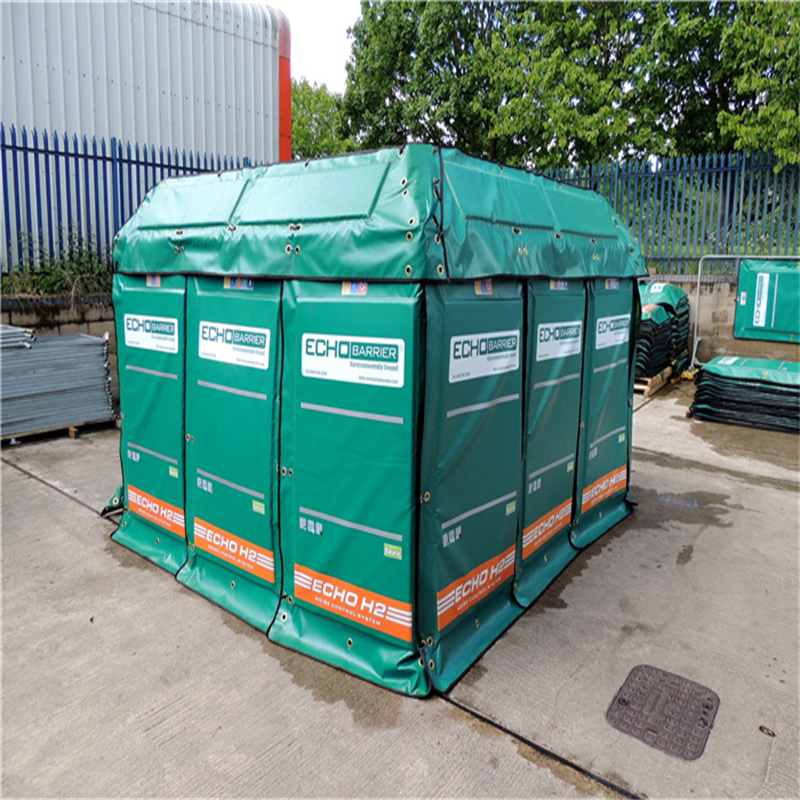
Why Buyers Choose Porable Acoustic Sound Barrier Systems
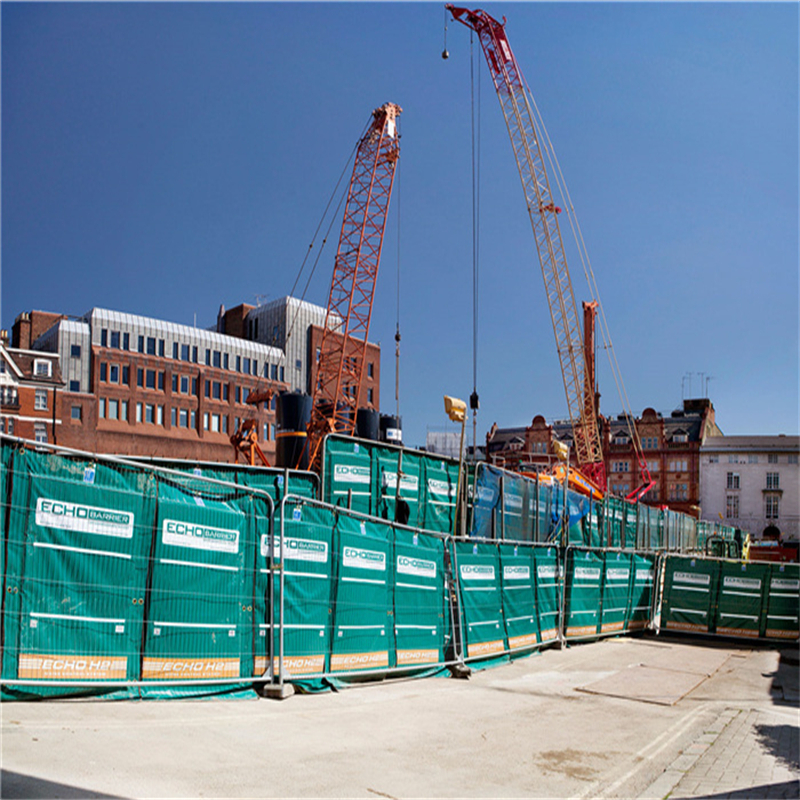
Noise barriers are mainly used on construction sites to prevent noise propagation to the neighborhood and reduce work-area noise. A properly built Porable Acoustic Sound Barrier improves the on-site working environment and helps avoid complaints from nearby residents, especially when the project is in the city center. When the acoustic structure and waterproof finishing are stable, performance does not collapse under rain or sun exposure, which is why portable acoustic solutions are now expanding into events, entertainment halls, and temporary building partitions—especially for projects that also need to control total perimeter budgeting alongside noise control (see cost of garrison fence).
Top 20 High-Risk Buyer Traps for Porable Acoustic Sound Barrier Orders
These issues look “small” on a quotation, but become expensive when the barrier is already installed and the schedule is locked. Pay special attention to #12, because that is where the biggest long-term losses occur.
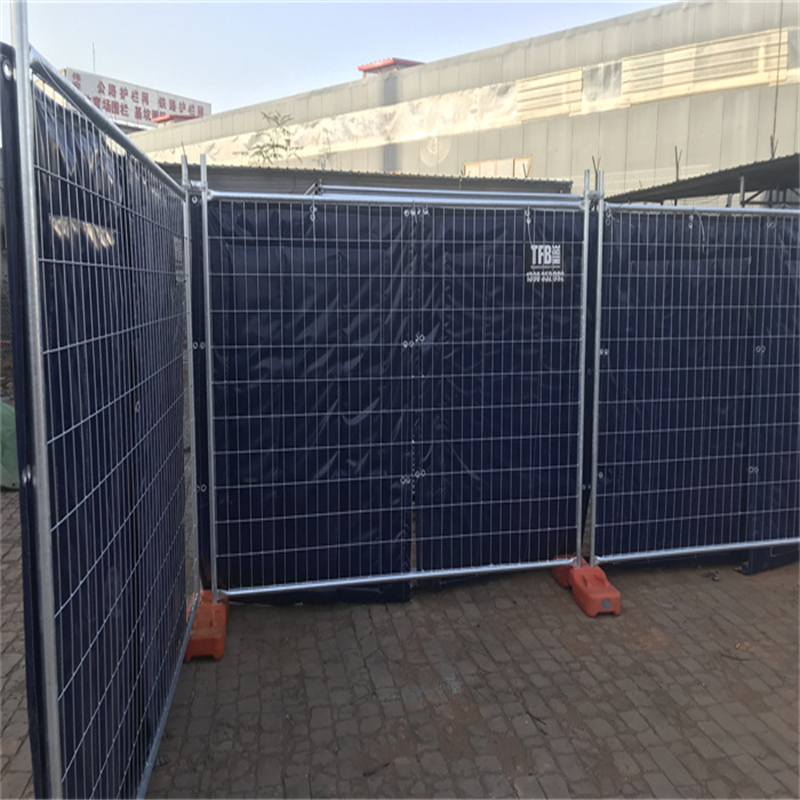
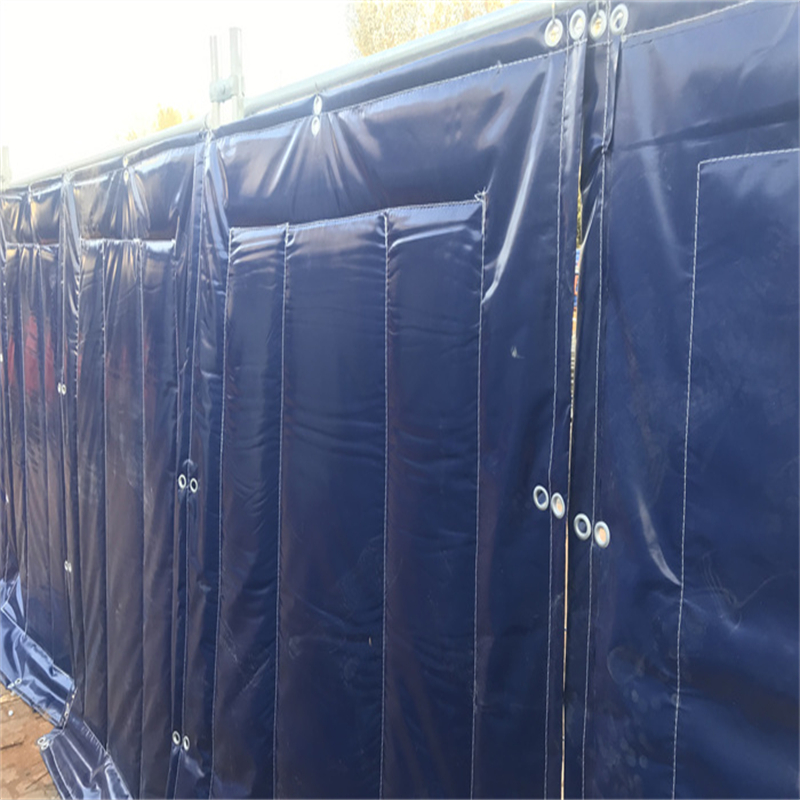
Trap #1: Buying a Porable Acoustic Sound Barrier without a real dB working range
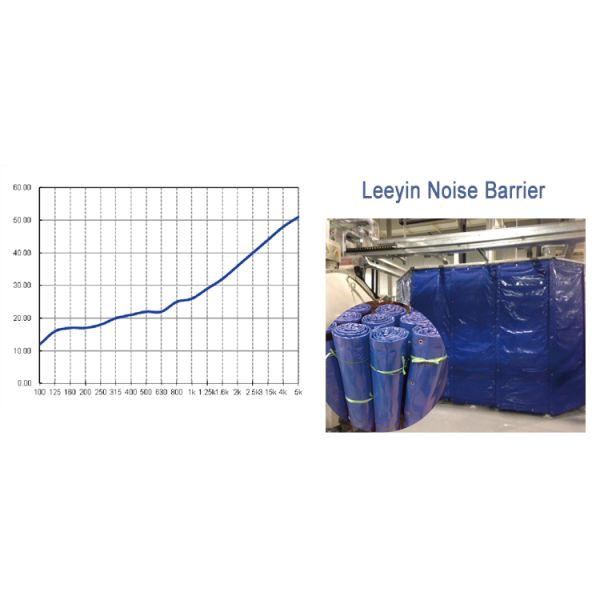
If the insulation coefficient target is not defined (for example, 20dB–40dB), suppliers can deliver a “looks right” blanket that does not block the frequencies your site actually produces.
Trap #2: Confusing sound absorption with sound blocking
Absorption reduces echo and reflected noise; blocking reduces transmission to neighbors. A Porable Acoustic Sound Barrier must be specified for both when complaints are the risk.
Trap #3: Weak inner material density that collapses after repeated hanging
Low-density fill settles with vibration and handling, creating thin zones that leak noise. The barrier may measure fine at delivery but fail after weeks of use.
Trap #4: Waterproof fabric that is “water resistant” but not site-proof
Rain drives into seams, edges, and hardware points. If waterproof performance is not engineered, water increases weight, reduces handling safety, and accelerates degradation.
Trap #5: Ignoring weight planning (7kgs/sqm becomes dangerous if waterlogged)
Weight must match your frame capacity. When a barrier absorbs water, practical load rises and hanging points tear, creating safety exposure and emergency rework.
Trap #6: Seam strength not specified (tears start at corners)
A Porable Acoustic Sound Barrier fails quietly when seams unzip under wind flap. Once tearing starts, noise leaks grow and repair becomes continuous.
Trap #7: Wrong hardware layout (hanging points too far apart)
If eyelets/grommets are not distributed correctly, the blanket sags, forms gaps, and increases flap noise. Gaps defeat the entire concept.
Trap #8: “Size” chosen without overlap logic
If panels are installed edge-to-edge without planned overlap, you create vertical noise leak lines. Overlap planning is as important as the blanket itself.
Trap #9: Forgetting wind behavior (a moving barrier becomes a noise source)
In high wind, poorly tensioned blankets slap frames and generate secondary noise. Stable mounting reduces both leakage and flap noise.
Trap #10: Coating/finish assumptions (PVC + fabric quality varies widely)
PVC and waterproof fabric finishing must resist UV, abrasion, and repeated folding. Cheap finishing cracks, then water intrusion and fiber damage accelerate.
Trap #11: Choosing “any pattern” design without verifying performance
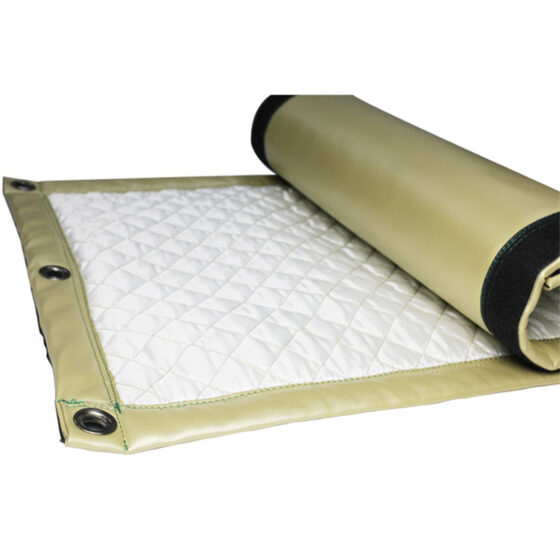
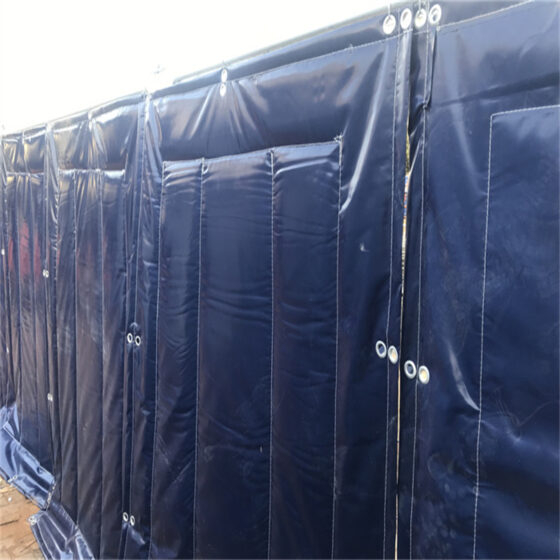
Rhombus, vertical line, or square patterns are aesthetic and structural choices. If pattern changes reduce density or weaken stitching, the barrier becomes a visual product, not an acoustic product.
Trap #12: The gap problem (BIGGEST LOSS) — leaks at edges, bottoms, and joins
This is where the biggest losses occur. Even a high-spec Porable Acoustic Sound Barrier fails if installation leaves gaps—at the ground line, at post intervals, around corners, or between blankets. Noise escapes through the smallest openings, complaints rise, and crews spend days patching and re-hanging. The result is costly rework, schedule impact, and a barrier system that looks “fixed” instead of finished.
Trap #13: Wrong frame choice (weak frames twist and create gaps)
A barrier is only as stable as the steel frame or wall it hangs from. If the supporting structure moves, the blanket geometry opens leakage points.
Trap #14: Ignoring resonance behavior (the barrier can amplify specific frequencies)
Resonance absorption must match the noise profile. If the barrier resonates with site frequencies, you get inconsistent reduction and “hot spots.”
Trap #15: No plan for access zones and gates
Openings are the first place noise escapes. If you do not design removable sections properly, crews create ad-hoc openings that destroy containment.
Trap #16: Treating “Eco-Friendly E1” as a marketing label only
E1 matters when barriers are used indoors or near occupied zones. If certification is not real, odors and compliance issues become another hidden problem.
Trap #17: Poor cleaning and storage method (mold and delamination)
Wet packing or dirty folding grows mold and weakens coatings. Storage discipline protects both performance and appearance.
Trap #18: Under-specifying corner and top edge reinforcement
Most damage begins at corners and top edges under wind pull. Reinforced corners reduce tearing and prolong service life.
Trap #19: No inspection standard before shipment
Without checks on seam integrity, grommet pull strength, thickness uniformity, and waterproof finishing, you only discover defects after installation—when replacement is disruptive.
Trap #20: Buying only by price (then paying twice in complaints and rework)
The cheapest barrier is rarely the lowest cost. A properly specified Porable Acoustic Sound Barrier protects schedule, reduces neighborhood pressure, and keeps crews working.
Specifications: Porable Acoustic Sound Barrier (POLYMETAL)
Product Name | Acoustic Noise Barrier | Application | Construction, Demolition sites, Blocking road noise, Music events & Entertainment halls |
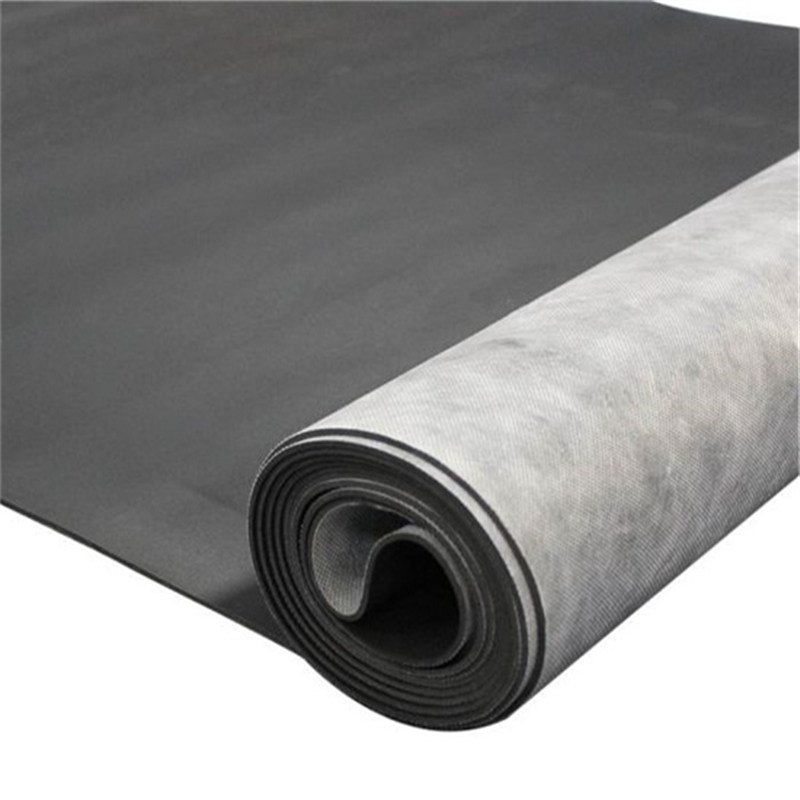
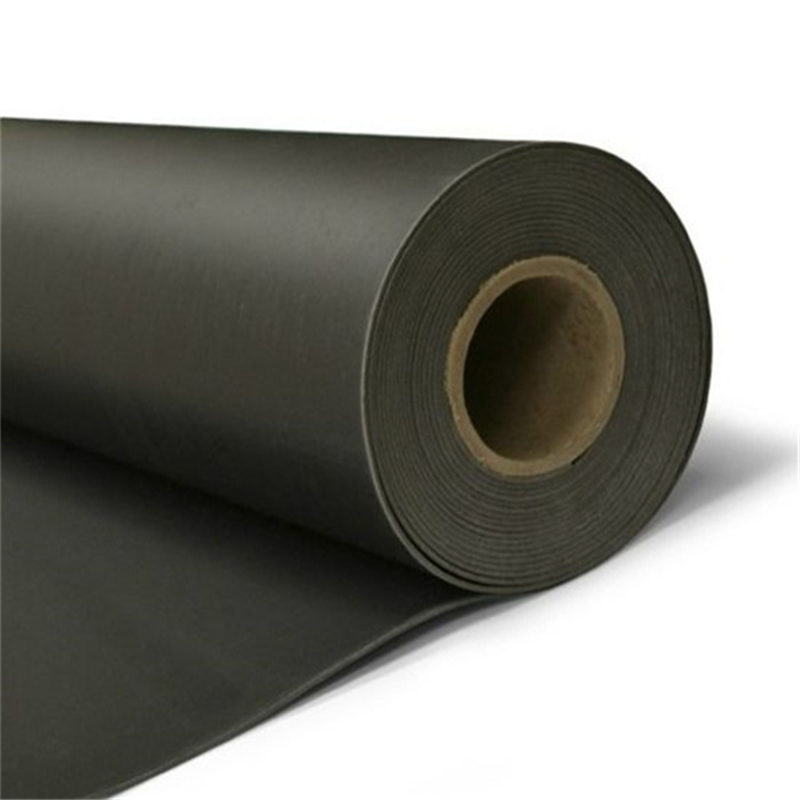
Inner Material | Sound Absorption + Insulation Material | Finish Material | PVC & Waterproof fabric |
Eco-Friendly | E1 | Weight | 7kgs/sqm |
Design | Rhombus, Vertical line, Square | Acoustic Principle | Resonance Absorption |
Insulation Coefficient | 20dB-40dB | Size | 3550*200mm or customized |
Product Description: POLYMETAL Porable Acoustic Sound Barrier
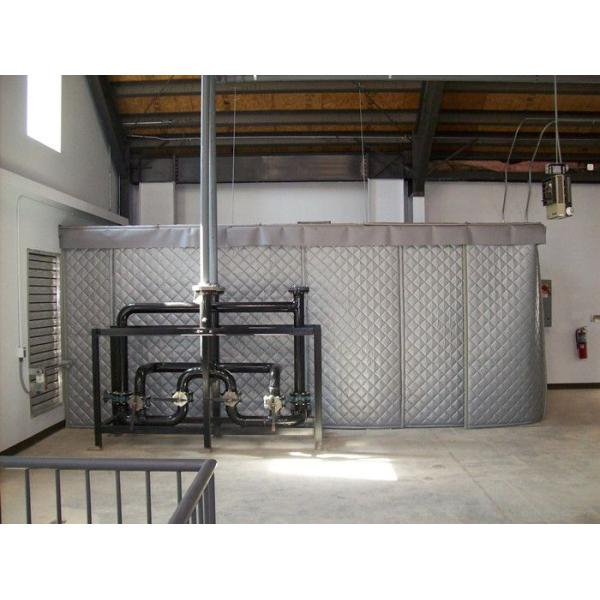
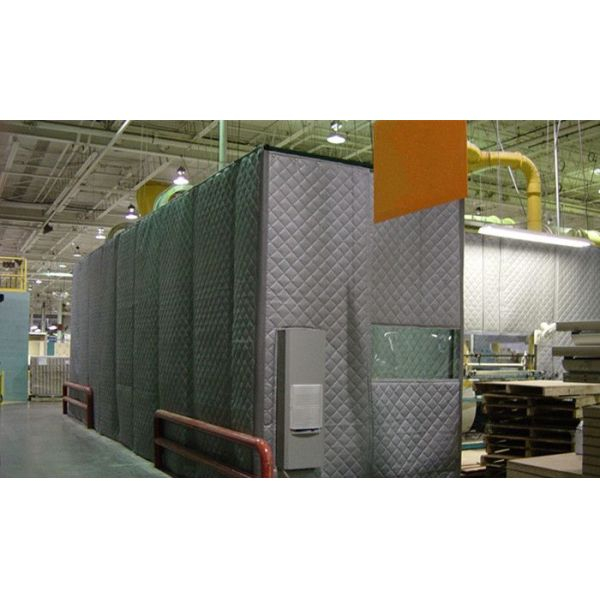
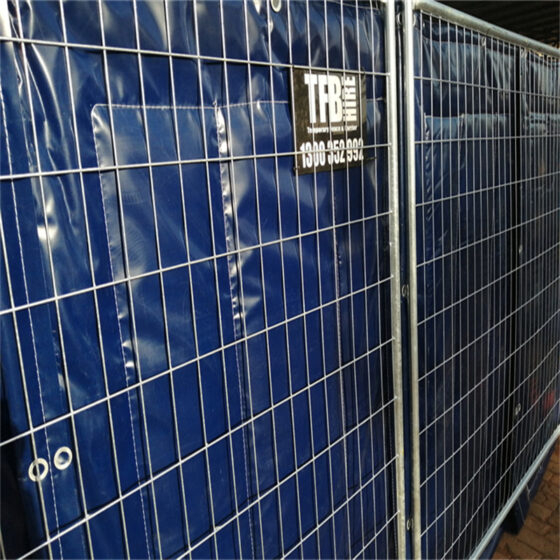
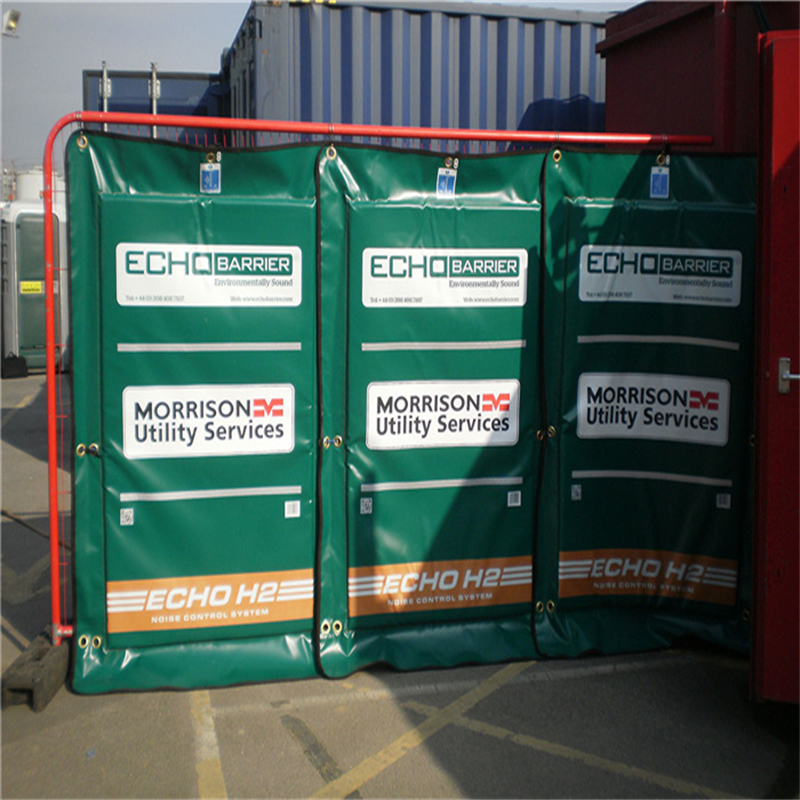
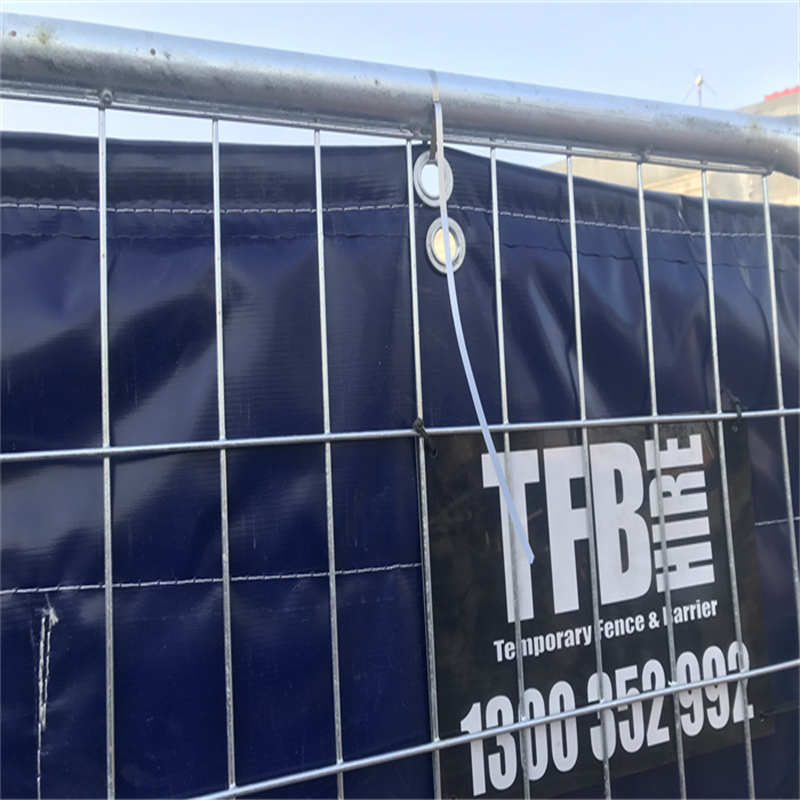
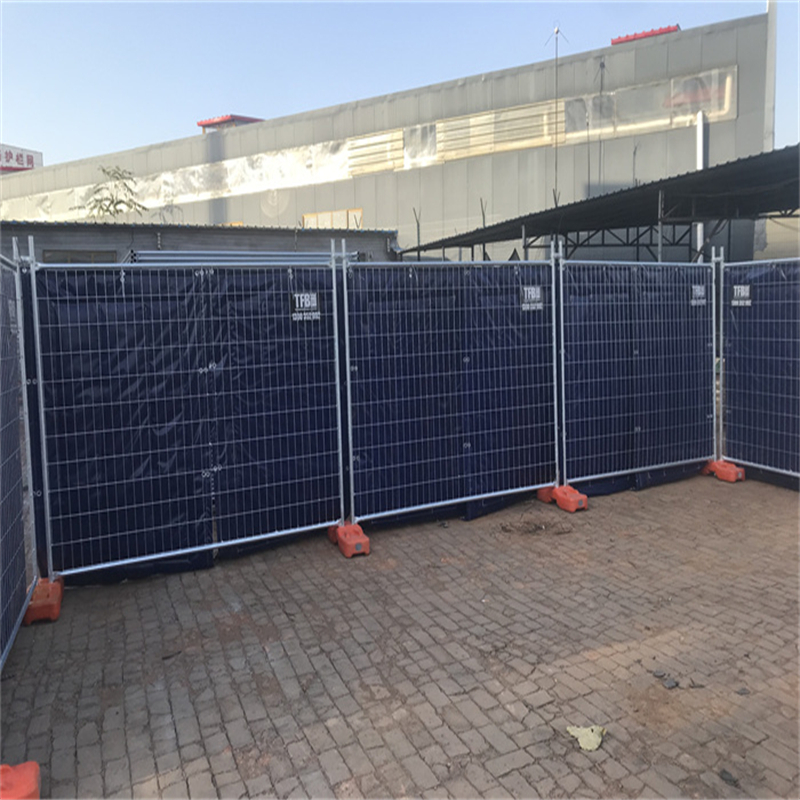
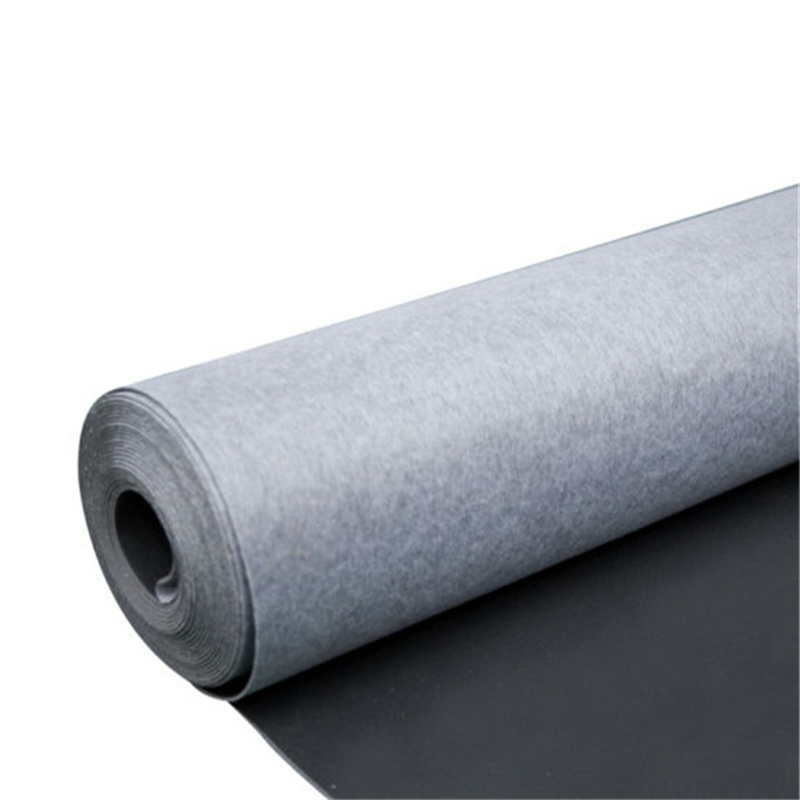
POLYMETAL provides portable acoustic solutions for architectural and industrial noise control applications where both sound absorption and sound blocking must be increased. A Porable Acoustic Sound Barrier is designed as a flexible sound blanket that can be used alone or combined in layered layouts to improve site performance. Construction-site sound blankets adopt a flexible hanging design that allows installation on steel frames and walls using hardware accessories, thereby increasing sound insulation and reducing noise propagation into surrounding neighborhoods. Industrial uses include machinery enclosures, equipment cover linings, and additions to existing walls or barriers. Architectural uses include temporary room dividers, ceiling barrier layers, pipe and duct wrap, and crosstalk control zones.
Applications
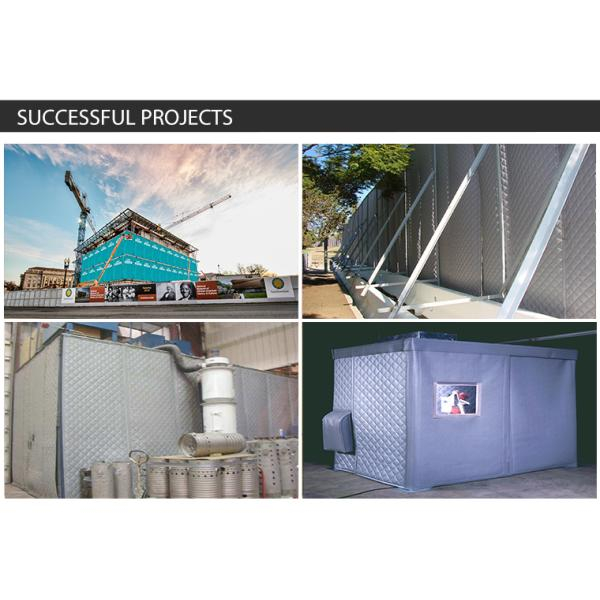
Porable Acoustic Sound Barrier systems are used for construction sites, demolition zones, road noise blocking, temporary perimeter noise control, rail-adjacent works, indoor renovation projects, equipment screening, music events, entertainment halls, and any temporary environment where the project needs sound reduction without building permanent structures.
Benefits
A Porable Acoustic Sound Barrier reduces neighborhood complaints by lowering transmitted noise, improves the worker environment by reducing work-area noise stress, and supports faster deployment because it can be hung on frames and walls without heavy civil work. When the waterproof finish and seam strength are controlled, performance remains stable under rain and sun exposure. Modular blankets also make it easier to expand coverage, isolate noisy zones, and replace damaged sections without rebuilding the entire noise-control line.
Packing
Each Porable Acoustic Sound Barrier panel can be protected with air bubble film, then packed in iron pallets or strong cartons depending on shipment mode. Protective outer wrap and stable stacking reduce rub damage and seam stress during transport. Hardware accessories are packed in counted cartons to simplify receiving and speed up installation on site.
Standards and FAQs
Quality Control Standard
All products go through multiple checks during production and must pass strict inspection before shipment. Dedicated quality control verifies material consistency, seam integrity, panel geometry, surface finishing, waterproof performance, and packing protection so the delivered Porable Acoustic Sound Barrier installs cleanly and performs long-term—driven by the same precision discipline used for fine filtration materials like stainless steel reverse twill dutch weave wire mesh.
FAQ
Q1: Your price is too high, could you give me some discounts?
A: If you take the quality into account, you will find our price is reasonable. If your order is big enough, we can offer a discount such as 5%. To establish long-term trade relations, we are willing to make a concession with a 5% discount.
Q2: What kind of quality control do you have?
A: Products go through multiple checks during the production process and must pass strict inspection before shipment, supported by a dedicated quality control process.
Q3: What’s your terms of packaging?
A: Wrapped with waterproof protection and packed for stable transport using pallets and outer film, or according to customer requirements.
Q4: Do you test all your goods before delivery?
A: Yes, products are checked before delivery to ensure performance and appearance meet the order specification.
Q5: Can you produce according to the samples?
A: Yes, production can follow samples or technical drawings, and fixtures can be arranged to support repeatable output.
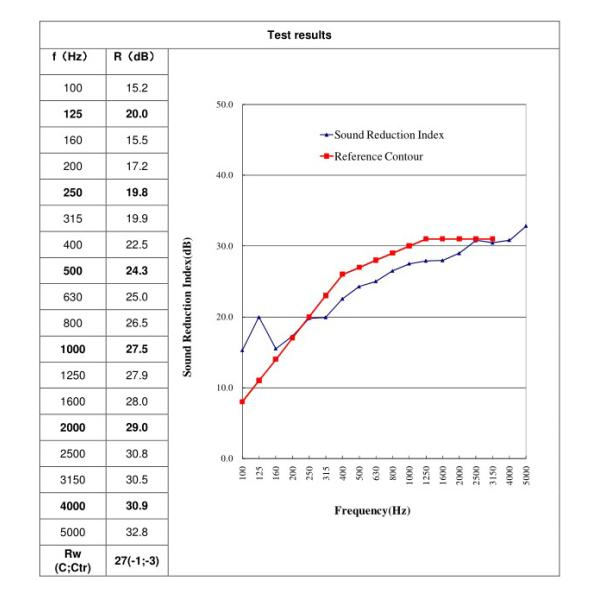
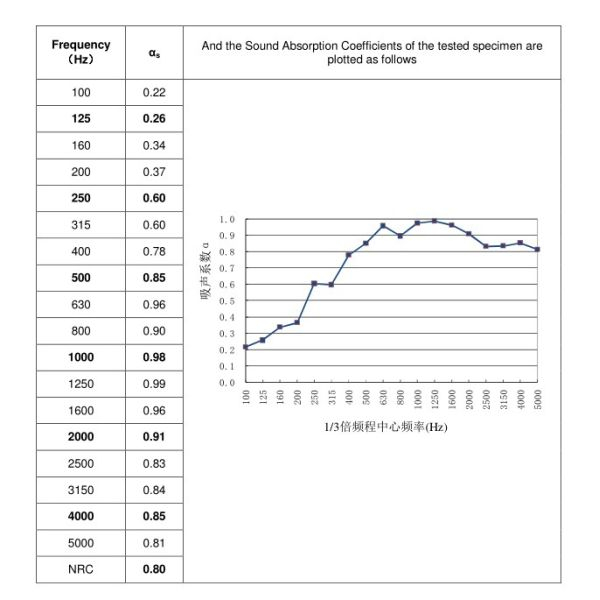
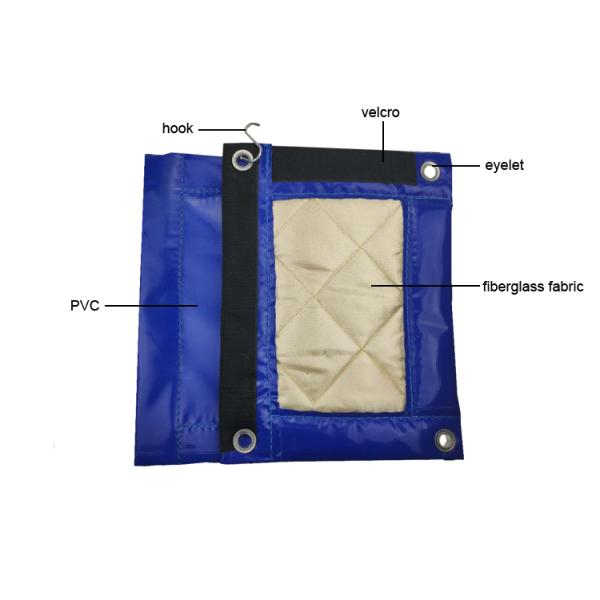
Temporary sound barrier is designed based on the principle of sound wave propagation, which is made as non-rigid noise shielding acoustic materials that can be used alone or in combination.