Your One-Stop Wire Mesh Fence Supplier | POLYMETAL
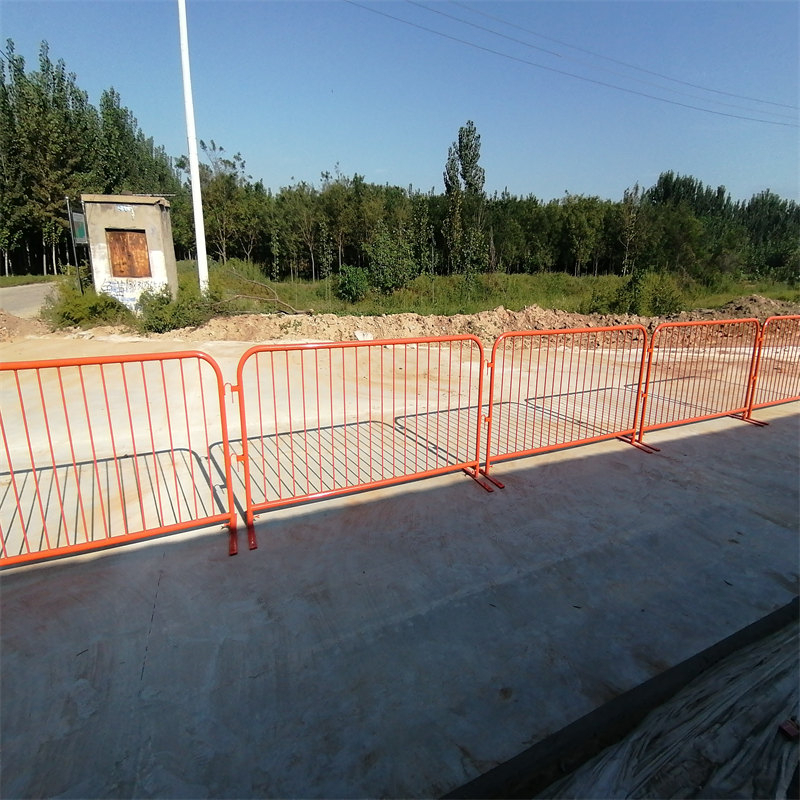
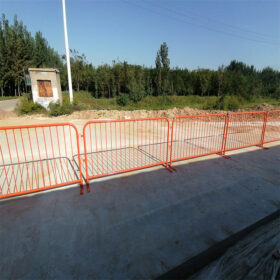


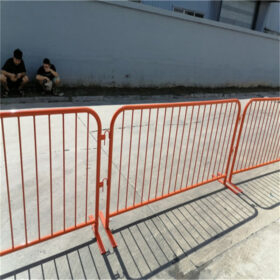
Portable crowd control barriers often look identical in photos, but they behave very differently on real sites. The expensive surprise happens after delivery: barriers drift out of line, hooks don’t seat cleanly, feet rock on uneven ground, and coatings get scratched during transport.
That is why POLYMETAL portable crowd control barriers are built as measurable inputs—height, width, frame tube, wall thickness, upright tube, spacing, foot choice, and packing protection—so you get a stable line that sets fast and stays straight under real pushing loads, starting from consistent raw material selection such as Q195 steel for controlled tube supply.
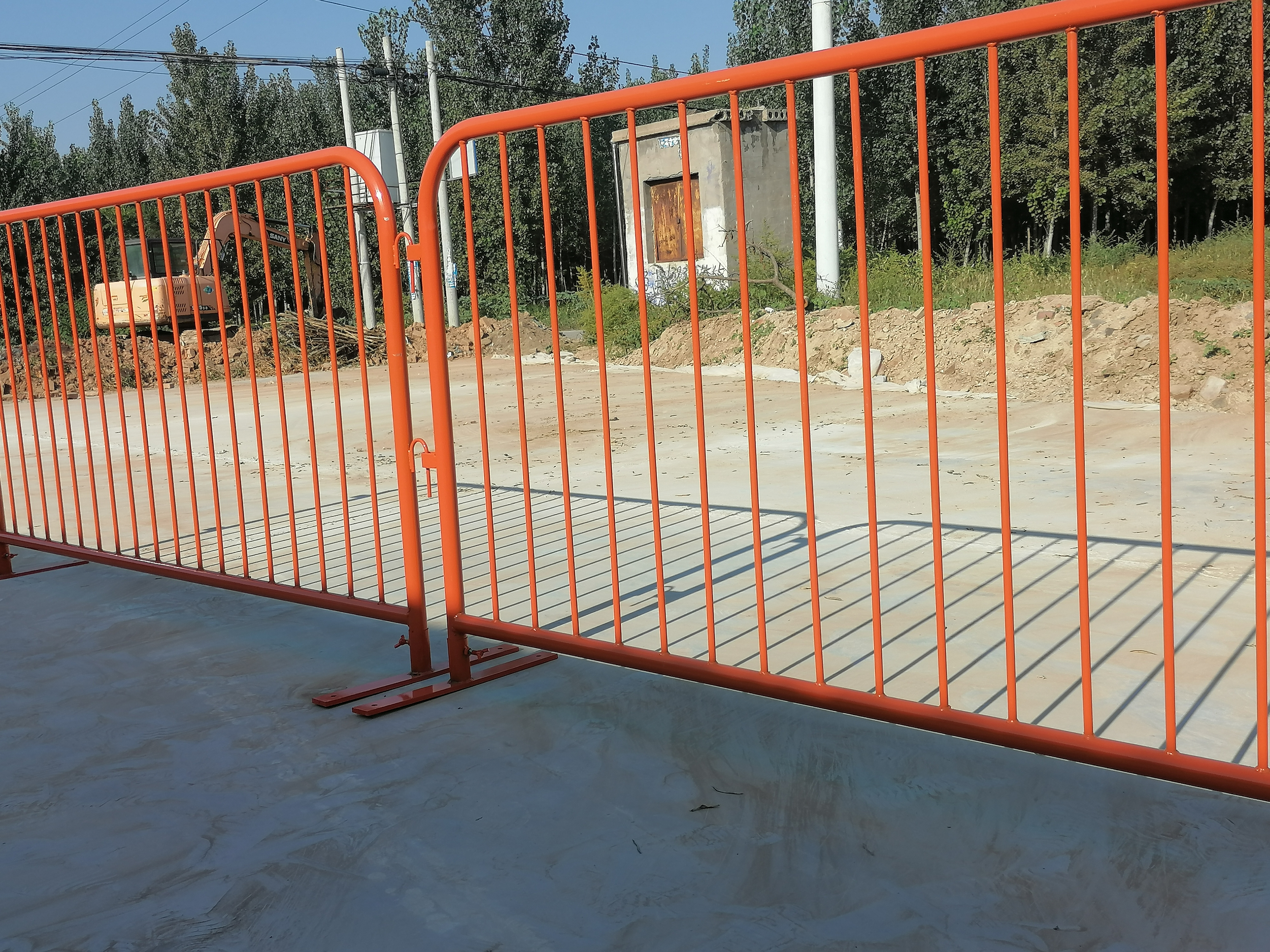
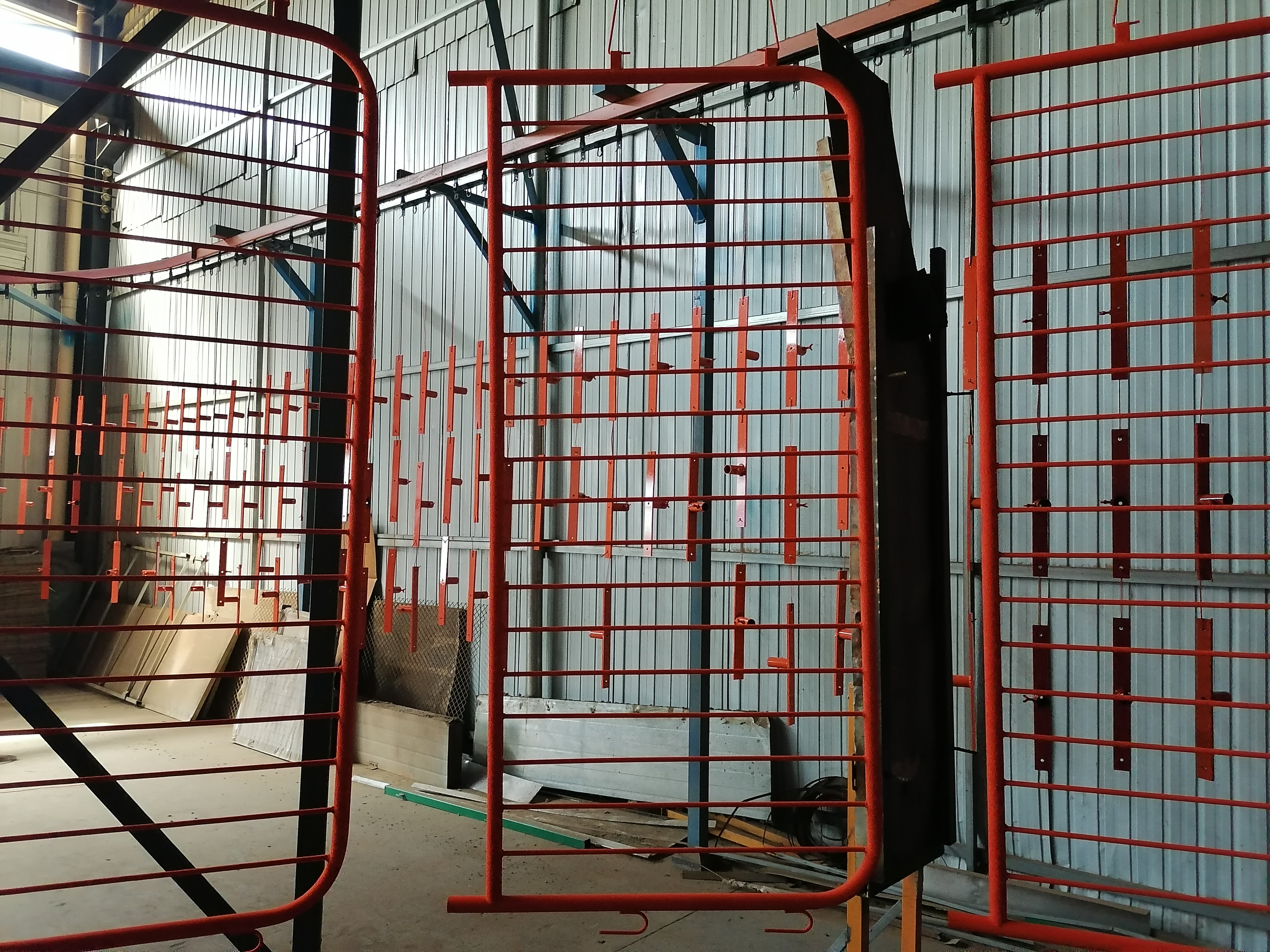
What Portable Crowd Control Barriers Mean in Real Event and Site Terms
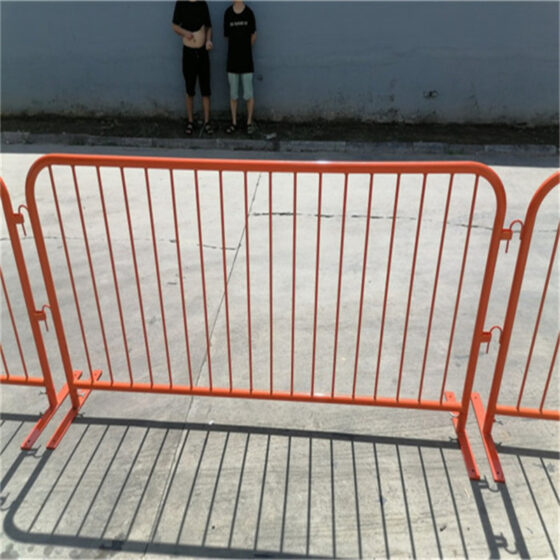
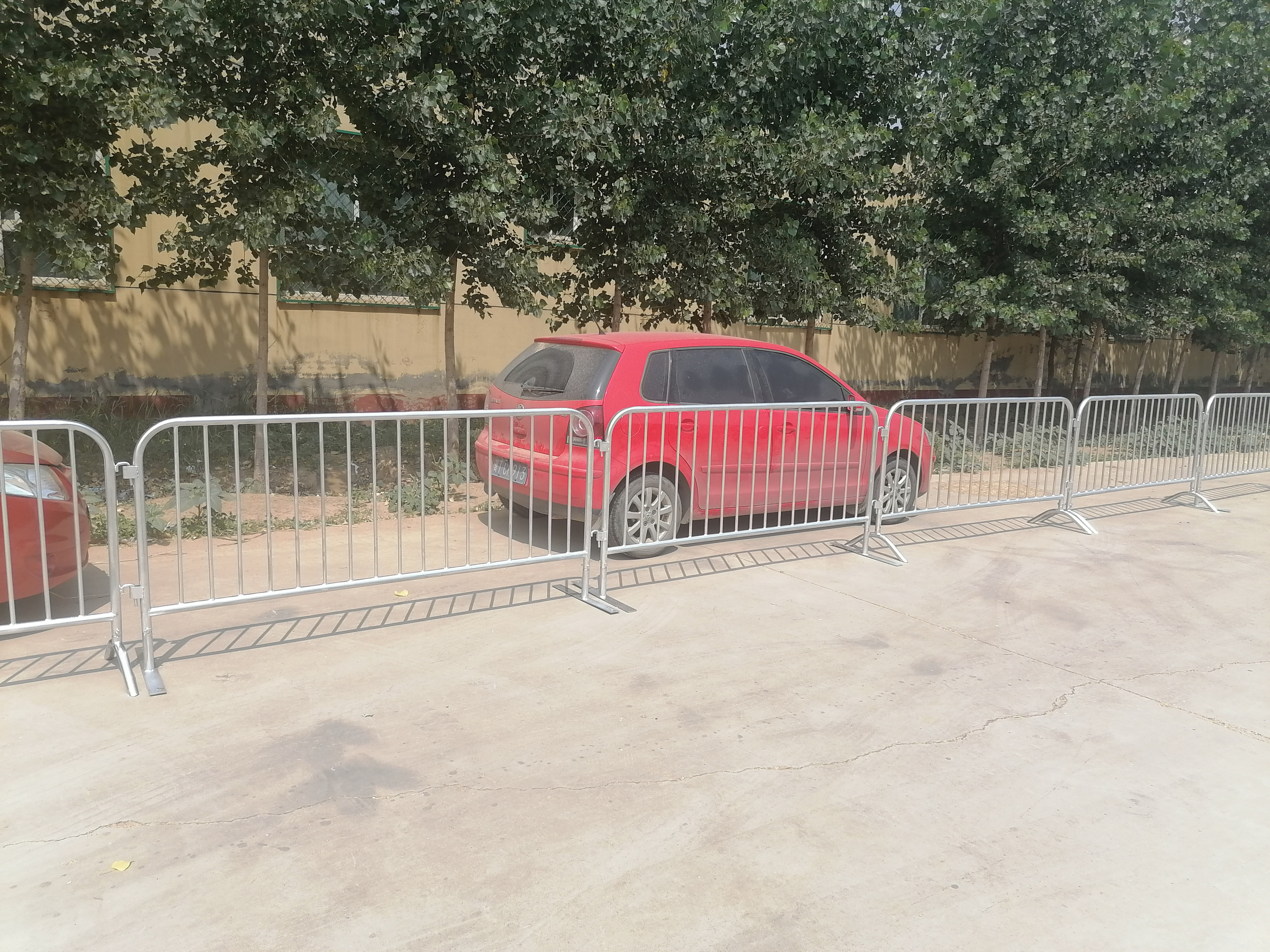
Portable crowd control barriers are modular steel barrier panels designed for rapid deployment, quick linking, and repeatable crowd guidance.
They are selected for events, queue lanes, public works, site entrances, and short-term closures because they assemble without permanent foundations.
The real performance is decided by tube stiffness, weld discipline, upright spacing pattern, and the foot system—especially when the ground is uneven, the line is long, or the barrier must be moved multiple times per day.
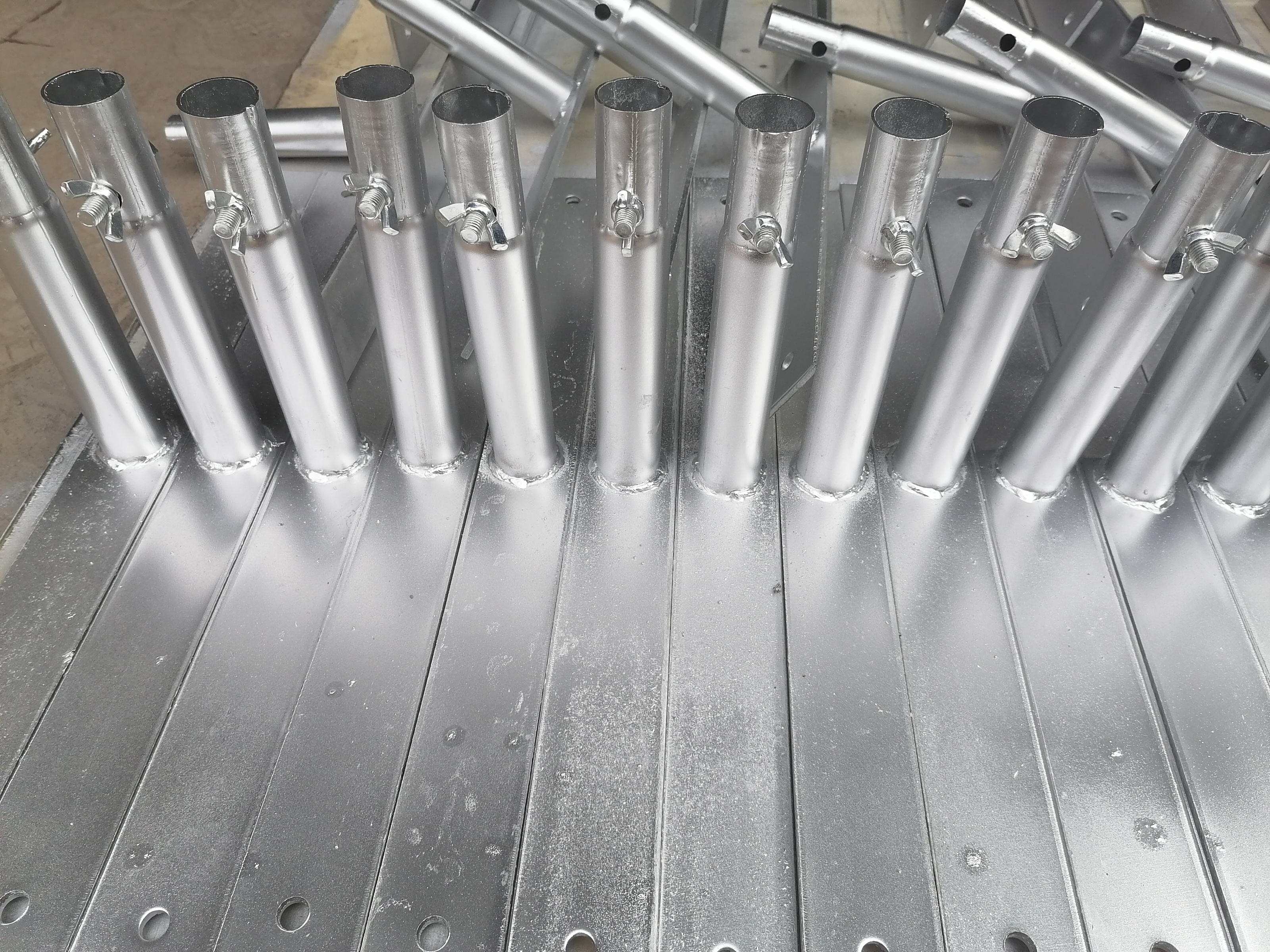
The #6 tip: Wheel Feet vs Bridge Feet vs V Feet Is Where Buyers Lose Money
Most failures blamed on “bad steel” are actually foot choice mistakes. Wheel feet improve mobility for frequent repositioning, but they must be matched to load and braking reality.
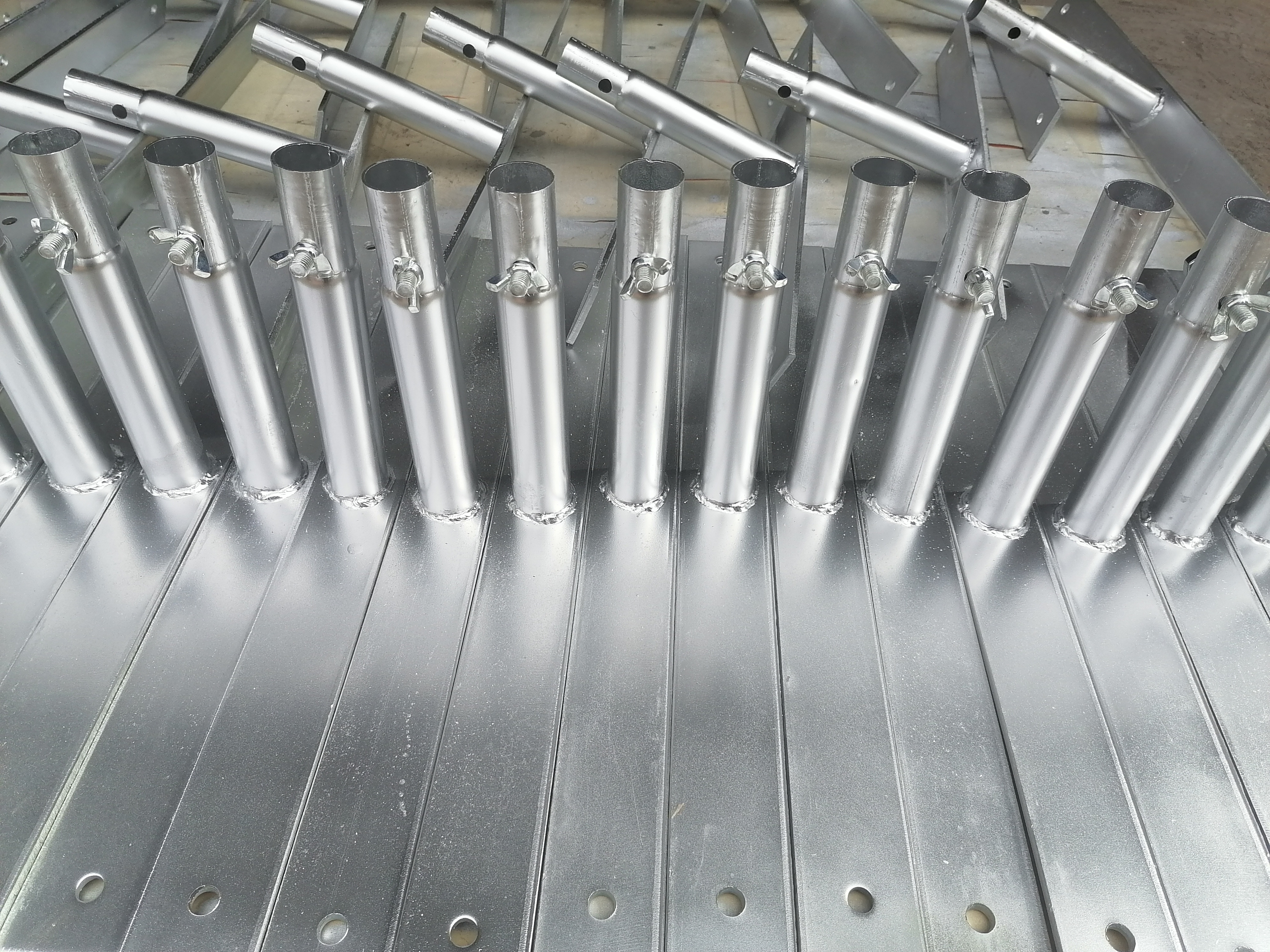
Bridge feet improve line stability and reduce trip risk by keeping the footprint controlled.
V feet improve resistance on uneven ground and help prevent rocking. If you choose the wrong foot system, portable crowd control barriers feel unstable, hooks get forced, and your crew wastes labor “fixing” the line every hour.

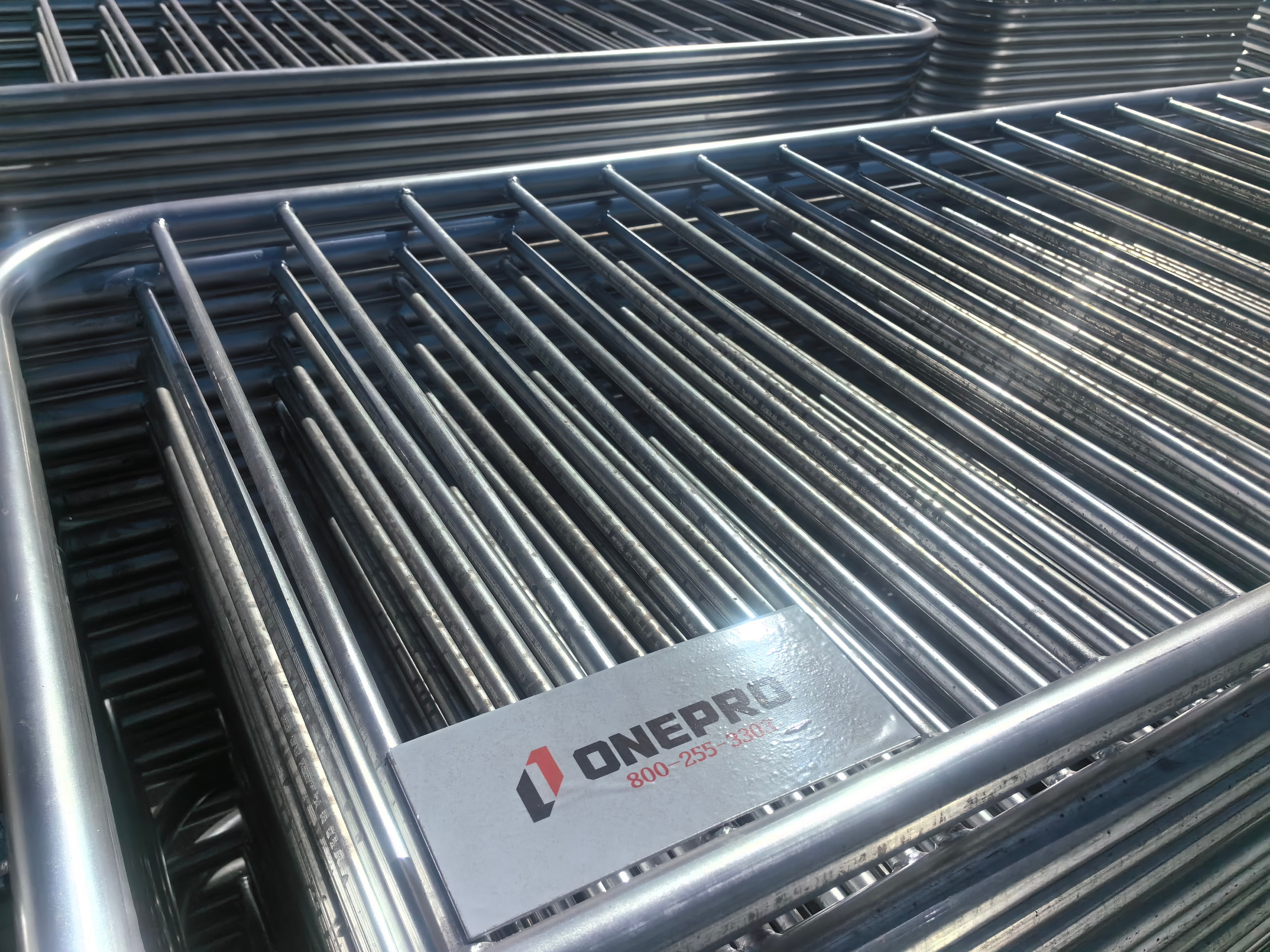


19 Cost Traps When Buying Portable Crowd Control Barriers (Especially #8)

Trap #1: Buying by a single photo instead of a dimensional schedule
When height and width are not locked, the delivered batch becomes a mixed system. Portable crowd control barriers must match bay-to-bay or your line will drift and your set-out marks will fail.
Trap #2: Treating frame tube OD as “all the same”
Frame tube OD (25mm, 32mm, 35mm, 38mm) changes stiffness more than buyers expect. A light tube can be fine for calm queue control, while high-contact zones demand a heavier frame.
Trap #3: Ignoring frame wall thickness until panels start “breathing”
Wall thickness (1.5mm, 1.6mm, 2.00mm) decides how the barrier resists bending during lifting, truck loading, and crowd pushing. Under-spec thickness turns into dents, wavy lines, and replacements.
Trap #4: Upright tube OD chosen for looks, not durability
Upright tube OD (19mm, 16mm, 12mm) must match spacing and impact reality. If uprights are too light for the site, they deform and the barrier looks tired fast.
Trap #5: Upright thickness under-selected for frequent handling
Upright thickness (0.7mm, 0.80mm, 1.0mm, 1.2mm) matters when barriers are moved daily. Thin uprights dent and deform at the first rough handling cycle.
Trap #6: Upright spacing selected without thinking about visual discipline
Spacing patterns (90mm, 100mm, 150mm, 200mm) change the perceived “security level” and the straightness of the barrier line. Poor spacing control makes the line look cheap and inconsistent.
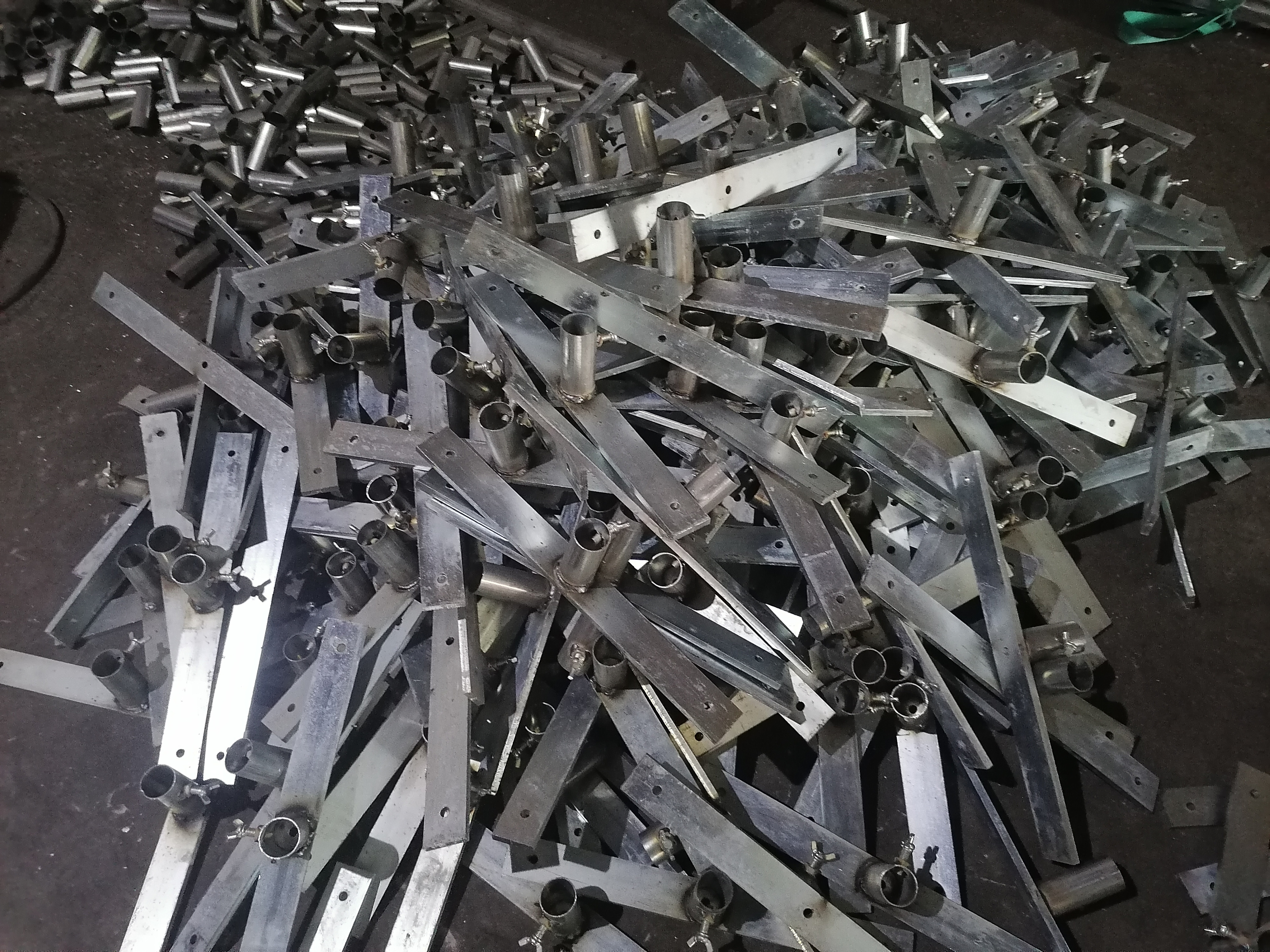
Trap #7: Not specifying the foot steel and plate detail
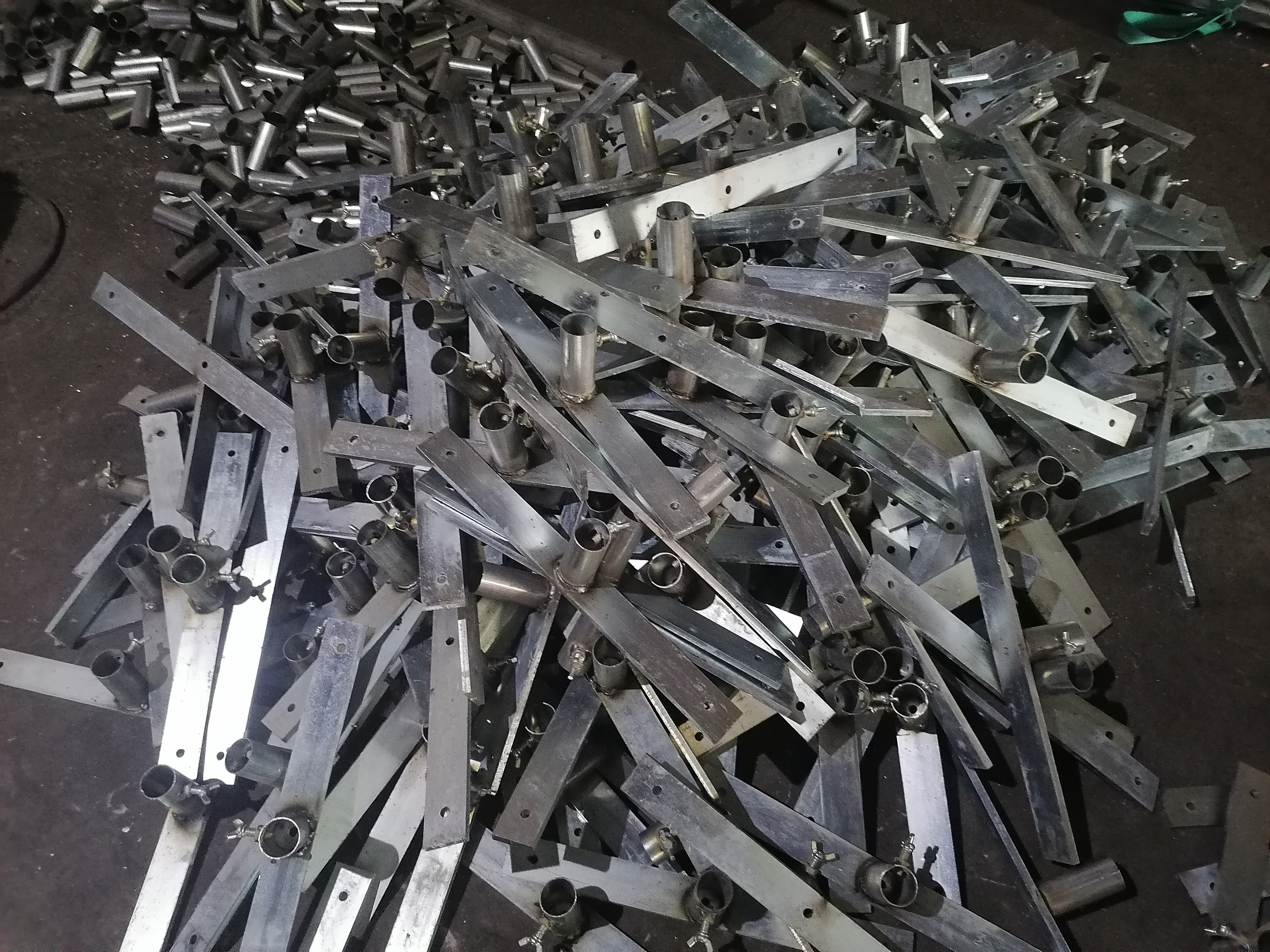
If the foot plate is weak, the barrier rocks; if it is too sharp, it becomes a trip and damage risk. Lock the flat steel detail so portable crowd control barriers sit stable on real ground.
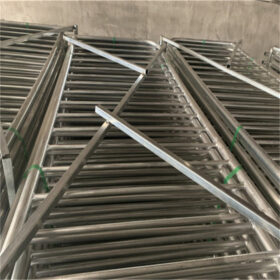
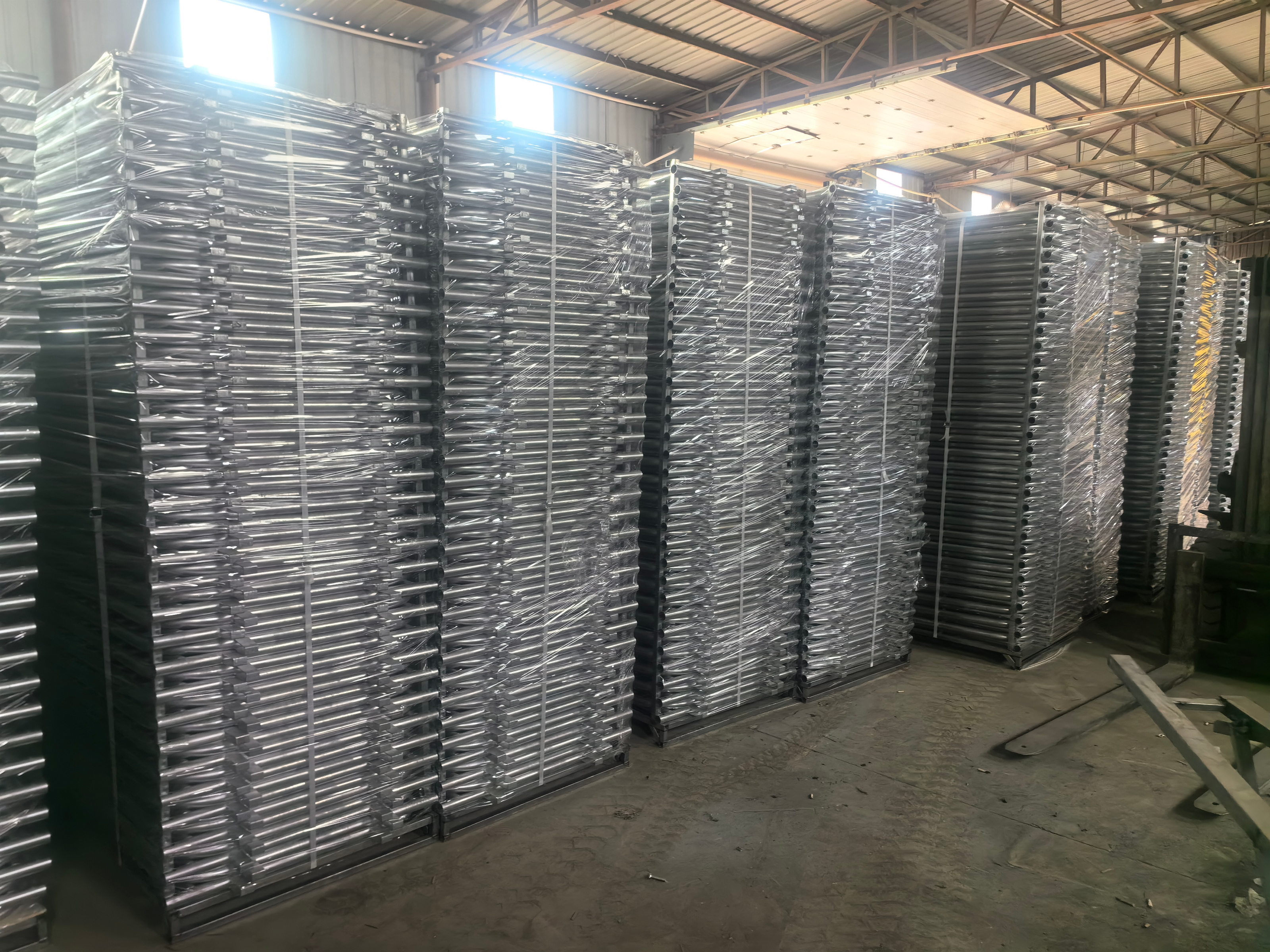
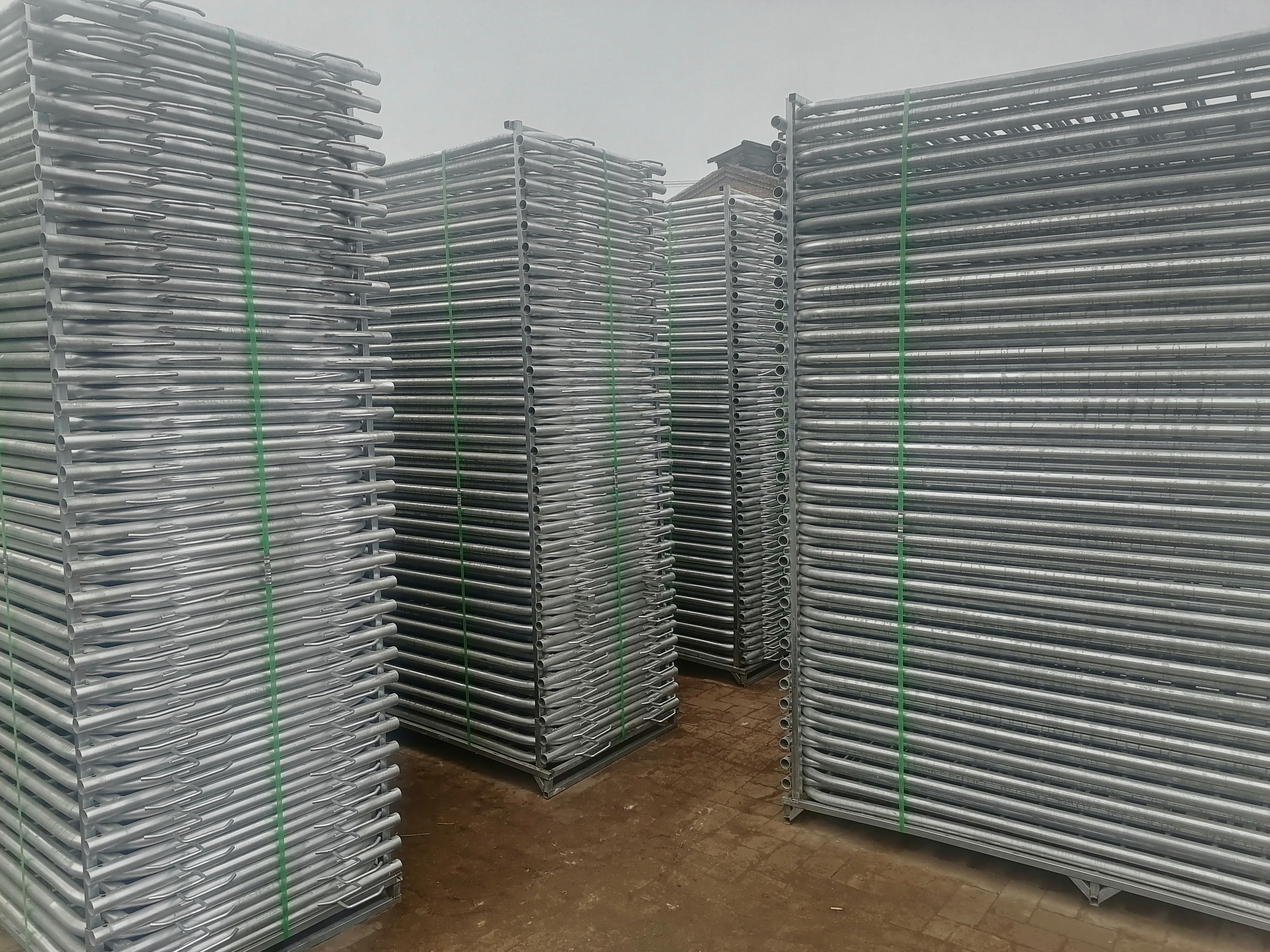
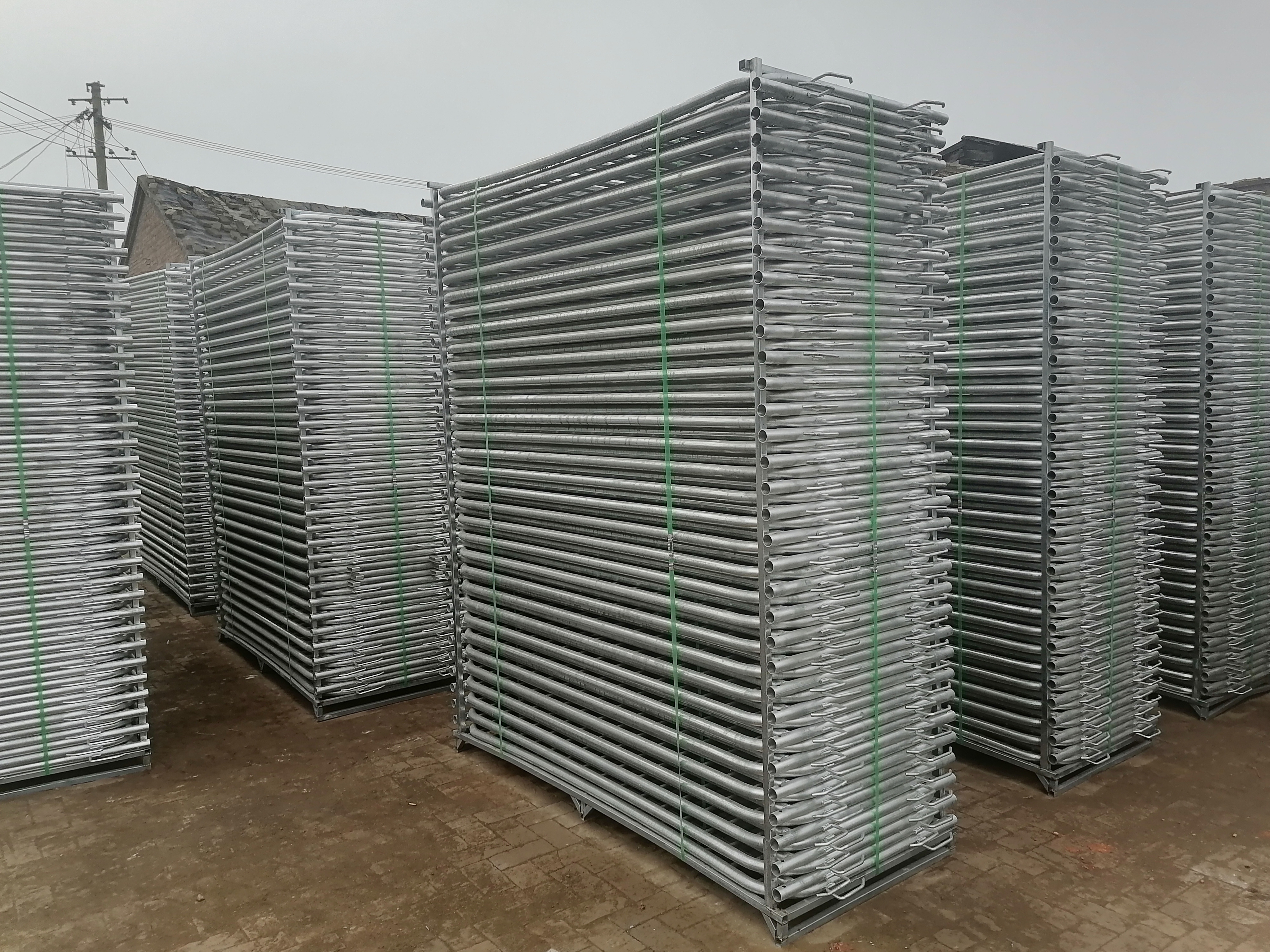
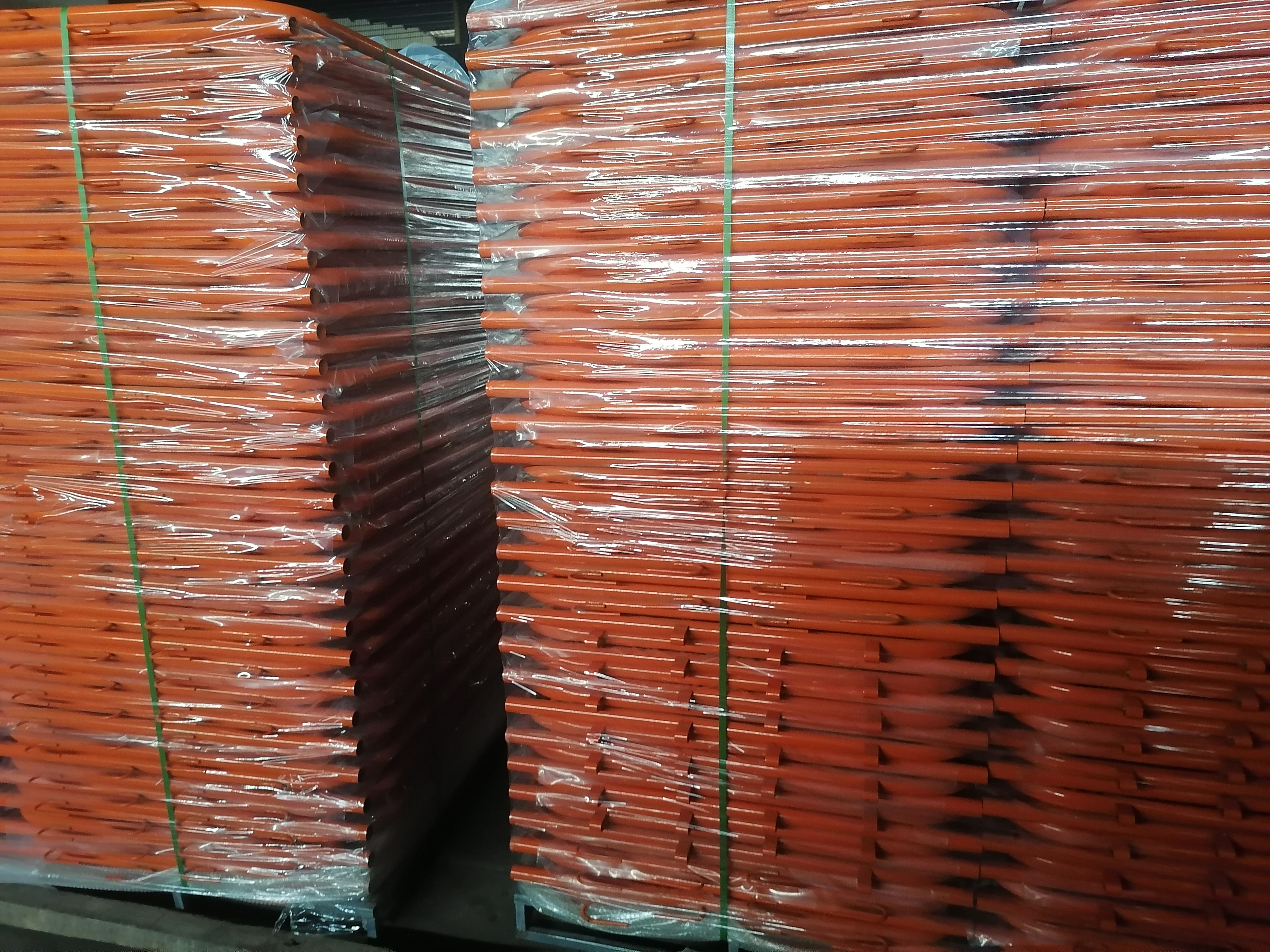
Trap #8: The biggest risk—packing that scratches the finish before you even use it
This is the hidden cost killer. If packing allows metal-to-metal rub, portable crowd control barriers arrive “new” but look used. That triggers claims, event embarrassment, and repainting or replacement cost.
Trap #9: Hook fit not controlled, so linking becomes a daily fight
If male/female hook geometry is inconsistent, crews force connections and bend parts. The line then drifts and becomes slow to deploy.
Trap #10: Not planning for long runs and wind exposure
Long runs amplify small tolerances. A barrier that feels “okay” as a single panel can become unstable in a 40-meter line if stiffness and feet choice are wrong.
Trap #11: Weld cleanup ignored, creating sharp edges and coating weak points
Messy welds are both a safety risk and a corrosion risk. Portable crowd control barriers need consistent weld cleanup for safe handling and durable finish.
Trap #12: Mixing feet types inside the same job without a plan
Mixing wheel feet and bridge feet randomly creates uneven line behavior. If you need multiple feet styles, define where each style is used and keep the run consistent.
Trap #13: Ordering heights that don’t match sightlines and crowd behavior
For queue control, too low reduces guidance; for high-contact zones, too low increases push-over risk. Control height selection by site reality, not habit.
Trap #14: Choosing width without thinking about gate openings and access
Portable crowd control barriers must fit your access points. Wrong width causes awkward gaps and unsafe “pinch” points at corners and entrances.
Trap #15: No tolerance control on overall squareness
Out-of-square panels cause the line to “walk.” That wastes labor every setup, especially for large events with repeated deployment.
Trap #16: Not specifying coating system expectations
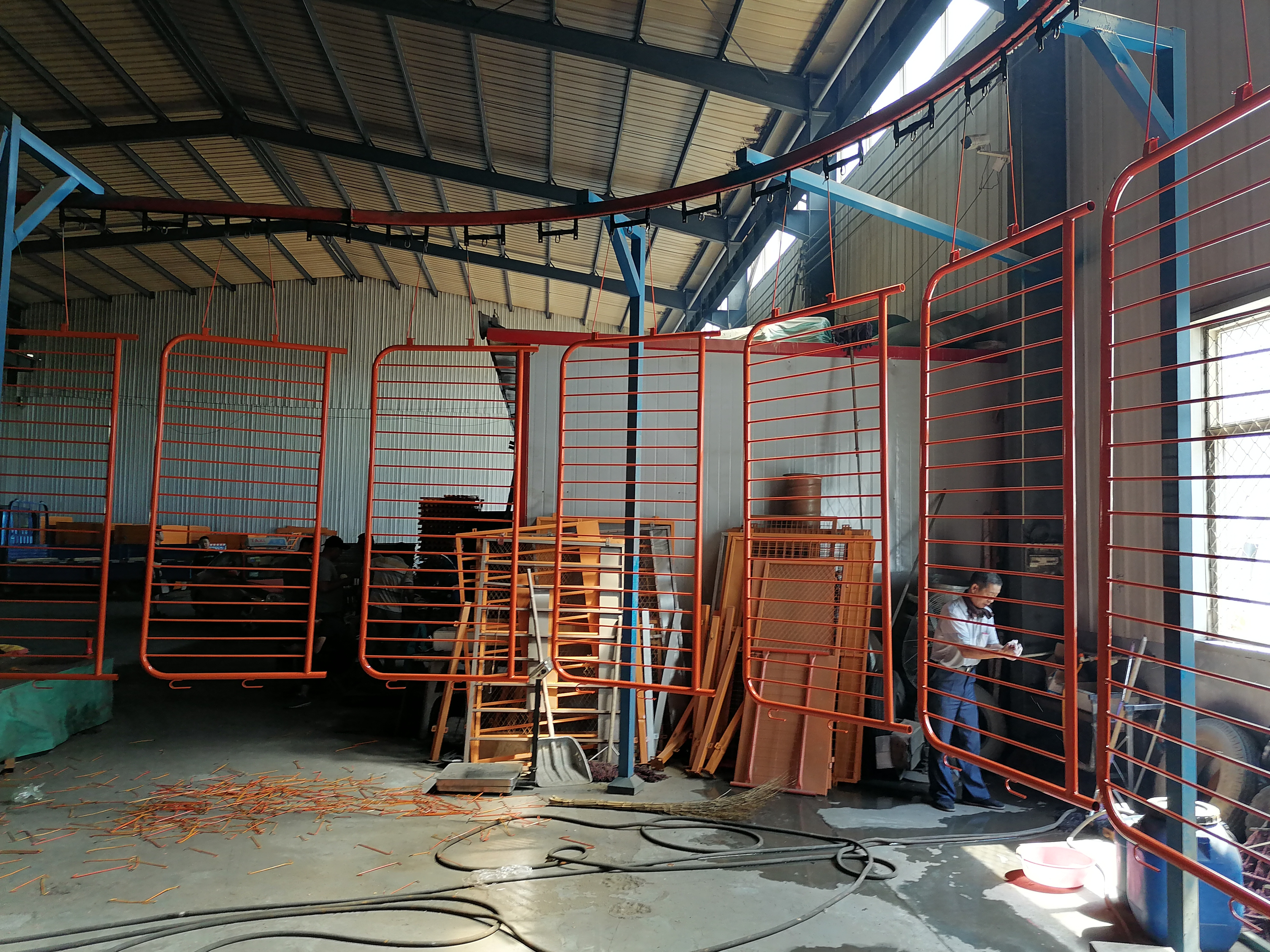
Finish is not a word; it is a system. If coating discipline is weak, corrosion starts at weld zones and high-contact points first.
Trap #17: No labeling by height/width in packing
Unlabeled batches waste crew time. Portable crowd control barriers should be labeled by spec so deployment stays fast.
Trap #18: Not planning corners, returns, and transitions
Lines fail at transitions. Without a corner plan, crews improvise unsafe layouts and the barrier line loses control.
Trap #19: No pre-shipment checklist
If you don’t check tube OD, thickness, spacing, hook fit, and packing separators before loading, you discover problems after arrival when it’s too late.
POLYMETAL Portable Crowd Control Barriers Specifications
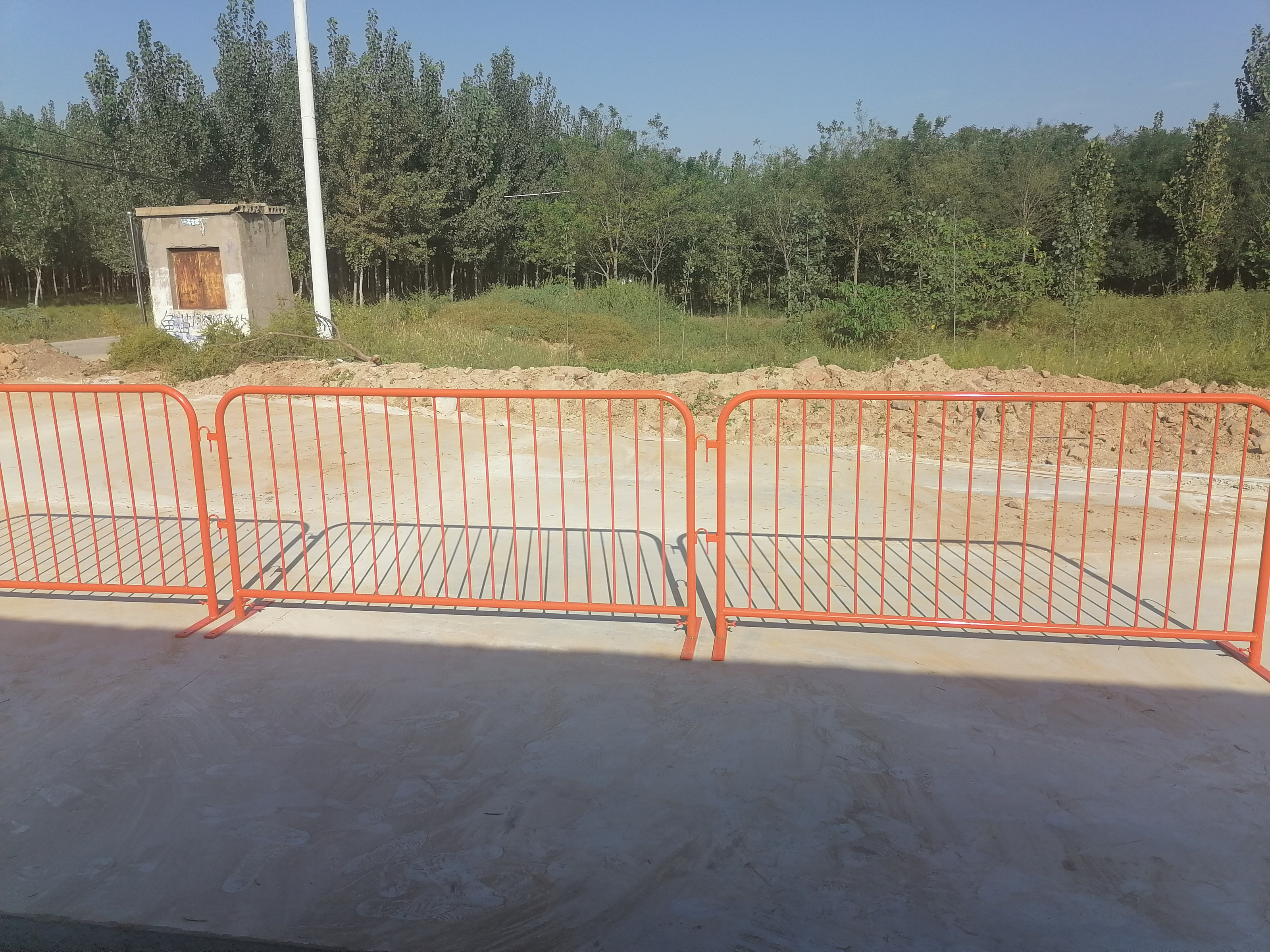

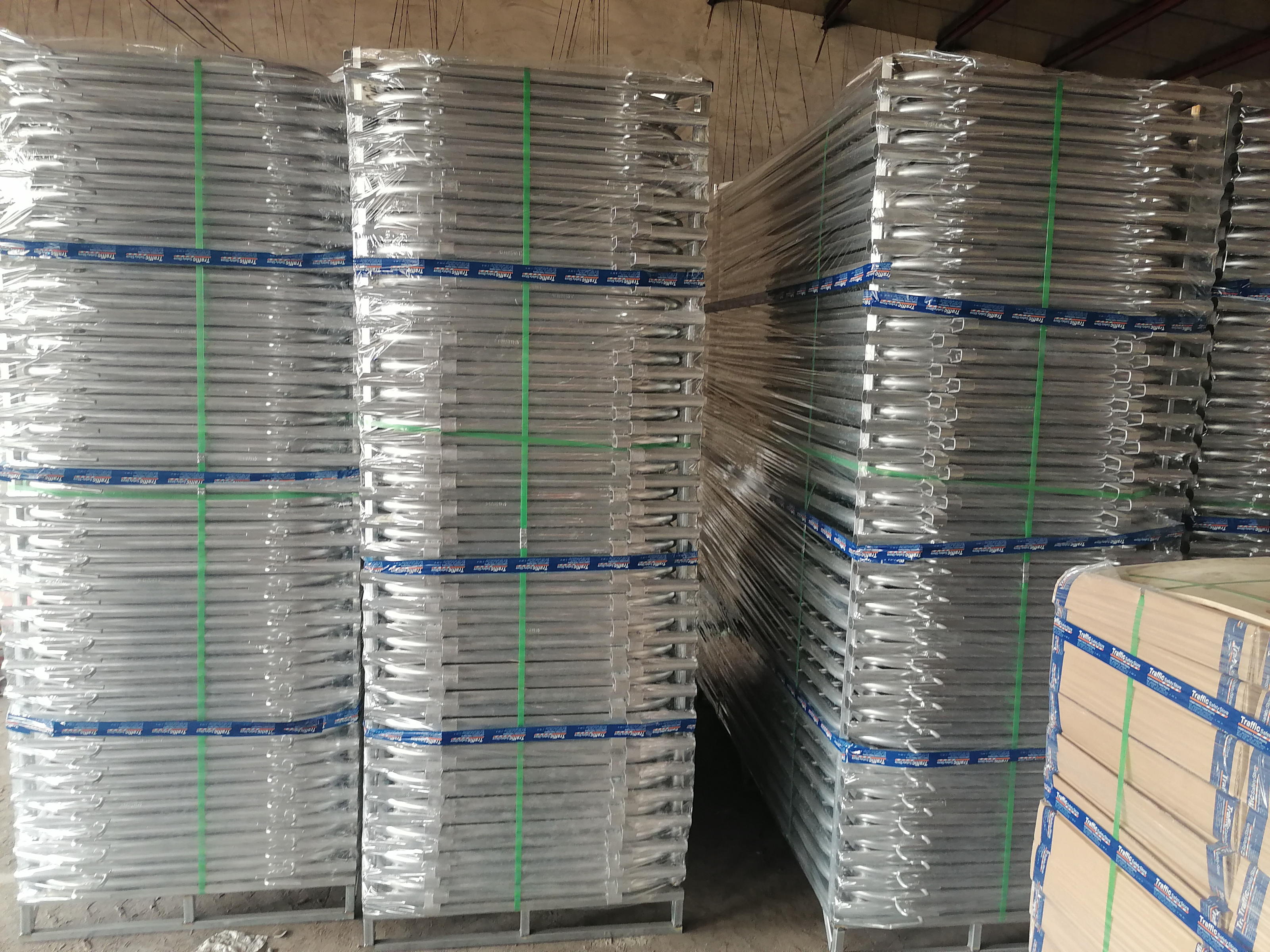
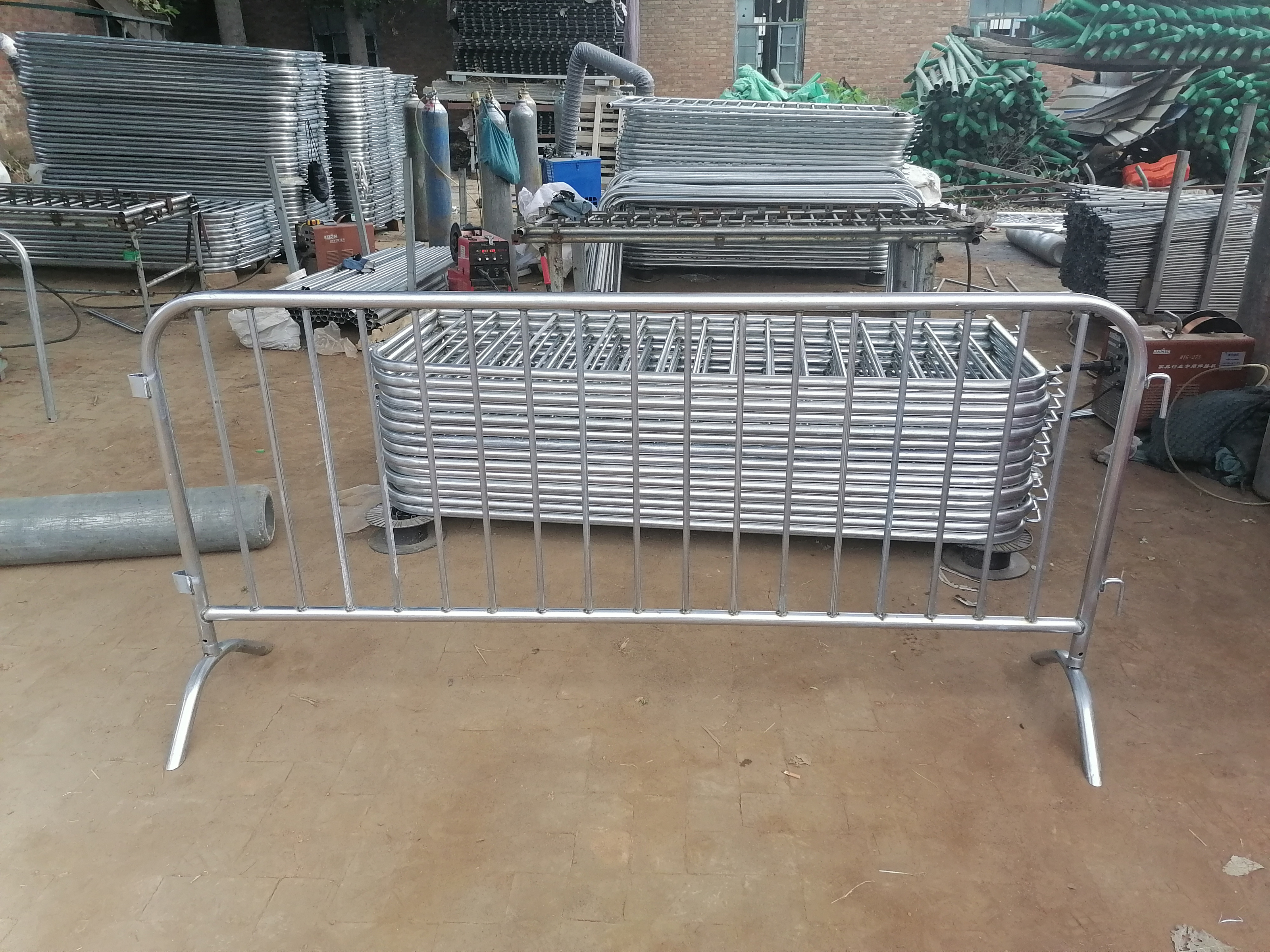
Table 1: Economy Portable Crowd Control Barriers (Fast Deployment, Lightweight)
| Model | Height (m) | Width (m) | Frame Tube (OD mm) | Frame Wall (mm) | Upright Tube (OD mm) | Upright Wall (mm) | Spacing (mm) | Feet Type | Flat Steel |
|---|---|---|---|---|---|---|---|---|---|
| E-01 | 1.00 | 2.00 | 25 | 1.5 | 12 | 0.7 | 150 | Bridge feet | 580×50×10mm |
| E-02 | 1.00 | 2.20 | 25 | 1.5 | 16 | 0.8 | 150 | Bridge feet | 580×50×10mm |
| E-03 | 1.06 | 2.00 | 25 | 1.6 | 16 | 0.8 | 100 | V feet | 580×50×10mm |
| E-04 | 1.06 | 2.20 | 25 | 1.6 | 19 | 0.8 | 150 | V feet | 580×50×10mm |
| E-05 | 1.10 | 2.00 | 32 | 1.5 | 16 | 0.8 | 100 | Bridge feet | 580×50×10mm |
| E-06 | 1.10 | 2.20 | 32 | 1.5 | 19 | 0.8 | 150 | Bridge feet | 580×50×10mm |
| E-07 | 1.20 | 2.00 | 32 | 1.6 | 16 | 1.0 | 100 | V feet | 580×50×10mm |
| E-08 | 1.20 | 2.20 | 32 | 1.6 | 19 | 1.0 | 150 | V feet | 580×50×10mm |
| E-09 | 1.10 | 2.50 | 32 | 1.6 | 19 | 1.0 | 150 | Wheel feet | 580×50×10mm |
| E-10 | 1.20 | 2.60 | 32 | 1.6 | 19 | 1.0 | 200 | Wheel feet | 580×50×10mm |
Table 2: Standard Portable Crowd Control Barriers (Balanced Strength + Stability)
| Model | Height (m) | Width (m) | Frame Tube (OD mm) | Frame Wall (mm) | Upright Tube (OD mm) | Upright Wall (mm) | Spacing (mm) | Feet Type | Flat Steel |
|---|---|---|---|---|---|---|---|---|---|
| S-01 | 1.00 | 2.00 | 32 | 1.6 | 16 | 1.0 | 100 | Bridge feet | 580×50×10mm |
| S-02 | 1.00 | 2.20 | 32 | 1.6 | 19 | 1.0 | 100 | Bridge feet | 580×50×10mm |
| S-03 | 1.06 | 2.00 | 35 | 1.6 | 19 | 1.0 | 90 | V feet | 580×50×10mm |
| S-04 | 1.06 | 2.20 | 35 | 1.6 | 19 | 1.0 | 100 | V feet | 580×50×10mm |
| S-05 | 1.10 | 2.00 | 35 | 2.0 | 19 | 1.0 | 90 | Bridge feet | 580×50×10mm |
| S-06 | 1.10 | 2.20 | 35 | 2.0 | 19 | 1.2 | 100 | Bridge feet | 580×50×10mm |
| S-07 | 1.20 | 2.00 | 38 | 1.6 | 19 | 1.2 | 100 | V feet | 580×50×10mm |
| S-08 | 1.20 | 2.20 | 38 | 1.6 | 19 | 1.2 | 90 | V feet | 580×50×10mm |
| S-09 | 1.10 | 2.50 | 35 | 2.0 | 19 | 1.2 | 150 | Wheel feet | 580×50×10mm |
| S-10 | 1.20 | 2.60 | 38 | 2.0 | 19 | 1.2 | 150 | Wheel feet | 580×50×10mm |
Table 3: Heavy-Duty Portable Crowd Control Barriers (High Contact Zones + Long Runs)
| Model | Height (m) | Width (m) | Frame Tube (OD mm) | Frame Wall (mm) | Upright Tube (OD mm) | Upright Wall (mm) | Spacing (mm) | Feet Type | Flat Steel |
|---|---|---|---|---|---|---|---|---|---|
| H-01 | 1.00 | 2.00 | 38 | 2.0 | 19 | 1.2 | 100 | Bridge feet | 580×50×10mm |
| H-02 | 1.00 | 2.20 | 38 | 2.0 | 19 | 1.2 | 90 | Bridge feet | 580×50×10mm |
| H-03 | 1.06 | 2.00 | 38 | 2.0 | 19 | 1.2 | 90 | V feet | 580×50×10mm |
| H-04 | 1.06 | 2.20 | 38 | 2.0 | 19 | 1.2 | 100 | V feet | 580×50×10mm |
| H-05 | 1.10 | 2.00 | 38 | 2.0 | 19 | 1.2 | 100 | Bridge feet | 580×50×10mm |
| H-06 | 1.10 | 2.20 | 38 | 2.0 | 19 | 1.2 | 90 | Bridge feet | 580×50×10mm |
| H-07 | 1.20 | 2.00 | 38 | 2.0 | 19 | 1.2 | 90 | V feet | 580×50×10mm |
| H-08 | 1.20 | 2.20 | 38 | 2.0 | 19 | 1.2 | 100 | V feet | 580×50×10mm |
| H-09 | 1.10 | 2.50 | 38 | 2.0 | 19 | 1.2 | 150 | Wheel feet | 580×50×10mm |
| H-10 | 1.20 | 2.60 | 38 | 2.0 | 19 | 1.2 | 150 | Wheel feet | 580×50×10mm |
Applications of Portable Crowd Control Barriers
Portable crowd control barriers are used for event queue management, concert and stadium perimeter lanes, crowd separation at public festivals, temporary roadwork protection lines, site entrance control, pedestrian detours, warehouse visitor routing, emergency access corridors, and short-term closures where fast deployment is required. Portable crowd control barriers are also used in retail openings and public facilities where a professional barrier line reduces confusion, prevents disputes, and protects staff and visitors.
Benefits of a Controlled POLYMETAL Portable Crowd Control Barriers Schedule
A controlled portable crowd control barriers specification sets faster because panels link cleanly and stay aligned in long runs. It reduces labor waste because crews stop fighting rocking feet and misfit hooks. It improves safety perception because upright spacing and consistent geometry look disciplined. It protects appearance because packing and finish discipline reduce scratches and early corrosion points. It supports repeat ordering because the delivered batch behaves like the same system every time.
Packing for Portable Crowd Control Barriers
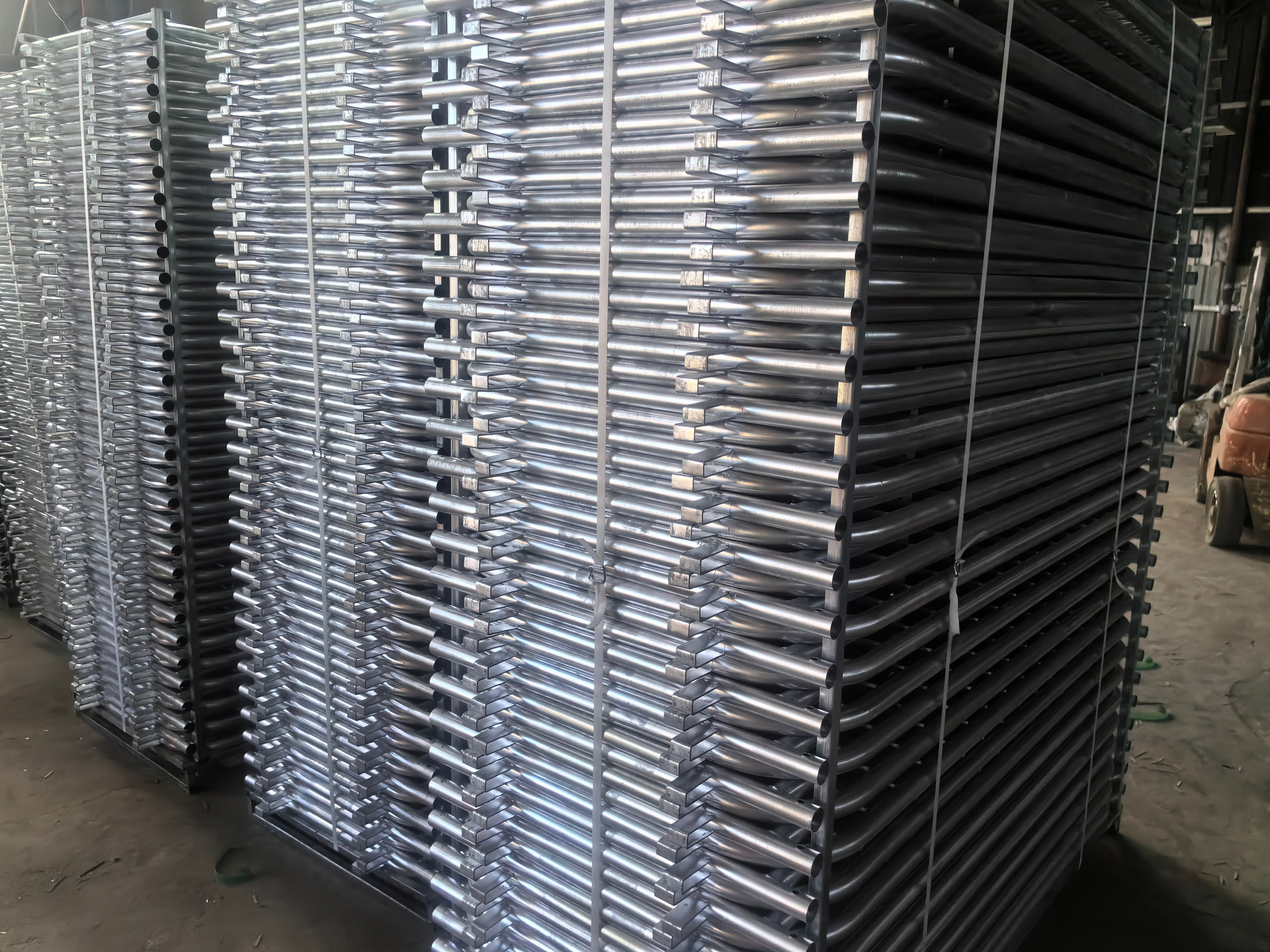
Packing must protect both geometry and finish. Portable crowd control barriers are bundled with controlled stacking direction, separated at contact points to reduce rub damage, then strapped securely for container stability. Feet and accessories are packed and labeled to match barrier models so deployment stays fast on site. POLYMETAL packing is designed to reduce transit scratches, prevent hook deformation, and keep the barrier line looking professional at first use.


Standards and Quality Controls for Portable Crowd Control Barriers
Portable crowd control barriers projects typically align with basic fabrication quality controls such as tube dimensional checks, weld strength and cleanup expectations, and coating discipline for corrosion resistance.
Many buyers also require consistent labeling, batch traceability, and pre-shipment inspection checkpoints so the delivered barriers perform consistently across long runs and repeated deployments.
Portable crowd control barriers often look identical in photos, but they behave very differently on real sites.
The expensive surprise happens after delivery: barriers drift out of line, hooks don’t seat cleanly, feet rock on uneven ground, and coatings get scratched during transport.
That is why POLYMETAL portable crowd control barriers are built as measurable inputs—height, width, frame tube, wall thickness, upright tube, spacing, foot choice, and packing protection—so you get a stable line that sets fast and stays straight under real pushing loads, starting from consistent raw material selection such as Q195 steel for controlled tube supply.
If your project also needs a secure access point that matches the same dimensional discipline, you can align the barrier line with compatible gate options by reviewing types of steel fence gates for sale and selecting the right gate format for entrances, emergency lanes, and controlled pedestrian flow.
Portable Crowd Control Barriers FAQs
Which height is most commonly selected?
Portable crowd control barriers in 1.0m to 1.2m heights are widely used because they balance visibility, control, and handling speed. The best height depends on crowd pressure, venue policy, and whether the barrier is a guide line or a high-contact separation line.
Which width is best for fast setup?
Portable crowd control barriers between 2.0m and 2.6m are common for event crews. Wider panels reduce panel count and setup time, while narrower panels improve layout flexibility around corners and entrances.
When should I choose wheel feet?
Choose wheel feet when the barrier must be moved frequently and the site allows controlled rolling without creating safety risk. Wheel feet are often used for venues with daily reconfiguration and trained staff handling.
When should I choose bridge feet or V feet?
Bridge feet are chosen to improve stability and reduce trip issues in long runs, while V feet are chosen to resist rocking on uneven ground and keep the line stable during higher contact scenarios.
What should I check before shipment?
Check frame tube OD and wall thickness, upright tube OD and spacing, hook fit, weld cleanup, foot alignment, and packing separators. These checkpoints decide whether portable crowd control barriers deploy straight or become a daily labor problem.