Your One-Stop Wire Mesh Fence Supplier | POLYMETAL
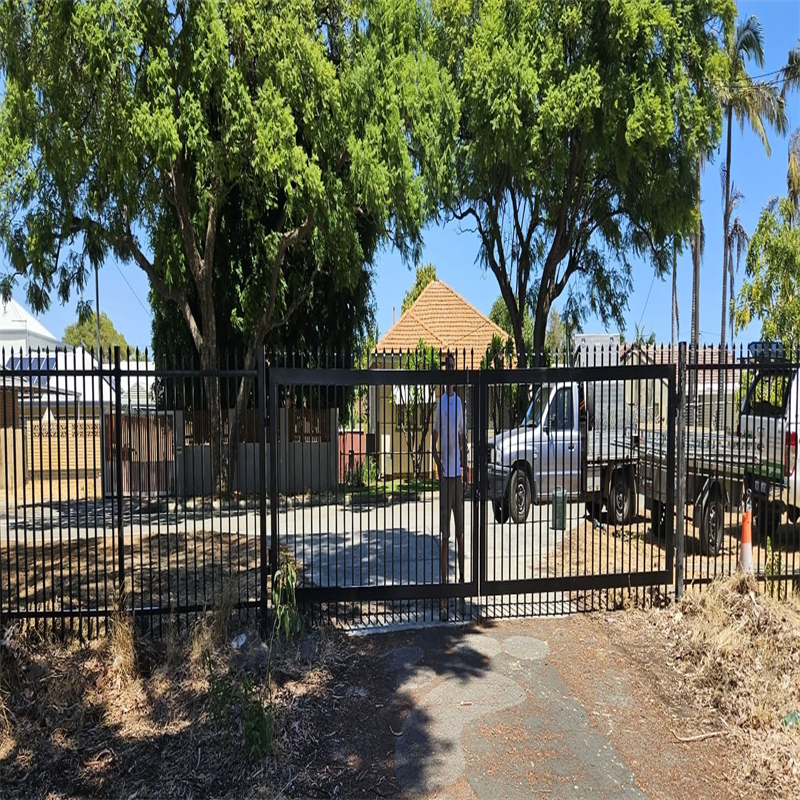



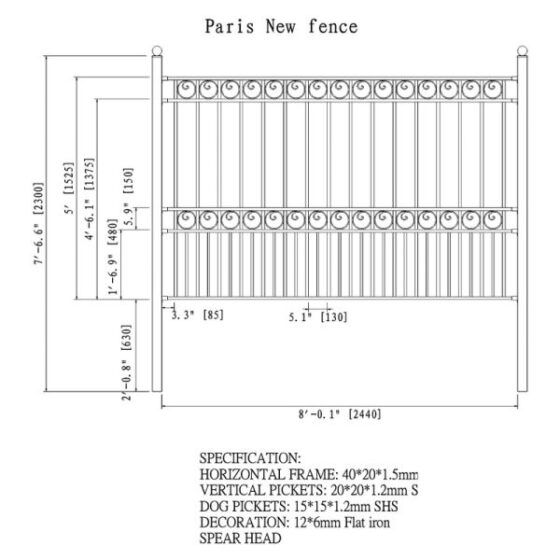
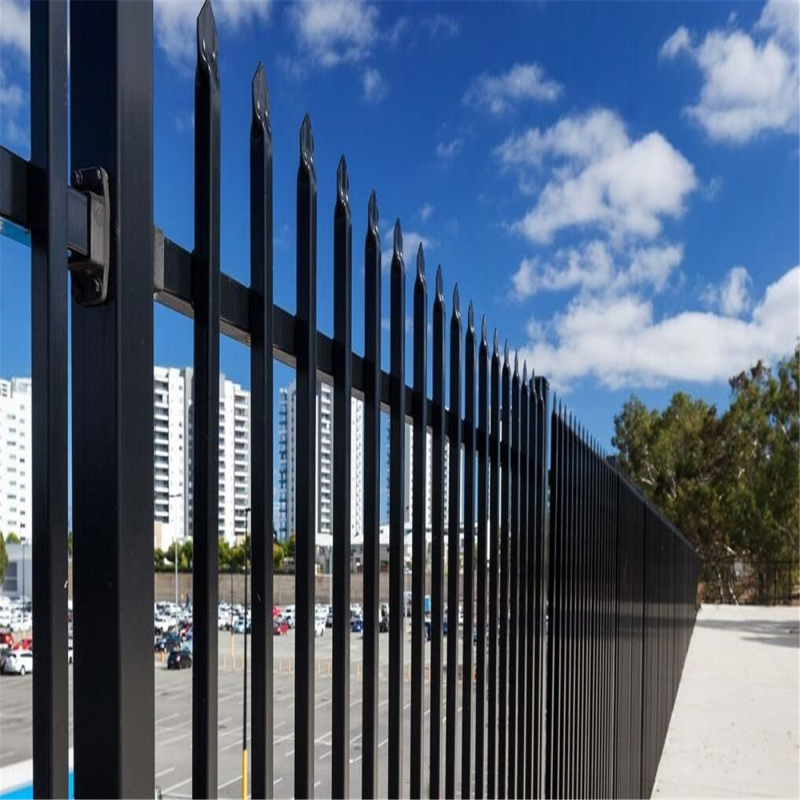
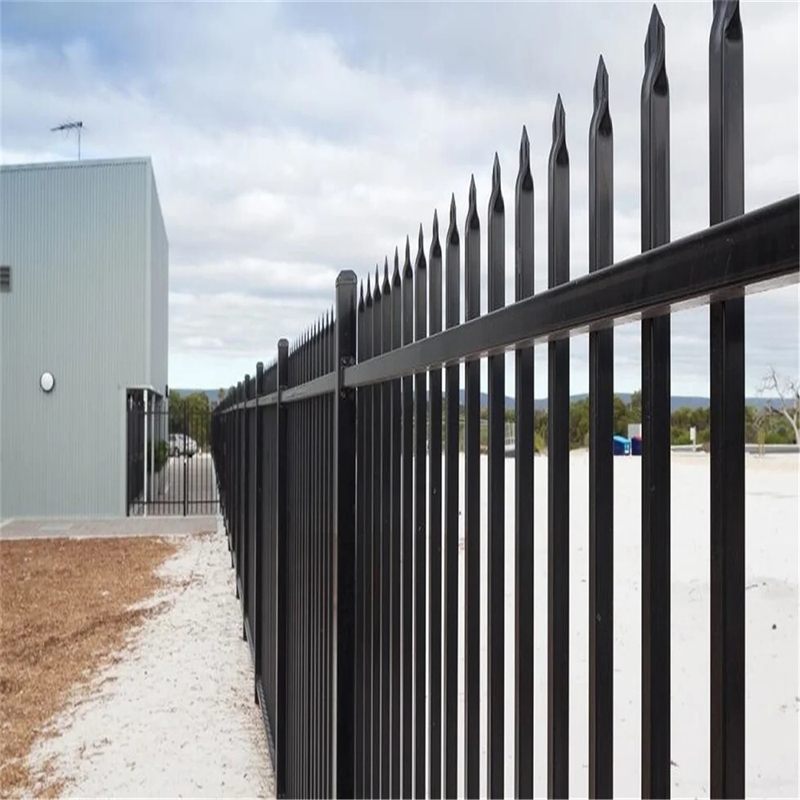
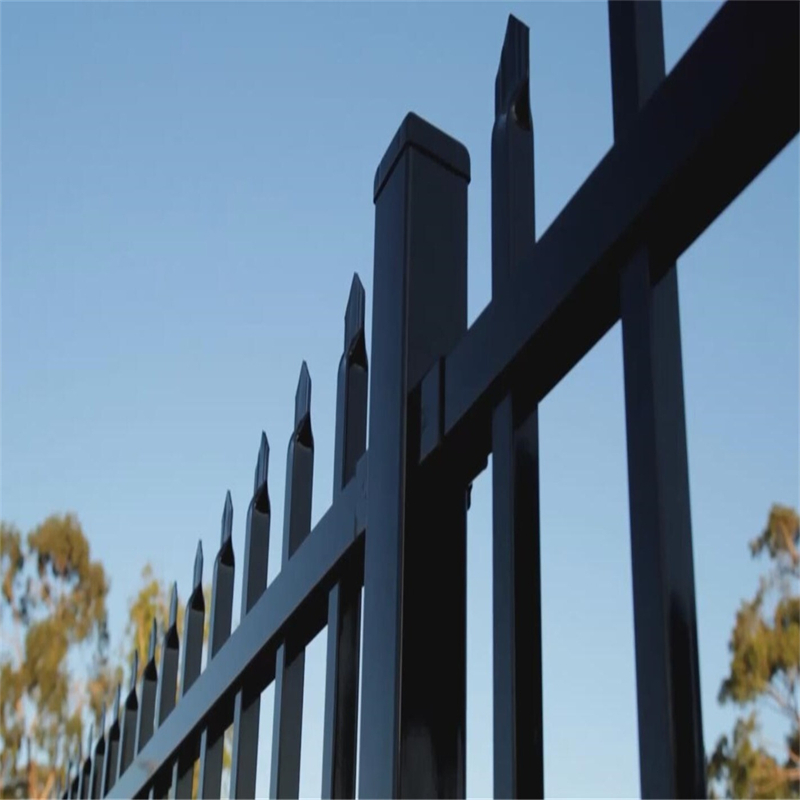
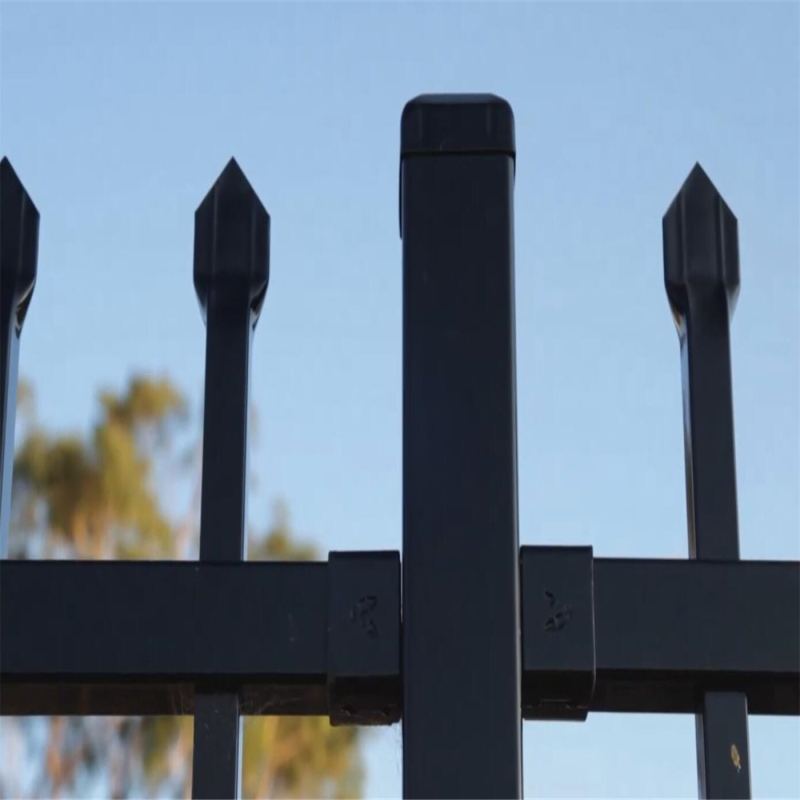
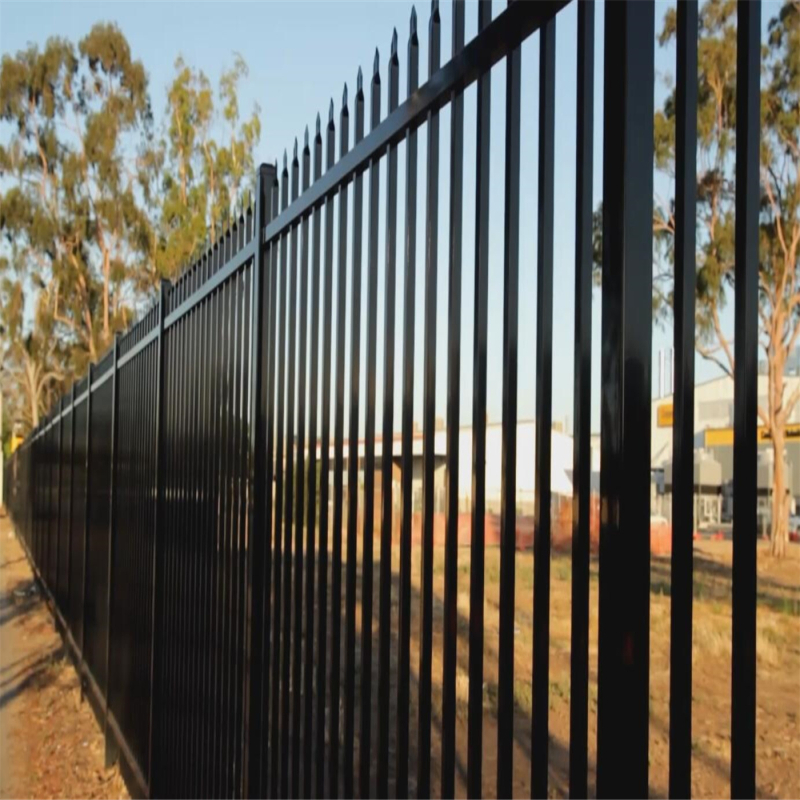
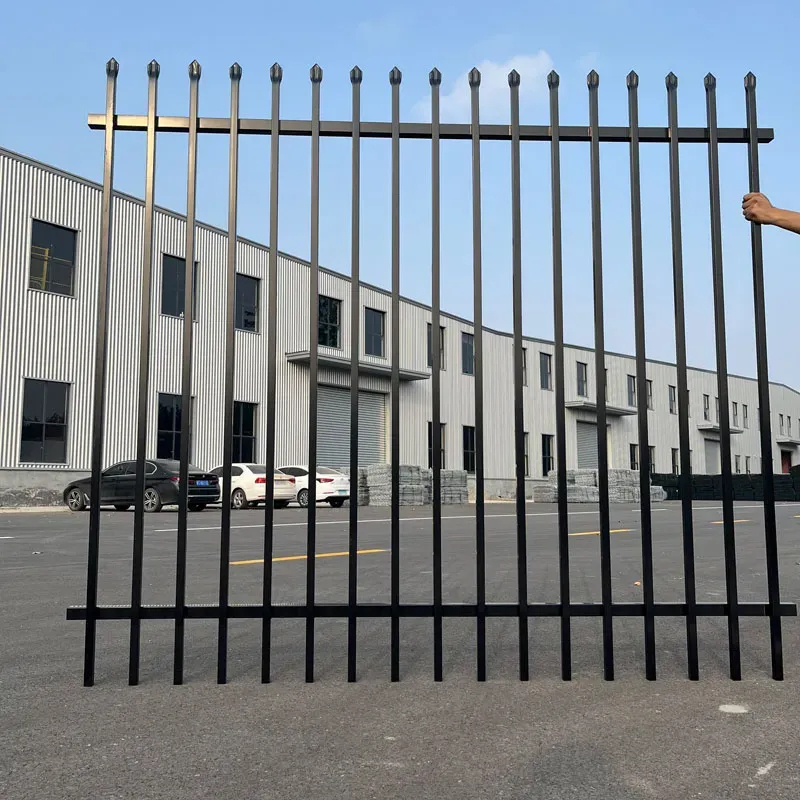
Pressed spear top fencing is one of the most widely chosen steel fence styles for sites that need a clean look and a clear security message. The “pressed spear” top is formed by pressing/stamping the picket tip into a spear shape rather than attaching separate spear caps, which helps keep the top line consistent, reduces loose parts, and gives a sharper visual deterrent. POLYMETAL supplies pressed spear top fencing manufactured with Q235 steel for residential boundaries, commercial perimeters, and higher-security zones where durability, coating performance, and correct installation matter more than “cheap per meter.”

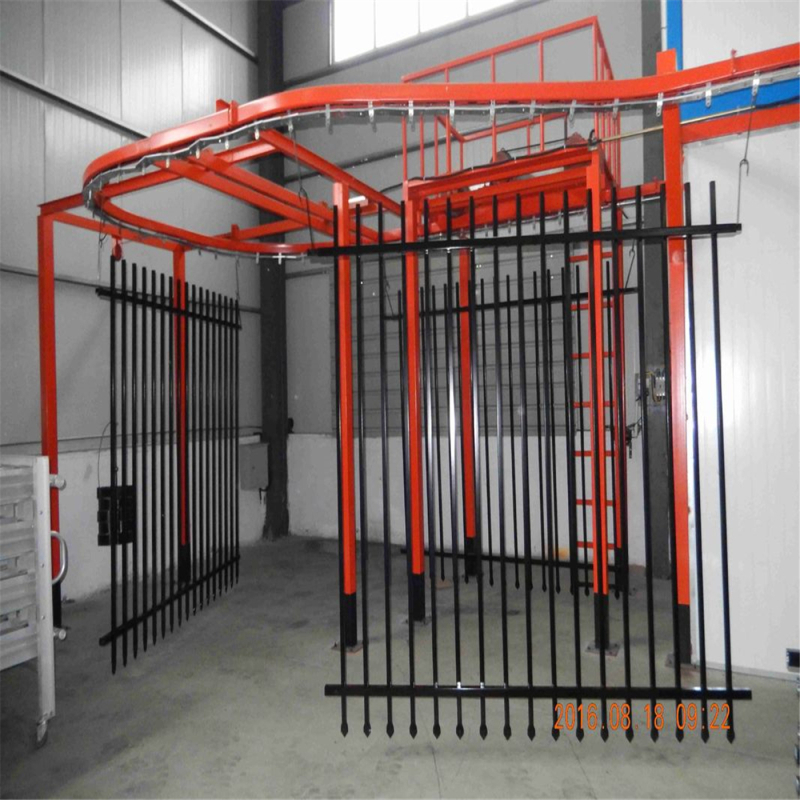
15 Shocking Traps You Don’t Know About Pressed Spear Top Fencing (Especially No.7 Can Cost You Big)
1) The “Looks the Same” Trap That Hides Weak Steel
Pressed spear top fencing can look identical in photos while using different steel thickness and tolerances. A panel that flexes too easily becomes noisy in wind, loosens fixings faster, and feels “cheap” to the end user. POLYMETAL focuses on consistent forming and stable rail frame options so your fence performs like it looks.
2) The Coating Truth That Decides Whether It Rusts Early
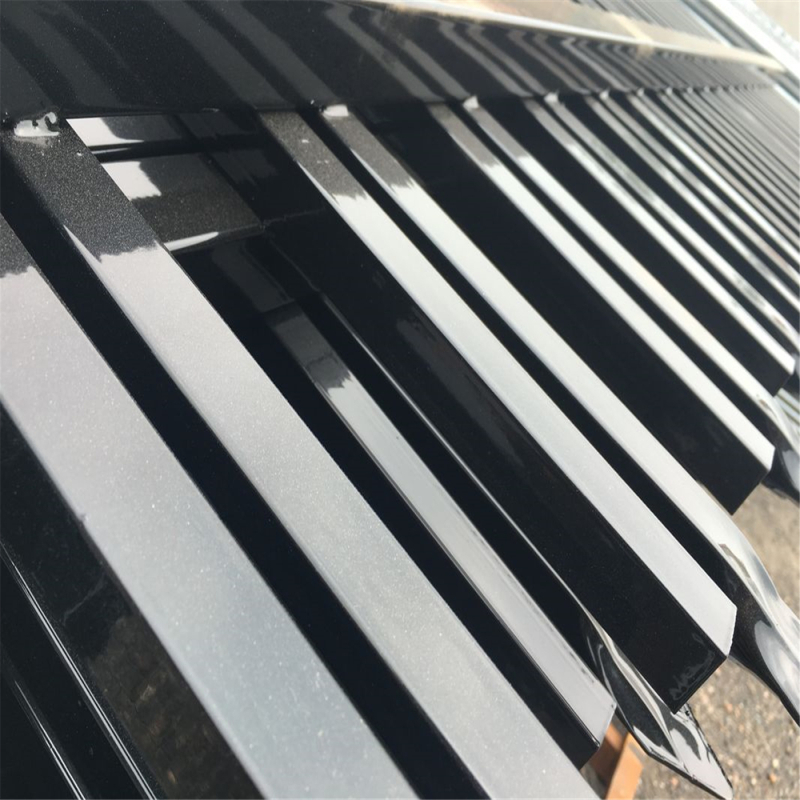
Coating isn’t just a color choice; it’s the lifespan. If surface prep is weak, even a thick topcoat can fail from the inside out. For pressed spear top fencing, the spear tip and cut edges are the first places to show corrosion if the process is rushed. Demand clear coating workflow and inspection points, not just a paint name.
3) The Welding Finding That Predicts Panel Longevity
Weld quality is not only about “holding together.” Poor weld consistency can create brittle points, ugly spatter, or micro gaps that trap moisture. Pressed spear top fencing should have clean welds at uprights to rail frame, and those welds must be protected properly by the finish system.
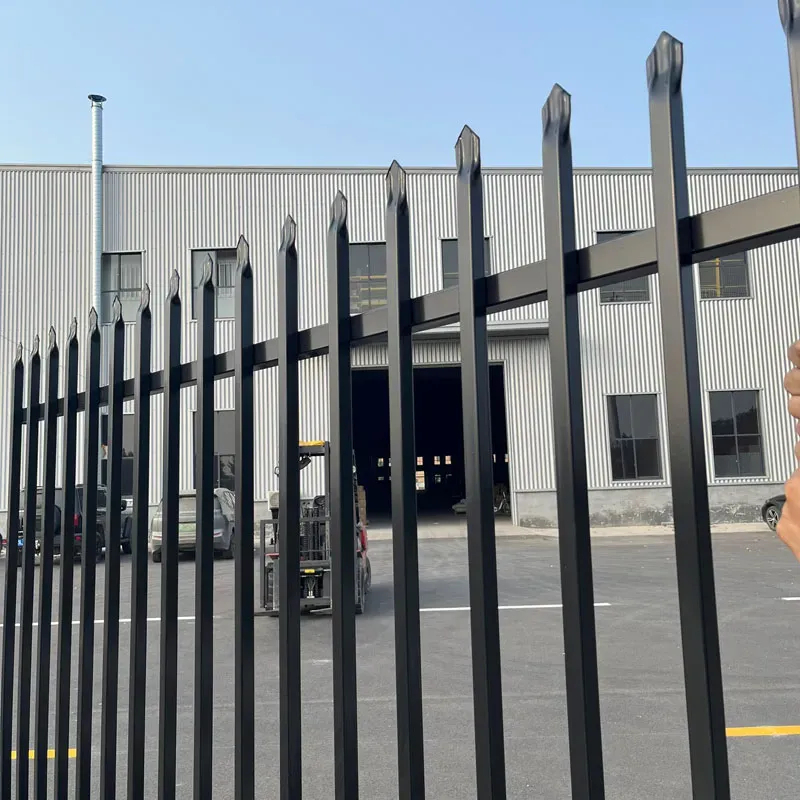
4) The Upright Spacing Signal That Affects Security and Feel
With 100MM upright spacing, the fence presents a tighter look and better anti-climb behavior than wider spacing styles. The trap is assuming spacing alone guarantees strength. The upright size and rail frame size determine how “solid” the fence feels when pushed or leaned on.
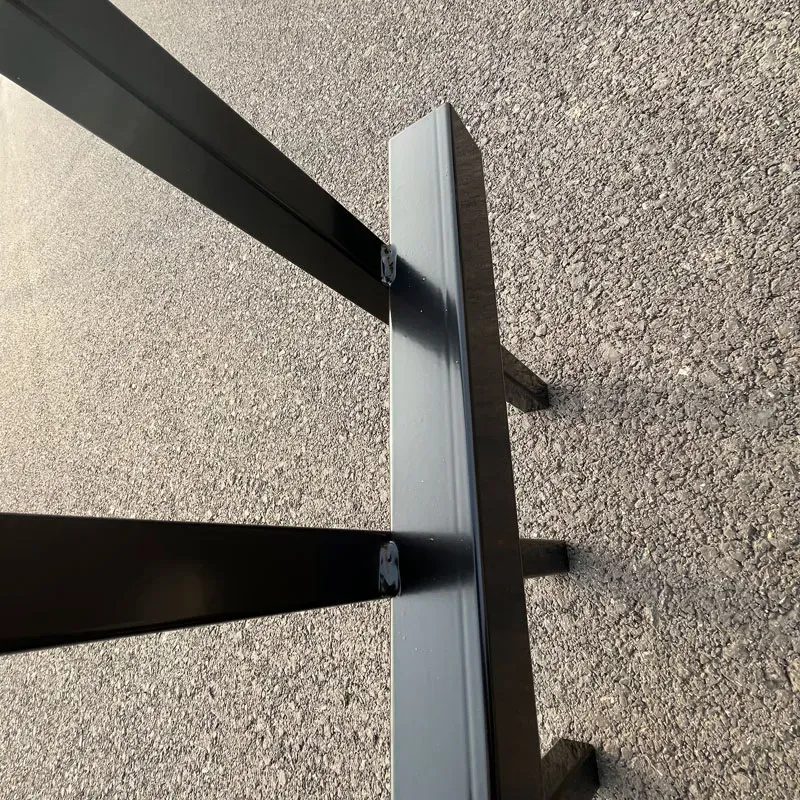
5) The Rail Frame Detail People Ignore Until It’s Too Late
The rail frame choice changes everything: stiffness, impact resistance, and long-term alignment. Common rail frame options include 40MMX40MM, 45MMX45MM, and 50MMX50MM. The trap is buying a strong-looking height but choosing a rail frame that is too light for the site’s wind load, foot traffic, or abuse risk.
6) The Spear Tip Feature That Quietly Controls Safety and Uniformity
Pressed spear tips should be consistent in shape and alignment across the entire run. If pressing dies are worn or QC is weak, tips can look uneven, and that creates a “cheap fence” impression instantly. It can also create sharp burrs that become a handling hazard during installation.
7) The Post Height & Embedment Cost Trap (This Is the One That Can Cost You Big)
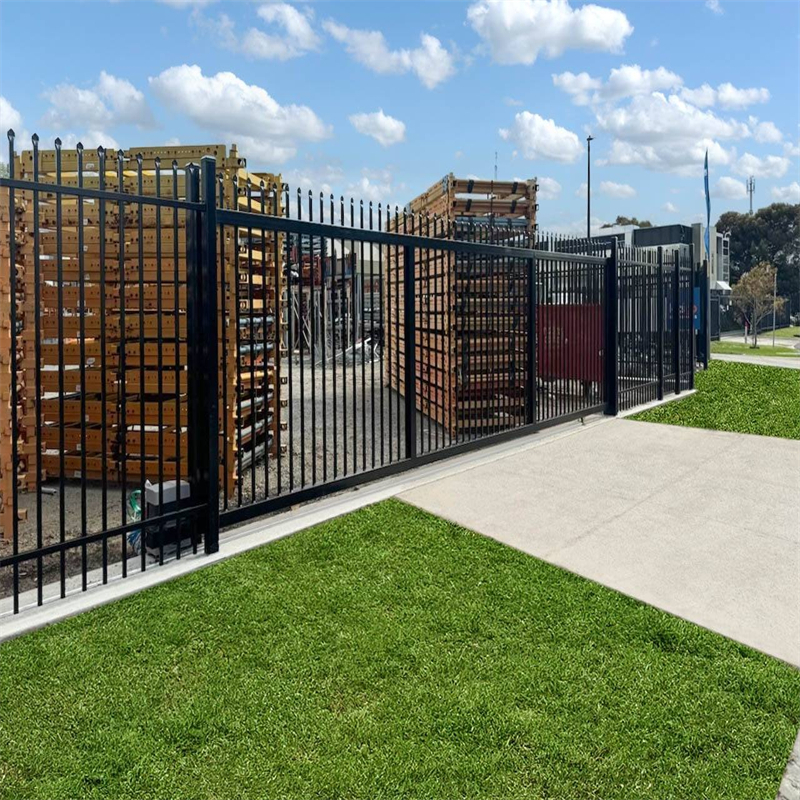
Pressed spear top fencing failures often come from posts, not panels. If post height and embed depth are underestimated, panels sag, gates misalign, and you end up re-digging and re-setting—paying twice in labor and concrete. Fence heights like 1200MM, 1500MM, 1800MM, 2100MM must be matched with correct post height for ground conditions, wind exposure, and corner loads. Getting this wrong wastes money, time, and reputation.

8) The Fence Width Point That Breaks Your Installation Rhythm
Panel widths commonly combine with 2400MM and 2450MM. The trap is mixing widths without planning your site layout, which forces cutting, awkward spacing, or misaligned post centers. A small mismatch across many bays becomes a big on-site delay.
9) The Post Size Option Oversight That Weakens Corners
You may see the same fence height used everywhere, but corners, ends, and gate posts should often be stronger. Typical fence post options include 60X60, 65MMX65MM, 75MMX75MM, 80MMX80MM, and 100MMX100MM. The trap is using the smallest post size everywhere to save material and then watching corners drift over time.
10) The Upright Size Truth That Affects Visual Density and Strength
Pressed spear top fencing commonly uses upright sizes such as 16MMX16MM, 25MMX25MM, or 30MMX30MM. The trap is choosing a small upright for a tall fence in a windy or high-contact zone. Taller fences with slim uprights can look fine on day one but feel “springy,” which customers interpret as low quality.
11) The Slope Angle Problem That Makes Panels Look Crooked
Sloped ground requires a deliberate choice: stepped installation or raked panels. If this isn’t decided early, your pressed spear top line can look uneven, and post heights may end up wrong. The result is rework, extra brackets, or ugly gaps at the bottom.
12) The Fixing Method Risk That Creates Rattles
Even a strong panel becomes annoying if the fastening system loosens. Wrong bracket spacing, poor screw choice, or missing anti-loosen features can create rattles and movement. A quiet fence feels premium; a noisy fence feels cheap.
13) The Transport Damage Threat That Shows Up After Installation
Pressed spear tips, corners, and coating edges are vulnerable in shipping. If panels rub during transit, you get scratches that turn into rust points later. Proper packing is not “extra,” it’s part of product quality.
14) The Color Myth That Hides Maintenance Reality
Some buyers think darker colors hide dust forever or that a glossy finish always lasts longer. The truth is maintenance depends more on coating system and site environment than color. Choose finish based on corrosion exposure, not fashion.
15) The Total Cost Lesson That Separates Smart Buyers From Regret
The cheapest pressed spear top fencing price often ignores posts, fixings, corners, slope handling, transport protection, and installation time. A slightly stronger rail frame or better post option can reduce long-term cost by preventing callbacks and repairs.
POLYMETAL Pressed Spear Top Fencing Product Description
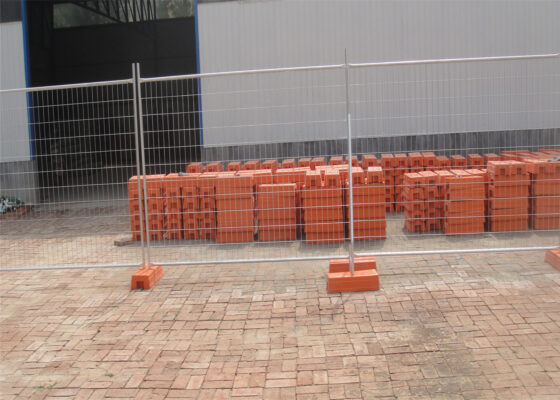
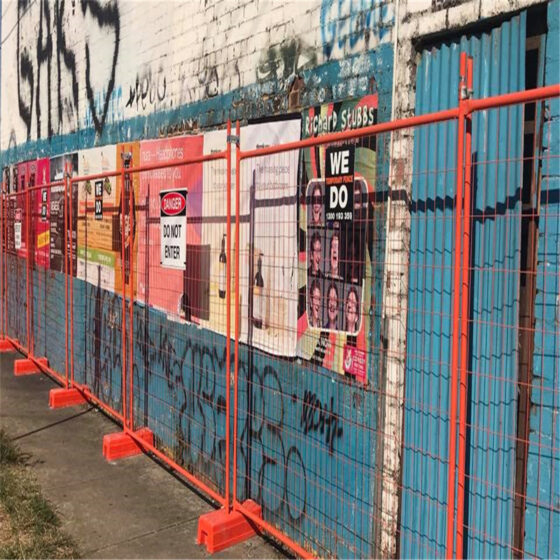
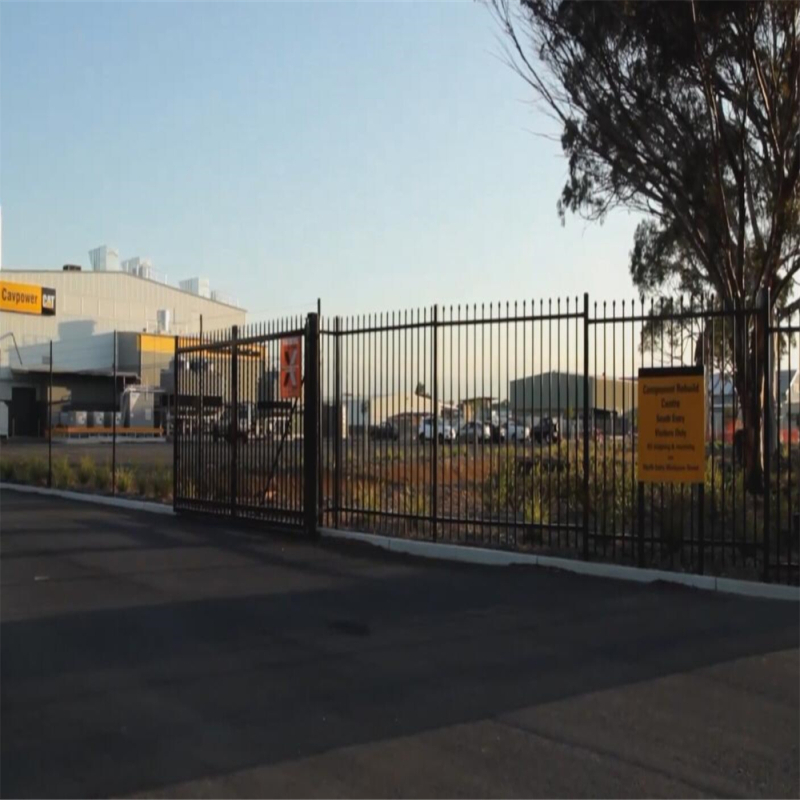
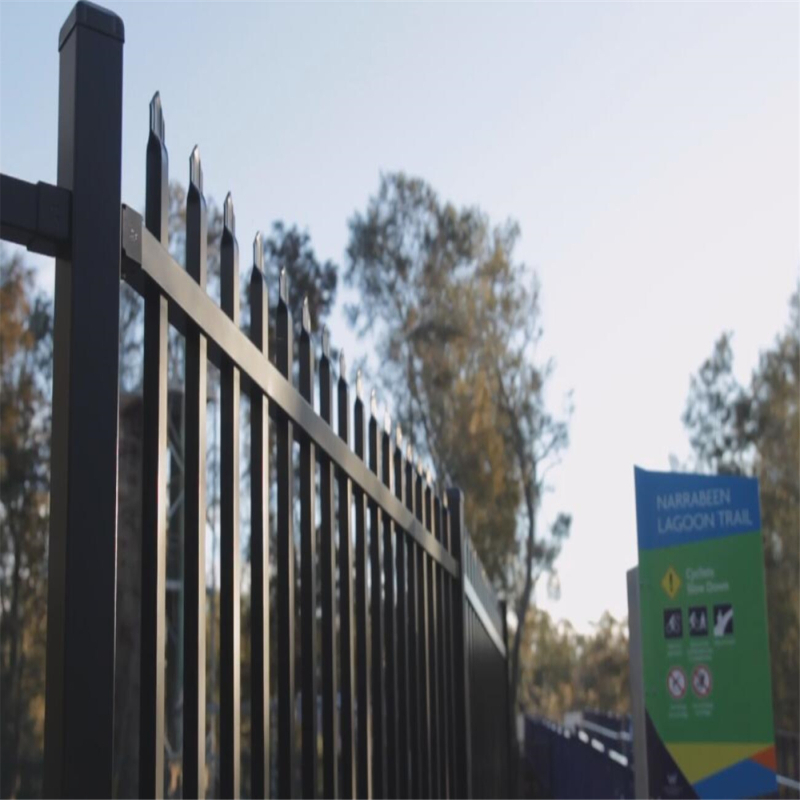
POLYMETAL pressed spear top fencing is engineered to combine a clean architectural appearance with a stronger boundary signal, using stamped spear-top pickets aligned across a rigid rail frame for consistent presentation. The system is designed around practical site needs such as stable post selection, repeatable panel widths, and reliable upright spacing, supporting common configurations for residential, commercial, and higher-security environments. By offering multiple rail frame and upright size choices, POLYMETAL allows the fence to be matched to wind load, contact frequency, and perimeter risk level while maintaining a uniform spear-top finish that looks sharp, deters climbing behavior, and supports long service life when specified and installed correctly. For short-term site control during works, see Melbourne temp fence panels.


Specifications

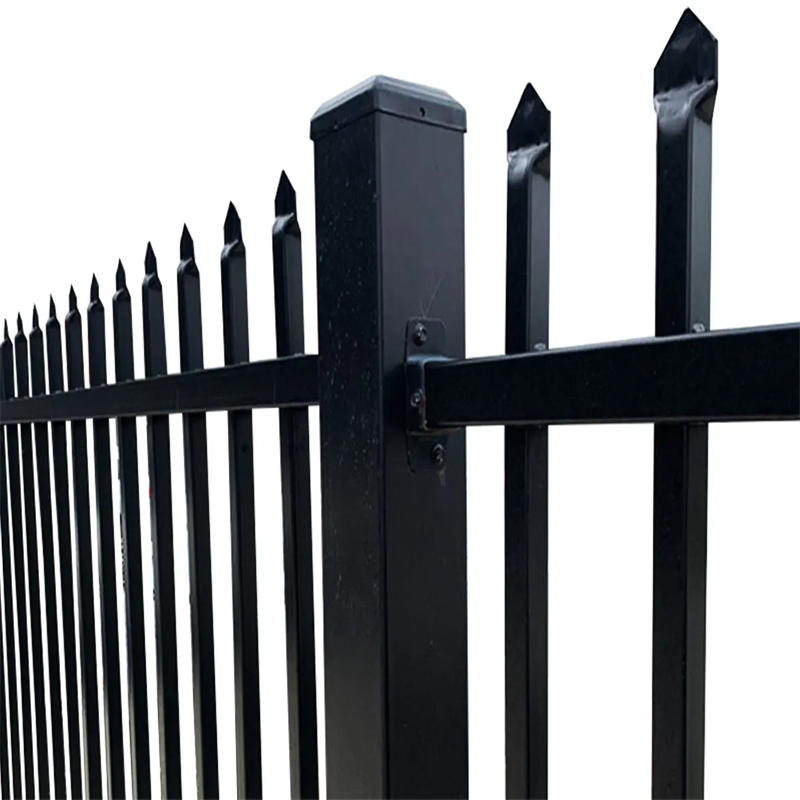
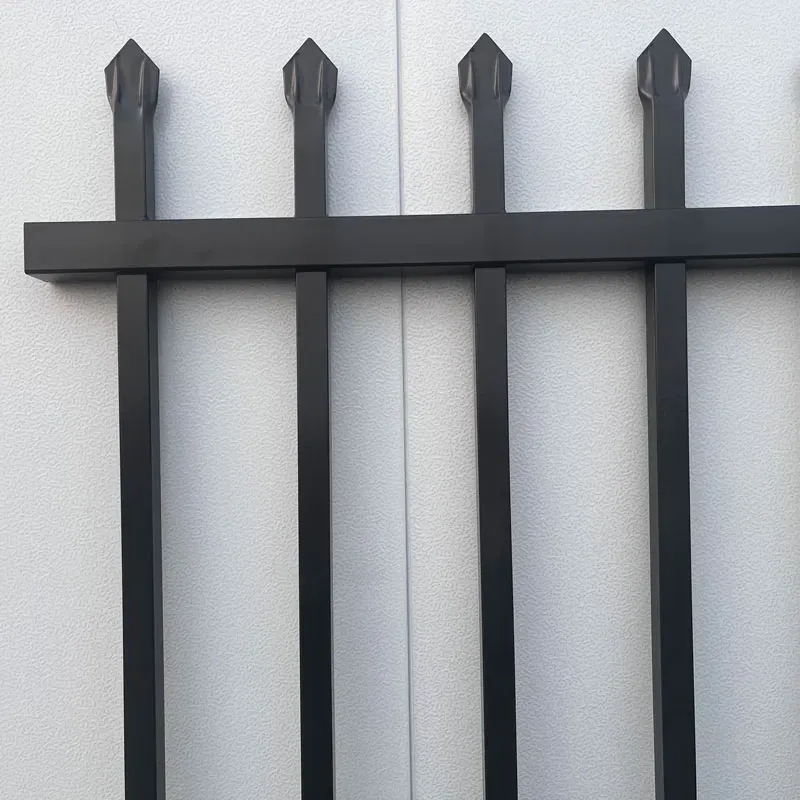

Table 1: Standard Residential Configurations (10 Specs)
| Spec | Fence Height (MM) | Fence Width (MM) | Rail Frame | Upright | Upright Spacing | Post Height (MM) | Post Size Options |
|---|---|---|---|---|---|---|---|
| R1 | 1200 | 2400 | 40MMX40MM | 16MMX16MM | 100MM | 1800 | 60X60 / 65MMX65MM |
| R2 | 1200 | 2450 | 40MMX40MM | 25MMX25MM | 100MM | 1800 | 60X60 / 65MMX65MM |
| R3 | 1500 | 2400 | 40MMX40MM | 25MMX25MM | 100MM | 2100 | 65MMX65MM / 75MMX75MM |
| R4 | 1500 | 2450 | 45MMX45MM | 25MMX25MM | 100MM | 2100 | 65MMX65MM / 75MMX75MM |
| R5 | 1500 | 2400 | 45MMX45MM | 30MMX30MM | 100MM | 2200 | 75MMX75MM / 80MMX80MM |
| R6 | 1800 | 2400 | 45MMX45MM | 25MMX25MM | 100MM | 2400 | 75MMX75MM / 80MMX80MM |
| R7 | 1800 | 2450 | 45MMX45MM | 30MMX30MM | 100MM | 2400 | 75MMX75MM / 80MMX80MM |
| R8 | 1800 | 2400 | 50MMX50MM | 30MMX30MM | 100MM | 2500 | 80MMX80MM / 100MMX100MM |
| R9 | 2100 | 2400 | 50MMX50MM | 30MMX30MM | 100MM | 2800 | 80MMX80MM / 100MMX100MM |
| R10 | 2100 | 2450 | 50MMX50MM | 30MMX30MM | 100MM | 2800 | 80MMX80MM / 100MMX100MM |
Table 2: Commercial Perimeter Configurations (10 Specs)
| Spec | Fence Height (MM) | Fence Width (MM) | Rail Frame | Upright | Upright Spacing | Post Height (MM) | Post Size Options |
|---|---|---|---|---|---|---|---|
| C1 | 1200 | 2400 | 45MMX45MM | 25MMX25MM | 100MM | 1900 | 65MMX65MM / 75MMX75MM |
| C2 | 1200 | 2450 | 45MMX45MM | 30MMX30MM | 100MM | 1900 | 65MMX65MM / 75MMX75MM |
| C3 | 1500 | 2400 | 45MMX45MM | 30MMX30MM | 100MM | 2200 | 75MMX75MM / 80MMX80MM |
| C4 | 1500 | 2450 | 50MMX50MM | 25MMX25MM | 100MM | 2300 | 75MMX75MM / 80MMX80MM |
| C5 | 1500 | 2400 | 50MMX50MM | 30MMX30MM | 100MM | 2300 | 80MMX80MM / 100MMX100MM |
| C6 | 1800 | 2400 | 50MMX50MM | 25MMX25MM | 100MM | 2600 | 80MMX80MM / 100MMX100MM |
| C7 | 1800 | 2450 | 50MMX50MM | 30MMX30MM | 100MM | 2600 | 80MMX80MM / 100MMX100MM |
| C8 | 1800 | 2400 | 50MMX50MM | 30MMX30MM | 100MM | 2700 | 80MMX80MM / 100MMX100MM |
| C9 | 2100 | 2400 | 50MMX50MM | 30MMX30MM | 100MM | 3000 | 100MMX100MM |
| C10 | 2100 | 2450 | 50MMX50MM | 30MMX30MM | 100MM | 3000 | 100MMX100MM |
Table 3: Industrial Duty Configurations (10 Specs)
| Spec | Fence Height (MM) | Fence Width (MM) | Rail Frame | Upright | Upright Spacing | Post Height (MM) | Post Size Options |
|---|---|---|---|---|---|---|---|
| I1 | 1200 | 2400 | 50MMX50MM | 30MMX30MM | 100MM | 2000 | 75MMX75MM / 80MMX80MM |
| I2 | 1200 | 2450 | 50MMX50MM | 30MMX30MM | 100MM | 2000 | 75MMX75MM / 80MMX80MM |
| I3 | 1500 | 2400 | 50MMX50MM | 30MMX30MM | 100MM | 2400 | 80MMX80MM / 100MMX100MM |
| I4 | 1500 | 2450 | 50MMX50MM | 30MMX30MM | 100MM | 2400 | 80MMX80MM / 100MMX100MM |
| I5 | 1800 | 2400 | 50MMX50MM | 30MMX30MM | 100MM | 2700 | 80MMX80MM / 100MMX100MM |
| I6 | 1800 | 2450 | 50MMX50MM | 30MMX30MM | 100MM | 2700 | 80MMX80MM / 100MMX100MM |
| I7 | 1800 | 2400 | 50MMX50MM | 25MMX25MM | 100MM | 2700 | 80MMX80MM / 100MMX100MM |
| I8 | 2100 | 2400 | 50MMX50MM | 30MMX30MM | 100MM | 3100 | 100MMX100MM |
| I9 | 2100 | 2450 | 50MMX50MM | 30MMX30MM | 100MM | 3100 | 100MMX100MM |
| I10 | 2100 | 2400 | 50MMX50MM | 30MMX30MM | 100MM | 3200 | 100MMX100MM |
Table 4: High-Security Emphasis Configurations (10 Specs)
| Spec | Fence Height (MM) | Fence Width (MM) | Rail Frame | Upright | Upright Spacing | Post Height (MM) | Post Size Options |
|---|---|---|---|---|---|---|---|
| H1 | 1500 | 2400 | 50MMX50MM | 30MMX30MM | 100MM | 2500 | 80MMX80MM / 100MMX100MM |
| H2 | 1500 | 2450 | 50MMX50MM | 30MMX30MM | 100MM | 2500 | 80MMX80MM / 100MMX100MM |
| H3 | 1800 | 2400 | 50MMX50MM | 30MMX30MM | 100MM | 2800 | 100MMX100MM |
| H4 | 1800 | 2450 | 50MMX50MM | 30MMX30MM | 100MM | 2800 | 100MMX100MM |
| H5 | 1800 | 2400 | 50MMX50MM | 25MMX25MM | 100MM | 2800 | 80MMX80MM / 100MMX100MM |
| H6 | 2100 | 2400 | 50MMX50MM | 30MMX30MM | 100MM | 3200 | 100MMX100MM |
| H7 | 2100 | 2450 | 50MMX50MM | 30MMX30MM | 100MM | 3200 | 100MMX100MM |
| H8 | 2100 | 2400 | 50MMX50MM | 30MMX30MM | 100MM | 3300 | 100MMX100MM |
| H9 | 2100 | 2450 | 50MMX50MM | 30MMX30MM | 100MM | 3300 | 100MMX100MM |
| H10 | 2100 | 2400 | 50MMX50MM | 30MMX30MM | 100MM | 3400 | 100MMX100MM |
Final Insight: How to Use This Article to Avoid Expensive Mistakes
Pressed spear top fencing becomes a “set and forget” perimeter only when the system is specified as a system: correct rail frame, upright size, spacing, panel width planning, and post sizing matched to the site. If you want, paste your original text and upload your photos, and I’ll rebuild this into a final publish-ready version that keeps every original image in place exactly as required.