Your One-Stop Wire Mesh Fence Supplier | POLYMETAL

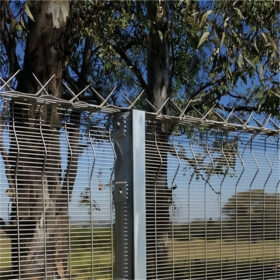

A pvc coated 358 anti climb fence is built for projects that demand real perimeter security, a clean architectural line, and repeatable site installation. POLYMETAL focuses on a rigid mesh structure that resists climbing, cutting, and forced entry attempts while still presenting an orderly, professional boundary for public-facing sites.

Product Description (POLYMETAL)
anti climb perimeter fence is a highly attractive, yet seriously secure fencing solution that is popular across a wide range of applications thanks to its excellent strength, erection simplicity, and intrusion resistant anti-climb properties. Proven in prison environments 358 anti-climb rigid mesh fencing is virtually impossible to climb, or break through. Talk to us today to see if 358 rigid mesh fencing is right for your property.
Why “358” Mesh Is So Hard to Defeat
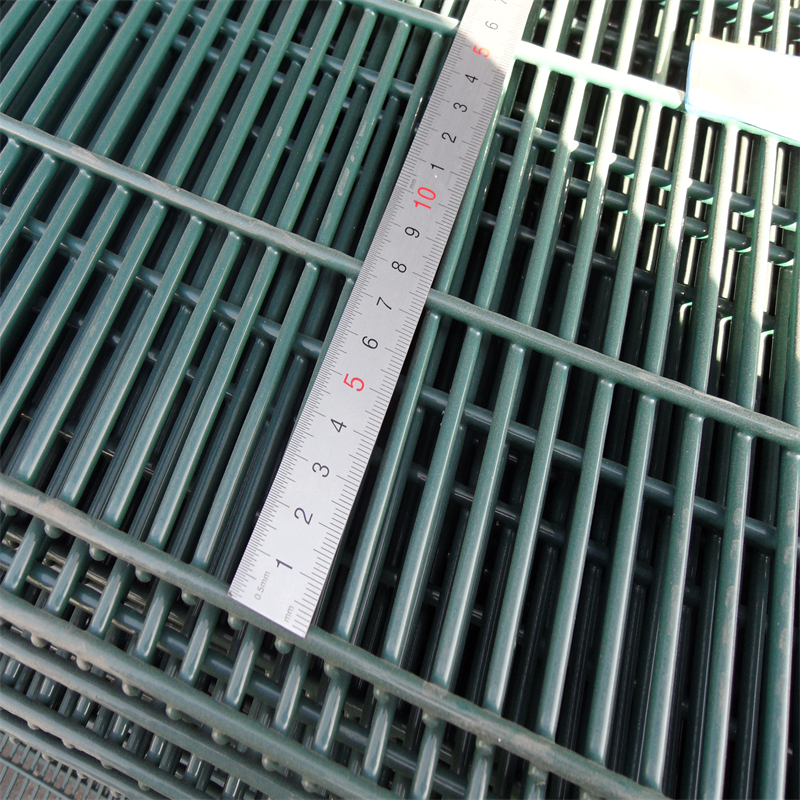
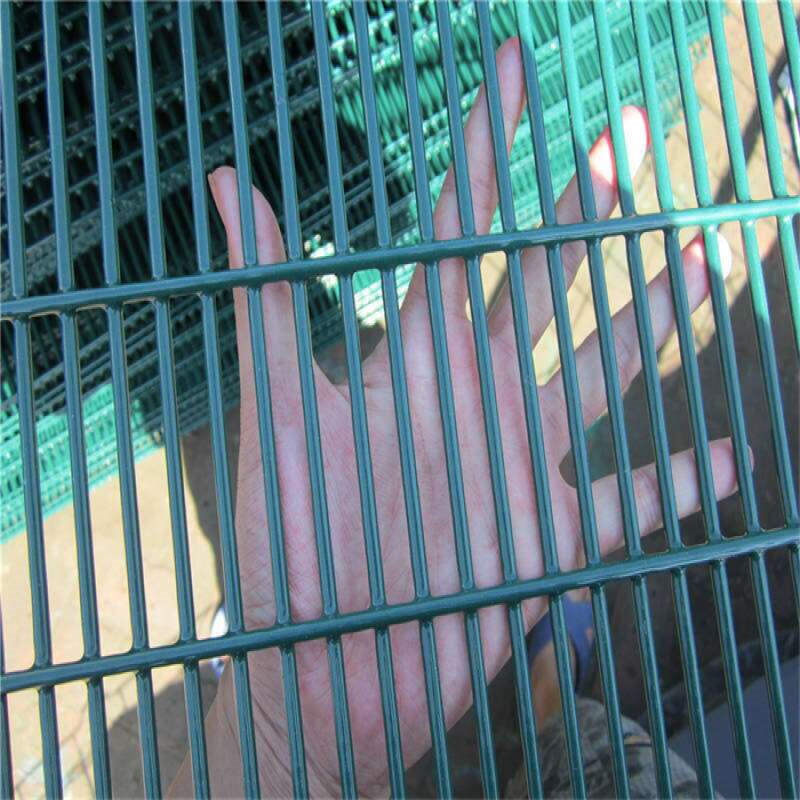
The performance of a pvc coated 358 anti climb fence starts with the tight aperture. The small openings reduce footholds and handholds, making climbing extremely difficult. The welded intersections create a rigid panel that behaves like a single structural unit, so impact force spreads across the mesh instead of concentrating in one weak point.
Why PVC Coating Matters on a Security Fence
PVC coating is not only about colour. A properly applied PVC powder coating creates an additional protective layer over the metal, improving corrosion resistance and reducing early surface wear from weather, cleaning, and daily contact. For high-visibility perimeters, PVC coating also helps maintain a consistent finish that supports a professional site image.
anti climb perimeter fence is a highly attractive, yet seriously secure fencing solution that is popular across a wide range of applications thanks to its excellent strength, erection simplicity, and intrusion resistant anti-climb properties. Proven in prison environments 358 anti-climb rigid mesh fencing is virtually impossible to climb, or break through. Talk to us today to see if 358 rigid mesh fencing is right for your property, and if your project needs a lighter-weight architectural option for certain zones, you can also view our aluminium hercules fence panels.


Specifications
Core Mesh & Coating Specs
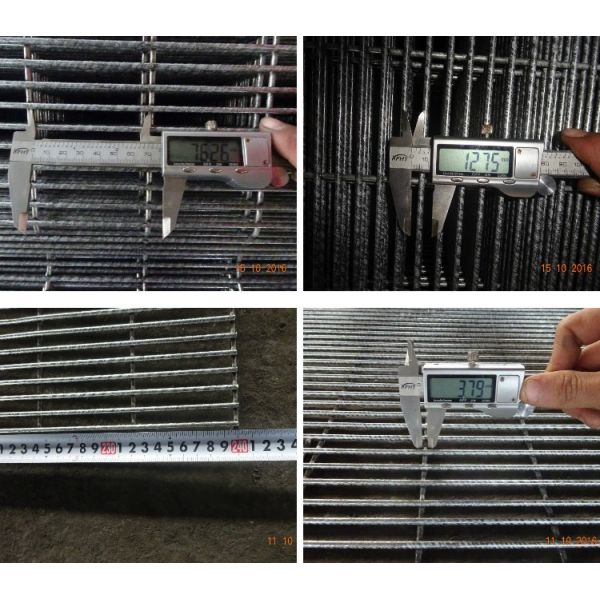
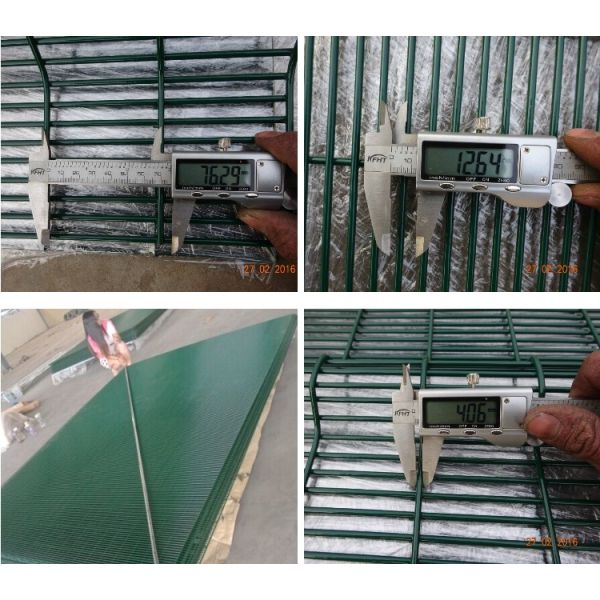
Mesh pattern: 76.2 mm (3″) × 12.7 mm (0.5″), resistance welded at each intersection.
Wire diameter: 3.00mm–4.00mm (horizontal and vertical).
Weld strength: 540–690 N/m².
Surface treatment: panels made from galfan wire, then PVC powder coating (min. 100 micron), or PVC powder painting.
Colours: Green RAL 6005, or Black RAL 9005.
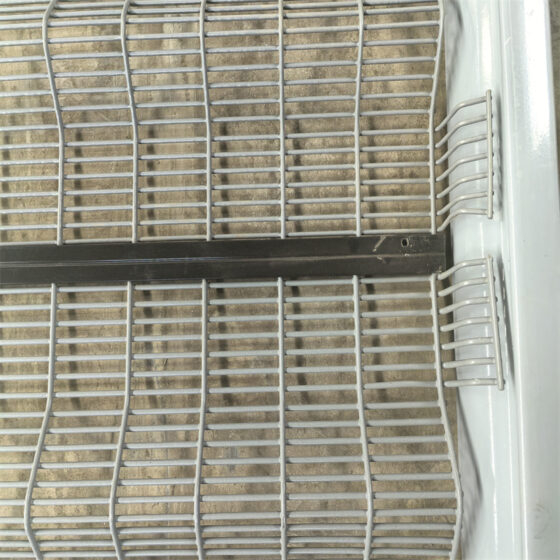
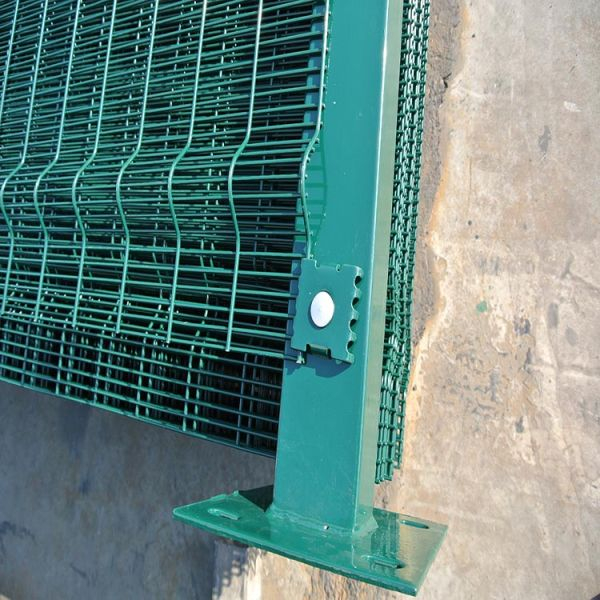
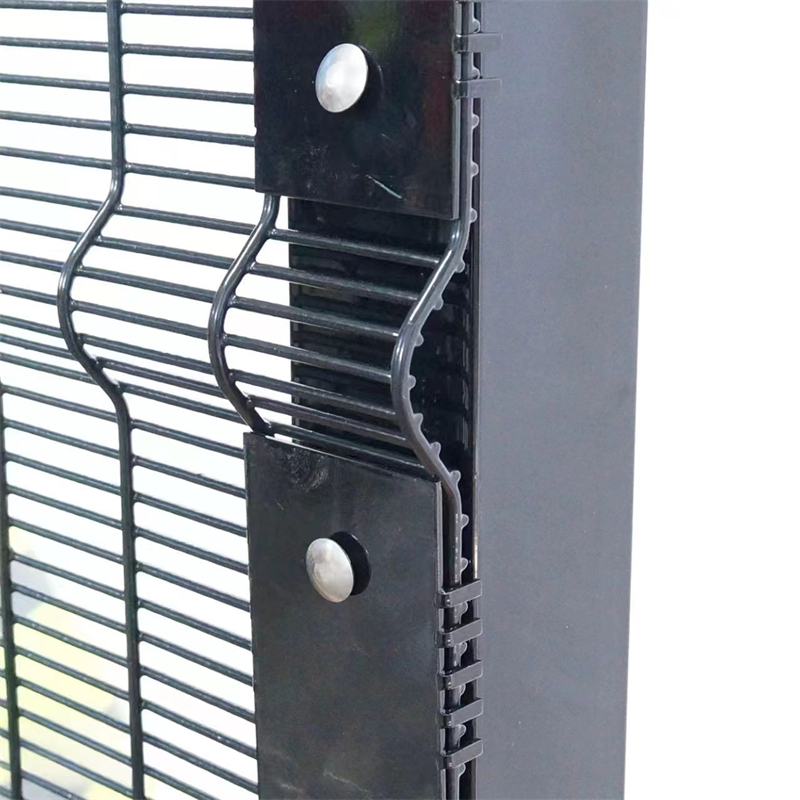
Installation: overlapped 75 mm minimum at each post, secured with slotted clamp bars and M8 diameter bolts.
Table – PVC Coated 358 Anti Climb Fence Panel System
| Fence Height (m) | Panel Size (H×W) | Mesh Opening | Wire Diameter | Post (H×Size×Thick) | Clamp Bar (H×W×Thick) | Inter / Corner Clamp No. (pcs) |
|---|---|---|---|---|---|---|
| 2.0 | 2007mm×2515mm | 3″×0.5″ (76.2mm×12.7mm) | 3.00mm–4.00mm | 2700×60×60×2.5mm | 2007mm×60×5.00mm | 7 / 14 |
| 2.4 | 2400mm×2515mm | 3″×0.5″ (76.2mm×12.7mm) | 3.00mm–4.00mm | 3100×60×60×2.5mm | 2400mm×60×5.00mm | 9 / 18 |
| 3.0 | 2997mm×2515mm | 3″×0.5″ (76.2mm×12.7mm) | 3.00mm–4.00mm | 3800×80×80×2.5mm | 2997mm×80×6.00mm | 11 / 22 |
| 3.3 | 3302mm×2515mm | 3″×0.5″ (76.2mm×12.7mm) | 3.00mm–4.00mm | 4200×80×80×2.5mm | 3302mm×80×6.00mm | 12 / 24 |
| 3.6 | 3607mm×2515mm | 3″×0.5″ (76.2mm×12.7mm) | 3.00mm–4.00mm | 4500×100×60×3.0mm | 3607mm×100×7.00mm | 13 / 26 |
| 3.6 | 3607mm×2515mm | 3″×0.5″ (76.2mm×12.7mm) | 3.00mm–4.00mm | 4500×100×100×3.0mm | 3607mm×100×7.00mm | 13 / 26 |
| 4.2 | 4204mm×2515mm | 3″×0.5″ (76.2mm×12.7mm) | 3.00mm–4.00mm | 5200×100×100×4.0mm | 4204mm×100×8.0mm | 15 / 30 |
| 4.5 | 4496mm×2515mm | 3″×0.5″ (76.2mm×12.7mm) | 3.00mm–4.00mm | 5500×100×100×5.0mm | 4496mm×100×8.00mm | 16 / 32 |
| 5.2 | 5207mm×2515mm | 3″×0.5″ (76.2mm×12.7mm) | 3.00mm–4.00mm | 6200×120×120×5.0mm | 5207mm×100×8.00mm | 18 / 36 |
 |  |
 | 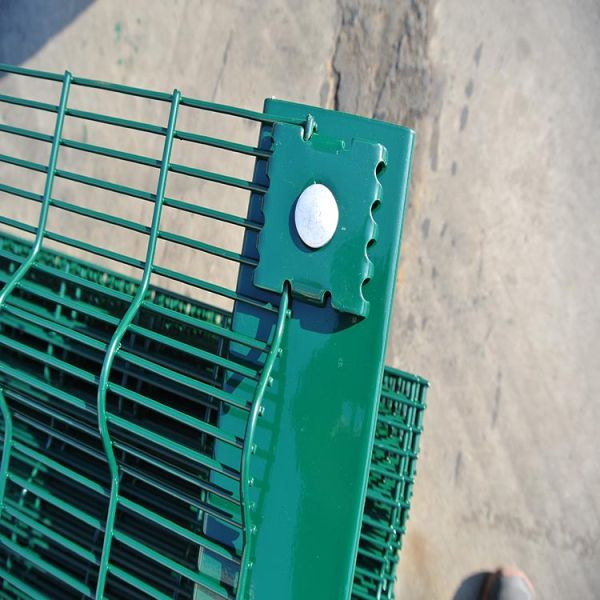 |
For a pvc coated 358 anti climb fence, installation discipline is what turns strong panels into a truly secure perimeter. Overlap the panel a minimum of 75mm at each post, align mesh lines so the seam reads straight, and tighten clamp bars evenly so the panel sits flat without twisting. Use slotted clamp bars and M8 bolts to lock the mesh securely against the post and reduce seam movement under pressure, and if you also need matching site-control hardware for access points you can reference Q195 steel options commonly used across temporary barrier components.
Process
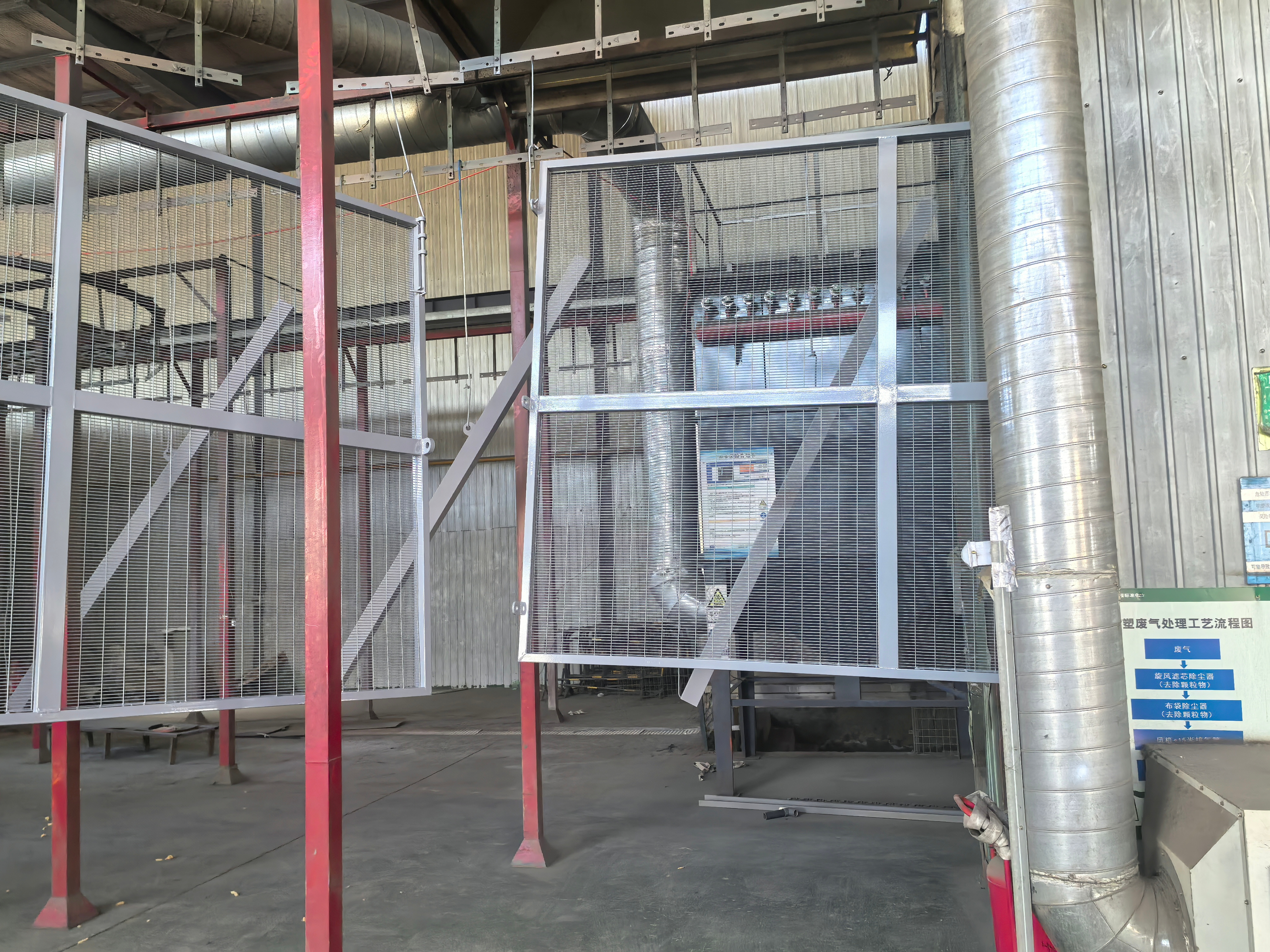
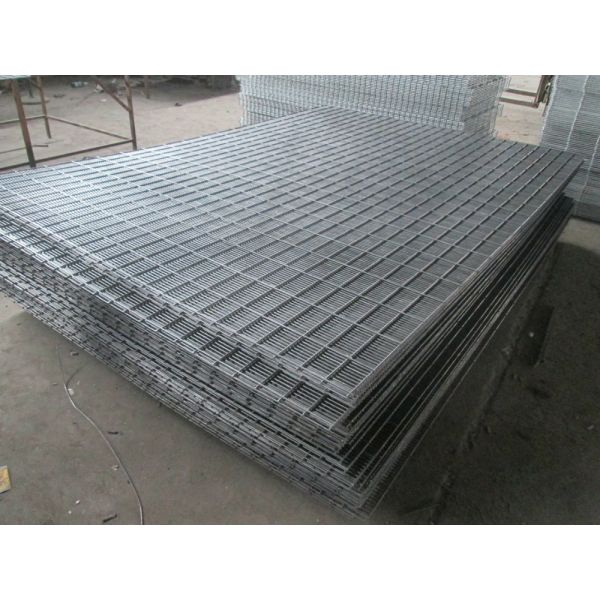
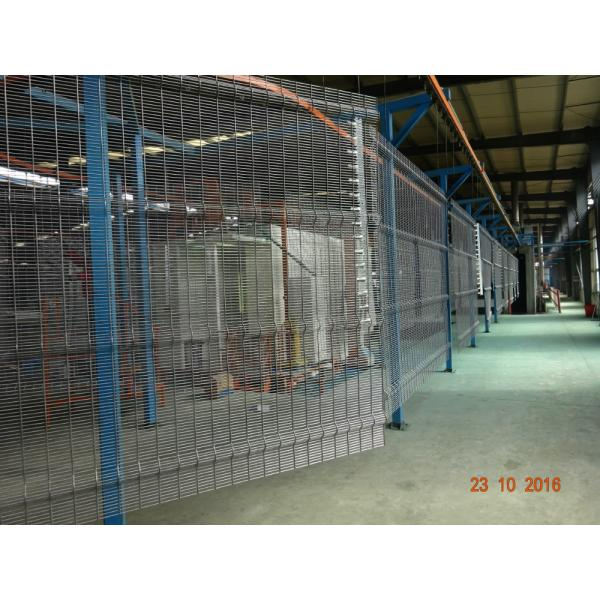
1.We use the most advanced full-automatic welding machine, after welding, the panel surface will be flat and high tensile strength .
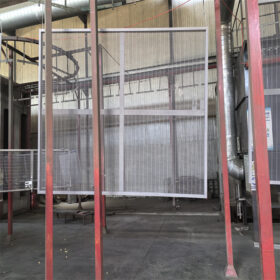
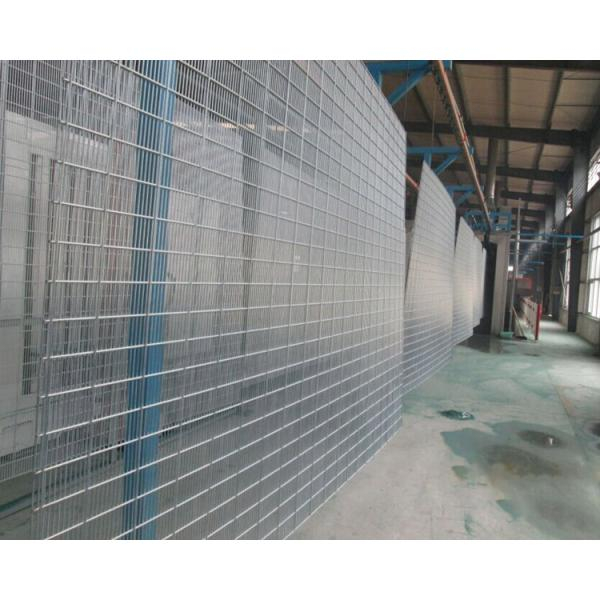
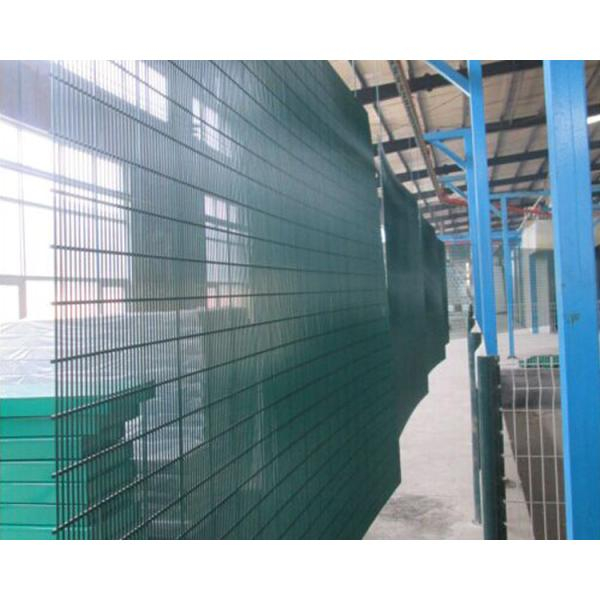
2.The famous Akzo Noble powder makes the surface more beautiful and prolong the outdoor service life at least 15 years.
Flat Panel
Flat Panel
 |  |
 |  |
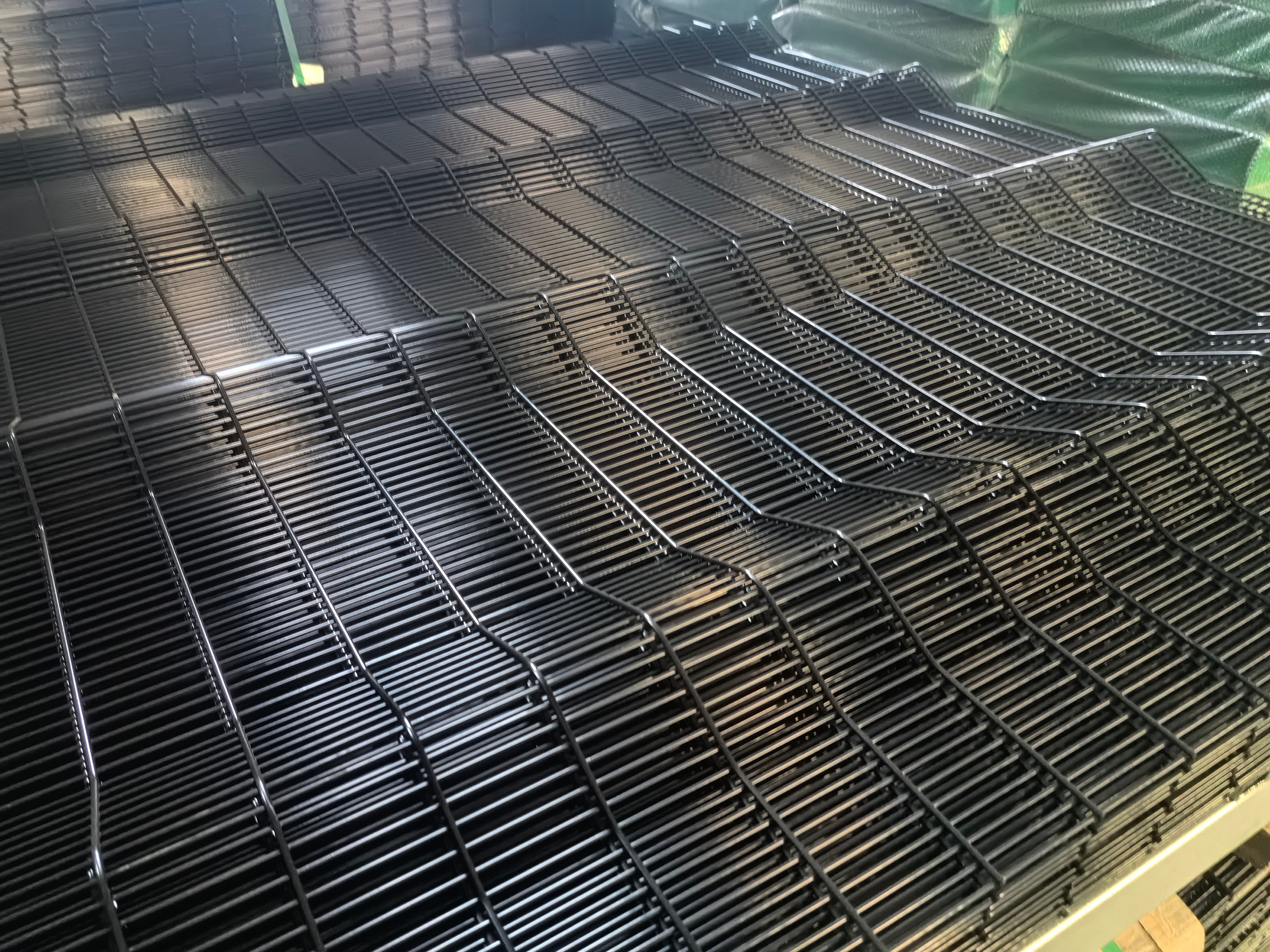
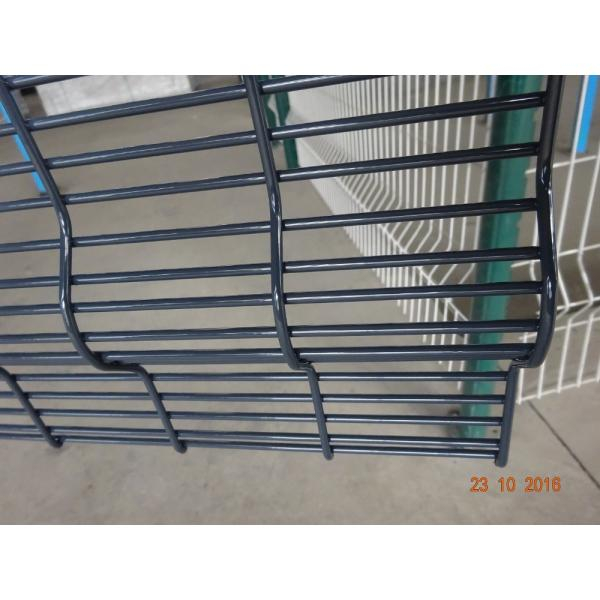
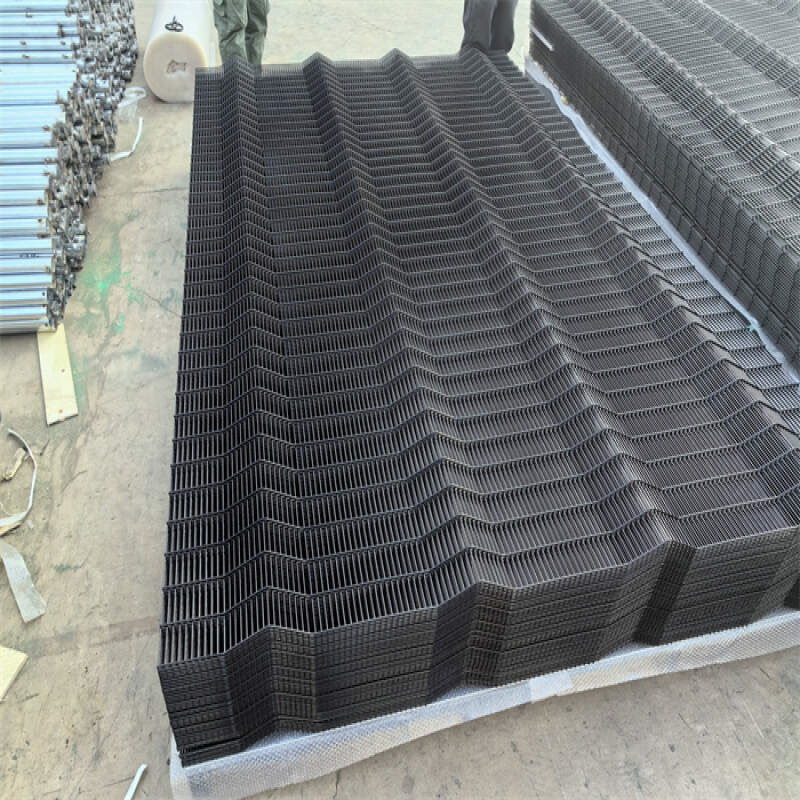
V-Bend Panel
V-Bend Panel
 |  |
 |  |
Quality Control
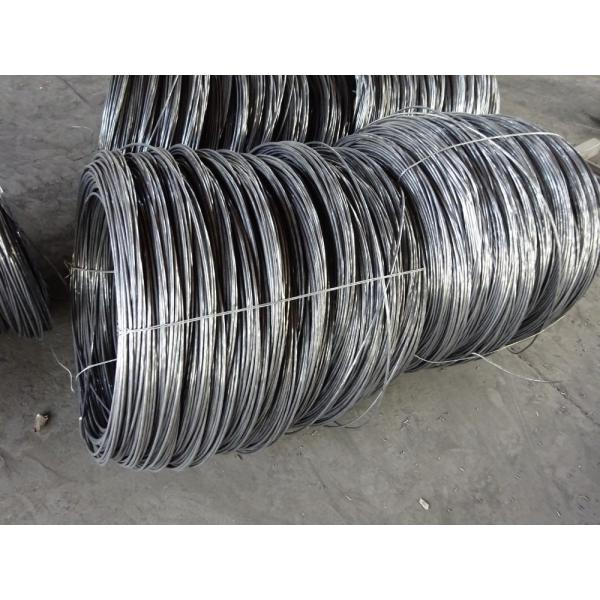
our 3 times strict quality control from material to the finished to guarantee high quality of your order from every procedure.
 |  |
 |  |
Packing & Delivery
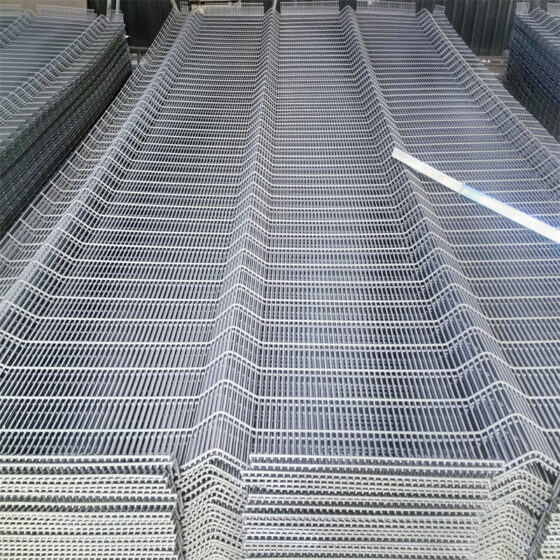
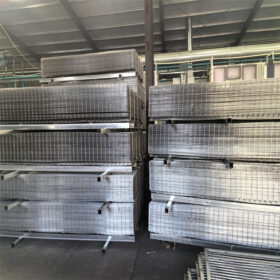
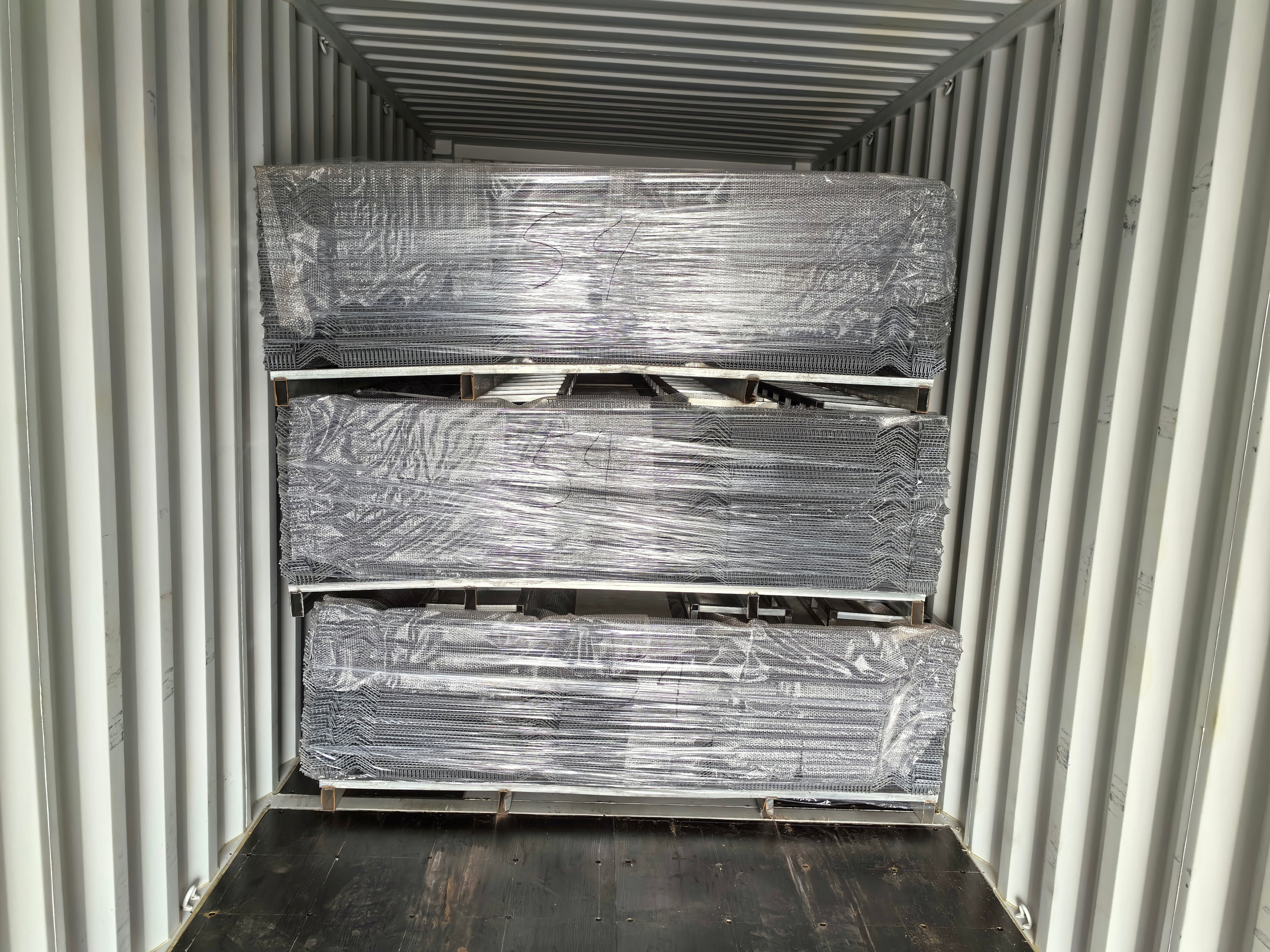
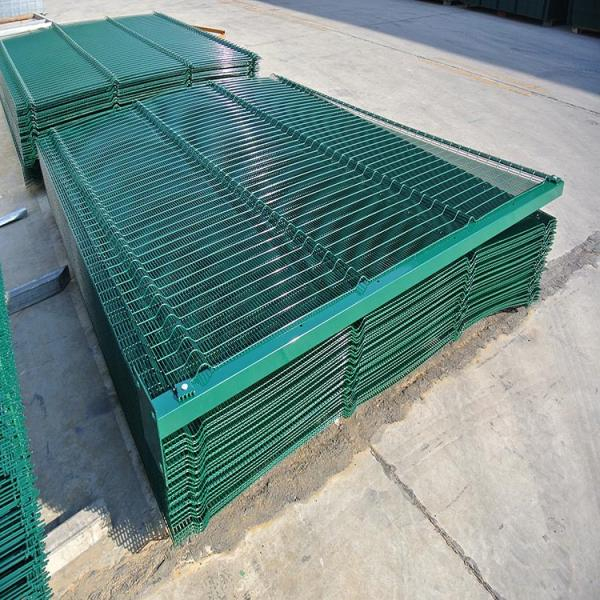
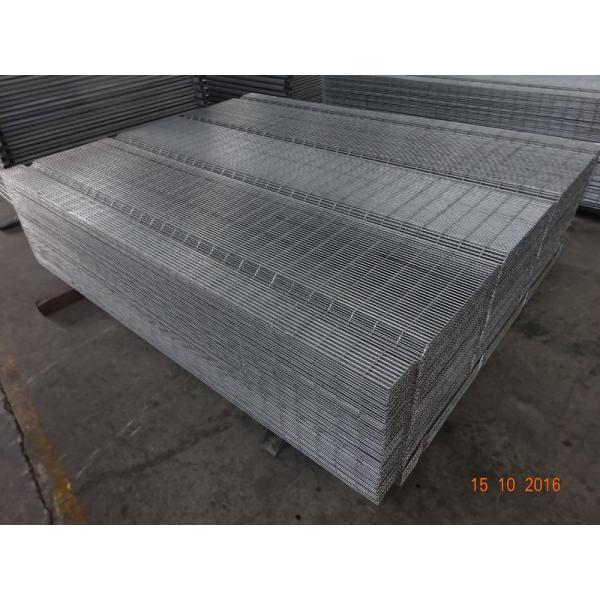
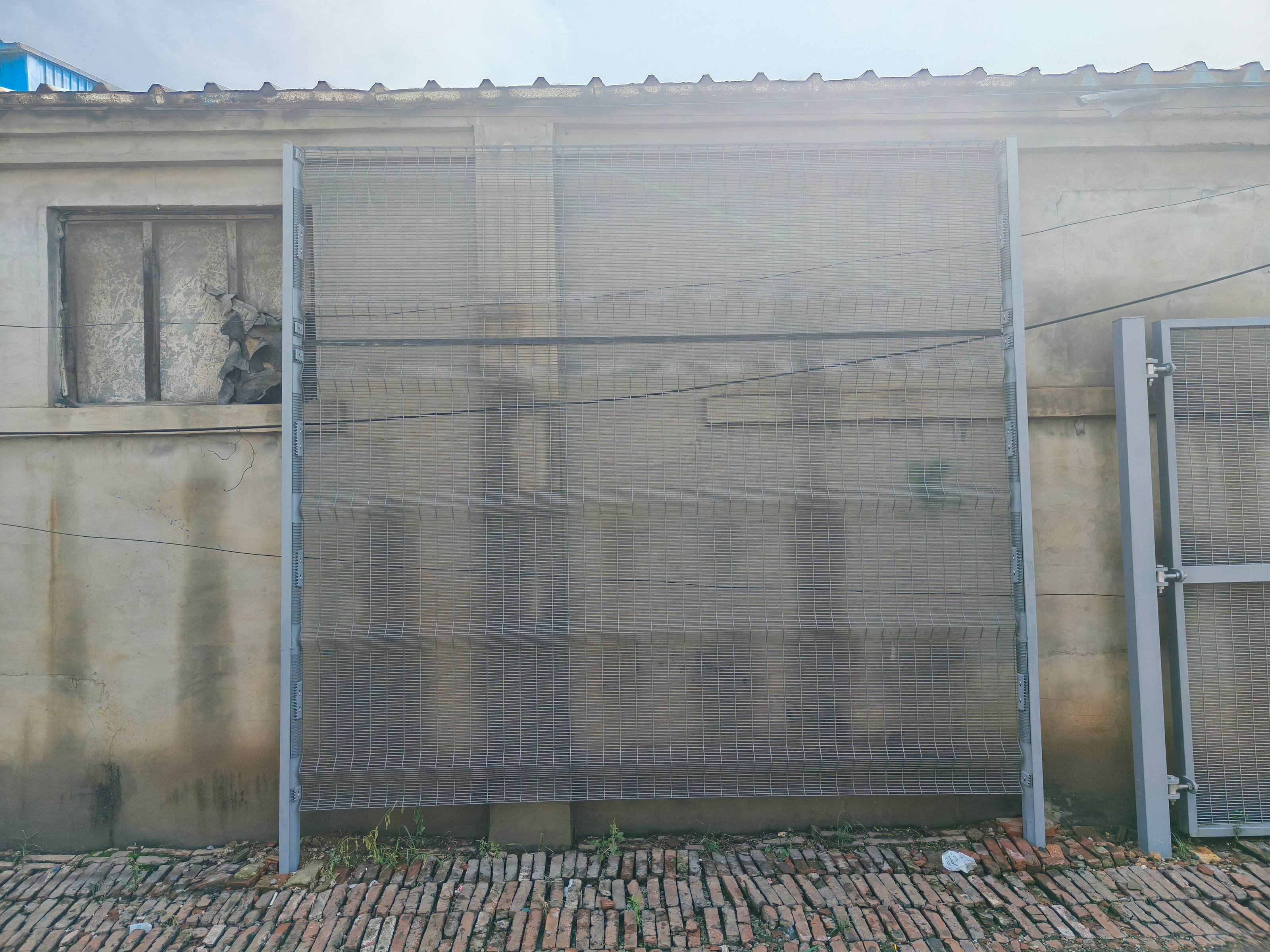
A pvc coated 358 anti climb fence ships best when panels are stacked flat, separated to protect the coating, and secured for forklift handling. Posts and clamp bars should be packed by size and length group to avoid mixed bundles that slow installation and cause site mistakes.
Applications
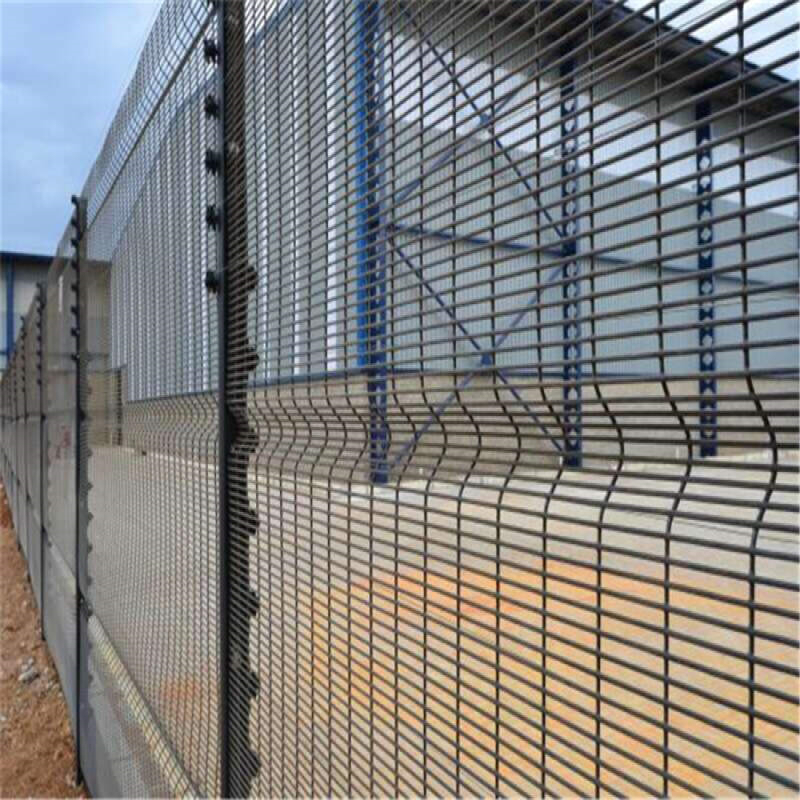
A pvc coated 358 anti climb fence is widely used where a site needs strong intrusion resistance, controlled access, and a professional appearance. Typical applications include prisons and detention facilities, factories, logistics yards, warehouses, utilities, rail corridors, airports, data centres, schools, government sites, and any boundary where anti-climb performance is a priority.


Benefits
The biggest advantage of a pvc coated 358 anti climb fence is deterrence through engineering. Tight mesh openings reduce climbing opportunities, welded intersections increase rigidity, and the clamp bar fixing method helps keep panels stable across long runs. PVC coating improves finish durability, supports consistent site aesthetics, and extends surface protection in harsh outdoor environments.
Standards & Documentation
For security perimeters, projects commonly require a clear specification record covering mesh opening, wire diameter, coating type and thickness, clamp system, and post schedule. A strong documentation package protects the project from procurement mistakes that can cause misalignment, weak fixing, and visible “patched” fence lines.


Top 22 “Don’t Get Burned” Items for PVC Coated 358 Anti Climb Fence
Each heading below replaces “secret” with one of your required words. #17 is intentionally written as the most expensive mistake.
Trap #1: Ordering the wrong mesh opening and quietly losing anti-climb performance
Once the aperture changes, the fence may still look similar, but the security behavior changes fast.
Risk #2: Choosing wire diameter without matching the site threat level
Small changes in wire diameter can change stiffness, impact response, and cutting resistance.
Warning #3: Skipping clamp bar thickness and creating a “loose panel” perimeter
Clamp bars that are too light can allow movement at seams and corners.
Detail #4: Overlap mistakes that create visible weak seams
If the overlap is inconsistent, seams become the first place the fence looks “defeated.”
Fact #5: Post thickness is the real backbone of tall fence runs
High panels rely on correct post size and wall thickness to stay straight under load.
Problem #6: Under-specifying corner clamp quantities and losing the line
Corners concentrate stress; missing clamps is where movement starts first.
Pitfall #7: Mixing post types without a clean layout plan
When posts change mid-run, the perimeter quickly looks repaired rather than engineered.
Fault #8: Coating thickness inconsistency that causes early surface failure
Thin coating at edges and weld points is where corrosion and peeling can begin.
Hazard #9: Poor handling that scratches PVC coating at delivery
Scratches become corrosion initiation points and cosmetic defects on day one.
Tip #10: Bundling panels without separation protection and crushing the finish
Panel-to-panel rubbing can damage the coating and create visible marks.
Insight #11: Wrong clamp bar width that reduces contact pressure
Less contact area means less grip, and less grip means easier movement at the post.
Rule #12: Keep the mesh lines aligned for a “straight run” visual
Misaligned mesh lines make a premium fence look like a patch job.
Checklist #13: Confirm post height schedule before digging holes
Short posts force shallow embedment, and shallow embedment causes early movement.
Trend #14: High-security sites now demand cleaner architectural perimeters
PVC coated 358 panels deliver security while still looking professional for public areas.
Defect #15: Weld inconsistency that creates soft spots
Weak weld intersections can become bend points under impact or tampering.
Downside #16: Ordering tall panels without upgrading posts and clamp bars
Height increases leverage; the fixing system must scale with it.
Loss #17: Paying for 358 security, but creating an attack seam at every post
If overlap, clamp bars, and bolt schedules are wrong, the perimeter develops predictable weak points—seams that can be targeted. The cost hits twice: replacement materials and the disruption of rework on a live site.
Damage #18: Wrong bolt grade or missing washers that loosen over time
Loose bolts create movement, and movement creates noise, gaps, and visible instability.
Loophole #19: Forgetting gate and return transitions
Most intrusions target transitions, not the easy middle sections.
Myth #20: Thinking “PVC coating” means any coating is fine
Coating performance depends on prep, thickness, and curing discipline, not the label.
Danger #21: Installing without line control and ending with a crooked perimeter
If posts drift, every panel seam broadcasts the error all the way down the run.
Boost #22: A clean spec sheet is the fastest way to get a perfect perimeter
When mesh, posts, clamp bars, and bolt schedules are locked, the fence installs faster and looks premium.
FAQs
What is the mesh opening of a PVC coated 358 anti climb fence?
3″ × 0.5″ (76.2mm × 12.7mm).
What wire diameters are used?
3.00mm–4.00mm for both horizontal and vertical wire options in the specification table.
What coating system is used on POLYMETAL PVC coated 358 anti climb fence?
Galfan wire base, then PVC powder coating (minimum 100 micron) or PVC powder painting; Akzo Nobel powder is also used to enhance outdoor service life and appearance.
What colours are available?
Green RAL 6005 or Black RAL 9005.
How is the fence fixed to posts?
Panels overlap at least 75mm at each post and are secured with slotted clamp bars and M8 bolts.