Your One-Stop Wire Mesh Fence Supplier | POLYMETAL
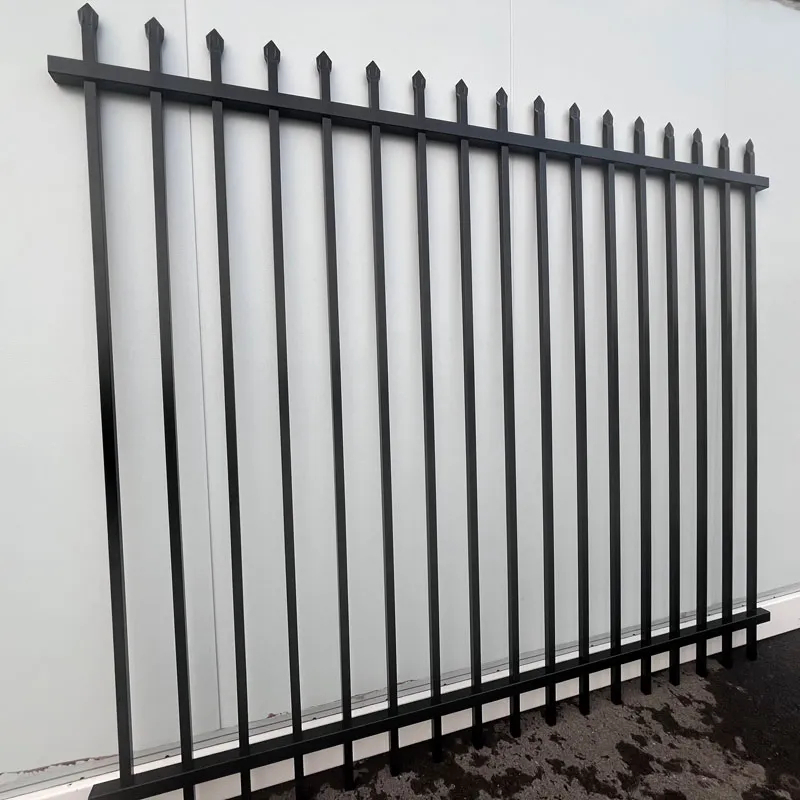
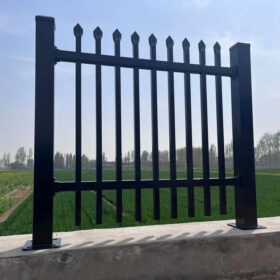
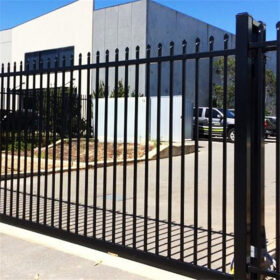
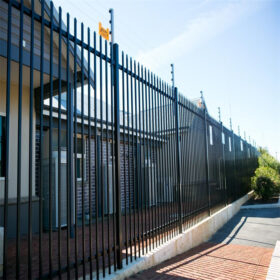
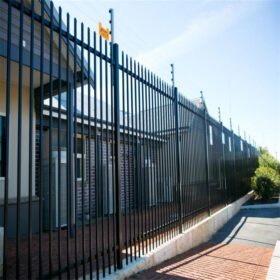
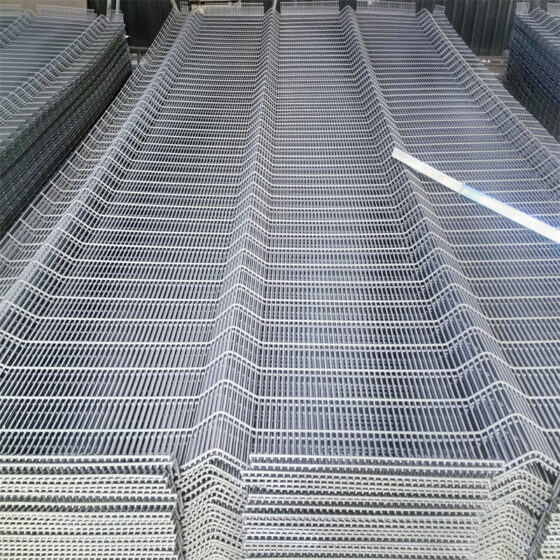
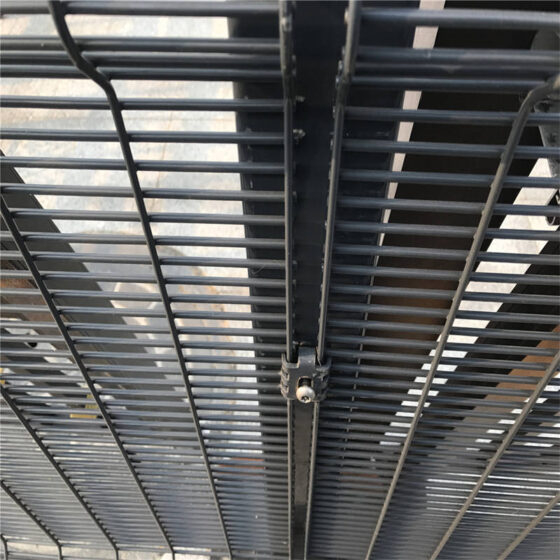
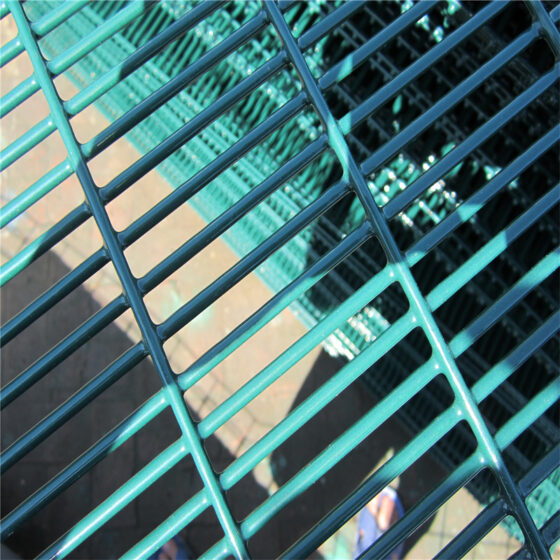
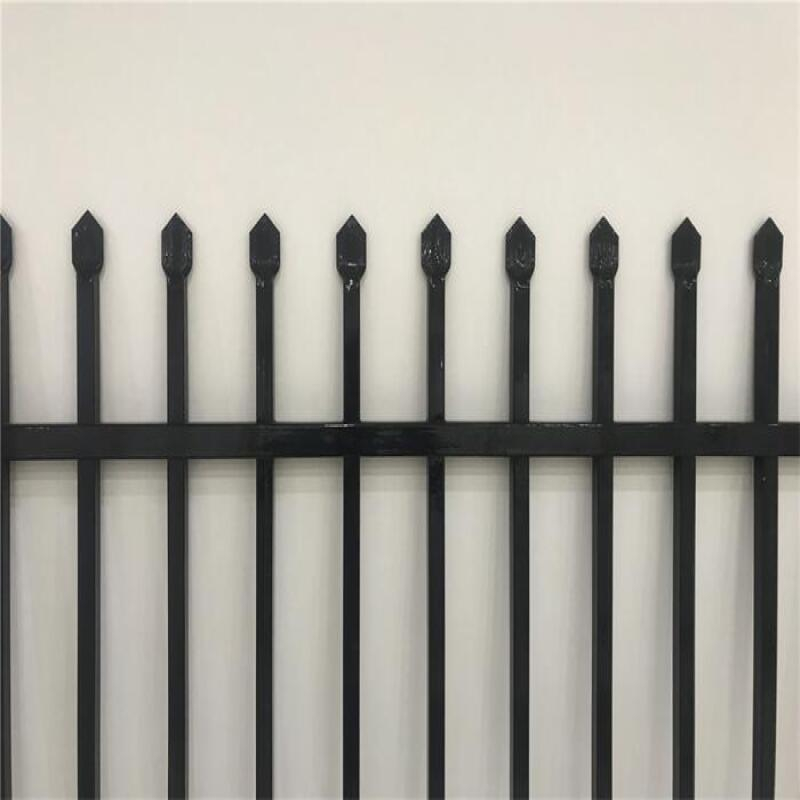
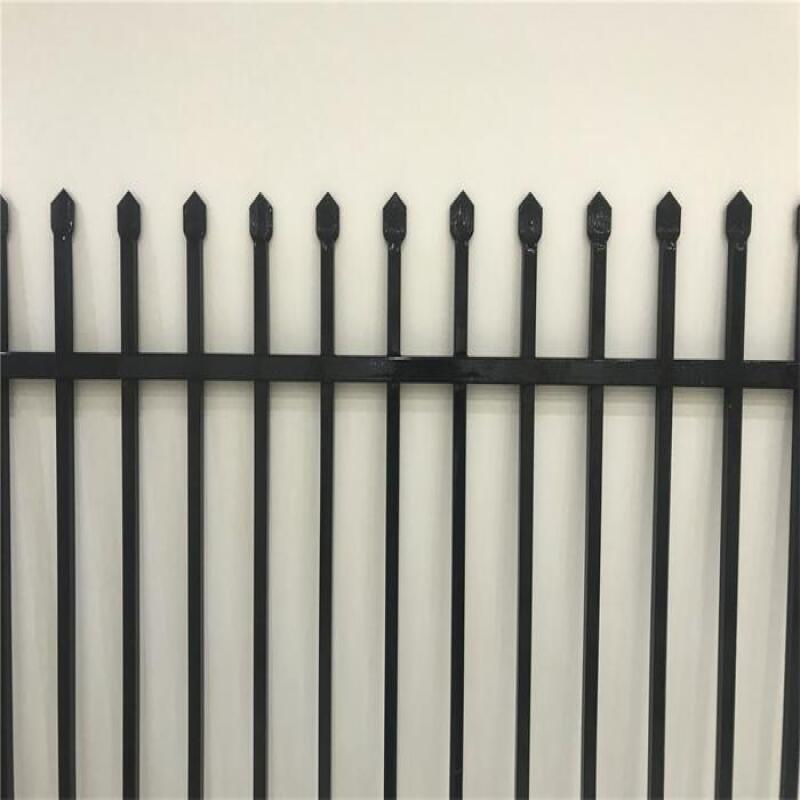
PVC coated 358 security fence (also called powder coated galvanized prison mesh fence) is a heavy welded mesh panel system designed for the highest degree of perimeter security with a discreet visual impact. The “finger and toe proof” mesh profile combines anti-climb and anti-cut performance with excellent through visibility and strong resistance to vandalism.
The rigidity of the panels is reinforced by “V” beams spanning horizontally between the posts, and the small mesh apertures with heavy gauge wires create long delay times for anyone attempting to cut through using simple hand tools.
The hidden problem is that many 358 systems look identical in photos but behave very differently after installation.
If coating adhesion, weld integrity, post selection, and packing protection are not controlled, the fence fails quietly: coating chips at rub points, rust begins at cut edges, clamps loosen under vibration, and panels start looking “repaired” at corners and gate lines.
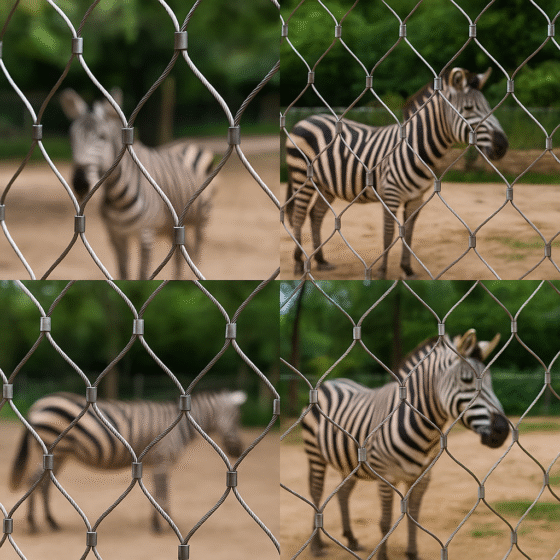
POLYMETAL manufactures PVC coated 358 security fence components as repeatable modules—panel, post, clamp system, coating, and packing—so the perimeter behaves as one engineered system rather than a collection of parts—while for projects that also require dedicated animal exhibit containment solutions, zebra enclosure mesh for sale and stainless steel peacock rope mesh can be specified to complement secure perimeter planning in specialty zones.
Where PVC Coated 358 Security Fence Is Used
High security fencing systems are growing rapidly because defendable space matters.
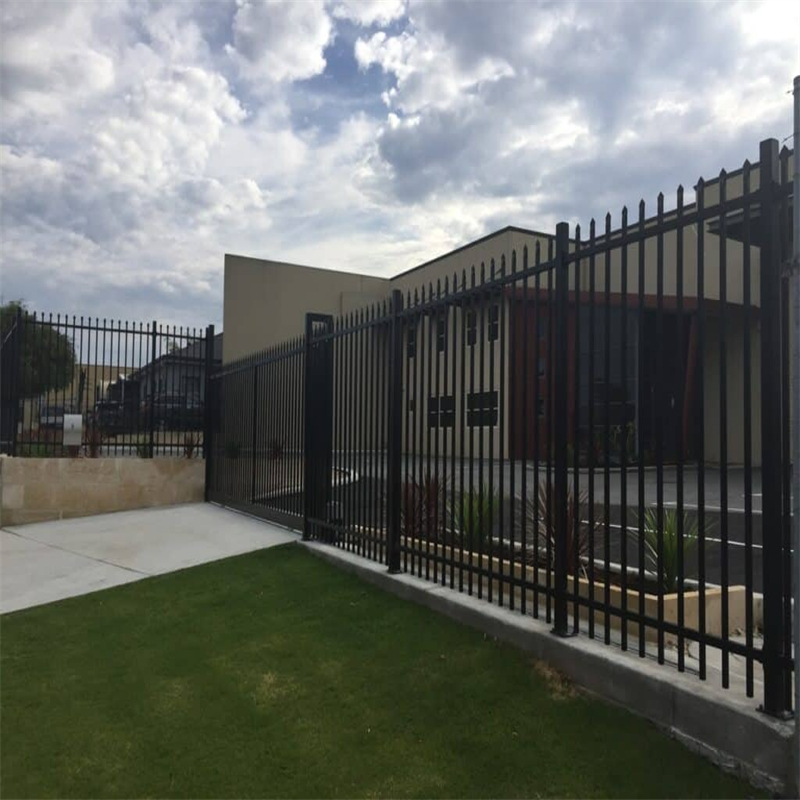
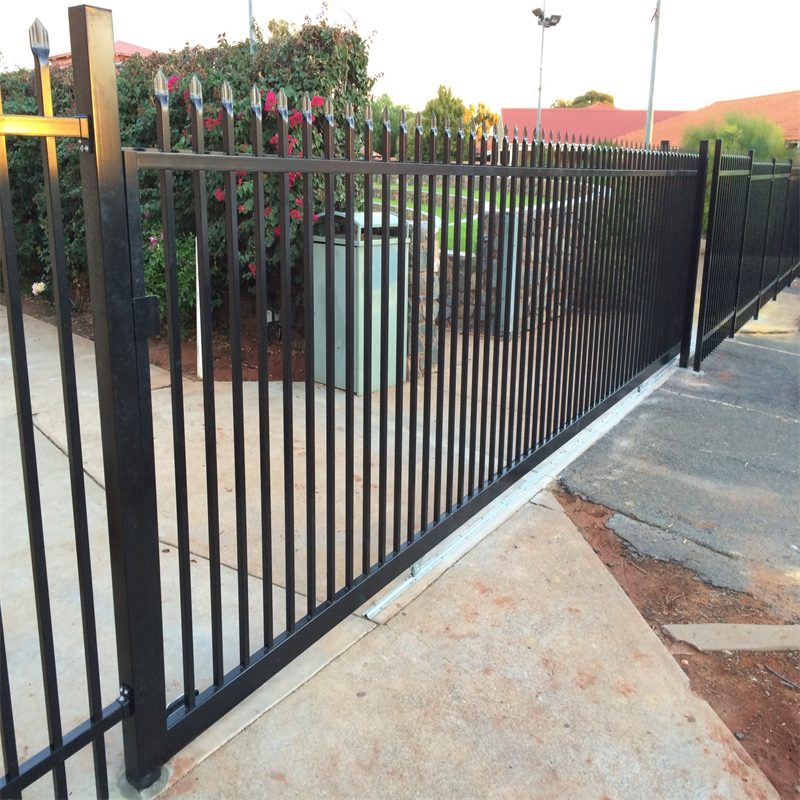
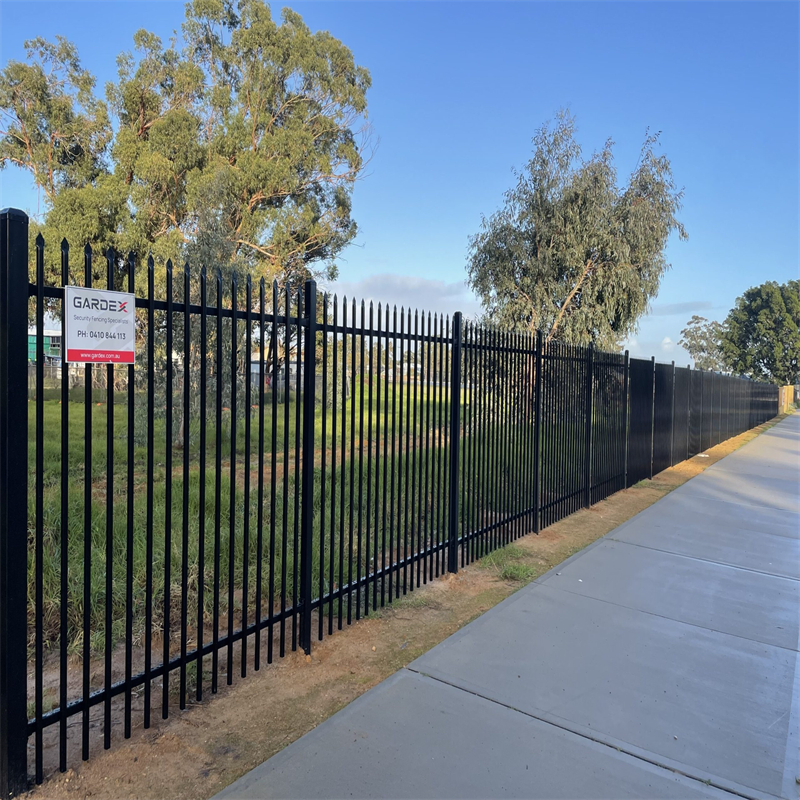
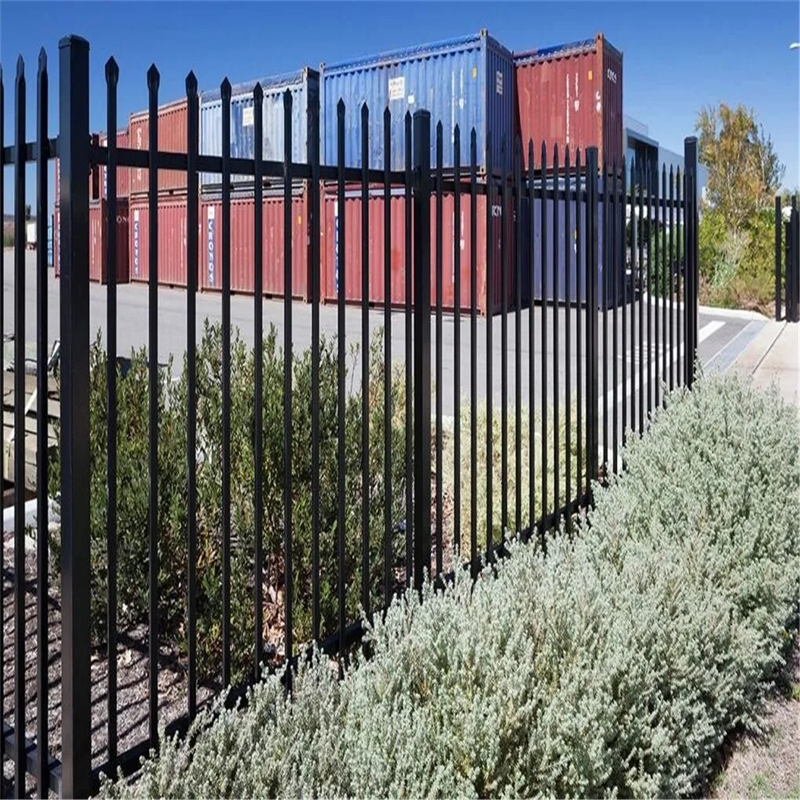
PVC coated 358 security fence is widely installed for prisons and detention facilities, courts, military zones, airports, rail corridors, substations, warehouses, ports, industrial yards, data centers, and commercial sites where intrusion delay and clear visibility are required together.
It is also chosen where anti-vandal performance and a discreet architectural look are important.
Why Buyers Choose PVC Coated 358 Security Fence
The main reason is measurable intrusion resistance. The small aperture makes it extremely difficult to get fingers and toes through for climbing leverage, while dense welded intersections resist pushing, prying, and vibration.
The high visibility improves supervision and camera coverage without compromising security.
When a proper coating system is used—galvanized wire substrate plus adhesion layer plus polyester/PVC coating—lifecycle cost drops because corrosion resistance is stronger and appearance holds longer under real outdoor exposure.
Top 20 High-Risk Buyer Traps for PVC Coated 358 Security Fence Orders
Each problem below looks “small” on a quotation, but becomes expensive once posts are set and schedules are locked. Pay special attention to #12, because that is where most long-term losses occur.
Trap #1: Ordering PVC coated 358 security fence without locking the mesh pattern
358 systems use small apertures such as 76.2×12.7mm, but some orders shift to other openings like 12.7×50.8mm or 12.7×76.2mm without clear control. If the aperture is not locked, security and “finger proof” performance changes.
Trap #2: Wire diameter downgraded to cut cost
Wire diameter options like 3.25mm and 4.0mm behave very differently under attack and vibration. Thinner wire reduces cut resistance and makes panels flex more under load.
Trap #3: V-beam number and depth not specified
V-beams reinforce rigidity. If V-beam details are not locked, panels can arrive weaker and easier to deform during handling or under push loads.
Trap #4: Weld quality not defined (then failure appears months later)
Weld strength should reach a high portion of wire tensile strength. Poor weld penetration leads to crack points under vibration and repeated impacts.
Trap #5: Tensile performance assumed, not specified
Tensile range 540–690 N/m² is common for high tensile wire, but if not controlled the delivered wire can be softer and easier to attack.
Trap #6: Coating thickness promised but not measured
Claims like polyester coating min. 100 microns only matter if the build is measured and consistent. Thin coating cracks sooner and shows rust at rub zones.
Trap #7: Adhesion layer skipped (PVC peels at stressed zones)
The adhesion coating is critical for bonding polyester/PVC to the galvanized wire. Without it, coatings peel at intersections and clamp contact points.
Trap #8: Galvanized substrate too light for long life
Panels made out of galvanized wires (minimum 40 g/m²) can work in mild conditions, but heavy exposure needs stronger corrosion strategy. If the zinc is too light, rust begins earlier at weld heat zones and cut points.
Trap #9: Post system chosen without matching panel height
Intermediate and corner posts must match fence height and site wind exposure. Under-spec posts rotate and throw the panel line out of alignment.
Trap #10: Corner posts not upgraded
Corner posts take higher tension and impact. If corner posts are not stronger than intermediate posts, misalignment appears first at corners—exactly where clients look.
Trap #11: Clamp system treated as “standard”
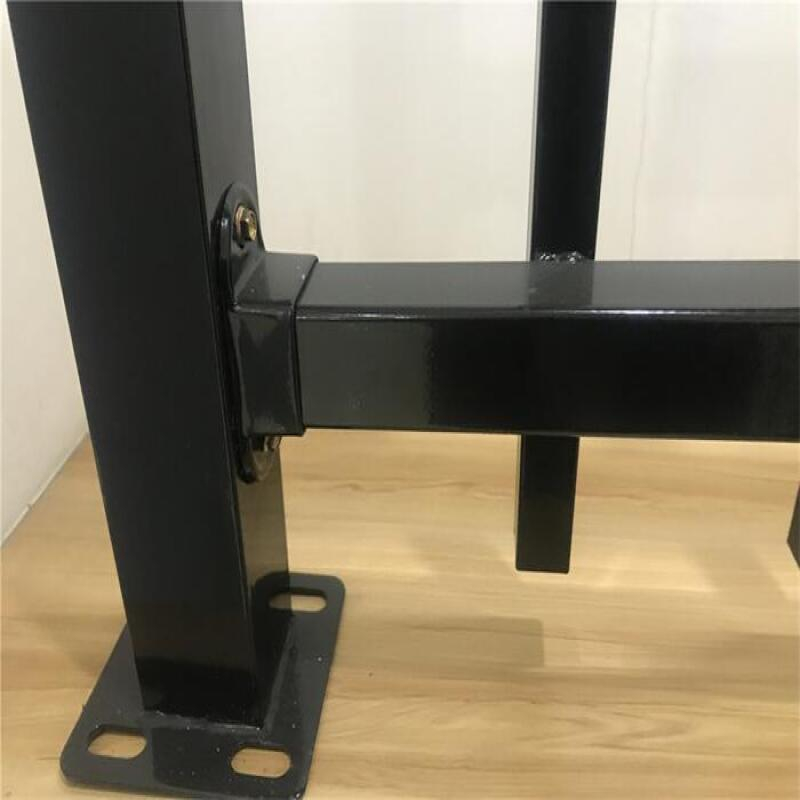
Clamp count and clamp bar stiffness control how the panel resists prying and vibration. Underspecified clamps loosen and create security gaps at posts.
Trap #12: Edge damage during packing and transit (BIGGEST LOSS)
This is where the biggest long-term losses occur. Even a strong PVC coated 358 security fence becomes a replacement problem if packing allows rub damage at panel edges, V-beams, and corners. Rub marks break the coating at the exact micro-zones that stay wet and stressed. Rust then migrates under the coating and spreads—especially painful when posts are already installed and the site schedule is locked.
Trap #13: Panel overlap not planned (creates weak points)
If installation overlap rules are ignored, gaps form at post lines. Those gaps become pry zones and climb aids.
Trap #14: Post length not matched to embedment requirement
Short posts reduce stability. Proper post length must account for panel height plus embedment depth to resist wind leverage.
Trap #15: Wrong post coating system
Posts should be polyester powder coated with galvanized substrate (often referenced to Euro norm 10147). If posts are coated poorly, corrosion appears first at ground line and clamp contact points.
Trap #16: Wrong color system or inconsistent batch
Standard colors are Green RAL6005 and Black RAL9005. Mixed batches or incorrect RAL matching makes the fence look patched across long runs.
Trap #17: Not defining inspection before shipment
A proper order requires geometry checks, weld checks, coating thickness checks, and packing inspection so defects don’t arrive on site.
Trap #18: Accessories missing or uncounted
Missing clamps, bolts, or caps stop installation immediately and cause schedule penalties.
Trap #19: Confusing electric galvanizing with hot-dip galvanizing
Electric galvanizing and hot-dip galvanizing have different performance. If the coating route is not locked, corrosion life can drop dramatically.
Trap #20: Special specs requested but drawings not confirmed
Special specifications can be produced, but fixtures and drawings must be confirmed. Without this, “custom” becomes “guess.”
powder coated galvanized prison mesh fence1. Materials: Heavy Low Carbon Wire, Heavy Mild Steel Wire, Stainless Steel Wire
2. Wire Dia.3.25mm,4mm
3. Openings: 12.7×50.8mm,12.7×76.2mm
4. Fence Height:1800,2000,2400,3000,4000,5200mm
5. surface treatment:include electric galvanizing, hot-dipp galvanizing, powder coating.
6. Posts:we could supply you various gauge and shape.
7. Colours:Standard colours are Green RAL6005 and Black RAL9005.Other colours also welcomed to custom
Mesh Fence pattern:
76.2mm (3″) x 12.7mm (0.5″) x 4mm(8 gauge)welded at each intersection
76.2mm—Mesh size on horizontal direction
12.7mm—Mesh size on vertical direction
4.0mm—Wire diameter on both sideWeld strength: 75% of the minimum tensile strength of the wire
Tensile range 540-690 N/m²
Security Fencing Post System:
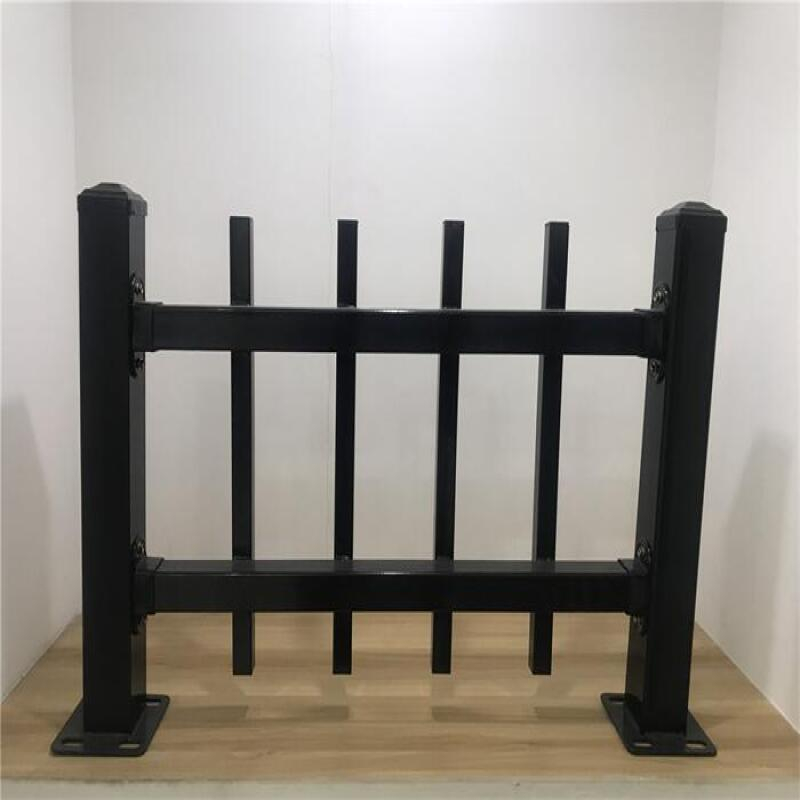
80x60x2.5mm RHS intermediate posts
80x80x3mm RHS corner postsCoating technique
Panels made out of galvanised wires (min. 40 g/m²). An adhesion coating is given for a perfect adhesion with polyester coating (min. 100 micron)
The posts are polyester powder coated with a galvanised substrate in the accordance with Euro norm 10147 (min. 60 micron)
Specifications Table: PVC Coated 358 Security Fence (System Examples)
| Wire Diameter | Mesh Size | Height X Length | Post Size | Post Length | Clamp |
| 4mm | 76.2×12.7mm | 2000x2500mm | 60x60x2.5mm | 2700mm | 7 |
| 4mm | 76.2×12.7mm | 2900x2500mm | 80x80x2.5mm | 3600mm | 10 |
| 4mm | 76.2×12.7mm | 3000x2500mm | 80x80x2.5mm | 3800mm | 10 |
| 4mm | 76.2×12.7mm | 3600x2500mm | 80x80x3mm | 4500mm | 12 |
| 4mm | 76.2×12.7mm | 4000x2500mm | 100x100x3mm | 5000mm | 13 |
Applications
PVC coated 358 security fence is used for prisons, courts, military areas, airports, rail corridors, substations, solar farms, warehouses, ports, industrial yards, critical infrastructure, data centers, and commercial sites where intrusion delay and visibility are required together.
Benefits
A PVC coated 358 security fence provides anti-climb performance with finger-proof apertures, strong anti-cut resistance using heavy welded wire, and excellent visibility for supervision and camera coverage. V-beam reinforcement improves rigidity, while a proper galvanized + adhesion + polyester/PVC coating system increases corrosion resistance and keeps a discreet, professional finish. When posts, clamps, and packing protection are specified correctly, the system maintains straightness and security performance over long-term outdoor exposure.
Packing
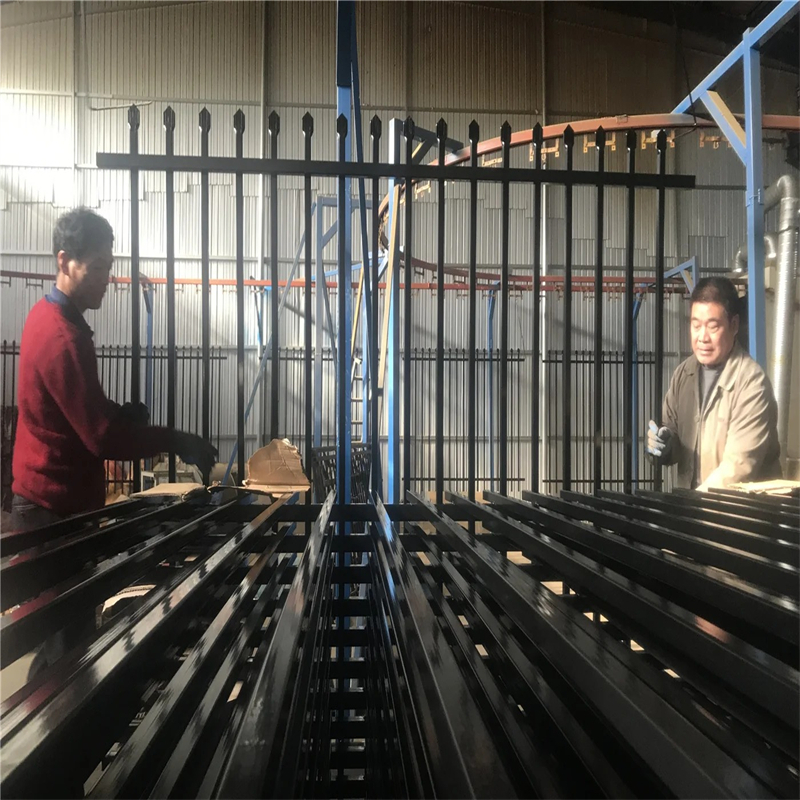
Panels are wrapped with waterproof paper and supplied on metal or wood pallets, then protected with plastic film according to customer requirements. POLYMETAL packs panels with separation protection to reduce rubbing at edges and V-beams, because transit rub damage is one of the fastest causes of coating failure and early rust. Posts are packed separately by size and length, and accessories are supplied in counted cartons to prevent site delays caused by missing clamps and bolts.
Standards and FAQs
Quality Standard
All products go through multiple checks during production and must pass strict inspection before shipment. Quality control verifies panel geometry, weld integrity, wire diameter compliance, coating thickness consistency, post matching, clamp count, and packing protection so the delivered PVC coated 358 security fence installs cleanly and performs long-term—supporting smoother site work when following garrison fence installation instructions.
FAQ
Q1: Your price is too high, could you give me some discounts?
A: If you take the quality into account, you will find our price is reasonable. If your order is big enough, we will give you some discounts, such as 5% discount. In order to establish long-term trade relations, we are willing to make a concession and give you a 5% discount.
Q2: What kind of quality control do you have?
A: All products go through multiple checks during the production process and must pass strict inspection before they go out. Besides, we set up our quality control department.
Q3: What’s your terms of packaging?
A: Wrapped with waterproof paper, with metal or wood pallet, standard pallet and plastic film, or according to customers’ requirement.
Q4. Do you test all your goods before delivery?
A: Yes, we have 100% test before delivery.
Q5. Can you produce according to the samples?
A: Yes, we can produce by your samples or technical drawings. We can build the molds and fixtures.
Speical specifications can be produced as your requirements. If you are interested in POLYMETAL PVC coated 358 security fence, please don’t hesitate to contact us.