Your One-Stop Wire Mesh Fence Supplier | POLYMETAL
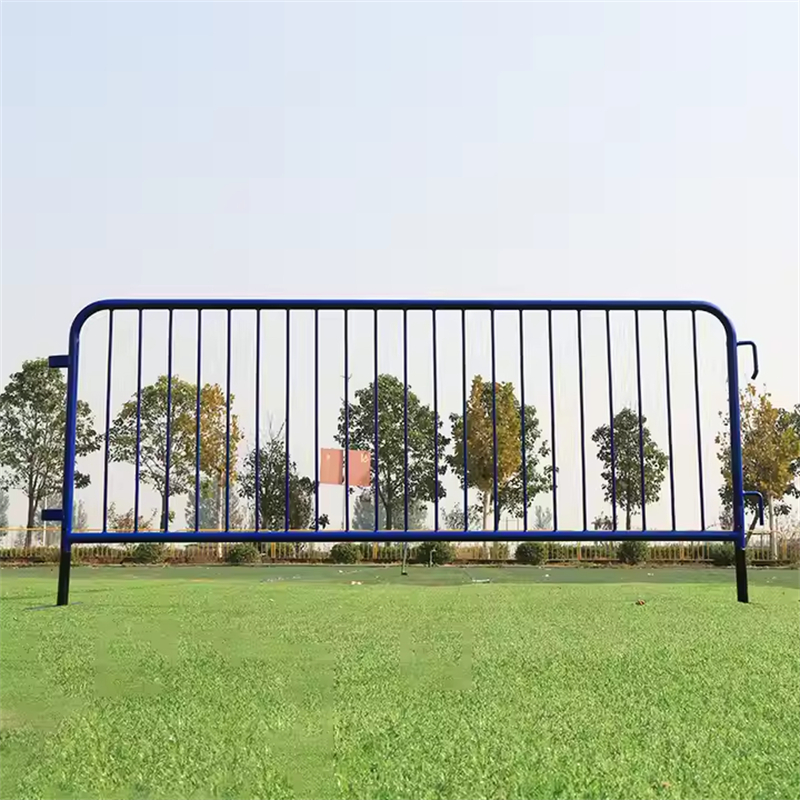
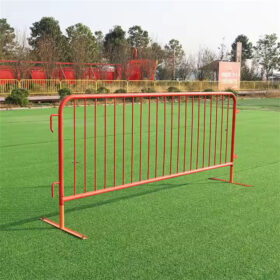
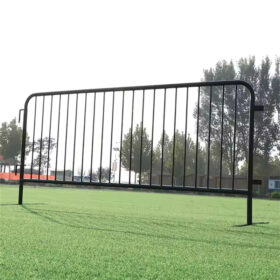
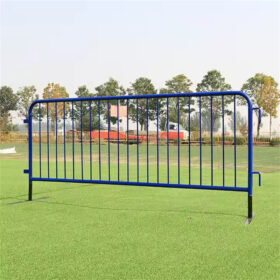
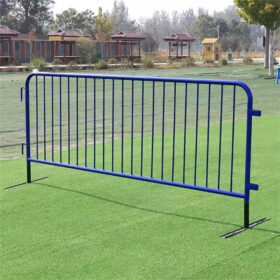
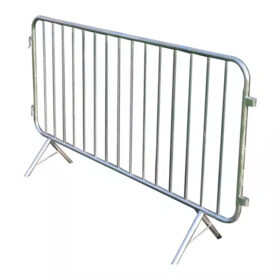
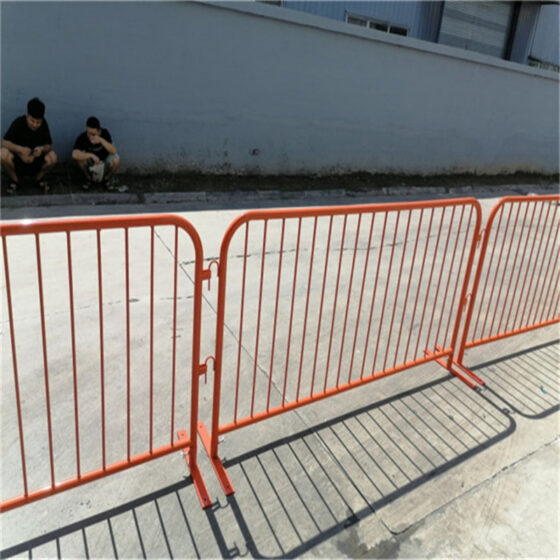
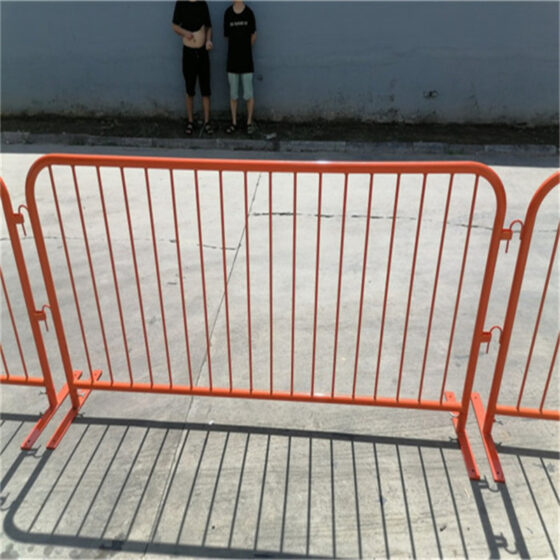
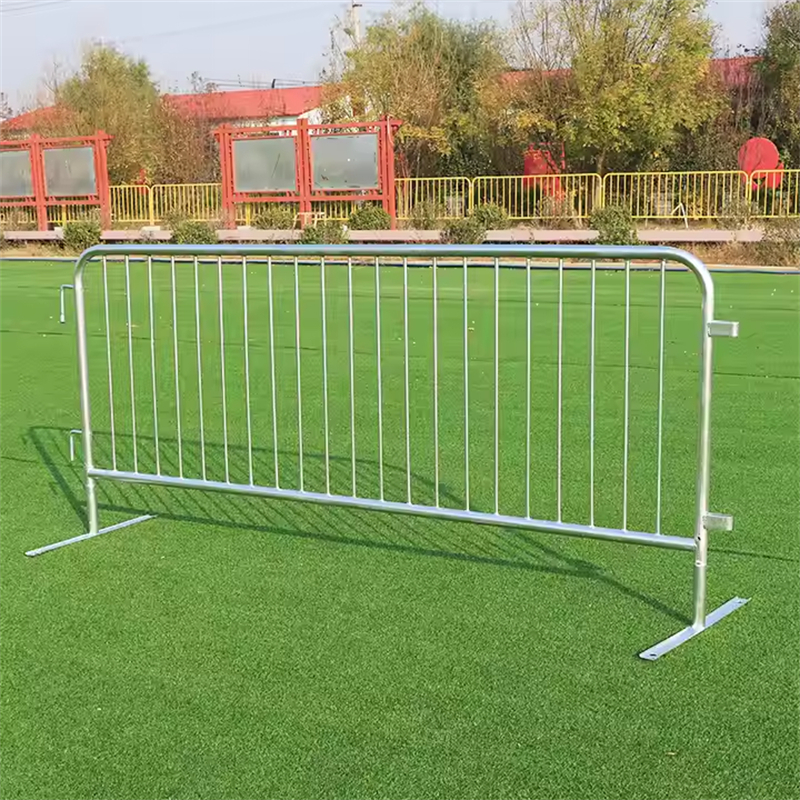
Security crowd control barriers (also called concert crowd control barriers, pedestrian barriers, queue barriers, event control barriers, or steel crowd control fence panels) are selected when sites need a fast, repeatable way to create safe lanes, protected boundaries, and controlled entry points for concerts, stadiums, public facilities, factories, schools, transport hubs, retail frontage, and high-footfall zones.
POLYMETAL manufactures high-strength steel crowd control barriers with interlocking hooks, stable feet options, and full-weld construction so lines stay straight, units connect cleanly, and the barrier run resists vibration, pushing, and repeated handling.
The hidden risk is that many security crowd control barriers look identical in photos, but behave very differently once installed. A small downgrade in frame tube diameter, wall thickness, infill tube thickness, spacing discipline, foot design, or coating system can turn a “clean queue line” into rocking panels, loose hooks, bent feet, early rust, and costly rework—often after the event team has already deployed hundreds of units.
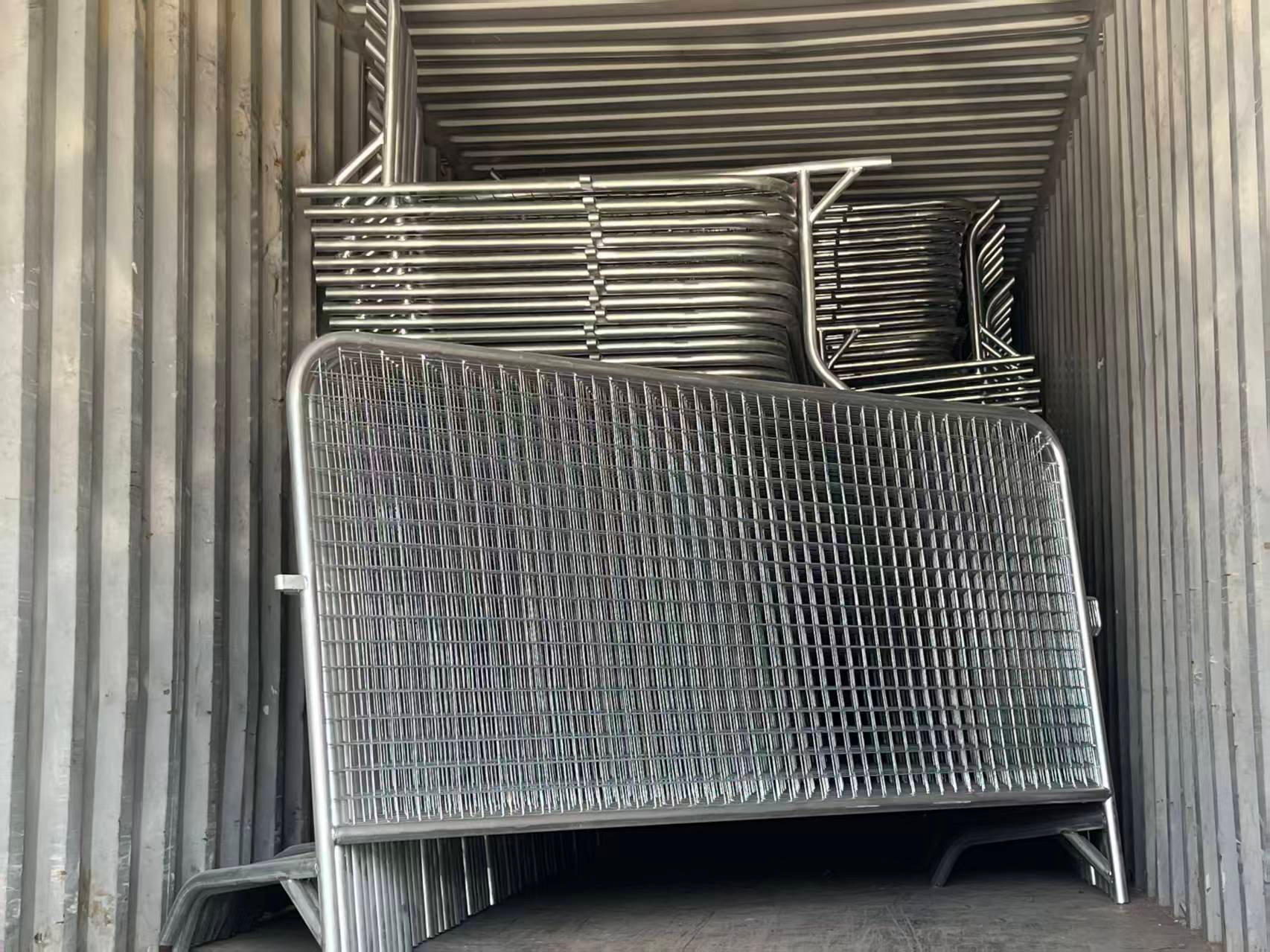
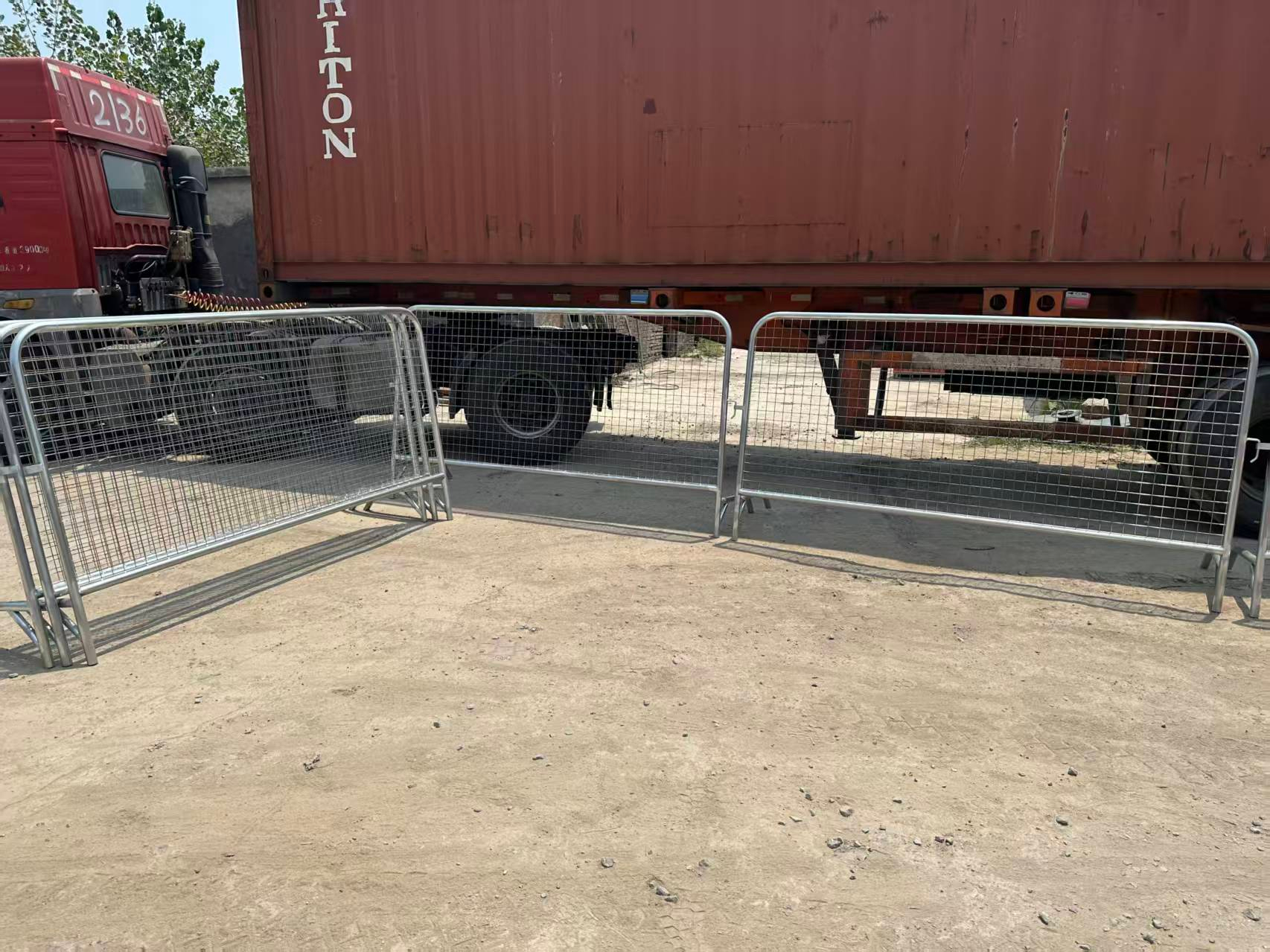
Steel vs “Lightweight” Alternatives for Crowd Control
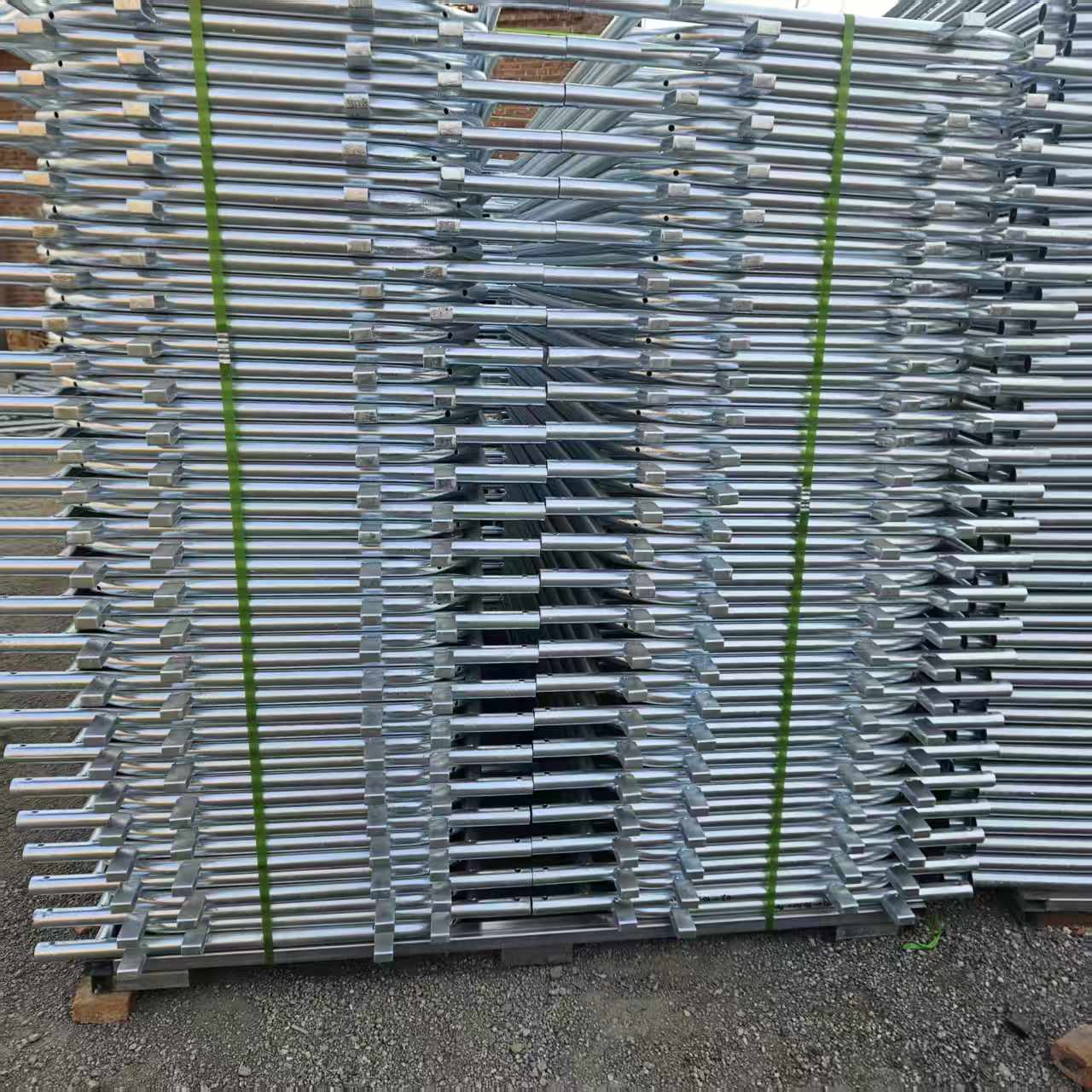
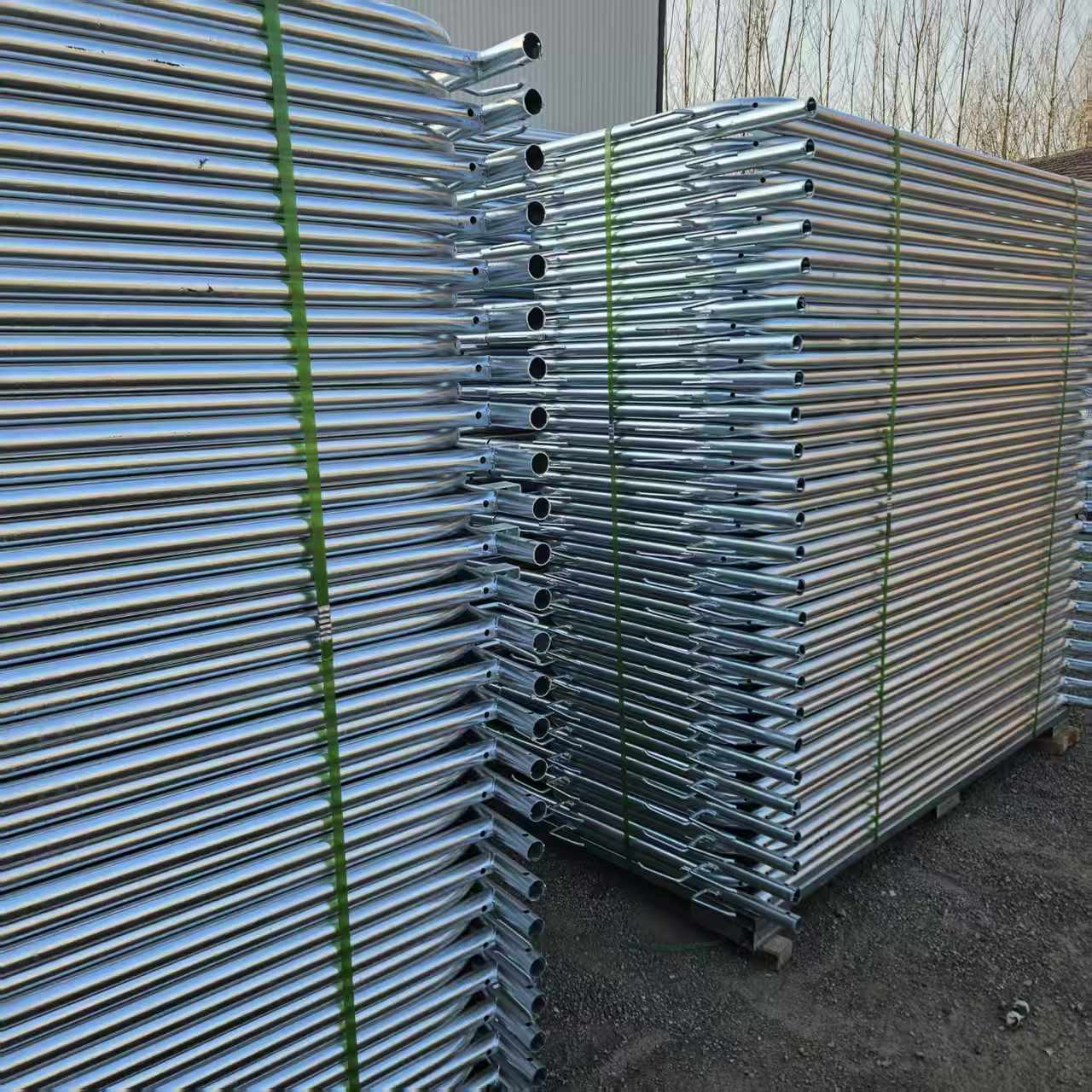
Steel security crowd control barriers remain the strongest option when stability, straightness, and impact tolerance matter across long runs. Aluminium is lighter for handling and corrosion resistance, but steel typically delivers better stiffness at comparable geometry, which is critical when barriers must stay aligned under pushing loads, vibration, and repeated relocation.
Where maximum service life is required, hot dipped galvanized steel is the most common long-term solution; powder coating adds a premium look and strong visual control when the coating process is specified correctly.
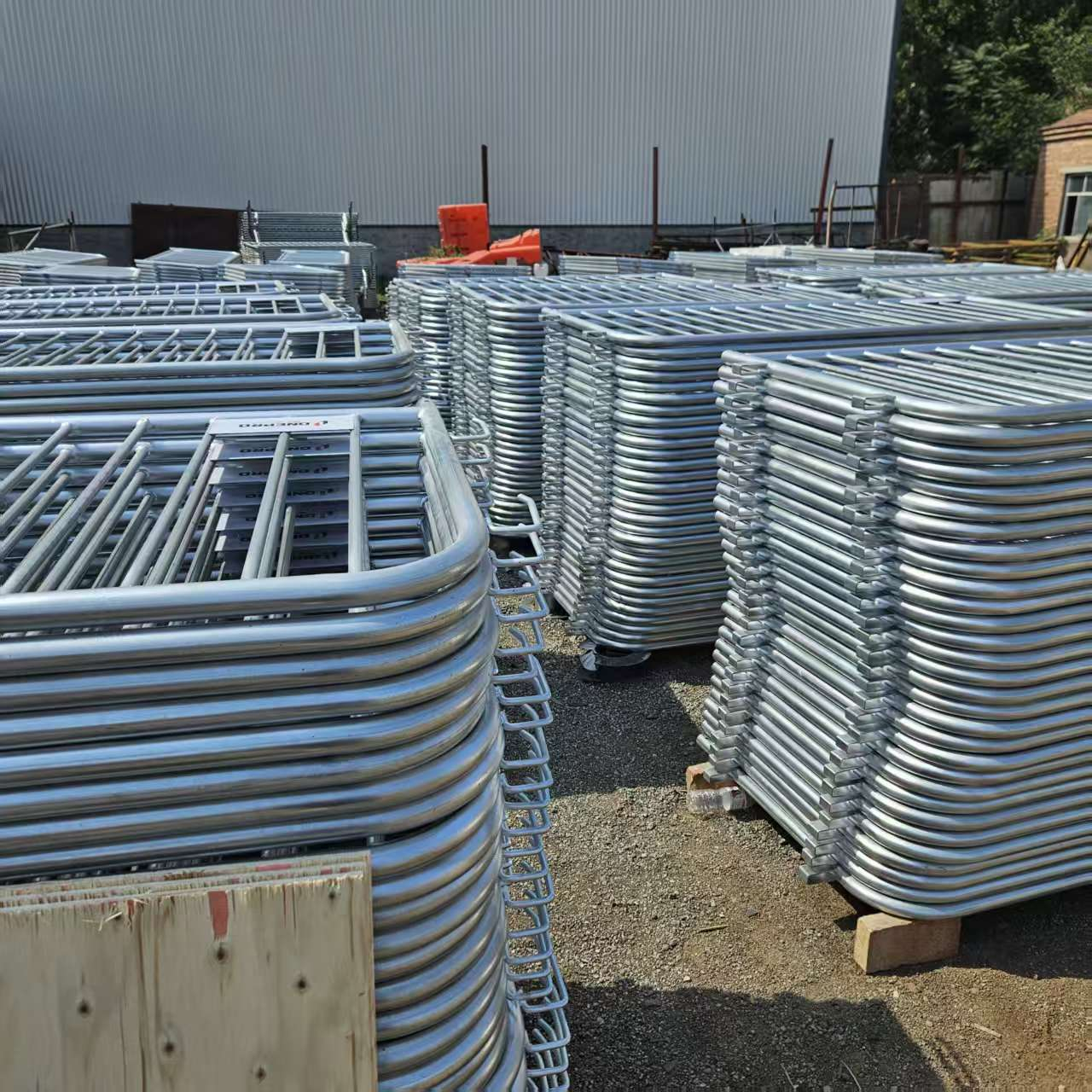
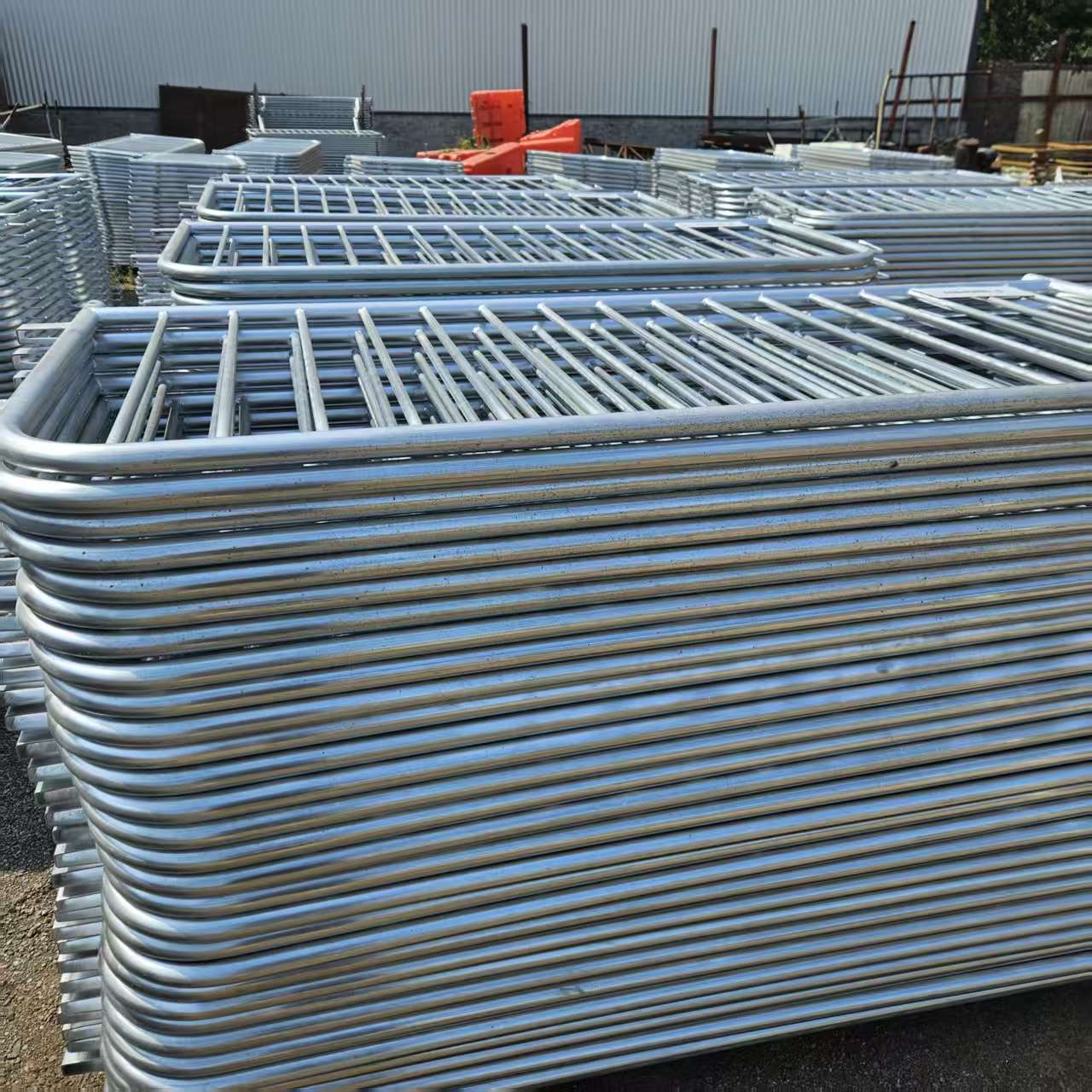
What Makes Security Crowd Control Barriers “High-Performance” on Site
High-performance barrier lines depend on three controls: (1) frame stiffness so each panel stays straight and does not twist, (2) infill discipline so vertical tubes do not loosen and rattle, and (3) foot stability so the barrier does not walk, tip, or rack when crowds lean or push.
When these are controlled, security crowd control barriers deploy faster, look more professional, and reduce the biggest cost driver: re-handling and replacement caused by bending, wobble, and coating damage.
Processing Flow (Security Crowd Control Barriers)
Cut tube → Punching holes → Forming / bending → Full welding (360°) → Grinding & slag removal → Surface cleaning → Hot-dipped galvanizing (optional) → Pretreatment → Powder coating (optional) → Assembly (hooks/feet) → Inspection → Packing → Container loading

Top 10 Shocking Traps Buyers Miss in Security Crowd Control Barriers
These are the real reasons buyers lose money on crowd control barrier orders. The worst cost blowout usually happens after deployment when the line must be rebuilt—especially Trap #7.

Trap #1 (illusion): “Looks the Same” Frame Tube Illusion
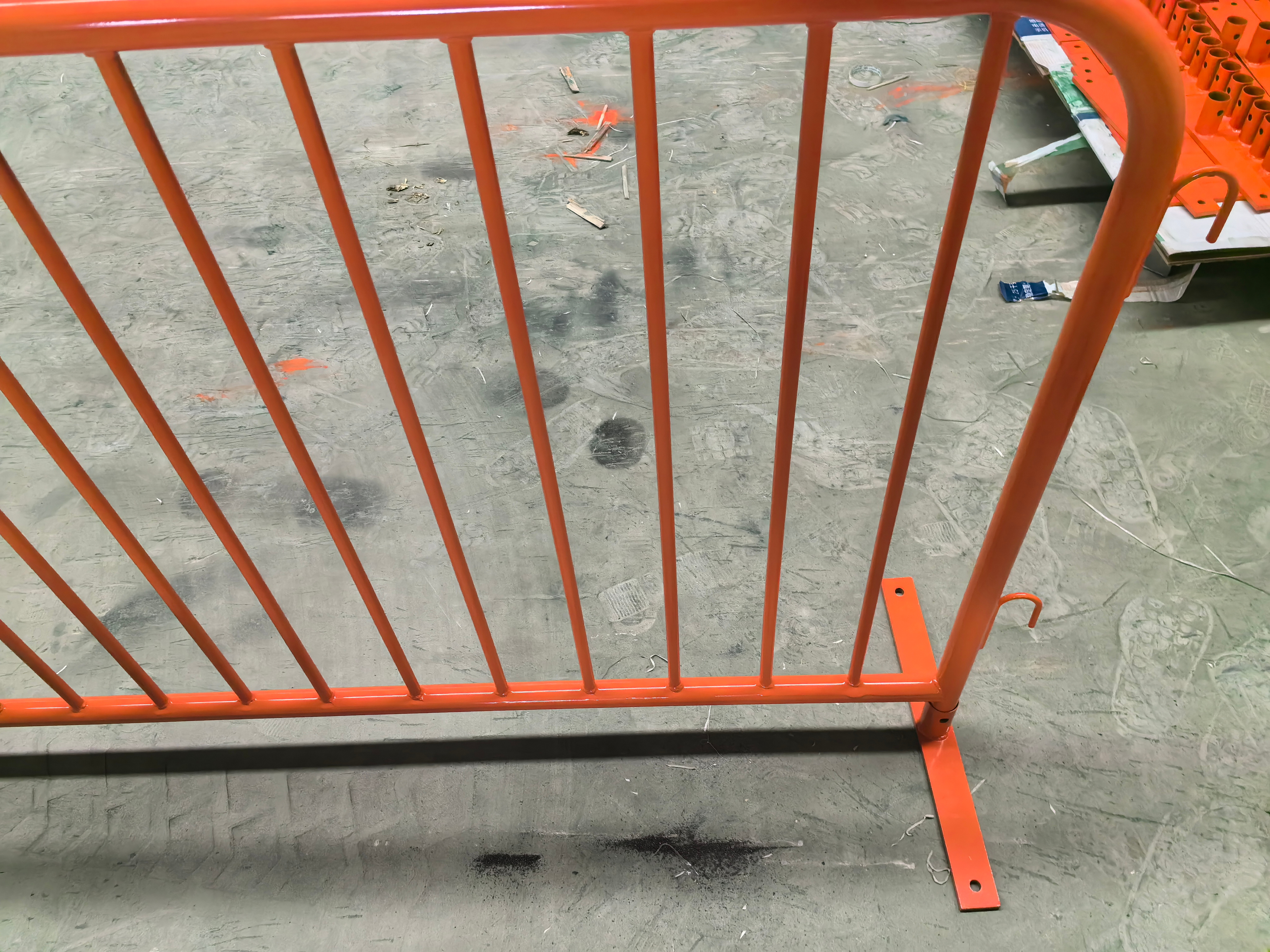
Two barriers can look identical in photos, yet a frame change from 38mm OD to 25mm OD can drop stiffness enough to create visible sway and hook misalignment across long runs. Frame tube diameter must match crowd density, push risk, and the expected number of redeploy cycles.
Trap #2 (gap): Wall Thickness Quietly Drops
A small wall thickness downgrade (for example from 2.0mm to 1.5mm) reduces impact tolerance and increases permanent bending from truck handling or crowd pressure. The first event may pass—but the second event turns into wobbly lines and bent feet.
Trap #3 (misstep): Infill Tube Thickness Treated as Cosmetic
Vertical infill tubes are not just visual. When infill thickness drops, vibration and pushing loads transfer into hook joints and feet faster, causing rattles, loosened connections, and safety complaints.
Trap #4 (fault): Spacing Discipline Is Not Locked
Spacing changes the “security feel” and structural behavior. Wide spacing (150–200mm) is faster and cheaper, but it reduces visual control and increases flex. Tight spacing (90–100mm) creates a stronger barrier face and deters squeeze-through behavior in high-risk zones.
Trap #5 (warning): Feet Spec Is Underestimated
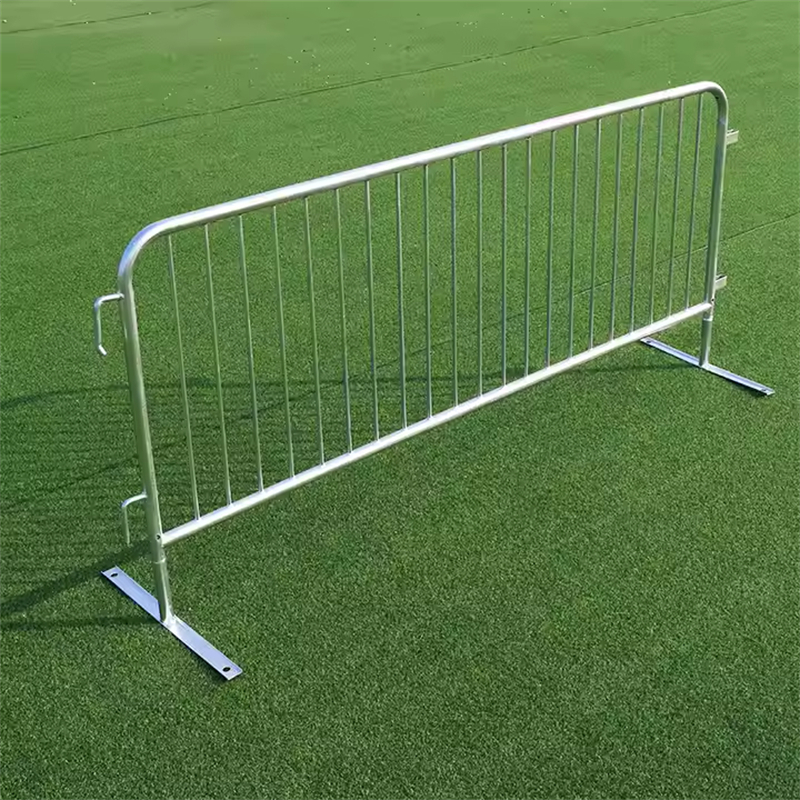
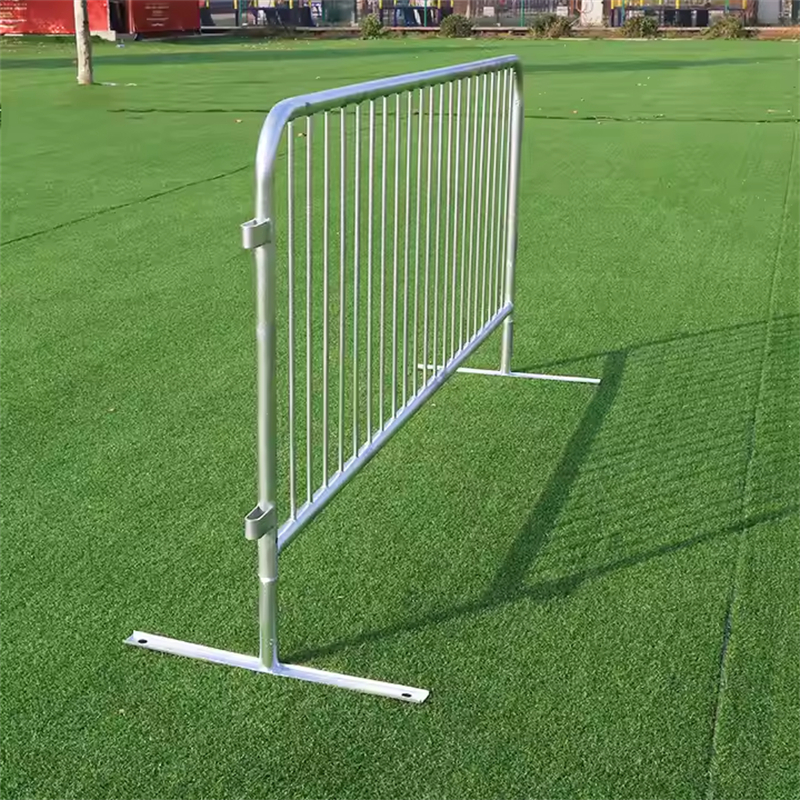
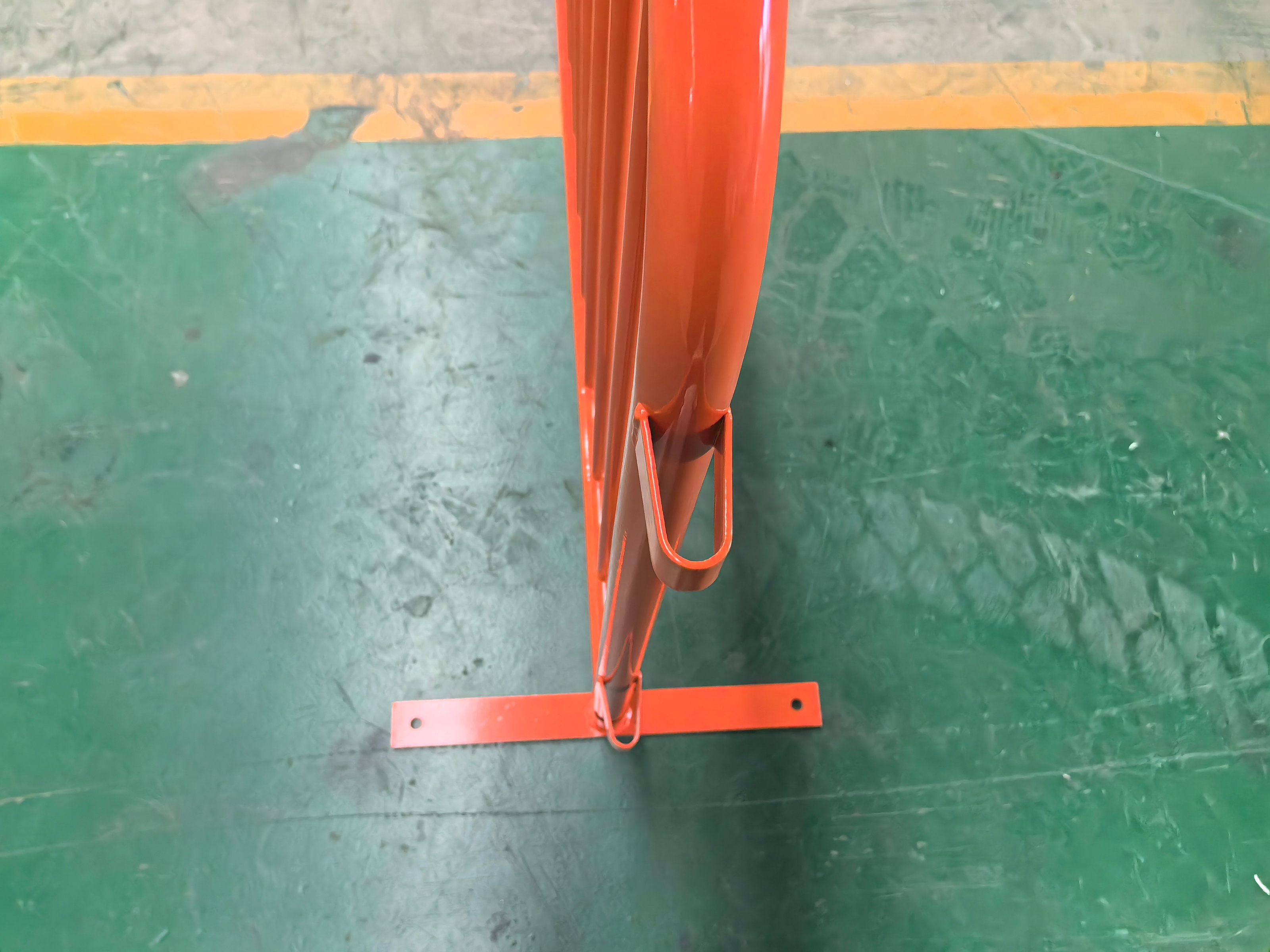
Feet decide stability. A barrier with the wrong foot design walks under vibration, tips at corners, and becomes a hazard in crowd surge conditions. Flat feet are common for stacking; bridge feet improve line stability; wheel feet speed up redeployment; V feet increase anti-tip performance at pressure points.
Trap #6 (problem): Weld Quality Assumed Instead of Specified
Spot welds and partial welds save time but fail early. Full-weld construction (including clean weld finishing) reduces opening risk, improves stiffness, and prevents rust-start points at weld seams.
Trap #7 (loss): Surface System Choice Is Ignored (Biggest Replacement Trigger)
This is where buyers get hit hardest. If the surface system is selected only by appearance, the barrier line turns into a warranty and repaint disaster. Hot dipped galvanized only with high zinc coating (commonly around 450g) delivers long service life and strong anti-corrosion ability.
“Silver painted” with low zinc coating (commonly around 40–60g) is widely used for recycle programs, but service life is much shorter and becomes a dispute when buyers expected long-term performance. If your project needs premium look and brand colors, powder coating must be built on the correct pretreatment and base zinc protection, not applied as a cosmetic shortcut.
Trap #8 (oversight): Color Control Not Managed
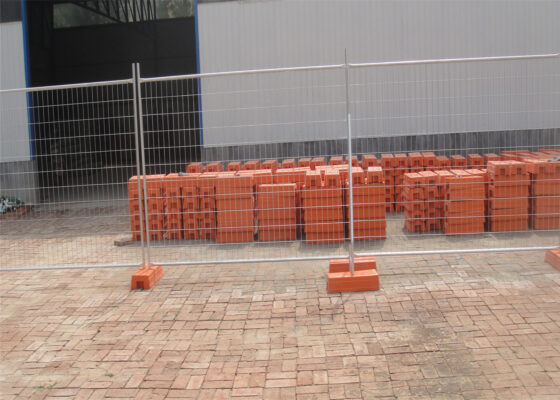
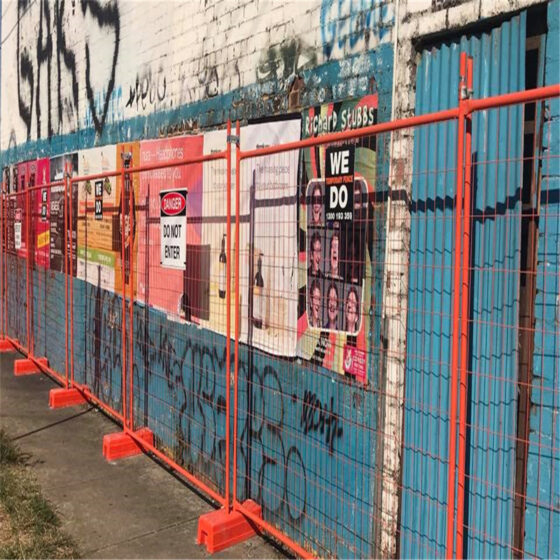
Security crowd control barriers are visual control tools. If color consistency is not controlled (RAL code, powder brand, film thickness, cure discipline), lines look patched and “temporary,” reducing authority and increasing crowd pressure at weak points—and when you need a fast backup perimeter that still looks professional, many sites pair barriers with a compatible base system like temporary fence with block to keep the line stable and consistent across mixed zones.
Trap #9 (danger): Hook & Interlock Design Mismatch
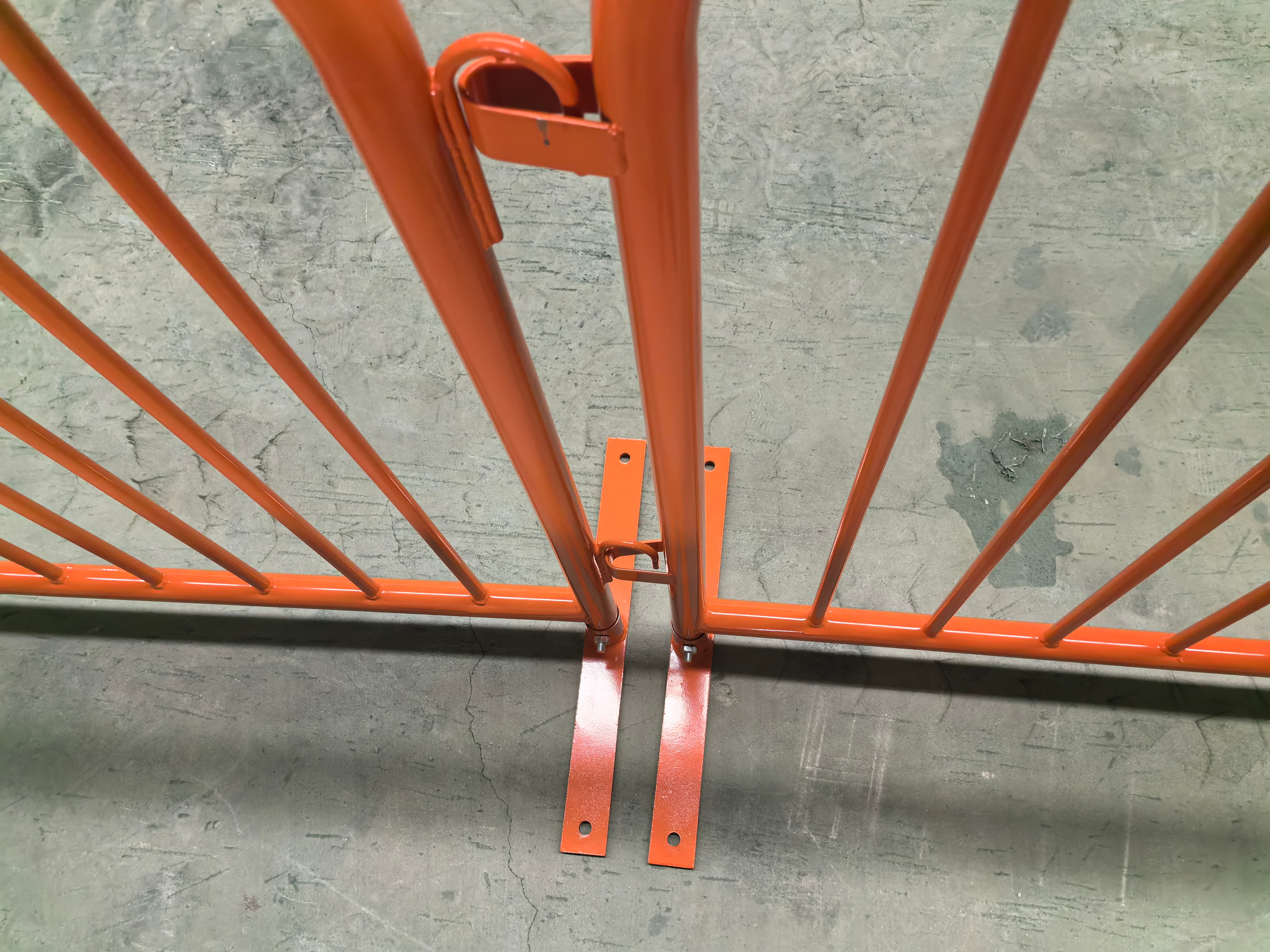
Interlocking hooks must match the barrier’s stiffness and foot behavior. When hooks are under-specified, long runs drift out of line and gaps appear, which increases squeeze attempts and creates a safety and liability risk.
Trap #10 (checklist): Packing Discipline Missing
Transit damage is profit loss. Without metal pallets, separation protection, and stacking discipline, barriers rub, corners chip, frames bend, and the site team wastes labor sorting and rejecting panels on arrival.
Product Description
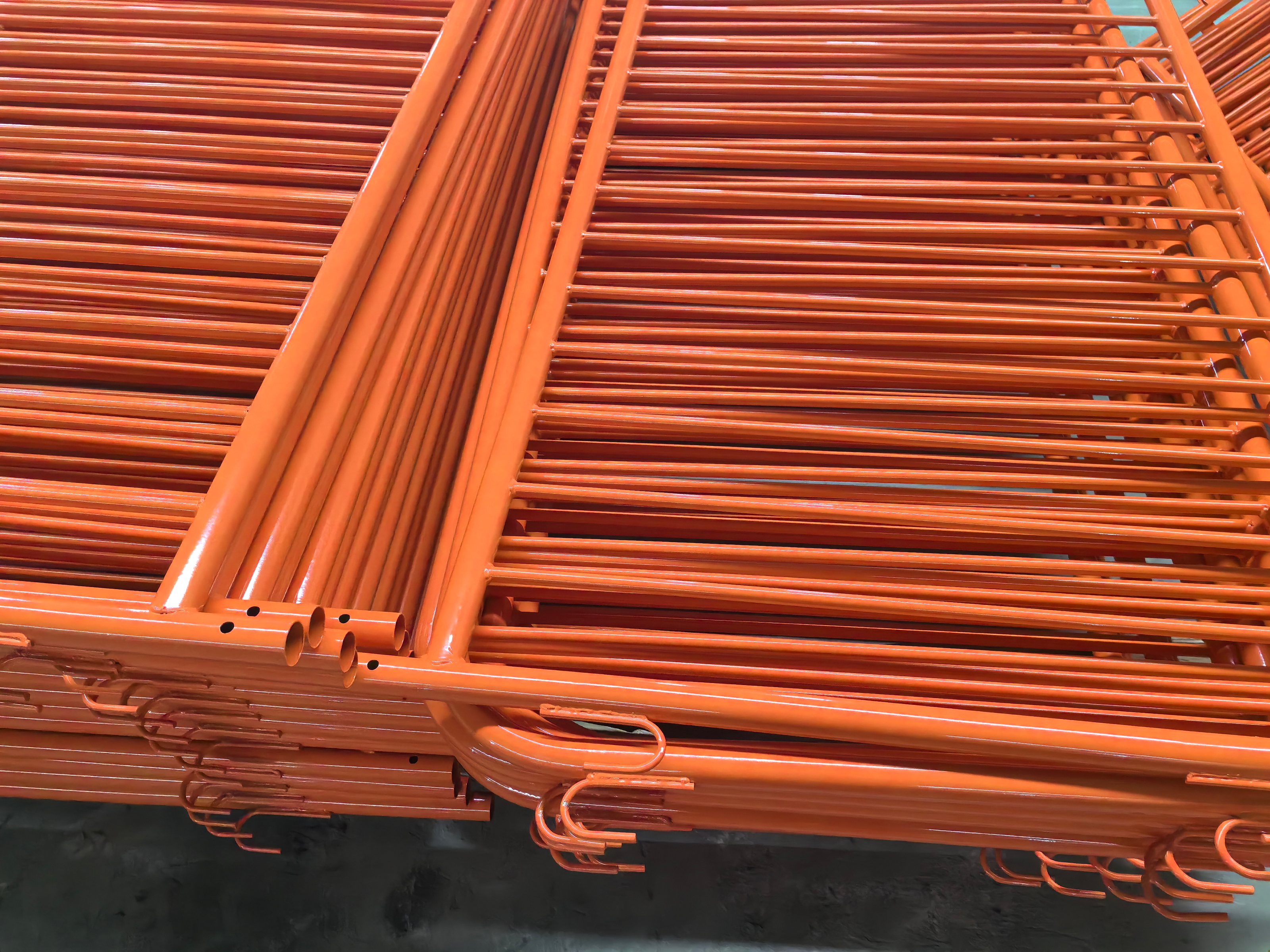
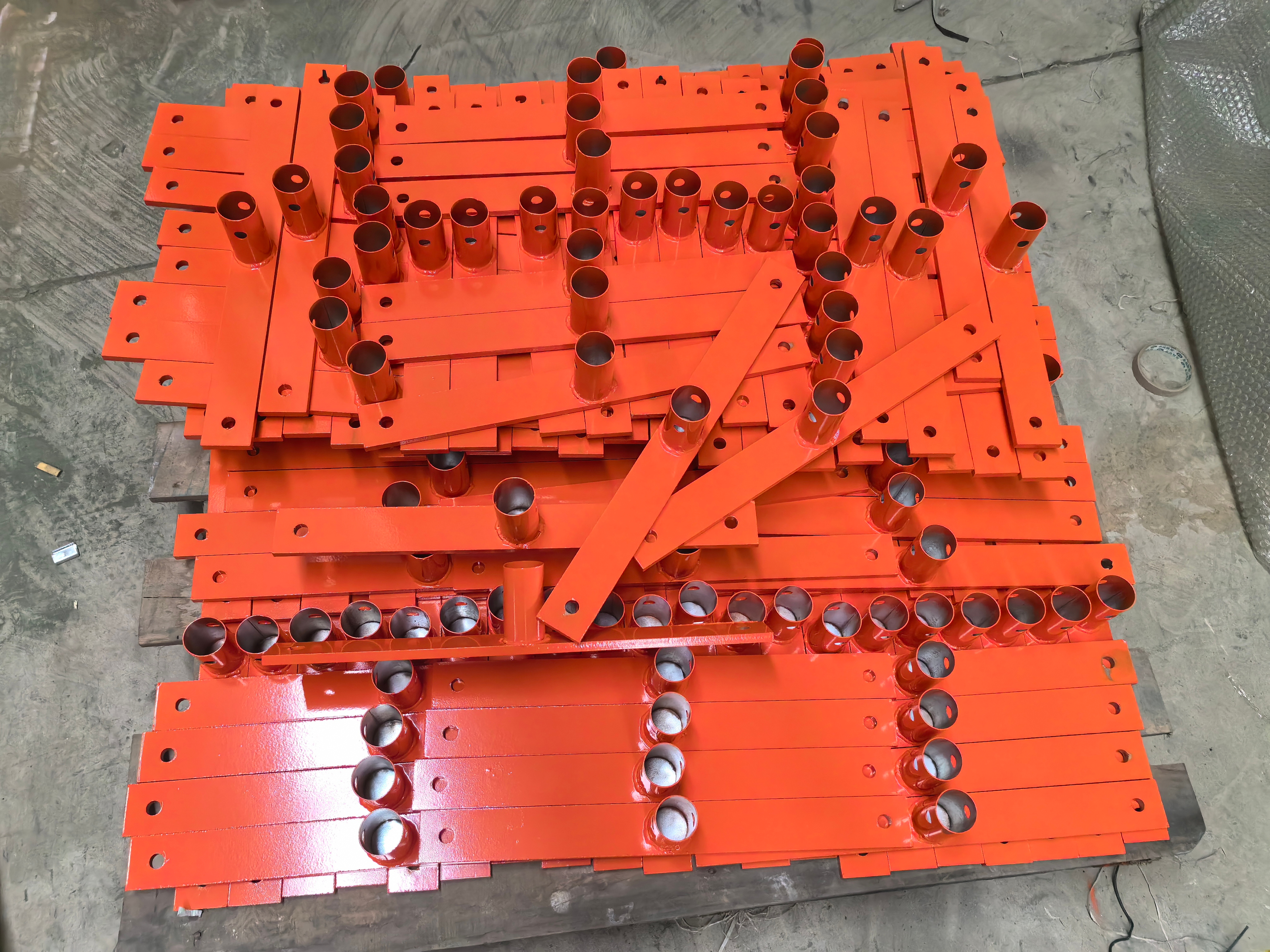
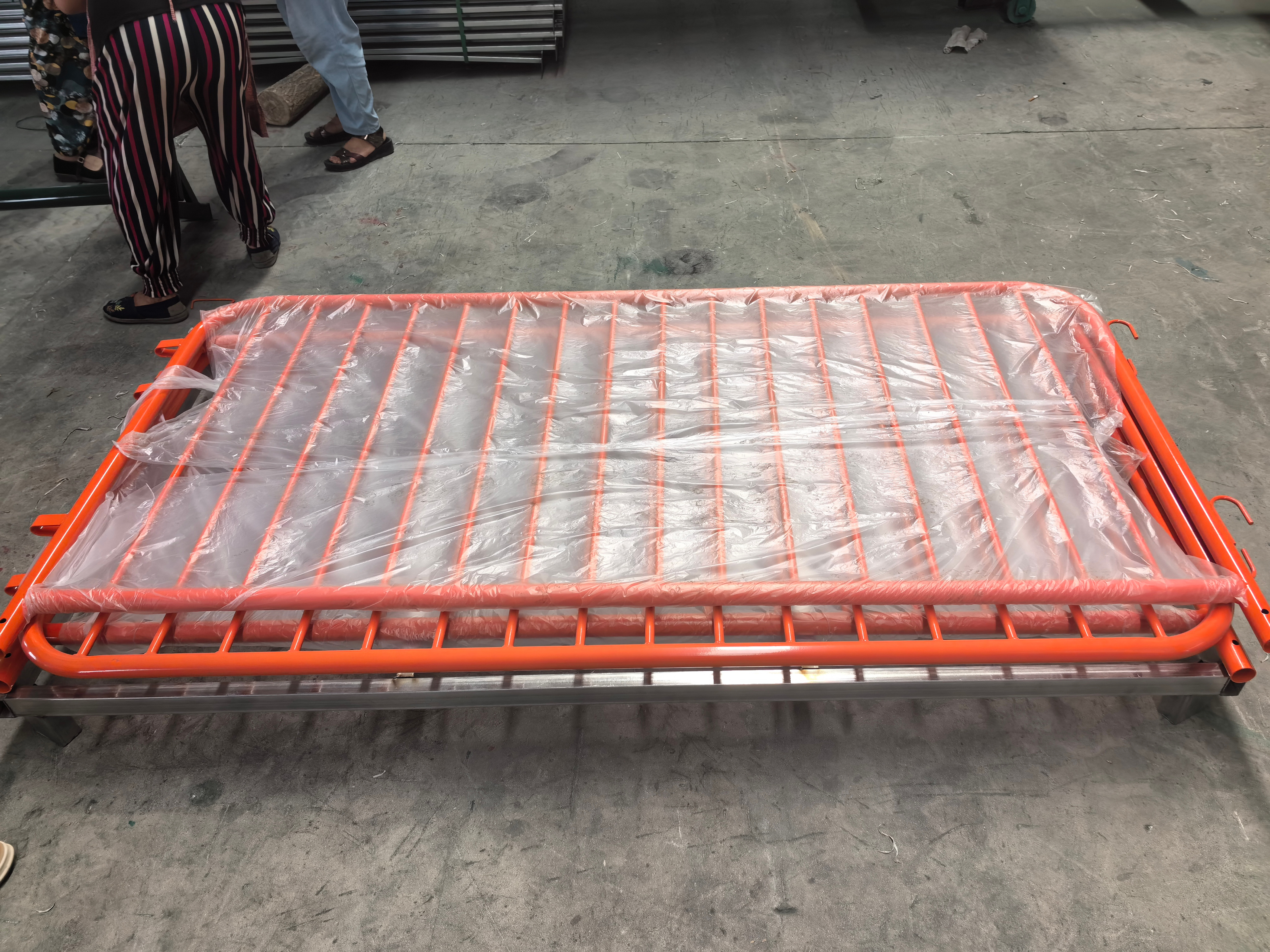
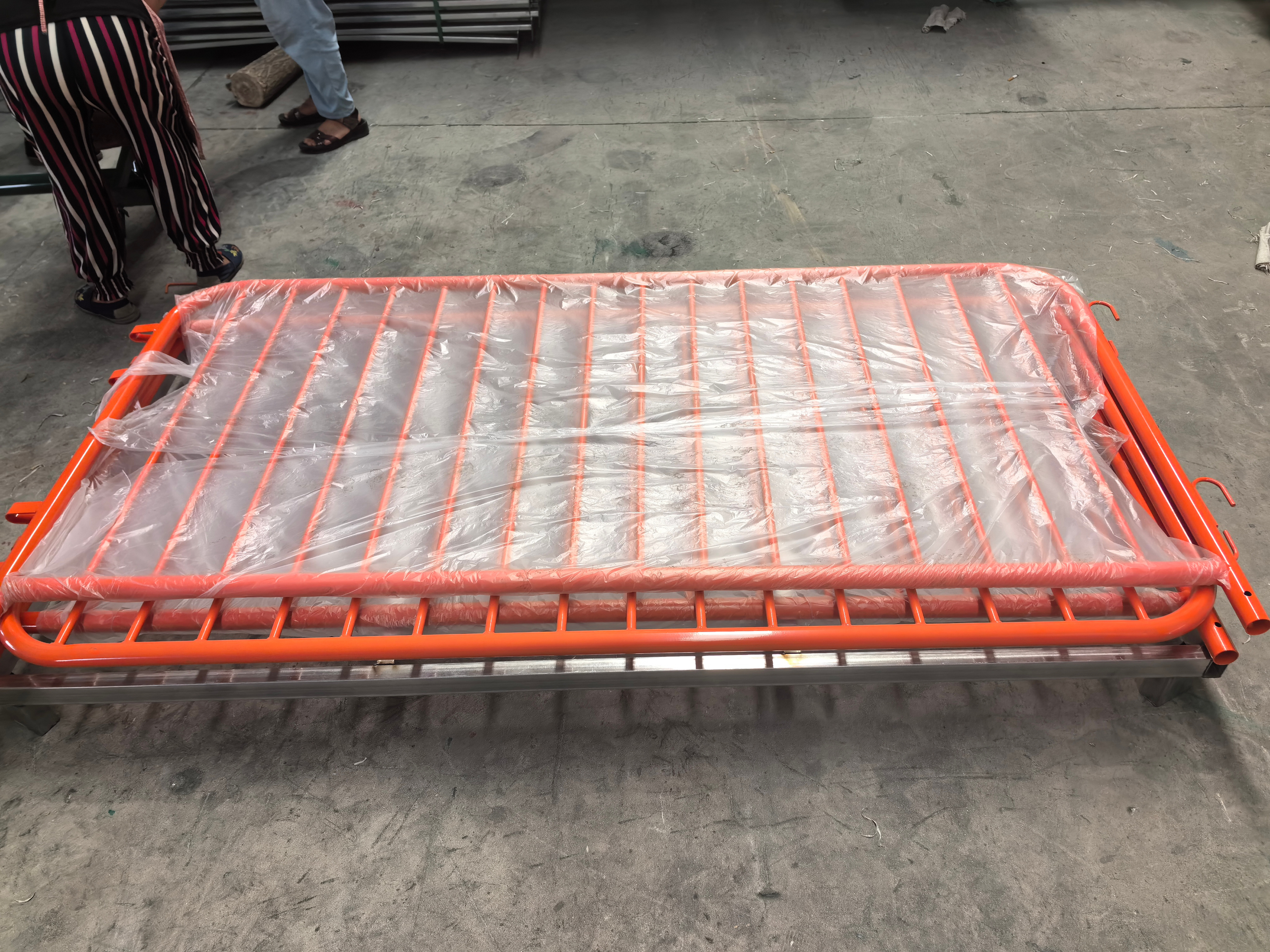
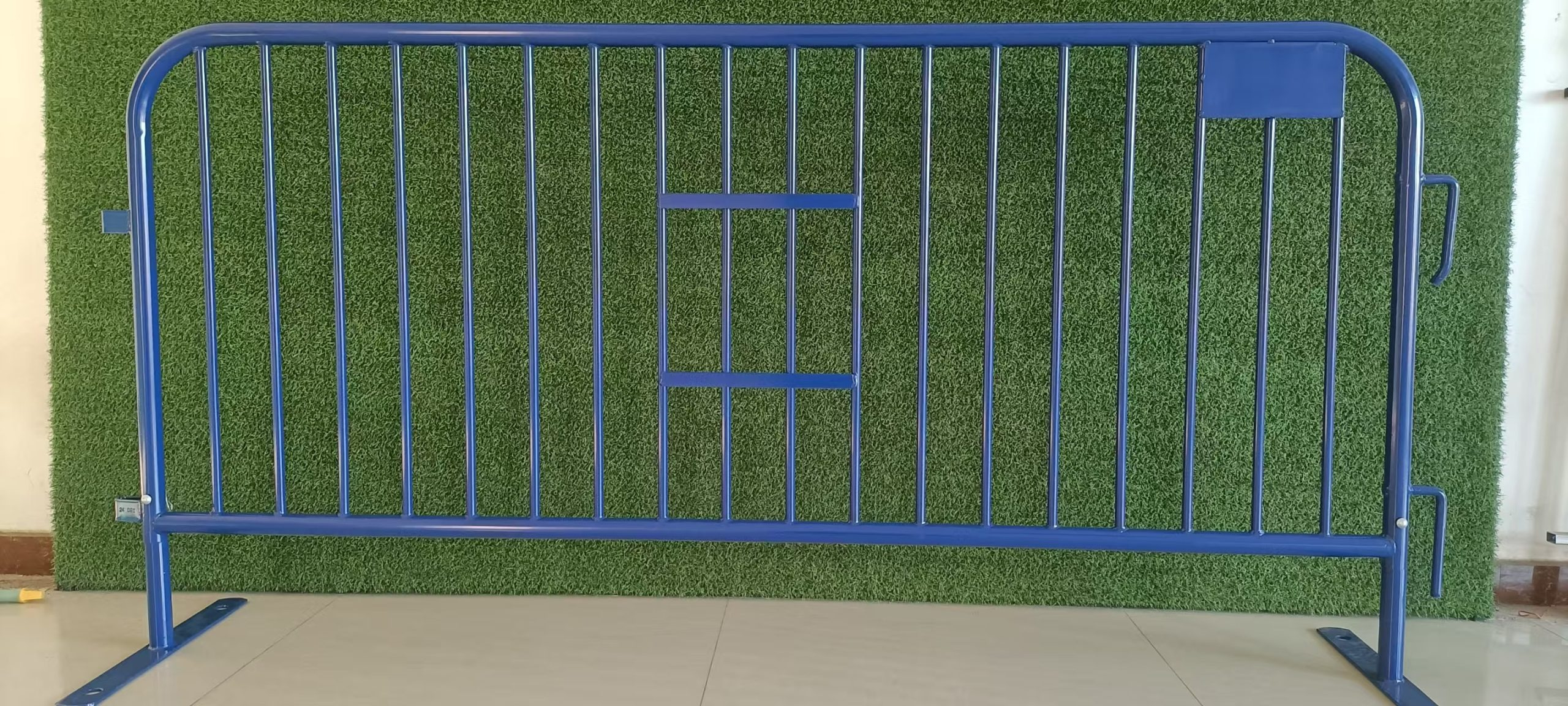
POLYMETAL security crowd control barriers are heavy-duty steel event control panels engineered for stable crowd guidance, fast deployment, and repeatable interlocking alignment across long runs. Each barrier is manufactured using galvanized steel tube frames with welded vertical infill tubes, then supplied with feet options designed to match the site requirement, including removable flat feet for compact stacking, bridge feet for improved stability, wheel feet for rapid relocation, and V feet for enhanced anti-tip performance in pressure zones.
For premium appearance and strong visual control, barriers can be supplied in powder painted finishes such as RAL 3020 red and RAL 9005 black, with additional RAL colors available to match project branding and venue rules. Where long-life corrosion resistance is the priority, hot dipped galvanized-only barriers provide strong anti-corrosion performance and robust service life for repeated outdoor use.
Finish Options, Treatment, and Advantage Snapshot
| Finish / Treatment | Advantage |
|---|---|
| Hot dipped galvanized only (high zinc coating) | Strong anti-corrosion ability, long service life, best for outdoor redeploy cycles |
| Silver painted (low zinc coating) | Lower cost for recycle programs; shorter service life |
| Powder coated (RAL 3020 / RAL 9005 / custom RAL) | Premium visual control, brand color consistency, cleaner venue presentation |
| Full welding (360°) + weld finishing | Higher rigidity, reduced opening risk, smoother appearance, fewer rust-start points |
Specifications Table 1: Standard Duty Security Crowd Control Barriers
| Standard Duty (Queue Lines / General Events) | |||||||||
|---|---|---|---|---|---|---|---|---|---|
| Model | Height (m) | Length (m) | Frame Tube (OD) | Frame WT (mm) | Infill Tube (OD) | Infill WT (mm) | Spacing (mm) | Feet | Surface / Color |
| SD-100-200 | 1.0 | 2.0 | 25mm | 1.5 | 12mm | 0.7 | 150 | Flat steel (580×50×10mm) | Silver painted |
| SD-106-220 | 1.06 | 2.2 | 25mm | 1.6 | 12mm | 0.8 | 150 | Bridge feet | Powder coated RAL 9005 |
| SD-110-250 | 1.1 | 2.5 | 32mm | 1.5 | 16mm | 0.8 | 150 | Flat steel (580×50×10mm) | Hot dipped galvanized |
| SD-120-260 | 1.2 | 2.6 | 32mm | 1.6 | 16mm | 0.8 | 200 | V feet | Powder coated RAL 3020 |
| SD-100-220 | 1.0 | 2.2 | 35mm | 1.5 | 19mm | 0.7 | 200 | Bridge feet | Hot dipped galvanized |
| SD-106-200 | 1.06 | 2.0 | 35mm | 1.6 | 16mm | 1.0 | 150 | Wheel feet | Powder coated RAL 9005 |
| SD-110-260 | 1.1 | 2.6 | 25mm | 1.6 | 12mm | 1.0 | 150 | Flat steel (580×50×10mm) | Powder coated custom RAL |
| SD-120-250 | 1.2 | 2.5 | 32mm | 1.5 | 16mm | 0.8 | 100 | Bridge feet | Hot dipped galvanized |
| SD-100-260 | 1.0 | 2.6 | 35mm | 1.6 | 19mm | 0.8 | 150 | V feet | Silver painted |
| SD-120-200 | 1.2 | 2.0 | 32mm | 1.6 | 16mm | 1.0 | 100 | Wheel feet | Powder coated RAL 3020 |
Specifications Table 2: Heavy Duty Security Crowd Control Barriers
| Heavy Duty (Concerts / Stadiums / High Footfall) | |||||||||
|---|---|---|---|---|---|---|---|---|---|
| Model | Height (m) | Length (m) | Frame Tube (OD) | Frame WT (mm) | Infill Tube (OD) | Infill WT (mm) | Spacing (mm) | Feet | Surface / Color |
| HD-100-200 | 1.0 | 2.0 | 38mm | 1.6 | 19mm | 0.8 | 100 | Bridge feet | Hot dipped galvanized |
| HD-106-220 | 1.06 | 2.2 | 38mm | 2.0 | 19mm | 1.0 | 100 | Flat steel (580×50×10mm) | Powder coated RAL 3020 |
| HD-110-250 | 1.1 | 2.5 | 35mm | 2.0 | 16mm | 1.0 | 100 | V feet | Powder coated RAL 9005 |
| HD-120-260 | 1.2 | 2.6 | 38mm | 2.0 | 19mm | 1.2 | 90 | Bridge feet | Hot dipped galvanized |
| HD-100-220 | 1.0 | 2.2 | 35mm | 1.6 | 16mm | 1.0 | 90 | Wheel feet | Powder coated custom RAL |
| HD-106-260 | 1.06 | 2.6 | 38mm | 1.6 | 19mm | 1.0 | 100 | Flat steel (580×50×10mm) | Hot dipped galvanized |
| HD-110-200 | 1.1 | 2.0 | 35mm | 2.0 | 16mm | 1.2 | 100 | V feet | Powder coated RAL 3020 |
| HD-120-250 | 1.2 | 2.5 | 38mm | 1.6 | 19mm | 1.0 | 90 | Bridge feet | Powder coated RAL 9005 |
| HD-100-250 | 1.0 | 2.5 | 32mm | 2.0 | 16mm | 1.0 | 90 | Wheel feet | Hot dipped galvanized |
| HD-120-220 | 1.2 | 2.2 | 38mm | 2.0 | 19mm | 1.2 | 100 | Flat steel (580×50×10mm) | Powder coated custom RAL |
Specifications Table 3: Maximum Security Crowd Control Barriers
| Maximum Security (Tight Spacing / Highest Rigidity) | |||||||||
|---|---|---|---|---|---|---|---|---|---|
| Model | Height (m) | Length (m) | Frame Tube (OD) | Frame WT (mm) | Infill Tube (OD) | Infill WT (mm) | Spacing (mm) | Feet | Surface / Color |
| MS-100-200 | 1.0 | 2.0 | 38mm | 2.0 | 19mm | 1.2 | 90 | V feet | Hot dipped galvanized |
| MS-106-220 | 1.06 | 2.2 | 38mm | 2.0 | 16mm | 1.2 | 90 | Bridge feet | Powder coated RAL 9005 |
| MS-110-250 | 1.1 | 2.5 | 38mm | 2.0 | 19mm | 1.2 | 90 | Flat steel (580×50×10mm) | Powder coated RAL 3020 |
| MS-120-260 | 1.2 | 2.6 | 38mm | 2.0 | 19mm | 1.2 | 90 | V feet | Hot dipped galvanized |
| MS-100-220 | 1.0 | 2.2 | 35mm | 2.0 | 16mm | 1.2 | 100 | Bridge feet | Powder coated custom RAL |
| MS-106-260 | 1.06 | 2.6 | 38mm | 2.0 | 19mm | 1.0 | 90 | Wheel feet | Powder coated RAL 9005 |
| MS-110-200 | 1.1 | 2.0 | 38mm | 2.0 | 16mm | 1.2 | 90 | Flat steel (580×50×10mm) | Hot dipped galvanized |
| MS-120-250 | 1.2 | 2.5 | 38mm | 2.0 | 19mm | 1.2 | 90 | V feet | Powder coated RAL 3020 |
| MS-100-260 | 1.0 | 2.6 | 38mm | 2.0 | 19mm | 1.2 | 90 | Bridge feet | Hot dipped galvanized |
| MS-120-220 | 1.2 | 2.2 | 38mm | 2.0 | 16mm | 1.2 | 90 | Wheel feet | Powder coated custom RAL |
Applications (Security Crowd Control Barriers)
- Concerts, festivals, stadiums, and arena queue lanes
- Public facilities, transport hubs, stations, and controlled access zones
- Commercial frontage, retail crowd guidance, and pop-up event entry control
- Factories and warehouses for pedestrian segregation and safety lanes
- Schools, campuses, parks, and temporary restricted areas
- Emergency response staging, incident control, and temporary exclusion zones
Benefits
- High security feel: Steel line control reduces casual entry attempts and improves compliance.
- Fast deployment: Interlocking hooks create straight runs quickly with repeatable spacing.
- Stable footing options: Flat, bridge, wheel, and V feet match the ground and crowd risk.
- Lower replacement waste: Correct tube sizes and welding reduce bending and rattling failures.
- Premium appearance: Powder coated colors (RAL 3020 / RAL 9005) support venue presentation.
- Long service life: Hot dipped galvanized option targets outdoor durability and repeated redeploy cycles.
Packing & Container Loading
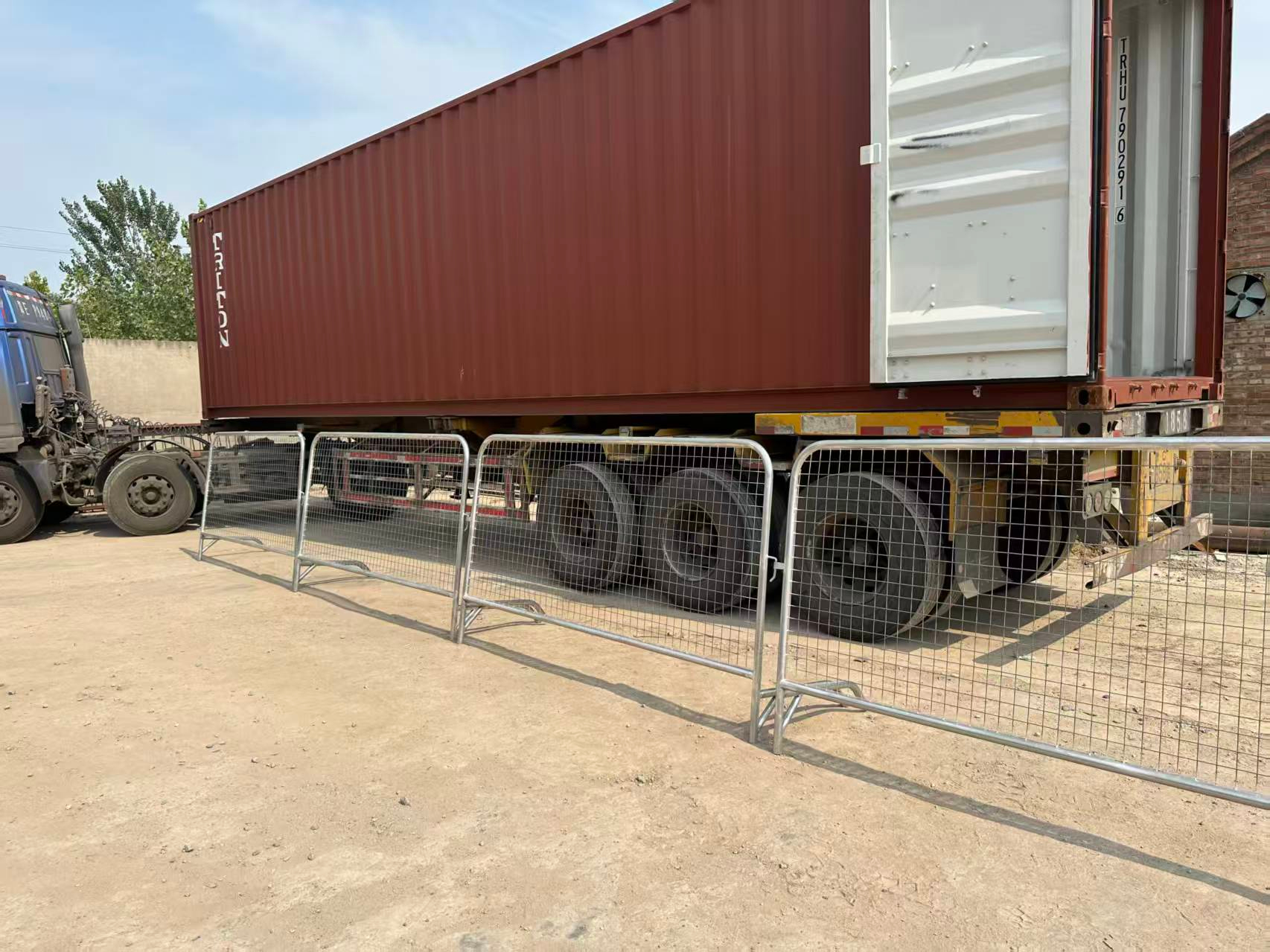
POLYMETAL packing is designed to protect surface finish, reduce bending risk, and speed up site unloading so security crowd control barriers deploy straight and consistent.
- Barriers loaded onto metal pallets for rigidity during shipping
- Cardboard or separation protection between each barrier to prevent rubbing damage
- Feet bundled and labeled by type (flat / bridge / wheel / V) to prevent mix-ups
- Corner protection and strapping discipline to reduce frame dents in transit
- Counted bundles with labels for faster receiving and inventory control
Standard
- Material discipline: frame tube OD and wall thickness locked to duty level
- Welding standard: full welding approach to reduce opening and rust-start risk
- Surface system defined: galvanized / silver painted / powder coated with controlled process
- Color control: specified RAL code (RAL 3020 / RAL 9005 or custom) for consistent runs
- Foot selection matched to site: flat steel (580×50×10mm), bridge feet, wheel feet, V feet
FAQs (Security Crowd Control Barriers)
Q1: What is the fastest way to choose the right barrier spec?
A: Start with crowd pressure risk and redeploy frequency, then lock the frame tube OD (25/32/35/38mm), wall thickness (1.5/1.6/2.0mm), infill tube OD (12/16/19mm), infill thickness (0.7/0.8/1.0/1.2mm), spacing (90/100/150/200mm), and the correct foot type for the ground condition.
Q2: What colors do you have for powder painted barriers?
A: Common options include RAL 3020 red and RAL 9005 black, and POLYMETAL can produce other RAL colors as requested.
Q3: Which surface is better—hot dipped galvanized only or silver painted?
A: Hot dipped galvanized only with high zinc coating delivers stronger anti-corrosion ability and longer service life; silver painted is widely used for recycle programs with shorter service life.
Q4: What is the most common reason barrier lines look messy after deployment?
A: Under-specified frame tubes and feet, plus spacing drift and low weld discipline, which creates wobble, hook misalignment, and rattles across long runs.
Q5: How do you prevent packing damage during sea freight?
A: Use metal pallets, separation protection between barriers, disciplined strapping, and clear labeling so the receiving team does not mix feet types or duty levels.