Your One-Stop Wire Mesh Fence Supplier | POLYMETAL
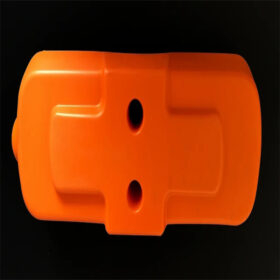
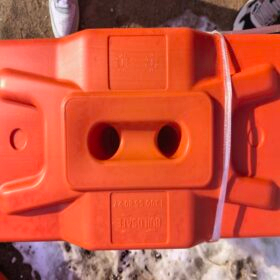
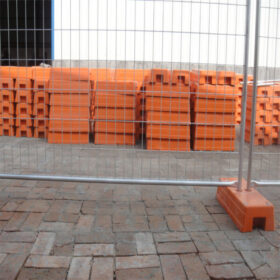
Smart temporary fencing is supposed to make a site safer, faster to manage, and harder to break into. But here’s the uncomfortable truth: most project delays and on-site disputes don’t happen because you had “no fence.” They happen because the fence you had created hidden weaknesses you didn’t notice until something went wrong—especially when the decision started with a quick search for temporary fence panels for sale perth instead of verifying stability, connectors, and real on-site risk.
This article is built around 12 shocking traps that quietly destroy budgets, timelines, and safety records. If you only remember one thing, remember Trap #7, because that’s the one that can drain money and time before you even realize the damage is done.
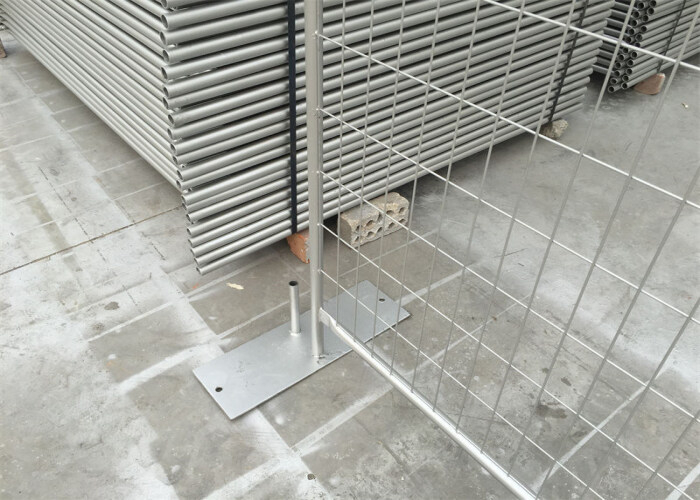
What “Smart Temporary Fencing” Should Actually Deliver
When people search smart temporary fencing, they usually expect more than a metal panel. They expect control, reliability, and predictable performance. In practice, “smart” means the fencing system helps you reduce risk and site chaos through stability, visibility, and consistent installation results across shifting conditions like weather, foot traffic, deliveries, and subcontractor turnover.
A smart temporary fencing setup should help you achieve three outcomes: it should resist intrusion, reduce accidental injury points, and stay standing and aligned even when the site gets messy.
Trap #1: Buying “Smart Temporary Fencing” Without Defining the Threat
If you don’t define what you’re trying to stop, you’ll buy the wrong system and call it “smart” anyway. Is your biggest risk theft, unauthorized entry, crowd control, vehicle impact, or worker safety separation? Each threat demands different choices in mesh size, wire thickness, frame structure, and connection method.
A fence that looks solid in a product photo can fail completely against the real threat on your site. Smart temporary fencing starts with threat definition, not catalog browsing.
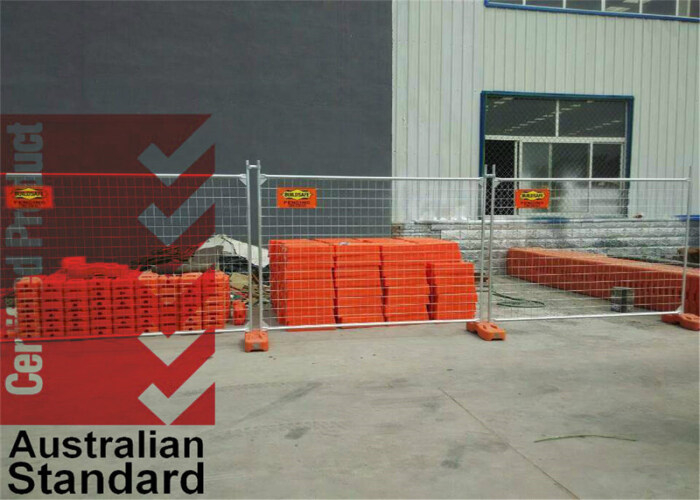
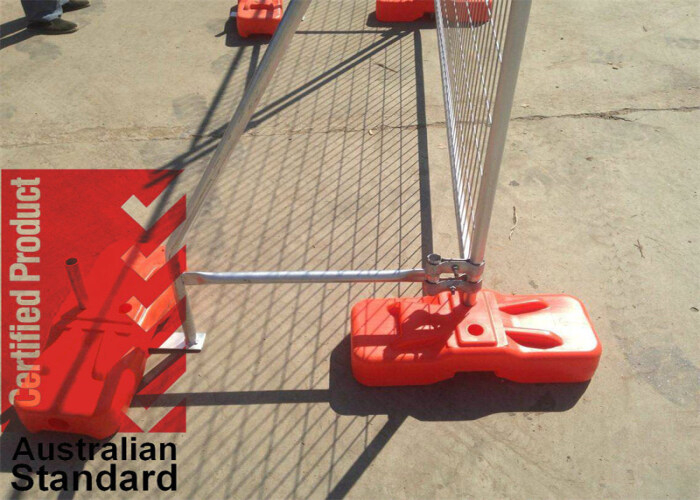
Trap #2: Overlooking Panel Rigidity Until the First Windy Day
Temporary fencing fails in a very predictable way: it starts to flex, then it starts to lean, then it creates gaps, then it collapses or becomes climbable. If your smart temporary fencing panels don’t hold their shape under normal site stress, you’ll spend more time “fixing fencing” than managing the project.
Rigidity comes from the frame, the weld quality, the wire layout, and the way panels lock together. If one element is weak, the whole line becomes unstable.
Trap #3: Choosing Mesh That Accidentally Helps Climbing
Some mesh patterns unintentionally create a ladder. When footholds and handholds line up, you’ve made climbing easier. Smart temporary fencing should reduce climbing opportunities, not provide a training wall for intruders or curious teens.
Mesh opening, wire spacing, and the feel of the panel under load all influence climbability. If you ignore this, your “security fence” can become a climbing invitation.
Trap #4: Treating Connections Like an Afterthought
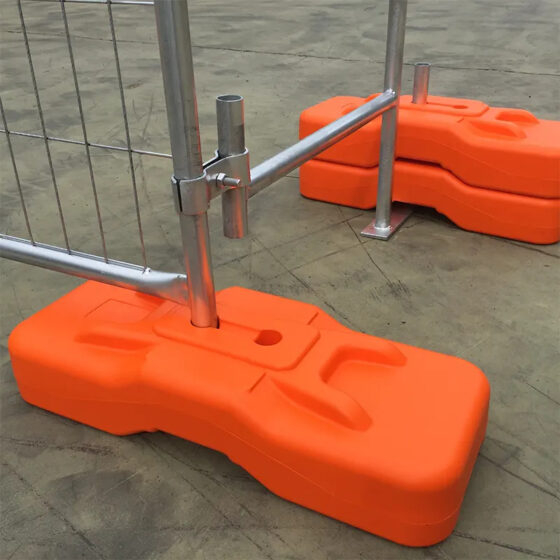
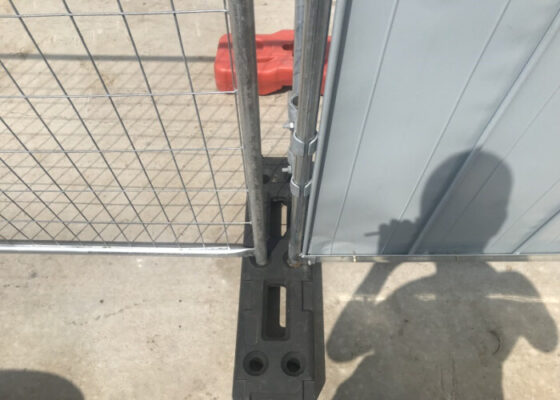
Most failures begin at the joints. Panels rarely fail in the middle first; they fail where they connect. If the clamp or connector is weak, or if alignment is sloppy, people push the joint, the joint opens, and suddenly your smart temporary fencing line has a door that nobody authorized.
A smart system treats connectors as part of the security design, not an accessory. Strong panels with weak clamps is like locking a steel door with a plastic latch.
Trap #5: Ignoring the Real Cost of Rework
Cheap fencing often costs more because it forces constant rework. Every time you need to straighten lines, re-seat feet, re-tighten clamps, or replace damaged panels, you pay again in labor hours, supervision, and downtime. The rework cost is usually bigger than the original “savings.”
Smart temporary fencing should reduce repeat work. If it increases it, it isn’t smart.
Trap #6: Underestimating How Fast Gaps Become “Normal”
A small gap becomes a habit. A habit becomes a known shortcut. Then it becomes a security incident or a safety failure. Sites get busy, and people route themselves through whatever opening is easiest. Once a gap appears in smart temporary fencing, it tends to grow unless the system is designed to hold alignment and resist shifting.
The fence isn’t just a boundary; it’s a behavior-shaping tool. Weak boundaries train people to ignore boundaries.
Trap #7: The “Compliance Illusion” That Can Cost You the Most
This is the trap that quietly destroys budgets: assuming that “it looks like fencing” means “it will satisfy safety expectations.” A fence line that leans, creates sharp edges, falls during weather, blocks visibility in the wrong places, or fails to separate hazards properly can trigger incidents, stop-work orders, liability claims, or client disputes.
Smart temporary fencing must be chosen and installed with the reality of inspections, documentation, and risk responsibility in mind. If an incident happens, nobody cares that the supplier page called it “temporary.” They care whether it was appropriate, stable, and responsibly implemented. If you miss this, you don’t just lose money—you lose time, credibility, and control.
Trap #8: Forgetting That Temporary Fencing Gets Moved a Lot
Temporary fencing is rarely installed once. It moves with the project. If panels and connectors aren’t designed for repeated relocation, they degrade fast, and the line becomes weaker every time it’s touched.
Smart temporary fencing should stay consistent across moves. If moving it turns it into a twisted, mismatched line, you’re building failure into your process.
Trap #9: Sacrificing Visibility and Site Flow
Some sites need strong visibility into pedestrian zones and moving equipment zones. Others need privacy screening. If you choose the wrong balance, you create blind spots where near-misses become accidents.
Smart temporary fencing supports site flow. It guides people where they should go and keeps lines clear where visibility matters. If your fencing causes confusion, bottlenecks, or blind corners, it increases risk.
Trap #10: Not Planning for Entry Points Like They’re Part of Security
If your gate is weaker than your fence line, your gate becomes the target. Many sites accidentally create “soft doors” by improvising entry points without proper alignment and locking logic.
Smart temporary fencing treats entry design as part of the system. It should be predictable, controlled, and difficult to exploit without authorization.
Trap #11: Letting “One Size Fits All” Decide Your Site Standard
Different sites have different soil conditions, wind exposure, public proximity, and threat patterns. If you standardize on a fence style that only works on calm, flat, low-traffic sites, you’ll pay when conditions change.
Smart temporary fencing is flexible, but not vague. The standard should be based on your hardest sites, not your easiest ones.
Trap #12: Buying Panels Without a Clear Spec You Can Audit
If your supplier’s description is vague, you can’t verify performance or consistency. That’s how you end up with panels that look similar but behave differently, which creates unpredictable weak points.
Smart temporary fencing needs measurable specs you can check, document, and reorder consistently.
POLYMETAL Smart Temporary Fencing Product Description
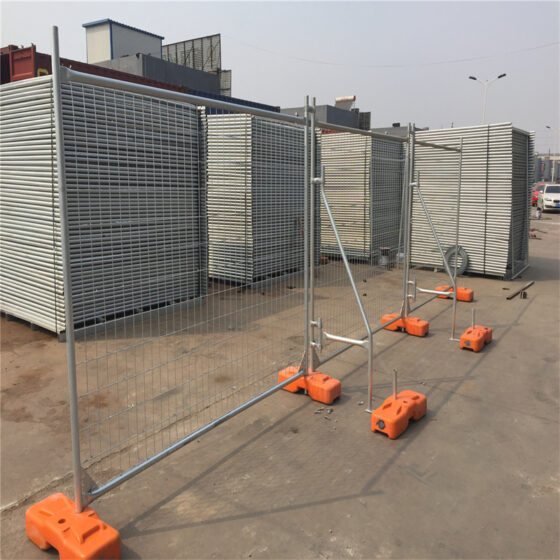
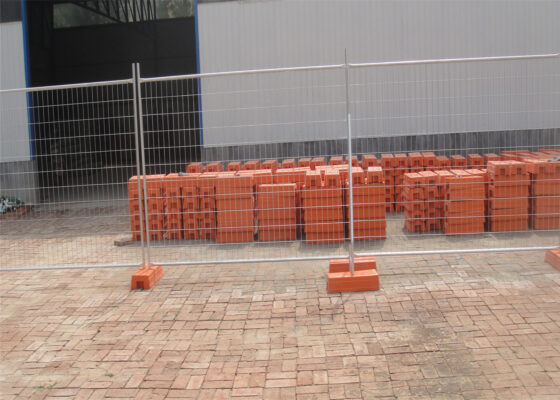
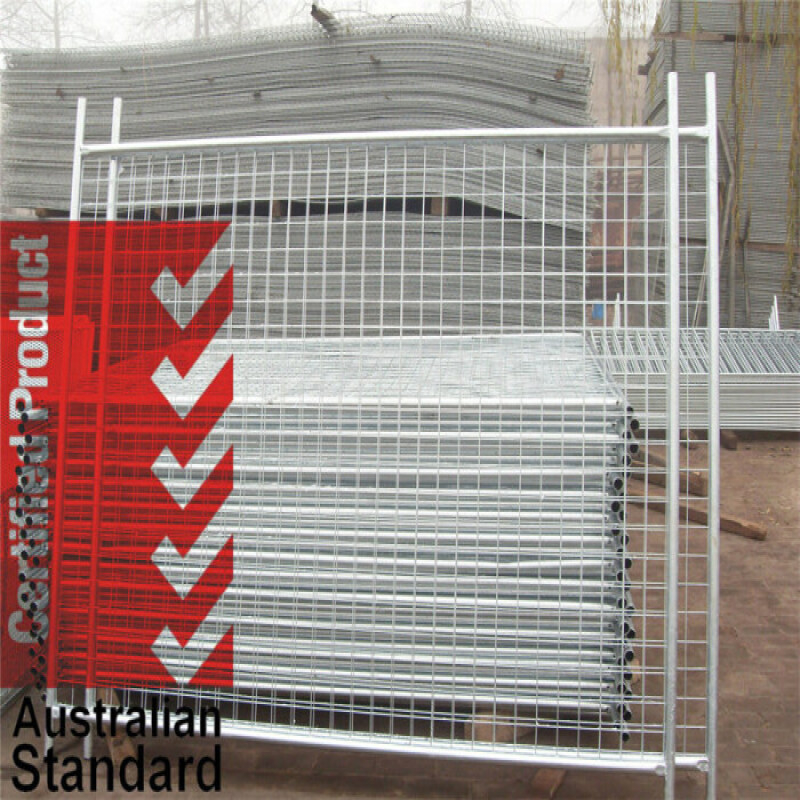
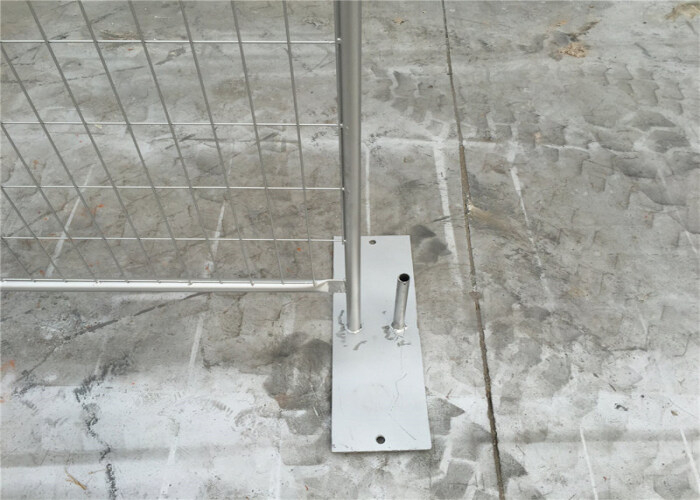
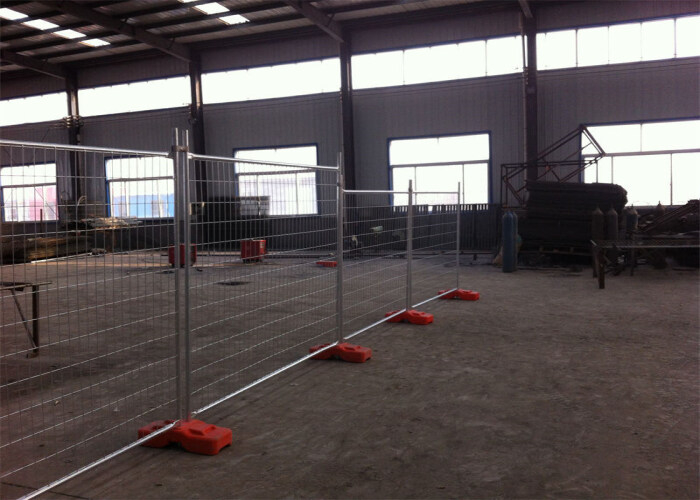
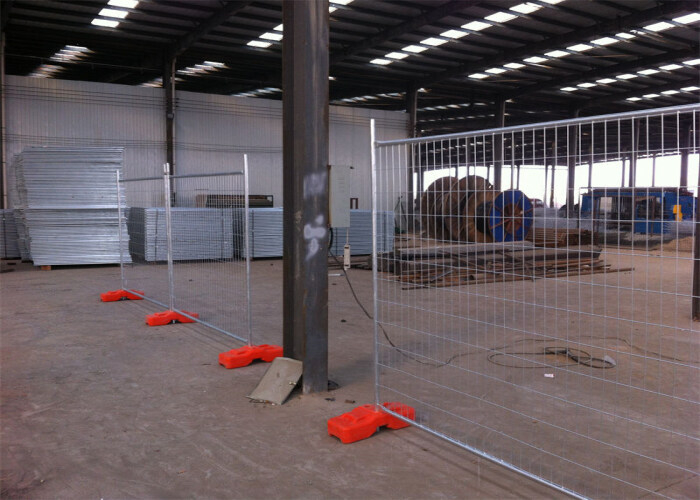
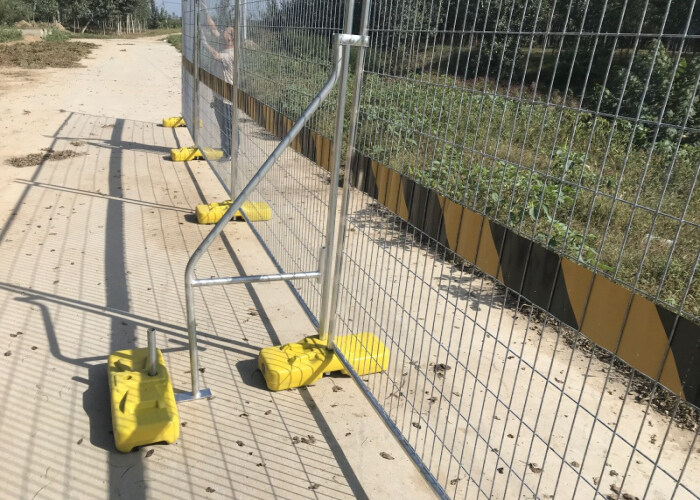
POLYMETAL smart temporary fencing is built around a panel specification designed for stable site separation and repeatable installation. The panel size is 2100mm by 2400mm, using an OD32mm frame with 1.40mm thickness. The mesh opening is 60mm by 150mm with a 3.00mm wire diameter, formed with 38 vertical wires and 13 horizontal wires to support a balanced grid structure. Each panel weighs approximately 14kg, which supports practical handling while still contributing to a more planted, controlled fence line when installed with proper feet and connectors.
Applications
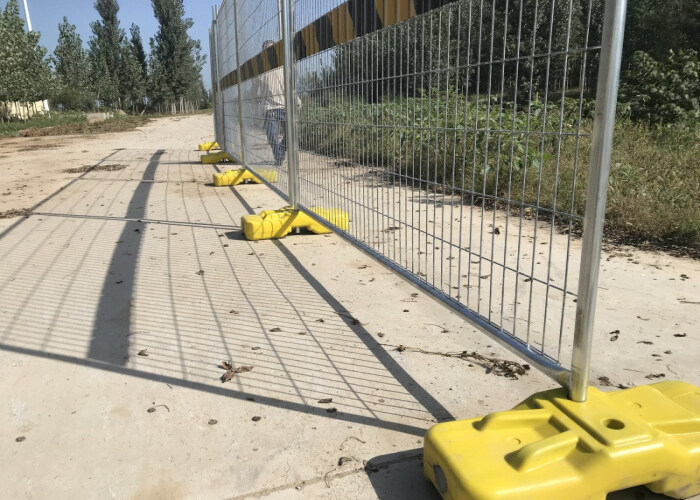
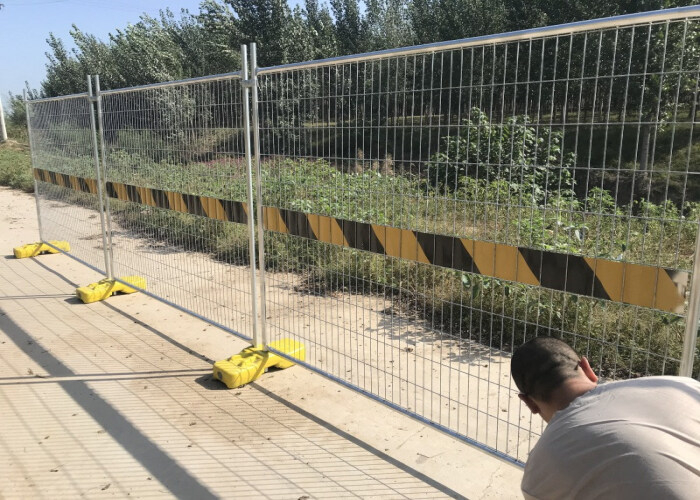
Smart temporary fencing from POLYMETAL is commonly used on construction sites to control access, define safe walkways, and separate work zones from the public. It also fits civil engineering projects such as roadworks, utilities maintenance, drainage upgrades, and pipeline works where the work area changes frequently and needs fast relocation. Many contractors use it for industrial facilities to restrict entry around loading bays, storage yards, or maintenance zones. It can also be applied for events and crowd control when you need clear perimeter guidance, controlled entry points, and rapid setup and removal.
Benefits
POLYMETAL smart temporary fencing helps reduce unauthorized entry by creating a consistent physical boundary that is harder to push out of alignment when installed correctly. The structured mesh pattern supports visibility for supervision while still forming a strong separation line, which improves site order and reduces confusion in busy areas. Because panels are designed as modular sections, teams can install, remove, and reposition them quickly as the site layout changes, saving labor time compared with improvised barriers. A stable fencing line also reduces rework such as constant re-straightening and re-clamping, which can quietly drain project hours. When paired with suitable bases and connectors—and the right temporary fence accessoires to strengthen joints, improve footing, and control entry points—the system supports a cleaner, more professional perimeter presentation that can improve client confidence and help keep a site compliant with typical safety management expectations.
Specifications
| Specification | Value |
|---|---|
| Panel Size (H × W) | 2100 mm × 2400 mm |
| Frame Tube Outer Diameter (OD) | 32 mm |
| Frame Tube Thickness | 1.40 mm |
| Mesh Opening | 60 mm × 150 mm |
| Wire Diameter | 3.00 mm |
| Vertical Wires | 38 pcs |
| Horizontal Wires | 13 pcs |
| Panel Weight | 14 kg |
Final Warning Before You Buy
Smart temporary fencing is only “smart” if it reduces incidents, rework, and hidden risk. If you ignore the traps above—especially Trap #7—you may still get a fence, but you’ll also get delays, disputes, and costs you didn’t budget for.