Your One-Stop Wire Mesh Fence Supplier | POLYMETAL
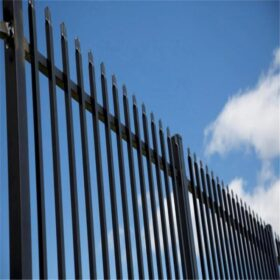
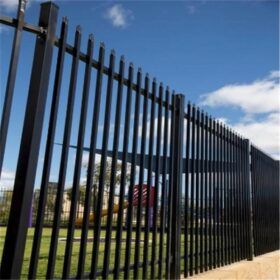
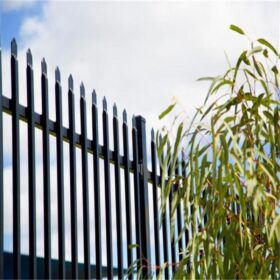
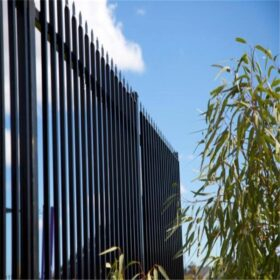
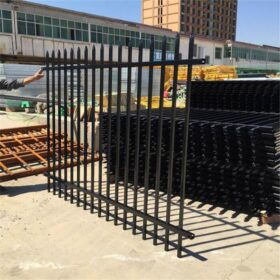
Buying spear top security fencing is not just choosing a “nice-looking” perimeter. On real sites, the fence is judged by one thing: whether it stays straight, tight, and intimidating after months of wind, traffic vibration, gate cycles, and minor impacts.
The hidden risk is assuming all spear top panels behave the same. They do not. One weak rail frame, the wrong upright thickness, a spacing mismatch, or undersized posts can trigger wave-lines, rattles, coating rub-through, leaning bays, and gate misalignment—then rework that costs more than the fence itself.
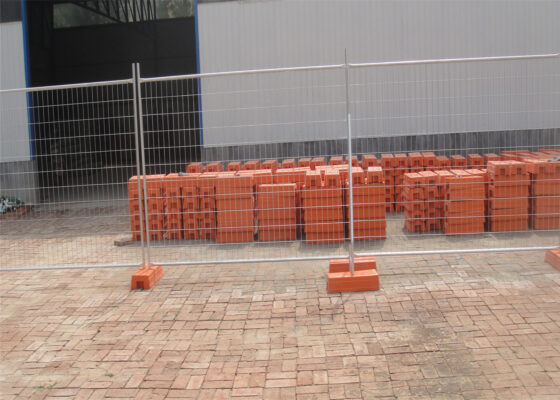
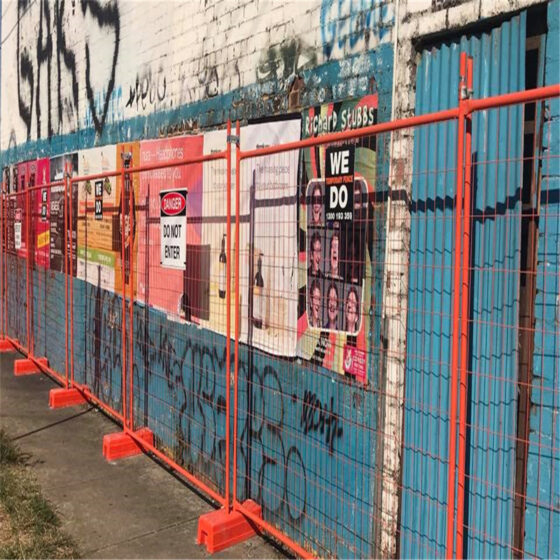
If you want a quick reminder of how fast “small spec errors” become expensive site drama, this temporary fencing rental guide shows the same failure pattern buyers repeat.
POLYMETAL manufactures spear top security fencing as repeatable modules so panel geometry, rail/upright matching, and post stability are consistent from the first bay to the last.
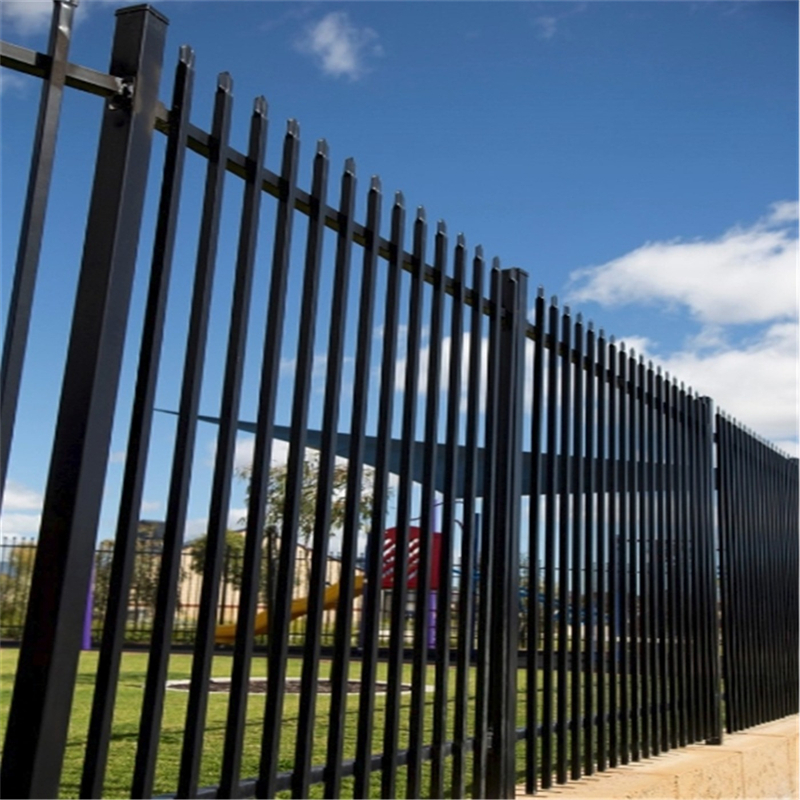
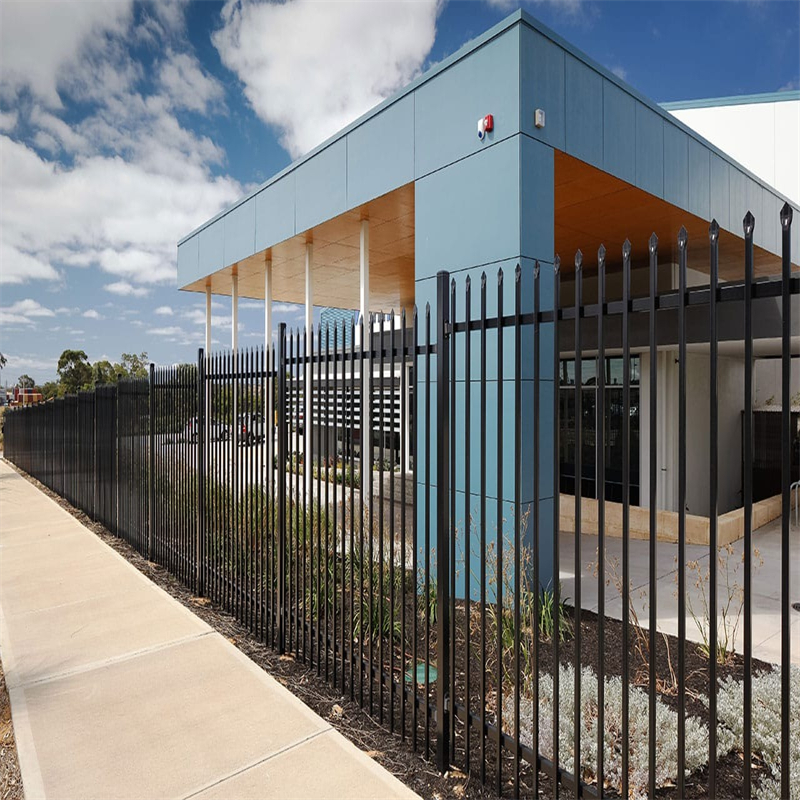
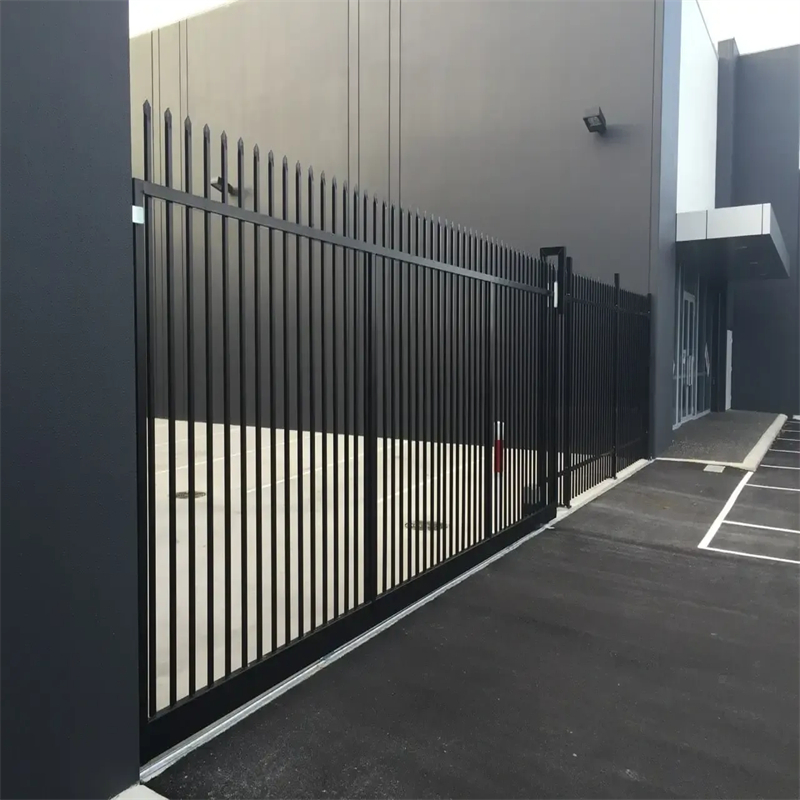
Top 10 High-Risk Traps for Spear Top Security Fencing Orders
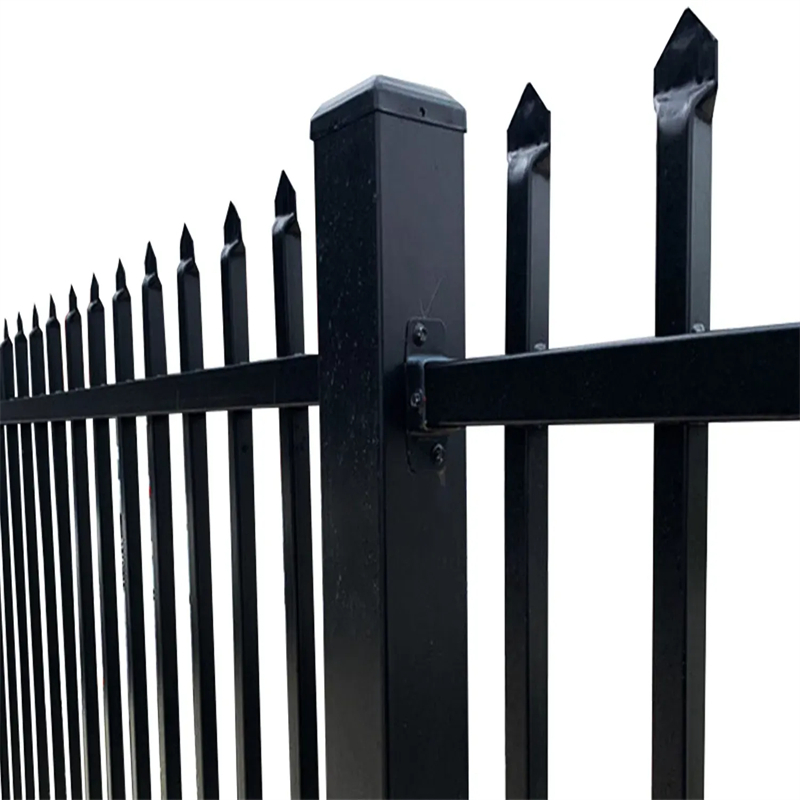
Every item below looks “minor” on a purchase order, but becomes a jobsite problem after posts are already set. Pay special attention to #7, because that is where buyers most often suffer the biggest loss.
Danger #1: Rail frame too light for the fence height
Rails control straightness. If the rail frame is under-specified, the fence line develops visible waves once brackets tighten and the run heats/cools. Lock the rail frame early: 40×40, 45×45, or 50×50, and match thickness to height and exposure.
Trap #2: Rail thickness chosen “to save steel”
Rail thickness is stiffness. If you drop thickness too far, the fence flexes, fasteners loosen faster, and spear tops start to look misaligned. Typical rail thickness options include 1.60mm, 2.00mm, 2.50mm, and 3.00mm.
Oversight #3: Mixing panel widths without a layout plan
Most spear top bays run on 2400mm width, with 2450mm used when site modules require it. Mixing widths without planning forces installers to “pull” panels into place, stressing brackets and creating crooked lines.
Warning #4: Upright size selected for looks, not stiffness
Upright size changes the “security feel” immediately. Typical options include 16×16, 25×25, and 30×30. Under-sized uprights make spear tops look neat on day one, then soft and bend-prone after minor impacts.
Fault #5: Upright thickness treated like a cosmetic detail
Upright thickness is performance. Common options include 0.80mm, 1.00mm, 1.20mm, and up to 2.00mm. Thin uprights bend first, and once a spear top line is bent, the whole fence looks “repaired.”
Risk #6: Spacing requested, but upright count doesn’t match
Spacing must match upright count. Typical builds are 16 pcs (~115mm), 17 pcs (~108mm), or 18 pcs (~100mm). If you demand a 100mm feel but order a layout that doesn’t support it, you get fabrication surprises or delivered panels that fail expectations.
Loss #7: Post height not engineered to panel height (the biggest money mistake)
This is the most common hidden failure. If posts are too short, embedment and stability collapse, bays lean, brackets loosen, and the fence becomes a maintenance machine. Use this rule:
Fence post height must be panel height + 600mm.
If this is wrong, you pay twice—once for the fence, and again for post replacement, re-drilling, re-concreting, and downtime.
Pitfall #8: Post size chosen without matching wall thickness
Post options commonly include 60×60, 65×65, 75×75, 80×80, and 100×100. But size alone is not enough. Wall thickness matters:
1.6mm, 2.0mm, 2.5mm.
If wall thickness is too light, posts twist under bracket load and the fence “leans” even when panels are correct.
Problem #9: Brackets and fasteners not treated as a system
Panels, posts, brackets, and fasteners must be engineered together. Weak brackets or mismatched fasteners trigger over-tightening, thread stripping, bracket distortion, and movement that looks like “panel failure” but is actually fixing failure.
Lesson #10: Ordering panels without a receiving-ready kit plan
Site loss often comes from logistics: mixed bundles, missing caps, wrong bracket counts, or unlabeled post heights. A clean install needs labeled bundles by height/width/rail group/spacing group, with matching post sets so installers cannot swap components and create alignment damage.
Product Description: POLYMETAL Spear Top Security Fencing
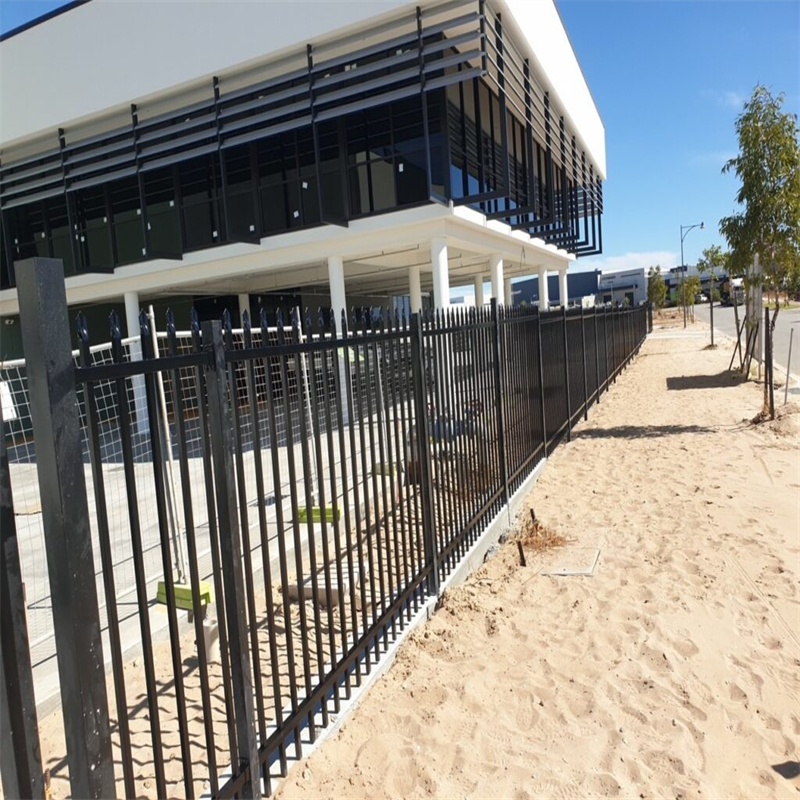
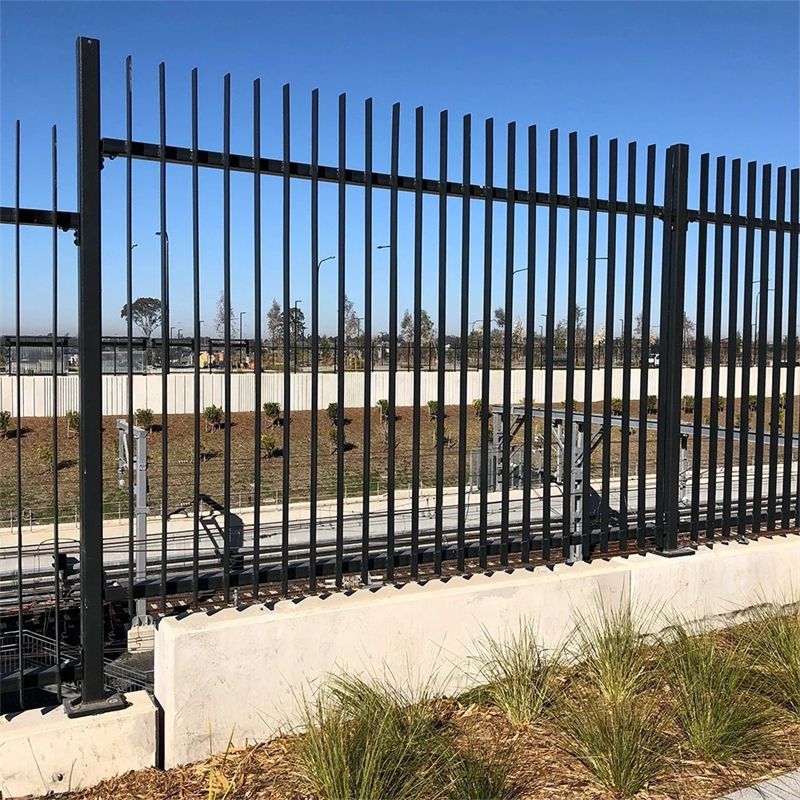
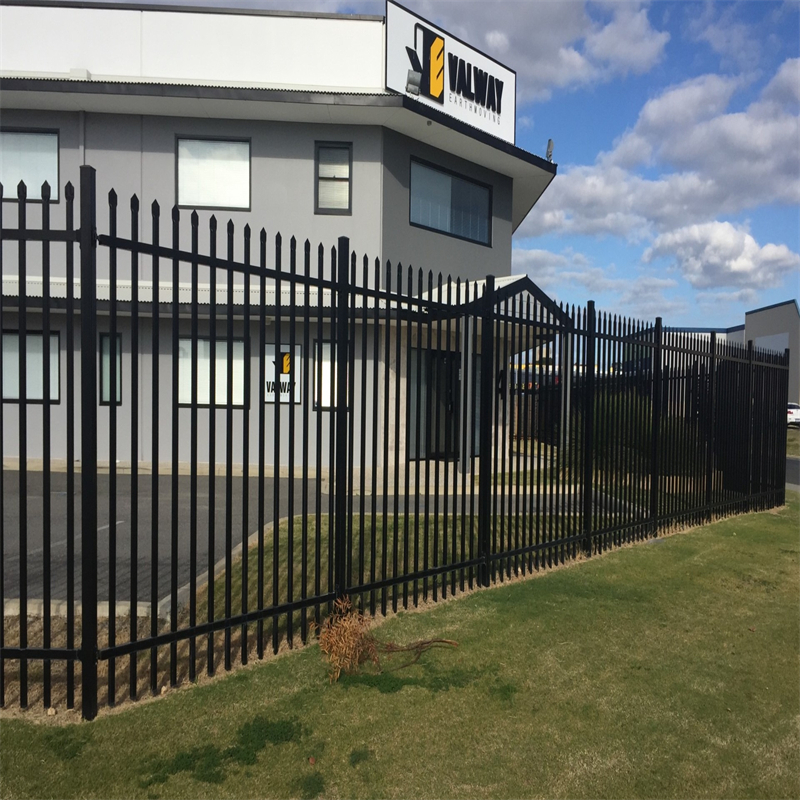
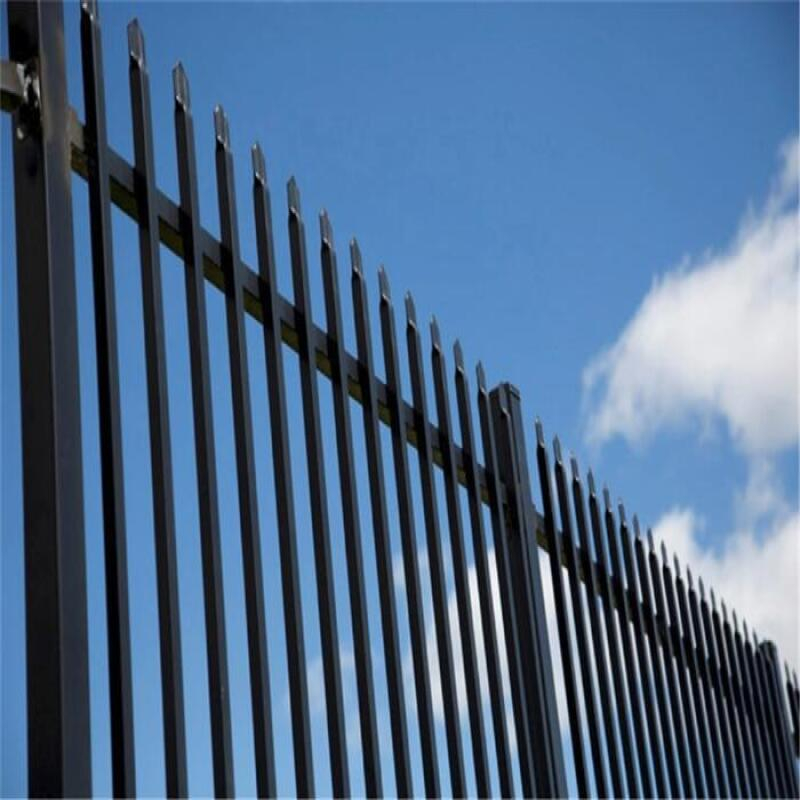
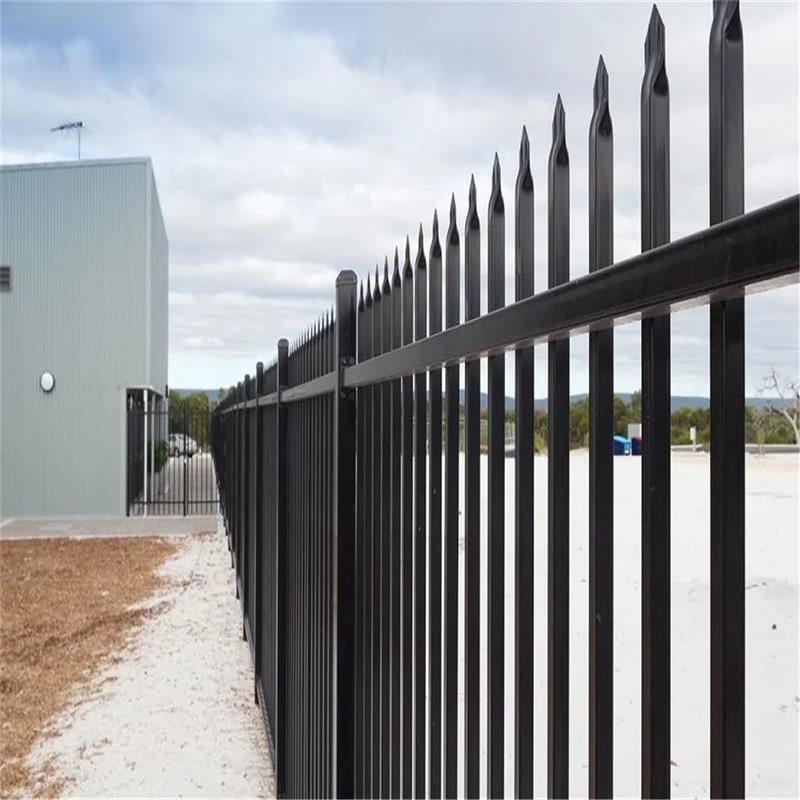
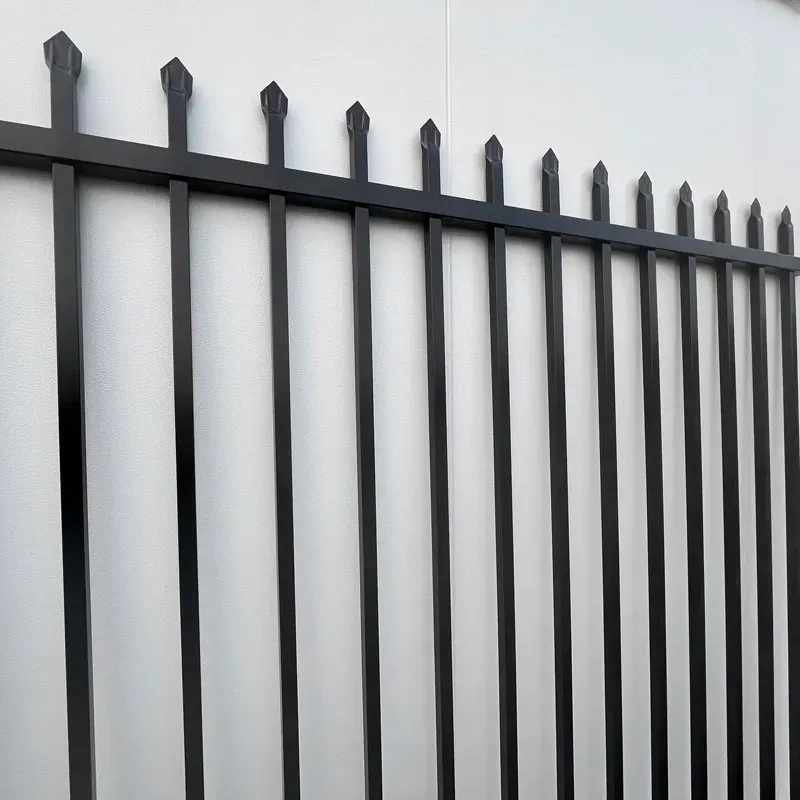
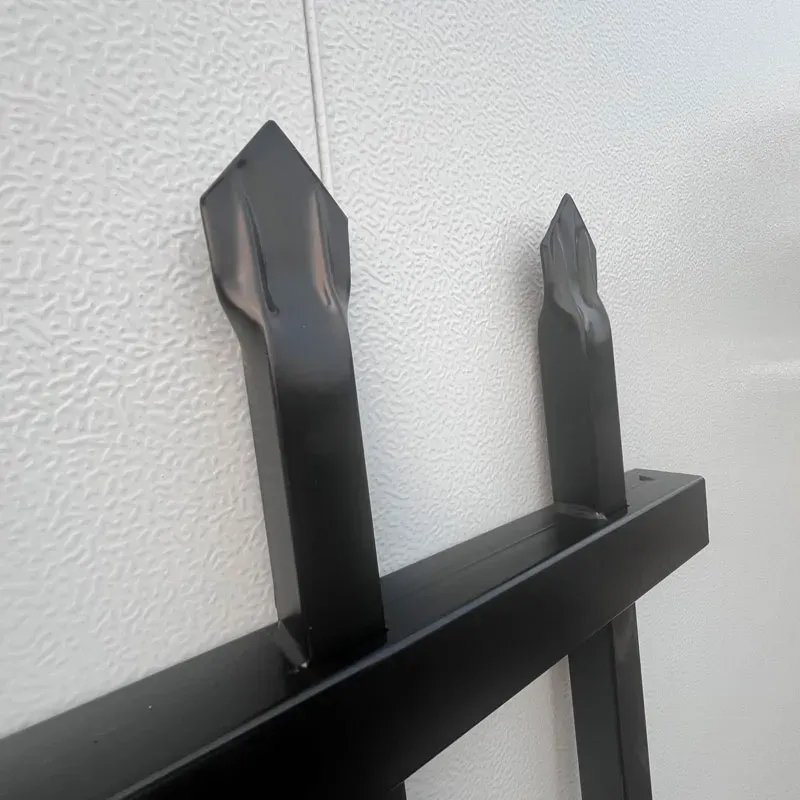
POLYMETAL spear top security fencing is a tubular steel panel system designed to deliver a strong “security presence” with a clean architectural line. Each panel uses square-tube rails and vertical uprights finished with spear tops to discourage climbing and create an unmistakable boundary.
Panels are manufactured from low carbon steel such as Q195/Q235 and can be supplied with corrosion protection options such as galvanised then powder coated for long-term outdoor performance.
The system is built as repeatable modules so rail frame selection, upright size, spacing layout, and post matching remain consistent across the entire run, reducing jobsite improvisation that causes crooked lines, loose fixings, and early coating damage.
Specifications
All configurations below follow these selectable options: rail frame 40×40 / 45×45 / 50×50, upright sizes 16×16 / 25×25 / 30×30, upright thickness 0.80 / 1.00 / 1.20 / 2.00, rail thickness 1.60 / 2.00 / 2.50 / 3.00, widths 2400 / 2450, and post options 60×60 / 65×65 / 75×75 / 80×80 / 100×100 with wall thickness 1.6 / 2.0 / 2.5. Post height uses the rule: post height = panel height + 600mm.
Table 1: Standard Spear Top Security Fencing (Balanced Spec)
| Panel Height | Panel Width | Rail Frame | Rail Thk | Upright | Upright Thk | Uprights | Approx Spacing | Post (Size × Wall) | Post Height |
| 1200mm | 2400mm | 40×40 | 1.60mm | 16×16 | 1.00mm | 18 pcs | ~100mm | 60×60 × 1.6 | 1800mm |
| 1200mm | 2450mm | 40×40 | 2.00mm | 25×25 | 1.00mm | 17 pcs | ~108mm | 65×65 × 1.6 | 1800mm |
| 1500mm | 2400mm | 45×45 | 2.00mm | 25×25 | 1.00mm | 18 pcs | ~100mm | 65×65 × 2.0 | 2100mm |
| 1500mm | 2450mm | 45×45 | 2.00mm | 25×25 | 1.20mm | 17 pcs | ~108mm | 75×75 × 2.0 | 2100mm |
| 1800mm | 2400mm | 45×45 | 2.50mm | 25×25 | 1.20mm | 18 pcs | ~100mm | 75×75 × 2.0 | 2400mm |
| 1800mm | 2450mm | 50×50 | 2.00mm | 30×30 | 1.00mm | 17 pcs | ~108mm | 80×80 × 2.0 | 2400mm |
| 2100mm | 2400mm | 50×50 | 2.50mm | 30×30 | 1.20mm | 18 pcs | ~100mm | 80×80 × 2.5 | 2700mm |
| 2100mm | 2450mm | 50×50 | 2.50mm | 30×30 | 1.20mm | 17 pcs | ~108mm | 100×100 × 2.0 | 2700mm |
| 2400mm | 2400mm | 50×50 | 3.00mm | 30×30 | 1.20mm | 18 pcs | ~100mm | 100×100 × 2.5 | 3000mm |
| 2400mm | 2450mm | 50×50 | 3.00mm | 30×30 | 2.00mm | 17 pcs | ~108mm | 100×100 × 2.5 | 3000mm |
Table 2: Heavy-Duty Spear Top Security Fencing (High Exposure / High Abuse)
| Panel Height | Panel Width | Rail Frame | Rail Thk | Upright | Upright Thk | Uprights | Approx Spacing | Post (Size × Wall) | Post Height |
| 1200mm | 2400mm | 45×45 | 2.50mm | 25×25 | 1.20mm | 18 pcs | ~100mm | 65×65 × 2.0 | 1800mm |
| 1200mm | 2450mm | 45×45 | 2.50mm | 25×25 | 2.00mm | 17 pcs | ~108mm | 75×75 × 2.0 | 1800mm |
| 1500mm | 2400mm | 50×50 | 2.50mm | 30×30 | 1.20mm | 18 pcs | ~100mm | 75×75 × 2.5 | 2100mm |
| 1500mm | 2450mm | 50×50 | 3.00mm | 30×30 | 1.20mm | 17 pcs | ~108mm | 80×80 × 2.5 | 2100mm |
| 1800mm | 2400mm | 50×50 | 3.00mm | 30×30 | 1.20mm | 18 pcs | ~100mm | 80×80 × 2.5 | 2400mm |
| 1800mm | 2450mm | 50×50 | 3.00mm | 30×30 | 2.00mm | 17 pcs | ~108mm | 100×100 × 2.5 | 2400mm |
| 2100mm | 2400mm | 50×50 | 3.00mm | 30×30 | 2.00mm | 18 pcs | ~100mm | 100×100 × 2.5 | 2700mm |
| 2100mm | 2450mm | 50×50 | 3.00mm | 30×30 | 2.00mm | 17 pcs | ~108mm | 100×100 × 2.5 | 2700mm |
| 2400mm | 2400mm | 50×50 | 3.00mm | 30×30 | 2.00mm | 18 pcs | ~100mm | 100×100 × 2.5 | 3000mm |
| 2400mm | 2450mm | 50×50 | 3.00mm | 30×30 | 2.00mm | 17 pcs | ~108mm | 100×100 × 2.5 | 3000mm |
Table 3: Value Spear Top Security Fencing (Cost-Controlled but Buildable)
| Panel Height | Panel Width | Rail Frame | Rail Thk | Upright | Upright Thk | Uprights | Approx Spacing | Post (Size × Wall) | Post Height |
| 1200mm | 2400mm | 40×40 | 1.60mm | 16×16 | 0.80mm | 16 pcs | ~115mm | 60×60 × 1.6 | 1800mm |
| 1200mm | 2450mm | 40×40 | 1.60mm | 16×16 | 1.00mm | 17 pcs | ~108mm | 60×60 × 1.6 | 1800mm |
| 1500mm | 2400mm | 40×40 | 2.00mm | 25×25 | 1.00mm | 16 pcs | ~115mm | 65×65 × 1.6 | 2100mm |
| 1500mm | 2450mm | 45×45 | 1.60mm | 25×25 | 1.00mm | 17 pcs | ~108mm | 65×65 × 2.0 | 2100mm |
| 1800mm | 2400mm | 45×45 | 2.00mm | 25×25 | 1.00mm | 17 pcs | ~108mm | 75×75 × 2.0 | 2400mm |
| 1800mm | 2450mm | 45×45 | 2.00mm | 25×25 | 1.20mm | 16 pcs | ~115mm | 75×75 × 2.0 | 2400mm |
| 2100mm | 2400mm | 50×50 | 2.00mm | 30×30 | 1.00mm | 17 pcs | ~108mm | 80×80 × 2.0 | 2700mm |
| 2100mm | 2450mm | 50×50 | 2.50mm | 30×30 | 1.00mm | 16 pcs | ~115mm | 80×80 × 2.0 | 2700mm |
| 2400mm | 2400mm | 50×50 | 2.50mm | 30×30 | 1.20mm | 17 pcs | ~108mm | 100×100 × 2.0 | 3000mm |
| 2400mm | 2450mm | 50×50 | 2.50mm | 30×30 | 1.20mm | 16 pcs | ~115mm | 100×100 × 2.0 | 3000mm |
Applications
Spear top security fencing is commonly used where a site needs a strong visual deterrent and a clean boundary line that stays straight. Typical applications include schools, factories, warehouses, storage yards, logistics depots, substations, commercial frontage, public buildings, parks, road corridors, and any perimeter where gate traffic and repeated daily pressure demand a rigid panel-and-post system.
Benefits
A properly specified spear top security fencing system delivers a clear “security message” while maintaining straight sight lines and consistent spacing. Modular panels speed installation, reduce on-site cutting, and simplify future repairs because damaged bays can be replaced without rebuilding entire runs.
When rail frame, upright thickness, bracket strength, and post selection are matched correctly, the fence feels solid, resists loosening under vibration, and protects its finish longer at contact points—especially when you choose the right garrison fencing brackets for the post size and wall thickness so the whole system stays tight under real site loads.
Packing
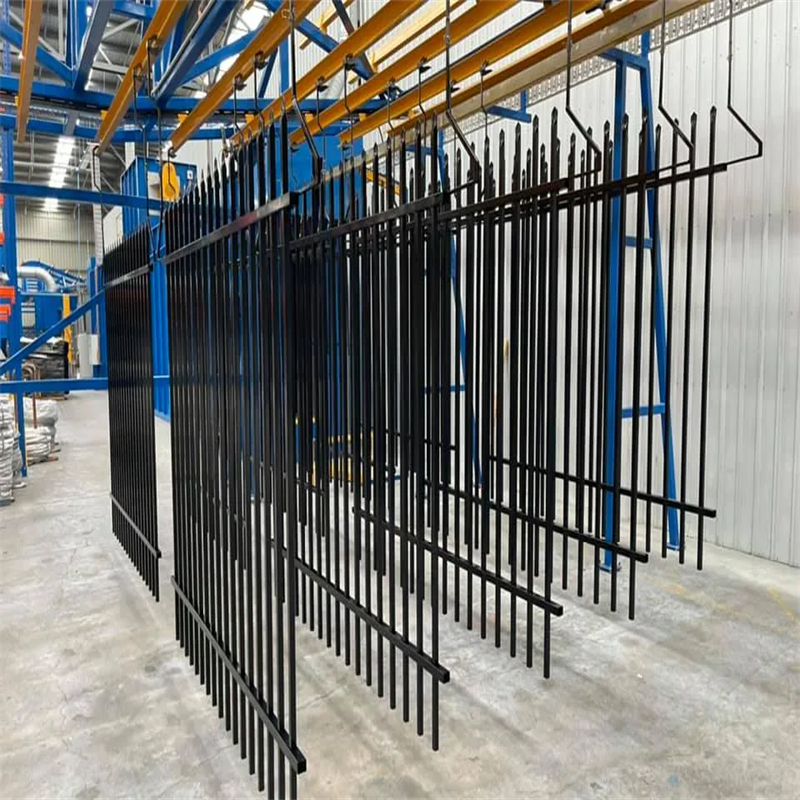
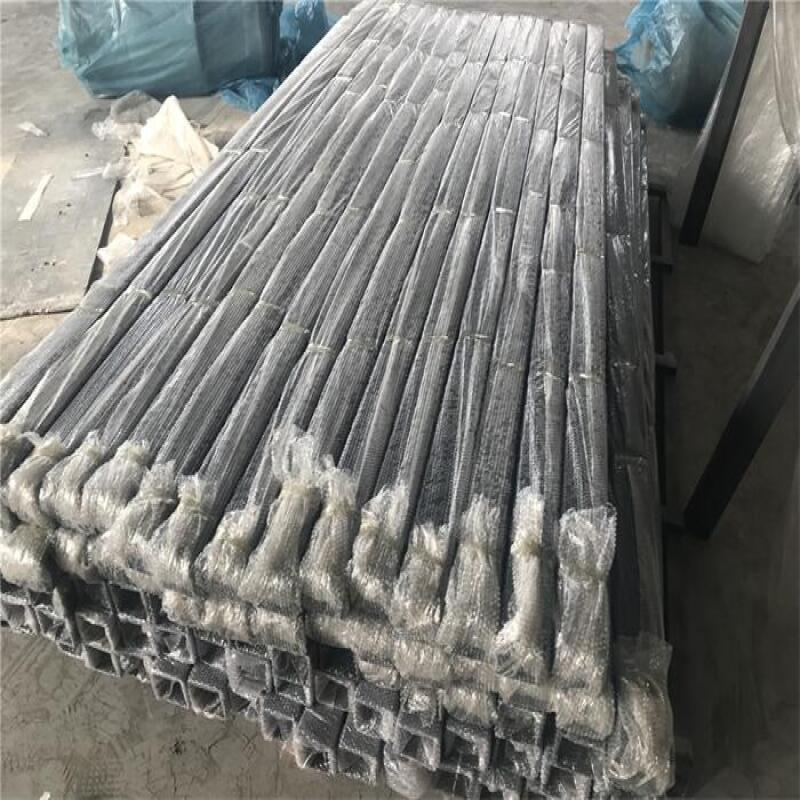
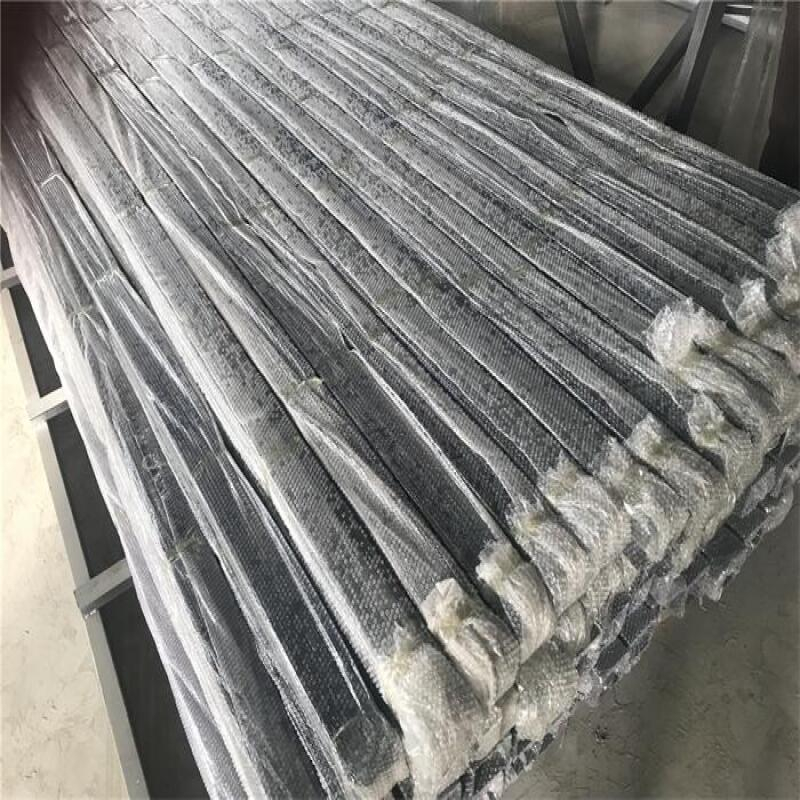
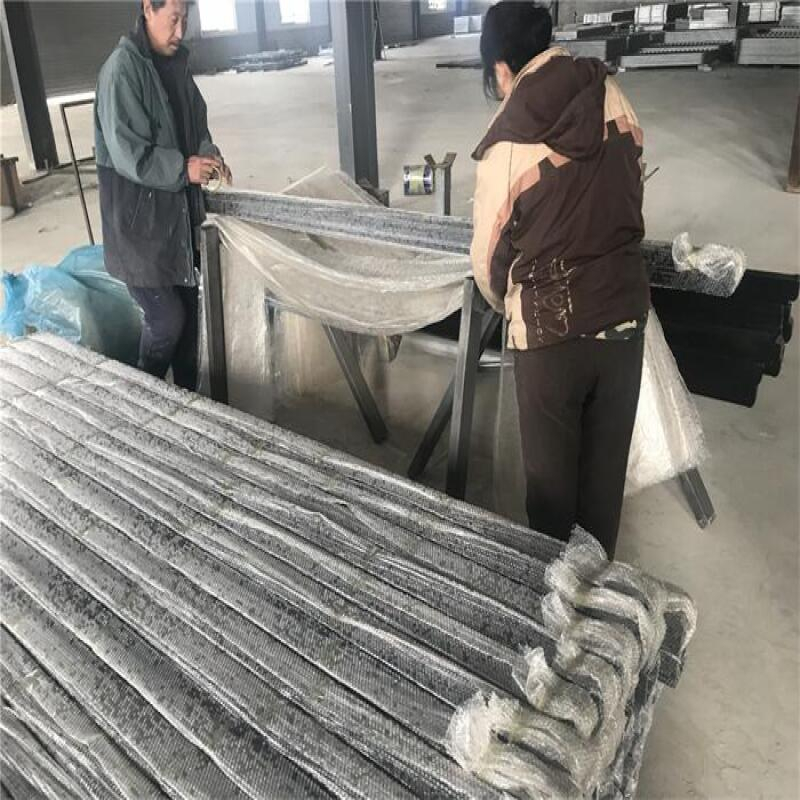
POLYMETAL typically packs spear top security fencing panels in counted bundles with separation protection to reduce rub-through during transport. Bundles are wrapped and palletized for forklift handling, with corner protection to prevent spear top damage. Posts are packed separately by size and wall thickness to prevent mix-ups and bending risk. Brackets, fasteners, and post caps are packed as counted sets so site teams can verify quantities quickly and avoid missing-component delays.
Standards and FAQs
Standards
Because compliance depends on project scope, the safest approach is to define coating expectations, corrosion protection requirements, colour targets, and installation method directly in the purchase specification. POLYMETAL can align rail frames, upright layouts, spacing, post selection, and finish so the delivered spear top security fencing is buildable, consistent, and stable on site—without the hidden failures that appear after posts are already set.
FAQs
Q: What is the most common mistake buyers make?
A: Post height. Use post height = panel height + 600mm. If posts are short, the line leans and the project turns into rework.
Q: Should I always specify 100mm spacing?
A: If you want a true 100mm feel, use a layout that supports it, typically 18 uprights (~100mm). Layout must match the spacing target.
Q: Which rail frame should I choose?
A: 40×40 suits lighter heights, while 45×45 and 50×50 are preferred as height and exposure increase. The goal is straightness, not minimum steel.
Q: What post size should I use?
A: Select from 60×60 to 100×100 and match wall thickness 1.6 / 2.0 / 2.5 to fence height and site exposure. Light posts twist and create visible lean.
Q: What finishes are typical?
A: Galvanised then powder coated is widely used for long-term durability and appearance, with common colours and RAL options available.
Final Buying Reminder
If you want spear top security fencing that stays straight, tight, and intimidating, do not buy “a panel.” Buy a matched POLYMETAL system: lock height and width, specify rail frame and thickness, confirm upright size and count, and engineer posts by size, wall thickness, and especially post height (panel height + 600mm). That is how you avoid delays, rework, and the loss that hits when the schedule is already locked.