Your One-Stop Wire Mesh Fence Supplier | POLYMETAL
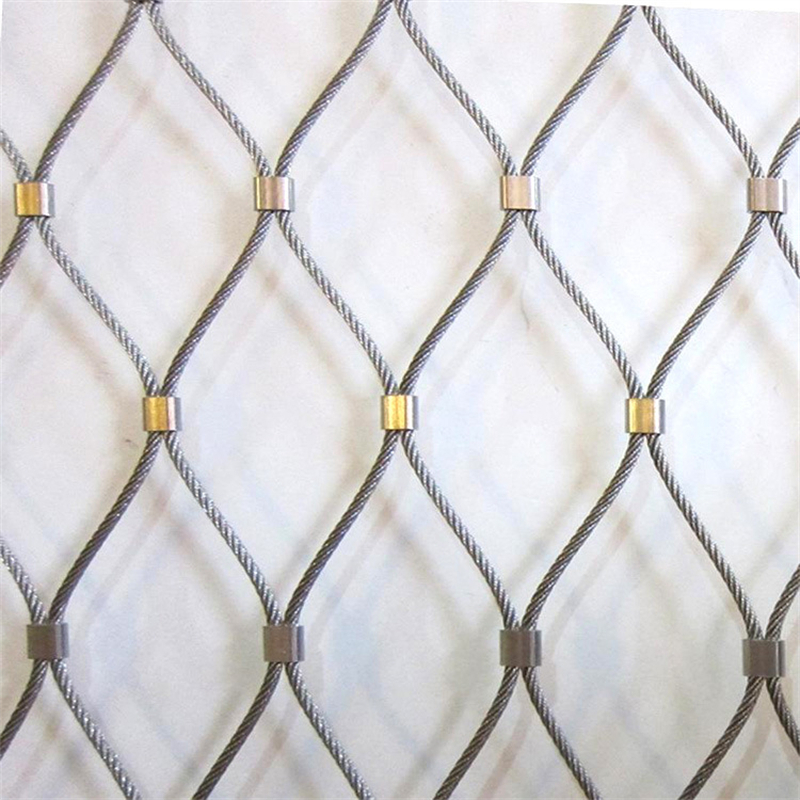
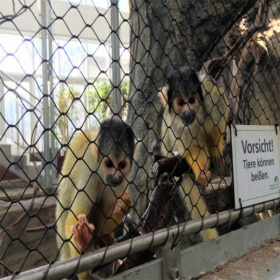
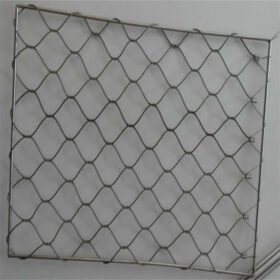
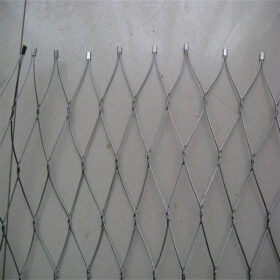
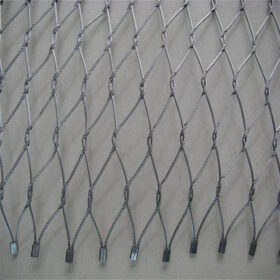
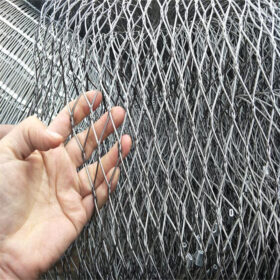
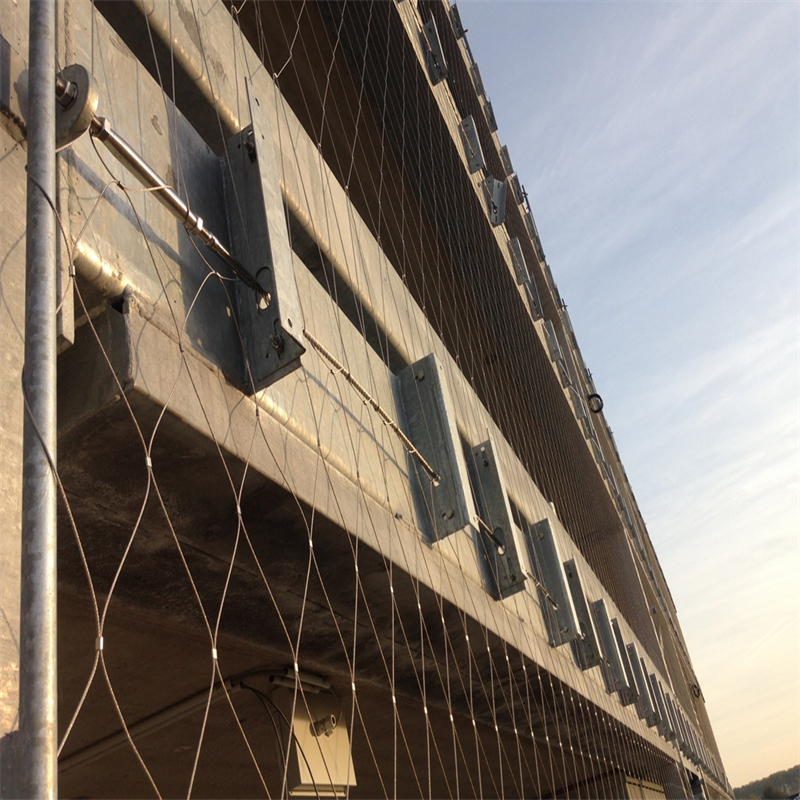
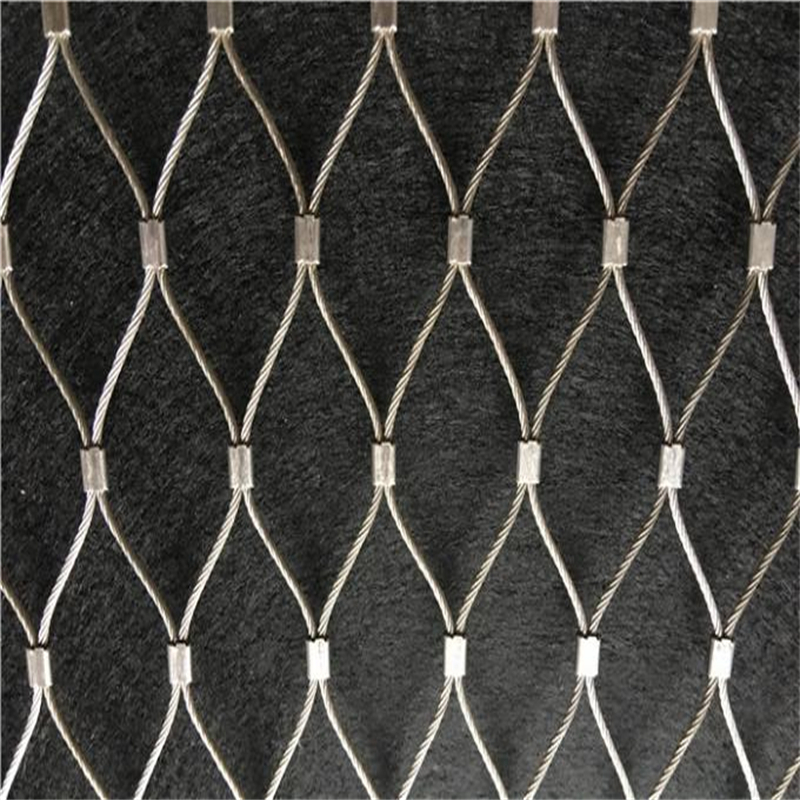
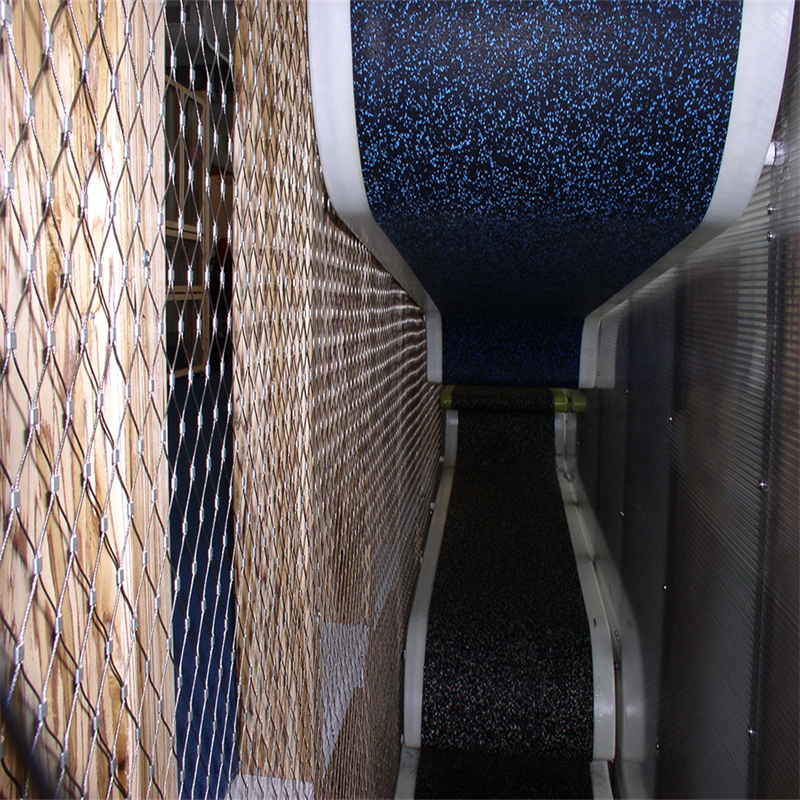
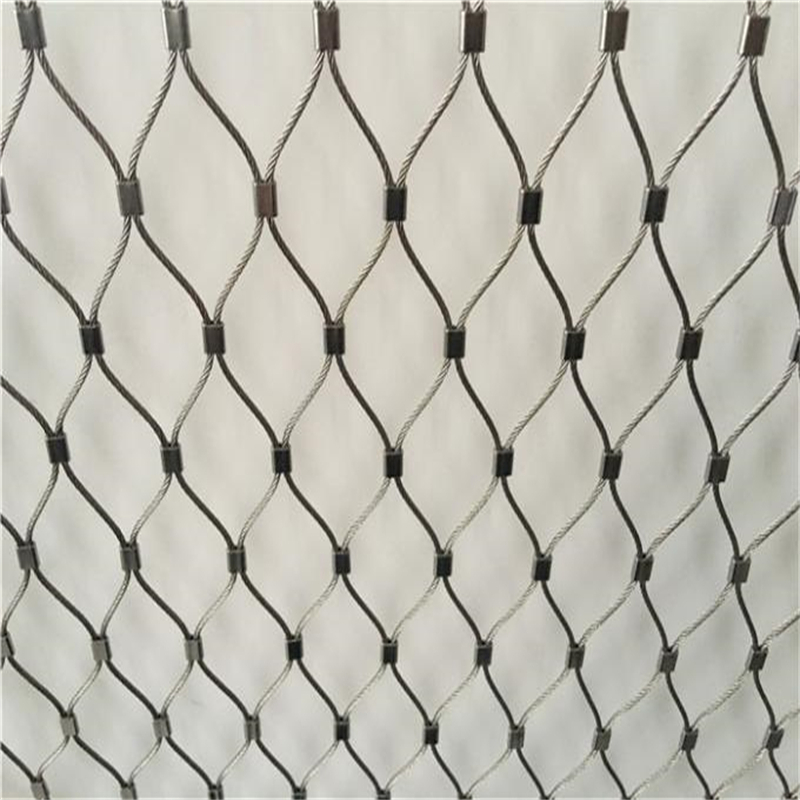
Stainless mesh netting, when it refers specifically to stainless steel rope mesh, is a flexible, high-strength net woven from stainless steel wire ropes. It’s widely used for:
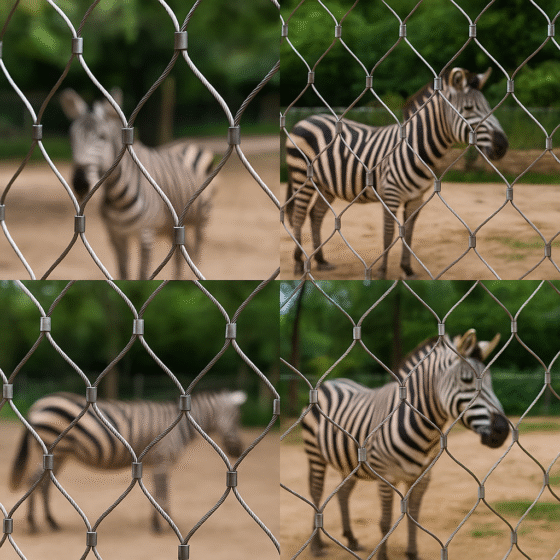
- Zoo and aviary enclosures
- Big cat and primate containment
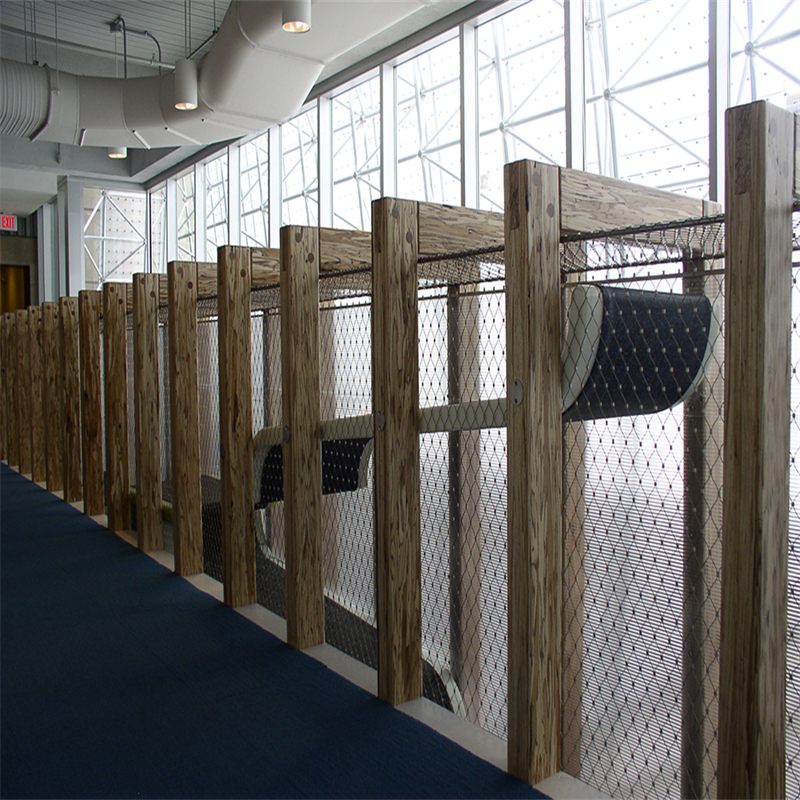
- Balustrade and guardrail infill
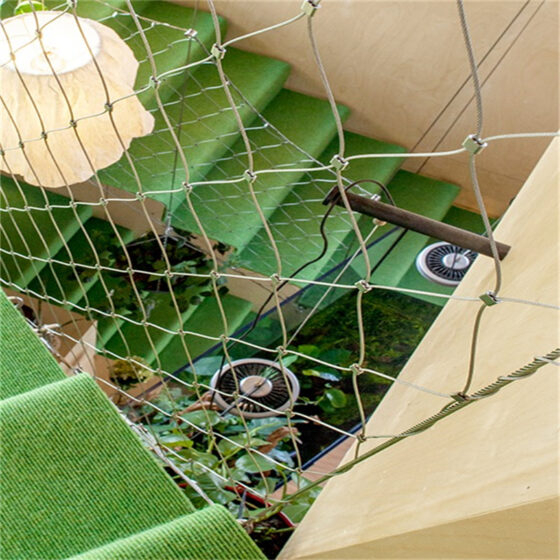
- Bridge and stair fall protection
- Green wall plant support
- Stadium and facade safety nets
All of the risks and secrets in this article talk only about stainless steel rope mesh, not welded wire panels or simple wire cloth.
Secret Detail #1: Confusing Rope Mesh with Cheap Wire Mesh Can Destroy Your Safety Calculations
Many buyers simply search “stainless mesh netting” and accept any mesh the supplier offers. But rope wire mesh behaves very differently from woven cloth or welded mesh:
- It stretches under load in a controlled way.
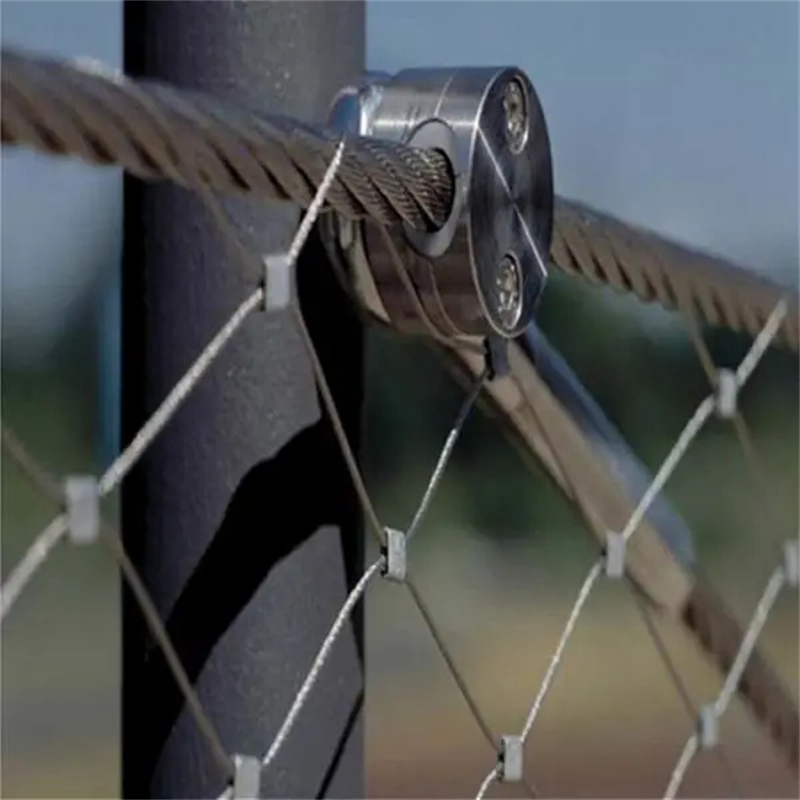
- It is anchored by ferrules or knotted cable mesh intersections, not rigid welds.
- Its real opening size changes with angle and tension.
If you don’t explicitly specify stainless steel rope mesh, your project might receive weaker, rigid mesh that fails impact tests and building code requirements.
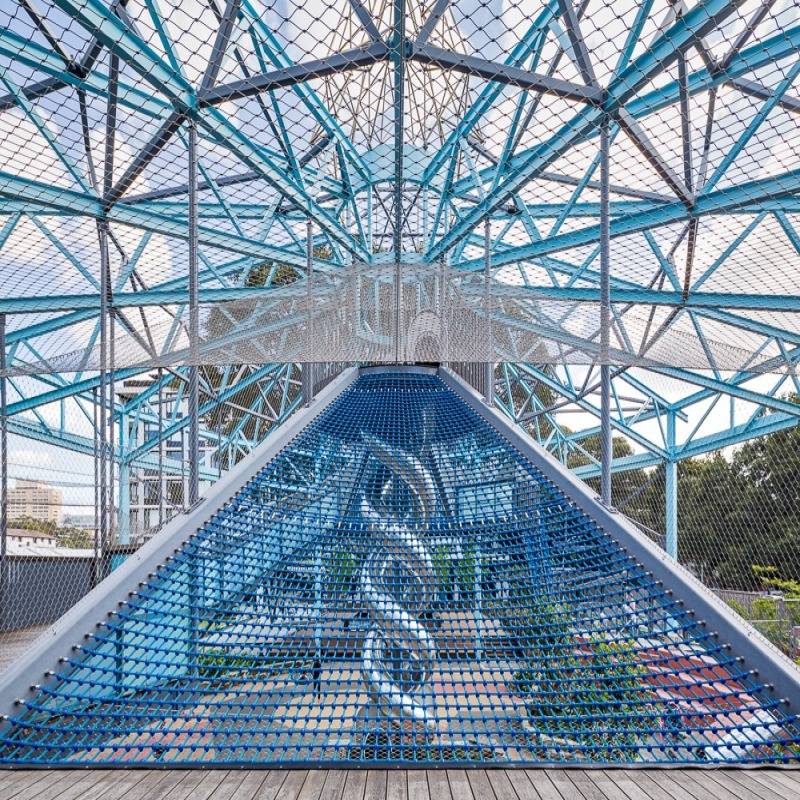

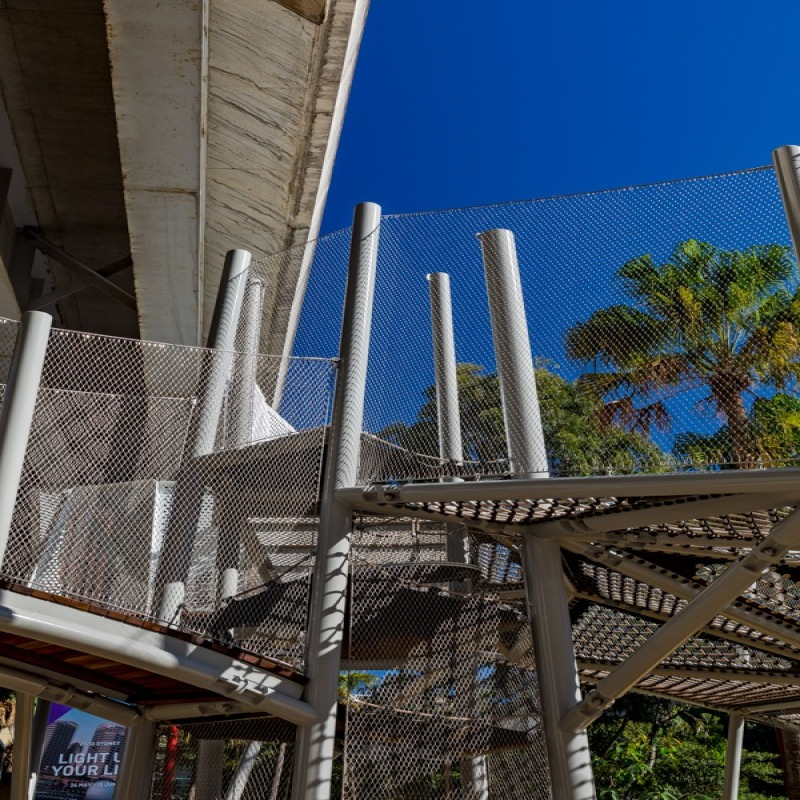
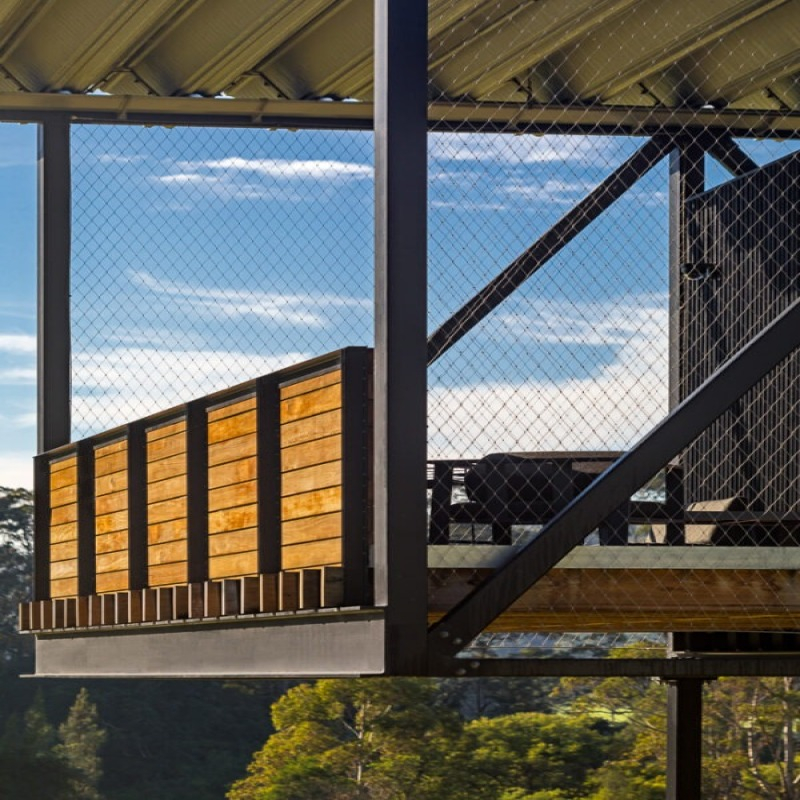
How Stainless Steel Rope Mesh Actually Works
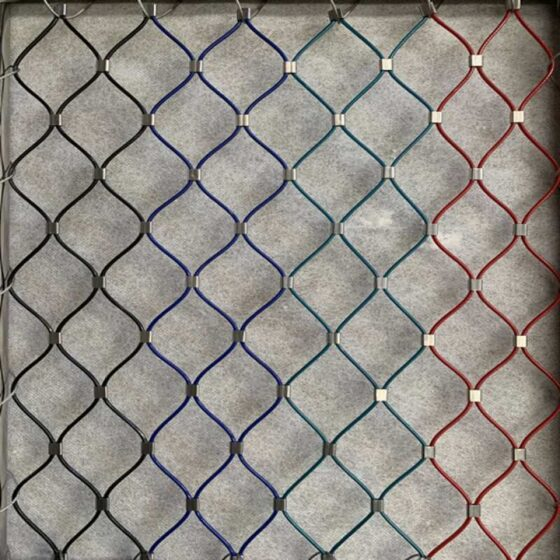
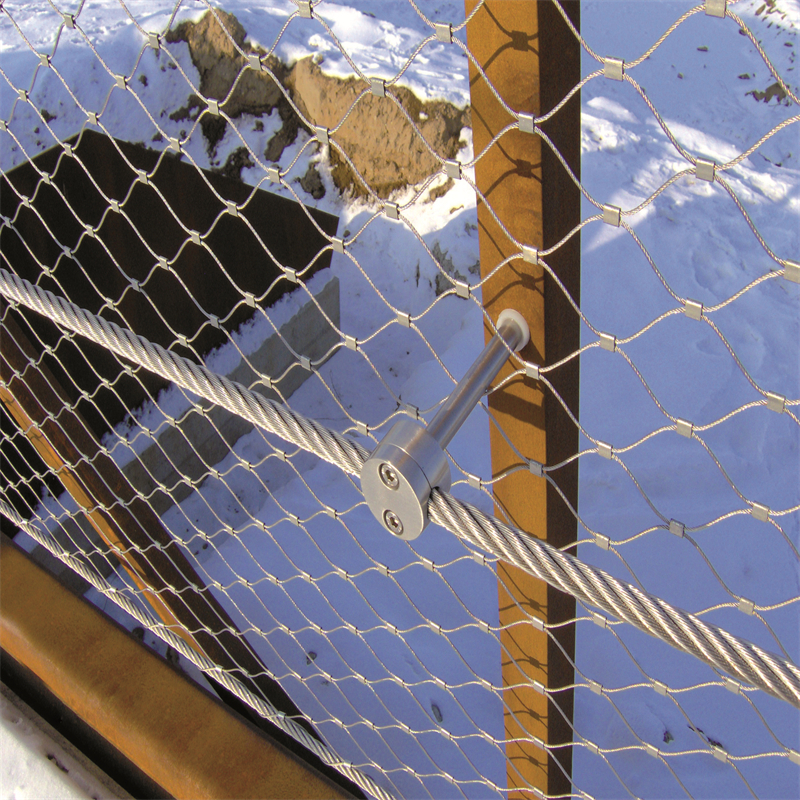
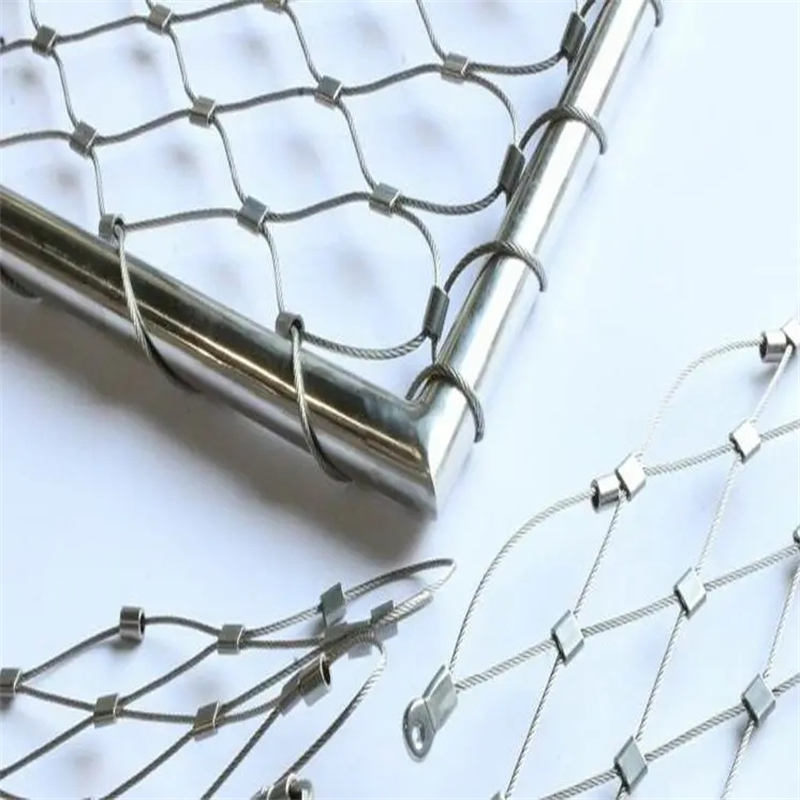
Stainless mesh netting made from rope is typically constructed from multi-strand wire ropes (e.g., 7×7 or 7×19). These ropes are woven into a diamond pattern and fixed together with stainless ferrules or knots.
Key parameters you must understand:
- Wire Rope Diameter (mm) – thickness of the rope; directly affects strength and stiffness.
- Mesh Aperture (mm) – clear opening size between rope centers.
- Angle (degrees) – orientation of the diamond (often 60° or 90°).
- Light Transmittance (%) – how open and transparent the mesh looks.
- Material Grade – usually AISI 304 or AISI 316 stainless steel.
- Nominal Breaking Load (lbs) – theoretical minimum breaking strength of the rope.
- Wire Rope Structure – strand configuration like 7×7, 7×19, etc.
Secret Detail #2: The Mesh Aperture You Choose on Paper Is NOT the Opening People Experience
If you choose mesh aperture only from a catalog line, you ignore two brutal realities:
- The angle you install at (60° vs. 90°) subtly stretches the diamond shape, changing the effective gap.
- Tension during installation can slightly enlarge apertures.
Result: animals or children may fit body parts through gaps that look safe in drawings but are more open in real life. Missing this is one of the fastest ways to fail inspections or face liability after an accident.
Key Specification Tables for Stainless Steel Rope Mesh
Below are example specification tables you can adapt.
Table 1 – Typical Stainless Mesh Netting for Balustrades (Fine Rope)
| Wire Rope Diameter (mm) | Mesh Aperture (mm) | Angle (degrees) | Light Transmittance (%) | Material | Nominal Breaking Load (lbs) | Wire Rope Structure |
|---|---|---|---|---|---|---|
| 1.2 | 20 | 60 | 62 | AISI 304 | 485 | 7×7 |
| 1.2 | 25 | 60 | 68 | AISI 304 | 485 | 7×7 |
| 1.2 | 30 | 60 | 72 | AISI 304 | 485 | 7×7 |
| 1.2 | 35 | 60 | 75 | AISI 304 | 485 | 7×7 |
| 1.2 | 40 | 60 | 78 | AISI 304 | 485 | 7×7 |
| 1.2 | 45 | 60 | 80 | AISI 304 | 485 | 7×7 |
| 1.2 | 50 | 60 | 82 | AISI 304 | 485 | 7×7 |
| 1.2 | 55 | 60 | 83 | AISI 304 | 485 | 7×7 |
| 1.2 | 60 | 60 | 84 | AISI 304 | 485 | 7×7 |
| 1.2 | 65 | 60 | 85 | AISI 304 | 485 | 7×7 |
| 1.2 | 70 | 60 | 86 | AISI 304 | 485 | 7×7 |
| 1.2 | 75 | 60 | 87 | AISI 304 | 485 | 7×7 |
| 1.2 | 80 | 60 | 88 | AISI 304 | 485 | 7×7 |
| 1.2 | 85 | 60 | 89 | AISI 304 | 485 | 7×7 |
| 1.2 | 90 | 60 | 90 | AISI 304 | 485 | 7×7 |
Secret Detail #3: Choosing Rope Diameter Only by Price Can Blow Up Your Liability
Many projects use the smallest rope diameter that “looks fine” to cut cost. The problem:
- Thinner rope = smaller safety margin under dynamic impact.
- Long spans increase deflection dramatically.
- Handrails and guards must comply with specific deflection limits.
If a person leans or falls on under-designed stainless mesh netting and it yields too much, you could be forced to rip out and replace an entire installation after testing.
Table 2 – Stainless Mesh Netting for Zoo Aviaries (Medium Rope)
| Wire Rope Diameter (mm) | Mesh Aperture (mm) | Angle (degrees) | Light Transmittance (%) | Material | Nominal Breaking Load (lbs) | Wire Rope Structure |
|---|---|---|---|---|---|---|
| 1.6 | 25 | 60 | 60 | AISI 316 | 880 | 7×19 |
| 1.6 | 30 | 60 | 65 | AISI 316 | 880 | 7×19 |
| 1.6 | 35 | 60 | 70 | AISI 316 | 880 | 7×19 |
| 1.6 | 40 | 60 | 74 | AISI 316 | 880 | 7×19 |
| 1.6 | 45 | 60 | 77 | AISI 316 | 880 | 7×19 |
| 1.6 | 50 | 60 | 80 | AISI 316 | 880 | 7×19 |
| 1.6 | 55 | 60 | 82 | AISI 316 | 880 | 7×19 |
| 1.6 | 60 | 60 | 84 | AISI 316 | 880 | 7×19 |
| 1.6 | 65 | 60 | 86 | AISI 316 | 880 | 7×19 |
| 1.6 | 70 | 60 | 87 | AISI 316 | 880 | 7×19 |
| 1.6 | 75 | 60 | 88 | AISI 316 | 880 | 7×19 |
| 1.6 | 80 | 60 | 89 | AISI 316 | 880 | 7×19 |
| 1.6 | 90 | 60 | 90 | AISI 316 | 880 | 7×19 |
| 1.6 | 100 | 60 | 91 | AISI 316 | 880 | 7×19 |
| 1.6 | 120 | 60 | 92 | AISI 316 | 880 | 7×19 |
Secret Detail #4: Ignoring Angle Changes Can Make “Safe” Mesh Big Enough for Escape
When you rotate the mesh from 60° to 90° diamond angle:
- The visual opening changes.
- Small animals or birds may find new escape paths.
- Guards that were tested at one angle might fail at another.
If you simply tell installers to “make it look straight” without fixing the design angle, you risk larger openings than your drawings show, and you may need emergency retrofits after an escape incident.
Table 3 – Stainless Mesh Netting for Big Cat & High-Impact Enclosures (Heavy Rope)
| Wire Rope Diameter (mm) | Mesh Aperture (mm) | Angle (degrees) | Light Transmittance (%) | Material | Nominal Breaking Load (lbs) | Wire Rope Structure |
|---|---|---|---|---|---|---|
| 2.0 | 30 | 90 | 55 | AISI 316 | 1430 | 7×19 |
| 2.0 | 40 | 90 | 60 | AISI 316 | 1430 | 7×19 |
| 2.0 | 50 | 90 | 65 | AISI 316 | 1430 | 7×19 |
| 2.0 | 60 | 90 | 70 | AISI 316 | 1430 | 7×19 |
| 2.0 | 70 | 90 | 73 | AISI 316 | 1430 | 7×19 |
| 2.0 | 80 | 90 | 76 | AISI 316 | 1430 | 7×19 |
| 2.0 | 90 | 90 | 78 | AISI 316 | 1430 | 7×19 |
| 2.0 | 100 | 90 | 80 | AISI 316 | 1430 | 7×19 |
| 2.0 | 120 | 90 | 83 | AISI 316 | 1430 | 7×19 |
| 2.0 | 140 | 90 | 86 | AISI 316 | 1430 | 7×19 |
| 2.0 | 160 | 90 | 88 | AISI 316 | 1430 | 7×19 |
| 2.0 | 180 | 90 | 90 | AISI 316 | 1430 | 7×19 |
| 2.0 | 200 | 90 | 92 | AISI 316 | 1430 | 7×19 |
| 2.0 | 220 | 90 | 93 | AISI 316 | 1430 | 7×19 |
| 2.0 | 250 | 90 | 95 | AISI 316 | 1430 | 7×19 |
Secret Detail #5: Using Nominal Breaking Load as Your Working Load Is a Silent Disaster
Nominal breaking load is not the safe working load. It is a laboratory minimum at failure. In a real stainless mesh netting system you must:
- Apply safety factors (often 3–5× or more).
- Consider dynamic loads: jumping animals, falling people, wind, snow, or debris.
- Account for ferrule and clamp efficiency, not just the rope.
Designing close to nominal breaking load is essentially planning for long-term failure.
Material Choices: 304 vs 316 and Hidden Corrosion Risks
For stainless steel rope mesh, the usual options are AISI 304 and AISI 316.
- 304 stainless steel
Cost-effective
Suitable for dry indoor or mild outdoor environments
- 316 stainless steel
Higher corrosion resistance
Better for coastal, marine, or chemically aggressive areas
Secret Detail #6: Assuming 304 Stainless Can’t Rust May Cost You a Full Replacement
Even genuine 304 stainless can:
- Tea-stain or rust if exposed to salt spray, industrial pollution, or improper cleaning chemicals.
- Suffer crevice corrosion at clamps or ferrules.
If your “indoor” installation ends up near chlorinated pools or coastal openings, wrongly choosing 304 instead of 316 may force you into early, expensive replacement.
Safety, Codes and Real-World Risk
Stainless mesh netting for guardrails, bridges, and public spaces must always be checked against:
- Local building codes (aperture limits, height, and load).
- Impact load requirements and deflection limits.
- Requirements for child-proof design in residential and public buildings.
Secret Detail #7: Skipping Code Checks Can Make Your Entire Project Non-Compliant Overnight
Here’s the nightmare scenario: you buy imported stainless mesh netting that looks beautiful, but:
- The aperture is a few millimeters larger than your code allows.
- The deflection under load exceeds the permitted value.
Once the inspector rejects it, there is often no cheap fix. You may need to redesign supports, increase rope diameter, or tear everything out. Missing this secret can turn a “small saving” into huge penalties and reputational damage.
Visual Performance: Light Transmittance and Aesthetics
Designers love stainless mesh netting because it is transparent, lightweight, and elegant. Light transmittance directly affects:
- How much natural light passes through.
- How clearly animals, scenery, or backgrounds are visible.
- The visual “heaviness” of the barrier.
Secret Detail #8: Excessive Light Transmittance Can Cause Glare and Visual Discomfort
If you chase maximum transparency:
- Large apertures may create strong glare in certain sun angles.
- Visitors might feel unsafe because the barrier “disappears”.
- Birds may fly into the mesh at high speed, injuring themselves.
Balancing aesthetics and safety is critical; otherwise, you may end up adding extra shading or secondary barriers that kill the original design.
Installation: Tension, Framing and Edge Details
Correct installation of stainless steel rope mesh involves:
- Rigid frame structures (steel tubes, posts, or cables).
- Correct pre-tension applied uniformly.
- Reliable edge terminations (lacing ropes, clamps, or custom frames).
Secret Detail #9: Weak Edge Framing Can Turn Safe Mesh into a Dangerous “Blade”
If the mesh is properly specified but the edges are poorly treated:
- The frame can flex excessively, increasing openings.
- Sharp corners or misaligned ferrules can snag clothing or skin.
- Localized overload at weak corners can tear the mesh under impact.
It’s common to cut cost on frames, but the result is a net that fails at its most critical points, right where people or animals interact with it.
Supplier Selection and Hidden Cost Traps
Not all stainless mesh netting suppliers are equal. Key questions to ask:
- Do they supply material certificates (304/316, wire origin)?
- Can they provide test reports for breaking load and system performance?
- Do they give installation guidance and recommended hardware?
Secret Detail #10: Over-Optimistic Data Sheets Can Hide Dangerous Shortcuts
Some low-cost suppliers:
- Quote breaking loads for bare rope but ignore ferrule efficiency.
- Use mixed grades of stainless to reduce cost.
- Under-specify wire rope structure (e.g., using lower-quality 6×7 instead of 7×7/7×19).
If you build on those numbers, you risk under-designed safety systems that look good on paper but fail under real impacts.
Maintenance, Cleaning and Long-Term Performance
Stainless mesh netting is low-maintenance, not no-maintenance. You should:
- Inspect regularly for damage, deformation, and loose ferrules.
- Clean salt, dust, and pollutants with suitable detergents.
- Check tension and frame stability after extreme weather.
Secret Detail #11: Aggressive Cleaning Chemicals Can Quietly Destroy the Wire Rope
Using harsh cleaners, steel wool, or chloride-rich products can:
- Scratch the passive surface layer of the stainless steel.
- Introduce chloride ions that trigger pitting corrosion.
- Cause unexpected rust spots and eventual wire failure.
If cleaning is left to untrained staff with random chemicals, your “maintenance” can actually shorten the lifespan of the stainless mesh netting dramatically.
Final Thoughts: Turning Stainless Mesh Netting from Risk to Reliable Protection
When you treat stainless mesh netting as a serious engineering system—not just a beautiful filling—it delivers:
- High safety with low visual impact
- Long service life, especially with 316 stainless steel
- Flexible, elegant design options for architects and zoo designers
But if you ignore the 11 shocking secrets above—especially code compliance, material selection, and real loading—you may end up with a structure that is beautiful on day one and dangerous, non-compliant, and painfully expensive to fix later.