Your One-Stop Wire Mesh Fence Supplier | POLYMETAL
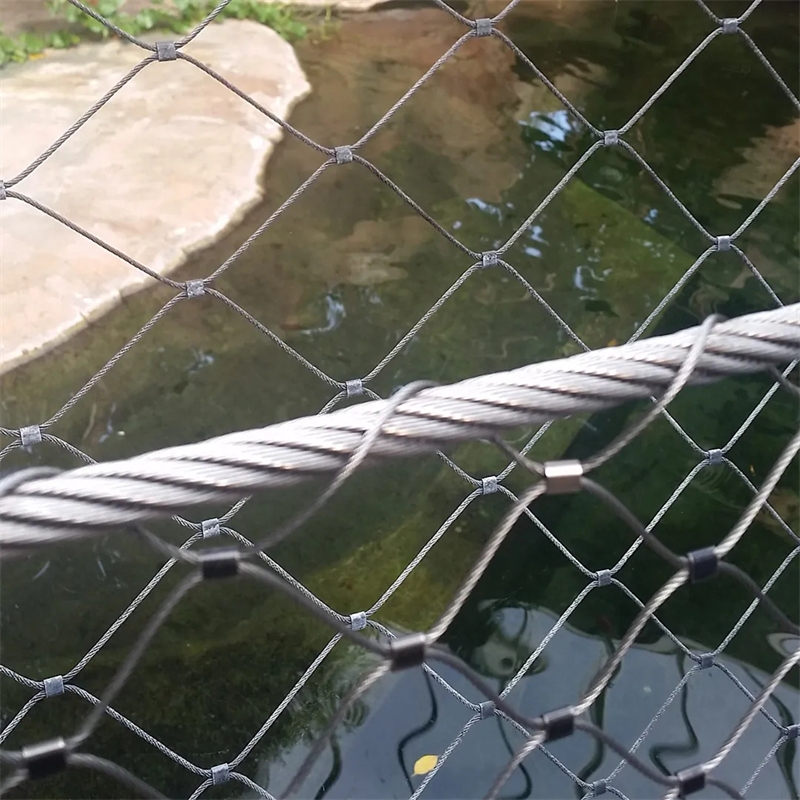
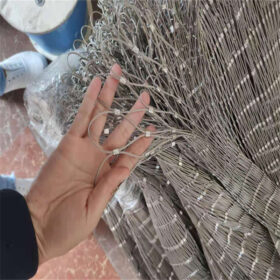
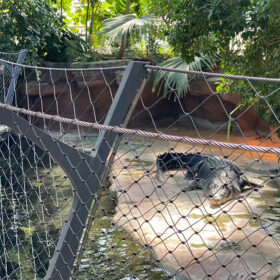
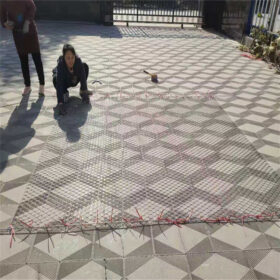
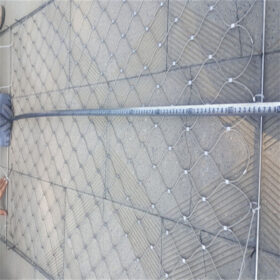
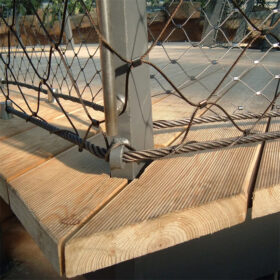
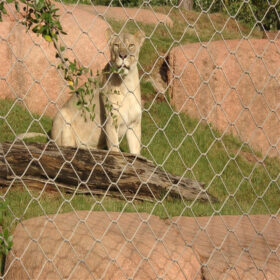
stainless rope mesh looks elegant from a distance: clean diamonds, soft curves and a bright, transparent appearance. Behind this clean look sit powerful technical decisions that either protect your animals, facade and budget for many years, or open the door to escapes, falling parts, structural damage and emergency repair costs.
Most buyers and even some designers focus only on simple numbers such as mesh aperture and wire rope diameter. The real danger is buried in less obvious elements: panel angle, light transmittance, material grade, wire rope structures, nominal breaking load, installation quality and daily maintenance habits. This guide exposes 10 shocking danger facts inside stainless rope mesh so you can stop hidden problems before they appear – and if you read nothing else, do not skip crisis point #9, because ignoring that one detail is exactly how a “perfect-looking” project suddenly causes direct financial loss.
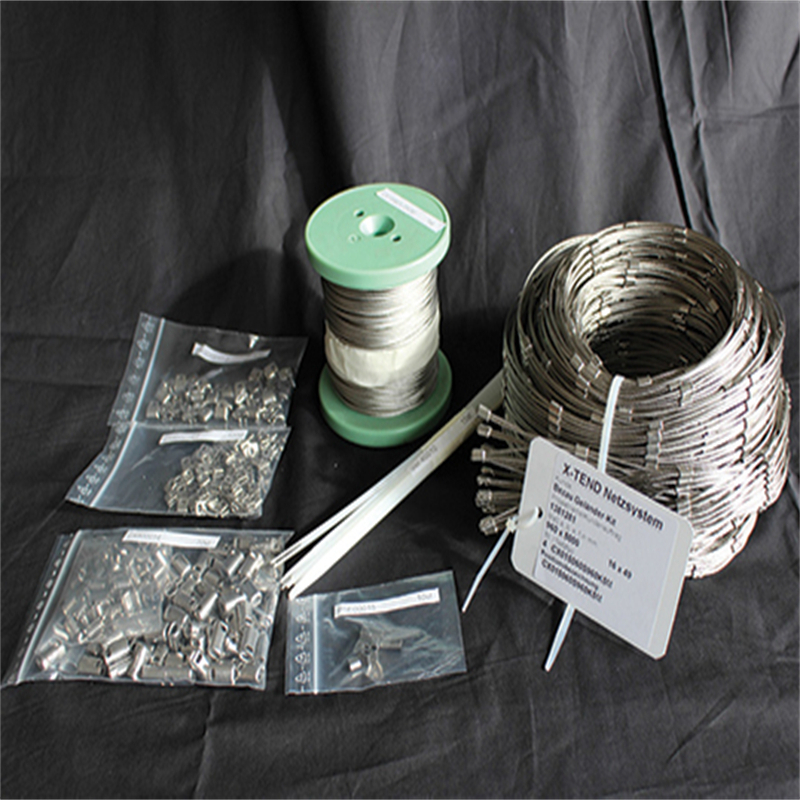
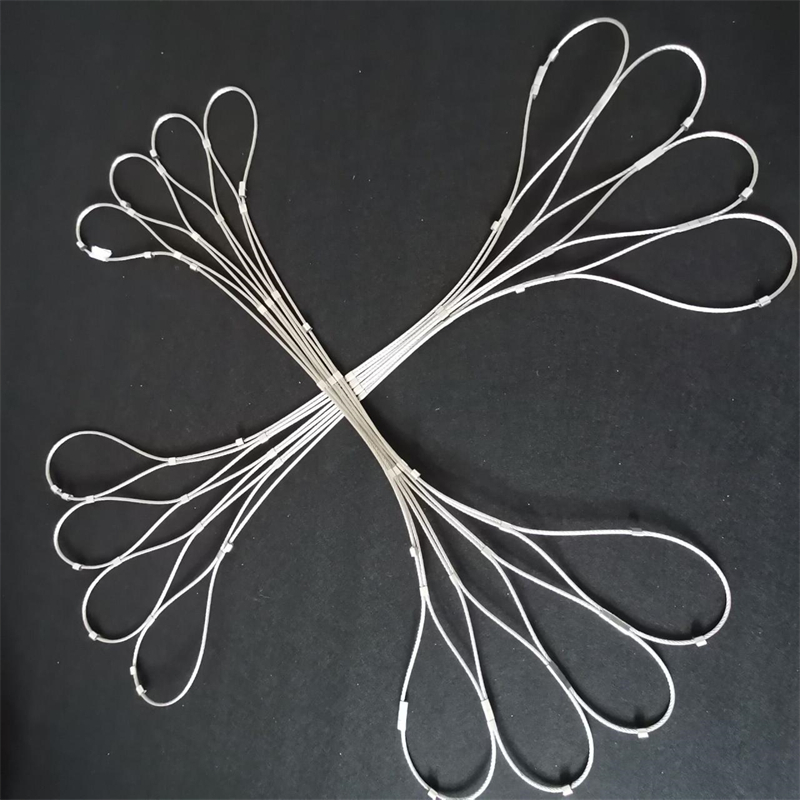
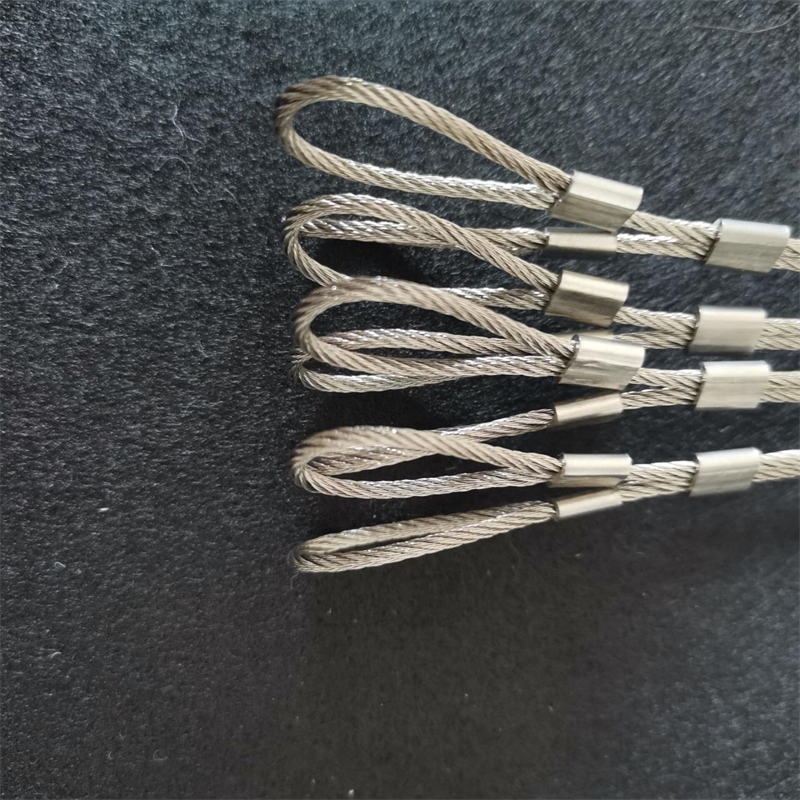
Understanding Stainless Rope Mesh Before You Commit
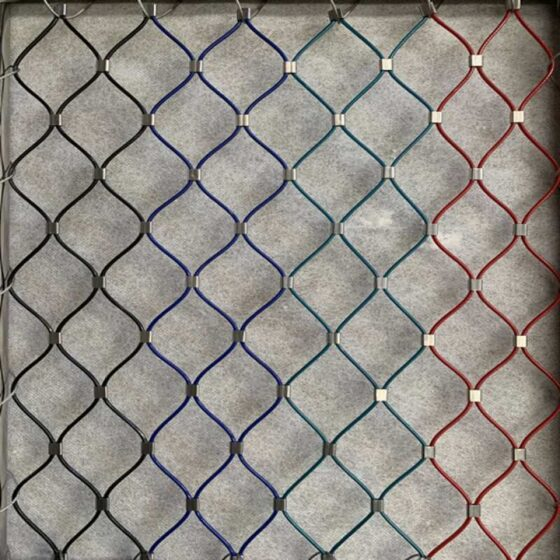
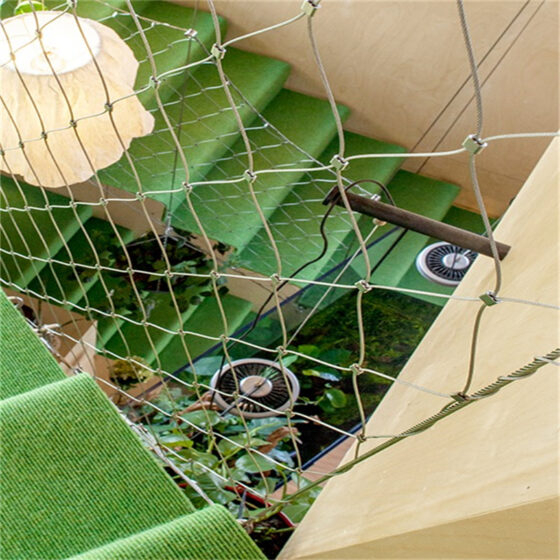
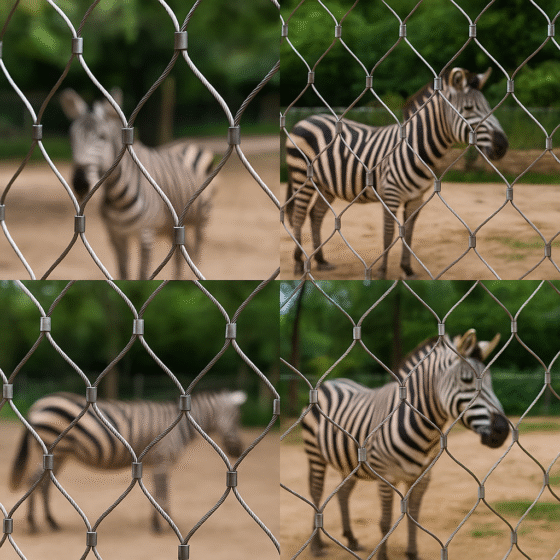
stainless rope mesh is a flexible cable net system made from high-strength stainless steel wire rope, usually in AISI 304 or AISI 316 grade, woven or ferruled into a durable, transparent mesh. It is widely used for aviaries, zoo enclosures, balustrades, fall protection, sports barriers, green facades and architectural cladding because it combines strength, flexibility, long service life and high transparency in one product.
A reliable stainless rope mesh system always balances several key elements together:
* Wire rope diameter
* Mesh aperture (opening size)
* Panel angle (commonly 60° and 90°)
* Light transmittance
* Material grade (AISI 304 / 316)
* Nominal breaking load with real safety factor
* Wire rope structures (7×7, 7×19)
* Frame design, installation method and maintenance pattern
When any one of these factors is chosen blindly, the overall system becomes weaker than it appears on drawings, even if the basic numbers look strong.
Safety Fact #1 – Wire Rope Diameter Detail That Silently Reduces Strength
One dangerous fact many people ignore is how wire rope diameter quietly controls the real safety margin of your stainless rope mesh. Choosing diameter only from a catalogue table ignores combined stress from animal behaviour, human traffic, wind, snow and occasional impact.
If the cable is too thin, the mesh gradually deforms, stretching apertures and creating subtle escape paths or unsafe deflection zones over time. If it is too thick, the mesh looks heavy, reduces transparency and can overload slender architectural frames with unnecessary weight. For small and medium birds or light safety zones, 1.2–1.6 mm cable often delivers secure performance with a light appearance. For strong parrots, macaques or high-load facade areas, 1.6–2.0 mm and above provide a safer long-term margin that protects both animals and structure.
Risk Detail #2 – Mesh Aperture Pattern That Creates Invisible Escape Gaps
Another critical detail is the relationship between mesh aperture and species behaviour. Agile animals and juvenile birds can twist and compress through openings that appear safe on drawings, especially where tension is not perfectly balanced.
Apertures that are too generous, combined with panels that are not correctly tensioned, create invisible escape and entrapment zones at corners, service doors and frame transitions. Correct aperture selection must always consider species size, paw or beak dimensions, typical climbing behaviour and local regulations, not just one approximate body measurement, otherwise you end up paying for escapes, injuries and emergency modifications.
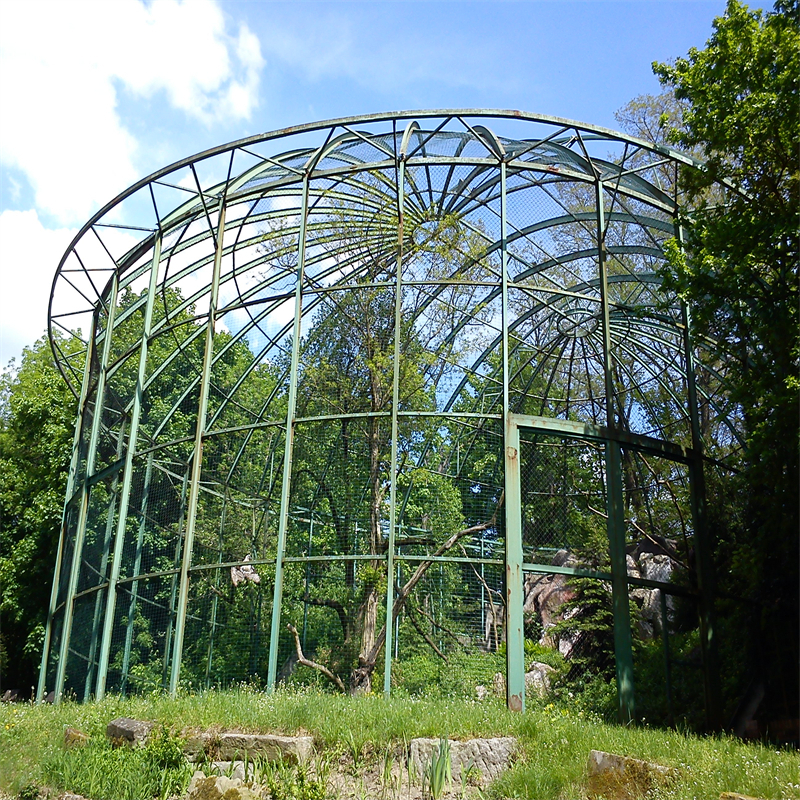
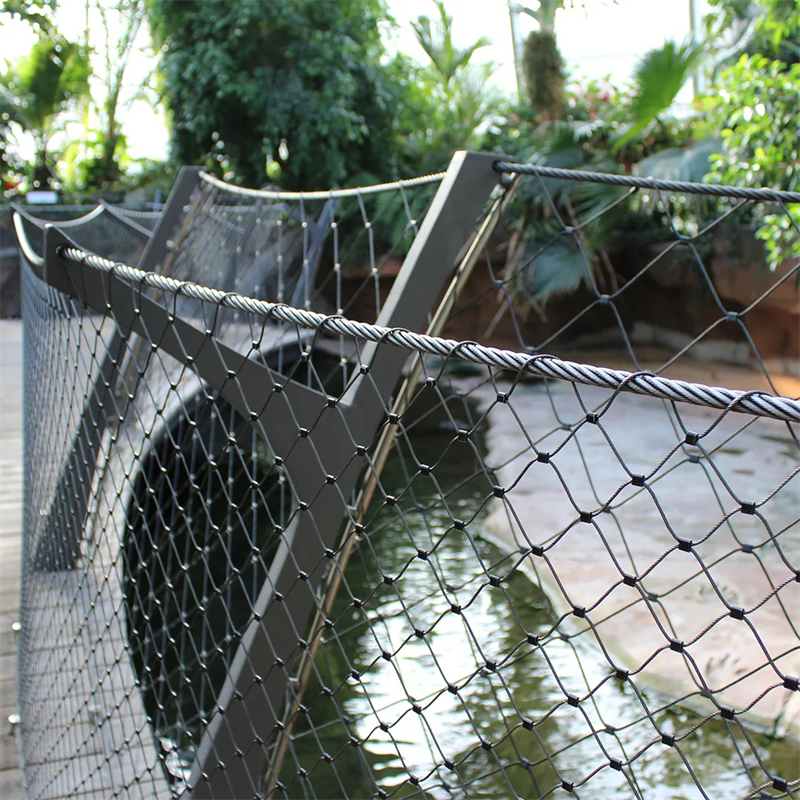
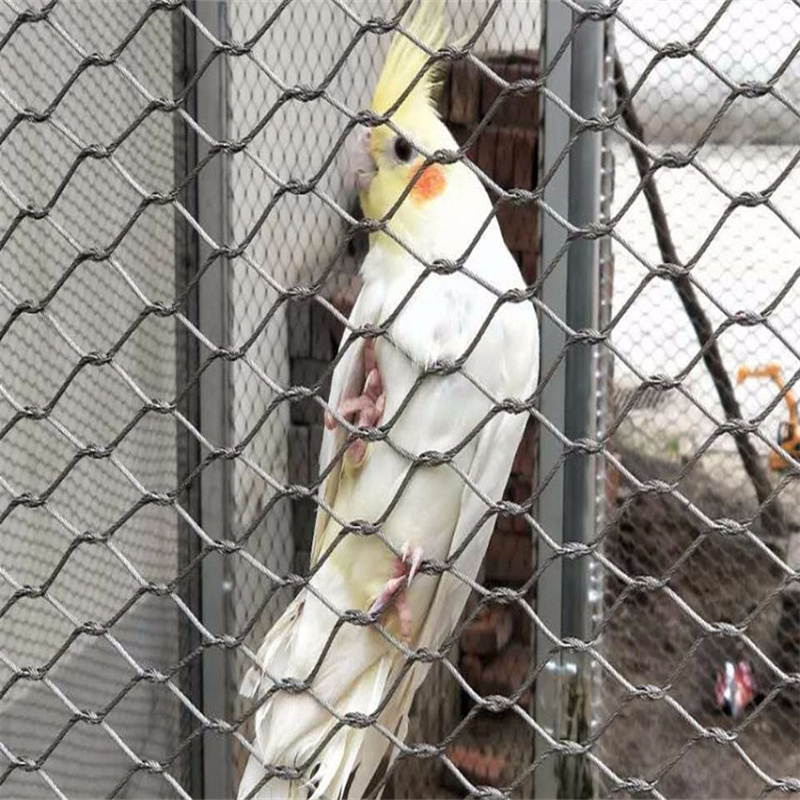
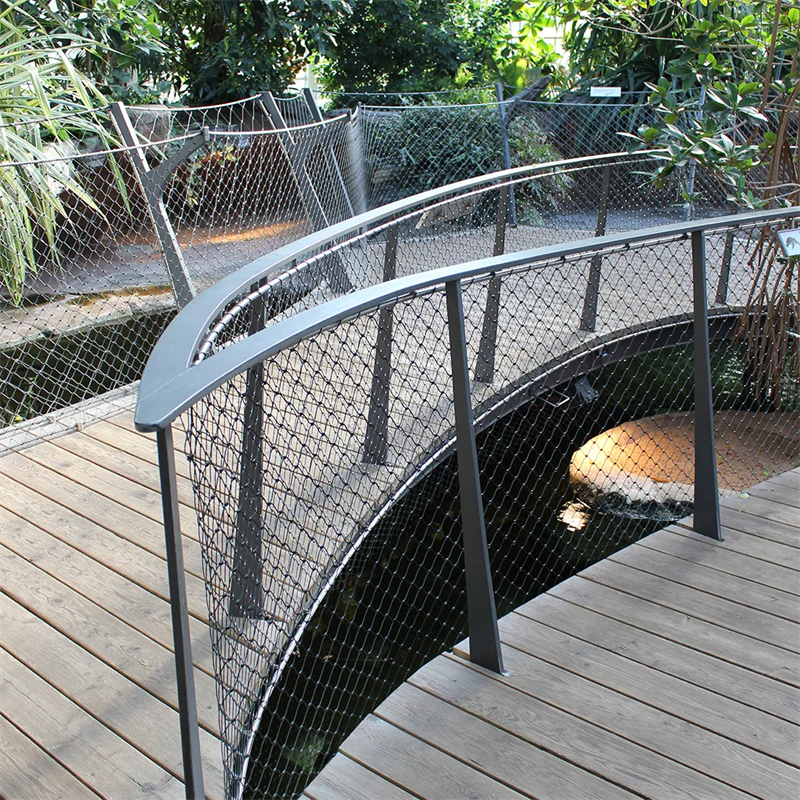
Table 1 – Stainless Rope Mesh Specifications for Small and Medium Applications
| WIRE ROPE DIAMETER (mm) | MESH APERTURE (mm) | Angle degrees | Light Transmittance (%) | Material | Nominal Breaking Load (lbs) | WIRE ROPE STRUCTURES |
|---|---|---|---|---|---|---|
| 1.2 | 20 × 20 | 90 | 88 | AISI 316 stainless | 420 | 7×7 |
| 1.2 | 25 × 25 | 60 | 90 | AISI 316 stainless | 420 | 7×7 |
| 1.2 | 30 × 30 | 60 | 92 | AISI 316 stainless | 420 | 7×7 |
| 1.5 | 25 × 25 | 90 | 86 | AISI 316 stainless | 650 | 7×7 |
| 1.5 | 30 × 30 | 90 | 88 | AISI 316 stainless | 650 | 7×7 |
| 1.5 | 35 × 35 | 60 | 90 | AISI 316 stainless | 650 | 7×7 |
| 1.6 | 25 × 25 | 90 | 85 | AISI 304 stainless | 700 | 7×19 |
| 1.6 | 30 × 30 | 60 | 87 | AISI 304 stainless | 700 | 7×19 |
| 1.6 | 35 × 35 | 60 | 89 | AISI 304 stainless | 700 | 7×19 |
| 2.0 | 30 × 30 | 90 | 84 | AISI 316 stainless | 1,150 | 7×7 |
| 2.0 | 35 × 35 | 60 | 86 | AISI 316 stainless | 1,150 | 7×7 |
| 2.0 | 40 × 40 | 90 | 88 | AISI 316 stainless | 1,150 | 7×7 |
| 2.0 | 50 × 50 | 60 | 90 | AISI 316 stainless | 1,150 | 7×7 |
| 2.4 | 40 × 40 | 90 | 82 | AISI 316 stainless | 1,650 | 7×19 |
| 2.4 | 50 × 50 | 60 | 84 | AISI 316 stainless | 1,650 | 7×19 |
Angle Lesson #3 – 60° and 90° Panel Rule That Multiplies Frame Stress
A powerful angle lesson many projects quietly break is the structural rule of panel inclination. stainless rope mesh panels are usually installed near 90° for vertical walls or around 60° for sloped roofs and tunnels, but the angle dramatically changes how loads move into the frame.
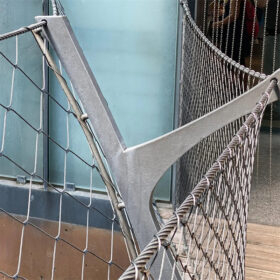
At 90°, loads transfer neatly into vertical supports and foundations. At 60°, the horizontal forces grow and push hard into anchors, bolts and corner fittings. If you simply copy a drawing without recalculating this load distribution, you risk cracked joints, pulled anchors and sudden frame damage in the first serious wind or snow event.
Light Warning #4 – Transmittance Trend That Changes Animal and Visitor Behaviour
Light transmittance is not just an optical value; it is a behavioural trend that affects both animals and visitors. Birds, primates and even big cats react to how clearly they can see through the mesh, and visitors judge the quality of a project by how open and bright it feels.
If your stainless rope mesh blocks too much light or creates strong glare, sensitive species become nervous, avoid the viewing zone or crash more easily into the barrier, while customers complain that they cannot see animals clearly. High-performance systems usually target light transmittance above 80% in main viewing areas, balancing safe containment with a premium open view.
Table 2 – Reinforced Stainless Rope Mesh for Strong Animals and Higher Loads
| WIRE ROPE DIAMETER (mm) | MESH APERTURE (mm) | Angle degrees | Light Transmittance (%) | Material | Nominal Breaking Load (lbs) | WIRE ROPE STRUCTURES |
|---|---|---|---|---|---|---|
| 1.6 | 30 × 30 | 90 | 84 | AISI 316 stainless | 720 | 7×19 |
| 1.6 | 35 × 35 | 60 | 86 | AISI 316 stainless | 720 | 7×19 |
| 1.8 | 30 × 30 | 90 | 82 | AISI 316 stainless | 920 | 7×7 |
| 1.8 | 35 × 35 | 90 | 84 | AISI 316 stainless | 920 | 7×7 |
| 1.8 | 40 × 40 | 60 | 86 | AISI 316 stainless | 920 | 7×7 |
| 2.0 | 35 × 35 | 90 | 81 | AISI 316 stainless | 1,150 | 7×7 |
| 2.0 | 40 × 40 | 60 | 83 | AISI 316 stainless | 1,150 | 7×7 |
| 2.0 | 45 × 45 | 60 | 85 | AISI 316 stainless | 1,150 | 7×7 |
| 2.0 | 50 × 50 | 90 | 87 | AISI 316 stainless | 1,150 | 7×7 |
| 2.2 | 40 × 40 | 90 | 80 | AISI 316 stainless | 1,420 | 7×19 |
| 2.2 | 50 × 50 | 60 | 82 | AISI 316 stainless | 1,420 | 7×19 |
| 2.2 | 60 × 60 | 60 | 84 | AISI 316 stainless | 1,420 | 7×19 |
| 2.5 | 50 × 50 | 90 | 78 | AISI 316 stainless | 1,820 | 7×19 |
| 2.5 | 60 × 60 | 60 | 80 | AISI 316 stainless | 1,820 | 7×19 |
| 2.5 | 70 × 70 | 60 | 82 | AISI 316 stainless | 1,820 | 7×19 |
Experience Aspect #5 – Visitor View That Quietly Damages Your Brand
There is a subtle aspect that many purely technical designs miss: visitor experience is a powerful business signal. If stainless rope mesh throws hard shadows, shines aggressively in sun or blocks the view at key photo spots, people feel the project is cheap or unsafe, and this feeling appears immediately in reviews, social media and repeat visits.
A professionally engineered mesh system combines 60° roofs with 90° vertical walls, high light transmittance, clean lines and well-chosen apertures to deliver a premium architectural look. This is not decoration – it is an essential advantage that protects your brand and ticket sales.
Material Hazard #6 – Grade Choice Pattern That Accelerates Corrosion and Loss
A common hazard is thinking “stainless is stainless” and simply choosing the cheapest grade. In real outdoor conditions, especially near the sea, busy roads or chemical exposure, this is a serious mistake.
AISI 304 stainless steel can perform well in mild inland environments, but in aggressive climates corrosion attacks welds, ferrules and wire surfaces much faster, leaving brown stains and quietly reducing strength. Choosing AISI 316 for demanding aviaries, facades and safety nets is not a luxury; it is a clear protective decision that keeps stainless rope mesh clean, strong and fully trusted by inspectors, engineers and visitors.
Structure Finding #7 – Wire Rope Trait That Hides Fatigue Failure
Wire rope structure is another dangerous finding when it is treated as a small technical detail instead of a design rule. Strand configuration controls flexibility, bending behaviour and fatigue resistance, especially where stainless rope mesh panels wrap around frames or curve in three dimensions.
A 7×7 structure provides a firm profile with high strength for standard flat panels and straight walls. A more flexible 7×19 structure is ideal for curved roofs, funnel shapes and complex layouts at 60° and 90°. If the rope is too stiff for the required curve, bending stresses concentrate at ferrules, clamps and contact points, creating micro-cracks that grow into visible damage after repeated movement or one strong impact.
Table 3 – Architectural and Large-Span Stainless Rope Mesh Specifications
| WIRE ROPE DIAMETER (mm) | MESH APERTURE (mm) | Angle degrees | Light Transmittance (%) | Material | Nominal Breaking Load (lbs) | WIRE ROPE STRUCTURES |
|---|---|---|---|---|---|---|
| 1.5 | 50 × 50 | 90 | 88 | AISI 316 stainless | 650 | 7×7 |
| 1.5 | 60 × 60 | 60 | 90 | AISI 316 stainless | 650 | 7×7 |
| 1.5 | 70 × 70 | 60 | 91 | AISI 316 stainless | 650 | 7×7 |
| 1.8 | 50 × 50 | 90 | 86 | AISI 316 stainless | 920 | 7×7 |
| 1.8 | 60 × 60 | 60 | 88 | AISI 316 stainless | 920 | 7×7 |
| 1.8 | 70 × 70 | 60 | 90 | AISI 316 stainless | 920 | 7×7 |
| 2.0 | 60 × 60 | 90 | 84 | AISI 316 stainless | 1,150 | 7×7 |
| 2.0 | 70 × 70 | 60 | 86 | AISI 316 stainless | 1,150 | 7×7 |
| 2.0 | 80 × 80 | 60 | 88 | AISI 316 stainless | 1,150 | 7×7 |
| 2.0 | 90 × 90 | 90 | 89 | AISI 316 stainless | 1,150 | 7×7 |
| 2.4 | 80 × 80 | 90 | 82 | AISI 316 stainless | 1,650 | 7×19 |
| 2.4 | 90 × 90 | 60 | 84 | AISI 316 stainless | 1,650 | 7×19 |
| 2.4 | 100 × 100 | 60 | 86 | AISI 316 stainless | 1,650 | 7×19 |
| 3.0 | 100 × 100 | 90 | 80 | AISI 316 stainless | 2,600 | 7×19 |
| 3.0 | 120 × 120 | 60 | 82 | AISI 316 stainless | 2,600 | 7×19 |
Load Trap #8 – Nominal Breaking Load Data That Misleads Designers
Nominal breaking load is often treated as a magic number, but this data can become a dangerous trap if misunderstood. The figure on a datasheet is measured under controlled conditions on a new sample – it is not a guarantee that your real stainless rope mesh can safely carry all future loads.
Public and industrial projects need generous safety factors to cover dynamic forces: animals jumping and climbing, workers loading tools on one section, wind suction on large spans and possible snow or ice loads. When these effects are not included in your design rules, the mesh looks strong but actually operates too close to failure, turning one extreme event into a costly accident.
Crisis Point #9 – Installation Loophole That Opens a Dangerous Gap
Here is the critical crisis point you absolutely must not skip: uneven tension, poor frame preparation or mixing metals during installation creates a hidden loophole in your stainless rope mesh system, and if you ignore this one point you will suffer real loss.
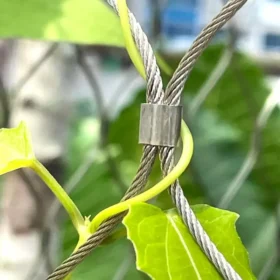
When panels at 60° or 90° are pulled harder on one side, clamps are not aligned or low carbon steel fittings are combined with stainless mesh, local overstress and galvanic corrosion attack the system exactly where it is most vulnerable. Tiny openings and weakened joints appear at doors, corners, roof–wall transitions and service access zones. If you skip crisis point #9 and do not control this problem from the start, you risk escapes, falling parts, emergency shutdowns and direct repair costs that hit your profit far harder than the modest investment needed for correct installation.
Benefit Checklist #10 – Maintenance Pattern That Protects Long-Term Profit
The final benefit is also a warning: stainless rope mesh is not “install and forget”. Without a simple but strict maintenance checklist, small defects quietly grow until they trigger visible failures or official complaints.
Regular inspections of panels, terminations and frames at 60° and 90° catch issues such as cuts from tools, broken strands, loose clamps and early corrosion on fittings long before they threaten safety. When you apply this checklist as a fixed rule, you unlock a powerful payoff: animals and people remain safely protected, the mesh stays clean and elegant for many years, and operating costs become predictable instead of crisis-driven.
Conclusion: Turn Stainless Rope Mesh from Hidden Threat into Powerful Edge
stainless rope mesh is far more than cables and openings; it is a complete safety and performance system that can either quietly threaten your project or give you a powerful long-term edge. By controlling wire rope diameter, mesh aperture, panel angles at 60° and 90°, light transmittance, material grade, wire rope structures, breaking load strategy, installation quality and disciplined maintenance, you transform this webnet mesh from a hidden risk into a confident structural advantage that supports your animals, your architecture and your financial results year after year.