Your One-Stop Wire Mesh Fence Supplier | POLYMETAL
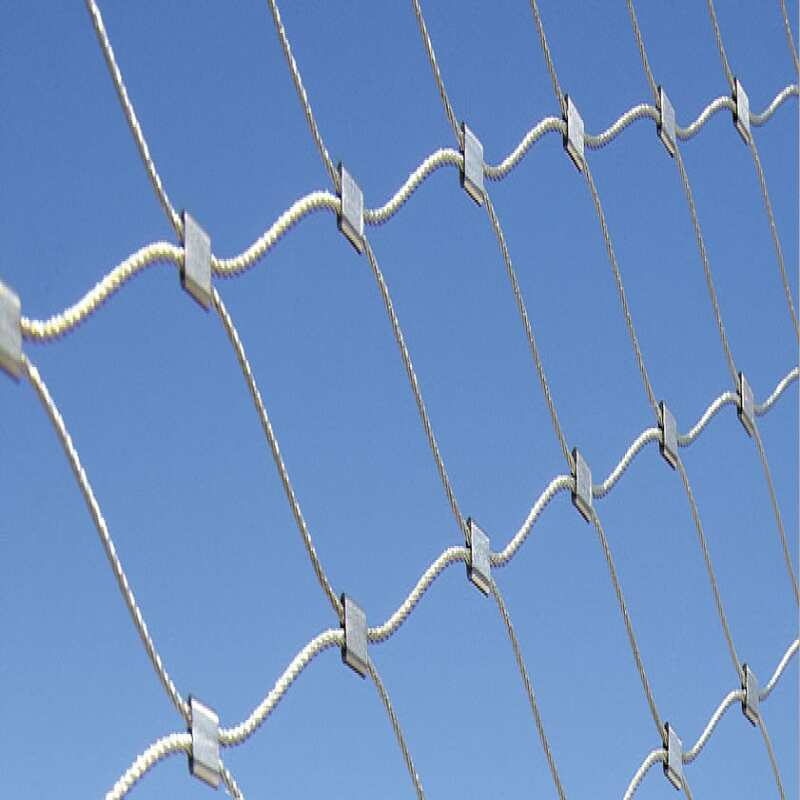
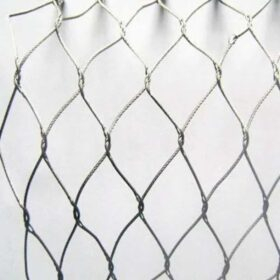
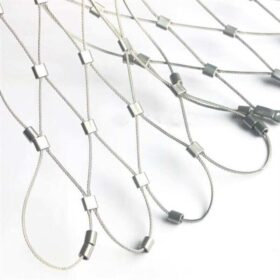
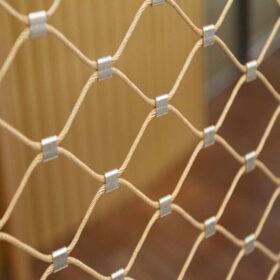
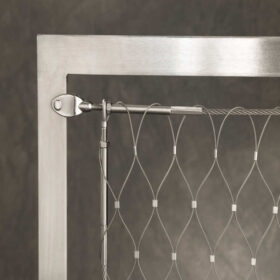
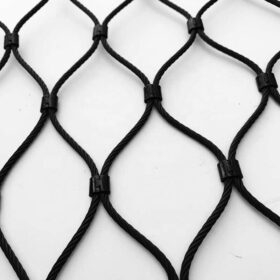
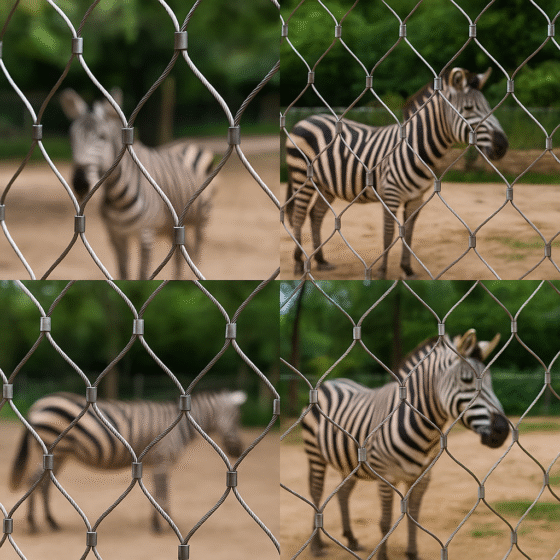
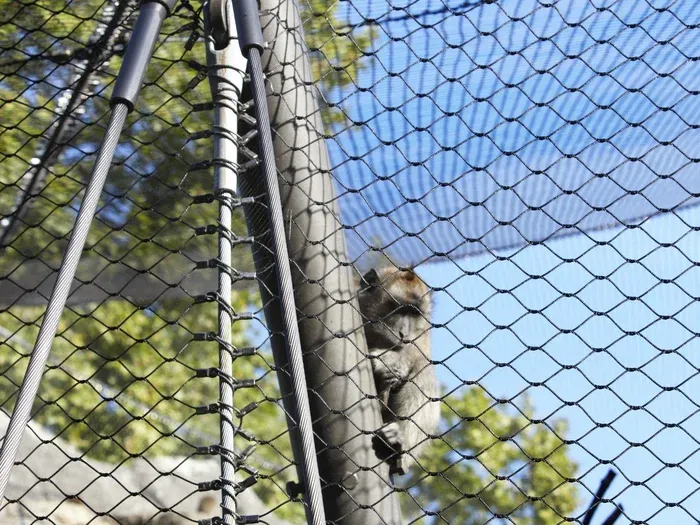
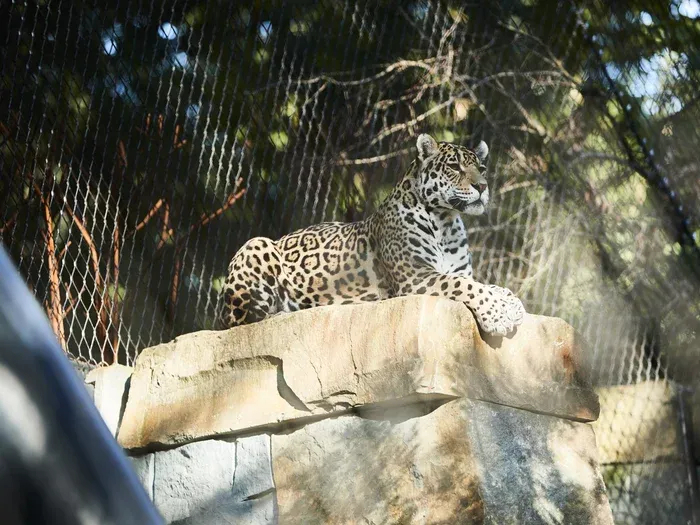
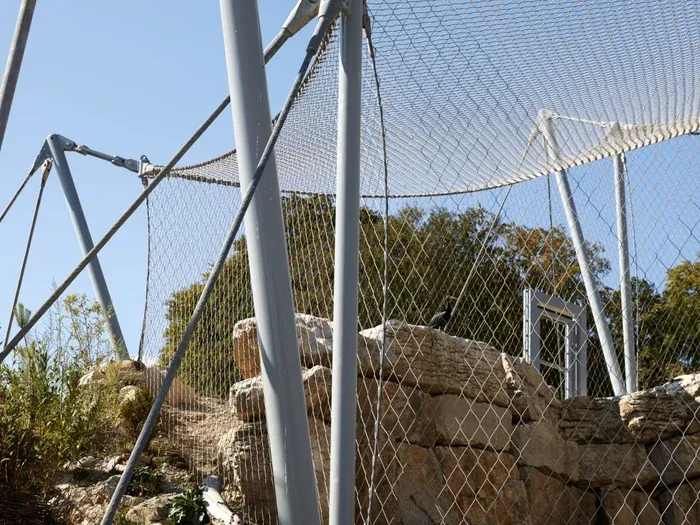
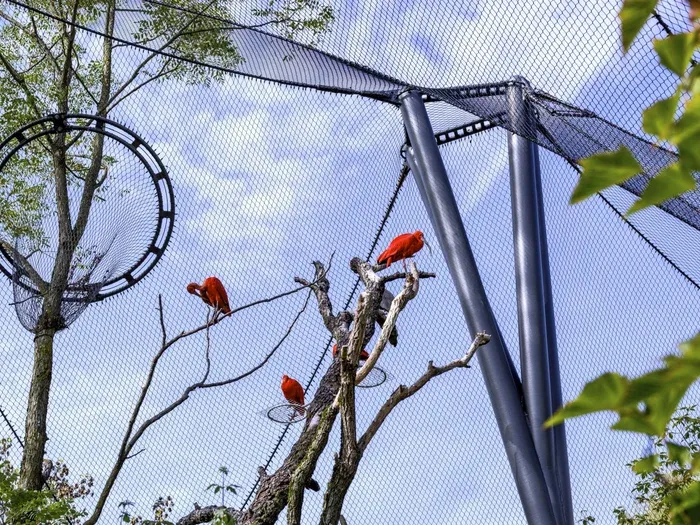
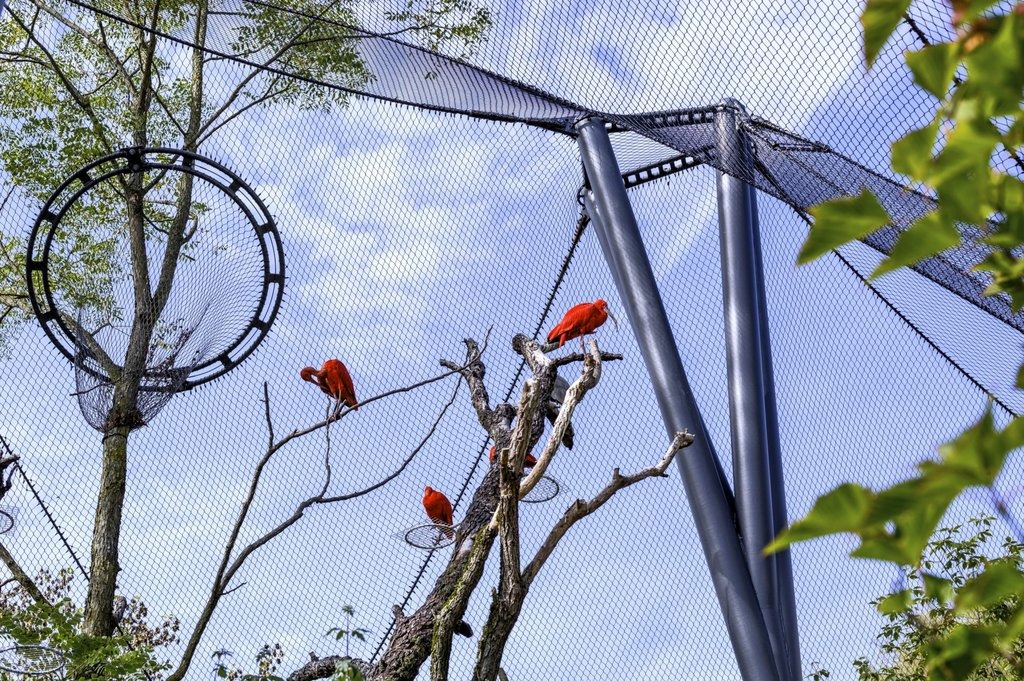
A stainless steel aviary enclosure is a bird habitat built using stainless steel wire mesh or stainless steel cable mesh (wire rope mesh) as the primary containment material. The mesh is typically:
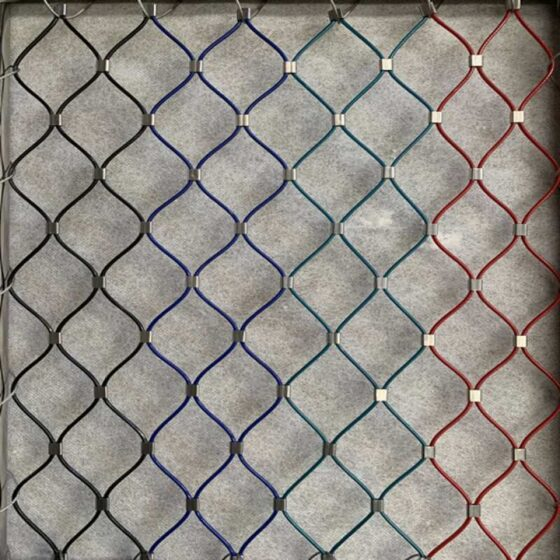
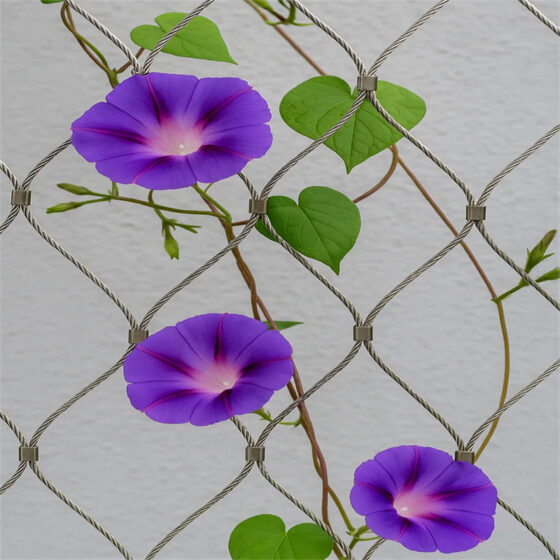
- Hand-woven or ferruled stainless steel wire rope (7×7 or 7×19) into diamond-shaped openings
- Or welded / knitted stainless steel mesh for smaller birds and indoor aviaries
This creates a flexible yet strong “skin” around the aviary that can follow straight, curved or fully organic shapes.
2. Why Stainless Steel Is Ideal for Aviaries
2.1 Non-toxic and bird-safe
Galvanized mesh can leach zinc, which is harmful to many birds, especially parrots and small birds that chew or climb the mesh. Stainless steel is inert and non-toxic, making it one of the safest materials for aviaries.
2.2 Exceptional strength and chew resistance
Stainless steel aviary mesh is made from high-tensile steel cables woven into a grid. It offers:
- Very high tensile strength and impact resistance
- Strong resistance to chewing and clawing from parrots, macaws, cranes, raptors and other powerful birds
The interlocking weave or ferrule system distributes loads and prevents local failure, even under heavy impacts.
2.3 Corrosion resistance and long service life
Grades 304, 316 and 316L stainless steel provide excellent corrosion resistance. Grade 316 / 316L is especially suited to humid, coastal, marine or industrial environments. With proper design and installation, stainless steel cable mesh aviaries can easily reach service lives of 30 years or more with minimal maintenance.
2.4 Transparency and visitor experience
Because the cables are thin and the openings relatively large, stainless steel aviary enclosures provide:
- Very high open area for visibility and photography
- Minimal visual barrier between visitors and birds
- Excellent airflow and natural light, helping birds maintain healthy plumage and natural behavior
2.5 Flexibility and design freedom
Hand-woven or ferruled stainless steel cable mesh can:
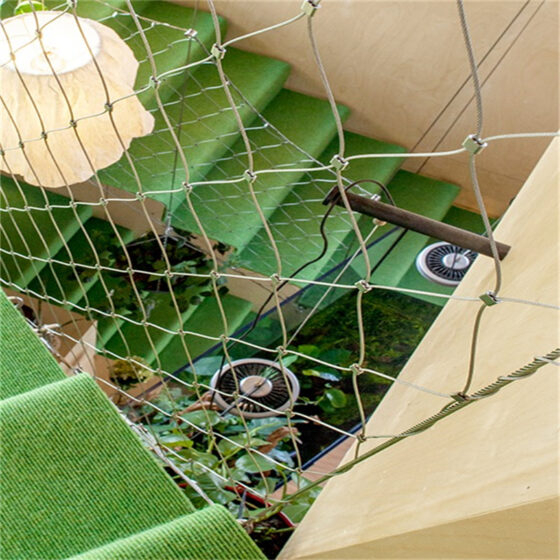
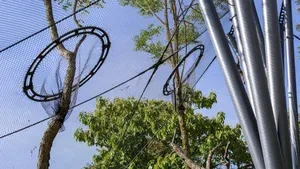
- Wrap around curved frames, timber structures, arches and tensile support cables
- Span large roofs and high walls with relatively light supporting structure
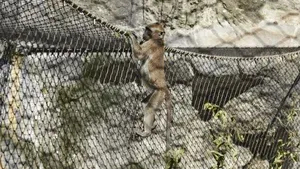
- Enable creative layouts, walk-through aviaries and immersive visitor paths
3. Materials and Mesh Types
3.1 Stainless steel grades
Most stainless steel aviary enclosures use:
- AISI 304 / 304L – suitable for many indoor and general outdoor enclosures
- AISI 316 / 316L – “marine grade”, preferred for coastal, industrial or frequently washed aviaries
Surface finish options typically include natural stainless, blackened (black oxide) or occasionally coloured finishes.
3.2 Mesh constructions
Wire rope cable mesh (zoo mesh / rope mesh)
- Rope constructions: 7×7 or 7×19 stainless steel wire rope
- Wire diameters: usually 1.2–4.0 mm
- Apertures: roughly 20–200 mm (square equivalent), chosen according to bird size and safety needs
- Joints: hand-woven (knotted) or ferruled (pressed stainless or copper ferrules)
Welded or knitted stainless steel mesh
- Commonly used for small birds and finches
- Very small apertures to prevent heads, wings or toes from getting caught
- Often preferred for indoor or small-scale aviaries
4. Key Design Considerations for a Stainless Steel Aviary Enclosure
4.1 Bird species and behavior
Different species require different mesh sizes and diameters:
- Small finches and songbirds → small apertures (e.g. 10–25 mm) to prevent escape and entrapment
- Budgerigars, cockatiels, small parrots → medium apertures (25–35 mm) with moderate wire diameters
- Macaws and large parrots → stronger mesh (2.0–3.0 mm cable) and apertures around 30–50 mm
- Cranes, flamingos, peacocks, raptors → larger apertures (50–100 mm+) for maximum visibility and safety
4.2 Mesh aperture vs. safety
Mesh aperture should be selected to:
- Prevent birds from fitting through or getting heads/wings stuck
- Limit visitor access (e.g. finger-safe apertures where necessary)
- Control climbing or escape opportunities for both birds and people
Smaller apertures are often recommended for mixed-species aviaries and species that like to probe or squeeze through gaps.
4.3 Wire diameter and structural loads
Wire diameter is chosen based on:
- Span length and expected environmental loads (wind, snow, ice)
- Bird size and impact energy (larger, heavier birds need stronger cables)
- Security and vandal-resistance requirements
Typical guide ranges:
- 1.2–1.6 mm – small birds, low loads, tight apertures
- 2.0–2.4 mm – medium birds, standard outdoor aviaries
- 3.0–4.0 mm – large birds, large spans, exposed or public-facing locations
4.4 Framework and supports
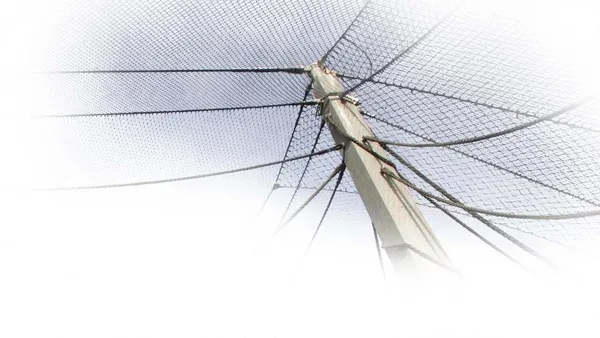
Stainless steel cable mesh is usually attached to:
- Steel or timber frames (posts, rings, domes, arch structures)
- Perimeter tension cables fixed between supports
Proper tensioning and continuous fixings are crucial to control deflections and prevent birds from pushing out gaps.
4.5 Location and environment
- Coastal, marine or industrial sites → use 316 / 316L and high-quality stainless fixings
- High-UV or hot climates → stainless steel resists degradation better than plastic coatings
- Public-facing enclosures → blackened stainless can reduce reflections and make the mesh visually “disappear”
5. Typical Specification Examples (Guide Values)
The table below gives typical combinations used for stainless steel aviary enclosures (values are indicative and must be checked per project):
| Application / Bird Type | Mesh Aperture (approx.) | Cable Diameter (mm) | Rope Structure | Mesh Type | Material Grade |
|---|---|---|---|---|---|
| Finches, small softbills | 20–25 mm | 1.2–1.5 | 7×7 | Woven / welded | 304 / 316 |
| Canaries, budgerigars | 25–30 mm | 1.5 | 7×7 | Rope mesh | 304 / 316 |
| Cockatiels, small parrots | 30–38 mm | 1.5–2.0 | 7×7 / 7×19 | Rope mesh | 304 / 316 |
| Macaws, large parrots | 38–50 mm | 2.0–3.0 | 7×19 | Rope mesh | 316 / 316L |
| Peacocks, pheasants | 50–60 mm | 2.0–2.4 | 7×7 / 7×19 | Rope mesh | 304 / 316 |
| Cranes, flamingos | 60–80 mm | 2.4–3.0 | 7×19 | Rope mesh | 316 / 316L |
| Raptors (eagles, vultures) | 50–80 mm | 2.4–3.0 | 7×19 | Rope mesh | 316 / 316L |
| Mixed-species walk-in aviaries | 38–60 mm | 2.0–2.4 | 7×7 / 7×19 | Rope mesh | 316 / 316L |
6. Installation of Stainless Steel Aviary Enclosures
- Frame and foundations
- Install structural posts, arches, rings or space frames capable of resisting cable tension and environmental loads.
- Perimeter rails or cables
- Fix stainless or protected steel perimeter cables/angles to outline the enclosure and provide continuous support.
- Mesh installation
- Attach pre-fabricated mesh panels by clips, lacing wire, shackles or ferrules along all edges.
- Ensure there are no sharp ends or burrs that might injure birds or keepers.
- Tensioning
- Use turnbuckles and tensioners to achieve uniform tension and a consistent diamond shape.
- Check deflection under typical loads and adjust as needed.
- Doors, service areas and safety details
- Use double-door entry systems to prevent escapes.
- Integrate catching/holding cages and safe access for staff cleaning and veterinary work.
7. Maintenance and Life-Cycle Cost
Stainless steel aviary enclosures require relatively little maintenance:
- Occasional washing with water or mild detergent to remove dust, droppings and salts
- Regular inspection of cables, ferrules and fixings for mechanical damage
- No repainting or recoating cycles
Because of the long service life and low maintenance, stainless steel cable mesh frequently offers a lower total life-cycle cost compared to cheaper galvanized systems that corrode and require replacement.
8. Typical Applications
Stainless steel aviary enclosures are widely used in:
- Large zoo walk-through aviaries and free-flight domes
- Bird sanctuaries and rehabilitation centres
- Botanical garden aviaries integrated with plants and water features
- Private high-end aviaries for breeders and collectors
- Mixed-species bird habitats combined with viewing decks and visitor paths