Your One-Stop Wire Mesh Fence Supplier | POLYMETAL
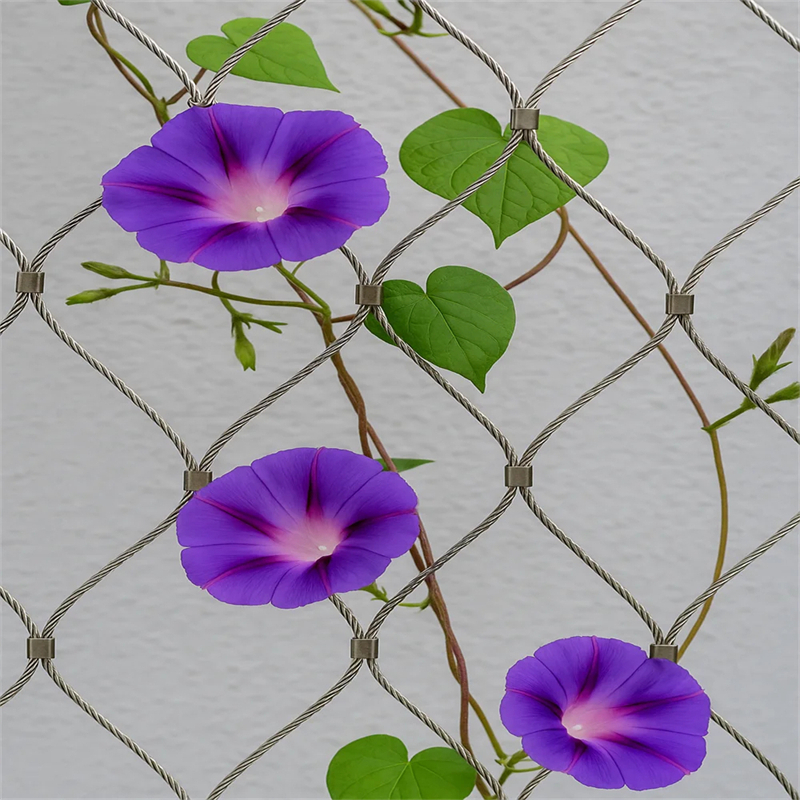
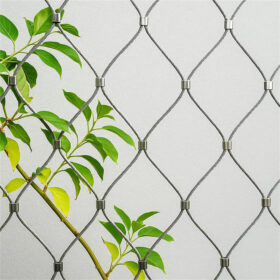
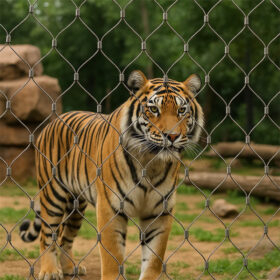
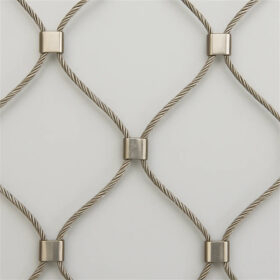
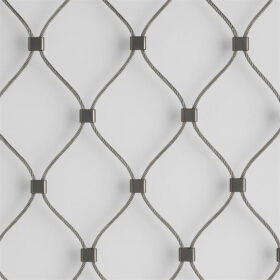
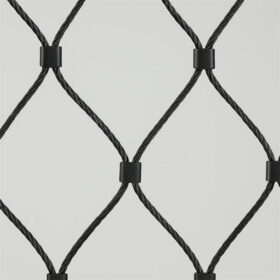
A stainless steel bird aviary mesh is not a decorative net. It is a controlled safety system where cable grade, wire structure, ferrule quality, aperture geometry, edge restraint, and finishing method must work together. The expensive failures rarely happen on a sample table; they show up after installation when tension lines drift, openings become inconsistent, ferrules deform, or edges unravel and create weak points.
When a stainless steel bird aviary mesh purchase is treated as a keyword instead of a controlled specification, buyers pay twice—once in the invoice, and again in rework, animal safety risk, and premature replacement.
POLYMETAL manufactures stainless steel wire rope mesh for aviaries and enclosures as repeatable production modules so aperture, ferrule compression, cable lots, and packing are controlled from batch to batch.
In practice, many buyers start by matching aperture and cable diameter to species and span design, then lock the build with a controlled module like our stainless steel ferrule rope mesh so tension behavior, ferrule compression consistency, and edge restraint remain predictable from the first panel to the last.
A consistent stainless steel bird aviary mesh protects birds, staff, and visitors while keeping visibility open and the structure lightweight.Product Description (POLYMETAL Stainless Steel Bird Aviary Mesh)
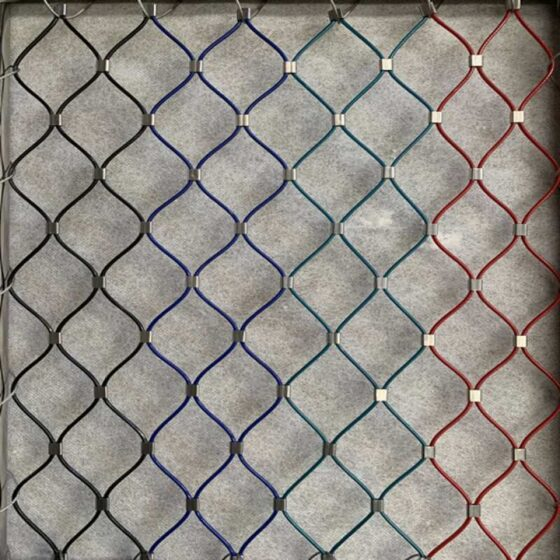
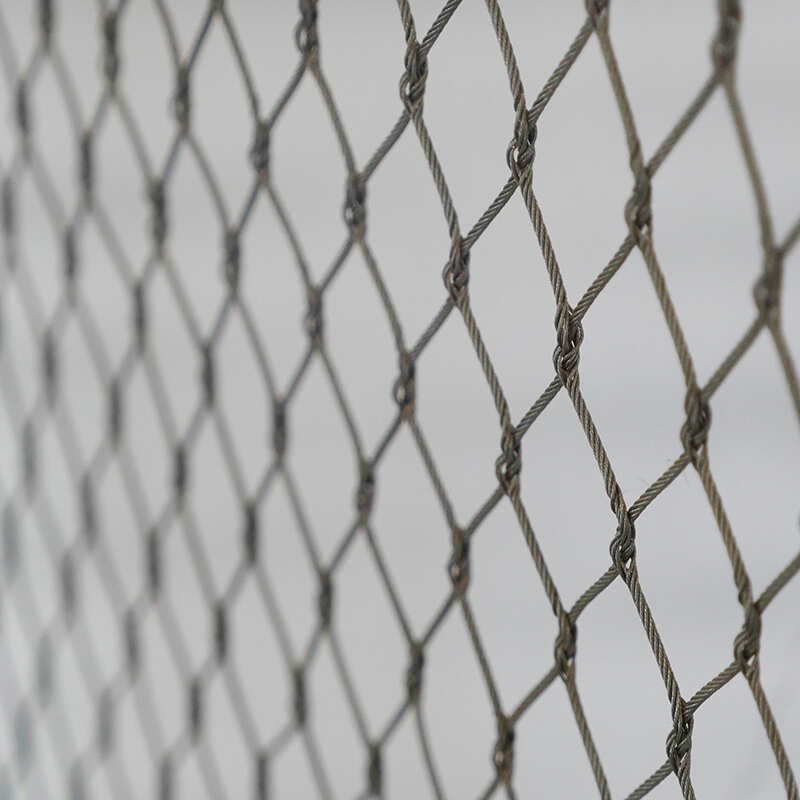
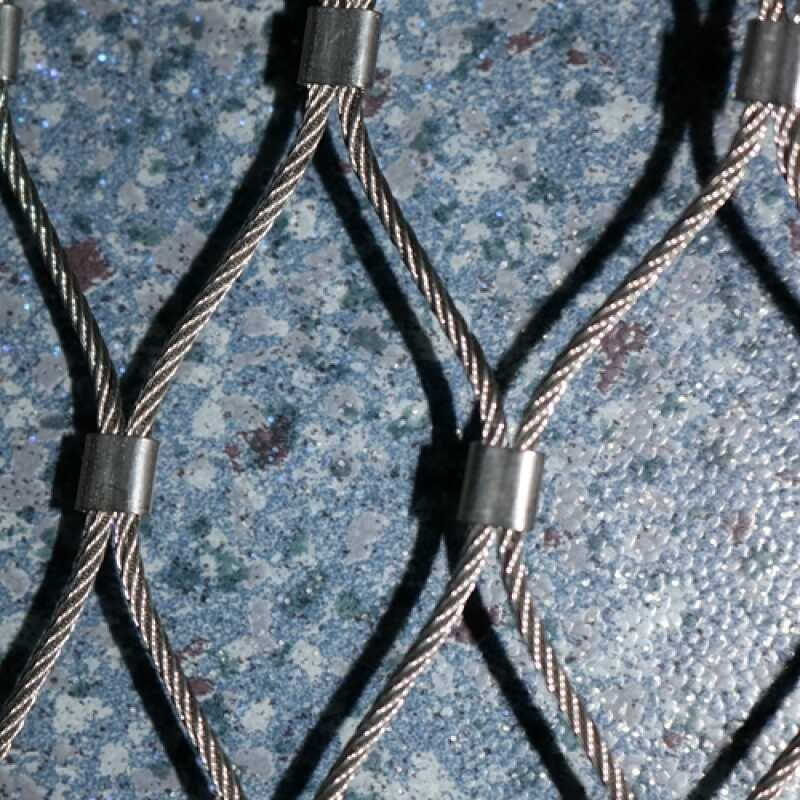
POLYMETAL stainless steel bird aviary mesh is a premium-quality wire rope mesh system built from stainless steel cable and stainless steel ferrules.
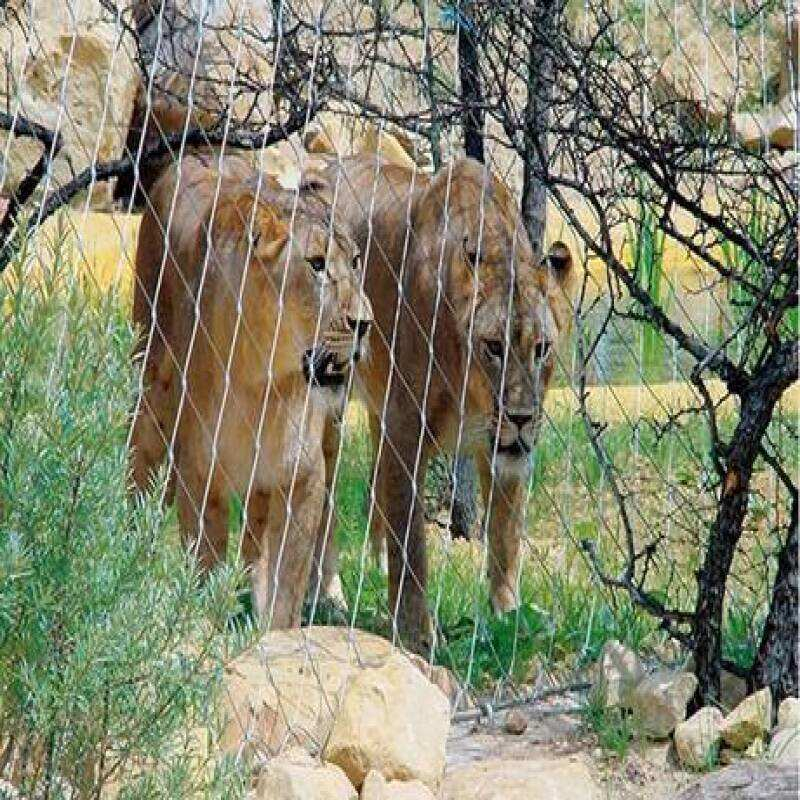
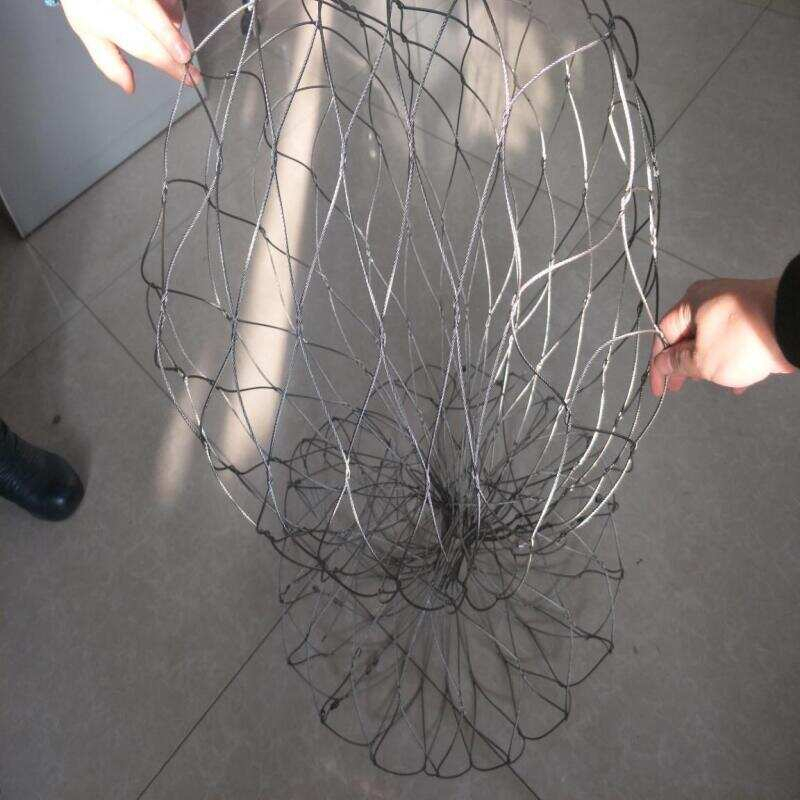
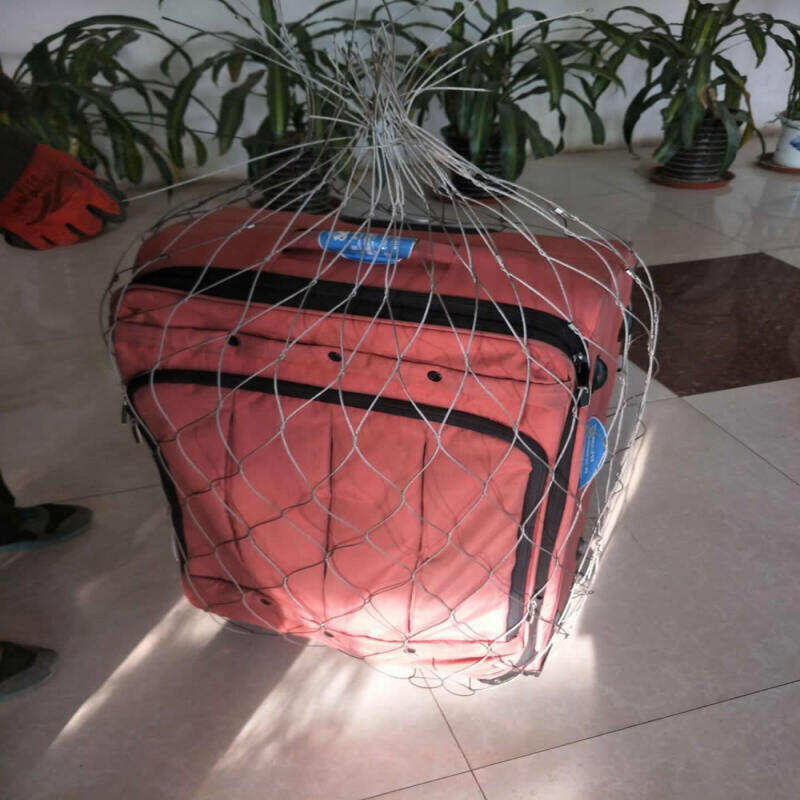
The mesh is designed for high strength with low visual obstruction, making it suitable for aviaries, zoo enclosures, safety barriers, railing infill, plant climbing walls, architectural mesh, and falling-prevention applications where corrosion resistance and long service life matter.
The system’s performance depends on controlled inputs: stainless steel grade, cable diameter, cable construction, aperture size, ferrule forming consistency, and edge finishing. With correct specification and installation tension, a stainless steel bird aviary mesh delivers a clean appearance, stable geometry, and reliable containment over time.
Why Stainless Steel Bird Aviary Mesh Must Be Specified as a System
Every stainless steel bird aviary mesh project is a geometry problem and a corrosion problem at the same time. Geometry decides whether aperture stays consistent after tensioning and seasonal movement. Corrosion control decides whether the cable and ferrules stay clean in humidity, coastal air, animal waste exposure, and routine wash-down. Professional procurement locks the system controls first: stainless grade, wire rope construction, cable diameter, aperture size, ferrule type and compression control, edge restraint method, and packing that prevents abrasion damage during freight.
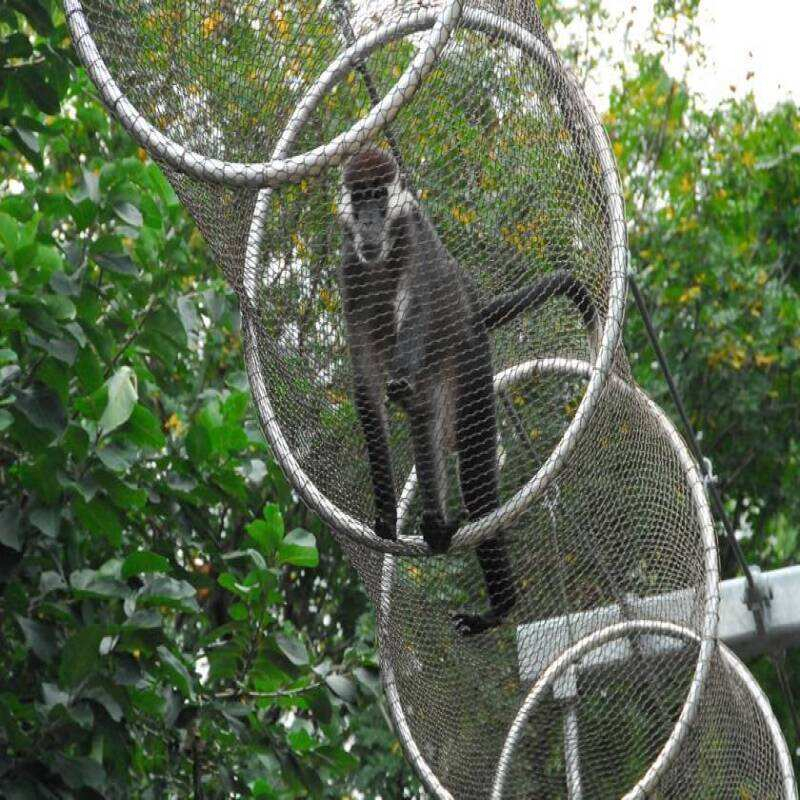
Top 10 Procurement Traps for Stainless Steel Bird Aviary Mesh Buyers
Trap #1: Treating “stainless steel bird aviary mesh” as a keyword, not a controlled specification
A quote can look complete while hiding the real control points: grade authenticity, cable construction, ferrule compression consistency, aperture tolerance, and edge finishing. A stainless steel bird aviary mesh that is not controlled as a system may look acceptable in the box but behave wrong when tensioned, creating drifted openings and uneven load transfer.
Oversight #2: Choosing stainless grade by habit, not by environment
Many buyers default to 304, but coastal air, chlorine exposure, and aggressive wash-down can justify 316 or 316L. If the grade is wrong for the environment, a stainless steel bird aviary mesh can lose cosmetic stability and long-term confidence, especially at ferrules and termination points where moisture lingers.
Warning #3: Cable construction is ignored even though it controls flexibility and stability
Wire structure such as 7×7 versus 7×19 changes flexibility, handling, and how the mesh behaves under tension. A stainless steel bird aviary mesh that is too stiff can be harder to tension cleanly and may concentrate load at corners. A mesh that is too flexible without proper edge restraint can show geometry drift over time.
Hazard #4: Cable diameter is selected for price, not for safety margin
Cable diameter is a major driver of strength and real-world durability. When a stainless steel bird aviary mesh is under-sized, the system becomes more sensitive to impact, climbing behavior, and structural movement. Cable diameter selection should match species risk, span size, frame stiffness, and the desired safety margin.
Problem #5: Aperture is “customizable,” but tolerance is not controlled
Yes, hole size can be customized, but aperture repeatability is what decides performance. If the stainless steel bird aviary mesh arrives with inconsistent aperture, the enclosure looks uneven, tension lines fight each other, and weak openings can appear near edges. Controlled production keeps aperture within a consistent tolerance so the installed mesh reads clean and stays stable.
Defect #6: Ferrules are treated as small parts, yet they decide the entire mesh integrity
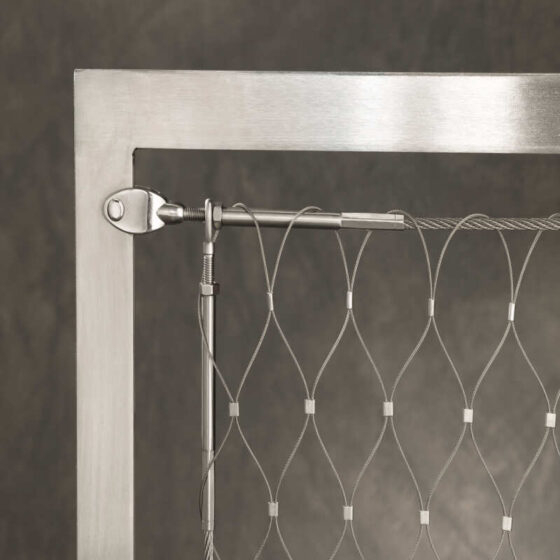
A ferruled stainless steel bird aviary mesh is only as consistent as the ferrule forming process. If ferrule compression is inconsistent, cables can slip, apertures drift, and the mesh loses uniform load transfer. Ferrules must match cable grade, be formed cleanly, and be controlled for repeatable compression.
Loss #7: Mixing “304 cable + unknown ferrules” is the silent cost trap
This is the trap that quietly empties budgets. Many sellers describe “304 wire rope mesh” but do not control ferrule material, ferrule forming quality, or batch traceability. A stainless steel bird aviary mesh can fail early not because the cable is wrong, but because ferrules are mismatched or poorly formed, creating slip points under tension. When you buy a mixed-material or uncontrolled ferrule system, you don’t just lose appearance—you risk enclosure integrity, maintenance budgets, and safety confidence. The real win is a matched system: controlled cable lots and controlled ferrule lots, formed consistently, packed correctly, and tensioned properly.
Pitfall #8: Edge finishing is treated as an accessory, not as the load-bearing boundary
Edges decide whether load distributes across the mesh or concentrates at a few points. A stainless steel bird aviary mesh needs a controlled edge solution—cable border, knotted border, or framed termination—so the perimeter remains stable. Poor edges lead to local deformation, opening drift, and tension loss over time.
Misstep #9: The frame is underbuilt, then the mesh gets blamed
Wire rope mesh is strong, but the frame must be stiff enough to hold tension without bending. If the supporting frame is underbuilt, the stainless steel bird aviary mesh will show sag and geometry changes even when the mesh is perfectly manufactured. Frame stiffness, corner hardware, and tensioning method must match the selected cable diameter and aperture.
Damage #10: Packing and shipping abrasion ruins the finish before installation
Even stainless systems can be damaged by shipping abrasion, especially when ferrules rub against cable surfaces. A stainless steel bird aviary mesh should be packed to prevent metal-on-metal abrasion, protect edges, and keep each panel or roll stable during container vibration. Poor packing creates cosmetic scuffing and local strand damage that becomes visible after installation.
Specifications Snapshot (POLYMETAL Stainless Steel Bird Aviary Mesh)
| Specification Item | Options / Data | Notes for Stainless Steel Bird Aviary Mesh Procurement |
|---|---|---|
| Material | Stainless steel 304 / 316 / 316L | Select grade by corrosion environment and wash-down severity. |
| Cable Diameter | 1.2–3.2mm (common aviary range); 1.0–6.0mm available | Diameter sets strength, durability, and handling behavior. |
| Hole Size (Aperture) | Customizable to requirement | Specify aperture AND tolerance to keep geometry stable. |
| Wire Structure | 7×7 / 7×19 | 7×19 is more flexible; 7×7 is stiffer; match to frame and tensioning plan. |
| Net Type | Stainless steel ferrule netting (cable + ferrules) | Ferrule consistency and lot control decide long-term stability. |
| Key Feature | Lightweight, high strength, corrosion resistance | Designed for long service life with stable tension geometry. |
| Finish / Surface | Natural stainless finish (clean, open visibility) | Resists corrosion; packing prevents abrasion scuffs. |
Stainless steel rope mesh is a transparent, high-strength, flexible safety and architectural infill system used for railings, stairways, facades/greening, partitions, sports protection, and zoo enclosures. The mesh load capacity,
visual openness, and stiffness are controlled by rope diameter, mesh aperture, mesh angle, and edge/perimeter detailing.
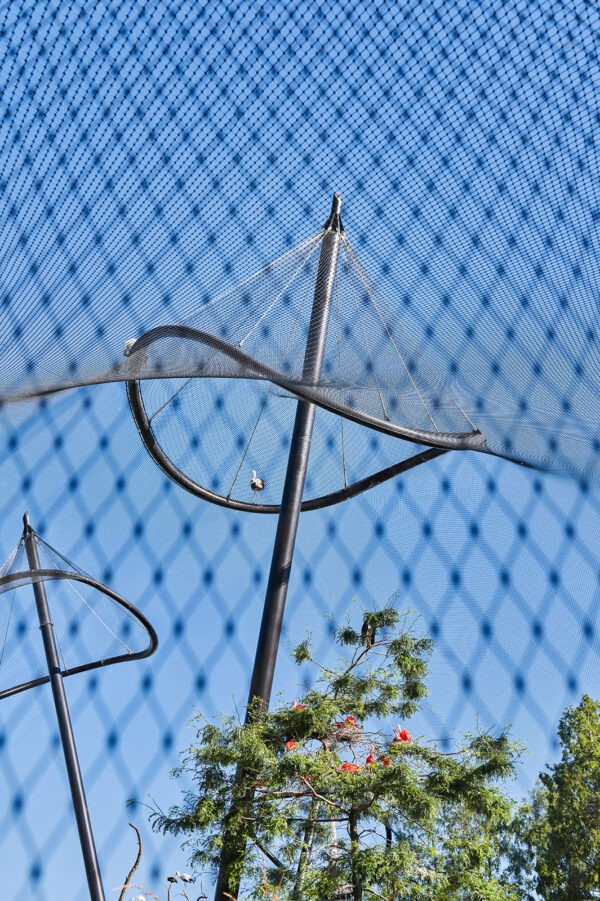
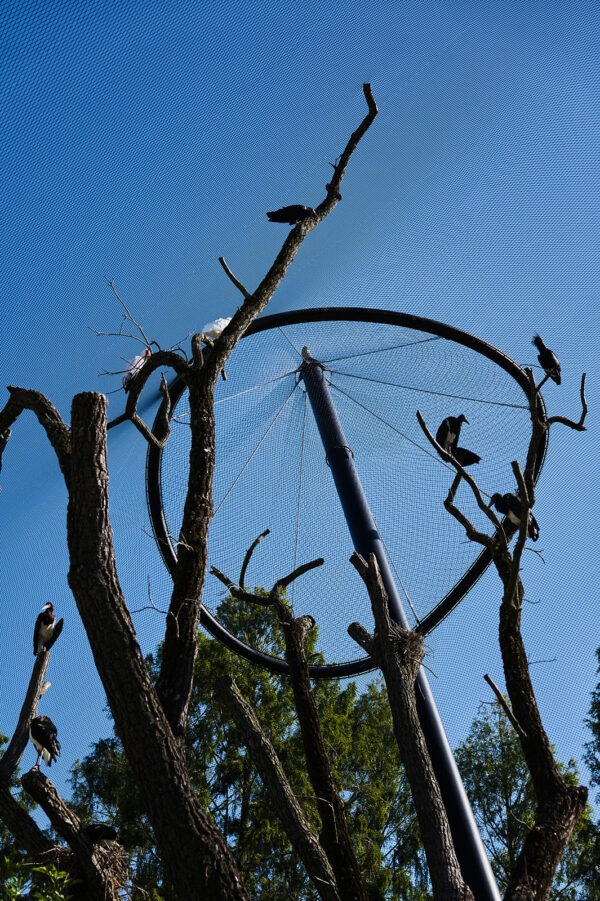
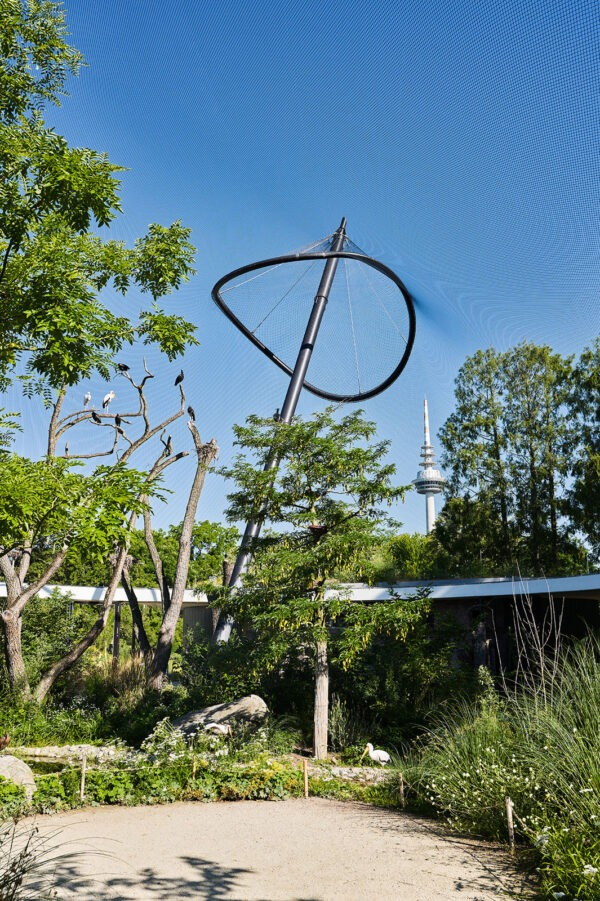
1) Material & Corrosion Resistance
| Item | Standard (Recommended) |
|---|---|
| Material Grade | AISI 316 / 316L (EN 1.4401 / 1.4404) |
| Application | Indoor & outdoor, coastal / chlorine / humid environments, low maintenance |
| Surface | Stainless natural finish (optional: black oxide / colored elements for ID plates if required) |
2) Webnet-Style Variants (Build Options)
| Variant | Construction | Best for | Visual effect |
|---|---|---|---|
| A | With Sleeves | Wire rope + stainless sleeves (ferrules) pressed at intersections | Economical, flexible, especially for small rope diameters; fast production | Clean, consistent geometry |
| B | Sleeveless | Woven / knotted style intersections (no sleeves) | Maximum transparency, “almost invisible” safety infill, unobstructed view | Most open, minimal visual nodes |
| C | Webnet ID | Stainless ID plates integrated into mesh (logos / patterns / text) | Branding, patterns, privacy screening, architectural graphics | Custom accent / privacy control |
| D | Webnet Evo | Patterned mesh (honeycomb / waves / organic lines) | Interior partitions, feature walls, façade accents | Decorative “signature” look |
3) Core Specification Parameters (What the buyer must specify)
| Parameter | Specification Options (Based on your Webnet tables) |
|---|---|
| Type | Webnet (Sleeved) / Webnet Micro / Webnet Sleeveless / Webnet Evo |
| Rope Diameter | 1.0 / 1.5 / 2.0 / 3.0 / 4.0 / 5.0 mm |
| Mesh Aperture (MW × ML) | Common range: 20×38 mm up to 400×692 mm (choose by load + transparency) |
| Mesh Angle | ~60° (standard visual) or ~35° (different density/appearance) |
| Mesh Direction | Horizontal (H) or Vertical (V) |
| Net Dimensions | Provide width & height in mm; always specify internal dimensions of edge structure |
| Edge / Perimeter Type | Standard rectangle (H24/V24 style) or special shapes; cut edges priced by linear meters |
| Performance Indicators | Weight (kg/m²), Light transmission (%), Rope length (m/m²), Max production length (m) |
4) Recommended “Popular Specification Sets” (Easy for quotations)
Below are clean, buyer-friendly spec sets you can quote fast. They are built directly from the ranges in your tables
(rope diameter + mesh aperture + expected openness).
| Set | Variant | Grade | Rope Ø | Mesh (MW×ML) | Typical use |
|---|---|---|---|---|---|
| S1 | Sleeved | 316/316L | 1.0 mm | 40×70 / 50×87 / 60×105 | Railing infill, light-duty façade, interior partition |
| S2 | Micro | 316/316L | 1.5–2.0 mm | 40×75 / 50×91 / 60×108 | High-end railing, closer spacing, premium finish, smooth appearance |
| S3 | Sleeved | 316/316L | 3.0 mm | 60×106 / 80×141 / 100×175 | Public areas, higher load infill, stadium/steps safety zones |
| S4 | Sleeveless | 316/316L | 2.0–3.0 mm | 60×106 / 80×140 / 100×173 | Zoo enclosure “open view”, architecture where invisibility is critical |
| S5 | Sleeveless | 316/316L | 4.0–5.0 mm | 70×112 / 100×170 / 120×(custom) | Heavy-duty protection, large spans, aggressive environments |
5) Micro Roll Supply (Standard Roll Packing — from your roll list)
| Roll Size (H×L) | Meshes | Possible Install Height | Typical roll weight |
|---|---|---|---|
| 800×20000 mm | 20×265 or 13×185 | 770–900 mm | 8.00–13.60 kg |
| 800×50000 mm | 20×664 or 13×464 | 770–900 mm | 20.00–34.00 kg |
| 900×20000 mm | 22×266 or 15×185 | 870–1000 mm | 9.00–15.30 kg |
| 900×50000 mm | 22×665 or 15×464 | 870–1000 mm | 22.50–38.25 kg |
6) Installation Materials (Quote-ready calculation rules)
| Accessory | Rule of thumb (from your notes) |
|---|---|
| Binding Rope | Total circumference of all nets × 3 = binding rope meters |
| Cable Ties | 1 tie every other mesh ≈ 10 pcs/m² average |
| Sleeves for tie-in ropes | Type V24 for connecting tie-in ropes ≈ 1 pc/m² average |
| Tools | Hand press pliers or battery press tool for sleeves; cut binding rope cleanly |
7) Ordering Code (Make your own POLYMETAL SKU system)
Use a consistent coding so buyers never confuse rope diameter, mesh aperture, and edge orientation.
| Format | Example |
|---|---|
| PM-RM-[TYPE]-[GRADE]-[DIA]-[MW]x[ML]-[ANGLE]-[DIR]-[EDGE] | PM-RM-SLV-316L-2.0-60×106-A60-V-V24 |
| TYPE | SLV (Sleeved) / SLS (Sleeveless) / MIC (Micro) / EVO / ID |
| ANGLE | A60 (~60°) or A35 (~35°) |
| DIR | H or V |
| EDGE | V24/H24 (standard) or custom perimeter type |
8) What you should ask the client to provide (to avoid rework)
| Client must provide | Why it matters |
|---|---|
| To-scale drawing (DXF/DWG) for special shapes | Controls cutting surcharge and edge correctness |
| Internal dimensions of edge structure | Ensures net fits without site modification |
| Orientation (H/V) + angle (~60° / ~35°) | Changes visual density, load transfer, climbability |
| Application scenario (railing / fall protection / zoo / facade) | Allows correct rope diameter + mesh selection |
Applications
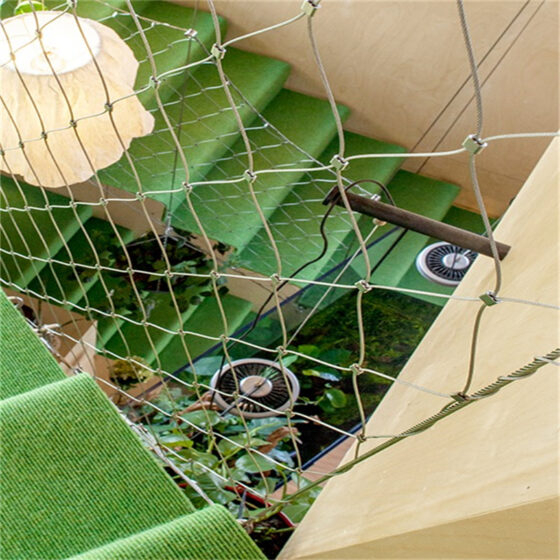
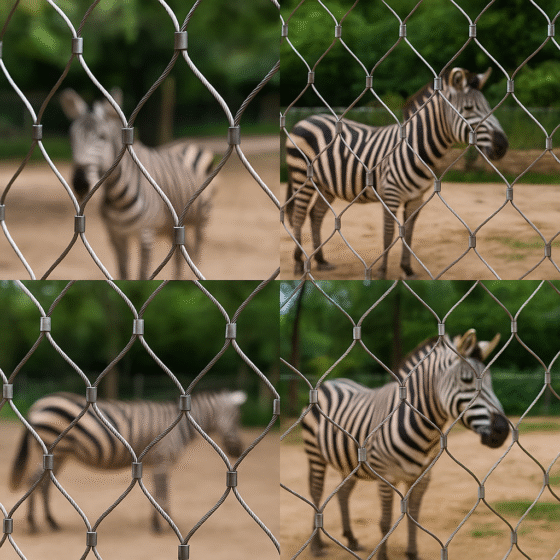
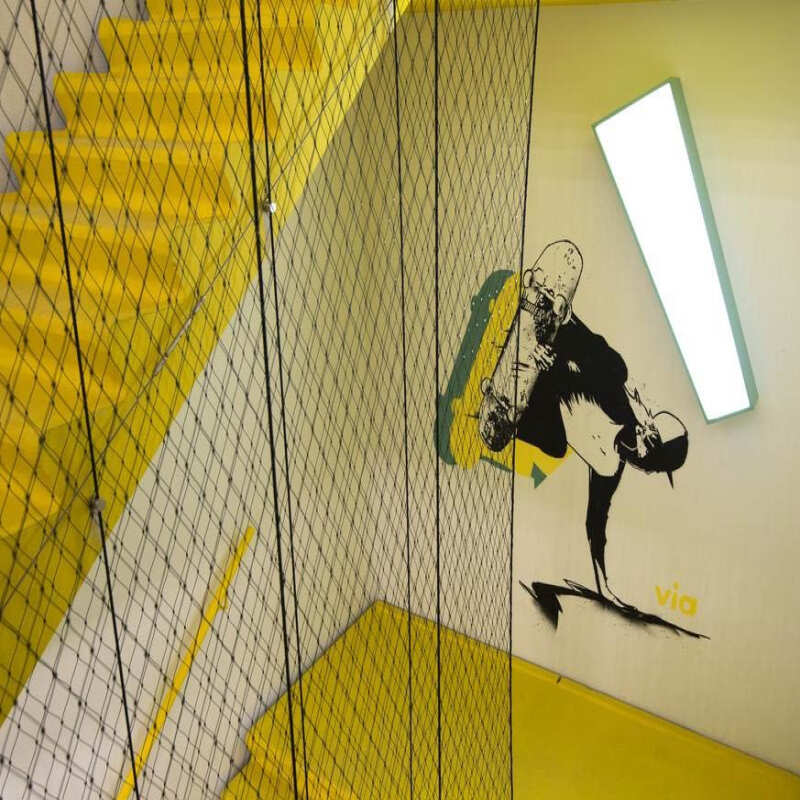
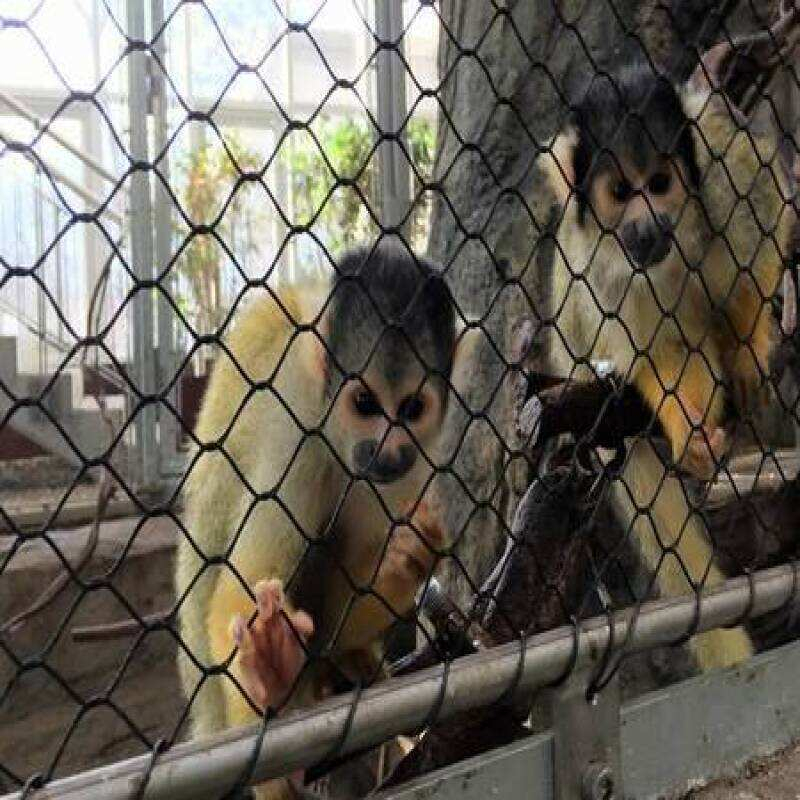
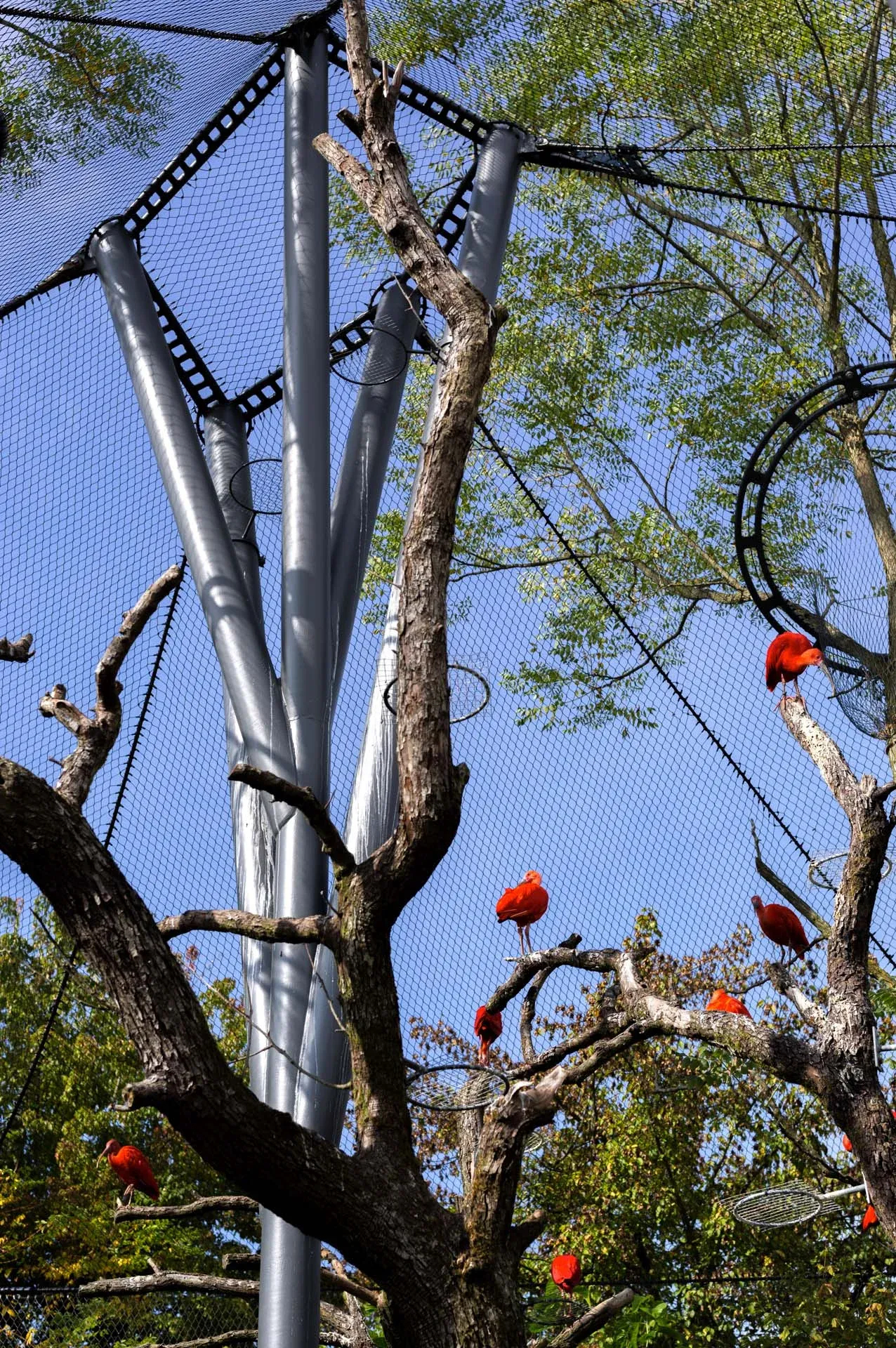
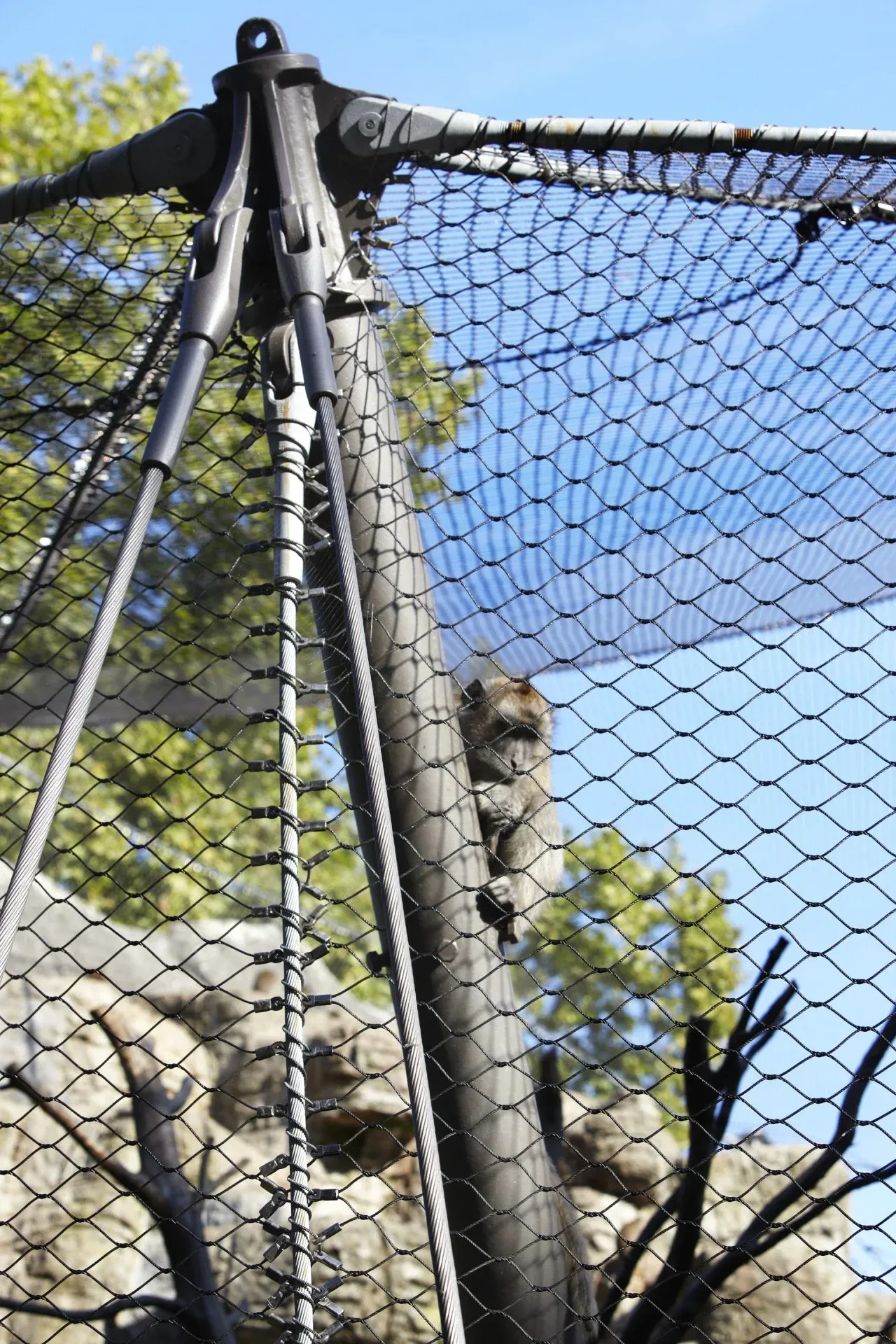
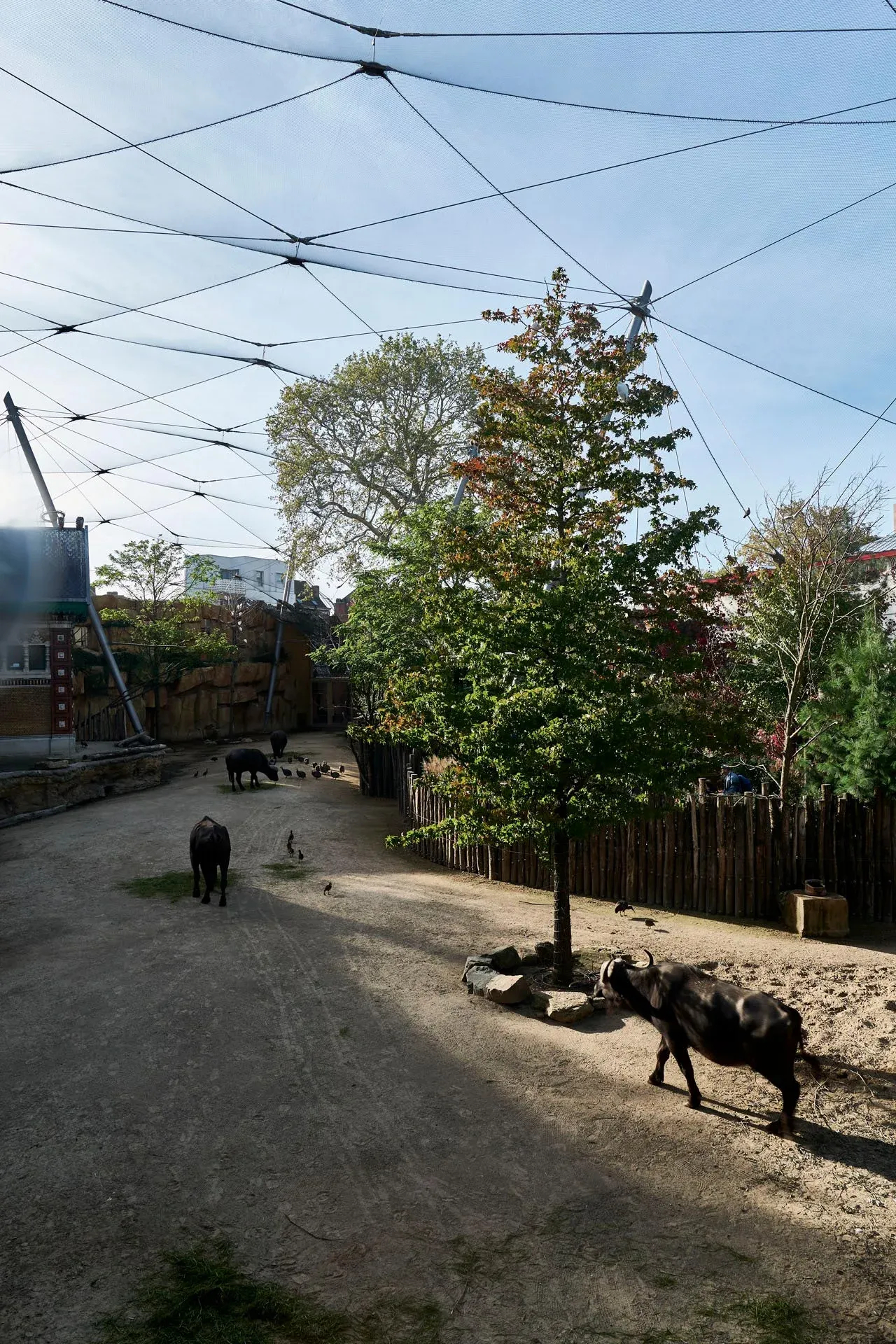
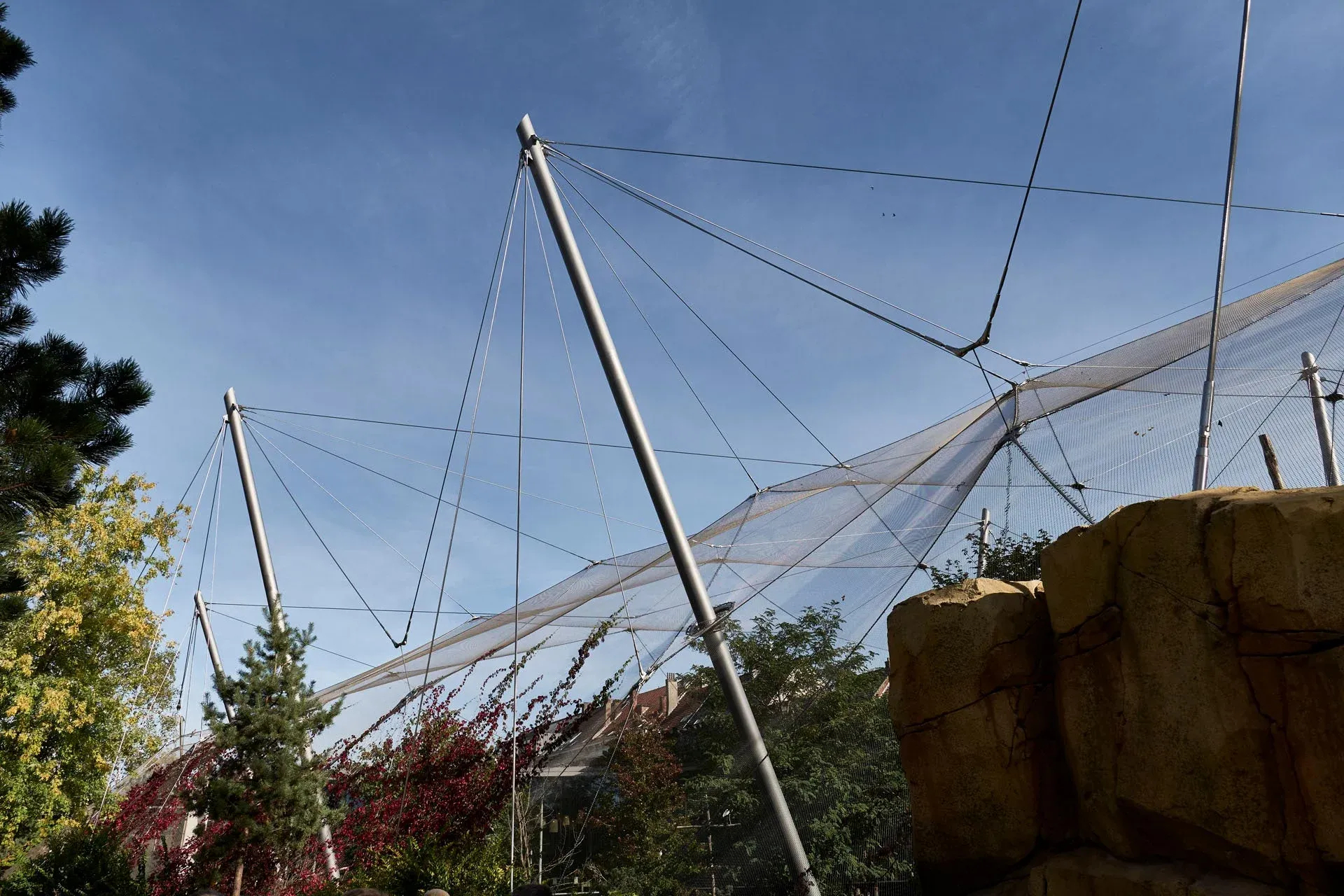
Stainless steel bird aviary mesh is widely used as a safety fence in the zoo, as aviary mesh and bird netting, and as balustrade mesh, railing infill, plant climbing wall mesh, architectural mesh, falling prevention mesh, staircase protective mesh, and courtyard security fencing where corrosion resistance and open visibility are required. For designers comparing “webnet” style systems for architecture and animal spaces, this complete guide to webnet solutions is a helpful reference point for understanding how rope mesh behaves in real projects. A well-specified stainless steel bird aviary mesh supports safe containment while preserving an open, natural viewing experience.
Benefits
A POLYMETAL stainless steel bird aviary mesh delivers lightweight strength, long life, and corrosion resistance with a premium architectural appearance. Controlled cable lots and ferrule lots help stabilize aperture geometry. When the correct grade, diameter, aperture, and edge restraint are specified, buyers reduce risk of drifted openings, tension loss, and premature maintenance. The result is safer containment, better aesthetics, and lower life-cycle cost.
Packing
POLYMETAL packing protects the stainless steel bird aviary mesh from abrasion and edge damage during shipment. Standard packing uses inside plastic film with outside wooden case or waterproof woven bags, and carton packing is available for smaller quantities. For larger quantities, wooden cases or controlled palletized packing can be used so ferrules and cable surfaces do not rub during transit, and each mesh set arrives clean and install-ready.
Standards
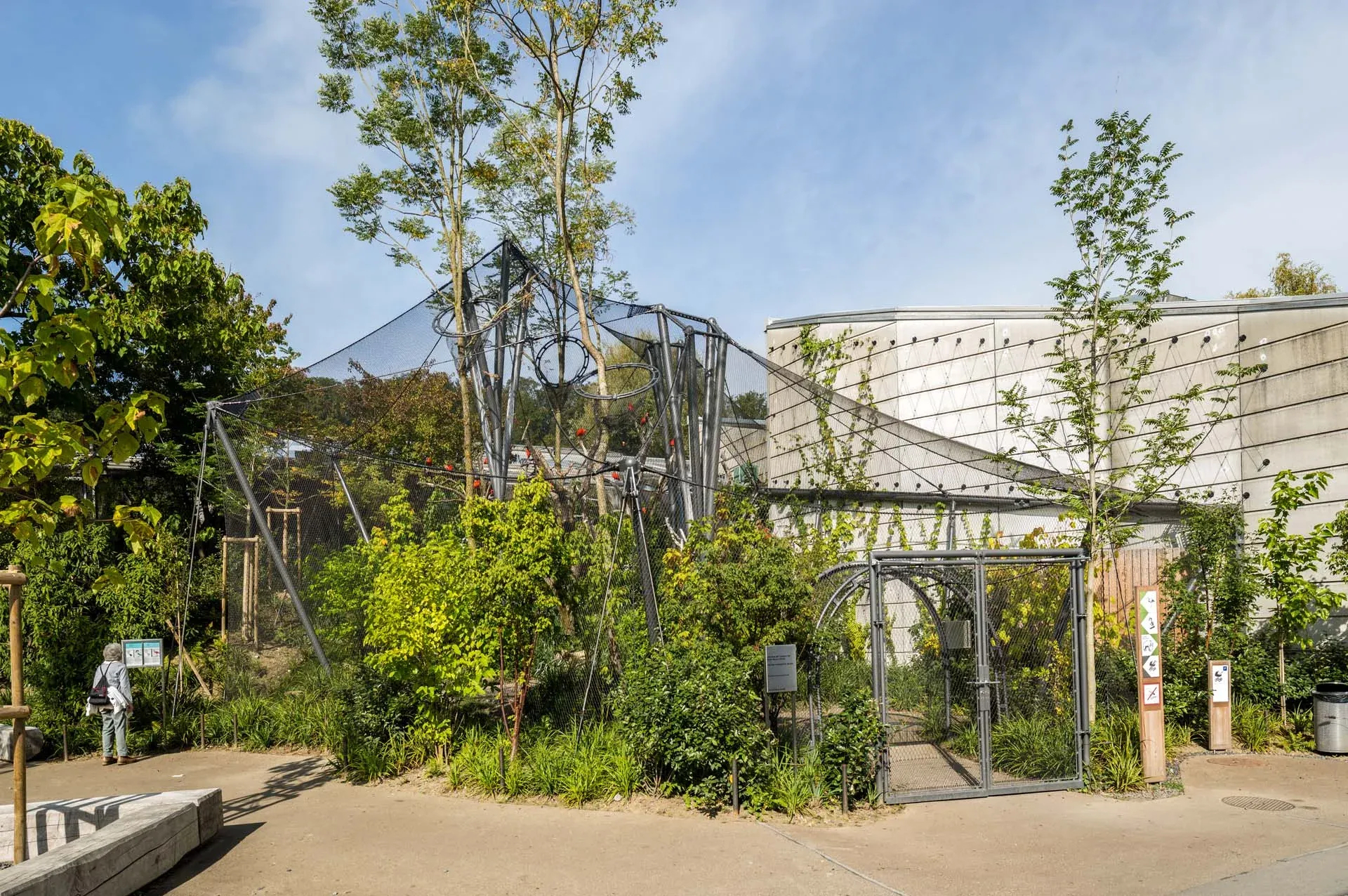
For an aviary enclosure, buyers typically align the stainless steel bird aviary mesh specification with local animal enclosure expectations, structural safety requirements, and corrosion environment targets. When a project requires a defined standard or client specification, system control focuses on verified stainless grade, controlled cable structure, controlled ferrule forming, and edge termination that matches the frame and tensioning plan so the installed mesh remains stable over time.
FAQs
1) What is stainless steel bird aviary mesh?
Stainless steel bird aviary mesh is a wire rope mesh system made from stainless steel cable and ferrules, designed to create safe, open-visibility containment for aviaries and animal enclosures while providing high strength and corrosion resistance.
2) Which stainless grade should I choose: 304, 316, or 316L?
304 is widely used for general environments, while 316 or 316L is selected for harsher environments such as coastal air, chlorine exposure, or frequent wash-down where higher corrosion resistance is required for long service life.
3) What cable diameter is typical for aviary mesh?
Common aviary ranges include 1.2–3.2mm cable diameter depending on species, span size, and risk level, and heavier diameters up to 6.0mm are available for higher load or larger span applications.
4) Can the hole size be customized?
Yes. Hole size can be customized to match species containment requirements and design goals, and professional procurement specifies aperture tolerance so the installed mesh remains visually clean and structurally consistent.
5) What is the difference between 7×7 and 7×19?
7×19 is more flexible and easier to shape around complex frames, while 7×7 is stiffer and can hold geometry differently under tension. The selection depends on frame stiffness, corner detailing, and the tensioning method used in the enclosure.
6) How is the mesh packed for shipping?
Standard packing includes inside plastic film with outside wooden case or waterproof woven bags, and carton packing can be used for smaller quantities. For large orders, wooden cases or palletized packing protects ferrules and cable surfaces from abrasion during transit.