Your One-Stop Wire Mesh Fence Supplier | POLYMETAL
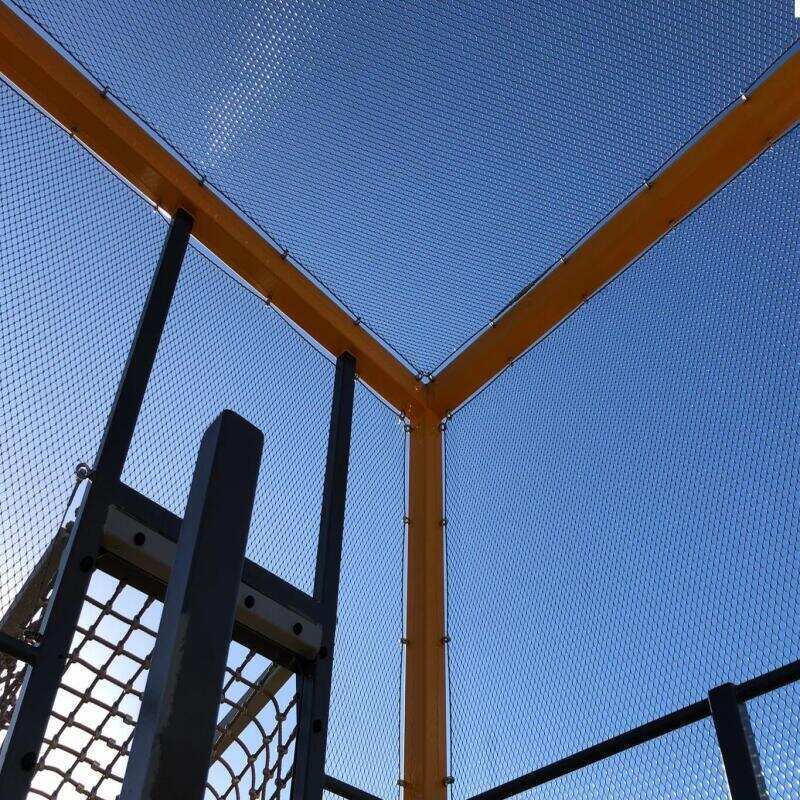
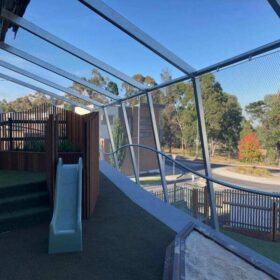
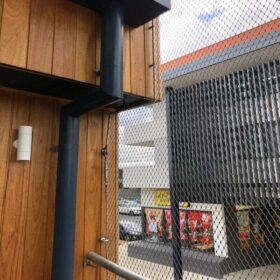
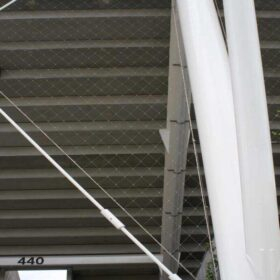
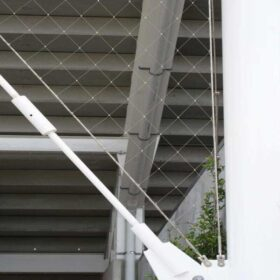
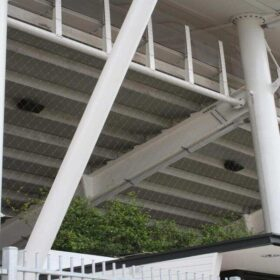
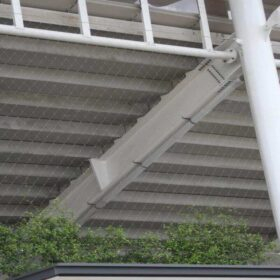
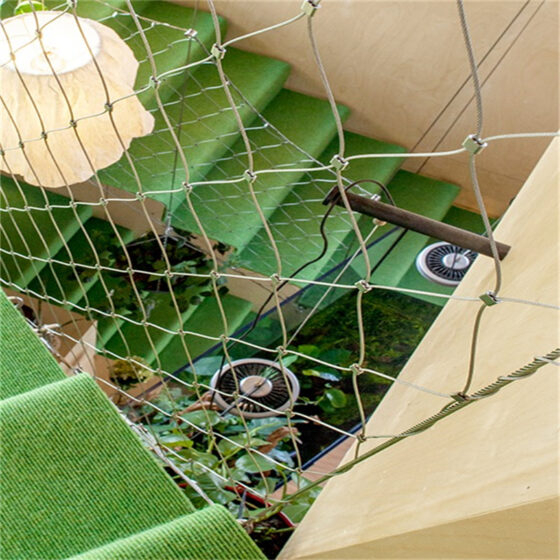
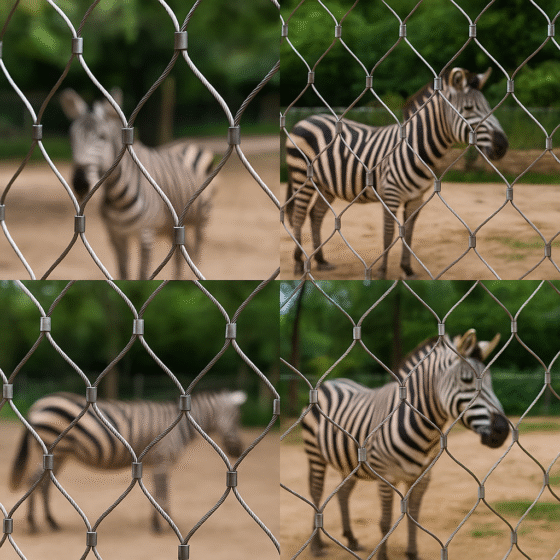
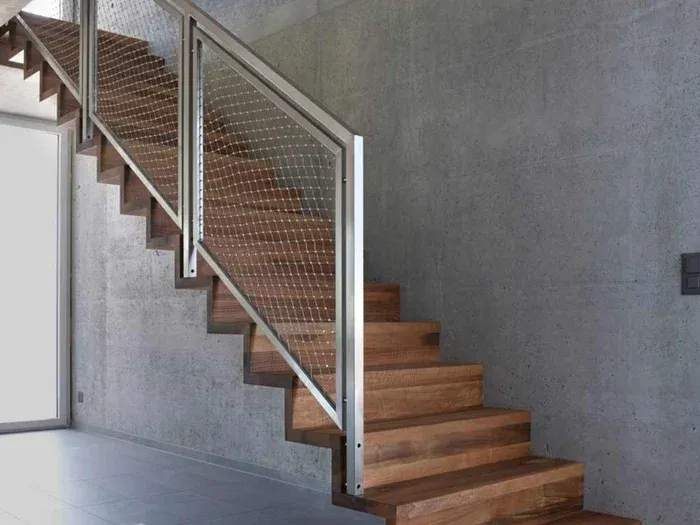
Stainless steel ferruled rope mesh is chosen when a project needs maximum visibility with a premium, high-end safety feel—zoo enclosures, monkey habitats, aviaries, architectural exhibits, stair void infill, and façade barriers. The expensive surprise is that most failures don’t show up in the first photo. They show up after installation and tensioning: uneven apertures that read “wavy,” ferrules that slip, edges that creep, cable strands that fray at cut points, and panels that require rework when the schedule is already locked.
POLYMETAL operates as a stainless steel ferruled rope mesh exporter with disciplined material control and export-ready packing. We focus on repeatable mesh geometry, correct grade selection (AISI 304 / 316), stable ferrule compression, and edge finishing that stays tight over time—so the net behaves like a designed component, not an improvised one.
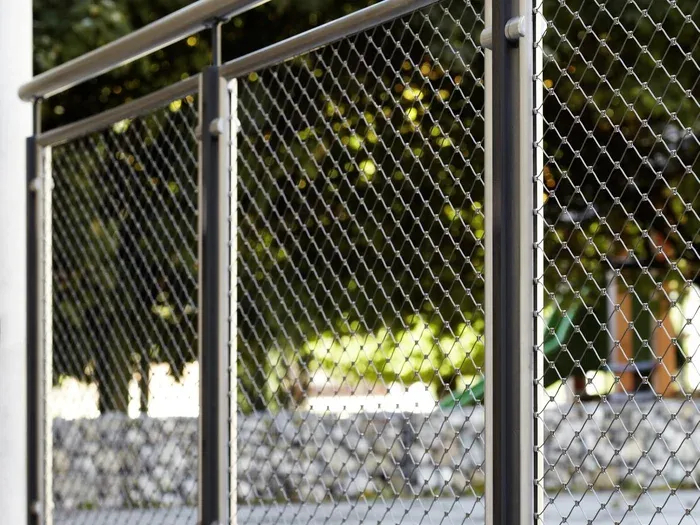
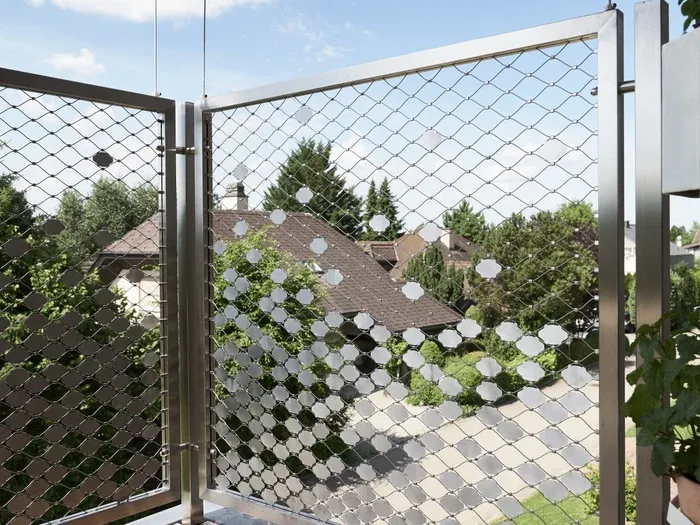
Product Description (POLYMETAL Stainless Steel Ferruled Rope Mesh)
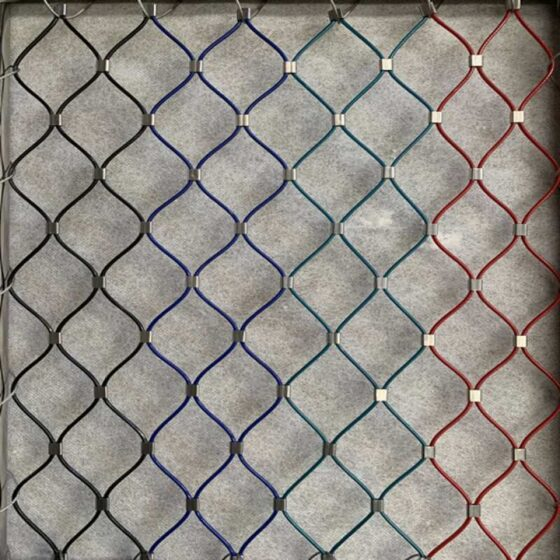
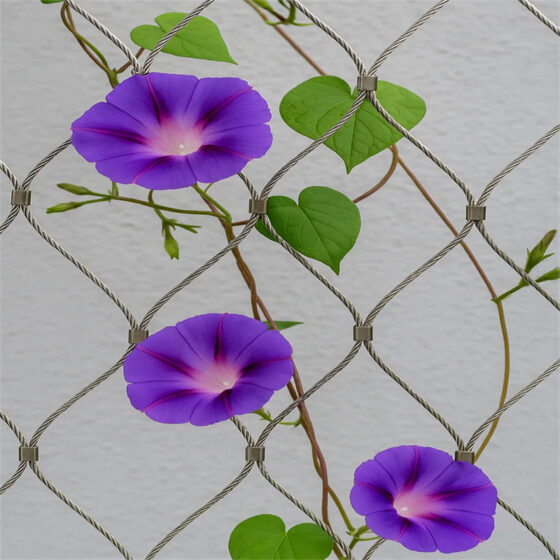
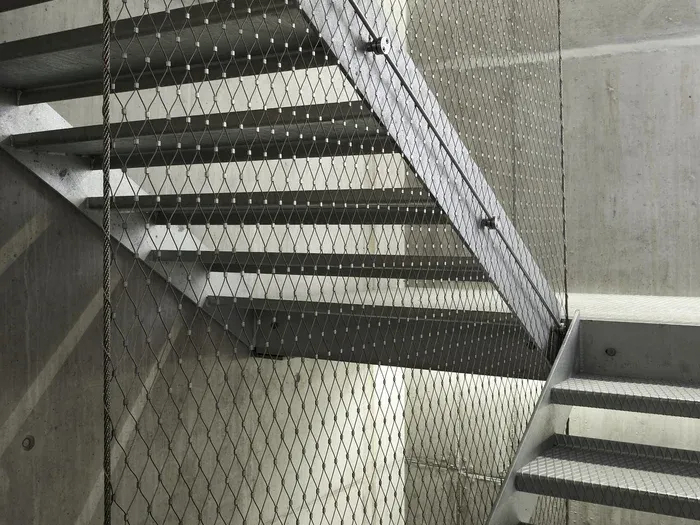
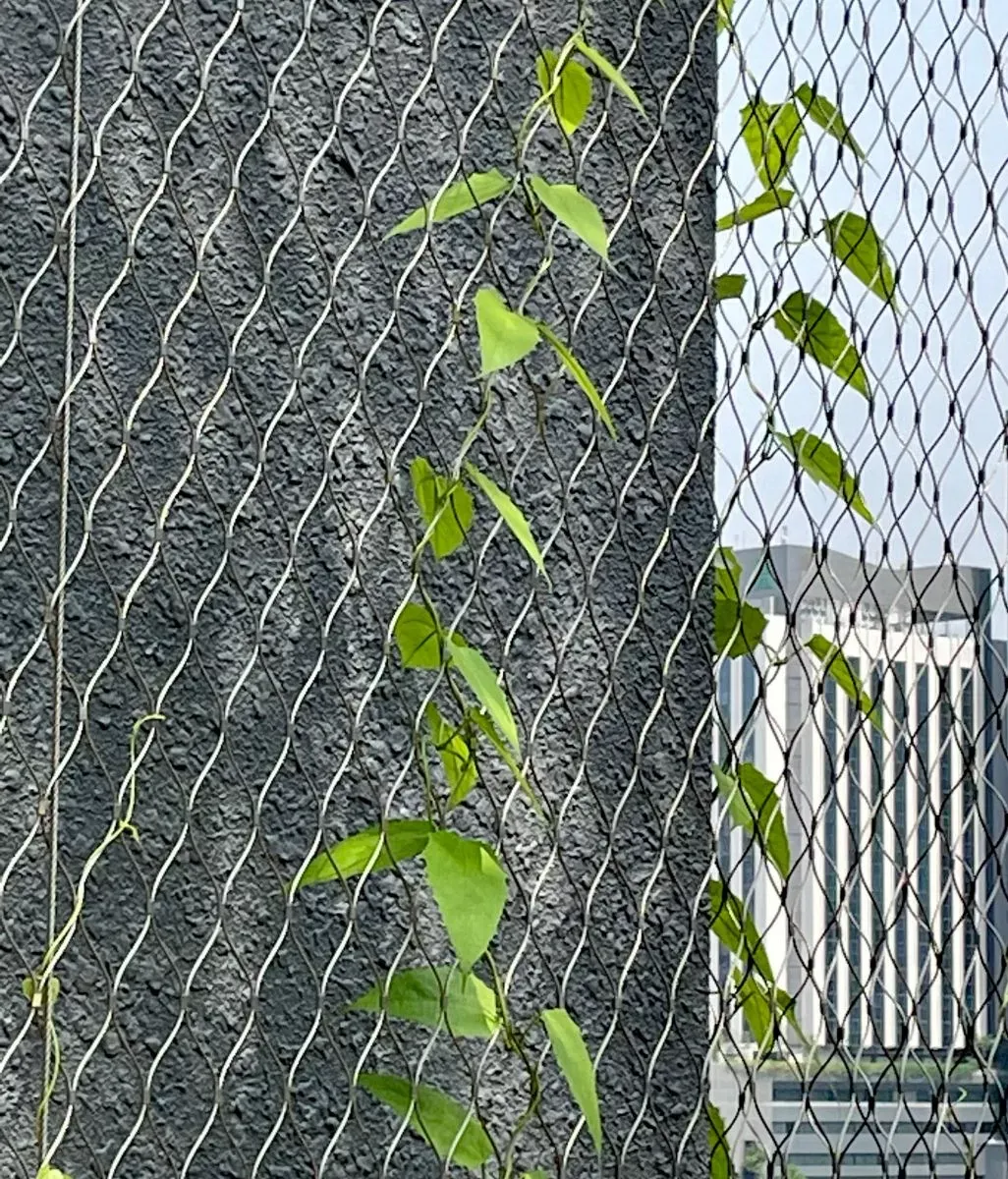
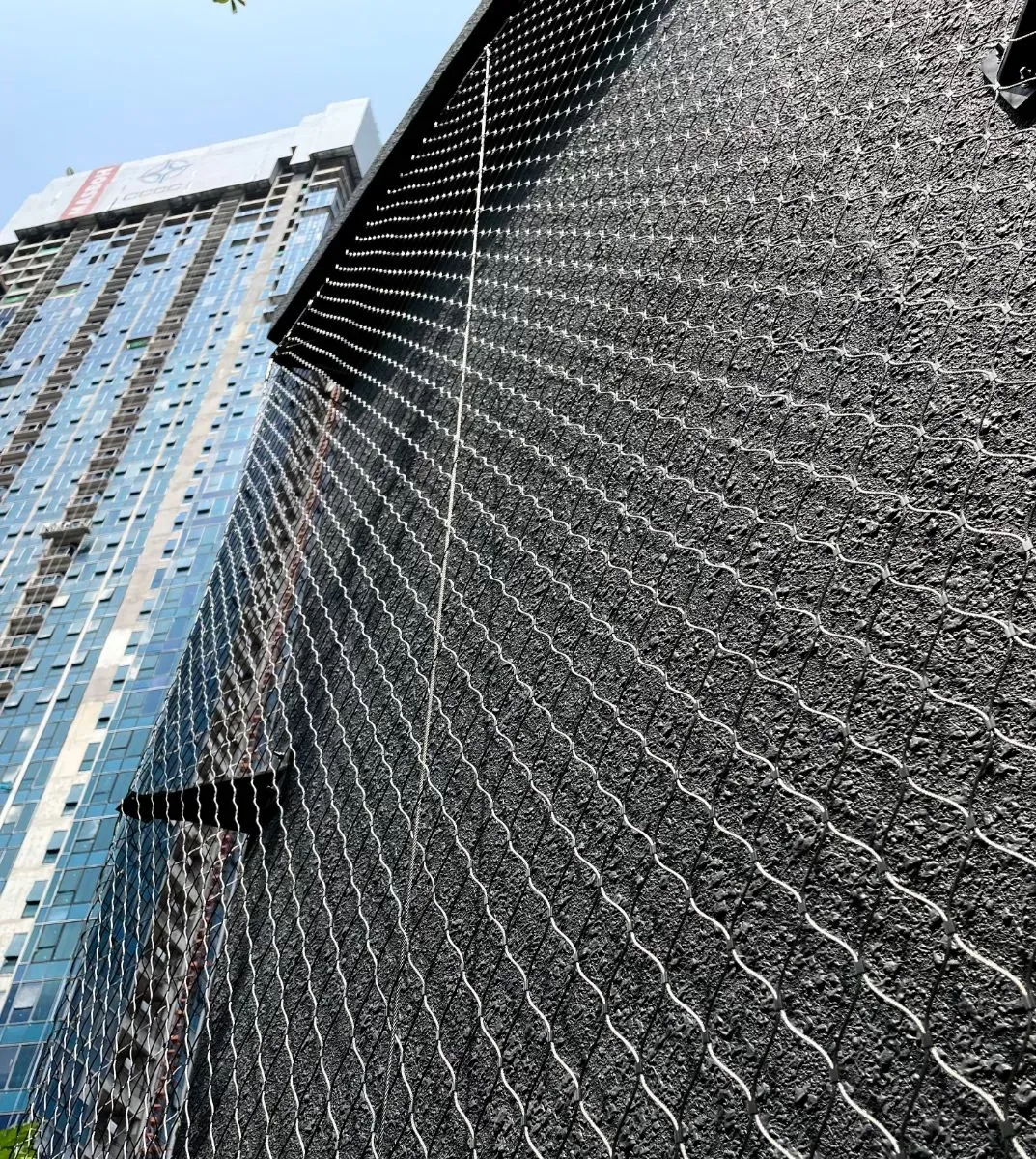
POLYMETAL stainless steel ferruled rope mesh is a cable netting system built from stainless steel wire ropes connected by compression ferrules to form a consistent diamond or square-like aperture pattern. The mesh is engineered to deliver high transparency while handling dynamic loads from climbing, movement, wind, and everyday contact. Compared with basic fencing, the value is not “just stainless”—it is the combination of controlled aperture, stable node strength, and edge restraint that holds shape after tensioning.
For animal habitats such as monkey enclosure mesh, the correct rope construction and aperture choice protect animal safety while preserving visibility. AISI 304 is commonly used for standard indoor or mild exposure environments, while AISI 316 is preferred for coastal, high-humidity, marine, and chlorine-adjacent environments where corrosion risk is higher. As a stainless steel ferruled rope mesh exporter, POLYMETAL supports consistent export batches with matched rope lots, traceable grades, and controlled fabrication.
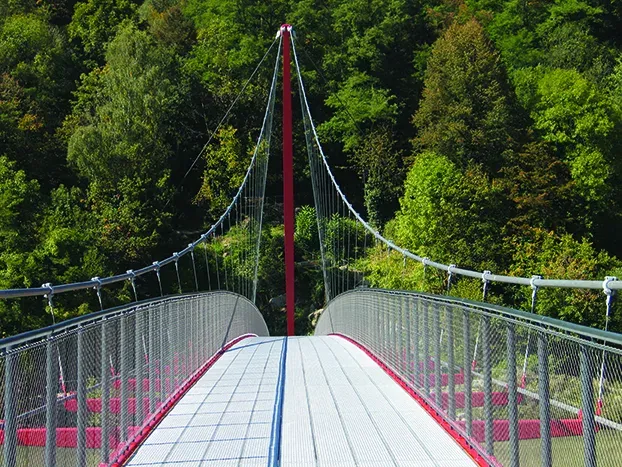
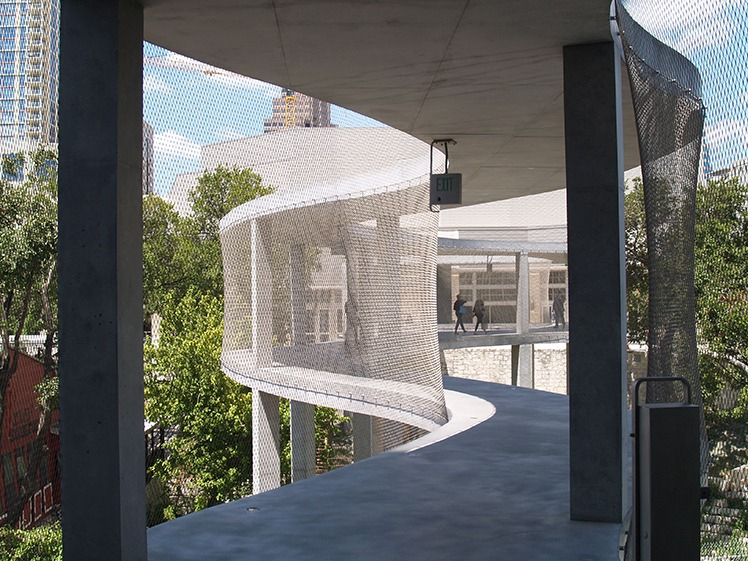
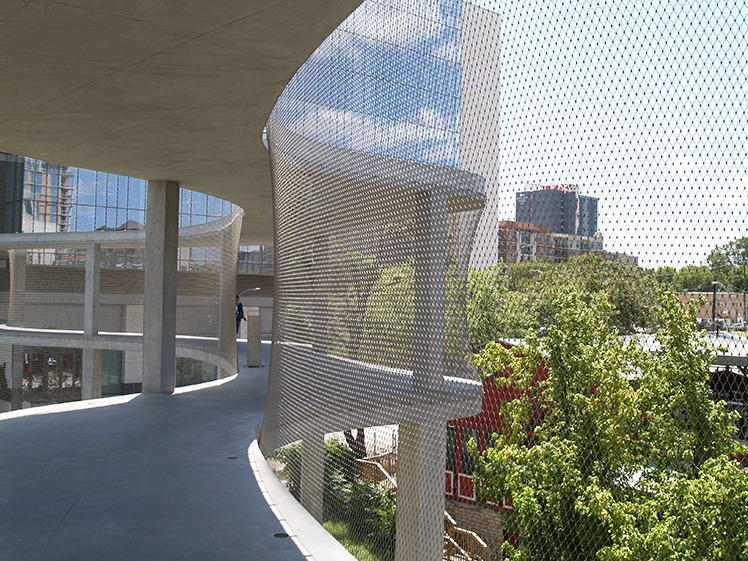
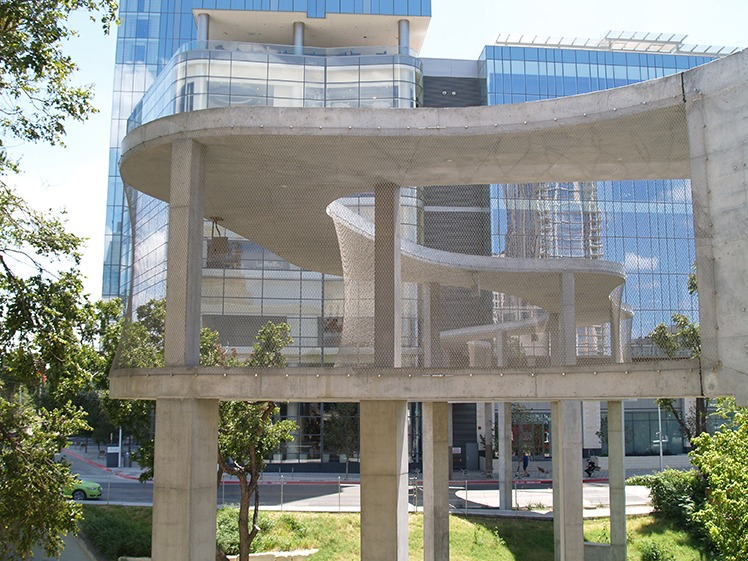
Ferruled vs knotted rope mesh
Buyers often mix up two systems that look similar: ferruled rope mesh and knotted rope mesh. A stainless steel ferruled rope mesh exporter should be able to explain which one matches your risk profile. Ferruled mesh uses compression sleeves (ferrules) to lock cables into a consistent net. It excels at repeatable geometry, neat appearance, and scalable production. Knotted mesh uses hand-tied nodes and can be flexible for certain enclosure shapes. The wrong choice creates the wrong tension behavior, and then the mesh “walks” over time.
If the project needs a crisp, architectural look with consistent nodes, ferruled rope mesh is usually the safer production route. If the project needs very irregular shaping or specific animal behavior considerations, knotted solutions may be used. Either way, the exporter’s discipline is what prevents slipping nodes, irregular apertures, and edge creep.
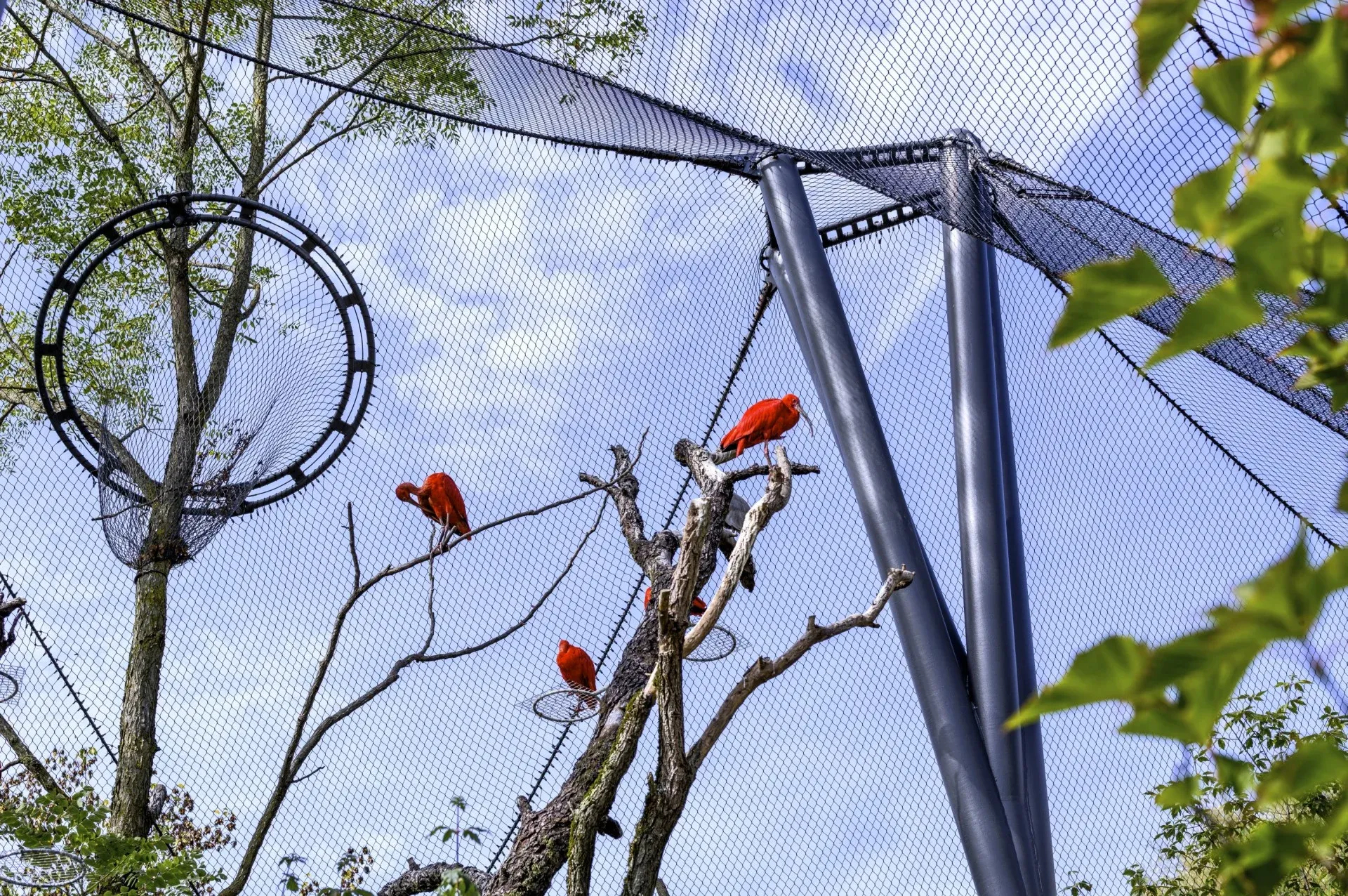
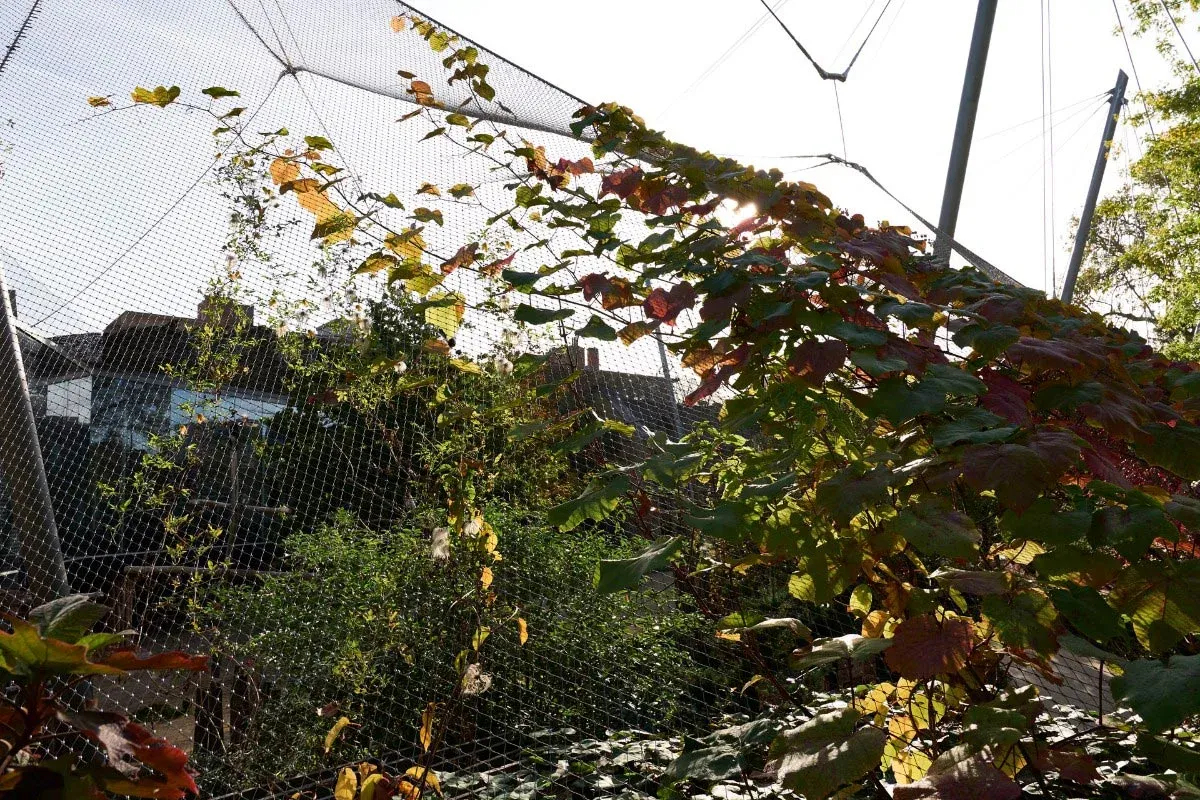
Specifications
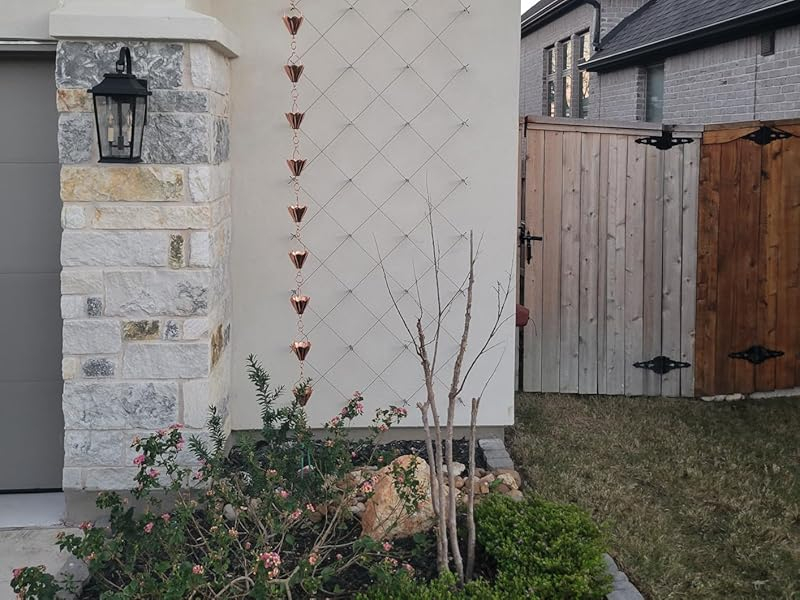
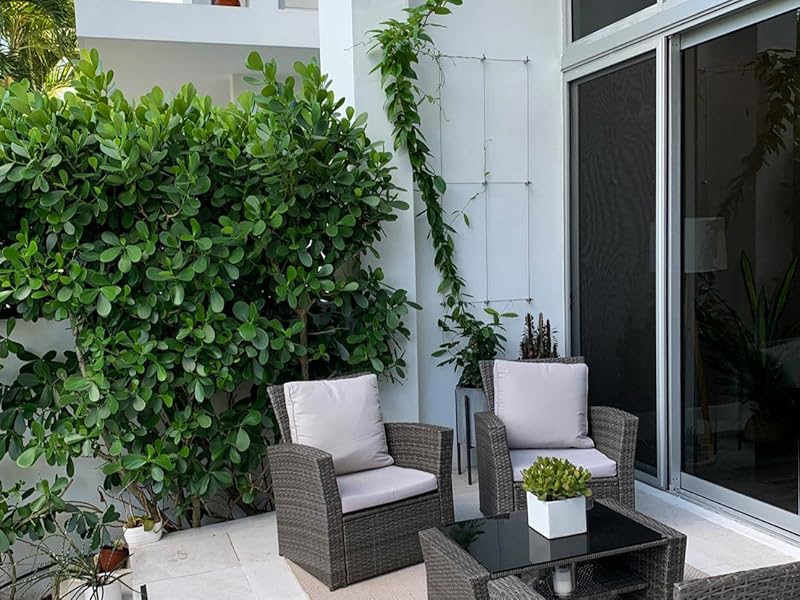
Stainless steel ferruled rope mesh exporter performance is controlled by measurable specification: stainless grade, rope construction, rope diameter, mesh aperture, node/ferrule process, and edge detailing. Lock these items and you control appearance, safety, and maintenance cost.

| Specification Item | POLYMETAL Options | Why It Matters |
| Material grade | AISI 304 / AISI 316 | 316 is preferred for coastal, high-humidity, and chloride exposure; controls corrosion risk |
| Wire rope construction | Common: 7×7 (flexible, stable shape control) | Construction impacts stiffness, handling, and long-term geometry retention |
| Wire rope diameter | Typical: 1.6mm / 2.0mm / 2.4mm | Controls strength, visual thickness, weight, and cost |
| Mesh aperture | Typical: 38×38, 51×51, 60×60, 76×76mm | Controls climb behavior, containment safety, and visual transparency |
| Node type | Ferruled (compression sleeves) or knotted (if required) | Defines repeatability, slip resistance, and appearance consistency |
| Edge finishing | Full perimeter cable + lacing wire or clamp-bar fixing | Prevents edge creep and “bagging” after tensioning |
| Panel size orientation | Height/width measured inside frame dimension (per your note) | Stops site mismatch and reduces rework during installation |
Recommended specifications (Monkey Enclosure Mesh data)
The following application data is commonly used to select rope diameter and aperture for monkey enclosure mesh. A stainless steel ferruled rope mesh exporter should keep these combinations consistent across batches to avoid visible patchwork on a finished enclosure.
Stainless Steel Wire Rope Netting Mesh Application Lists about Monkey Enclosure Mesh | |||||||
| Model No. | Material Group | Wire rope construction | Wire rope dia. | Mesh Aperture | Weight | ||
| mm | inch | mm | inch | kg/m2 | |||
| LE-2476 | SS304/316 | 7 × 7 | 2.4 | 3/32″ | 76 × 76 | 3″ × 3″ | 0.72 |
| LE-2460 | SS304/316 | 7 × 7 | 2.4 | 3/32″ | 60 × 60 | 2.4″ × 2.4″ | 0.87 |
| LE-2451 | SS304/316 | 7 × 7 | 2.4 | 3/32″ | 51 × 51 | 2″ × 2″ | 1.02 |
| LE-2076 | SS304/316 | 7 × 7 | 2.0 | 5/64″ | 76 × 76 | 3″ × 3″ | 0.50 |
| LE-2060 | SS304/316 | 7 × 7 | 2.0 | 5/64″ | 60 × 60 | 2.4″ × 2.4″ | 0.76 |
| LE-2051 | SS304/316 | 7 × 7 | 2.0 | 5/64″ | 51 × 51 | 2″ × 2″ | 0.80 |
| LE-2038 | SS304/316 | 7 × 7 | 2.0 | 5/64″ | 38 × 38 | 1.5″ × 1.5″ | 1.10 |
| LE-1651 | SS304/316 | 7 × 7 | 1.6 | 1/16″ | 51 × 51 | 2″ × 2″ | 0.50 |
| LE-1638 | SS304/316 | 7 × 7 | 1.6 | 1/16″ | 38 × 38 | 1.5″ × 1.5″ | 0.65 |
| LE-1630 | SS304/316 | 7 × 7 | 1.6 | 1/16″ | 30 × 30 | 1.2″ × 1.2″ | 0.90 |
Top 18 procurement traps for a stainless steel ferruled rope mesh exporter (Especially #17)
The fastest way to lose money is to buy rope mesh as “just stainless.” A stainless steel ferruled rope mesh exporter must be judged by measurable control: grade, rope lot, ferrule compression, aperture repeatability, and edge restraint. The following 18 items are built as a practical guide for buyers who want a clean install the first time.
Trap #1: Treating “stainless steel ferruled rope mesh exporter” as a keyword, not a capability
Many sellers list the product, but cannot control ferrule compression consistency, aperture tolerance, or export packing. The result is a net that looks fine on a table but behaves wrong when tensioned.
Risk #2: Choosing AISI 304 in a coastal or chlorine environment
The wrong grade turns into staining and customer complaints later. If the site exposure is harsh, AISI 316 is the safer rule for any stainless steel ferruled rope mesh exporter supplying long-life enclosures.
Danger #3: Specifying only rope diameter without rope construction
Rope construction changes flexibility and how the mesh carries load. 7×7 is a common balance for enclosure nets, but the key is writing it, not guessing it—especially when you are comparing quotes from more than one stainless steel ferruled rope mesh exporter.
Problem #4: Selecting mesh aperture by “looks” instead of animal behavior and safety
For monkey enclosure mesh, aperture choice must consider grip, containment, and finger safety. Wrong aperture becomes a safety hazard and a reputational crisis, even if the stainless steel ferruled rope mesh exporter delivered on time.
Pitfall #5: Ignoring weight data and then being surprised by structure cost
Mesh weight drives frame sizing, fixing density, and installation effort. If you ignore kg/m², you can underbuild the support structure and cause failure, turning a stainless steel ferruled rope mesh exporter purchase into a site rework bill.
Oversight #6: Not defining ferrule material and compression process
Ferrules that are poorly compressed can slip. A stainless steel ferruled rope mesh exporter should deliver stable nodes that remain tight after cyclic loading.
Warning #7: Not specifying edge restraint
Edge restraint is where long-term shape is won or lost. Without a perimeter cable or disciplined lacing, the net can creep and “bag” over time, no matter which stainless steel ferruled rope mesh exporter you buy from.
Loss #8: Allowing inconsistent aperture tolerance across panels
One panel that is “slightly different” creates a visual patch that the public notices immediately, especially in high-visibility zoo and architectural projects supplied by a stainless steel ferruled rope mesh exporter.
Damage #9: Ignoring cut-point finishing and strand control
Frayed ends become handling hazards and installation defects. Good finishing reduces snag points and protects both installers and animals, which is a core responsibility of a stainless steel ferruled rope mesh exporter.
Defect #10: Not confirming panel size measurement rules
If the frame dimension rule is not locked (inside frame vs outside frame), panels arrive wrong and you pay for on-site modification—an avoidable defect when your stainless steel ferruled rope mesh exporter is given a clear drawing.
Gap #11: Assuming “stainless” means zero maintenance
Stainless reduces corrosion risk but does not eliminate cleaning and inspection needs. Export-grade supply must focus on finish quality and consistent fabrication, which separates a true stainless steel ferruled rope mesh exporter from a reseller.
Hazard #12: Using the wrong fixing method for the load path
Clamp-bar, lacing, or cable ties must match the project’s load behavior. Wrong fixing becomes loosening, noise, and repeated tightening, even if your stainless steel ferruled rope mesh exporter shipped perfect rolls.
Mistake #13: Underestimating dynamic loads from climbing or impact
Monkey enclosures are not static walls. The mesh must tolerate repeated movement without node slip or edge creep, and a stainless steel ferruled rope mesh exporter should help you select diameter and aperture that match the behavior load.
Failure #14: Ordering mixed lots that don’t match in colour tone and surface finish
Even within stainless, visible tone differences can occur. A disciplined stainless steel ferruled rope mesh exporter controls batch consistency so the enclosure reads as one design.
Cost #15: Buying “cheaper” mesh that forces expensive installation labour
If the net arrives irregular, installers spend time sorting, re-tensioning, and correcting edges. Your real cost becomes labour, not product price—a classic stainless steel ferruled rope mesh exporter procurement trap.
Myth #16: Believing thicker rope always solves everything
Over-thick rope can add unnecessary weight and make clean tensioning harder. Correct system balance wins: diameter, aperture, edge, and fixing together, and a good stainless steel ferruled rope mesh exporter will push balance, not just thickness.
Loophole #17: Not writing the exporter’s “no-slip node rule” into the purchase order
This is where buyers lose money. If you do not explicitly require controlled ferrule compression (or verified node stability), consistent aperture tolerance, and edge restraint method, you risk a mesh that looks similar but slips after tensioning. That slip triggers visible sag, retension work, and replacement panels—exactly the kind of loss that hits after installation when budgets are already committed. A stainless steel ferruled rope mesh exporter must deliver this rule as a measurable requirement, not a marketing line.
Checklist #18: Skipping receiving inspection before installation
A compact receiving checklist catches defects early: verify grade markings (where applicable), measure aperture, check nodes/ferrules, confirm edge finishing, and confirm panel dimensions before the mesh goes onto the structure—this step protects every stainless steel ferruled rope mesh exporter order from turning into an installation failure.
Applications
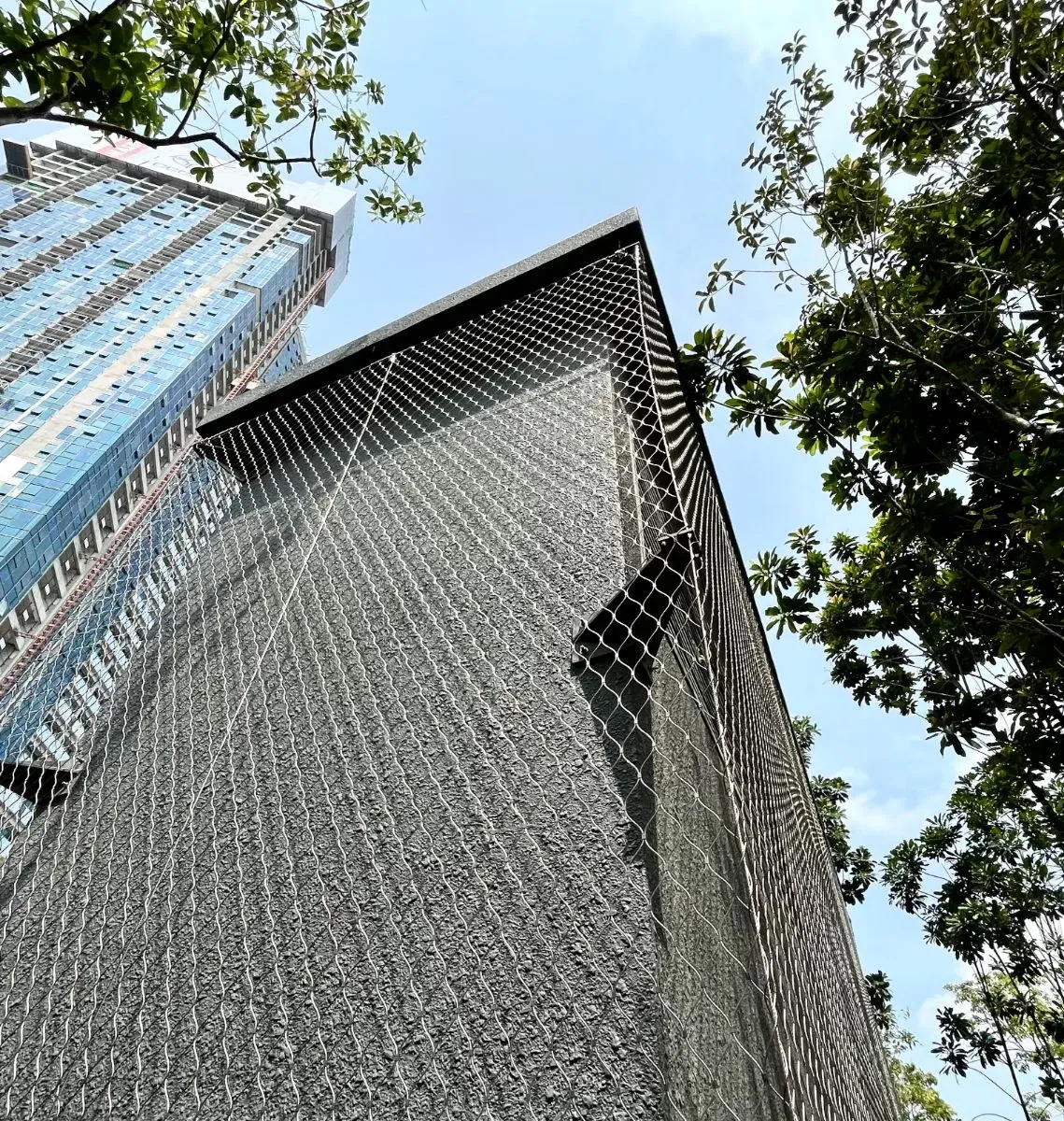
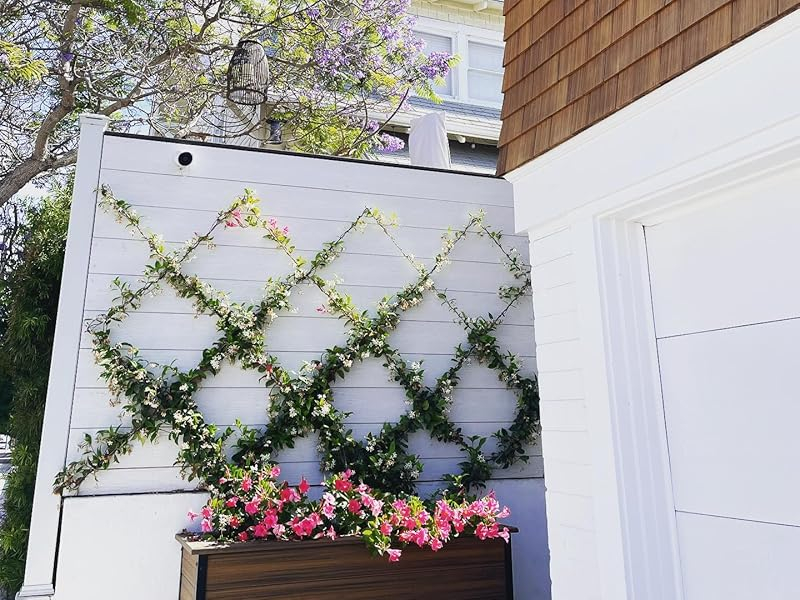
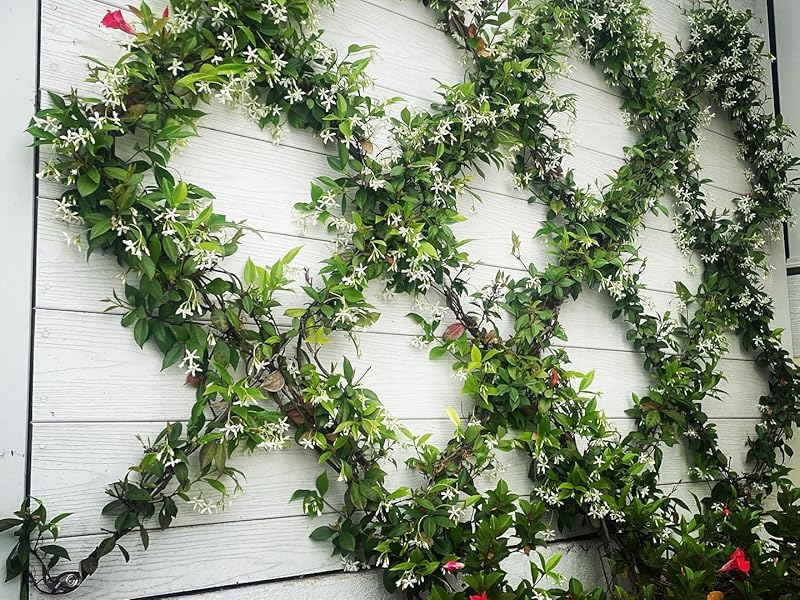
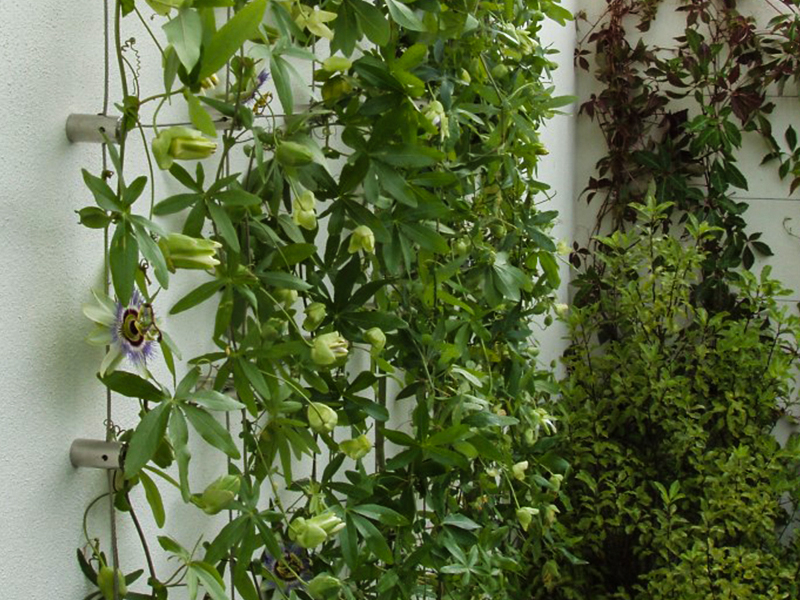
Stainless steel ferruled rope mesh exporter supply is widely used for monkey enclosure mesh, tiger and lion cage enclosures, gorilla habitats, deer fencing within exhibit zones, bird aviary netting, architectural safety infill, stair and balcony barriers, and themed venue partitions where high visibility is mandatory. The same mesh concept is also used in design-forward installations where the barrier must look premium rather than industrial.
Benefits
The main benefit is visibility with engineered restraint: a clean, transparent barrier that still handles real loads. With correct grade selection, stable nodes, and disciplined edge finishing, the mesh keeps its geometry after installation and reduces rework. As a stainless steel ferruled rope mesh exporter, POLYMETAL focuses on repeatable specification so your enclosure or architectural panel line looks consistent across the entire project.
Packing for export
Export packing is part of product quality because rope mesh damage often happens during handling. POLYMETAL commonly rolls or flat-packs mesh panels with protective layers between nets, uses moisture-resistant wrapping, and loads into strong cartons or wooden cases depending on project risk. Edges and node areas are protected to reduce compression marks, and each bundle is labelled by model, aperture, and panel size so installers do not waste time sorting.

Standards and procurement references
Stainless steel ferruled rope mesh exporter procurement typically references stainless grade (304/316), rope construction, rope diameter, aperture, and acceptance criteria for node stability and edge finishing. If your project has specific compliance requirements, state them directly in the purchase order along with measurable acceptance checks such as aperture tolerance and edge restraint method.
FAQs
What is the difference between ferruled rope mesh and knotted rope mesh?
Ferruled rope mesh uses compression sleeves (ferrules) to form nodes and is often chosen for repeatable geometry and neat appearance. Knotted mesh uses tied nodes and can be selected for certain shaping needs. A stainless steel ferruled rope mesh exporter should clarify which is best for your enclosure behavior and visual requirement.
Which stainless grade should I select—304 or 316?
AISI 304 is common for general indoor or mild exposure applications. AISI 316 is preferred for coastal, high-humidity, marine, or chloride exposure conditions to reduce corrosion risk.
How do I choose mesh aperture for monkey enclosure mesh?
Aperture selection should balance containment, safety, and the animal’s climbing behavior. The data table above provides common combinations that buyers use to align rope diameter and aperture in real projects.
What must be written in the purchase order?
At minimum: stainless grade, rope construction, rope diameter, mesh aperture, node type (ferruled), edge restraint method, panel dimensions (inside frame rule), and a node stability requirement that prevents slip after tensioning.
Why do some rope meshes look “patched” after installation?
Patchwork appearance usually comes from inconsistent aperture, mixed batches, uneven tensioning, or weak edge restraint. A disciplined stainless steel ferruled rope mesh exporter controls these items before shipment so the installation reads as one clean design.
Closing note from POLYMETAL
Stainless steel ferruled rope mesh is a premium product that becomes expensive only when the key rules are missing. If you lock the data—especially the #17 no-slip node rule—your project avoids rework, avoids visible sag, and keeps the clean, high-end look that rope mesh is chosen for in the first place.