Your One-Stop Wire Mesh Fence Supplier | POLYMETAL



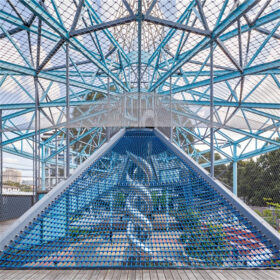
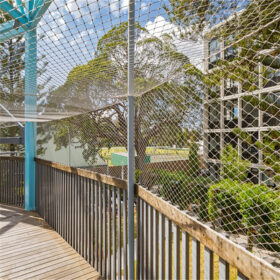

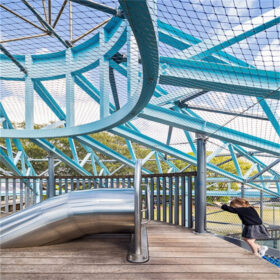
Stainless steel flexible wire mesh netting (also called stainless steel rope mesh or stainless steel cable mesh) is made from high-quality stainless steel wire rope. It is selected when designers need a strong safety barrier with open visibility, long service life, and reliable corrosion resistance in harsh outdoor environments.
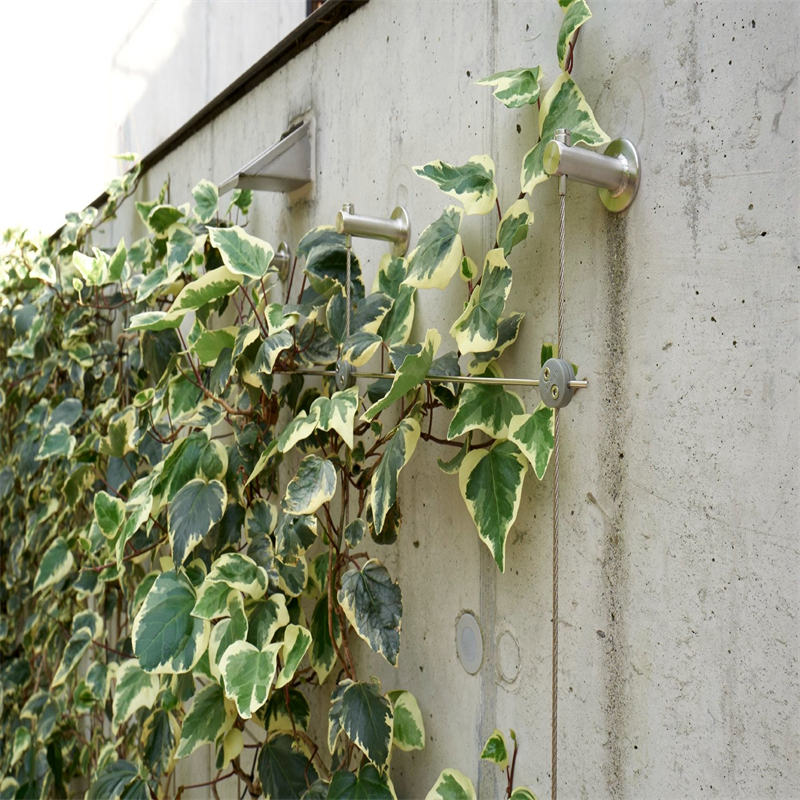
Stainless steel flexible wire mesh netting is widely used for railing infill, balcony protection, stair safety, façade screening, green walls, animal enclosures, and architectural safety zones where rigid panels struggle with curves, slopes, and complex geometry. The mesh can be designed like a traditional railing, or extended from ceiling to floor as a protective wall. The transparency creates a clean, “floating” space effect while still performing as a real safety system—especially in enclosure projects where spec teams may also compare rigid alternatives such as weld wire mesh for zoo for different species, impact levels, and framing styles.



Product Description (Stainless Steel Flexible Wire Mesh Netting)
From the perspective of safety, the stainless steel flexible wire mesh netting railing is solid and firm, which can effectively prevent people from falling. It can be designed like a railing traditionally, or it can also be designed as a protective wall extending from the ceiling to the ground. The excellent visibility of stainless steel rope mesh can create a magnificent and transparent space effect and make the designer’s diverse inspiration translate into reality.
POLYMETAL manufactures stainless steel flexible wire mesh netting as a controlled system—rope grade, rope construction, rope diameter, aperture geometry, and edge finishing are locked as measurable inputs. When these controls are fixed early, installers get stable tension lines, consistent openings, cleaner edges, and fewer site surprises after lifting, pulling, and final tightening.


Key Parameters
| Product Name | Stainless steel wire rope mesh (stainless steel cable mesh) |
| Certificates | CE and ROHS Certificates |
| Material | AISI 304 or AISI 316 (Optional: 304L / 316L) |
| Wire Diameter | 1.0mm–5.0mm (Common: 1.5mm / 2.0mm / 3.0mm) |
| Wire Structure | 7×7 or 7×19 |
| Opening Hole Size | 10×10mm to 300×300mm (Common: 40×70mm / 50×90mm / 60×104mm / 80×140mm) |
| Woven Type | Ferruled type and Knotted type |
Details: Stainless Steel Flexible Wire Mesh Netting
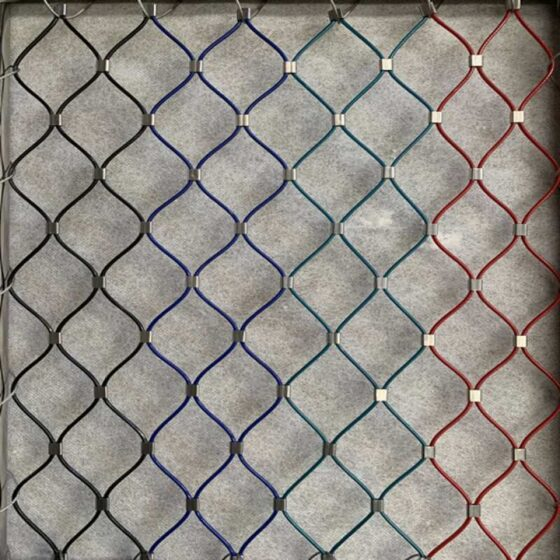
The stainless steel flexible wire mesh netting is made from stainless steel rope formed into a rhombus (diamond) geometry. It is flexible, impact-tolerant, and visually light, making it a preferred choice for curved railings, irregular openings, large façade spans, and enclosure projects where rigid welded mesh looks heavy or creates awkward joints.
The flexible stainless steel wire rope net is commonly produced from 304 / 304L / 316 / 316L stainless steel rope. Typical rope diameters include 1.2mm, 1.5mm, 2.0mm, 3.0mm, and 4.0mm, while aperture “side” dimensions are often selected from 25mm up to 150mm depending on the safety goal, span, and aesthetics. Custom sizes are available to match project drawings and fixing interfaces.
For reference products and usage ideas, you may also view:stainless steel rope net.
Specification Table (Popular Modules)
| Parameters | |||||
| Code | Rope Construction | Rope Diameter (INCH) | Rope Diameter (MM) | Aperture (MM) | Break Force (KN) |
| JY02 | 7×19 | 1/8 | 3.2 | 120×208 | 7.38 |
| JY03 | 7×19 | 1/8 | 3.2 | 100×173 | 7.38 |
| JY04 | 7×7 | 1/8 | 3.2 | 90×156 | 7.38 |
| JY05 | 7×7 | 3/32 | 2.4 | 100×173 | 4.18 |
| JY07 | 7×7 | 3/32 | 2.4 | 80×139 | 4.18 |
| JY09 | 7×7 | 5/64 | 2.0 | 100×173 | 3.17 |
| JY012 | 7×7 | 1/16 | 1.6 | 80×139 | 2.17 |
| JY014 | 7×7 | 1/16 | 1.6 | 60×104 | 2.17 |
| JY016 | 7×7 | 3/64 | 1.2 | 80×139 | 1.22 |
| JY019 | 7×7 | 3/64 | 1.2 | 40×69 | 1.22 |
Knotted vs Ferruled: Two Build Options
1. Knotted stainless steel flexible wire mesh netting is a plain weave; each warp wire rope crosses alternately above and below each weft wire rope. Warp and weft wire ropes generally have the same diameter.
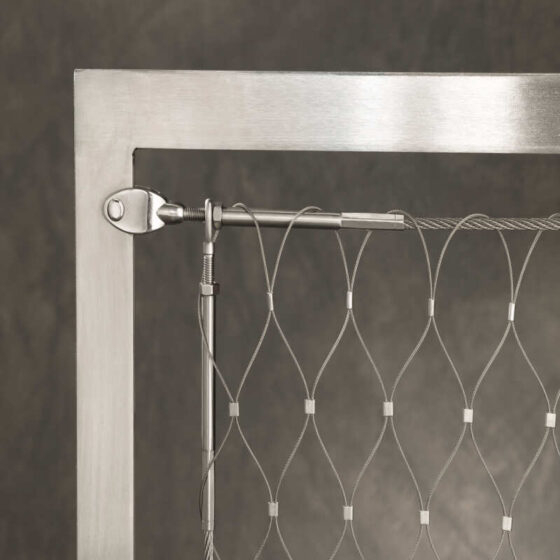
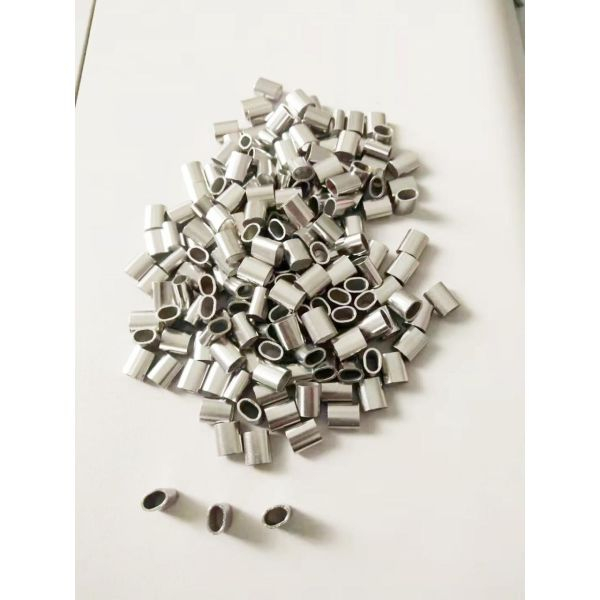
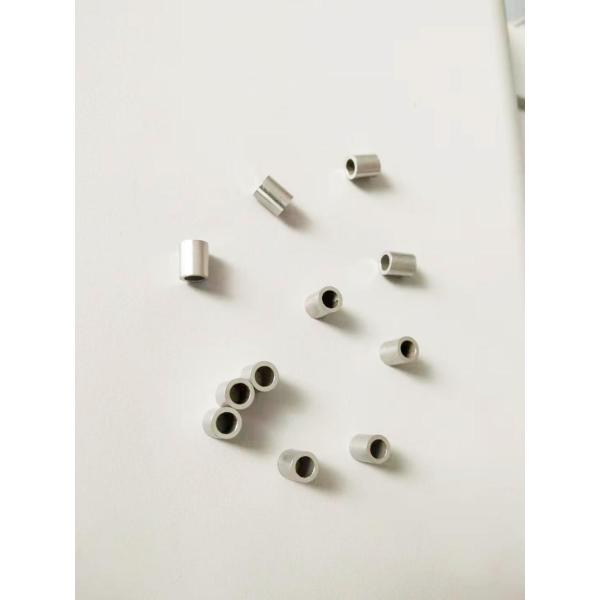
2. Ferruled mesh has the same physical properties as the knotted mesh; the only difference is in the combination style. The stainless wire rope is combined with the ferrules, which are made of the same grade of stainless steel.

 |  | 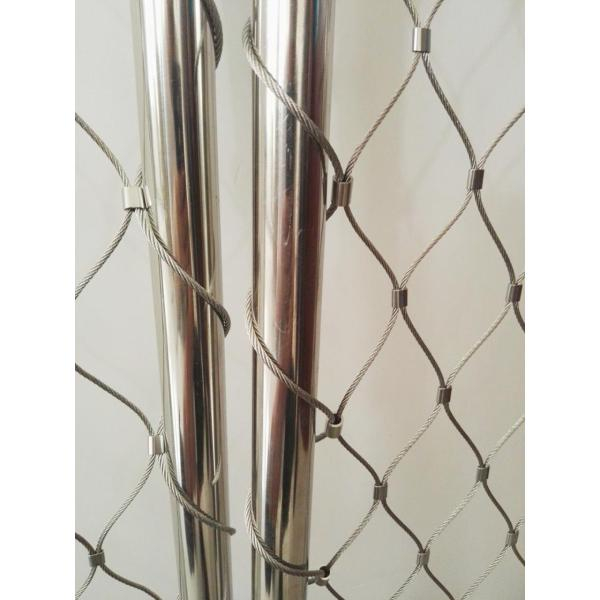 |
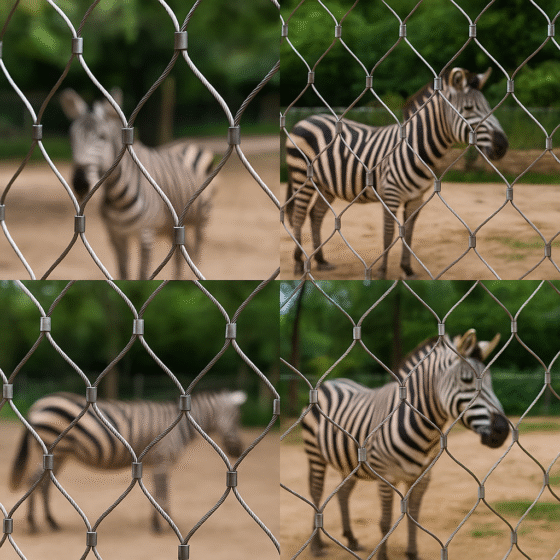
The flexible stainless steel zoo mesh rhombus mesh has excellent flexible performance, is virtually indestructible, most packing-resistant and breaking resistant force, and most resisting rain, snow and hurricane.
(Related reference:
stainless steel zoo mesh)
Top 13 Brutal Procurement Traps for Stainless Steel Flexible Wire Mesh Netting (Especially #9)
Stainless steel flexible wire mesh netting failures rarely happen on a showroom sample. The real losses show up after tensioning, after the first storm, or after a busy season of public contact—when openings drift, ferrules deform, edges unravel, or hardware starts cutting into the rope.




Top 13 Brutal Traps (Especially #9)
Trap #1: Spec Gap — Buying “304/316” Without Rope Construction
Stainless steel flexible wire mesh netting needs more than “304” or “316.” Rope construction (7×7 vs 7×19) changes flexibility, stretch behavior, and how cleanly the mesh seats into edge terminations.
Trap #2: Oversight — Choosing Rope Diameter by Appearance Only
A thinner cable can look elegant but may deform under impact or frequent hand loading in railing zones. Rope diameter must match span, safety requirement, and the fixing design.
Trap #3: Mistake — Treating Aperture as Decoration, Not Safety Control
Opening size drives safety performance: fall protection, climb behavior, and containment. If aperture is not locked, two batches can “look similar” and still behave very differently on site.
Trap #4: Problem — Ignoring Mesh Angle and Panel Geometry
Stainless steel flexible wire mesh netting is geometry-dependent. If diamond angle and finished panel dimensions are not controlled, installers fight tension lines and openings become inconsistent across the run.
Trap #5: Pitfall — Not Defining Knotted vs Ferruled Type
Knotted and ferruled mesh can achieve similar strength targets, but they behave differently at nodes and edges. If type is not defined, you may receive a build that complicates your edge system.
Trap #6: Drawback — Leaving Ferrule Material and Finish Undefined
Ferruled stainless steel flexible wire mesh netting depends on ferrule integrity. If ferrule grade and compression consistency are not controlled, nodes can slip or deform under repeated loading.
Trap #7: Warning — No Edge Finishing Spec (The Future Unravel Risk)
Edge finishing is where failures become visible: frayed ends, sharp tails, and uneven tension. A complete edge specification prevents unraveling and improves long-term safety and appearance.
Trap #8: Gap — Hardware Mismatch That Cuts the Rope Over Time
If the fixing hardware (shackles, eye bolts, cables, rods, clamps) is not matched to rope diameter and load path, metal edges can “saw” the rope with movement—turning a premium mesh into a maintenance headache.
Trap #9: Hazard — “Looks Tight” on Day One, Then Openings Drift After Tensioning
The most expensive stainless steel flexible wire mesh netting loss is delayed: panels are installed, then weeks later apertures widen, nodes shift, and the visual line looks uneven. This happens when tension method, mesh geometry, and edge restraint are not specified as a system.
Trap #10: Threat — Not Stating Tolerance for Aperture and Finished Size
Architectural jobs need repeatability. Without tolerance controls, panel-to-panel variation creates misalignment, rushed on-site trimming, and uneven seams.
Trap #11: Crisis — Forgetting Marine / Chloride Exposure Reality
Stainless steel flexible wire mesh netting can last for years, but coastal or pool environments demand correct grade selection and disciplined fabrication to reduce staining and surface attack.
Trap #12: Loss — Skipping Traceability and Batch Consistency
Mixed cable lots and inconsistent node forming create variation across deliveries. Traceability helps keep performance consistent from the first shipment to the last.
Trap #13: Waste — Treating Packing as “Free” Instead of a Controlled Input
If mesh panels rub during transport, nodes can be scratched, ferrules can be marred, and edge tails can kink. Packing is part of stainless steel flexible wire mesh netting quality, not an extra.
Applications
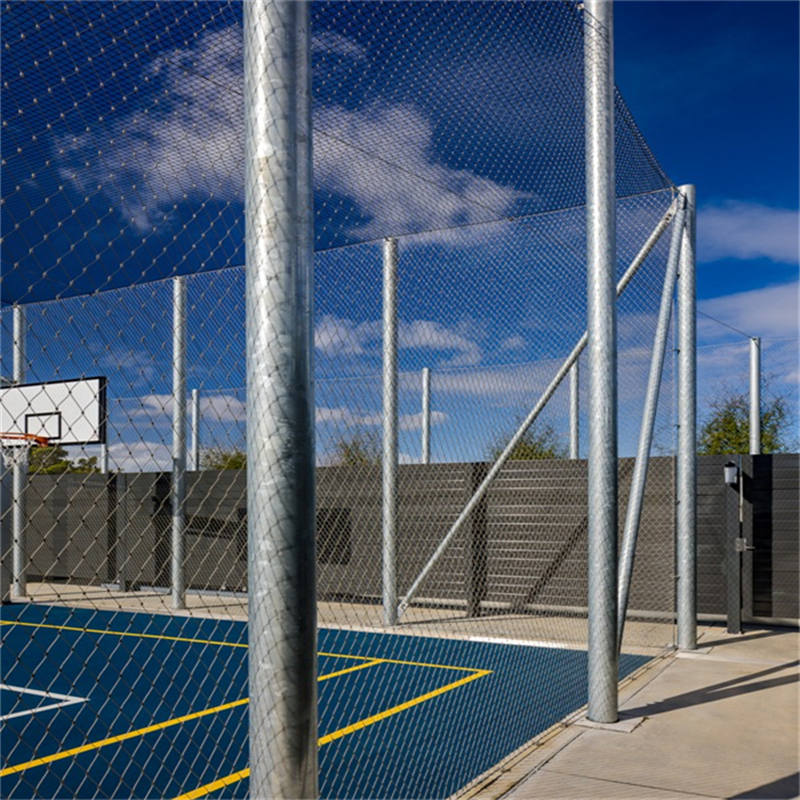
Stainless steel flexible wire mesh netting is commonly used for balcony and stair railing infill, bridge safety, atrium fall protection, sports barrier zones, zoo and aviary enclosures, façade and skylight safety screens, plant climbing walls, and architectural openings where transparency and strength must coexist.




Benefits
Stainless steel flexible wire mesh netting delivers a rare combination: strength with flexibility, safety with visibility, and durability with a clean architectural look. It conforms to curves and complex shapes, reduces heavy framing, and keeps sightlines open while still protecting people, animals, and assets.
Packing
POLYMETAL packing for stainless steel flexible wire mesh netting is designed to protect node integrity and edge finishing. Panels are typically rolled or laid flat based on size, separated to prevent rubbing, wrapped to reduce abrasion, and packed in reinforced cartons or wooden cases for export handling. Fixings and hardware are packed as labeled kits to reduce missing-part delays on site.
Standards
Stainless steel flexible wire mesh netting projects commonly reference material grade documentation (AISI 304 / AISI 316), factory quality controls, and compliance requirements such as CE and RoHS where applicable. For architectural safety uses, projects often define performance requirements by design load and application category (railing, façade infill, enclosure, or fall protection zone), then lock the mesh and hardware specification to match those requirements.
FAQs
What is the difference between knotted and ferruled stainless steel flexible wire mesh netting?
Knotted mesh forms nodes by weaving/knotted intersections, while ferruled mesh joins rope intersections using stainless steel ferrules. Both can be specified for strong performance; the best choice depends on geometry, edge system, and visual preference.
Which stainless grade is better for stainless steel flexible wire mesh netting: 304 or 316?
AISI 304 is commonly used for general outdoor and architectural applications. AISI 316 is often preferred for coastal, marine, or chloride-heavy environments where corrosion resistance demands are higher.
How do I choose aperture and rope diameter?
Aperture is selected based on safety needs (fall protection, containment, climb behavior) and design aesthetics. Rope diameter is selected based on span, impact risk, and the edge restraint/hardware system used for tensioning.
Can stainless steel flexible wire mesh netting be customized?
Yes. Stainless steel flexible wire mesh netting can be customized by rope diameter, rope construction, aperture size, panel size, mesh type (knotted/ferruled), and edge finishing to match project drawings and fixing details.