Your One-Stop Wire Mesh Fence Supplier | POLYMETAL
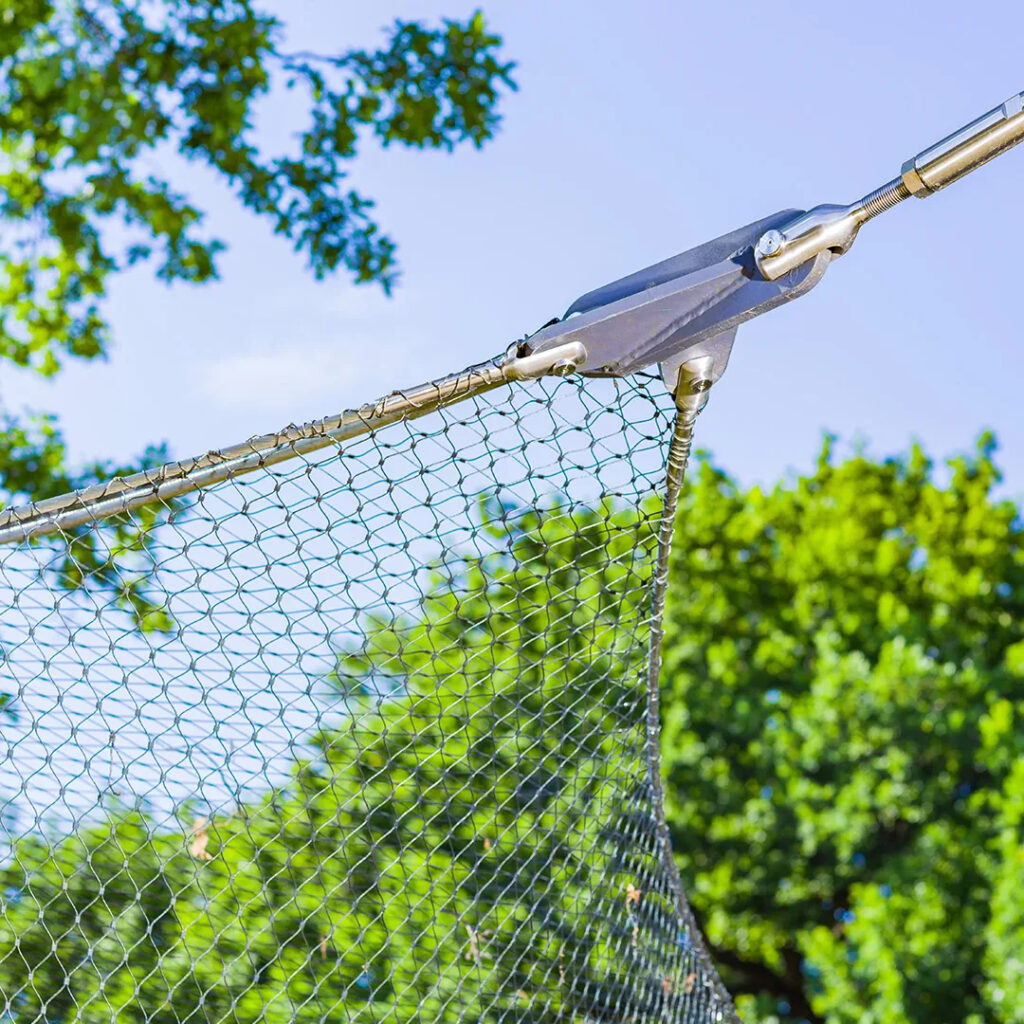
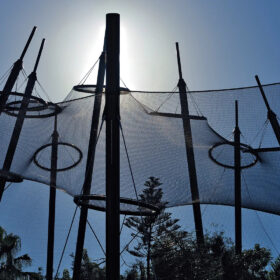
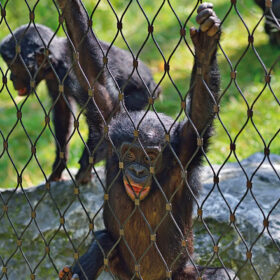
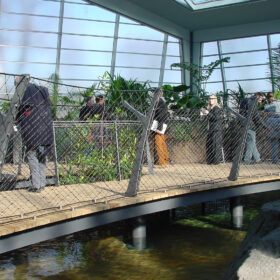

Stainless steel net mesh is made from premium AISI316 and 304 cable rope. Fit together aperture ranges from 10 mm to 200 mm or more significant, with wire rope thickness from 1.2 mm to 3.2 mm. Cable mesh, made of premium stainless steel, is a material of unquestionable durability and flexibility. Created in 2006, stainless steel net mesh opens up a new world of spatial possibility utilizing cords and no doubt that it sweeps across the global market promptly thanks to its high strength, longevity, and corrosion resistance.Stainless steel net mesh (often called stainless steel rope mesh or cable mesh) is a flexible, high-strength mesh made from stainless steel wire ropes that are woven into diamond or square openings. The material is usually AISI 304, 304L, 316 or 316L stainless steel, and the ropes themselves are commonly 7×7 or 7×19 construction. Depending on how the intersections are fixed, the mesh can be a ferrule type (pressed sleeves) or a knotted type (intersections woven into knots). Because it combines strength, transparency and durability, it has become a very popular solution in modern architecture and zoo projects.
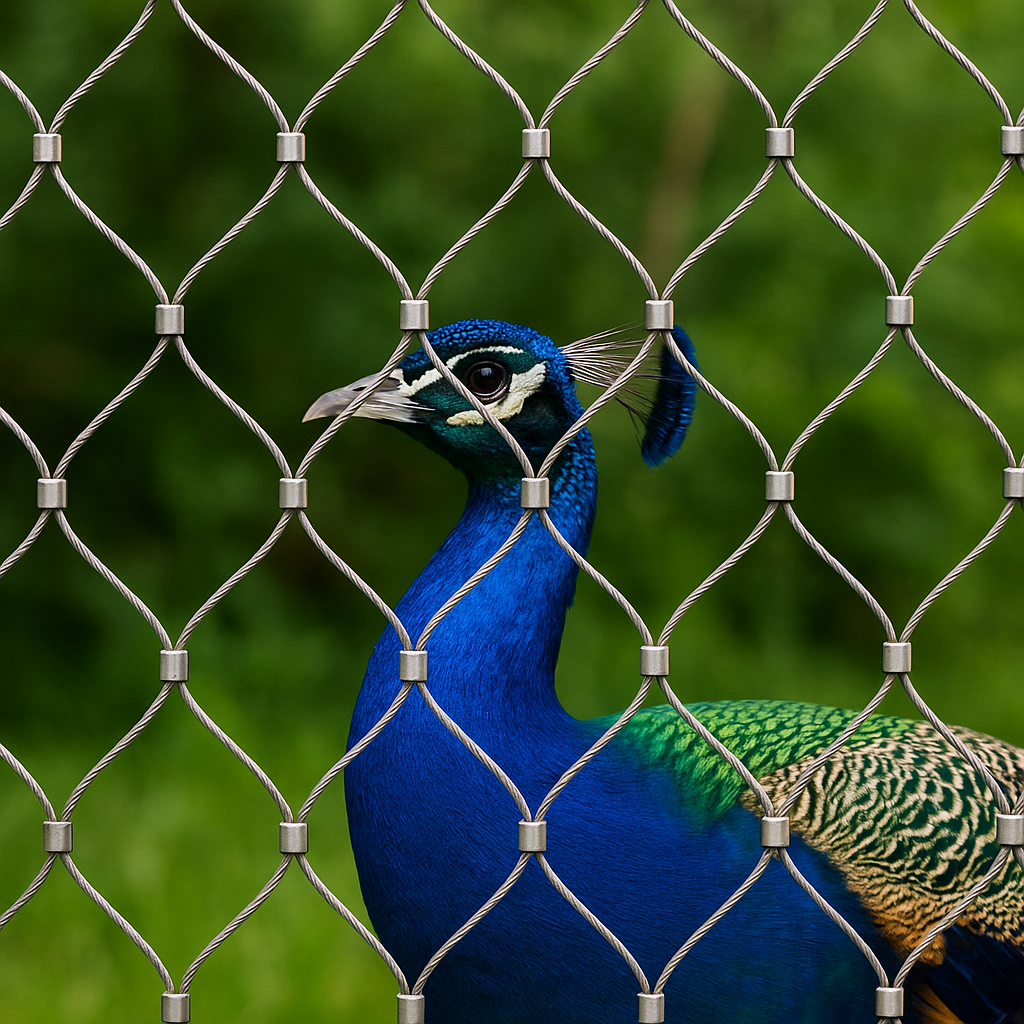
Material | SS304 , SS316 |
Rope Dia | 1.2mm , 1.5mm , 1.6mm , 2.0mm , 2.5mm ,3.0mm , 4.0 mm |
Hole Size | 30mm, 35mm , 35mm , 38mm , 40mm ,50mm , 60mm , 75mm , 100mm etc |
Mesh Type | Seamless Ferruled & Clips Ferruled |
Orientation | Horizontal & Vertical |
Finished | PVC Coated, Black Oxide |
Ferruled & Knotted
Ferruled Type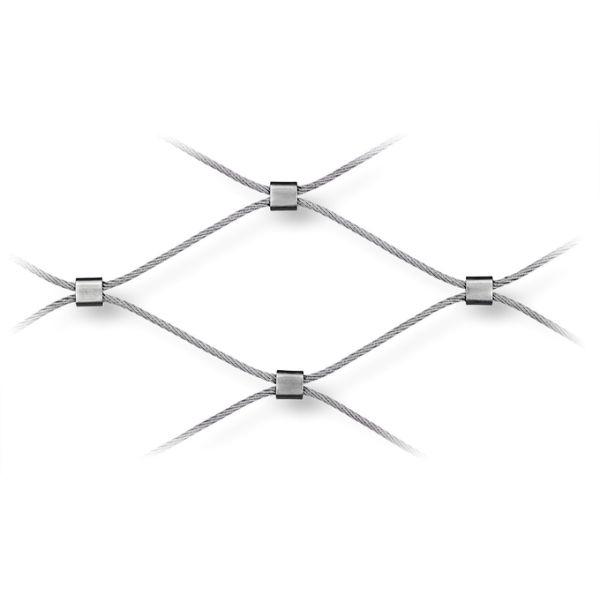 | Knotted Type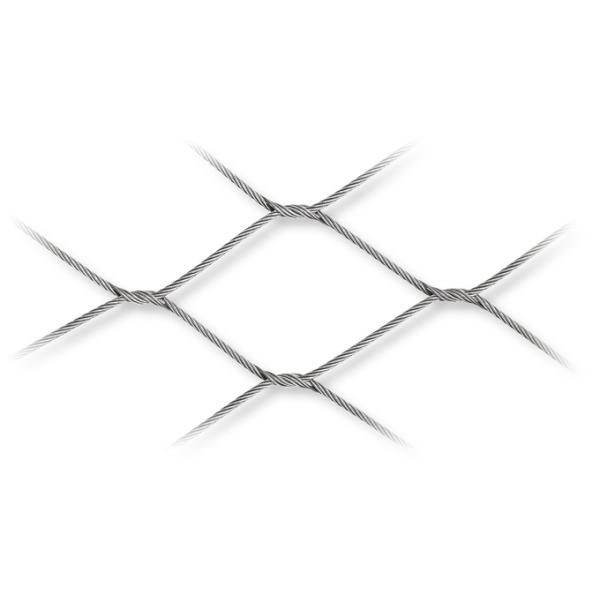 |
Specification
| Code | Wire rope construction | Cable diameter | Mesh opening size | Min. breaking load (lbs) | ||
| ZM-1 | 7 × 7 | 1/8″ | 3.2 mm | 2″ × 2.” | 51 mm × 51 mm | 1600 |
| ZM-2 | 7 × 7 | 3/32″ | 2.4 mm | 4″ × 4.” | 102 mm × 102 mm | 920 |
| ZM-3 | 7 × 7 | 3/32″ | 2.4 mm | 3″ × 3.” | 76 mm × 76 mm | 920 |
| ZM-4 | 7 × 7 | 3/32″ | 2.4 mm | 2″ × 2.” | 51 mm × 51 mm | 920 |
| ZM-5 | 7 × 7 | 5/64″ | 2.0 mm | 3″ × 3″ | 76 mm × 76 mm | 676 |
| ZM-6 | 7 × 7 | 5/64″ | 2.0 mm | 2″ × 2″ | 51 mm × 51 mm | 676 |
| ZM-7 | 7 × 7 | 5/64″ | 2.0 mm | 1.5″ × 1.5″ | 38 mm × 38 mm | 676 |
| ZM-8 | 7 × 7 | 1/16″ | 1.6 mm | 3″ × 3″ | 76 mm × 76 mm | 504 |
| ZM-9 | 7 × 7 | 1/16″ | 1.6 mm | 2″ × 2″ | 51 mm × 51 mm | 504 |
| ZM-10 | 7 × 7 | 1/16″ | 1.6 mm | 1.5″ × 1.5″ | 38 mm × 38 mm | 504 |
| ZM-11 | 7 × 7 | 1/16″ | 1.6 mm | 1″ × 1″ | 25 mm × 25 mm | 504 |
| ZM-12 | 7 × 7 | 3/64″ | 1.2 mm | 2″ × 2″ | 51 mm × 51 mm | 306 |
| ZM-13 | 7 × 7 | 3/64″ | 1.2 mm | 1.5″ × 1.5″ | 38 mm × 38 mm | 306 |
| ZM-14 | 7 × 7 | 3/64″ | 1.2 mm | 1″ × 1″ | 25 mm × 25 mm | 306 |
| ZM-15 | 7 × 7 | 3/64″ | 1.2 mm | 4/5″ × 4/5″ | 20 mm × 20 mm | 306 |
| ZM-16 | 7 × 19 | 1/8″ | 3.2 mm | 4″ × 4″ | 102 mm × 102 mm | 1600 |
| ZM-17 | 7 × 19 | 1/8″ | 3.2 mm | 3″ × 3″ | 76 mm × 76 mm | 1600 |
| ZM-18 | 7 × 19 | 1/8″ | 3.2 mm | 2″ × 2″ | 51 mm × 51 mm | 1600 |

Standard Production Process
The production of stainless steel net mesh starts from stainless steel wire rod. First the rod is drawn down through a series of dies to create fine stainless wires. These wires are then stranded together into wire ropes, most frequently in 7×7 or 7×19 constructions, which gives the rope both flexibility and high tensile strength.
Once the ropes are ready, the actual mesh is formed. For ferrule type mesh, the ropes are cut to specific lengths and arranged on a jig so that they cross each other at the designed angles and apertures, for example 25, 50, 60 or 75 mm diamonds. Small stainless steel or copper sleeves, called ferrules, are placed at every intersection. A hydraulic press compresses each ferrule so it locks the two crossing ropes together. This step is critical for safety, so manufacturers usually test the locking strength to make sure the ferrules cannot slip.
For knotted type mesh, instead of ferrules the rope intersections are hand-woven or machine-woven into knots on a special jig. This creates a very strong, fully flexible network where every crossing is mechanically intertwined. After weaving, both ferrule and knotted meshes are trimmed to the required panel size. The edges are then treated: often the outer ropes are folded back and secured with extra ferrules, or a perimeter cable or frame is added to make installation easier.
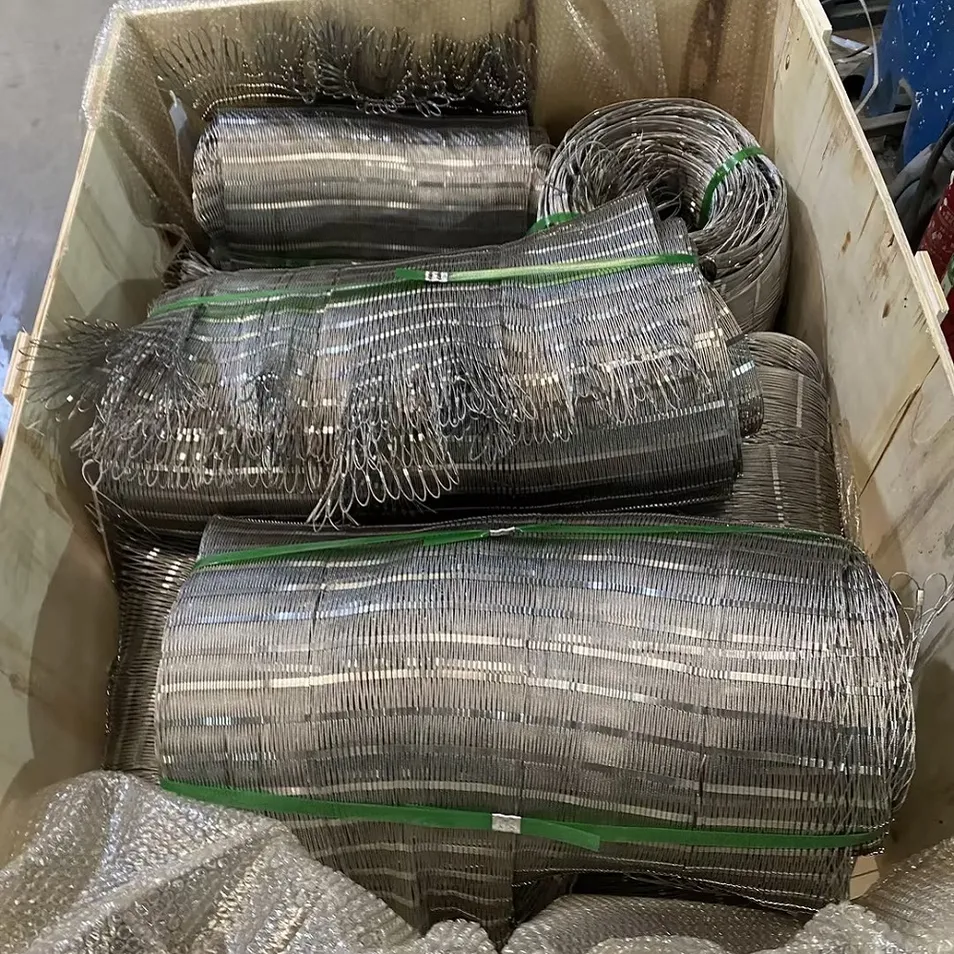
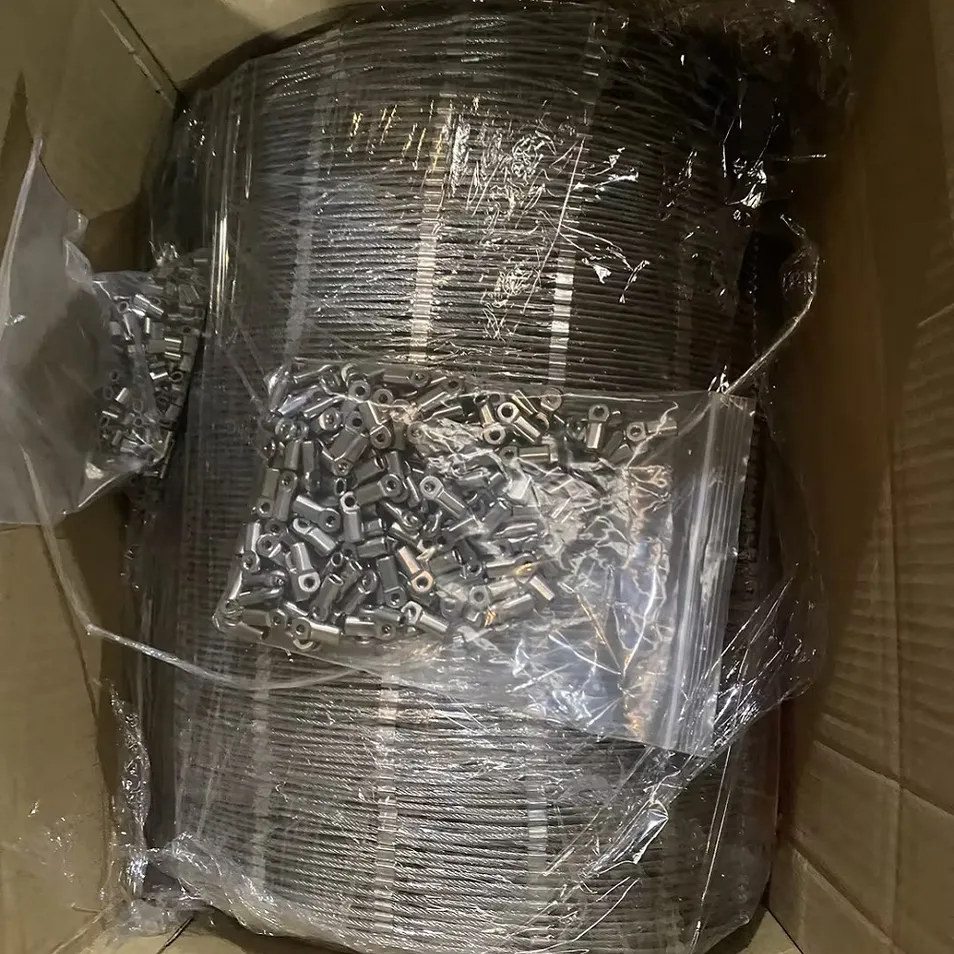
Finally the mesh panels go through quality inspection. The factory checks wire rope diameter, mesh aperture, diagonal alignment, surface finish and overall dimensions. Panels are labelled with material grade, aperture, rope diameter, direction and size, then carefully packed in plastic film and woven bags, cartons or wooden cases to prevent damage during transport. Some meshes are supplied in natural stainless finish; others may receive additional surface treatments such as black oxide or PVDF coating to give them a specific colour and extra protection.
Packing
| Packed in fumigation wooden box | Each roll wrapped with plastic film |
 |  |
Main Applications
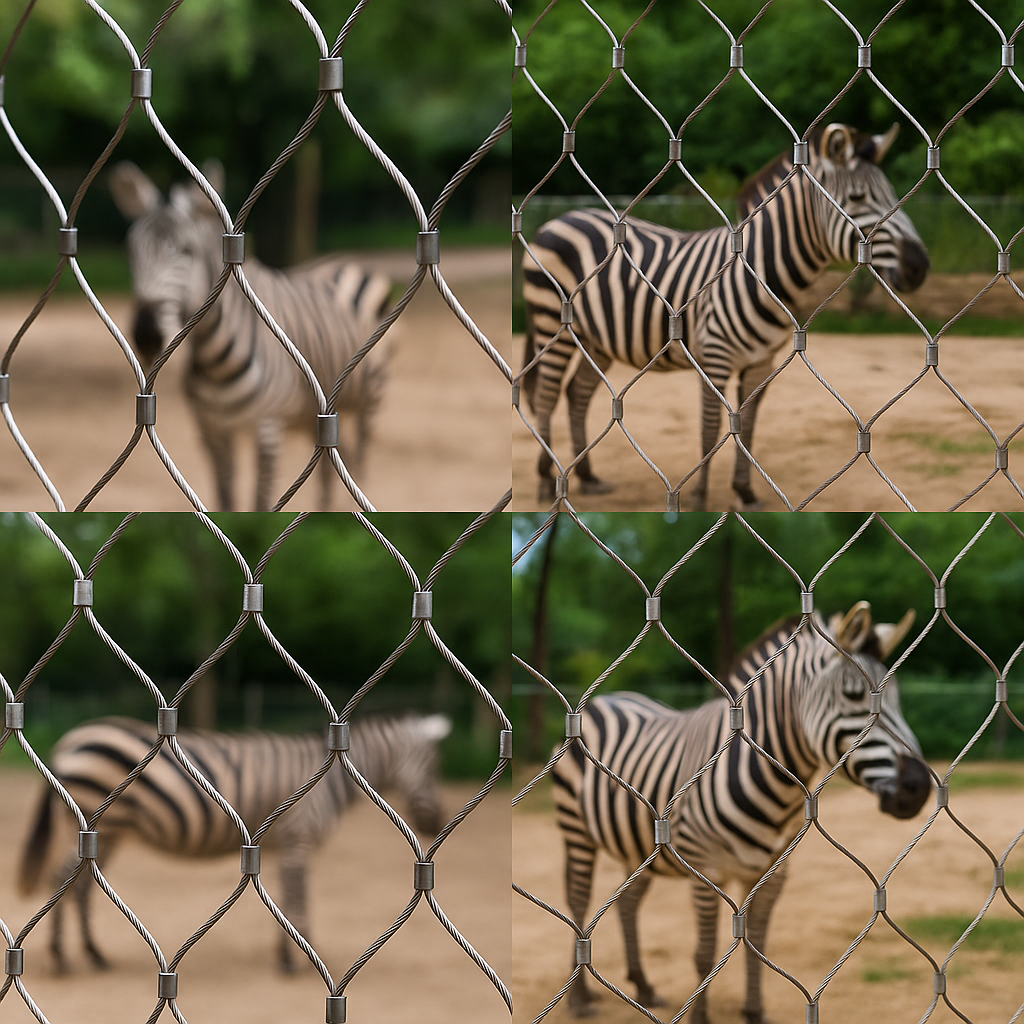
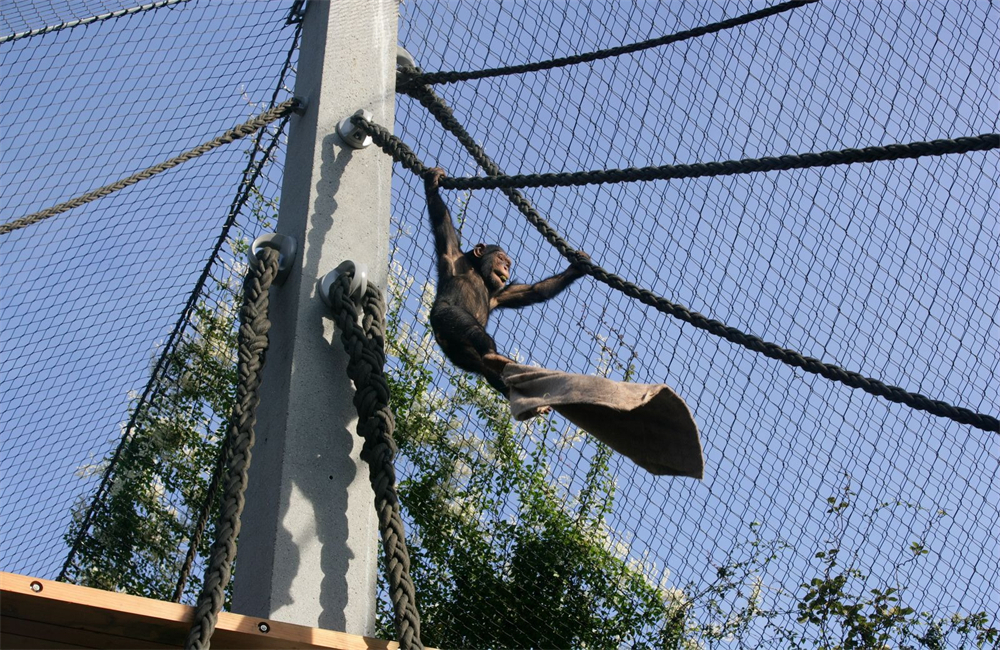
Because of its combination of strength and transparency, stainless steel net mesh is used in many different fields. In zoos and wildlife parks it is popular for big cat enclosures, primate islands, aviaries, parrot houses and large animal fences. The mesh is strong enough to contain powerful animals, but open enough that visitors can see them clearly, and the animals do not feel closed in by heavy bars or solid panels.
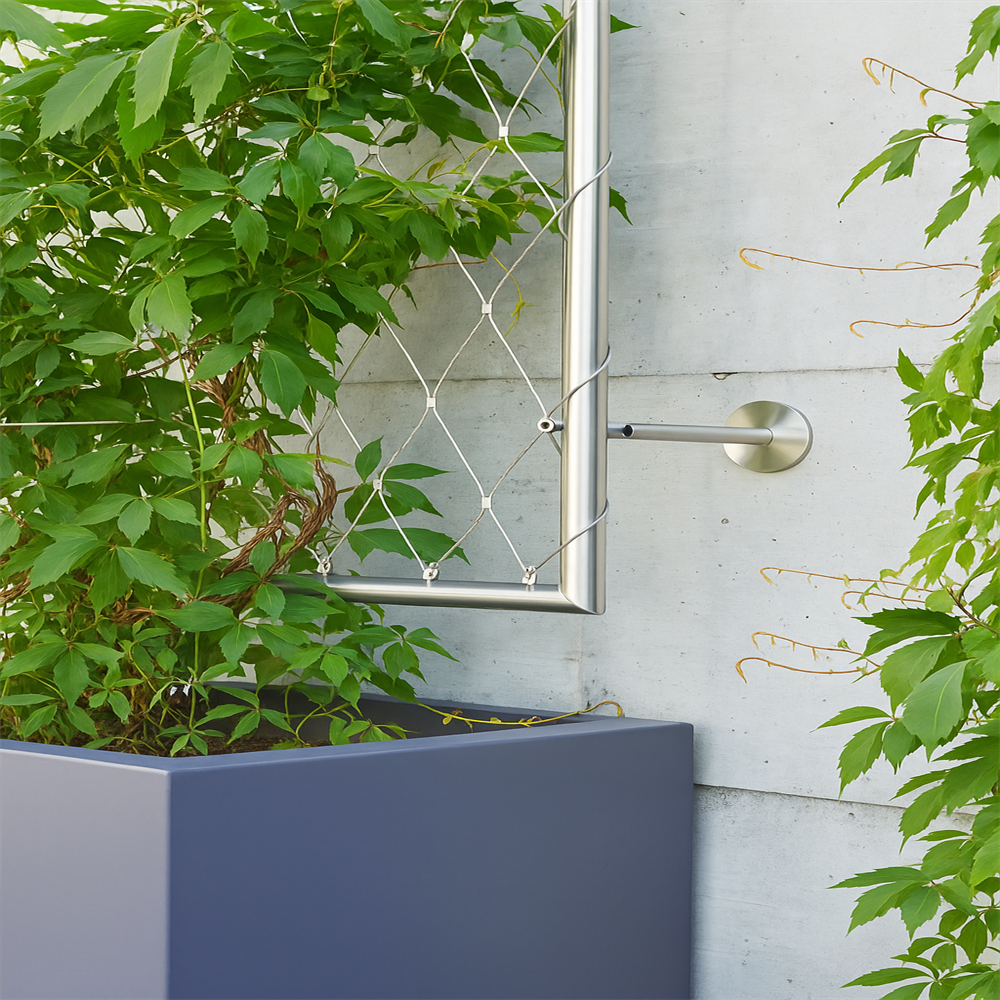
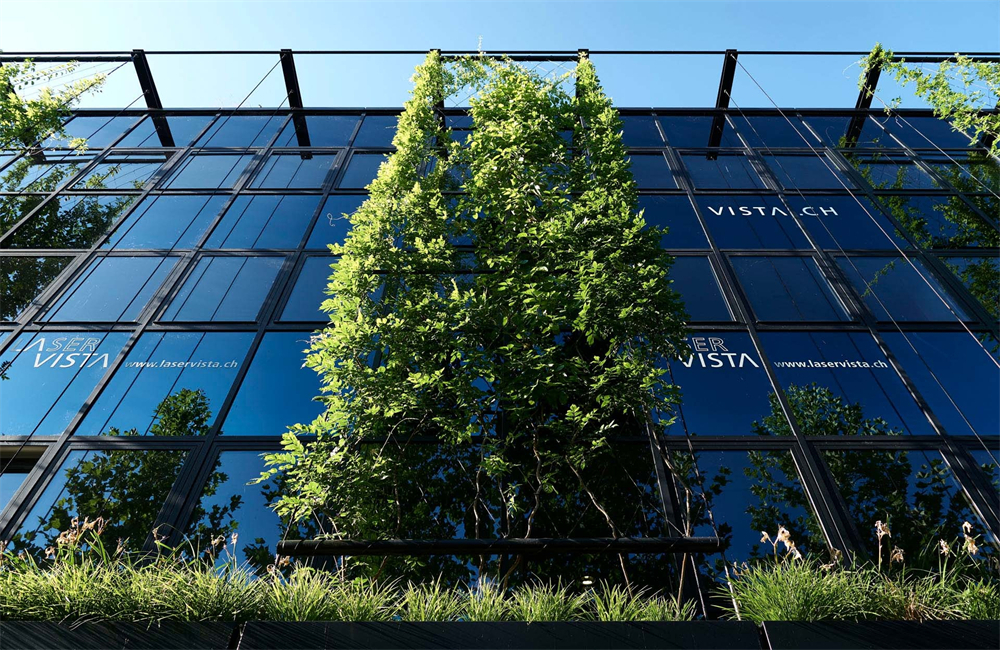
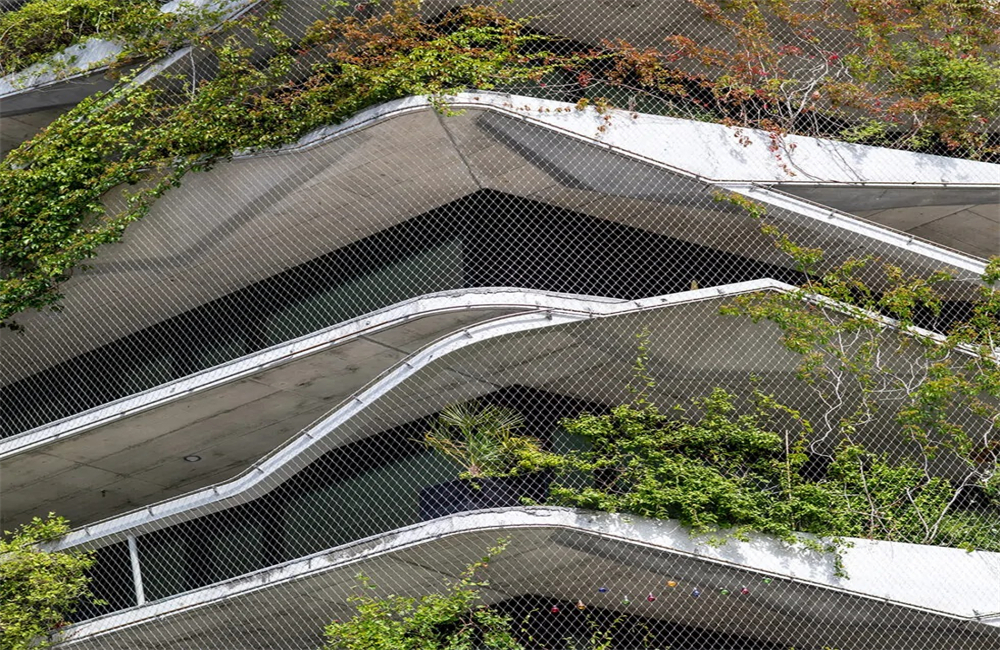
In architecture, stainless steel mesh is frequently used as infill for staircases, balconies and atriums, where it acts as fall protection while keeping views and daylight open. Bridges and pedestrian walkways use it as side protection and anti-jump barriers. On façades, the mesh can be tensioned as a light, almost transparent skin or as a support for climbing plants, creating green walls that still allow air to flow around the building. Sports facilities, parking garages and public plazas also use cable mesh where a robust but visually light barrier is needed.
Applications
| No. | Application | Photo | Description |
|---|---|---|---|
| 1 | Slope Protection Rope Mesh | 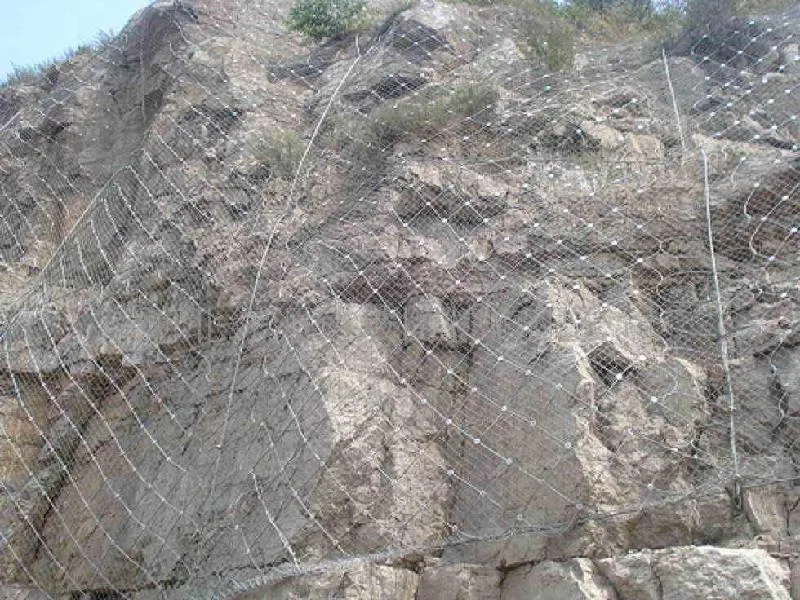 | Slope protection rope mesh has enough intercept strength to prevent rocks on the slope from falling onto roads, railways, expressways or other structures. Instead, rocks will fall to the foot of the slope behind the rope mesh. |
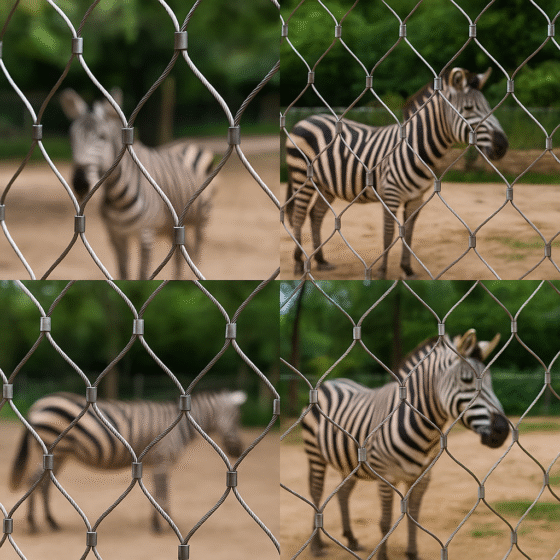
| 2 | Zoo Mesh | 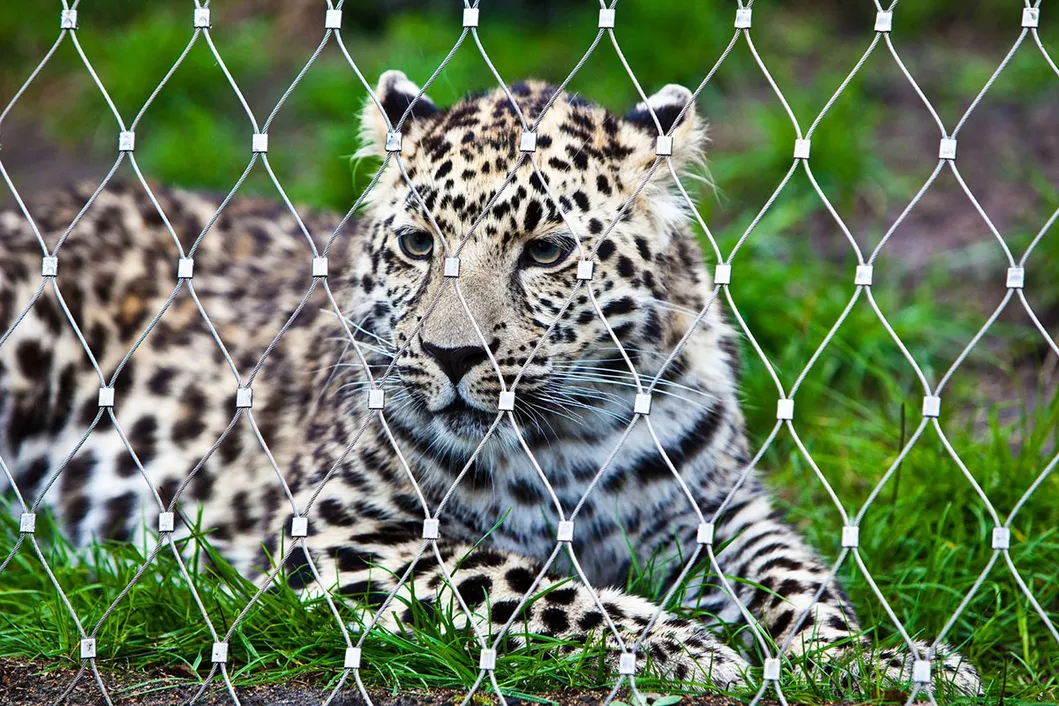 | Stainless steel rope zoo mesh has diamond-shaped openings and high strength, which can protect visitors from being hurt. Visitors can enjoy the animals at a close distance free of danger, and the mesh also protects animals from injury. |
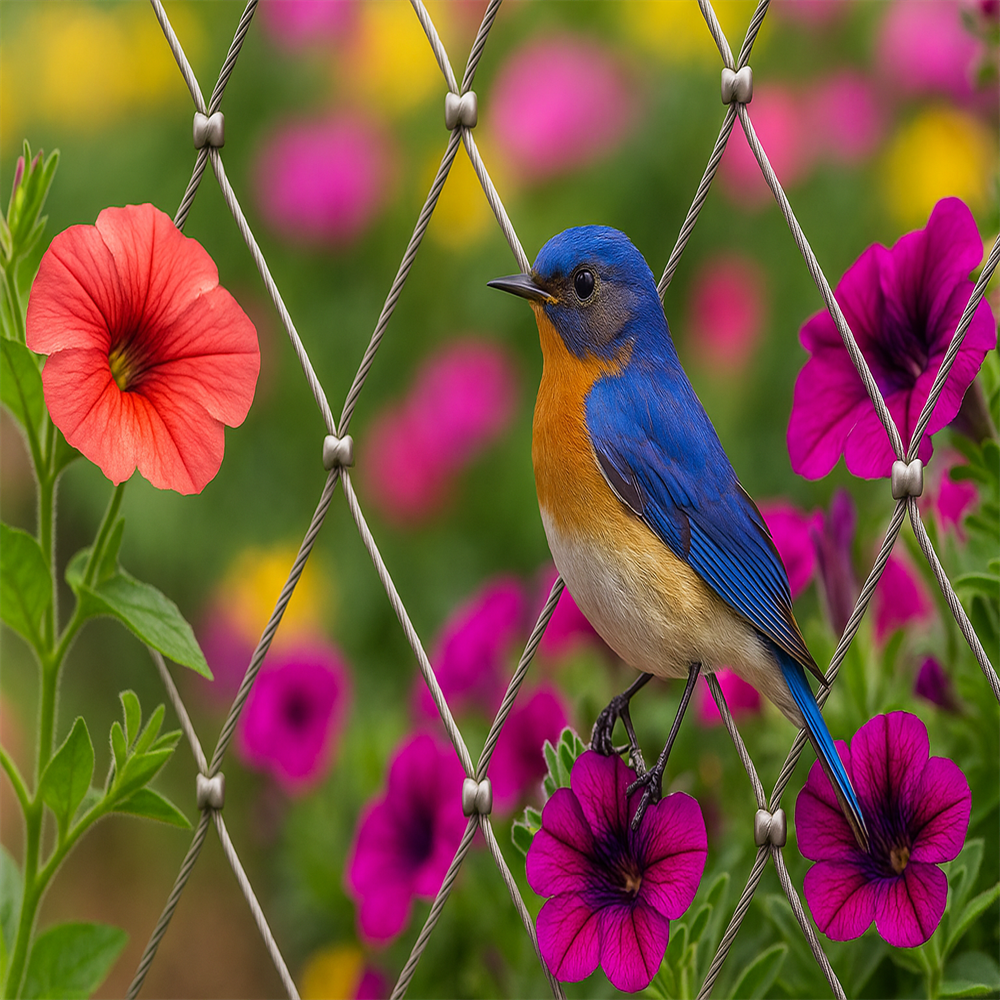
| 3 | Aviary Netting | 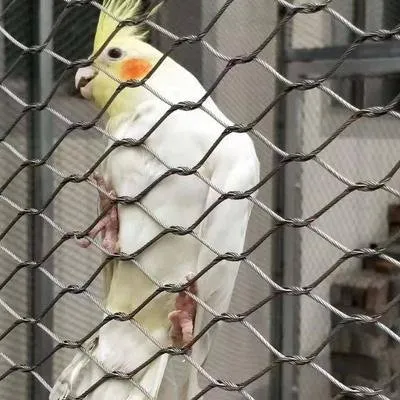 | The mesh and opening size of stainless steel rope mesh can be modified, so it can provide enough space and create a natural environment for birds, making them live more comfortably and safely. |
| 4 | Green Wall | 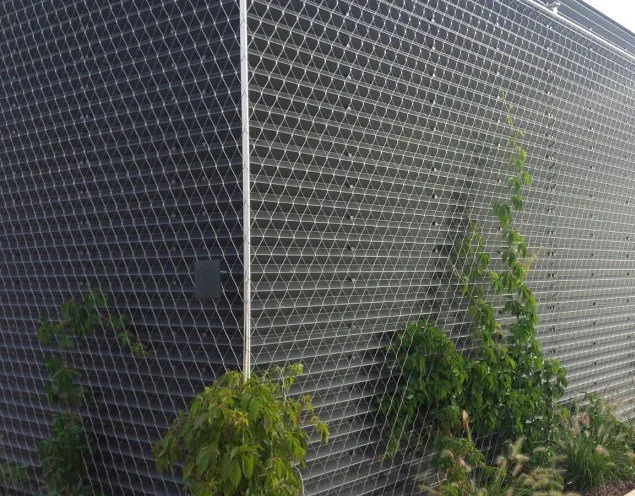 | Stainless steel rope mesh is resistant to corrosion and rust even when exposed directly to the sun. It can support climbing plants to form a green wall, which helps regulate the building temperature and also protects the building façade. |
| 5 | Suspension Bridge Railing Mesh | 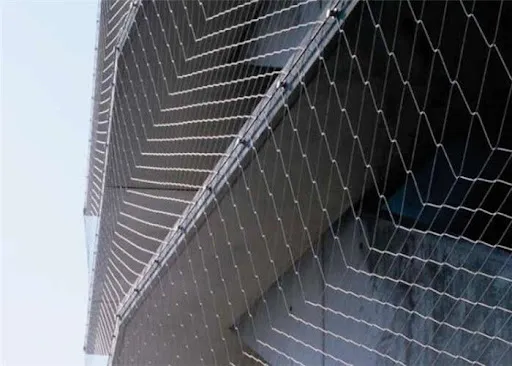 | Stainless steel rope mesh is also widely used in suspension bridge railings. It can increase the safety performance of suspension bridges and ensure the safety of pedestrians and vehicles. |
| 6 | Balustrade Mesh | 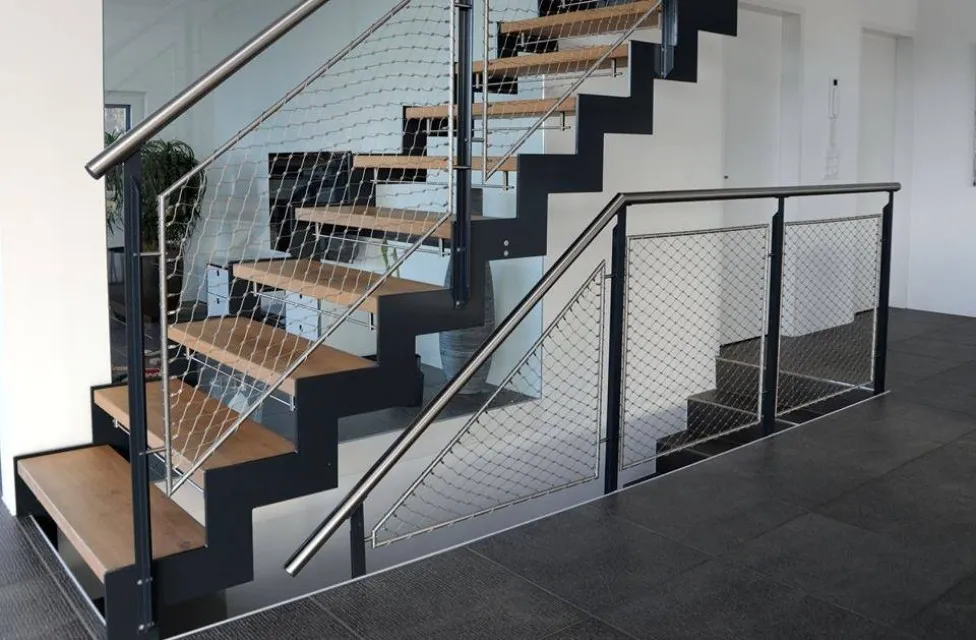 | Stainless steel rope mesh is also used for the balustrades of stairs and balconies. It makes the stair or balcony more grand and beautiful, while providing a safe and reliable protective barrier. |
Benefits of Stainless Steel Net Mesh
The biggest advantage of stainless steel net mesh is its high strength combined with low weight. Wire ropes carry large loads and resist impact, yet the overall system is much lighter than solid plates or heavy bar grilles, which reduces the load on the structure. At the same time, the mesh is very flexible. It can be shipped compactly, then tensioned on site and shaped to follow curves, cylinders or complex geometries, something rigid panels cannot easily do.
Durability is another key benefit. Stainless steel offers excellent corrosion resistance and can handle outdoor exposure, humid environments and even coastal climates when the correct grade (such as 316 or 316L) is chosen. Unlike painted steel fences, stainless mesh does not need regular repainting. Cleaning is simple: usually rinsing with water or mild detergent is enough, because the smooth metal surface does not easily hold dust. When additional finishes like black oxide or PVDF are used, the lifetime can be extended further and the colour can be matched to architectural design requirements.