Your One-Stop Wire Mesh Fence Supplier | POLYMETAL
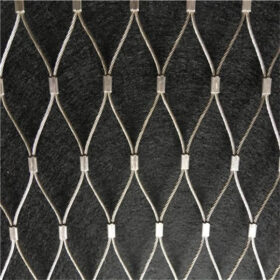


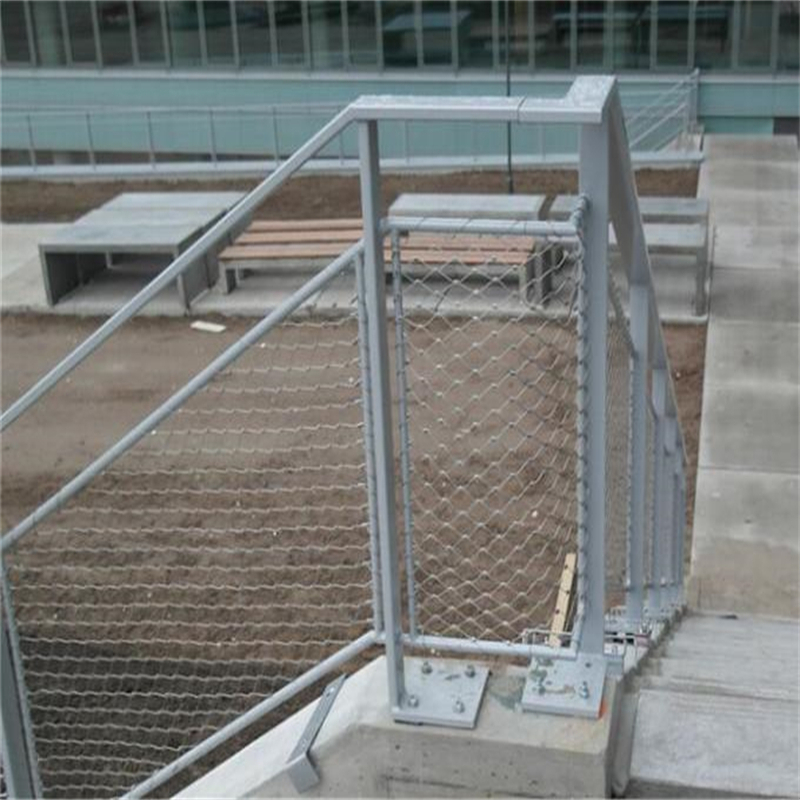
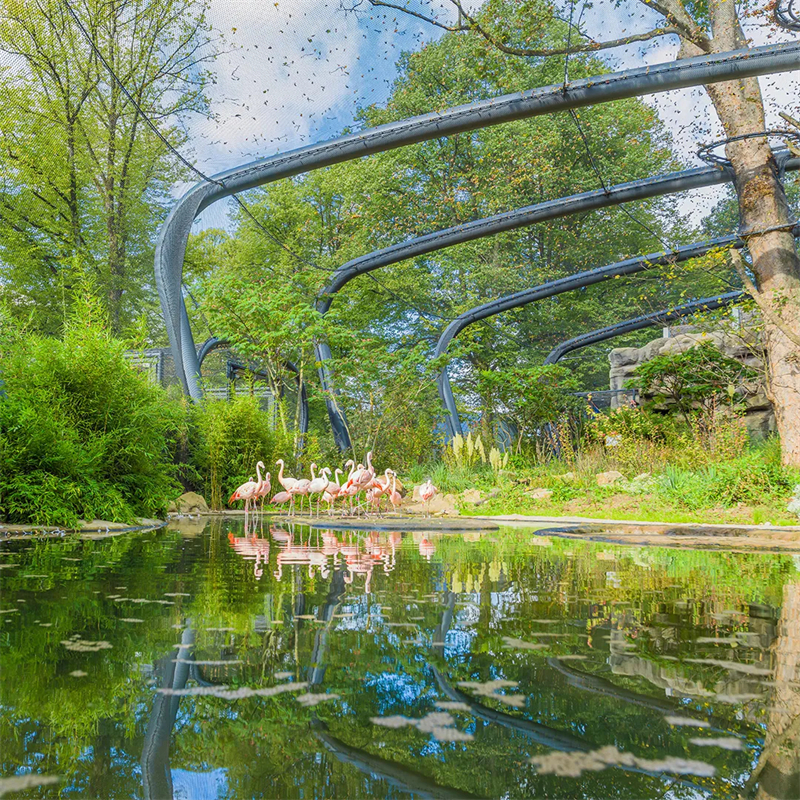
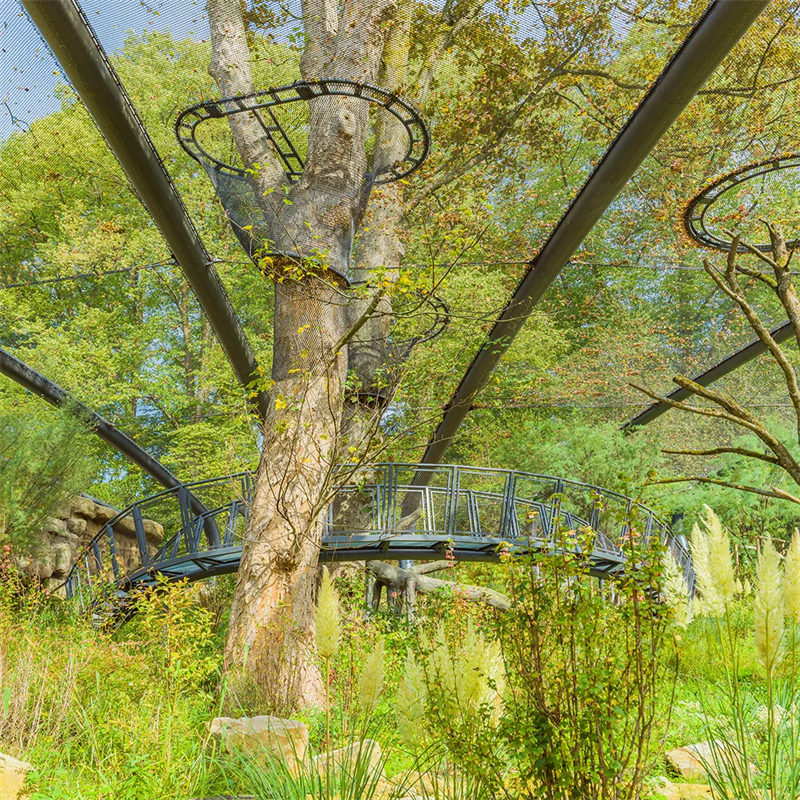
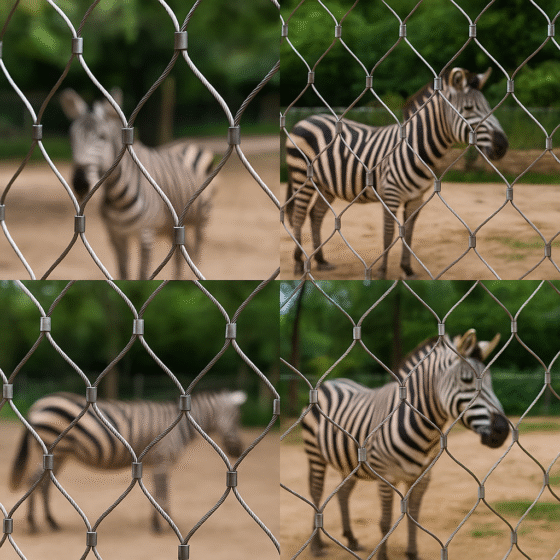
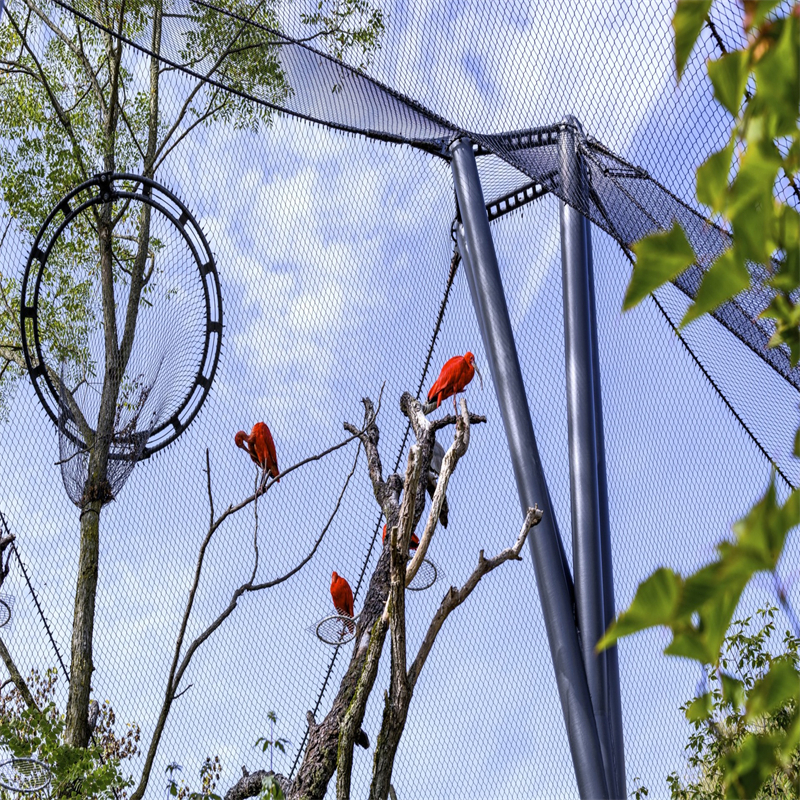
Stainless steel x tend zoo mesh is a flexible, high-strength stainless steel cable net system developed specifically for demanding zoo, aviary and wildlife park applications. Using marine-grade stainless steel wire rope and precision ferrules, Stainless steel x tend zoo mesh delivers low weight, excellent transparency and long-term corrosion resistance. It is widely used for big cat enclosures, aviary roofs, primate islands, walk-through tunnels and perimeter safety areas where designers need an elegant but extremely reliable barrier.
In modern zoological parks, safari parks and bird gardens, the mesh enclosure is often the last barrier between a minor incident and a major accident. Correctly specified Stainless steel x tend zoo mesh works quietly in the background for decades, protecting animals, keepers and visitors. If you overlook a few critical design and installation warnings, however, you can create dangerous weak points, welfare problems and unexpected financial losses.
Stainless steel zoo mesh is safety-certified, weather-resistant and highly durable and requires little or no maintenance, enclosures wire rope mesh is the ideal creative and functional alternative to fencing and bars, all over the world, increasing numbers of zoological gardens are using it as the resource of choice for new animal enclosures.
Stainless steel zoo enclosure mesh has been used mainly for monkey zoo mesh and aviaries, as the size and resilience of the mesh structure can be adjusted to suit any specific requirements simply by choosing wire ropes of the appropriate diameter, so it is also suitable for other animals and it allows constructions of practically any shape and size.
Stainless steel zoo enclosure mesh is a leading material used to create lightweight and high-strength structures. It is flexible, adaptable and tensile, and each mesh panel can be customized to meet specific project requirements. Stainless steel is remarkably strong, provides high performance under severe environmental conditions, protects against corrosion and rust, can be used more than 30 years with almost no maintenance, and is 100% reusable with no pollution.
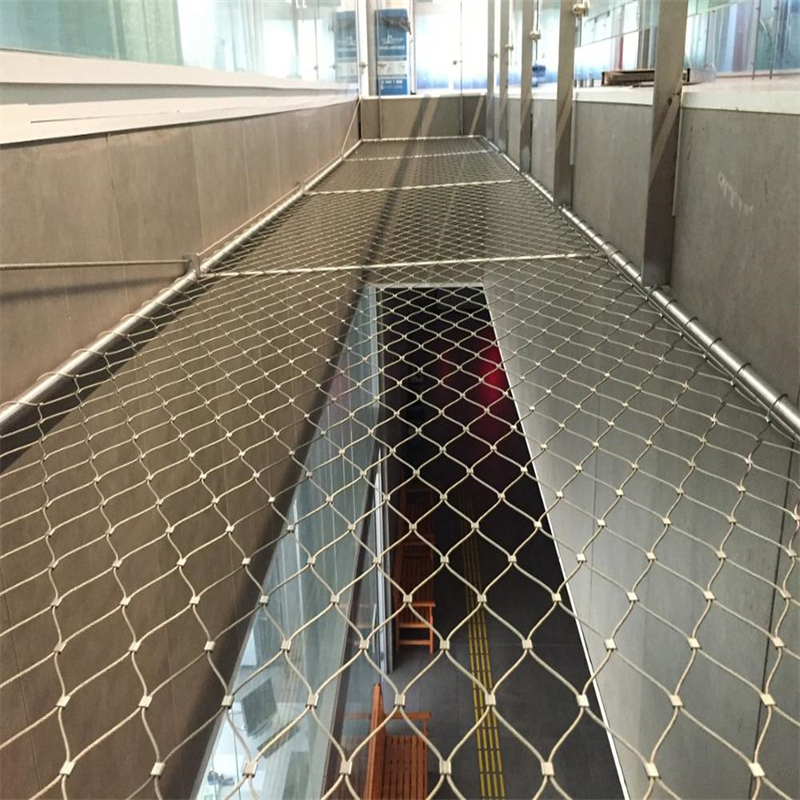
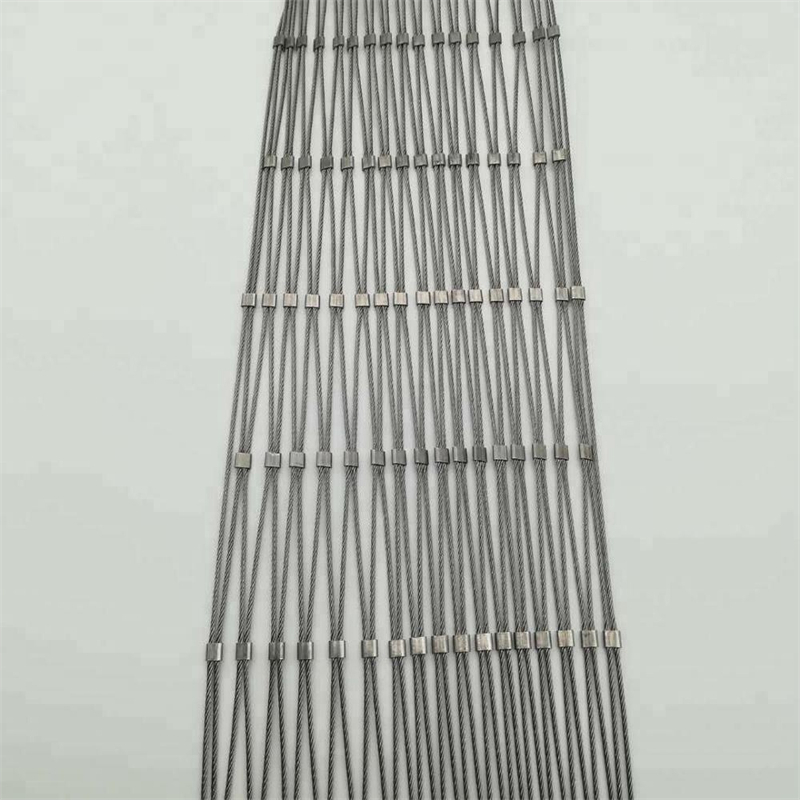
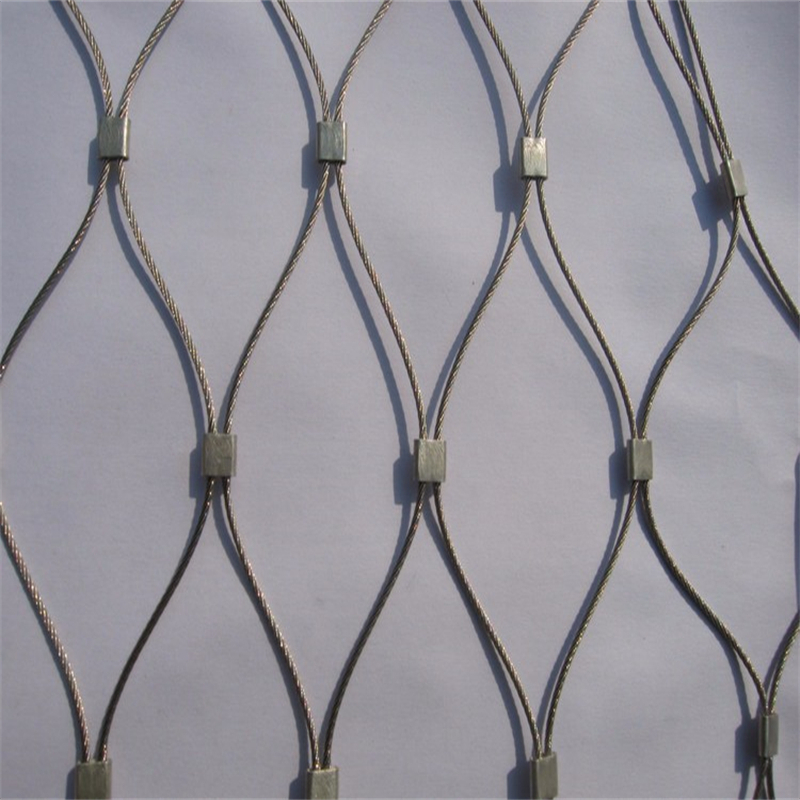
What Is Stainless steel x tend zoo mesh?
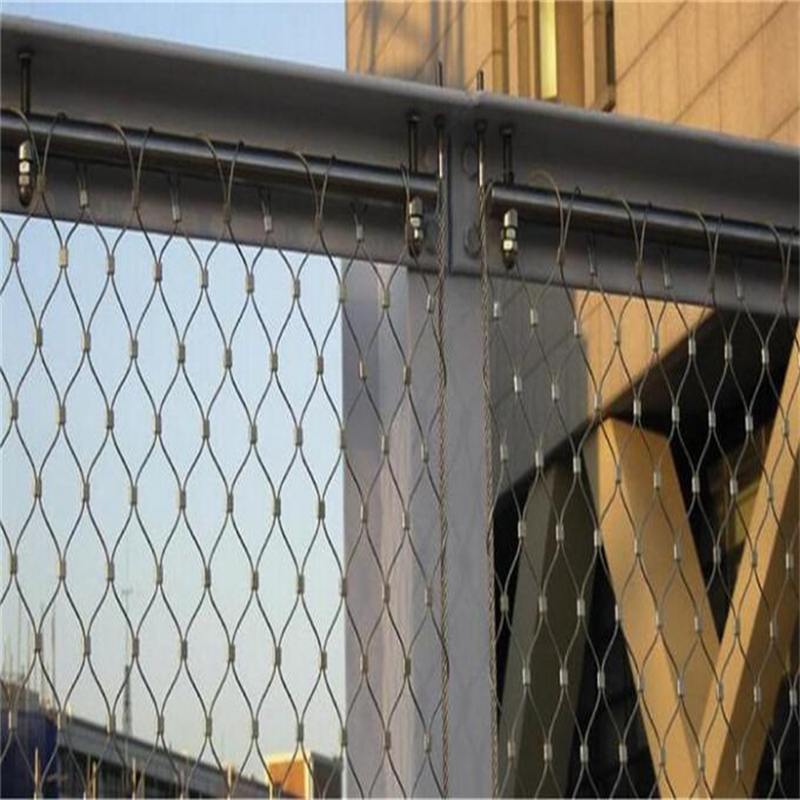
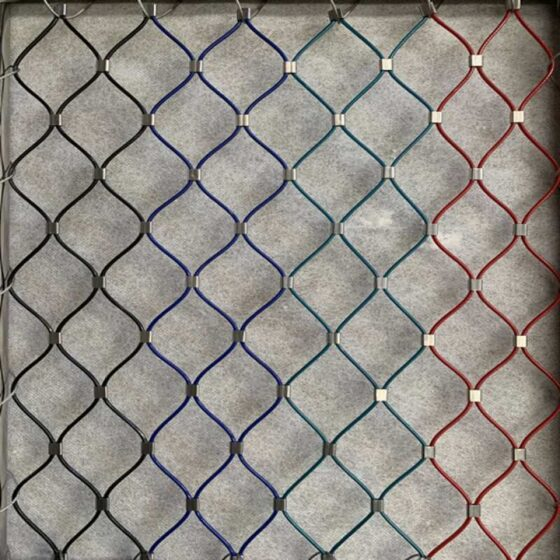
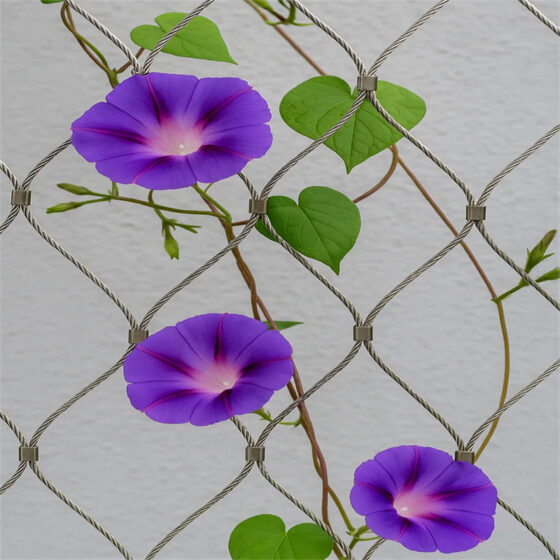
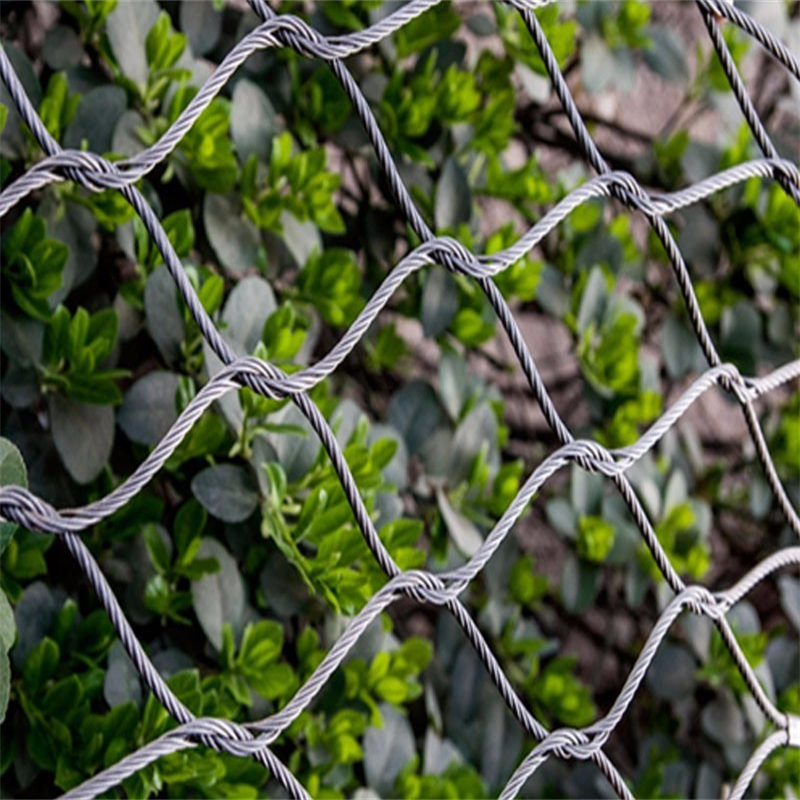
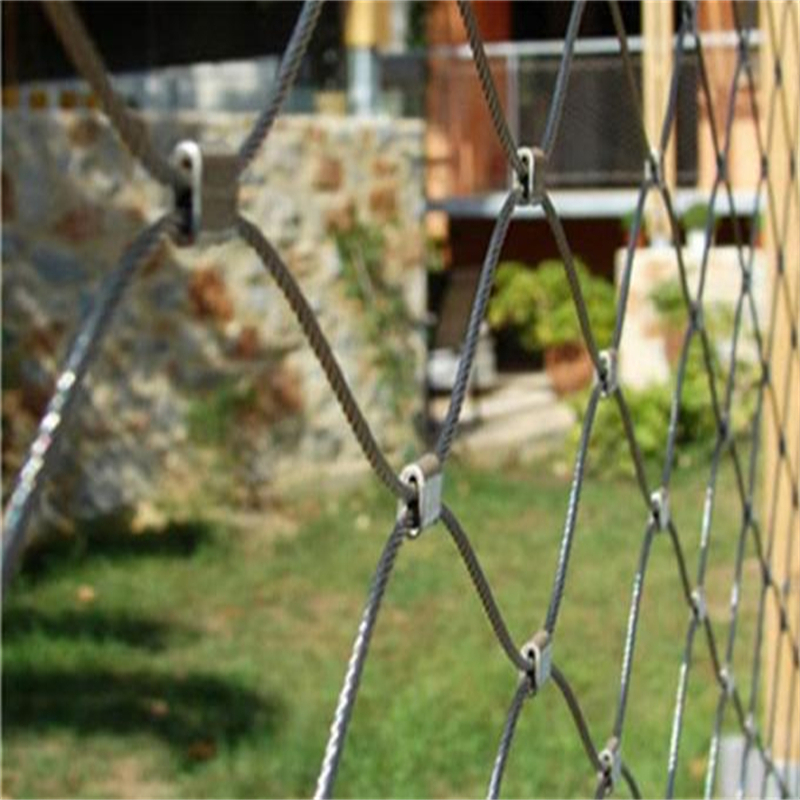
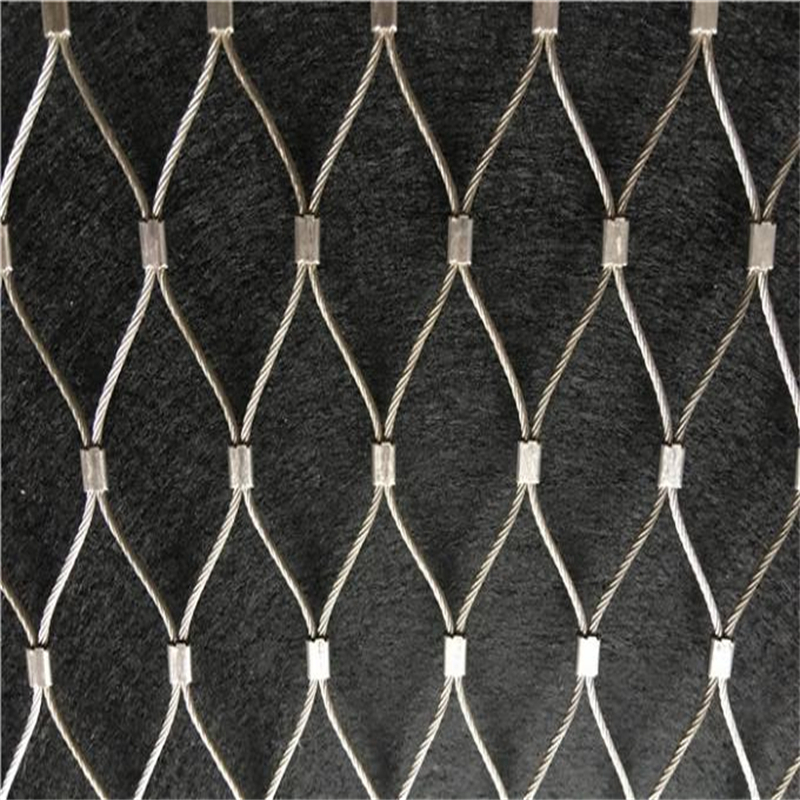
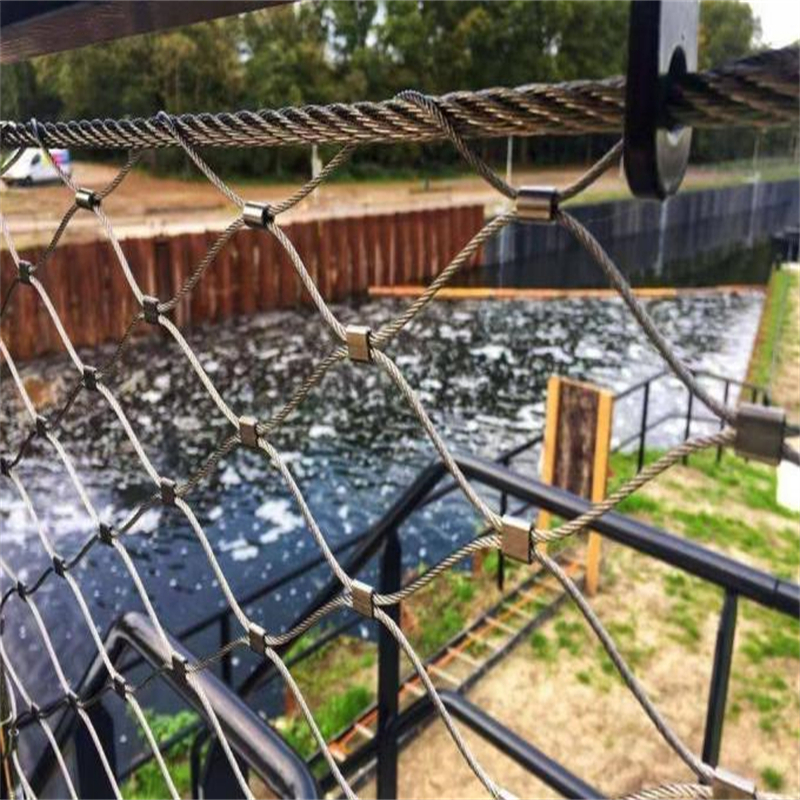
Stainless steel x tend zoo mesh is composed of high-tensile stainless steel wire rope woven or ferrule-pressed into a diamond or square mesh. The flexible net deforms elastically under load, spreading forces through the rope network and back into the support frames. This allows the system to absorb impact energy while maintaining a visually light and open appearance instead of the heavy look of bars or welded cages.
Typical construction details include:
* Wire rope diameters from 1.2 mm to 4.0 mm
* Mesh apertures from 20 × 20 mm up to 300 × 300 mm
* Rope structures of 7 × 7 and 7 × 19 for optimal flexibility and strength
* AISI 304 / 304L stainless steel for inland parks and AISI 316 / 316L for coastal, marine and high-corrosion environments
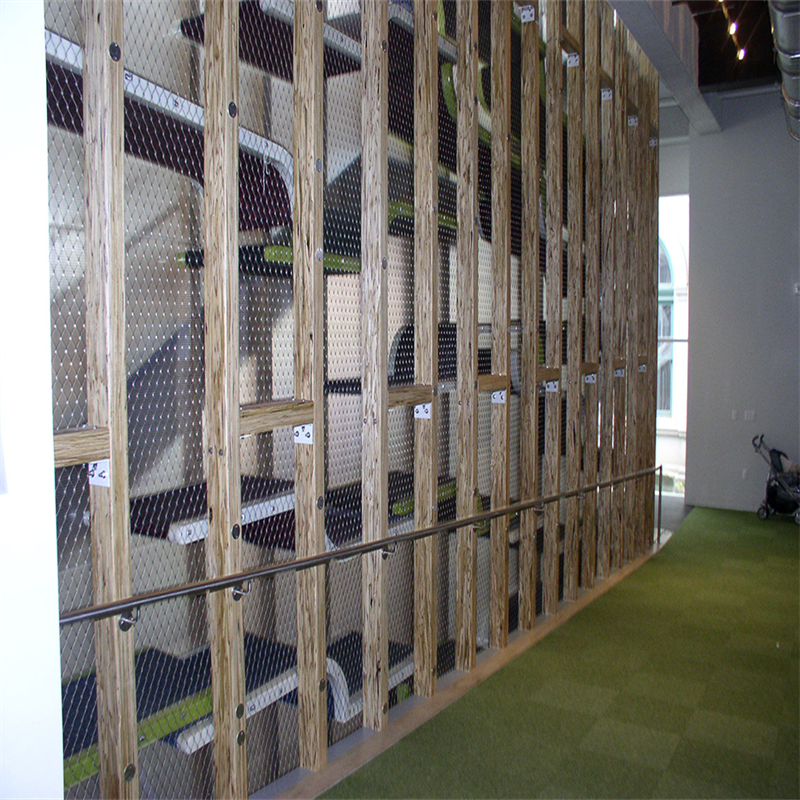
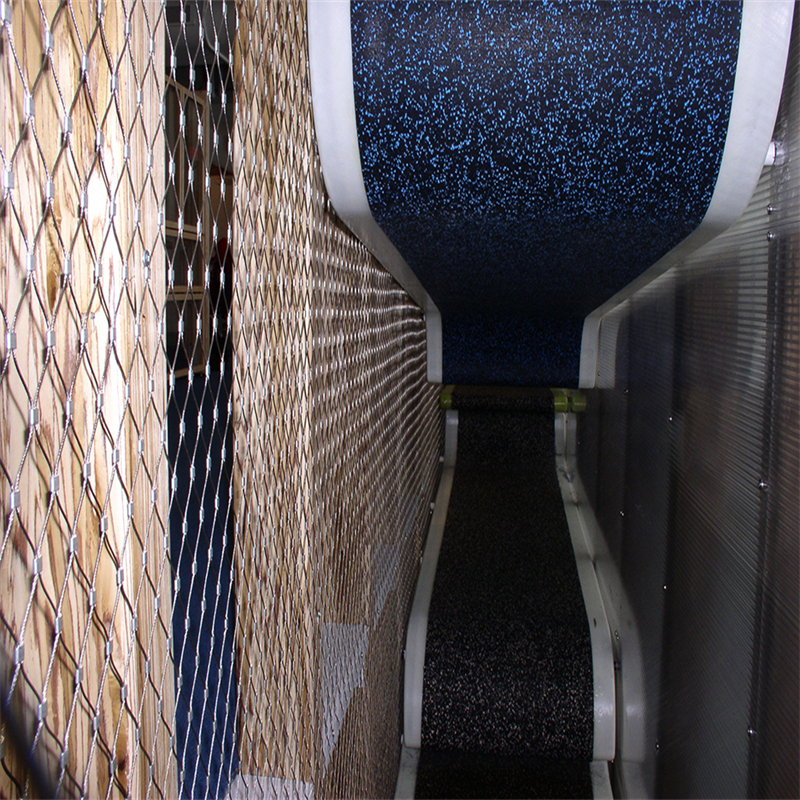
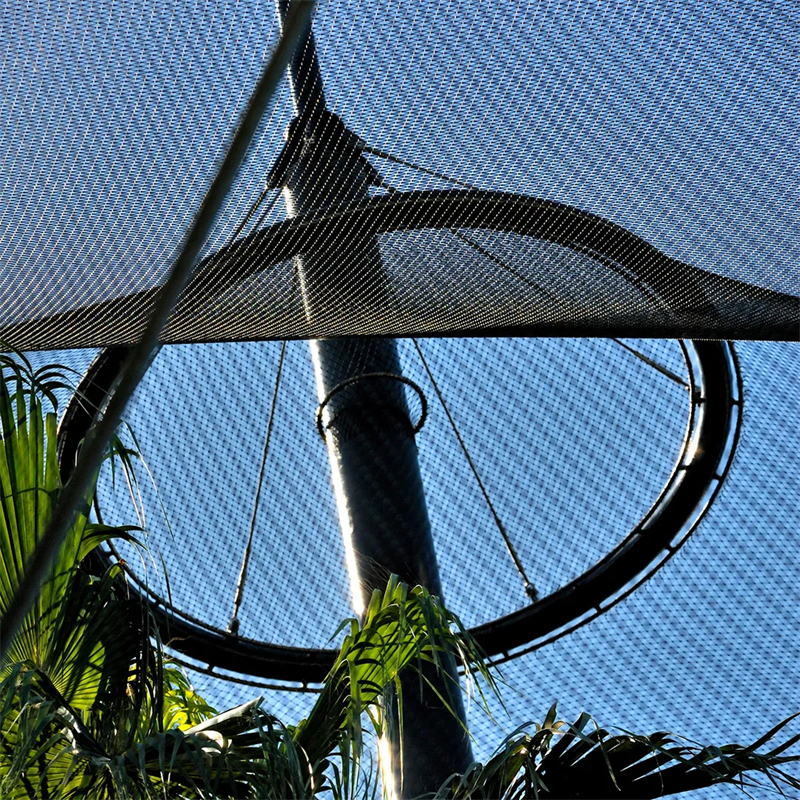
Stainless steel x tend zoo mesh can be prefabricated into panels or supplied as continuous strips that are cut and tensioned on site, following straight, curved or fully three-dimensional geometries for domes, tunnels and free-form aviary roofs.
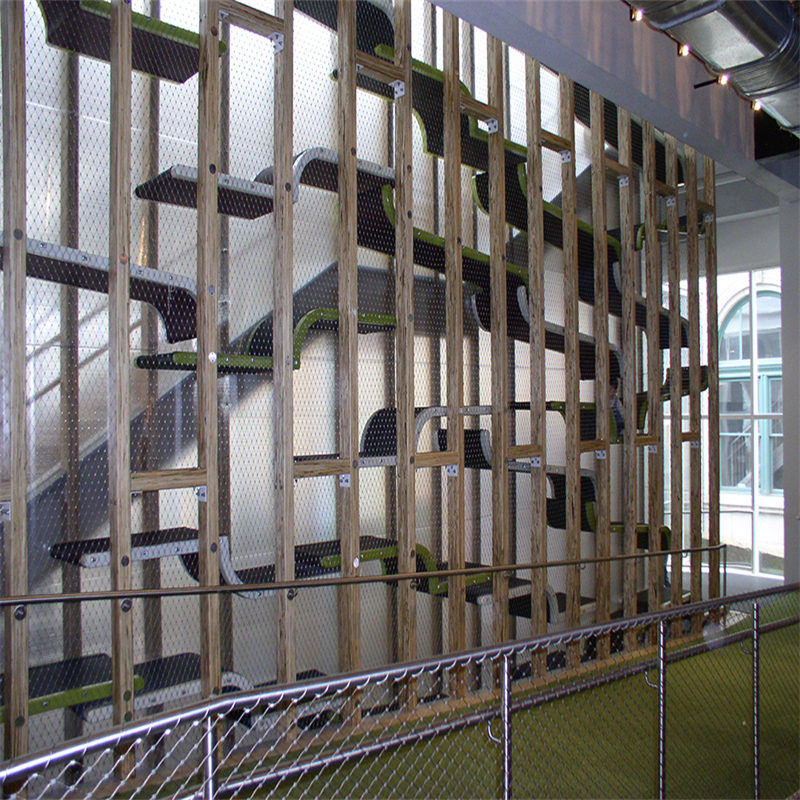

Insight #1 – Load path insight that controls real zoo safety
The first critical insight is that mesh aperture, wire rope diameter, mesh angle and support spacing together define the real load path of Stainless steel x tend zoo mesh. If the aperture is too large for the chosen wire diameter, or if support spacing is too wide, the mesh can deflect excessively under animal impact or climbing. This can create large openings exactly when you most need the barrier to hold. Balancing these parameters correctly gives controlled deflection, high energy absorption and reliable containment of birds, primates and big cats.
Materials, Wire Rope Structures and Corrosion Resistance
Stainless steel x tend zoo mesh is produced from cold-drawn stainless steel wire that is stranded into ropes before being woven or ferrule-pressed. Two main wire rope structures are commonly used to balance strength and flexibility:
* 7 × 7 – compact and relatively stiff, ideal for small apertures, façade infill and small bird aviaries
* 7 × 19 – highly flexible, ideal for large spans, domed roofs, tunnels and dynamic enclosures
The primary stainless steel grades are:
* AISI 304 / 304L – suitable for interior and mild exterior climates
* AISI 316 / 316L – with added molybdenum, ideal for aggressive coastal, marine and industrial atmospheres where resistance to pitting and crevice corrosion is essential
Detail #2 – Material detail that stops hidden corrosion and welfare issues
A crucial detail is the choice between AISI 304 and AISI 316 for Stainless steel x tend zoo mesh. In coastal, industrial or chlorinated water environments, underspecifying the grade allows pitting and crevice corrosion to start inside ferrules or in shaded, wet areas. Over time this corrosion reduces cable strength and can create sharp points that injure animals. Correctly upgrading to AISI 316 / 316L in these zones blocks this hidden corrosion route and protects both structural safety and animal welfare for the long term.
Specification Table 1 – Stainless steel x tend zoo mesh for Small and Medium Birds
This table shows typical specifications used for finches, parakeets, small parrots and mixed-species aviaries.
| WIRE ROPE DIAMETER | MESH APERTURE | Angle degrees: | Light Transmittance (%) | Material | Nominal Breaking Load (lbs) | WIRE ROPE STRUCTURES |
| 1.2 mm | 20 × 20 mm | 60° | 70% | AISI 304 | 800 | 7 × 7 |
| 1.2 mm | 25 × 25 mm | 60° | 72% | AISI 304 | 800 | 7 × 7 |
| 1.5 mm | 25 × 30 mm | 60° | 74% | AISI 304 | 1,150 | 7 × 7 |
| 1.5 mm | 30 × 30 mm | 60° | 75% | AISI 304 | 1,150 | 7 × 7 |
| 1.5 mm | 30 × 35 mm | 60° | 76% | AISI 304 | 1,150 | 7 × 7 |
| 1.6 mm | 35 × 35 mm | 70° | 78% | AISI 304 | 1,250 | 7 × 7 |
| 1.6 mm | 40 × 40 mm | 70° | 80% | AISI 304 | 1,250 | 7 × 7 |
| 1.6 mm | 40 × 50 mm | 70° | 82% | AISI 304 | 1,250 | 7 × 7 |
| 2.0 mm | 40 × 60 mm | 70° | 84% | AISI 316 | 2,000 | 7 × 7 |
| 2.0 mm | 50 × 60 mm | 70° | 86% | AISI 316 | 2,000 | 7 × 7 |
| 2.0 mm | 50 × 70 mm | 70° | 87% | AISI 316 | 2,000 | 7 × 7 |
| 2.0 mm | 60 × 80 mm | 70° | 88% | AISI 316 | 2,000 | 7 × 7 |
| 2.0 mm | 60 × 90 mm | 75° | 89% | AISI 316 | 2,000 | 7 × 7 |
| 2.0 mm | 70 × 100 mm | 75° | 90% | AISI 316 | 2,000 | 7 × 7 |
| 2.0 mm | 80 × 100 mm | 75° | 91% | AISI 316 | 2,000 | 7 × 7 |
Risk #3 – Aperture risk that injures delicate species
For small birds and sensitive species, oversizing the aperture of Stainless steel x tend zoo mesh creates a critical risk: heads, wings or feet can partially pass through and become trapped. This risk is especially severe where birds are startled and fly into corners. Matching aperture, wire diameter and mesh angle to the smallest species in the aviary removes this risk and gives you a safe, cruelty-free enclosure.
Stainless steel x tend zoo mesh for Big Cats and Primates
For leopards, tigers, lions, snow leopards, gibbons and other primates, Stainless steel x tend zoo mesh must handle powerful climbing loads, paw impacts and occasional leaps. Here, heavier wire diameters and larger apertures are used to keep weight low while providing high tensile strength and excellent visibility for visitors.
Specification Table 2 – Big Cat and Primate Stainless steel x tend zoo mesh
| WIRE ROPE DIAMETER | MESH APERTURE | Angle degrees: | Light Transmittance (%) | Material | Nominal Breaking Load (lbs) | WIRE ROPE STRUCTURES |
| 2.0 mm | 50 × 80 mm | 70° | 86% | AISI 316 | 2,000 | 7 × 7 |
| 2.0 mm | 60 × 80 mm | 70° | 87% | AISI 316 | 2,000 | 7 × 7 |
| 2.0 mm | 60 × 100 mm | 70° | 88% | AISI 316 | 2,000 | 7 × 7 |
| 2.4 mm | 60 × 120 mm | 75° | 89% | AISI 316 | 3,100 | 7 × 7 |
| 2.4 mm | 70 × 120 mm | 75° | 90% | AISI 316 | 3,100 | 7 × 7 |
| 2.4 mm | 80 × 140 mm | 75° | 91% | AISI 316 | 3,100 | 7 × 7 |
| 2.4 mm | 90 × 150 mm | 75° | 92% | AISI 316 | 3,100 | 7 × 7 |
| 3.0 mm | 100 × 160 mm | 80° | 93% | AISI 316 | 4,600 | 7 × 19 |
| 3.0 mm | 100 × 180 mm | 80° | 94% | AISI 316 | 4,600 | 7 × 19 |
| 3.0 mm | 120 × 180 mm | 80° | 94% | AISI 316 | 4,600 | 7 × 19 |
| 3.2 mm | 120 × 200 mm | 80° | 95% | AISI 316 | 5,100 | 7 × 19 |
| 3.2 mm | 130 × 200 mm | 80° | 95% | AISI 316 | 5,100 | 7 × 19 |
| 3.2 mm | 150 × 200 mm | 85° | 96% | AISI 316 | 5,100 | 7 × 19 |
| 3.2 mm | 150 × 220 mm | 85° | 96% | AISI 316 | 5,100 | 7 × 19 |
| 3.2 mm | 180 × 220 mm | 85° | 96% | AISI 316 | 5,100 | 7 × 19 |
Trap #4 – Climb-out trap along enclosure edges
A frequent trap in big cat and primate designs is leaving shallow overhangs or flat upper edges where animals can find extra leverage. If Stainless steel x tend zoo mesh is not tensioned correctly at the top frame or ring beam, determined climbers may create a foothold. Designing generous overhangs, wrapping the mesh fully around structural members and maintaining high tension eliminates this trap and keeps even the most agile species securely inside.
Overhead Tunnels, Visitor Walkways and Perimeter Zones
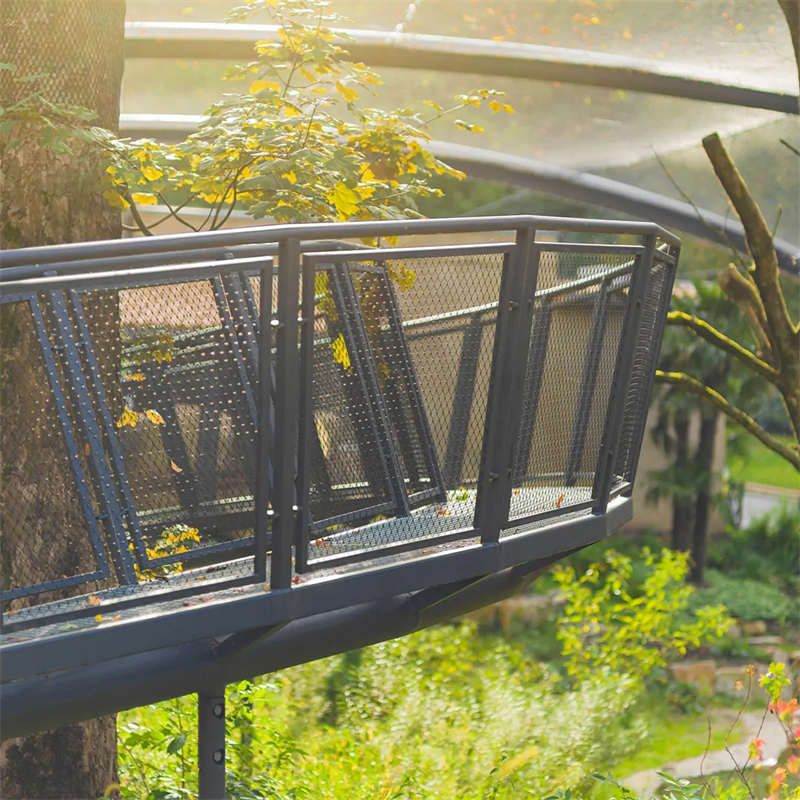
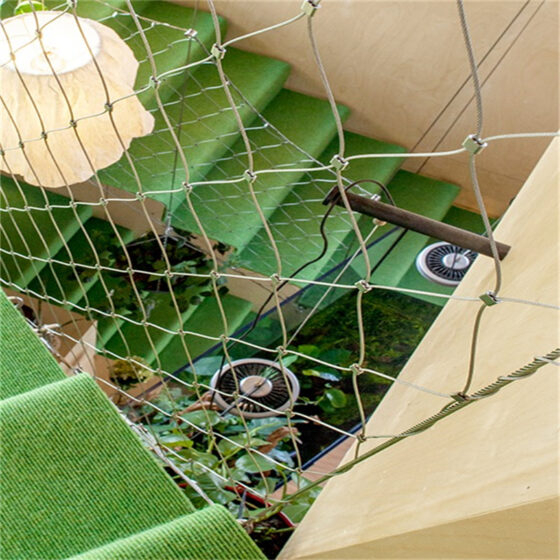
Stainless steel x tend zoo mesh is also ideal for overhead animal tunnels, elevated visitor walkways, lemur loops and perimeter exclusion zones. In these applications, mesh geometry must control both fall risk and dropped-object risk while preserving a strong sense of openness for visitors.
Specification Table 3 – Overhead and Perimeter Stainless steel x tend zoo mesh
| WIRE ROPE DIAMETER | MESH APERTURE | Angle degrees: | Light Transmittance (%) | Material | Nominal Breaking Load (lbs) | WIRE ROPE STRUCTURES |
| 2.0 mm | 60 × 80 mm | 70° | 88% | AISI 316 | 2,000 | 7 × 7 |
| 2.0 mm | 70 × 90 mm | 70° | 89% | AISI 316 | 2,000 | 7 × 7 |
| 2.4 mm | 80 × 100 mm | 75° | 90% | AISI 316 | 3,100 | 7 × 7 |
| 2.4 mm | 90 × 110 mm | 75° | 91% | AISI 316 | 3,100 | 7 × 7 |
| 2.4 mm | 100 × 120 mm | 75° | 92% | AISI 316 | 3,100 | 7 × 7 |
| 3.0 mm | 100 × 150 mm | 80° | 93% | AISI 316 | 4,600 | 7 × 19 |
| 3.0 mm | 120 × 160 mm | 80° | 94% | AISI 316 | 4,600 | 7 × 19 |
| 3.0 mm | 130 × 180 mm | 80° | 94% | AISI 316 | 4,600 | 7 × 19 |
| 3.2 mm | 140 × 180 mm | 80° | 95% | AISI 316 | 5,100 | 7 × 19 |
| 3.2 mm | 150 × 200 mm | 85° | 95% | AISI 316 | 5,100 | 7 × 19 |
| 3.2 mm | 160 × 220 mm | 85° | 96% | AISI 316 | 5,100 | 7 × 19 |
| 3.2 mm | 180 × 220 mm | 85° | 96% | AISI 316 | 5,100 | 7 × 19 |
| 4.0 mm | 180 × 240 mm | 85° | 96% | AISI 316 | 7,900 | 7 × 19 |
| 4.0 mm | 200 × 260 mm | 85° | 96% | AISI 316 | 7,900 | 7 × 19 |
| 4.0 mm | 200 × 300 mm | 85° | 97% | AISI 316 | 7,900 | 7 × 19 |
Warning #5 – Support spacing warning for long spans
In long overhead tunnels and wide perimeter zones, pushing the support spacing of Stainless steel x tend zoo mesh too far is a serious warning sign. Excessive spans can lead to sagging, vibration and enlarged openings under snow, wind or animal loading. Designing realistic support spacing, and using heavier rope where spans are longer, keeps the tunnel or perimeter firm, quiet and safe for both animals and visitors.
Installation, Framing and Edge Connections
Stainless steel x tend zoo mesh performs best when it is treated as part of an integrated structural system. Frames, ring beams, posts and edge cables must be dimensioned for the combined loads of the mesh and any handrails, roofs or enrichment structures attached to it. Corners, door frames, feeding hatches and service walkways all need careful detailing so the mesh wraps or overlaps instead of stopping short.
Cost #6 – Lifecycle cost pattern that quietly protects your budget
A powerful cost pattern in your favour appears when you compare Stainless steel x tend zoo mesh with painted steel bars or chain link. While the initial investment may be slightly higher, the stainless cable system avoids regular repainting, rust repairs and early replacement. Over 20–30 years, this lifecycle cost advantage protects your budget and frees funds for animal care and new exhibits instead of emergency enclosure repairs.

Cleaning, Inspection and Daily Operation
In daily use, Stainless steel x tend zoo mesh is easy to clean with water, mild detergents or pressure washing, and it does not hold dirt or odours like porous materials. Keepers can see animals clearly through the mesh, and animals can see each other and the environment without visual barriers, supporting natural behaviour and reducing stress.
Lesson #7 – Inspection lesson that prevents sudden failure
One essential lesson is to build routine inspection of Stainless steel x tend zoo mesh into your operating plan. Regularly checking for broken wires, deformed apertures, loose ferrules and corroded anchors reveals early warning signs long before failure. Acting on this lesson avoids sudden enclosure failures, escape incidents and urgent repair crises that disrupt zoo operations.
Visitor Experience and Architectural Impact
For visitors, Stainless steel x tend zoo mesh almost disappears at a distance, creating immersive, open views where animals appear in natural landscapes instead of cages. Architects use the mesh to create flowing organic forms, lightweight roofs and sculptural façades that blend with planting and rockwork while still delivering strong engineering performance.
Benefit #8 – Transparency benefit that boosts zoo reputation
The transparency benefit of Stainless steel x tend zoo mesh directly improves visitor satisfaction. Clear sightlines, photo-friendly enclosures and modern aesthetics enhance your zoo’s reputation, encouraging repeat visits, stronger membership numbers and positive media coverage – all while keeping safety and welfare standards high.
Compliance, Documentation and Safety Audits
Because Stainless steel x tend zoo mesh is engineered and traceable, it supports clear documentation for building codes, animal welfare regulations and insurance requirements. Consistent materials, known breaking loads and defined mesh apertures make it easier to demonstrate compliance during audits and inspections.
Threat #9 – Compliance threat you cannot ignore
The most dangerous compliance threat is assuming any stainless mesh will automatically meet zoo standards. If you skip checking aperture, breaking load, material grade and edge detailing for each species and enclosure zone, you risk failing inspections, facing enforced closures and suffering reputation damage. Especially Threat #9 is the one you must not ignore: if you do not take it seriously, you invite regulatory crisis, exhibit shutdowns and heavy financial loss that could have been avoided with proper Stainless steel x tend zoo mesh specification.
Overall Performance, Sustainability and Payoff
With the right combination of mesh aperture, wire diameter, angle, material grade and rope structure, Stainless steel x tend zoo mesh provides a long-life, low-maintenance and fully recyclable enclosure solution. It stands up to sun, rain, wind, snow and animal interaction with minimal change in appearance or performance over decades.
Payoff #10 – Long-term payoff that rewards correct Stainless steel x tend zoo mesh design
When you specify Stainless steel x tend zoo mesh correctly – matching geometry, cable size, material grade and installation details to your real species and site conditions – the payoff is powerful and long-lasting. You gain safe, transparent and beautiful enclosures that protect animals and visitors year after year, reduce maintenance to simple cleaning and inspections, and give your zoo a decisive safety and image boost while avoiding the devastating losses caused by overlooked design, welfare and compliance mistakes.