Your One-Stop Wire Mesh Fence Supplier | POLYMETAL
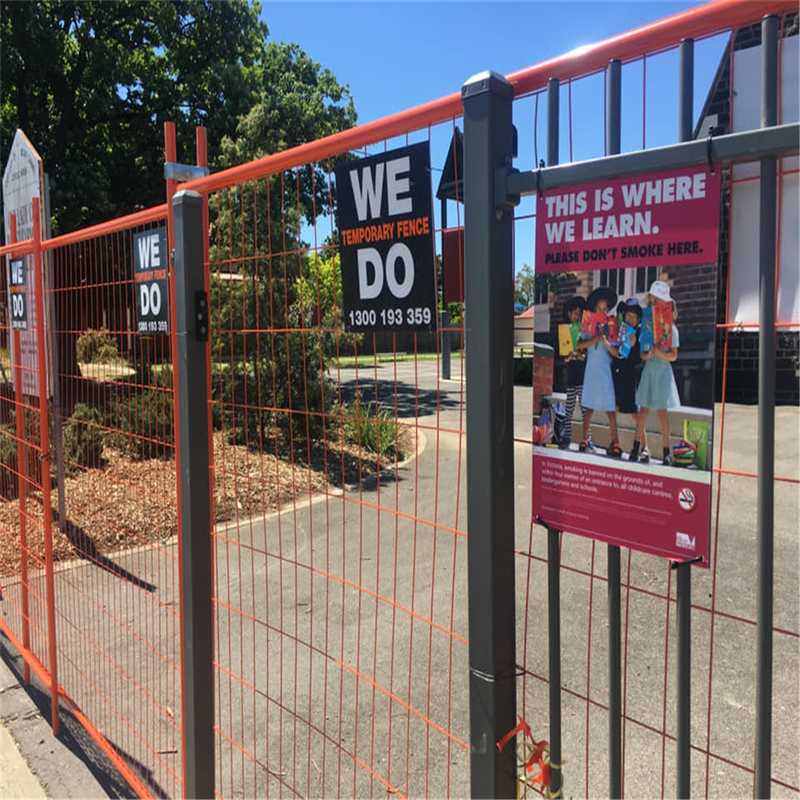
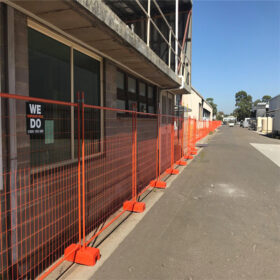
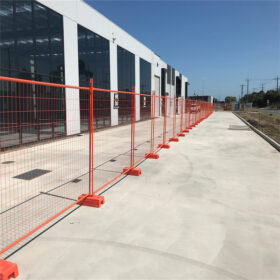
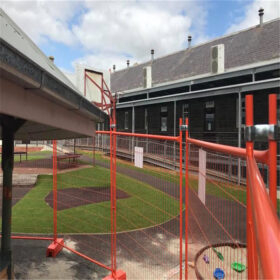
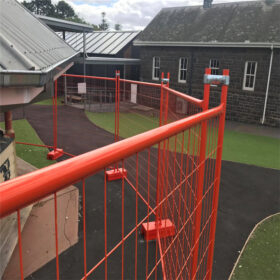
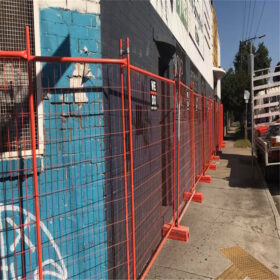
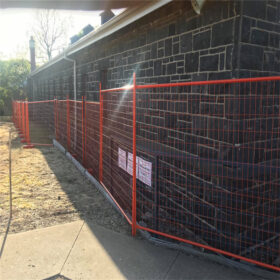
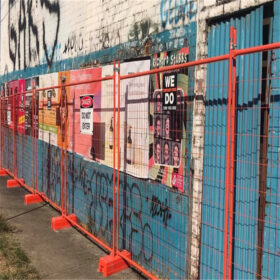
Standard temporary fencing is bought for one reason: instant perimeter control that stays upright, aligned, and safe while crews, vehicles, wind, and daily handling punish the fence line. On real projects, “standard” is not judged by a brochure photo—it is judged by what happens after repeated moves: clamps still bite cleanly, frames do not twist, mesh stays tight, and corrosion does not start at welds and cut points.
The hidden danger is assuming all standard temporary fencing panels are built the same. They are not. One wrong frame OD, a thin frame wall, light infill wire, the wrong galvanizing level, or missing mid-brace control on longer panels can trigger wobble, hook misalignment, bending during stacking, early rust at welds, and a fence line that looks “repaired” on day one.
POLYMETAL manufactures standard temporary fencing as repeatable modules so panel geometry, mesh discipline, coating control, and packing protection remain consistent from the first bay to the last—especially on Australian and New Zealand projects requiring buildable, receiving-ready temporary fence packages. If your site is exposed to stronger gusts, this practical wind resistant temporary fencing reference is a useful reminder that base selection and bracing discipline matter just as much as panel steel.
Top 10 High-Risk Traps for Standard Temporary Fencing Orders
Each item below looks minor on a purchase order—but becomes a jobsite crisis after panels are already deployed. Pay special attention to #7, because that is where many buyers suffer the biggest loss.
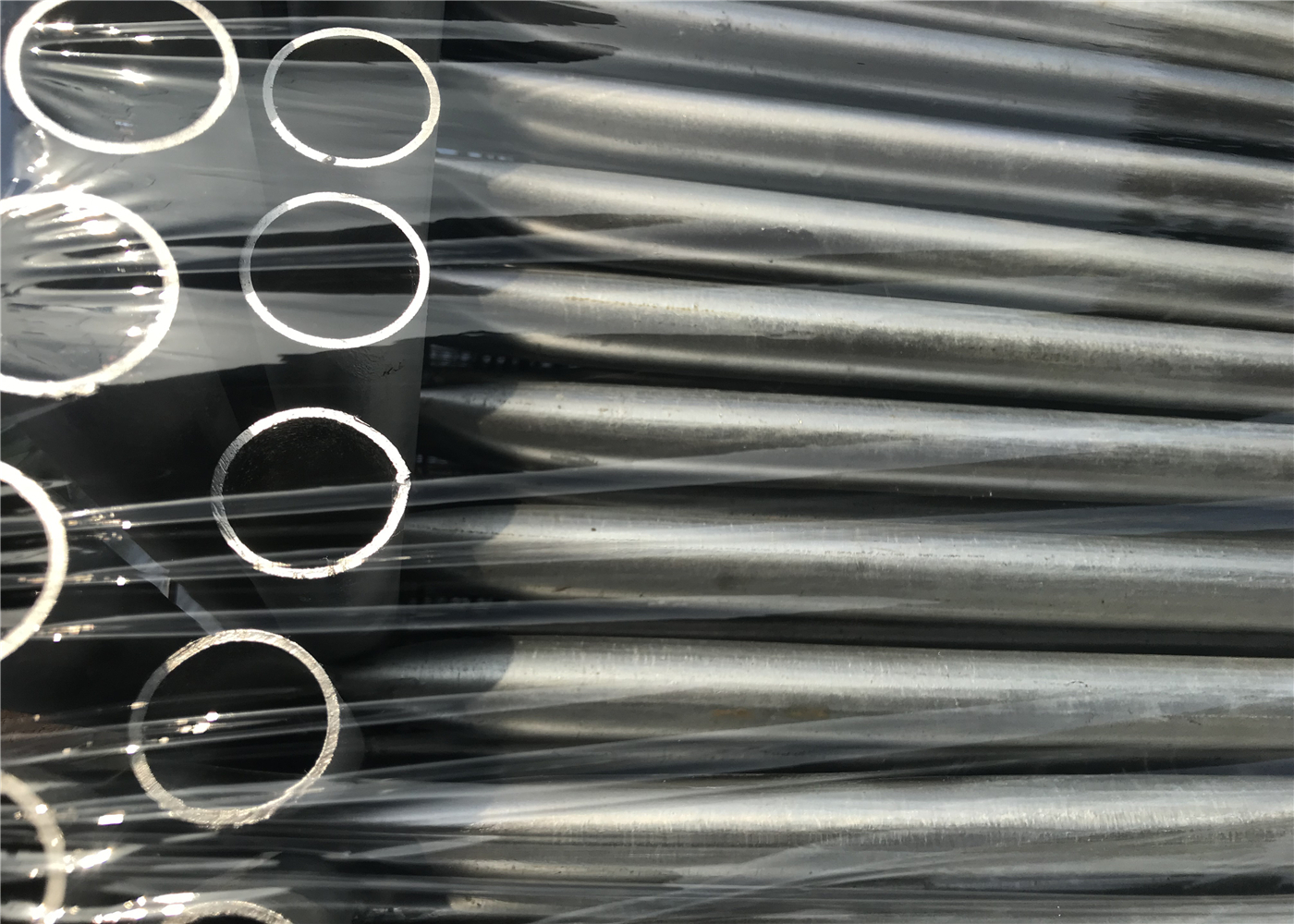
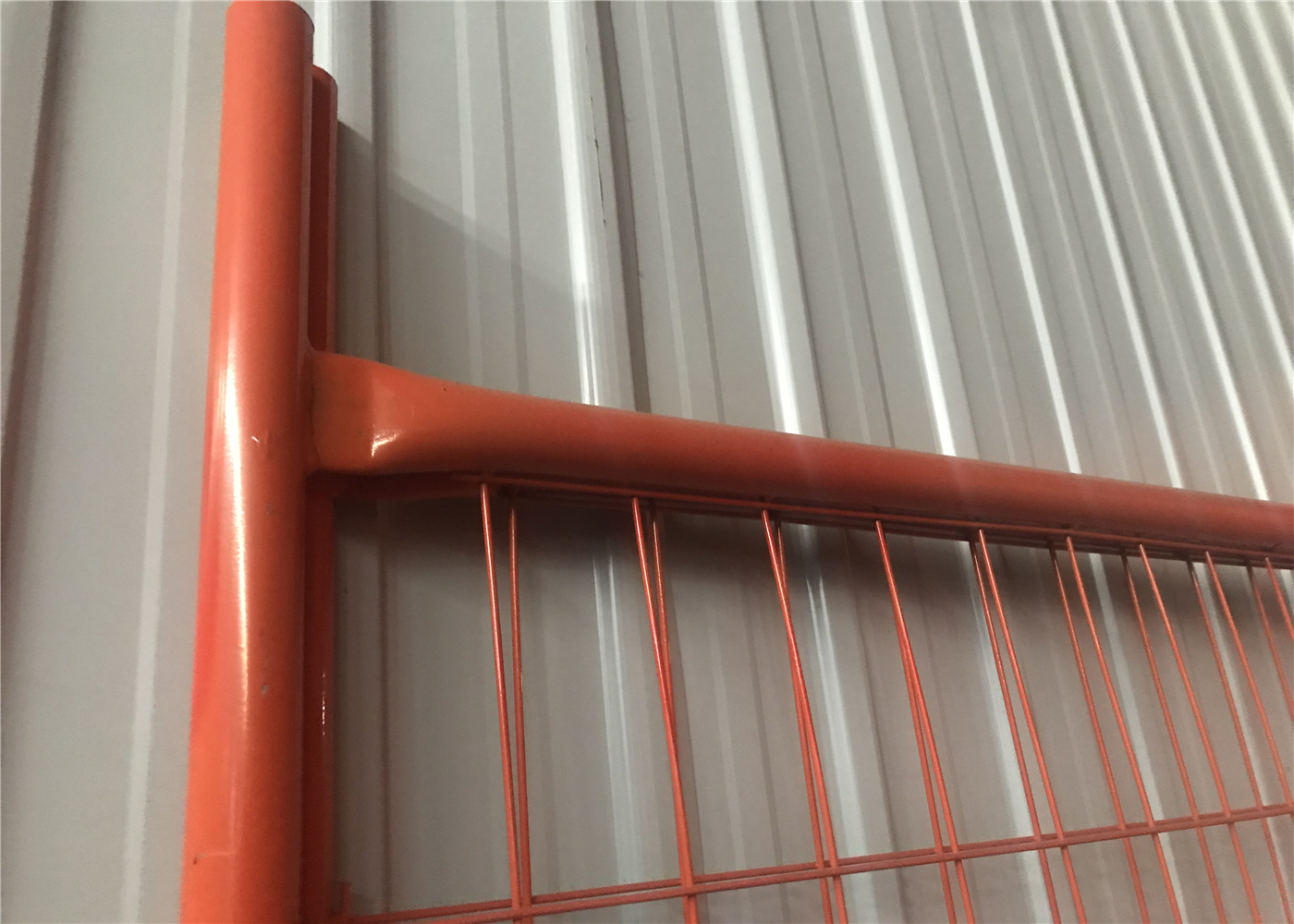
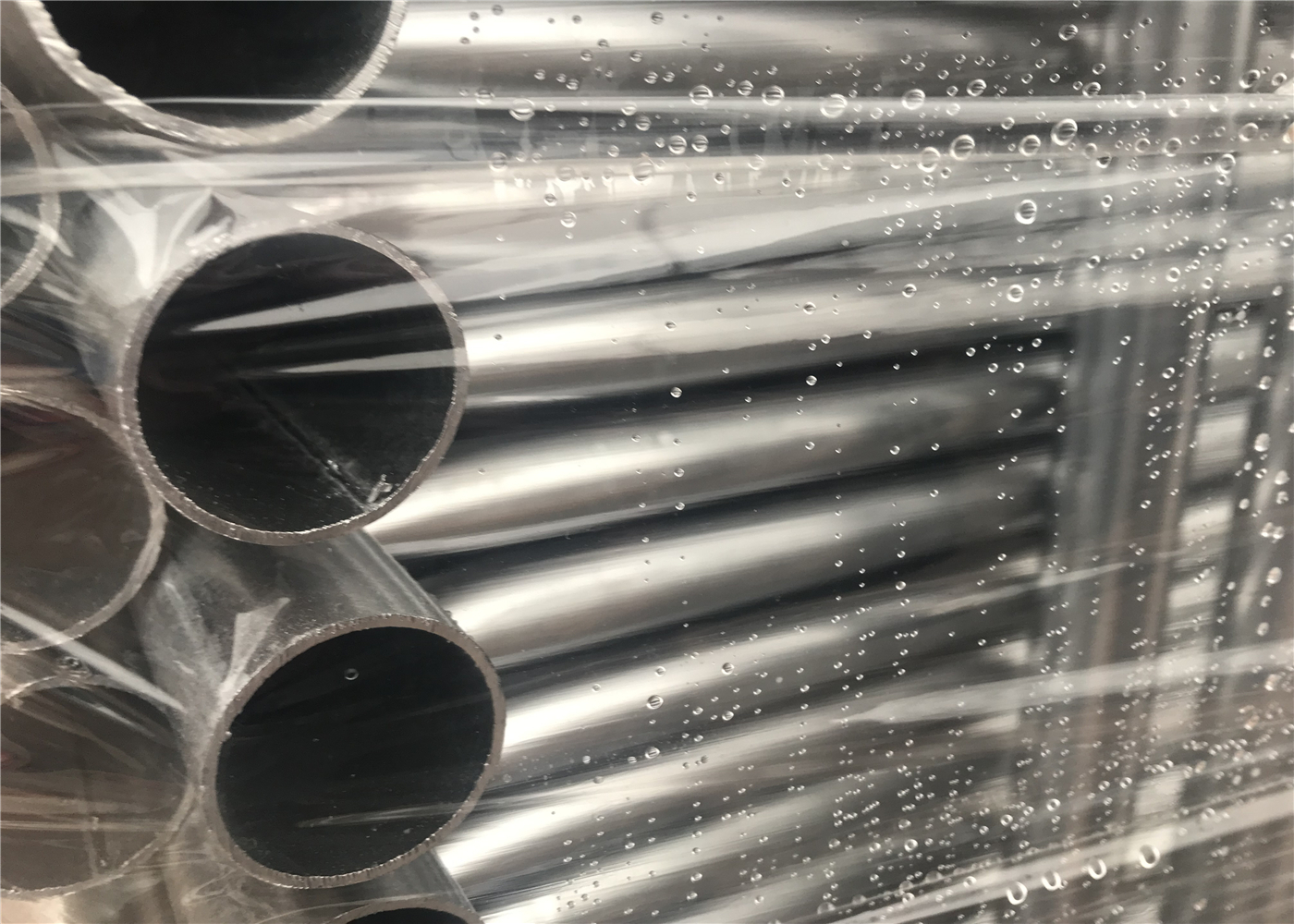
Trap #1: Buying “standard” frame OD without locking the real tube option
Frame OD is not a cosmetic choice. Common market options include OD32mm, OD38mm, OD40mm, and OD41mm. If your order says “standard frame” without locking OD and wall thickness, you can receive panels that look similar but behave very differently under wind and handling.
Risk #2: Choosing frame wall thickness to save cost instead of controlling stiffness
Frame thickness is stiffness and impact tolerance. Typical options include 1.0mm, 1.2mm, 1.4mm, 1.5mm, and 2.0mm. Thin-wall frames can feel fine in photos, then twist during stacking, bend at clamp points, and create visible wave-lines across long runs.
Warning #3: Assuming mesh opening is “close enough” to 60mm × 150mm
For AU & NZ style standard temporary fencing, 60mm × 150mm is a widely accepted spacing pattern because it balances visibility, strength, and stability. If spacing changes without engineering the wire count and weld discipline, mesh tension and panel rigidity change—and the fence can feel soft even if the frame looks heavy.
Problem #4: Ordering infill wire diameter too light for real site handling
Wire diameter choices such as 2.70mm, 3.00mm, and 4.00mm change how the panel survives drops, drags, and stacking pressure. Light wire can deform at the weld grid and create permanent “mesh waves,” which also accelerates corrosion at stressed points.
Cost #5: Not controlling the vertical/horizontal wire count by panel width
Standard temporary fencing panels often share the same height (2.1m) but vary in width (2.4m, 3.3m, 3.5m). If the wire count is not matched to panel width, the mesh can become either too open (weak feel) or too dense (unplanned weight and cost), and weld performance can become inconsistent.
Oversight #6: Ordering long panels without a clear mid-brace rule
When width increases (for example 3300mm or 3500mm), mid-bracing becomes a stability control—not an optional add-on. If you do not lock “with middle brace” (and how it is welded/positioned), long panels can rack during transport, then never sit square on feet after deployment.
Failure #7: Zinc level specified loosely—then weld points become the rust birthplace
This is the biggest loss point. “Galvanized” is not one finish. If you do not lock the zinc level and protection method at welds and cut points, corrosion starts where the panel is stressed most—then you replace stock early. Common market references include 14 microns pre-galvanized, ~42 microns hot dip galvanized, and heavier systems such as 84–100 microns hot dip galvanized depending on the duty cycle and exposure.
Defect #8: Burrs, sharp edges, and bad cut quality that injure installers
A fence that installs fast must be safe to handle. Poor cut control can leave burrs and sharp edges, creating avoidable injury risk and slowdowns. Clean tube cutting and post-process protection at cut points also improves coating performance where corrosion usually begins.
Gap #9: Panels ordered without matching clamp and base assumptions
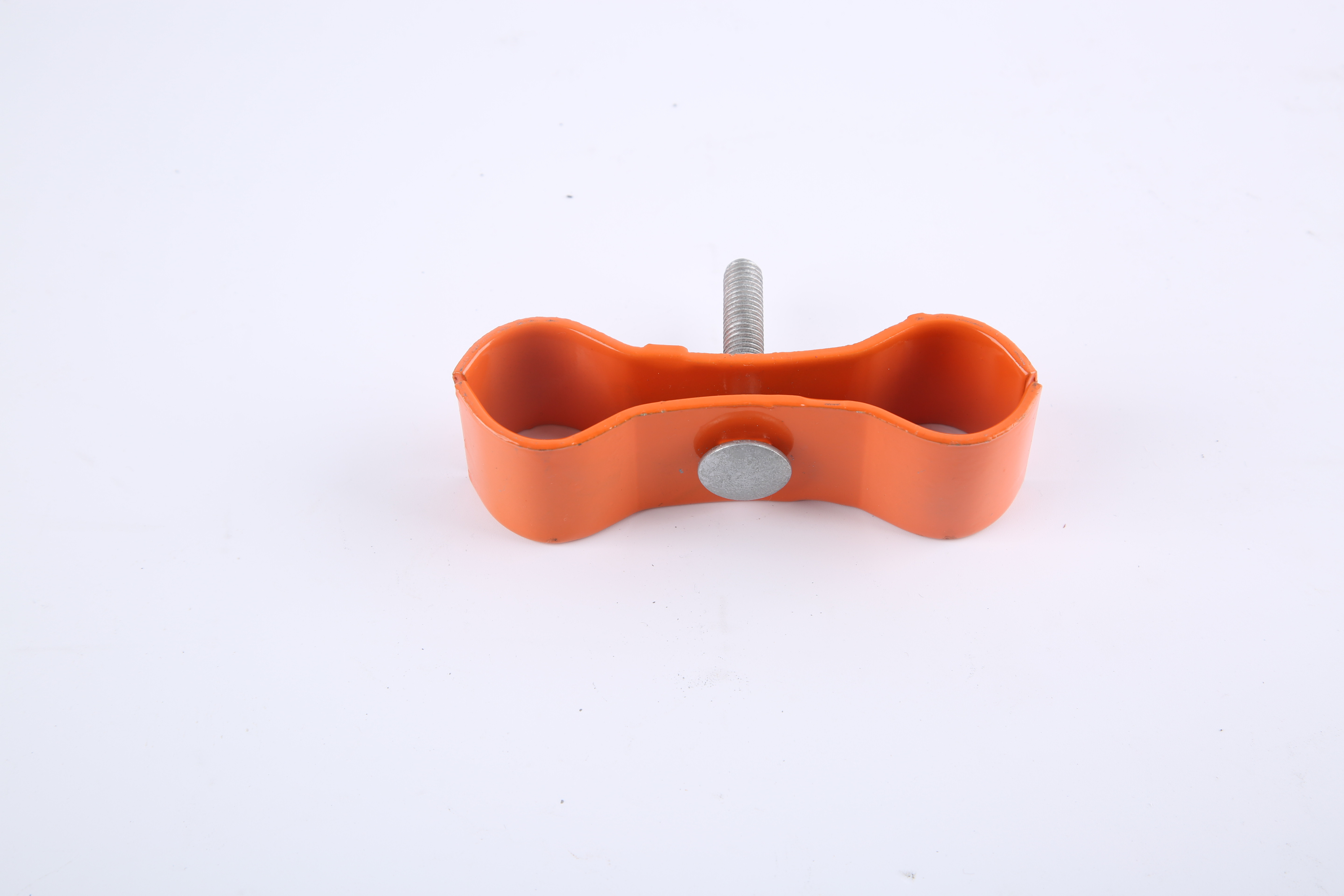
Even strong panels fail if clamps and feet do not match the frame OD and site surface. If your procurement separates panels from clamps/feet strategy, the jobsite improvises—then the fence line walks under vibration and wind, creating constant adjustments and damage at contact points.
Checklist #10: Packing that scratches zinc and bends frames before the first day of use
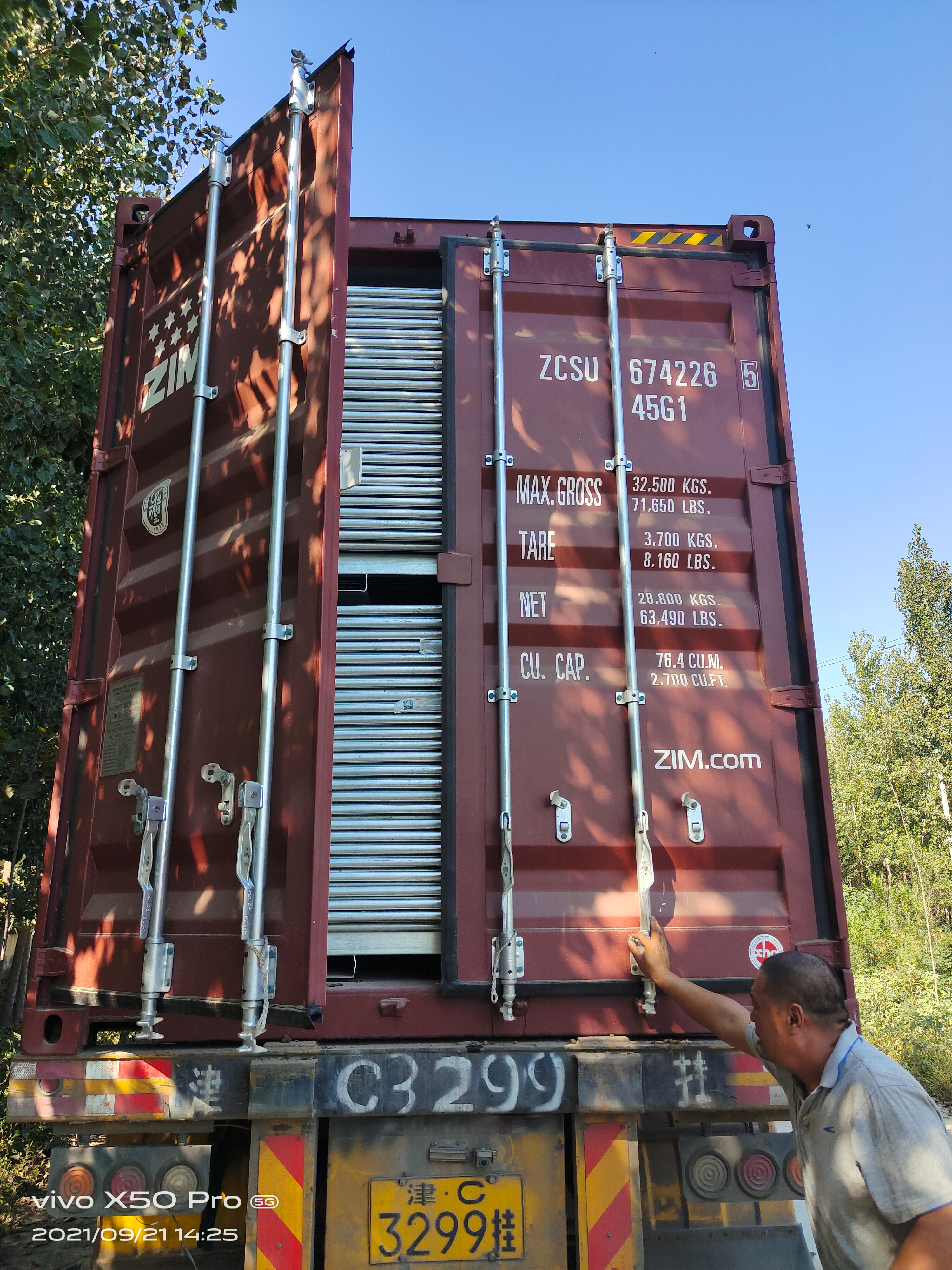
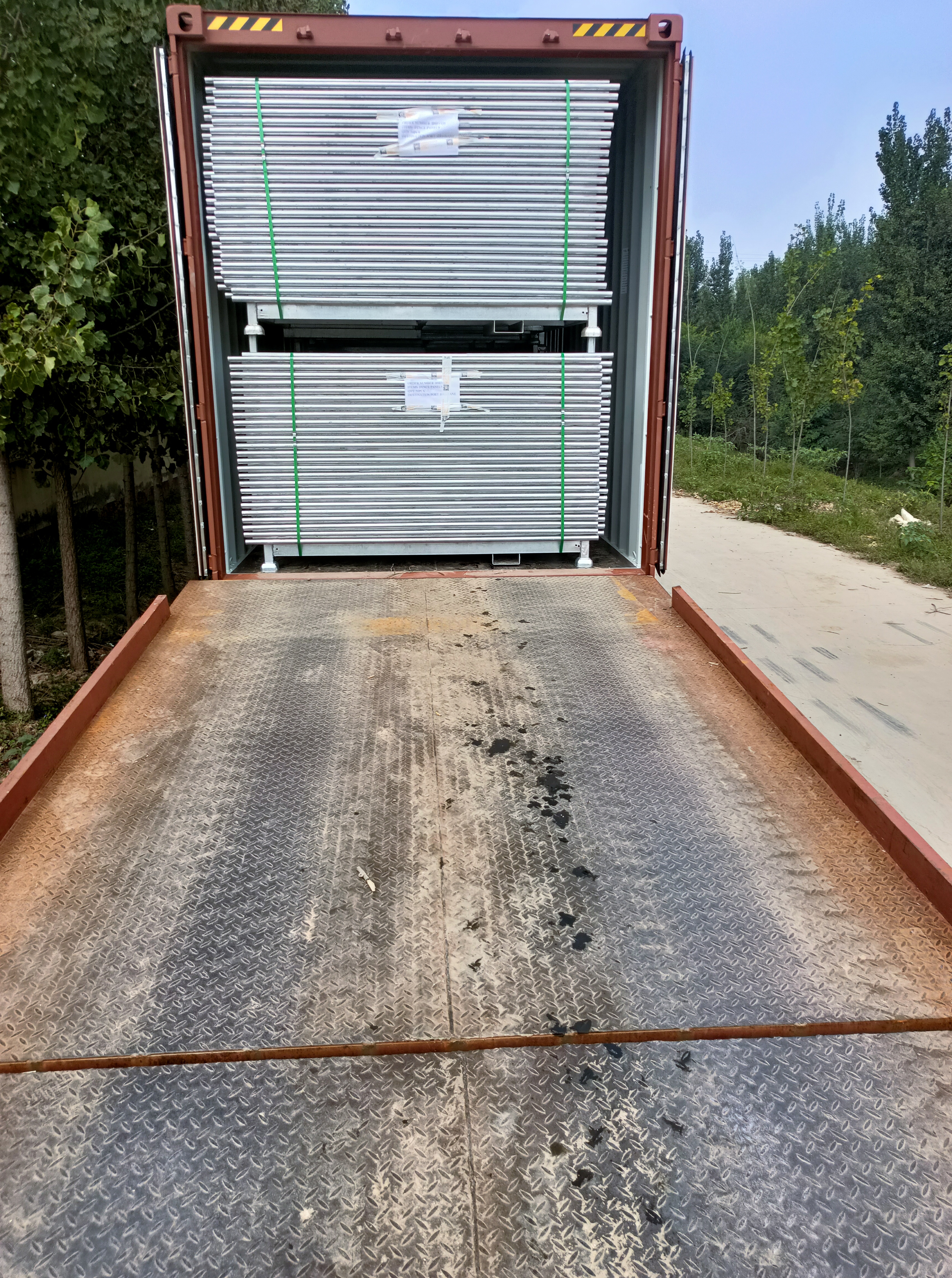
Loss often comes from logistics: mixed bundles, missing parts, no labeling, and scratch damage during unloading. If your packing plan is not engineered for fast counting and safe stacking, the first day of deployment already creates damage—and those scars become early corrosion sites.
Product Description: POLYMETAL Standard Temporary Fencing Panels
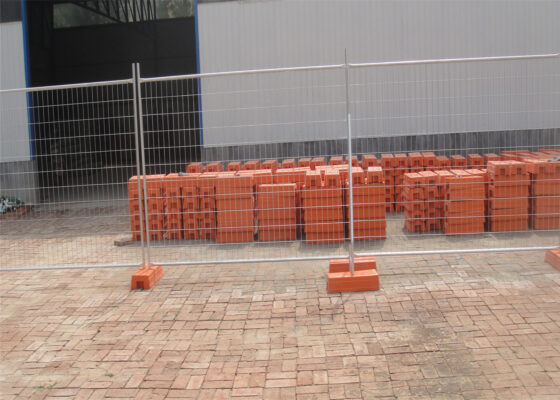
POLYMETAL standard temporary fencing panels are manufactured as repeatable modules for construction, civil works, events, and perimeter control where rapid deployment and predictable stability matter. Panels are commonly supplied at 2100mm height with widths such as 2400mm, 3300mm, and 3500mm (longer widths supplied with a middle brace option to control racking). Frame tube options include OD32mm, OD38mm, OD40mm, and OD41mm with selectable wall thickness from 1.0mm up to 2.0mm depending on duty cycle.
Mesh is commonly produced in 60mm × 150mm opening patterns using infill wire diameters such as 2.70mm, 3.00mm, and 4.00mm. Finish options are engineered around real project exposure, including pre-galvanized and hot dip galvanized options with different zinc thickness levels to balance service life and budget. Where project requirements demand compliance targets, POLYMETAL can manufacture to AS4687-2022 expectations by locking panel geometry, materials, weld discipline, and finish requirements directly in the purchase specification.
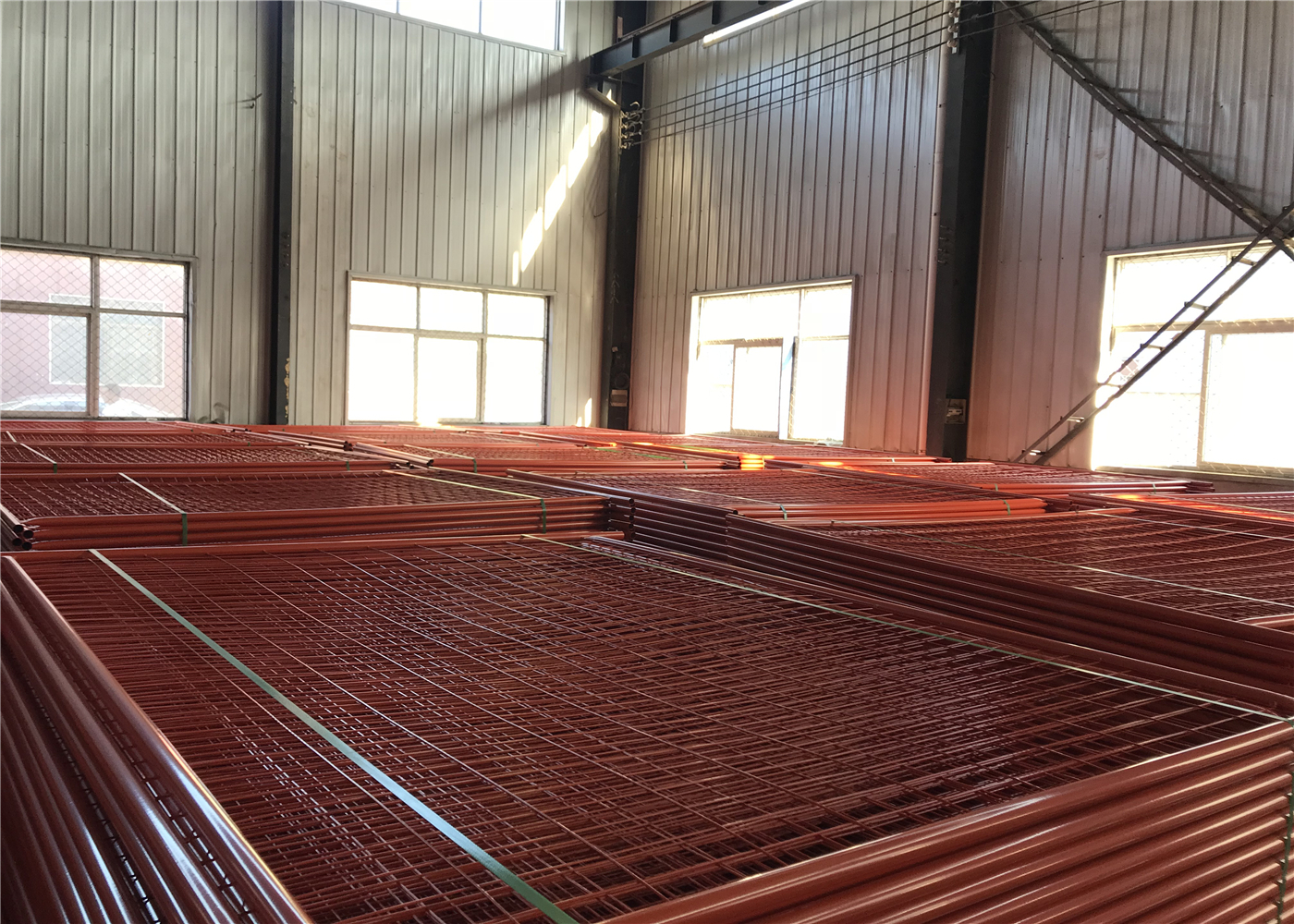
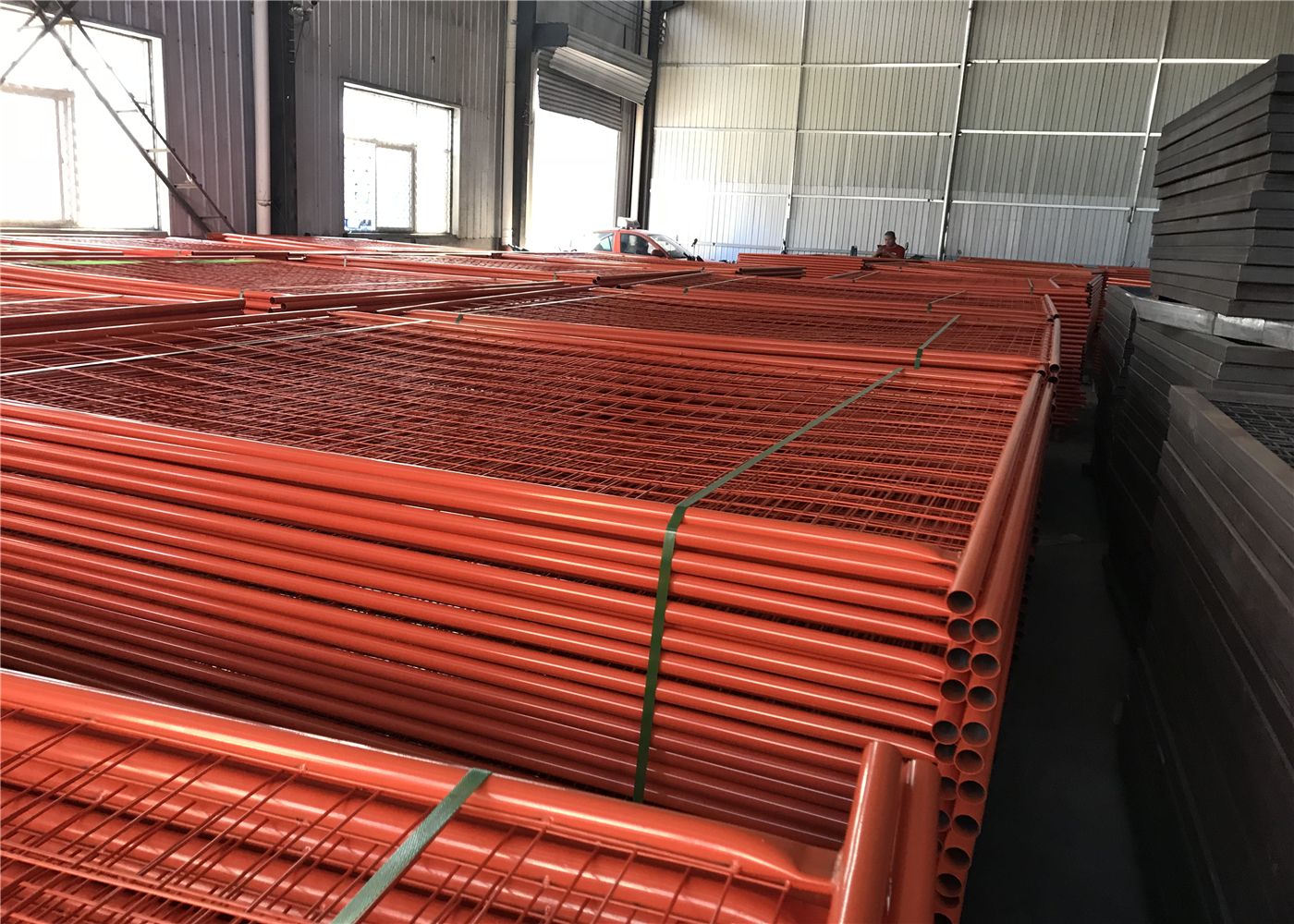
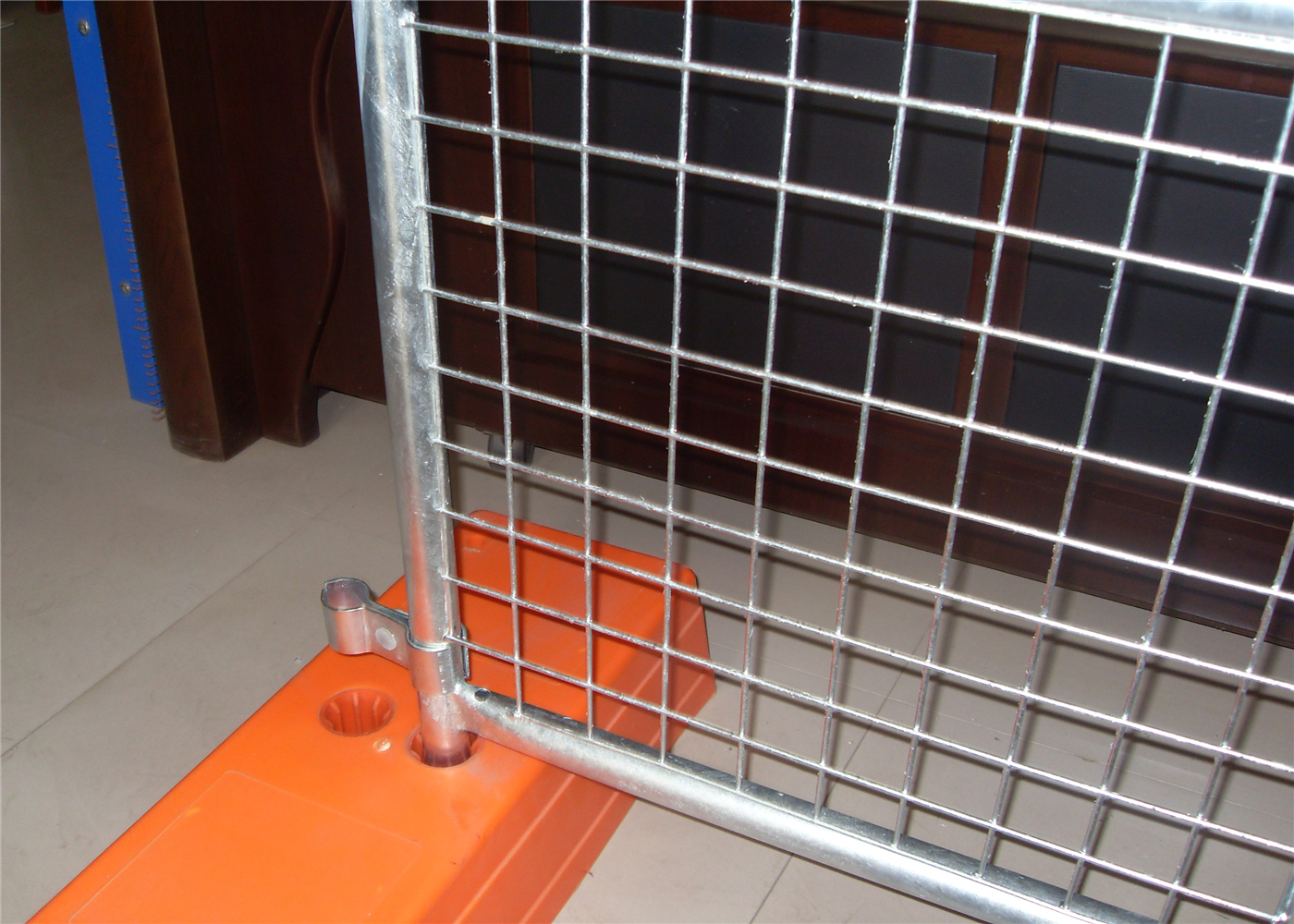
Specifications: Standard Temporary Fencing (3 Tables, 10+ Configurations Each)
All configurations below keep your required core options: frame OD32/38/40/41, panel height 2100mm, widths 2400/3300/3500 (3300/3500 supplied with middle brace), mesh opening 60×150, wire diameter 2.70/3.00/4.00, frame thickness 1.0/1.2/1.4/1.5/2.0, and finish options referencing 14μm pre-galvanized, ~42μm hot dip galvanized, and heavy hot dip galvanized up to 100μm.
Table 1: Standard Temporary Fencing (14 Microns Pre-Galvanized, Cost-Controlled & Fast Stock)
| Model | Panel Height | Panel Width | Frame Tube OD | Frame Wall | Mesh Opening | Wire Dia | Vert Wire / Horiz Wire | Middle Brace | Finish | Approx. Panel Weight |
|---|---|---|---|---|---|---|---|---|---|---|
| PM-STF-14-2100-2400-A | 2100mm | 2400mm | OD32mm | 2.0mm | 60×150mm | 4.0mm | 12 / 38 | No | 14μm pre-galv + weld touch-up | 20.5–22.0kg |
| PM-STF-14-2100-2400-B | 2100mm | 2400mm | OD32mm | 1.5mm | 60×150mm | 4.0mm | 12 / 38 | No | 14μm pre-galv + weld touch-up | 19.0–21.0kg |
| PM-STF-14-2100-2400-C | 2100mm | 2400mm | OD38mm | 1.5mm | 60×150mm | 3.0mm | 12 / 38 | No | 14μm pre-galv + weld touch-up | 19.5–21.5kg |
| PM-STF-14-2100-2400-D | 2100mm | 2400mm | OD40mm | 1.4mm | 60×150mm | 3.0mm | 12 / 38 | No | 14μm pre-galv + weld touch-up | 19.0–21.0kg |
| PM-STF-14-2100-2400-E | 2100mm | 2400mm | OD41mm | 1.2mm | 60×150mm | 2.7mm | 12 / 38 | No | 14μm pre-galv + weld touch-up | 18.0–20.0kg |
| PM-STF-14-2100-3300-A | 2100mm | 3300mm | OD32mm | 2.0mm | 60×150mm | 4.0mm | 12 / 53 | Yes | 14μm pre-galv + weld touch-up | 27.0–30.0kg |
| PM-STF-14-2100-3300-B | 2100mm | 3300mm | OD38mm | 1.5mm | 60×150mm | 3.0mm | 12 / 53 | Yes | 14μm pre-galv + weld touch-up | 26.0–29.0kg |
| PM-STF-14-2100-3300-C | 2100mm | 3300mm | OD40mm | 1.4mm | 60×150mm | 3.0mm | 12 / 53 | Yes | 14μm pre-galv + weld touch-up | 26.0–29.0kg |
| PM-STF-14-2100-3500-A | 2100mm | 3500mm | OD32mm | 2.0mm | 60×150mm | 4.0mm | 12 / 56 | Yes | 14μm pre-galv + weld touch-up | 28.0–31.5kg |
| PM-STF-14-2100-3500-B | 2100mm | 3500mm | OD38mm | 1.5mm | 60×150mm | 3.0mm | 12 / 56 | Yes | 14μm pre-galv + weld touch-up | 27.5–31.0kg |
Table 2: Standard Temporary Fencing (42 Microns Hot Dip Galvanized, Market Standard Duty)
| Model | Panel Height | Panel Width | Frame Tube OD | Frame Wall | Mesh Opening | Wire Dia | Vert Wire / Horiz Wire | Middle Brace | Finish | Duty Profile |
|---|---|---|---|---|---|---|---|---|---|---|
| PM-STF-42-2100-2400-A | 2100mm | 2400mm | OD32mm | 2.0mm | 60×150mm | 4.0mm | 12 / 38 | No | 42μm HDG | Rental / civil / construction |
| PM-STF-42-2100-2400-B | 2100mm | 2400mm | OD38mm | 1.5mm | 60×150mm | 4.0mm | 12 / 38 | No | 42μm HDG | General hire fleets |
| PM-STF-42-2100-2400-C | 2100mm | 2400mm | OD40mm | 1.4mm | 60×150mm | 3.0mm | 12 / 38 | No | 42μm HDG | Cost-balanced duty |
| PM-STF-42-2100-2400-D | 2100mm | 2400mm | OD41mm | 1.5mm | 60×150mm | 3.0mm | 12 / 38 | No | 42μm HDG | High-visibility runs |
| PM-STF-42-2100-2400-E | 2100mm | 2400mm | OD38mm | 2.0mm | 60×150mm | 4.0mm | 12 / 38 | No | 42μm HDG | High wind zones |
| PM-STF-42-2100-3300-A | 2100mm | 3300mm | OD32mm | 2.0mm | 60×150mm | 4.0mm | 12 / 53 | Yes | 42μm HDG | Long runs with brace |
| PM-STF-42-2100-3300-B | 2100mm | 3300mm | OD38mm | 1.5mm | 60×150mm | 4.0mm | 12 / 53 | Yes | 42μm HDG | Rental durability focus |
| PM-STF-42-2100-3300-C | 2100mm | 3300mm | OD40mm | 1.5mm | 60×150mm | 3.0mm | 12 / 53 | Yes | 42μm HDG | Balanced cost/stiffness |
| PM-STF-42-2100-3500-A | 2100mm | 3500mm | OD32mm | 2.0mm | 60×150mm | 4.0mm | 12 / 56 | Yes | 42μm HDG | Long run, brace required |
| PM-STF-42-2100-3500-B | 2100mm | 3500mm | OD38mm | 2.0mm | 60×150mm | 4.0mm | 12 / 56 | Yes | 42μm HDG | High wind / high handling |
Table 3: Standard Temporary Fencing (Heavy Hot Dip Galvanized 84–100 Microns, High Exposure Duty)
| Model | Panel Height | Panel Width | Frame Tube OD | Frame Wall | Mesh Opening | Wire Dia | Vert Wire / Horiz Wire | Middle Brace | Finish | High-Exposure Use |
|---|---|---|---|---|---|---|---|---|---|---|
| PM-STF-100-2100-2400-A | 2100mm | 2400mm | OD32mm | 2.0mm | 60×150mm | 4.0mm | 12 / 38 | No | 100μm HDG | Coastal / salt spray zones |
| PM-STF-84-2100-2400-B | 2100mm | 2400mm | OD38mm | 2.0mm | 60×150mm | 4.0mm | 12 / 38 | No | 84μm HDG | Long-life hire fleets |
| PM-STF-84-2100-2400-C | 2100mm | 2400mm | OD40mm | 1.5mm | 60×150mm | 4.0mm | 12 / 38 | No | 84μm HDG | Heavy handling cycles |
| PM-STF-100-2100-2400-D | 2100mm | 2400mm | OD41mm | 1.5mm | 60×150mm | 3.0mm | 12 / 38 | No | 100μm HDG | High UV + wet exposure |
| PM-STF-84-2100-2400-E | 2100mm | 2400mm | OD38mm | 2.0mm | 60×150mm | 3.0mm | 12 / 38 | No | 84μm HDG | Industrial wash-down zones |
| PM-STF-100-2100-3300-A | 2100mm | 3300mm | OD32mm | 2.0mm | 60×150mm | 4.0mm | 12 / 53 | Yes | 100μm HDG | Long panels, brace mandatory |
| PM-STF-84-2100-3300-B | 2100mm | 3300mm | OD38mm | 2.0mm | 60×150mm | 4.0mm | 12 / 53 | Yes | 84μm HDG | High handling / high wind |
| PM-STF-84-2100-3300-C | 2100mm | 3300mm | OD40mm | 1.5mm | 60×150mm | 3.0mm | 12 / 53 | Yes | 84μm HDG | Durable long runs |
| PM-STF-100-2100-3500-A | 2100mm | 3500mm | OD32mm | 2.0mm | 60×150mm | 4.0mm | 12 / 56 | Yes | 100μm HDG | Coastal long-run perimeter |
| PM-STF-84-2100-3500-B | 2100mm | 3500mm | OD38mm | 2.0mm | 60×150mm | 4.0mm | 12 / 56 | Yes | 84μm HDG | Rental fleets needing longevity |
Recommend read
POLYMETAL stocked standard temporary fencing in the 14-micron pre-galvanized option is built for buyers who want an affordable panel that still installs cleanly and stays robust on site. The frame uses full OD32mm tubing with a 2.00mm wall, and the infill mesh is welded from minimum 4.00mm wire using Q235 steel, a proven material for strong, consistent weld performance. For Australia and New Zealand market-style stability, the mesh spacing is set at 60mm × 150mm, which delivers a tighter, more stable feel than looser spacing patterns. The pre-galvanized tubing is clean-cut to avoid burrs and sharp edges, helping reduce installer injury risk and improving handling speed.
This 2100mm(H) × 2400mm(W) panel format is widely used because 2100mm height helps deter unwanted entry, while 2400mm width provides strong standing stability—especially when wind and daily handling are part of the job. Although 14 microns is a lighter zinc layer, it is engineered to remain cost-effective without sacrificing early-life performance. With correct processing and protection at weld points, these panels can deliver at least three years of service life, even in demanding conditions such as salt-spray exposure during working duty cycles.
So how can 14 microns perform strongly in the first three years? POLYMETAL applies controlled weld-area retreatment and cold-zinc protection across weld zones and contact-prone areas after fabrication. This improves professional appearance and creates an additional anti-corrosion barrier where rust typically begins first. If you are planning to import, POLYMETAL can supply these panels from stock and provide a clear technical sheet for fast ordering and consistent receiving.
Standard Temporary Fencing 14 microns 2.1mx2.4m
| 14 microns temporary fence technical data sheet | |
| Dimensions | 2100mm(H)*2400mm(W) |
| Tubing | OD 32mm*2.00mm thick |
| Mesh Spacing | 60mm*150mm |
| Infill mesh size | 1736mm*2336mm |
| V wire number | 36 *sticks wire *4.00mm |
| H wire number | 17 *sticks wire *4.00mm |
| Finished | 14 microns /100 gram/SQM |
| Weight of panels | 20.5kg-22.0kg |
| Service life | Salt spray Testing Result at Least 3 years |
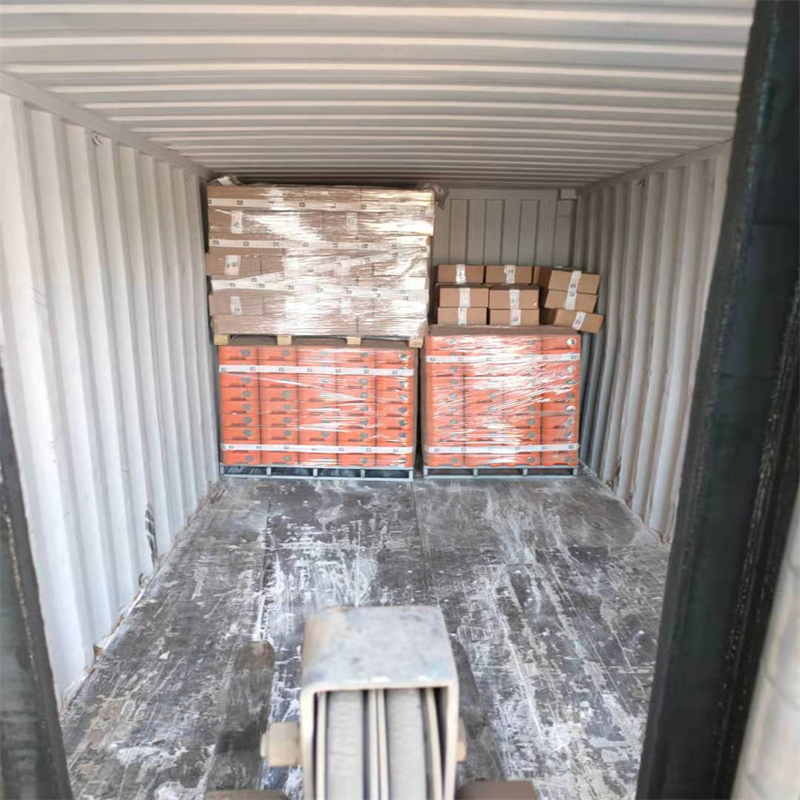
| 40HC container | 560 unit if covered clamp and base |
| Packing | Metal Pallet wrapped with plastic film |
| Productions Time | All stocked |
| Ocean time | 25 days to 35 days to any port of AU & NZ |
| What papers you provided after shipping containers | |
| Main: Packing list, Commercial Invoice, bill of lading copy or draft for telex release one, balance papers Plus | |
Temporary fencing panels MOQ 250 sets, 2100mm*2400mm, AS4687-2007, shipping to any port in AU & NZ
With long-term experience supplying Australia and New Zealand, POLYMETAL recommends selecting zinc thickness based on duty cycle and budget. Service life is influenced by climate, handling frequency, and site conditions, but product selection still matters. For many long-run fleets, the most cost-effective upgrade is the 42-micron hot dip galvanized option, which is widely accepted in AU & NZ markets and commonly referenced as around 300g/m² zinc. The 42-micron option typically offers roughly three times the anti-corrosion capability compared with 14 microns, making it a strong choice for buyers who want longer replacement cycles without
| 42 microns temporary fence technical data sheet | |
| Dimensions | 2100mm(H)*2400mm(W) |
| Tubing | OD 32mm*2.00mm thick |
| Mesh Spacing | 60mm*150mm |
| Infill mesh size | 1736mm*2336mm |
| V wire number | 36 *sticks wire *4.00mm |
| H wire number | 17 *sticks wire *4.00mm |
| Finished | 42 microns /300gram/SQM |
| Weight of panels | 20.5kg-22.0kg |
| Service life | Salt spray Testing Result at Least 5 years |
| 40HC container | 560 unit if covered clamp and base |
| Packing | Metal Pallet wrapped with plastic film |
| Productions Time | All stocked |
| Ocean time | 25 days to 35 days to any port of AU & NZ |
| What papers you provided after shipping containers | |
| Main: Packing list, Commercial Invoice, bill of lading copy or draft for telex release one, balance papers Plus | |
84 microns hot dipped galvanized temporary fence panels, HDG after fabricated, 2100mm*2400mm
Rust is the main long-term quality problem in temporary fencing, and heavier hot dip galvanizing is a primary solution for high-exposure environments. The 84-micron finish is commonly referenced around 600g/m² zinc and is selected when buyers want stronger corrosion resistance in harsh climates and higher salt-spray zones. In many AU hire fleets, buyers often choose 42 microns to manage cash flow, while many NZ buyers prefer 84 microns for longer-life performance across demanding weather conditions.
| 84 microns HDG temporary fence, hot dipped galvanized after fabricated | |
| Dimensions | 2100mm(H)*2400mm(W) |
| Tubing | OD 32mm*2.00mm thick |
| Mesh Spacing | 60mm*150mm |
| Infill mesh size | 1736mm*2336mm |
| V wire number | 36 *sticks wire *4.00mm |
| H wire number | 17 *sticks wire *4.00mm |
| Finished | 84 microns /600 gram/SQM |
| Weight of panels | 20.5kg-22.0kg |
| Service life | Salt spray Testing result least 15 years |
| 40HC container | 560 unit if covered clamp and base |
| Packing | Metal Pallet wrapped with plastic film |
| Productions Time | All stocked |
| Ocean time | 25 days to 35 days to any port of AU & NZ |
| What papers you provided after shipping containers | |
| Main: Packing list, Commercial Invoice, bill of lading copy or draft for telex release one, balance papers Plus | |
Applications
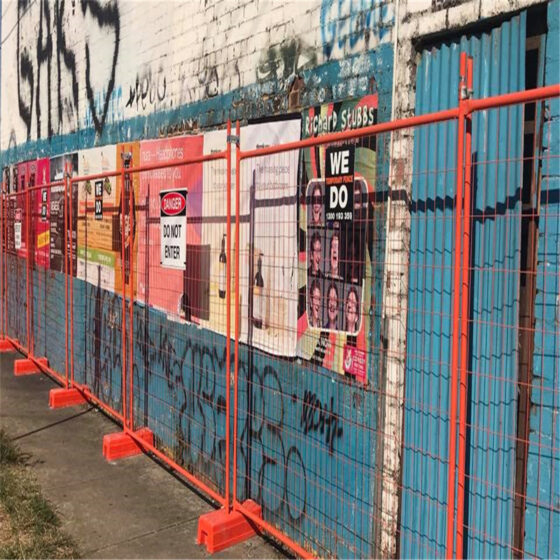
Standard temporary fencing is commonly used for construction sites, civil projects, road works, utilities, public works, events and venue perimeters, storage yard control, pedestrian management, and restricted access zones where crews must deploy a stable barrier quickly and reset the layout repeatedly. In AU & NZ, 2100mm height panels with 60×150mm mesh patterns are widely adopted for buildable site control and efficient logistics.
Benefits
A properly specified standard temporary fencing system delivers faster installation and cleaner site control because panels align predictably, clamps fit correctly, and the line stays straighter under wind and vibration. Correct frame wall thickness reduces bending and twist during stacking, heavier wire improves mesh stability under abuse, and controlled galvanizing levels reduce early rust at welds and cut points. When the fence is supplied as a matched kit (panels + clamps + bases + packing discipline), crews spend less time repairing and more time building.
Packing
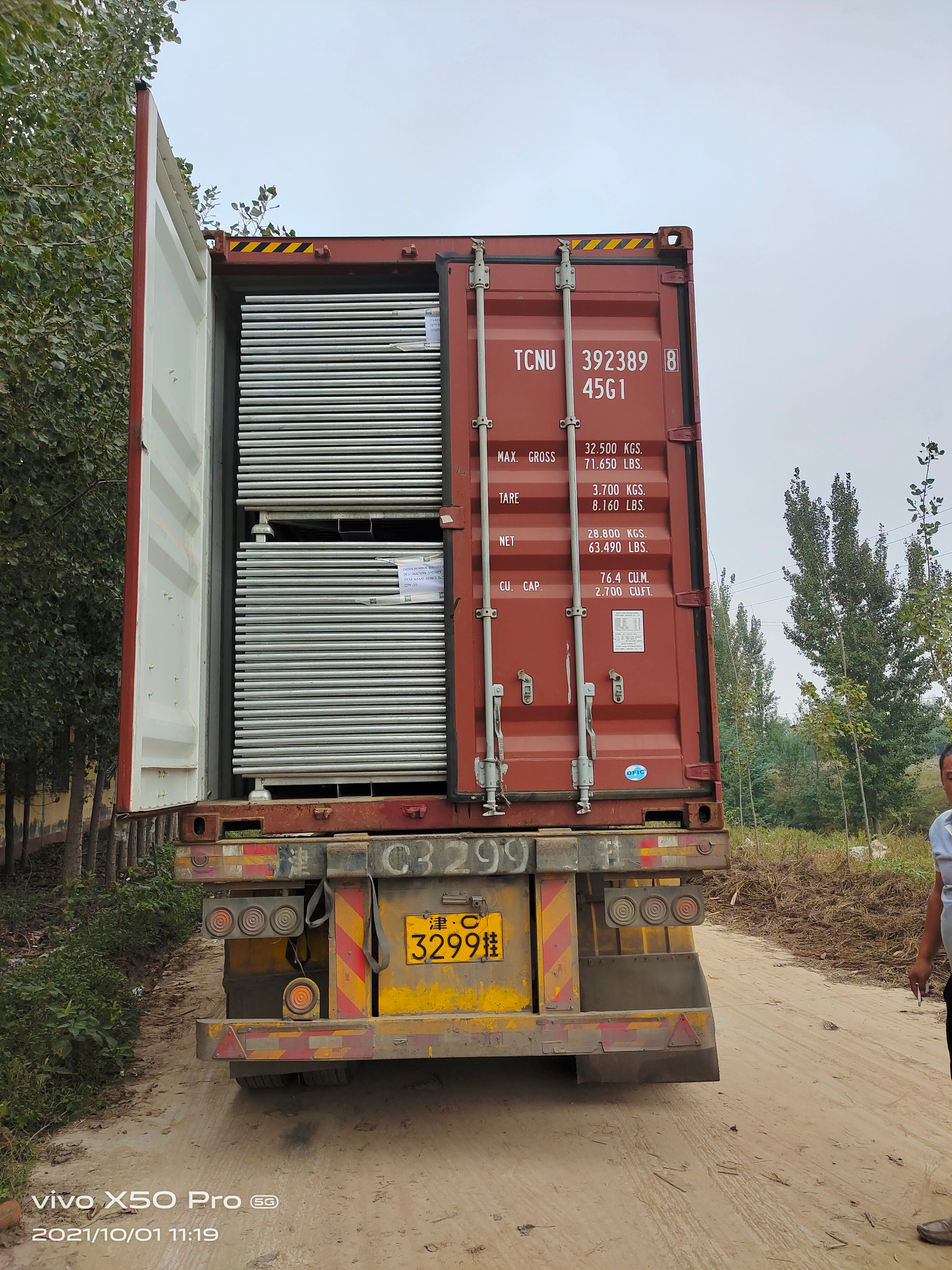
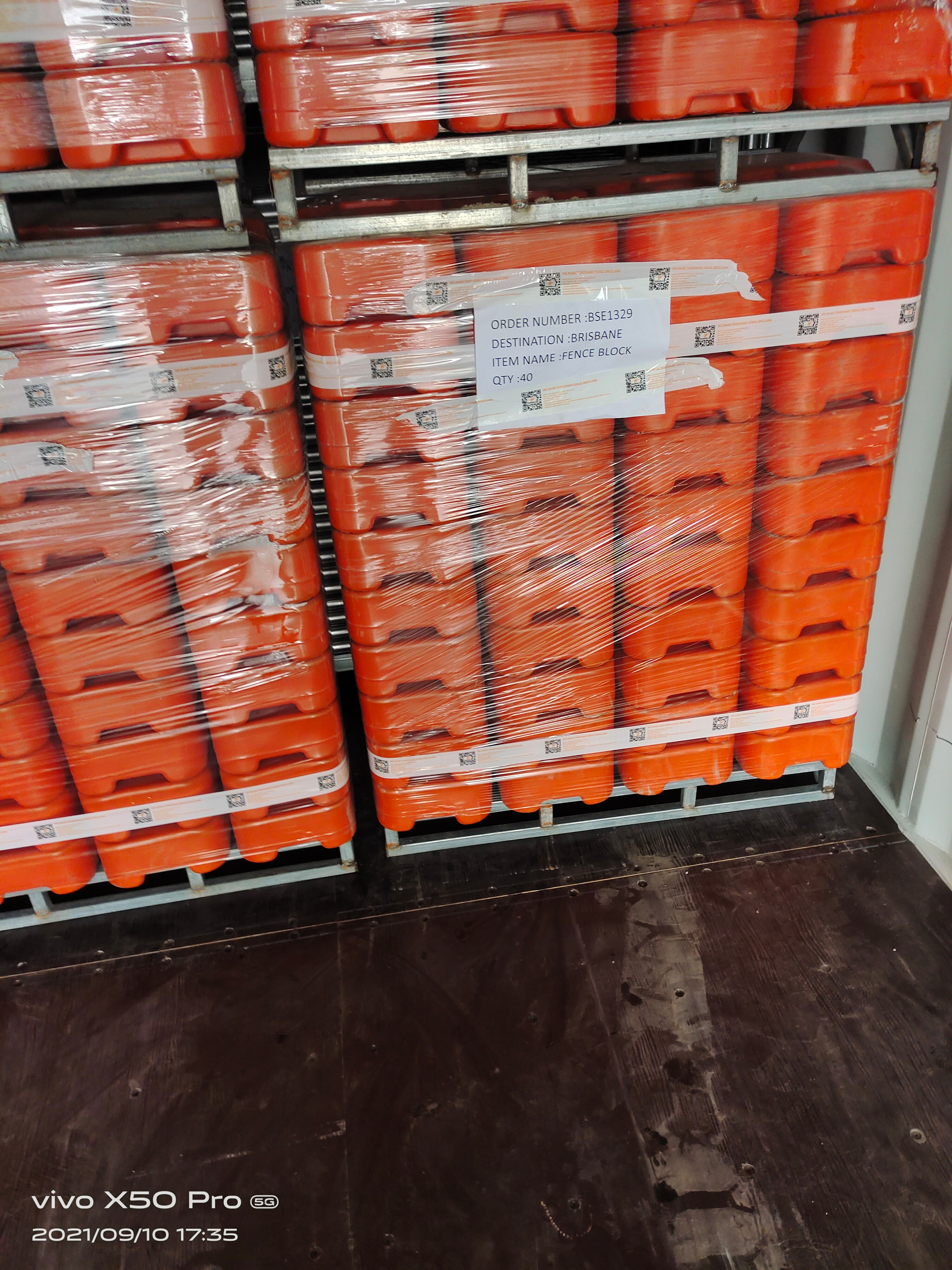
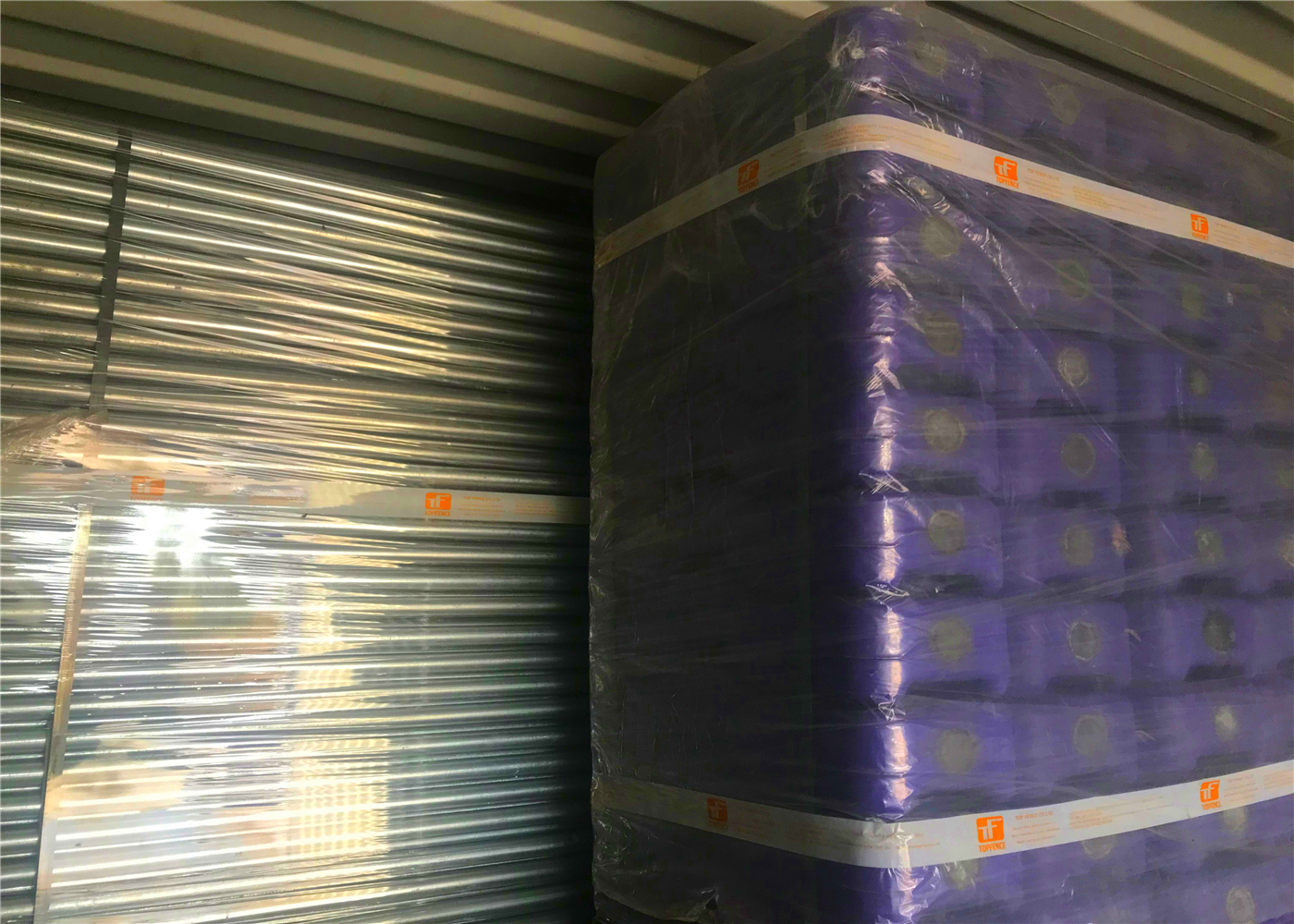
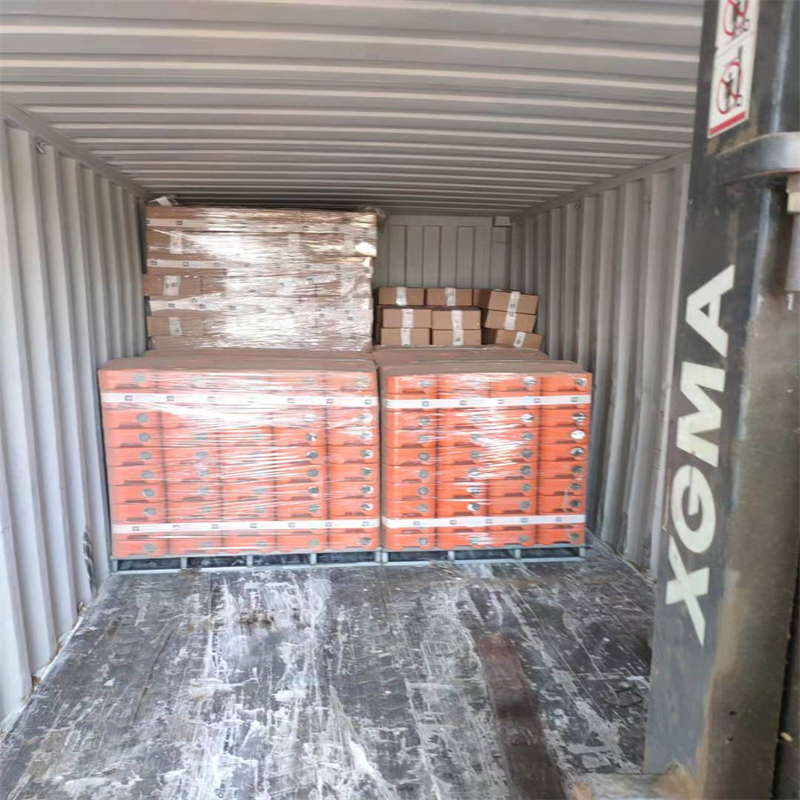
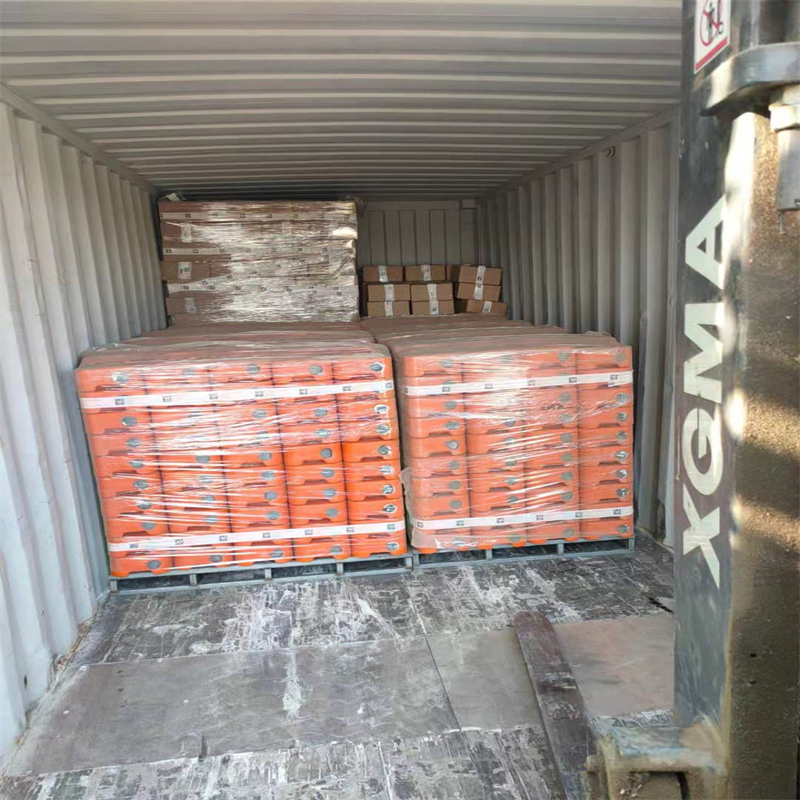
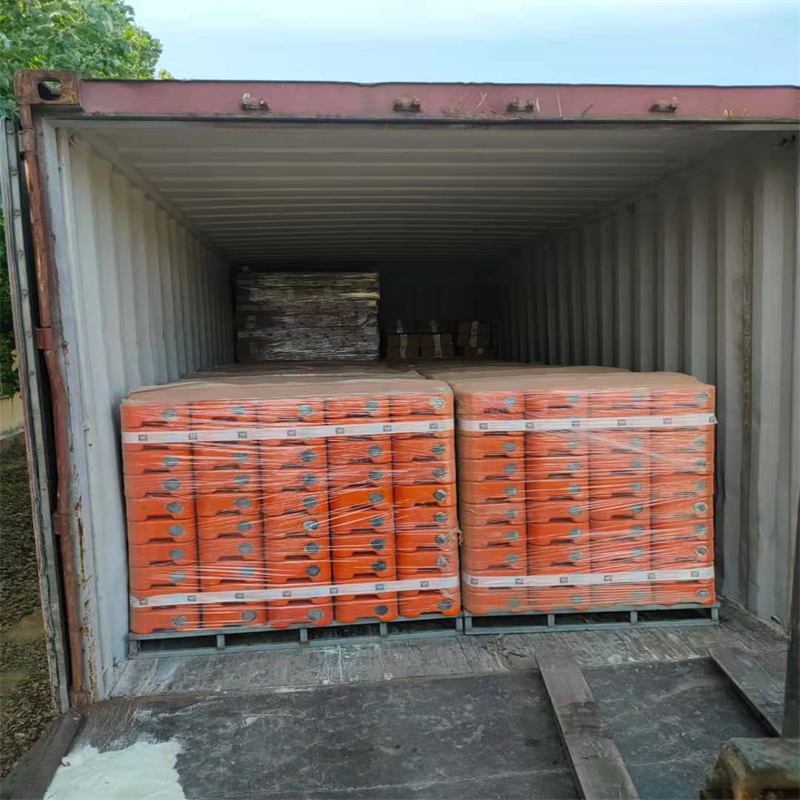
POLYMETAL typically packs standard temporary fencing in counted bundles on metal pallets with separation protection to reduce zinc scuffing and mesh rub-through during transport. Bundles are wrapped and banded for forklift handling, with labeling by panel width (2400/3300/3500), frame OD (32/38/40/41), wire diameter (2.7/3.0/4.0), finish grade (14μm/42μm/84–100μm), and brace status (with/without middle brace). Clamp and base sets are packed as counted cartons or pallets to prevent missing-component delays on site, and for projects that also require precision-grade mesh for filtration, screens, or architectural detailing, some buyers source stainless steel woven wire cloth in parallel so the full site package ships as one coordinated procurement plan.
Standards and FAQs
Standards
Write compliance into the purchase specification: panel size, mesh opening (60×150), wire diameter, frame OD and wall thickness, galvanizing level, weld touch-up method, and packing protection. POLYMETAL can manufacture standard temporary fencing to align with AS4687-2022 expectations when the project scope defines coating, corrosion protection, and system handling requirements clearly.
FAQs
Q: What is the most common “looks fine on paper” mistake?
A: Leaving zinc level and weld protection vague. Rust usually starts at welds and cut points first—so finish discipline is the fastest way to avoid early replacement cycles.
Q: Which panel width is best—2400mm, 3300mm, or 3500mm?
A: 2400mm is the most common “easy handling” module. 3300mm and 3500mm reduce panel count but must be controlled with mid-bracing and stronger packing discipline to prevent racking damage.
Q: Which frame OD should I choose?
A: OD32mm is widely used in standard programs. OD38–41mm can improve stiffness perception and handling tolerance when paired with the right wall thickness.
Q: Which wire diameter is safest for long-life rental cycles?
A: Heavier infill wire improves abuse tolerance. Buyers commonly specify 4.0mm where repeated handling is expected, while 3.0mm and 2.7mm can be used where duty cycle and budget allow.
Final Buying Reminder
If you want standard temporary fencing to deploy fast, stay straight, and avoid early rust, do not buy “standard by name.” Buy a matched POLYMETAL system: lock frame OD and wall thickness, define mesh opening and wire diameter, specify the galvanizing level (especially at welds), require mid-bracing rules for long panels, and demand packing that protects stacking points. That is how you avoid delays, rework, and replacement costs when the schedule is already locked.