Your One-Stop Wire Mesh Fence Supplier | POLYMETAL
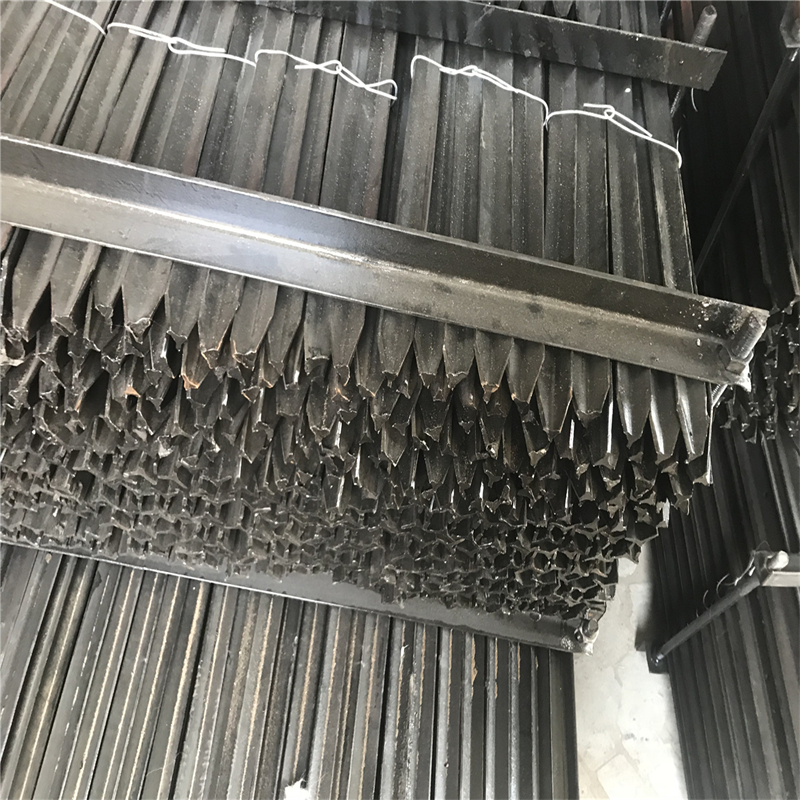
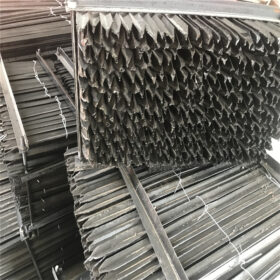
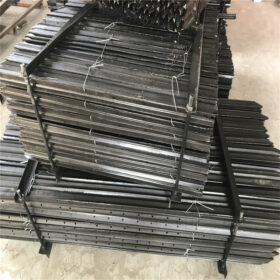
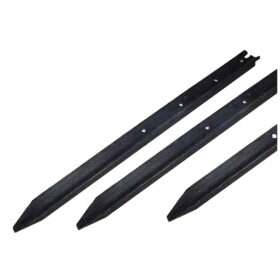
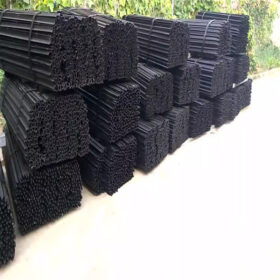
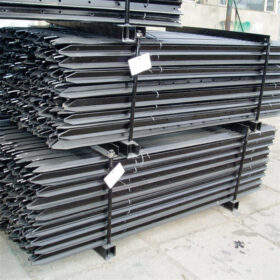
A star picket fence is a steel Y-post / star-post fencing system designed to carry wire or mesh under tension for rural boundaries, highway and rail protection lines, and security fencing. The problem is that many star pickets look similar, but real performance is decided by weight-per-meter, steel thickness, hole pattern, and coating choice—so a fence can look straight on install day and still end up with bent lines, loose wires, and expensive re-driving once soil pressure and fence tension work every day.
POLYMETAL Star Picket Fence Product Description
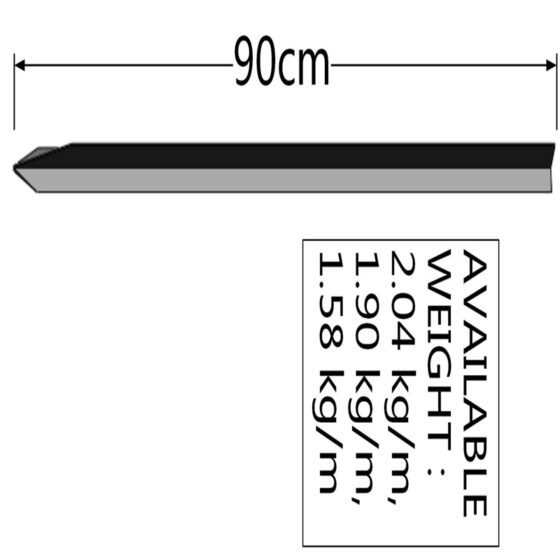
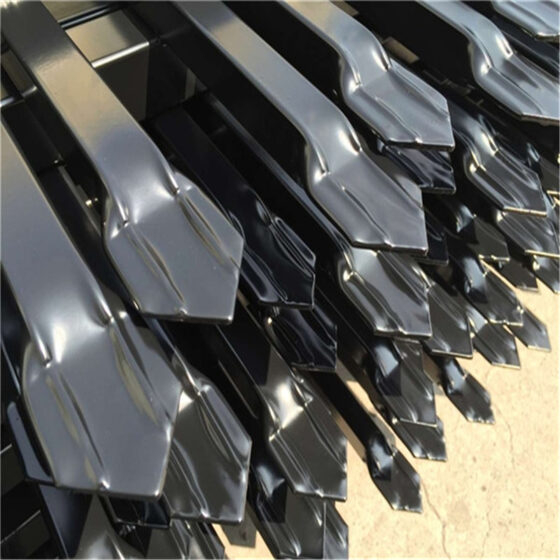
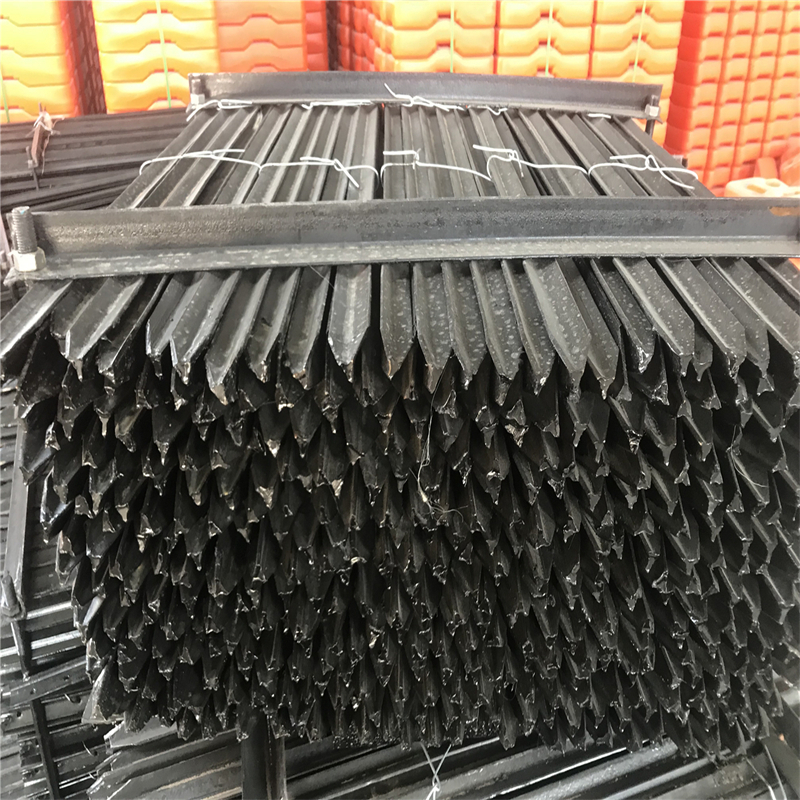
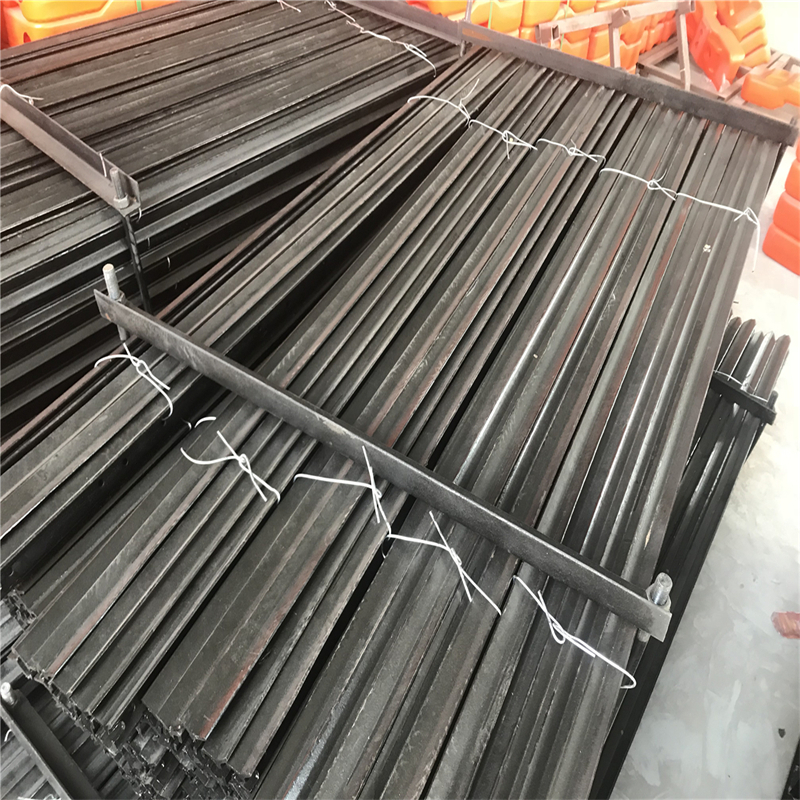
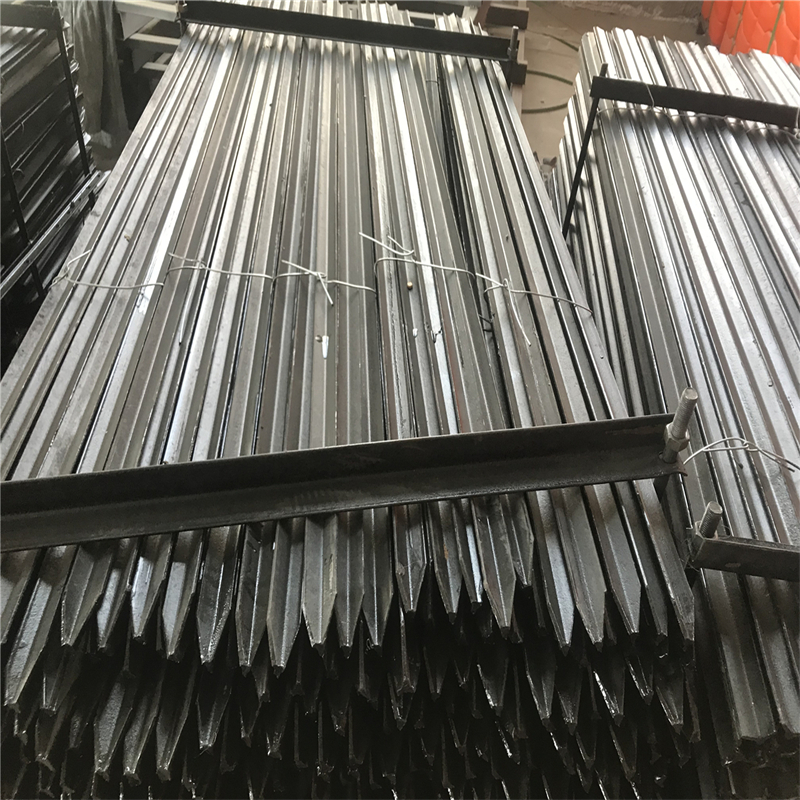
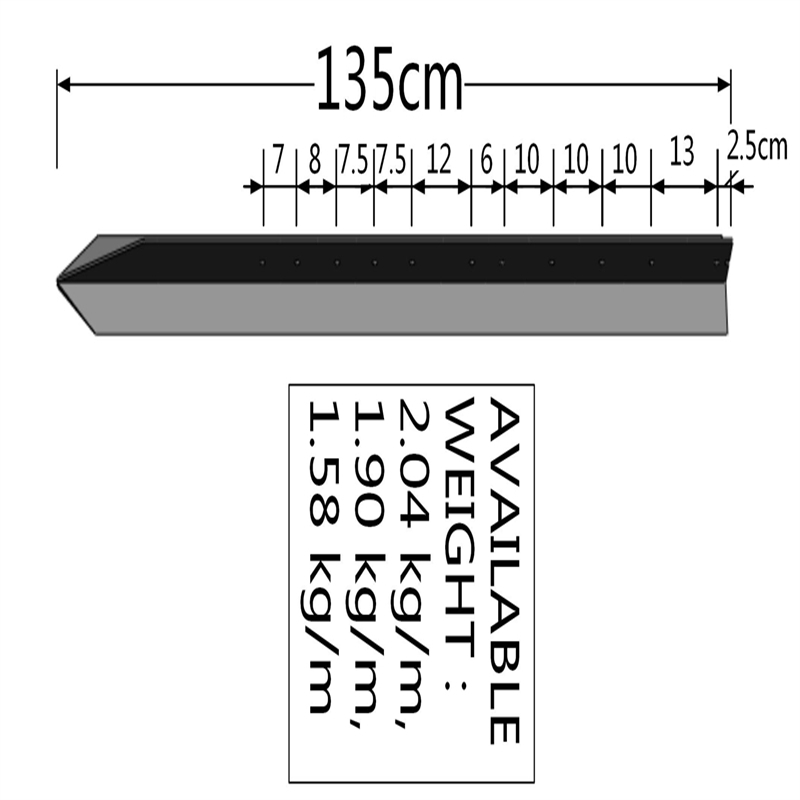
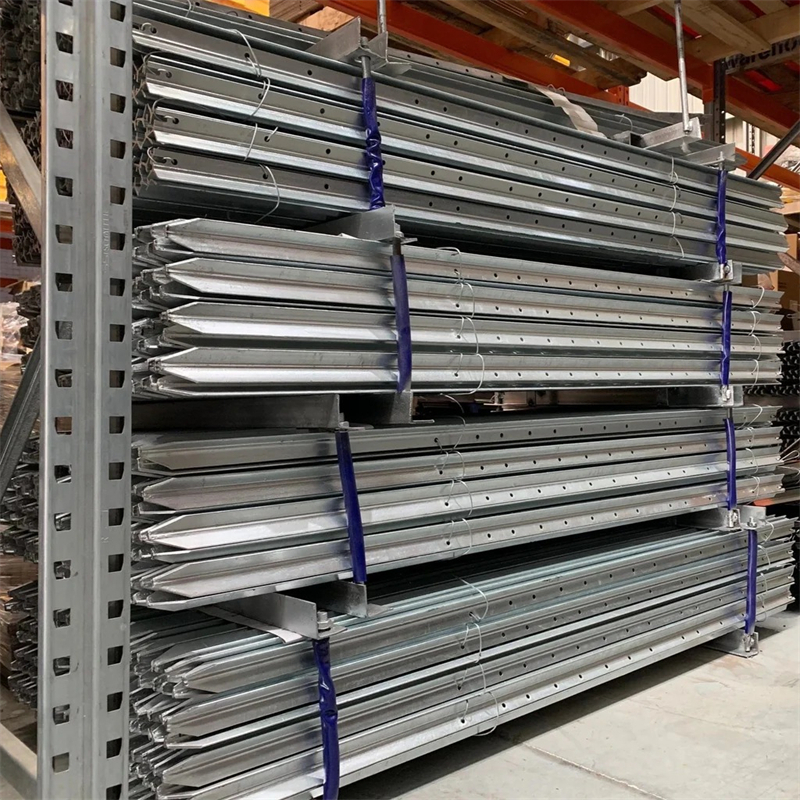
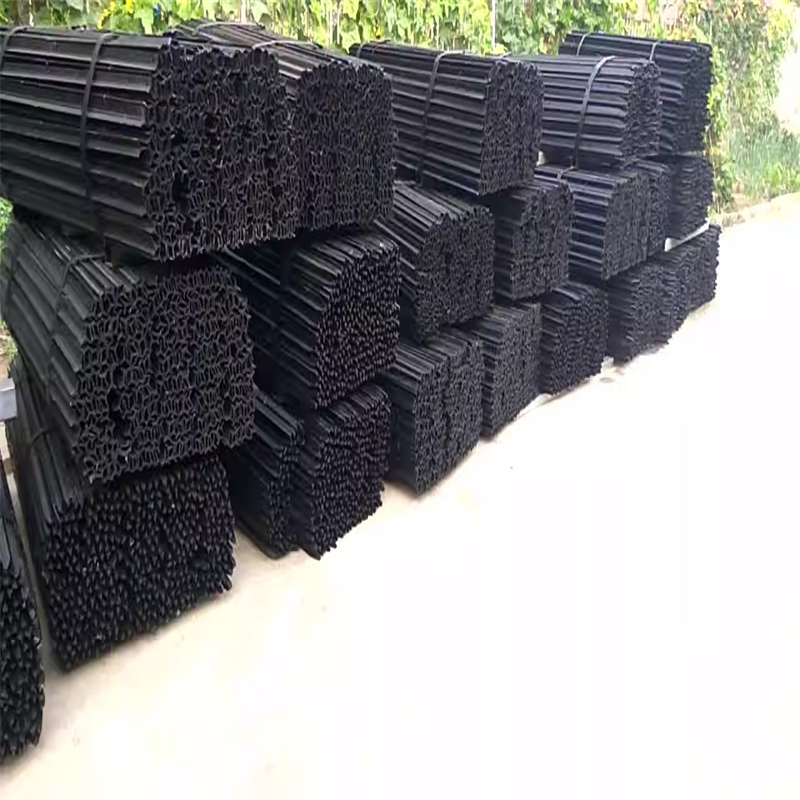
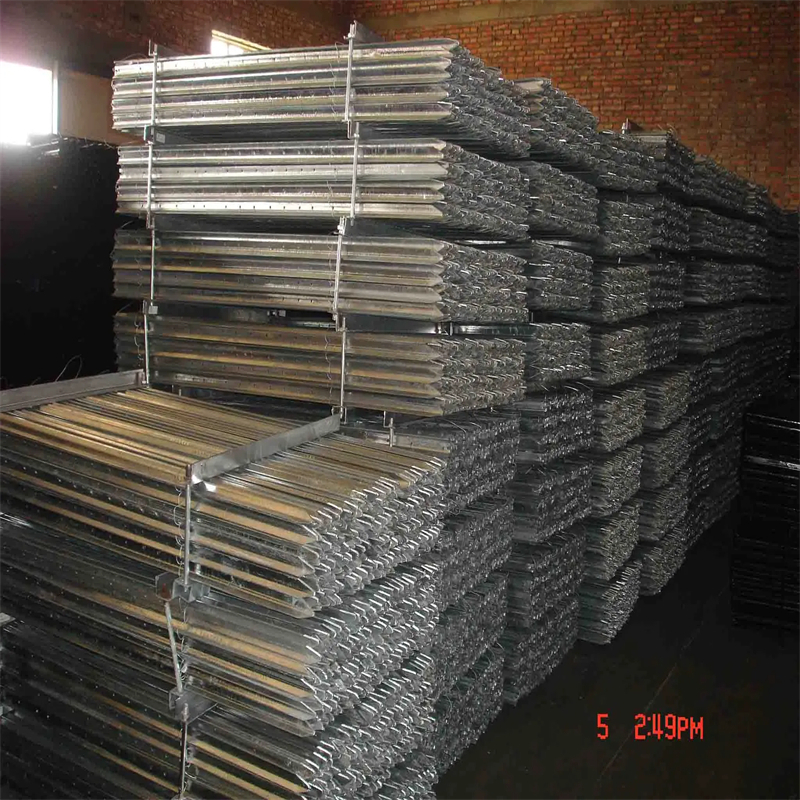
POLYMETAL star picket fence posts are supplied in multiple weight classes to match job load, soil condition, and fence tension. The most common series uses a 28 × 28 × 30 mm star profile and offers four mainstream weight options: 2.04 kg/m, 1.90 kg/m, 1.86 kg/m, and 1.58 kg/m. These weights correspond to practical steel thickness choices (3.0 mm, 2.6 mm, 2.5 mm, and 2.3 mm) that directly affect driving stability, resistance to bending, and long-run fence alignment. Hole quantities differ by market (Australia vs New Zealand) and by post height, allowing faster wire attachment at repeat heights and more consistent fence tension across long runs. For buyers running farm and construction fencing, the 1.35 m length at 1.58 kg/m is a common pick—but only when line tension, livestock pressure, and soil hardness are matched correctly to avoid lean and repeat labor—and this **garrison fencing posts** reference is a practical benchmark for comparing post-style support systems used in real commercial fencing builds.
Main Applications
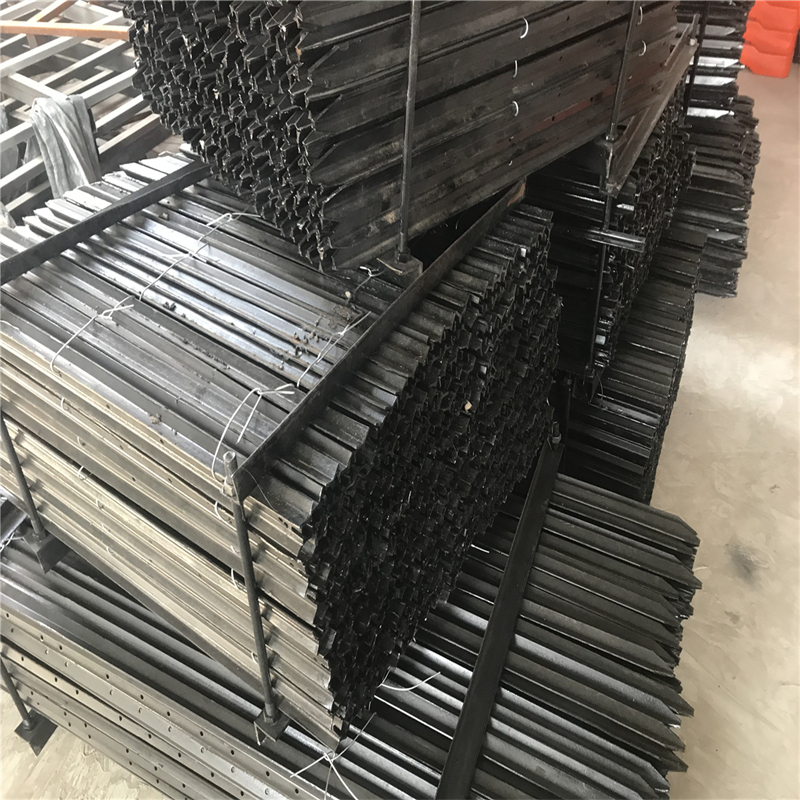
POLYMETAL star picket fence posts are widely used for protective wire mesh fencing on express highway and express railway lines, security fencing for beach farming, fish farming and salt farm perimeters, forestry and forestry source protection, and isolation fencing to protect husbandry areas and water sources.
The Top 21 Buying Traps That Decide Whether You Save Money—or Pay Twice
Why buyers think they bought “the same post,” then lose money later
- Choosing length by price instead of embedment depth turns straight lines into leaning lines.
- Buying by photo instead of weight-per-meter hides weak posts until they start drifting.
- Ignoring thickness differences makes “same size” posts bend very differently during driving.
- Using light posts in hard ground leads to bent pickets and slow installation.
- Over-tensioning wire on the wrong weight class twists posts and opens gaps.
- Skipping market hole patterns forces improvised tie points and uneven wire heights.
- Not matching hole quantity to fence height reduces usable wire positions and consistency.
- Mixing weights in one job creates soft sections that fail first under tension.
- Mixing heights in one run creates uneven stiffness and visible weak zones.
- Choosing the wrong coating for handling intensity accelerates early corrosion at impact points.
- Poor transport protection scrapes coatings and starts rust before installation ends.
Trap #12: Risk
If you select a lower weight-per-meter post (especially 1.58 kg/m) for a fence line that faces higher wire tension, livestock pressure, wind exposure, or unstable soils, the post can lean, twist, and lose alignment faster—forcing re-driving, re-straining, and repeat tightening. This is the budget-killer because it doesn’t fail once: it creates a cycle of labor and repair across the whole fence line.
- Buying 14-hole expectations for a height that only carries 7 holes causes layout delays.
- Choosing 0.45–0.9 m lengths where deeper embedment is required guarantees early lean.
- Over-buying long lengths in stable ground wastes money and increases handling damage.
- Ignoring hole spacing makes multi-wire layouts inconsistent and weak.
- Using wide hole gaps for tight-control livestock lines increases wire movement and slack.
- Not standardizing one spec across a project creates confusion and mixed-strength sections.
- Assuming “Australia/NZ standard” means identical drilling creates wire height mismatch.
- Underestimating corner/end loads causes the line to drift even if mid-line posts hold.
- Chasing lowest unit price instead of lowest rework cost makes you pay twice.
Specifications in Tables
| Item | 2.04 kg/m | 1.90 kg/m | 1.86 kg/m | 1.58 kg/m |
|---|---|---|---|---|
| Size | 28 × 28 × 30 mm | 28 × 28 × 30 mm | 28 × 28 × 30 mm | 28 × 28 × 30 mm |
| Thickness | 3.0 mm | 2.6 mm | 2.5 mm | 2.3 mm |
| Heights | 0.45 m | 0.6 m | 0.9 m | 1.35 m | 1.50 m | 1.65 m | 1.8 m | 2.1 m | 2.4 m |
|---|---|---|---|---|---|---|---|---|---|
| Holes (Australia) | 2 | 3 | 5 | 11 | 14 | 14 | 14 | 7 | 7 |
| Holes (New Zealand) | – | – | – | 7 | 7 | 7 | 8 | – | – |
| Length | 0.45 m | 0.60 m | 0.90 m | 1.35 m | 1.50 m | 1.65 m | 1.80 m | 2.10 m | 2.40 m |
|---|---|---|---|---|---|---|---|---|---|
| 1.58 kg/m | 1406 | 1054 | 703 | 468 | 421 | 386 | 351 | 301 | 263 |
| 1.86 kg/m | 1195 | 896 | 597 | 398 | 358 | 326 | 299 | 256 | 224 |
| 1.90 kg/m | 1170 | 877 | 585 | 390 | 351 | 319 | 292 | 251 | 219 |
| 2.04 kg/m | 1089 | 817 | 545 | 363 | 326 | 297 | 272 | 233 | 204 |
| Length | Holes Quantity | Hole Spacing (cm) |
|---|---|---|
| 0.45 m | 2 | 2.5/10 |
| 0.6 m | 3 | 2.4/12/12 |
| 0.9 m | 5 | 2.5/12/12/12/12 |
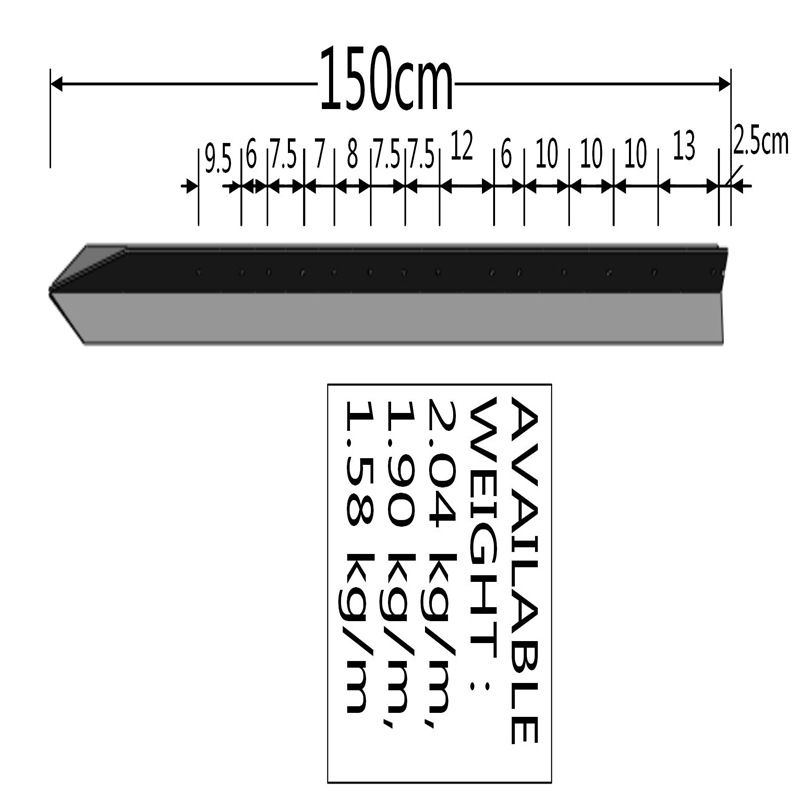
| 1.35 m | 11 | 2.5/13/10/10/10/6/12/7.5/7.5/8/7 |
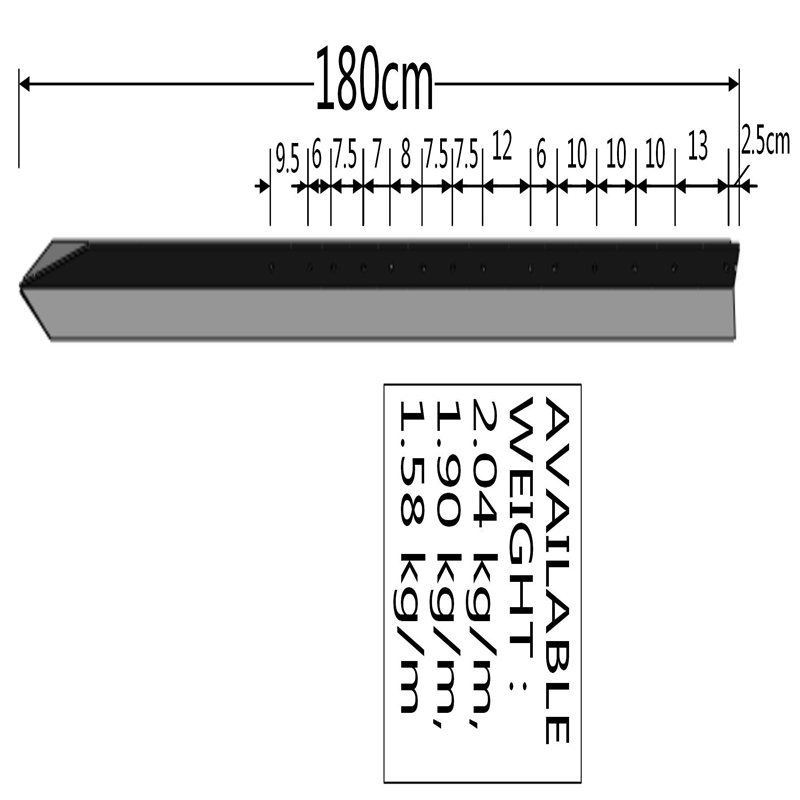
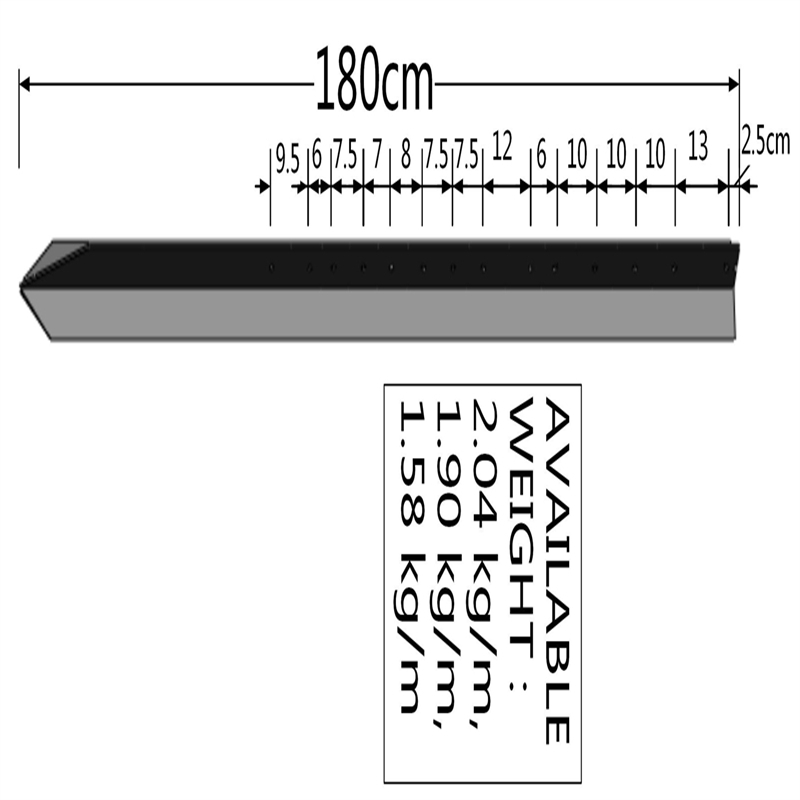
| 1.65 m | 14 | 2.5/13/10/10/10/6/12/7.5/7.5/8/7/7.5/6/9.5 |
| 1.80 m | 14 | 2.5/13/10/10/10/6/12/7.5/7.5/8/7/7.5/6/9.5 |
| 2.10 m | 7 | 2.5/27.5/30/30/30/30/30 |
| 2.40 m | 7 | 2.5/27.5/30/30/30/30/30 |
| Spec | Recommended Use | Weight Class | Thickness | Typical Length | Market Holes | Hole Advantage | Stability Note | Coating Option | Cost Control Note |
|---|---|---|---|---|---|---|---|---|---|
| SEL-01 | Light garden runs | 1.58 kg/m | 2.3 mm | 0.60–0.90 m | AU | Quick tie points | Low load only | Bitumen/EG | Lowest material cost |
| SEL-02 | Farm panels (common) | 1.58 kg/m | 2.3 mm | 1.35 m | AU/NZ | Repeat wire height | Match tension | Bitumen/HDG | Avoid Trap #12 |
| SEL-03 | General rural boundary | 1.86 kg/m | 2.5 mm | 1.35–1.65 m | AU/NZ | More wire options | Balanced stiffness | HDG | Good lifetime value |
| SEL-04 | Higher tension lines | 1.90 kg/m | 2.6 mm | 1.50–1.80 m | AU/NZ | Standard heights | Less line drift | HDG | Lower rework risk |
| SEL-05 | Soft soil embedment | 2.04 kg/m | 3.0 mm | 2.10–2.40 m | AU | Stable tie range | Deep-set control | HDG | Stops early leaning |
| SEL-06 | Wind-exposed long runs | 2.04 kg/m | 3.0 mm | 2.40 m | AU | Consistent holes | Best alignment | HDG | Reduced repairs |
| SEL-07 | Coastal/aggressive handling | 1.90–2.04 kg/m | 2.6–3.0 mm | 1.80–2.40 m | AU/NZ | Fast fixing | Impact resistant | Bitumen/HDG | Lower coating failure |
| SEL-08 | Forestry protection | 1.86–1.90 kg/m | 2.5–2.6 mm | 1.65–2.10 m | AU/NZ | Repeat heights | Stable runs | HDG | Less maintenance |
| SEL-09 | Highway/rail mesh support | 1.90–2.04 kg/m | 2.6–3.0 mm | 1.80–2.40 m | AU | Secure tie points | Resists vibration | HDG | Prevents loosening |
| SEL-10 | Max stability projects | 2.04 kg/m | 3.0 mm | 2.40 m | AU | Wide spacing holes | Deep control | HDG | Lowest rework |
Conclusion
POLYMETAL star picket fence posts look simple, but they decide whether your fence line stays tight or becomes a cycle of leaning pickets, slack wires, and repeat labor. If you avoid the Top 21 traps—especially Trap #12 Risk—and match weight, thickness, hole pattern, and coating to real tension and soil conditions, you protect alignment, reduce re-driving, and keep your total fence cost controlled over time—and for buyers comparing long-life surface protection choices across metal products, this **PVD coating advantages** guide is a helpful reference.