Your One-Stop Wire Mesh Fence Supplier | POLYMETAL
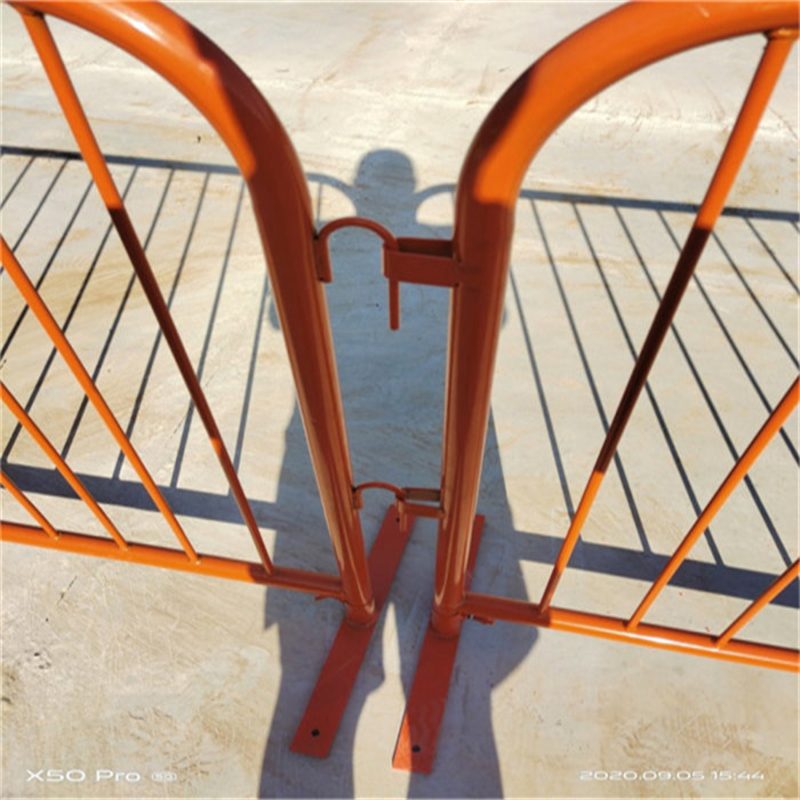
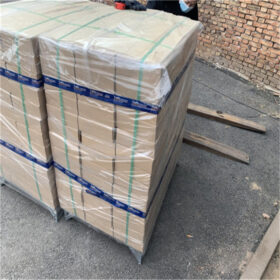
steel crowd control barriers are selected because they create fast, professional perimeter control for events, construction zones, queue lines, and public safety management. The hidden danger is that many barriers look the same in photos, yet behave very differently under pressure. A slightly thinner frame tube, a weaker upright layout, sloppy welding, or the wrong surface treatment can turn “orderly control” into bending panels, unstable feet, sharp weld points, and embarrassing failures when the crowd pushes.
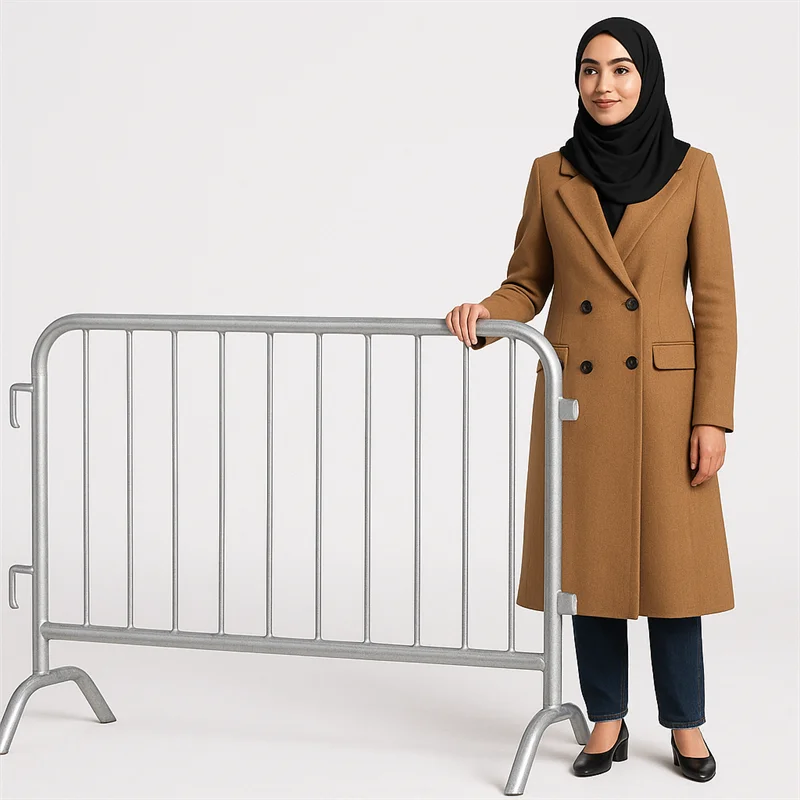
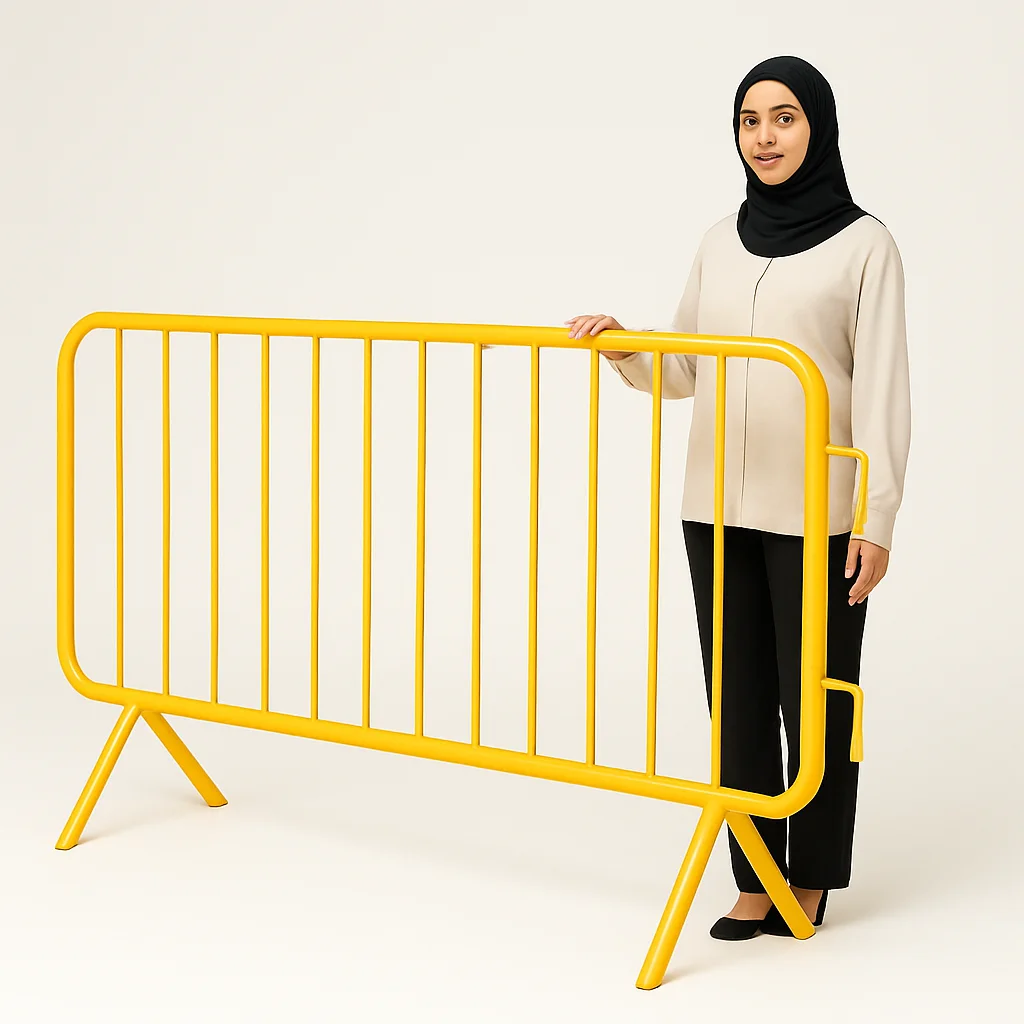
Brand Overview: POLYMETAL
POLYMETAL supplies steel crowd control barriers as a controlled system rather than random batches. That means panel geometry is consistent, tube options are defined (frame OD and wall thickness), upright OD and spacing are repeatable, welding is full-coverage and cleaned, and packing is engineered to reduce rubbing damage in transit. This system-first approach helps buyers avoid the most expensive outcome: barriers that arrive “usable,” then fail during deployment, causing stop-work delays, safety risk, and urgent replacement orders—especially when you compare the heavy duty crowd control barriers class of build standards where stiffness and weld integrity decide real-world performance.
Product Description: POLYMETAL steel crowd control barriers
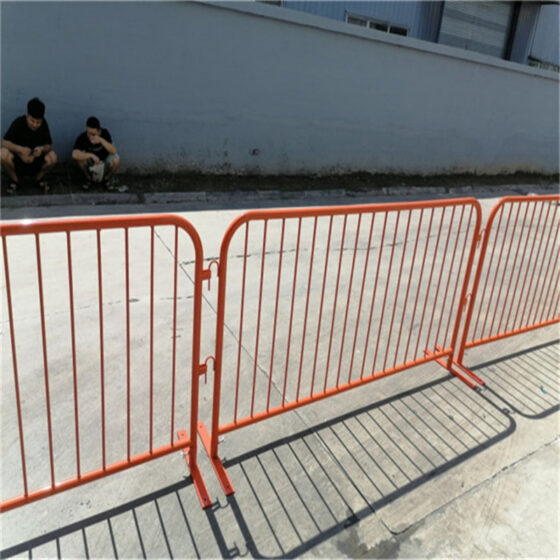
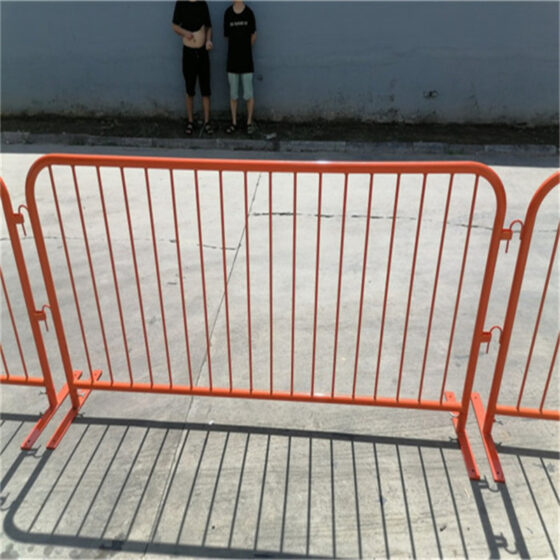
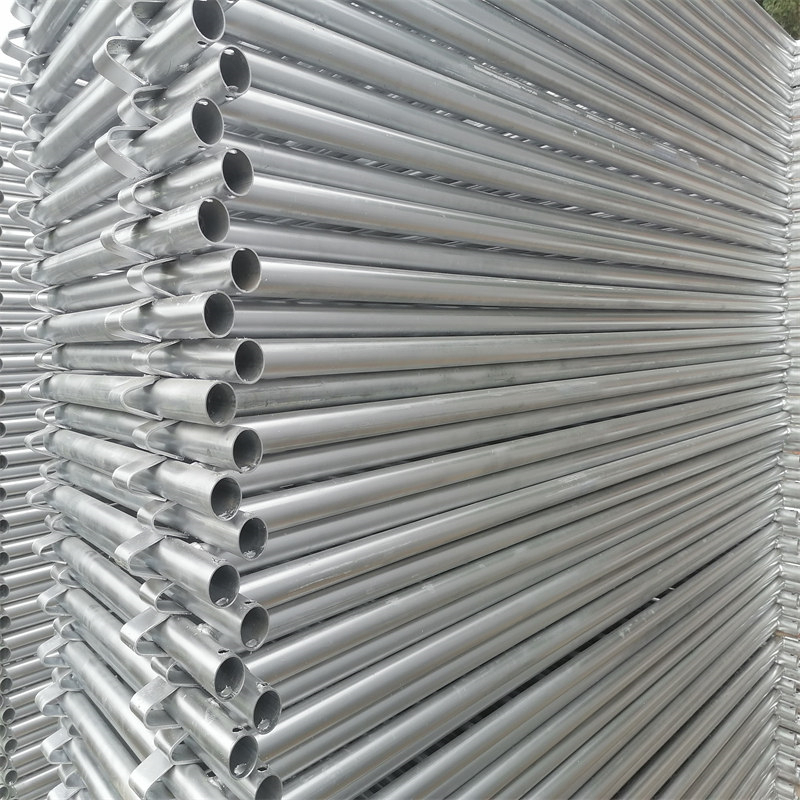
POLYMETAL steel crowd control barriers are manufactured using black steel pipe or hot dipped galvanized pipe, formed into a rigid frame and infill structure, then finished to match service-life targets. Common sizes include heights of 1.0m, 1.06m, 1.1m, and 1.2m, with lengths (widths) of 2.0m, 2.2m, 2.5m, and 2.6m to suit different crowd density and site layouts. Frame tube options typically include 25mm, 32mm, 35mm, and 38mm with wall thickness choices of 1.5mm, 1.6mm, and 2.0mm to control stiffness and impact resistance.
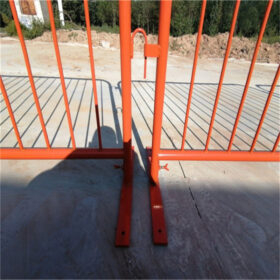
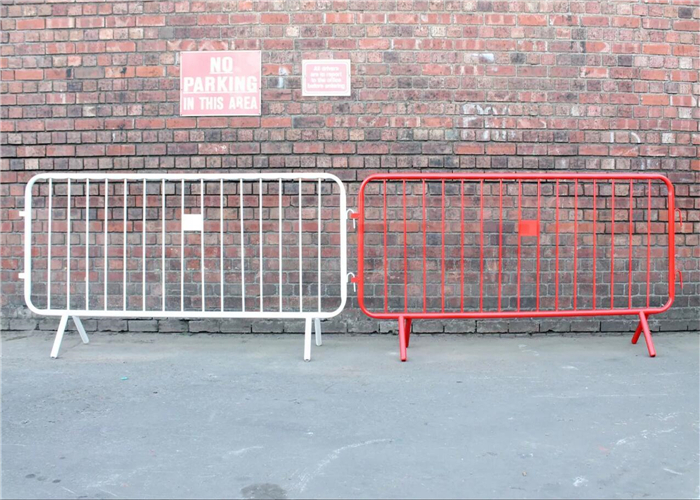
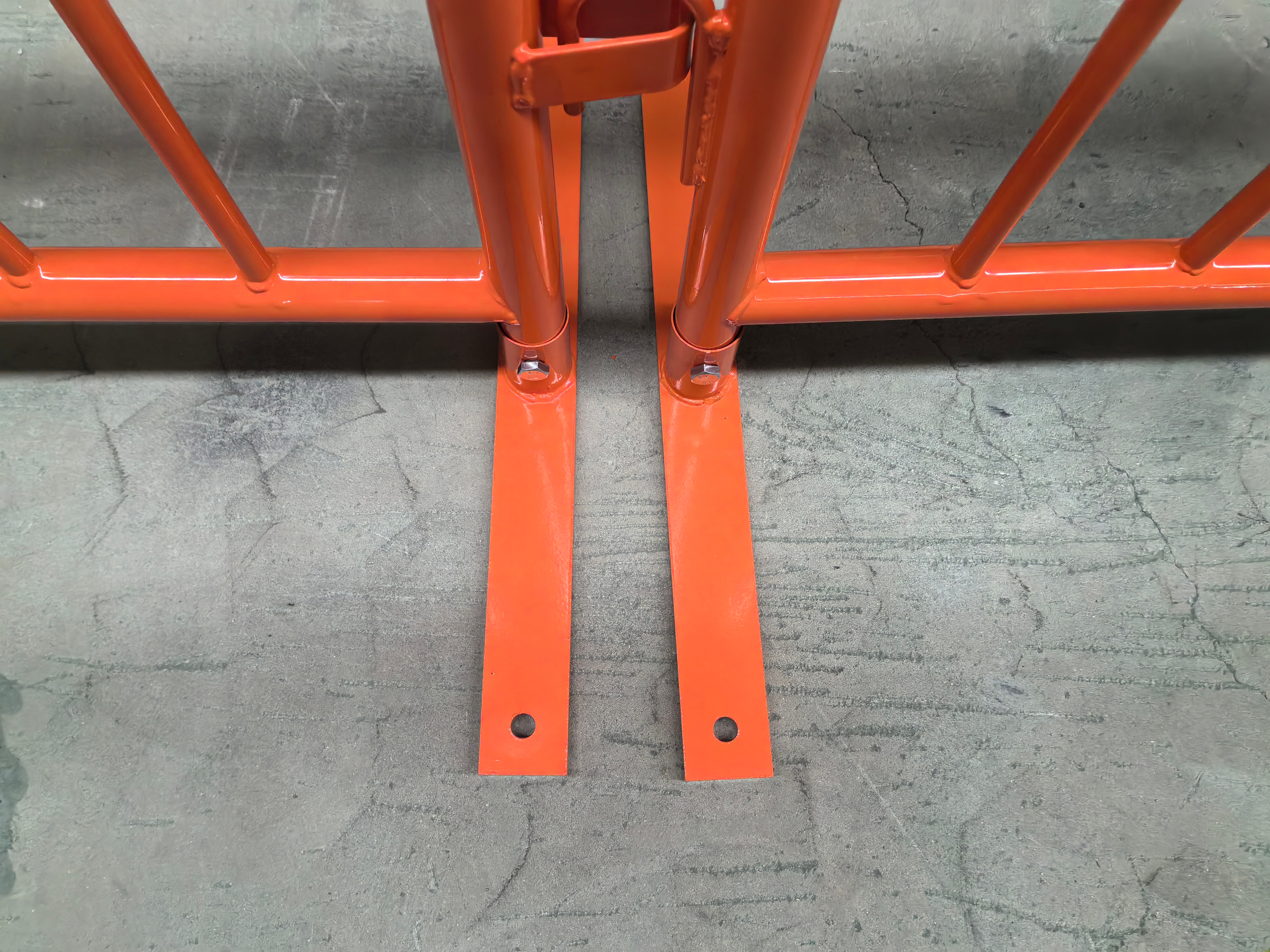
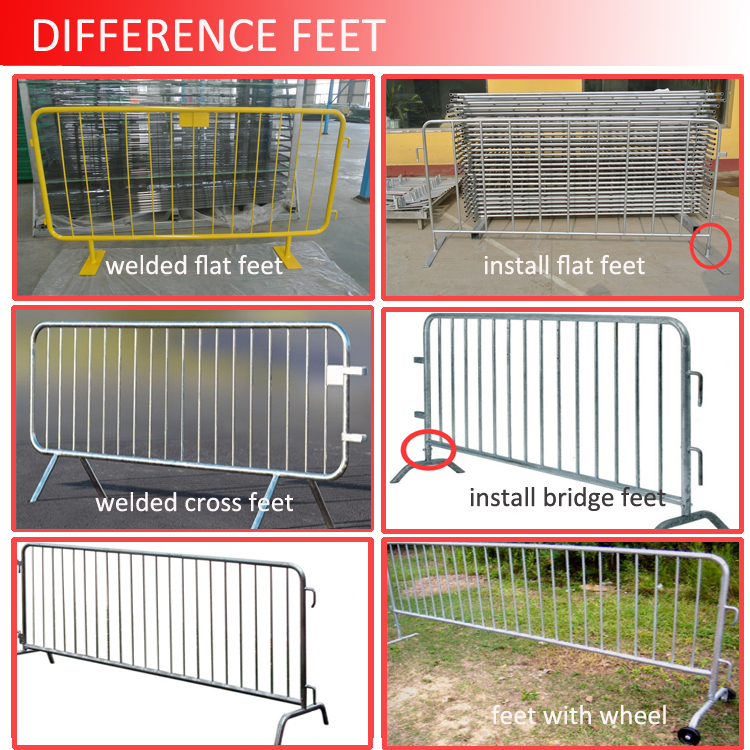
Upright (infill) tubes can be configured with OD 19mm, OD 16mm, or OD 12mm, with thickness options such as 0.7mm, 0.80mm, 1.0mm, and 1.2mm. Upright spacing can be set at 90mm, 100mm, 150mm, or 200mm depending on the “containment feel,” visibility, and anti-slip-through requirements. For footing, a common flat steel base reference is 580×50×10mm, and systems can also be supplied with wheel feet, bridge feet, and V feet depending on how barriers are stored, moved, and deployed.
Surface treatment is a major decision driver. Hot dipped galvanized only (typical zinc coating around 450g) is chosen when service life and corrosion resistance must be high, commonly achieving long-term use expectations around 10 years. Silver painted versions typically reflect lighter zinc coverage (often in the 40–60g range) and are widely used where recycling and shorter service life (roughly 3–5 years) is acceptable. Powder coated options are commonly chosen when appearance and branding matter, especially for public-facing events.
Product Process: How POLYMETAL Builds “Tough-to-Fail” Barriers
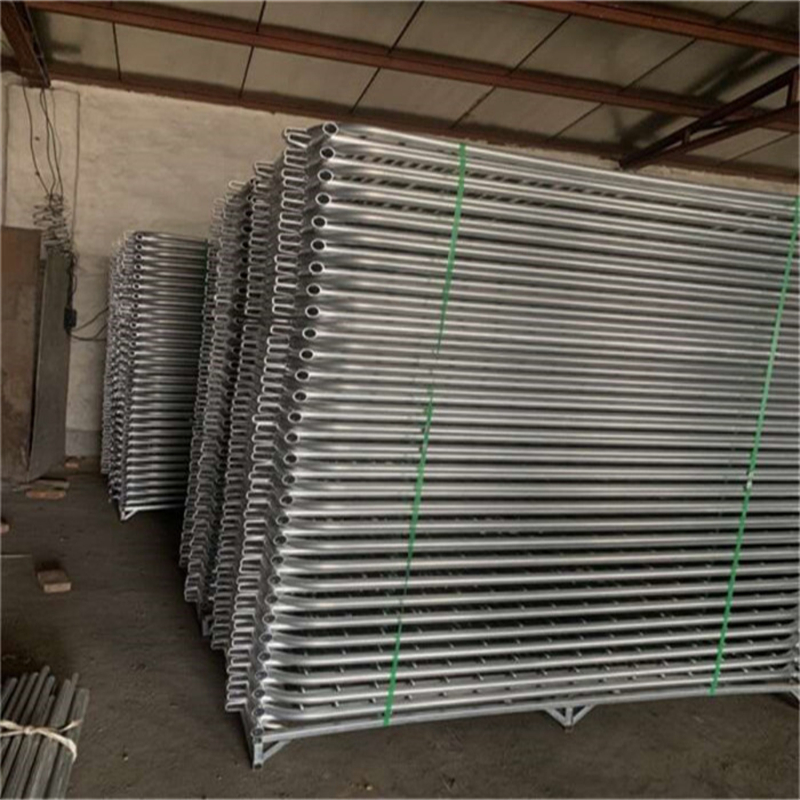
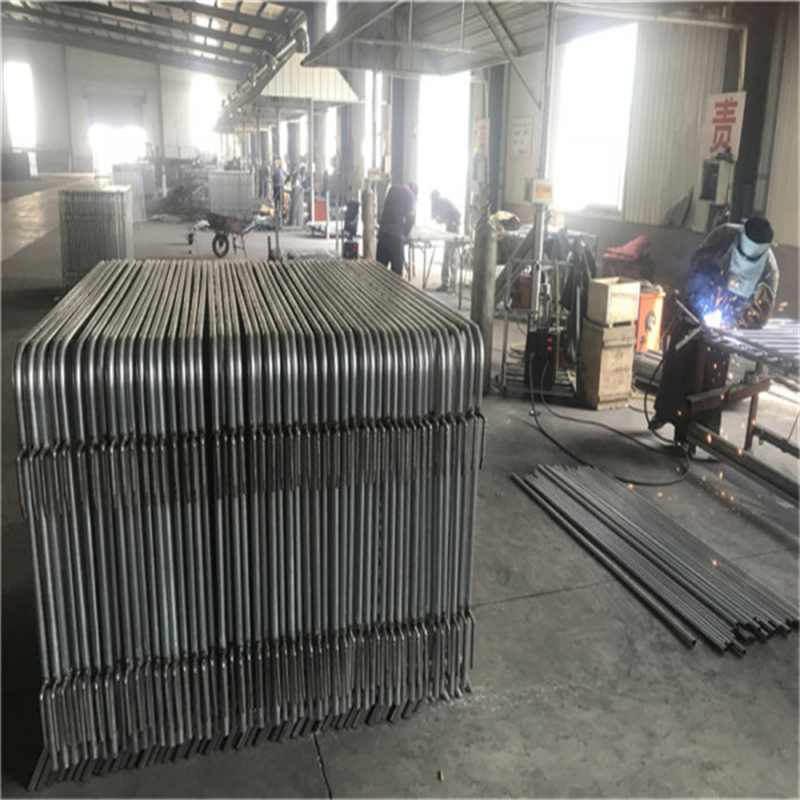
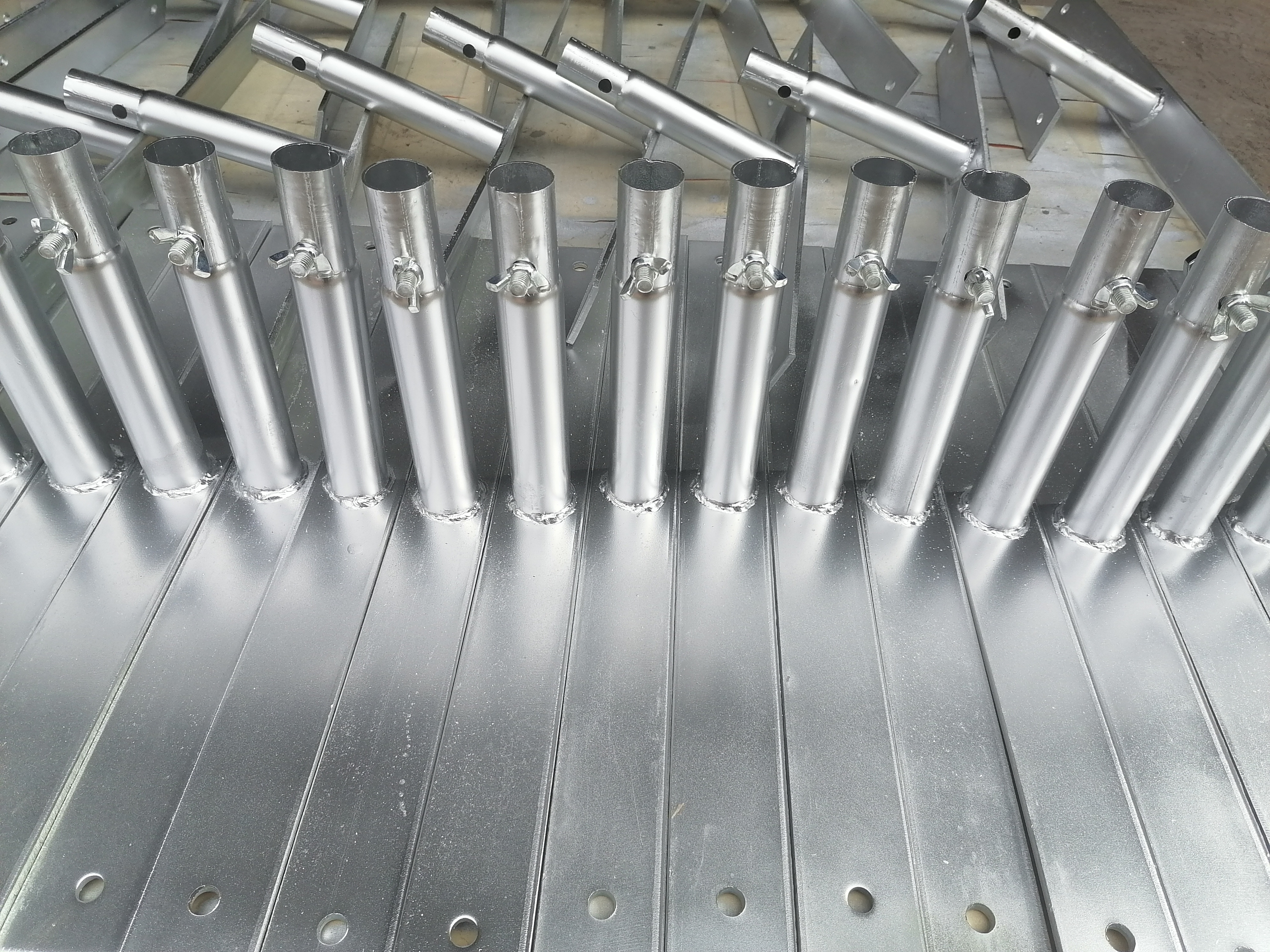
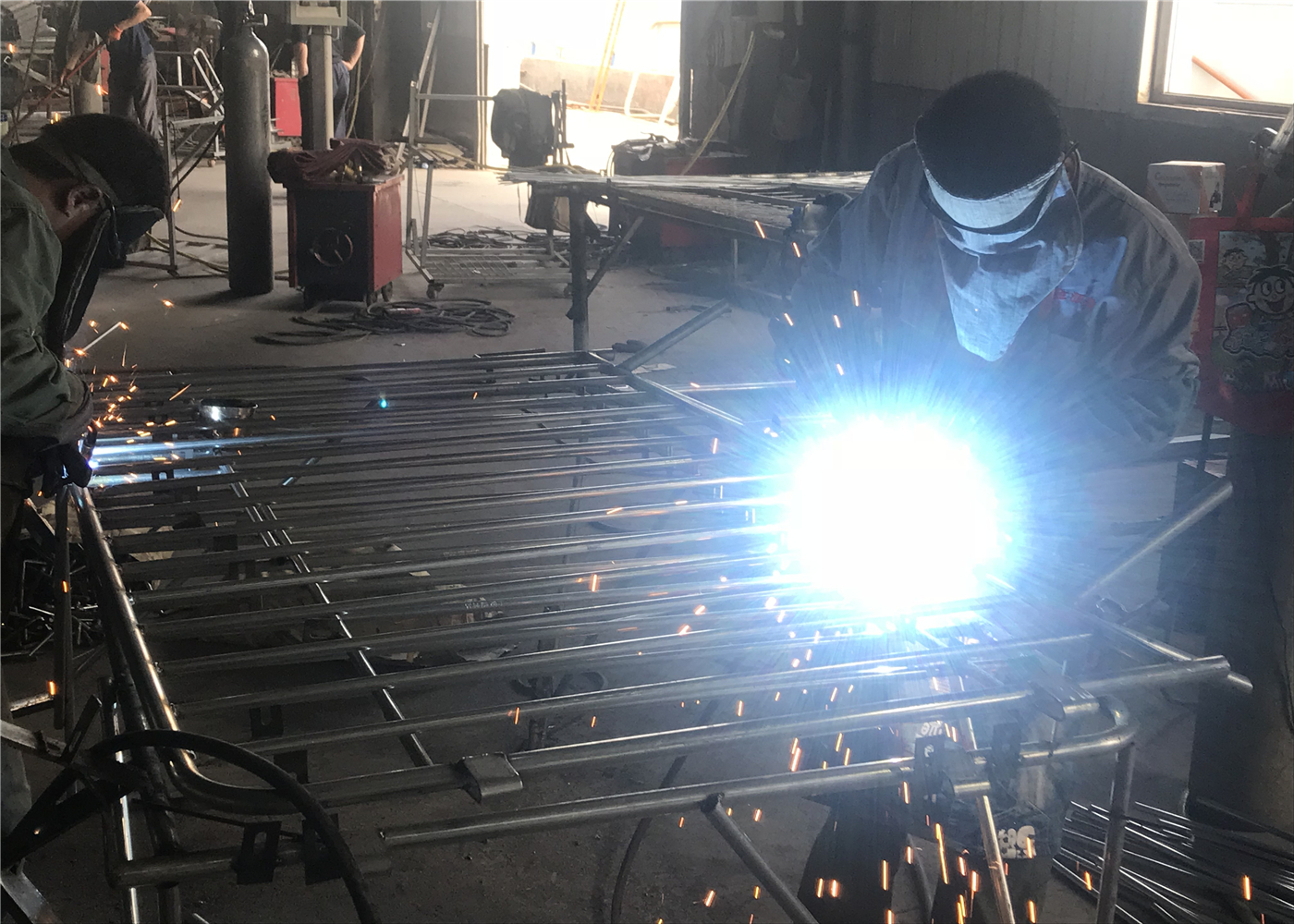
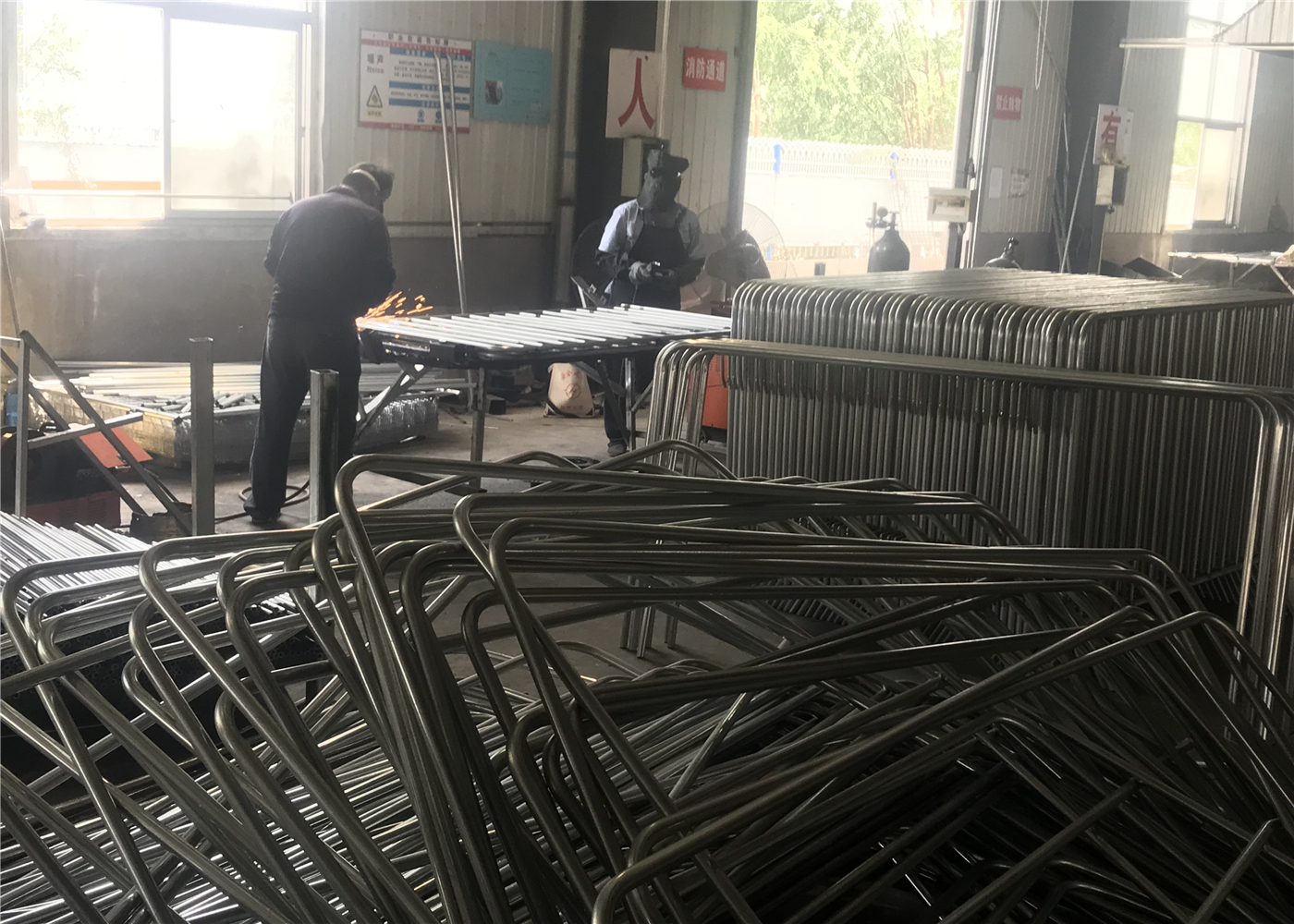
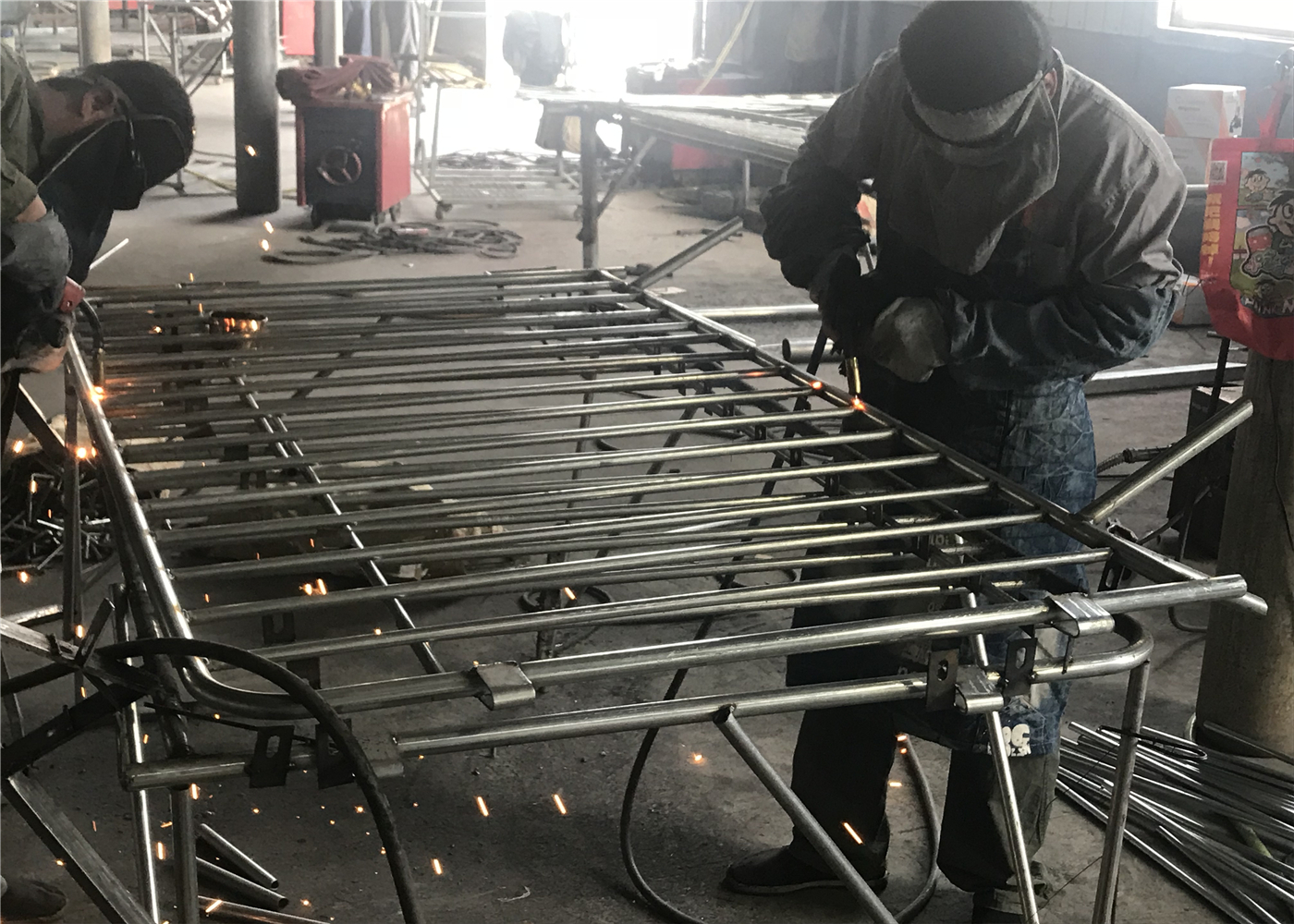
Production typically follows a repeatable flow: raw tube selection → cutting → jig positioning → 360-degree full welding → weld slag polishing → surface preparation → hot dipped galvanizing and/or painting/powder coating → inspection → pallet packing. POLYMETAL focuses on full welding coverage to reduce opening points, and weld cleanup to keep the surface smooth with fewer bubbles, burrs, and sharp edges that can become safety risks during handling.
Specifications: steel crowd control barriers
Table 1: Hot Dipped Galvanized (450g) steel crowd control barriers — Heavy Duty / Long Service Target
| Height | Length | Frame Tube | Frame Wall | Upright Tube | Upright Thick | Spacing | Foot Type | Flat Steel Foot | Surface |
|---|---|---|---|---|---|---|---|---|---|
| 1.0m | 2.0m | 25mm | 1.5mm | OD16mm | 0.80mm | 100mm | Flat | 580×50×10mm | HDG 450g |
| 1.0m | 2.2m | 32mm | 1.6mm | OD16mm | 1.0mm | 90mm | Bridge | 580×50×10mm | HDG 450g |
| 1.06m | 2.0m | 32mm | 1.5mm | OD19mm | 0.80mm | 150mm | V Feet | 580×50×10mm | HDG 450g |
| 1.06m | 2.2m | 35mm | 1.6mm | OD16mm | 1.0mm | 100mm | Flat | 580×50×10mm | HDG 450g |
| 1.1m | 2.0m | 35mm | 2.0mm | OD19mm | 1.2mm | 90mm | Bridge | 580×50×10mm | HDG 450g |
| 1.1m | 2.5m | 38mm | 1.6mm | OD16mm | 1.0mm | 100mm | V Feet | 580×50×10mm | HDG 450g |
| 1.2m | 2.0m | 38mm | 2.0mm | OD19mm | 1.2mm | 100mm | Wheel Feet | 580×50×10mm | HDG 450g |
| 1.2m | 2.2m | 35mm | 2.0mm | OD16mm | 1.0mm | 150mm | Flat | 580×50×10mm | HDG 450g |
| 1.1m | 2.6m | 38mm | 2.0mm | OD19mm | 1.0mm | 100mm | Bridge | 580×50×10mm | HDG 450g |
| 1.06m | 2.6m | 32mm | 2.0mm | OD16mm | 1.2mm | 90mm | V Feet | 580×50×10mm | HDG 450g |
Table 2: Silver Painted steel crowd control barriers — Recycle / Cost-Control / Shorter Service Target
| Height | Length | Frame Tube | Frame Wall | Upright Tube | Upright Thick | Spacing | Foot Type | Flat Steel Foot | Surface |
|---|---|---|---|---|---|---|---|---|---|
| 1.0m | 2.0m | 25mm | 1.5mm | OD12mm | 0.70mm | 200mm | Flat | 580×50×10mm | Silver Painted (40–60g) |
| 1.0m | 2.2m | 25mm | 1.6mm | OD12mm | 0.80mm | 150mm | Bridge | 580×50×10mm | Silver Painted (40–60g) |
| 1.06m | 2.0m | 32mm | 1.5mm | OD16mm | 0.80mm | 200mm | V Feet | 580×50×10mm | Silver Painted (40–60g) |
| 1.06m | 2.2m | 32mm | 1.6mm | OD12mm | 0.80mm | 150mm | Flat | 580×50×10mm | Silver Painted (40–60g) |
| 1.1m | 2.0m | 35mm | 1.5mm | OD16mm | 1.0mm | 150mm | Bridge | 580×50×10mm | Silver Painted (40–60g) |
| 1.1m | 2.5m | 35mm | 1.6mm | OD12mm | 0.70mm | 200mm | V Feet | 580×50×10mm | Silver Painted (40–60g) |
| 1.2m | 2.0m | 38mm | 1.6mm | OD16mm | 1.0mm | 150mm | Wheel Feet | 580×50×10mm | Silver Painted (40–60g) |
| 1.2m | 2.2m | 32mm | 1.5mm | OD12mm | 0.80mm | 200mm | Flat | 580×50×10mm | Silver Painted (40–60g) |
| 1.1m | 2.6m | 35mm | 1.6mm | OD16mm | 0.80mm | 150mm | Bridge | 580×50×10mm | Silver Painted (40–60g) |
| 1.06m | 2.6m | 38mm | 1.5mm | OD12mm | 0.70mm | 200mm | V Feet | 580×50×10mm | Silver Painted (40–60g) |
Table 3: Powder Coated steel crowd control barriers — Appearance / Branding / Public-Facing Use
| Height | Length | Frame Tube | Frame Wall | Upright Tube | Upright Thick | Spacing | Foot Type | Flat Steel Foot | Surface |
|---|---|---|---|---|---|---|---|---|---|
| 1.0m | 2.0m | 32mm | 1.5mm | OD16mm | 0.80mm | 100mm | Flat | 580×50×10mm | Powder Coated |
| 1.0m | 2.2m | 32mm | 1.6mm | OD19mm | 1.0mm | 90mm | Bridge | 580×50×10mm | Powder Coated |
| 1.06m | 2.0m | 35mm | 1.6mm | OD16mm | 1.0mm | 100mm | V Feet | 580×50×10mm | Powder Coated |
| 1.06m | 2.2m | 25mm | 1.5mm | OD12mm | 0.80mm | 150mm | Flat | 580×50×10mm | Powder Coated |
| 1.1m | 2.0m | 35mm | 2.0mm | OD19mm | 1.2mm | 90mm | Bridge | 580×50×10mm | Powder Coated |
| 1.1m | 2.5m | 38mm | 1.6mm | OD16mm | 1.0mm | 100mm | V Feet | 580×50×10mm | Powder Coated |
| 1.2m | 2.0m | 38mm | 2.0mm | OD19mm | 1.2mm | 90mm | Wheel Feet | 580×50×10mm | Powder Coated |
| 1.2m | 2.2m | 35mm | 1.6mm | OD16mm | 1.0mm | 100mm | Flat | 580×50×10mm | Powder Coated |
| 1.1m | 2.6m | 38mm | 2.0mm | OD16mm | 1.2mm | 90mm | Bridge | 580×50×10mm | Powder Coated |
| 1.06m | 2.6m | 32mm | 1.6mm | OD19mm | 1.0mm | 100mm | V Feet | 580×50×10mm | Powder Coated |
Applications: steel crowd control barriers
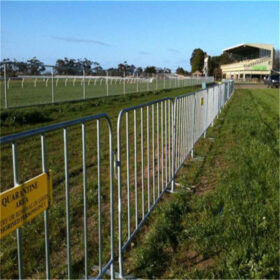
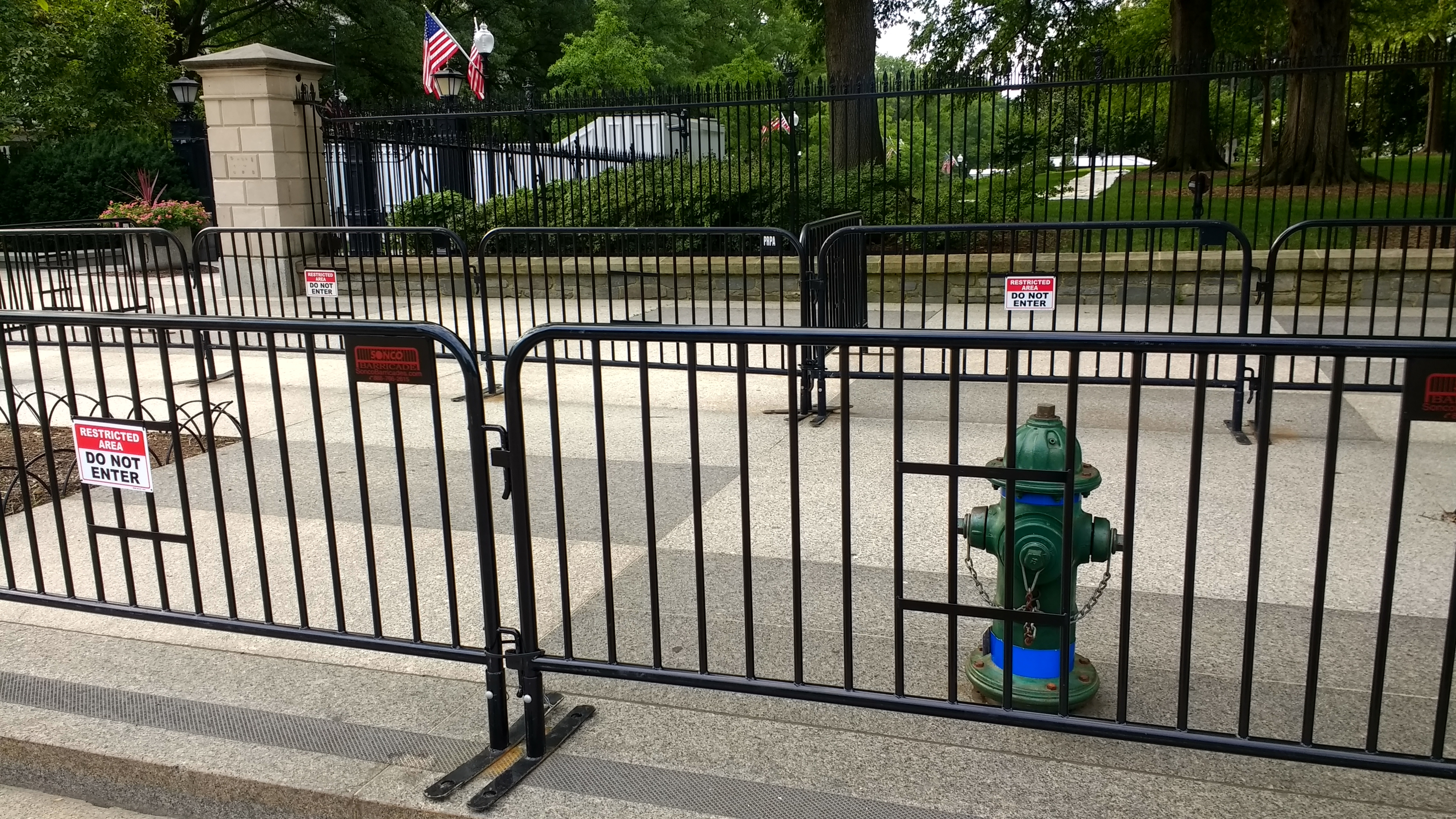
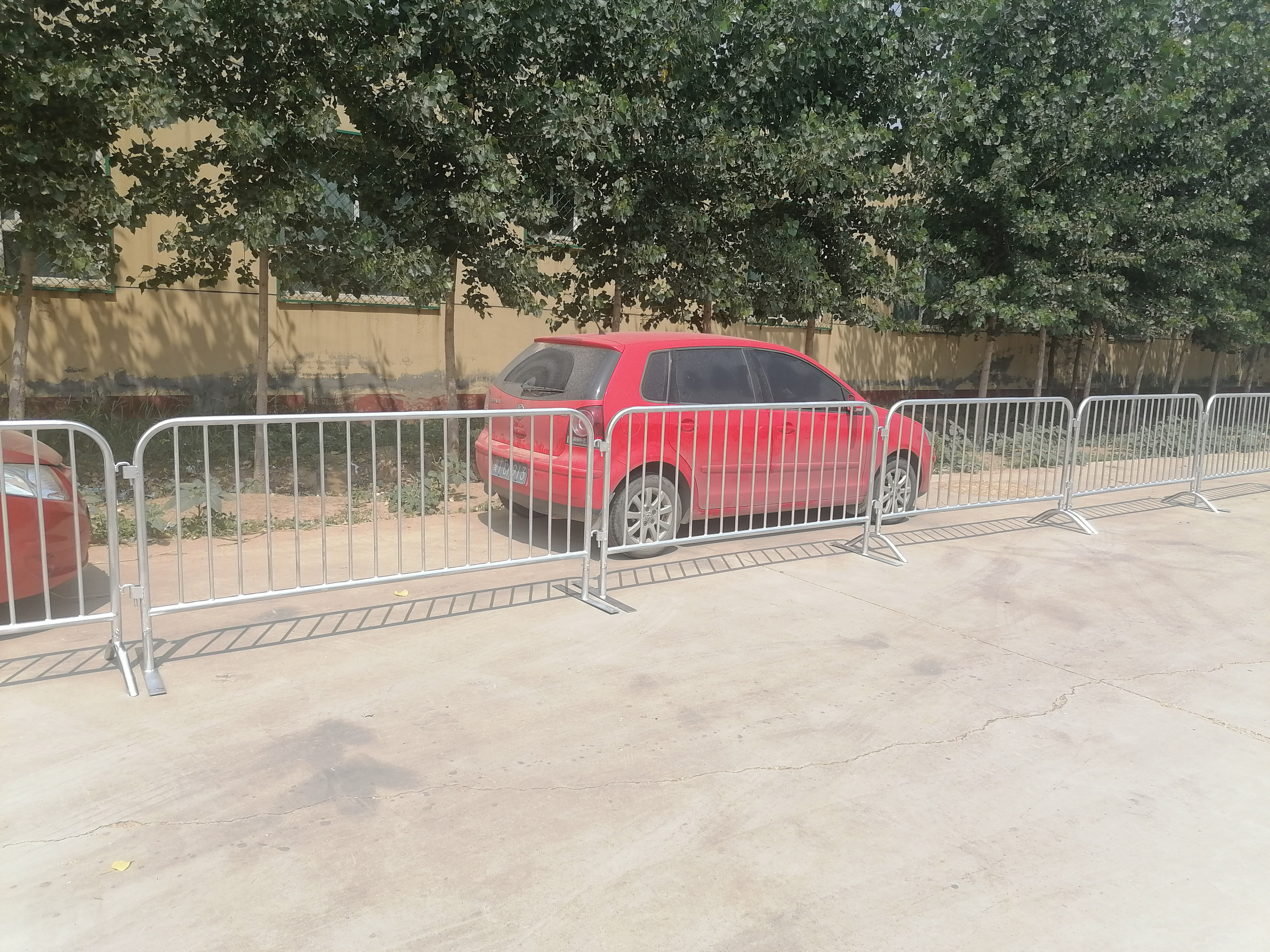
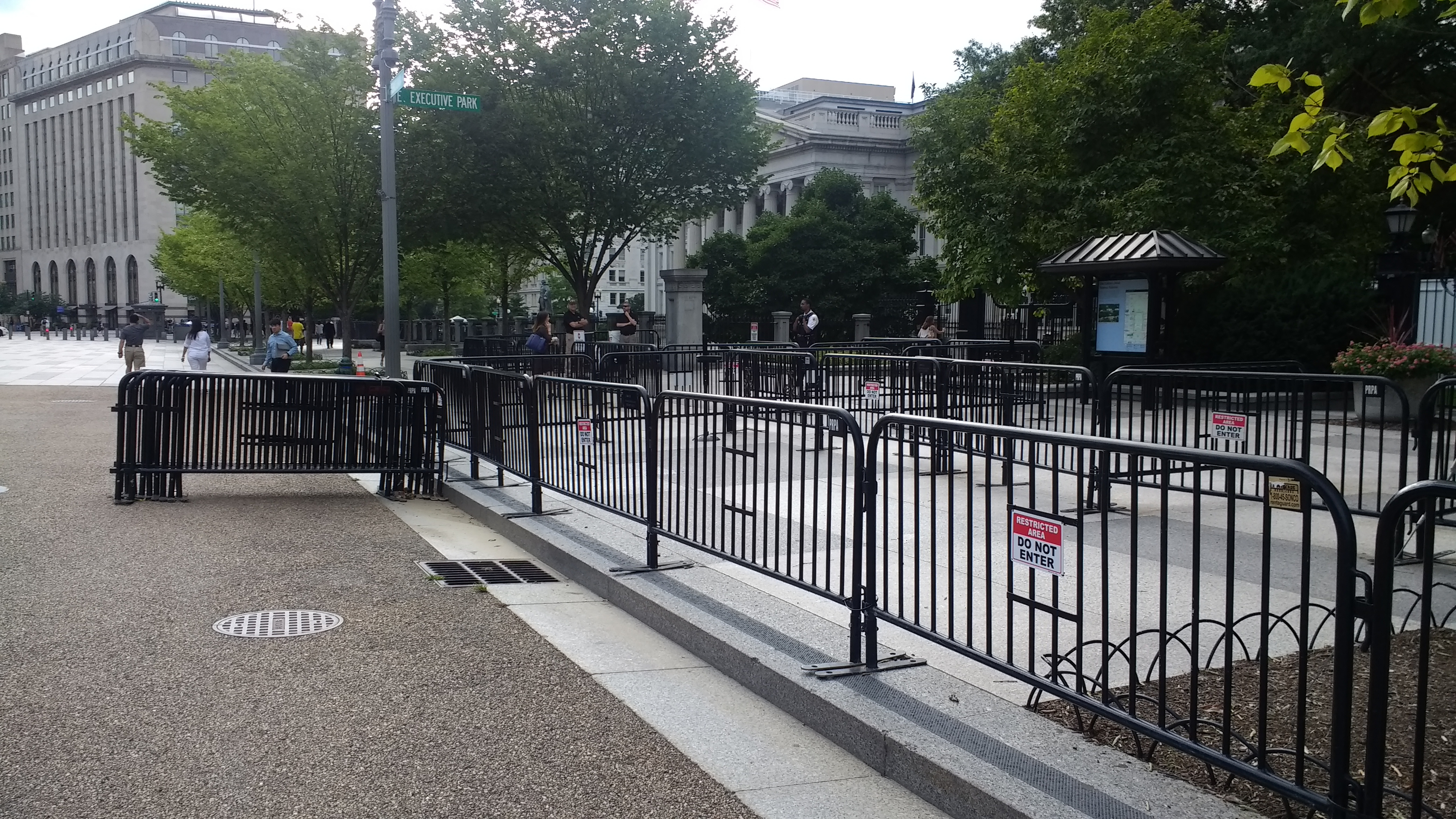
steel crowd control barriers are used for event entry queues, stadium and venue perimeter management, concerts and festivals, parades and street closures, construction site pedestrian routing, retail opening-day lines, public safety exclusion zones, and temporary access separation for logistics yards and facilities. They are especially useful when organizers need fast deployment, predictable linking, and the ability to reposition lines quickly as crowd flow changes.
Benefits: What a Correct Barrier System Delivers
When the frame tube and wall thickness are sized correctly, barriers resist bending and keep straight lines under crowd pressure. When uprights and spacing are locked, the barrier face stays consistent and reduces gaps that look sloppy or invite pushing. When welding is full coverage and polished, the barrier feels safer to handle and less prone to cracking at joints. When the right surface is selected, corrosion and “ugly aging” slow down dramatically—meaning fewer replacements, fewer complaints, and fewer embarrassing failures during peak usage.
Packing: How POLYMETAL Prevents Transit Damage
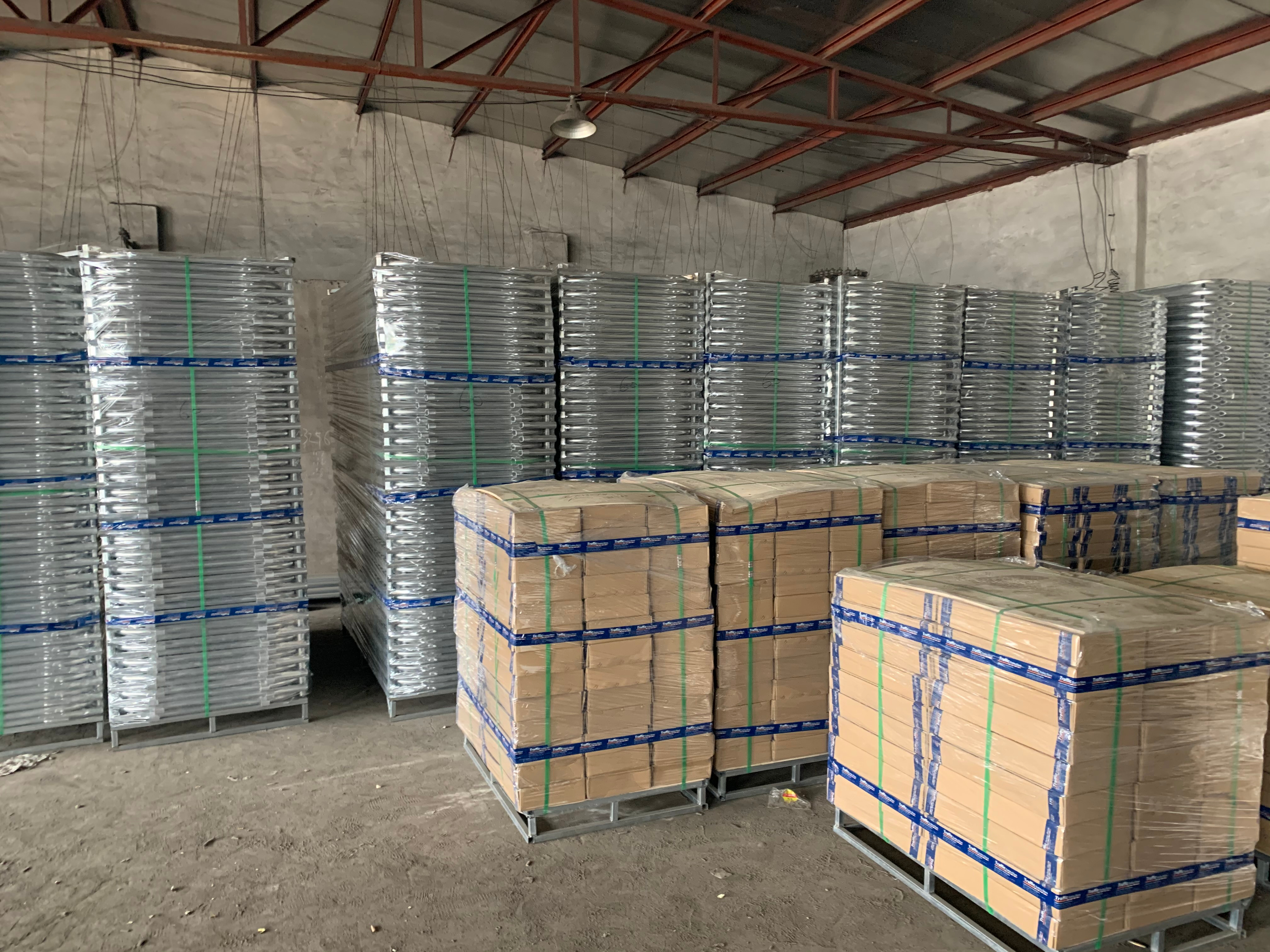
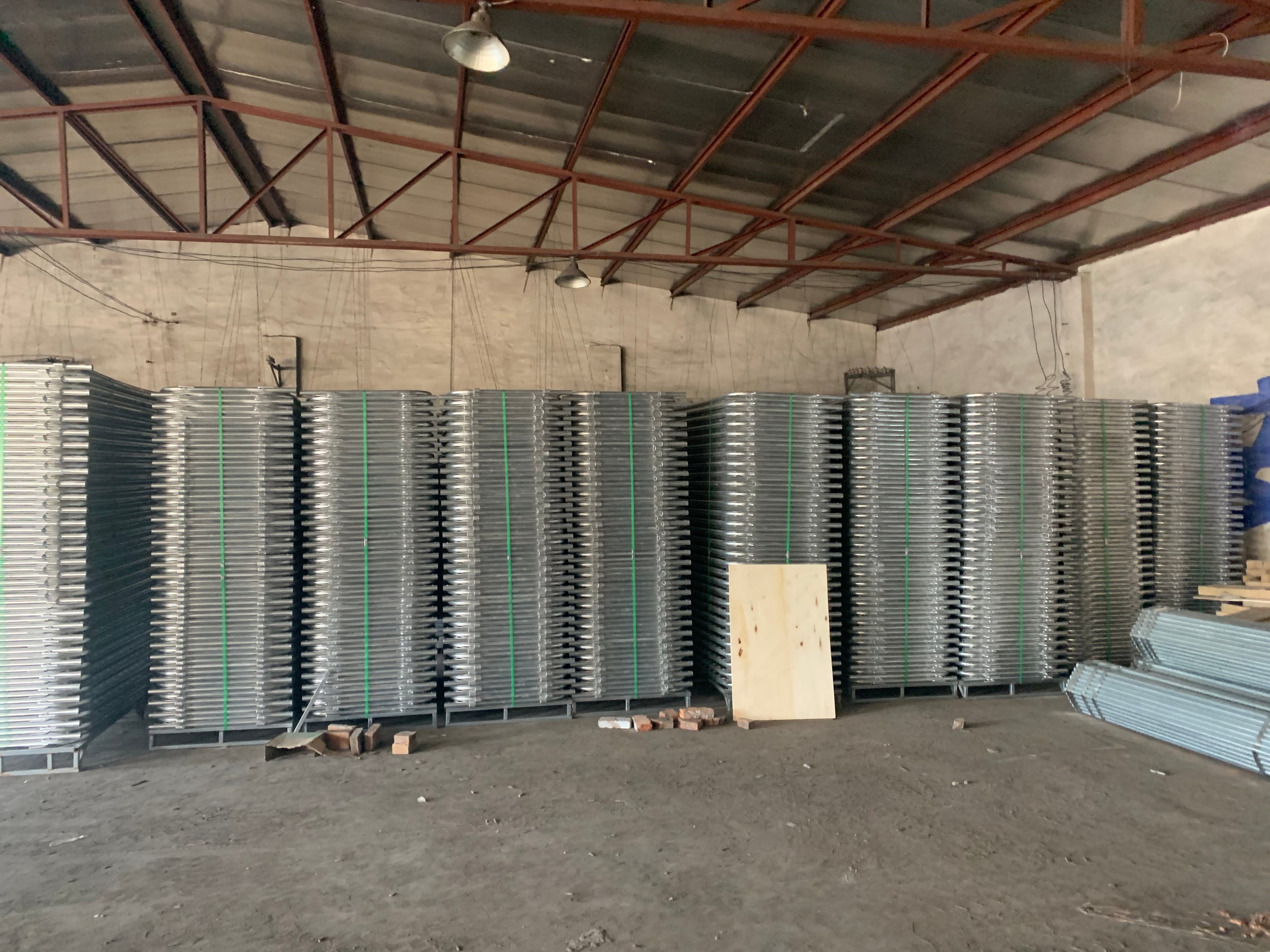
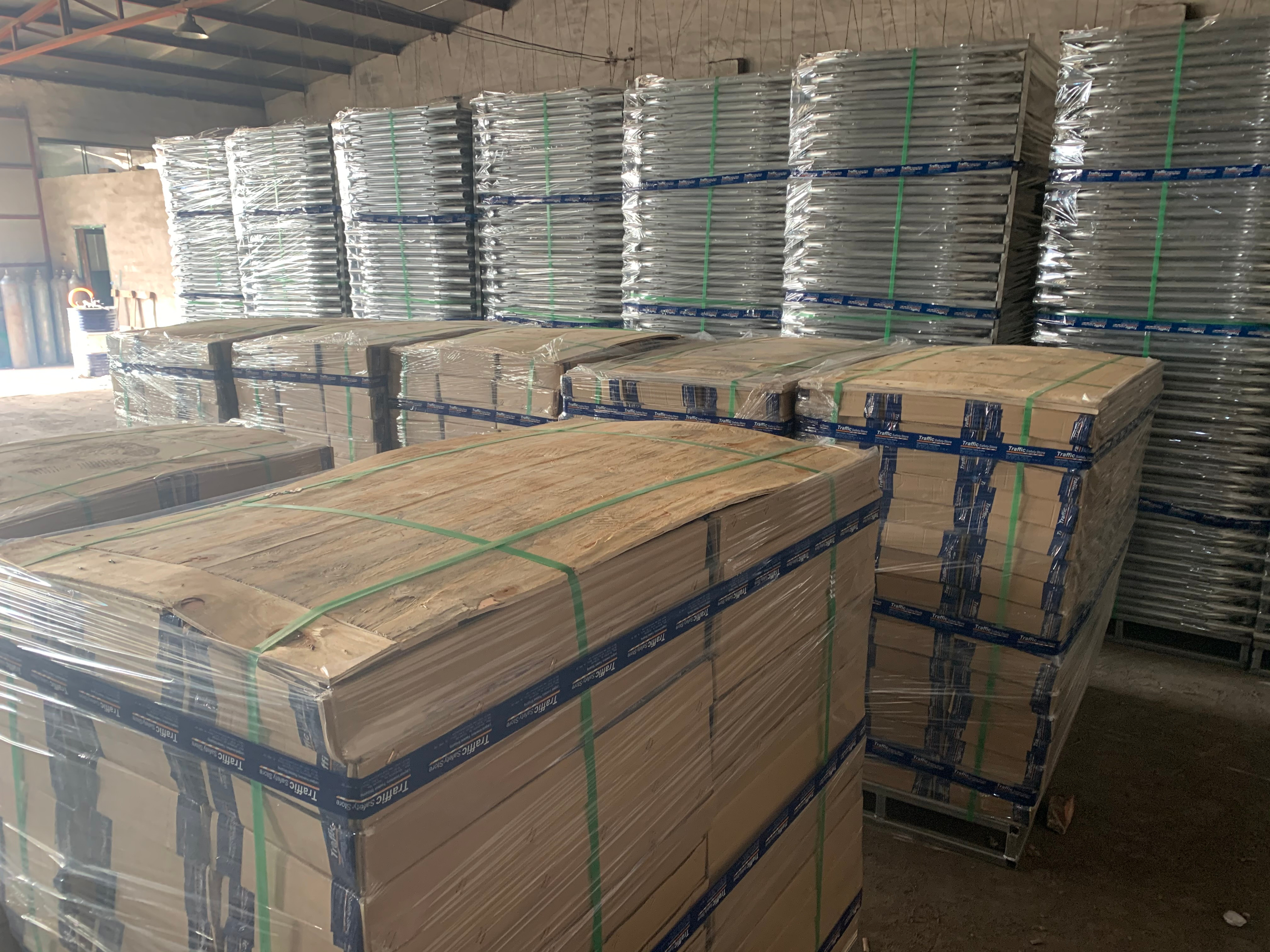
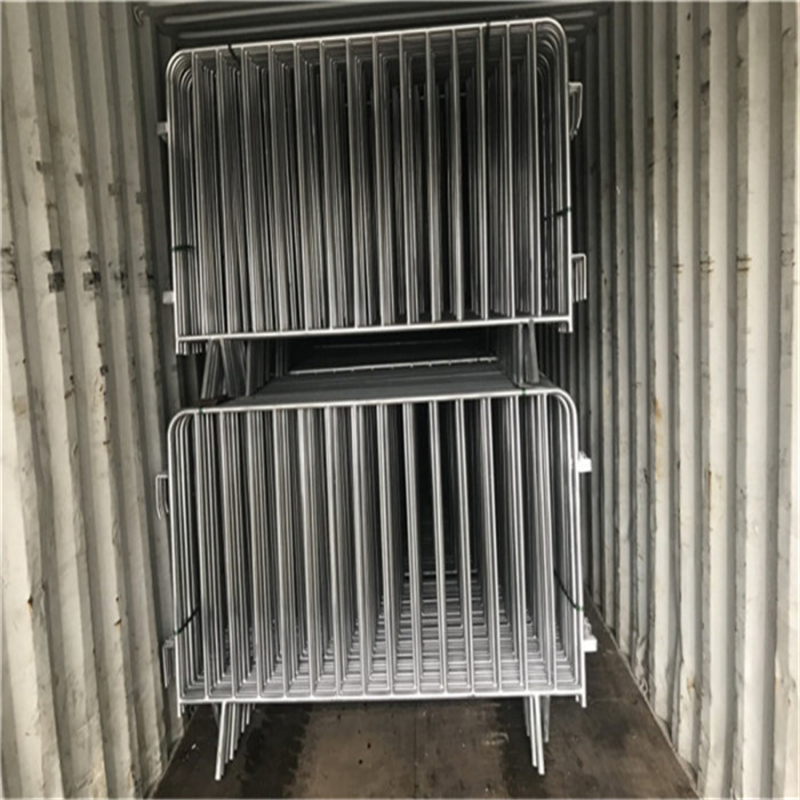
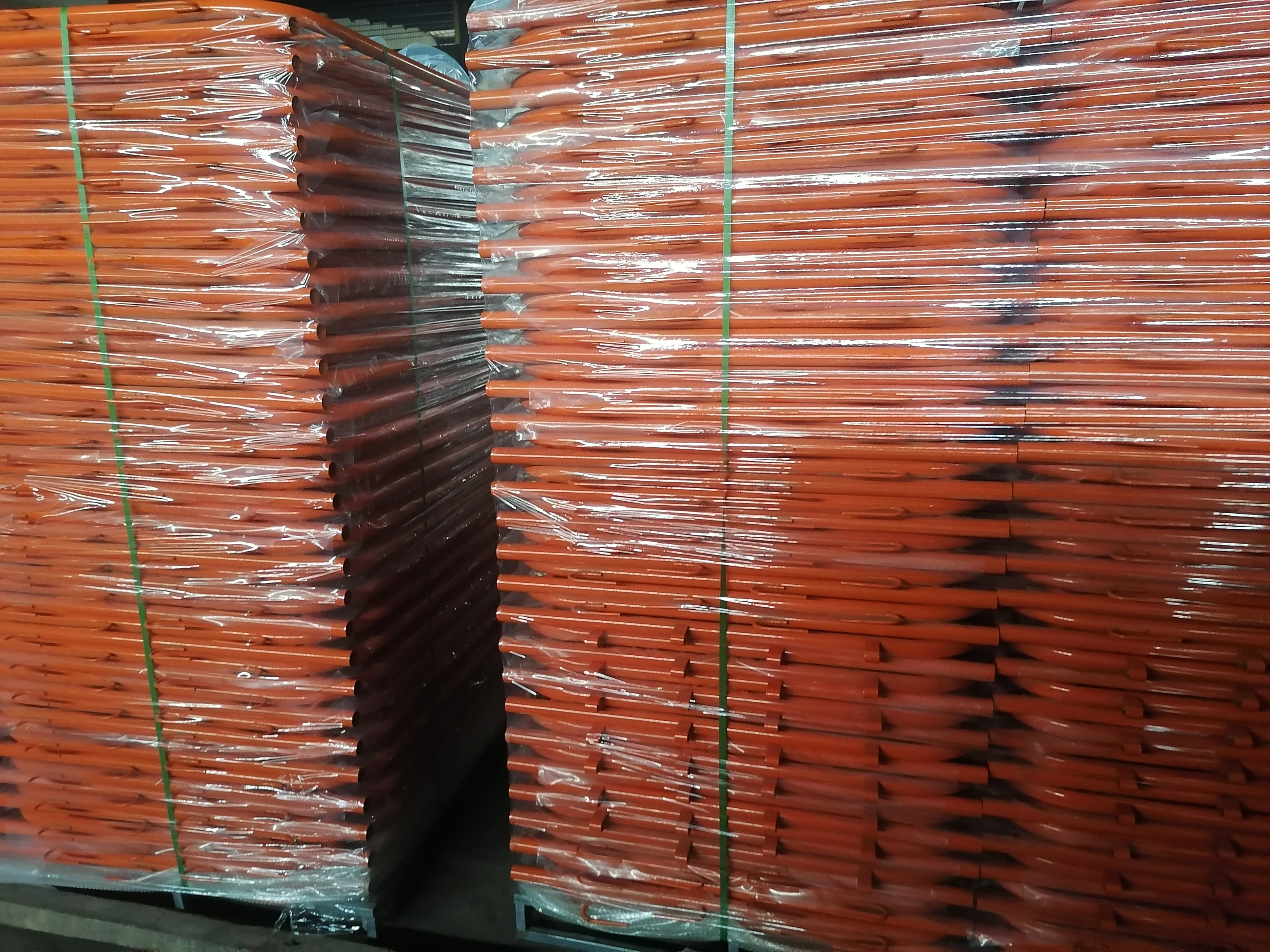
Packing is treated as a performance factor, not decoration. A common packing method is metal pallet loading with cardboard separators between each barrier to prevent rubbing and scratching. Barriers are then wrapped and strapped to reduce movement during shipping. This approach protects the surface finish and helps barriers arrive straight, cleaner, and faster to deploy without rework.
Standard and Quality Control
POLYMETAL quality control focuses on weld integrity, dimensional consistency (so barriers link smoothly), surface finish consistency (to reduce early rust or bubbling), and safe handling details such as polished weld areas. Material selection commonly uses black pipe or hot dipped galvanized pipe depending on the finish plan. Inspection is performed during production steps and prior to packing to keep output consistent for repeat orders.
Top 18 TRAPS for steel crowd control barriers (Especially #15)
TRAP #1: Buying “by photo” and ignoring frame wall thickness
Thin frames look fine stacked, then bend when the crowd leans.
TRAP #2: Choosing the wrong frame OD for the job intensity
25mm can work for light duty, but heavy venues often need 32–38mm stiffness.
TRAP #3: Over-spacing uprights to save cost
Big gaps look weak and allow pushing pressure to concentrate.
TRAP #4: Under-building upright tube thickness
Thin uprights deform easily and make a barrier line look “wavy.”
TRAP #5: Weak welding coverage
Partial welds can open at joints after repeated transport and impact cycles.
TRAP #6: Not polishing weld slag
Sharp points become handling hazards and create ugly “cheap” appearance.
TRAP #7: Selecting silver paint for long outdoor exposure
Shorter service life can force early replacement.
TRAP #8: Assuming galvanized means “long-life” without checking coating mass
450g-level HDG lasts dramatically longer than light zinc coverage.
TRAP #9: Ignoring foot design for your storage and deployment style
Wrong feet create unstable lines and slow setup.
TRAP #10: Skipping wheel feet where fast repositioning is required
Crews waste time dragging, scraping, and damaging coatings.
TRAP #11: Under-specifying flat steel foot size
Small feet reduce stability and increase tipping risk.
TRAP #12: Buying mixed batches with inconsistent geometry
Misaligned hooks and uneven frames cause linking frustration and gaps.
TRAP #13: Not defining upright spacing target (90/100/150/200mm)
“Similar” builds arrive with inconsistent faces and visible mismatch.
TRAP #14: No packaging separators
Barriers rub in transit, arrive scratched, and start rusting early.
TRAP #15: The hidden LOSS—barriers fail during a real crowd moment
This is the budget killer. A barrier line can look fine on delivery, then bend, crack at weak welds, or tip due to poor feet and thin frames. That triggers safety risk, event disruption, forced rework, urgent replacement, and reputation damage when you least can afford it.
TRAP #16: Choosing powder coat without correct pretreatment
Bad prep leads to bubbling or peeling after impact and weather.
TRAP #17: Under-ordering spare parts or forgetting replacement planning
One damaged barrier can break an entire perimeter line plan.
TRAP #18: Chasing the lowest quote and paying the highest cost-per-event
Lifecycle cost is driven by stiffness, weld integrity, and finish durability—not the cheapest line item.
FAQs: steel crowd control barriers
FAQ 1: Which surface is better—HDG only or silver painted?
Hot dipped galvanized only (commonly around 450g zinc coating) delivers strong anti-corrosion performance and is widely chosen for long service life (often around 10 years). Silver painted versions usually use lighter zinc coverage (about 40–60g) and are commonly selected for recycling / short-cycle use (typically 3–5 years). If you want to compare how coating choice impacts security-grade products too, you can also review china 358 fence for sale supplies for a clear system-style reference.
FAQ 2: Do you add extra weight by putting rubble inside the tubes?
No. Barriers are manufactured from specified black pipe or hot dipped galvanized pipe without adding rubble or filler inside the tubes.
FAQ 3: What sizes are most common?
Common height options include 1.0m, 1.06m, 1.1m, and 1.2m. Common lengths include 2.0m, 2.2m, 2.5m, and 2.6m, selected based on crowd density and site layout.
FAQ 4: Which foot type should I choose?
Flat feet are common for stable straight lines, bridge feet help stacking and linking in many systems, V feet can improve stability in certain layouts, and wheel feet are useful when barriers must be moved frequently.
FAQ 5: How do you keep the surface smooth without bubbles?
Stable welding, slag polishing, and controlled surface preparation before coating are key steps. This reduces rough weld marks and improves finish uniformity.
FAQ 6: How are barriers packed for sea shipping?
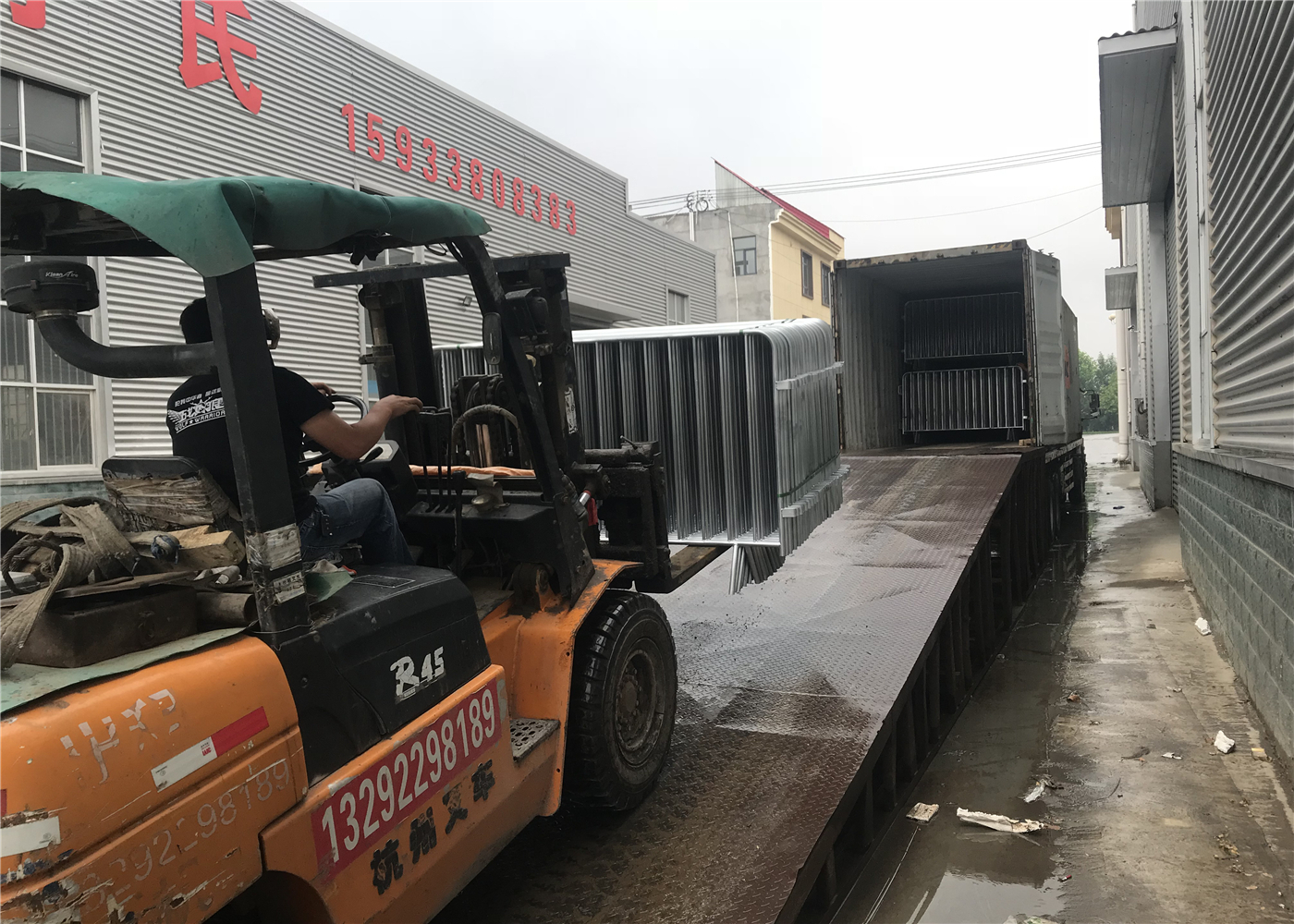
A typical method is metal pallet loading with cardboard separators between each barrier to prevent damage, then wrapping and strapping for transport stability.