Your One-Stop Wire Mesh Fence Supplier | POLYMETAL


What Steel Fencing Panels for Sale Usually Include
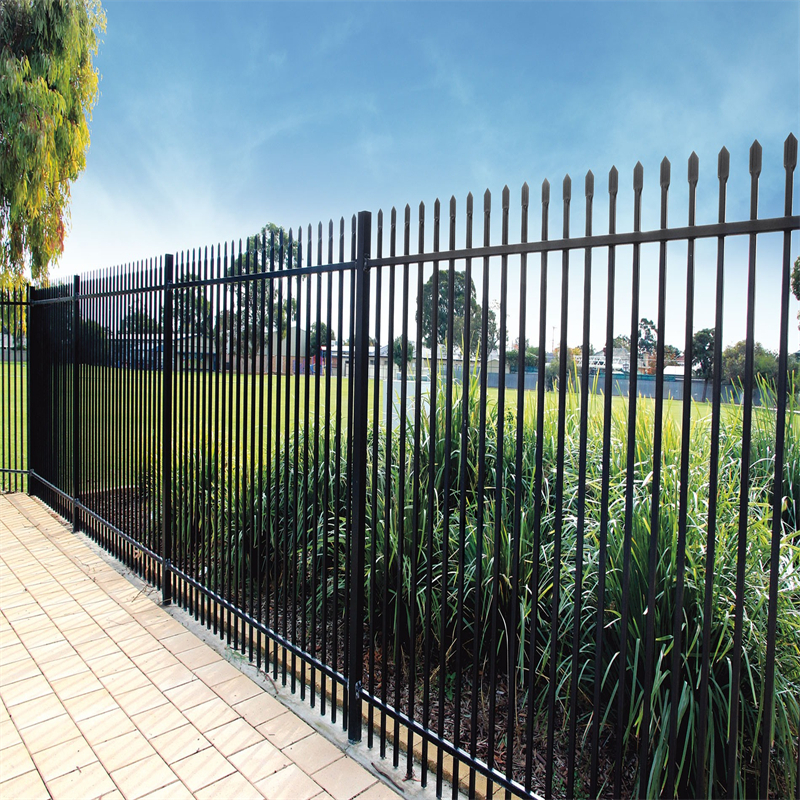
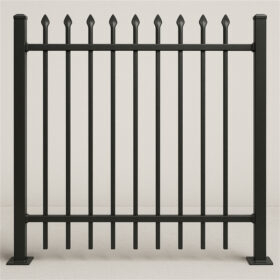
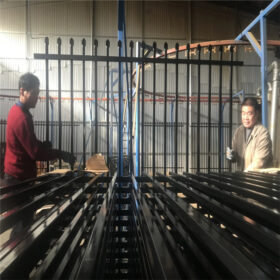
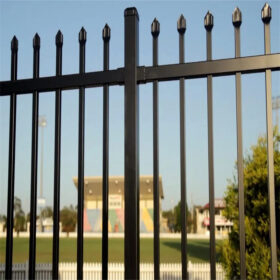
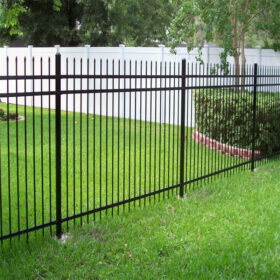
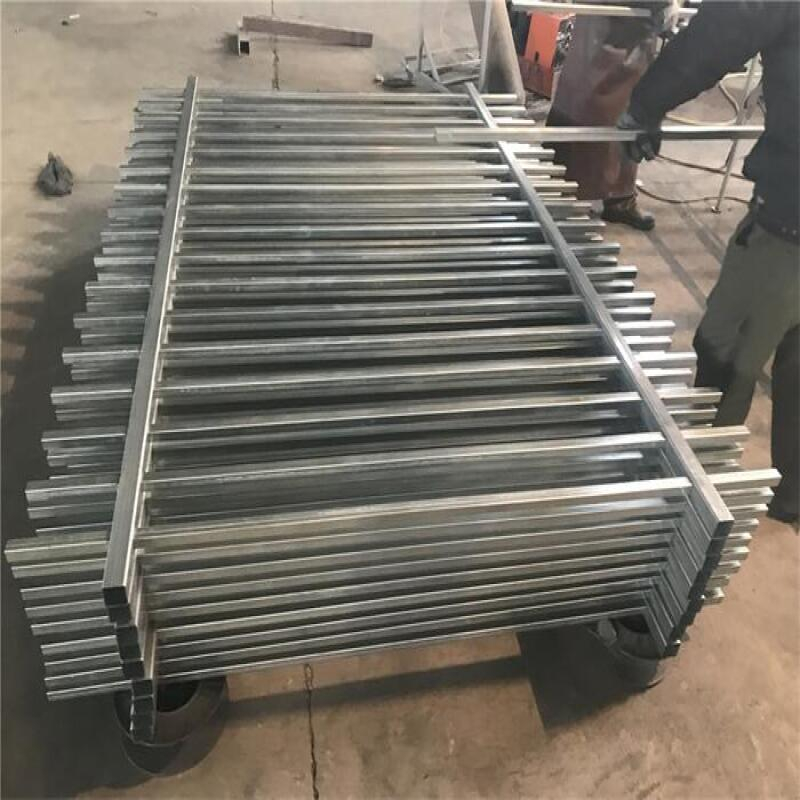
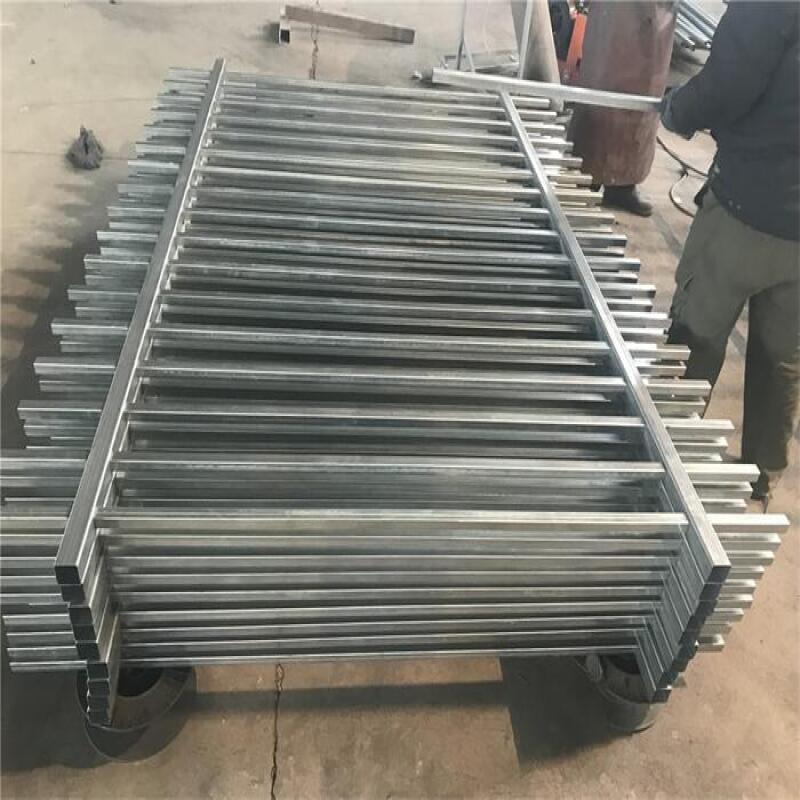
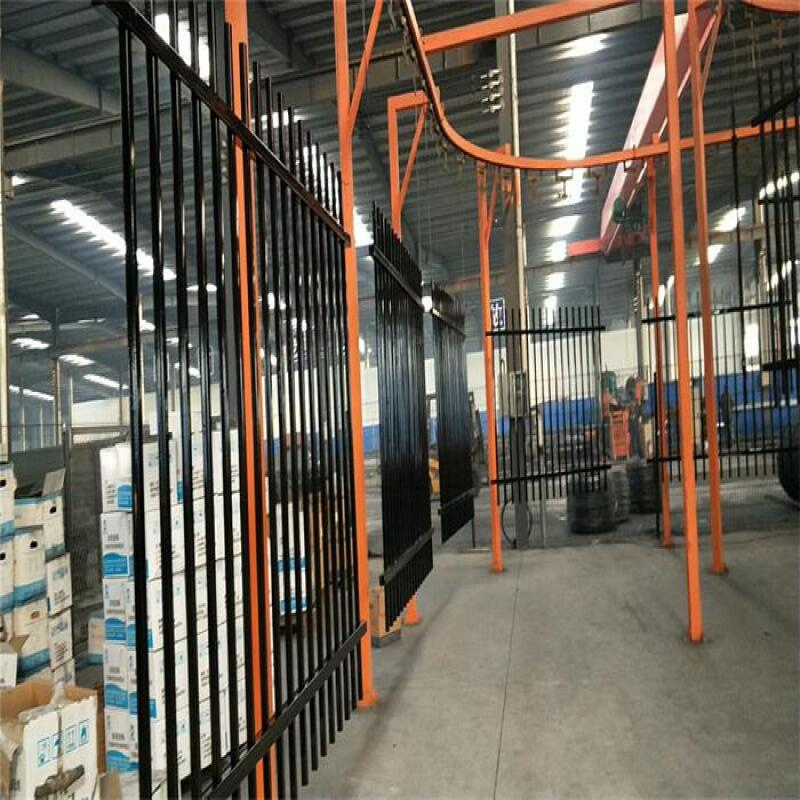
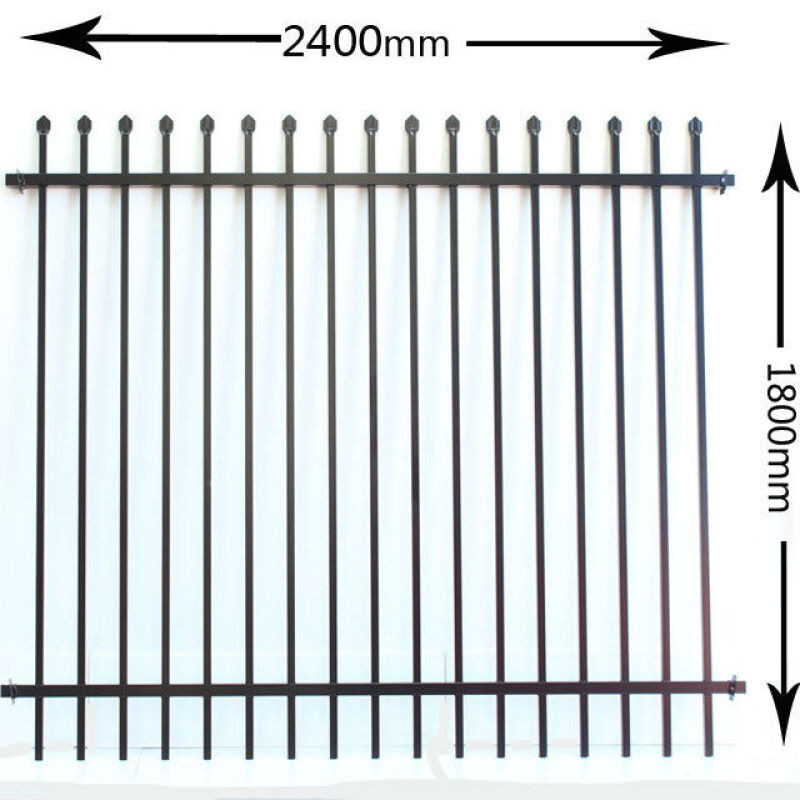
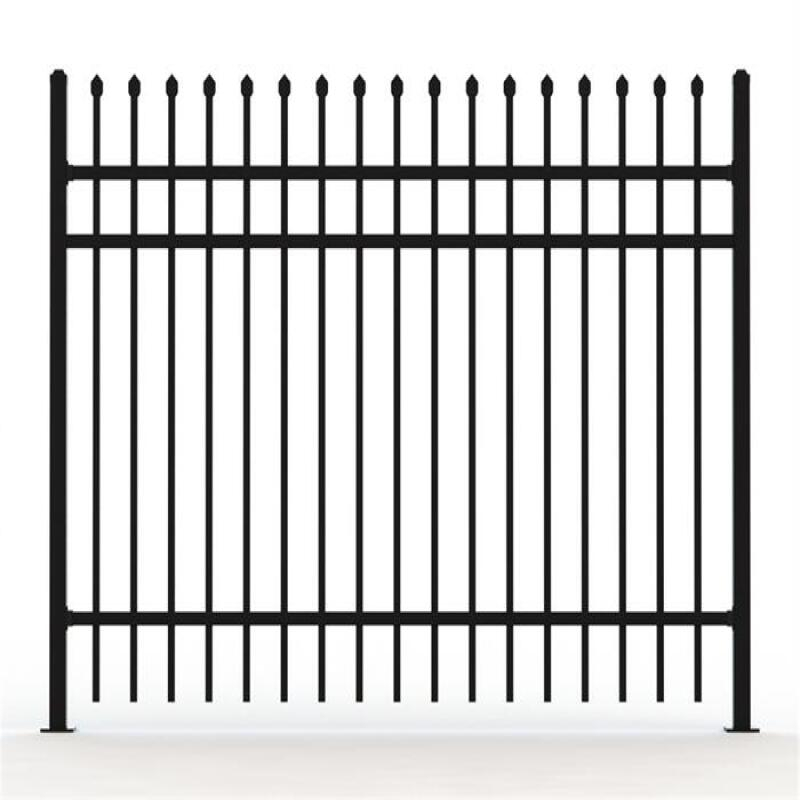
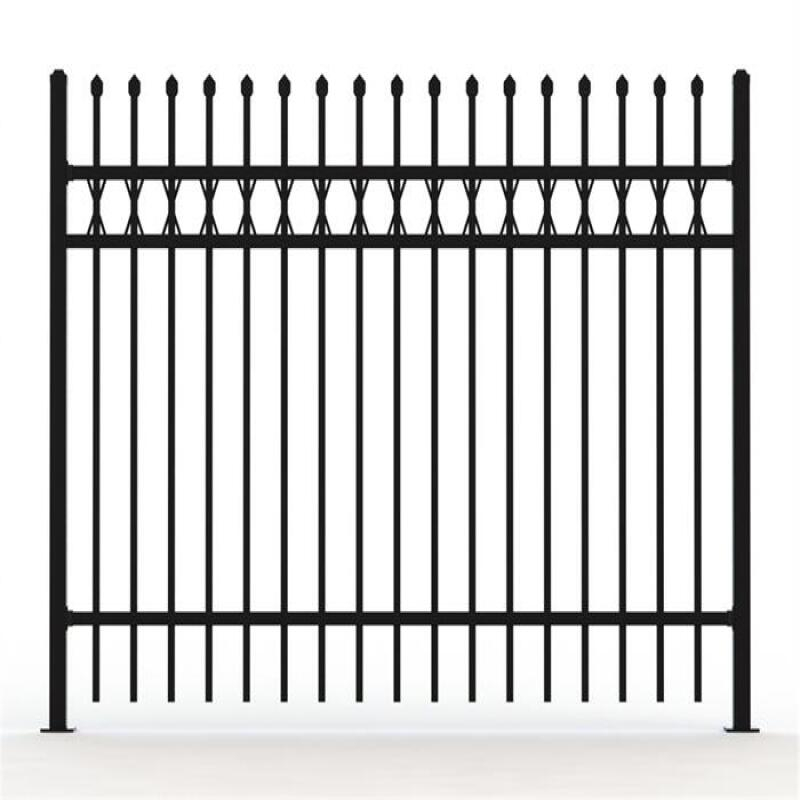
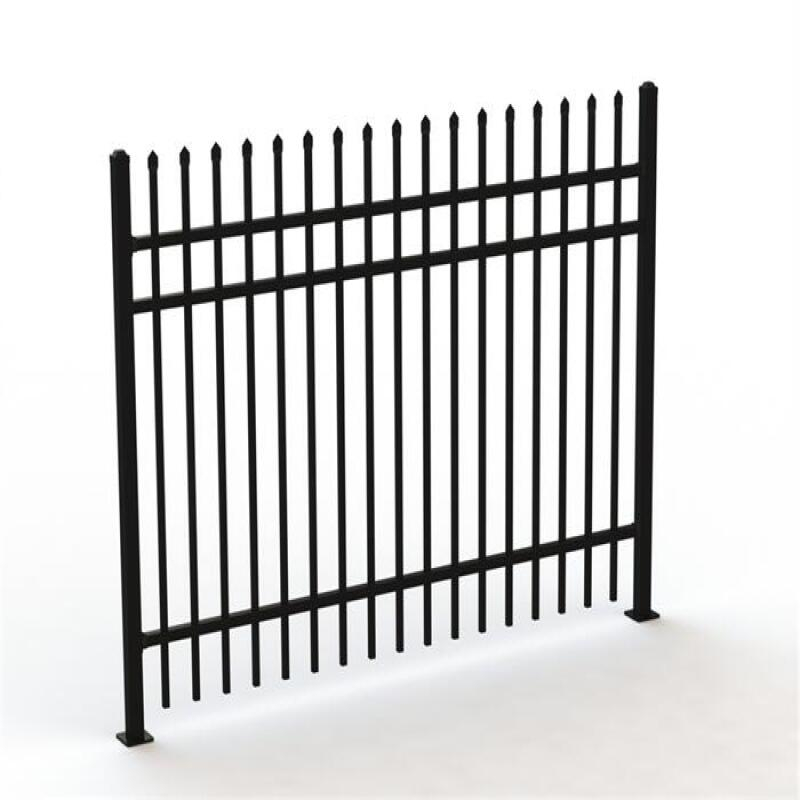
In this guide, “steel fencing panels for sale” refers to modular tubular steel picket panels (garrison-style) built from horizontal rails and vertical uprights (pickets), fixed to steel posts using brackets and anti-tamper fixings. This format is widely chosen because it delivers clean architectural lines with a measurable “security feel” while remaining practical for installation and logistics. In real operations, success is measurable: the fence stays straight, panels stay aligned, posts don’t move, and the finish survives handling without exposing bare steel at weld zones and cut points. If your project requires a more aggressive spear-top profile, you can compare with
crimped spear garrison fencing as another common panel style reference.
POLYMETAL Product Description
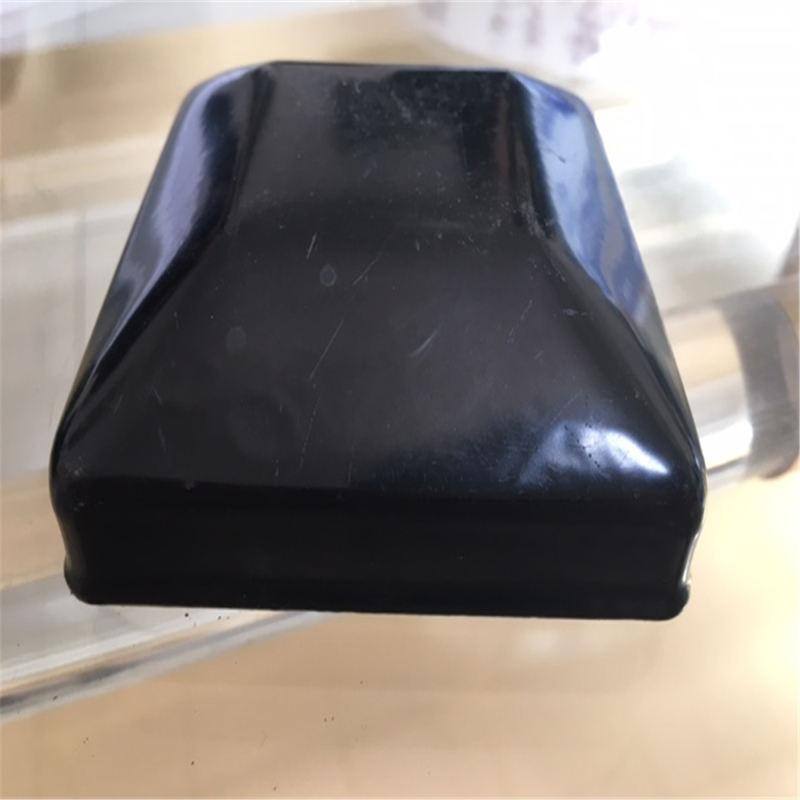
POLYMETAL steel fencing panels for sale are modular perimeter panels designed to combine architectural appearance with measurable stiffness. Panels are produced using controlled rail frames (40×40mm, 45×45mm, or 50×50mm) with rail thickness options from 1.60mm to 3.00mm to match fence height, exposure, and project risk. Uprights can be specified in 16×16mm, 25×25mm, or 30×30mm profiles with upright thickness options from 0.80mm to 2.00mm, and upright spacing is locked by design to control both security feel and line rigidity.
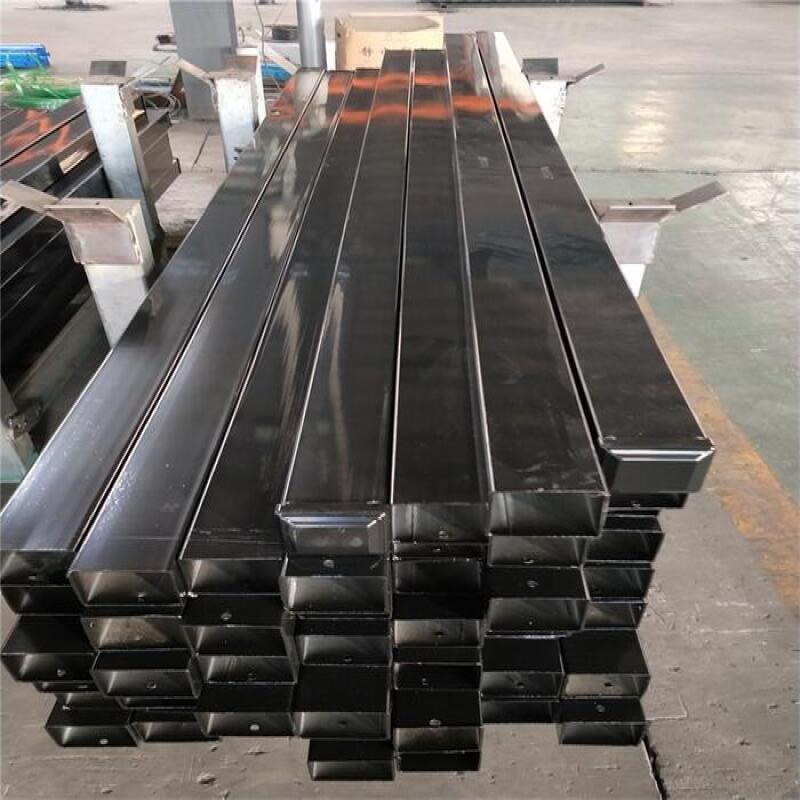
Post options are selected as a structural system using 60×60mm, 65×65mm, 75×75mm, 80×80mm, or 100×100mm posts with wall thickness choices of 1.6mm, 2.00mm, or 2.50mm. Upright quantity is tied to spacing discipline, commonly 16 pcs (115mm spacing), 17 pcs (108mm spacing), or 18 pcs (100mm spacing).
Top 20 Spec Traps When Buying Steel Fencing Panels for Sale (Especially #12)

Trap #1 — The hidden detail of rail wall thickness in steel fencing panels for sale
Two steel fencing panels for sale can share the same rail frame size (40×40 or 45×45) yet behave very differently if one uses thinner rail wall. Rail thickness drives stiffness, vibration resistance, and whether the fence line stays straight after handling.
Trap #2 — The fact that rail thickness must match fence height when buying steel fencing panels for sale
A 2400mm panel built with light rail thickness can flex and rattle. If you are comparing steel fencing panels for sale, lock rail thickness (1.60 / 2.0 / 2.5 / 3.0mm) to the height tier so the fence doesn’t feel “soft.”
Trap #3 — The truth about upright thickness on steel fencing panels for sale
Uprights at 0.80mm may suit low-impact boundaries, but public sites and high-handling zones often need 1.00–1.20mm or 2.00mm. For steel fencing panels for sale that stay straight, upright thickness must resist denting and movement.
Trap #4 — The point that upright spacing is not decoration in steel fencing panels for sale
Spacing drives security feel and stiffness. Wider spacing can look “light” and create visible wave-lines, while tight spacing (100mm) typically reads more secure and stays straighter. When selecting steel fencing panels for sale, spacing must be written, not assumed.
Trap #5 — The note that upright quantity must match spacing in steel fencing panels for sale
A panel quoting 18 uprights at 100mm spacing is not the same as a panel that drops to 16 uprights at 115mm spacing. Upright count is stiffness, appearance, and value—so when ordering steel fencing panels for sale, lock the upright number in the PO.
Trap #6 — The tip to treat posts as the foundation system for steel fencing panels for sale
Posts control the whole line. If you upgrade height or exposure but keep the post too small, movement and misalignment appear after installation. For steel fencing panels for sale, post size and post wall thickness must be specified as part of the system.
Trap #7 — The hint that weld discipline matters more than “nice paint” on steel fencing panels for sale
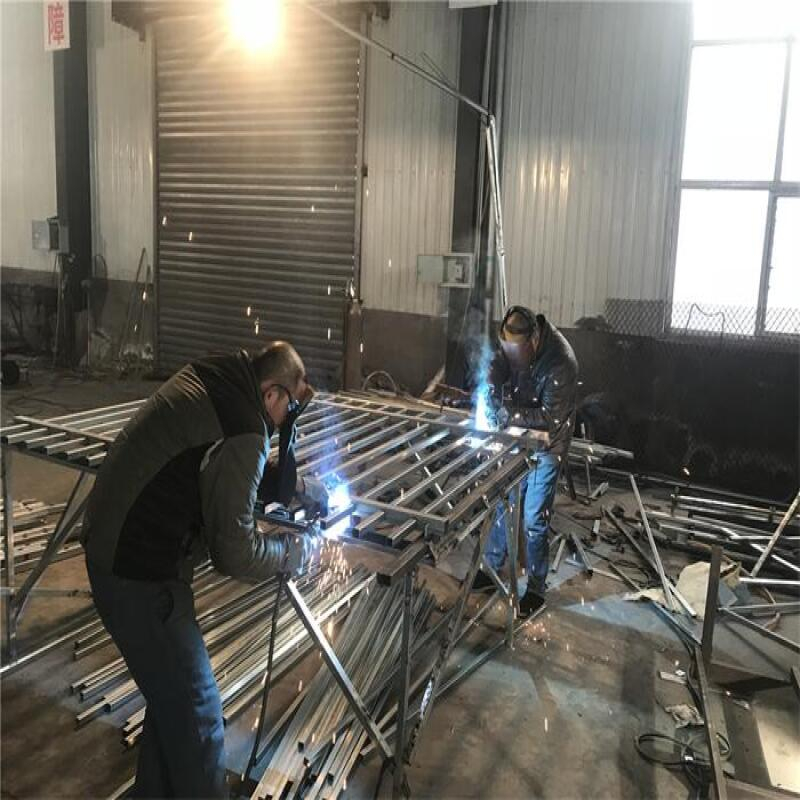
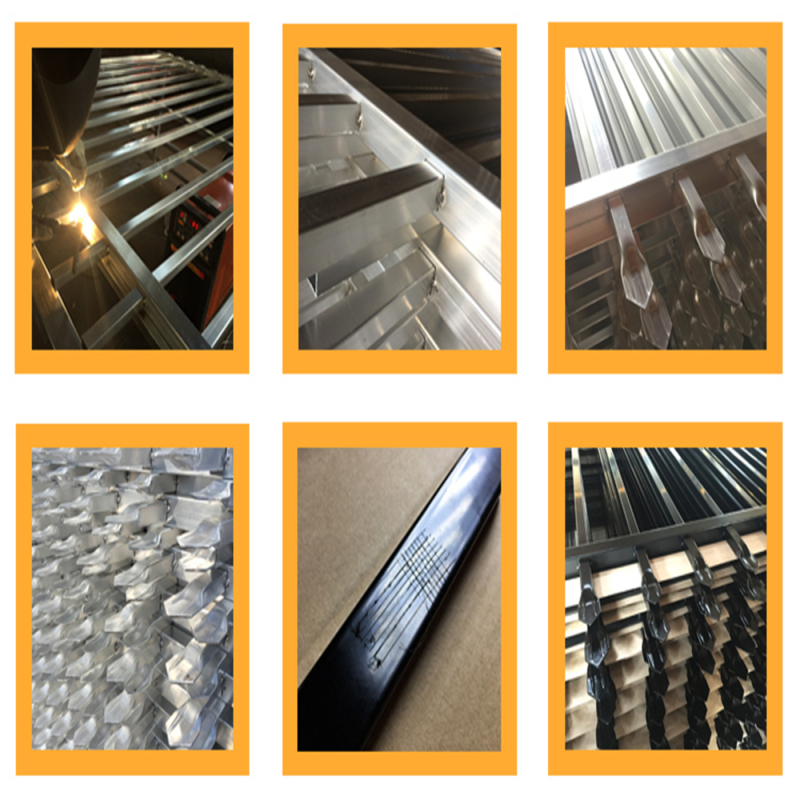
Smooth-looking coating can hide inconsistent weld penetration or heat distortion. Poor weld control becomes twist, misfit, and alignment drift on long runs—common complaints after buying steel fencing panels for sale by photo only.
Trap #8 — The idea that “same photo = same panel” is the fastest loss when viewing steel fencing panels for sale
Many steel fencing panels for sale look similar, but thickness, spacing discipline, and post selection change performance dramatically. Buy by measurable specification, not by image.
Trap #9 — The angle of corrosion starting at cut points on steel fencing panels for sale
Rust typically begins where steel is exposed—cut edges, weld zones, or coating damage during handling. If coating targets and packing protection are not defined, steel fencing panels for sale can “age fast” after installation.
Trap #10 — The aspect of coating thickness being a specification, not a promise, for steel fencing panels for sale
“Powder coated” alone is not enough. Define minimum finish expectations so batches do not vary and weld zones don’t become early rust points. This is a must-lock item when choosing steel fencing panels for sale for public sites.
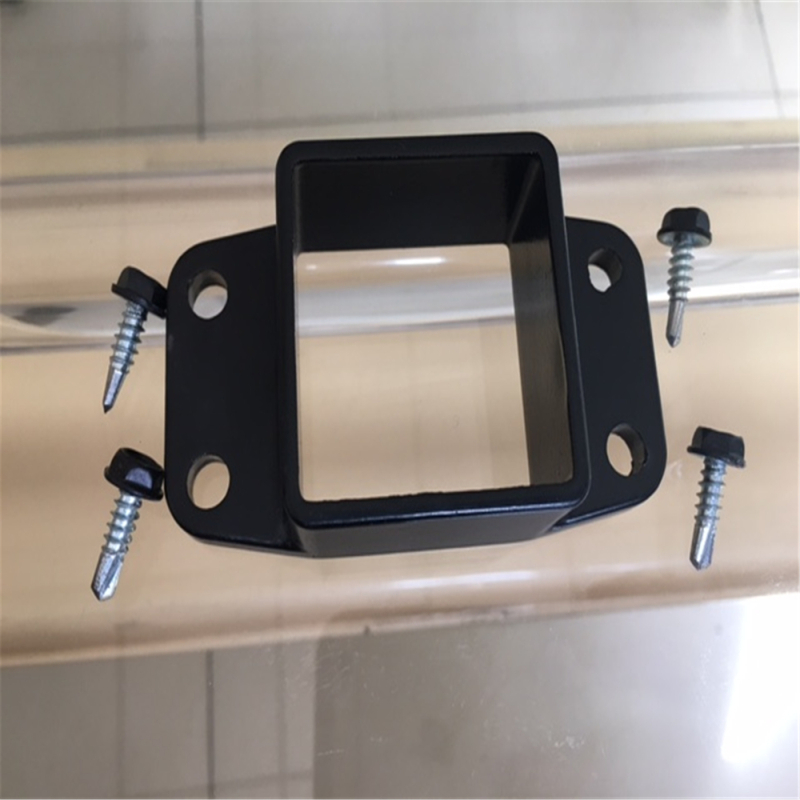
Trap #11 — The element of wrong bracket / fixing fit creating forced installation in steel fencing panels for sale
If brackets don’t match tube sizes, installers force alignment, damage coating, and create looseness that turns into rattle. Hardware must match the tube system on steel fencing panels for sale, especially for long straight runs.
Trap #12 — The critical feature: post height must be panel height + 600mm for steel fencing panels for sale
This is where buyers lose the most money. If the post is not at least 600mm taller than the fence panel height, installers compensate with shallow embedment or weak footing. That leads to post movement, leaning lines, rattles, and early complaints. Lock this rule into every purchase order for steel fencing panels for sale:
Fence Post Height = Fence Panel Height + 600mm (minimum).
Trap #13 — The trait of wind load being ignored on tall steel fencing panels for sale
Height increases leverage. Taller panels require stronger rail frames and larger posts to prevent sway, vibration, and visible line drift. When selecting steel fencing panels for sale at 2100–2400mm, wind exposure must be treated as a spec item.
Trap #14 — The side effect of shipping damage becoming rust on steel fencing panels for sale
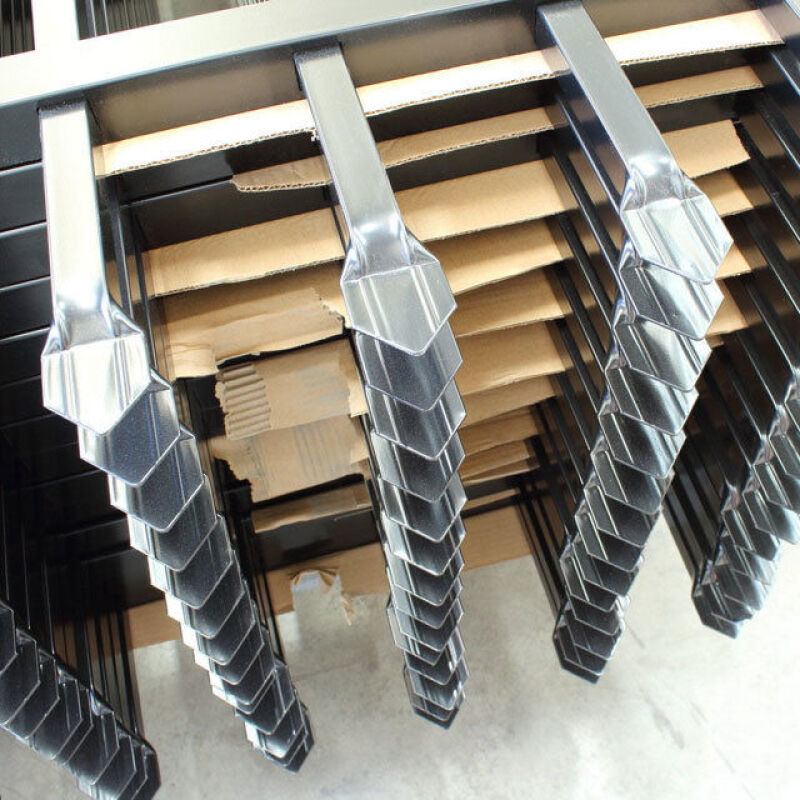
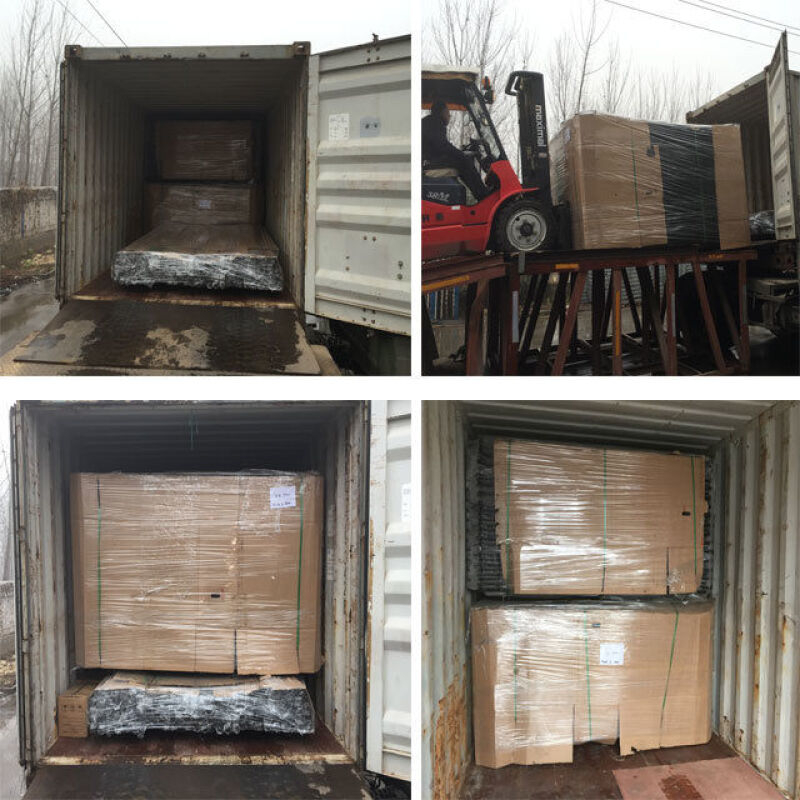
Small impacts can crack coating and start corrosion. Packing must prevent rail-to-rail abrasion and edge rubbing that later shows as rust trails. For export-ready steel fencing panels for sale, packing protection is part of performance.
Trap #15 — The view that “reasonable price” often hides missing steel in steel fencing panels for sale
The most common downgrade is thinner wall thickness or fewer uprights. Compare like-for-like steel specification, not “looks similar.” This is a common pricing trap when browsing steel fencing panels for sale.
Trap #16 — The insight that mixed thicknesses create uneven fence lines in steel fencing panels for sale orders
If some panels are stiffer than others, the line looks inconsistent. Keep rail, upright, and post thickness consistent per height tier for a uniform run—especially when ordering bulk steel fencing panels for sale.
Trap #17 — The finding that wrong post wall thickness creates “soft” corners in steel fencing panels for sale
Corners and gates amplify movement. If post wall thickness is too light, corners shift and straight lines become waves over time. For steel fencing panels for sale used on public assets, corners should be specified as a higher-strength zone.
Trap #18 — The discovery that “DIY easy assembly” still needs locked tolerances for steel fencing panels for sale
Assemble-ready styles save labor, but only if hole patterns, bracket positions, and module tolerances are standardized. Without that, installation becomes forced fit and coating damage—two problems buyers often experience after ordering steel fencing panels for sale without tolerances.
Trap #19 — The lesson that ignoring upright count makes steel fencing panels for sale look “cheap” instantly
Public sites judge by visual density and alignment. Upright count tied to spacing is a quality signal—lock 16 / 17 / 18 uprights per panel as required so steel fencing panels for sale look premium after installation.
Trap #20 — The rule: buy the system—panel + post + fixings + foundations + finish + packing
A panel alone does not create performance. Steel fencing panels for sale must be treated as a system. If one component is weak, the whole perimeter becomes a problem.
Specifications
Use the tables below as purchase-order baselines for steel fencing panels for sale. Every row includes fence height, fence width, rail frame, rail thickness, upright size, upright thickness, upright spacing, upright number, post option, post wall thickness, and the post height rule (panel height + 600mm).
Table 1 — Standard Commercial Baseline (Balanced Cost vs Rigidity)
| Fence Height | Fence Width | Rail Frame | Rails Thick. | Upright | Upright Thick. | Upright Spacing | Upright Number | Post Option | Post Wall | Post Height (H+600) |
|---|---|---|---|---|---|---|---|---|---|---|
| 1200mm | 2400mm | 40×40mm | 1.60mm | 16×16mm | 0.80mm | 115mm | 16 pcs | 60×60mm | 1.60mm | 1800mm |
| 1200mm | 2450mm | 40×40mm | 2.00mm | 25×25mm | 1.00mm | 108mm | 17 pcs | 60×60mm | 2.00mm | 1800mm |
| 1500mm | 2400mm | 40×40mm | 2.00mm | 25×25mm | 1.00mm | 115mm | 16 pcs | 65×65mm | 2.00mm | 2100mm |
| 1500mm | 2450mm | 45×45mm | 2.00mm | 25×25mm | 1.20mm | 108mm | 17 pcs | 65×65mm | 2.00mm | 2100mm |
| 1800mm | 2400mm | 45×45mm | 2.00mm | 30×30mm | 1.20mm | 108mm | 17 pcs | 75×75mm | 2.00mm | 2400mm |
| 1800mm | 2450mm | 45×45mm | 2.50mm | 30×30mm | 1.20mm | 100mm | 18 pcs | 75×75mm | 2.50mm | 2400mm |
| 2100mm | 2400mm | 50×50mm | 2.00mm | 30×30mm | 1.20mm | 108mm | 17 pcs | 80×80mm | 2.00mm | 2700mm |
| 2100mm | 2450mm | 50×50mm | 2.50mm | 30×30mm | 2.00mm | 100mm | 18 pcs | 80×80mm | 2.50mm | 2700mm |
| 2400mm | 2400mm | 50×50mm | 2.50mm | 30×30mm | 2.00mm | 108mm | 17 pcs | 100×100mm | 2.50mm | 3000mm |
| 2400mm | 2450mm | 50×50mm | 3.00mm | 30×30mm | 2.00mm | 100mm | 18 pcs | 100×100mm | 2.50mm | 3000mm |
Table 2 — Security-Forward Build (Tighter Spacing + Stronger System)
| Fence Height | Fence Width | Rail Frame | Rails Thick. | Upright | Upright Thick. | Upright Spacing | Upright Number | Post Option | Post Wall | Post Height (H+600) |
|---|---|---|---|---|---|---|---|---|---|---|
| 1200mm | 2400mm | 45×45mm | 2.00mm | 25×25mm | 1.20mm | 100mm | 18 pcs | 65×65mm | 2.00mm | 1800mm |
| 1200mm | 2450mm | 45×45mm | 2.50mm | 25×25mm | 1.20mm | 100mm | 18 pcs | 65×65mm | 2.50mm | 1800mm |
| 1500mm | 2400mm | 45×45mm | 2.50mm | 30×30mm | 1.20mm | 100mm | 18 pcs | 75×75mm | 2.00mm | 2100mm |
| 1500mm | 2450mm | 50×50mm | 2.50mm | 30×30mm | 1.20mm | 100mm | 18 pcs | 75×75mm | 2.50mm | 2100mm |
| 1800mm | 2400mm | 50×50mm | 2.50mm | 30×30mm | 2.00mm | 100mm | 18 pcs | 80×80mm | 2.50mm | 2400mm |
| 1800mm | 2450mm | 50×50mm | 3.00mm | 30×30mm | 2.00mm | 100mm | 18 pcs | 80×80mm | 2.50mm | 2400mm |
| 2100mm | 2400mm | 50×50mm | 3.00mm | 30×30mm | 2.00mm | 100mm | 18 pcs | 100×100mm | 2.50mm | 2700mm |
| 2100mm | 2450mm | 50×50mm | 3.00mm | 30×30mm | 2.00mm | 100mm | 18 pcs | 100×100mm | 2.50mm | 2700mm |
| 2400mm | 2400mm | 50×50mm | 3.00mm | 30×30mm | 2.00mm | 100mm | 18 pcs | 100×100mm | 2.50mm | 3000mm |
| 2400mm | 2450mm | 50×50mm | 3.00mm | 30×30mm | 2.00mm | 100mm | 18 pcs | 100×100mm | 2.50mm | 3000mm |
Table 3 — Premium Straight-Line Build (Heavier Posts + High Abuse Tolerance)
| Fence Height | Fence Width | Rail Frame | Rails Thick. | Upright | Upright Thick. | Upright Spacing | Upright Number | Post Option | Post Wall | Post Height (H+600) |
|---|---|---|---|---|---|---|---|---|---|---|
| 1200mm | 2400mm | 40×40mm | 2.00mm | 25×25mm | 1.00mm | 108mm | 17 pcs | 60×60mm | 2.50mm | 1800mm |
| 1200mm | 2450mm | 45×45mm | 2.00mm | 25×25mm | 1.20mm | 100mm | 18 pcs | 65×65mm | 2.50mm | 1800mm |
| 1500mm | 2400mm | 45×45mm | 2.50mm | 30×30mm | 1.20mm | 108mm | 17 pcs | 75×75mm | 2.50mm | 2100mm |
| 1500mm | 2450mm | 50×50mm | 2.50mm | 30×30mm | 2.00mm | 100mm | 18 pcs | 80×80mm | 2.50mm | 2100mm |
| 1800mm | 2400mm | 50×50mm | 2.50mm | 30×30mm | 2.00mm | 108mm | 17 pcs | 80×80mm | 2.50mm | 2400mm |
| 1800mm | 2450mm | 50×50mm | 3.00mm | 30×30mm | 2.00mm | 100mm | 18 pcs | 100×100mm | 2.50mm | 2400mm |
| 2100mm | 2400mm | 50×50mm | 3.00mm | 30×30mm | 2.00mm | 108mm | 17 pcs | 100×100mm | 2.50mm | 2700mm |
| 2100mm | 2450mm | 50×50mm | 3.00mm | 30×30mm | 2.00mm | 100mm | 18 pcs | 100×100mm | 2.50mm | 2700mm |
| 2400mm | 2400mm | 50×50mm | 3.00mm | 30×30mm | 2.00mm | 108mm | 17 pcs | 100×100mm | 2.50mm | 3000mm |
| 2400mm | 2450mm | 50×50mm | 3.00mm | 30×30mm | 2.00mm | 100mm | 18 pcs | 100×100mm | 2.50mm | 3000mm |
Applications
- Schools and childcare boundaries where straight lines and consistent “security feel” matter.
- Warehouses, logistics yards, and industrial sites needing visible control and reduced tampering.
- Rail corridors, substations, utilities, and infrastructure perimeters requiring rigid posts and clean alignment.
- Parks, commercial frontage, and public-facing assets where appearance is judged daily.
- Business sites that want a premium perimeter compared with basic mesh solutions.
Benefits
- Architectural look with measurable rigidity when rail, upright, and post specs are locked.
- Repeatable modules for fast installation and consistent bay-to-bay alignment.
- Selectable spacing (115/108/100mm) to control security feel and line stiffness.
- Post options up to 100×100mm for stronger corners and long-run stability.
- Finish protection designed to reduce early corrosion at weld zones and cut points.
Packing
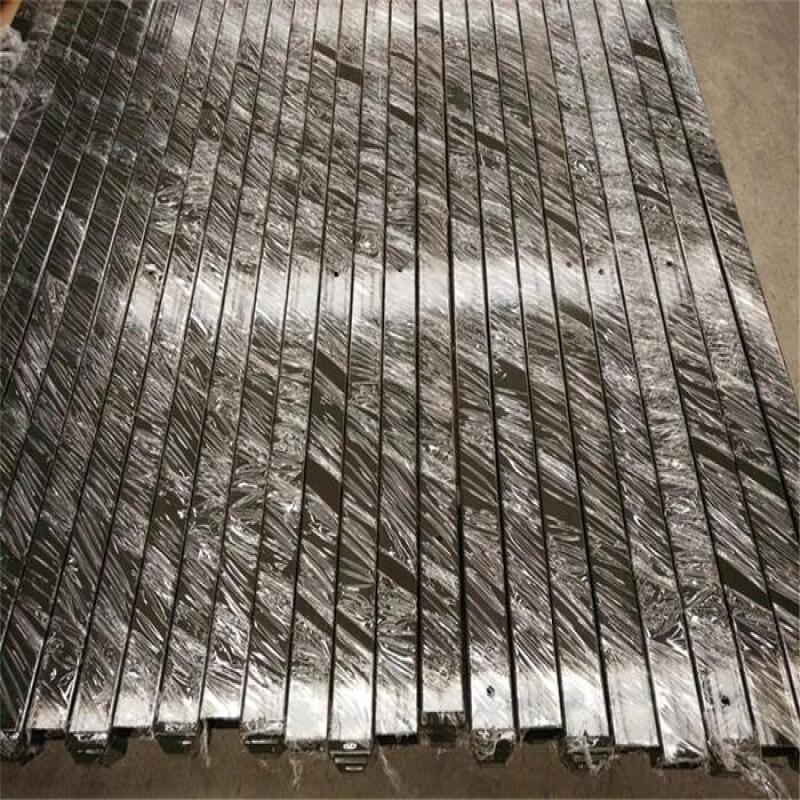
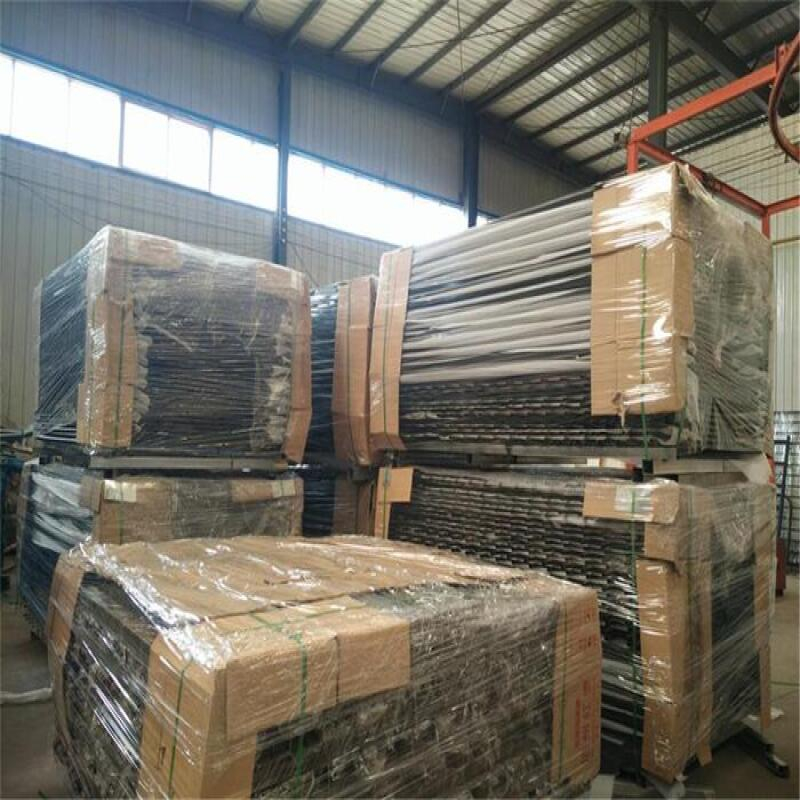
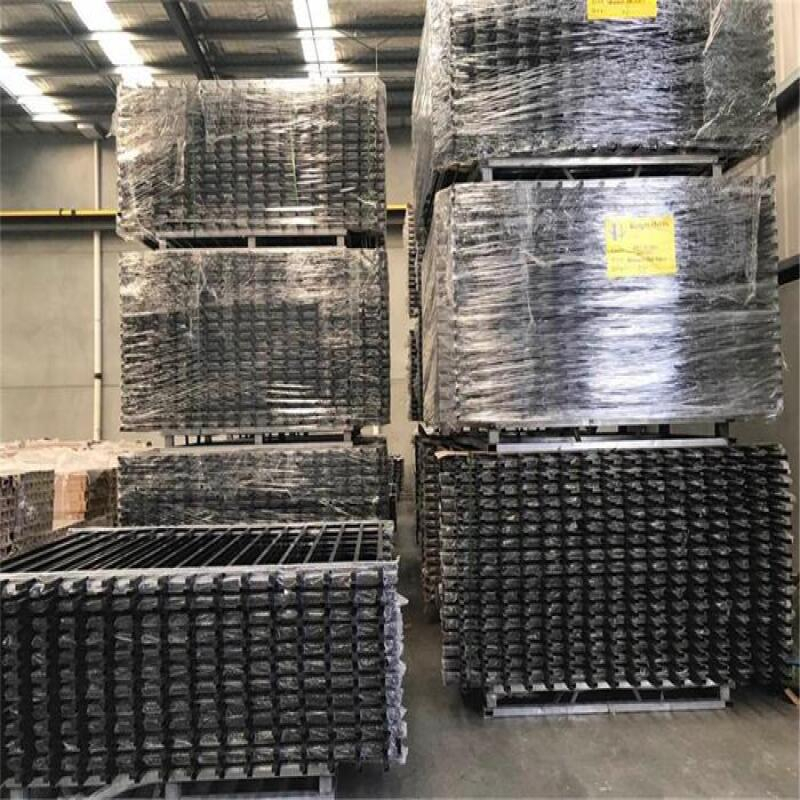
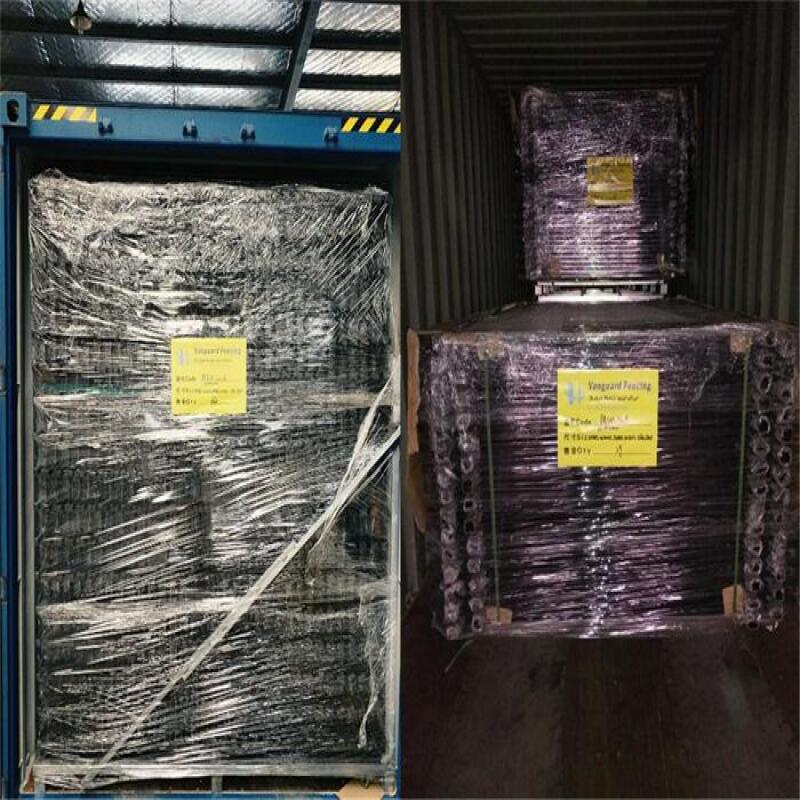
Packing is part of fence performance because coating damage in transit becomes rust later. POLYMETAL typically packs garrison fence panels in protected stillages or steel pallet stacks with separation to reduce rail-to-rail abrasion. Posts are bundled to prevent corner impacts and ovalization. Fixings are boxed and labeled by panel type so installation remains fast and consistent on site.
Standard
Garrison fencing can be produced to project specifications and inspection requirements. The safest procurement method is to write measurable requirements directly into the purchase order: rail frame and thickness, upright size and thickness, spacing and upright count, post size and wall thickness, finish system expectations, and the post height rule (+600mm).
FAQs
What is the most important rule to prevent leaning and rattles? Fence Post Height = Fence Panel Height + 600mm (minimum).
Which upright spacing should I choose? 115mm (16 uprights) baseline; 108mm (17 uprights) stiffer; 100mm (18 uprights) tightest.
Which rail frame is safer for tall panels? 50×50 rails are commonly selected for taller panels and harsher exposure.