Your One-Stop Wire Mesh Fence Supplier | POLYMETAL
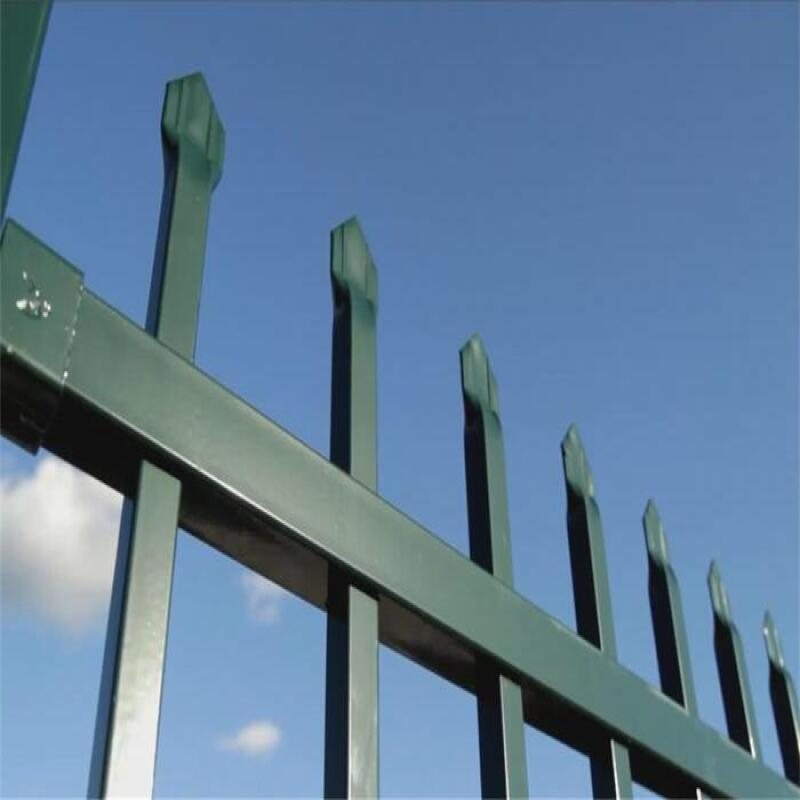
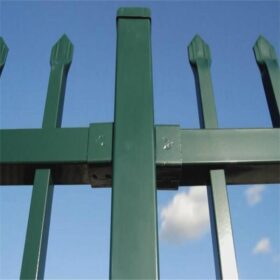
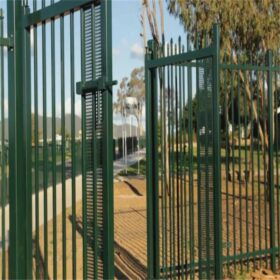
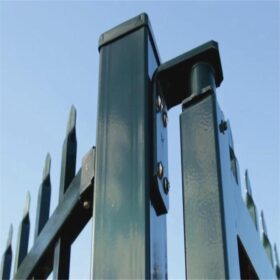
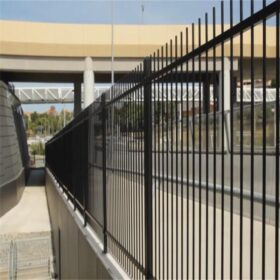
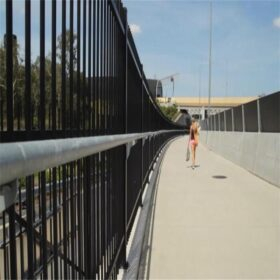
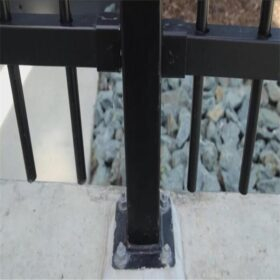
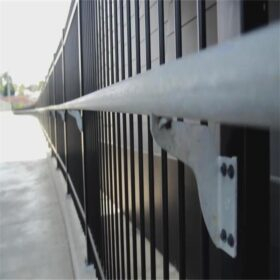
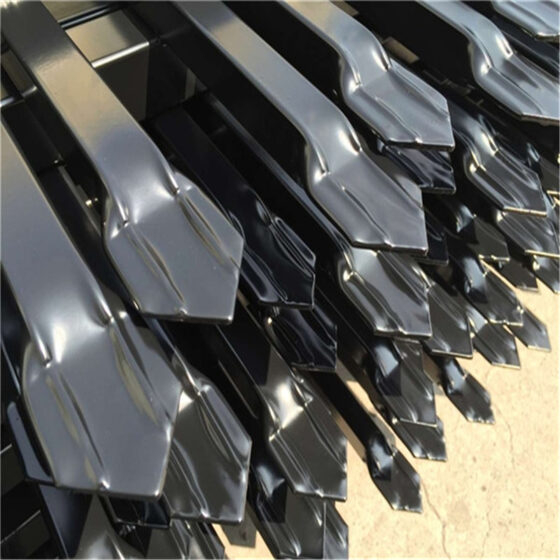
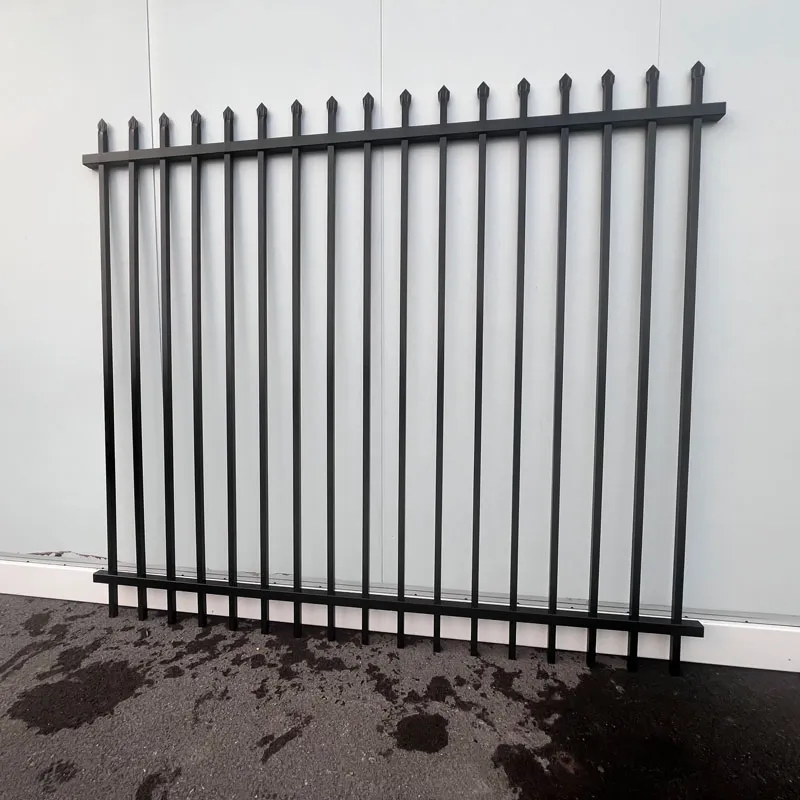
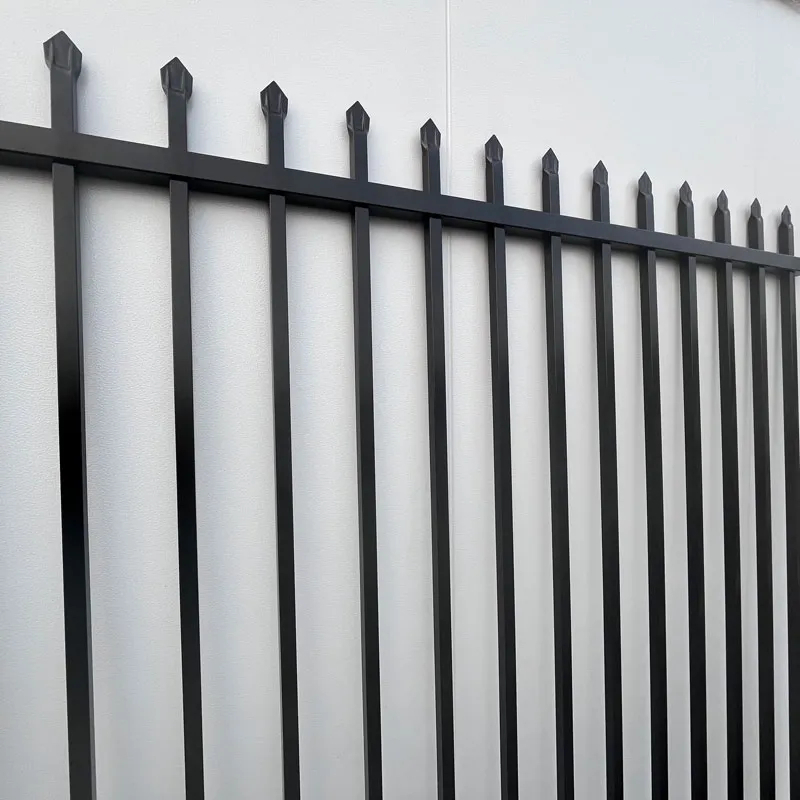
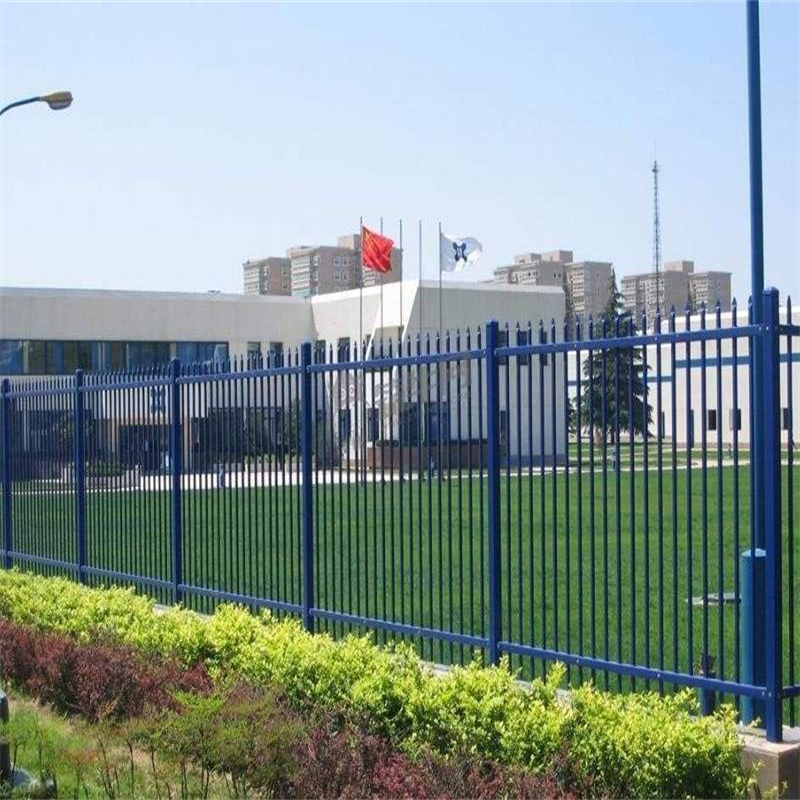
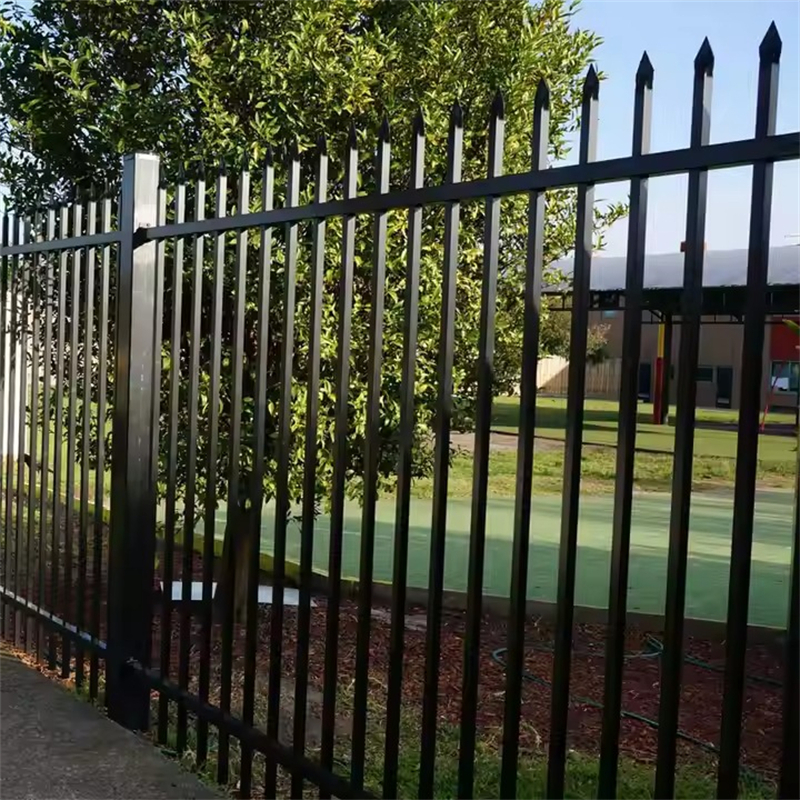
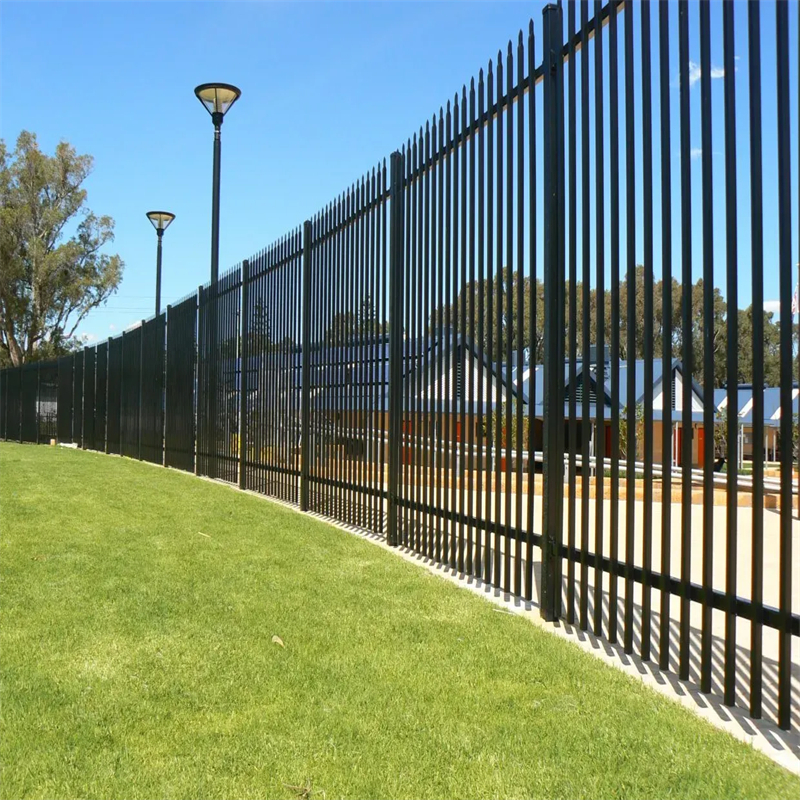
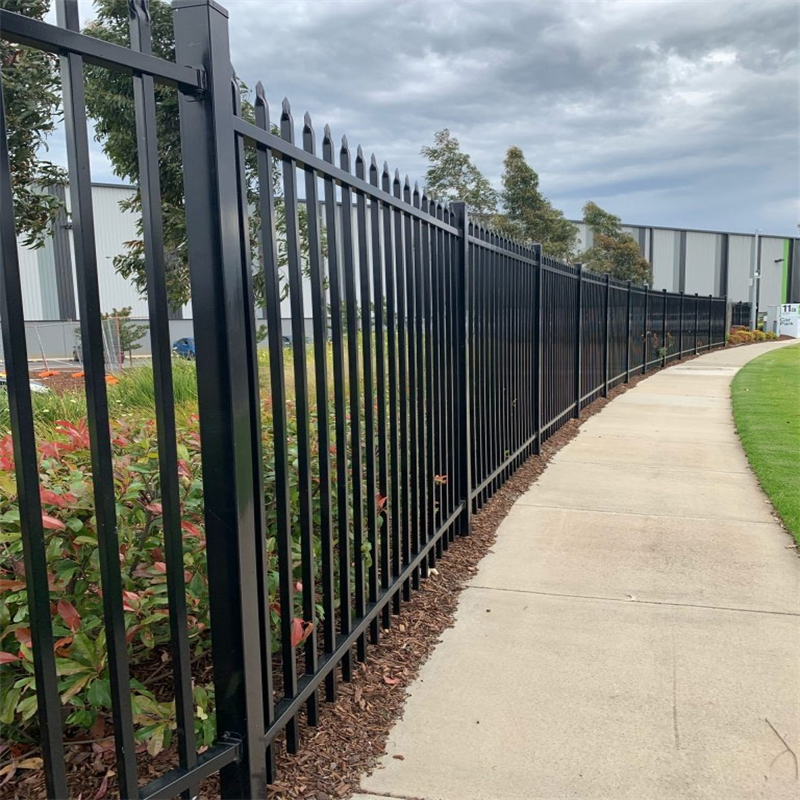
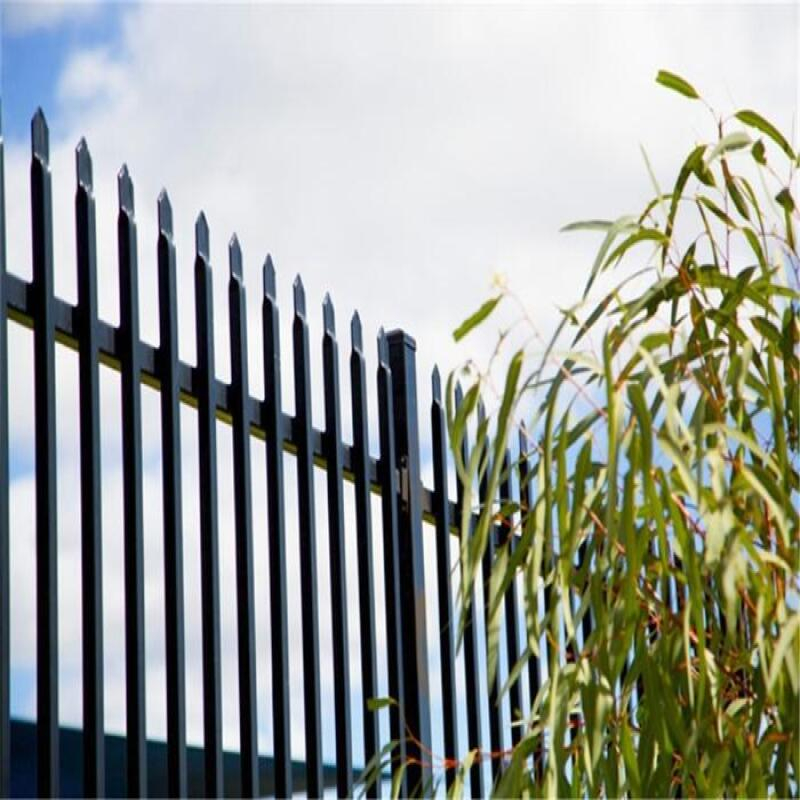
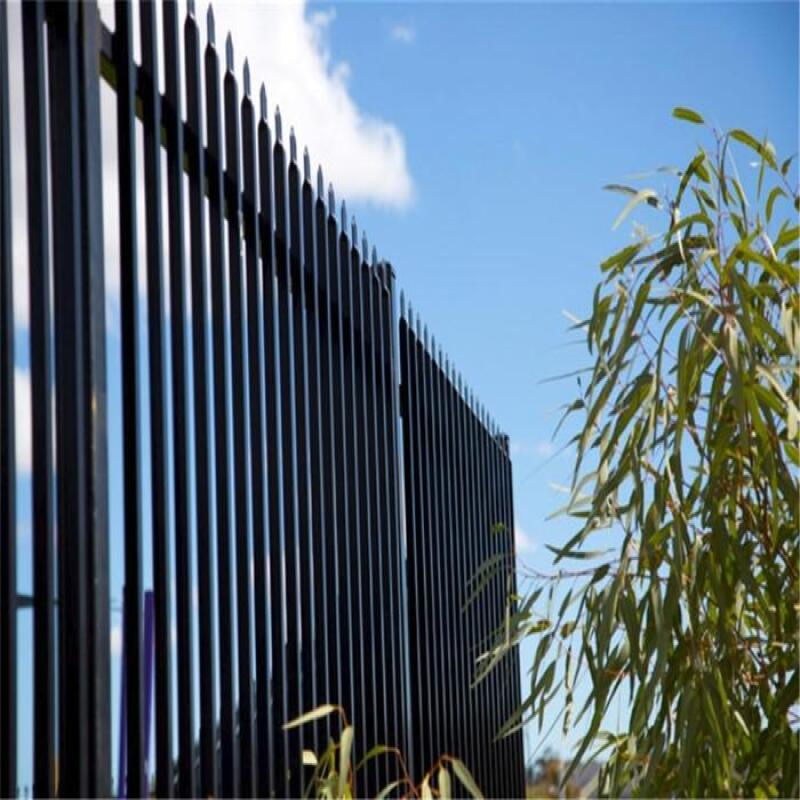
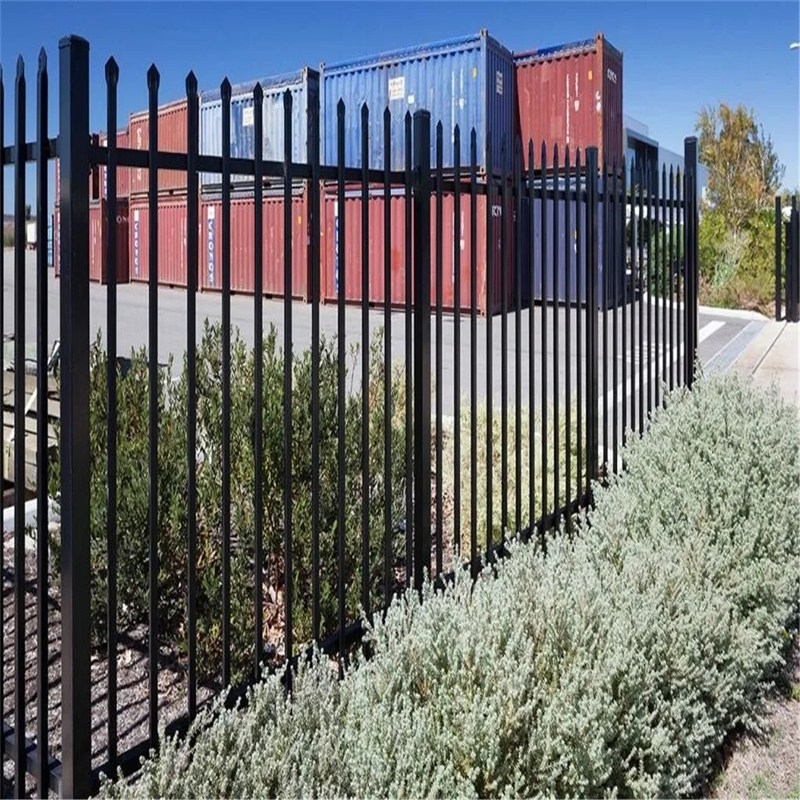
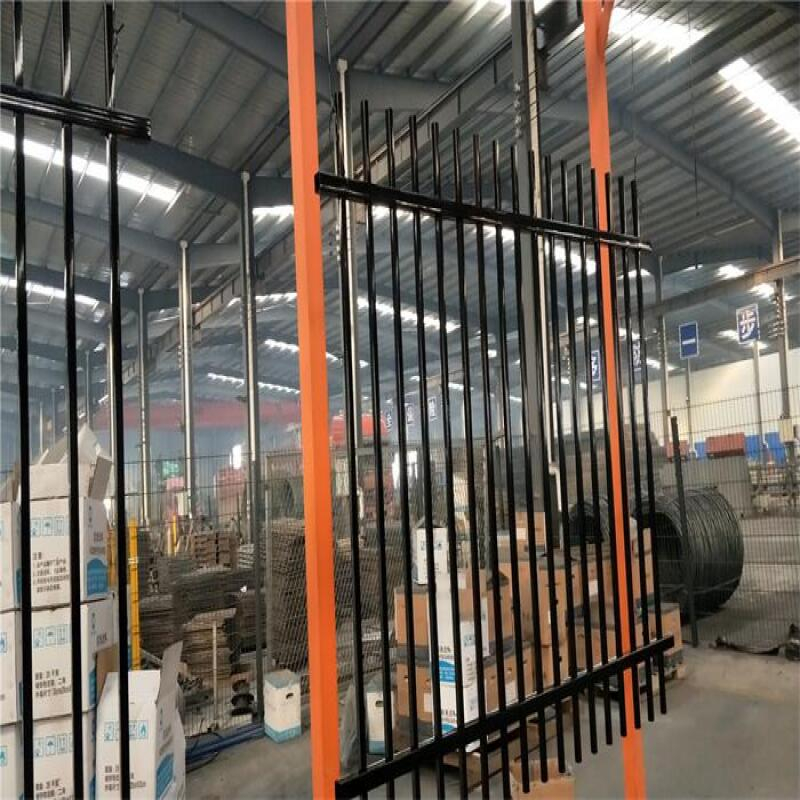
Steel garrison fence panels (also called tubular fence panels, ornamental fence panels, or picket-style security panels) are chosen when projects need a clean architectural line with real strength for schools, factories, parks, commercial frontage, pools, and public facilities. The panels are manufactured using high-strength steel pickets and rails (aluminium pickets and rails available on request) and fixed to powder-coated square tubular posts using high-strength brackets for fast, repeatable installation.
The hidden risk is that many steel garrison fence panels look similar in photos, but behave very differently once installed. A small downgrade in rail frame size, upright thickness, upright spacing discipline, post option, or anti-tamper fixings can turn a straight perimeter into visible wave-lines, rattles, early coating damage, and costly rejection after installation.
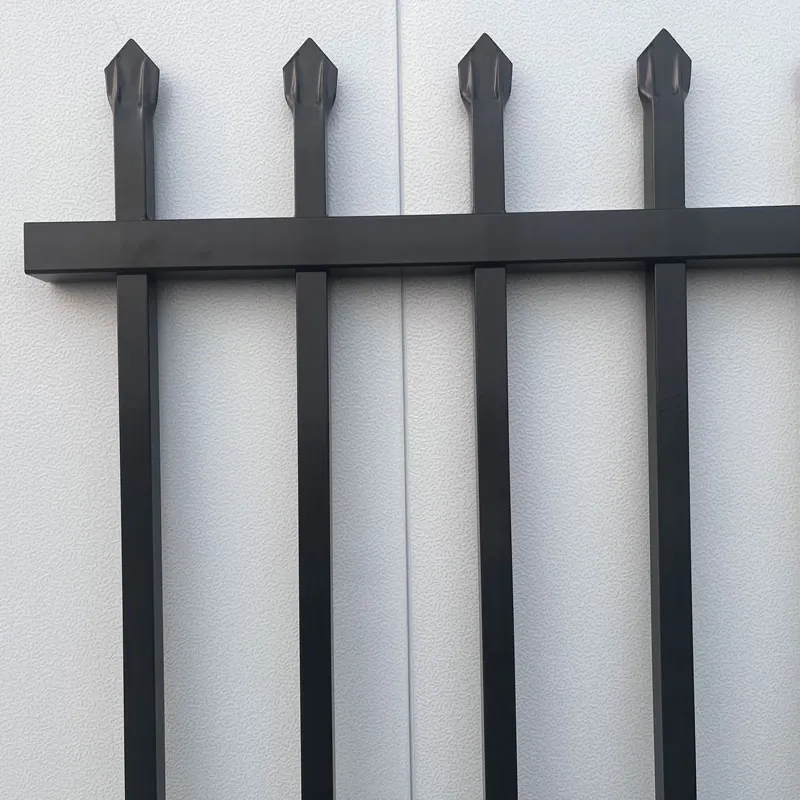
What Makes Steel Garrison Fence Panels “High-Performance” on Site
Steel garrison fence panels succeed when three things stay controlled: (1) rail stiffness so long runs stay straight, (2) upright discipline so pickets do not “oil-can” and loosen, and (3) post rigidity so gates and corners do not rack the line. When those three are correct, the fence is easy to handle and install, maintains a premium appearance, and stays stable under daily pressure from wind, foot traffic, and vibration.
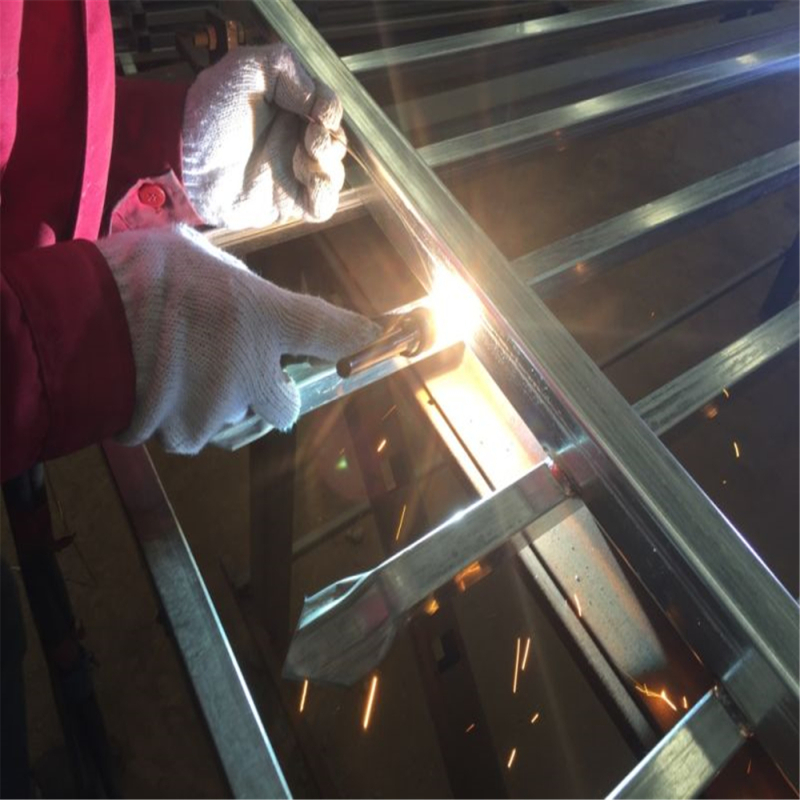
POLYMETAL supports two common fabrication approaches: rails inserted through uprights for consistent alignment, or face-to-face welding for specific strength targets. Silicon bronze and stainless steel full welding options can be applied where corrosion exposure or long-life performance is required.
Top 10 Shocking Traps When Buying Steel Garrison Fence Panels
These are the real reasons buyers lose money on garrison panel orders. The worst cost blowout usually happens when posts are already installed and the line must be rebuilt—especially Trap #7.
Trap #1: The “Looks the Same” Rail Frame Illusion
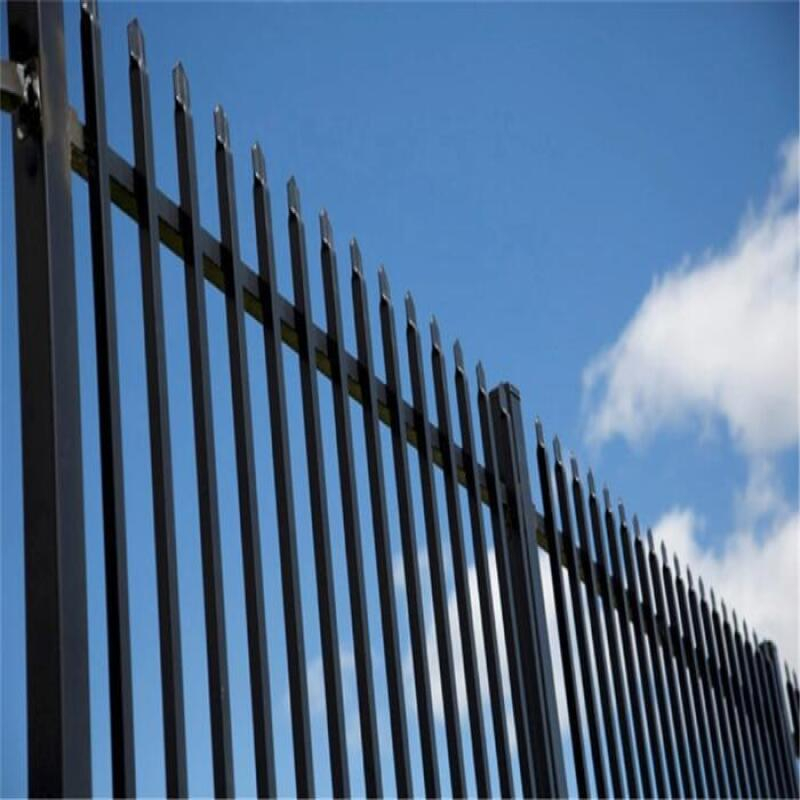
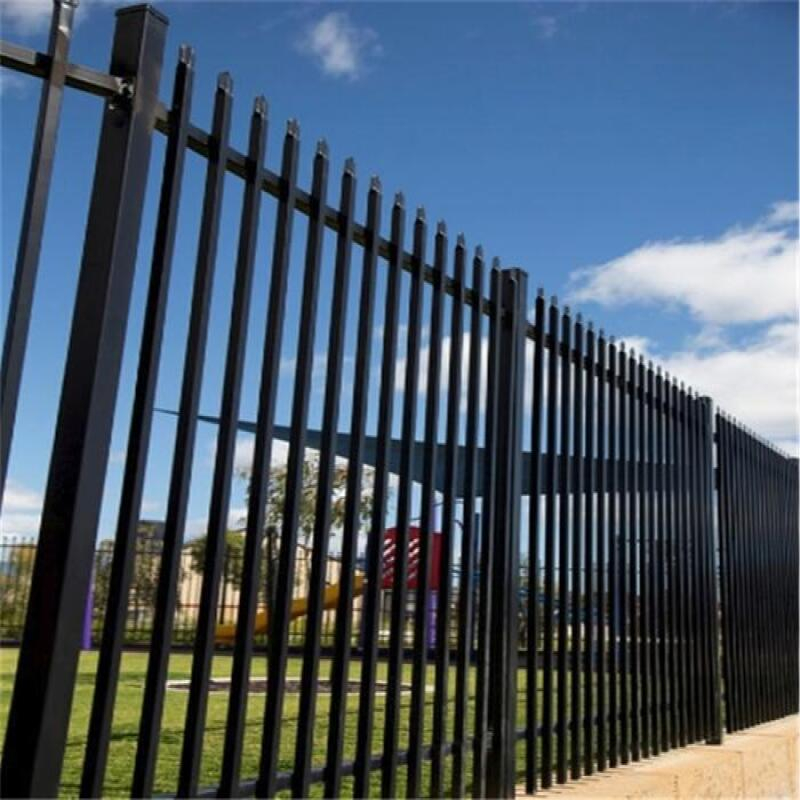
Two panels can look identical, but a rail frame change from 50×50 to 40×40 can reduce stiffness enough to create wave-lines across long runs. Rail frame choice must match fence height, wind exposure, and bay length.
Danger #2: Upright Thickness Quietly Drops
When upright thickness is downgraded, pickets flex more under impact and vibration, which makes brackets work loose faster and creates visible panel movement. Upright thickness is a stability control point, not a cosmetic detail.
Risk #3: Upright Spacing Is Not Locked
Spacing changes the visual rhythm and the structural behavior. If spacing drifts, panels look mismatched and become harder to align, and the fence line can “walk” as clamps loosen under micro-movement.
Problem #4: Post Option Under-Specified
Many fence failures are post failures. If the post size or wall thickness is too light, the line racks at corners and gates, panels don’t sit flat, and the perimeter looks repaired on day one.
Pitfall #5: Rail Thickness Not Matched to Height
Rail thickness is the difference between a fence that stays straight and one that develops sag and twist. A tall panel on thin rails can pass initial inspection but drift out of line after repeated loads.
Flaw #6: Brackets and Fasteners Treated as “Standard”
High security appearance is wasted if fixings can be removed with common tools. Anti-tamper proof fasteners and correct bracket selection must be part of the specification, not an afterthought.
Loss #7: Post Height Planning Is Ignored (Biggest Rework Trigger)
This is where buyers get hit hardest. If post heights are not specified correctly for embedment, baseplates, and ground variation, installers cut, pack, or re-set posts on site. That creates misaligned bays, uneven top lines, and rework. POLYMETAL recommends post height exceed panel height by 600mm to support proper footing depth and long-run rigidity.
Warning #8: Coating Spec Is Vague
Powder coating performance depends on the full process, not just color. If minimum film thickness, pretreatment, and powder brand are not defined, chipping and early corrosion become disputes.
Failure #9: Packing Discipline Is Missing
Transit damage creates finish defects that become rust starters. Without separation protection, labels, and counted bundles, panels rub, corners chip, and site teams mix incompatible components.
Checklist #10: Mixed Specs in One Project Without Labels
Mixed rail frames, upright spacing, or post options across one project requires strict labeling. If installers swap panels during deployment, the fence line becomes inconsistent and rework becomes inevitable.
Product Description
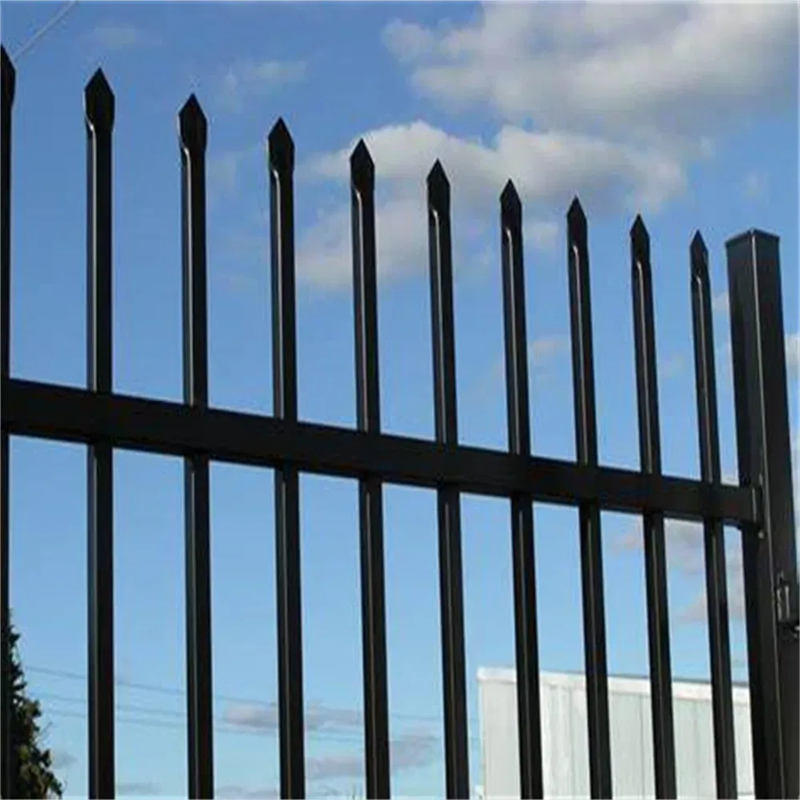
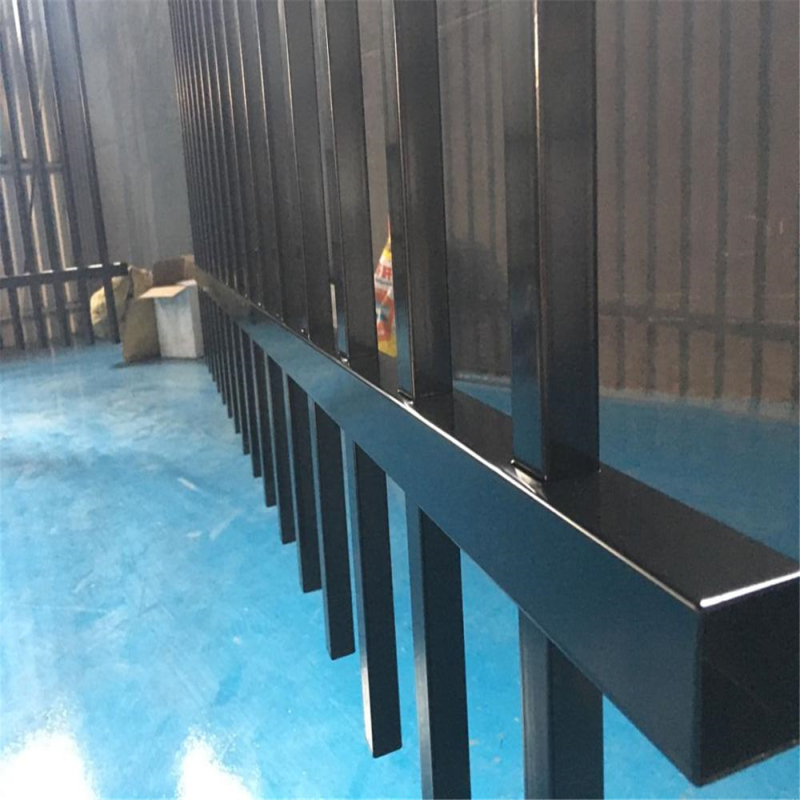
POLYMETAL steel garrison fence panels are tubular picket-style security panels manufactured from high-strength steel rails and uprights, designed to deliver a clean architectural boundary with real stiffness and repeatable installation. Panels are attached using high-strength steel or aluminium garrison fencing brackets to powder-coated square tubular steel posts, creating a perimeter that is easy to handle and install while maintaining a premium appearance for gardens, schools, factories, pools, residential, industrial, and commercial security projects—and for landscaping-driven sites, the same clean line pairs well with green screening concepts like stainless steel green facades to add privacy without losing airflow.
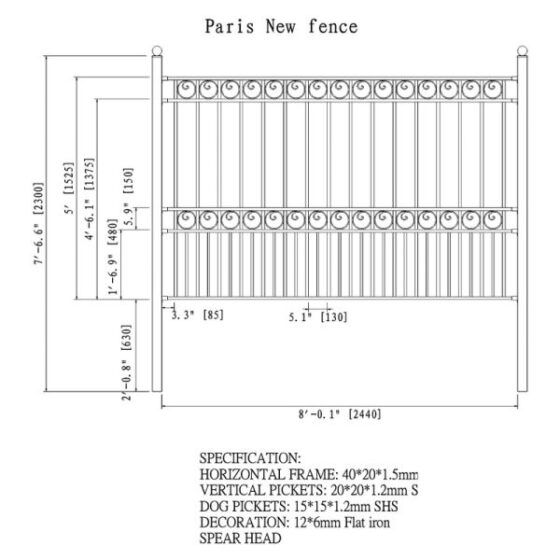
For performance consistency, POLYMETAL offers multiple rail frame sizes (40×40, 45×45, 50×50mm) and upright profiles (16×16, 25×25, 30×30mm) with controlled thickness options. Upright spacing and upright count are selected to match the project’s security feel and wind exposure, while post options (60×60, 65×65, 75×75, 80×80, 100×100mm) are specified with wall thickness discipline so long runs stay straight and gate zones remain stable.
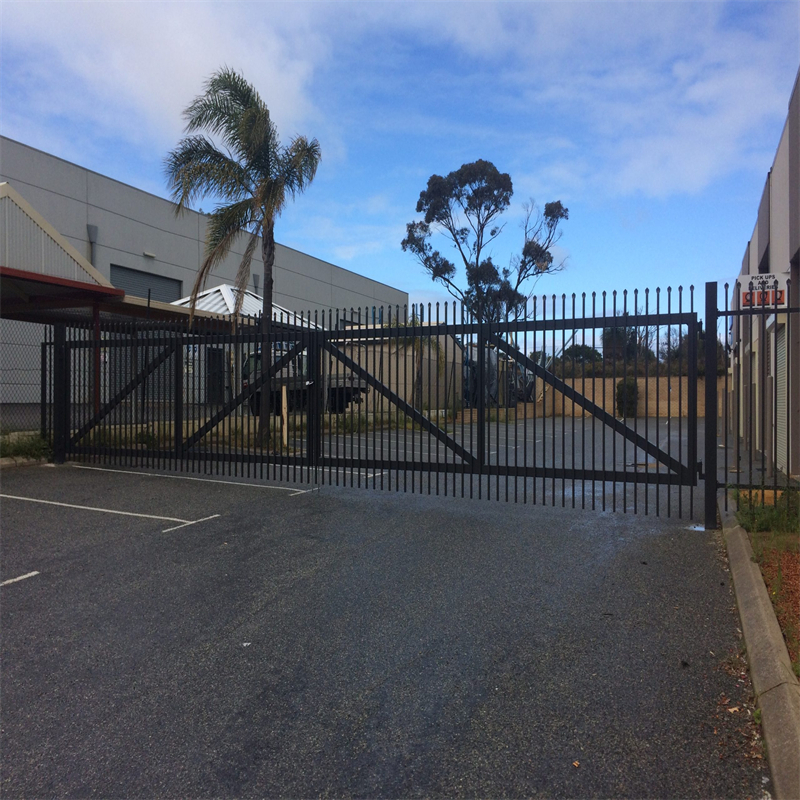
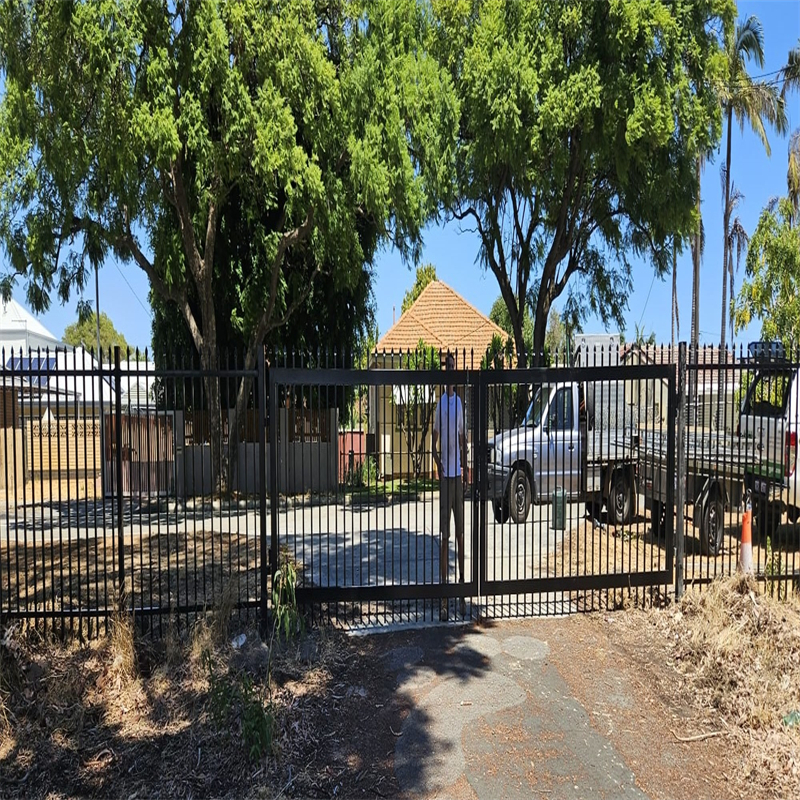
Specifications Table 1: Standard Duty Steel Garrison Fence Panels (AU/NZ Common Builds)
Rule applied: Post Height = Fence Panel Height + 600mm.
| Fence Height (mm) | Fence Width (mm) | Rail Frame | Rail Thickness (mm) | Upright | Upright Thickness (mm) | Upright Spacing (mm) | Upright Qty | Post Option | Post Wall (mm) | Post Height (mm) |
|---|---|---|---|---|---|---|---|---|---|---|
| 1200 | 2400 | 40×40 | 1.60 | 16×16 | 0.80 | 115 | 16 pcs | 60×60 | 1.60 | 1800 |
| 1200 | 2450 | 40×40 | 2.00 | 16×16 | 1.00 | 108 | 17 pcs | 65×65 | 1.60 | 1800 |
| 1500 | 2400 | 40×40 | 2.00 | 25×25 | 1.00 | 100 | 18 pcs | 65×65 | 2.00 | 2100 |
| 1500 | 2450 | 45×45 | 1.60 | 25×25 | 1.20 | 108 | 17 pcs | 75×75 | 1.60 | 2100 |
| 1800 | 2400 | 45×45 | 2.00 | 25×25 | 1.20 | 100 | 18 pcs | 75×75 | 2.00 | 2400 |
| 1800 | 2450 | 45×45 | 2.50 | 30×30 | 1.00 | 108 | 17 pcs | 80×80 | 2.00 | 2400 |
| 2100 | 2400 | 50×50 | 2.00 | 30×30 | 1.20 | 100 | 18 pcs | 80×80 | 2.00 | 2700 |
| 2100 | 2450 | 50×50 | 2.50 | 30×30 | 1.20 | 108 | 17 pcs | 100×100 | 2.00 | 2700 |
| 2400 | 2400 | 50×50 | 2.50 | 30×30 | 1.20 | 100 | 18 pcs | 100×100 | 2.50 | 3000 |
| 2400 | 2450 | 50×50 | 3.00 | 30×30 | 2.00 | 100 | 18 pcs | 100×100 | 2.50 | 3000 |
Specifications Table 2: Heavy Duty Steel Garrison Fence Panels (Industrial / High Traffic)
Rule applied: Post Height = Fence Panel Height + 600mm.
| Fence Height (mm) | Fence Width (mm) | Rail Frame | Rail Thickness (mm) | Upright | Upright Thickness (mm) | Upright Spacing (mm) | Upright Qty | Post Option | Post Wall (mm) | Post Height (mm) |
|---|---|---|---|---|---|---|---|---|---|---|
| 1200 | 2400 | 45×45 | 2.00 | 25×25 | 1.20 | 100 | 18 pcs | 75×75 | 2.00 | 1800 |
| 1200 | 2450 | 45×45 | 2.50 | 25×25 | 1.20 | 108 | 17 pcs | 80×80 | 2.00 | 1800 |
| 1500 | 2400 | 45×45 | 2.50 | 30×30 | 1.20 | 100 | 18 pcs | 80×80 | 2.50 | 2100 |
| 1500 | 2450 | 50×50 | 2.00 | 30×30 | 1.20 | 108 | 17 pcs | 100×100 | 2.00 | 2100 |
| 1800 | 2400 | 50×50 | 2.50 | 30×30 | 1.20 | 100 | 18 pcs | 100×100 | 2.50 | 2400 |
| 1800 | 2450 | 50×50 | 3.00 | 30×30 | 2.00 | 100 | 18 pcs | 100×100 | 2.50 | 2400 |
| 2100 | 2400 | 50×50 | 3.00 | 30×30 | 2.00 | 100 | 18 pcs | 100×100 | 2.50 | 2700 |
| 2100 | 2450 | 50×50 | 3.00 | 30×30 | 2.00 | 108 | 17 pcs | 100×100 | 2.50 | 2700 |
| 2400 | 2400 | 50×50 | 3.00 | 30×30 | 2.00 | 100 | 18 pcs | 100×100 | 2.50 | 3000 |
| 2400 | 2450 | 50×50 | 3.00 | 30×30 | 2.00 | 115 | 16 pcs | 100×100 | 2.50 | 3000 |
Specifications Table 3: Maximum Rigidity Steel Garrison Fence Panels (High Exposure / Premium Finish)
Rule applied: Post Height = Fence Panel Height + 600mm.
| Fence Height (mm) | Fence Width (mm) | Rail Frame | Rail Thickness (mm) | Upright | Upright Thickness (mm) | Upright Spacing (mm) | Upright Qty | Post Option | Post Wall (mm) | Post Height (mm) |
|---|---|---|---|---|---|---|---|---|---|---|
| 1200 | 2400 | 50×50 | 2.50 | 25×25 | 1.20 | 100 | 18 pcs | 80×80 | 2.50 | 1800 |
| 1200 | 2450 | 50×50 | 3.00 | 30×30 | 1.20 | 108 | 17 pcs | 100×100 | 2.00 | 1800 |
| 1500 | 2400 | 50×50 | 3.00 | 30×30 | 1.20 | 100 | 18 pcs | 100×100 | 2.50 | 2100 |
| 1500 | 2450 | 50×50 | 3.00 | 30×30 | 2.00 | 108 | 17 pcs | 100×100 | 2.50 | 2100 |
| 1800 | 2400 | 50×50 | 3.00 | 30×30 | 2.00 | 100 | 18 pcs | 100×100 | 2.50 | 2400 |
| 1800 | 2450 | 50×50 | 3.00 | 30×30 | 2.00 | 115 | 16 pcs | 100×100 | 2.50 | 2400 |
| 2100 | 2400 | 50×50 | 3.00 | 30×30 | 2.00 | 100 | 18 pcs | 100×100 | 2.50 | 2700 |
| 2100 | 2450 | 50×50 | 3.00 | 30×30 | 2.00 | 108 | 17 pcs | 100×100 | 2.50 | 2700 |
| 2400 | 2400 | 50×50 | 3.00 | 30×30 | 2.00 | 100 | 18 pcs | 100×100 | 2.50 | 3000 |
| 2400 | 2450 | 50×50 | 3.00 | 30×30 | 2.00 | 108 | 17 pcs | 100×100 | 2.50 | 3000 |
Applications
- Industrial and commercial sites
- Boundary fencing and frontage fencing
- Schools, parks, and public facilities
- Residential, gardens, and home security upgrades
- Factories, villas, and managed properties
- Construction project fencing (permanent perimeter style)
- Pool zones and restricted access areas (project compliance dependent)
Benefits
- High security feel: tubular picket line signals control and deters casual entry.
- Less maintenance cost: robust design plus controlled coating reduces repaint cycles.
- Anti-tamper fasteners: reduces dismantling attempts when specified correctly.
- Minimal wind resistance: open profile reduces wind loading compared to solid screens.
- Long life performance: strong rails, disciplined uprights, and correct posts keep the line straight.
- Aesthetic appeal: contemporary look that is less attractive to graffiti compared to flat walls.
Packing
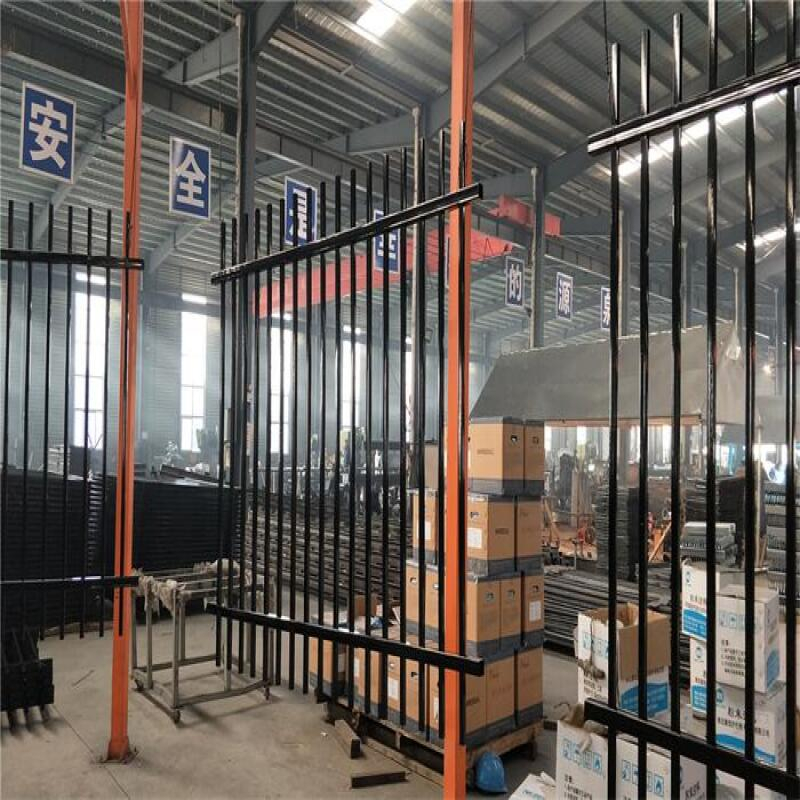
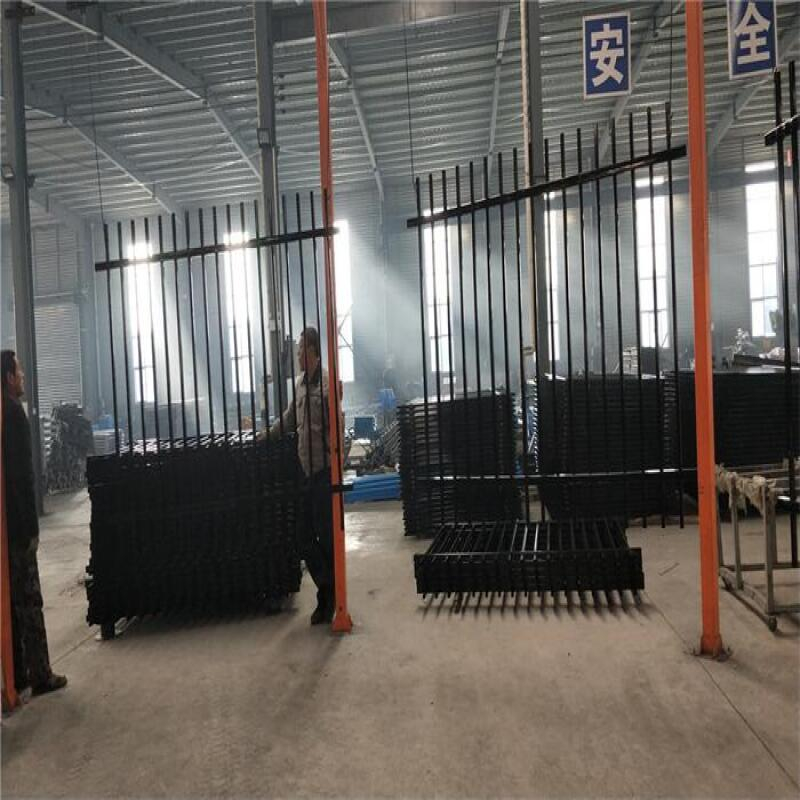
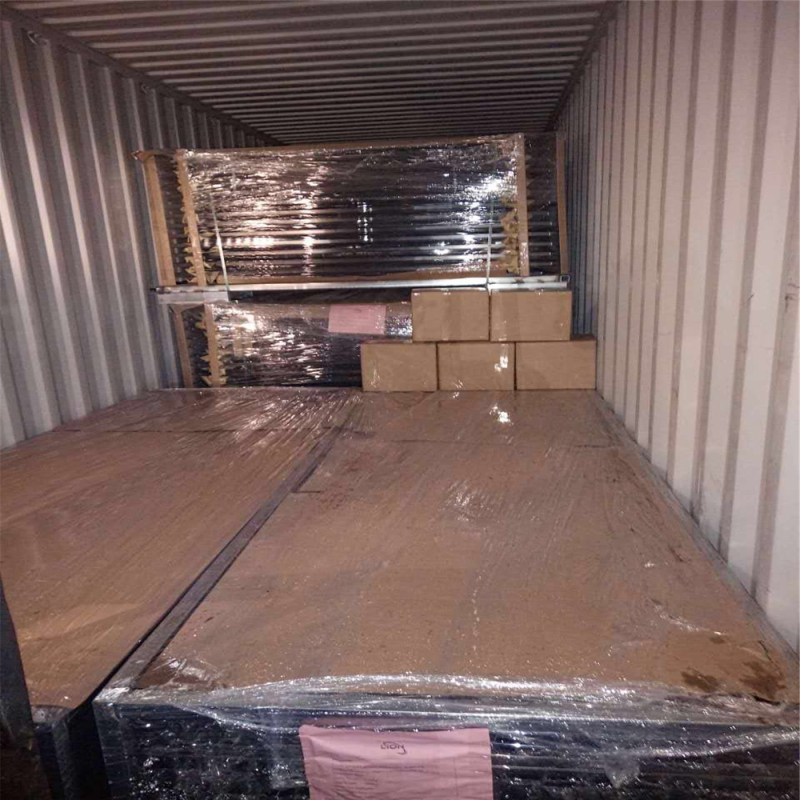
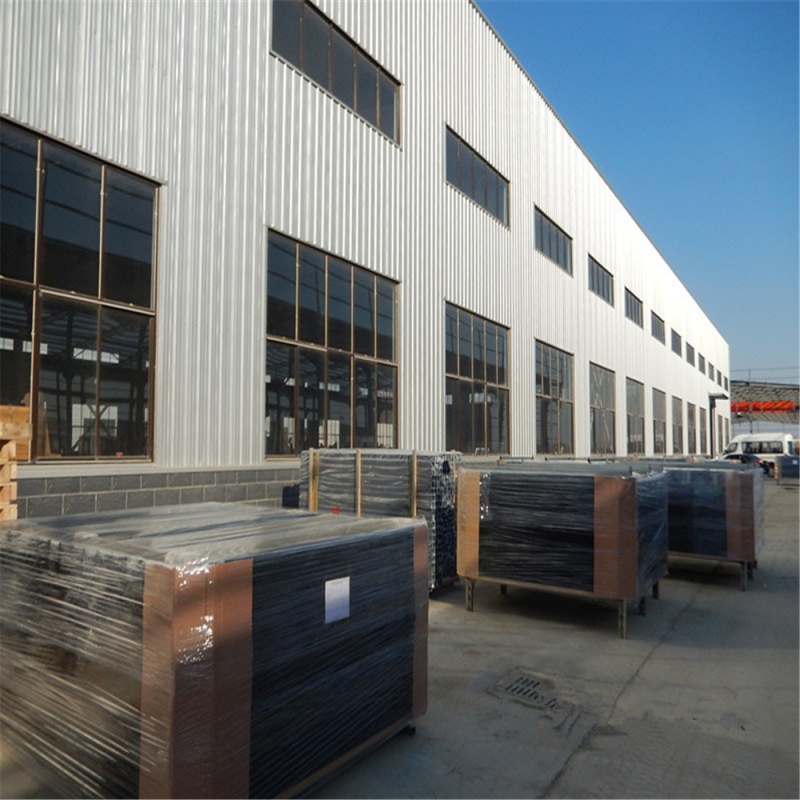
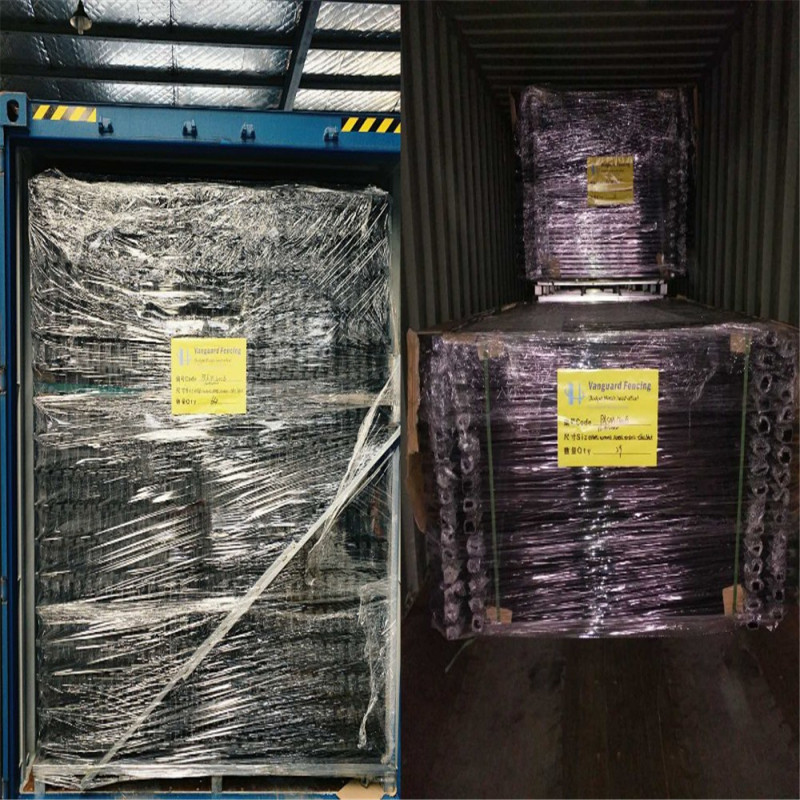
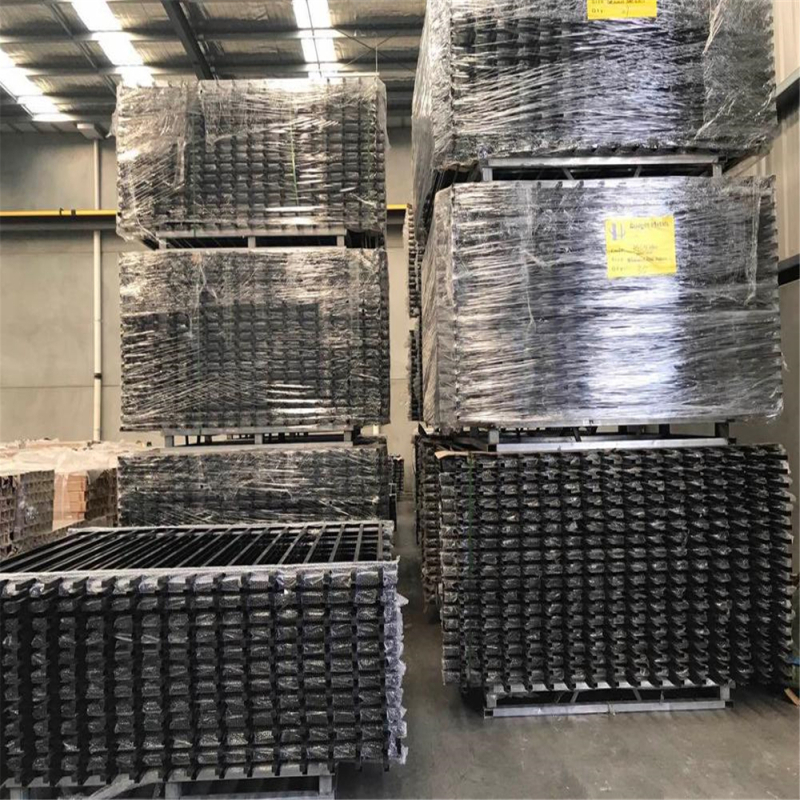
POLYMETAL packing is designed to protect coating and prevent mix-ups so steel garrison fence panels install straight and consistent.
- Panels separated to prevent rubbing, then wrapped and palletised for forklift handling.
- Posts bundled by size and wall thickness to prevent installation swapping.
- Brackets and fasteners boxed, counted, and labeled by run or height group.
- Optional: bubble film protection, woven bag outer, and reinforced corner guards for long-distance shipping.
Standard
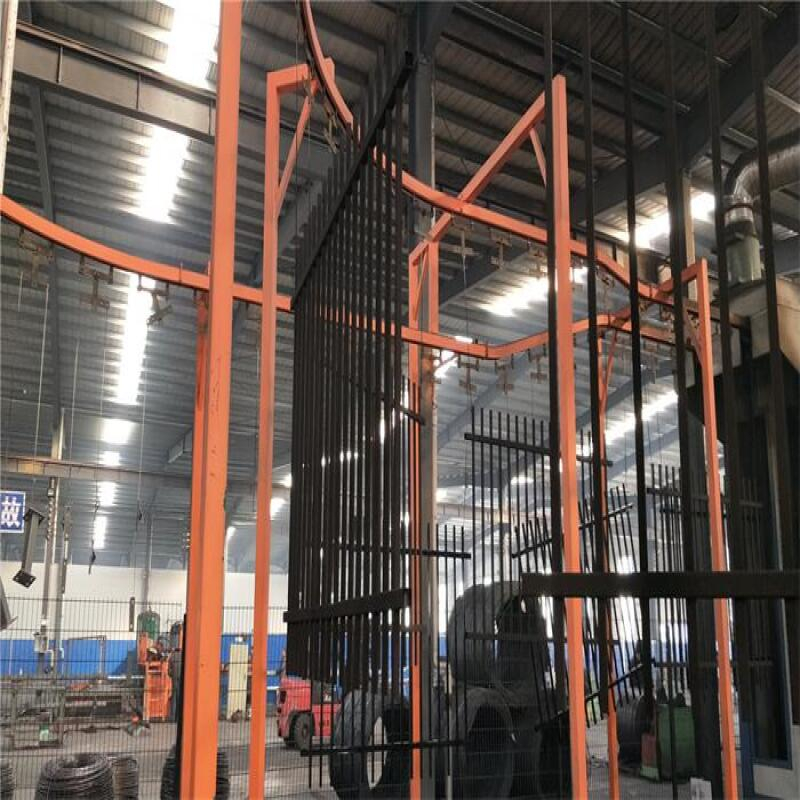
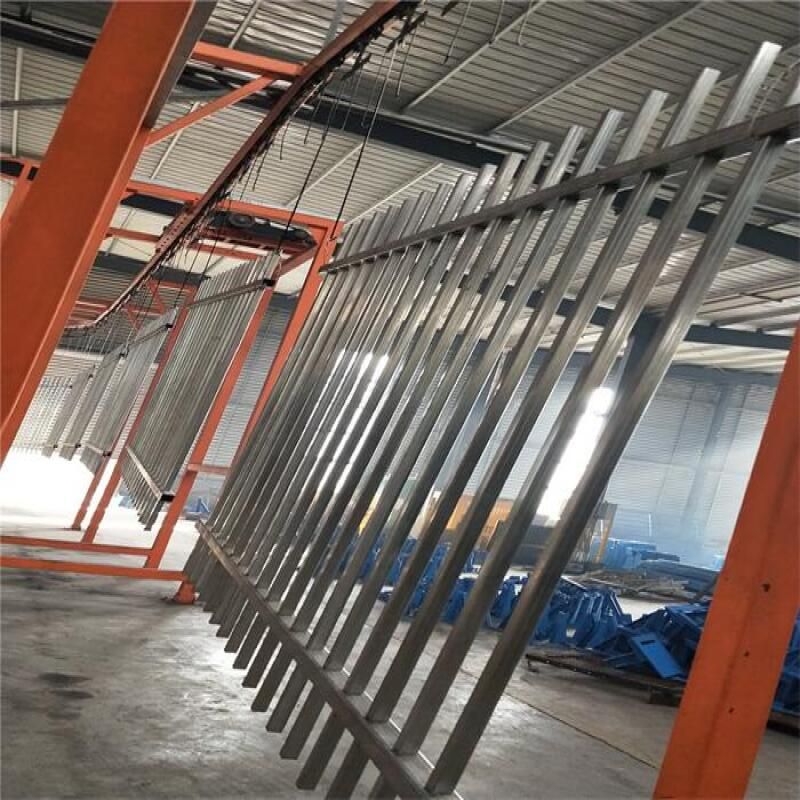
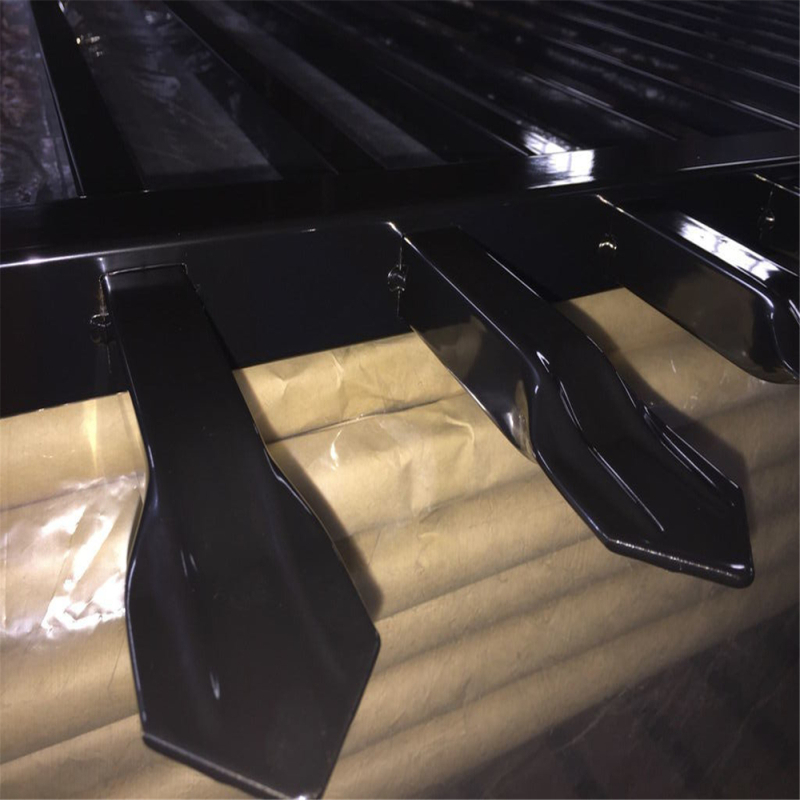
Finish and treatment can be specified to match project requirements, including galvanizing and powder coating systems aligned to common AU/NZ practice, with powder coating thickness commonly targeted at a minimum of 80 microns and available in black or full RAL ranges. Anti-tamper fixings, controlled welding discipline, and post rigidity selection should be locked in writing so the delivered steel garrison fence panels match the security feel and straight-line appearance expected on site.
FAQs
Q1: What is the fastest way to choose the right steel garrison fence panels?
A: Start with fence height and exposure level, then select rail frame (40×40 / 45×45 / 50×50), upright size (16×16 / 25×25 / 30×30), upright spacing (100 / 108 / 115), and a post option that matches the height plus the 600mm post allowance.
Q2: Which rail frame is most common?
A: 40×40 and 45×45 are common for standard runs, while 50×50 is preferred for taller panels, high exposure sites, and premium straight-line appearance.
Q3: Can you supply different upright spacing and picket counts?
A: Yes, common configurations include 16 pcs (115mm), 17 pcs (108mm), and 18 pcs (100mm) depending on the security feel and visual density required.
Q4: What post options are available?
A: Common post options include 60×60, 65×65, 75×75, 80×80, and 100×100mm with wall thickness options such as 1.6mm, 2.0mm, and 2.5mm.
Q5: How do you reduce installation problems on long runs?
A: Keep rail frames and upright thickness aligned to the fence height, lock upright spacing, use rigid posts for corners and gates, specify anti-tamper fixings, and keep post height greater than panel height by 600mm to support stable foundations.