Your One-Stop Wire Mesh Fence Supplier | POLYMETAL
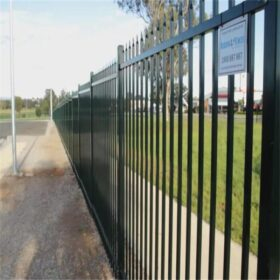
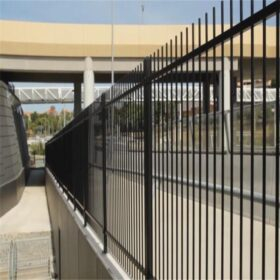
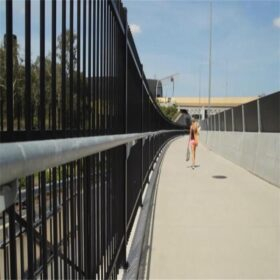
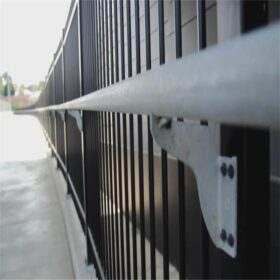
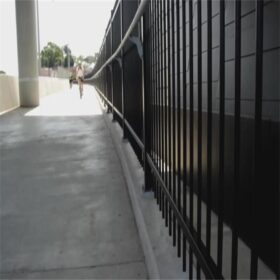
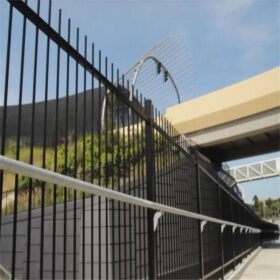
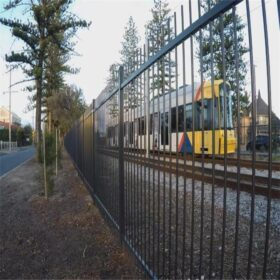
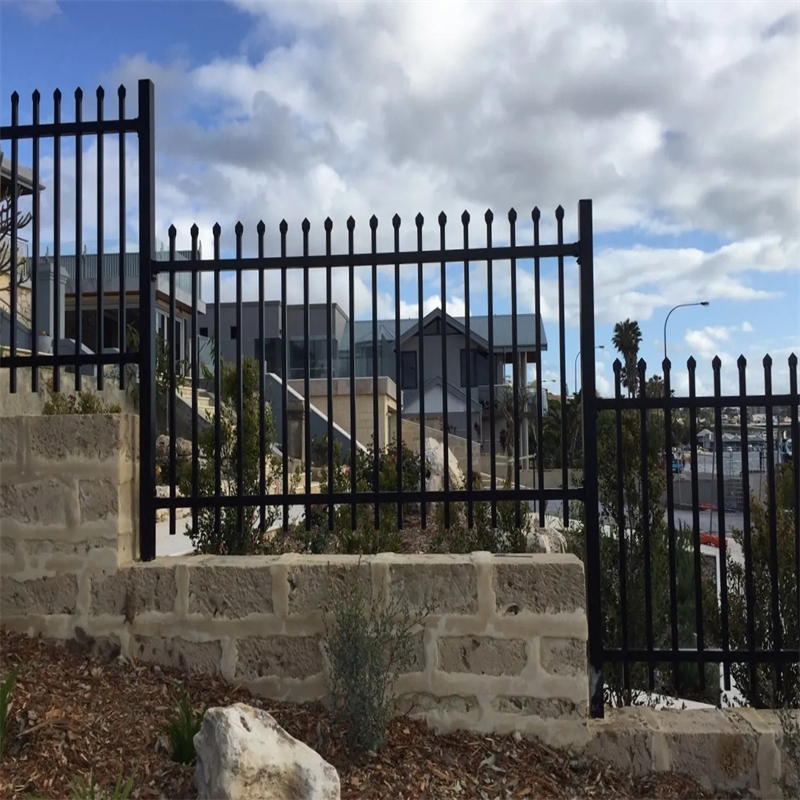
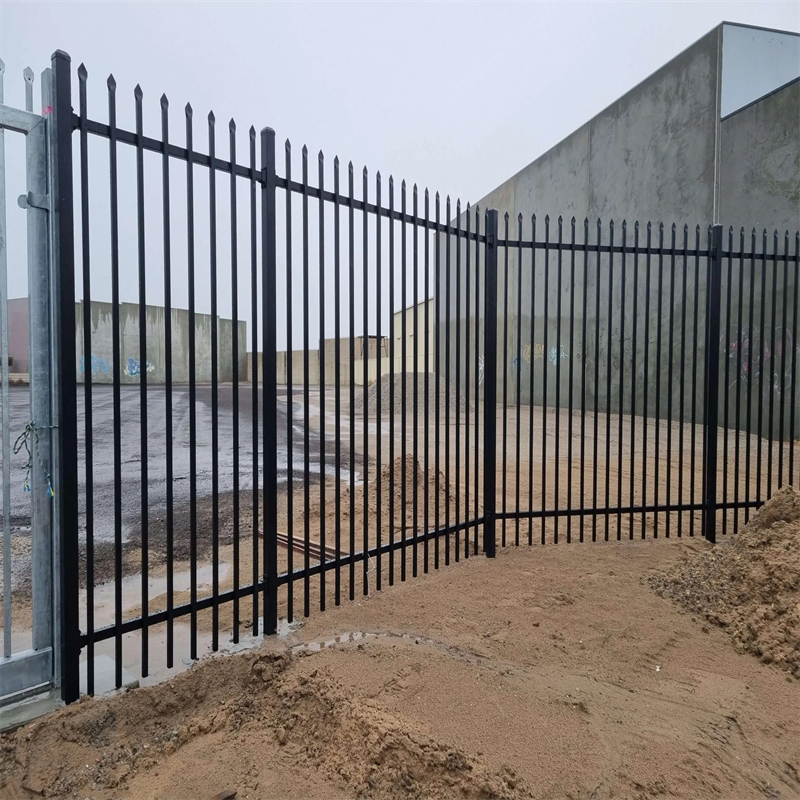
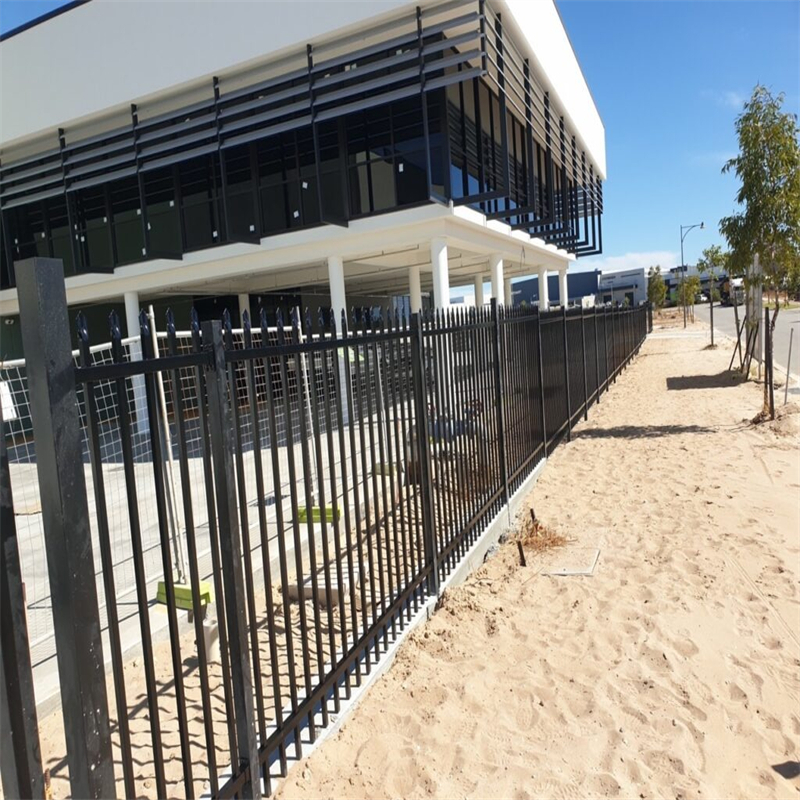
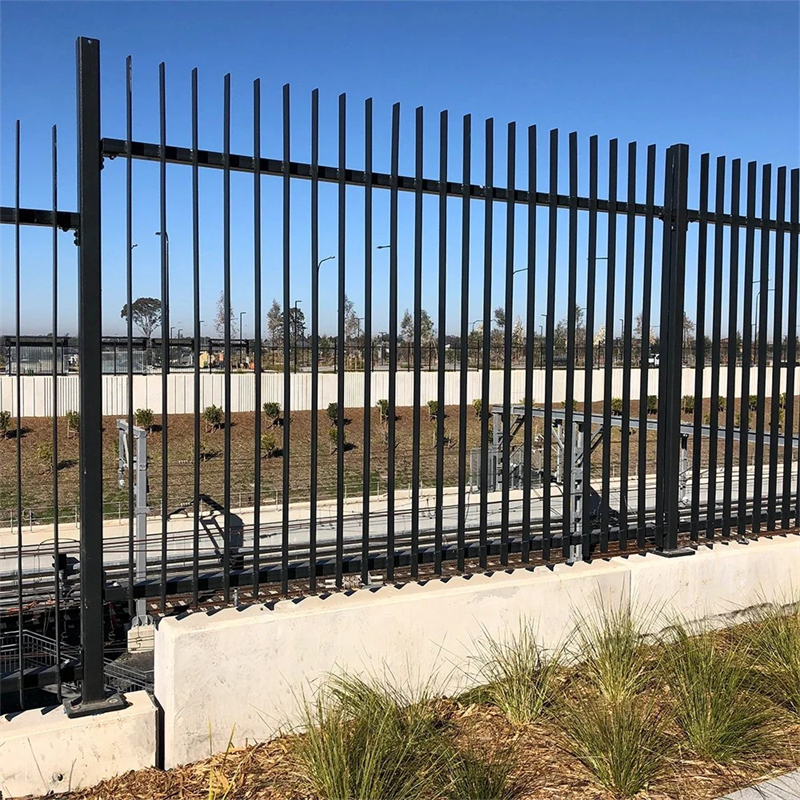
Why Steel Hercules Security Fence Buyers Choose Panel Systems
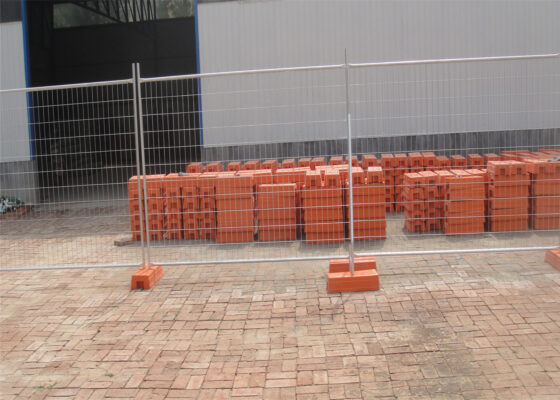
Steel Hercules security fence panels are chosen when a site needs repeatable security performance and a consistent visual line. Panel systems install faster than stick-built methods, create predictable bays, and make future repairs easier because damaged sections can be swapped without rebuilding an entire run.
For schools, storage yards, factories, commercial frontage, and public-facing boundaries, the panel look matters—straight lines and consistent spacing signal control and reduce the “temporary fence” appearance.
For projects that also require controlled access during staging, deliveries, or short-term site separation, many teams coordinate perimeter planning with compatible gate solutions—this guide to temporary fencing gates shows common gate formats that can support safe entry points while the main fence line is being installed or upgraded.
Product Description (POLYMETAL Steel Hercules Security Fence)
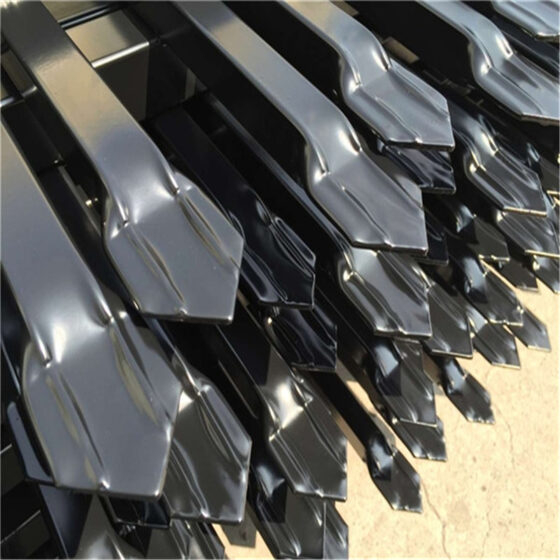
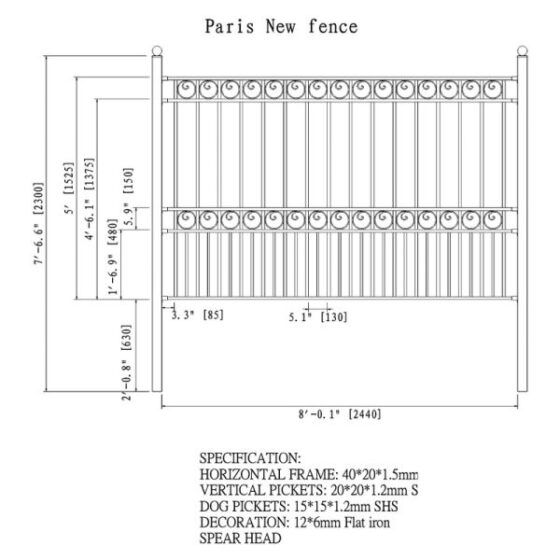
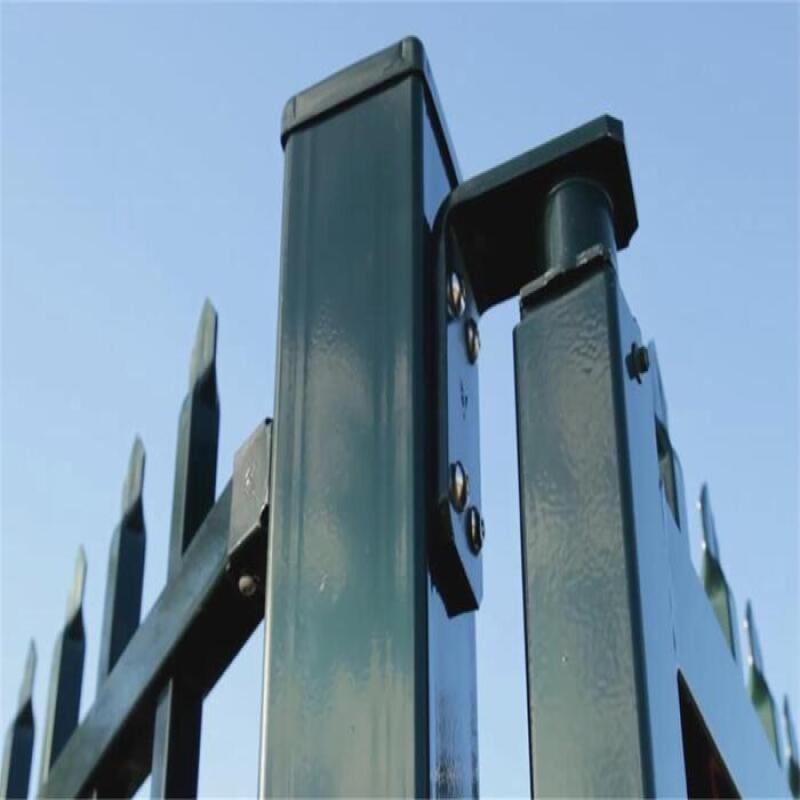
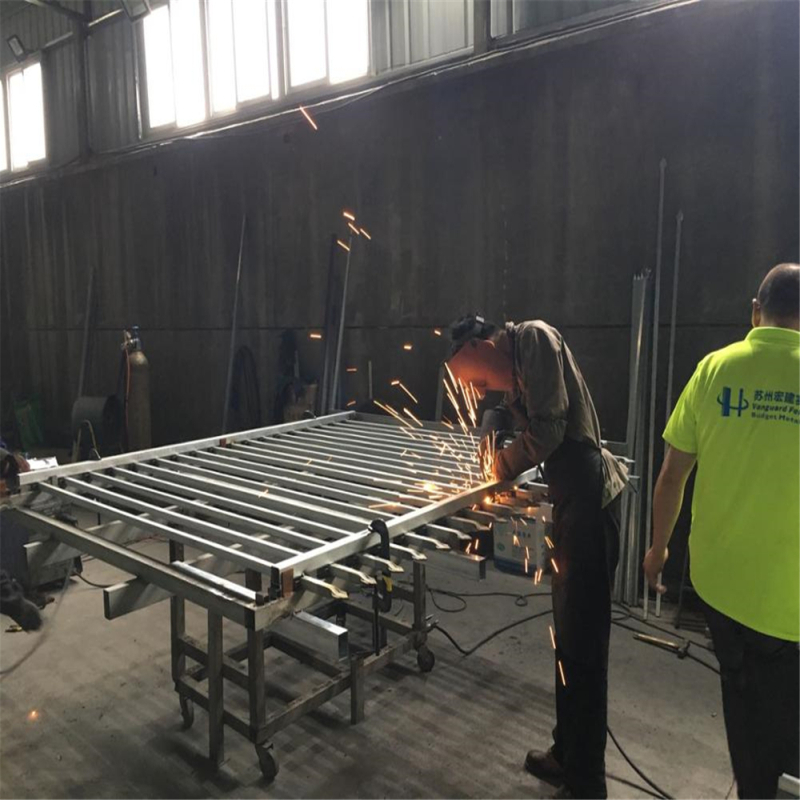
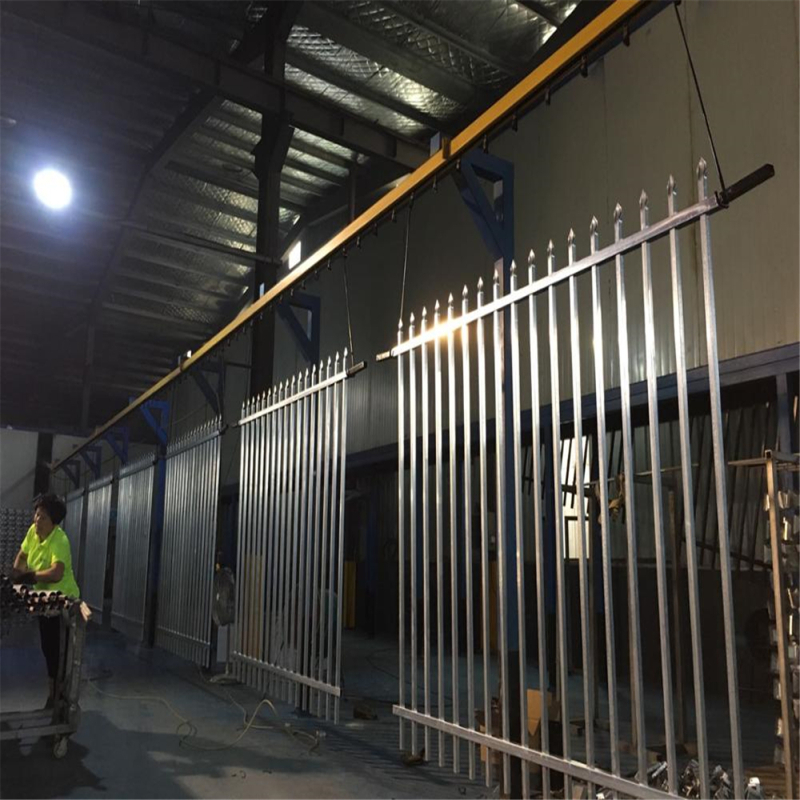
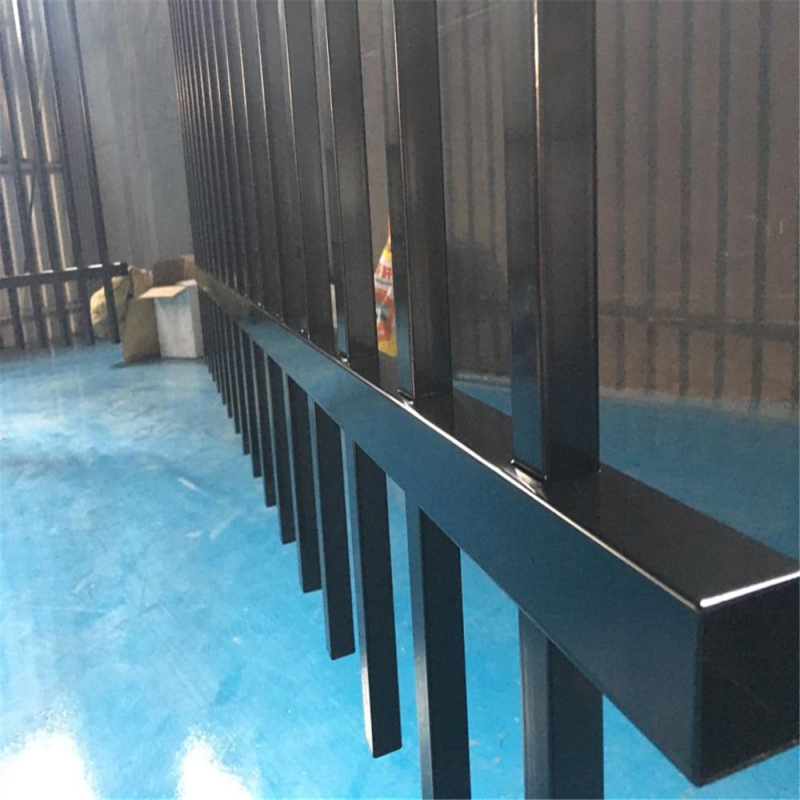
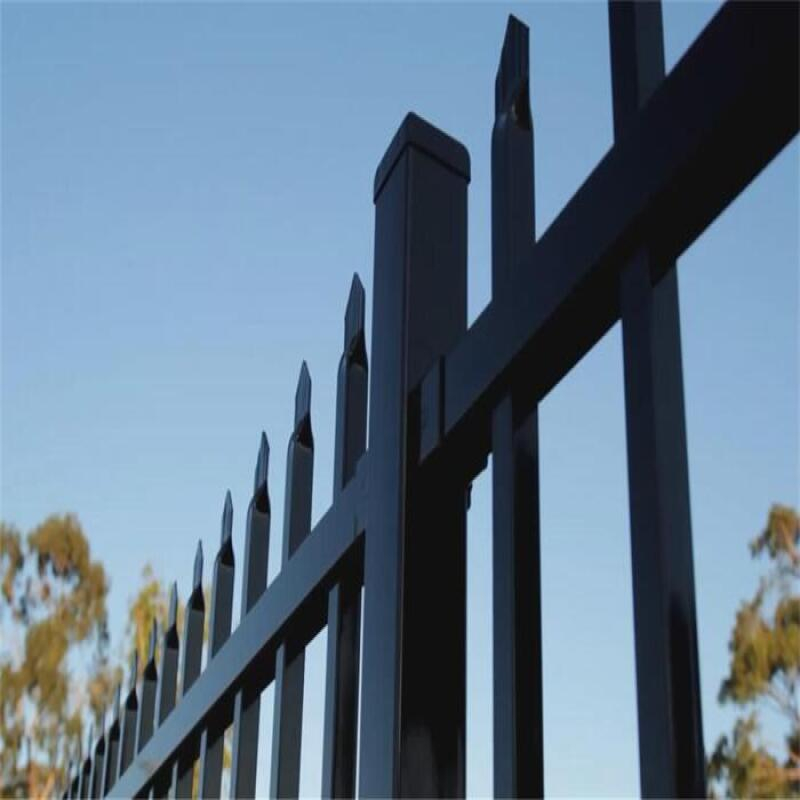
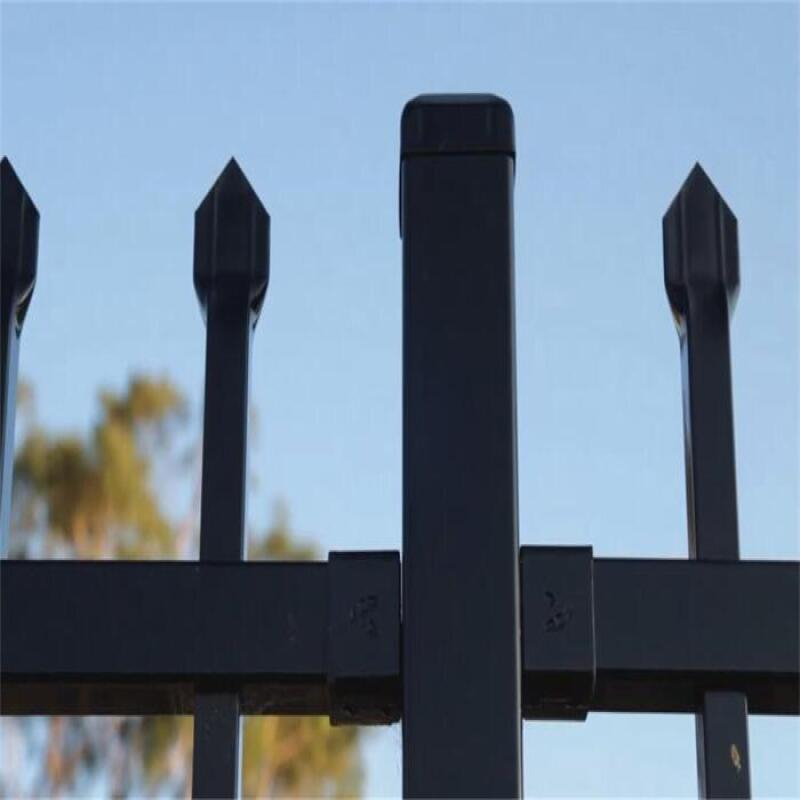
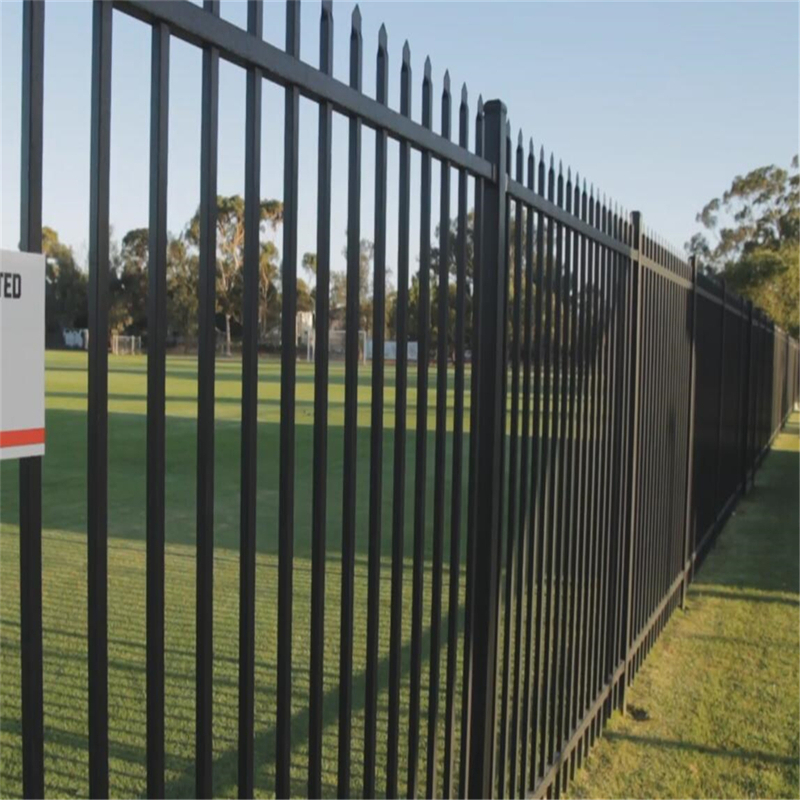
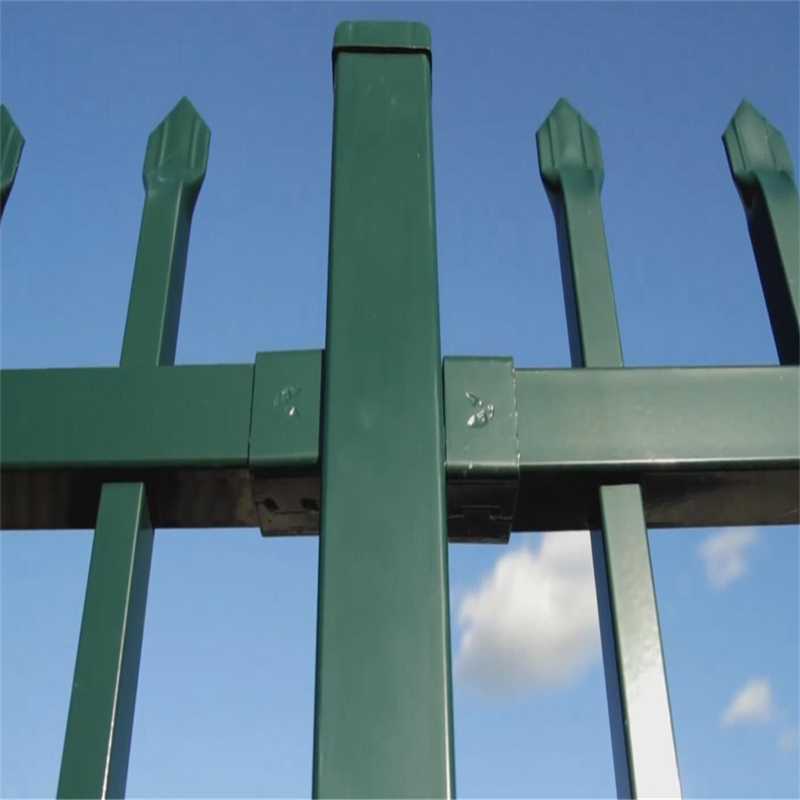
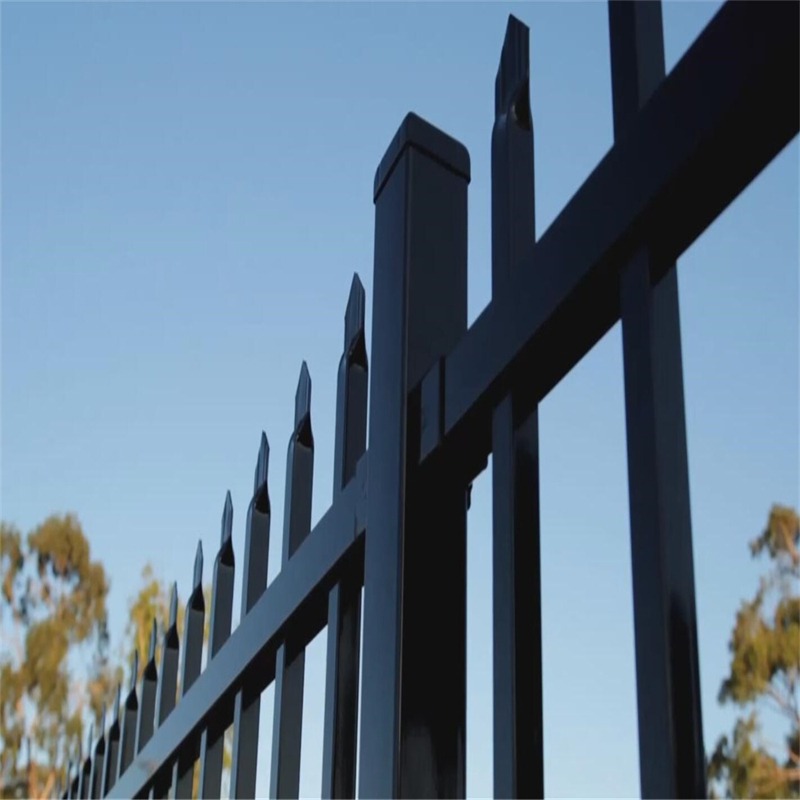
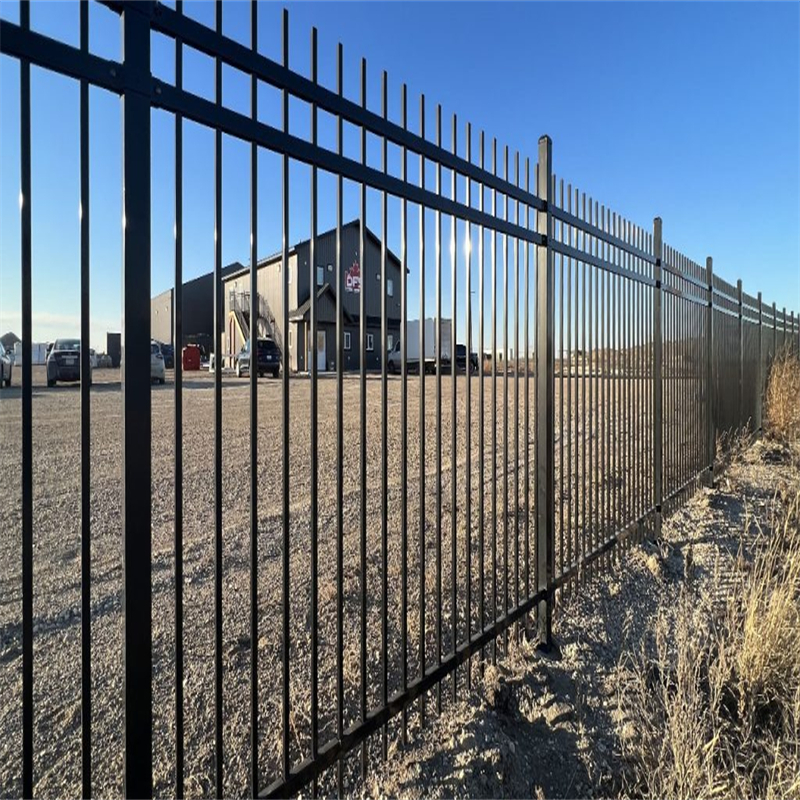
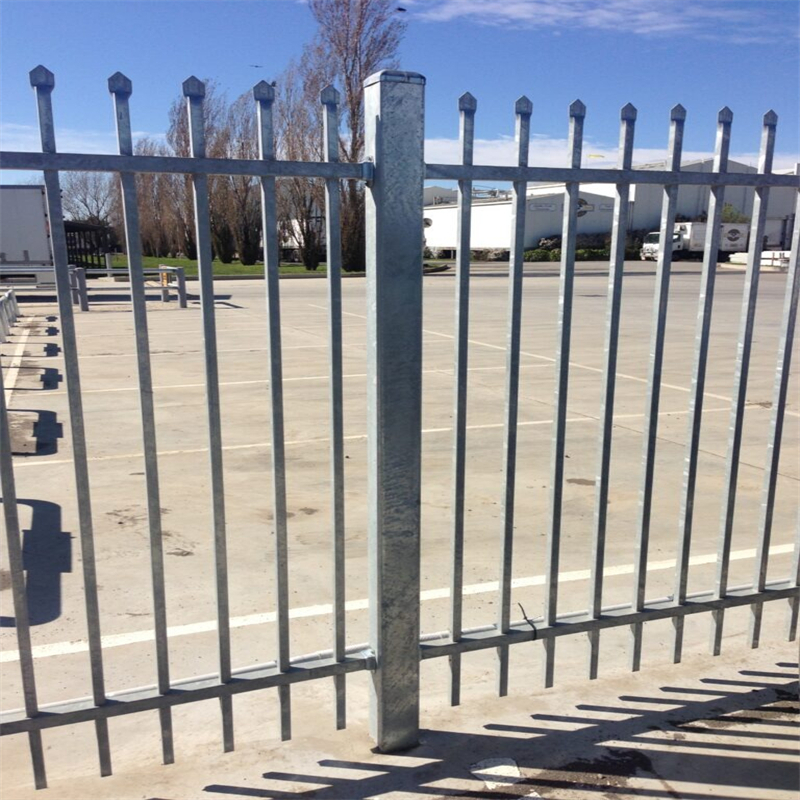
POLYMETAL Steel Hercules security fence panels are fabricated from low carbon steel using welded square-tube rails and square or rectangular uprights designed for uniform spacing and fast on-site alignment. Buyers can choose rail frames in 40×40mm, 45×45mm, or 50×50mm profiles and match them with uprights such as 16×16mm, 25×25mm, or 30×30mm, with upright thickness options from 0.80mm up to 2.00mm depending on rigidity and impact expectations.
Panel widths are commonly configured in 2400mm and 2450mm formats to suit project bay planning, while upright count options (16, 17, or 18 uprights) control the finished spacing and the “anti-climb” feel. Rail thickness options (1.60mm, 2.00mm, 2.50mm, and 3.00mm) allow the same fence style to be scaled from standard boundary control to heavier-duty perimeter deterrence.
Posts are supplied in multiple sizes (60×60mm, 65×65mm, 75×75mm, 80×80mm, and 100×100mm) with wall thickness options (1.60mm, 2.00mm, and 2.50mm), and post height is selected to exceed panel height by at least 600mm to support stable embedment and clean vertical presentation.
Specifications (Steel Hercules Security Fence) — 5 Tables
Table 1: Standard Build Specs (40×40mm Rail Frame) — 10 Specs
| Spec ID | Fence Height (mm) | Fence Width (mm) | Rail Frame | Rail Thickness | Upright Size | Upright Thickness | Upright Spacing | Upright Count | Post Option (Size×Wall) | Post Height (mm) |
|---|---|---|---|---|---|---|---|---|---|---|
| SHF-40-01 | 1200 | 2400 | 40×40mm | 1.60mm | 25×25mm | 0.80mm | 115mm | 16 pcs | 60×60×1.60 | 1800 |
| SHF-40-02 | 1200 | 2450 | 40×40mm | 2.00mm | 25×25mm | 1.00mm | 108mm | 17 pcs | 65×65×1.60 | 1800 |
| SHF-40-03 | 1500 | 2400 | 40×40mm | 2.00mm | 25×25mm | 1.00mm | 100mm | 18 pcs | 75×75×2.00 | 2100 |
| SHF-40-04 | 1500 | 2450 | 40×40mm | 2.50mm | 30×30mm | 1.00mm | 108mm | 17 pcs | 75×75×2.00 | 2100 |
| SHF-40-05 | 1800 | 2400 | 40×40mm | 2.50mm | 30×30mm | 1.20mm | 100mm | 18 pcs | 80×80×2.00 | 2400 |
| SHF-40-06 | 1800 | 2450 | 40×40mm | 3.00mm | 30×30mm | 1.20mm | 108mm | 17 pcs | 80×80×2.50 | 2400 |
| SHF-40-07 | 2100 | 2400 | 40×40mm | 2.50mm | 25×25mm | 2.00mm | 100mm | 18 pcs | 100×100×2.00 | 2700 |
| SHF-40-08 | 2100 | 2450 | 40×40mm | 3.00mm | 30×30mm | 2.00mm | 100mm | 18 pcs | 100×100×2.50 | 2700 |
| SHF-40-09 | 2400 | 2400 | 40×40mm | 3.00mm | 30×30mm | 2.00mm | 108mm | 17 pcs | 100×100×2.50 | 3000 |
| SHF-40-10 | 2400 | 2450 | 40×40mm | 3.00mm | 25×25mm | 2.00mm | 100mm | 18 pcs | 100×100×2.50 | 3000 |
Table 2: Reinforced Build Specs (45×45mm Rail Frame) — 10 Specs
| Spec ID | Fence Height (mm) | Fence Width (mm) | Rail Frame | Rail Thickness | Upright Size | Upright Thickness | Upright Spacing | Upright Count | Post Option (Size×Wall) | Post Height (mm) |
|---|---|---|---|---|---|---|---|---|---|---|
| SHF-45-01 | 1200 | 2400 | 45×45mm | 1.60mm | 16×16mm | 1.00mm | 100mm | 18 pcs | 65×65×1.60 | 1800 |
| SHF-45-02 | 1200 | 2450 | 45×45mm | 2.00mm | 25×25mm | 1.00mm | 108mm | 17 pcs | 75×75×1.60 | 1800 |
| SHF-45-03 | 1500 | 2400 | 45×45mm | 2.00mm | 25×25mm | 1.20mm | 115mm | 16 pcs | 75×75×2.00 | 2100 |
| SHF-45-04 | 1500 | 2450 | 45×45mm | 2.50mm | 30×30mm | 1.20mm | 108mm | 17 pcs | 80×80×2.00 | 2100 |
| SHF-45-05 | 1800 | 2400 | 45×45mm | 2.50mm | 30×30mm | 1.20mm | 100mm | 18 pcs | 80×80×2.50 | 2400 |
| SHF-45-06 | 1800 | 2450 | 45×45mm | 3.00mm | 25×25mm | 2.00mm | 100mm | 18 pcs | 100×100×2.00 | 2400 |
| SHF-45-07 | 2100 | 2400 | 45×45mm | 2.50mm | 30×30mm | 2.00mm | 108mm | 17 pcs | 100×100×2.00 | 2700 |
| SHF-45-08 | 2100 | 2450 | 45×45mm | 3.00mm | 30×30mm | 2.00mm | 100mm | 18 pcs | 100×100×2.50 | 2700 |
| SHF-45-09 | 2400 | 2400 | 45×45mm | 3.00mm | 30×30mm | 2.00mm | 100mm | 18 pcs | 100×100×2.50 | 3000 |
| SHF-45-10 | 2400 | 2450 | 45×45mm | 3.00mm | 25×25mm | 2.00mm | 108mm | 17 pcs | 100×100×2.50 | 3000 |
Table 3: Heavy-Duty Build Specs (50×50mm Rail Frame) — 10 Specs
| Spec ID | Fence Height (mm) | Fence Width (mm) | Rail Frame | Rail Thickness | Upright Size | Upright Thickness | Upright Spacing | Upright Count | Post Option (Size×Wall) | Post Height (mm) |
|---|---|---|---|---|---|---|---|---|---|---|
| SHF-50-01 | 1200 | 2400 | 50×50mm | 2.00mm | 25×25mm | 1.20mm | 100mm | 18 pcs | 75×75×2.00 | 1800 |
| SHF-50-02 | 1200 | 2450 | 50×50mm | 2.50mm | 30×30mm | 1.20mm | 108mm | 17 pcs | 80×80×2.00 | 1800 |
| SHF-50-03 | 1500 | 2400 | 50×50mm | 2.50mm | 30×30mm | 1.20mm | 100mm | 18 pcs | 80×80×2.50 | 2100 |
| SHF-50-04 | 1500 | 2450 | 50×50mm | 3.00mm | 25×25mm | 2.00mm | 108mm | 17 pcs | 100×100×2.00 | 2100 |
| SHF-50-05 | 1800 | 2400 | 50×50mm | 3.00mm | 30×30mm | 2.00mm | 100mm | 18 pcs | 100×100×2.50 | 2400 |
| SHF-50-06 | 1800 | 2450 | 50×50mm | 3.00mm | 30×30mm | 2.00mm | 108mm | 17 pcs | 100×100×2.50 | 2400 |
| SHF-50-07 | 2100 | 2400 | 50×50mm | 3.00mm | 30×30mm | 2.00mm | 100mm | 18 pcs | 100×100×2.50 | 2700 |
| SHF-50-08 | 2100 | 2450 | 50×50mm | 3.00mm | 25×25mm | 2.00mm | 100mm | 18 pcs | 100×100×2.50 | 2700 |
| SHF-50-09 | 2400 | 2400 | 50×50mm | 3.00mm | 30×30mm | 2.00mm | 100mm | 18 pcs | 100×100×2.50 | 3000 |
| SHF-50-10 | 2400 | 2450 | 50×50mm | 3.00mm | 25×25mm | 2.00mm | 108mm | 17 pcs | 100×100×2.50 | 3000 |
Table 4: Anti-Climb Emphasis Specs (100mm Spacing Priority) — 10 Specs
| Spec ID | Fence Height (mm) | Fence Width (mm) | Rail Frame | Rail Thickness | Upright Size | Upright Thickness | Upright Spacing | Upright Count | Post Option (Size×Wall) | Post Height (mm) |
|---|---|---|---|---|---|---|---|---|---|---|
| SHF-AC-01 | 1200 | 2400 | 40×40mm | 2.00mm | 16×16mm | 1.00mm | 100mm | 18 pcs | 65×65×2.00 | 1800 |
| SHF-AC-02 | 1200 | 2450 | 45×45mm | 2.00mm | 25×25mm | 1.00mm | 100mm | 18 pcs | 75×75×2.00 | 1800 |
| SHF-AC-03 | 1500 | 2400 | 40×40mm | 2.50mm | 25×25mm | 1.20mm | 100mm | 18 pcs | 75×75×2.00 | 2100 |
| SHF-AC-04 | 1500 | 2450 | 45×45mm | 2.50mm | 30×30mm | 1.20mm | 100mm | 18 pcs | 80×80×2.50 | 2100 |
| SHF-AC-05 | 1800 | 2400 | 45×45mm | 2.50mm | 30×30mm | 1.20mm | 100mm | 18 pcs | 80×80×2.50 | 2400 |
| SHF-AC-06 | 1800 | 2450 | 50×50mm | 3.00mm | 25×25mm | 2.00mm | 100mm | 18 pcs | 100×100×2.00 | 2400 |
| SHF-AC-07 | 2100 | 2400 | 50×50mm | 3.00mm | 30×30mm | 2.00mm | 100mm | 18 pcs | 100×100×2.50 | 2700 |
| SHF-AC-08 | 2100 | 2450 | 45×45mm | 3.00mm | 30×30mm | 2.00mm | 100mm | 18 pcs | 100×100×2.50 | 2700 |
| SHF-AC-09 | 2400 | 2400 | 50×50mm | 3.00mm | 30×30mm | 2.00mm | 100mm | 18 pcs | 100×100×2.50 | 3000 |
| SHF-AC-10 | 2400 | 2450 | 45×45mm | 3.00mm | 25×25mm | 2.00mm | 100mm | 18 pcs | 100×100×2.50 | 3000 |
Table 5: Tall Perimeter Priority Specs (2400mm Height Focus) — 10 Specs
| Spec ID | Fence Height (mm) | Fence Width (mm) | Rail Frame | Rail Thickness | Upright Size | Upright Thickness | Upright Spacing | Upright Count | Post Option (Size×Wall) | Post Height (mm) |
|---|---|---|---|---|---|---|---|---|---|---|
| SHF-TL-01 | 2400 | 2400 | 40×40mm | 3.00mm | 25×25mm | 1.20mm | 115mm | 16 pcs | 80×80×2.00 | 3000 |
| SHF-TL-02 | 2400 | 2450 | 40×40mm | 3.00mm | 30×30mm | 1.20mm | 108mm | 17 pcs | 80×80×2.50 | 3000 |
| SHF-TL-03 | 2400 | 2400 | 45×45mm | 3.00mm | 30×30mm | 2.00mm | 108mm | 17 pcs | 100×100×2.00 | 3000 |
| SHF-TL-04 | 2400 | 2450 | 45×45mm | 3.00mm | 25×25mm | 2.00mm | 100mm | 18 pcs | 100×100×2.50 | 3000 |
| SHF-TL-05 | 2400 | 2400 | 50×50mm | 3.00mm | 30×30mm | 2.00mm | 100mm | 18 pcs | 100×100×2.50 | 3000 |
| SHF-TL-06 | 2400 | 2450 | 50×50mm | 3.00mm | 25×25mm | 2.00mm | 108mm | 17 pcs | 100×100×2.50 | 3000 |
| SHF-TL-07 | 2100 | 2450 | 50×50mm | 3.00mm | 30×30mm | 2.00mm | 100mm | 18 pcs | 100×100×2.50 | 2700 |
| SHF-TL-08 | 2100 | 2400 | 45×45mm | 3.00mm | 25×25mm | 2.00mm | 100mm | 18 pcs | 100×100×2.00 | 2700 |
| SHF-TL-09 | 1800 | 2450 | 45×45mm | 2.50mm | 25×25mm | 1.20mm | 100mm | 18 pcs | 80×80×2.00 | 2400 |
| SHF-TL-10 | 1800 | 2400 | 40×40mm | 2.50mm | 30×30mm | 1.20mm | 108mm | 17 pcs | 80×80×2.00 | 2400 |
Applications (Steel Hercules Security Fence)
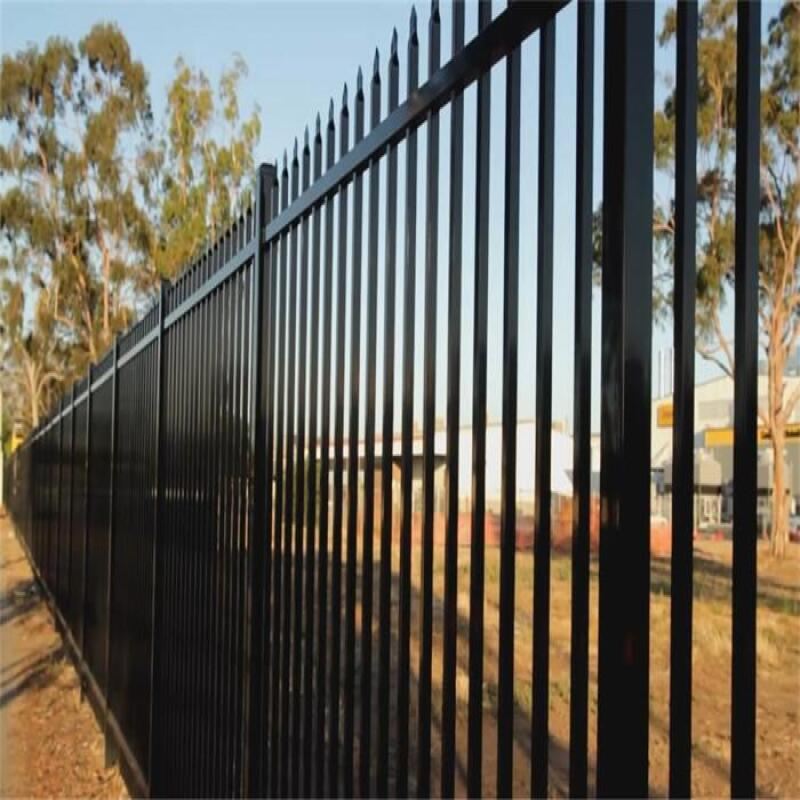
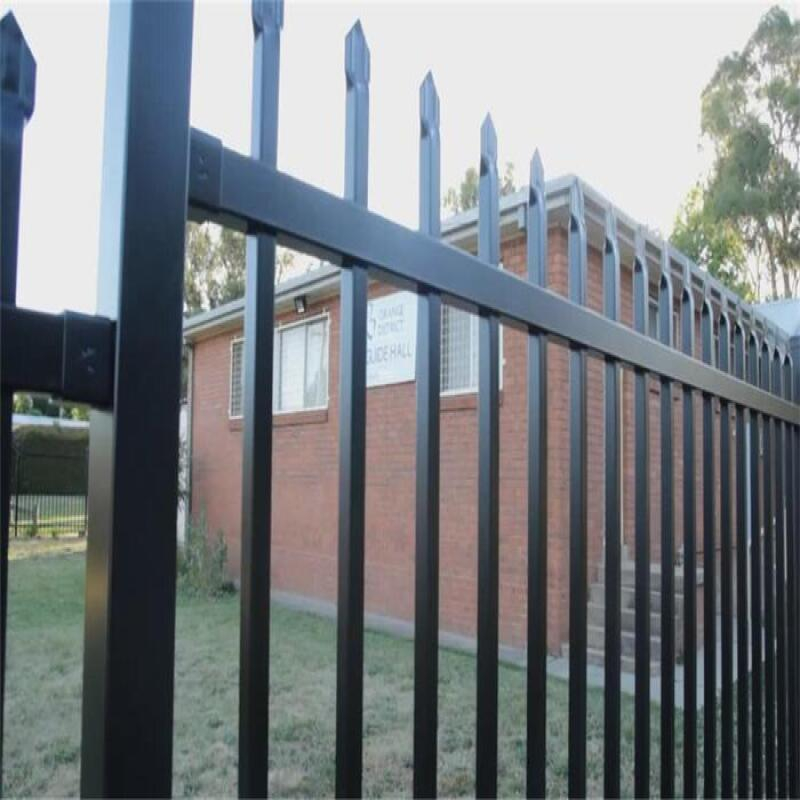
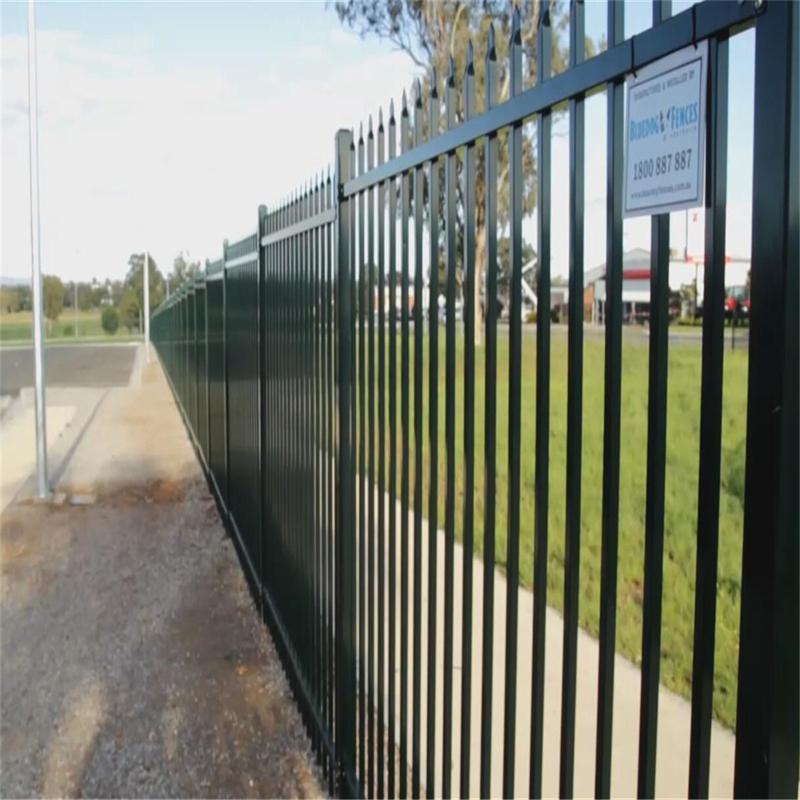
Steel Hercules security fence panels are widely used for commercial frontage, factories, warehouses, logistics yards, storage compounds, schools, public facilities, sports perimeters, service corridors, and boundary control where a consistent architectural look must also signal security intent.
The same panel logic can be applied across mixed zones—public-facing areas can use cleaner top profiles, while higher-risk zones can tighten spacing and upgrade rails, posts, and thickness to increase deterrence.
Benefits (Steel Hercules Security Fence)
The biggest benefit of a Steel Hercules security fence is predictability. When rail frames, upright spacing, and post options are standardized, long runs stay straight, corners stay tight, and gates stay aligned. A welded steel system also delivers stronger impact resistance compared to light decorative panels, while thickness options allow buyers to tune the fence for real pressure points such as corners, vehicle zones, and high-traffic entrances.
Packing (Steel Hercules Security Fence)
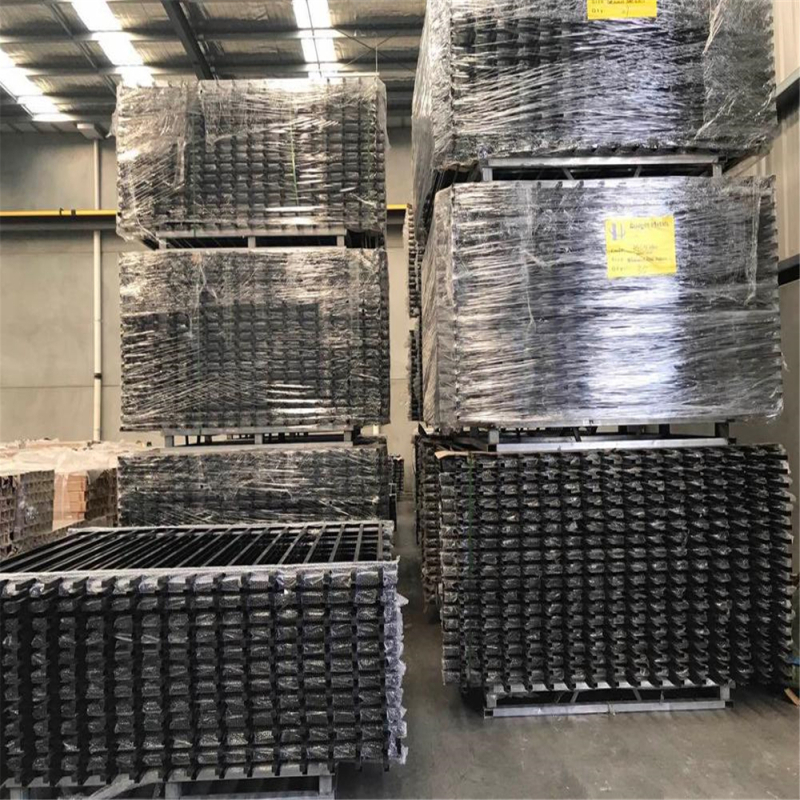
POLYMETAL commonly packs Steel Hercules security fence panels in counted bundles to simplify site receiving and reduce finish damage. Panels are stacked with separation protection, then wrapped and palletized for forklift handling. Posts are packed separately by size and wall thickness to prevent mix-ups.
Mixed-height projects ship best when every bundle is labeled by height group, rail frame group, and upright spacing group so installers do not swap panels during deployment. For sites ordering matching entry hardware at the same time, it helps to align packaging and labeling with the gate schedule as well—this reference on fencing gates is useful for confirming gate types and accessory groups so your posts, hinges, and latch components arrive separated and easy to count at unloading.
Standards and Documentation
Steel Hercules security fence projects often require documentation that matches procurement checklists and site handover needs. Typical documentation packs can include material declarations, finish/coating confirmation, and production control references tied to order SKUs. The goal is simple: the delivered fence must match the approved specification so installation is not delayed by re-checks or disputes.
Top 22 Traps for Steel Hercules Security Fence Orders (Don’t Miss #17)
Trap 1: Ordering “Steel Hercules security fence” without locking fence width (2400mm vs 2450mm)
One width mismatch forces ugly site fixes: shifted posts, cut panels, or gap patches that destroy the straight line.
Trap 2: Choosing the rail frame size blindly (40×40 vs 45×45 vs 50×50)
Wrong rail size creates bending at corners and wave-lines on long runs, especially when gates and returns load the system.
Trap 3: Ignoring rail thickness (1.6mm vs 2.0mm vs 2.5mm vs 3.0mm)
Thin rails can look fine at delivery and deform after site pressure starts.
Trap 4: Picking upright size without matching the security pressure
16×16, 25×25, and 30×30 behave very differently in rigidity and perceived deterrence.
Trap 5: Missing upright thickness in the purchase order
0.80mm and 2.00mm are not the same product; this single omission causes the most “we didn’t get what we expected” disputes.
Trap 6: Not specifying upright spacing and count (16/17/18 uprights)
Spacing changes the look and the climb resistance. If you don’t lock it, panels won’t match across the run.
Trap 7: Mixing spacing types in one fence line
115mm, 108mm, and 100mm in one run reads like a repair job and creates uneven anti-climb behavior.
Trap 8: Under-specifying posts (size and wall thickness)
Posts carry the fence, not the panel. If posts are weak, even the best panel looks crooked after real use.
Trap 9: Forgetting post height must exceed panel height by at least 600mm
Short posts reduce embedment, weaken stability, and make corners move first.
Trap 10: Treating “security fence” as panels only
Without correct posts, fixings, corners, gate returns, and layout logic, the fence will fail visually and structurally.
Trap 11: Not planning gate locations early
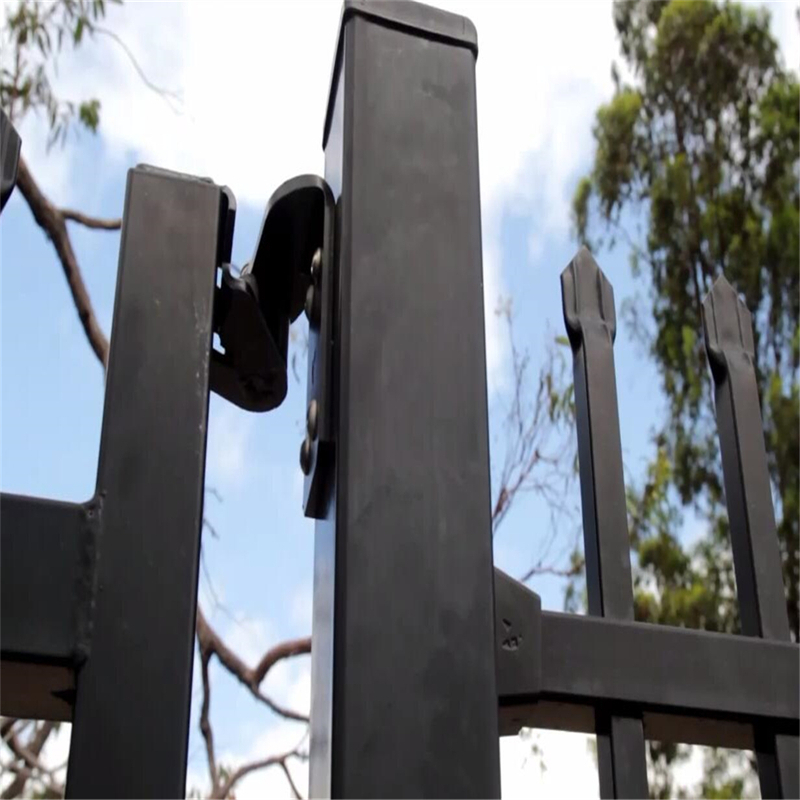
Gates create stress zones. If you don’t plan them early, the fence line gets cut and patched on site.
Trap 12: Skipping a corner-and-return reinforcement plan
Corners are where pressure concentrates. Standard panels at corners often shift first.
Trap 13: Ignoring handling reality (panel weight vs crew capacity)
When crews drag panels, coatings get scratched and corrosion begins at impact points.
Trap 14: Not confirming tolerance expectations
Long straight runs demand tight tolerance on panel width and rail straightness, or the line will “snake.”
Trap 15: Accepting mixed posts on one run without a visual plan
60×60 beside 100×100 without intent makes the project look inconsistent and cheap.
Trap 16: Forgetting that finish damage usually happens during unloading
Even perfect packing fails if unloading is rushed or pallets are staged too far from the fence line.
Trap 17: Loss — Upgrading panels but leaving the pressure points under-built
This is where buyers get hit hardest: you pay for stronger rails or tighter spacing, but corners, gate returns, and the first two bays beside gates are not upgraded. Those points take the daily load, and they move first. The repair cost is brutal because it is visible and disruptive. A Steel Hercules security fence stays straight only when the entire system is engineered for pressure zones, not just the “easy middle sections.”
Trap 18: Buying “anti-climb spacing” but forgetting bottom clearance control
If the fence lifts off the ground or gaps open at the bottom, the spacing advantage is wasted.
Trap 19: Ordering without labeling by height and spacing group
Mixed bundles cause wrong installs fast. One wrong bay can force a full-line reset.
Trap 20: Not ordering spare fixings, clamps, and join hardware
Missing small parts stops the whole job and triggers unsafe temporary fixes.
Trap 21: Choosing the tallest fence without matching post size
2400mm panels demand stronger posts. If posts stay small, the tall run becomes a moving wall.
Trap 22: No receiving checklist before installation starts
Most failures happen because the site never verifies rail size, thickness, spacing, and post height before posts are set.
FAQs (Steel Hercules Security Fence)
Q1: Which rail frame size should I choose: 40×40, 45×45, or 50×50?
Choose based on pressure and height: 40×40 is common for standard boundaries, 45×45 suits reinforced long runs, and 50×50 is used for heavy-duty pressure zones, higher panels, and gate-heavy perimeters.
Q2: What is the best upright spacing for a Steel Hercules security fence?
100mm spacing (18 uprights) is typically used for stronger anti-climb feel. 108mm (17 uprights) and 115mm (16 uprights) can be used when appearance and cost are balanced, but spacing must remain consistent across the run.
Q3: Why must post height exceed panel height by at least 600mm?
Extra post length supports embedment and stability so the fence stays straight under daily pressure at corners and entrances.
Q4: What post sizes are commonly used?
Common options include 60×60, 65×65, 75×75, 80×80, and 100×100 with wall thickness choices such as 1.60mm, 2.00mm, and 2.50mm. Taller and heavier systems should use larger post options.
Q5: What is the most common reason Steel Hercules security fence projects need rework?
Incomplete specification. Buyers confirm height and quantity but miss thickness, upright count/spacing, post height, and corner/gate pressure-zone reinforcement. That is where the money is lost.