Your One-Stop Wire Mesh Fence Supplier | POLYMETAL
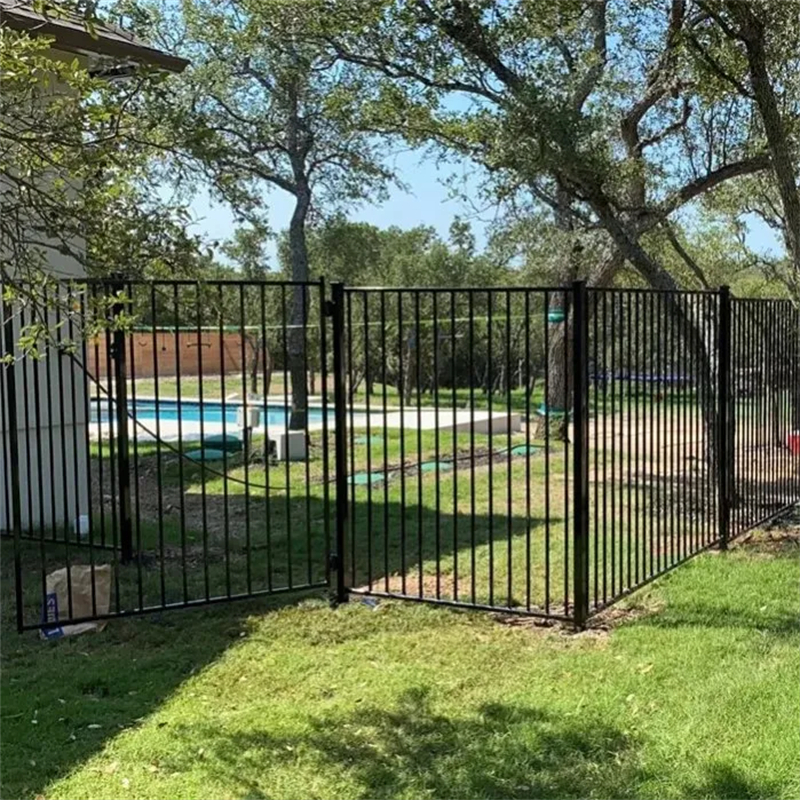
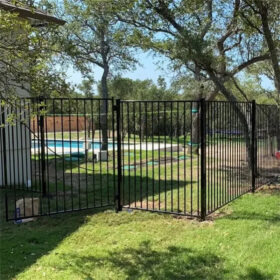
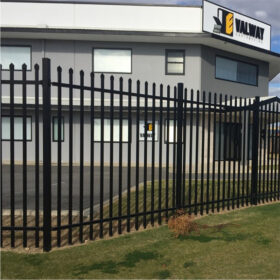
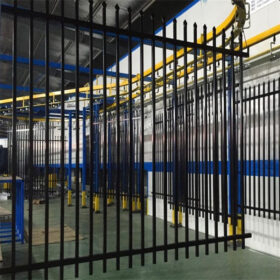
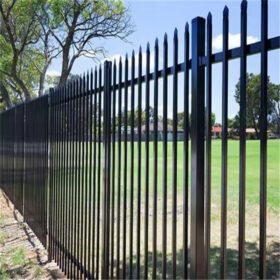
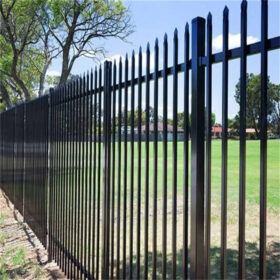
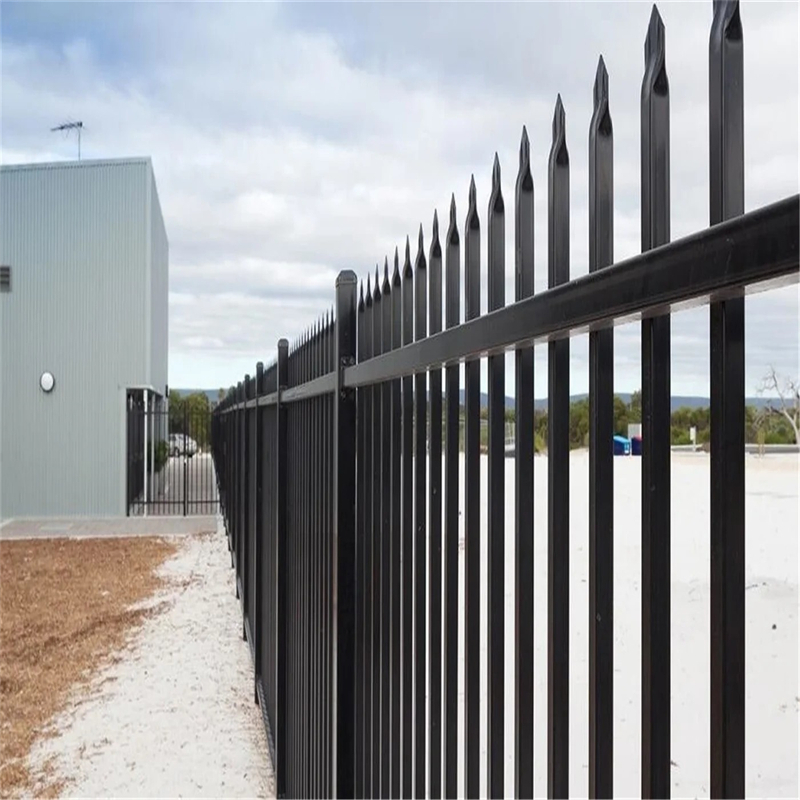
A steel metal fence is not a “look.” It is a controlled system where panel geometry, rail frame size, upright section, spacing, post sizing, and coating stack-up must work together. The expensive failures rarely happen in the brochure; they happen after unloading, when installers try to hold a straight line across long runs, when brackets don’t sit flush, when weld zones show early corrosion, or when posts do not match the wind exposure. POLYMETAL manufactures security fencing as repeatable modules—tubular steel fencing, spear top steel fencing, and garrison-style panels—so every shipment behaves the same on real sites. For Australian project references and typical configurations, see garrison fence panels (Australian).
Product Description (POLYMETAL)
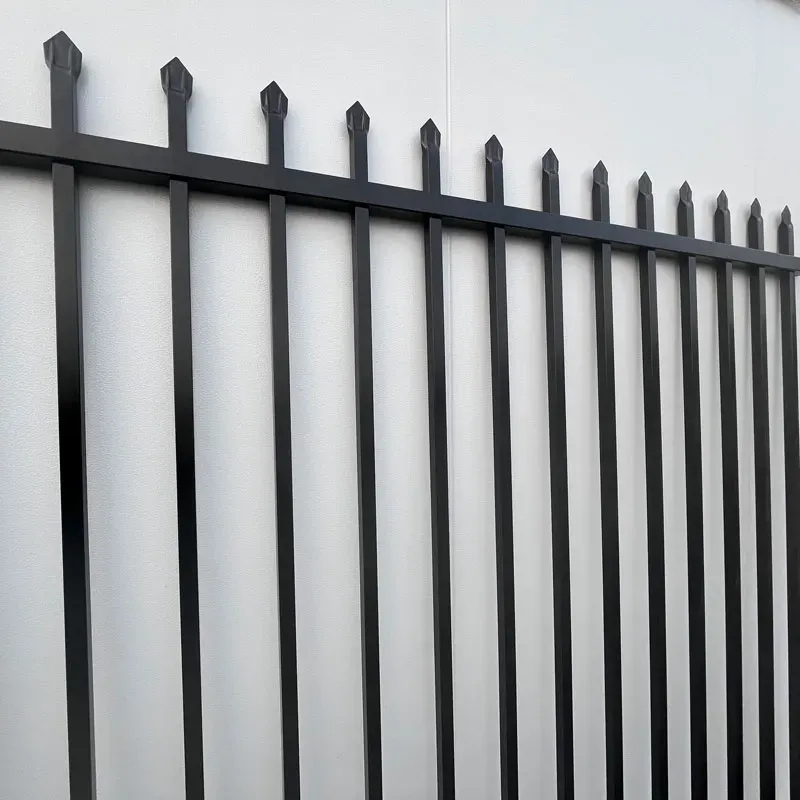
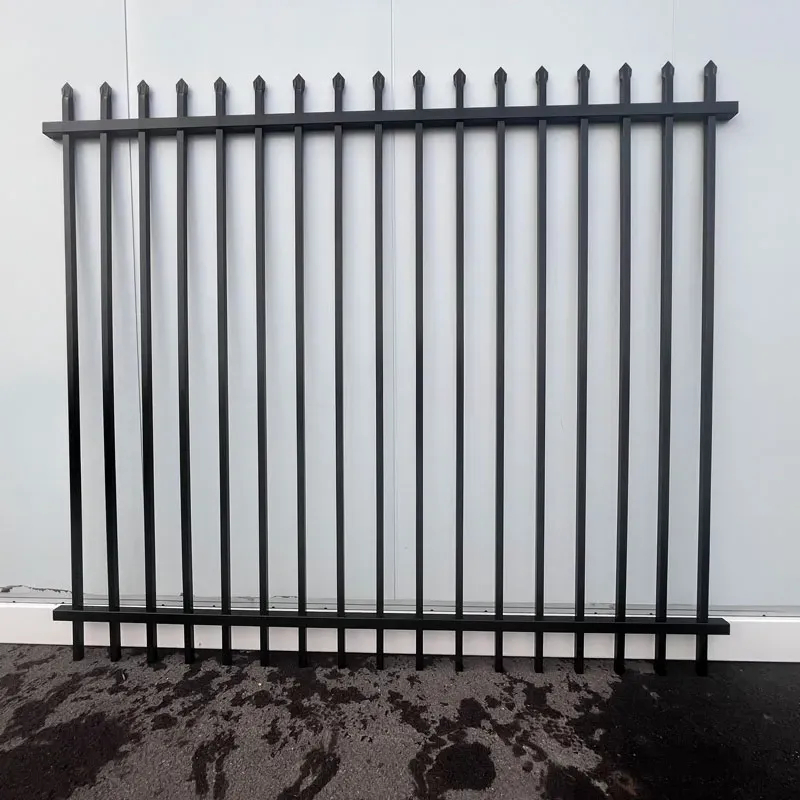
POLYMETAL steel metal fence panels are engineered security fence modules built from steel rails and vertical tubes/uprights that pass through the rails and are welded for structural continuity. The system is designed to keep alignment disciplined across long runs while maintaining a clean architectural profile for schools, rail corridors, commercial properties, warehouses, and public-facing assets. The core value is repeatability: rail frames, upright spacing, post compatibility, and coating choices are controlled so buyers avoid hidden costs like rework, mismatched brackets, premature rust at welds, and inconsistent panel geometry between batches. For coastal or harsh environments, coating strategy can be upgraded using HDG plus premium powder options to extend service life significantly compared with single-layer finishes.
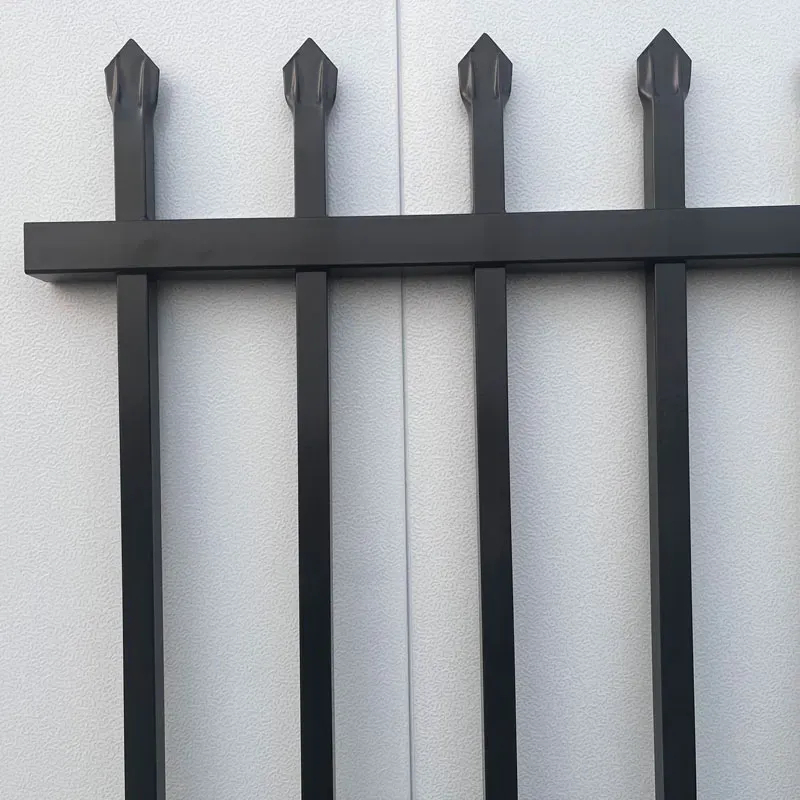
Top 10 Procurement Traps for Steel Metal Fence Buyers
1) Trap: Treating “steel metal fence” as a keyword, not a controlled specification
A steel metal fence quote can look complete while missing the system’s real controls: rail frame size, upright section, spacing, weld method, and post match. The loss appears later when site teams discover the panels are not interchangeable with the posts or brackets already approved.
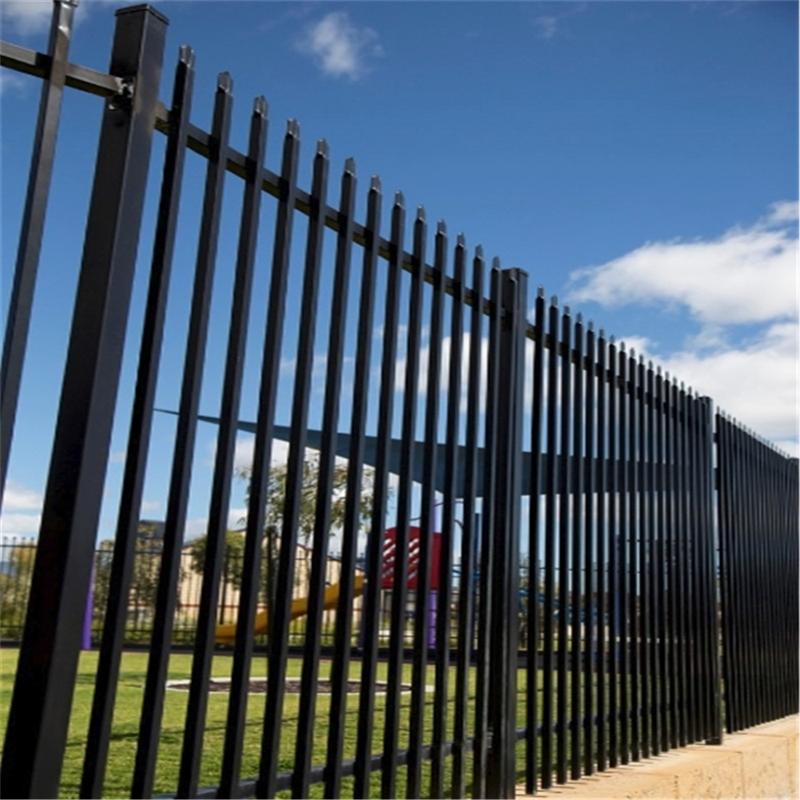
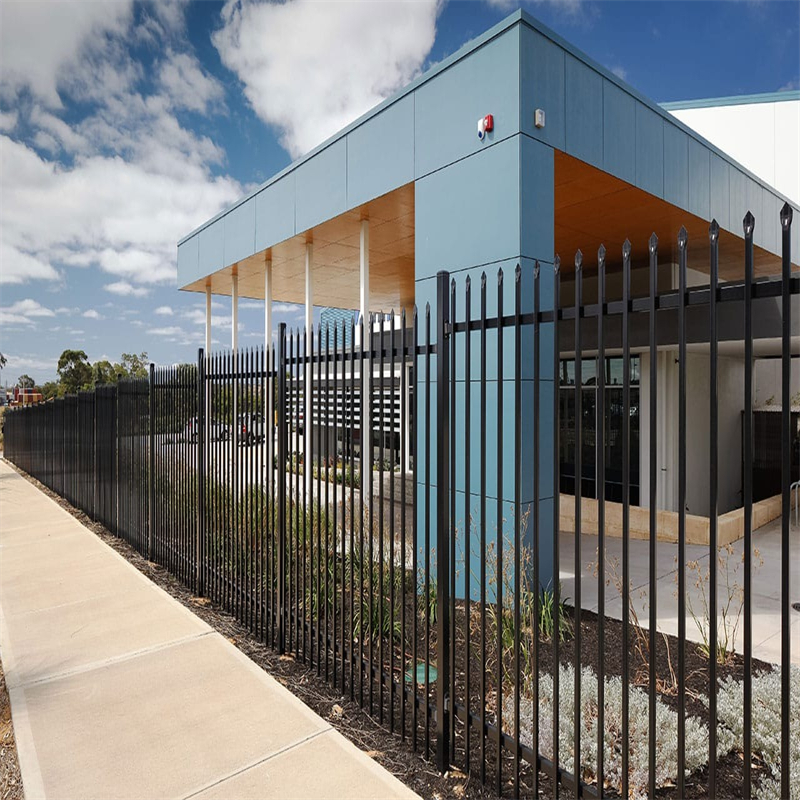
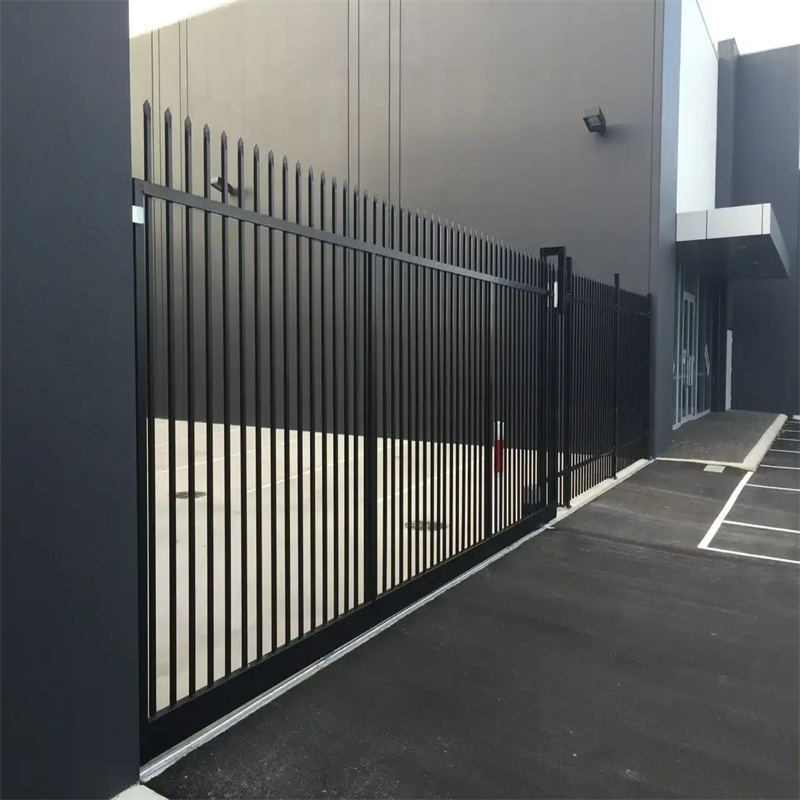
2) Oversight: Rail frame size is “similar” but not the same load path
Rail frames such as 40×40, 45×45, and 50×50 change stiffness and twist resistance. If your steel metal fence is exposed to wind or long straight runs, the wrong rail frame can turn “straight lines” into time-consuming adjustment and extra labor.
3) Warning: Upright section choice changes both security feel and real rigidity
A 25×25 upright is not the same as 30×30 in perceived strength and actual rigidity. When a steel metal fence is judged by how it holds alignment after handling and installation, under-sized uprights can become a recurring site complaint.
4) Hazard: Spacing is quoted one way, delivered another way
Spacing drives the “security look,” anti-climb behavior, and takeoff assumptions. If your steel metal fence takeoff assumes 100mm but you receive 108mm or 115mm layouts, you can lose time, hardware alignment, and project consistency across the perimeter.
5) Problem: Wall thickness is treated as a single number, not per component
Rails, uprights, and posts may each carry different thickness requirements. A steel metal fence that is “2.0mm” in one component but thinner elsewhere can fail stiffness expectations, especially at rails where twist resistance matters most.
6) Defect: Weld method is ignored until rust shows up at the worst time
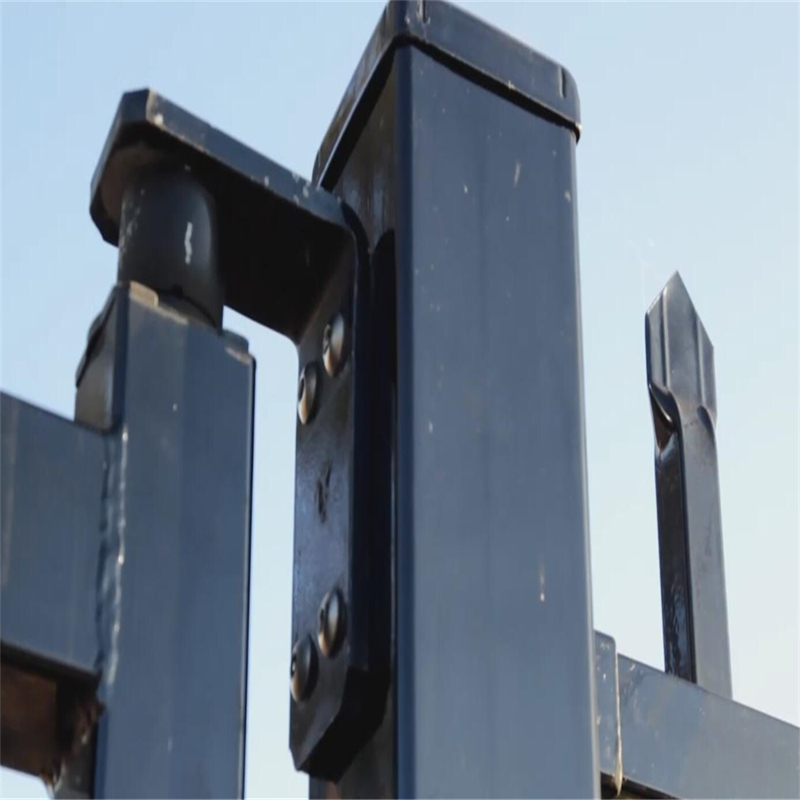
Security fencing is commonly built with vertical tubes passing through rails and welded. If a steel metal fence is not welded consistently or weld zones are not protected properly by the coating system, early corrosion can begin at the exact places buyers cannot afford to repair after handover.
7) Loss: Coating stack-up is underestimated—1+1 can be greater than 2
This is the trap that quietly empties budgets. Many buyers compare finishes like “powder coat” vs “galvanized,” but the real winner is the right system. A steel metal fence with pre-galvanized or HDG plus premium powder (such as Interpon-class powder) can extend service life dramatically compared with single-layer protection. When you choose the wrong coating stack, you don’t just lose finish—you lose warranty confidence, site reputation, and long-term maintenance budgets.
8) Pitfall: Post options are not matched to exposure and panel height
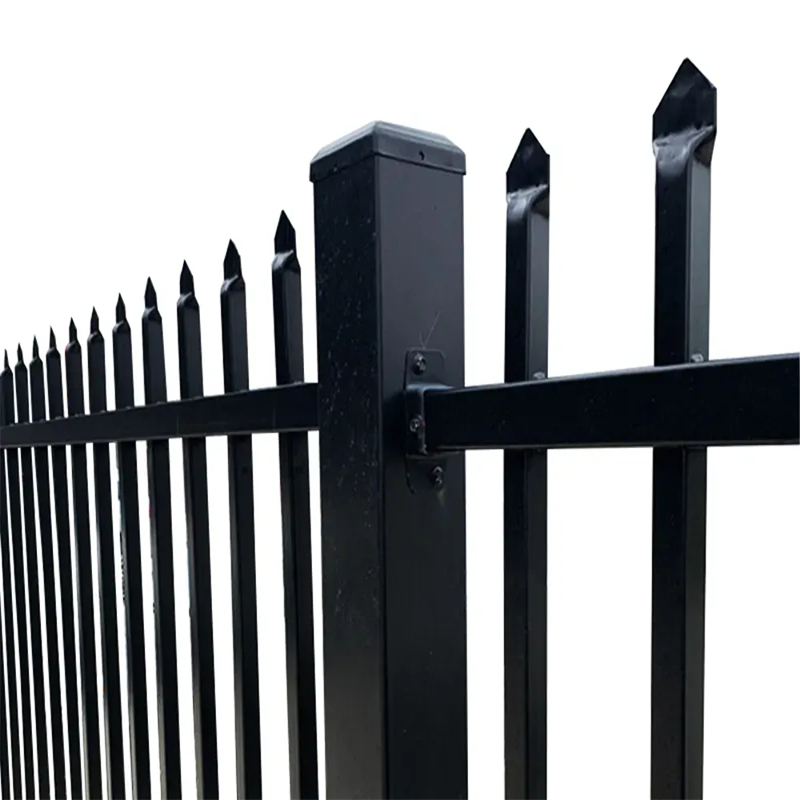
Posts are the backbone of a steel metal fence. If post size is selected without considering wind exposure, fixing method, and panel height, the fence may “read” weak even when panels are strong. The failure looks like wobble, misalignment, and complaints.
9) Mistake: Mixing panel dimensions without controlling bracket compatibility
Common dimensions like 2400×2100, 2400×1800, 2000×2100, and 2000×1800 are normal. The risk is when a steel metal fence shipment mixes sizes but brackets, hole patterns, and post planning do not align across the install sequence.
10) Checklist: Packing and handling are ignored until coating damage appears
Even the best steel metal fence finish can be ruined by poor packing. Abrasion at contact points, loose stacking, and missing separation materials can create micro-damage that becomes visible after the fence is erected—right when the project is being inspected.
Standard Specification Snapshot (POLYMETAL Security Fencing)
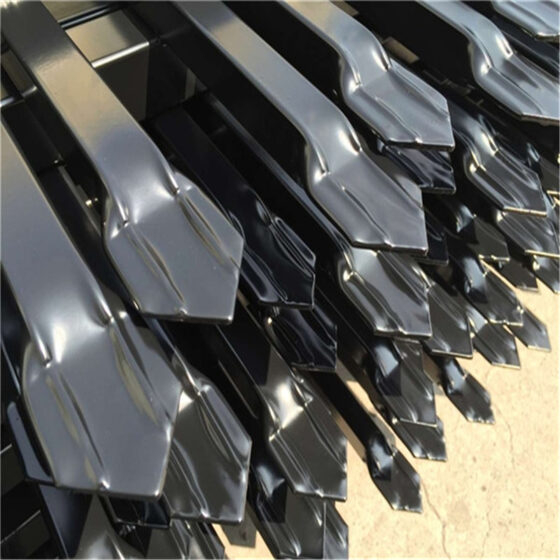
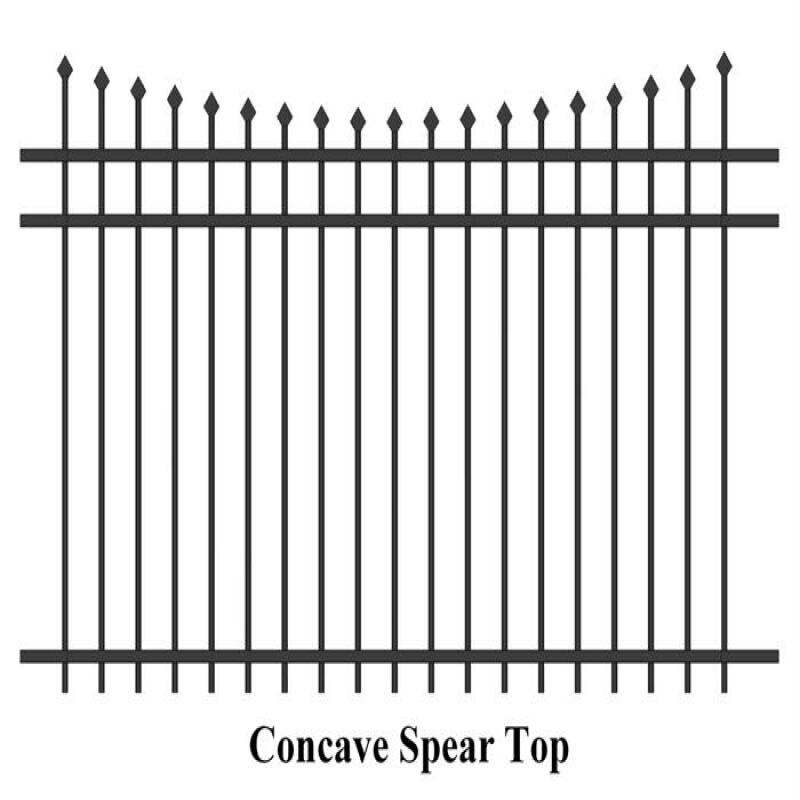
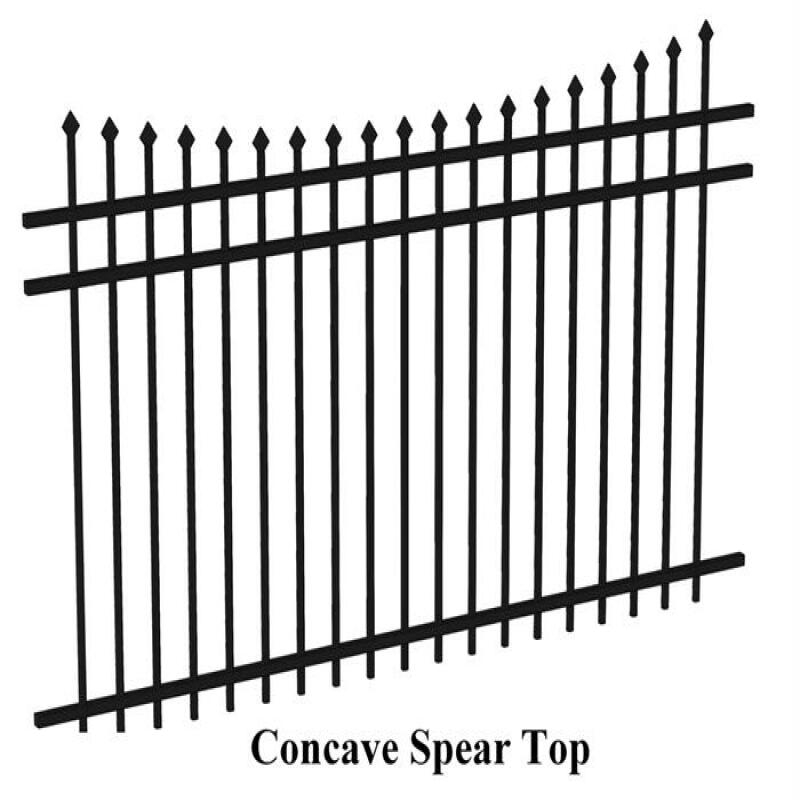
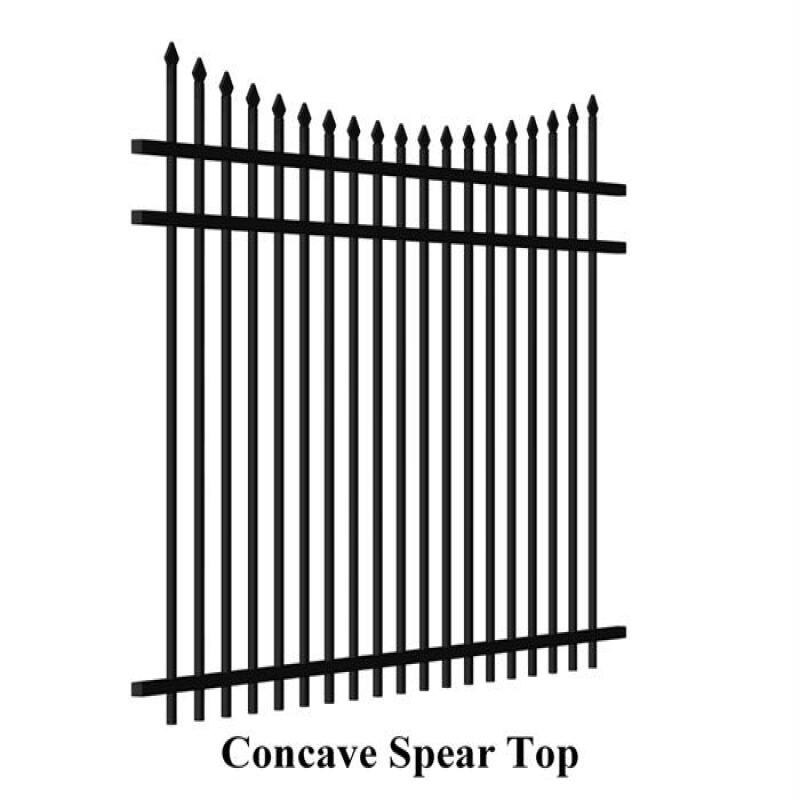
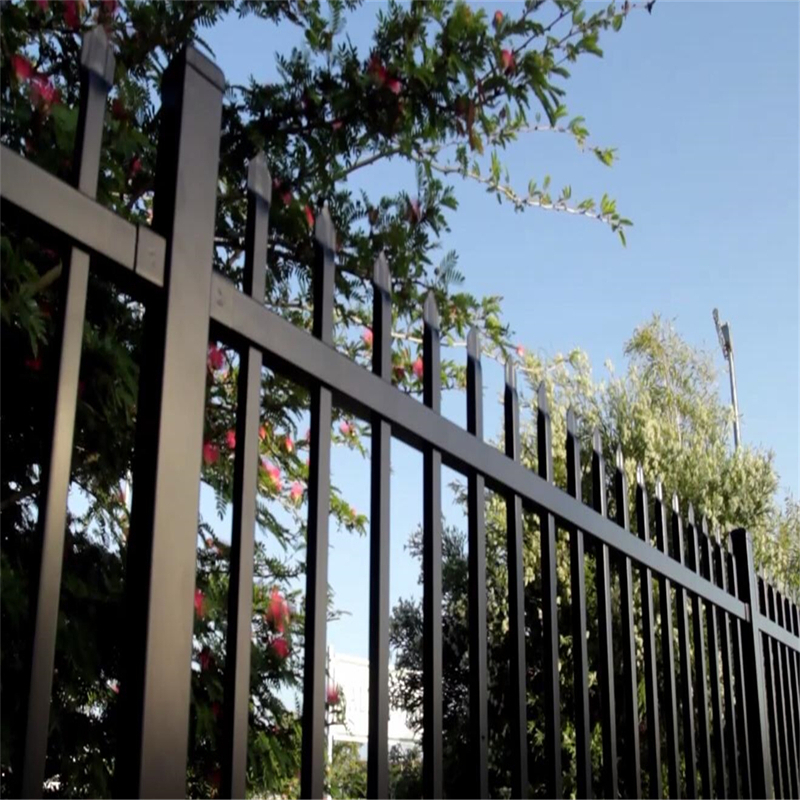
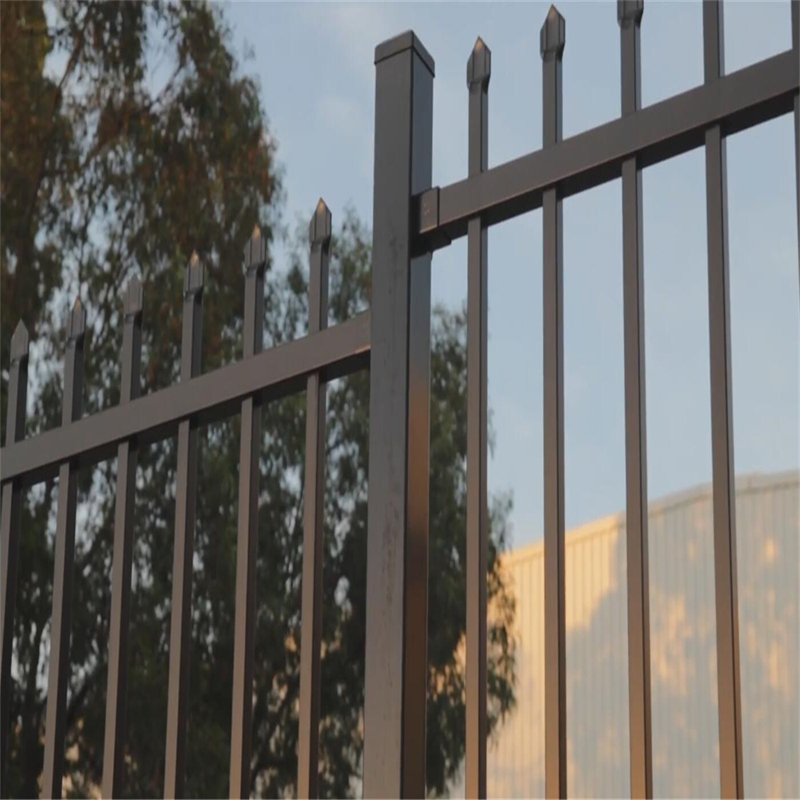
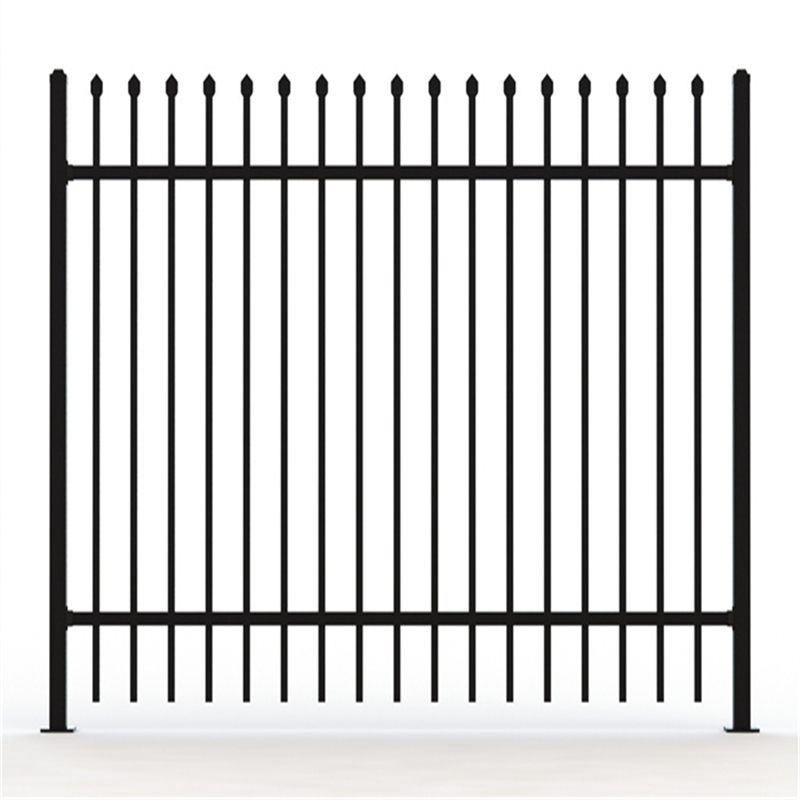
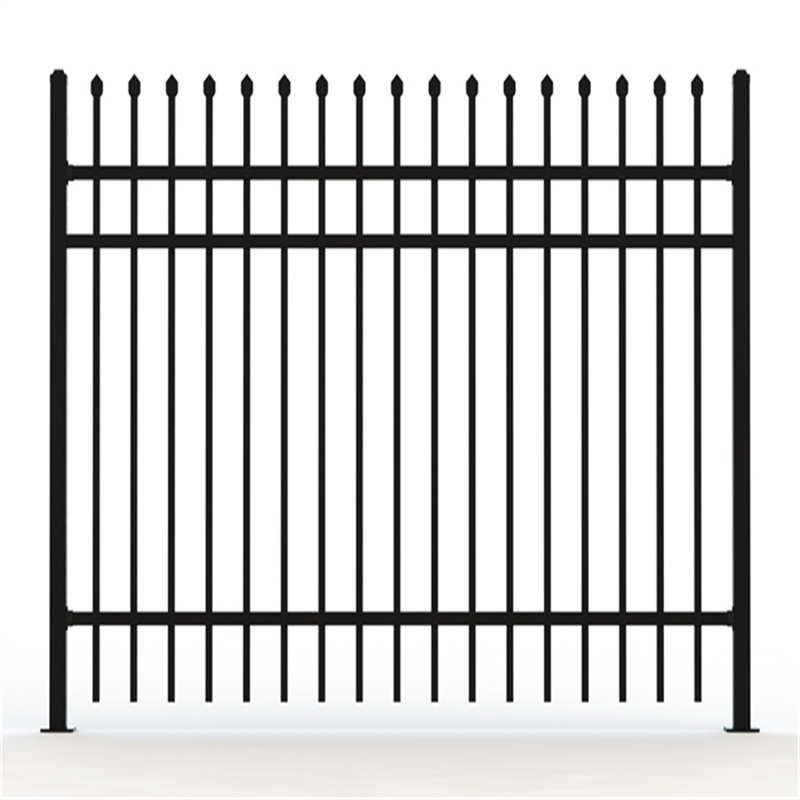
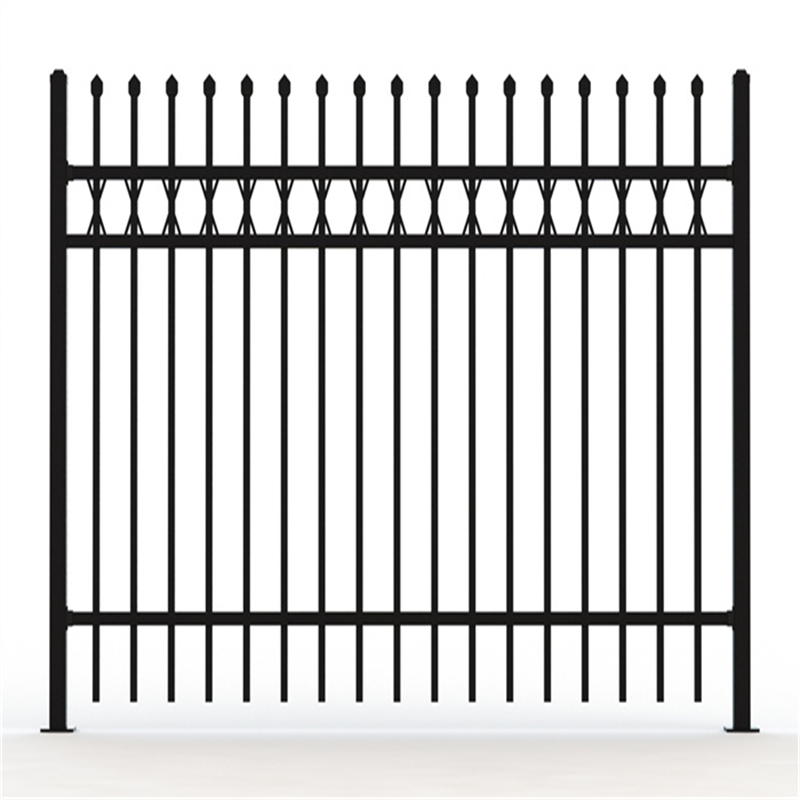
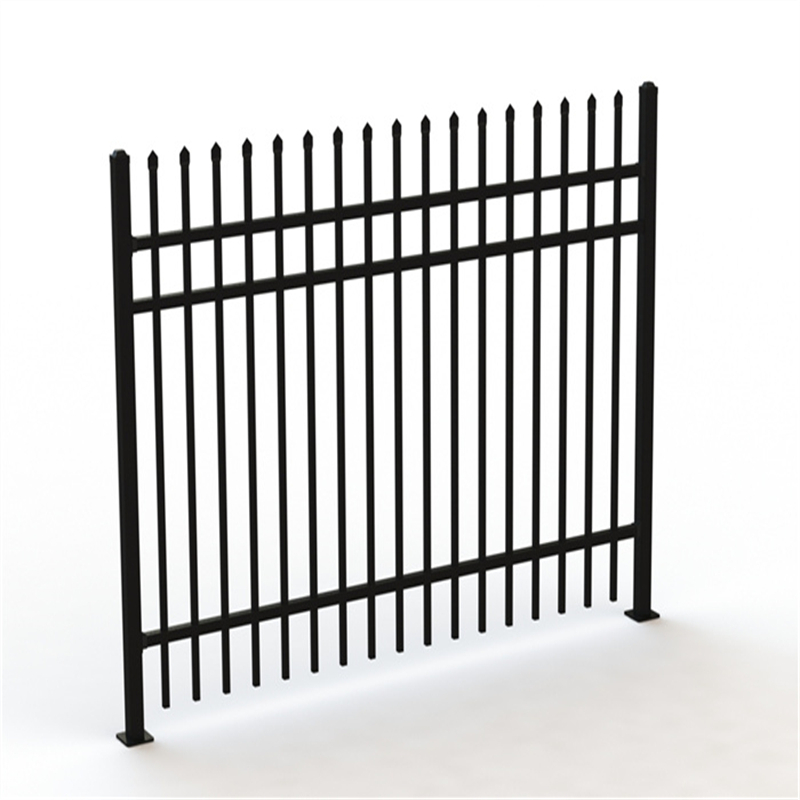
Security fencing is widely known as tubular steel fencing, spear top steel fencing, or garrison fence panels. POLYMETAL panels use steel as the base material, with a design where vertical tubes pass through rails and are welded to the rails by stainless steel welding or silicon bronze welding, then finished with black powder coating or upgraded coating systems for harsher environments. Typical applications include schools, railway assets, and business compounds, and custom production is available to match project requirements. For a related project-ready reference and specifications, see steel picket fences Melbourne.
Specifications
| Specification Item | Options / Data | Notes for Steel Metal Fence Procurement |
|---|---|---|
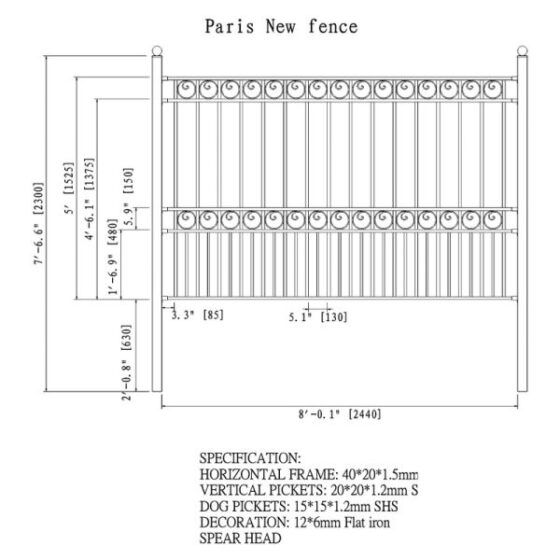
| Fence Height (Panel) | 1200mm / 1500mm / 1800mm / 2100mm / 2400mm | Choose height based on security level and site exposure. |
| Fence Width (Panel) | 2000mm / 2400mm (common) | Width affects takeoff, freight efficiency, and install rhythm. |
| Rail Frame Size | 40×40mm / 45×45mm / 50×50mm | Stiffness increases with section size; match to wind and run length. |
| Rails Thickness | 1.60mm / 2.00mm / 2.50mm / 3.00mm (available) | Controls twist resistance and long-run straightness. |
| Upright Section | 25×25mm / 30×30mm / 16×16mm (available) | Upright size changes security feel and rigidity. |
| Upright Thickness | 0.80mm / 1.00mm / 1.20mm / 2.00mm | Match to rail stiffness so the panel behaves as one system. |
| Upright Spacing | 100mm (and project-specific options) | Spacing impacts security performance and the “architectural line.” |
| Upright Count (per panel) | 16 pcs (115mm) / 17 pcs (108mm) / 18 pcs (100mm) | Specify count AND spacing to avoid quotation ambiguity. |
| Post Options (Section) | 60×60mm / 65×65mm / 75×75mm / 80×80mm / 100×100mm | Select posts by wind exposure, fixing method, and height. |
| Post Wall Thickness | 1.60mm / 2.00mm / 2.50mm | Heavier posts reduce wobble risk and keep alignment stable. |
| Post Height Rule (Table Only) | Fence Post Height = Fence Panel Height + 600mm | This supports embedment / base plate planning (rule shown only here). |
| Popular Dimensions (Examples) | 2400×2100 / 2400×1800 / 2000×2100 / 2000×1800 | Confirm bracket pattern and site layout compatibility. |
| Tube Spacing (Legacy Spec Example) | 140mm centre-to-centre (example) | If using 140mm C/C, confirm security requirement and takeoff. |
| Example Upright / Rails (Legacy Spec Example) | Vertical tube 25×25×1.2mm, Rails 40×40×1.6mm | Use as a baseline then upgrade per exposure and service life target. |
Steel Spear Top Fencing & Garrison Fence (Example Build)
| Item | Example Data | Why It Matters |
|---|---|---|
| Panel Type | Steel Spear Top Fencing / Garrison Fence | Popular security profile across many areas. |
| Panel Size | 1.8m × 2.35m | Common size for projects needing visible security presence. |
| Rail Frame | 45×45mm or 40×40mm available | Choose stiffness based on wind and long-run alignment needs. |
| Rails Count | 4 rails | More rails improves frame stability and reduces twist. |
| Finish Option | HDG then powder coated (Interpon-class option) | Service life can be extended significantly versus single-layer finish. |
Applications (Where Steel Metal Fence Is Commonly Used)
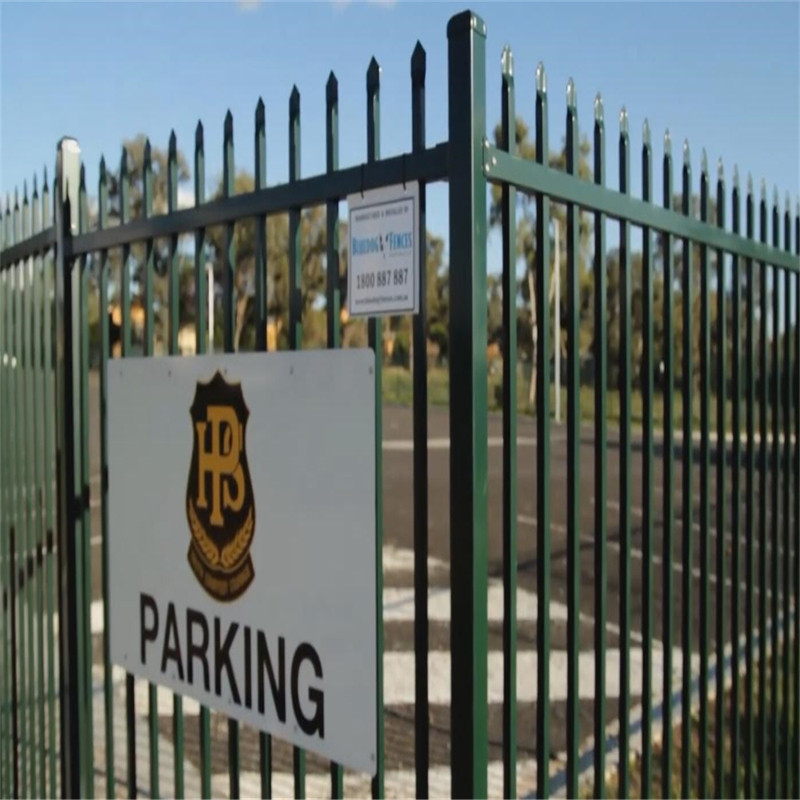
POLYMETAL steel metal fence systems are commonly specified for schools, rail corridors, warehouses, commercial compounds, industrial sites, utilities, business parks, and public-facing assets where a clean perimeter line, reliable stiffness, and controlled spacing are required. Spear top and tubular security profiles are chosen when a site needs deterrence, clear boundary definition, and consistent appearance across long runs.
Benefits (Why Buyers Choose POLYMETAL Steel Metal Fence)
A POLYMETAL steel metal fence reduces hidden jobsite losses by controlling repeatability: consistent panel geometry, matched rail frames and upright sections, disciplined spacing options, and post compatibility. When you specify the correct coating strategy—especially HDG plus high-performance powder—you can reduce repaint cycles, minimize corrosion rework at welds, and cut long-term maintenance exposure. The end result is a fence line that stays straight, reads “secure,” and holds its finish for longer in real weather and handling conditions.
Packing
Packing must protect the finish and geometry of each steel metal fence panel during forklift handling, container vibration, and site unloading. POLYMETAL can pack panels in controlled bundles with separation and edge protection so contact abrasion is minimized, hardware is matched per set, and installers receive consistent modules that are ready for sequence installation. If your site requires stillage packing or specific pallet footprints, the packing plan can be customized to your container loading strategy and unloading equipment.
Standards (Reference Guidance)
For a steel metal fence used as security fencing, buyers typically align specifications with local requirements for perimeter security, structural expectations under wind exposure, and coating durability expectations for corrosion categories. If your project requires compliance to a specific national or client standard, provide the standard name and site environment category so POLYMETAL can align material thickness, welding control, and coating system accordingly.
FAQs
1) What is security fencing?
Security fencing is widely known as tubular steel fencing, spear top steel fencing, or garrison fence. It is a steel metal fence system designed to provide a clear boundary, visual deterrence, and controlled spacing that supports security objectives on public and commercial sites.
2) What panel dimensions are available?
Common panel dimensions include 2400×2100, 2400×1800, 2000×2100, and 2000×1800, and additional heights such as 1200mm, 1500mm, 1800mm, 2100mm, and 2400mm can be produced to suit project needs for a steel metal fence.
3) Which rail frames can I choose?
Typical rail frame options include 40×40, 45×45, and 50×50, with rail thickness options such as 1.60mm, 2.00mm, 2.50mm, and up to 3.00mm depending on performance goals for your steel metal fence.
4) What upright spacing should I specify?
You should specify both upright count and spacing. Common configurations include 16 pcs (115mm), 17 pcs (108mm), and 18 pcs (100mm). This prevents quotation ambiguity and ensures your steel metal fence matches the takeoff assumptions.
5) What coating system is best for long service life?
For harsh or coastal environments, a steel metal fence benefits from a stronger coating stack-up such as HDG plus high-performance powder coating. This approach often outperforms single-layer finishes and can reduce maintenance exposure over the fence life cycle.
6) Can POLYMETAL custom produce to my request?
Yes. POLYMETAL can custom produce steel metal fence panels, post options, spacing, thickness, and finish systems based on your project drawings, site environment, and installation method.
Quick Procurement Manual (Use This Before You Approve Any Steel Metal Fence Quote)
To avoid costly surprises, lock the steel metal fence system by specifying panel height and width, rail frame size and thickness, upright section and thickness, upright spacing plus count, post section and wall thickness, weld method expectation, and coating stack-up. When these elements are controlled, the fence installs faster, lines up cleaner, and stays stable for longer after handover.