Your One-Stop Wire Mesh Fence Supplier | POLYMETAL



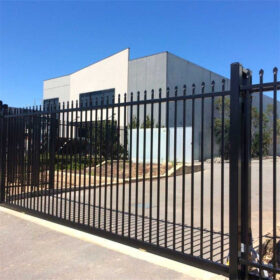


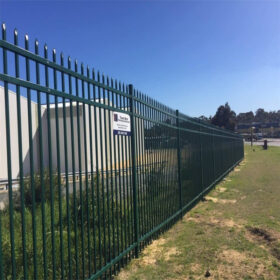

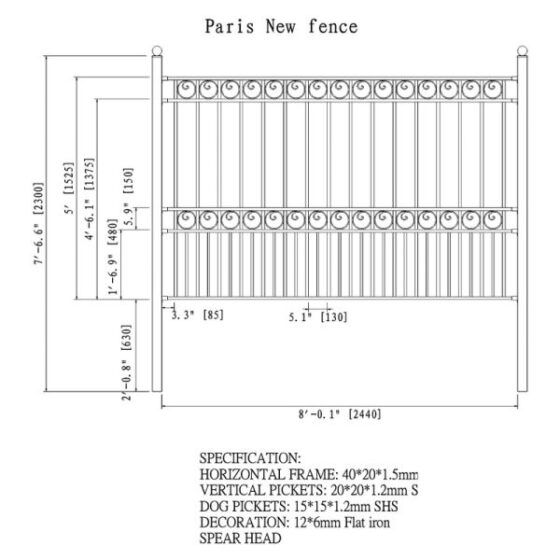
On real sites, steel picket fences melbourne packages are judged by what happens after unloading: alignment over long runs, how the rail frame resists twist, whether the upright spacing stays disciplined, how quickly coating damage shows at welds, and whether posts match the panel’s load path. The hidden danger is that many suppliers quote “ornamental picket fencing” as a look, not a controlled system.
That gap becomes visible when installers start chasing wavy lines, brackets don’t sit flush, posts feel under-sized for wind exposure, or spacing does not match the takeoff assumptions—and when a project needs a higher-security benchmark for anti-climb and anti-cut performance, you can compare against our 358 security fence prison mesh specification as a clear reference point for “real security” expectations.


Top 10 procurement traps for steel picket fences melbourne buyers
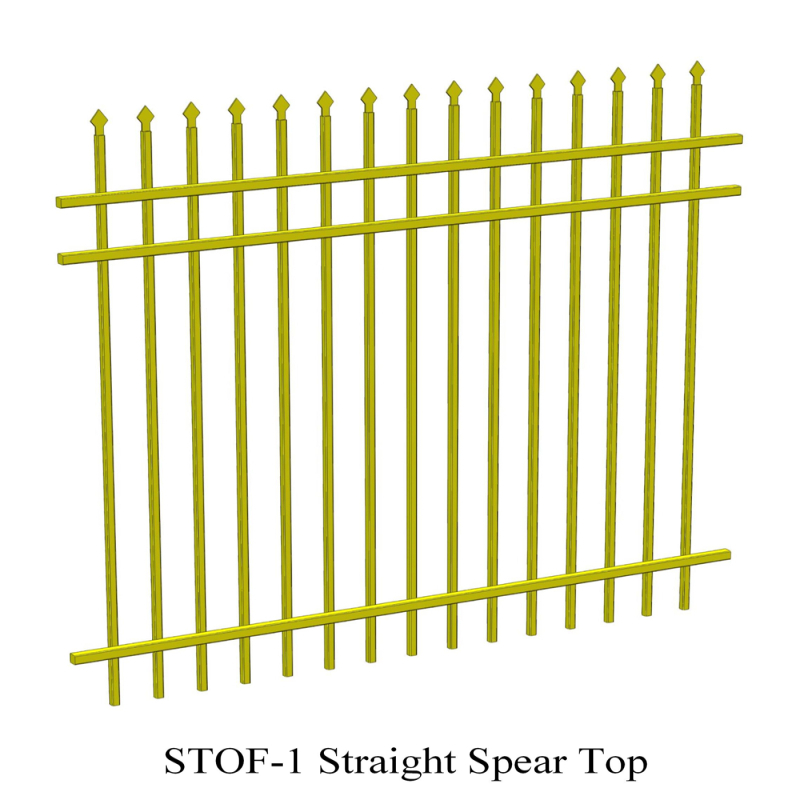
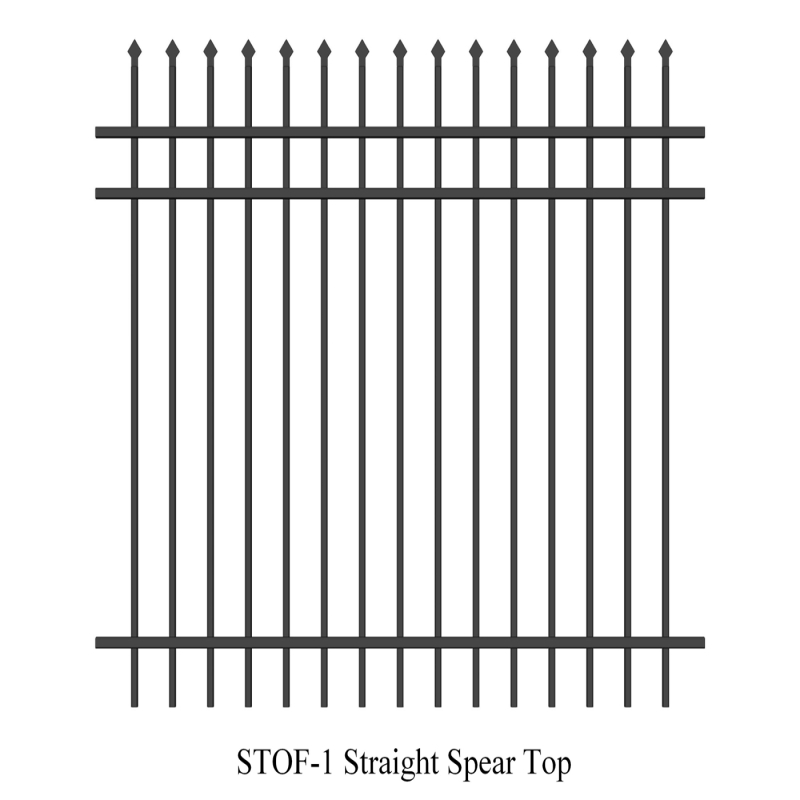
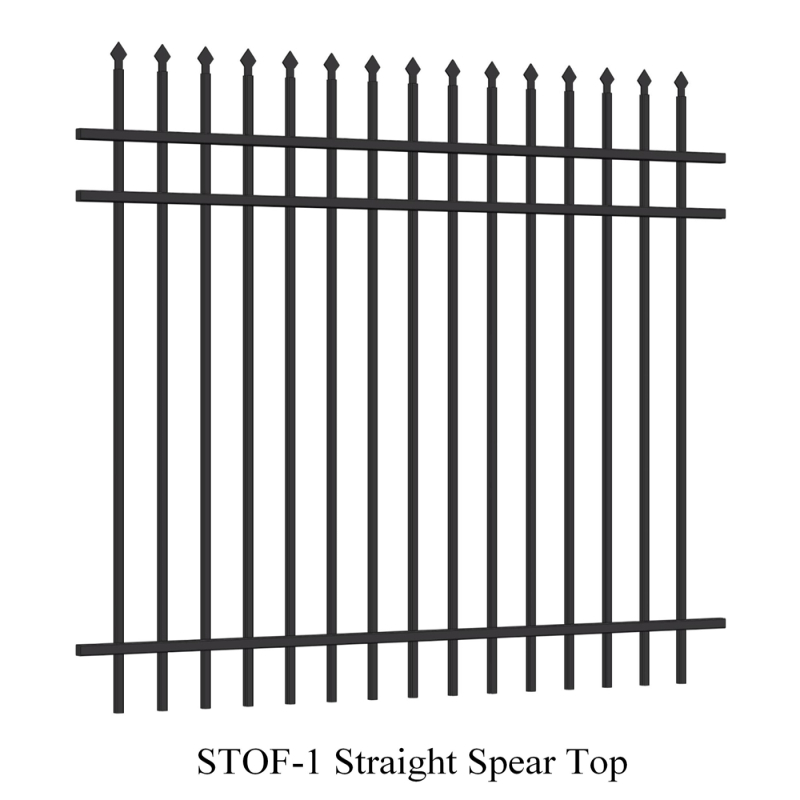
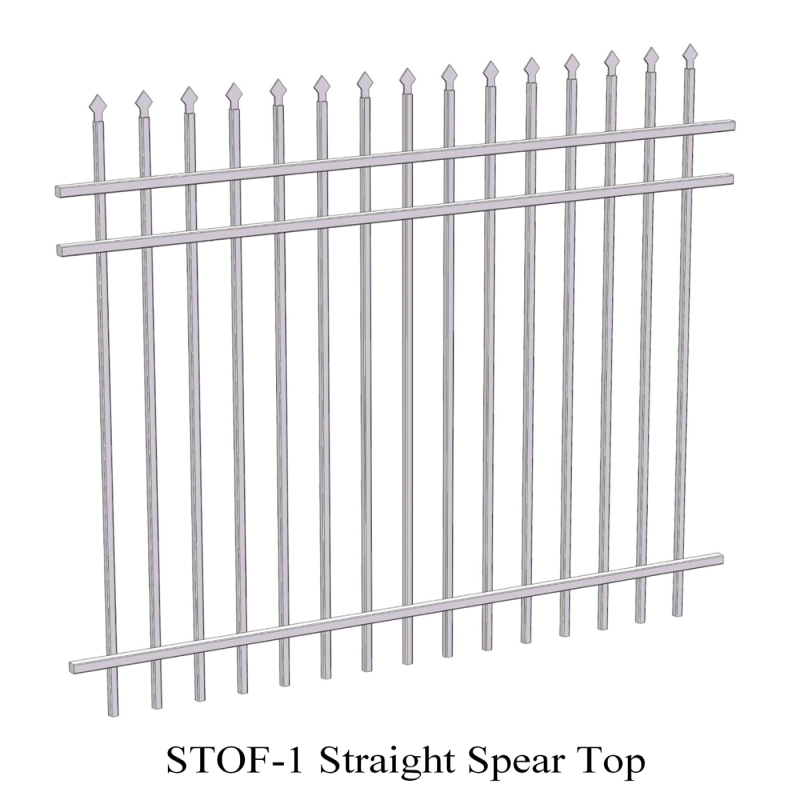
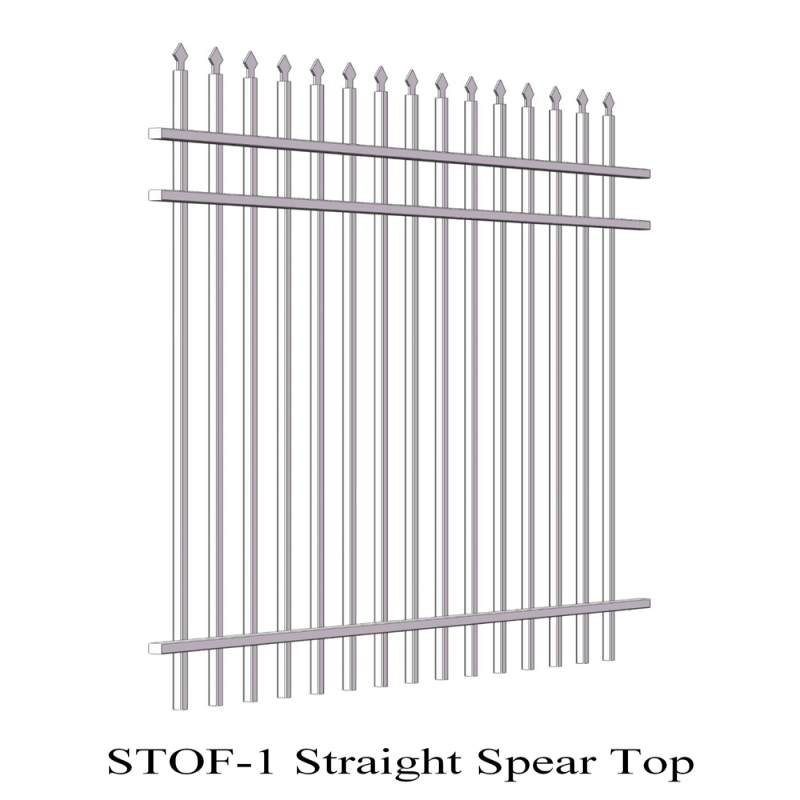
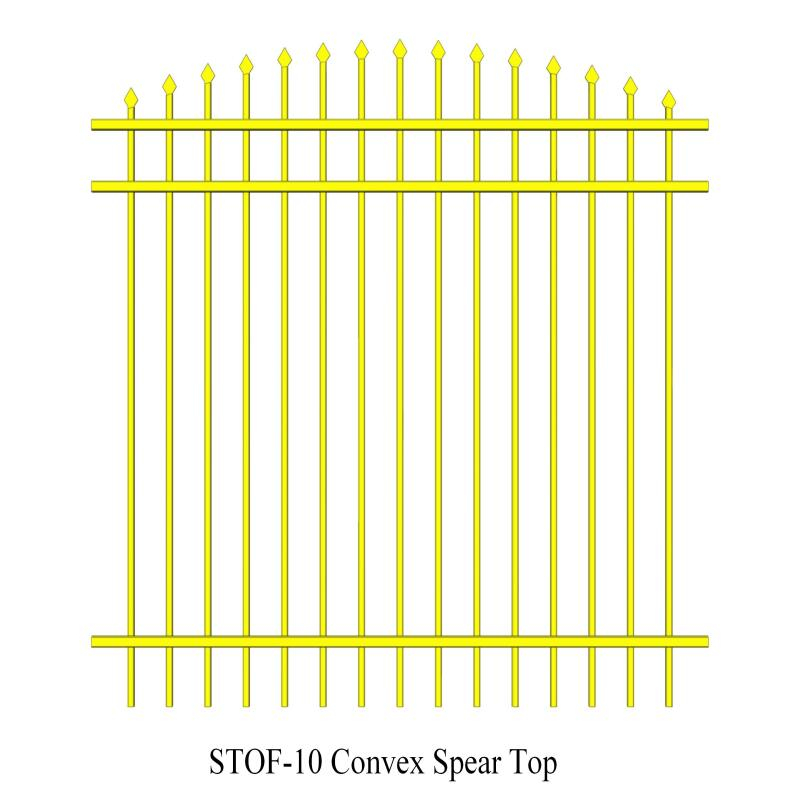
Insight #1: Treating “steel picket fences melbourne” as a style instead of a controlled build
Many quotes describe “picket fence panels” without locking the measurable profile: rail frame size, rail thickness, upright size, upright thickness, upright count, spacing, post size options, and coating system. When these are not defined, you receive a fence that visually resembles the tender photo but does not perform like the intended specification.
Finding #2: Missing the rail frame decision (40×40 vs 45×45 vs 50×50)
The rail frame is the backbone. A small change in rail size and thickness changes stiffness, straightness in transport, and resistance to handling dents. If a vendor swaps 50×50 to 40×40 to save cost, the fence may still stand, but the line will read “light duty” and show wave under normal site movement. For steel picket fences melbourne, rail selection must match wind exposure, panel span, and handling frequency.
Rule #3: Letting upright thickness be “standard” with no numbers
Upright thickness drives dent resistance and long-term straightness. If the quote says “25×25 pickets” but not whether it is 0.80mm, 1.00mm, 1.20mm, or 2.00mm, you are buying uncertainty. That uncertainty becomes rework when pickets deform during stacking, forklift contact, or tight strap tension.
Overview #4: Confusing upright count and spacing (16/17/18 pickets) across a fixed width
A panel can be “the same width” but not the same security profile. 16 pickets at about 115mm spacing does not control access like 18 pickets at 100mm spacing. If your tender assumes tighter spacing but the delivered panel uses fewer pickets, your site risk increases. On steel picket fences melbourne, spacing must be specified, not implied.
Checklist #5: Ignoring post options and then paying twice for site corrections
Post sizing is often treated as “60×60” by default, but projects need clear options (60×60, 65×65, 75×75, 80×80, 100×100) and matched wall thickness (1.6mm / 2.0mm / 2.5mm). If posts arrive under-sized, crews add extra bracing, dig-outs, re-drilling, or replacement posts—cost that rarely shows on day one but hits the installation budget immediately.
Danger #6: Not confirming coating & corrosion system before choosing color
Powder coating color looks great in a sample photo, but the real question is the corrosion system: hot dip galvanizing, pre-gal + powder, or powder-only on raw steel. In coastal or industrial zones around Melbourne, the wrong corrosion base becomes rust bloom at weld points and cut edges. With steel picket fences melbourne, you want coating performance that matches weather, handling, and maintenance expectations.
Trap #7: The “looks identical” illusion that triggers the biggest loss
This is the most expensive illusion: two steel picket fences melbourne panels can look the same from 10 meters away, while hiding critical flaws—thin rails, light pickets, inconsistent spacing, weak weld penetration, or mismatched post wall thickness. The fence line then shows wave, rattles under wind, and chips at weld heat zones. The loss is not only replacement; it is delays, installer claims, and a perimeter that signals “cheap” to clients and inspectors. The fix is simple but non-negotiable: lock measurable specs and acceptance checks before production.
Signal #8: No tolerance control for straightness, squareness, and hole alignment
A panel that is 6–10mm out of square becomes a cumulative misalignment across long runs. Misaligned holes force onsite drilling, bracket twisting, and uneven gaps that look unprofessional. A proper steel picket fences melbourne package defines tolerances for diagonal variance, panel bow, and bracket hole positioning.
Loss #9: Accepting “one accessory kit fits all” hardware
Hardware that is not matched to rail size and post size causes micro-movement. Micro-movement becomes noise, wear at brackets, and loosening over time. For steel picket fences melbourne, clamps, brackets, and fixings should be selected as a system: rail-to-post fit, anti-tamper needs, and corrosion compatibility.
Payoff #10: Skipping packing design and then blaming “shipping damage”
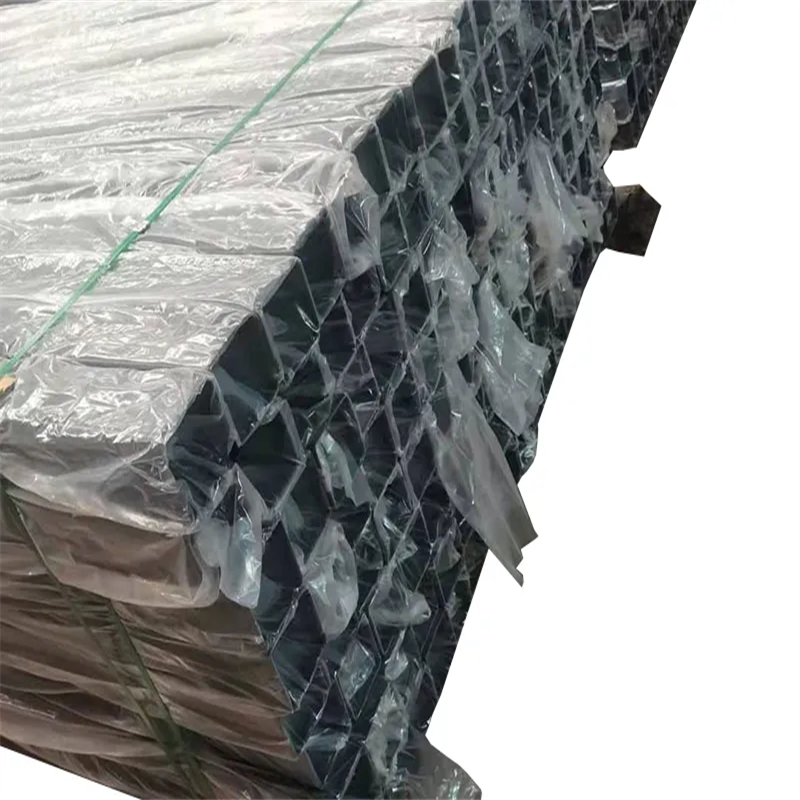
Picket fences are vulnerable to rubbing, strap dents, and corner impact. If packing is not engineered—bubble film, edge protection, stable pallets, separated layers—you will see scuffs and chips that become touch-up labor. A controlled packing method preserves appearance and reduces receiving disputes for steel picket fences melbourne deliveries.
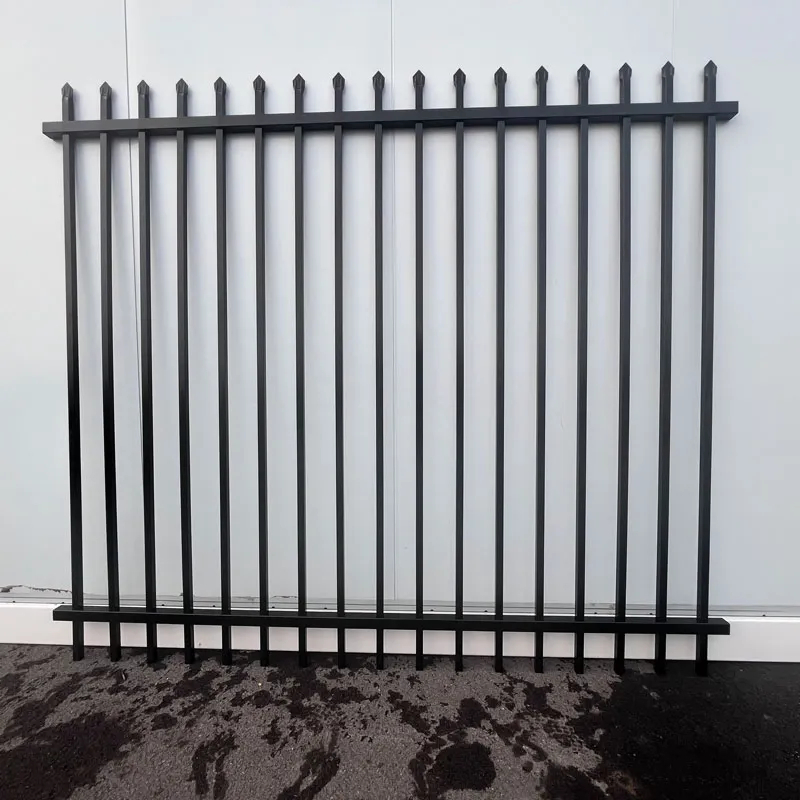
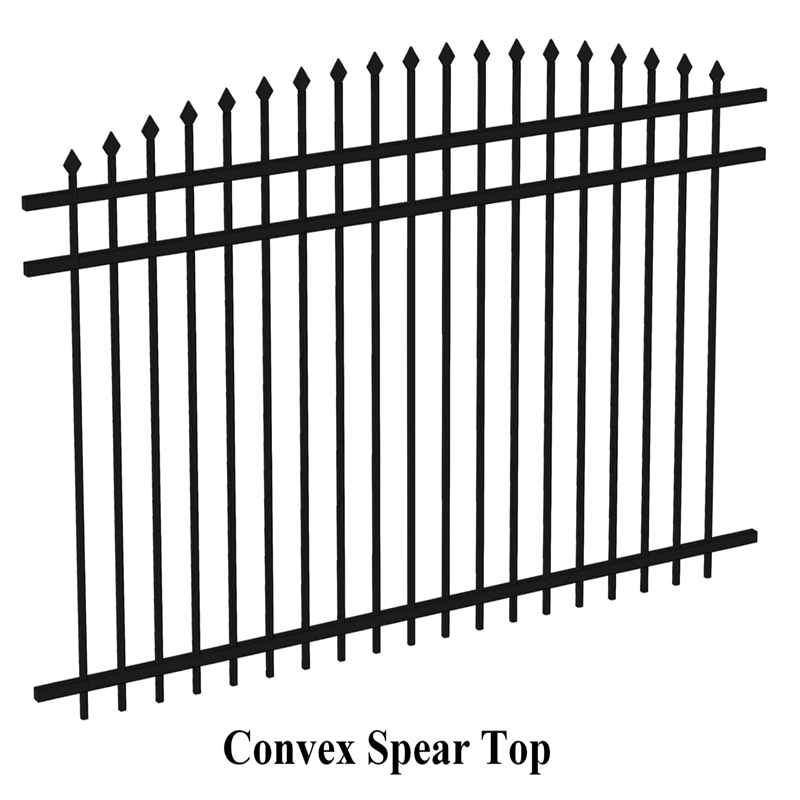
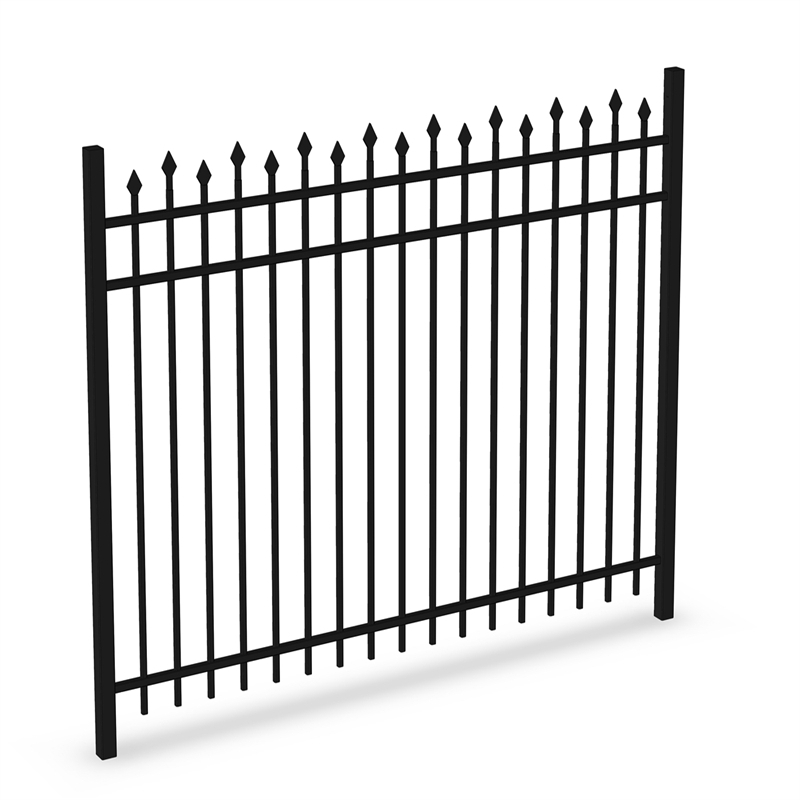
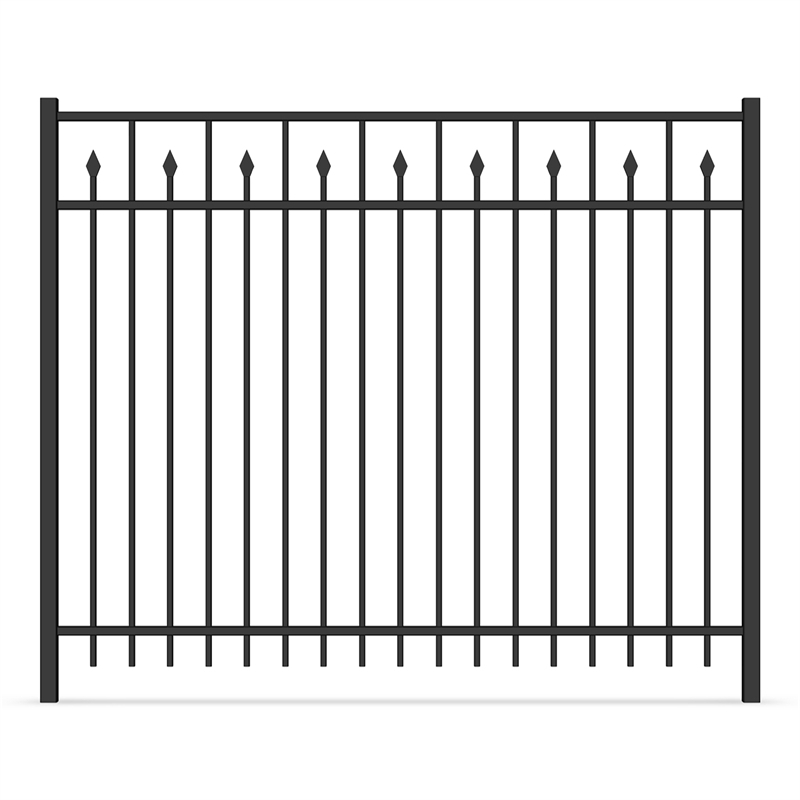
Product profile: POLYMETAL steel picket fences melbourne (Cranked Spear Top option)
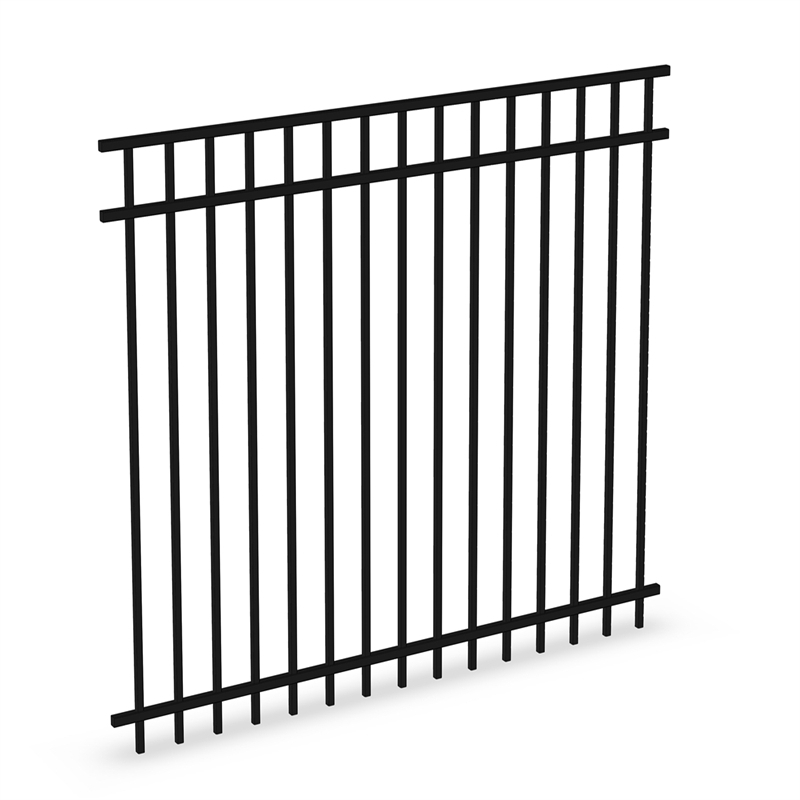
POLYMETAL steel picket fences melbourne systems are manufactured as repeatable welded modules designed to deliver a clean architectural line while maintaining a robust security profile.
The build is controlled by measurable rail frame options, upright options, disciplined spacing selections, and post sizing matched to the project’s wind exposure and handling conditions.
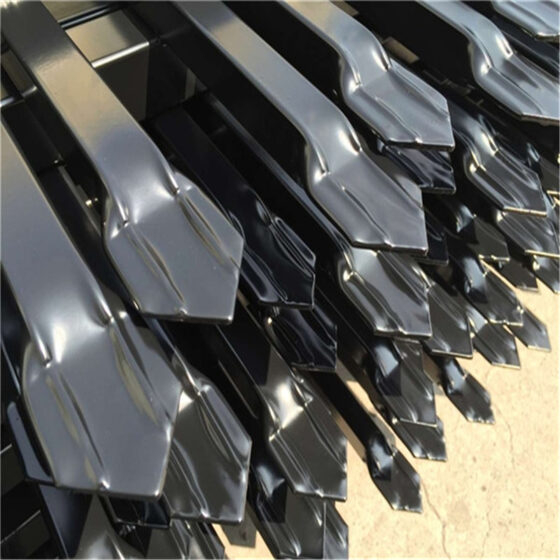
For specified projects that want a lighter alternative to heavy industrial fencing, the cranked spear top tubular galvanized corrugated steel sheet picket fence format provides a strong ornamental appearance with practical perimeter control across industrial parks, self-storage facilities, manufacturing plants, and similar sites where a “neat line” must also read as secure.
Specifications (steel picket fences melbourne)
| Item | Standard Options | Notes / Selection Logic |
|---|---|---|
| Fence Height (Panel) | 1200mm / 1500mm / 1800mm / 2100mm / 2400mm | Choose by risk profile, privacy needs, and site perimeter exposure. |
| Fence Width (Panel) | 2400mm / 2450mm | Match takeoff and bracket spacing to avoid onsite drilling. |
| Rail Frame (Square Tube) | 40×40mm / 45×45mm / 50×50mm | Stiffness increases with section size; confirm with wind and handling frequency. |
| Rails Thickness | 1.60mm / 2.00mm / 2.50mm / 3.00mm | Higher thickness improves impact resistance and straightness retention. |
| Upright (Picket) Size | 25×25mm / 30×30mm / 16×16mm | Square uprights provide clean geometry; choose size by required rigidity. |
| Upright Thickness | 0.80mm / 1.00mm / 1.20mm / 2.00mm | Controls dent resistance and long-term visual straightness. |
| Upright Number per Panel | 16 pcs / 17 pcs / 18 pcs | Security profile increases as spacing tightens. |
| Upright Spacing (Center) | 115mm (16 pcs) / 108mm (17 pcs) / 100mm (18 pcs) | Specify spacing explicitly to avoid substitution. |
| Post Options (Square Tube) | 60×60mm / 65×65mm / 75×75mm / 80×80mm / 100×100mm | Select based on height, wind exposure, and site traffic vibration. |
| Post Wall Thickness | 1.60mm / 2.00mm / 2.50mm | Higher wall thickness improves stiffness and fixing bite strength. |
| Surface Treatment | Powder Coating / Hot Dip Galvanized / HDG + Powder | Choose corrosion system first, then color. |
Post Height Matrix (table only)
| Fence Panels Height (mm) | Fence Post Height (mm) | Common Post Options | Suggested Post Wall Thickness |
|---|---|---|---|
| 1200 | 1800 | 60×60 / 65×65 | 1.60 / 2.00 |
| 1500 | 2100 | 60×60 / 65×65 / 75×75 | 1.60 / 2.00 |
| 1800 | 2400 | 65×65 / 75×75 / 80×80 | 2.00 / 2.50 |
| 2100 | 2700 | 75×75 / 80×80 / 100×100 | 2.00 / 2.50 |
| 2400 | 3000 | 80×80 / 100×100 | 2.50 |
Classic specification snapshot (1 ¾” rail steel fencing panels)
| Surface Treatment | Rail (mm) | Picket (mm) | Center Space (mm) | Post (mm) |
|---|---|---|---|---|
| Powder coating | 40×40×1.6 | 25×25×1.2 | 110 | 60×60×2.0 |
| Hot dip galvanized | 50×50×1.6 | 20×20×1.2 | 125 | 80×80×2.0 |
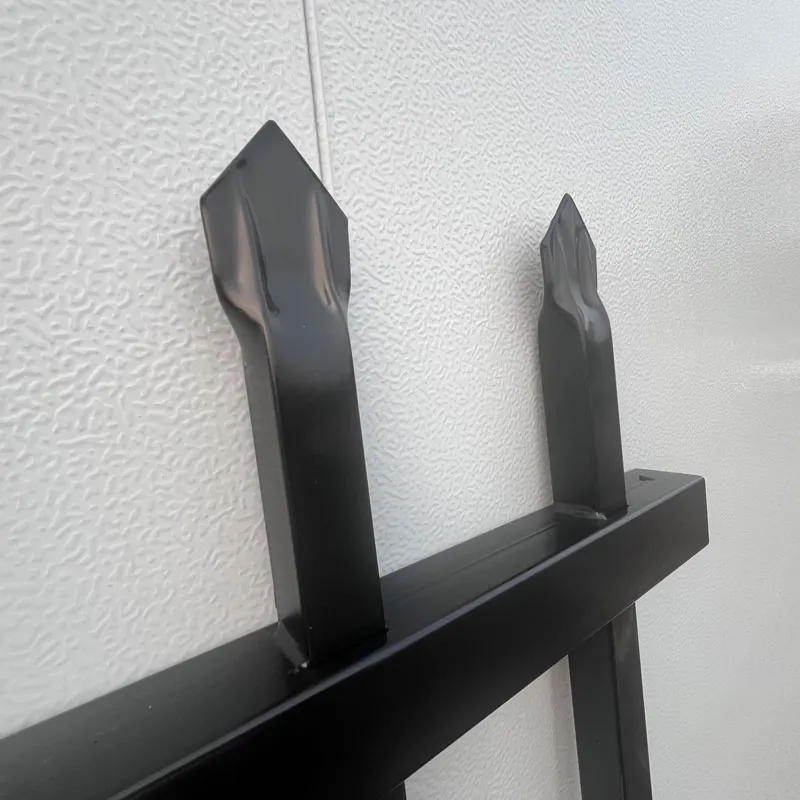
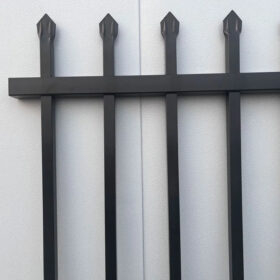
Detailed images
1 ¾” rail steel fencing panels
1 ¾” rail steel fencing panels
1 ¾” rail steel fencing panels
Producing process
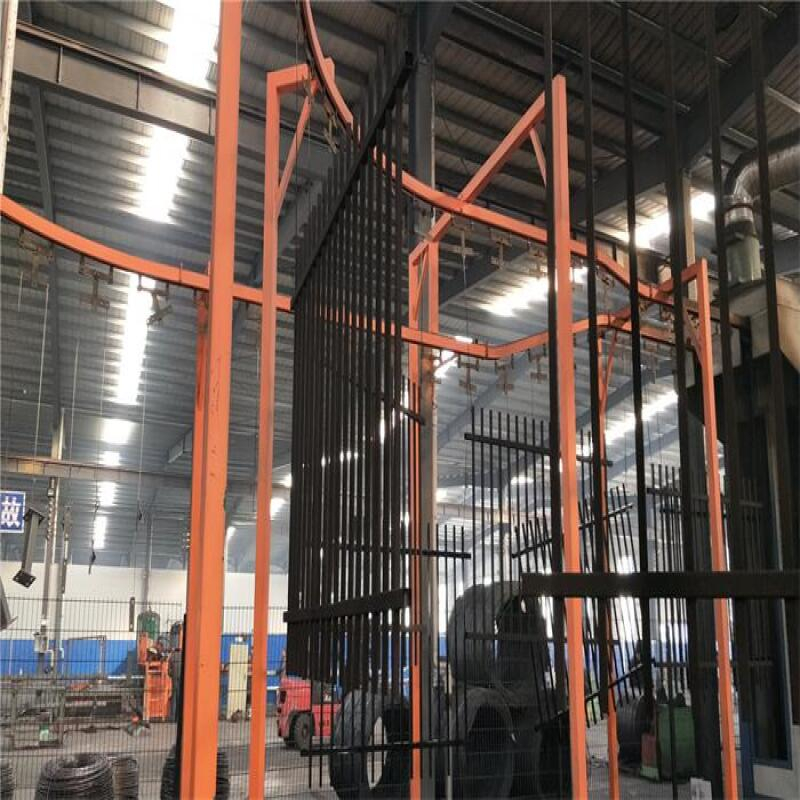
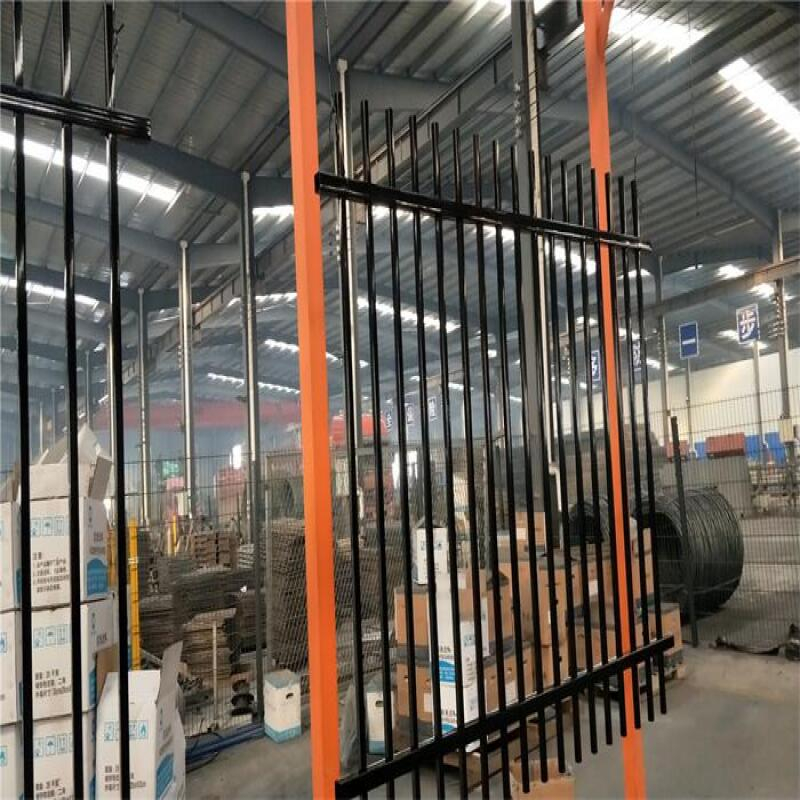
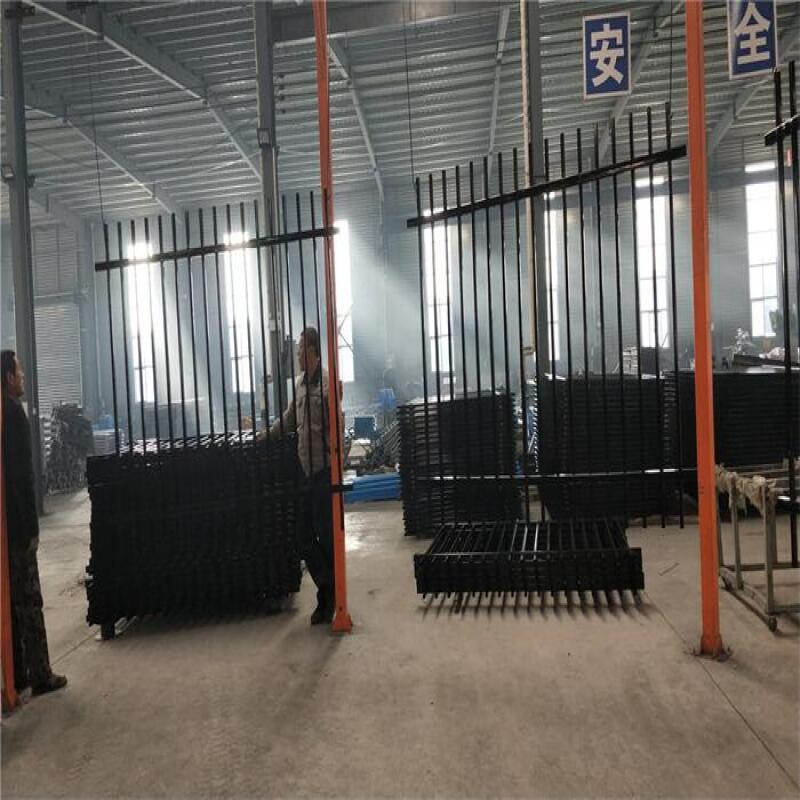
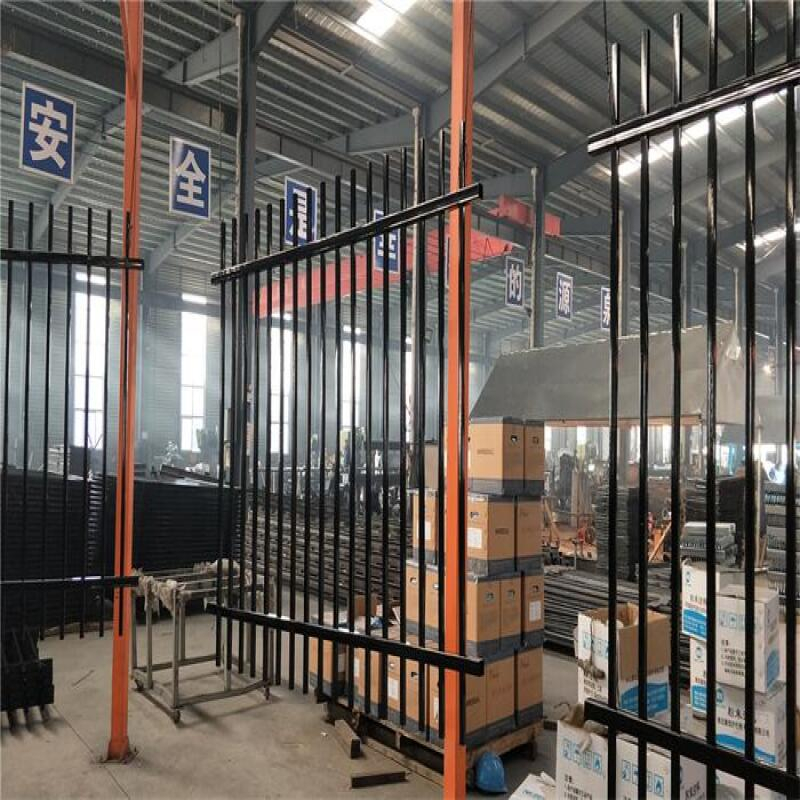
POLYMETAL steel picket fences melbourne manufacturing is controlled through repeatable jig welding, rail-to-upright alignment checks, weld cleaning discipline, coating preparation, and packing protection. The goal is simple: each panel arrives square, straight, and visually consistent so installers do not waste time correcting geometry in the field.
Packing
Fence panel is protected by air bubble film and stacked on wood or metal pallets to reduce rub damage and strap dents during transport. Fence posts are individually wrapped with plastic film bags while caps are covered well on each post to prevent abrasion, then posts are consolidated on pallets for stable handling. Fence accessories are packed in cartons to prevent loss and to keep small items receiver-friendly. If your project requires a custom packing pattern, POLYMETAL can tailor stillage, pallet layout, and layer separation to match your unloading method and site storage conditions.


Applications (steel picket fences melbourne)
steel picket fences melbourne systems are widely used in villas, residential communities, gardens, schools, factories, flower beds, lawns, industrial and mining enterprises, financial institutions, sports stadiums, convention centers, squares, roads, balconies, and perimeter definition for mixed-use properties. The clean lines provide a modern architectural signal while maintaining a security boundary that remains visually open. For industrial parks, self-storage facilities, and manufacturing plants, the picket profile delivers controlled access and a professional perimeter appearance without the heavy visual mass of industrial mesh fencing.
Benefits
A well-specified steel picket fences melbourne package reduces installer time, lowers touch-up labor, and keeps the fence line straight and consistent across long runs. The modular welded panel format supports fast installation, simple maintenance, easy cleaning, and cost control—especially when rail size, upright thickness, spacing, and post sizing are locked to the project’s exposure conditions. If your job also needs a more aggressive anti-climb profile, you can benchmark geometry and fixing logic against crimped spear garrison fencing (imported) before finalizing picket spacing, post stiffness, and bracket selection. By controlling coating and packing, the delivered fence retains its appearance, reducing disputes and protecting brand perception on handover.
Standards (overview)
For steel picket fences melbourne procurement, the practical standard is not just a document number; it is measurable acceptance: coating quality, weld integrity, panel squareness, straightness, and correct hardware fitment. POLYMETAL can build to project specifications and provide supporting documentation such as drawings, material declarations, and coating system details required for submittals.
FAQs (steel picket fences melbourne)
Should I choose 2400mm or 2450mm panel width?
Choose the width that matches your site takeoff and bracket layout. If you mix widths without planning, bracket spacing and post set-out can drift and cause onsite drilling or uneven gaps. For steel picket fences melbourne, consistent bay planning is the fastest way to keep the line clean.
Is 100mm upright spacing always necessary?
Not always, but it is a common choice for higher security and a stronger visual barrier. 108mm and 115mm spacing options can be selected for lower risk zones or cost targets. The key is to specify the spacing in writing so the delivered steel picket fences melbourne panels match the intended perimeter control.
Which rail frame should I pick: 40×40, 45×45, or 50×50?
40×40 works for lighter duty boundaries and sheltered zones, while 45×45 and 50×50 increase stiffness and reduce the chance of wave on exposed runs. The correct answer depends on height, wind exposure, and handling frequency for your steel picket fences melbourne installation.
Powder coating or hot dip galvanizing?
Hot dip galvanizing provides strong corrosion resistance; powder coating adds architectural finish and color. Many buyers choose HDG + powder when they want both corrosion durability and premium appearance for steel picket fences melbourne projects.
How do I reduce touch-up work on arrival?
Lock the packaging method, confirm layer separation and edge protection, and ensure hardware is boxed and labeled. Most receiving issues for steel picket fences melbourne are not “manufacturing defects” but packing and handling oversights that can be prevented with a defined packing plan.
Quick buyer checklist
If you want steel picket fences melbourne delivered without hidden loss, ensure the quote lists: panel height, panel width, rail frame size, rail thickness, upright size, upright thickness, upright count, upright spacing, post size option, post wall thickness, surface treatment system, and packing method. When these items are locked, the delivered fence becomes predictable, installable, and consistent—exactly what buyers think they are purchasing when they ask for “picket fencing.”