Your One-Stop Wire Mesh Fence Supplier | POLYMETAL



In Melbourne, steel picket fencing is often chosen because it looks clean, architectural, and clearly signals security without blocking visibility. The problem is that steel picket fencing Melbourne projects don’t fail in the brochure—they fail on site: posts that wobble, panels that wave, coating that chips during handling, weld points that bloom with rust, and a fence line that starts getting complaints before the job even closes out.
POLYMETAL builds steel picket fencing as a repeatable, specification-driven system so every bay arrives consistent: straight frames, disciplined picket spacing, matched post options, and coating choices that are made for real weather, real handling, and real schedules, and for projects that also need architectural greenery integration you can reference stainless steel green facades as a compatible, design-forward perimeter upgrade.


Product Description (POLYMETAL Steel Picket Fencing)
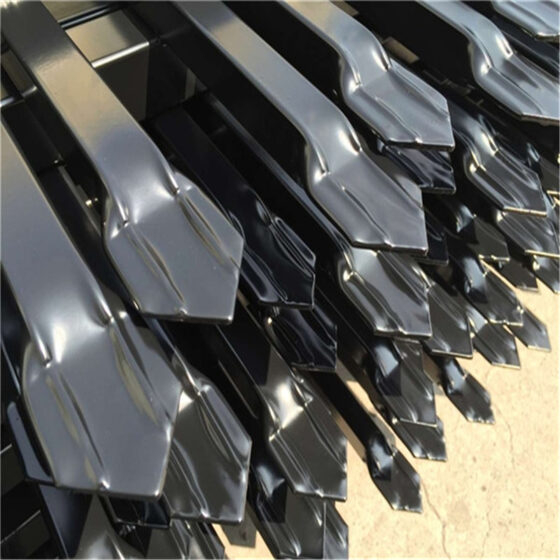
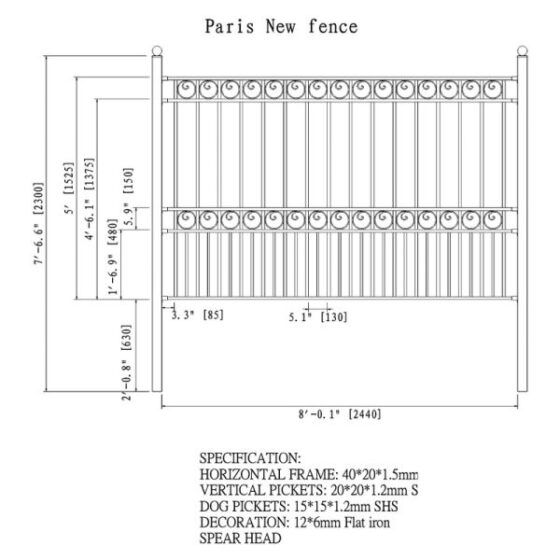
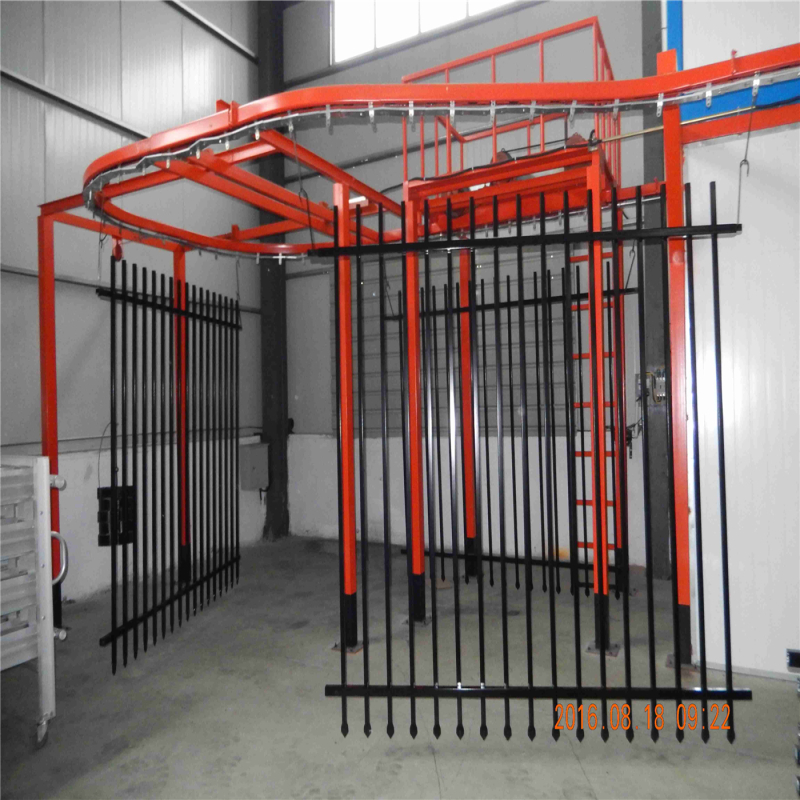
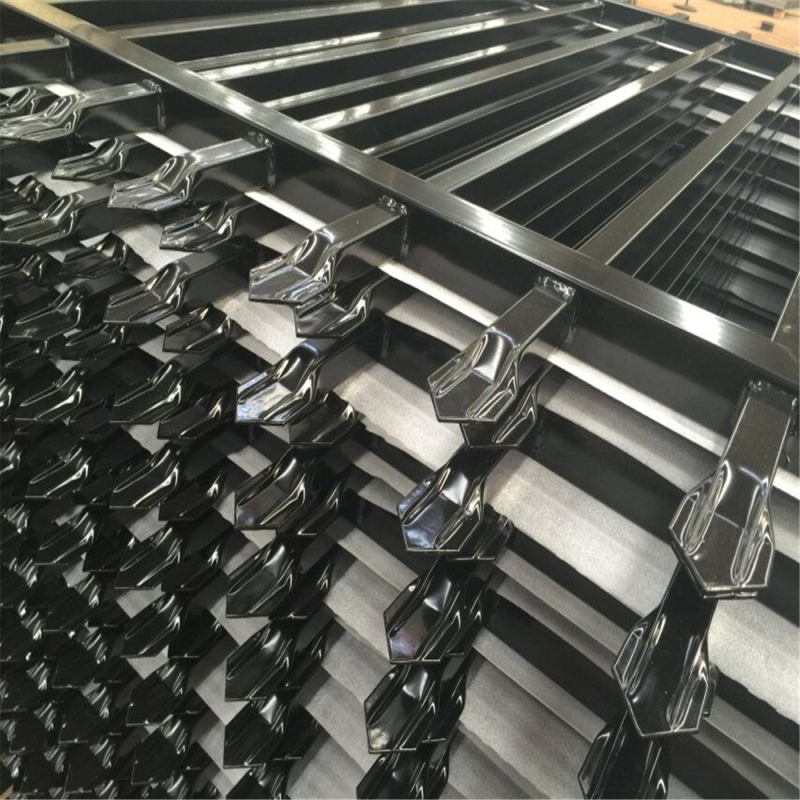
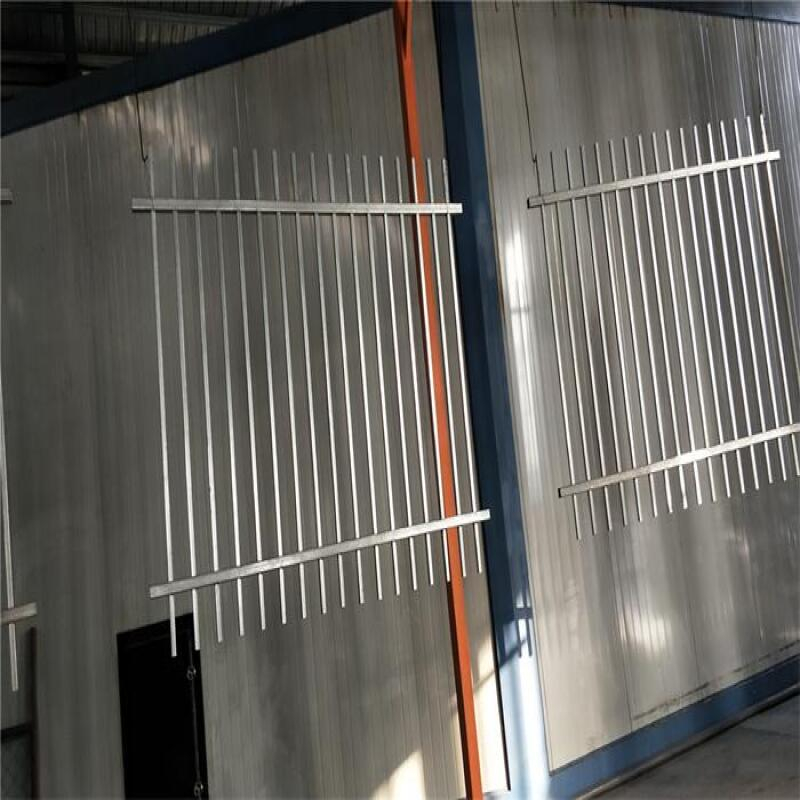
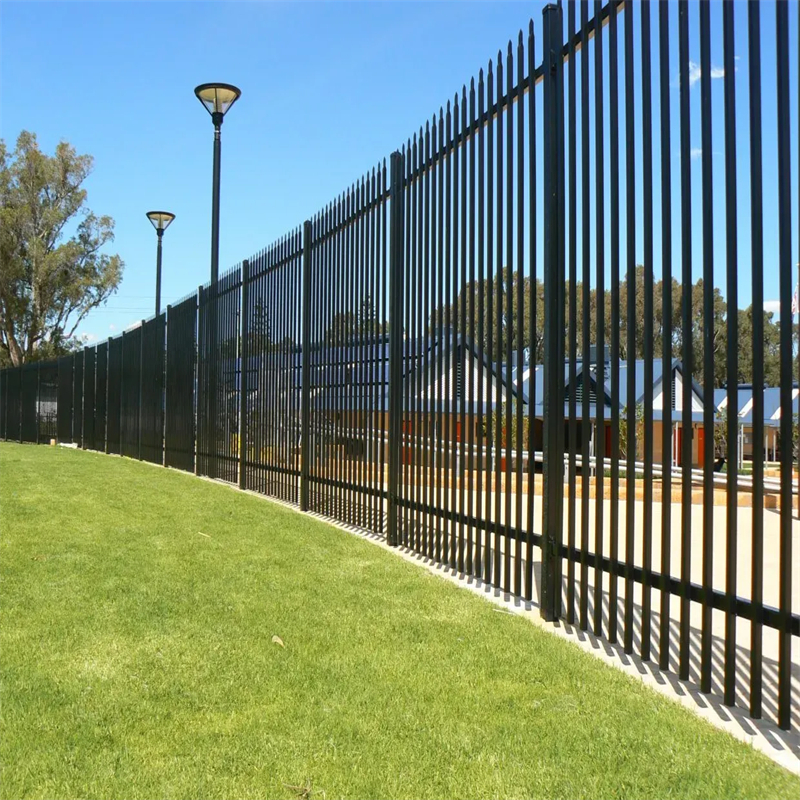
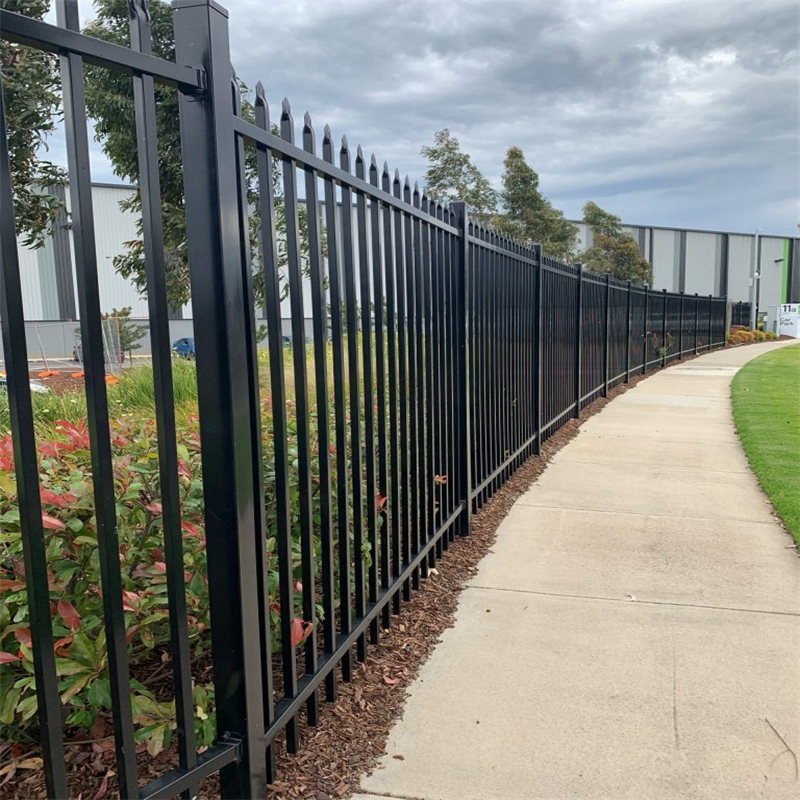
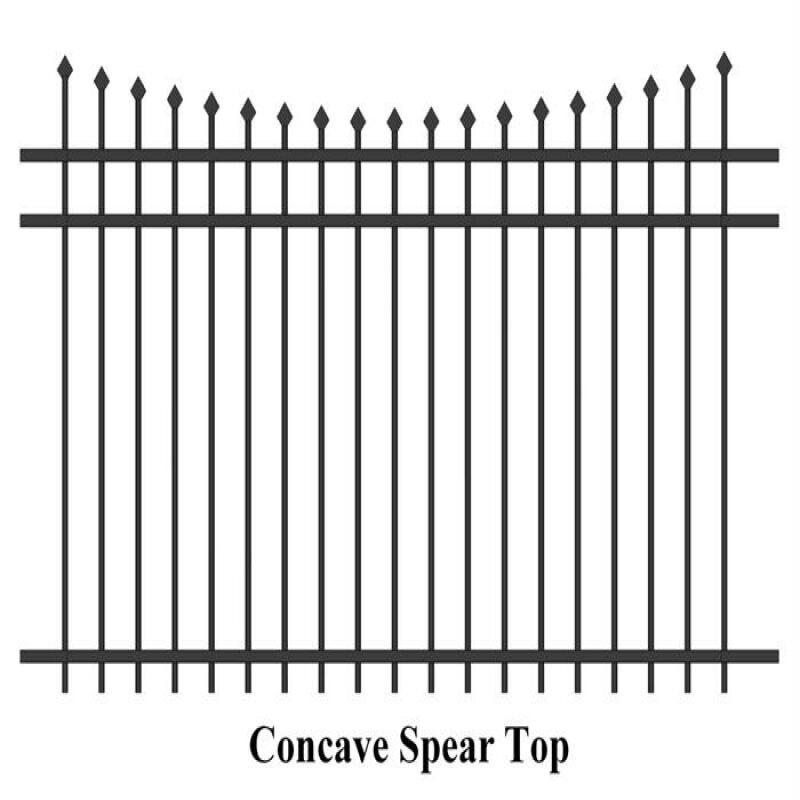
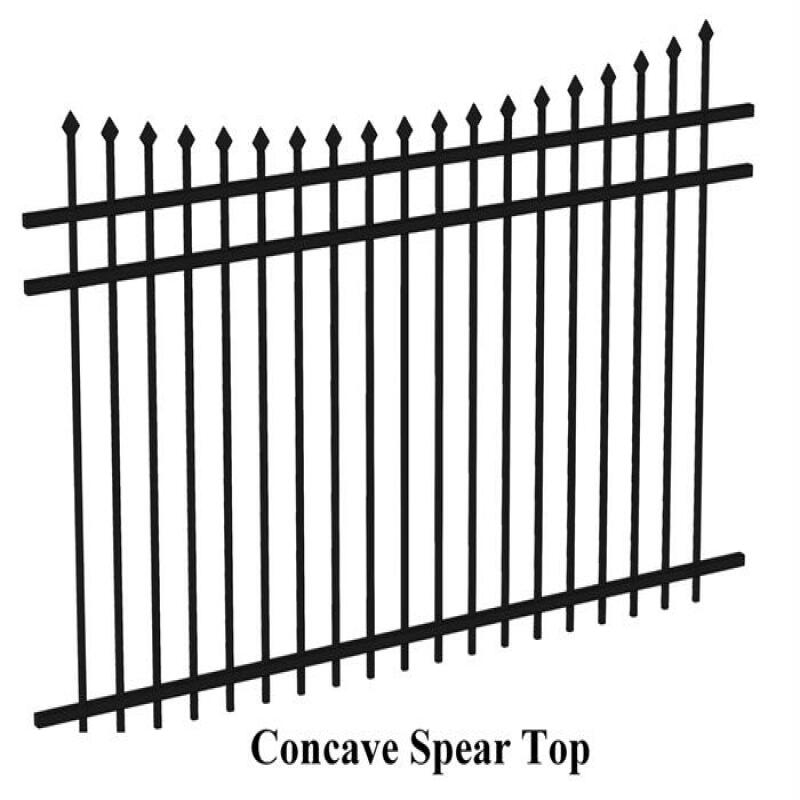
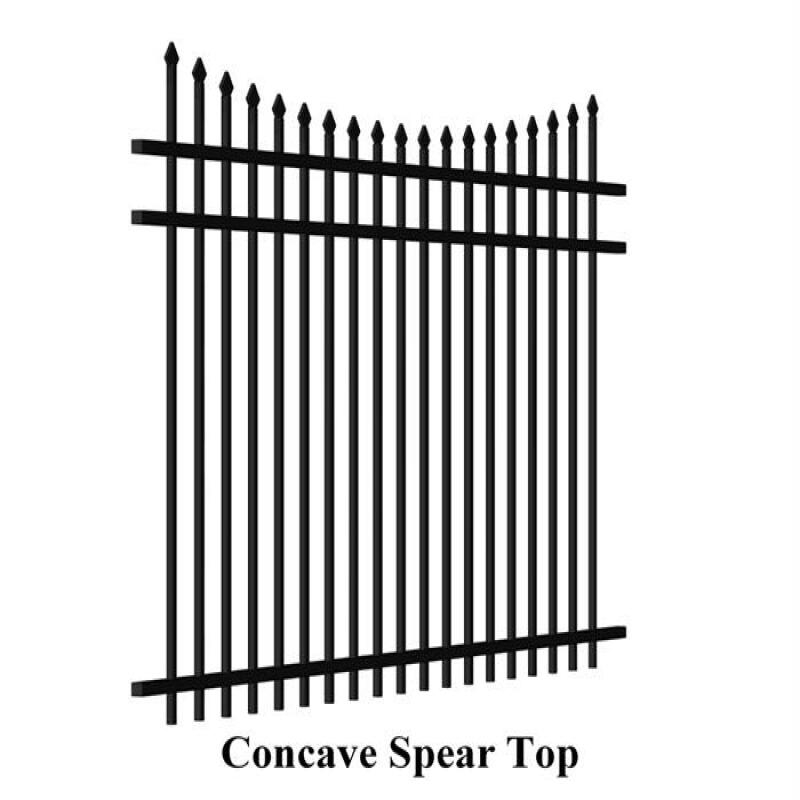
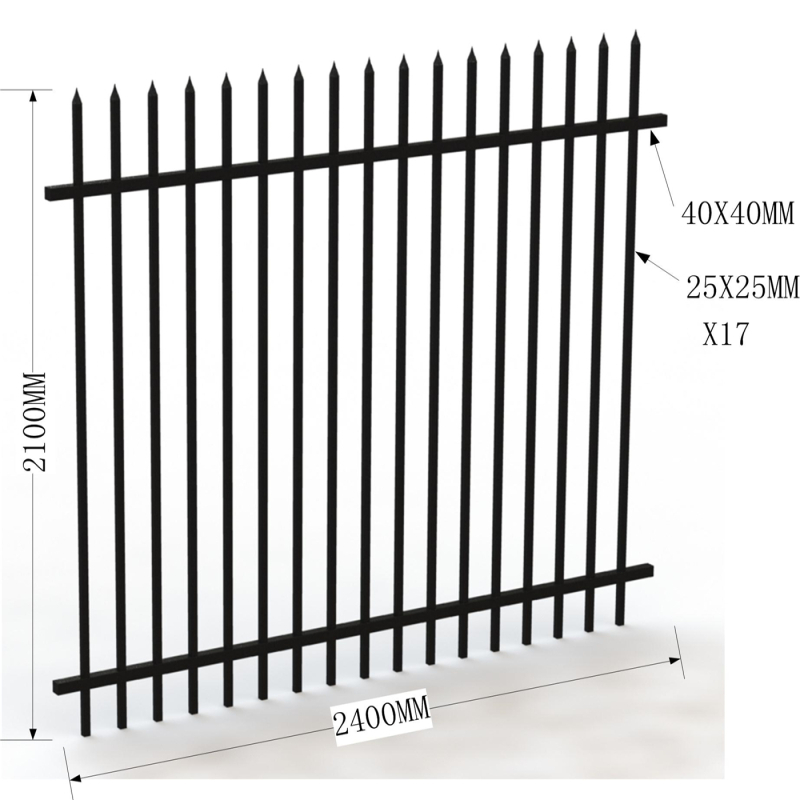
POLYMETAL steel picket fencing is a welded tubular picket panel system designed to deliver a straight, rigid boundary with a premium appearance and a serious security feel. The structure is controlled by measurable geometry: rail frame size and wall thickness matched to panel height, upright section and thickness locked, upright quantity and spacing fixed, and post options selected to suit exposure, foundation method, and anti-tamper needs. The result is a fence line that installs cleanly, stays aligned, and resists the common jobsite failures that create rework, callbacks, and reputation damage.
This is why “steel picket fencing melbourne” should never be purchased by photo. The purchase order must control the build—because the smallest missing detail is where the biggest losses hide.

Top 20 Dangerous TRAPS in Steel Picket Fencing Melbourne (Especially #12)
These traps are written for buyers, contractors, and project managers sourcing steel picket fencing Melbourne who cannot afford a fence that looks acceptable on day one but turns into noise, rust, or rejection by day thirty.
TRAP #1 — Ordering by “panel height” without locking the full system specification
Two panels can share the same height and still behave completely differently. When steel picket fencing Melbourne is ordered without controlling rail frame size, rail thickness, upright size, upright thickness, and spacing discipline, you’re not buying a fence—you’re buying a gamble that arrives in a container.
TRAP #2 — Choosing a rail frame that looks fine but twists under handling
Melbourne projects often require panels to be moved, stacked, unstacked, and re-positioned. If the rail frame is undersized for the height, steel picket fencing Melbourne can develop a wave line that never truly disappears, even after careful installation.
TRAP #3 — Treating upright thickness like a “nice to have” instead of a stability control
Upright thickness affects dent resistance, vibration noise, and long-term straightness. When uprights are too thin for the expected handling, steel picket fencing Melbourne pickets can bend subtly and make an entire fence line look tired—fast.
TRAP #4 — Ignoring upright spacing discipline until the fence line looks like a barcode
Spacing is not just visual; it controls security feel and anti-climb behavior. Mixed spacing across batches creates visible inconsistency and can trigger client dissatisfaction even when your steel picket fencing Melbourne installation is technically correct.
TRAP #5 — Not specifying upright quantity per panel (so your spacing quietly changes)
If you don’t lock upright quantity, factories may optimize for cost. The result is spacing drift—sometimes only a few millimeters—until you install a long run and your steel picket fencing Melbourne line shows inconsistency immediately.
TRAP #6 — Forgetting that posts and panels must be matched, not “made to fit”
Posts are not just vertical supports—they are the backbone of perceived quality. If post size and wall thickness aren’t matched to panel height and exposure, steel picket fencing Melbourne can end up with rattle, movement, and fence lines that feel cheap even when they look premium from a distance.
TRAP #7 — Leaving rail thickness undefined (then being surprised by deflection)
Rail thickness is one of the fastest ways cheap builds hide inside same-looking panels. If you care about straight lines, specify the rail thickness so steel picket fencing Melbourne frames behave like structural members, not decorative outlines.
TRAP #8 — Assuming all galvanizing (or coating) is equal
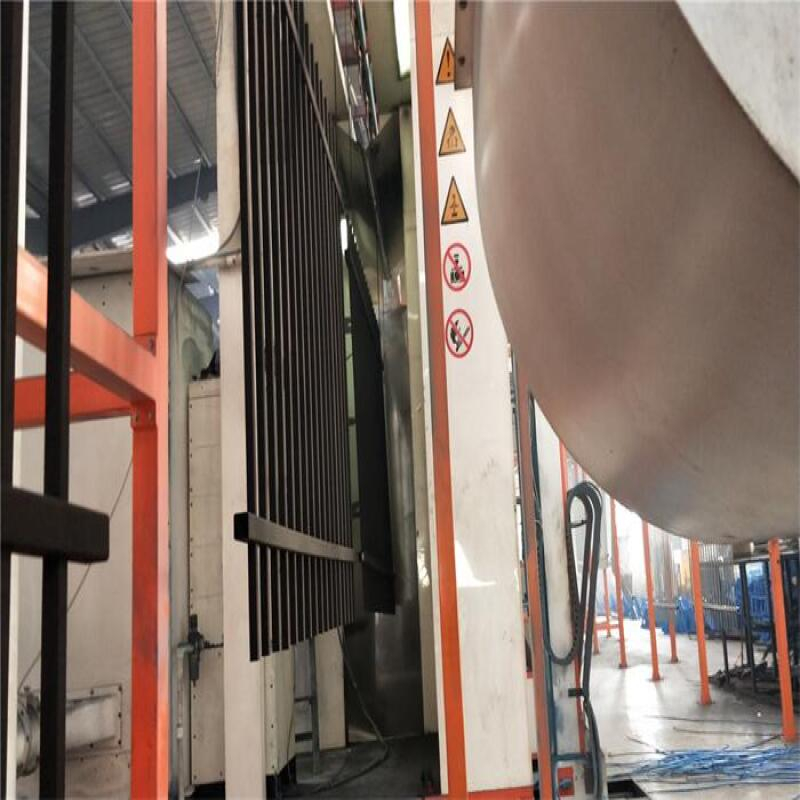
Coating performance is not a label—it’s a process. Surface preparation, weld cleanup, coating thickness, and curing discipline decide whether steel picket fencing Melbourne stays clean or starts showing early corrosion at the exact points clients notice first.
TRAP #9 — Not protecting the finish during packing (the “invisible damage” problem)
Fence panels can arrive “new” but already scarred from steel-on-steel rubbing during sea freight. That damage becomes rust initiation points and turns steel picket fencing Melbourne deliveries into warranty conversations no one enjoys.
TRAP #10 — Buying panels that install fast but fail the “touch test”
A fence line that vibrates, rings, or rattles under light contact becomes a constant source of complaints—especially around schools, public-facing sites, warehouses, and facilities where steel picket fencing Melbourne is chosen for its premium security feel, and where temporary perimeter control is also needed the Heras round top temporary fence can be a practical companion solution during staging, renovations, or phased works.
TRAP #11 — Ignoring anti-tamper fixing requirements until after a break-in attempt
Many sites do not need “maximum” security, but they do need real resistance to casual tampering. If fixings and brackets are not controlled, steel picket fencing Melbourne can be easier to loosen or remove than you expect.
TRAP #12 — Leaving post height logic out of the specification (the silent rejection trigger)
This is where expensive pain hides. When post height planning is not locked at quoting stage, foundations, post embedment, and rigidity planning drift, and steel picket fencing Melbourne can turn into misalignment, rework, and sometimes jobsite rejection when supervisors compare the installed line against expectations.
TRAP #13 — Treating weld quality like a cosmetic issue instead of a lifecycle issue
Poor weld discipline becomes corrosion hotspots, weak points under impact, and visible ugliness after coating. Welding is structure, not decoration, and steel picket fencing Melbourne exposure will reveal shortcuts.
TRAP #14 — Mixing batches without controlling tolerances (then your clamps don’t fit cleanly)
If tolerances aren’t controlled, your “same product” from different batches may not align. The installation team then wastes time forcing fitment, and steel picket fencing Melbourne straightness suffers in the process.
TRAP #15 — Choosing the wrong post size option for wind exposure and site behavior
Sites with higher wind exposure, open yards, or vehicle movement need posts selected for real loads. Undersized posts produce sway that never truly feels finished, even when steel picket fencing Melbourne is technically complete.
TRAP #16 — Forgetting that Melbourne coastal influence accelerates corrosion risk
If your site is closer to marine air, industrial zones, or high-moisture conditions, the coating choice and handling protection become more important. Corrosion doesn’t ask for permission—it starts where steel picket fencing Melbourne specs are vague.
TRAP #17 — Specifying “powder coat” without defining preparation and minimum film expectations
Powder coating can be excellent, but only when pretreatment and process control are real. Otherwise, chips, under-film corrosion, and premature fading can turn steel picket fencing Melbourne into an early replacement discussion.
TRAP #18 — Not planning gate and fence compatibility (so the entrance looks like an afterthought)
Gates must match panel geometry and finish. If you treat gates as separate items, the most visible part of your steel picket fencing Melbourne perimeter becomes the least consistent.
TRAP #19 — Underestimating the cost of “small” installation delays
Every missing bracket, mismatch in hole pattern, or tolerance drift creates field improvisation. Improvisation costs time, and time costs money—especially when steel picket fencing Melbourne trades are booked and schedules are fixed.
TRAP #20 — Thinking the lowest price wins, when rework always collects its fee
Cheap fences often become expensive fences. The invoice may be smaller, but the total cost climbs through repairs, repainting, replacement parts, and the reputational cost of steel picket fencing Melbourne that looks wrong the moment it’s finished.
Specifications (Steel Picket Fencing Melbourne)
The table below is designed to lock purchase-order clarity. Choose a configuration that matches your project exposure, handling frequency, and desired security feel. Custom sizes are available on request.
| FENCE HEIGHT (PANEL) | FENCE WIDTH (PANEL) | RAIL FRAME | RAILS THICKNESS | UPRIGHT | UPRIGHT THICKNESS | UPRIGHT NUMBER & SPACING | FENCE POST HEIGHT | FENCE POST OPTION | POST WALL THICKNESS |
|---|---|---|---|---|---|---|---|---|---|
| 1200mm | 2400mm / 2450mm | 40×40 / 45×45 / 50×50mm | 1.60 / 2.00 / 2.50 / 3.00mm | 16×16 / 25×25 / 30×30mm | 0.80 / 1.00 / 1.20 / 2.00mm | 16pcs (115mm) / 17pcs (108mm) / 18pcs (100mm) | 1800mm | 60×60 / 65×65 / 75×75 / 80×80 / 100×100mm | 1.60 / 2.00 / 2.50mm |
| 1500mm | 2400mm / 2450mm | 40×40 / 45×45 / 50×50mm | 1.60 / 2.00 / 2.50 / 3.00mm | 16×16 / 25×25 / 30×30mm | 0.80 / 1.00 / 1.20 / 2.00mm | 16pcs (115mm) / 17pcs (108mm) / 18pcs (100mm) | 2100mm | 60×60 / 65×65 / 75×75 / 80×80 / 100×100mm | 1.60 / 2.00 / 2.50mm |
| 1800mm | 2400mm / 2450mm | 40×40 / 45×45 / 50×50mm | 1.60 / 2.00 / 2.50 / 3.00mm | 16×16 / 25×25 / 30×30mm | 0.80 / 1.00 / 1.20 / 2.00mm | 16pcs (115mm) / 17pcs (108mm) / 18pcs (100mm) | 2400mm | 60×60 / 65×65 / 75×75 / 80×80 / 100×100mm | 1.60 / 2.00 / 2.50mm |
| 2100mm | 2400mm / 2450mm | 45×45 / 50×50mm | 2.00 / 2.50 / 3.00mm | 25×25 / 30×30mm | 1.00 / 1.20 / 2.00mm | 16pcs (115mm) / 17pcs (108mm) / 18pcs (100mm) | 2700mm | 65×65 / 75×75 / 80×80 / 100×100mm | 1.60 / 2.00 / 2.50mm |
| 2400mm | 2400mm / 2450mm | 50×50mm | 2.00 / 2.50 / 3.00mm | 25×25 / 30×30mm | 1.20 / 2.00mm | 16pcs (115mm) / 17pcs (108mm) / 18pcs (100mm) | 3000mm | 75×75 / 80×80 / 100×100mm | 2.00 / 2.50mm |
Applications
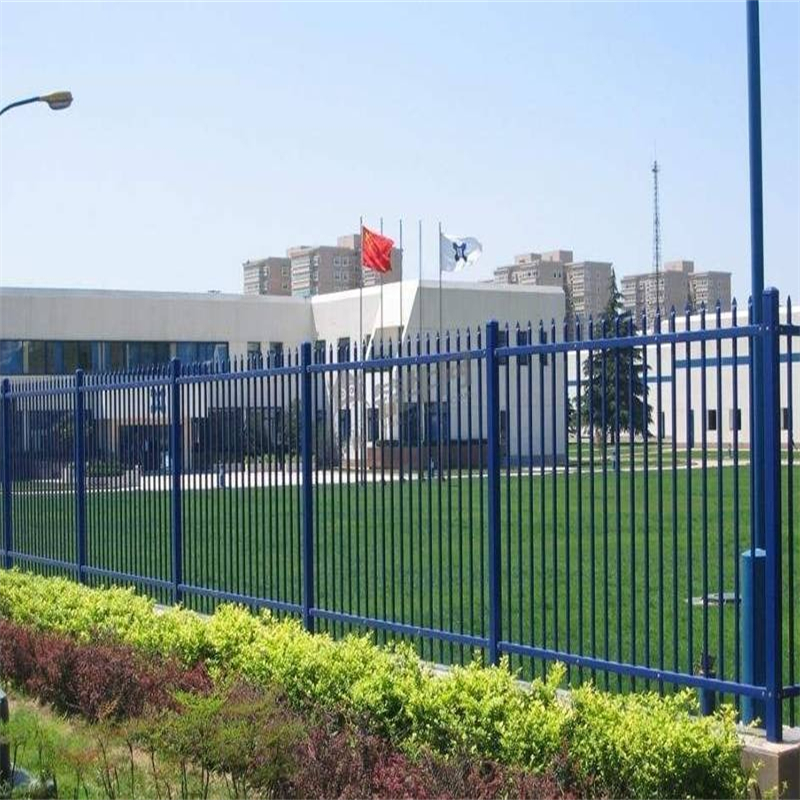
Steel picket fencing melbourne is commonly specified for schools, warehouses, business parks, rail corridors, public facilities, councils, commercial frontages, and any site that needs a boundary with a premium look and a genuine security feel. It performs especially well where visibility is important, where aesthetics matter to neighbors, or where long straight runs must remain aligned and presentable.
It is also frequently used to upgrade older chain link perimeters, replace tired palisade-style lines, or unify mixed fence types across multi-building sites so the perimeter looks intentional rather than patched over time.
Benefits
A correctly specified steel picket fence delivers immediate visual order: straight rails, consistent picket rhythm, and a finished boundary that reads as secure without looking industrial. It reduces site complaints by avoiding the rattle and wave behavior seen in lighter builds, while maintaining clear sightlines for monitoring and safety.
Because the system is specification-driven, it also reduces procurement risk: installers receive repeatable geometry, matched components, and a fence line that behaves predictably under handling and weather exposure.
Packing
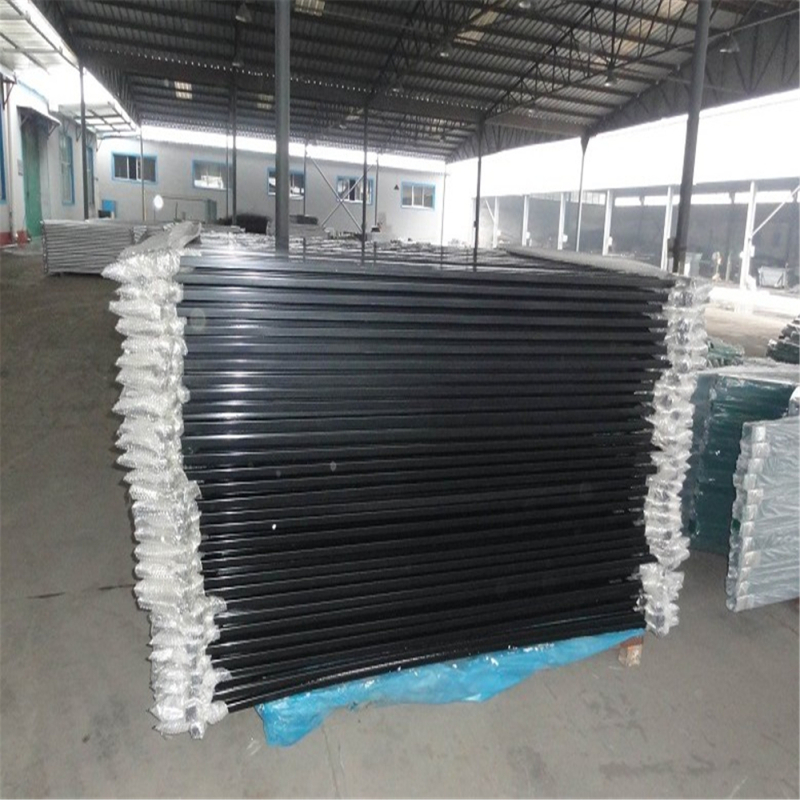
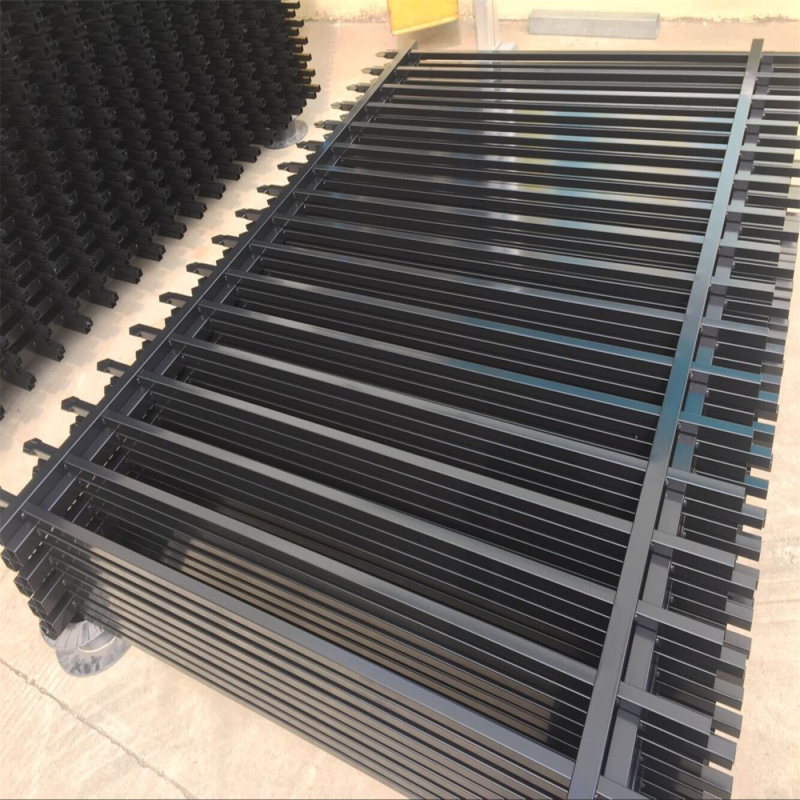
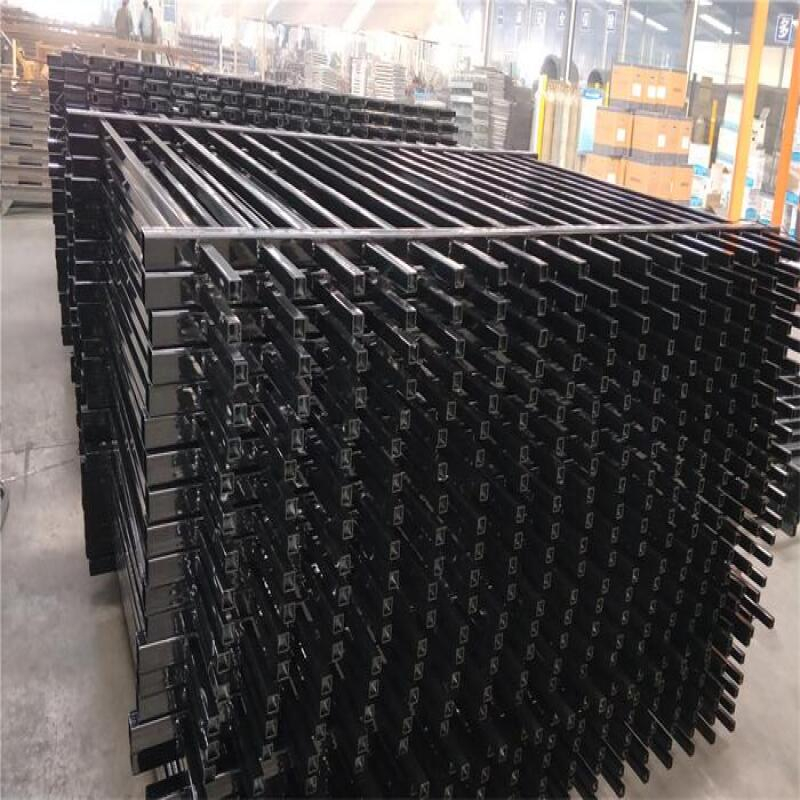
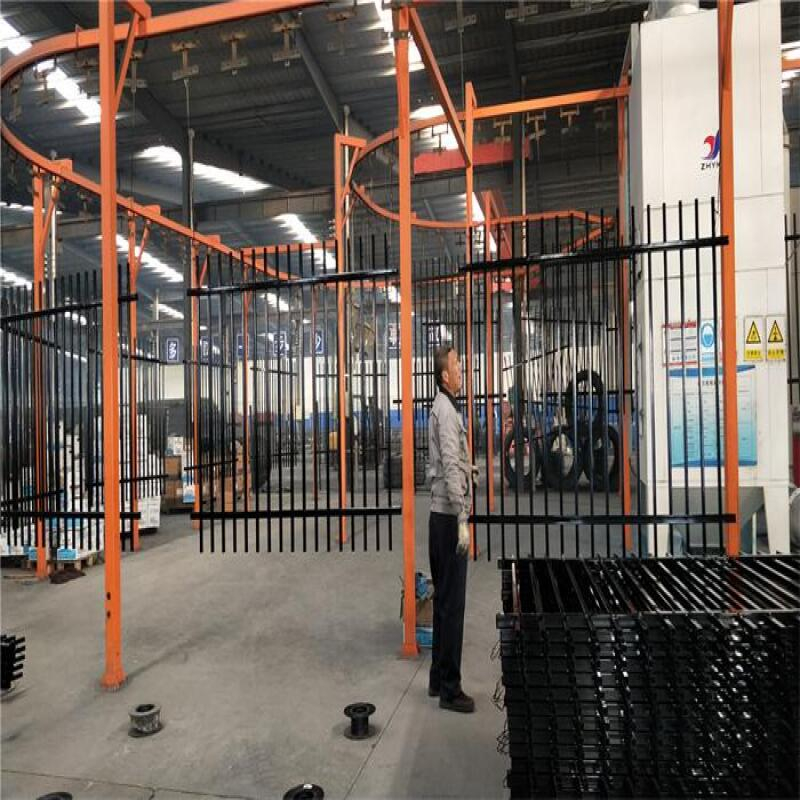
POLYMETAL packs steel picket fencing for export and local distribution with finish protection in mind, because freight damage becomes corrosion starts. Panels are typically bundled securely, separated to reduce abrasion, and protected for handling by forklift and stacking. Posts, brackets, and fixings are packed as labeled sets to reduce site confusion and prevent missing-hardware delays.
If you have strict receiving rules (container unloading method, pallet size, stillage requirements, or mixed SKU labeling), the packing plan can be configured so the site can unload, count, and stage without slowing installation.
Standard
Standards can vary by project specification. If your contract documents cite particular standards, we build to those requirements. Common references for steel fencing systems may include galvanizing and coating standards, welding workmanship requirements, and project-specific performance criteria. Confirm your required standards at enquiry stage so the finish system and quality controls are aligned from day one.
FAQs
What should I specify first when buying steel picket fencing melbourne?
Start with system control: panel height and width, rail frame size and thickness, upright size and thickness, upright quantity and spacing, post size options, and the finish/coating system. When these are locked, the fence behaves predictably.
Why do “similar-looking” steel picket panels perform differently?
Performance comes from structure and process. Small changes in rail thickness, upright thickness, spacing discipline, welding quality, and coating preparation create big differences in stiffness, noise, corrosion resistance, and long-term straightness.
Can POLYMETAL customize the spacing, panel width, and post options?
Yes. Spacing and component options can be customized based on security feel, aesthetic preference, and site conditions. If you have drawings or a target profile, share them so the configuration matches your project.
What is the most common cause of rework on steel picket fencing projects?
Vague specifications. When the purchase order does not lock the measurable build details, installers are forced to make it work on site—then straightness, alignment, and finish quality suffer, and the cost shows up as delays and repairs.
Call to Action
If you’re sourcing steel picket fencing melbourne and you want a perimeter that installs straight, stays quiet, and holds its finish, send POLYMETAL your target height, panel width, spacing preference, post options, and finish requirement. We will return a controlled specification and packing plan that reduces risk and protects your timeline.