Your One-Stop Wire Mesh Fence Supplier | POLYMETAL
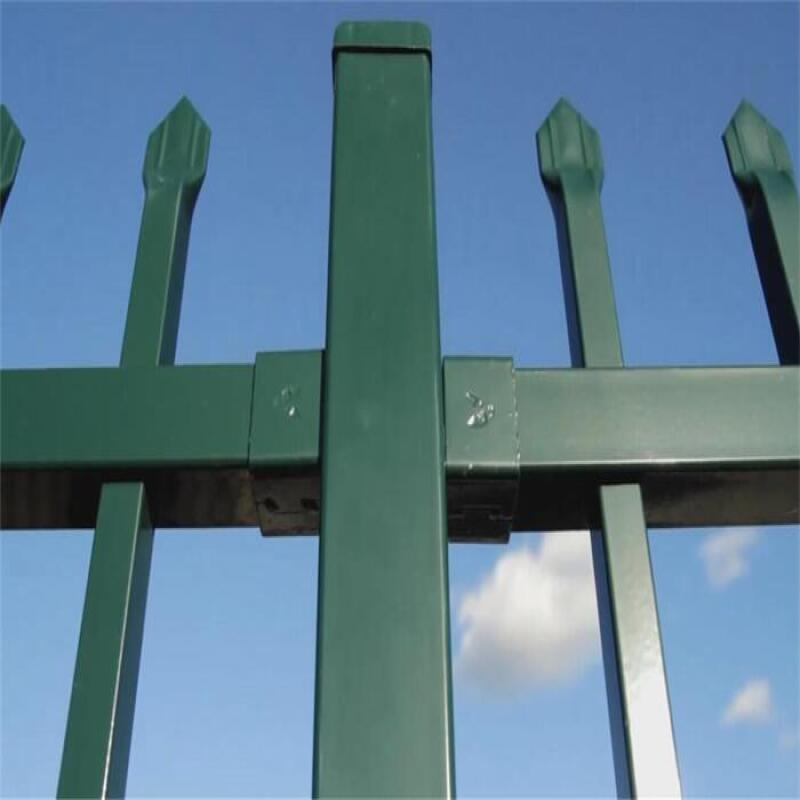
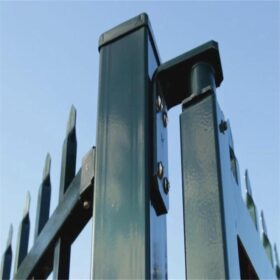
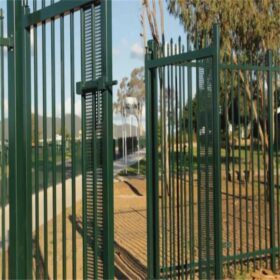
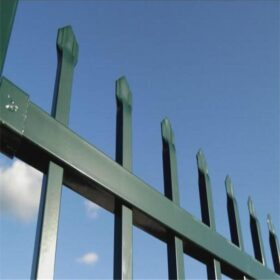
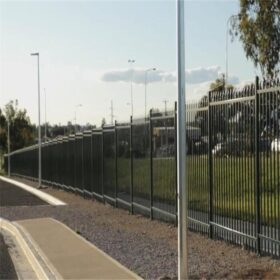
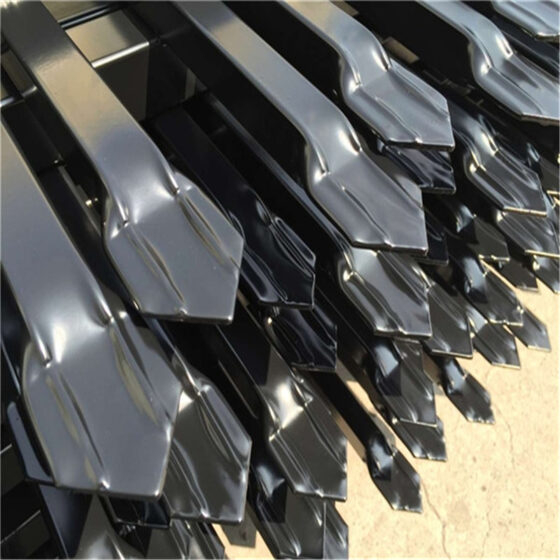
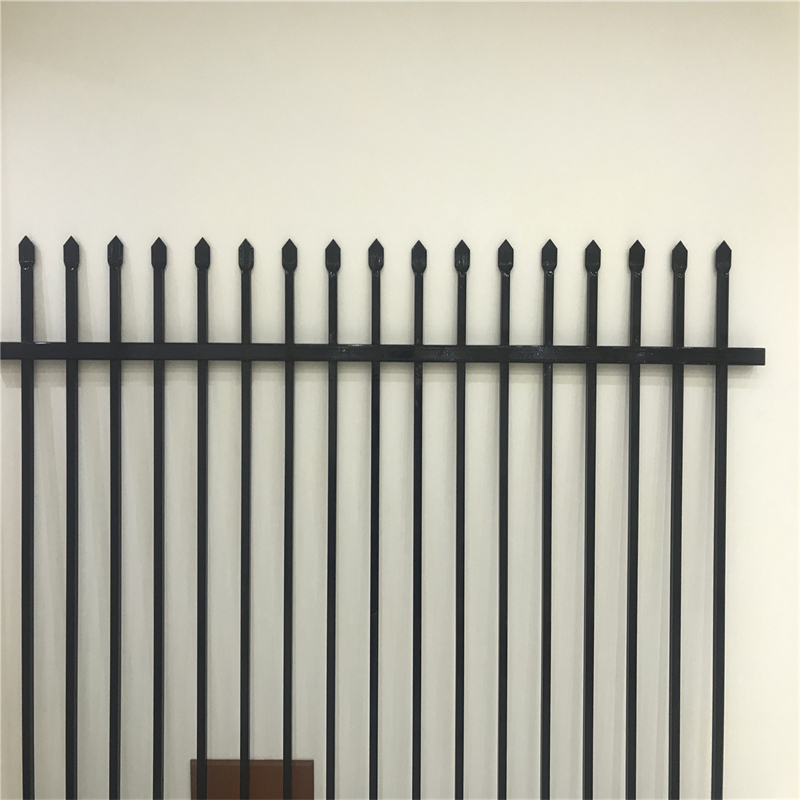
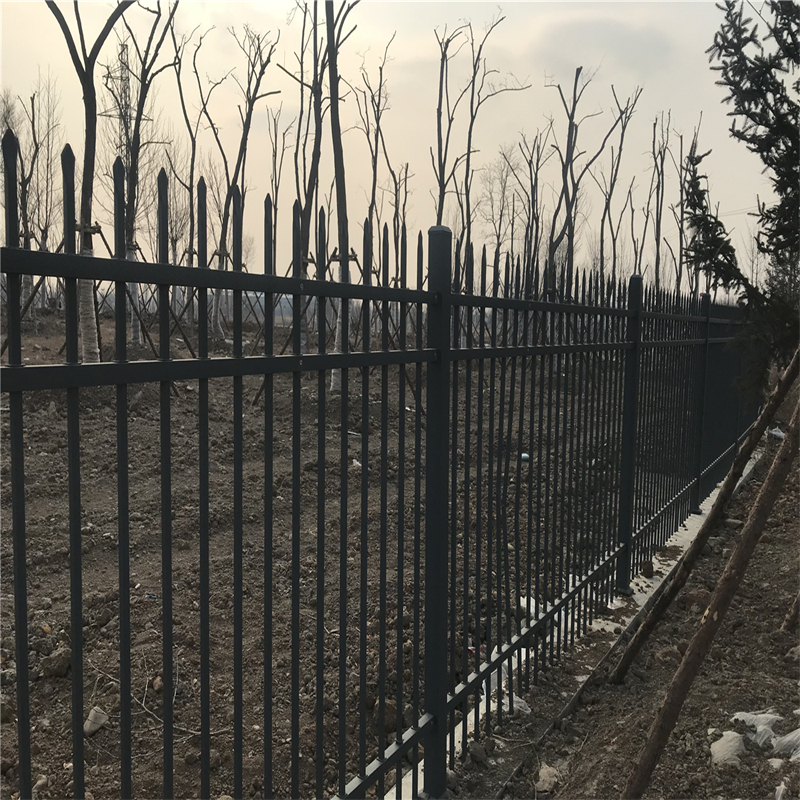
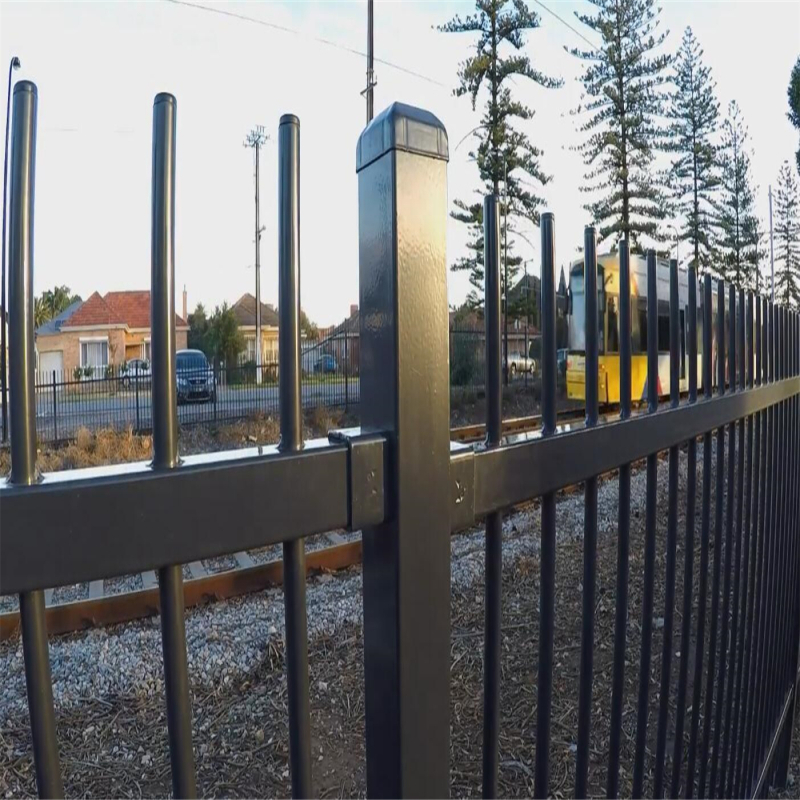
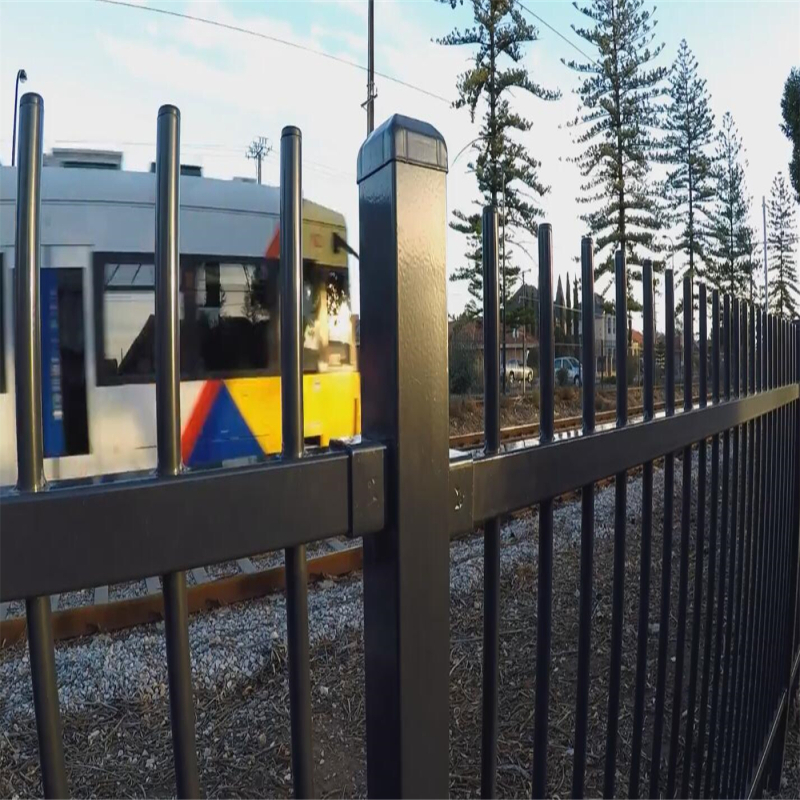
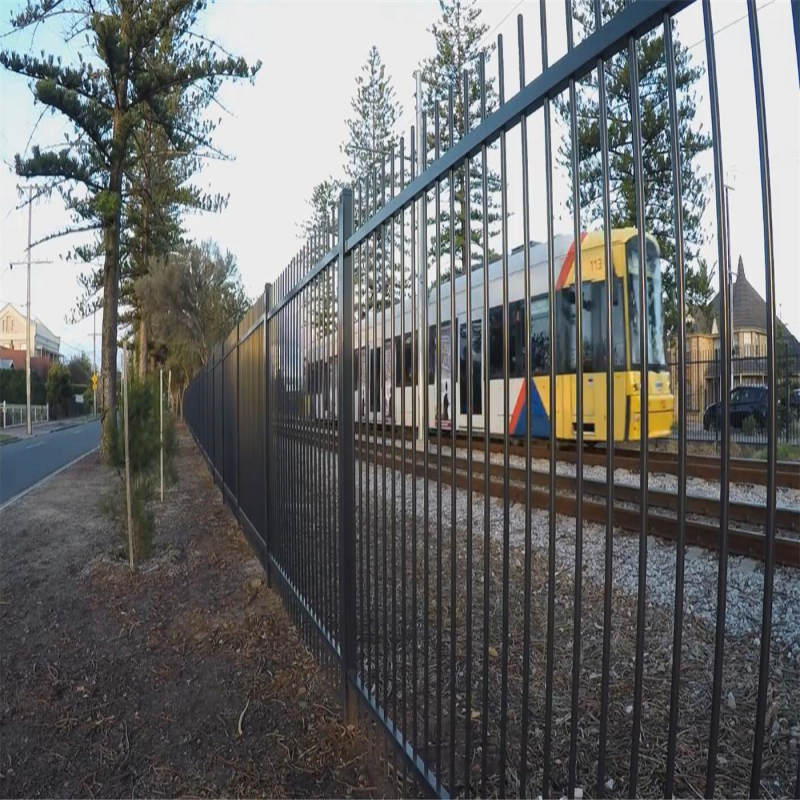
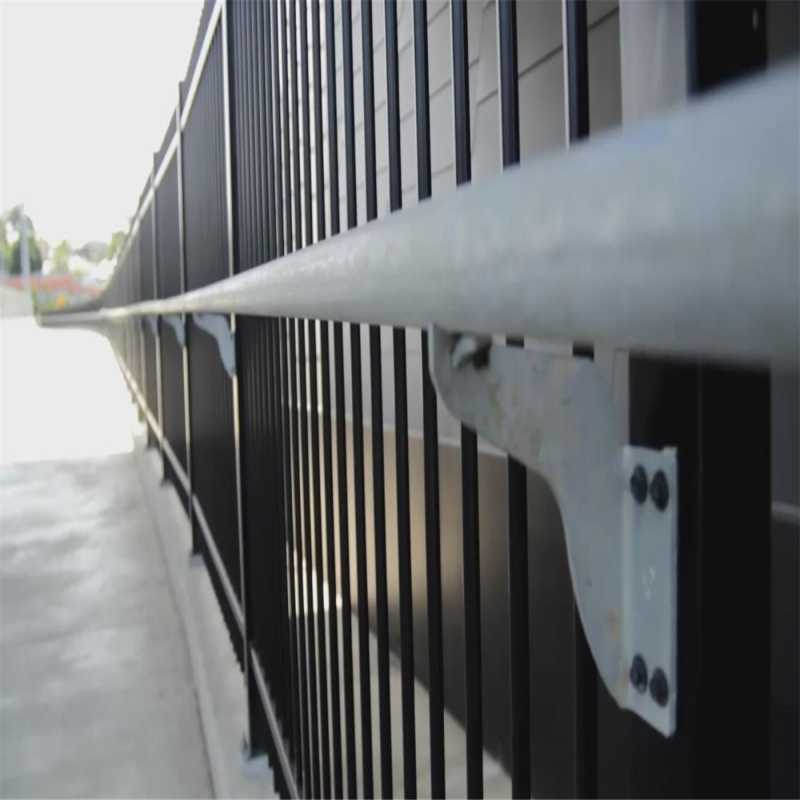
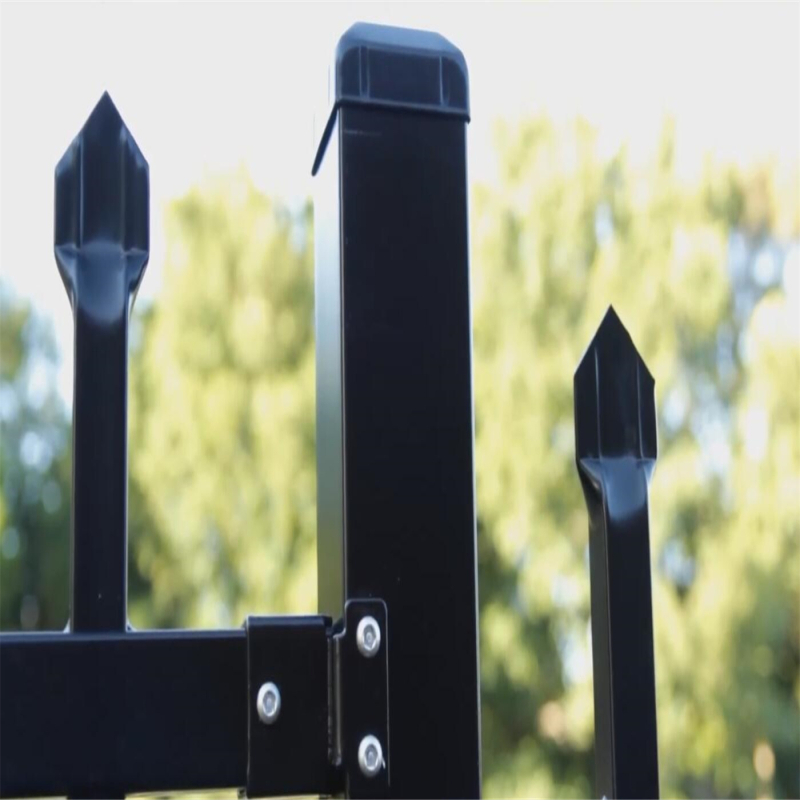
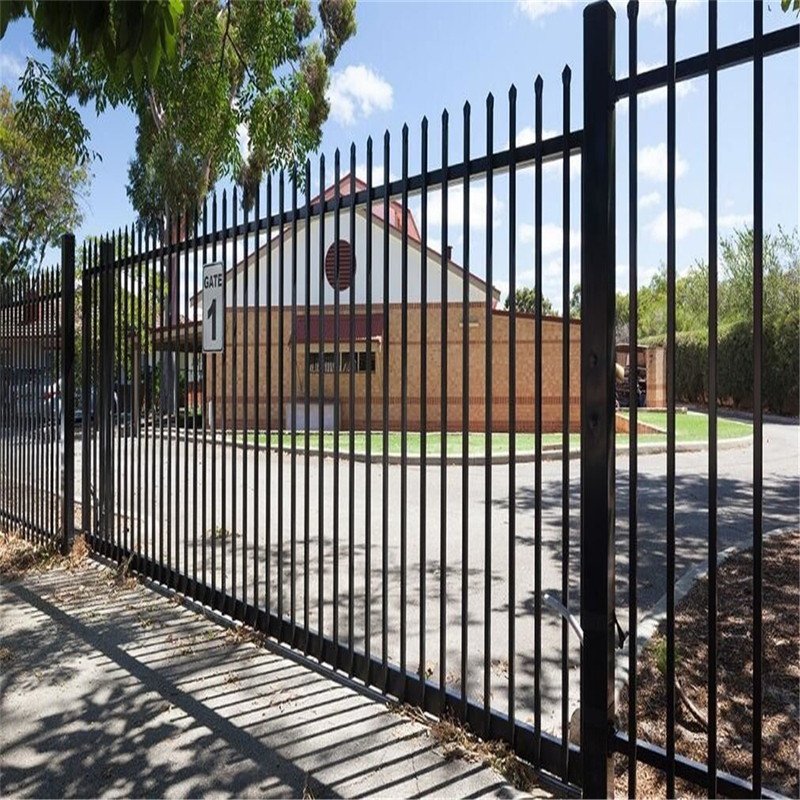
Steel Picket Security Fencing by POLYMETAL, often used as heavy-duty Hercules fencing on high-risk sites, is engineered to look intimidating, project a tough security profile and send a clear visual warning to intruders. From the outside, it appears to be a clean, powerful perimeter feature with a sharp security edge.
9 Critical Points About Steel Picket Security Fencing You Don’t Know (Especially Point 9)
Point 1 – The Hidden Detail That Turns Security Into an Illusion
Many buyers fall for the comforting myth that “all steel picket fences are strong.” In reality, a small overlooked detail can turn your Steel Picket Security Fencing into a dangerous illusion:
- Rail frames that are too light for the span
- Pickets (uprights) with thin walls
- Posts that are under-sized for the height
These create structural faults and invisible defects. Under real stress – crowds, wind, vehicle bumps or intruder attacks – the fence can twist, bend or open up. The barrier is there, but the real protective element is missing, and you carry the risk without realizing it. The scary fact: by the time you see the signs of movement, the damage is already done.
Point 2 – The Brutal Truth About Pickets as a Threat or a Defect
Steel pickets are meant to be an obvious threat and anti-climb feature. However, poorly designed or badly welded pickets can become a serious defect instead of a benefit:
- Misaligned pickets create footholds and climbing loopholes
- Rough welds and sharp edges increase safety hazard and legal exposure
- Uneven lines ruin the visual outline of a high-security profile
What should be a security advantage turns into a hidden downside. The uncomfortable insight: a fence that looks tough can be a legal trap and public-relations failure if someone gets injured on a badly finished picket.
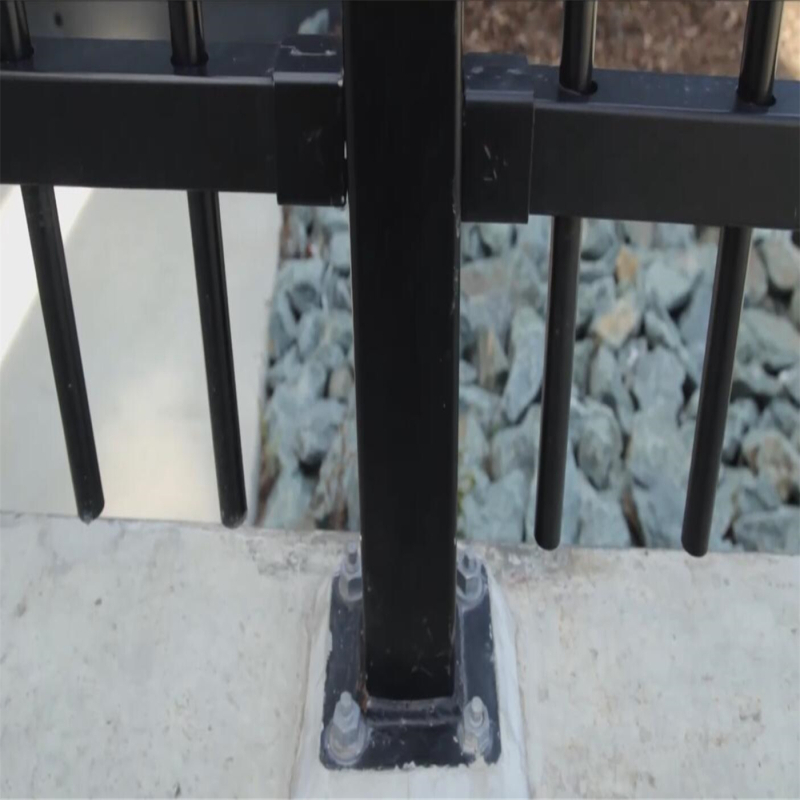
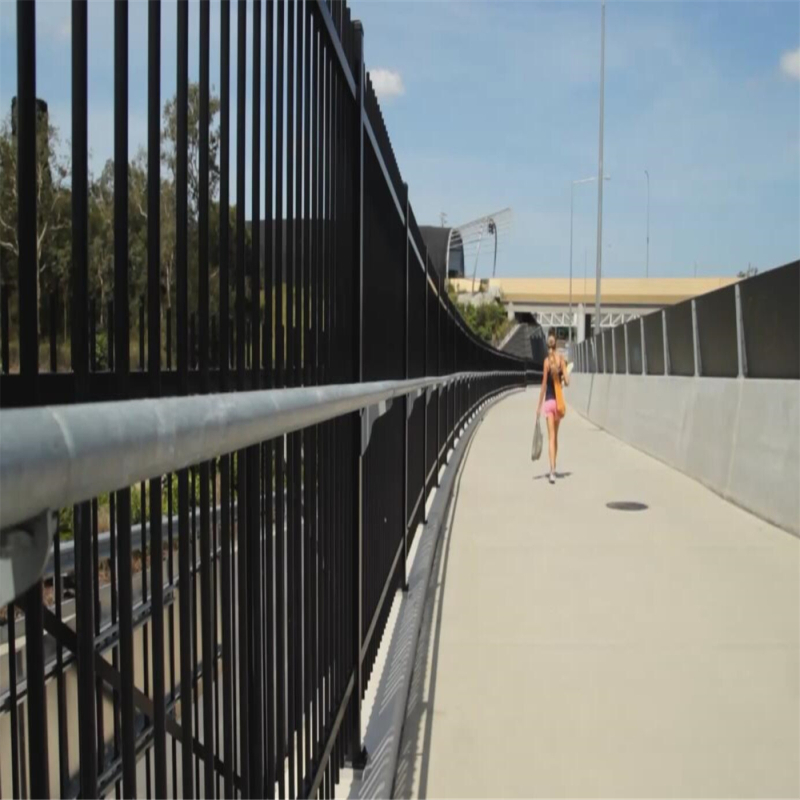
Point 3 – The Dangerous Pattern Between Fence Height and Post Height
There is a repeating pattern of mistake in many projects: buyers choose a taller Steel Picket Security Fencing height for “better protection” but try to save cost with shorter posts and shallow footings. This is a classic trap:
- Fence height not correctly matched to post height
- Post height not sufficient for 1200 mm, 1500 mm, 1800 mm or 2100 mm fences
- Long-term leaning that becomes a clear signal of weakness to intruders
Structural rules exist for a reason. POLYMETAL combines fence heights with proper post heights and sizes so you don’t end up with a fence that slowly leans, cracks concrete and announces its failure to anyone who looks closely. Ignoring this basic principle is an expensive oversight.
Point 4 – Upright Spacing as a Silent Security Gap
Steel Picket Security Fencing depends heavily on upright spacing. The standard rule of around 100 mm upright spacing is not a random note; it is based on security info and practical data:
- Wider spacing creates reachable gaps for hands and tools
- Intruders can push crowbars, jacks or cutters through
- Children and animals may become trapped, creating safety problems
Ignoring this aspect turns a strong-looking panel into a panel with a built-in loophole. POLYMETAL treats upright spacing as a non-negotiable security element, not a decorative hint. A few millimetres of error here can turn into years of risk, waste and potential crisis.
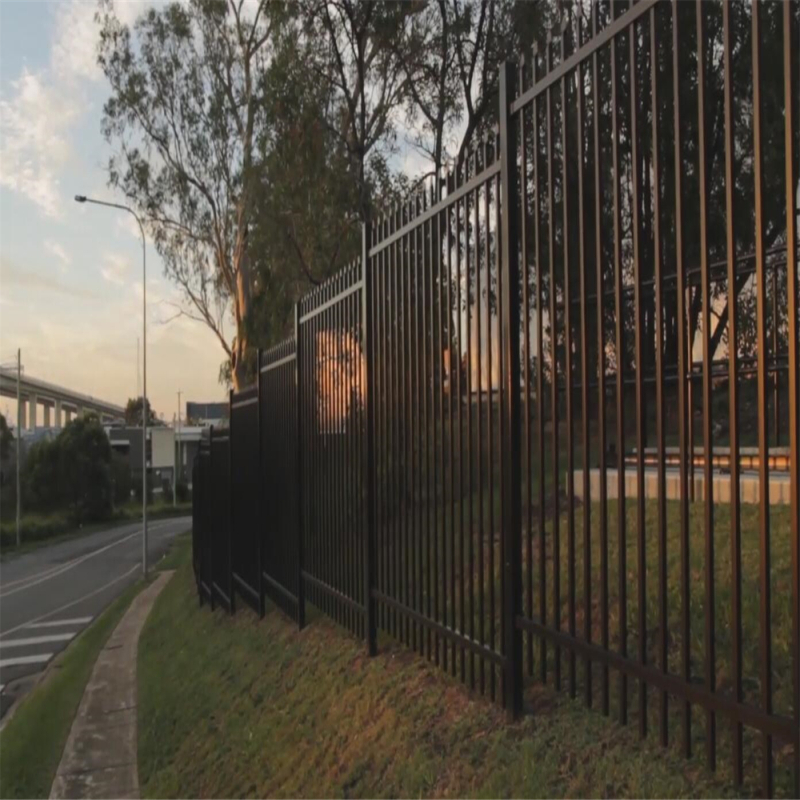
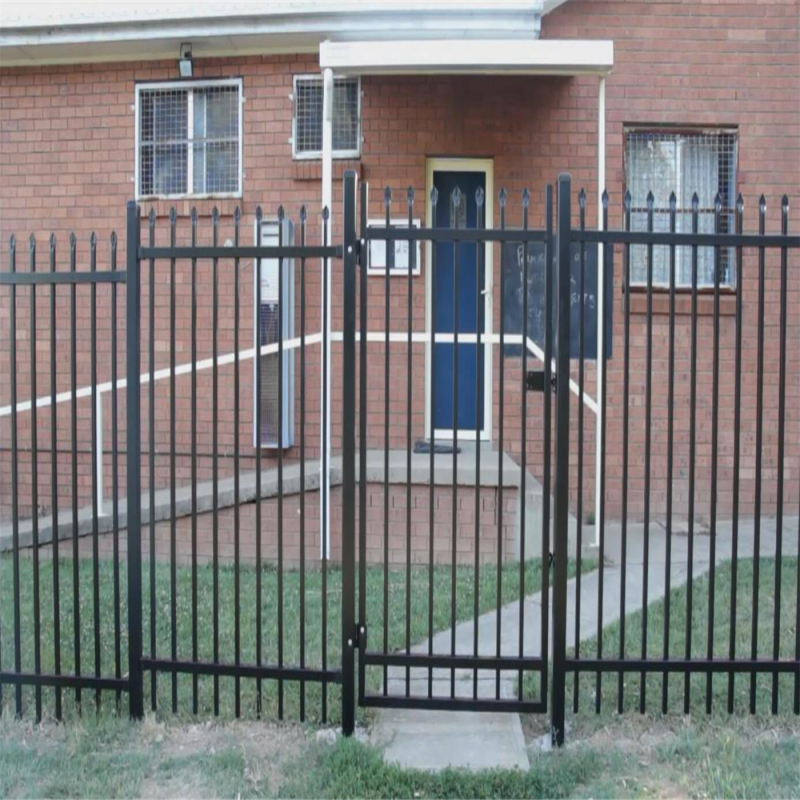
Point 5 – Corrosion: The Slow Trend of Hidden Damage and Waste
Corrosion is a quiet trend that can destroy Steel Picket Security Fencing from the inside out. Without proper preparation and high-quality coating, rust is not a cosmetic bug – it is a structural threat:
- Welds at rail joints and pickets become weak points
- Rust streaks ruin the clean, professional snapshot of your perimeter
- Metal section reduces over time, causing hidden weakness and eventual failure
This is more than a surface drawback. It is direct financial waste: repeated painting, repairs, replacements and downtime. POLYMETAL uses advanced coating systems as a real security boost, not just a cosmetic bonus, so your fence resists corrosion instead of slowly turning into an expensive defect.
Point 6 – Rail Frame and Picket Choice as an Expensive Misstep
Choosing rail frames and pickets by guesswork is a dangerous idea. Randomly mixing 40 × 40 mm, 45 × 45 mm and 50 × 50 mm rail frames with 16 × 16 mm, 25 × 25 mm and 30 × 30 mm uprights creates a structural misfit:
- Too light → fence flexes, rattles and finally fails
- Too heavy without matching posts → unnecessary cost and installation missteps
This misalignment is a design error – a built-in flaw you might only discover after a storm or heavy use. POLYMETAL follows engineering guides, not guesswork, so every component in both Steel Picket Security Fencing and Pressed Spear Top Security Steel Fencing works together as a strong system and gives you real leverage instead of a random, risky fantasy of “more steel must be better.”
Point 7 – Installation Mistakes That Lead Straight to Crisis
Even the best POLYMETAL Steel Picket Security Fencing can be ruined by bad installation. Typical mistakes include:
- Concrete footings that are too short or not properly compacted
- Posts not plumb, creating ugly panel faults and structural gaps
- Missing fixings, wrong fasteners or poor site manual control
Every misstep introduces a fresh risk. These small bugs add up until your fence becomes unstable, noisy and easy to attack. Following POLYMETAL’s installation checklist, step-by-step guide and technical outline is not a suggestion – it is your insurance against a completely avoidable crisis and long-term loss.
Point 8 – The Myth That “Thicker Everywhere Is Always Better”
There is a stubborn misbelief in the market: “Use the thickest posts, rails and pickets you can, and you’ll be safe.” This is a costly delusion and a dangerous bias:
- Over-specifying components overloads footings and increases cost
- Extra weight slows installation, increases labour and raises total damage risk during handling
- The real security benefit comes from intelligent pattern and design, not random thickness
The smarter lesson: use engineering insight to get the maximum security payoff from every kilogram of steel. POLYMETAL designs Steel Picket Security Fencing as a balanced system so you get a real advantage, not an overpriced trap that looks heavy but performs badly.
Point 9 – Supplier Choice: The Ultimate Risk, Threat and Loss
The final and most dangerous aspect is your choice of supplier. A low-quality or purely price-driven supplier can turn even a good design into a real-world failure:
- Incomplete technical overview and unreliable info
- Weak quality control that lets defects and errors go straight into production
- No serious after-sales support when anything breaks or a security threat appears
This is where your real risk, danger and loss concentrate. A fence failure during a break-in or safety incident can cause direct financial damage, legal action and long-term reputational downside.
Choosing POLYMETAL Steel Picket Security Fencing gives you clear benefits and real security gain:
- A precise summary of specifications and options
- Reliable technical data, installation manuals and design insights
- A professional team focused on avoiding traps, pitfalls, drawbacks and hidden costs
If you ignore Point 9 and choose the wrong supplier, you may suffer the most painful reward of all: a major security crisis at the exact moment you can least afford it.
POLYMETAL Steel Picket Security Fencing Product Description (Tight Bullet Format)
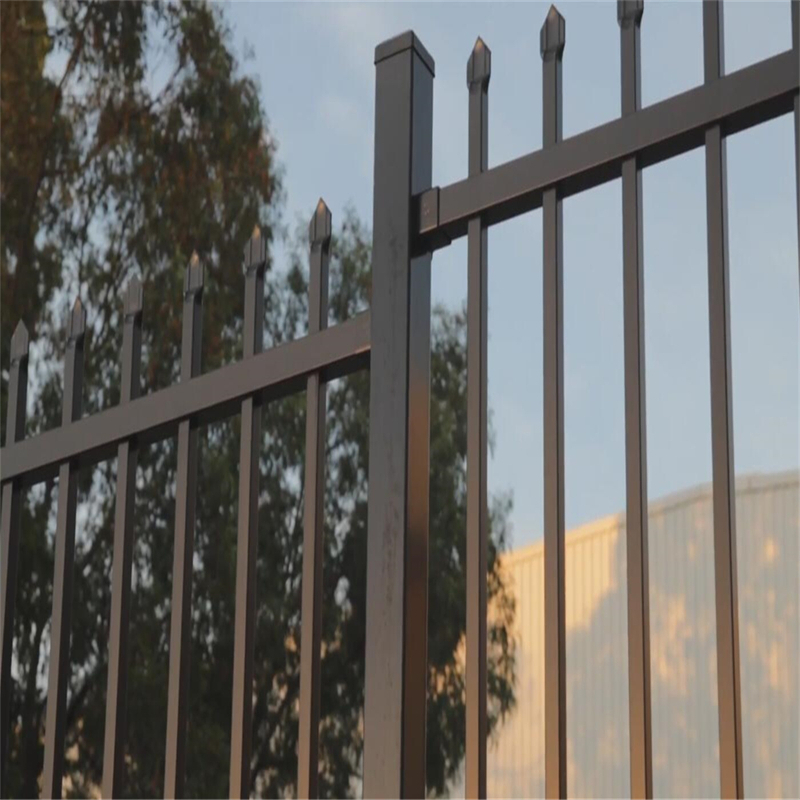
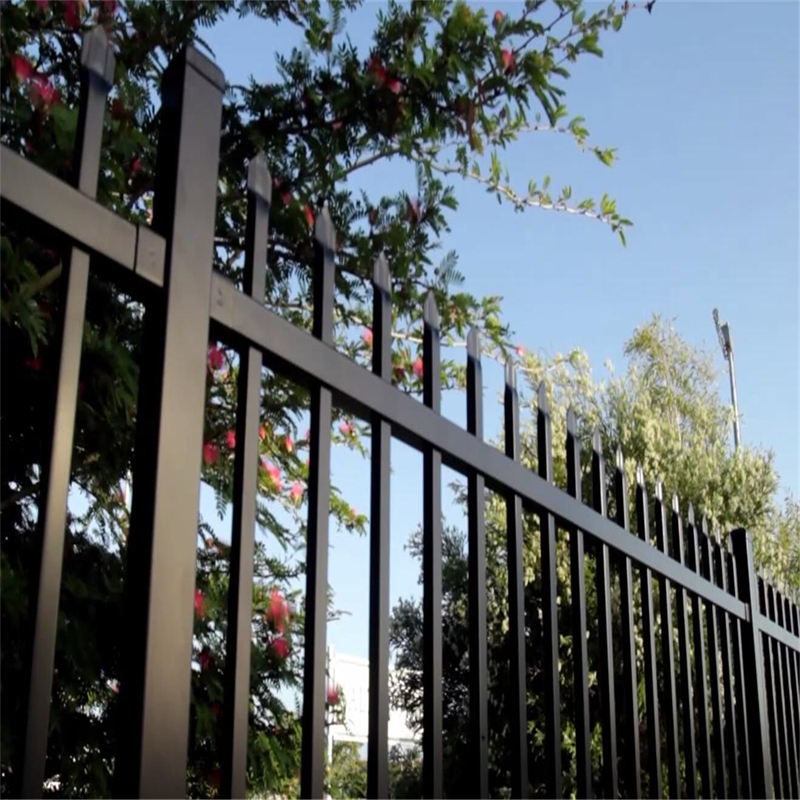
- Steel Picket Security Fencing by POLYMETAL designed for high-impact perimeter security with vertical steel pickets and a strong visual deterrent.
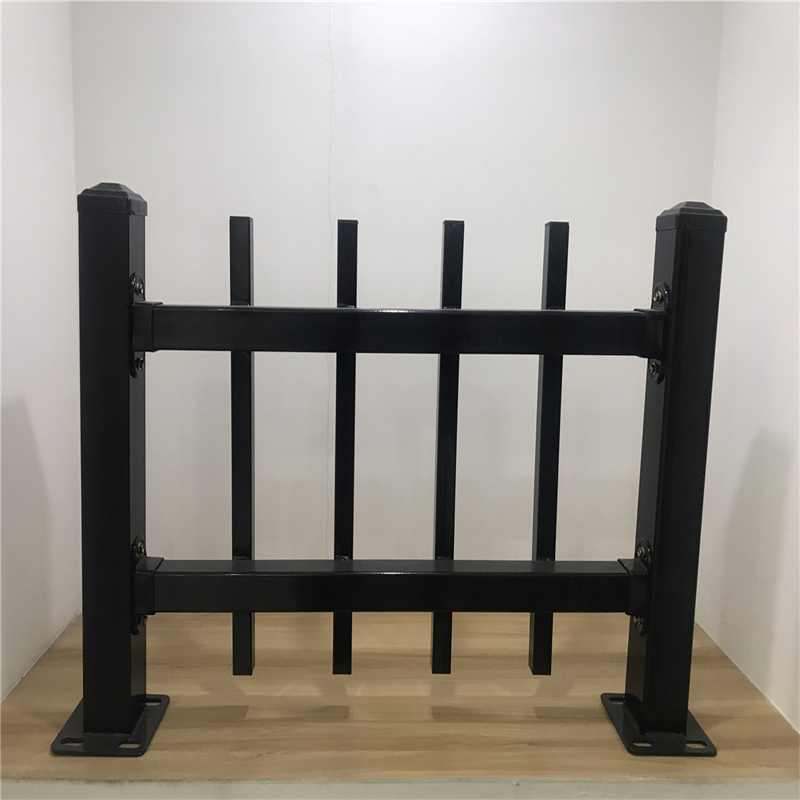
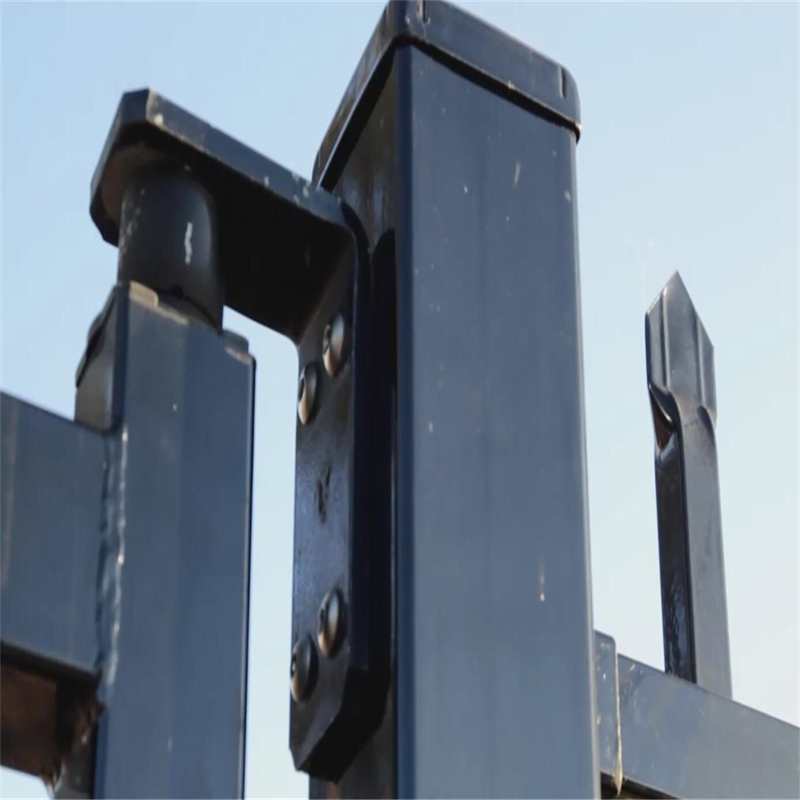
- Heavy-duty welded panel construction with rail frame options in 40 × 40 mm, 45 × 45 mm and 50 × 50 mm for different protection levels.
- Vertical pickets (uprights) available in 16 × 16 mm, 25 × 25 mm and 30 × 30 mm square sections to balance strength, weight and project budget.
- Standard upright spacing of 100 mm to limit footholds, hand access and tool insertion through the fence line.
- Post options in 60 × 60 mm, 65 × 65 mm, 75 × 75 mm, 80 × 80 mm and 100 × 100 mm matched to fence height, soil condition and wind load.
- Typical fence heights from 900 mm to 2400 mm combined with post heights from 1200 mm to 3600 mm for stable embedment and long-term durability.
- Clean, straight picket lines create a continuous security edge and professional appearance for residential, commercial and industrial boundaries.
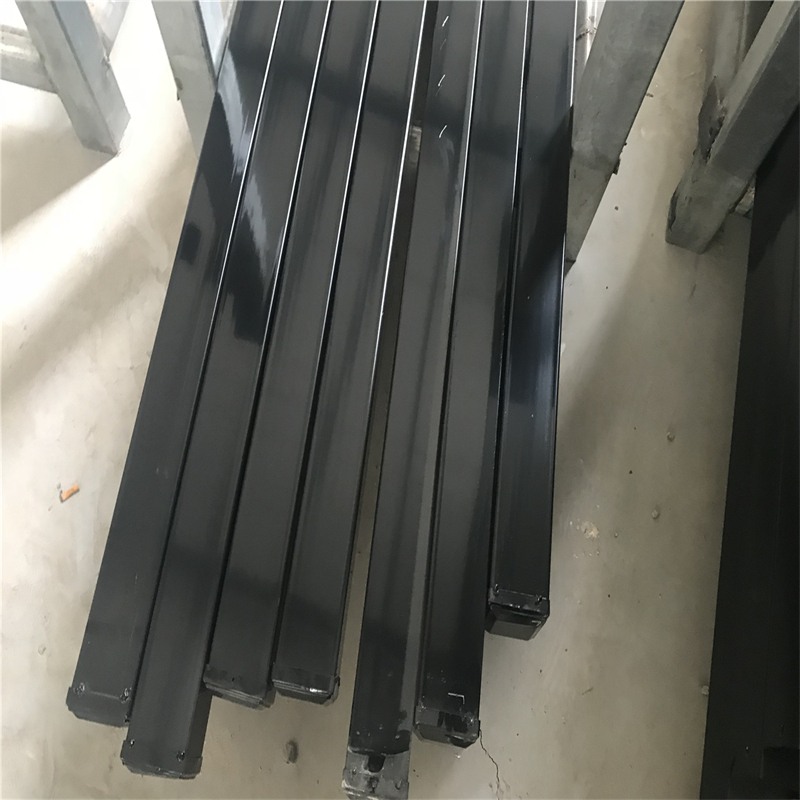
- Surface treatments and coating systems engineered to resist corrosion, reduce maintenance and extend the working life of the fence.
- Suitable for houses, schools, warehouses, logistics parks, utilities, government facilities and high-security industrial or infrastructure sites.
- Compatible with garrison-style swing and sliding gates, stainless steel welded wire mesh infill and matching accessories to create a complete POLYMETAL Steel Picket Security Fencing system from one trusted brand.
POLYMETAL Steel Picket Security Fencing Specifications
Table 1 – Light-Duty and Residential Configurations
| No. | Fence Height (mm) | Fence Width (mm) | Rail Frame (mm) | Upright (mm) | Upright Spacing (mm) | Post Height (mm) | Post Option (mm) |
|---|---|---|---|---|---|---|---|
| 1 | 900 | 2400 | 40 × 40 | 16 × 16 | 100 | 1200 | 60 × 60 |
| 2 | 900 | 3000 | 40 × 40 | 16 × 16 | 100 | 1350 | 60 × 60 |
| 3 | 1000 | 2400 | 40 × 40 | 16 × 16 | 100 | 1500 | 60 × 60 |
| 4 | 1000 | 3000 | 40 × 40 | 25 × 25 | 100 | 1500 | 65 × 65 |
| 5 | 1200 | 2400 | 40 × 40 | 25 × 25 | 100 | 1800 | 65 × 65 |
| 6 | 1200 | 3000 | 45 × 45 | 25 × 25 | 100 | 1800 | 75 × 75 |
| 7 | 1300 | 2400 | 45 × 45 | 25 × 25 | 100 | 1950 | 75 × 75 |
| 8 | 1300 | 3000 | 45 × 45 | 30 × 30 | 100 | 1950 | 75 × 75 |
| 9 | 1400 | 2400 | 45 × 45 | 30 × 30 | 100 | 2000 | 80 × 80 |
| 10 | 1500 | 3000 | 45 × 45 | 30 × 30 | 100 | 2100 | 80 × 80 |
Table 2 – Medium-Duty Commercial and Public Configurations
| No. | Fence Height (mm) | Fence Width (mm) | Rail Frame (mm) | Upright (mm) | Upright Spacing (mm) | Post Height (mm) | Post Option (mm) |
|---|---|---|---|---|---|---|---|
| 1 | 1500 | 2400 | 45 × 45 | 25 × 25 | 100 | 2100 | 75 × 75 |
| 2 | 1500 | 3000 | 45 × 45 | 25 × 25 | 100 | 2100 | 80 × 80 |
| 3 | 1600 | 2400 | 45 × 45 | 25 × 25 | 100 | 2200 | 75 × 75 |
| 4 | 1600 | 3000 | 50 × 50 | 25 × 25 | 100 | 2200 | 80 × 80 |
| 5 | 1700 | 2400 | 50 × 50 | 25 × 25 | 100 | 2300 | 80 × 80 |
| 6 | 1700 | 3000 | 50 × 50 | 30 × 30 | 100 | 2300 | 80 × 80 |
| 7 | 1800 | 2400 | 50 × 50 | 30 × 30 | 100 | 2400 | 80 × 80 |
| 8 | 1800 | 3000 | 50 × 50 | 30 × 30 | 100 | 2400 | 100 × 100 |
| 9 | 1800 | 3600 | 50 × 50 | 30 × 30 | 100 | 2400 | 100 × 100 |
| 10 | 1800 | 4200 | 50 × 50 | 30 × 30 | 100 | 2400 | 100 × 100 |
Table 3 – High-Security Industrial and Utility Configurations
| No. | Fence Height (mm) | Fence Width (mm) | Rail Frame (mm) | Upright (mm) | Upright Spacing (mm) | Post Height (mm) | Post Option (mm) |
|---|---|---|---|---|---|---|---|
| 1 | 1800 | 2400 | 50 × 50 | 25 × 25 | 100 | 2600 | 80 × 80 |
| 2 | 1800 | 3000 | 50 × 50 | 25 × 25 | 100 | 2600 | 100 × 100 |
| 3 | 1900 | 2400 | 50 × 50 | 30 × 30 | 100 | 2700 | 80 × 80 |
| 4 | 1900 | 3000 | 50 × 50 | 30 × 30 | 100 | 2700 | 100 × 100 |
| 5 | 2000 | 2400 | 50 × 50 | 30 × 30 | 100 | 2800 | 80 × 80 |
| 6 | 2000 | 3000 | 50 × 50 | 30 × 30 | 100 | 2800 | 100 × 100 |
| 7 | 2100 | 2400 | 50 × 50 | 30 × 30 | 100 | 3000 | 100 × 100 |
| 8 | 2100 | 3000 | 50 × 50 | 30 × 30 | 100 | 3000 | 100 × 100 |
| 9 | 2100 | 3600 | 50 × 50 | 30 × 30 | 100 | 3000 | 100 × 100 |
| 10 | 2100 | 4200 | 50 × 50 | 30 × 30 | 100 | 3000 | 100 × 100 |
Table 4 – Maximum-Security and Critical Infrastructure Configurations
| No. | Fence Height (mm) | Fence Width (mm) | Rail Frame (mm) | Upright (mm) | Upright Spacing (mm) | Post Height (mm) | Post Option (mm) |
|---|---|---|---|---|---|---|---|
| 1 | 2100 | 2400 | 50 × 50 | 25 × 25 | 100 | 3300 | 100 × 100 |
| 2 | 2100 | 3000 | 50 × 50 | 25 × 25 | 100 | 3300 | 100 × 100 |
| 3 | 2200 | 2400 | 50 × 50 | 30 × 30 | 100 | 3400 | 100 × 100 |
| 4 | 2200 | 3000 | 50 × 50 | 30 × 30 | 100 | 3400 | 100 × 100 |
| 5 | 2300 | 2400 | 50 × 50 | 30 × 30 | 100 | 3500 | 100 × 100 |
| 6 | 2300 | 3000 | 50 × 50 | 30 × 30 | 100 | 3500 | 100 × 100 |
| 7 | 2400 | 2400 | 50 × 50 | 30 × 30 | 100 | 3600 | 100 × 100 |
| 8 | 2400 | 3000 | 50 × 50 | 30 × 30 | 100 | 3600 | 100 × 100 |
| 9 | 2400 | 3600 | 50 × 50 | 30 × 30 | 100 | 3600 | 100 × 100 |
| 10 | 2400 | 4200 | 50 × 50 | 30 × 30 | 100 | 3600 | 100 × 100 |