Your One-Stop Wire Mesh Fence Supplier | POLYMETAL
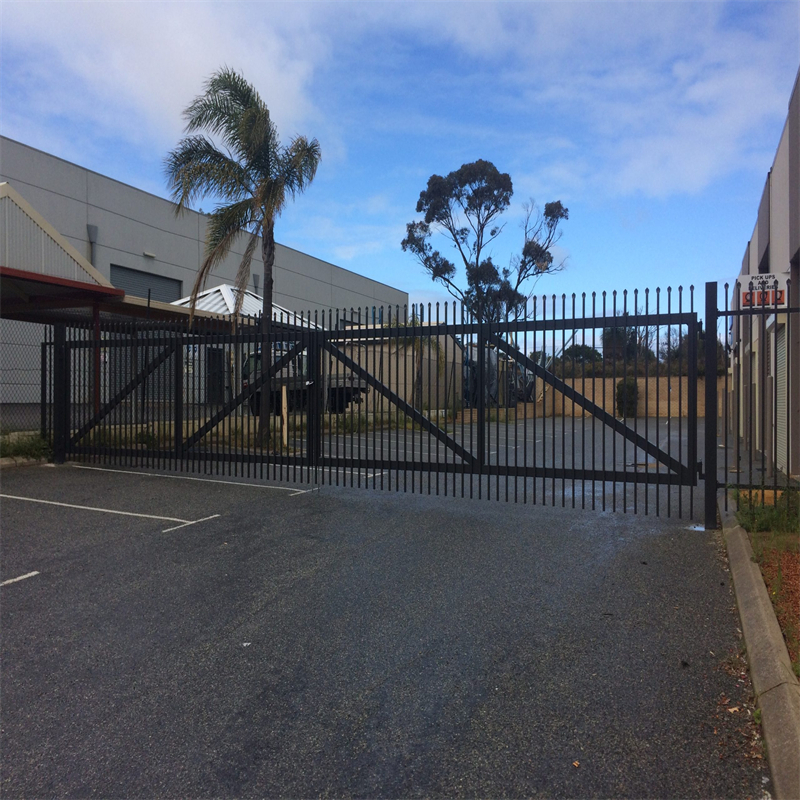
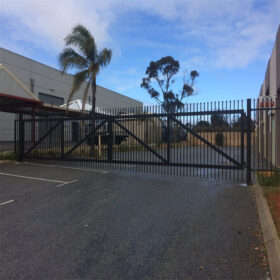
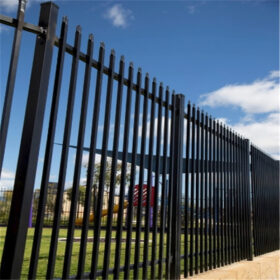
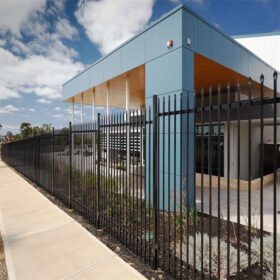
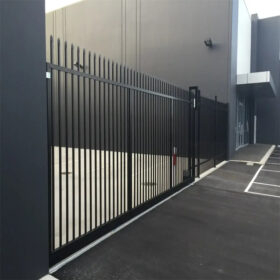
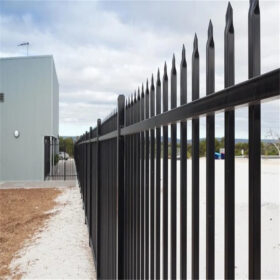
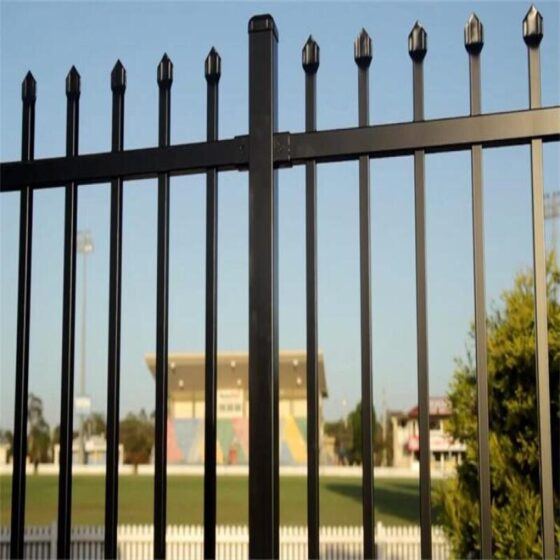
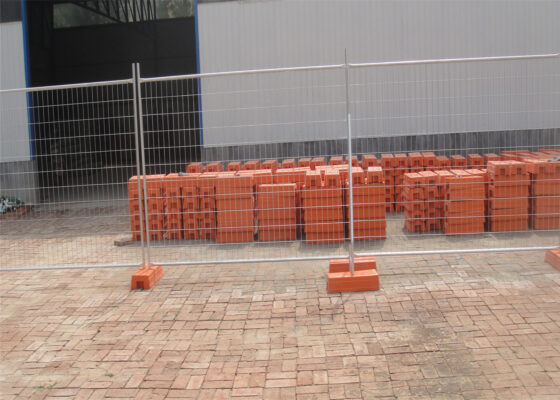
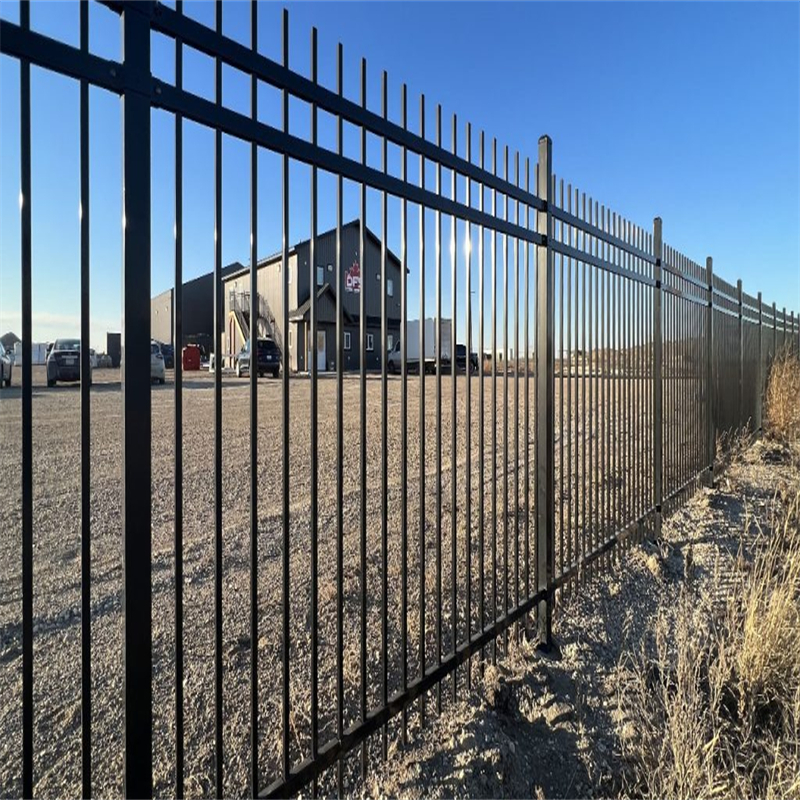
Steel Picket Security Garrison Fencing is selected when sites need a clean architectural boundary with real “security feel” for schools, businesses, rail corridors, warehouses, and public-facing assets. The hidden problem is that many panels look identical in photos, yet behave very differently once installed. A slightly thinner rail wall, the wrong post size, poor spacing discipline, or weak anti-tamper fixings can turn a straight line into visible wave-lines, rattles, and complaints—then rejection and rework when the schedule is already tight. For temporary site sections and fast alignment between panels, many contractors also specify temporary fence panel clamps to keep runs straight and stable during short-term works and changeovers.
Brand Overview: POLYMETAL
POLYMETAL supplies Steel Picket Security Garrison Fencing as a controlled system, not random batches. Panel geometry, rail frame size, wall thickness, picket profile and picket count, post pairing, flange fixing, and finish performance are locked together so installers don’t have to “fix it on site.” This system-first approach reduces the most expensive outcome: fencing that arrives “usable” but fails alignment, movement, or appearance checks after installation.
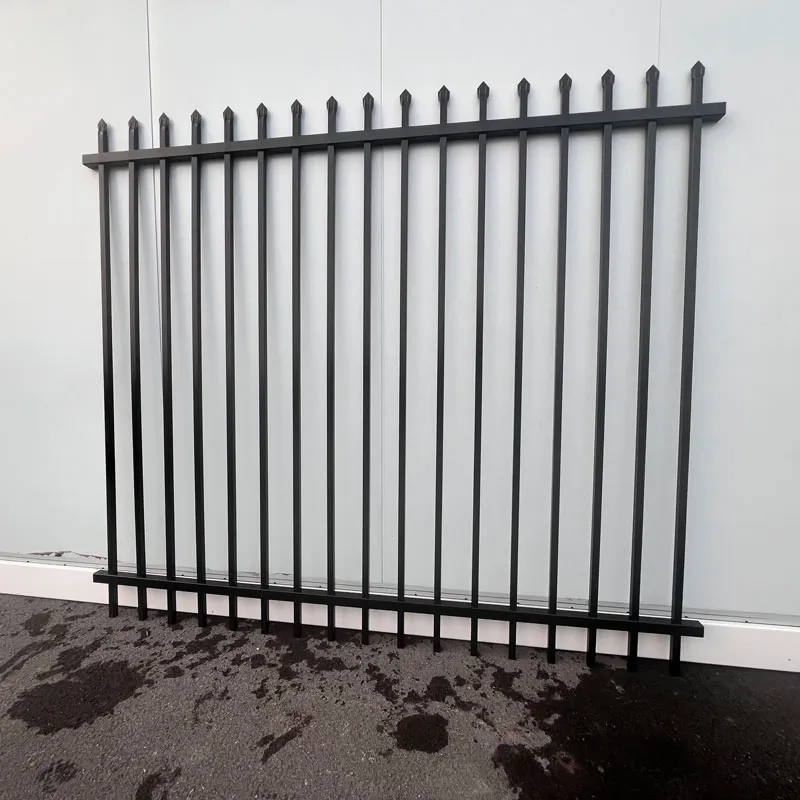
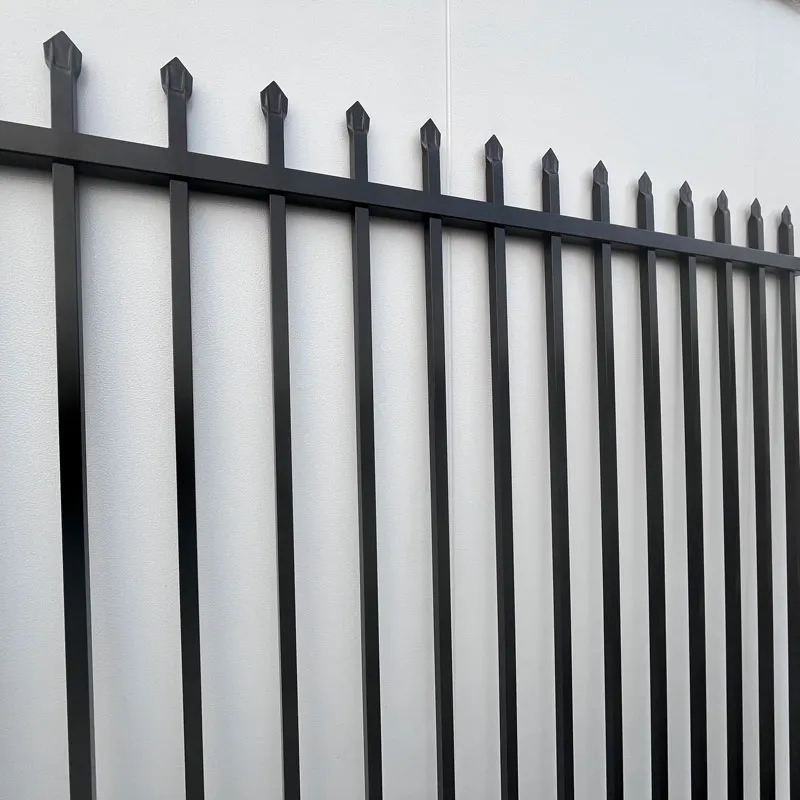
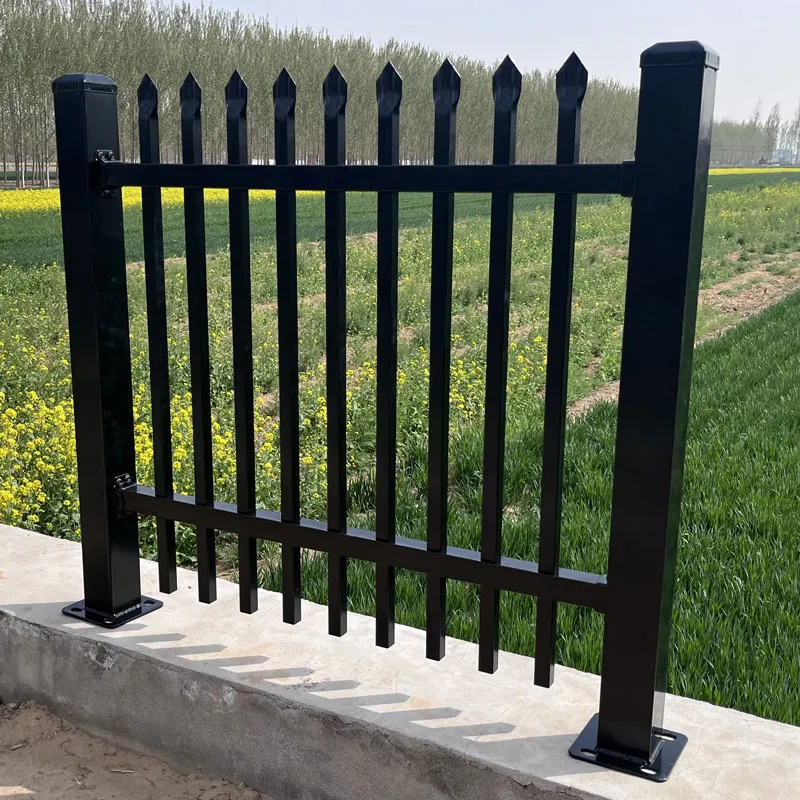
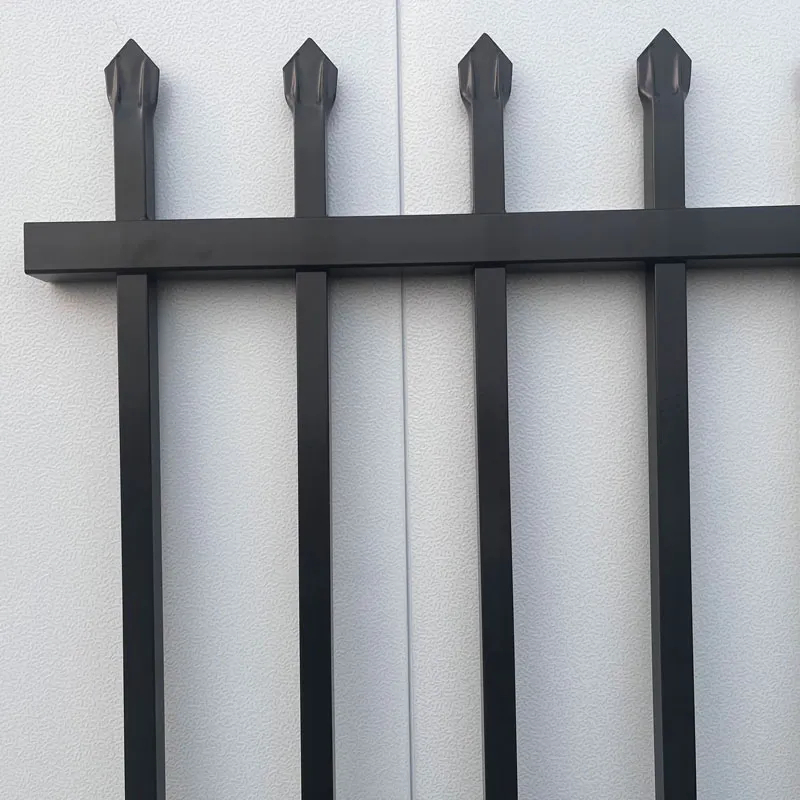
Product Description: POLYMETAL Steel Picket Security Garrison Fencing
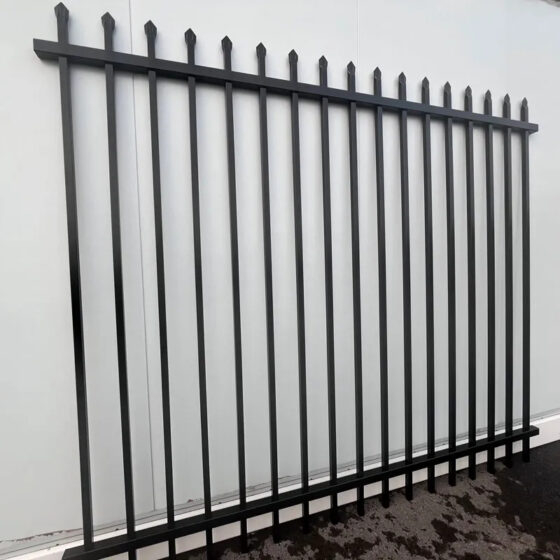
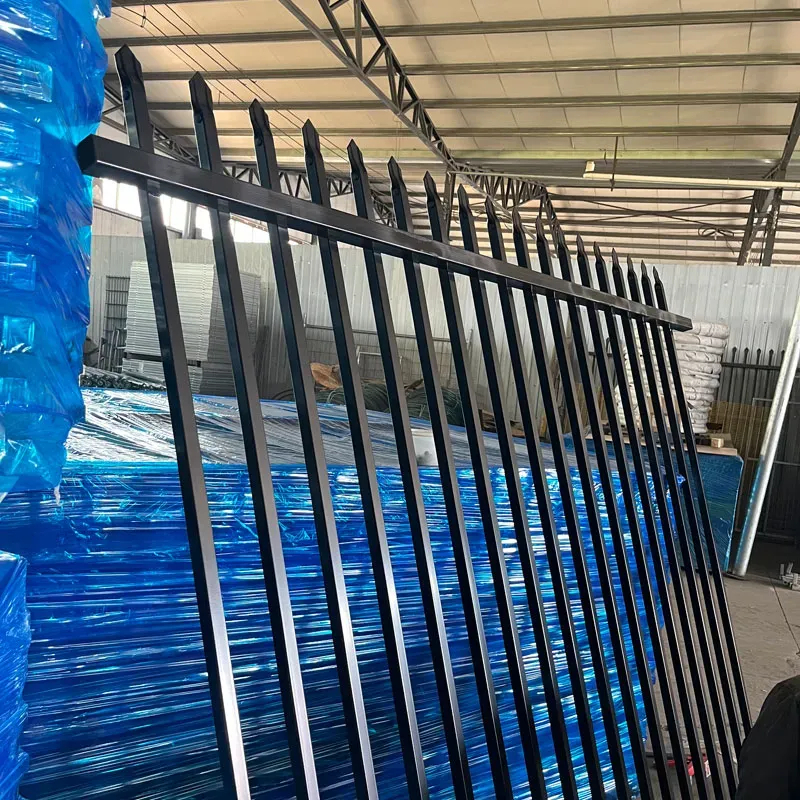
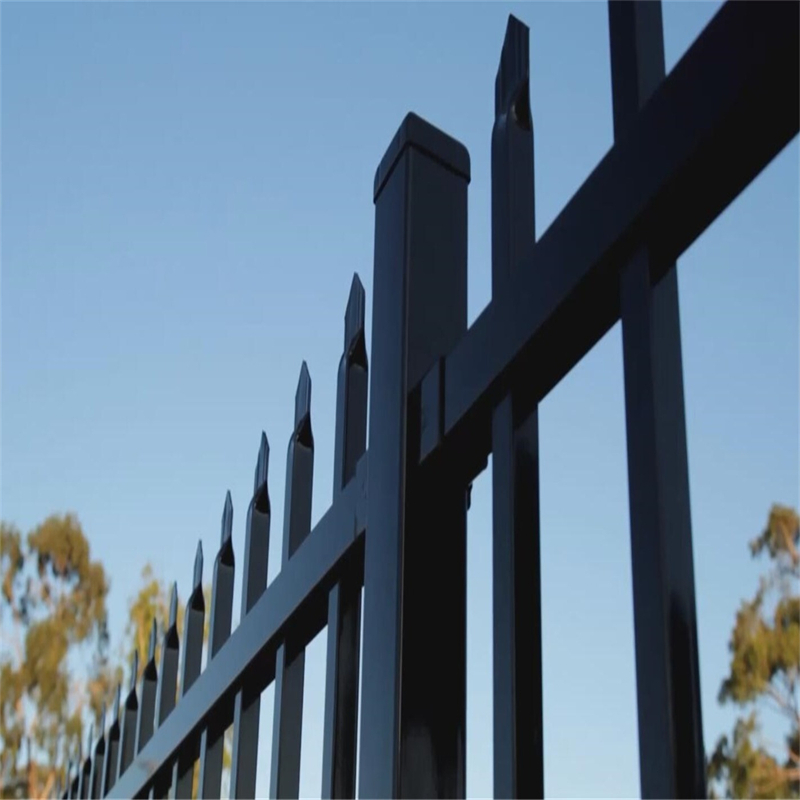
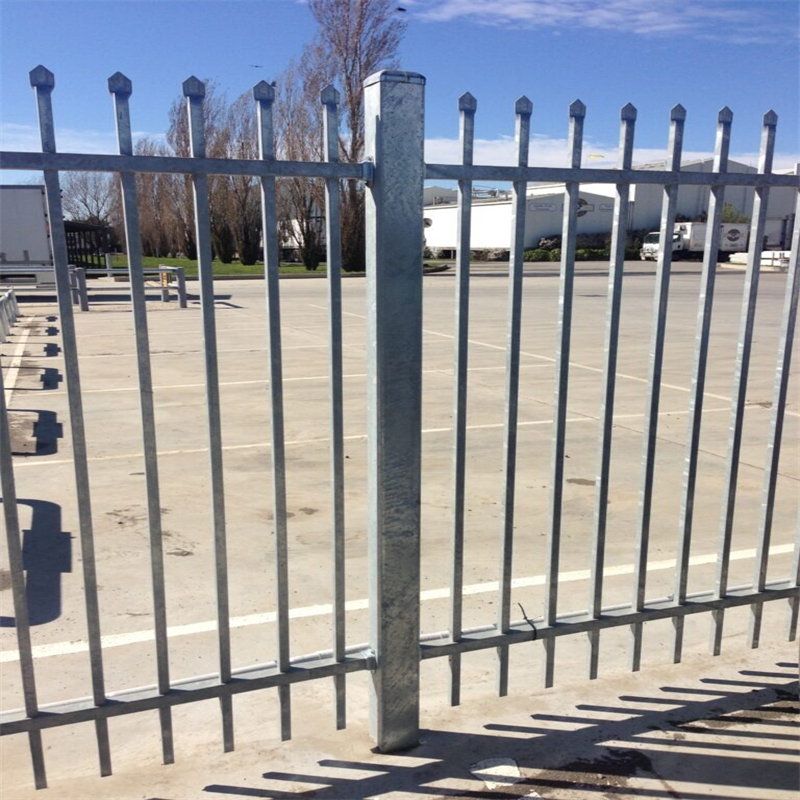
POLYMETAL Steel Picket Security Garrison Fencing is manufactured from welded steel tubular rails and vertical pickets to form a rigid security panel with a modern, professional finish. It is widely supplied in panel heights such as 1800mm, 2100mm, and 2400mm, with practical widths including 2000mm, 2400mm, and project-standard 2450mm set-out options. Rail frames are commonly specified as 40×40mm, 45×45mm, or 50×50mm to control stiffness over long runs, with rail thickness options such as 1.60mm, 2.00mm, 2.50mm, and up to 3.00mm when wind load, abuse level, or “dead-straight” presentation requires higher rigidity.
Vertical pickets are commonly 16×16mm, 25×25mm, or 30×30mm, with picket thickness options of 0.80mm, 1.00mm, 1.20mm, and 2.00mm depending on handling durability and the required containment feel. Spacing discipline is achieved by locking picket quantity (commonly 16, 17, or 18 pickets per panel) rather than “approx spacing,” because the final gap pattern determines both appearance and perceived security. Typical through-rail builds often use a 140mm center spacing pattern for certain market preferences, while tighter security set-outs frequently target 100mm spacing discipline by controlling picket count and jig positions.
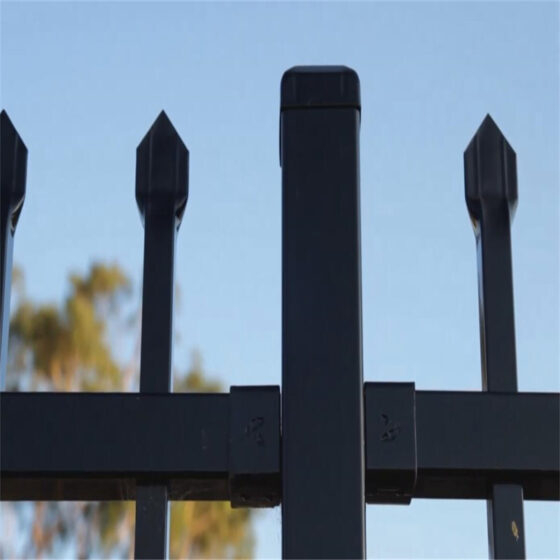
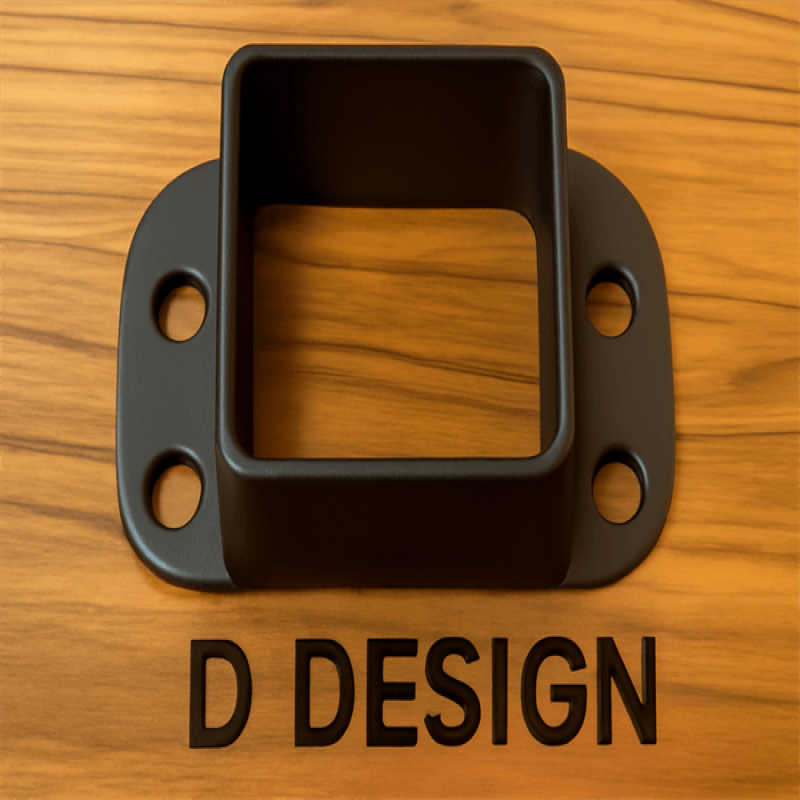
Fixing is treated as security hardware, not decoration. Standard fixing to posts can be completed by 40mm×40mm steel rail flanges and Tek screws or theft screws. Anti-tamper fasteners reduce on-site loosening and provide stronger peace of mind on public-facing boundaries. Gates can be supplied complete with drop bolts, lugs, chain, striker, and ball bearing hinges, while double gates can be produced up to 8000mm openings on request, and sliding gates can be quoted by application.
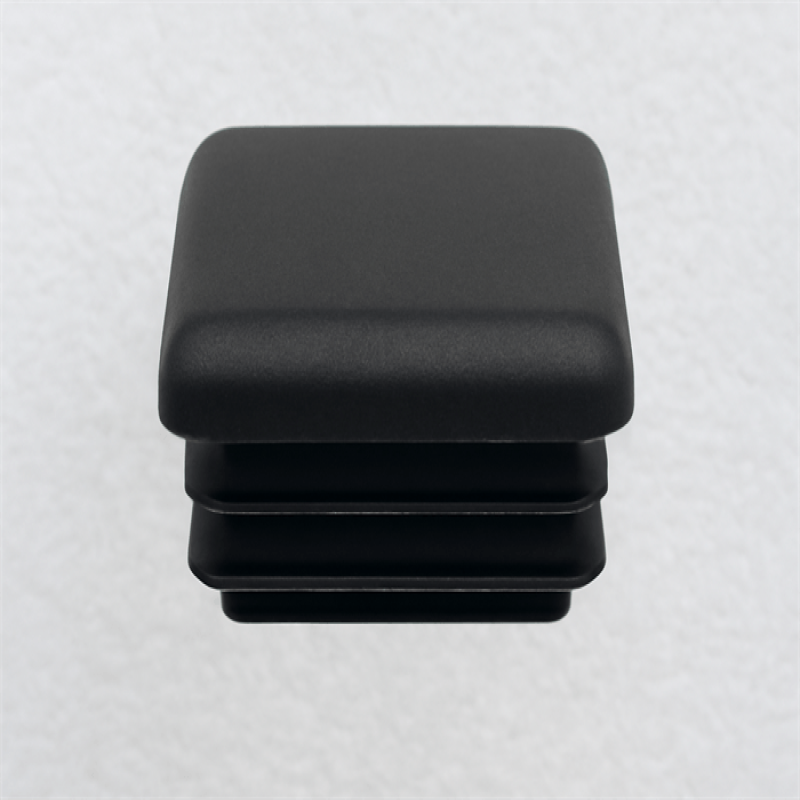
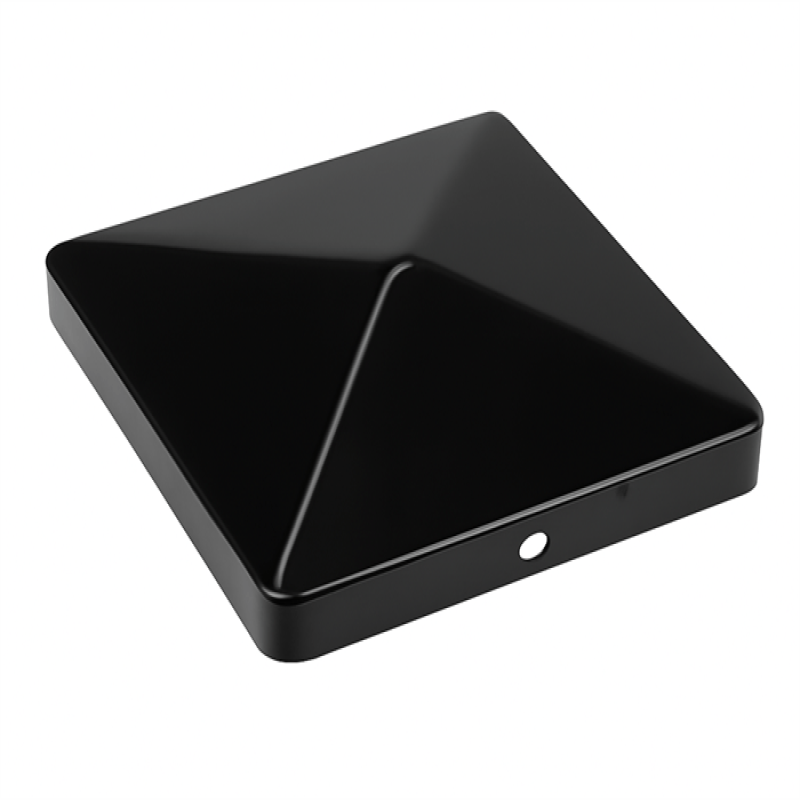
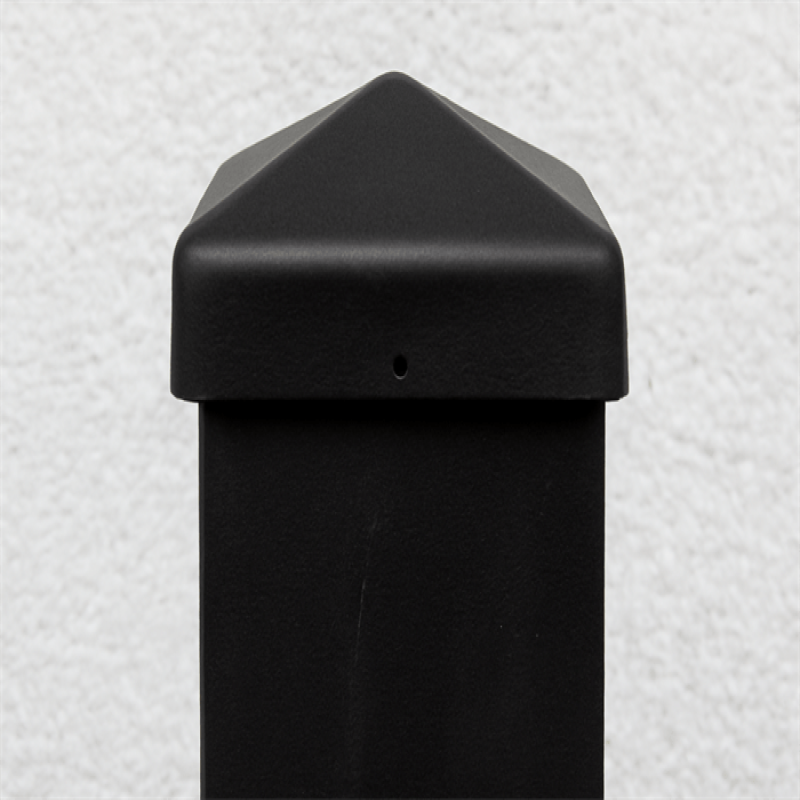
Design Options, Finish, and Color
POLYMETAL Steel Picket Security Garrison Fencing is commonly supplied in galvanised steel for corrosion resistance, and can be finished in powder coated colors such as black, white, grey, blue, or green to match site branding and visibility needs. The finish system matters because the fence is touched, moved, and installed in real conditions; weak coating shows scratches fast and becomes an “instant old fence” complaint even on day one.
Specifications: Steel Picket Security Garrison Fencing (Tables)
Table 1: 2400mm Width System Builds (Project Standard)
| Fence Height | Fence Width | Rail Frame | Rail Thickness | Upright (Picket) | Upright Thickness | Upright No. | Spacing Target | Post Option (Wall) | Post Height (Panel+600) |
|---|---|---|---|---|---|---|---|---|---|
| 1200mm | 2400mm | 40×40mm | 1.60mm | 16×16mm | 0.80mm | 16 pcs (≈115mm) | 100mm | 60×60mm (1.6mm) | 1800mm |
| 1200mm | 2400mm | 45×45mm | 2.00mm | 25×25mm | 1.00mm | 17 pcs (≈108mm) | 100mm | 65×65mm (2.0mm) | 1800mm |
| 1500mm | 2400mm | 40×40mm | 2.00mm | 25×25mm | 1.00mm | 18 pcs (≈100mm) | 100mm | 65×65mm (2.0mm) | 2100mm |
| 1500mm | 2400mm | 45×45mm | 2.50mm | 25×25mm | 1.20mm | 17 pcs (≈108mm) | 100mm | 75×75mm (2.0mm) | 2100mm |
| 1800mm | 2400mm | 40×40mm | 1.60mm | 25×25mm | 1.20mm | 17 pcs (≈108mm) | 100mm | 60×60mm (2.0mm) | 2400mm |
| 1800mm | 2400mm | 45×45mm | 2.00mm | 25×25mm | 1.20mm | 18 pcs (≈100mm) | 100mm | 75×75mm (2.0mm) | 2400mm |
| 1800mm | 2400mm | 50×50mm | 2.50mm | 30×30mm | 2.00mm | 18 pcs (≈100mm) | 100mm | 80×80mm (2.0mm) | 2400mm |
| 2100mm | 2400mm | 45×45mm | 2.50mm | 25×25mm | 1.20mm | 18 pcs (≈100mm) | 100mm | 80×80mm (2.0mm) | 2700mm |
| 2100mm | 2400mm | 50×50mm | 2.50mm | 30×30mm | 2.00mm | 17 pcs (≈108mm) | 100mm | 100×100mm (2.0mm) | 2700mm |
| 2400mm | 2400mm | 50×50mm | 3.00mm | 30×30mm | 2.00mm | 18 pcs (≈100mm) | 100mm | 100×100mm (2.5mm) | 3000mm |
Table 2: 2450mm Width System Builds (Set-Out Flex)
| Fence Height | Fence Width | Rail Frame | Rail Thickness | Upright (Picket) | Upright Thickness | Upright No. | Spacing Target | Post Option (Wall) | Post Height (Panel+600) |
|---|---|---|---|---|---|---|---|---|---|
| 1200mm | 2450mm | 40×40mm | 1.60mm | 16×16mm | 0.80mm | 16 pcs (≈115mm) | 100mm | 60×60mm (1.6mm) | 1800mm |
| 1200mm | 2450mm | 45×45mm | 2.00mm | 25×25mm | 1.00mm | 17 pcs (≈108mm) | 100mm | 65×65mm (2.0mm) | 1800mm |
| 1500mm | 2450mm | 40×40mm | 2.00mm | 25×25mm | 1.00mm | 18 pcs (≈100mm) | 100mm | 65×65mm (2.0mm) | 2100mm |
| 1500mm | 2450mm | 45×45mm | 2.50mm | 25×25mm | 1.20mm | 18 pcs (≈100mm) | 100mm | 75×75mm (2.0mm) | 2100mm |
| 1800mm | 2450mm | 45×45mm | 2.00mm | 25×25mm | 1.20mm | 17 pcs (≈108mm) | 100mm | 80×80mm (2.0mm) | 2400mm |
| 1800mm | 2450mm | 45×45mm | 2.50mm | 25×25mm | 1.20mm | 18 pcs (≈100mm) | 100mm | 80×80mm (2.5mm) | 2400mm |
| 1800mm | 2450mm | 50×50mm | 2.50mm | 30×30mm | 2.00mm | 18 pcs (≈100mm) | 100mm | 80×80mm (2.5mm) | 2400mm |
| 2100mm | 2450mm | 45×45mm | 2.50mm | 25×25mm | 1.20mm | 18 pcs (≈100mm) | 100mm | 80×80mm (2.0mm) | 2700mm |
| 2100mm | 2450mm | 50×50mm | 2.50mm | 30×30mm | 2.00mm | 17 pcs (≈108mm) | 100mm | 100×100mm (2.0mm) | 2700mm |
| 2400mm | 2450mm | 50×50mm | 3.00mm | 30×30mm | 2.00mm | 18 pcs (≈100mm) | 100mm | 100×100mm (2.5mm) | 3000mm |
Table 3: Heavy-Duty Upgrade Map (Stop Wave-Lines, Reduce Rattle, Improve Straight Runs)
| Fence Height | Fence Width | Rail Frame | Rail Thickness | Upright (Picket) | Upright Thickness | Upright No. | Spacing Target | Post Option (Wall) | Post Height (Panel+600) |
|---|---|---|---|---|---|---|---|---|---|
| 1200mm | 2400mm | 45×45mm | 2.50mm | 25×25mm | 1.20mm | 18 pcs (≈100mm) | 100mm | 65×65mm (2.5mm) | 1800mm |
| 1500mm | 2400mm | 45×45mm | 2.50mm | 25×25mm | 2.00mm | 18 pcs (≈100mm) | 100mm | 75×75mm (2.5mm) | 2100mm |
| 1500mm | 2450mm | 50×50mm | 2.50mm | 30×30mm | 2.00mm | 17 pcs (≈108mm) | 100mm | 80×80mm (2.0mm) | 2100mm |
| 1800mm | 2400mm | 45×45mm | 2.50mm | 25×25mm | 2.00mm | 18 pcs (≈100mm) | 100mm | 75×75mm (2.5mm) | 2400mm |
| 1800mm | 2450mm | 50×50mm | 3.00mm | 30×30mm | 2.00mm | 18 pcs (≈100mm) | 100mm | 100×100mm (2.0mm) | 2400mm |
| 2100mm | 2400mm | 50×50mm | 2.50mm | 30×30mm | 2.00mm | 18 pcs (≈100mm) | 100mm | 100×100mm (2.0mm) | 2700mm |
| 2100mm | 2450mm | 50×50mm | 3.00mm | 30×30mm | 2.00mm | 17 pcs (≈108mm) | 100mm | 100×100mm (2.5mm) | 2700mm |
| 2400mm | 2400mm | 50×50mm | 3.00mm | 30×30mm | 2.00mm | 18 pcs (≈100mm) | 100mm | 100×100mm (2.5mm) | 3000mm |
| 2400mm | 2450mm | 50×50mm | 3.00mm | 30×30mm | 2.00mm | 18 pcs (≈100mm) | 100mm | 100×100mm (2.5mm) | 3000mm |
| 1800mm | 2400mm | 50×50mm | 2.50mm | 25×25mm | 2.00mm | 18 pcs (≈100mm) | 100mm | 80×80mm (2.5mm) | 2400mm |
Applications: Steel Picket Security Garrison Fencing
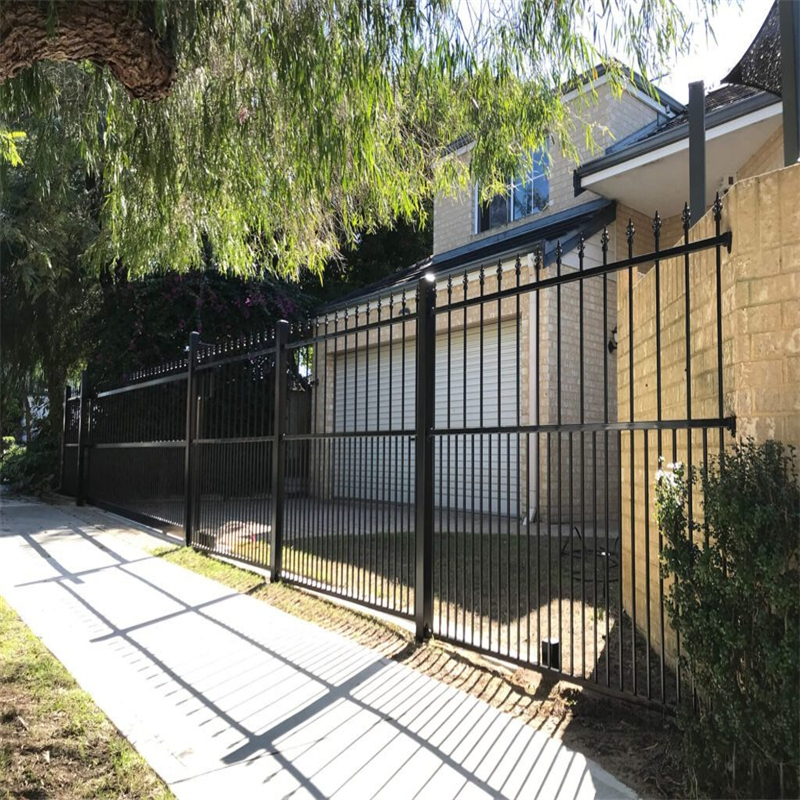
Steel Picket Security Garrison Fencing is commonly used for schools, childcare and public facilities, business parks and warehouses, railways and transport corridors, utility and service compounds, residential estates and villas, sports venues, and public-facing boundaries where a clean look must still communicate strong perimeter control.
Benefits: What a Correct System Delivers
When rail frame size and wall thickness are correctly specified, the fence line stays straight across long runs instead of forming wave-lines. When picket thickness and picket count are locked, the face pattern stays consistent and looks professional rather than patched. When posts are paired correctly and the post height rule (panel + 600mm) is followed, long-term leaning and rotation risk drops sharply. When anti-tamper flanges and theft screws are used, the system resists loosening and reduces call-backs. When the finish is correctly applied, the fence stays “new-looking” longer and avoids early rust complaints.
Packing: Protect Straightness, Protect Finish
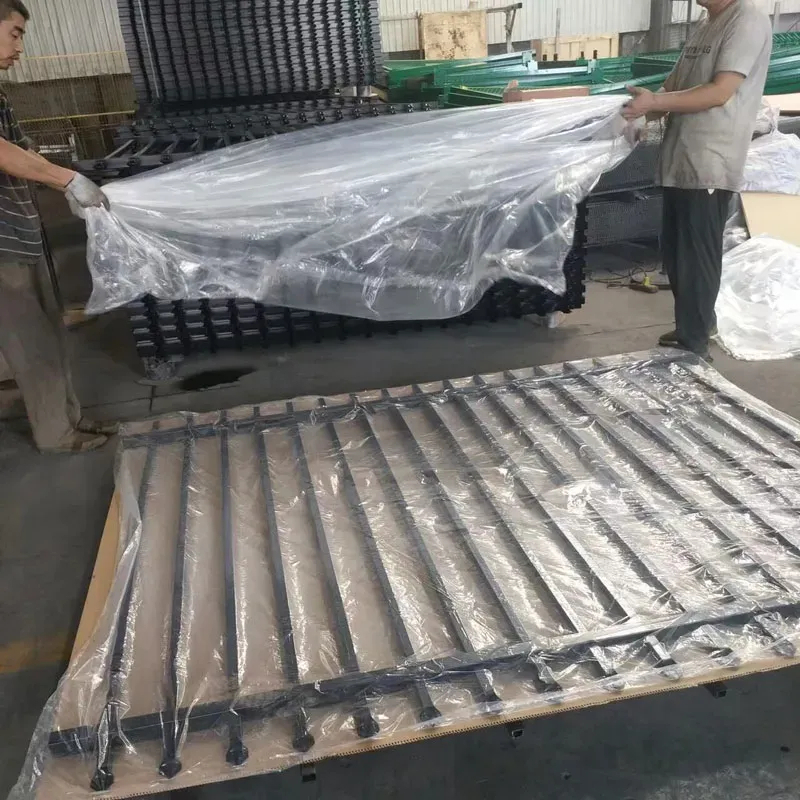
Panels should be protected from rubbing with foam, film, or spacers between faces, then palletized for stability and strapped for container safety. Corner protection prevents impact damage at edges. Accessories and fittings (flanges, Tek screws or theft screws, caps, bolts, drop bolts, lugs, striker parts, and hinges) should be packed as complete labeled sets to stop missing parts and on-site improvisation.
Standard and Quality Control
POLYMETAL quality control focuses on repeatable panel geometry, weld integrity, picket count discipline, spacing accuracy by jig, post pairing by height, and finish performance. Typical control flow is material selection → cutting → jig positioning → full welding → weld cleanup → surface preparation → galvanizing and/or coating → inspection → protective packing.
Top 15 TRAPS for Steel Picket Security Garrison Fencing (Especially #13)
TRAP #1: Buying “by photo” and ignoring rail thickness
Thin rails flex, loosen joints, and create noisy vibration and uneven lines.
TRAP #2: Using 40×40 rails where 45×45 or 50×50 is required
Under-sized frames amplify movement and cause visible wave-lines over distance.
TRAP #3: Treating picket thickness as “minor”
0.80mm pickets bend in handling and never present perfectly straight again.
TRAP #4: Not locking picket count (16/17/18) in the order
“Similar spacing” turns into inconsistent gaps and a patchy-looking frontage.
TRAP #5: Saying “spacing is fine” without a jig-controlled plan
Spacing discipline comes from count and jig positions, not estimation.
TRAP #6: Mixing picket profiles (16×16 / 25×25 / 30×30) in one run
Even if color matches, the face pattern won’t—rejection risk rises fast.
TRAP #7: Under-building posts and expecting panels to stay straight
Weak posts twist and rotate, creating drift, loose fixings, and wave-lines.
TRAP #8: Ignoring post wall thickness
Thin post walls lose fixing pressure and alignment after normal load cycles.
TRAP #9: Breaking the post height rule (Panel + 600mm)
Shallow embedment is a direct path to leaning and future rework.
TRAP #10: Accepting poor panel squareness
Out-of-square panels cannot form clean straight runs, even with skilled installers.
TRAP #11: Treating corners and ends as standard posts
Movement often starts at corners, then spreads down the entire run.
TRAP #12: Weak flanges or cheap fasteners that loosen
Loose joints create rattle, visible defects, and repeat call-backs.
TRAP #13: The hidden LOSS—your “approved” fence fails after installation
This is the budget killer. Under-sized rails, under-built posts, inconsistent picket density, or weak fixings can turn into rattles, lean, and wave-lines after normal handling. That triggers rejection, rework, replacement panels, delayed handover, and reputation damage when timelines are already tight.
TRAP #14: Choosing finish without controlling thickness and prep
Poor prep and thin coating scratch easily and age fast—dark colors show everything.
TRAP #15: Buying panels only instead of a complete system plan
Panels without matched posts, spacing plan, fixings, and finish targets force on-site improvisation—and improvisation creates failure points.
FAQs: Steel Picket Security Garrison Fencing
FAQ 1: What panel sizes are most common?
Common panel heights include 1800mm, 2100mm, and 2400mm. Common widths include 2000mm, 2400mm, and 2450mm.
FAQ 2: What rail frame is typical?
40×40mm is common for standard boundaries, 45×45mm improves stiffness for cleaner long runs, and 50×50mm is preferred for high-wind or high-abuse areas.
FAQ 3: What posts are standard?
Common posts include 60×60mm, 65×65mm, 75×75mm, 80×80mm, and 100×100mm with wall thickness options such as 1.6mm, 2.0mm, and 2.5mm.
FAQ 4: What is the post height rule?
Use the practical stability rule: post height is panel height + 600mm.
FAQ 5: What fixing options improve security?
Steel rail flanges with Tek screws or theft screws (anti-tamper) reduce loosening and improve peace of mind.
FAQ 6: What finishes are available?
Galvanised steel is common for corrosion resistance, and powder coating can be supplied in black, white, grey, blue, green, or custom colors.
Conclusion
Steel Picket Security Garrison Fencing delivers clean aesthetics and real perimeter control only when it is bought as a system: correct rail stiffness, correct picket thickness and density, correct post pairing with the +600mm rule, reliable anti-tamper fixing, controlled finish, and packing that prevents rub damage. Control these details and you get a fence line that stays straight, quiet, acceptance-ready, and far less likely to trigger costly rework when pressure is highest.