Your One-Stop Wire Mesh Fence Supplier | POLYMETAL
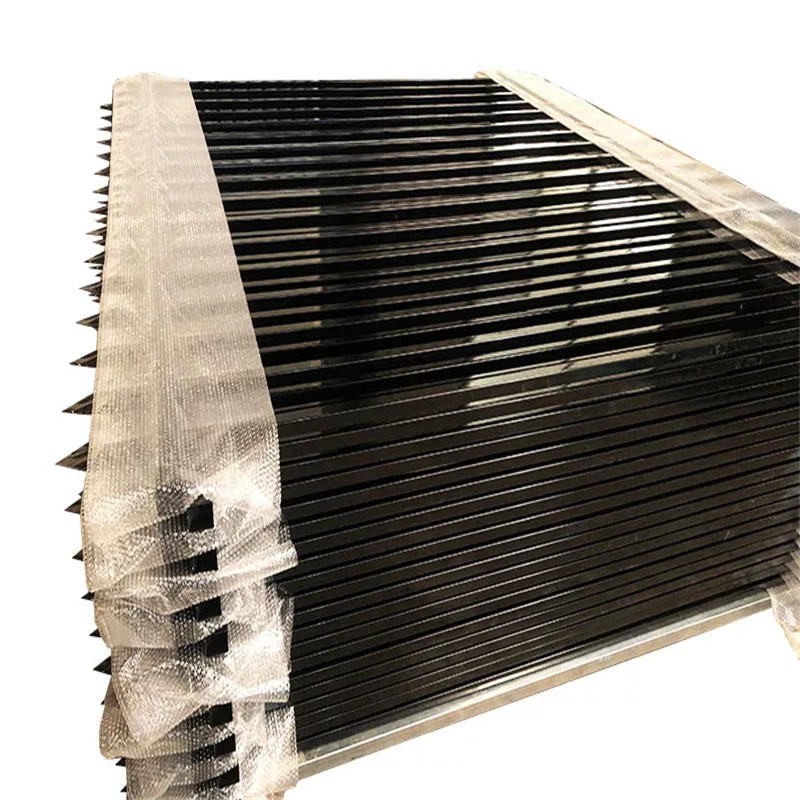


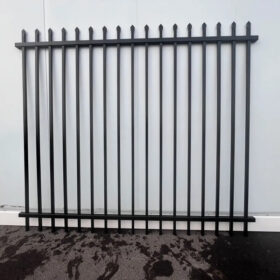
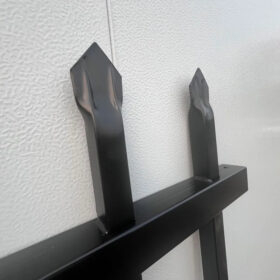
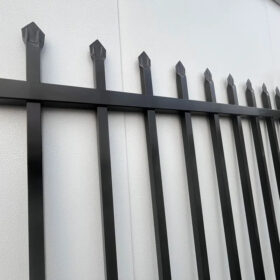
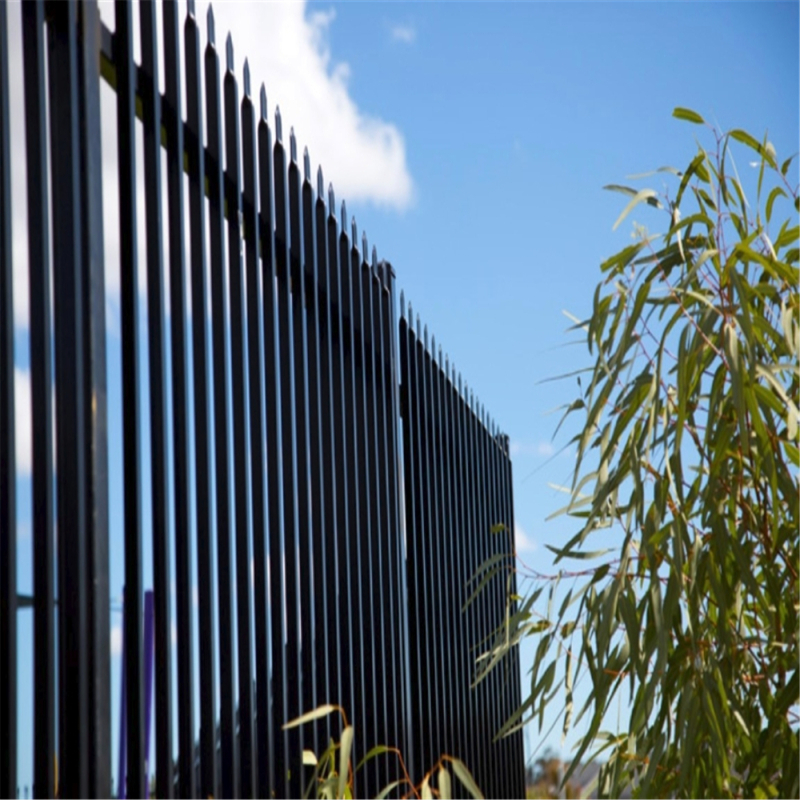
steel pipe fence panels usually refers to rigid, pre-welded tubular panel systems built for fast installation, straight fence runs, and dependable perimeter control on commercial and industrial sites. The problem is that “pipe panel” can look identical in photos while hiding weak specs in rails, uprights, and posts—so the fence looks finished on install day, then starts flexing, drifting, and loosening when real-world vibration, wind load, and impact show up.
POLYMETAL steel pipe fence panels Product Description
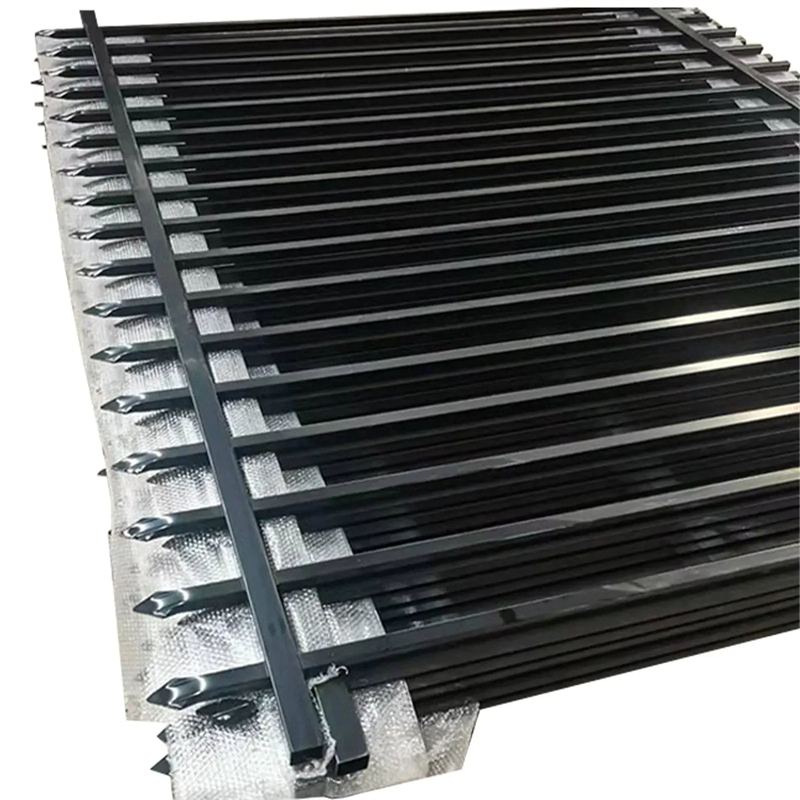
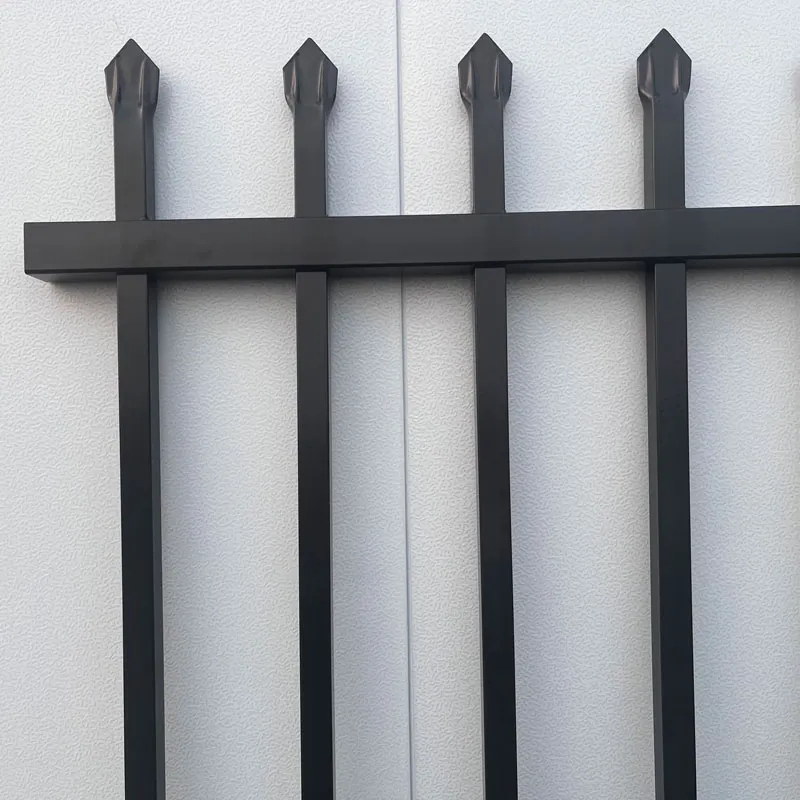
POLYMETAL steel pipe fence panels are engineered for repeatable strength, clean alignment, and reliable site security using selectable rail frames (40×40mm, 45×45mm, 50×50mm) and rail thickness options up to 3.00mm to match duty level. Upright choices (16×16mm, 25×25mm, 30×30mm) with thickness options from 0.80mm to 2.00mm allow the panel face to be tuned for rigidity and anti-climb resistance, while upright count and spacing (16 pcs / 115mm, 17 pcs / 108mm, 18 pcs / 100mm) can be selected to reduce footholds and improve line stability. Post options (60×60mm, 65×65mm, 75×75mm, 80×80mm, 100×100mm) with wall thickness selections (1.6mm, 2.00mm, 2.50mm) keep corners and long runs straight, and a post height set 600mm higher than the panel height supports deeper embedment so the finished fence behaves like a security asset instead of a decorative boundary—and if your project also needs tighter perimeter “screening” solutions for openings, this stainless steel window screens reference is a useful example of how mesh selection affects real-world protection.

The Top 19 Buying Traps That Decide Whether You Stay Secure—or Pay Twice
Why many buyers think they bought “strong panels,” then discover weak points later
- Choosing fence height based on “looks” instead of threat level creates predictable climb success.
- Picking wide panels without matching post strength makes long runs wave under load.
- Under-sizing rail frame (40×40 when 45×45 is needed) turns impact into permanent bend.
- Ignoring rail thickness is how “stiff” panels become flexible after the first hit.
- Using thin uprights (0.80mm) in high-traffic zones invites deformation and pry damage.
- Choosing 16×16 uprights when the site needs 25×25 or 30×30 reduces panel face strength.
- Mixing upright thickness across one project creates soft sections attackers target first.
- Undersized posts make even premium panels behave like a weak fence line.
- Low post wall thickness causes line drift at corners and gates where movement multiplies.
- Not upgrading corner/end posts is a fast way to create a “loose hinge” perimeter.
- Skipping uniform clamp/bracket standards makes maintenance slow and expensive.


Trap #12: The pitfall that turns a “strong panel” into a loose, breach-ready fence line
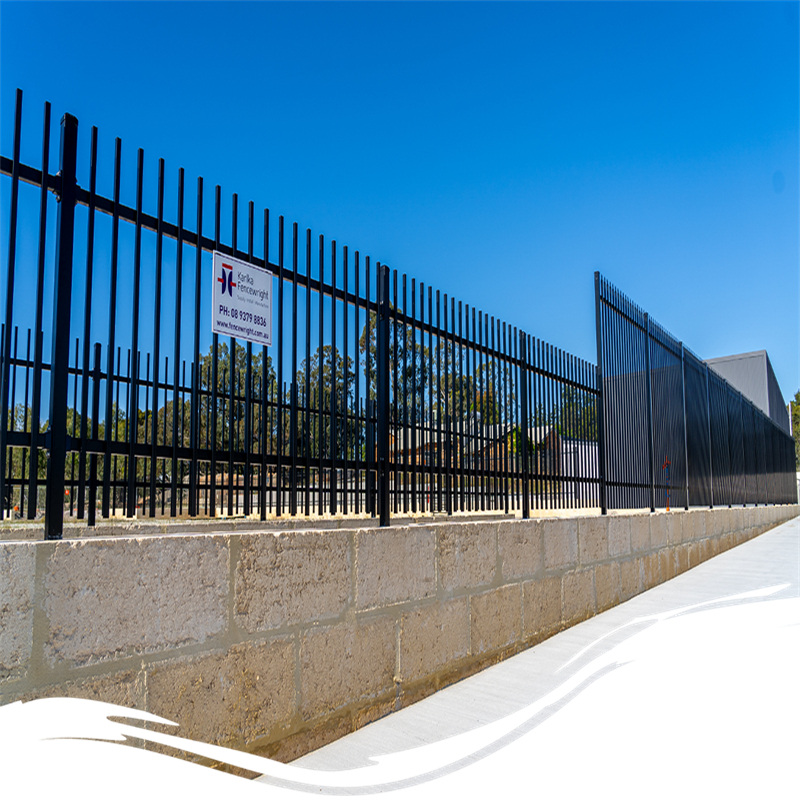
If you reduce upright density (for example using 16 pcs / 115mm) on a boundary facing climbing attempts, you can create predictable footholds and faster deformation points that attackers exploit. This pitfall becomes expensive because it doesn’t weaken one panel—it weakens the entire perimeter every day it stays installed, leading to re-tensioning, re-alignment, and replacement labor that quietly destroys budgets.
- Failing to match post thickness to fence height makes tall panels behave like sails.
- Choosing posts too small for gate zones creates the easiest forced-entry location.
- Using rail thickness upgrades without post upgrades wastes money and still fails at joints.
- Ignoring coating/finish selection accelerates corrosion at welds and cut ends.
- Poor stacking and transport protection can warp panels before they reach site.
- Not standardizing SKUs increases install mistakes and mixed-strength fence lines.
- The cheapest “spec on paper” is often the most expensive after the first repair callout.

Specifications in Tables (5 Tables, 10+ Specs Each)
Table 1: POLYMETAL steel pipe fence panels (Standard Series)
| Spec | Fence Height (mm) | Fence Width (mm) | Rail Frame (mm) | Rail Thickness (mm) | Upright (mm) | Upright Thickness (mm) | Upright No. (Spacing) | Post Option (mm) | Post Wall (mm) | Fence Post Height (mm) |
|---|---|---|---|---|---|---|---|---|---|---|
| ST-01 | 1200 | 2400 | 40×40 | 1.60 | 16×16 | 0.80 | 18 pcs (100mm) | 60×60 | 1.60 | 1800 |
| ST-02 | 1500 | 2400 | 40×40 | 2.00 | 25×25 | 1.00 | 17 pcs (108mm) | 65×65 | 2.00 | 2100 |
| ST-03 | 1800 | 2400 | 45×45 | 2.00 | 25×25 | 1.00 | 18 pcs (100mm) | 75×75 | 2.00 | 2400 |
| ST-04 | 2100 | 2400 | 45×45 | 2.50 | 30×30 | 1.20 | 17 pcs (108mm) | 80×80 | 2.50 | 2700 |
| ST-05 | 2400 | 2400 | 50×50 | 2.50 | 30×30 | 2.00 | 18 pcs (100mm) | 100×100 | 2.50 | 3000 |
| ST-06 | 1850 | 2400 | 45×45 | 2.00 | 25×25 | 1.00 | 16 pcs (115mm) | 75×75 | 2.00 | 2450 |
| ST-07 | 1500 | 2450 | 45×45 | 1.60 | 16×16 | 1.00 | 18 pcs (100mm) | 65×65 | 1.60 | 2100 |
| ST-08 | 1800 | 2450 | 45×45 | 2.50 | 25×25 | 1.20 | 17 pcs (108mm) | 80×80 | 2.00 | 2400 |
| ST-09 | 2100 | 2450 | 50×50 | 2.00 | 30×30 | 1.20 | 16 pcs (115mm) | 80×80 | 2.50 | 2700 |
| ST-10 | 1200 | 2450 | 40×40 | 2.00 | 25×25 | 0.80 | 16 pcs (115mm) | 60×60 | 2.00 | 1800 |
Table 2: POLYMETAL steel pipe fence panels (Commercial Heavy-Duty Series)
| Spec | Fence Height (mm) | Fence Width (mm) | Rail Frame (mm) | Rail Thickness (mm) | Upright (mm) | Upright Thickness (mm) | Upright No. (Spacing) | Post Option (mm) | Post Wall (mm) | Fence Post Height (mm) |
|---|---|---|---|---|---|---|---|---|---|---|
| HD-01 | 1200 | 2400 | 45×45 | 2.50 | 25×25 | 1.20 | 18 pcs (100mm) | 75×75 | 2.50 | 1800 |
| HD-02 | 1500 | 2400 | 50×50 | 2.50 | 30×30 | 1.20 | 17 pcs (108mm) | 80×80 | 2.50 | 2100 |
| HD-03 | 1800 | 2400 | 50×50 | 3.00 | 30×30 | 2.00 | 18 pcs (100mm) | 100×100 | 2.50 | 2400 |
| HD-04 | 2100 | 2450 | 50×50 | 3.00 | 30×30 | 2.00 | 17 pcs (108mm) | 100×100 | 2.50 | 2700 |
| HD-05 | 2400 | 2450 | 50×50 | 3.00 | 30×30 | 2.00 | 18 pcs (100mm) | 100×100 | 2.50 | 3000 |
| HD-06 | 1850 | 2450 | 45×45 | 2.50 | 25×25 | 1.20 | 16 pcs (115mm) | 80×80 | 2.50 | 2450 |
| HD-07 | 1500 | 2450 | 45×45 | 2.00 | 25×25 | 1.20 | 18 pcs (100mm) | 75×75 | 2.00 | 2100 |
| HD-08 | 1800 | 2450 | 50×50 | 2.50 | 30×30 | 1.20 | 17 pcs (108mm) | 80×80 | 2.50 | 2400 |
| HD-09 | 2100 | 2400 | 50×50 | 3.00 | 30×30 | 2.00 | 16 pcs (115mm) | 100×100 | 2.50 | 2700 |
| HD-10 | 1200 | 2450 | 45×45 | 2.00 | 25×25 | 1.00 | 16 pcs (115mm) | 75×75 | 2.00 | 1800 |
Table 3: POLYMETAL steel pipe fence panels (High-Security Tight-Spacing Series)
| Spec | Fence Height (mm) | Fence Width (mm) | Rail Frame (mm) | Rail Thickness (mm) | Upright (mm) | Upright Thickness (mm) | Upright No. (Spacing) | Post Option (mm) | Post Wall (mm) | Fence Post Height (mm) |
|---|---|---|---|---|---|---|---|---|---|---|
| HS-01 | 1200 | 2400 | 45×45 | 2.00 | 25×25 | 1.00 | 18 pcs (100mm) | 65×65 | 2.00 | 1800 |
| HS-02 | 1500 | 2400 | 45×45 | 2.50 | 25×25 | 1.20 | 18 pcs (100mm) | 75×75 | 2.00 | 2100 |
| HS-03 | 1800 | 2400 | 50×50 | 2.50 | 30×30 | 1.20 | 18 pcs (100mm) | 80×80 | 2.50 | 2400 |
| HS-04 | 2100 | 2450 | 50×50 | 3.00 | 30×30 | 2.00 | 18 pcs (100mm) | 100×100 | 2.50 | 2700 |
| HS-05 | 2400 | 2450 | 50×50 | 3.00 | 30×30 | 2.00 | 18 pcs (100mm) | 100×100 | 2.50 | 3000 |
| HS-06 | 1850 | 2400 | 45×45 | 2.50 | 25×25 | 1.20 | 18 pcs (100mm) | 80×80 | 2.50 | 2450 |
| HS-07 | 1500 | 2450 | 45×45 | 2.00 | 25×25 | 1.00 | 18 pcs (100mm) | 75×75 | 2.00 | 2100 |
| HS-08 | 1800 | 2450 | 50×50 | 2.50 | 30×30 | 1.20 | 18 pcs (100mm) | 80×80 | 2.50 | 2400 |
| HS-09 | 2100 | 2400 | 50×50 | 3.00 | 30×30 | 2.00 | 18 pcs (100mm) | 100×100 | 2.50 | 2700 |
| HS-10 | 1200 | 2450 | 45×45 | 2.00 | 25×25 | 1.00 | 18 pcs (100mm) | 65×65 | 2.00 | 1800 |
Table 4: POLYMETAL steel pipe fence panels (Balanced Value Series)
| Spec | Fence Height (mm) | Fence Width (mm) | Rail Frame (mm) | Rail Thickness (mm) | Upright (mm) | Upright Thickness (mm) | Upright No. (Spacing) | Post Option (mm) | Post Wall (mm) | Fence Post Height (mm) |
|---|---|---|---|---|---|---|---|---|---|---|
| BV-01 | 1200 | 2400 | 40×40 | 1.60 | 25×25 | 0.80 | 17 pcs (108mm) | 60×60 | 1.60 | 1800 |
| BV-02 | 1500 | 2400 | 40×40 | 2.00 | 25×25 | 1.00 | 16 pcs (115mm) | 65×65 | 2.00 | 2100 |
| BV-03 | 1800 | 2400 | 45×45 | 2.00 | 25×25 | 1.20 | 17 pcs (108mm) | 75×75 | 2.00 | 2400 |
| BV-04 | 2100 | 2400 | 45×45 | 2.50 | 30×30 | 1.20 | 16 pcs (115mm) | 80×80 | 2.50 | 2700 |
| BV-05 | 2400 | 2400 | 50×50 | 2.50 | 30×30 | 2.00 | 17 pcs (108mm) | 100×100 | 2.50 | 3000 |
| BV-06 | 1850 | 2450 | 45×45 | 2.00 | 25×25 | 1.00 | 16 pcs (115mm) | 75×75 | 2.00 | 2450 |
| BV-07 | 1500 | 2450 | 45×45 | 2.00 | 16×16 | 1.20 | 17 pcs (108mm) | 65×65 | 2.00 | 2100 |
| BV-08 | 1800 | 2450 | 45×45 | 2.50 | 25×25 | 1.20 | 16 pcs (115mm) | 80×80 | 2.50 | 2400 |
| BV-09 | 2100 | 2450 | 50×50 | 2.50 | 30×30 | 2.00 | 17 pcs (108mm) | 80×80 | 2.50 | 2700 |
| BV-10 | 1200 | 2450 | 40×40 | 2.00 | 25×25 | 0.80 | 18 pcs (100mm) | 60×60 | 2.00 | 1800 |
Table 5: POLYMETAL steel pipe fence panels (Full Option Snapshot Mix)
| Spec | Fence Height (mm) | Fence Width (mm) | Rail Frame (mm) | Rail Thickness (mm) | Upright (mm) | Upright Thickness (mm) | Upright No. (Spacing) | Post Option (mm) | Post Wall (mm) | Fence Post Height (mm) |
|---|---|---|---|---|---|---|---|---|---|---|
| MX-01 | 1200 | 2400 | 40×40 | 2.50 | 25×25 | 1.00 | 18 pcs (100mm) | 65×65 | 2.00 | 1800 |
| MX-02 | 1500 | 2450 | 45×45 | 2.00 | 25×25 | 1.20 | 17 pcs (108mm) | 75×75 | 2.00 | 2100 |
| MX-03 | 1800 | 2400 | 45×45 | 2.50 | 25×25 | 1.20 | 18 pcs (100mm) | 80×80 | 2.50 | 2400 |
| MX-04 | 2100 | 2450 | 50×50 | 2.50 | 30×30 | 2.00 | 18 pcs (100mm) | 100×100 | 2.50 | 2700 |
| MX-05 | 2400 | 2450 | 50×50 | 3.00 | 30×30 | 2.00 | 18 pcs (100mm) | 100×100 | 2.50 | 3000 |
| MX-06 | 1850 | 2400 | 45×45 | 2.50 | 25×25 | 1.20 | 16 pcs (115mm) | 80×80 | 2.50 | 2450 |
| MX-07 | 1500 | 2450 | 40×40 | 2.00 | 16×16 | 1.00 | 18 pcs (100mm) | 65×65 | 2.00 | 2100 |
| MX-08 | 1800 | 2450 | 50×50 | 2.50 | 30×30 | 1.20 | 17 pcs (108mm) | 80×80 | 2.50 | 2400 |
| MX-09 | 2100 | 2400 | 50×50 | 3.00 | 30×30 | 2.00 | 16 pcs (115mm) | 100×100 | 2.50 | 2700 |
| MX-10 | 1200 | 2450 | 40×40 | 2.00 | 25×25 | 0.80 | 16 pcs (115mm) | 60×60 | 2.00 | 1800 |
Applications of POLYMETAL Steel Pipe Fence Panels
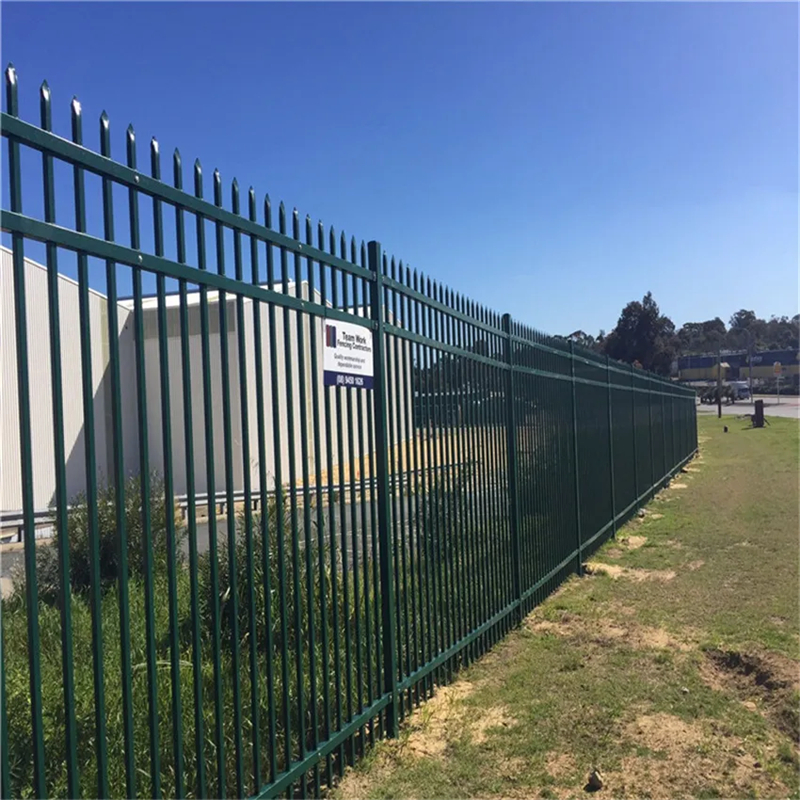
- Industrial sites and warehouses needing rigid perimeter control and repeatable panel alignment
- Logistics yards, depots, and service compounds where vibration/impact can loosen weaker fence lines
- Utilities and infrastructure zones (sub-stations, pump stations, storage compounds) requiring controlled access
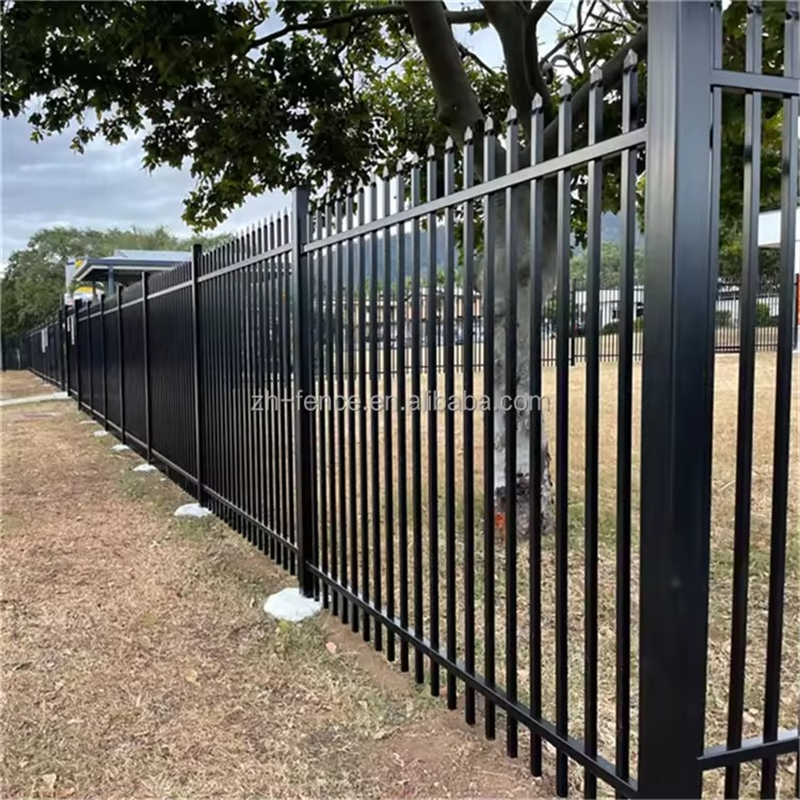
- Schools, councils, and public facilities needing a durable, anti-climb style boundary with clean appearance
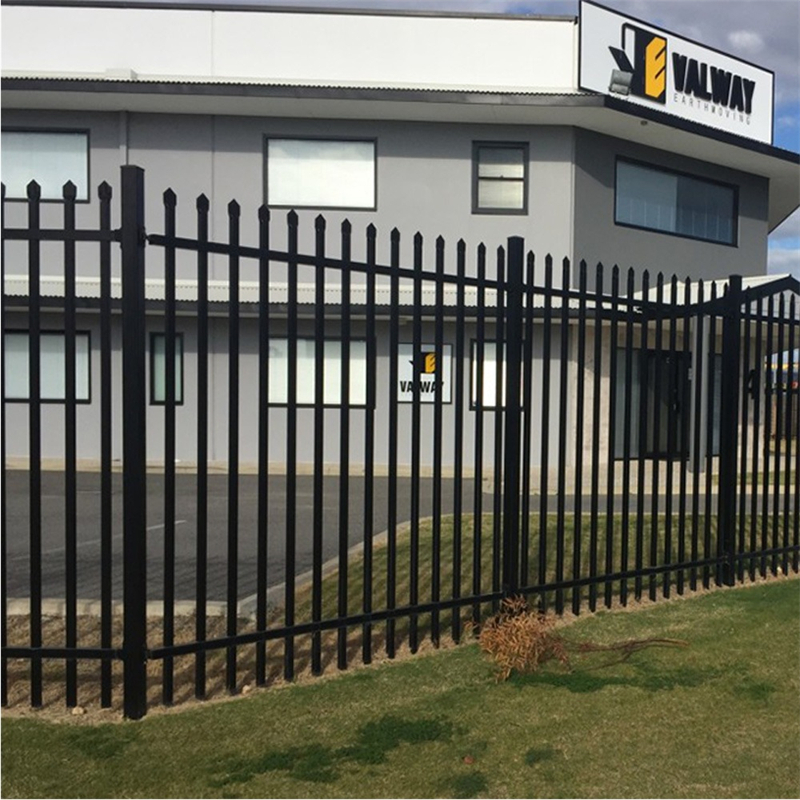
- Commercial properties and work sites requiring consistent security lines around parking, loading bays, or equipment areas
- Gate runs and corners where stronger posts and tighter spacing prevent “soft” breach points

Key Benefits
- Stronger, straighter fence lines because rail frame size and rail thickness can be matched to duty level
- Improved anti-climb behavior by selecting upright size plus tighter upright spacing to reduce footholds
- Higher resistance to bending and “line wave” on long runs when posts and wall thickness are correctly selected
- More reliable joints because clamp points and post stiffness reduce loosening under vibration and thermal movement
- Better lifetime value when posts are set 600mm higher than panel height for deeper embedment and reduced drift
- Cleaner site presentation: consistent panel geometry helps keep alignment uniform across the full perimeter
- Flexible finish routes (commonly hot dip galvanizing + powder coating) to support harsh outdoor exposure
Standard
- ISO 1461: Hot-dip galvanized coatings on fabricated iron and steel articles (coating requirement and test method)
Conclusion
POLYMETAL steel pipe fence panels are a security-focused perimeter solution built around repeatable alignment, selectable rail/upright strength, and stable post support for long-run performance. When the rail thickness, upright spacing, and post wall strength are matched to the site’s real load and risk level—and posts are set with proper embedment using the +600mm rule—the fence performs like a durable security asset instead of a boundary that loosens, waves, and demands costly rework. If you want a practical reference for how commercial garrison-style systems are typically sized and specified, this **garrison fencing specifications** guide is a useful benchmark.