Your One-Stop Wire Mesh Fence Supplier | POLYMETAL
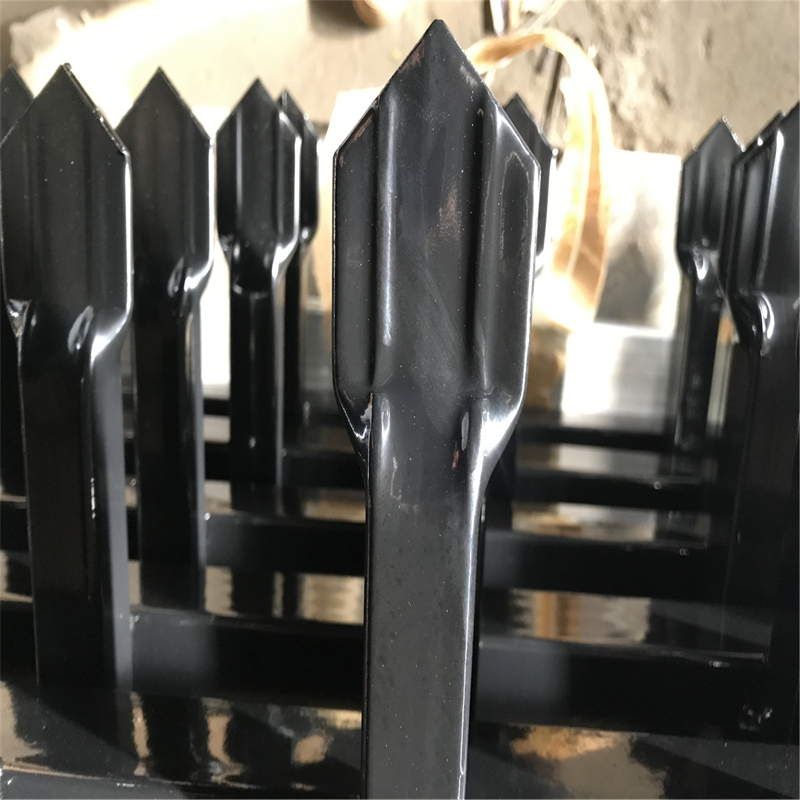
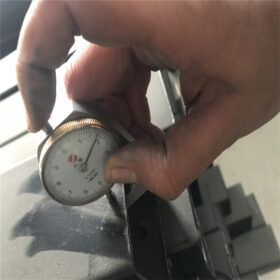
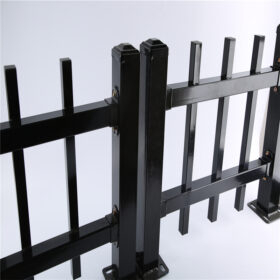
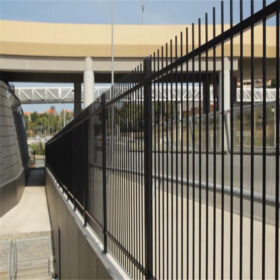
Steel pipe fencing looks simple until it arrives and the line refuses to stay straight. That’s when buyers learn the expensive truth: many offers are assembled from random tube stock, mixed wall thickness, and uncontrolled upright spacing. The fence can still “look okay” in a single photo, but it performs badly in long runs, gate interfaces, and windy or public-facing sites. POLYMETAL steel pipe fencing is sold as measurable inputs—height, width, rails, uprights, spacing, posts, and coating—so you don’t pay twice through replacements, labor waste, and reputation damage Q235 steel guide.
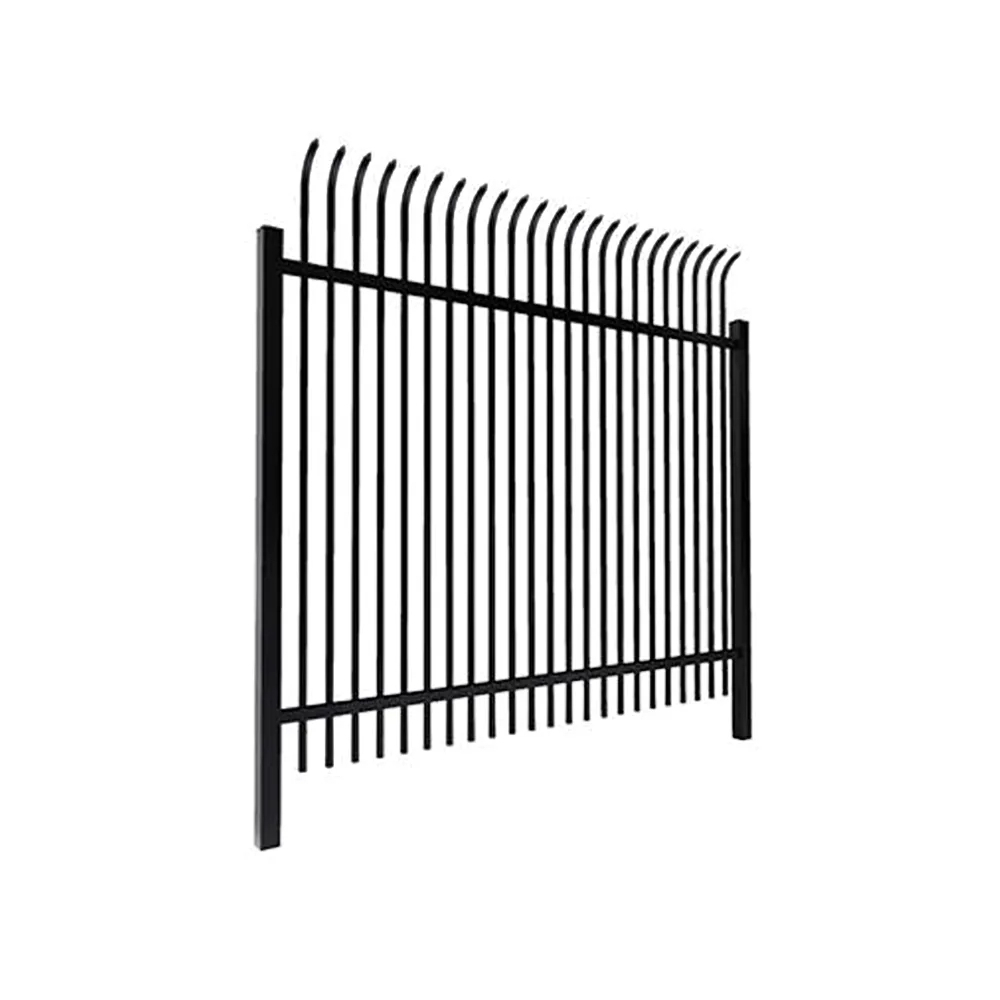
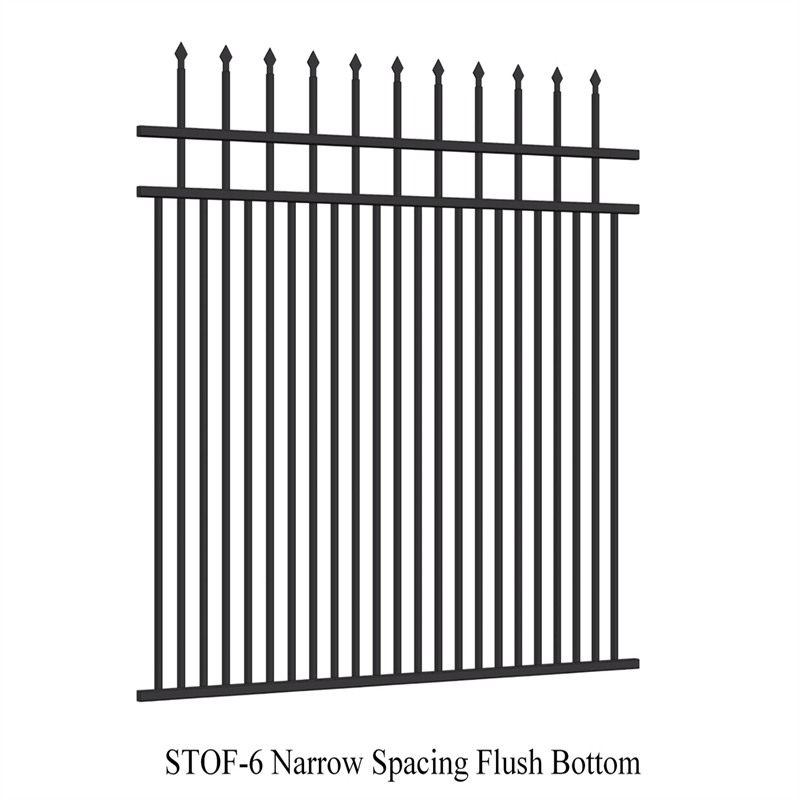
What Steel Pipe Fencing Means in Practical Site Terms
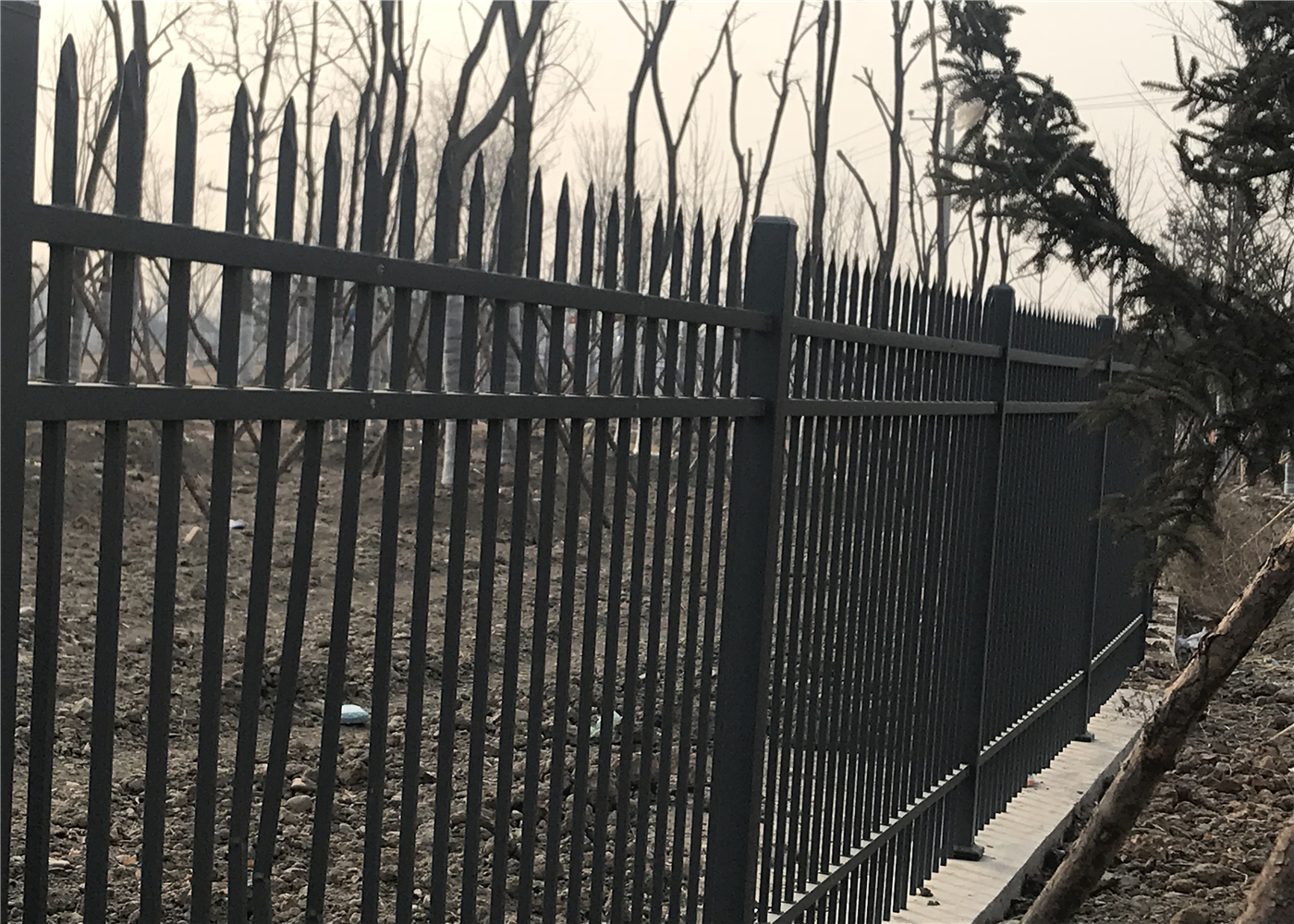
Steel pipe fencing is a tubular perimeter system made from rail frames and vertical uprights, designed to form disciplined straight fence lines with consistent spacing, reliable post engagement, and predictable handling strength. It is selected when a site needs an architectural appearance, controllable security perception, and repeatable installation across dozens or hundreds of meters. The cost risk is not the tube itself—it’s the tolerance stack: rail straightness, upright spacing, weld discipline, post fit, and coating build at cut points and weld zones.
The #7 “secret”: Upright Spacing Is the Quiet Failure That Ruins Straight Lines
Upright spacing is where cheap steel pipe fencing quietly collapses. When spacing drifts, the human eye catches the pattern instantly, installers fight panel alignment bay-by-bay, and gate/return panels stop matching. Even when steel grade is acceptable, spacing inconsistency creates the “wavy fence” effect that triggers complaints and rework. Lock spacing in writing, and verify upright count per panel so the delivered batch behaves like one controlled system.


17 Cost Traps When Buying Steel Pipe Fencing (Especially #9)


Trap #1: Choosing fence height without matching post options
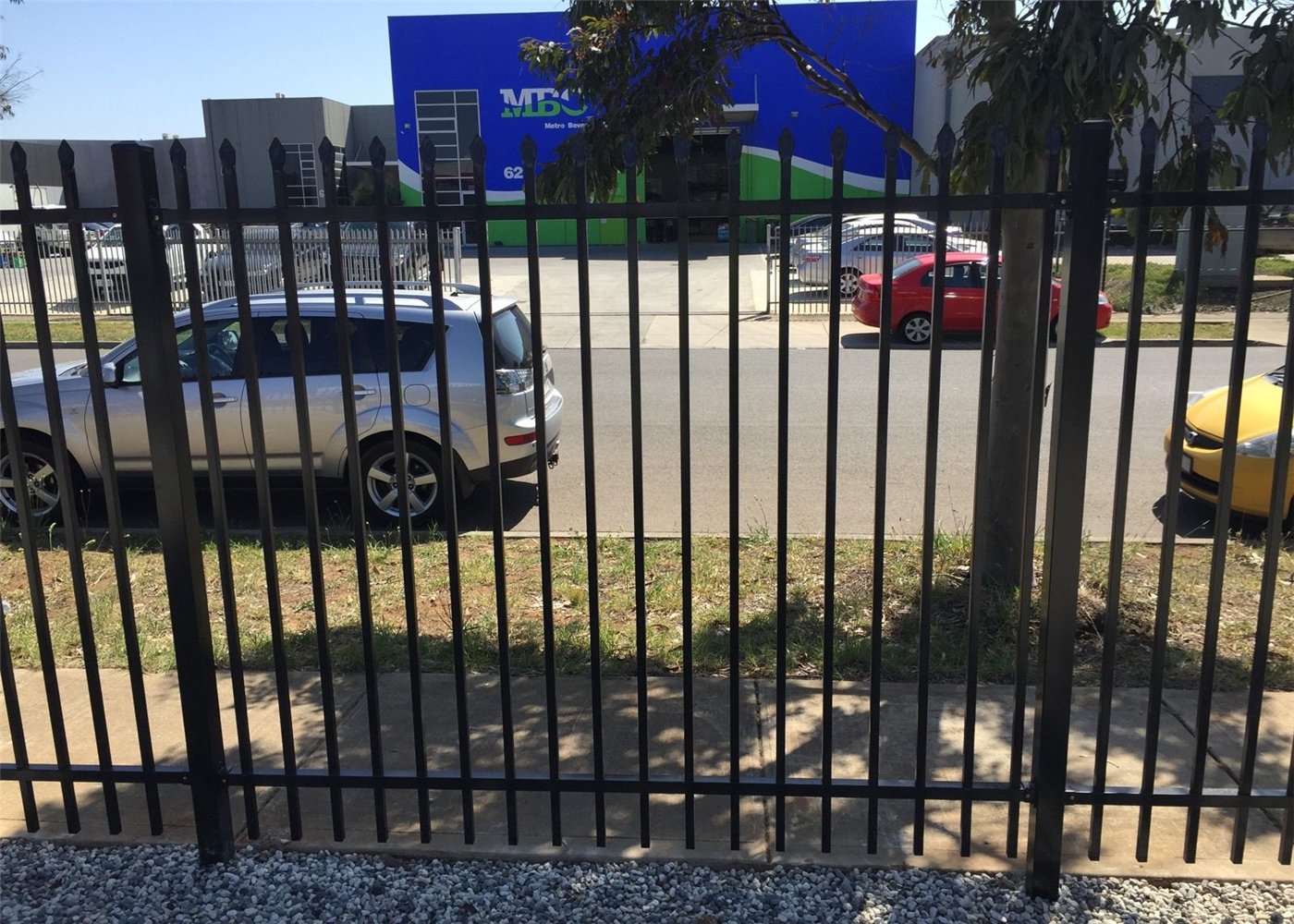
Buyers set a height target, but ignore post selection and embedment reality. The result is posts that feel under-sized, wobble under lateral load, or require last-minute site fixes. Your steel pipe fencing should specify post option, wall thickness, and hole pattern expectations before production starts.
Trap #2: Treating fence width as “approximate”
One supplier ships 2400 mm, another ships 2450 mm, and suddenly your line cannot land on the set-out marks. If the fence width is not controlled, installers burn time trimming, shimming, or forcing misalignment into the run. Steel pipe fencing needs controlled width so every bay lands predictably.
Trap #3: Buying rail frames by habit instead of stiffness demand
Rail frame size is not decoration; it’s stiffness. Under-spec rails twist during handling and “breathe” when people push against them. Over-spec rails can add cost and weight that doesn’t convert into value for your site. Match rail frame size and thickness to the real load path.
Trap #4: Allowing mixed wall thickness in the same batch
Many low-cost suppliers mix tube wall thickness within a shipment to hit a price. The fence then feels inconsistent panel-to-panel, with some bays rigid and others soft. The line becomes unpredictable and complaints spike. Lock rail thickness and upright thickness as non-negotiable inputs.
Trap #5: Ignoring upright thickness and then blaming “bad welding” later
Thin uprights amplify weld heat distortion and handling dents. Buyers then assume welding is the issue, when the real flaw is under-sized tube selection. Steel pipe fencing stability starts with tube selection, then welding discipline.
Trap #6: Forgetting that upright count controls spacing reality
Upright spacing is not a wish; it is determined by upright count and internal clear width. If you don’t lock upright count, you don’t control spacing. The delivered fence can look “similar” but install poorly and appear visually cheap.
Trap #7: Allowing “100 mm spacing” without defining how it is measured
Some factories measure center-to-center, others clear spacing. That difference changes safety feel and appearance. Steel pipe fencing must define spacing method so panels match across production lots.
Trap #8: Buying posts by outside size only
Post outside size means nothing if wall thickness is thin, holes are poorly aligned, or the post isn’t straight. The fence line then walks, and posts “lean” under tension. Control post wall thickness and hole pattern quality, not just the size label.
Trap #9: The biggest danger—coating is sold as a word, not a measured build
This is the failure that costs the most over time. When steel pipe fencing coating is not controlled, the first corrosion starts at weld zones, cut ends, and handling rub points. Buyers then pay again through repainting, replacements, and complaint management. A controlled system requires consistent surface prep, coating build expectations, and packing protection to reduce transit damage that exposes bare steel.
Trap #10: Accepting “galvanized” without defining the process
Pre-galv tube and hot dip galvanizing behave differently at welds and cut ends. If the supplier mixes assumptions, your batch performance becomes uneven. Steel pipe fencing should specify the corrosion strategy and how touch-up is handled on cut points.
Trap #11: Not specifying weld discipline and cleanup expectations
Messy welds create sharp edges and poor coating adhesion zones. That increases safety risk and accelerates coating failure. Control weld finish level so the fence is safe to handle and visually disciplined.
Trap #12: Ignoring panel-to-post fit tolerance
If the post holes, pins, or fixing interfaces don’t match the panel geometry, installers “force” the job and bend components. Steel pipe fencing needs consistent hole alignment and interface geometry across the full batch.
Trap #13: Forgetting corner returns, ramps, and gate integration
Fences fail at transitions. If you don’t plan corners and gates, you end up with site welding, ugly fixes, and weak points. Steel pipe fencing must include matching solutions for corners and gates.
Trap #14: Packing that protects steel but destroys coating
Bad packing creates rub damage. The fence arrives “new” but looks old because powder coat is scuffed at contact points. Specify packing separators and stacking logic to protect appearance.
Trap #15: Buying by lowest unit price instead of installed cost
Cheap steel pipe fencing often costs more after labor waste, replacements, and downtime. Installed cost is the only number that matters.
Trap #16: Not locking tolerance on length, squareness, and straightness
Even small deviations become obvious across long lines. If the fence is not square, panels will “walk” and fight your set-out. A controlled supplier manages squareness and straightness in production.
Trap #17: No inspection checklist before loading
If you don’t check spacing, squareness, coating, and post interface before shipment, you discover the failure after it’s too late. Steel pipe fencing should be verified with a simple pre-loading checklist.
POLYMETAL Steel Pipe Fencing Specifications
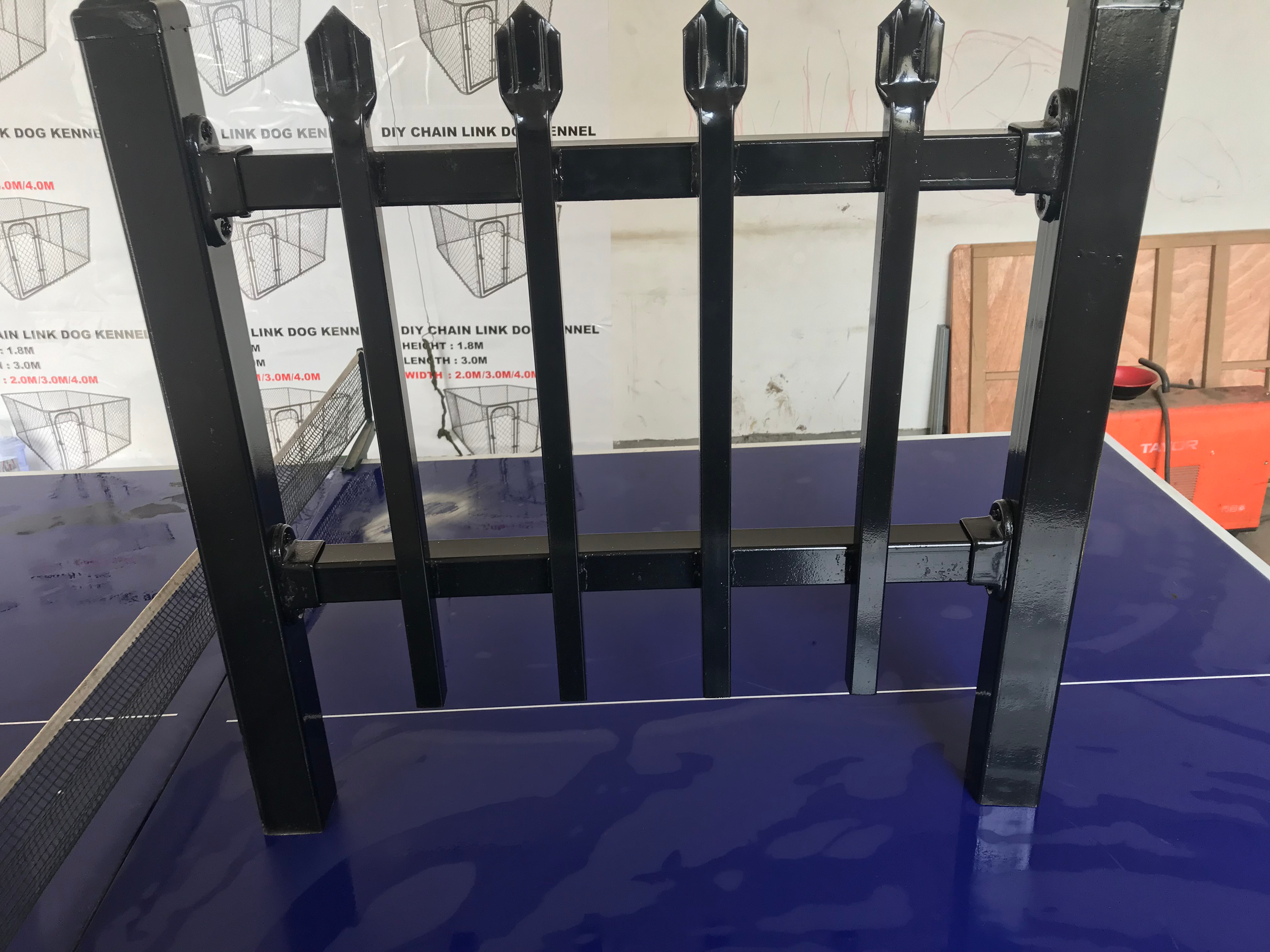


| Fence Height (mm) | Fence Width (mm) | Rail Frame Options | Rails Thickness (mm) | Upright Options | Upright Thickness (mm) | Upright Spacing (mm) | Upright Quantity (pcs) | Post Options (mm) | Post Wall Thickness (mm) | Post Height Rule | Base Plate |
|---|---|---|---|---|---|---|---|---|---|---|---|
| 1200 | 2400 / 2450 | 40×40 / 45×45 / 50×50 | 1.60 / 2.00 / 2.50 / 3.00 | 25×25 / 30×30 / 16×16 | 0.80 / 1.00 / 1.20 / 2.00 | 100 | 16 (115mm) / 17 (108mm) / 18 (100mm) | 60×60 / 65×65 / 75×75 / 80×80 / 100×100 | 1.60 / 2.00 / 2.50 | Post height = panel height + 600 | 130×130 with 4 pin holes |
| 1500 | 2400 / 2450 | 40×40 / 45×45 / 50×50 | 1.60 / 2.00 / 2.50 / 3.00 | 25×25 / 30×30 / 16×16 | 0.80 / 1.00 / 1.20 / 2.00 | 100 | 16 (115mm) / 17 (108mm) / 18 (100mm) | 60×60 / 65×65 / 75×75 / 80×80 / 100×100 | 1.60 / 2.00 / 2.50 | Post height = panel height + 600 | 130×130 with 4 pin holes |
| 1800 | 2400 / 2450 | 40×40 / 45×45 / 50×50 | 1.60 / 2.00 / 2.50 / 3.00 | 25×25 / 30×30 / 16×16 | 0.80 / 1.00 / 1.20 / 2.00 | 100 | 16 (115mm) / 17 (108mm) / 18 (100mm) | 60×60 / 65×65 / 75×75 / 80×80 / 100×100 | 1.60 / 2.00 / 2.50 | Post height = panel height + 600 | 130×130 with 4 pin holes |
| 2100 | 2400 / 2450 | 40×40 / 45×45 / 50×50 | 1.60 / 2.00 / 2.50 / 3.00 | 25×25 / 30×30 / 16×16 | 0.80 / 1.00 / 1.20 / 2.00 | 100 | 16 (115mm) / 17 (108mm) / 18 (100mm) | 60×60 / 65×65 / 75×75 / 80×80 / 100×100 | 1.60 / 2.00 / 2.50 | Post height = panel height + 600 | 130×130 with 4 pin holes |
| 2400 | 2400 / 2450 | 40×40 / 45×45 / 50×50 | 1.60 / 2.00 / 2.50 / 3.00 | 25×25 / 30×30 / 16×16 | 0.80 / 1.00 / 1.20 / 2.00 | 100 | 16 (115mm) / 17 (108mm) / 18 (100mm) | 60×60 / 65×65 / 75×75 / 80×80 / 100×100 | 1.60 / 2.00 / 2.50 | Post height = panel height + 600 OR Post height = panel height | 130×130 with 4 pin holes |
Applications of Steel Pipe Fencing
Steel pipe fencing is used for residential boundary lines that need a clean architectural look, schools and campuses where orderly vertical lines improve perceived safety, industrial and warehouse frontage where durable steel reduces maintenance, infrastructure corridors where long straight runs must stay visually disciplined, public-facing facilities where consistent appearance prevents complaints, and temporary-to-permanent upgrade projects where posts and panels are standardized for fast replacement. Steel pipe fencing is also used in light-security perimeter layouts where a controlled upright spacing pattern discourages casual climbing without turning the site into a harsh “prison look.”
Benefits of a Controlled POLYMETAL Steel Pipe Fencing Schedule
A controlled steel pipe fencing specification reduces rework because panels align predictably across long runs. It improves installation speed because posts, holes, and interfaces match without forcing. It improves finish durability because coating is protected by packing discipline and reduced rub points. It improves safety perception because upright spacing and straight spear-less lines look intentional rather than improvised. It improves procurement confidence because the delivered batch behaves like one system rather than a collection of similar-looking parts.
Packing for Steel Pipe Fencing
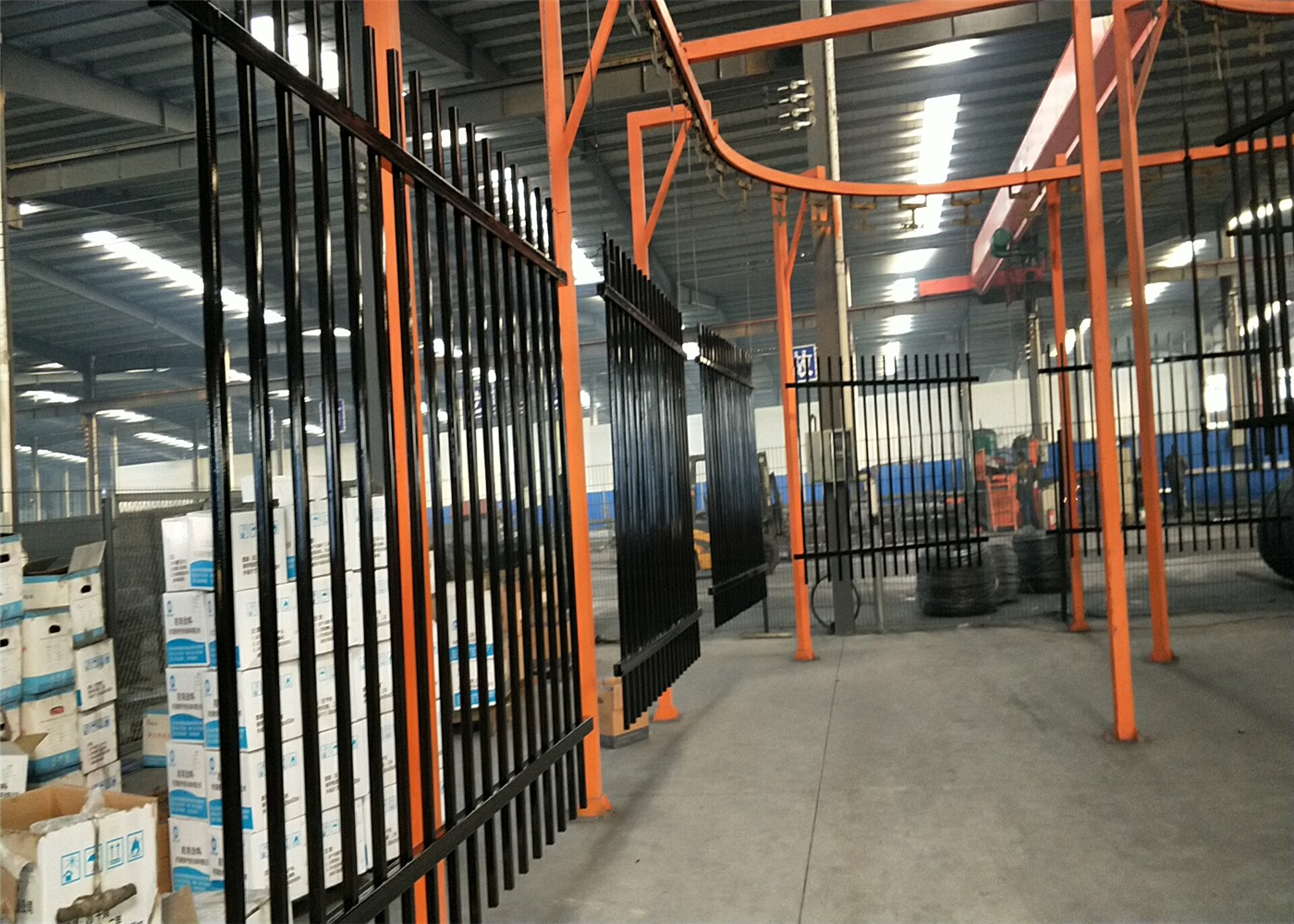
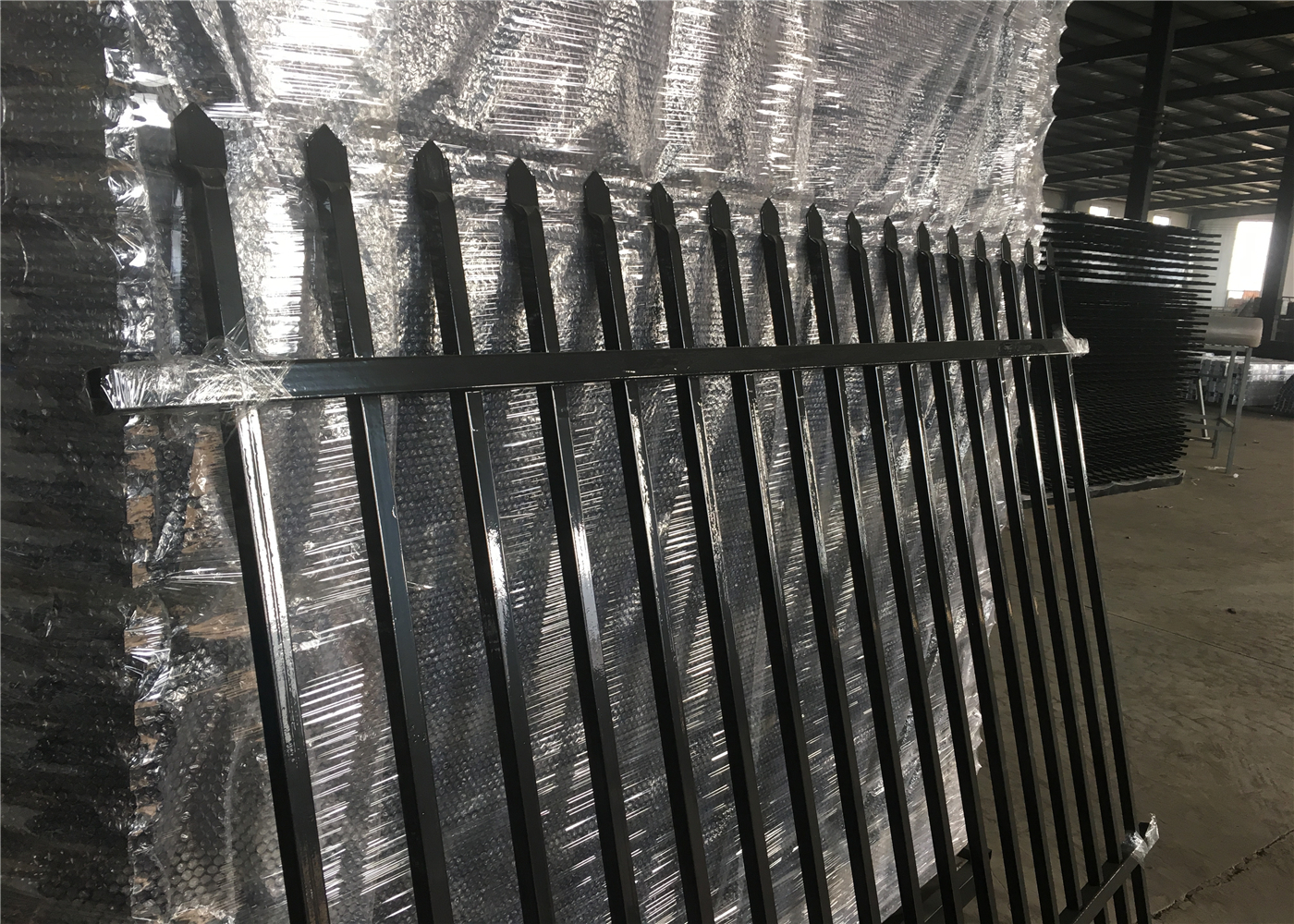
Steel pipe fencing packing must protect geometry and finish at the same time. Panels are typically stacked in controlled bundles with separators at contact points to reduce coating rub damage, then strapped and edge-protected to prevent corner impact. Posts are packed separately to prevent hole deformation and to keep post straightness stable through handling. Fixing accessories are boxed and labeled by panel type and post option so installers do not waste time sorting on site. POLYMETAL packing is designed to keep the delivered fence looking new after transit, because visible finish damage is one of the fastest ways to trigger claims and jobsite rejection.
Standards Commonly Referenced for Steel Pipe Fencing
Steel pipe fencing projects commonly reference coating and corrosion performance expectations through internationally recognized galvanizing and powder coating standards, and they also reference basic dimensional and inspection controls to support consistent line appearance. Many buyers also align their procurement checks with project safety expectations for spacing, handling edges, and public-facing durability so the installed fence does not create avoidable maintenance and complaint risk.


Steel Pipe Fencing FAQs
How do I choose the right rail frame size?
Choose rail frame size based on handling stiffness, panel length, and site pushing loads. If your job has public contact, long runs, or frequent repositioning, a stronger rail frame and thicker wall usually reduces bending and labor waste—especially when you also standardize material quality on key components that take repeated handling and vibration, like the mesh or infill options used in related perimeter systems (see Dutch woven stainless steel wire mesh cloth).
Why does upright spacing matter so much?
Because spacing controls both visual discipline and real resistance to climbing or pushing. Even small drift across a batch becomes obvious in a long run and creates “cheap fence” perception that can damage a project’s professional finish.
Can I mix post sizes in one project?
You can, but mixing posts without controlling interfaces often creates alignment problems. Keep one post option across a line whenever possible so hole patterns, fixing points, and installation rhythm stay consistent.
What is the safest way to avoid coating failure?
Lock surface prep expectations, confirm thickness targets for your selected finish, and specify packing protection so the coating does not arrive already damaged at rub points. Coating failure usually starts where protection is weakest: welds, cut ends, and contact points.
What should I check before shipment?
Check upright count and spacing, panel squareness, rail straightness, post hole alignment, weld cleanup, and packing separators. These are the items that decide whether steel pipe fencing installs straight or becomes an expensive fight.