Your One-Stop Wire Mesh Fence Supplier | POLYMETAL
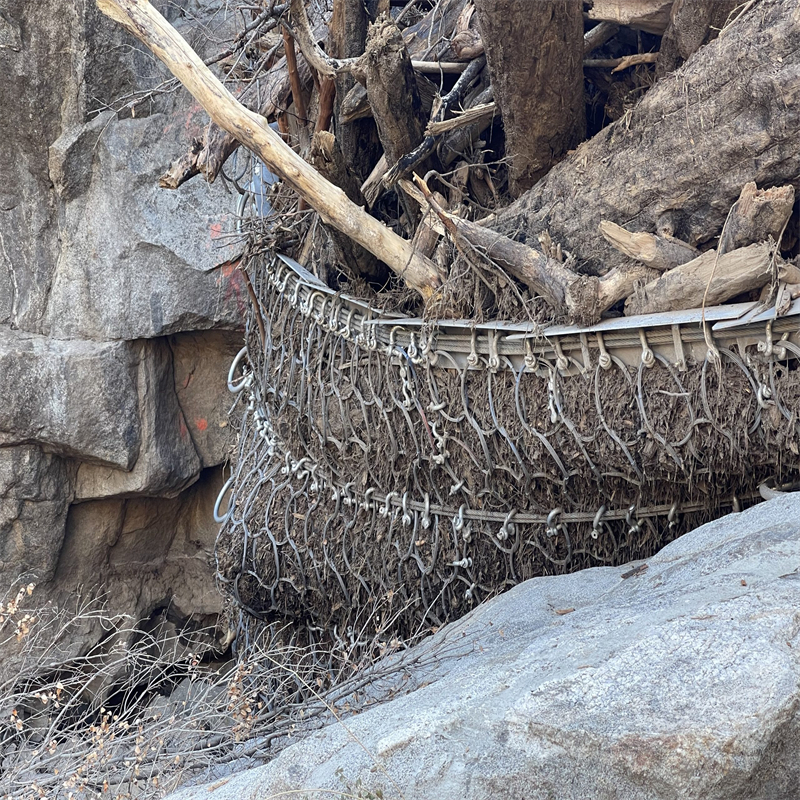
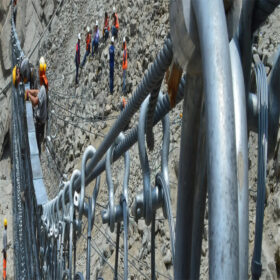
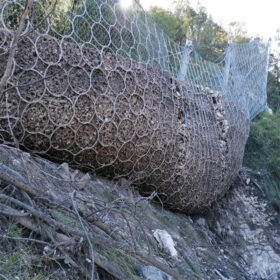
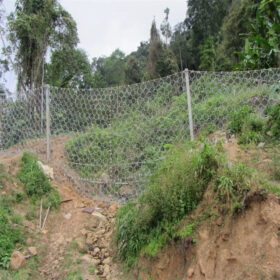
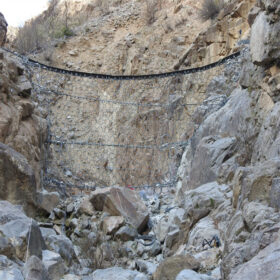
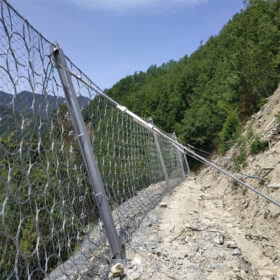
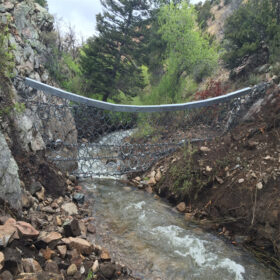
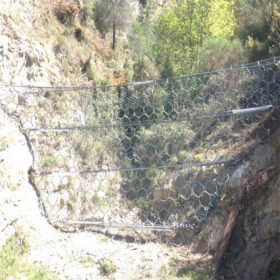
Steel Ring Nets rockfall barriers are a combined active and passive protection system installed below unstable rock slopes to intercept falling blocks and debris before they reach roads, railways, buildings or other infrastructure.
Unlike rigid concrete walls, these systems use high-tensile steel ring nets supported by wire ropes, posts and anchors. When rockfall occurs:
- The ring net deforms and absorbs impact energy,
- The support ropes and brake (decompression) rings stretch and yield,
- Forces are transferred into steel posts and anchored foundations.
This combination allows the barrier to safely absorb hundreds to thousands of kilojoules of impact energy while remaining relatively light and flexible.s
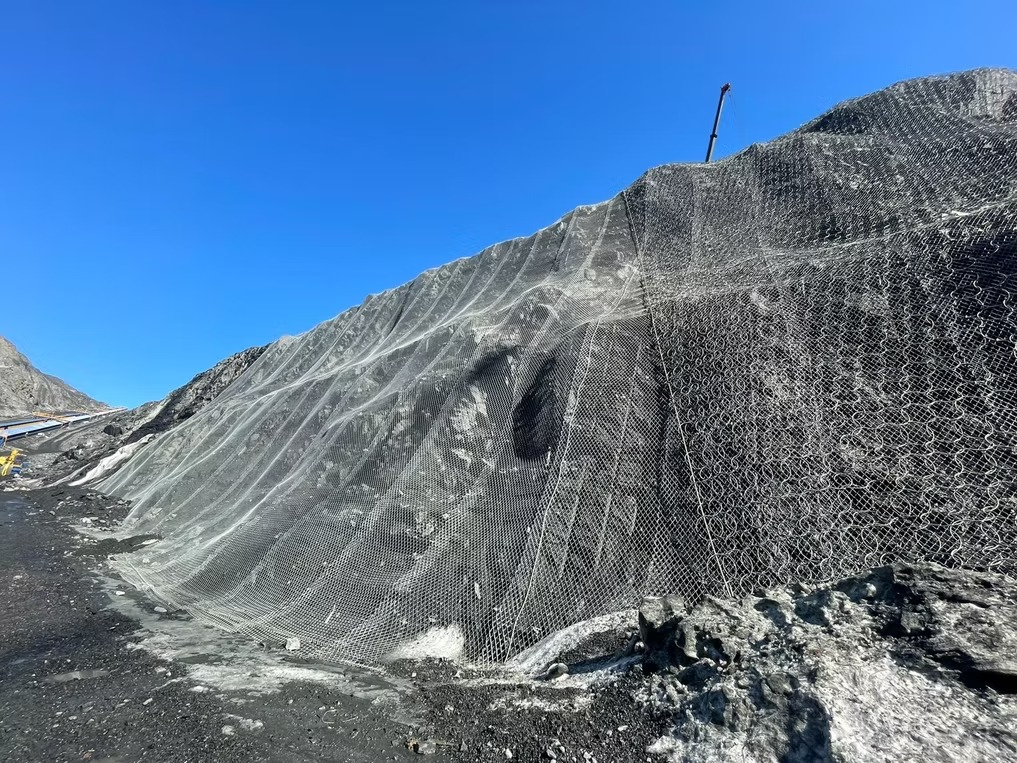
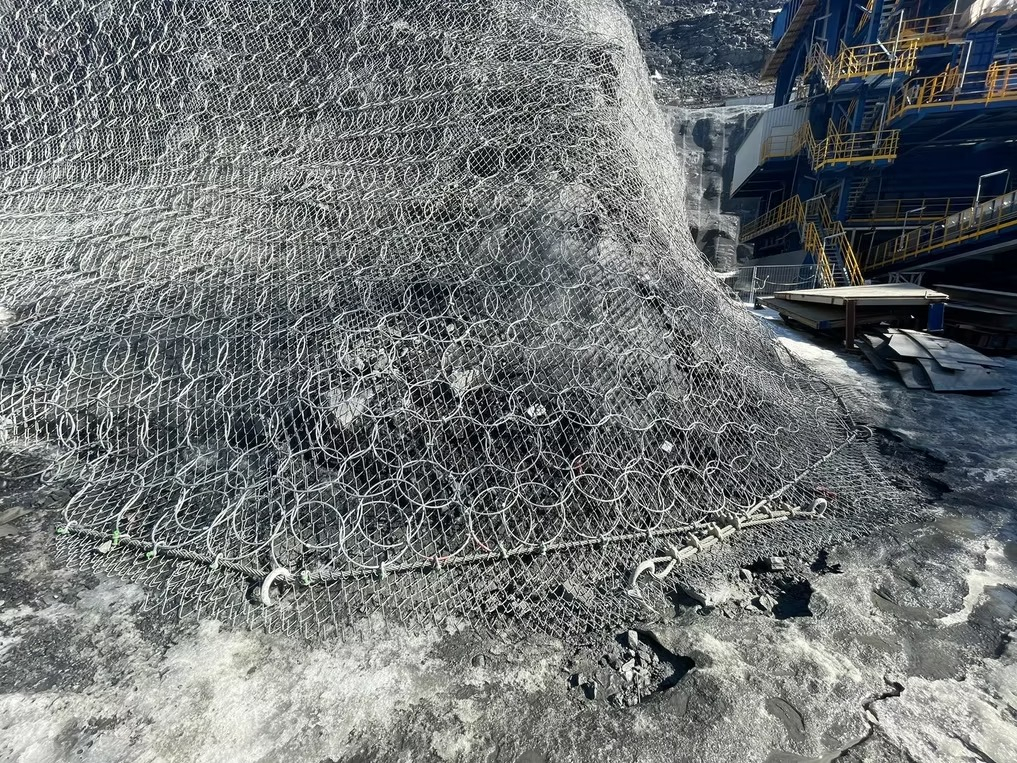
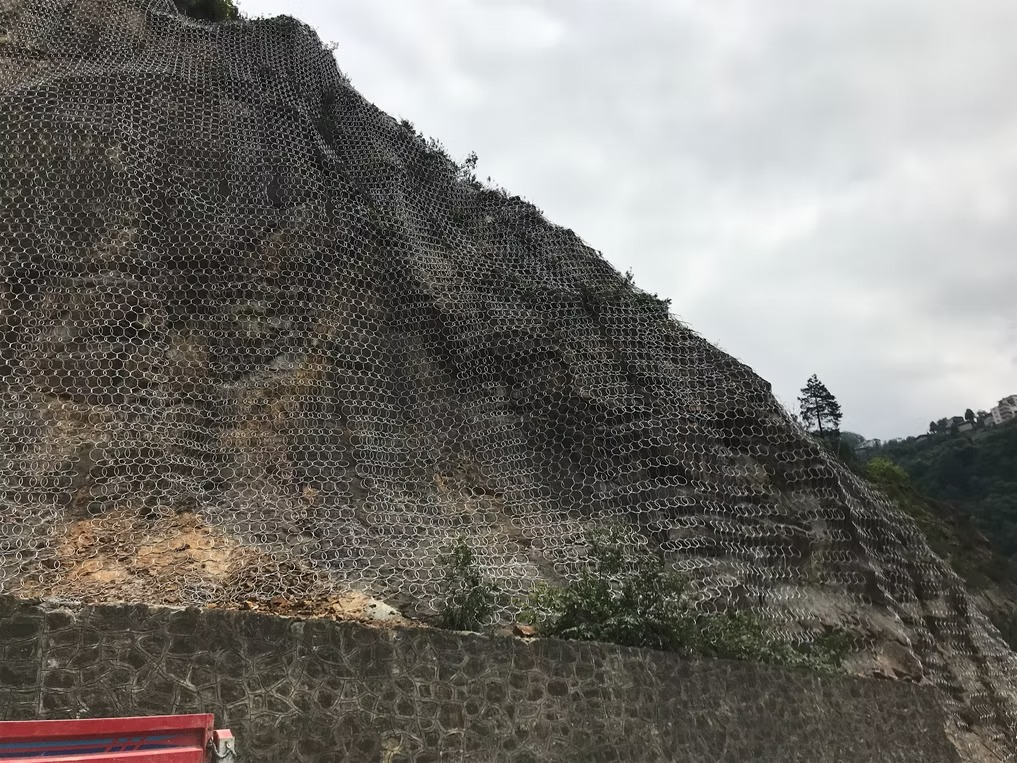
Specifications Steel Ring Netting Rockfall Barriers
Table -1 Specifications for steel ring netting
| Model | Energy capacity (kJ) | Ring net type | Strands of wire per ring | Wire diameter (mm) | Ring diameter (mm) | Rope diameter (mm) | Post spacing (m) | Barrier height range (m) | Max. deflection distance (m) | Usable height after impact |
|---|---|---|---|---|---|---|---|---|---|---|
| RXI-025 | 250 | R5/3/300 | 5 | 3 | 300 | 16–18 | 8–12 | 3.0–6.0 | 4.36 | > 50% (Cat. A) |
| RXI-050 | 500 | R7/3/300 | 7 | 3 | 350 / 300 | 18–22 | 8–12 | 4.0–7.5 | 5.80 | > 50% (Cat. A) |
| RXI-075 | 750 | R7/3/300 | 7 | 3 | 350 / 300 | 14–16 | 8–12 | 4.0–7.5 | < 7.0 | > 50% (Cat. A) |
| RXI-100 | 1,000 | R9/3/300 | 9 | 3 | 350 / 300 | 16–18 | 8–12 | 5.0–9.0 | 8.15 | > 50% (Cat. A) |
| RXI-150 | 1,500 | R12/3/300 | 12 | 3 | 300 | 18–20 | 8–12 | 6.0–10.5 | 8.45 | > 50% (Cat. A) |
| RXI-200 | 2,000 | R16/3/300 | 16 | 3 | 350 / 300 | 18–22 | 8–12 | 5.0–9.0 | 8.15 | > 50% (Cat. A) |
| RXI-300 | 3,000 | R16/3/300 | 16 | 3 | 300 | 18–22 | 8–12 | 6.0–10.5 | 8.45 | > 50% (Cat. A) |
Table 2 – Ring Net Code Explanation
| Example code | R value | First number | Second number | Last number | Full meaning |
|---|---|---|---|---|---|
| R7/3/350 | R = ring net | 7 = 7 strands (circles) of wire per ring | 3 = wire diameter, 3 mm | 350 = ring diameter, 350 mm | Ring net made of 7-wire rings, 3 mm wire, 350 mm ring diameter |
| R5/3/300 | R = ring net | 5 = 5 strands (circles) of wire per ring | 3 = wire diameter, 3 mm | 300 = ring diameter, 300 mm | Ring net made of 5-wire rings, 3 mm wire, 300 mm ring diameter |
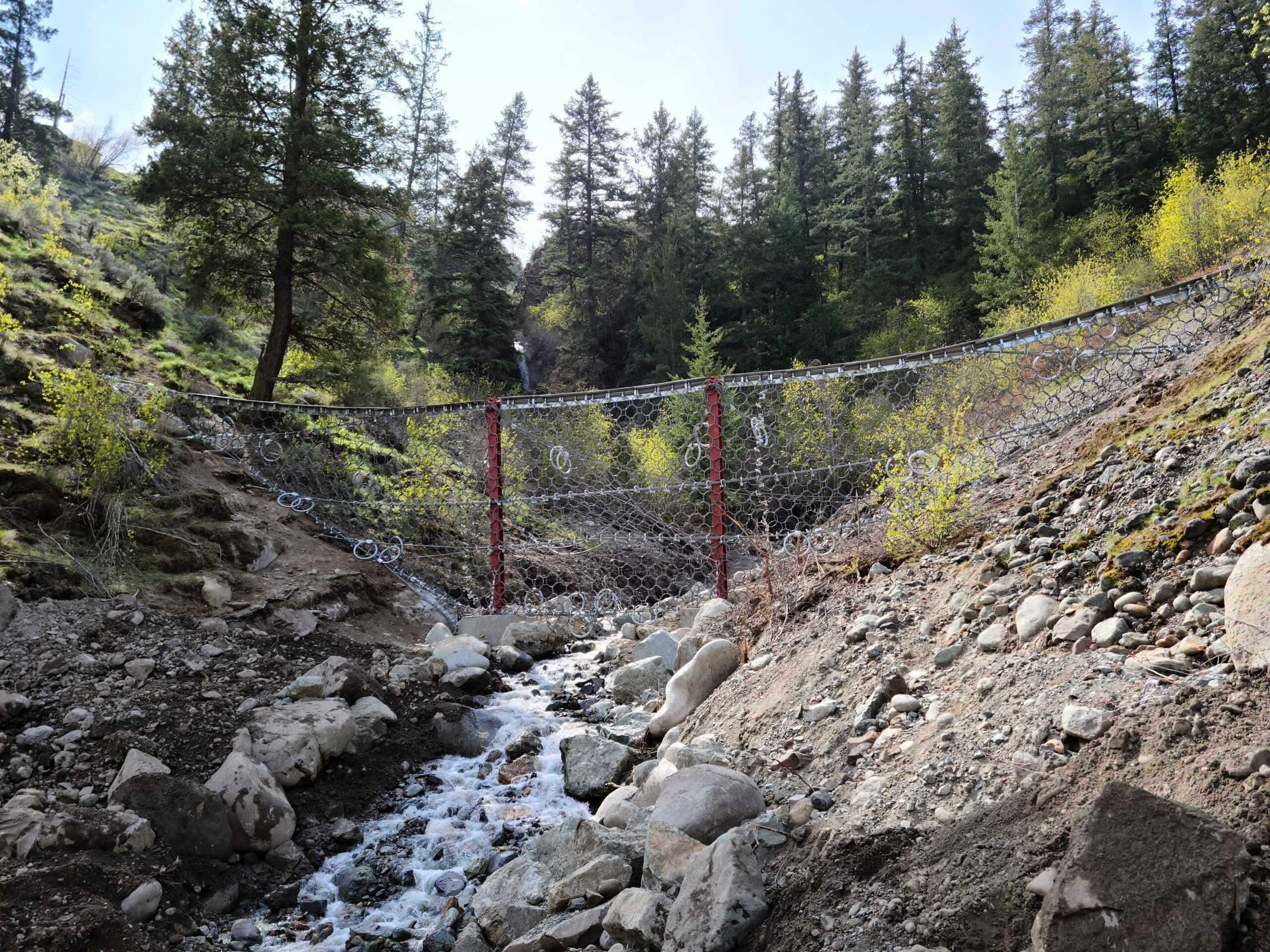
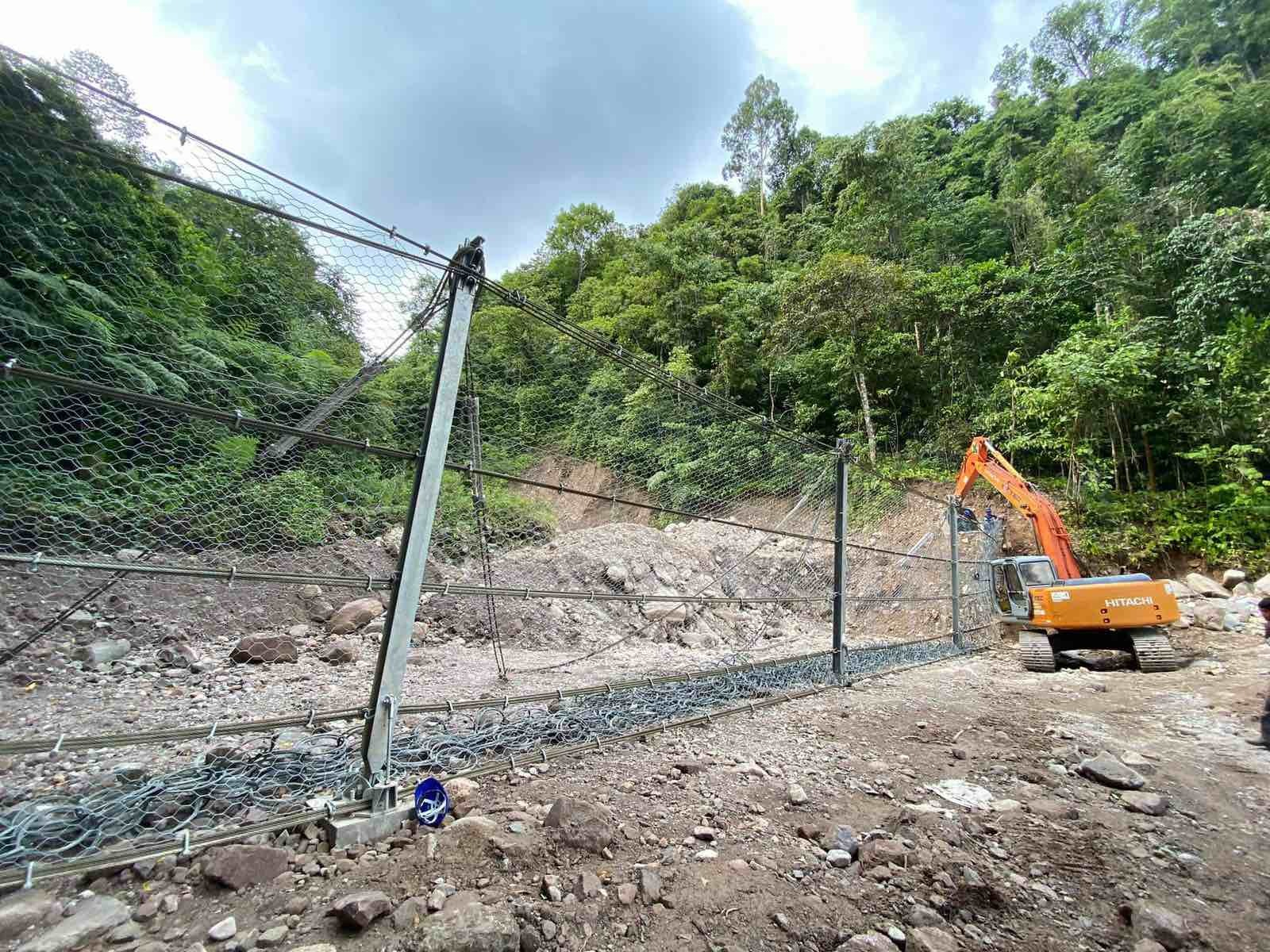
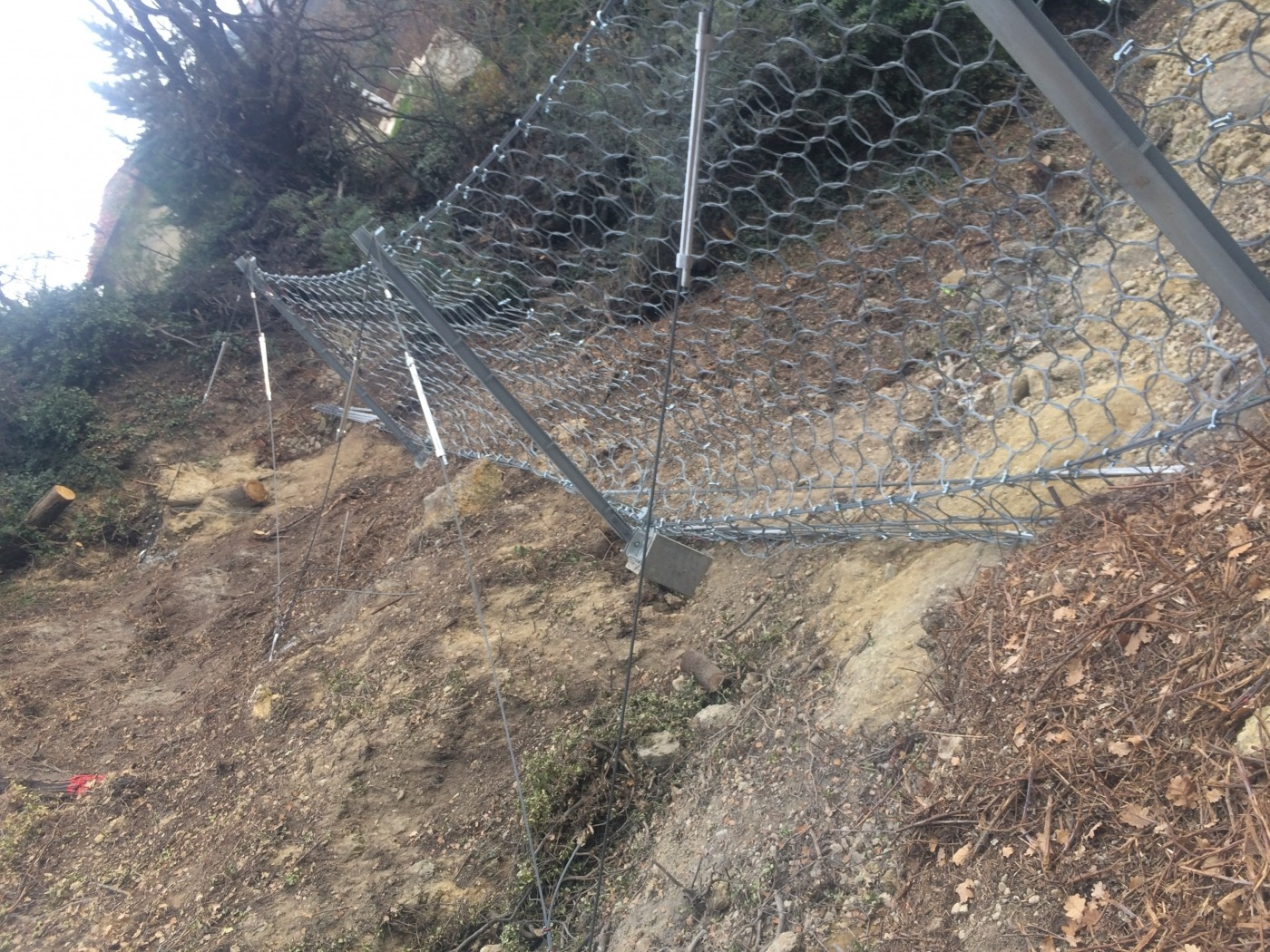
Table 3 – Key Mesh Properties for RXI Ring Nets
| Item | Specification / Description |
|---|---|
| Material | High-tensile steel wire |
| Wire tensile strength | ≈ 1,770 N/mm² (MPa) |
| Wire diameter (ring) | 3.0 mm |
| Ring diameters | 300 mm or 350 mm |
| Mesh opening (ring net) | Approx. 250–300 mm (inner circle diameter) |
| Surface treatment | Hot-dip galvanized or Zn–Al alloy coating |
| Energy capacity | Defined by RXI model (nominal impact energy class, e.g. 250–3,000 kJ) |
| Optional secondary mesh | Chain link or hexagonal mesh |
| Secondary mesh wire diameter | 2–3 mm |
| Secondary mesh opening | About 50 × 50 mm |
| Purpose of secondary mesh | To retain small stones in addition to larger blocks stopped by the ring net |
Table -3 Steel Ring Net Types – Four and Six Contiguous Rings
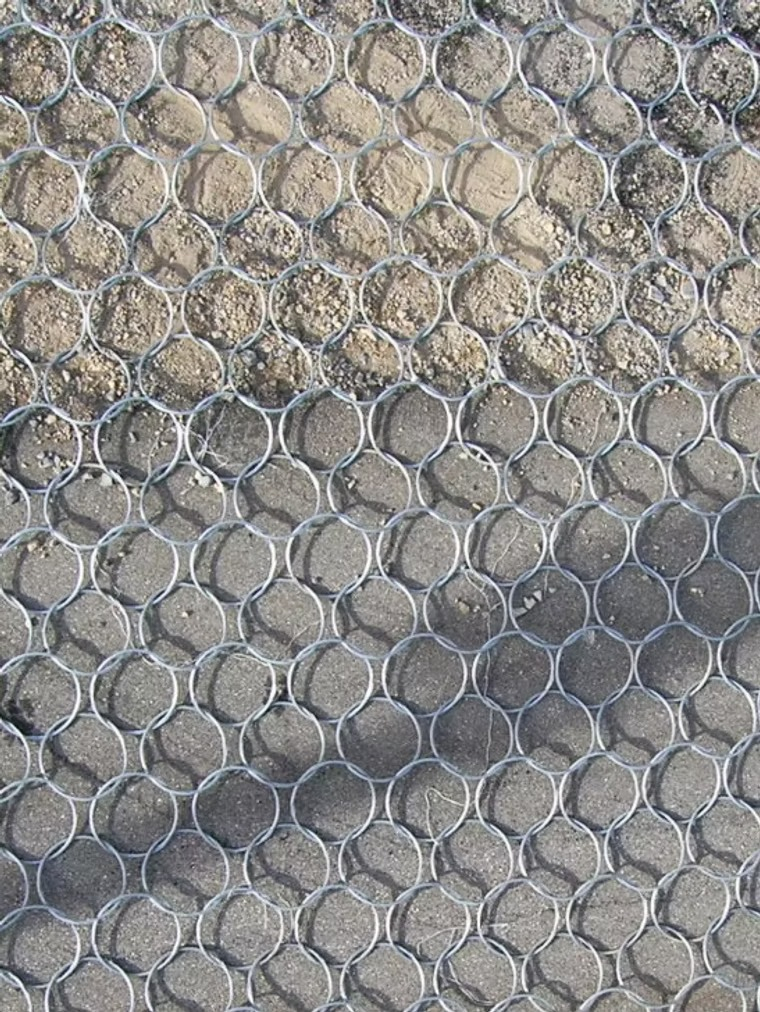
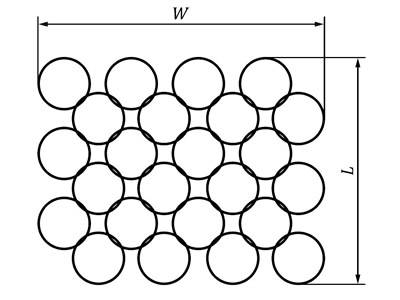 SWRN-01: Four contiguous ring type steel wire ring net. | 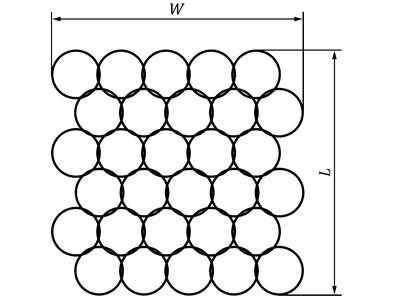 SWRN-02: Six contiguous ring type steel wire ring net. |
Geobrugg ROCCO RXI – FOEN type-approval system
| RXI type | Energy class (kJ) | Post profile | Post length al (m) | Post spacing as (m) | Support ropes – type | Support rope Ø (mm) | Ring net – windings | Ring Ø (mm) | Wire Ø (mm) | Net height hv (m) |
|---|---|---|---|---|---|---|---|---|---|---|
| RXI-025 | 250 | HEB 100 (S235JRG) | 2.46 | 10 | Wire rope | 18 | 7 | 350 | 3 | 2.32 |
| RXI-100 | 1,000 | HEB 160 | 4.24 | 10 | 6×36 W-Seale + SE, DIN 3064 | 20 | 12 | 350 | 3 | 4.18 |
| RXI-150 | 1,500 | HEB 160 | 4.24 | 10 | 6×36 W-Seale + SE, DIN 3064 | 22 | 12 | 350 | 3 | 4.25 |
| RXI-200 | 2,000 | HEB 180 | 5.24 | 10 | 6×36 W-Seale + SE, DIN 3064 | 22 | 16 | 350 | 3 | 5.11 |
| RXI-300 | 3,000 | HEB 200 | 5.10 | 10 | 6×36 W-Seale + SE, DIN 3064 | 22 | 16 | 350 | 3 | 5.10 |
Meaning of symbols:
- al – post length (above foundation, from certificate).
- as – spacing between posts.
- hv – net height in the approval tests (approx. barrier height).
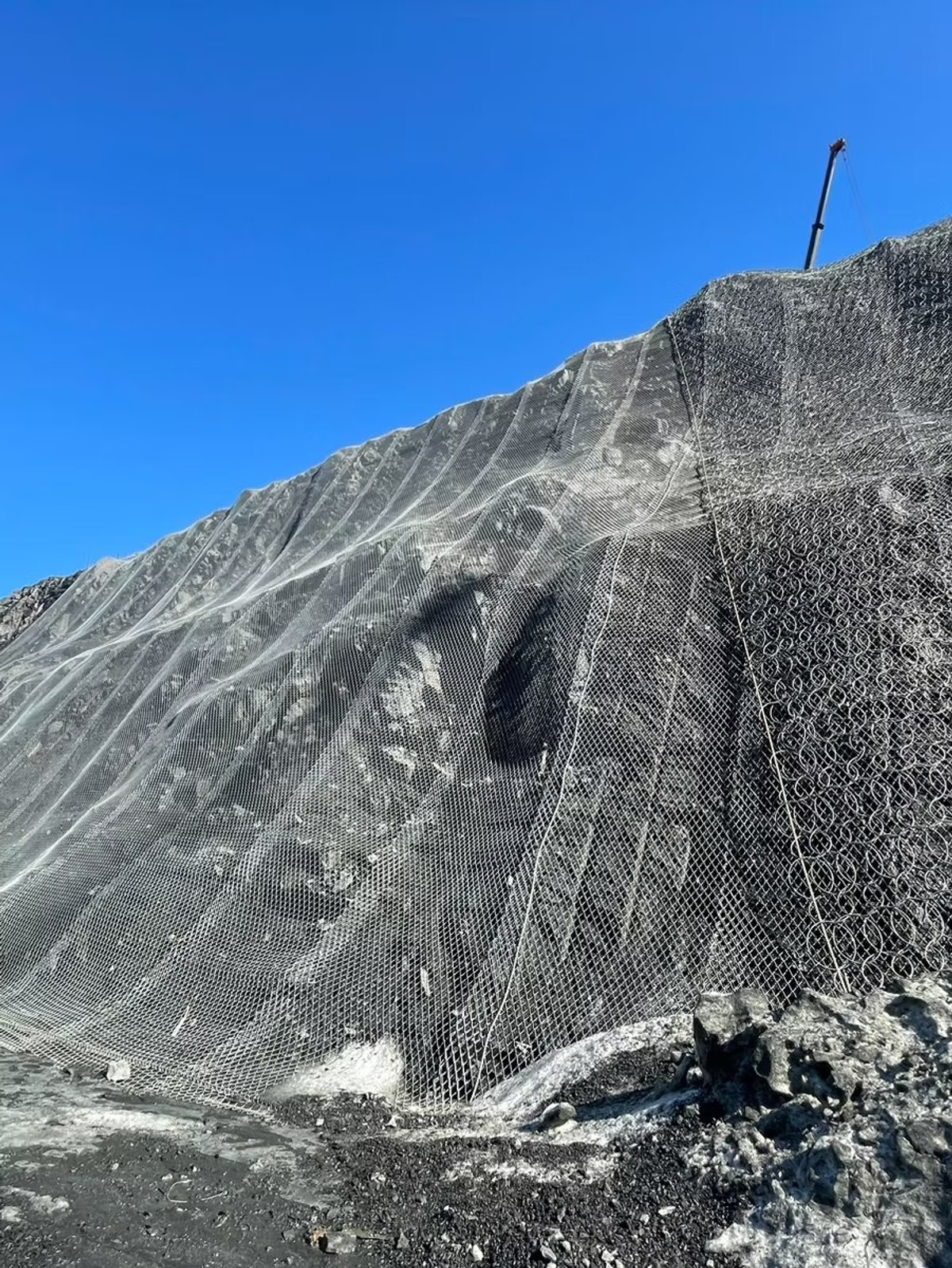
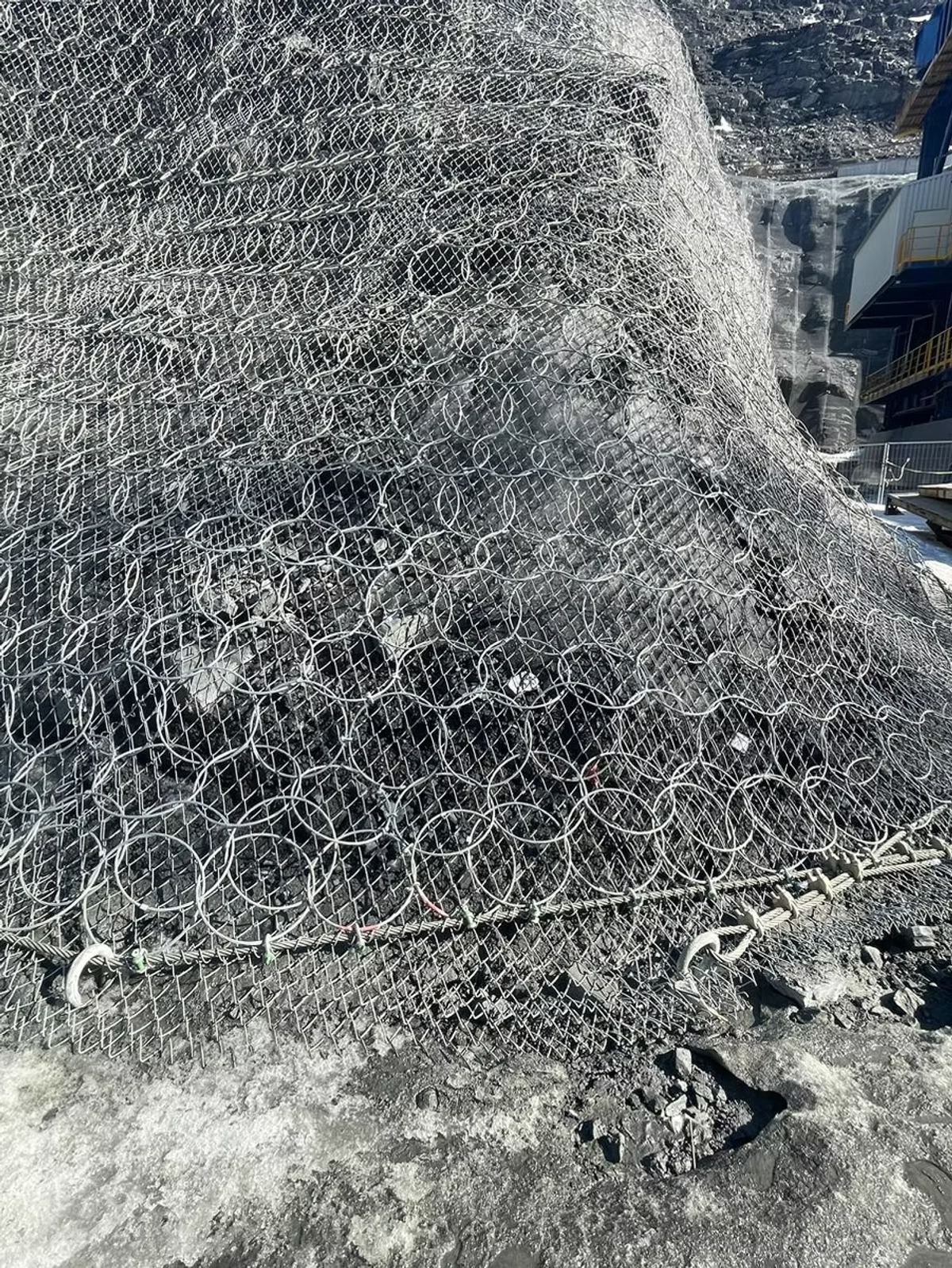
1. 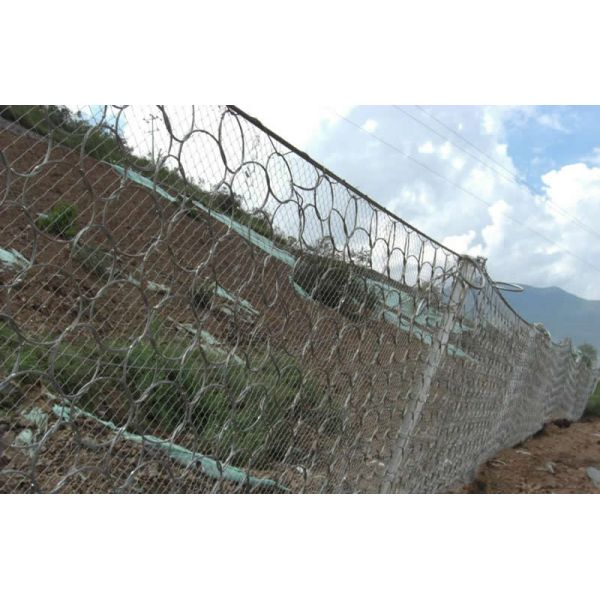 Overall view of high-tensile steel rockfall barrier netting installed on a slope, providing effective protection against falling rocks and debris. | 2. 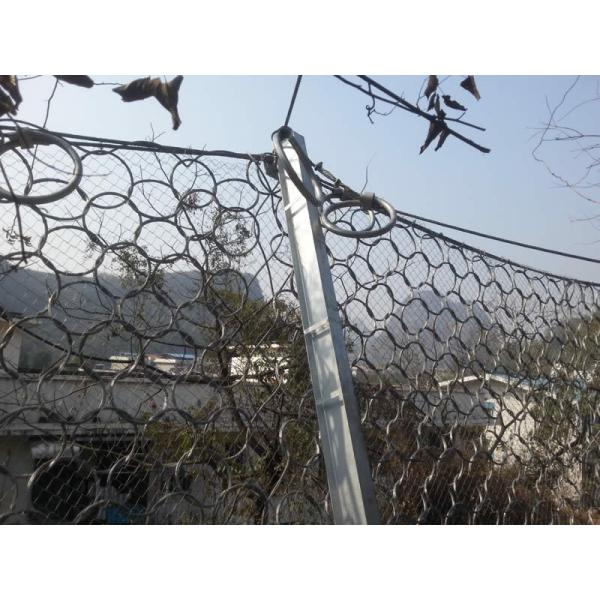 Close-up of the rockfall barrier steel mesh, showing the robust interwoven wires designed to absorb impact energy and contain rockfall. |
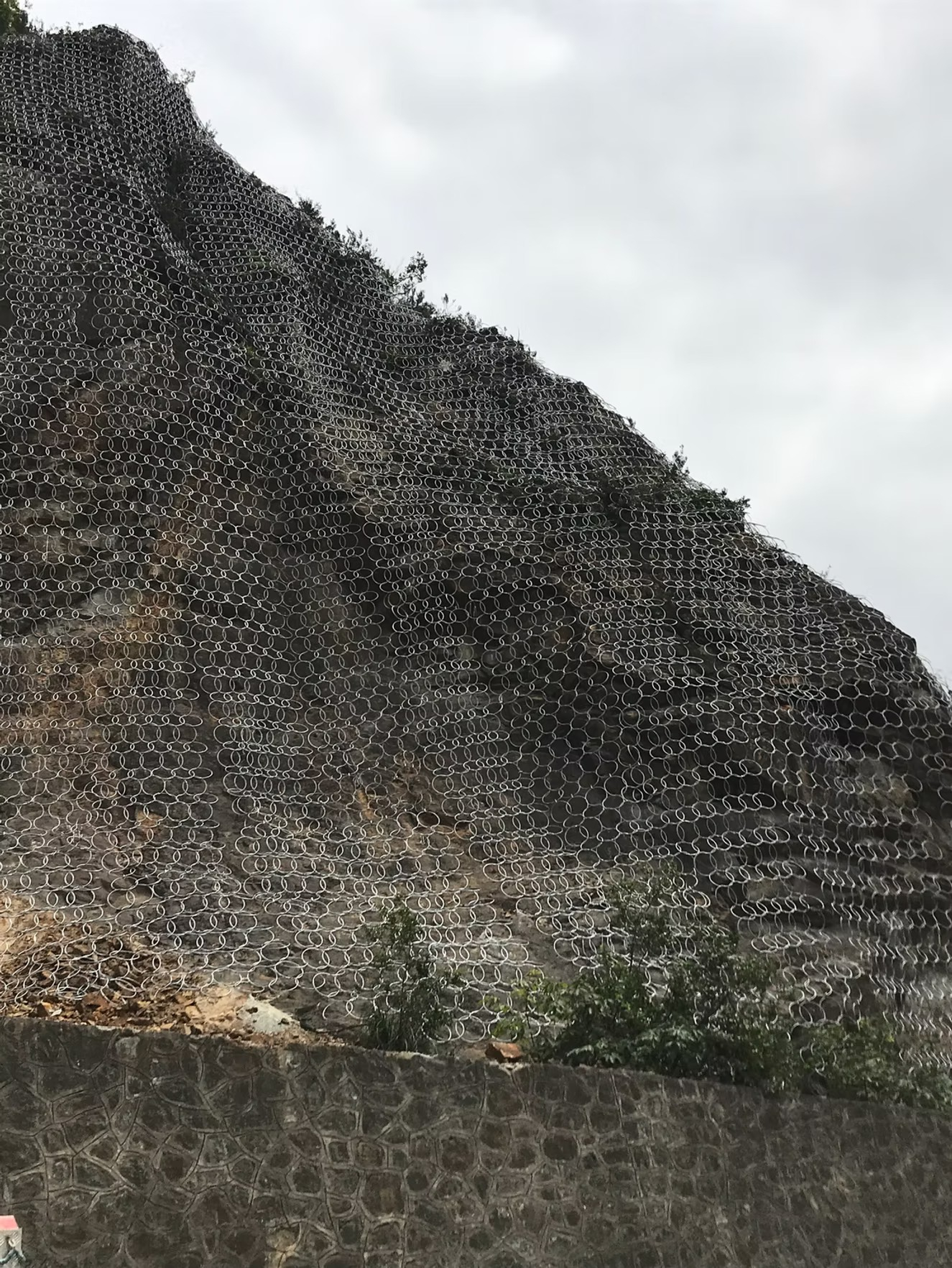
3. 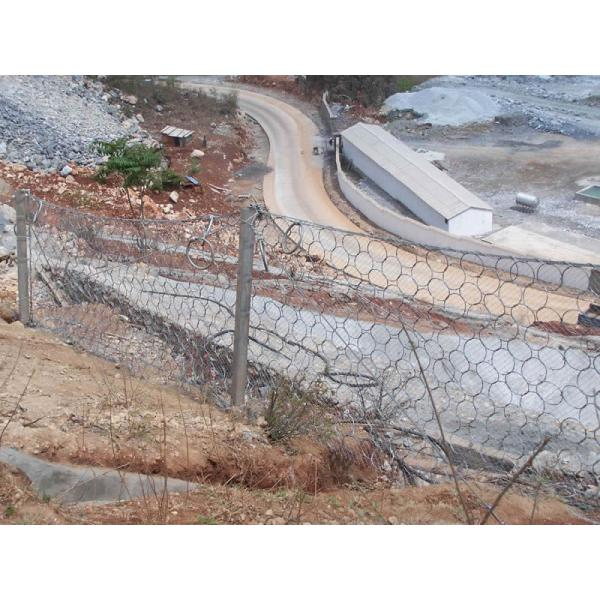 Detail of the connection points between the steel netting and support elements, ensuring a secure and durable rockfall protection system. | 4. 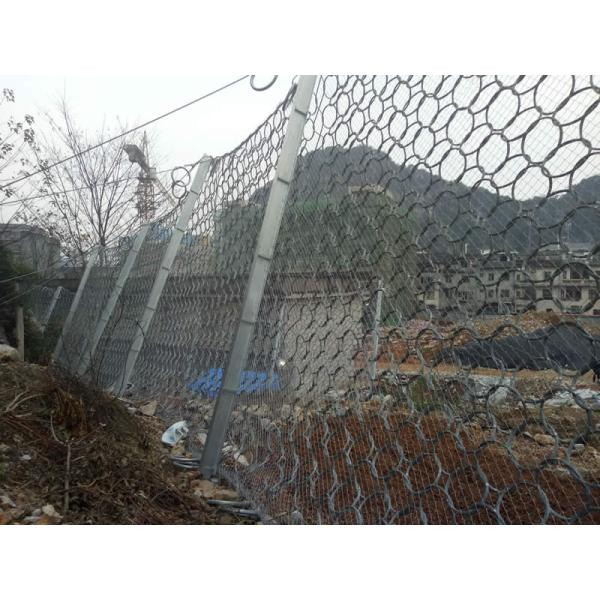 Rockfall barrier steel netting installed along a roadside slope to protect traffic and infrastructure from loose rocks and unstable ground. |
5. 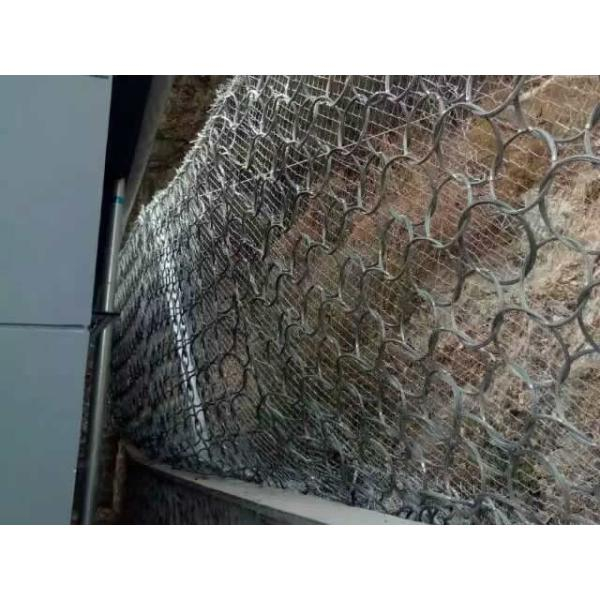 Overlap and lacing of adjacent Steel Ring Nets Rockfall Barriers, providing continuous coverage and eliminating weak spots in the barrier. | 6. 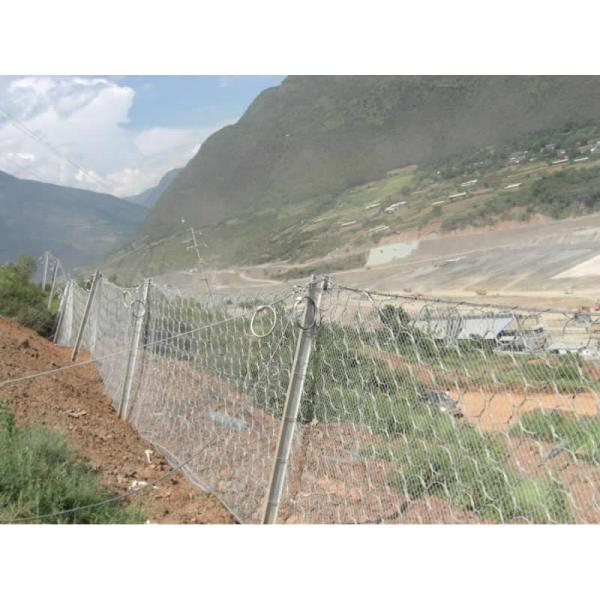 View of the Steel Ring Nets Rockfall Barriers fixed to anchors and support cables, demonstrating the stable and reliable anchoring of the rockfall system. |
7. 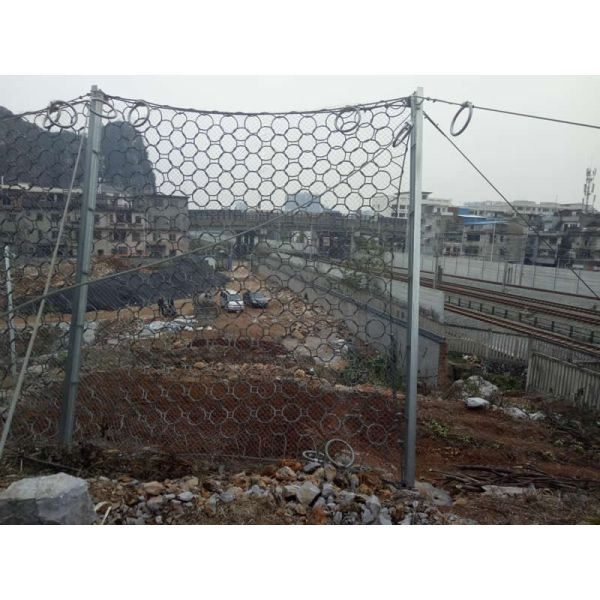 Reinforced edge of the rockfall barrier netting with border ropes, increasing tensile strength and resistance to dynamic loads. | 8. 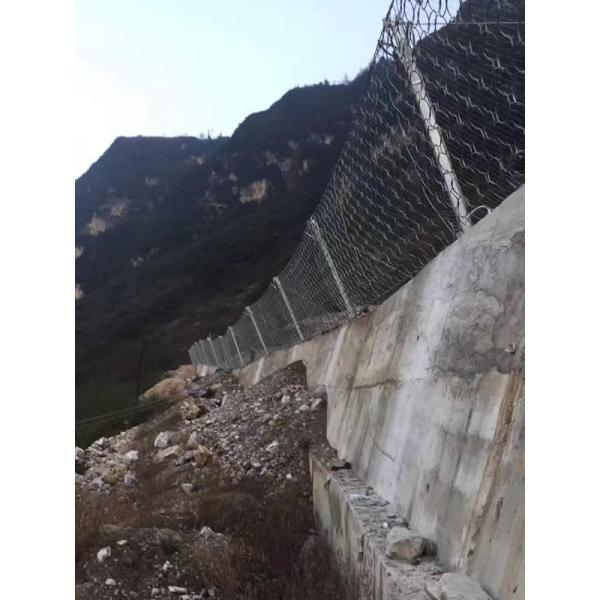 Continuous line of rockfall barriers following the contour of the slope, forming an effective safety barrier over a long distance. |
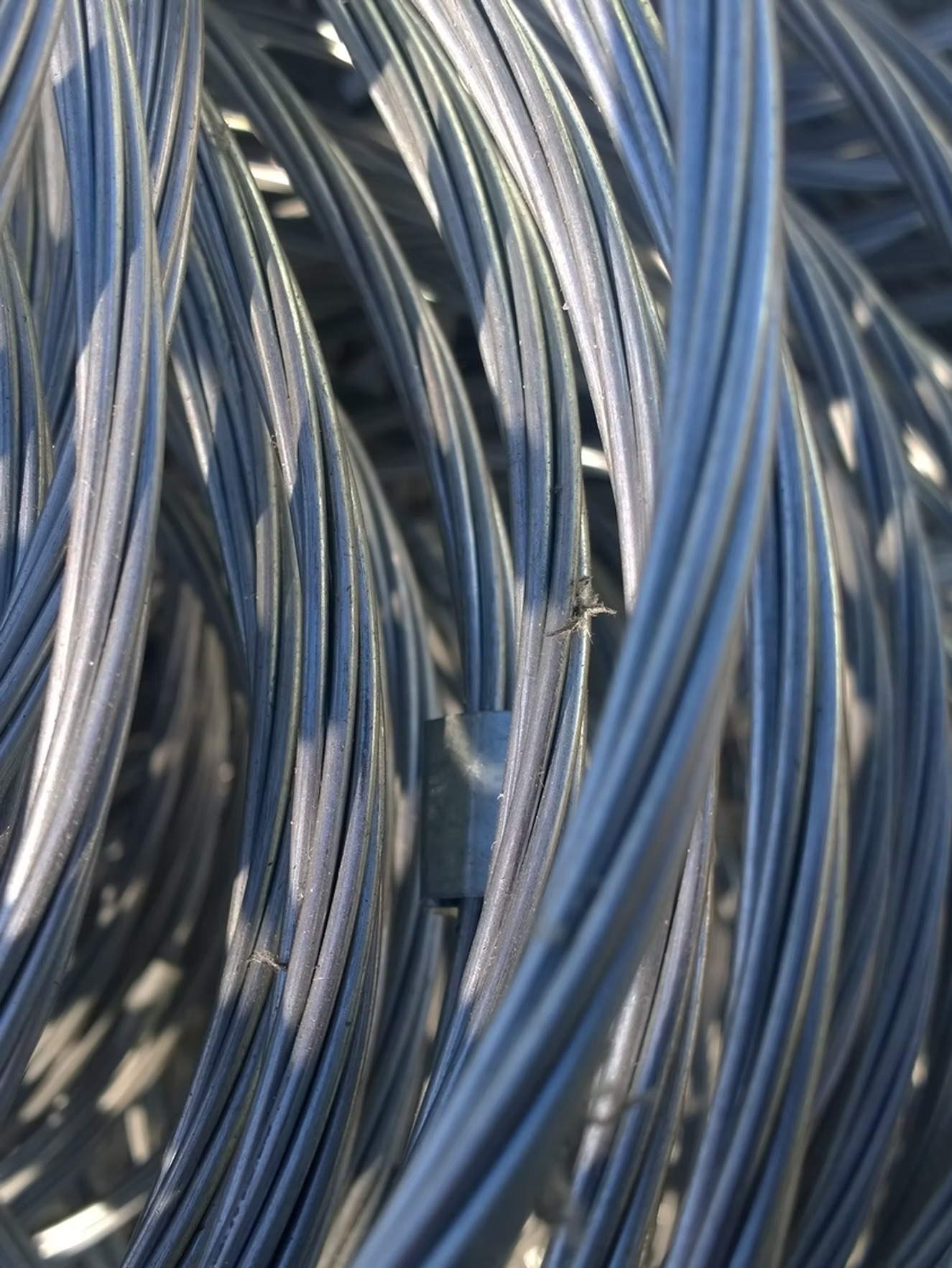
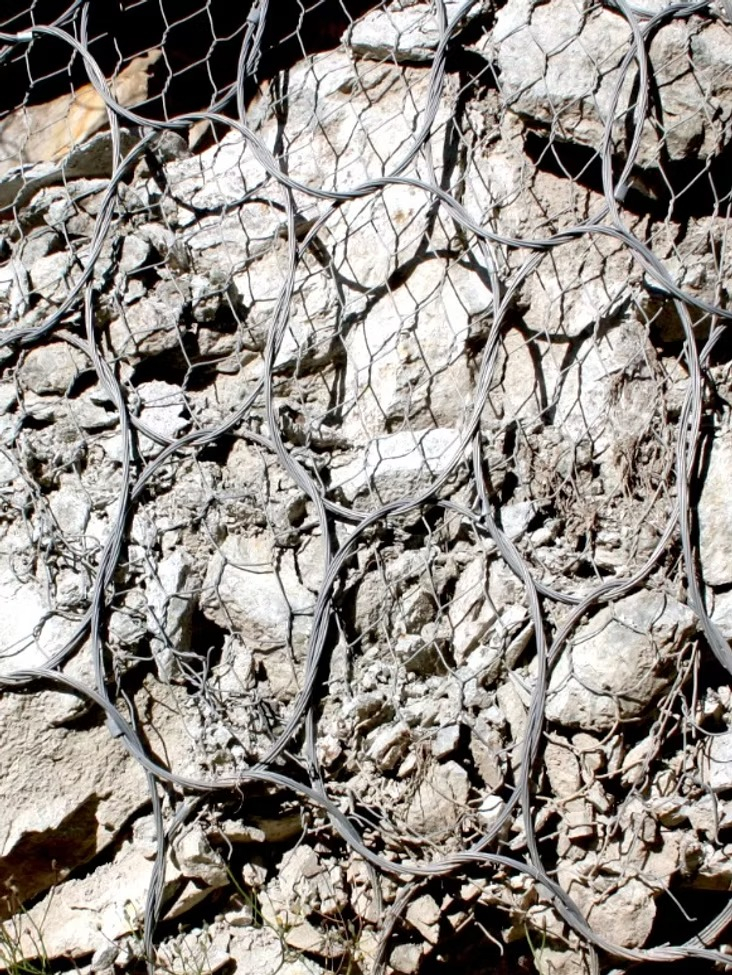
9. 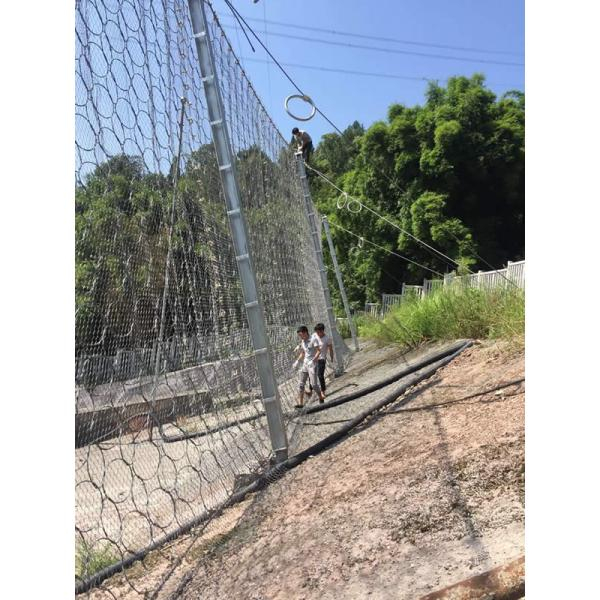 Example of the rockfall barrier system in service, showing how the steel netting retains falling stones and protects the area below. | 10. 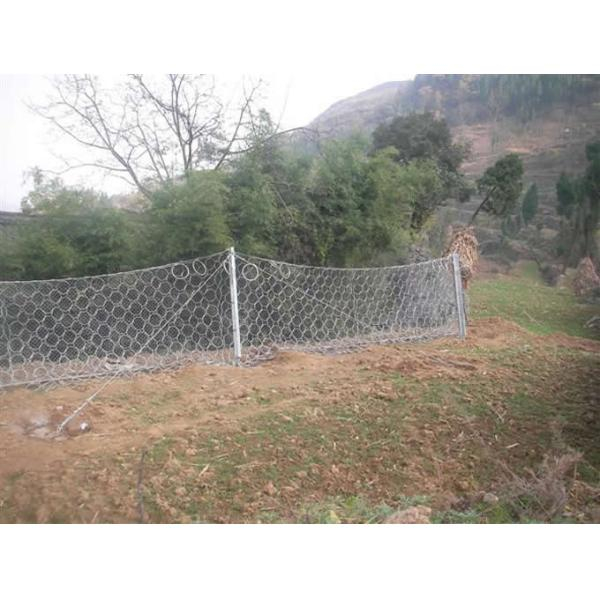 Close view of hot-dip galvanized steel netting, highlighting the corrosion-resistant surface for long service life in harsh environments. |
Component Steel Ring Nets Rockfall Barriers
| No. | Component | Description | Typical Specification | Photo |
|---|---|---|---|---|
| 1 | Steel ring net | Catches falling rocks and debris. | 3 mm high-tensile wire; ring Ø 300 or 350 mm; rings linked to 4–6 neighbours. | 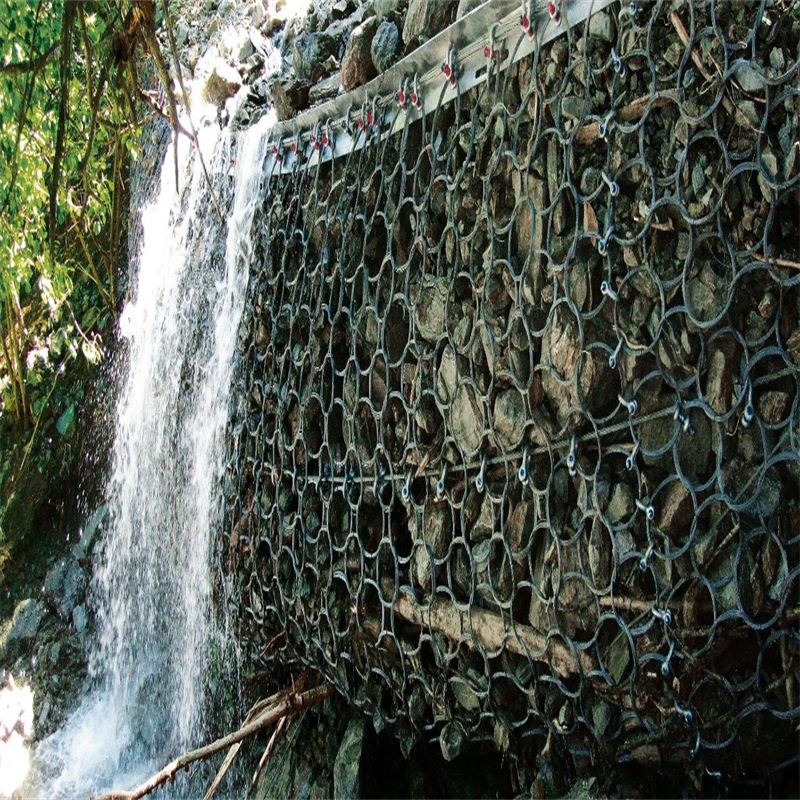 |
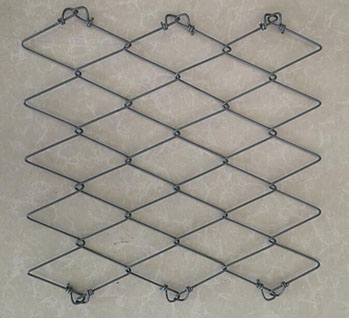
| 2 | Secondary mesh | Stops small stones and soil. | Chain link fencing or hexagonal mesh; 2–3 mm wire; mesh about 50 × 50 mm. | 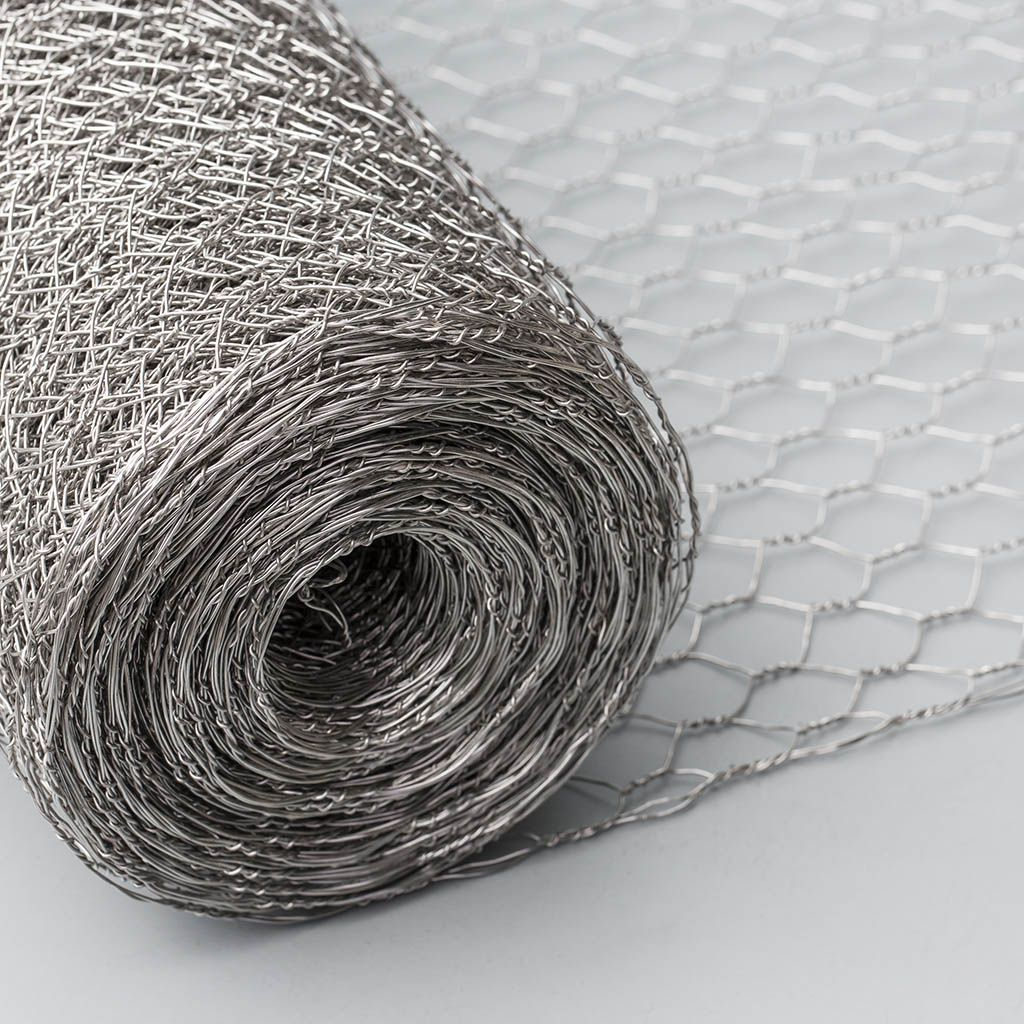 |
| 3 | Support ropes | Hold the net and carry the load. | Steel wire ropes 16–22 mm; upper, lower, side and diagonal ropes. | 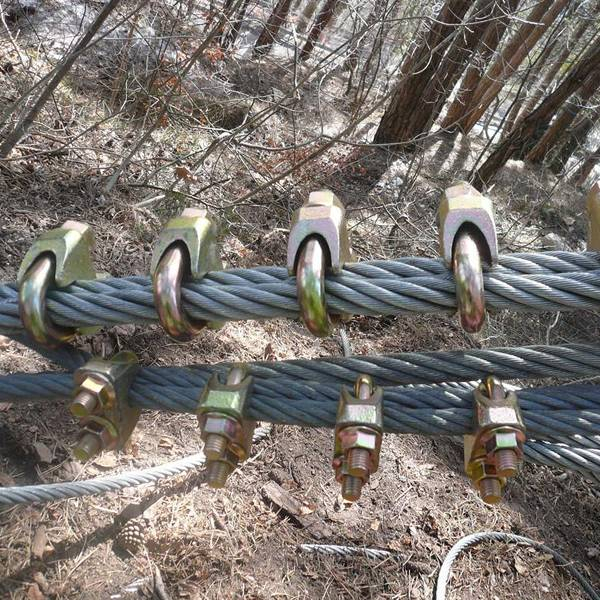 |
| 4 | Brake / decompression rings | Reduce impact force on ropes and posts. | Steel rings on ropes; deform under high load to absorb energy. | 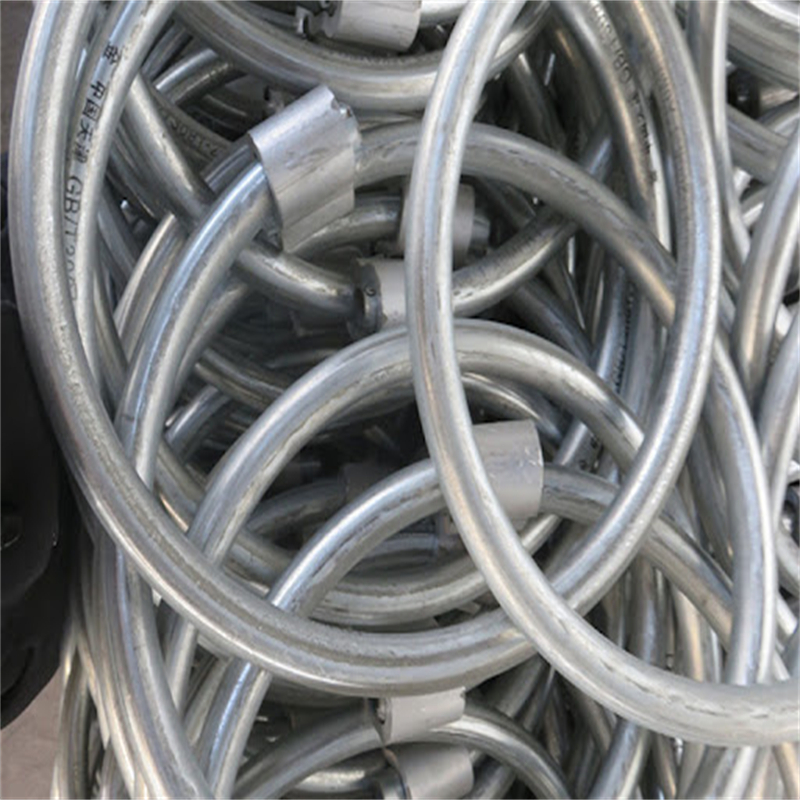 |
| 5 | Steel posts | Support the net and ropes. | H-section steel posts on galvanized base plates; spacing 8–12 m. | 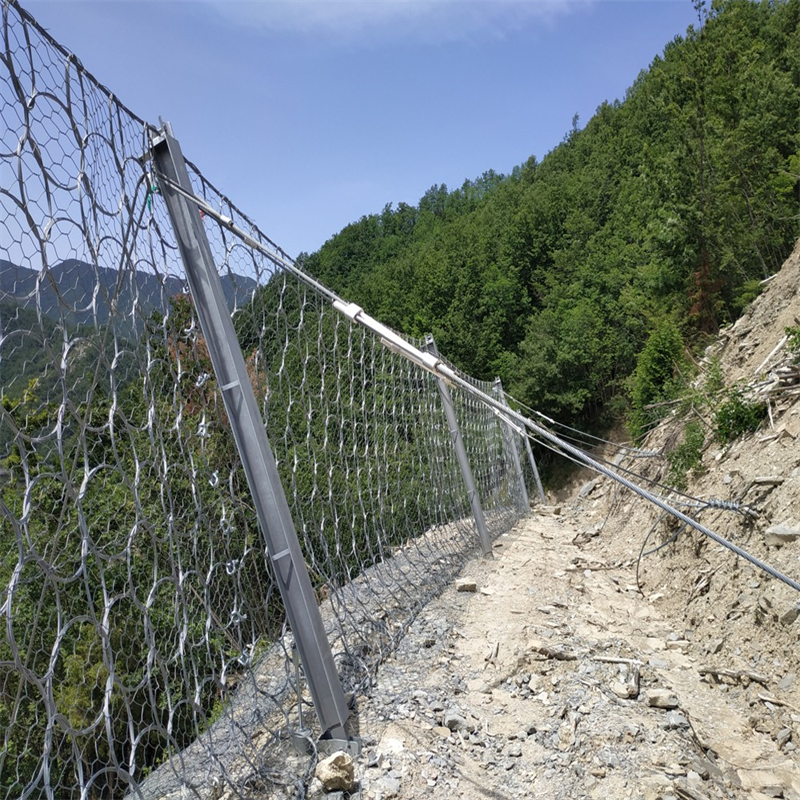 |
| 6 | Anchors and foundations | Fix the system into the ground. | Rock or soil anchors with concrete or steel bases. | 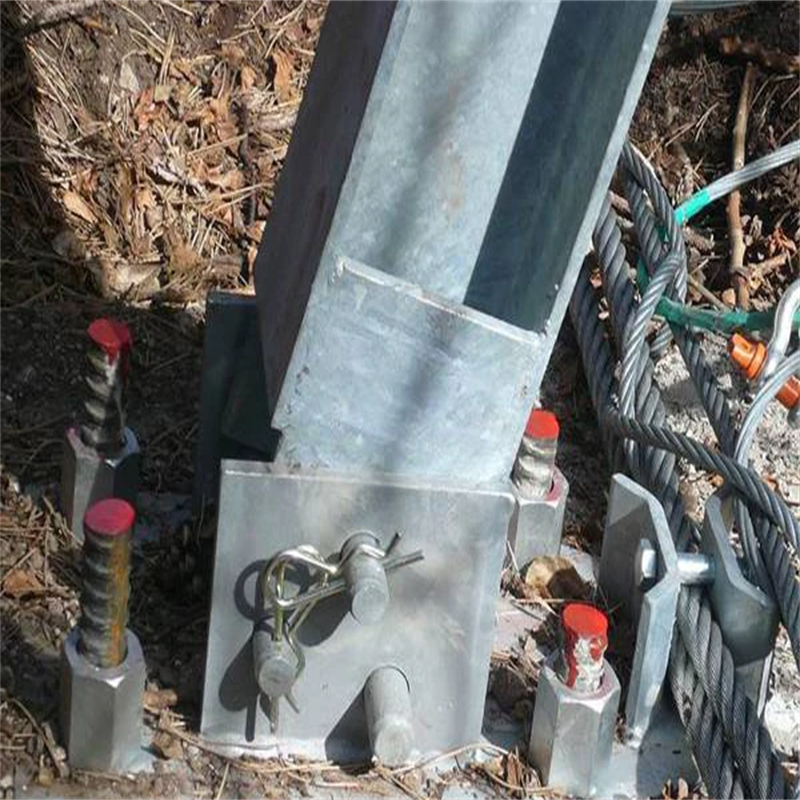 |
- High tensile strength and energy absorption: Manufactured from 3 mm, 1770 MPa steel wire and multi-strand rings, the system safely accommodates high local loads and impact energies of several thousand kJ.
- Excellent flexibility and deformation capacity: The ring nets and brake rings deform under impact rather than fail, significantly reducing peak forces transferred to posts and anchors.
- Modular and easily adaptable: Barrier height, length, and configuration (post spacing, number of support ropes, etc.) can be tailored to site conditions and required energy levels (RXI-025 to RXI-300).
- Corrosion resistance and long service life: Hot-dip galvanizing or Zn–Al coatings, combined with stainless or galvanized components, provide robust protection and durability in harsh environments.
- Simple installation, inspection, and repair: Systems are installed top-down with a limited number of anchor points; individual rings, mesh panels, or ropes can be replaced without dismantling the entire barrier.
- Versatile combinations: Can be combined with chain link or hexagonal mesh to effectively control both large rock blocks and smaller fragments.
Typical Applications
Steel Ring Nets Rockfall barriers are widely used for:
Road and highway protection at the toe of cut slopes or natural cliffs.
Railway corridors in mountainous regions.
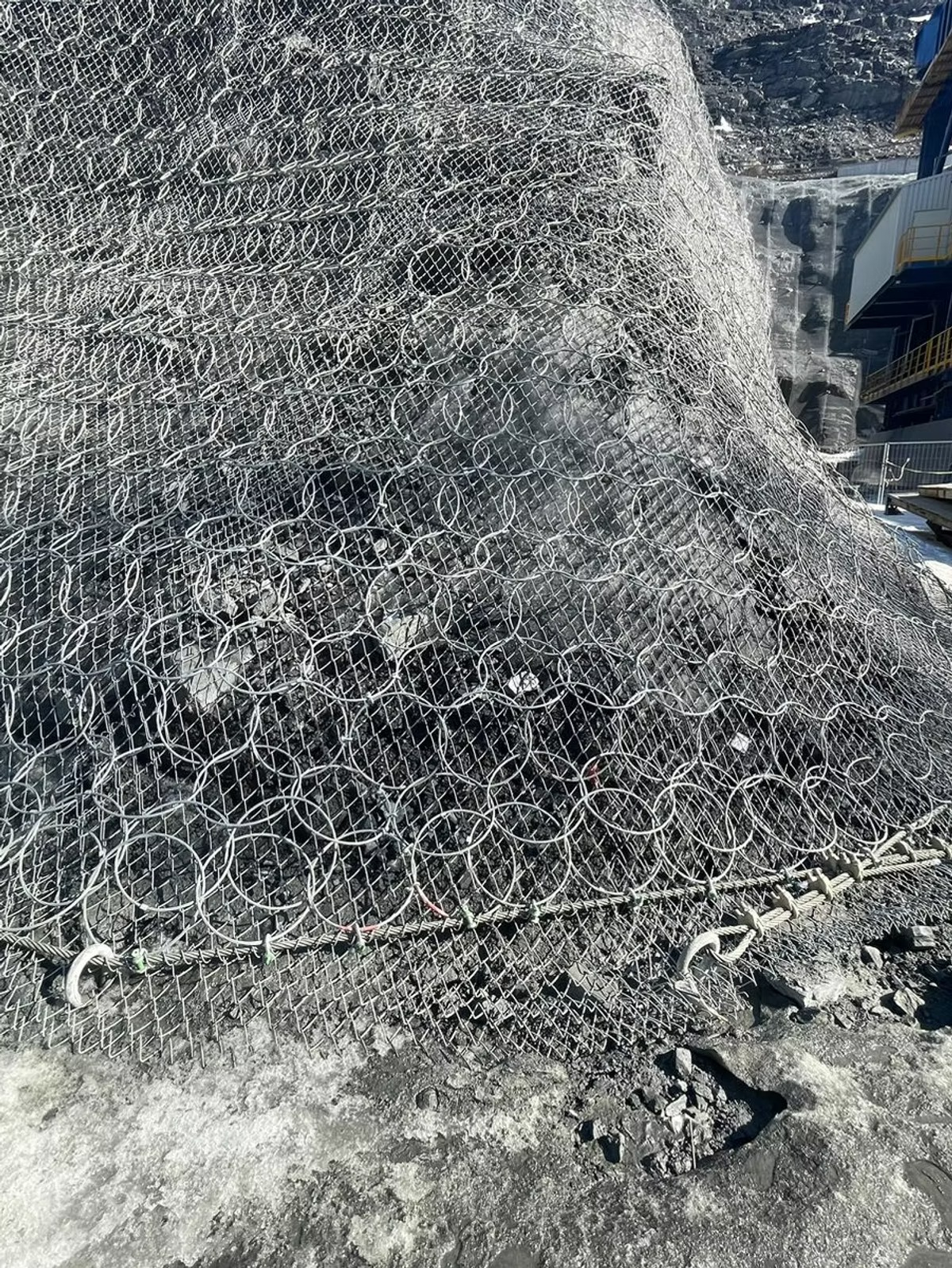
Quarries and open-pit mines, to protect haul roads and infrastructure.
Urban slopes above residential or industrial areas.
Avalanche and debris-prone valleys, often combined with other slope stabilization measures.
Installed correctly, Steel Ring Nets Rockfall Barriers and Debris Flow Barriers act as passive protection systems: they do not prevent rocks or debris from detaching, but they catch and retain the moving material within a defined impact zone.
Summary
Steel Ring Nets Rockfall barriers combine high-tensile ring meshes, support ropes, brake rings, posts and anchors into a flexible, high-energy protection system for steep slopes. RXI-type systems, using 3 mm wire rings of 300–350 mm and designed energy classes from 250 to 3,000 kJ, have become a standard solution worldwide for protecting roads, railways and other infrastructure