Your One-Stop Wire Mesh Fence Supplier | POLYMETAL
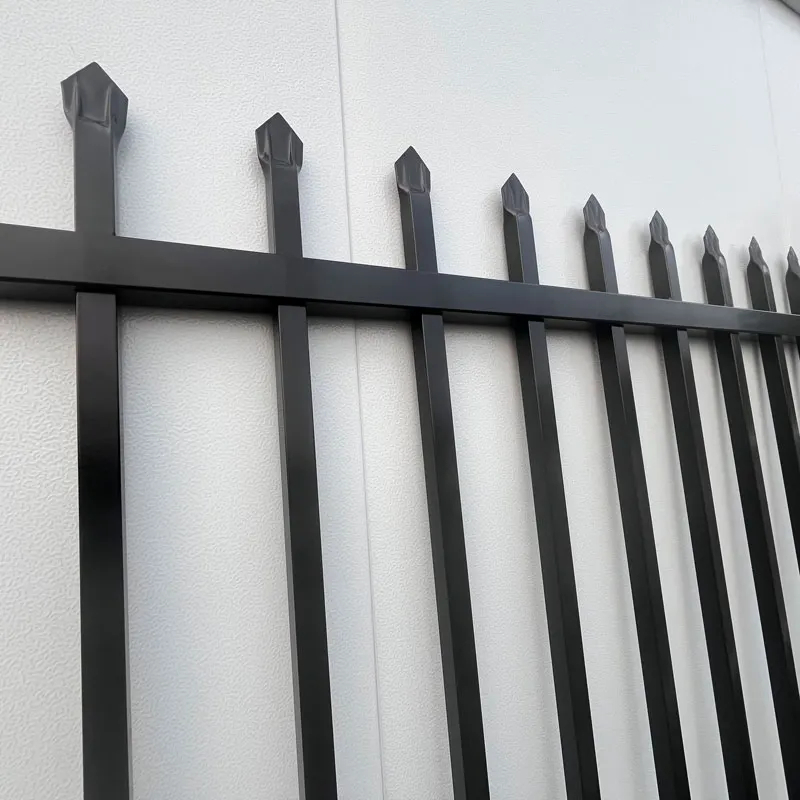
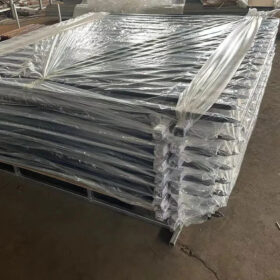
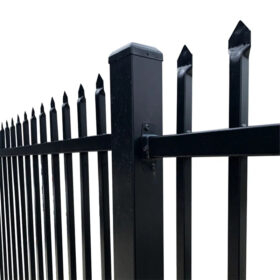
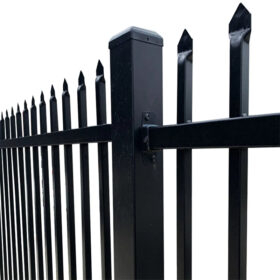
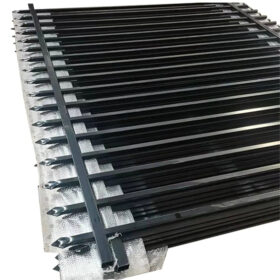
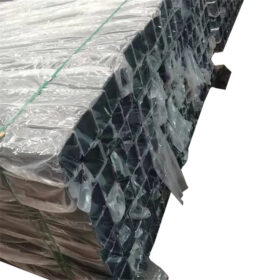
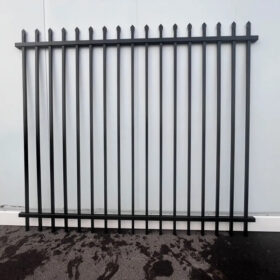
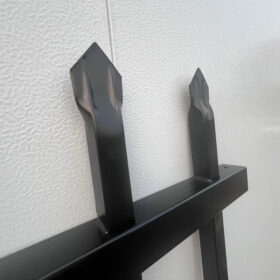
Steel security fence are chosen when you want a clean, strong boundary that stays straight, looks professional, and handles daily knocks better than lighter fencing types. The danger is that many tubular panels look identical at first glance, but the wrong combination of rail size, upright thickness, post section, and wall thickness can turn a “solid fence” into a rattling, leaning line that needs constant tightening and early replacement.
What “Steel security fence” Really Mean
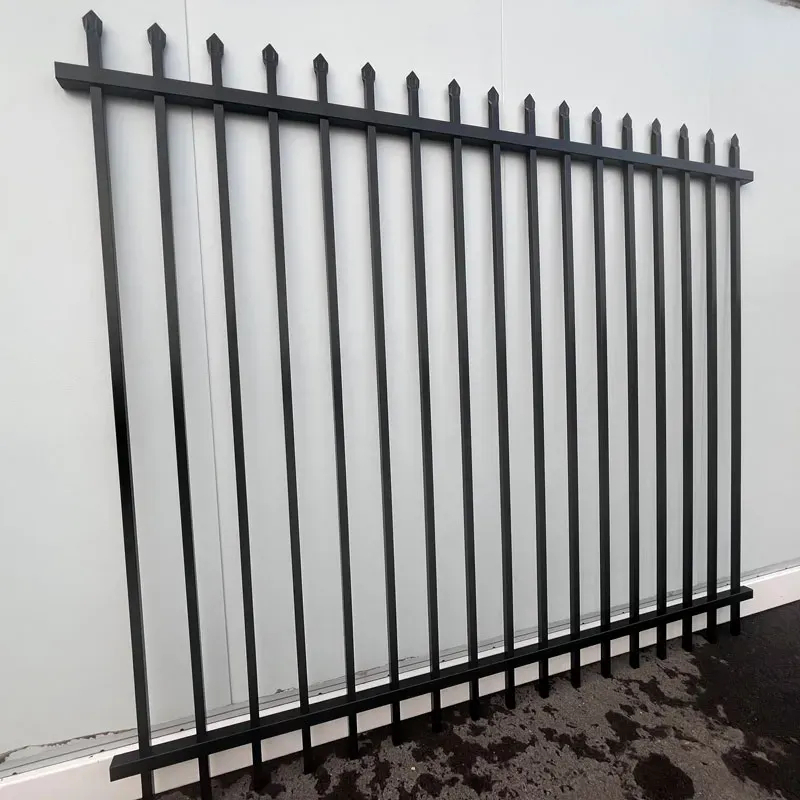
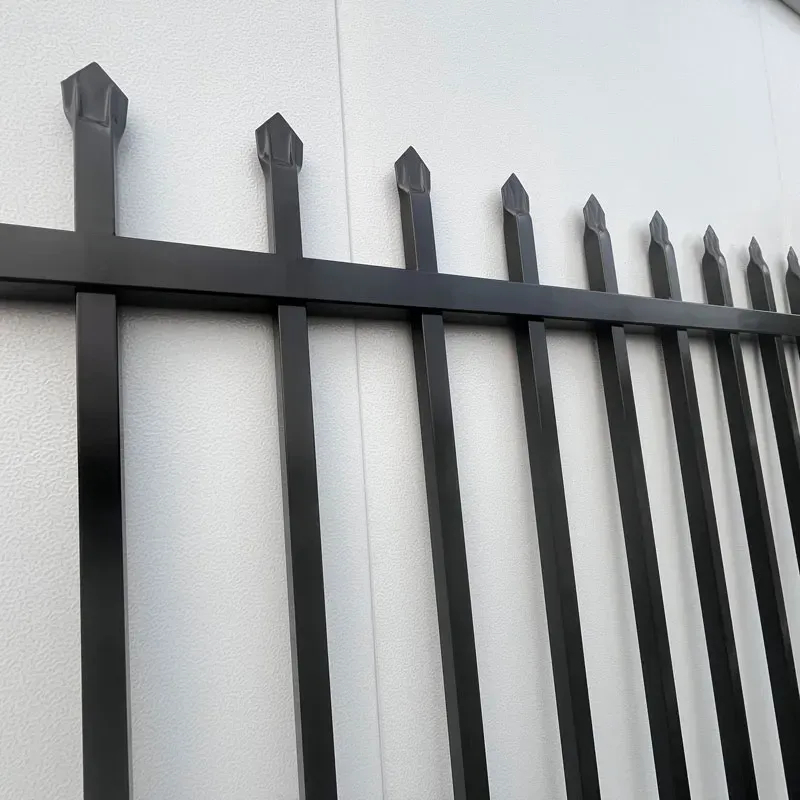
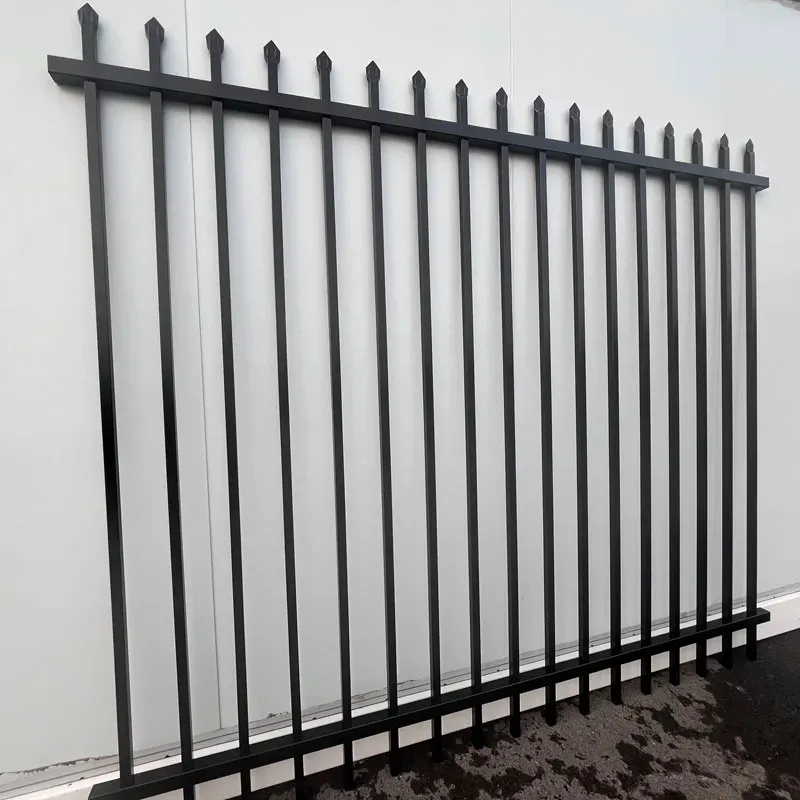
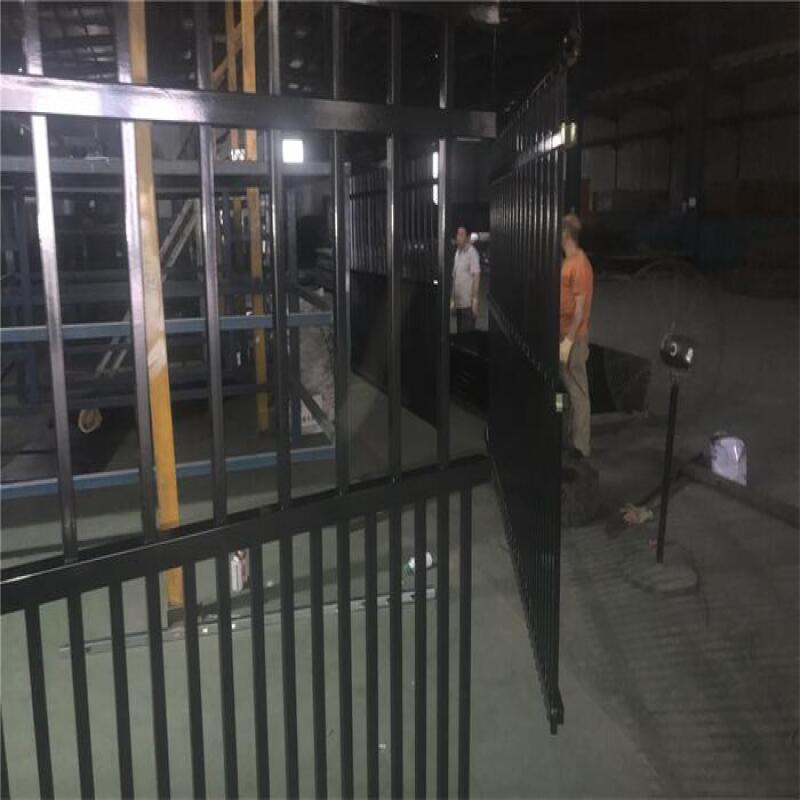
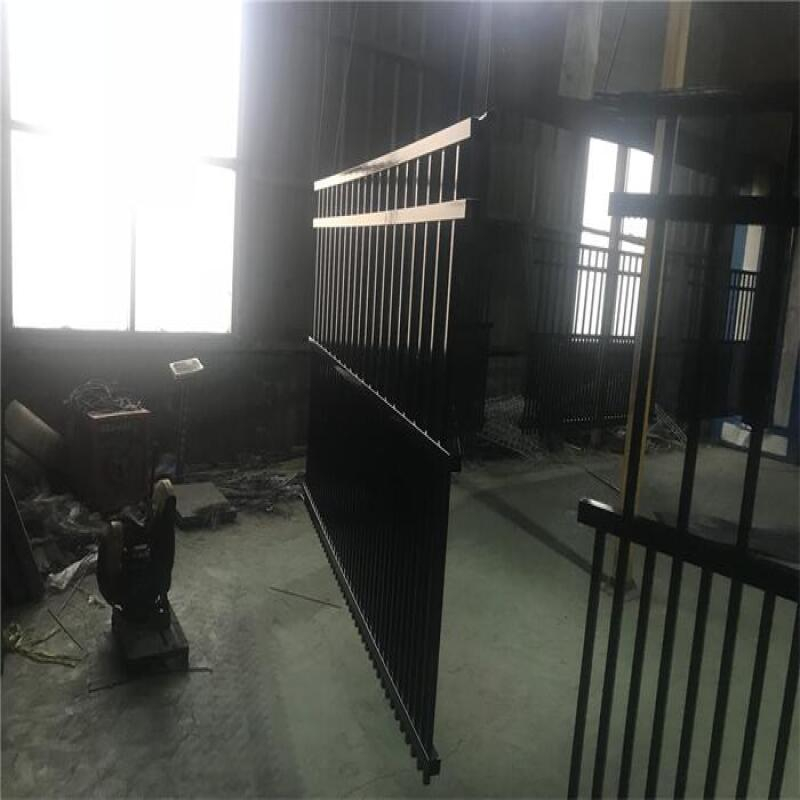
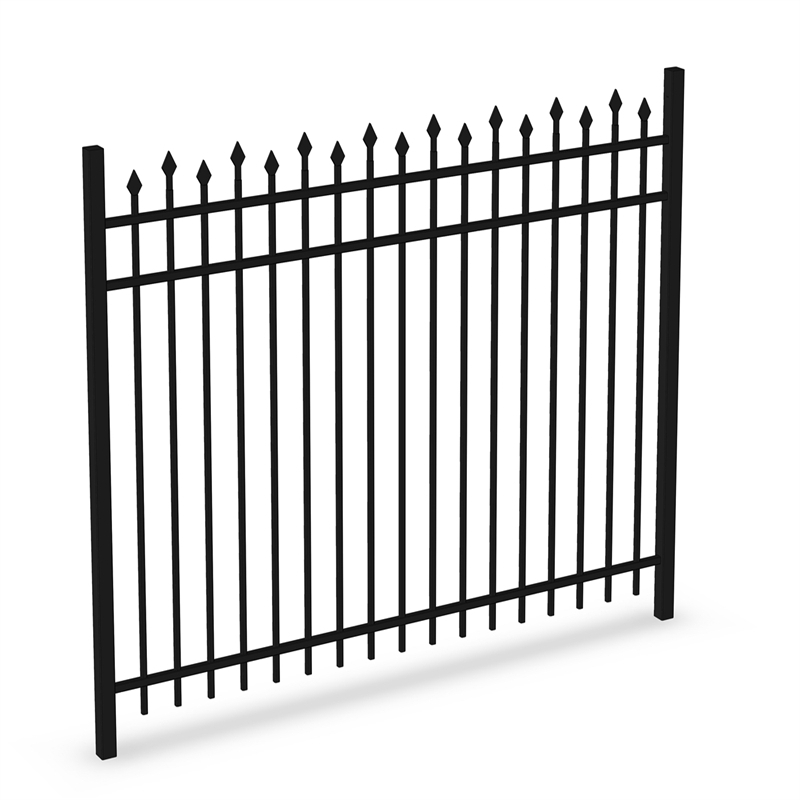
A tubular steel fence panel is a framed system made from steel rails (top/bottom and sometimes mid-rails) with multiple vertical uprights welded or assembled inside the frame. Strength comes from the system balance: rails resist bending, uprights resist impact and deformation, and posts hold the line and absorb wind and crowd forces. When one part is under-specified—especially posts—the whole fence behaves like a lever.
Product Description
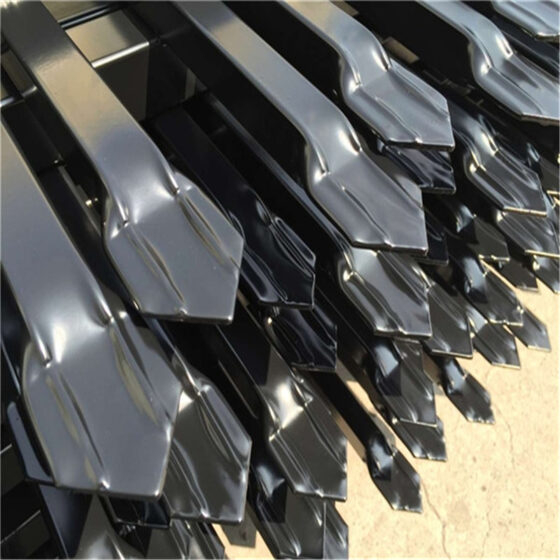
POLYMETAL Steel security fence are engineered as modular steel barrier panels built from square steel rail frames with closely spaced vertical uprights to form a rigid, consistent boundary line. The panel structure is designed to resist bending and maintain alignment under wind loads, foot traffic vibration, and repeated contact, while the upright spacing and upright count create a uniform visual rhythm that supports both security and architectural appeal. By offering multiple rail frame sizes, upright tube options, thickness ranges, and heavy-duty post sections with controlled wall thickness, POLYMETAL allows projects to match panel height, width, and structural stiffness to real site conditions instead of buying “one-size-fits-all” panels that loosen and deform over time—and many installers cross-check practical fixing and layout methods against established local guidance such as Garrison Fencing Details to keep post spacing, alignment, and connections consistent across the whole run.
Structure and System Logic: Why “Wobble” Becomes “Rust”
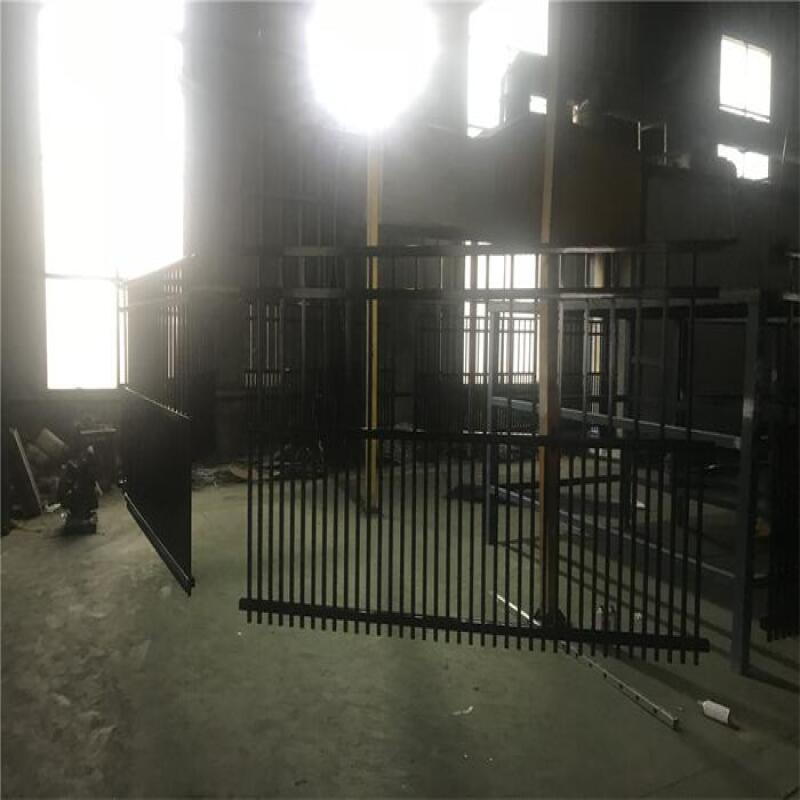
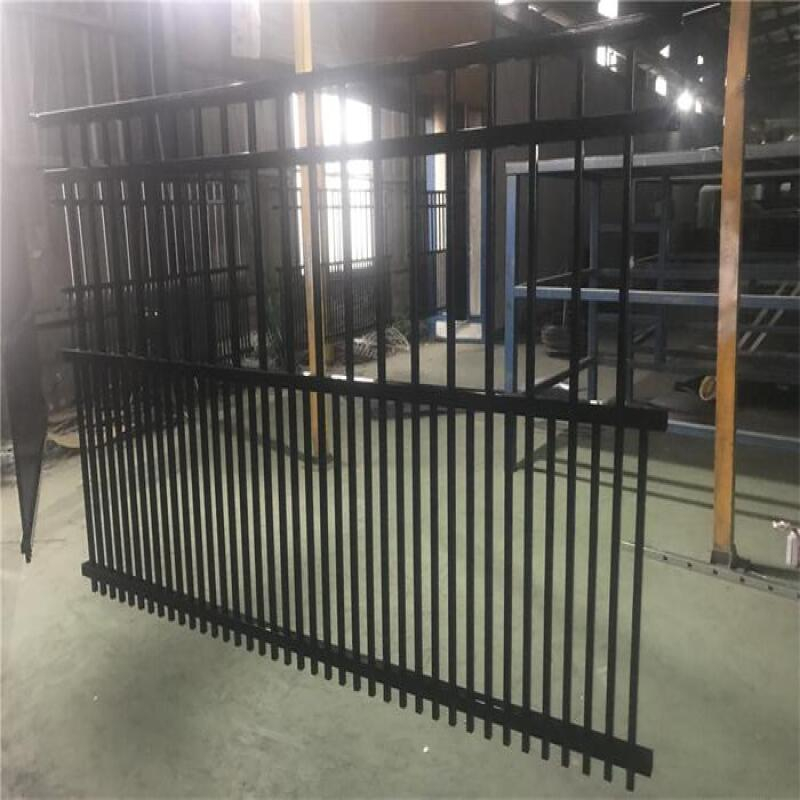
Most tubular fences don’t fail in one dramatic moment. The failure chain starts with movement: a slightly light post or thin-wall rail allows micro-flex, micro-flex becomes rattle, rattle damages coating at contact points, and coating breaks invite corrosion. Once corrosion begins around welds and joints, the fence loses both appearance and strength—then the line starts to sag and the “whole street” of panels looks uneven.
Top 15 Traps You Don’t Know About Steel security fence (Especially #12)
Trap #1: Buying by “height” only and ignoring rail frame size
Tall panels need stronger rails. A 2400 mm panel with a light rail frame is a bending problem waiting to happen.
Trap #2: Choosing upright thickness for looks instead of durability
Thin uprights dent easily, especially in public-facing or high-traffic areas where impacts are normal.
Trap #3: Treating posts as an afterthought
Posts control the fence line. If posts flex, panels will always look misaligned no matter how good the panel is.
Trap #4: Forgetting the rail thickness is a real structural upgrade
A thicker rail wall is often the cheapest way to reduce long-run bending and vibration.
Trap #5: Assuming “100 mm spacing” automatically means “strong”
Spacing controls gaps, but strength comes from upright size, upright wall thickness, weld quality, and rail stiffness.
Trap #6: Using mixed specs on one straight run
If some bays are stiff and others are soft, the soft bays become the first bays to lean and deform, making the whole line look wrong.
Trap #7: Underestimating corner and end bays
Corners multiply force. If your corner posts aren’t upgraded, the fence line slowly migrates and opens gaps.
Trap #8: Not controlling upright count vs panel width
If your panel width changes and the upright count doesn’t match the spacing logic, the fence looks inconsistent and can create weak zones.
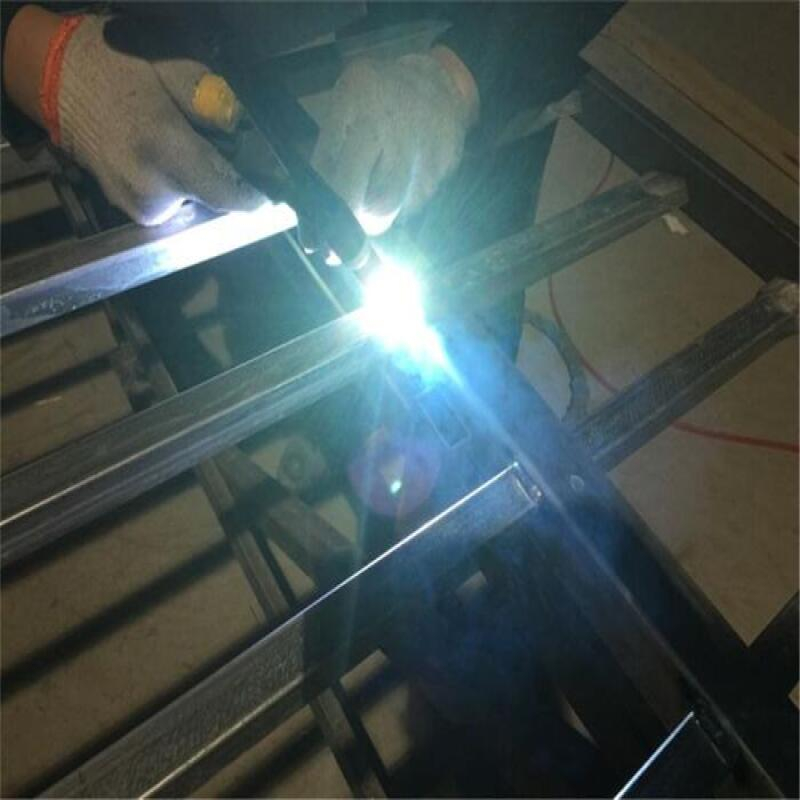
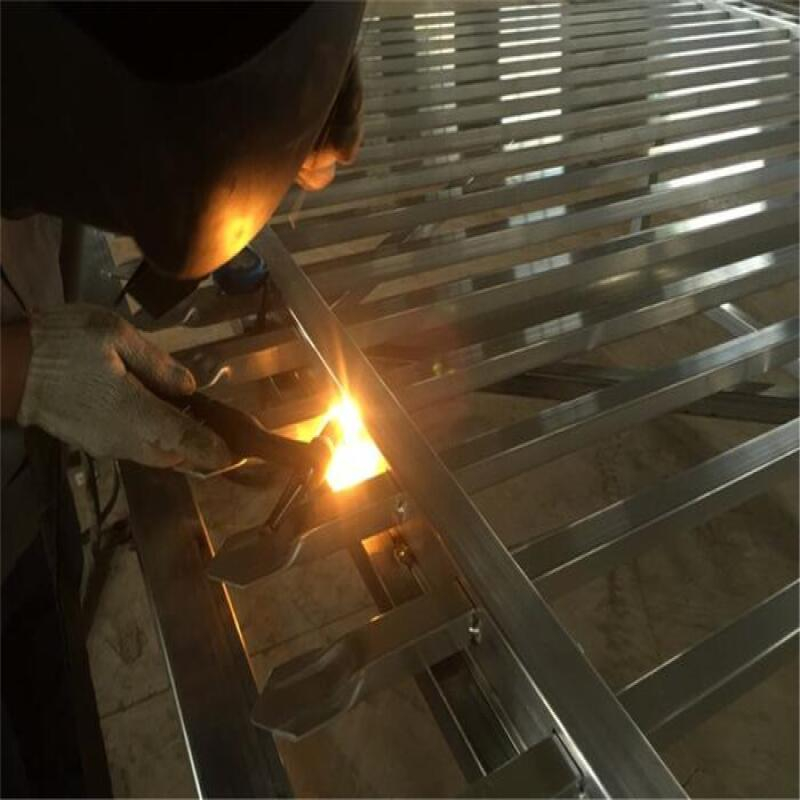
Trap #9: Ignoring weld consistency on uprights
Bad welds don’t always show at delivery. They show after impacts, when an upright starts rattling loose.
Trap #10: Choosing the wrong post section for tall panels
A tall panel paired with a small post becomes a lever. The post twists, the bay leans, and “one bad bay” becomes many.
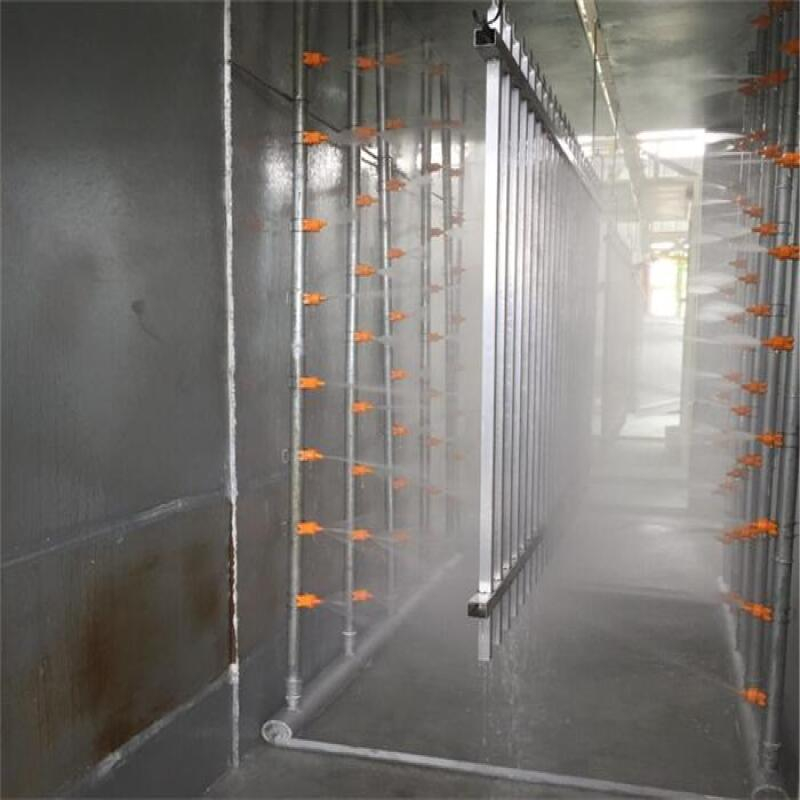
Trap #11: Skipping coating system alignment with environment
A coastal or high-moisture site needs stronger corrosion planning than a dry inland boundary.
Trap #12: Installing posts that aren’t truly “600 mm taller” in real ground (the money-loss trap)
On paper, the post height looks right. On site, shallow embed or poor footing turns the post into a hinge. The fence starts wobbling, wobble cracks coatings at joints, cracks invite rust, and rust forces you into panel resets, post replacements, and rework that can cost more than upgrading the post spec from day one.
Trap #13: Not matching fasteners and repairs to galvanizing practice
If repairs and touch-ups don’t align with galvanizing requirements, the “fixed” area becomes the first rust spot.
Trap #14: Using ultra-heavy rails with light uprights (unbalanced build)
A fence is a system. Overbuilding one part and underbuilding another creates strange stress points and early deformation.
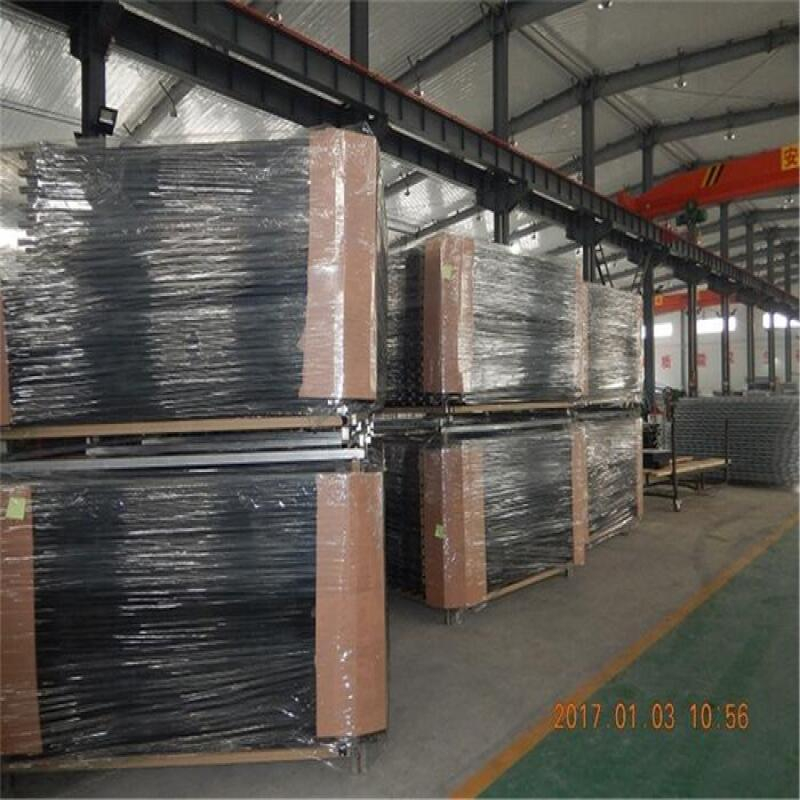
Trap #15: No QC for straightness before packing and shipping
Slight bends multiply visually once installed in a long run. What looked “fine” in a stack becomes ugly on a straight boundary line.
Specifications: POLYMETAL Steel security fence
All post heights below are set 600 mm higher than fence panel height as requested.
Table 1: Standard Boundary Series Steel security fence
| Spec ID | Fence Height (mm) | Fence Width (mm) | Rail Frame | Rail Thickness | Upright | Upright Thickness | Upright No. | Upright Spacing | Post Option | Post Wall | Post Height (mm) |
|---|---|---|---|---|---|---|---|---|---|---|---|
| TS-01 | 1200 | 2400 | 40×40 | 1.6 | 16×16 | 0.80 | 18 | 100 mm | 60×60 | 1.6 | 1800 |
| TS-02 | 1200 | 2450 | 40×40 | 2.0 | 25×25 | 1.00 | 18 | 100 mm | 65×65 | 1.6 | 1800 |
| TS-03 | 1500 | 2400 | 40×40 | 2.0 | 25×25 | 1.00 | 18 | 100 mm | 65×65 | 2.0 | 2100 |
| TS-04 | 1500 | 2450 | 45×45 | 2.0 | 30×30 | 1.00 | 18 | 100 mm | 75×75 | 1.6 | 2100 |
| TS-05 | 1800 | 2400 | 45×45 | 2.5 | 25×25 | 1.20 | 18 | 100 mm | 75×75 | 2.0 | 2400 |
| TS-06 | 1800 | 2450 | 45×45 | 2.5 | 30×30 | 1.20 | 18 | 100 mm | 80×80 | 2.0 | 2400 |
| TS-07 | 1850 | 2400 | 45×45 | 2.5 | 30×30 | 1.20 | 18 | 100 mm | 80×80 | 2.0 | 2450 |
| TS-08 | 2100 | 2400 | 50×50 | 2.5 | 30×30 | 1.20 | 18 | 100 mm | 80×80 | 2.5 | 2700 |
| TS-09 | 2100 | 2450 | 50×50 | 3.0 | 30×30 | 2.00 | 18 | 100 mm | 100×100 | 2.0 | 2700 |
| TS-10 | 2400 | 2400 | 50×50 | 3.0 | 30×30 | 2.00 | 18 | 100 mm | 100×100 | 2.5 | 3000 |
Table 2: Commercial Heavy-Duty Series Steel security fence
| Spec ID | Fence Height (mm) | Fence Width (mm) | Rail Frame | Rail Thickness | Upright | Upright Thickness | Upright No. | Upright Spacing | Post Option | Post Wall | Post Height (mm) |
|---|---|---|---|---|---|---|---|---|---|---|---|
| TH-01 | 1500 | 2400 | 45×45 | 2.5 | 25×25 | 1.20 | 18 | 100 mm | 75×75 | 2.0 | 2100 |
| TH-02 | 1500 | 2450 | 50×50 | 2.5 | 30×30 | 1.20 | 18 | 100 mm | 80×80 | 2.0 | 2100 |
| TH-03 | 1800 | 2400 | 50×50 | 2.5 | 30×30 | 1.20 | 18 | 100 mm | 80×80 | 2.5 | 2400 |
| TH-04 | 1800 | 2450 | 50×50 | 3.0 | 30×30 | 2.00 | 18 | 100 mm | 100×100 | 2.0 | 2400 |
| TH-05 | 1850 | 2400 | 50×50 | 3.0 | 30×30 | 2.00 | 18 | 100 mm | 100×100 | 2.0 | 2450 |
| TH-06 | 2100 | 2400 | 50×50 | 3.0 | 30×30 | 2.00 | 18 | 100 mm | 100×100 | 2.5 | 2700 |
| TH-07 | 2100 | 2450 | 50×50 | 3.0 | 30×30 | 2.00 | 18 | 100 mm | 100×100 | 2.5 | 2700 |
| TH-08 | 2400 | 2400 | 50×50 | 3.0 | 30×30 | 2.00 | 18 | 100 mm | 100×100 | 2.5 | 3000 |
| TH-09 | 2400 | 2450 | 50×50 | 3.0 | 30×30 | 2.00 | 18 | 100 mm | 100×100 | 2.5 | 3000 |
| TH-10 | 2100 | 2400 | 50×50 | 3.0 | 25×25 | 2.00 | 18 | 100 mm | 80×80 | 2.5 | 2700 |
Table 3: Architectural Powder-Coat Series Steel security fence
| Spec ID | Fence Height (mm) | Fence Width (mm) | Rail Frame | Rail Thickness | Upright | Upright Thickness | Upright No. | Upright Spacing | Post Option | Post Wall | Post Height (mm) |
|---|---|---|---|---|---|---|---|---|---|---|---|
| AP-01 | 1200 | 2400 | 40×40 | 2.0 | 16×16 | 1.00 | 18 | 100 mm | 60×60 | 1.6 | 1800 |
| AP-02 | 1200 | 2450 | 45×45 | 2.0 | 25×25 | 1.00 | 18 | 100 mm | 65×65 | 1.6 | 1800 |
| AP-03 | 1500 | 2400 | 45×45 | 2.0 | 25×25 | 1.20 | 18 | 100 mm | 65×65 | 2.0 | 2100 |
| AP-04 | 1500 | 2450 | 45×45 | 2.5 | 30×30 | 1.20 | 18 | 100 mm | 75×75 | 2.0 | 2100 |
| AP-05 | 1800 | 2400 | 45×45 | 2.5 | 30×30 | 1.20 | 18 | 100 mm | 75×75 | 2.0 | 2400 |
| AP-06 | 1800 | 2450 | 50×50 | 2.5 | 30×30 | 1.20 | 18 | 100 mm | 80×80 | 2.0 | 2400 |
| AP-07 | 1850 | 2400 | 50×50 | 2.5 | 30×30 | 1.20 | 18 | 100 mm | 80×80 | 2.0 | 2450 |
| AP-08 | 2100 | 2400 | 50×50 | 2.5 | 30×30 | 2.00 | 18 | 100 mm | 80×80 | 2.5 | 2700 |
| AP-09 | 2100 | 2450 | 50×50 | 3.0 | 30×30 | 2.00 | 18 | 100 mm | 100×100 | 2.0 | 2700 |
| AP-10 | 2400 | 2400 | 50×50 | 3.0 | 30×30 | 2.00 | 18 | 100 mm | 100×100 | 2.5 | 3000 |
Table 4: Security Upgrade Series Steel security fence
| Spec ID | Fence Height (mm) | Fence Width (mm) | Rail Frame | Rail Thickness | Upright | Upright Thickness | Upright No. | Upright Spacing | Post Option | Post Wall | Post Height (mm) |
|---|---|---|---|---|---|---|---|---|---|---|---|
| SU-01 | 1500 | 2400 | 45×45 | 2.5 | 25×25 | 1.20 | 18 | 100 mm | 75×75 | 2.0 | 2100 |
| SU-02 | 1500 | 2450 | 50×50 | 2.5 | 30×30 | 1.20 | 18 | 100 mm | 80×80 | 2.0 | 2100 |
| SU-03 | 1800 | 2400 | 50×50 | 2.5 | 30×30 | 2.00 | 18 | 100 mm | 80×80 | 2.5 | 2400 |
| SU-04 | 1800 | 2450 | 50×50 | 3.0 | 30×30 | 2.00 | 18 | 100 mm | 100×100 | 2.0 | 2400 |
| SU-05 | 1850 | 2400 | 50×50 | 3.0 | 30×30 | 2.00 | 18 | 100 mm | 100×100 | 2.0 | 2450 |
| SU-06 | 2100 | 2400 | 50×50 | 3.0 | 30×30 | 2.00 | 18 | 100 mm | 100×100 | 2.5 | 2700 |
| SU-07 | 2100 | 2450 | 50×50 | 3.0 | 25×25 | 2.00 | 18 | 100 mm | 80×80 | 2.5 | 2700 |
| SU-08 | 2400 | 2400 | 50×50 | 3.0 | 30×30 | 2.00 | 18 | 100 mm | 100×100 | 2.5 | 3000 |
| SU-09 | 2400 | 2450 | 50×50 | 3.0 | 30×30 | 2.00 | 18 | 100 mm | 100×100 | 2.5 | 3000 |
| SU-10 | 2100 | 2400 | 50×50 | 3.0 | 16×16 | 2.00 | 18 | 100 mm | 75×75 | 2.5 | 2700 |
Table 5: Project Kit Series (10 Specs)
| Spec ID | Fence Height (mm) | Fence Width (mm) | Rail Frame | Rail Thickness | Upright | Upright Thickness | Upright No. | Upright Spacing | Post Option | Post Wall | Post Height (mm) |
|---|---|---|---|---|---|---|---|---|---|---|---|
| PKT-01 | 1200 | 2400 | 40×40 | 1.6 | 16×16 | 0.80 | 18 | 100 mm | 60×60 | 1.6 | 1800 |
| PKT-02 | 1200 | 2450 | 40×40 | 2.0 | 25×25 | 1.00 | 18 | 100 mm | 65×65 | 1.6 | 1800 |
| PKT-03 | 1500 | 2400 | 45×45 | 2.0 | 25×25 | 1.00 | 18 | 100 mm | 65×65 | 2.0 | 2100 |
| PKT-04 | 1500 | 2450 | 45×45 | 2.5 | 30×30 | 1.20 | 18 | 100 mm | 75×75 | 2.0 | 2100 |
| PKT-05 | 1800 | 2400 | 45×45 | 2.5 | 25×25 | 1.20 | 18 | 100 mm | 75×75 | 2.0 | 2400 |
| PKT-06 | 1800 | 2450 | 50×50 | 2.5 | 30×30 | 1.20 | 18 | 100 mm | 80×80 | 2.0 | 2400 |
| PKT-07 | 1850 | 2400 | 50×50 | 2.5 | 30×30 | 1.20 | 18 | 100 mm | 80×80 | 2.0 | 2450 |
| PKT-08 | 2100 | 2400 | 50×50 | 3.0 | 30×30 | 2.00 | 18 | 100 mm | 100×100 | 2.0 | 2700 |
| PKT-09 | 2100 | 2450 | 50×50 | 3.0 | 30×30 | 2.00 | 18 | 100 mm | 100×100 | 2.5 | 2700 |
| PKT-10 | 2400 | 2400 | 50×50 | 3.0 | 30×30 | 2.00 | 18 | 100 mm | 100×100 | 2.5 | 3000 |
Face welding Steel security fence
| Pale head: pressed spear fence (Pale welded face on rail) | ||||||
| Panel size | Pale: 19×19, 25×25 | Rails | Post | |||
| Fence height(mm) | Fence width(mm) | Pale Thickness(mm) | Qty:Pale (pcs) | Cross Rails(mm) | Height(mm) | Square Post Section(mm) |
| 1500 | 2400 | 1.2/1.6 | 16 | 40×40×1.6/2.5 | 2400 | 65×65×3.0 |
| 1500 | 2450 | 1.2/1.6 | 17 | 40×40×1.6/2.5 | 2400 | 65×65×3.0 |
| 1800 | 2100 | 1.2/1.6 | 15 | 40×40×1.6/2.5 | 2700 | 65×65×3.0 |
| 1800 | 2400 | 1.2/1.6 | 18 | 40×40×1.6/2.5 | 2700 | 65×65×3.0 |
| 1800 | 2750 | 1.2/1.6 | 17 | 40×40×1.6/2.5 | 2700 | 65×65×3.0 |
| 2100 | 2400 | 1.2/1.6 | 18 | 40×40×1.6/2.5 | 3000 | 65×65×3.0 |
| 2100 | 2750 | 1.2/1.6 | 19 | 40×40×1.6/2.5 | 3000 | 65×65×3.0 |
| 2400 | 2400 | 1.2/1.6 | 18 | 40×40×1.6/2.5 | 3300 | 65×65×3.0 |
| 2400 | 2750 | 1.2/1.6 | 20 | 40×40×1.6/2.5 | 3300 | 75×75×3.0 |
| 2700 | 2100 | 1.2/1.6 | 15 | 40×40×1.6/2.5 | 3600 | 75×75×3.0 |
| 2700 | 2400 | 1.2/1.6 | 18 | 40×40×1.6/2.5 | 3600 | 75×75×3.0 |
| 3000 | 2750 | 1.2/1.6 | 17 | 40×40×1.6/2.5 | 3900 | 75×75×3.0 |
| 3000 | 3000 | 1.6 | 20 | 40×40×2.5 | 3900 | 80×80×3.0 |
| surface treatment | 1, Hot dipped galvanized Steel Palisade Fence | |||||
| 2, Powder Coating | ||||||
| 3, PVC coated (plastic coating) | ||||||
| Note: 1. Special sizes available at request. 2. Packing: in plastic / pallet wrap. Custom packing available at request. | ||||||
Punched rails Steel security fence
| Pale punched through rail | ||||||
| Panel size | Pale: 19×19, 25×25 | Rails | Post | |||
| Fence height(mm) | Fence width(mm) | Pale Thickness(mm) | Qty:Pale(pcs) | Cross Rails(mm) | Height(mm) | Square Post Section(mm) |
| 1500 | 2400 | 1.2 | 16 | 40×40×1.2/1.6 | 2400 | 65×65×2.0 |
| 1500 | 2450 | 1.2 | 17 | 40×40×1.2/1.6 | 2400 | 65×65×2.0 |
| 1800 | 2100 | 1.2 | 15 | 40×40×1.2/1.6 | 2700 | 65×65×2.0 |
| 1800 | 2400 | 1.2 | 18 | 40×40×1.2/1.6 | 2700 | 65×65×2.0 |
| 1800 | 2750 | 1.2 | 17 | 40×40×1.2/1.6 | 2700 | 65×65×2.0 |
| 2100 | 2400 | 1.2 | 18 | 40×40×1.2/1.6 | 3000 | 65×65×2.0 |
| 2100 | 2750 | 1.2 | 19 | 40×40×1.2/1.6 | 3000 | 65×65×2.0 |
| 2400 | 2400 | 1.2 | 18 | 40×40×1.2/1.6 | 3300 | 65×65×2.0 |
| 2400 | 2750 | 1.2 | 20 | 40×40×1.6 | 3300 | 75×75×2.0 |
| 2700 | 2100 | 1.2 | 15 | 40×40×1.6 | 3600 | 75×75×2.0 |
| 2700 | 2400 | 1.2 | 18 | 40×40×1.6 | 3600 | 75×75×2.0 |
| surface treatment | 1, Hot dipped galvanized Steel Palisade Fence | |||||
| 2, Powder Coating | ||||||
| 3, PVC coated (plastic coating) | ||||||
| Note: 1. Special sizes available at request. | ||||||
Applications
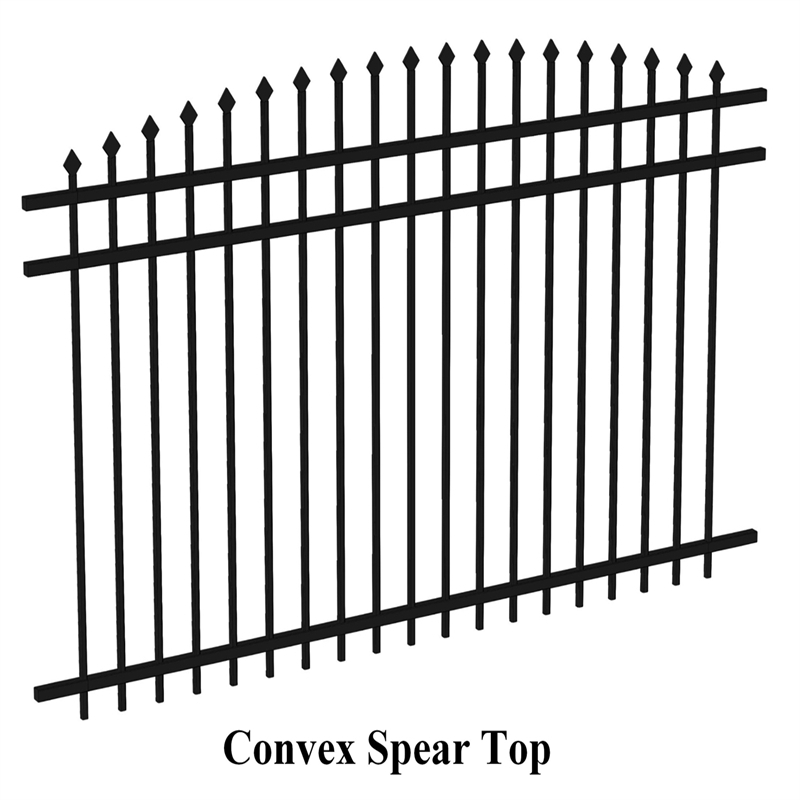
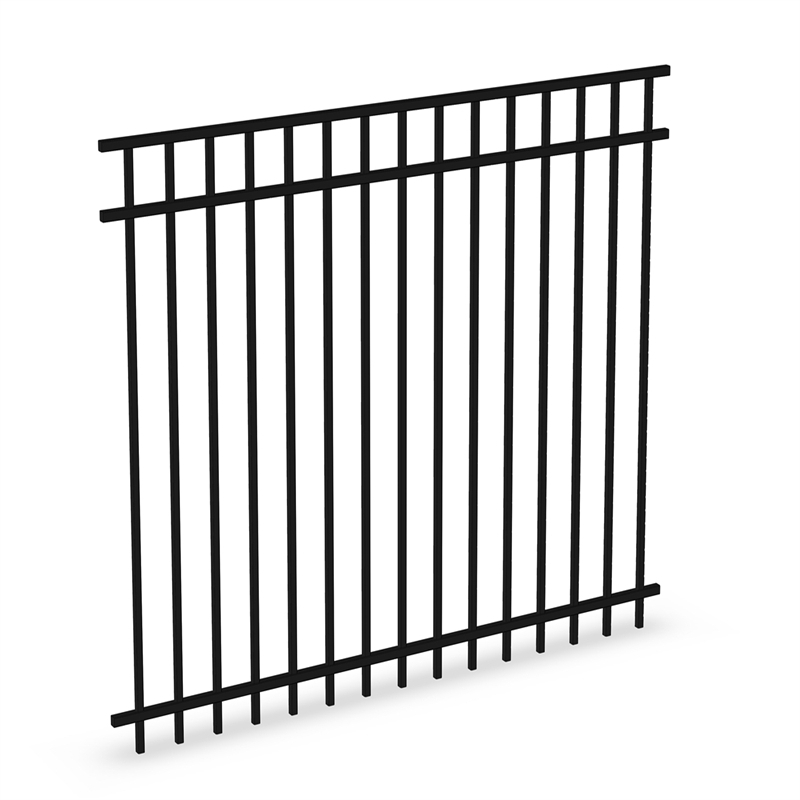
POLYMETAL Steel security fence are widely used for residential front fencing, boundary lines, commercial properties, warehouses, schools, parks, utilities, car parks, and any site that needs a rigid, attractive barrier with predictable spacing and strong post control. They are also commonly adapted for pool barrier projects where the design must align with local safety barrier requirements.
Benefits Steel security fence
POLYMETAL Steel security fence provide a strong visual upgrade over basic fencing while delivering real structural stability when rail frame size, rail thickness, upright selection, and post section are correctly matched to height. The consistent upright spacing supports a clean architectural look, improves perimeter control, and helps reduce ongoing maintenance caused by loose, rattling bays and early corrosion around joints.
Packing Steel security fence
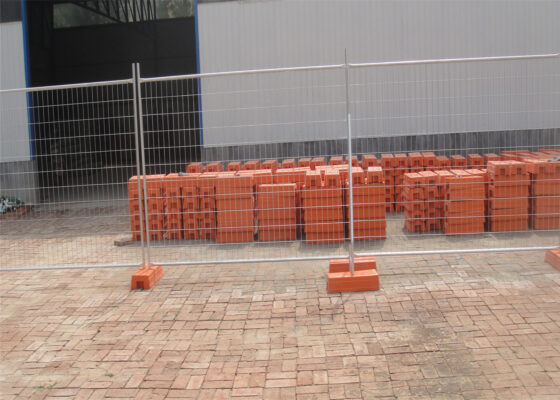
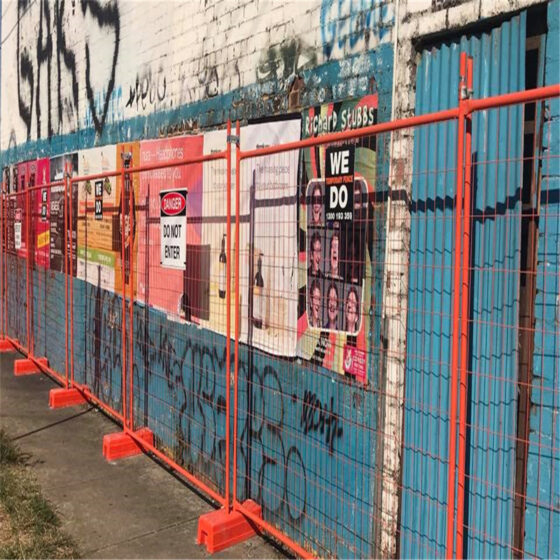
Panels are typically stacked in protective bundles using separators to reduce rubbing at corners and contact points, then strapped onto steel pallets for forklift handling. Posts are bundled separately and labeled by section size and wall thickness to prevent mixing on site. Fasteners and brackets are bagged and boxed for count control, so installers don’t “improvise” missing hardware, which is one of the fastest ways to create movement and future rust—especially when ordering temporary fence melbourne as a full system with matching panels, bases, clamps, and braces.
Standard and Quality Control
For corrosion protection, many projects reference AS/NZS 4680 for hot-dip galvanized coatings on fabricated steel.
For powder-coated steel finishes exposed to atmosphere, projects commonly reference AS 4506:2024 performance and test requirements for thermoset powder coatings.
Where tubular fencing is used as part of a pool safety barrier scope, AS 1926.1:2024 is the key Australian Standard for swimming pool safety barriers.
For wind-related design actions that affect post sizing and fixity requirements, AS/NZS 1170.2 is used to determine wind actions in structural design.
FAQs Steel security fence
What upright spacing should I choose?
100 mm spacing is popular when you want a tighter visual pattern and stronger “anti-squeeze” behavior. The main rule is to keep spacing consistent and match upright count to the panel width so the fence doesn’t look uneven.
Why must post height be more than the panel height?
Because the post needs embedment and footing depth to resist overturning. A common practical rule is making the post at least 600 mm taller than the panel height, then ensuring that extra length actually becomes real, stable embedment—not just “extra steel above ground.”
Which spec mistake costs the most money?
Trap #12: posts that look tall enough on paper but end up under-embedded or under-supported. That creates wobble, wobble creates coating breaks, and coating breaks create rust and expensive rework.
Can I mix rail frames like 40×40 and 50×50 in one project?
Mixing specs across one straight run usually creates visible inconsistency and different stiffness bays. If you want a premium look, keep the same rail frame and post family across the front line.
What’s the best upgrade when a site is windy or high-traffic?
Upgrade the post section and wall thickness first, then upgrade rail thickness. Posts hold the line; rails keep the bay stiff.