Your One-Stop Wire Mesh Fence Supplier | POLYMETAL
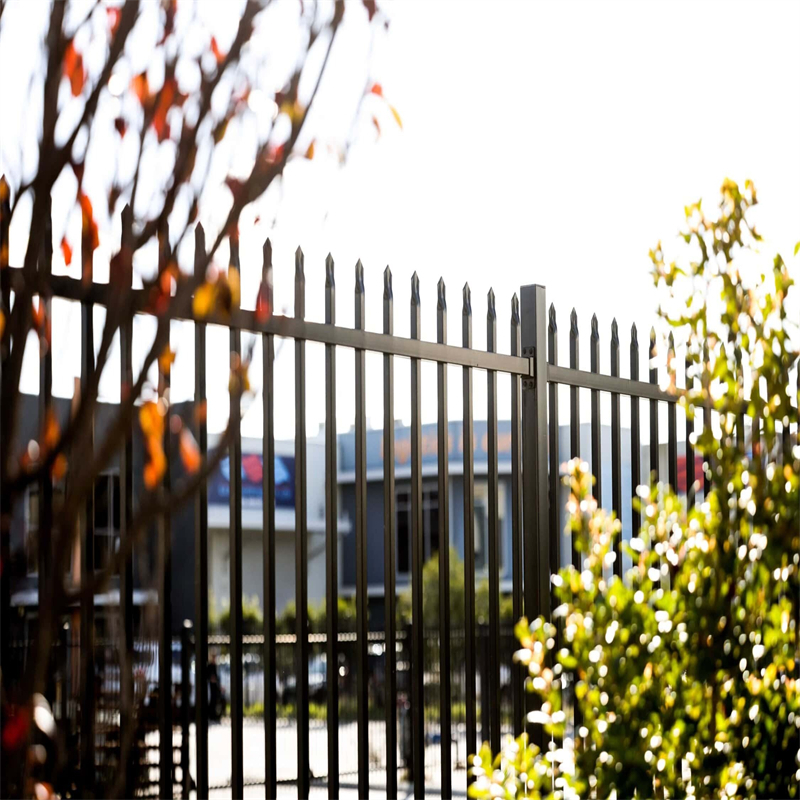
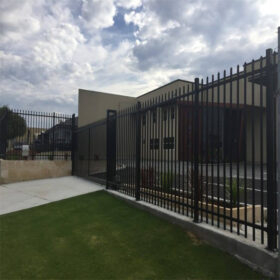
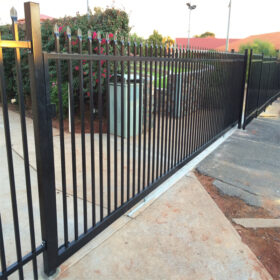
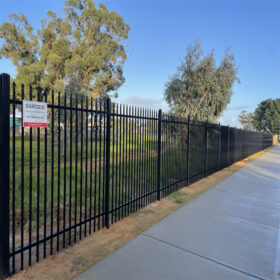
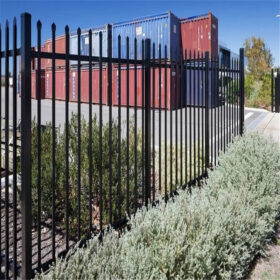
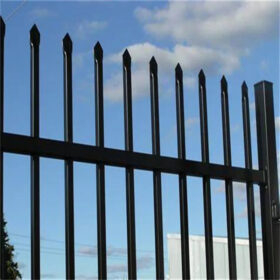
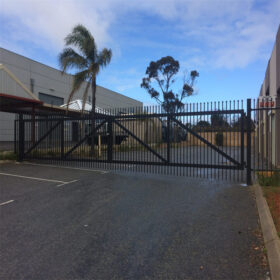
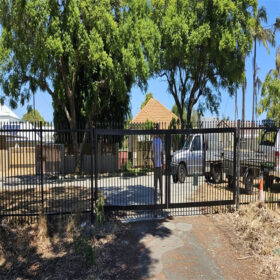
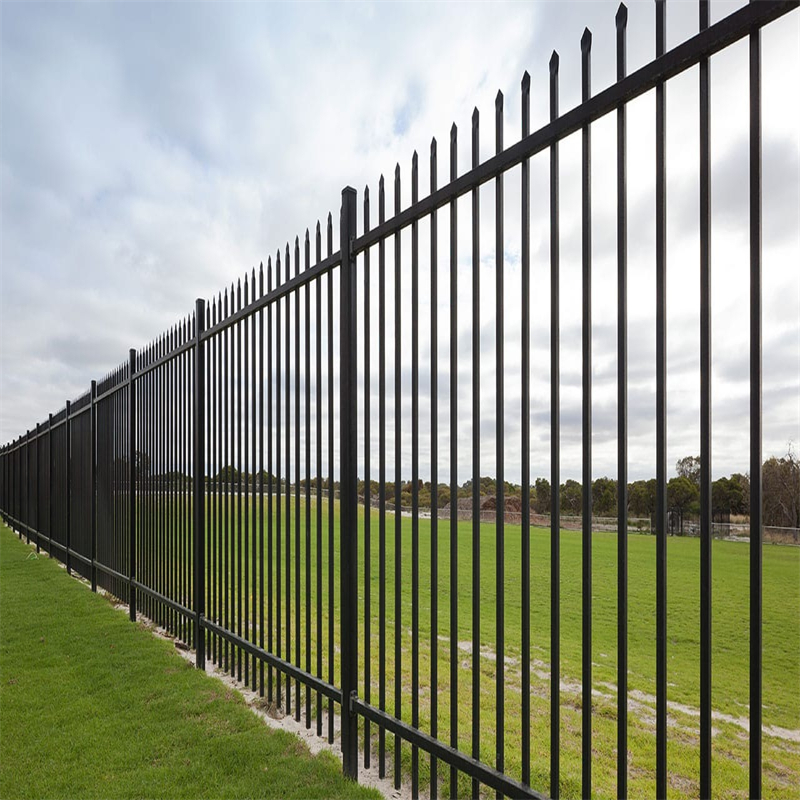
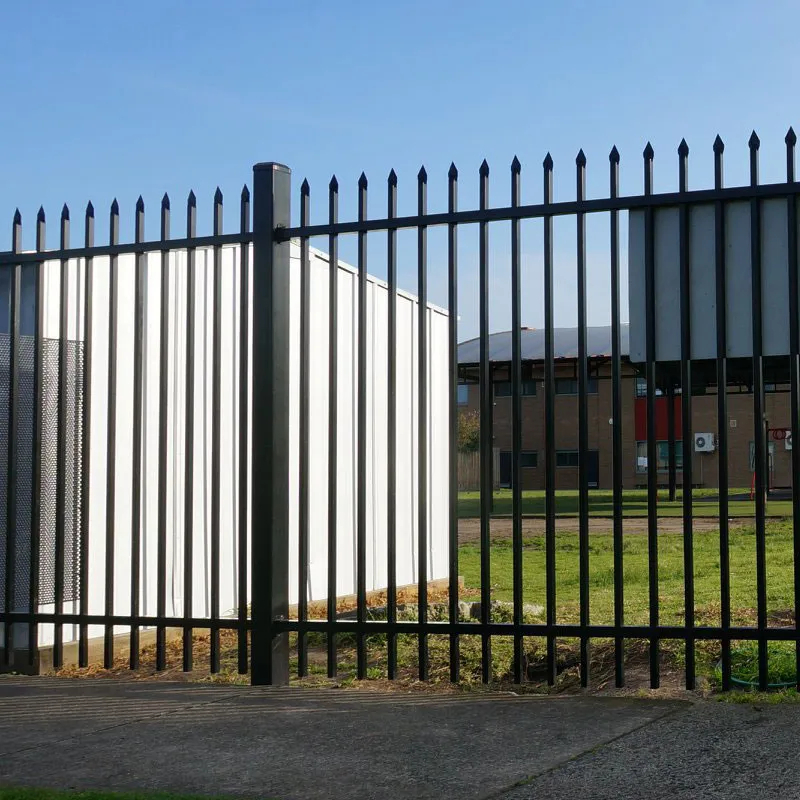
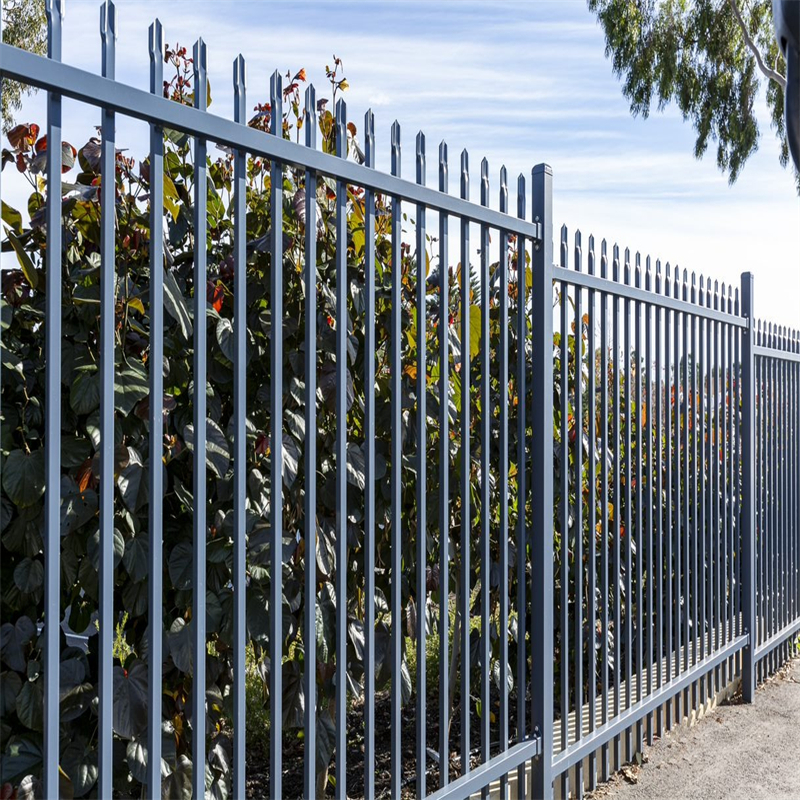
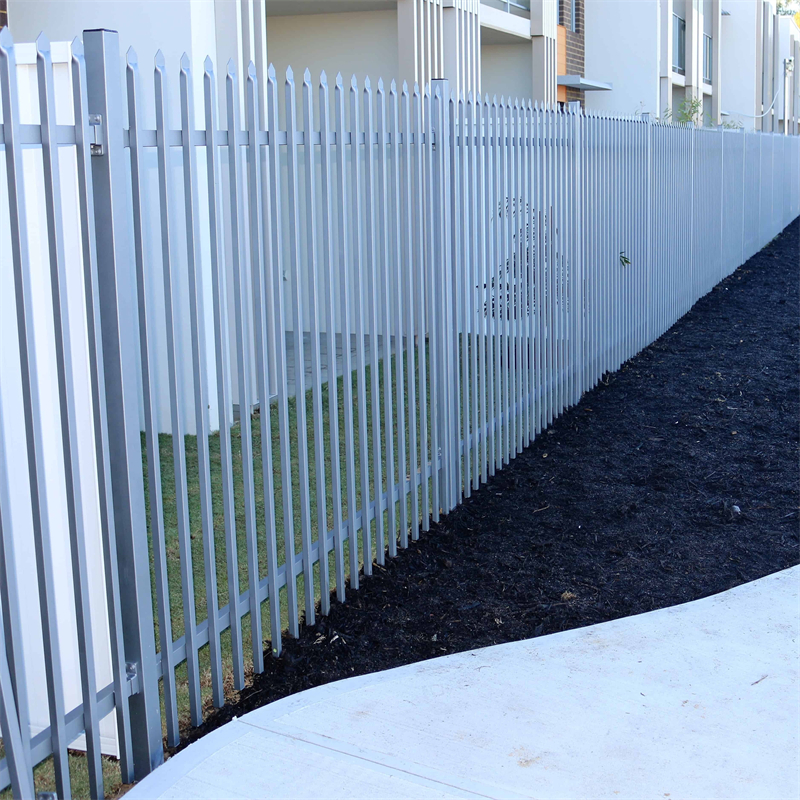
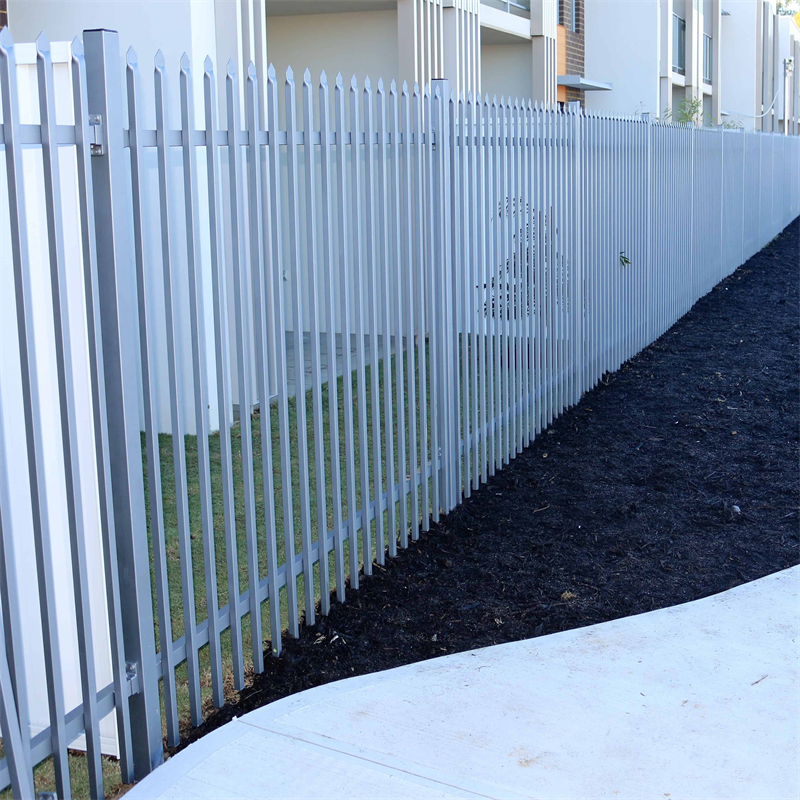
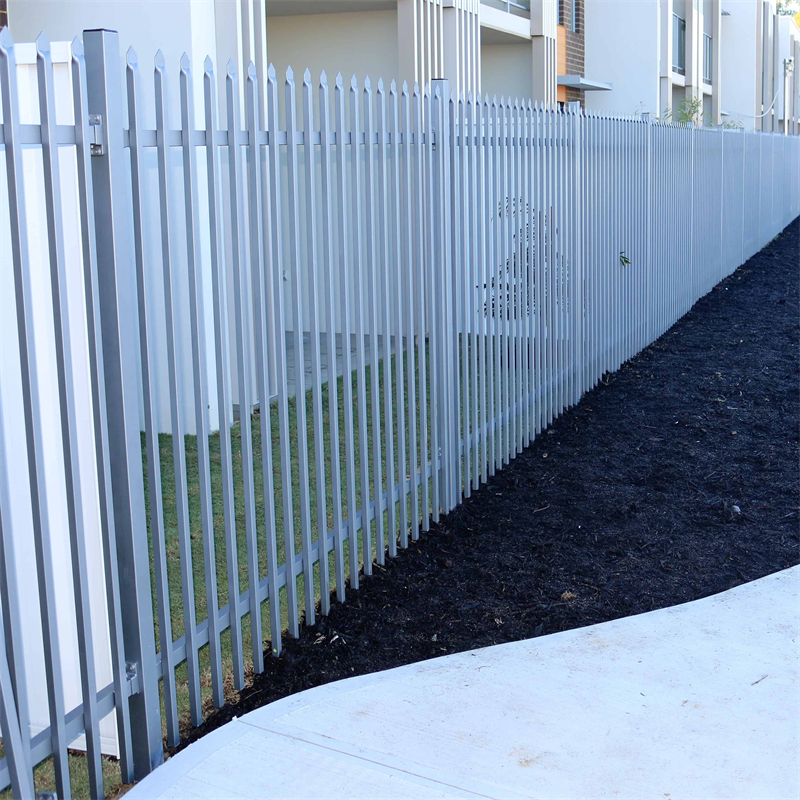
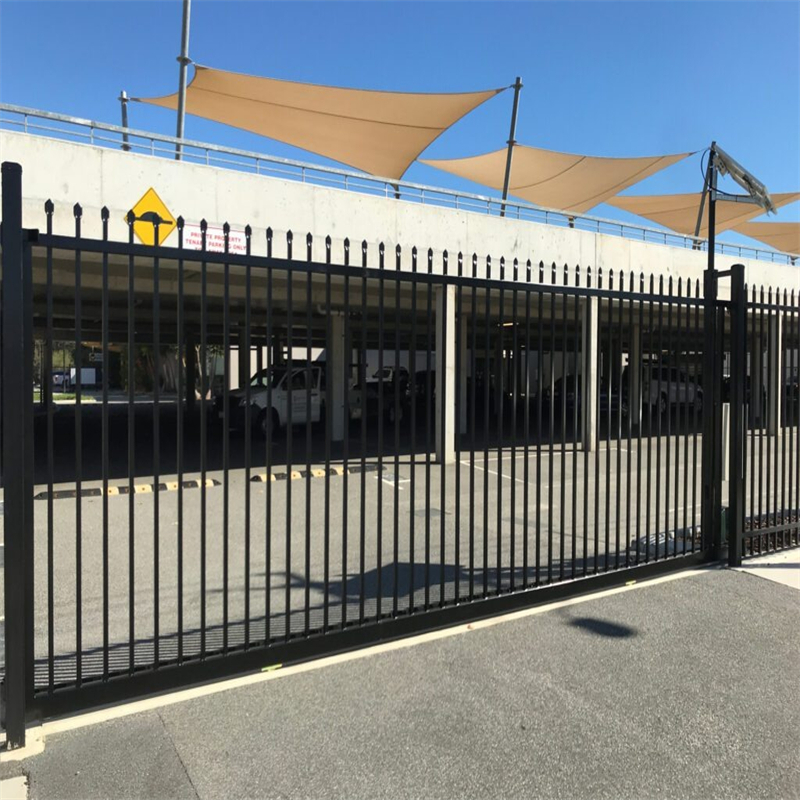
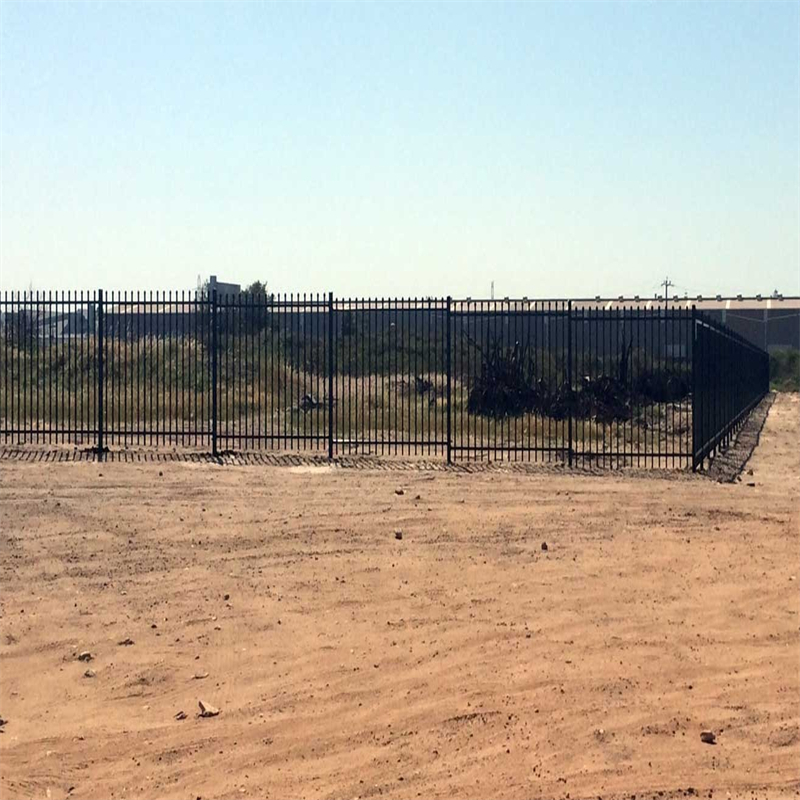
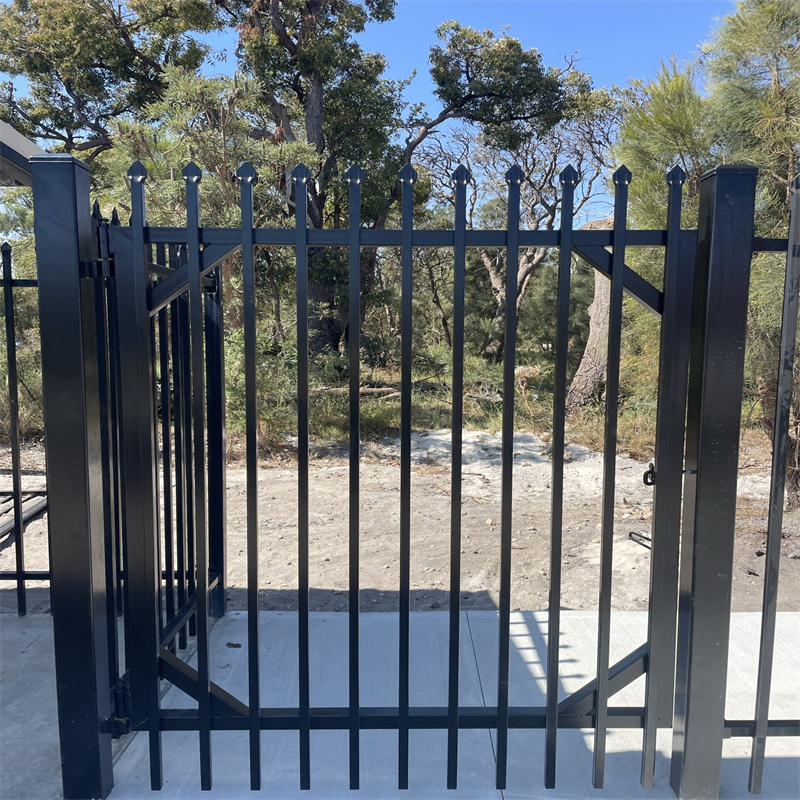
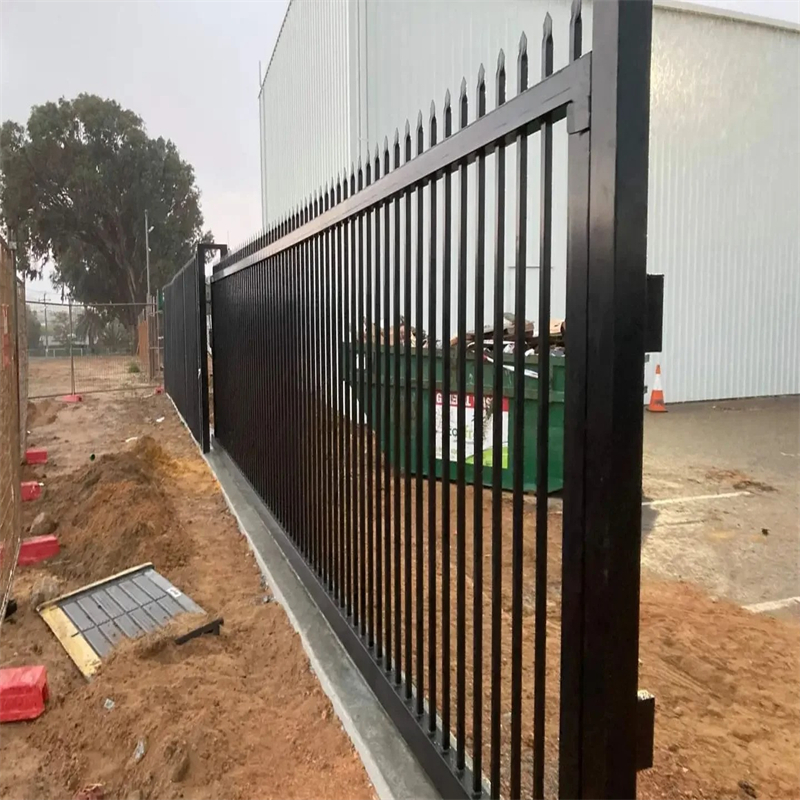
steel security fence panels are pre-fabricated modular perimeter sections selected when a site needs a straight, professional boundary with real stiffness. In brochures, most panels look identical. On site, the difference shows up fast—after transport, handling, wind exposure, vibration, and daily use. If the geometry is not controlled, rails flex, pickets loosen, posts drift, and the fence line starts looking “repaired” within weeks.
POLYMETAL manufactures steel security fence panels as repeatable modules so rail frame selection, rail thickness, upright size, upright thickness, upright spacing discipline, post options, and protective packing work together as one engineered system. That system approach reduces installation surprises and protects long-term appearance and security feel—while for projects that also require dedicated animal containment or exhibit perimeter solutions, weld wire mesh for zoo can be used to complement secure boundary planning in specialized zones.
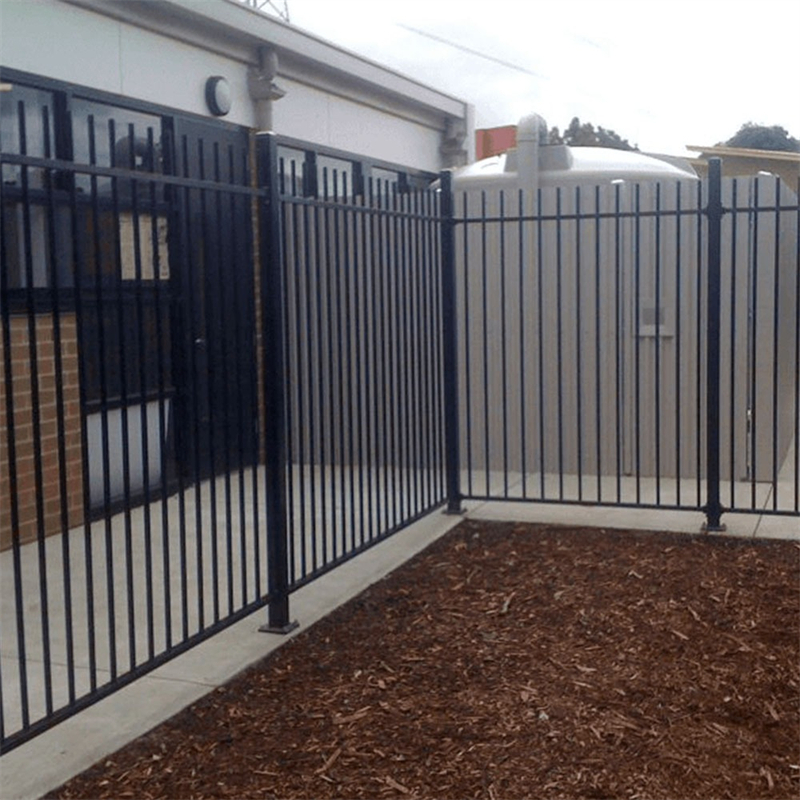
Why Buyers Choose steel security fence panels Instead of Light Barriers
Projects choose steel panels when they need a boundary that stays aligned under pressure. A straight fence line signals control, protects assets, and supports supervision because visibility remains clear. Modular steel panels also install faster, create repeatable bays, and reduce maintenance because damaged sections can be replaced without rebuilding long runs.
Top 20 High-Risk Buyer Traps for steel security fence panels Orders
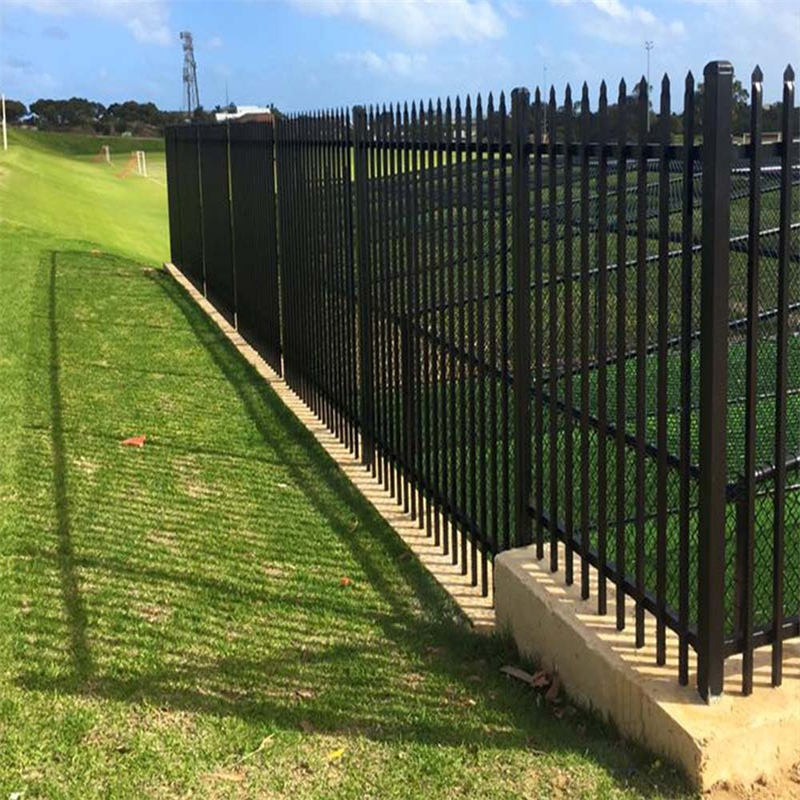
Each issue below looks “small” on a quotation, but becomes expensive once posts are set and schedules are locked. Pay special attention to #12, because that is where most long-term losses occur with steel security fence panels.
Trap #1: Buying steel security fence panels without locking the system spec
If your PO does not lock rail frame, rail thickness, upright size, upright thickness, upright count/spacing, post option, and post wall thickness, suppliers can change “equivalent” parts that are not equivalent in stiffness or lifespan.
Trap #2: Rail frame size not specified (then lighter rails arrive) in steel security fence panels
If 40×40mm, 45×45mm, or 50×50mm rail frames are not specified, lighter frames may be substituted. Under wind and vibration, rails flex and create wave-lines across long runs.
Trap #3: Rail thickness chosen for price instead of stiffness on steel security fence panels
Rails are the panel spine. Choosing 1.60mm where 2.00–2.50mm is needed leads to oil-canning, loosened fixings, and alignment loss. Heavy sites and tall panels often justify 2.50–3.00mm rails.
Trap #4: Upright size mismatch that ruins the security feel for steel security fence panels
16×16mm, 25×25mm, and 30×30mm uprights behave very differently. Small uprights bend first during stacking and handling, and the fence looks damaged immediately.
Trap #5: Upright thickness not controlled (mixed lots in one container) for steel security fence panels
If upright thickness (0.80 / 1.00 / 1.20 / 2.00mm) is not locked, mixed lots can arrive. The fence then feels inconsistent bay-to-bay and looks uneven in reflection lines.
Trap #6: Spacing treated as “approximate” (security and appearance both drop) on steel security fence panels
If upright number and spacing are not locked—16 pcs (115mm), 17 pcs (108mm), 18 pcs (100mm)—panels arrive inconsistent and easier to reach through or climb.
Trap #7: Wrong spacing choice for public-facing boundaries using steel security fence panels
For public sites, 100mm spacing creates a tighter security signal. Looser patterns can look “cheaper” and reduce the perceived boundary authority.
Trap #8: Post option chosen by appearance, not load for steel security fence panels
Posts must match height and exposure. If post options (60×60 to 100×100mm) and wall thickness (1.6 / 2.00 / 2.50mm) are underspecified, posts rotate or lean after storms.
Trap #9: Corners and gates not reinforced in steel security fence panels layouts
Corners and gates carry the highest stress. If you use mid-run posts everywhere, misalignment appears first at corners and access points.
Trap #10: Fabrication tolerance ignored (installers force panels into place) with steel security fence panels
If panel width tolerance and post center targets are not controlled, installers “pull” panels into place, creating twist, coating damage, and long-term loosening.
Trap #11: Coating system not matched to the environment for steel security fence panels
Pre-galvanized + powder coating works for many environments, but high-salt or industrial zones may require heavier corrosion strategy. Without coating discipline, rust starts at stressed joints first.
Trap #12: Post height rule ignored (+600mm embedment) (BIGGEST LOSS) for steel security fence panels
This is where the biggest long-term losses occur. If post height is not greater than fence panel height by 600mm, embedment depth becomes insufficient. The fence acts like a lever in wind and vibration, causing gradual lean, loosened fixings, and visible misalignment—then expensive rework because posts are already set in concrete.
Trap #13: Packing protection skipped (coating rub starts corrosion) on steel security fence panels
Even high-quality coating fails if panels rub metal-to-metal in transit. Rub marks remove coating at corners and weld zones where water sits, triggering rust lines.
Trap #14: Stacking geometry ignored (storage becomes a bending machine) for steel security fence panels
When panels stack poorly, frames twist and uprights bend. Twisted panels never align well again and the fence line looks “wavy.”
Trap #15: Accessories shipped uncounted (site work stops) for steel security fence panels
Missing clamps, brackets, bolts, or caps stop installation immediately and create schedule penalties.
Trap #16: No labeling by height and spacing group on steel security fence panels deliveries
If bundles are not labeled by height, rail frame group, and spacing group, installers mix panels and create visible misalignment that looks like poor workmanship.
Trap #17: Wrong post base and footing assumptions for steel security fence panels
Concrete footing size and depth must match height and exposure. If foundations are undersized, even strong posts will drift over time.
Trap #18: Ignoring uneven ground stepping when installing steel security fence panels
On uneven terrain, panels need stepping logic. Without it, installers force fit, creating gaps and coating damage.
Trap #19: Buying by the lowest unit price instead of lifecycle cost for steel security fence panels
Cheap panels become expensive when early rust and misalignment force replacement. The hidden cost is downtime and rework.
Trap #20: No receiving checklist and inspection standard for steel security fence panels
A good order defines receiving checks: dimensions, thickness, coating appearance, packing condition, and accessory counts—so problems are caught before installation.
Product Description: POLYMETAL steel security fence panels
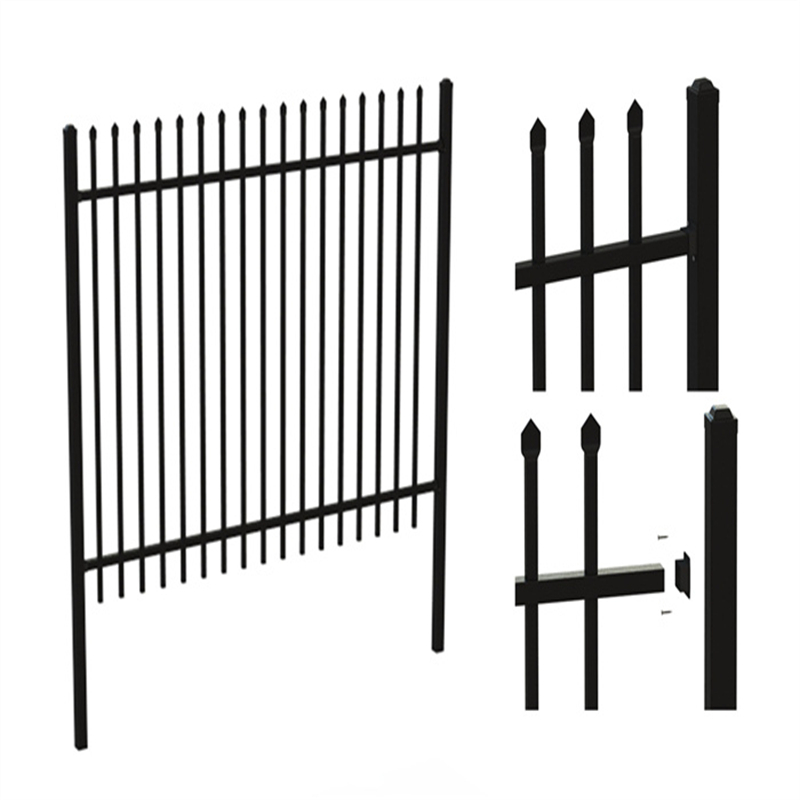
POLYMETAL steel security fence panels are engineered as modular panel systems for boundaries where straightness, durability, and repeatable installation are essential.
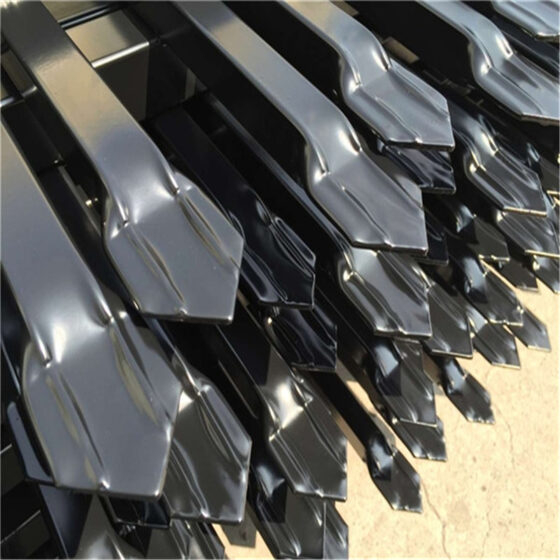
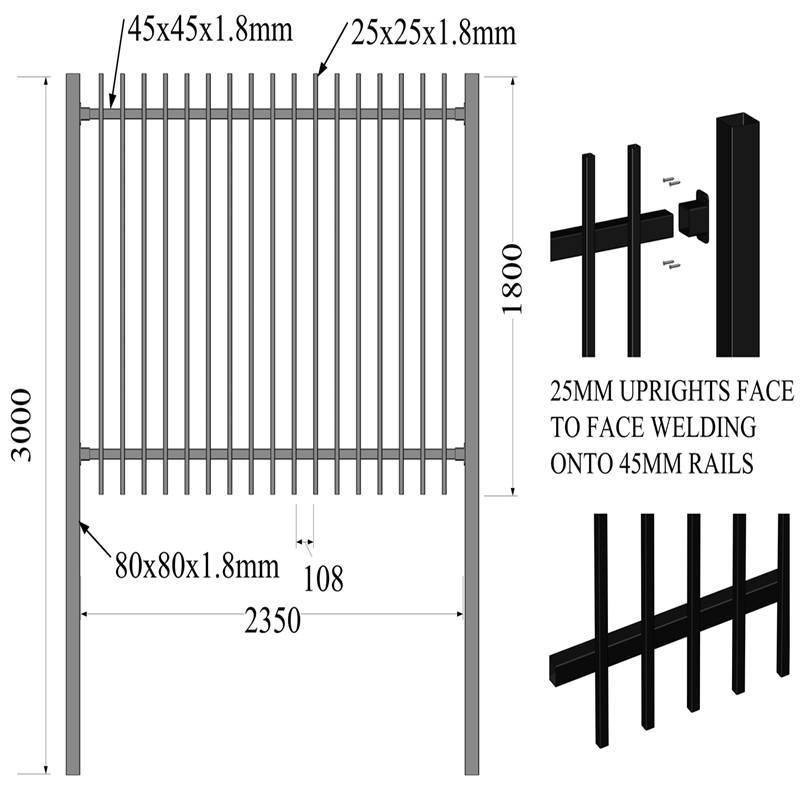
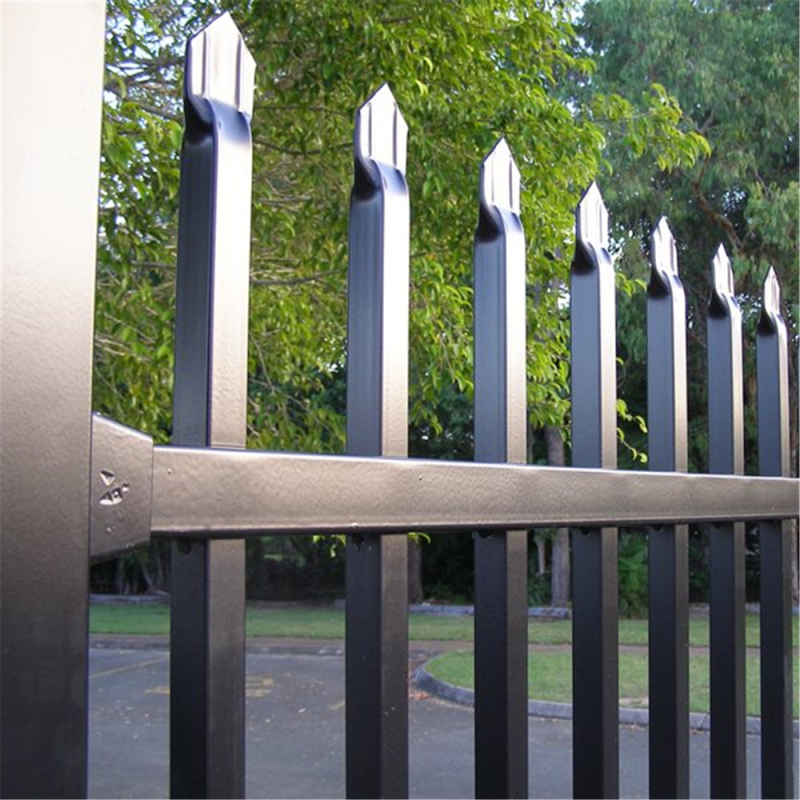
Panels are manufactured with square hollow section rails and tubular uprights produced to controlled spacing options for consistent security appearance.
Rail frame options of 40×40mm, 45×45mm, and 50×50mm allow stiffness tuning by fence height and exposure.
Upright options of 16×16mm, 25×25mm, and 30×30mm support different security profiles and design styles.
Rail thickness options of 1.60mm, 2.00mm, 2.50mm, and 3.00mm are matched to exposure and height, while upright thickness options of 0.80mm, 1.00mm, 1.20mm, and 2.00mm balance security and handling weight.
Post options from 60×60mm to 100×100mm with 1.6mm to 2.50mm wall thickness deliver stability when the correct +600mm embedment allowance is applied. With controlled fabrication discipline and protective packing, panels resist bending during handling and maintain alignment under long-term use—reducing the repair frequency and field fixes often discussed in how to repair garrison fencing.
Specifications (3 Tables)
Table 1: Standard Commercial Duty (10 Specs)
| Model | Fence Height (mm) | Fence Width (mm) | Rail Frame | Rail Thick. (mm) | Upright | Upright Thick. (mm) | Upright No./Spacing | Post Option (mm) | Post Height (mm) |
|---|---|---|---|---|---|---|---|---|---|
| SSP-01 | 1200 | 2400 | 40×40 | 1.60 | 16×16 | 0.80 | 18 pcs / 100mm | 60×60×1.6 | 1800 |
| SSP-02 | 1200 | 2450 | 40×40 | 2.00 | 25×25 | 1.00 | 17 pcs / 108mm | 65×65×2.0 | 1800 |
| SSP-03 | 1500 | 2400 | 45×45 | 2.00 | 25×25 | 1.00 | 18 pcs / 100mm | 65×65×2.0 | 2100 |
| SSP-04 | 1500 | 2450 | 45×45 | 2.50 | 30×30 | 1.20 | 17 pcs / 108mm | 75×75×2.0 | 2100 |
| SSP-05 | 1800 | 2400 | 45×45 | 2.50 | 25×25 | 1.20 | 18 pcs / 100mm | 75×75×2.5 | 2400 |
| SSP-06 | 1800 | 2450 | 50×50 | 2.00 | 30×30 | 1.20 | 17 pcs / 108mm | 80×80×2.0 | 2400 |
| SSP-07 | 2100 | 2400 | 50×50 | 2.50 | 30×30 | 1.20 | 18 pcs / 100mm | 80×80×2.5 | 2700 |
| SSP-08 | 2100 | 2450 | 50×50 | 3.00 | 30×30 | 2.00 | 17 pcs / 108mm | 100×100×2.5 | 2700 |
| SSP-09 | 2400 | 2400 | 50×50 | 3.00 | 30×30 | 2.00 | 18 pcs / 100mm | 100×100×2.5 | 3000 |
| SSP-10 | 2400 | 2450 | 50×50 | 2.50 | 25×25 | 1.20 | 16 pcs / 115mm | 100×100×2.5 | 3000 |
Table 2: Heavy Duty / High Exposure (10 Specs)
| Model | Fence Height (mm) | Fence Width (mm) | Rail Frame | Rail Thick. (mm) | Upright | Upright Thick. (mm) | Upright No./Spacing | Post Option (mm) | Post Height (mm) |
|---|---|---|---|---|---|---|---|---|---|
| SSP-11 | 1200 | 2400 | 45×45 | 2.00 | 25×25 | 1.20 | 18 pcs / 100mm | 65×65×2.5 | 1800 |
| SSP-12 | 1200 | 2450 | 45×45 | 2.50 | 30×30 | 1.20 | 17 pcs / 108mm | 75×75×2.5 | 1800 |
| SSP-13 | 1500 | 2400 | 50×50 | 2.50 | 30×30 | 1.20 | 18 pcs / 100mm | 75×75×2.5 | 2100 |
| SSP-14 | 1500 | 2450 | 50×50 | 3.00 | 30×30 | 2.00 | 17 pcs / 108mm | 80×80×2.5 | 2100 |
| SSP-15 | 1800 | 2400 | 50×50 | 3.00 | 30×30 | 2.00 | 18 pcs / 100mm | 80×80×2.5 | 2400 |
| SSP-16 | 1800 | 2450 | 50×50 | 2.50 | 25×25 | 1.20 | 16 pcs / 115mm | 80×80×2.5 | 2400 |
| SSP-17 | 2100 | 2400 | 50×50 | 3.00 | 30×30 | 2.00 | 18 pcs / 100mm | 100×100×2.5 | 2700 |
| SSP-18 | 2100 | 2450 | 50×50 | 3.00 | 30×30 | 2.00 | 17 pcs / 108mm | 100×100×2.5 | 2700 |
| SSP-19 | 2400 | 2400 | 50×50 | 3.00 | 30×30 | 2.00 | 18 pcs / 100mm | 100×100×2.5 | 3000 |
| SSP-20 | 2400 | 2450 | 50×50 | 3.00 | 30×30 | 2.00 | 16 pcs / 115mm | 100×100×2.5 | 3000 |
Table 3: Tight Spacing / Higher Security Signal (10 Specs)
| Model | Fence Height (mm) | Fence Width (mm) | Rail Frame | Rail Thick. (mm) | Upright | Upright Thick. (mm) | Upright No./Spacing | Post Option (mm) | Post Height (mm) |
|---|---|---|---|---|---|---|---|---|---|
| SSP-21 | 1200 | 2400 | 40×40 | 2.00 | 25×25 | 1.00 | 18 pcs / 100mm | 60×60×2.0 | 1800 |
| SSP-22 | 1200 | 2450 | 45×45 | 2.00 | 25×25 | 1.20 | 18 pcs / 100mm | 65×65×2.0 | 1800 |
| SSP-23 | 1500 | 2400 | 45×45 | 2.50 | 25×25 | 1.20 | 18 pcs / 100mm | 75×75×2.0 | 2100 |
| SSP-24 | 1500 | 2450 | 50×50 | 2.50 | 30×30 | 1.20 | 18 pcs / 100mm | 75×75×2.5 | 2100 |
| SSP-25 | 1800 | 2400 | 50×50 | 2.50 | 30×30 | 2.00 | 18 pcs / 100mm | 80×80×2.5 | 2400 |
| SSP-26 | 1800 | 2450 | 50×50 | 3.00 | 30×30 | 2.00 | 18 pcs / 100mm | 80×80×2.5 | 2400 |
| SSP-27 | 2100 | 2400 | 50×50 | 3.00 | 30×30 | 2.00 | 18 pcs / 100mm | 100×100×2.5 | 2700 |
| SSP-28 | 2100 | 2450 | 50×50 | 3.00 | 30×30 | 2.00 | 18 pcs / 100mm | 100×100×2.5 | 2700 |
| SSP-29 | 2400 | 2400 | 50×50 | 3.00 | 30×30 | 2.00 | 18 pcs / 100mm | 100×100×2.5 | 3000 |
| SSP-30 | 2400 | 2450 | 50×50 | 3.00 | 30×30 | 2.00 | 18 pcs / 100mm | 100×100×2.5 | 3000 |
Applications
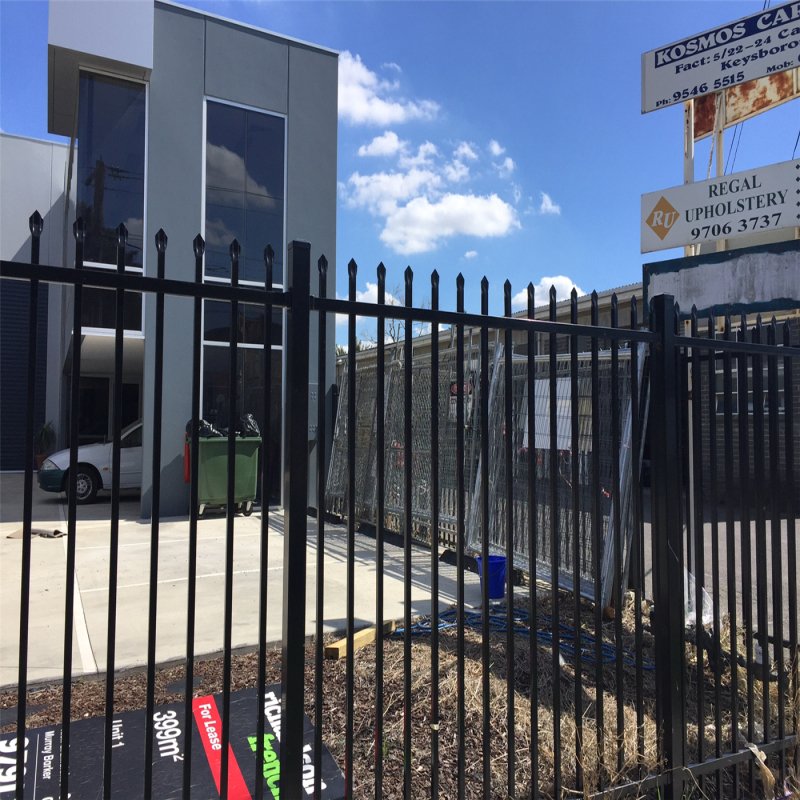
steel security fence panels are widely used for schools, factories, warehouses, logistics yards, utilities, parking lots, commercial frontage, public facilities, and industrial boundaries where a durable, straight perimeter is required.
Benefits
Steel panels deliver high stiffness and repeatable alignment because rail frames and upright spacing remain consistent across runs. Controlled fabrication and protective packing reduce transit damage, while modular bays speed up installation and simplify future replacement. When correct post selection and the +600mm embedment rule are applied, the fence holds alignment better after storms and vibration.
Packing
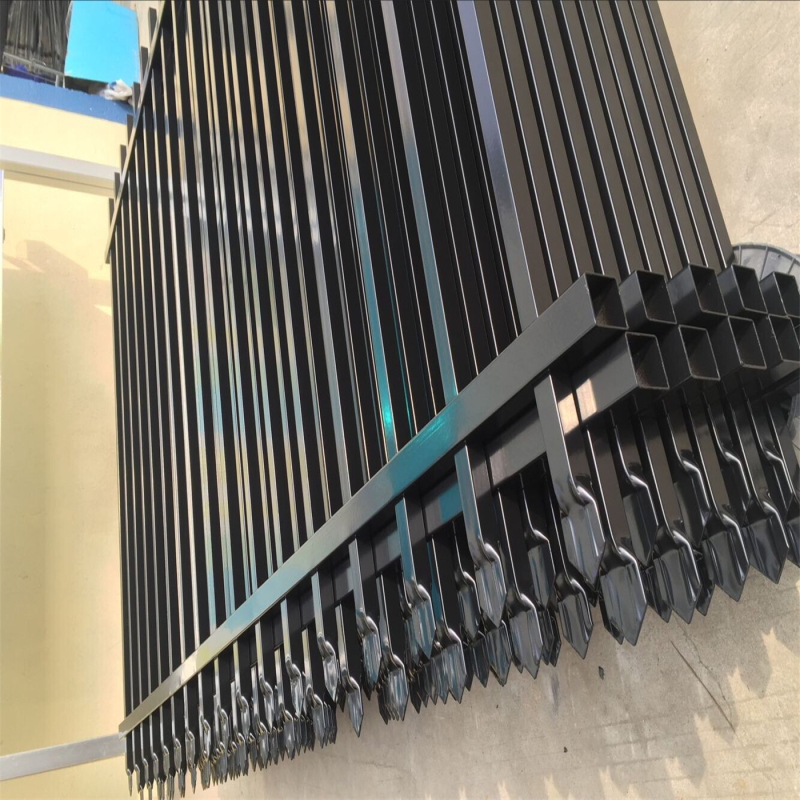
POLYMETAL packs panels in counted bundles with separation protection to reduce coating rub and deformation. Bundles are palletized and labeled by height, width, rail frame group, upright size, and spacing. Posts are bundled separately by size and wall thickness, and accessories are supplied in counted cartons for fast receiving and site verification.
FAQs
FAQ
Q1: Which rail frame is best for high exposure sites?
A: 50×50mm rails with 2.50–3.00mm thickness provide stronger stiffness for taller heights and windy locations.
Q2: Which spacing looks most secure?
A: 18 uprights per panel with 100mm spacing creates the tightest pattern and strongest security appearance.
Q3: Why is +600mm post height important?
A: It supports embedment depth for long-term stability under wind and vibration.