Your One-Stop Wire Mesh Fence Supplier | POLYMETAL
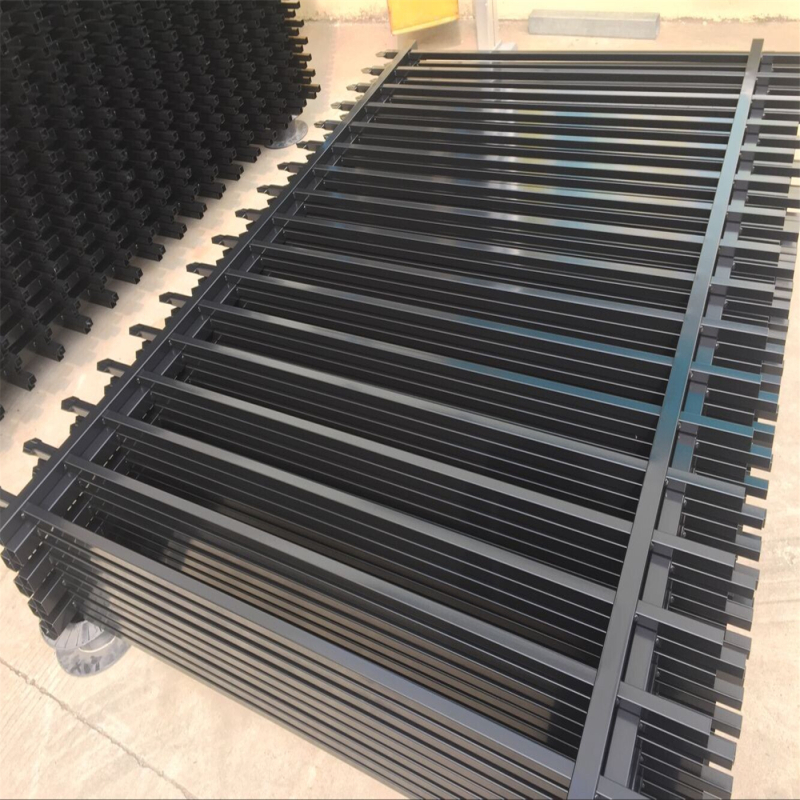
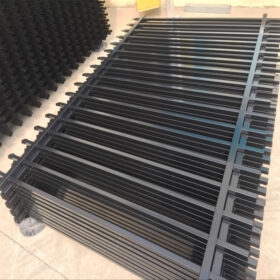
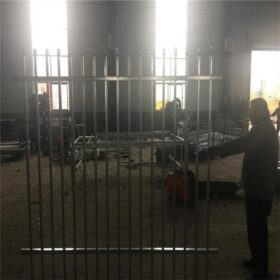
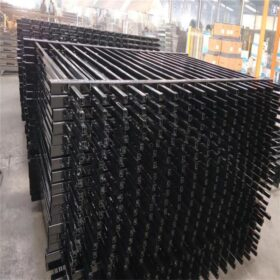
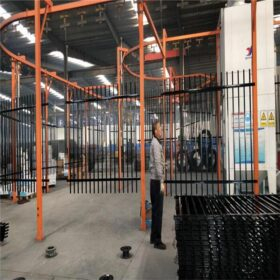
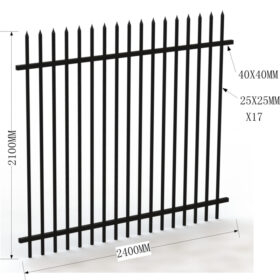
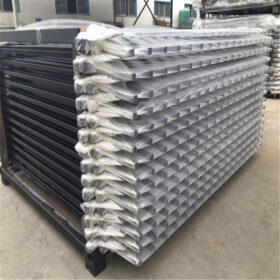
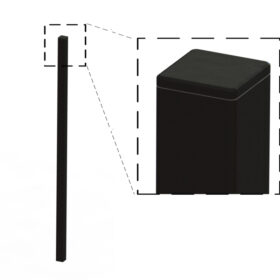
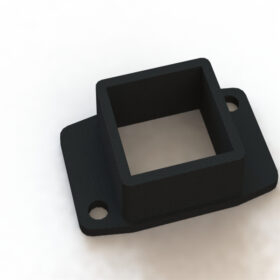
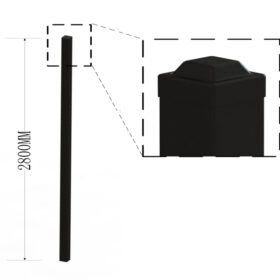
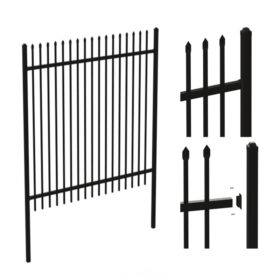
On real community, school, and housing sites, Steel Spear Top Fencing is judged after delivery: straightness across long runs, whether spear tips line up bay-to-bay, how rigid the rails feel when panels are lifted and pinned, and whether coating damage shows first at welds, cut points, and fixing interfaces.
The costly surprise is that many suppliers sell Steel Spear Top Fencing as a “look,” not a controlled system—so the difference only shows up when installers chase wavy lines, tamper-resistant fixings won’t seat cleanly, or corrosion begins where the public sees it first; if your project also needs a softer, child-friendly streetscape line for adjacent play zones or community edges, you can pair the perimeter with our Bow Top Steel Fencing to keep the site’s boundary language consistent while reducing sharp visual impact.
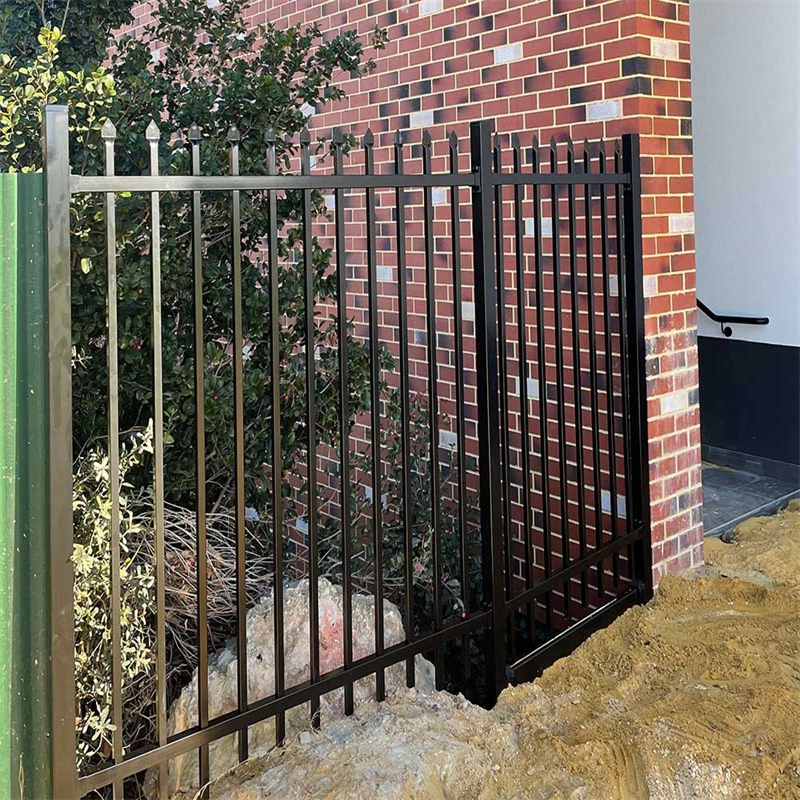
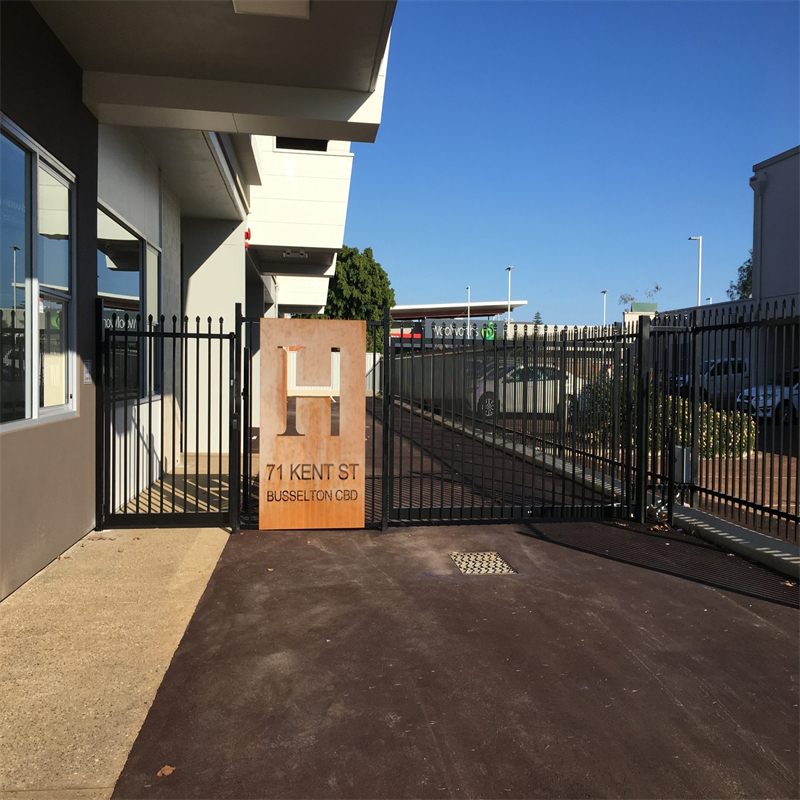

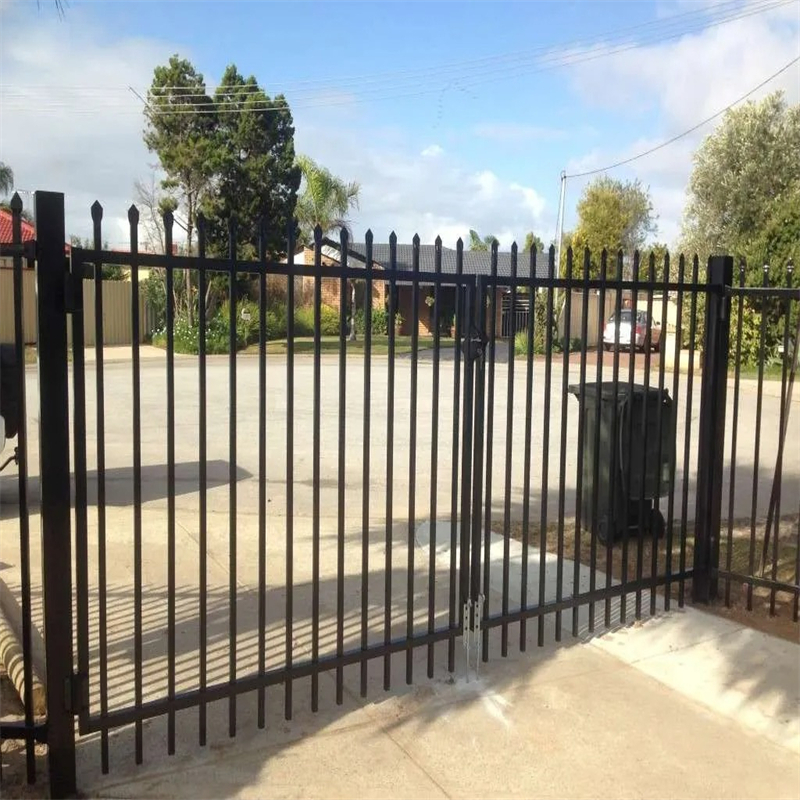
What Steel Spear Top Fencing is designed to do
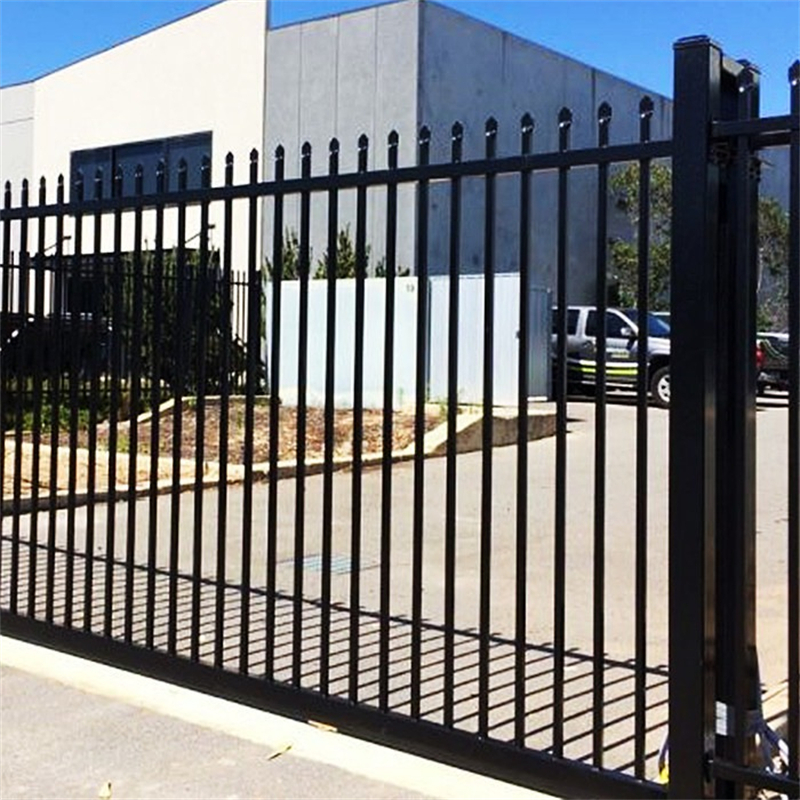
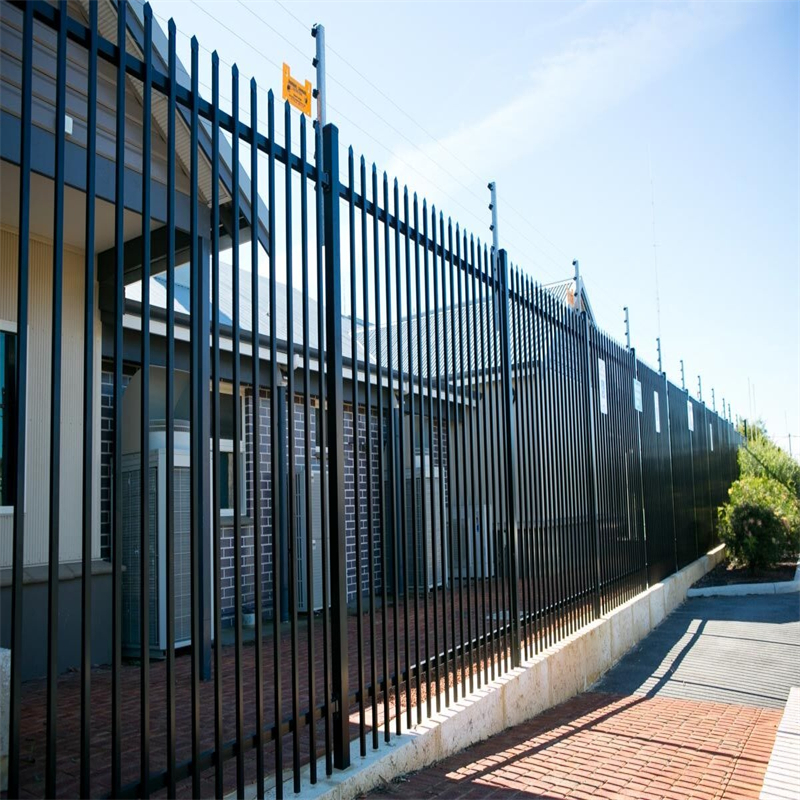
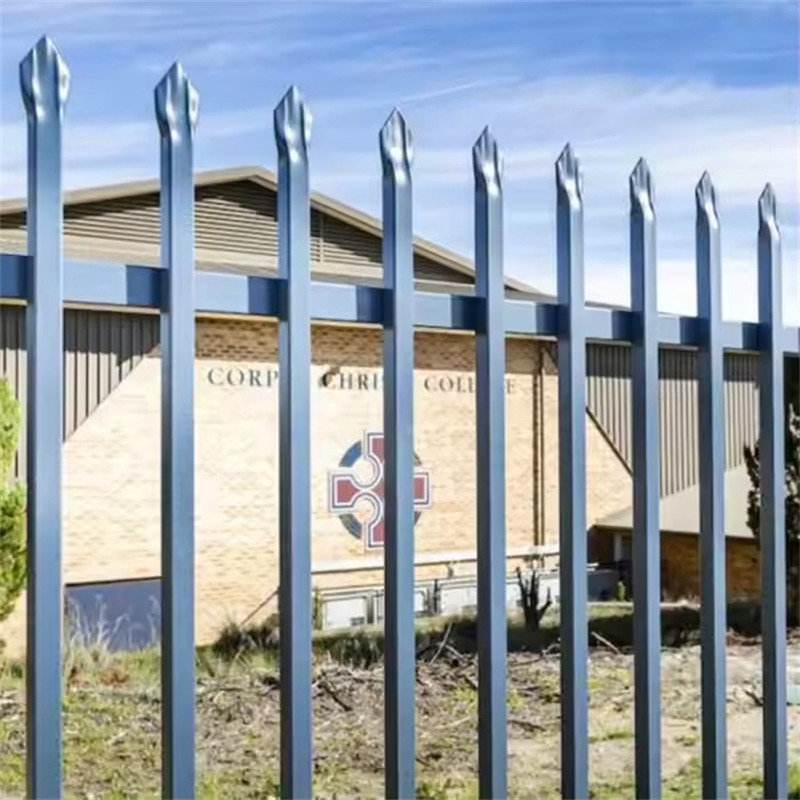
Steel Spear Top Fencing is a vertical-upright, rail-framed perimeter system where each upright terminates in a spear-top profile to increase climb deterrence and discourage intrusion.
It is selected when a project needs a clean architectural boundary that still signals “do not cross,” especially for schools, estates, light industrial frontage, parks, infrastructure corridors, and public-facing sites where appearance and discipline matter as much as basic security;
for adjacent zones where projects want a transparent, high-strength safety benchmark (balustrades, stair infill, façade fall protection, or zoo/aviary barriers), you can reference the stainless steel cable mesh approach in this Webnet complete guide to help lock measurable build controls and avoid “photo-only” procurement risk.
In practice, Steel Spear Top Fencing should deliver three visible outcomes: consistent spear alignment (so the top line reads straight), stable panel rigidity (so the fence does not rack under push loads), and controlled corrosion protection (so stains do not appear first at welds, joints, and contact points).
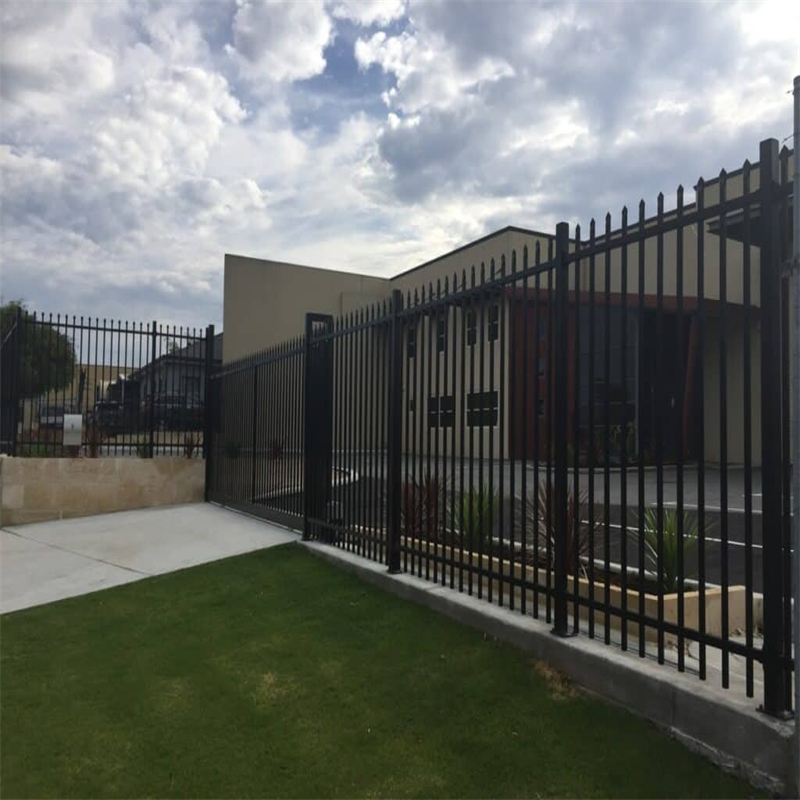
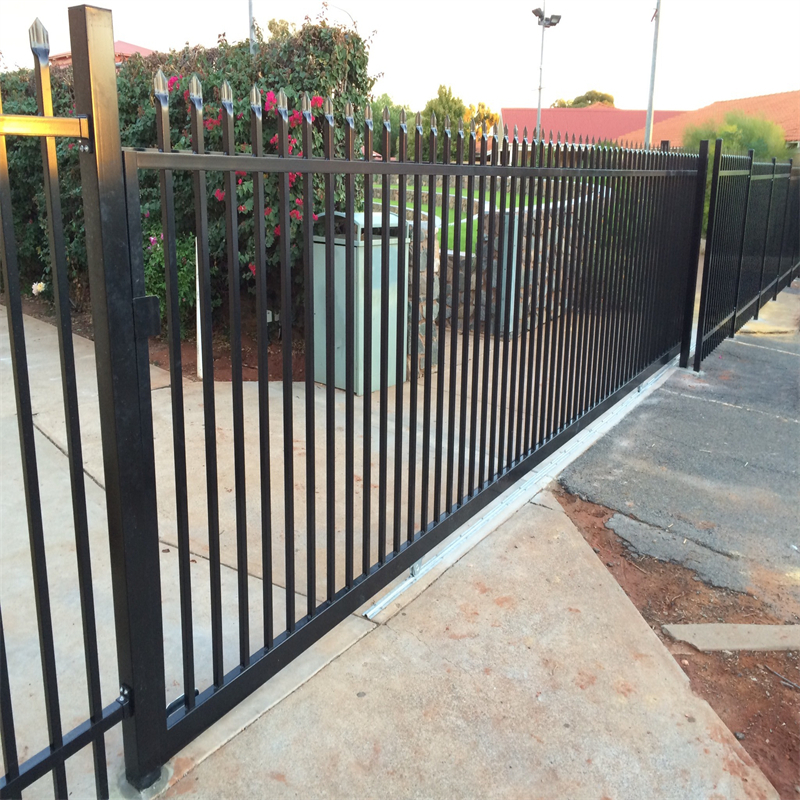
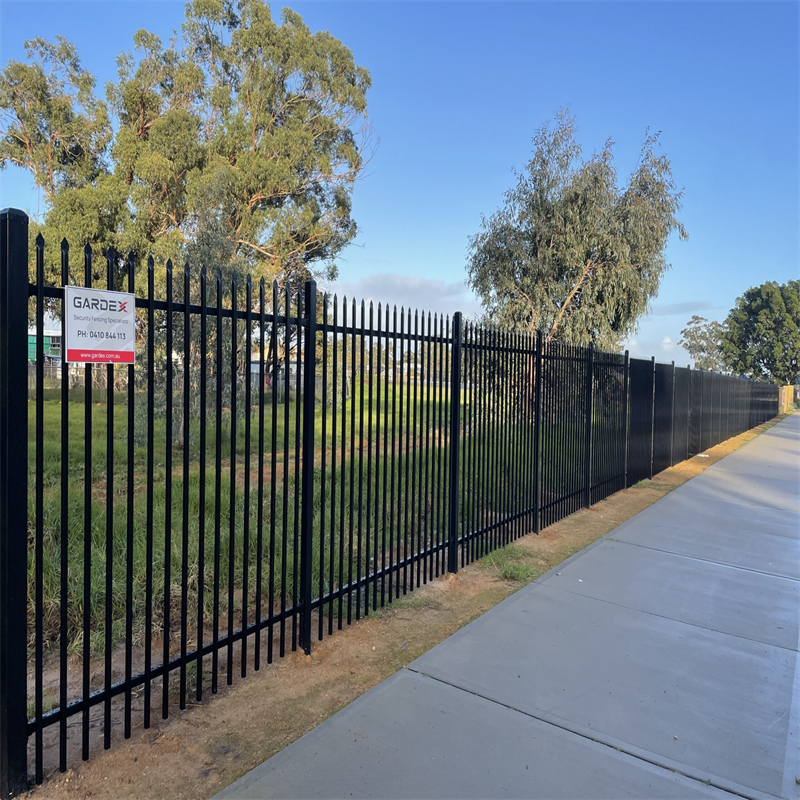

Top 10 brutal procurement traps for Steel Spear Top Fencing (Especially #7)
Each item below is written for buyers who want Steel Spear Top Fencing to install cleanly, stay aligned across long runs, and keep its finish where people see it every day.
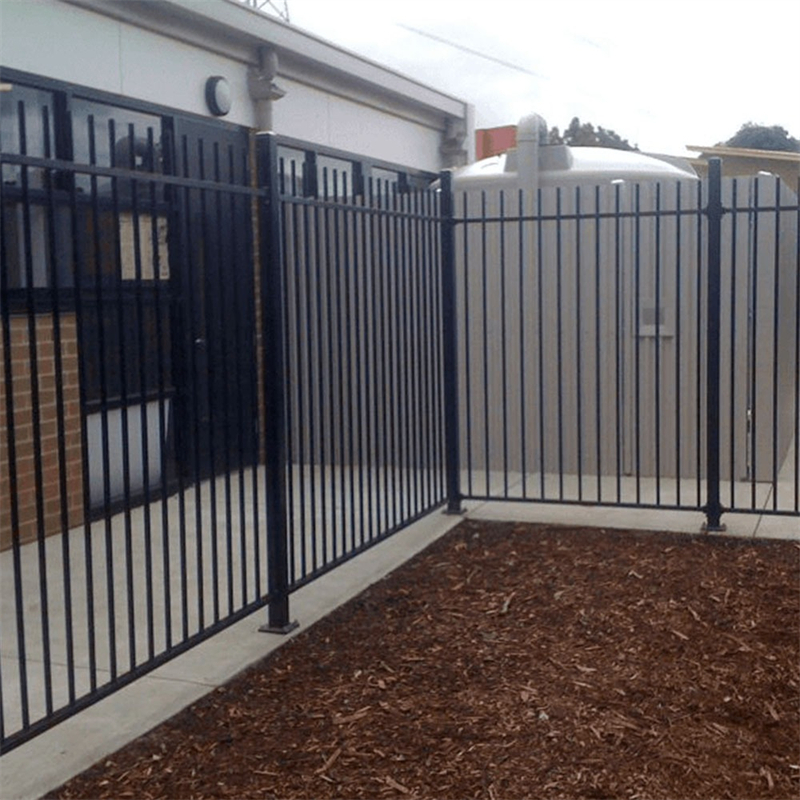
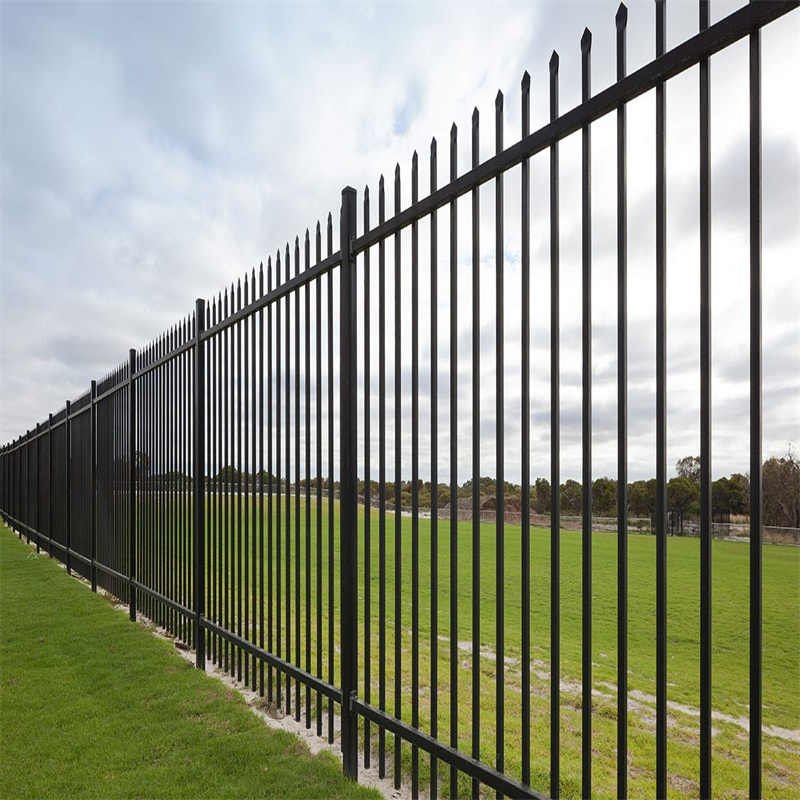
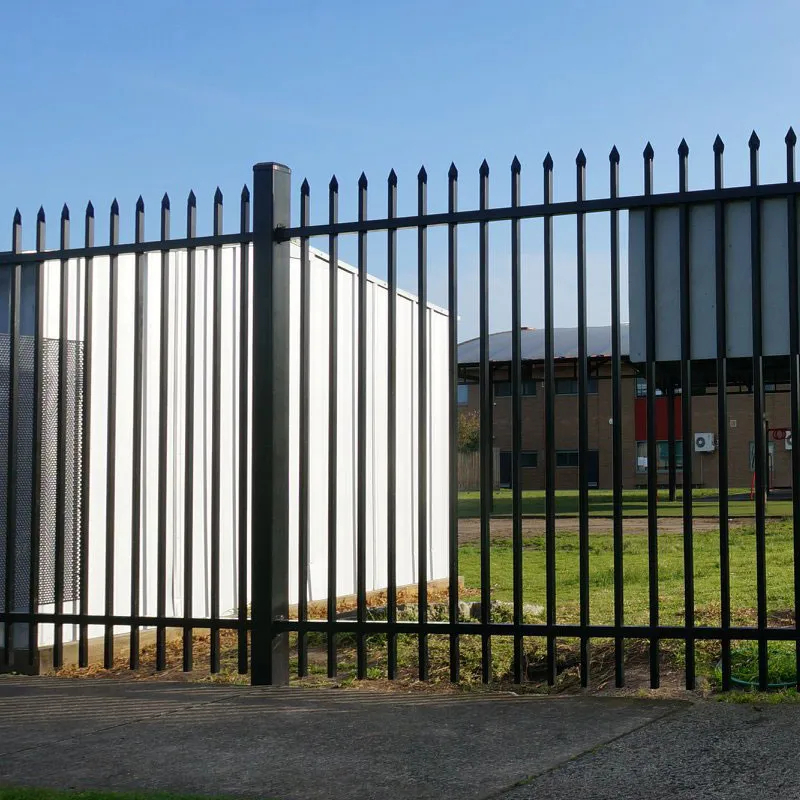

Trap #1 (trap): Buying Steel Spear Top Fencing as a photo, not a locked specification
If the order only says “powder coated spear top,” you are not buying a controlled system. Lock rail frame size, rail thickness, upright size, upright count, spacing, post section, post thickness, fixing method, and finish route, or two “same-looking” Steel Spear Top Fencing packages will behave differently in rigidity, tamper resistance, and long-run straightness.
Trap #2 (danger): Under-specifying the rail frame, then wondering why panels twist in handling
The rail frame is the backbone that keeps spear tips aligned. If rail size or thickness is too light, panels twist during lifting, clamping, and pinning, and the fence line reads “snaked” even when posts are plumb. A disciplined Steel Spear Top Fencing line starts with rail stiffness.
Trap #3 (mistake): Mixing upright sizes or thicknesses across batches and creating visual mismatch
When upright material varies (for example 16×16 vs 25×25 vs 30×30 or mixed thickness), the fence looks inconsistent bay-to-bay, and the top line reads uneven under sunlight and shadows. Steel Spear Top Fencing is a “repeatable module” product; repeatability must be protected.
Trap #4 (oversight): Not fixing upright count and spacing, then paying for gates and corners that don’t match
Upright spacing is not decoration; it controls panel infill rhythm, gate infill alignment, latch placement assumptions, corner transitions, and the overall “security feel.” If the project expects 18 uprights at 100mm spacing but receives 16 or 17 uprights, your Steel Spear Top Fencing line becomes a mixed-batch problem.
Trap #5 (failure): Choosing posts for price instead of load path and crowd contact
Posts are where push loads and vibration end up. If post size and thickness are under-selected, the fence racks, wobbles, and loosens at fixings. The public sees movement immediately, and Steel Spear Top Fencing loses the “secure boundary” message even if it looks sharp on day one.
Trap #6 (problem): Treating “powder coated” as one finish instead of a defined route
Powder coating performance depends on surface preparation, zinc route, cure control, film build, and weld/edge cleanup. If the finish route is not defined, the first visible defects on Steel Spear Top Fencing appear at weld seams, spear transitions, rail corners, and fixing contact points.
Trap #7 (loss): Hidden corrosion starts at weld zones, cut ends, and fixing interfaces
This is the silent money-loss item. Even when Steel Spear Top Fencing looks excellent after installation, corrosion can begin where moisture sits and where coating is easiest to damage during fit-up: cut ends, weld zones, and pin/connector contact points. Once staining appears, the true cost is access and touch-up labor across long runs, not just paint.
Trap #8 (pitfall): Accepting “any size available” without controlling geometry and spear alignment tolerance
Custom widths, raked bays, slopes, and step panels can look perfect—only if geometry control is consistent. If spear height, tip symmetry, and rail-to-upright alignment vary, the Steel Spear Top Fencing line looks uneven even when installed correctly.
Trap #9 (myth): Assuming “no visible fixings” automatically means “more secure”
Hidden or tamper-resistant fixings can be strong, but only when hole placement, bracket thickness, and interface tolerances are controlled. Otherwise installers force fit-up, damage coating, and create loose joints that rattle later, turning Steel Spear Top Fencing into a maintenance story.
Trap #10 (checklist): Under-packing that creates scratches, rub marks, and bent spears before the job starts
Steel Spear Top Fencing is often chosen because appearance matters. If panels rub metal-to-metal, spear tips bend, or corners chip in transit, your project begins with touch-up, mismatch, and rework—the exact opposite of the premium boundary you purchased.
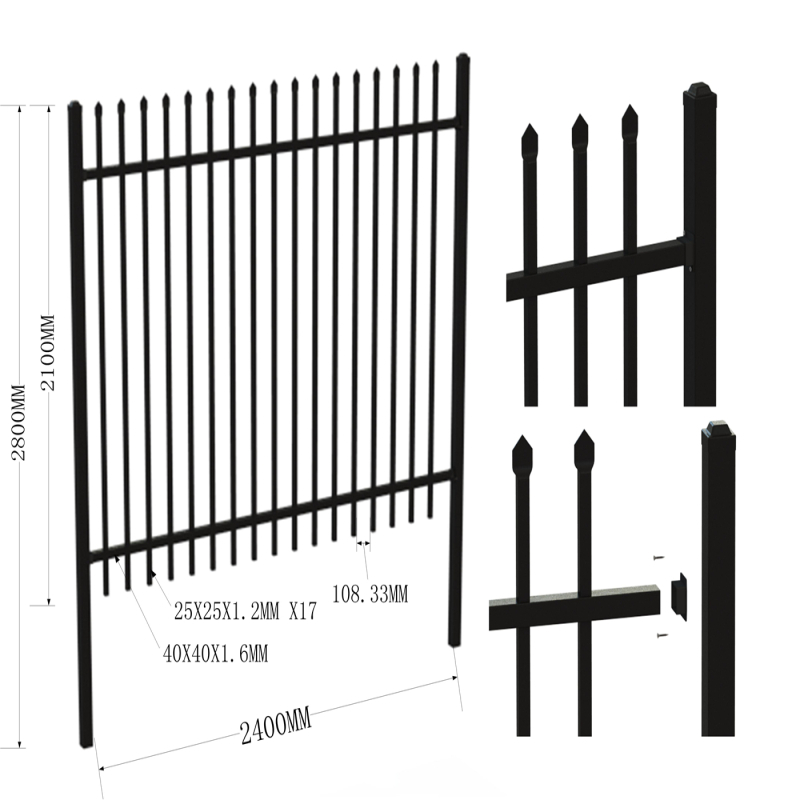
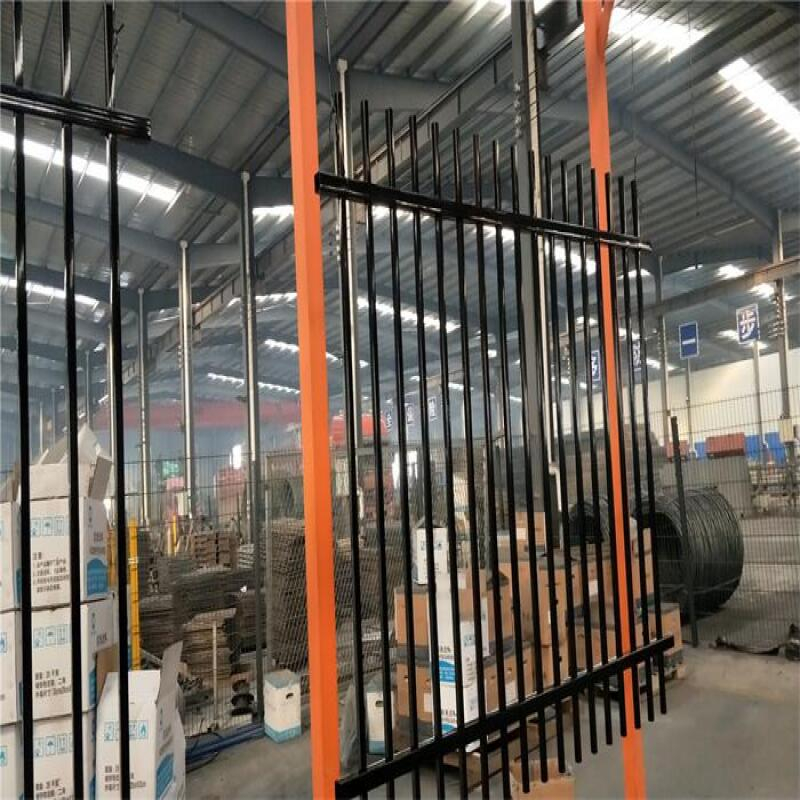
Product Description (POLYMETAL Steel Spear Top Fencing)
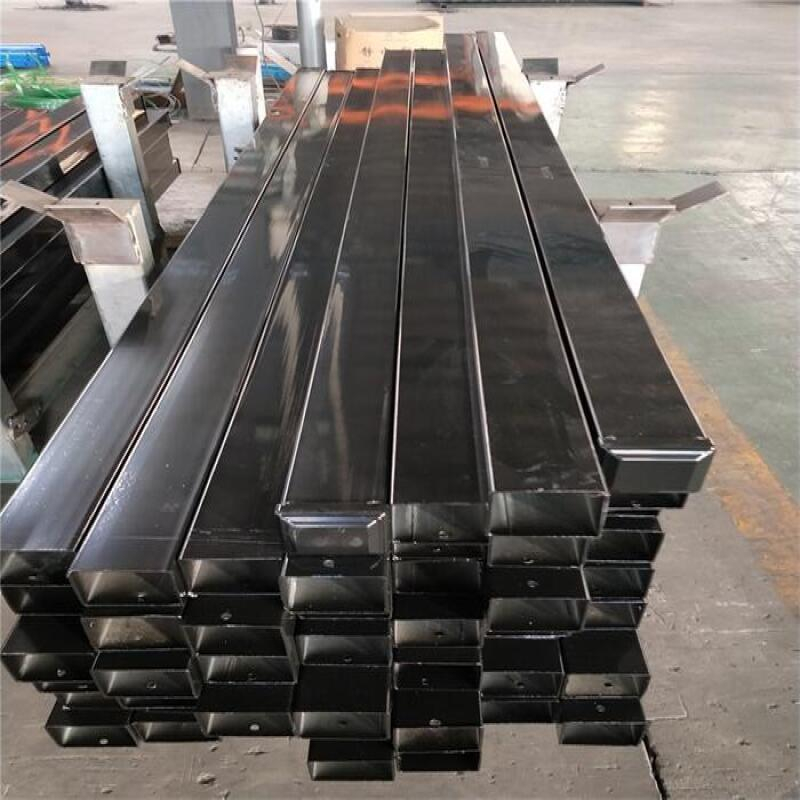
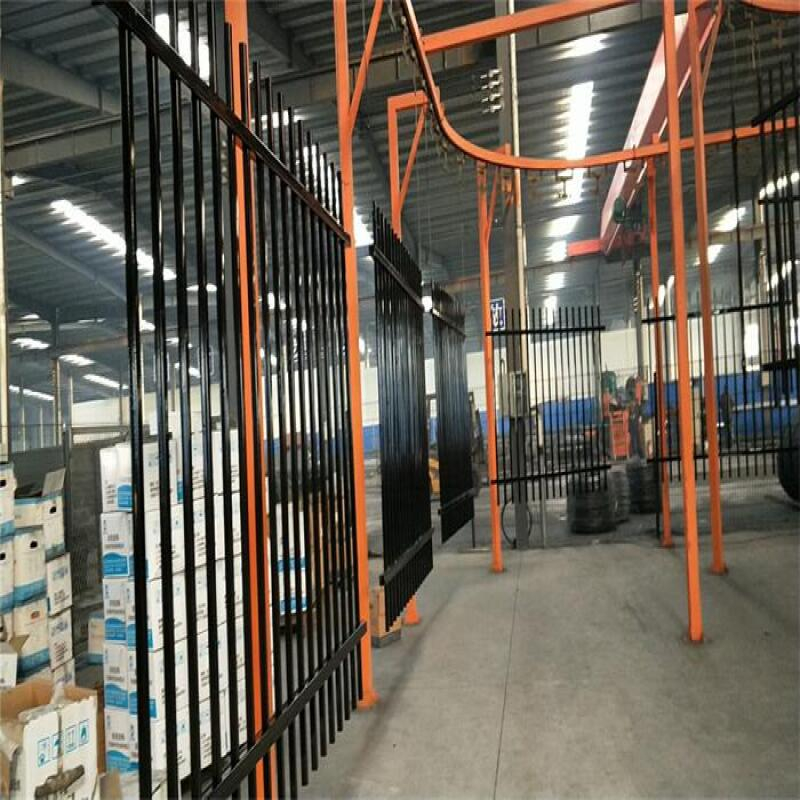
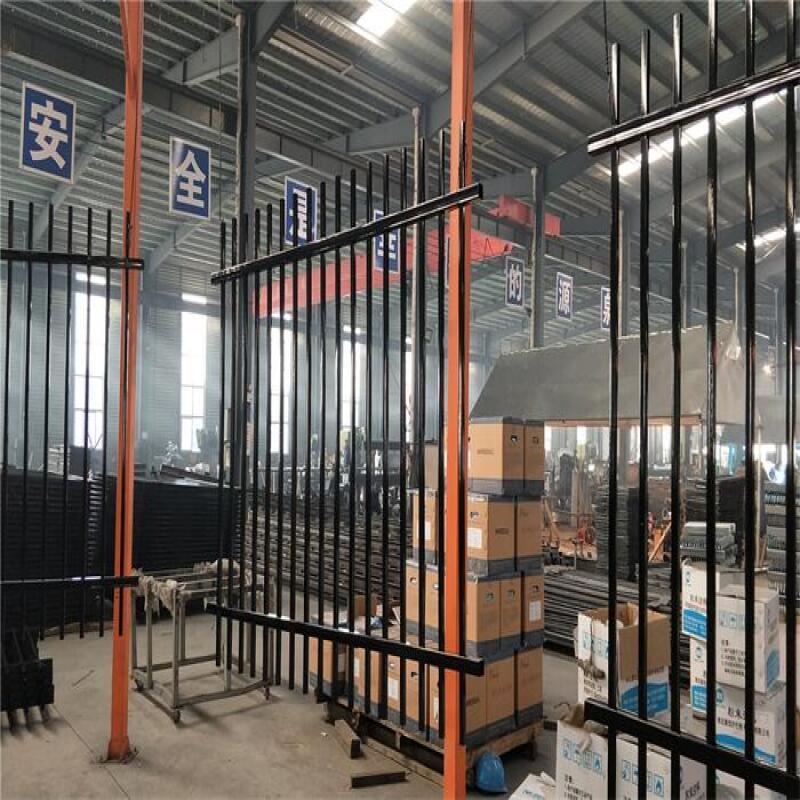
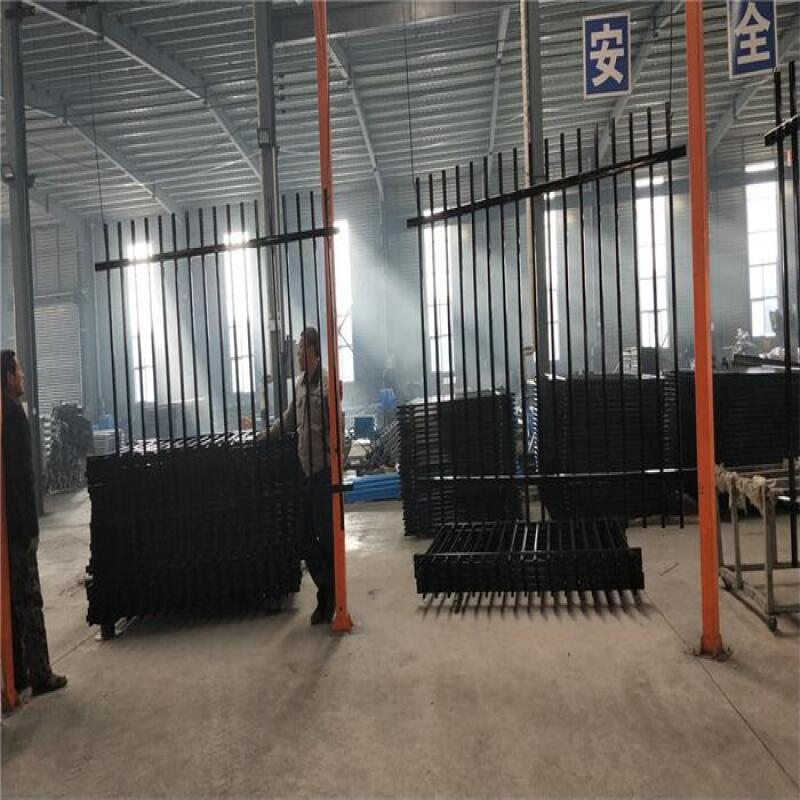
POLYMETAL Steel Spear Top Fencing is a welded steel perimeter panel system built for minimum to high visibility security boundaries where a sharp, disciplined top profile is required. The spear-top upright design increases climb deterrence while maintaining a clean architectural line for public-facing projects. Panels are manufactured with controlled rail frames and repeatable upright geometry so long runs install straight, spear tips align bay-to-bay, and the fence line retains a consistent “secure boundary” appearance. With hot dip galvanizing and powder coating options, POLYMETAL Steel Spear Top Fencing is designed to keep its finish stable over time, including at welds, edges, and fixing interfaces where failure typically shows first.
Specifications (Tables)
Table A — Panel Module & Core Dimensions (Steel Spear Top Fencing)
| Fence Height (Panel) | Fence Width (Panel) | Rail Frame Options | Rail Thickness Options | Upright Options | Upright Thickness Options | Upright Count / Spacing | Fence Post Height (Typical) | Post Options + Wall Thickness |
|---|---|---|---|---|---|---|---|---|
| 1200mm | 2400mm / 2500mm / 3000mm | 40×40mm / 45×45mm / 50×50mm | 1.60mm / 2.00mm / 2.50mm / 3.00mm | 25×25mm / 30×30mm / 16×16mm | 0.80mm / 1.00mm / 1.20mm / 2.00mm | 16 pcs (115mm) / 17 pcs (108mm) / 18 pcs (100mm) | 1800mm | 60×60 / 65×65 / 75×75 / 80×80 / 100×100 (1.60mm / 2.00mm / 2.50mm) |
| 1500mm | 2400mm / 2500mm / 3000mm | 40×40mm / 45×45mm / 50×50mm | 1.60mm / 2.00mm / 2.50mm / 3.00mm | 25×25mm / 30×30mm / 16×16mm | 0.80mm / 1.00mm / 1.20mm / 2.00mm | 16 pcs (115mm) / 17 pcs (108mm) / 18 pcs (100mm) | 2100mm | 60×60 / 65×65 / 75×75 / 80×80 / 100×100 (1.60mm / 2.00mm / 2.50mm) |
| 1800mm | 2400mm / 2500mm / 3000mm | 40×40mm / 45×45mm / 50×50mm | 1.60mm / 2.00mm / 2.50mm / 3.00mm | 25×25mm / 30×30mm / 16×16mm | 0.80mm / 1.00mm / 1.20mm / 2.00mm | 16 pcs (115mm) / 17 pcs (108mm) / 18 pcs (100mm) | 2400mm / 2450mm | 60×60 / 65×65 / 75×75 / 80×80 / 100×100 (1.60mm / 2.00mm / 2.50mm) |
| 2100mm | 2400mm / 2500mm / 3000mm | 40×40mm / 45×45mm / 50×50mm | 1.60mm / 2.00mm / 2.50mm / 3.00mm | 25×25mm / 30×30mm / 16×16mm | 0.80mm / 1.00mm / 1.20mm / 2.00mm | 16 pcs (115mm) / 17 pcs (108mm) / 18 pcs (100mm) | 2700mm | 60×60 / 65×65 / 75×75 / 80×80 / 100×100 (1.60mm / 2.00mm / 2.50mm) |
| 2400mm | 2400mm / 2500mm / 3000mm | 40×40mm / 45×45mm / 50×50mm | 1.60mm / 2.00mm / 2.50mm / 3.00mm | 25×25mm / 30×30mm / 16×16mm | 0.80mm / 1.00mm / 1.20mm / 2.00mm | 16 pcs (115mm) / 17 pcs (108mm) / 18 pcs (100mm) | 3000mm | 60×60 / 65×65 / 75×75 / 80×80 / 100×100 (1.60mm / 2.00mm / 2.50mm) |
Table B — Finish Route, Colour Options, and Build Controls (Steel Spear Top Fencing)
| Item | Standard / Option |
|---|---|
| Surface Treatment | Hot dip galvanized + powder coated; galvanized-only available for industrial builds |
| Standard Colours | Black (RAL 9005), Green (RAL 6005), Grey (RAL 7012), White (RAL 9010), custom RAL colours available |
| Spear Top Profile | Pressed/welded spear top; controlled tip symmetry and top-line alignment for bay-to-bay consistency |
| Fixing Options | Tamper-resistant pin system; concealed brackets; security bolts depending on post type and site requirement |
| Weld Control | Consistent weld penetration at rail-to-upright joints; edge cleanup at weld zones to protect coating continuity |
Table C — Gate Options to Match Steel Spear Top Fencing
| Gate Type | Matching Options |
|---|---|
| Single Swing Gate | Matched spear-top infill; matched rails and posts; lock/latch to project requirement |
| Double Swing Gate | Matched leaf symmetry; drop bolts; ground stops; heavy-duty hinges for higher traffic |
| Sliding Gate | Manual or electric; matched infill; track or cantilever options by opening and site conditions |
Applications
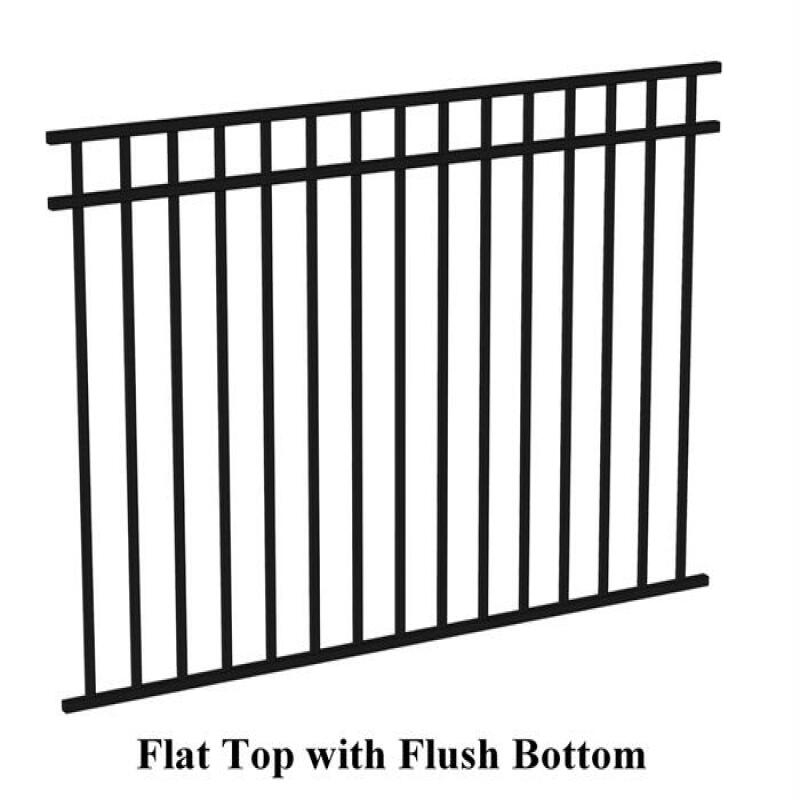
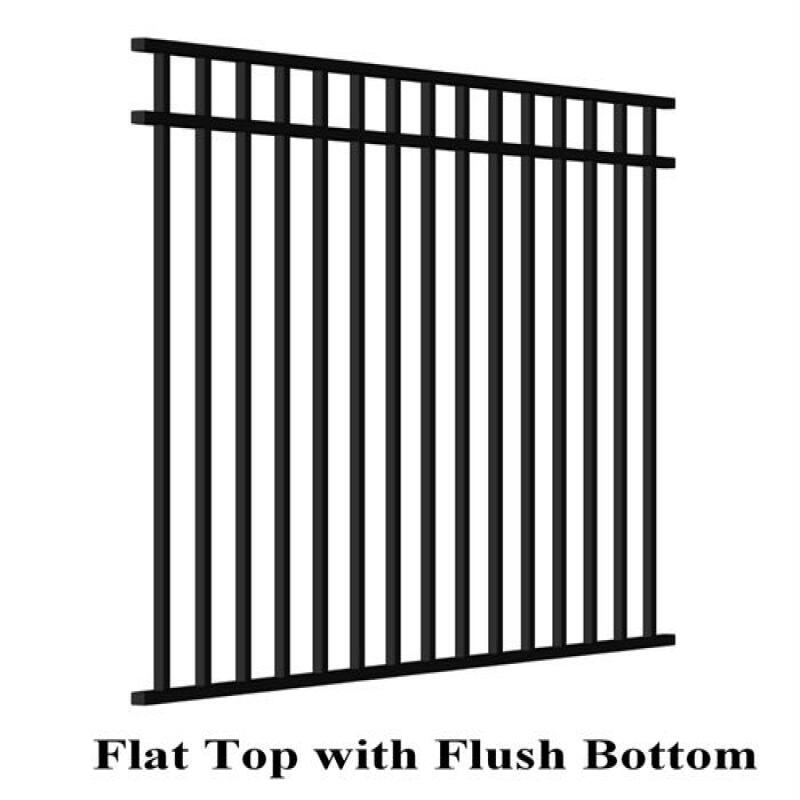
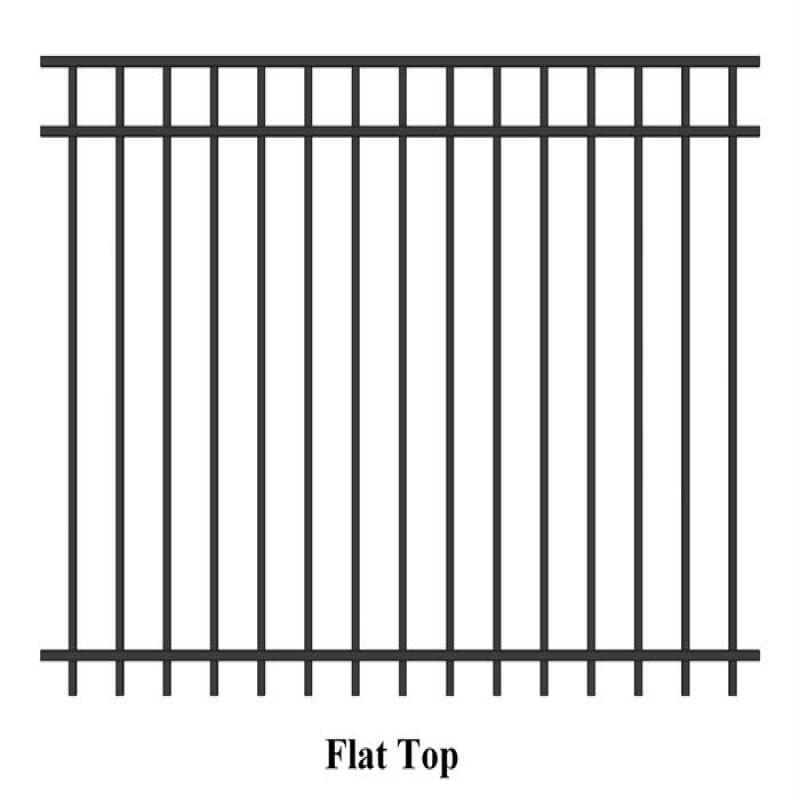
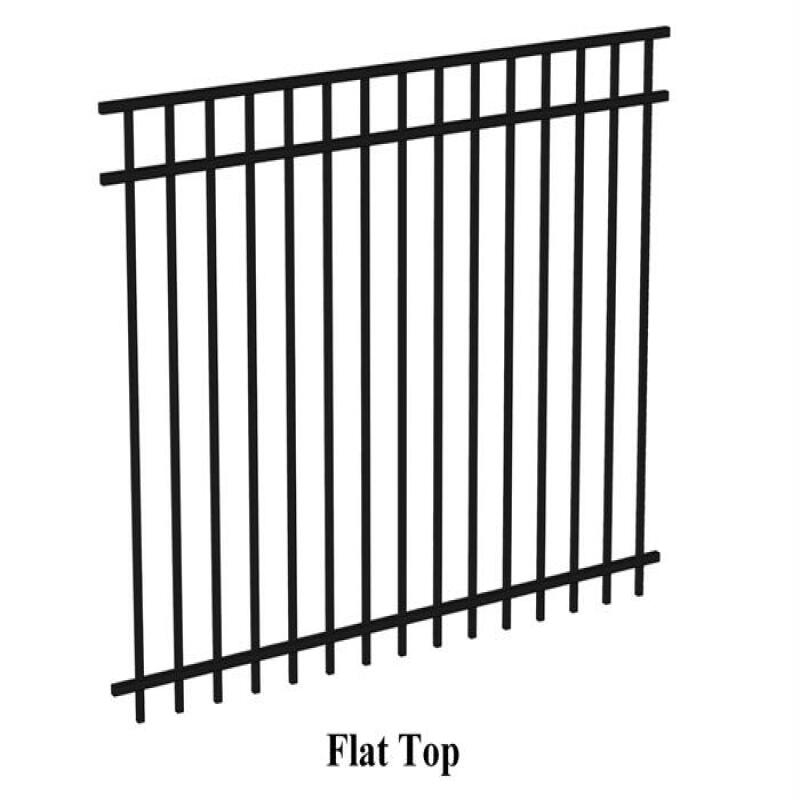
Steel Spear Top Fencing is commonly specified for school boundaries, housing estates, parks, community precincts, public car parks, light industrial frontage, utilities and infrastructure corridors, warehouse perimeters, and commercial sites that require a clear, disciplined perimeter line with stronger climb deterrence than flat-top decorative fencing.
Benefits
Steel Spear Top Fencing delivers a sharper security message while keeping a clean architectural look. The rigid rail frame helps long runs install straight, the spear top discourages climbing and interference, and the controlled upright spacing supports a consistent bay rhythm that looks premium on public-facing projects. With hot dip galvanizing and powder coating options, Steel Spear Top Fencing maintains a stable finish and protects against the visible, reputation-damaging corrosion that typically starts at welds, edges, and fixing interfaces.
Packing
POLYMETAL Steel Spear Top Fencing packing is designed to protect straightness and appearance: panels are stacked on steel pallets with separators to prevent metal-to-metal rubbing, spear tips and corners are protected to reduce coating damage, and strapping tension is controlled to prevent shifting and bending during transport. Posts are bundled by section and length, and fixings are boxed and labelled for fast site picking and clean installation flow across long runs.
Standard
Steel Spear Top Fencing projects commonly reference hot dip galvanizing and powder coating standards to lock corrosion performance and finish expectations, including BS EN 1461 for hot dip galvanizing and BS EN 13438 for powder coating on galvanized steel. Where public safety and long-term appearance are high priority, project documentation typically locks coating route, weld cleanup expectations, and fixing interface details so the system performs as a complete assembly rather than a “photo-only” purchase.
FAQS
Q: Why choose Steel Spear Top Fencing instead of flat-top fencing?
A: Steel Spear Top Fencing increases climb deterrence while keeping a clean, disciplined perimeter line, making it popular for schools, estates, and commercial sites where the boundary must look sharp and feel secure.
Q: What upright spacing should I lock in the order?
A: Lock the upright count and spacing as part of the Steel Spear Top Fencing module: 16 pcs (115mm), 17 pcs (108mm), or 18 pcs (100mm) depending on the project’s visual rhythm and security intent.
Q: Which rail frame should I select for better rigidity?
A: If the site demands stronger handling stiffness and long-run straightness, choose heavier rail frame and thickness combinations within the Steel Spear Top Fencing options (40×40, 45×45, 50×50 with 1.60–3.00mm thickness) to match the load path and exposure.
Q: What is the biggest hidden cost risk?
A: The biggest hidden cost is not the panel price; it is rework and access labour when coating gets damaged at joints and interfaces. A controlled finish route and protected packing keep Steel Spear Top Fencing looking clean across long runs.
Q: Can you supply matching gates?
A: Yes. POLYMETAL Steel Spear Top Fencing can be supplied with matching single swing, double swing, and sliding gates (manual or electric) to keep the perimeter line consistent.