Your One-Stop Wire Mesh Fence Supplier | POLYMETAL
 |  |
A steel tube picket fence is chosen when a project needs an architectural boundary that still behaves like a real security system under pushing loads, wind exposure, and daily public contact. The problem is not “does it look neat on day one?”—the real cost shows up after installation when alignment drifts, rails feel soft, coatings chip at welds, or posts are under-sized for the fence height.
POLYMETAL manufactures steel tube picket fence panels as a controlled assembly: consistent rail geometry, disciplined picket spacing, repeatable welding, and coating build that is designed to survive transport, handling, and years of outdoor exposure. When buyers lock the measurable inputs early, the delivered fence installs straighter, stays tighter, and avoids the silent budget-killers that arrive after unloading—especially when procurement teams also align their site logistics and sourcing plan using our guide on where to buy crowd control barriers.
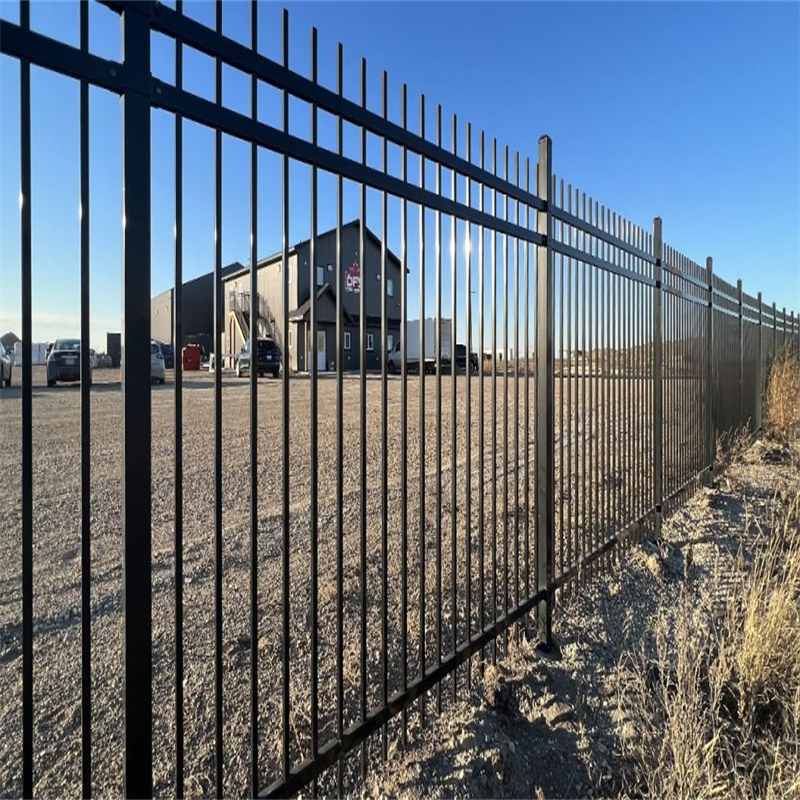
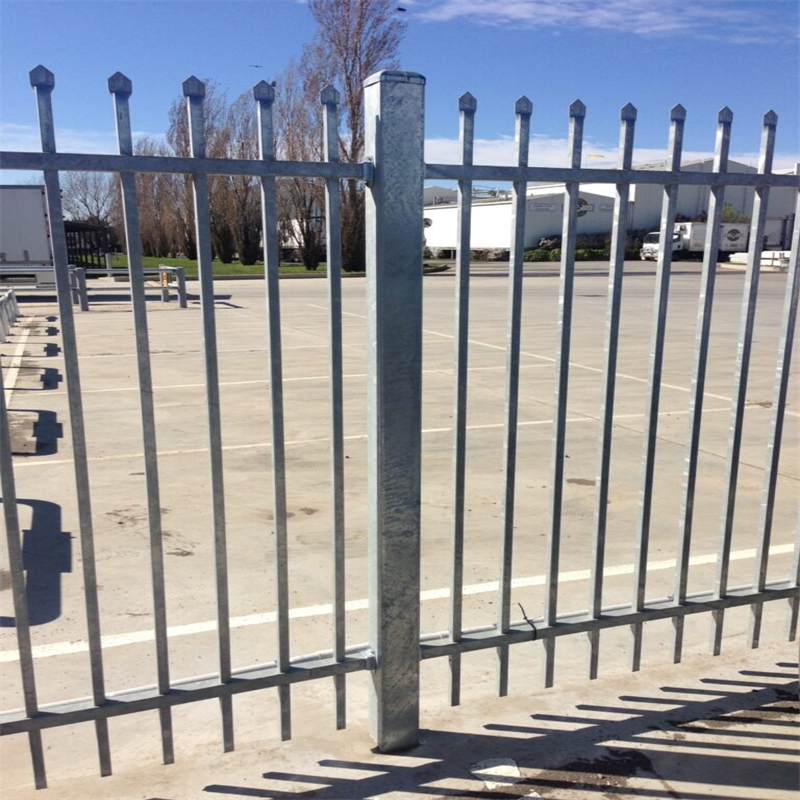
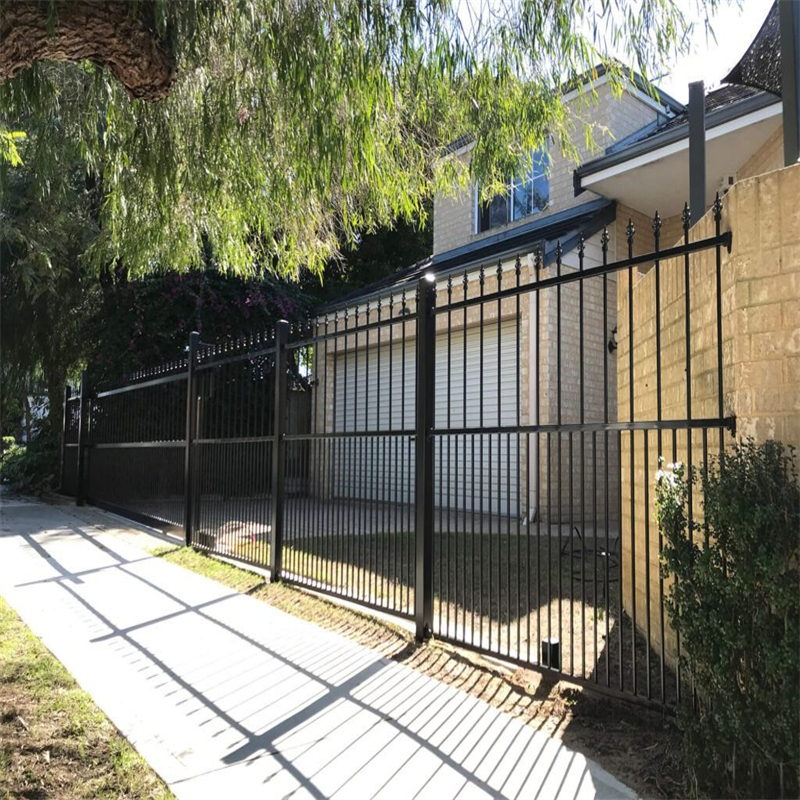

Product Description (Steel Tube Picket Fence)
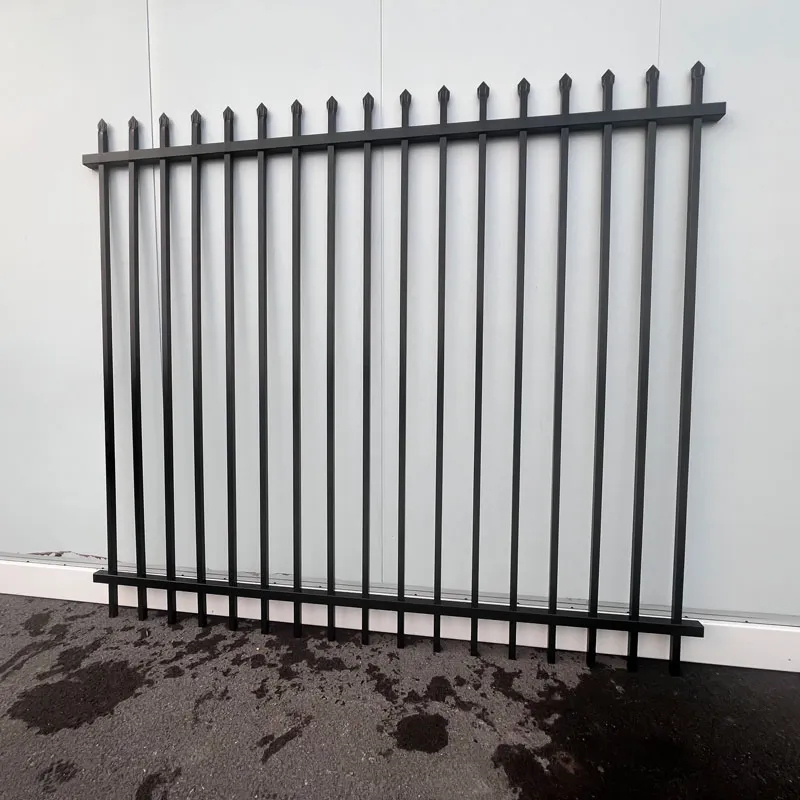
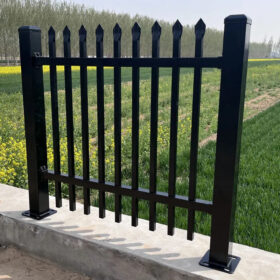
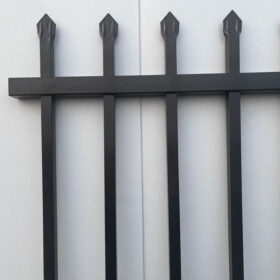
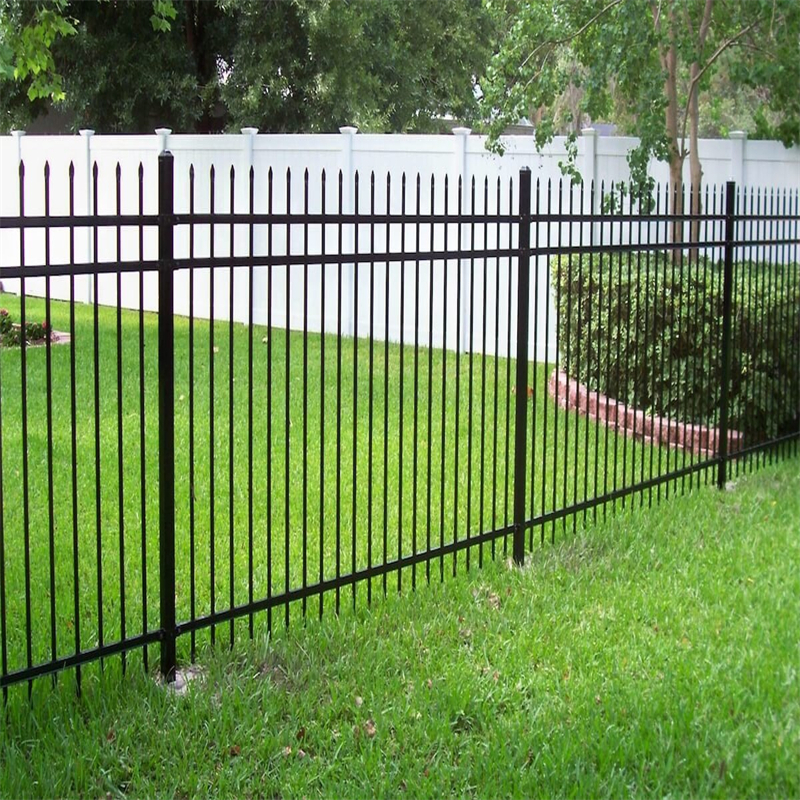
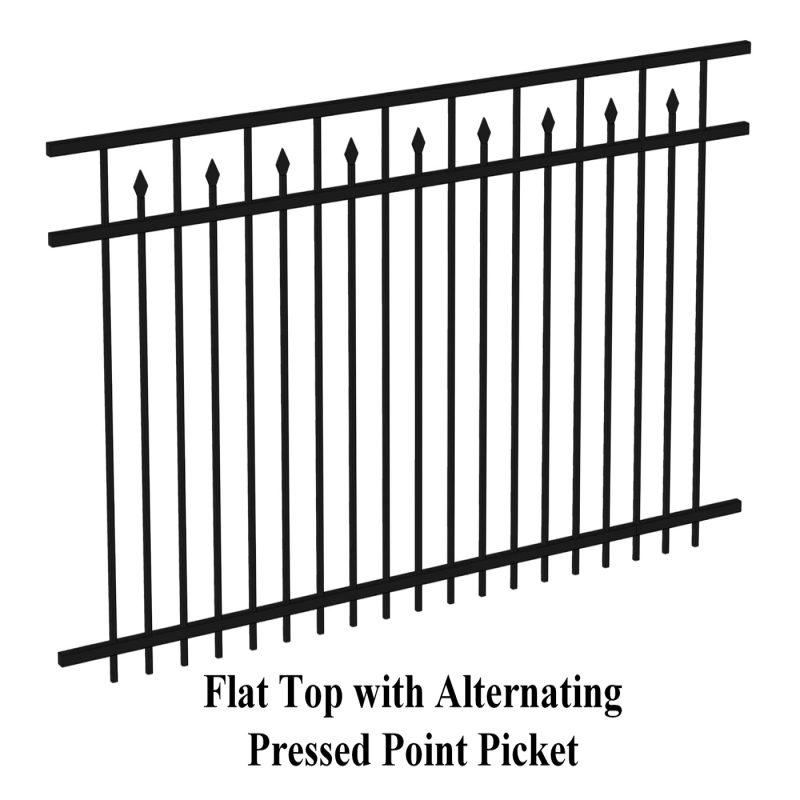
In a properly specified steel tube picket fence, the pickets do not merely sit against the rail—they are controlled through the rail line so the panel resists “peeling” or “prying” forces. This detail matters because most visible failures start at the same places: loose pickets, rail twist, and coating damage around weld heat zones.
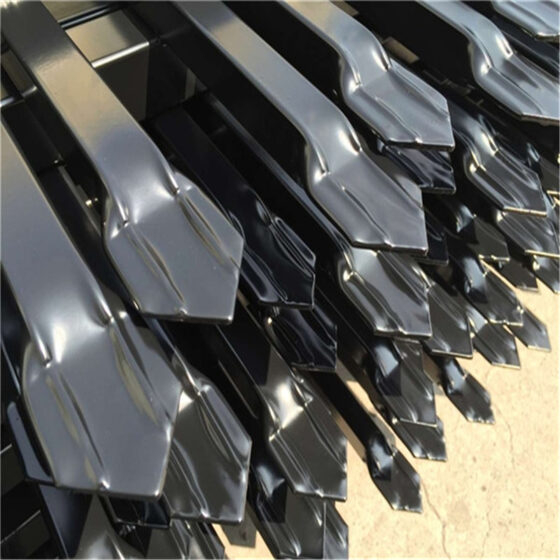
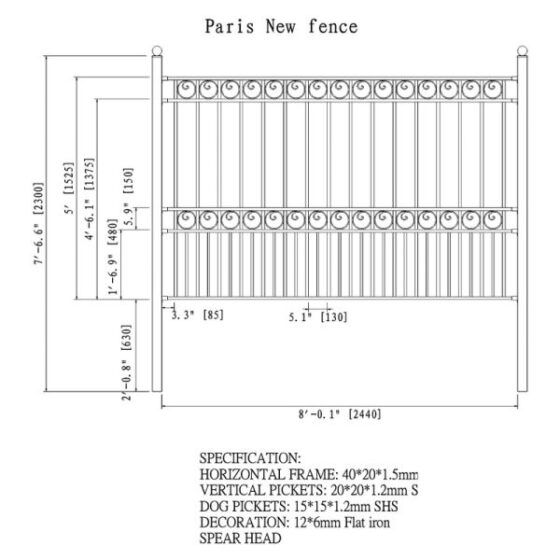
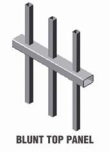
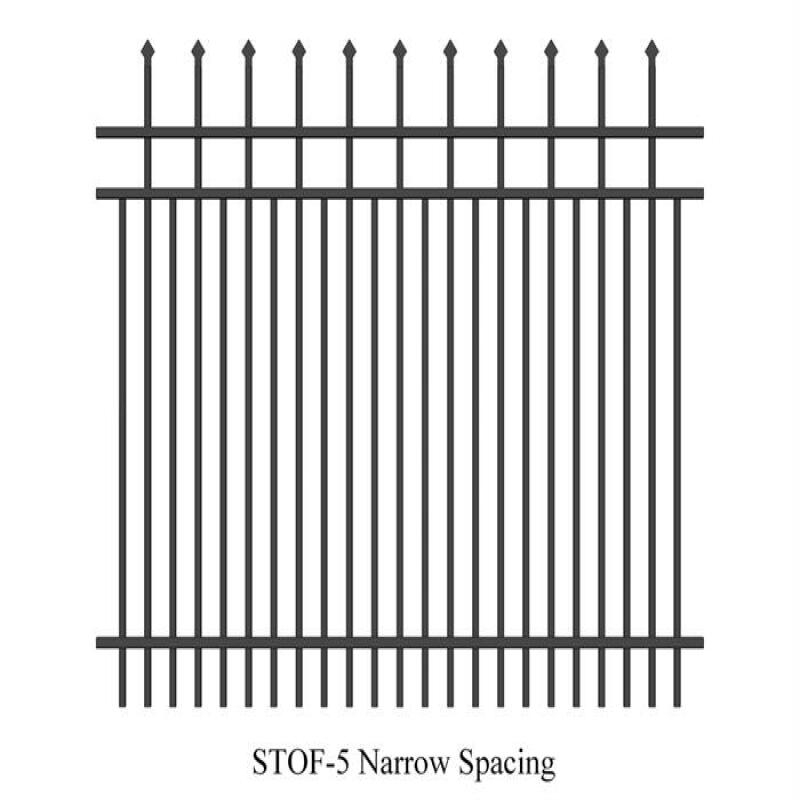
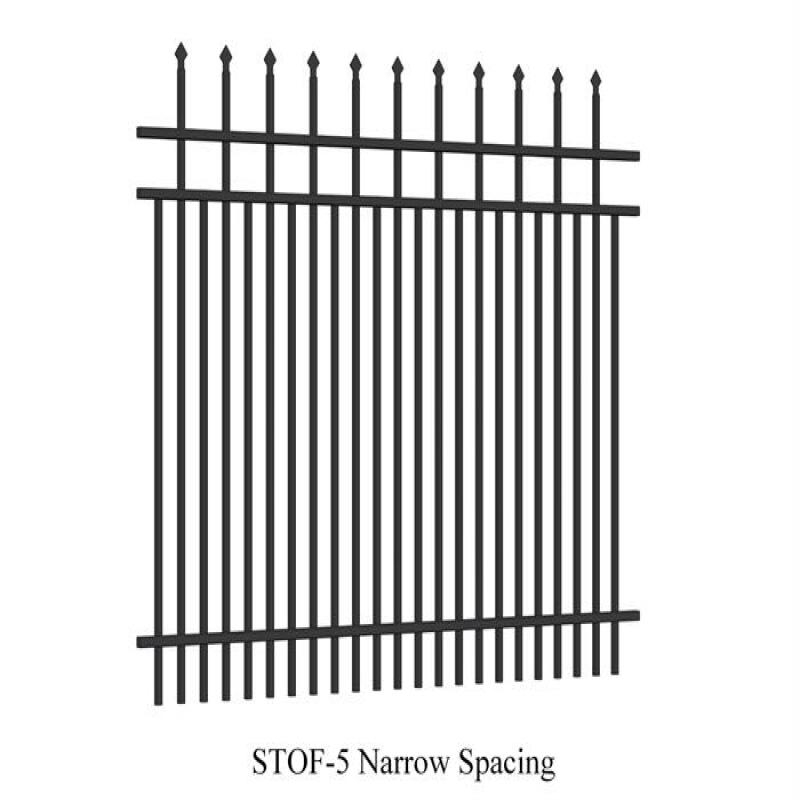
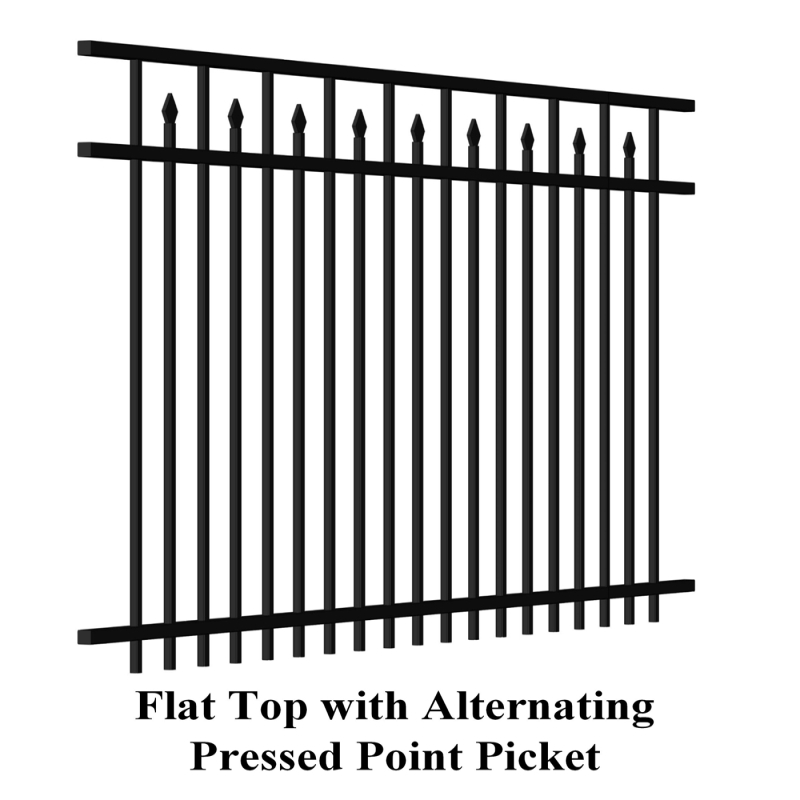
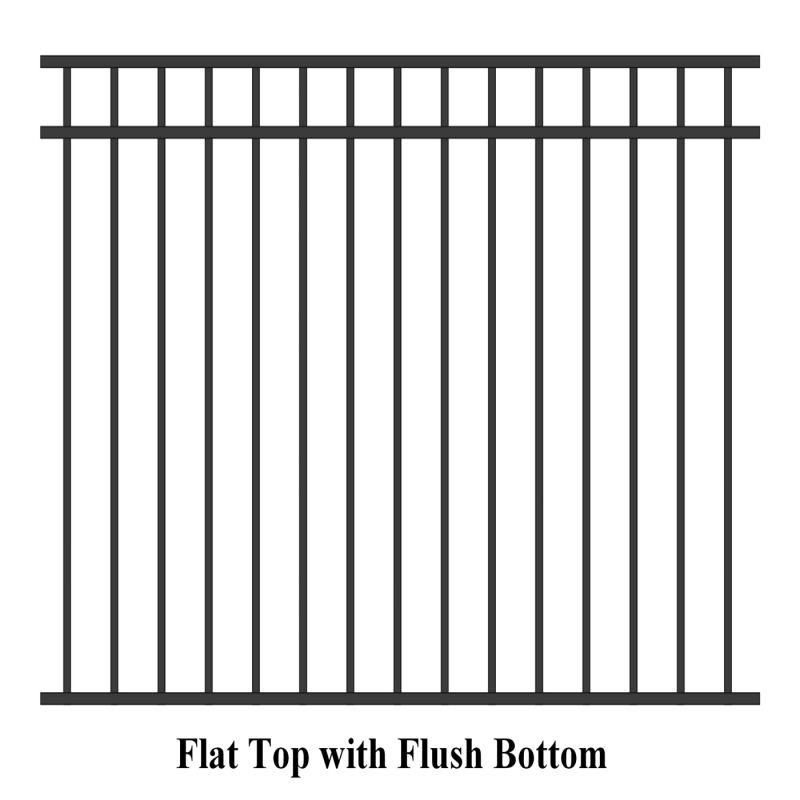
POLYMETAL steel tube picket fence panels are typically built with square rail frames (40×40 / 45×45 / 50×50) and tubular or square pickets (16×16 / 25×25 / 30×30) chosen for the site’s risk level and the visual intent. For projects that need matching access control, the system can be paired with coordinated pedestrian and vehicle garrison fencing gates using compatible hinges, latches, and locking options—so the fence line and gate line behave as one consistent boundary.
 | 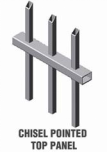 | 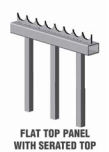 | 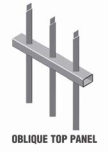 |
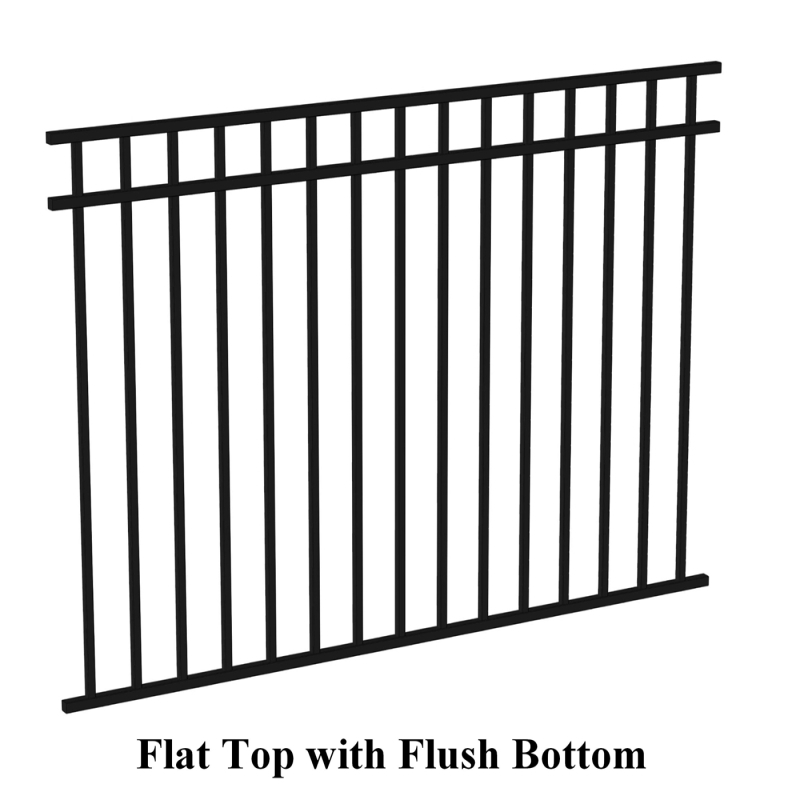
A steel tube picket fence is commonly manufactured for level ground runs, but panels can also be produced to rake for slopes when site conditions are confirmed early. The key is to lock the slope handling method before production—otherwise the fence looks “fine” in the factory and becomes a time-bomb on site when installers start cutting, forcing, and repainting.
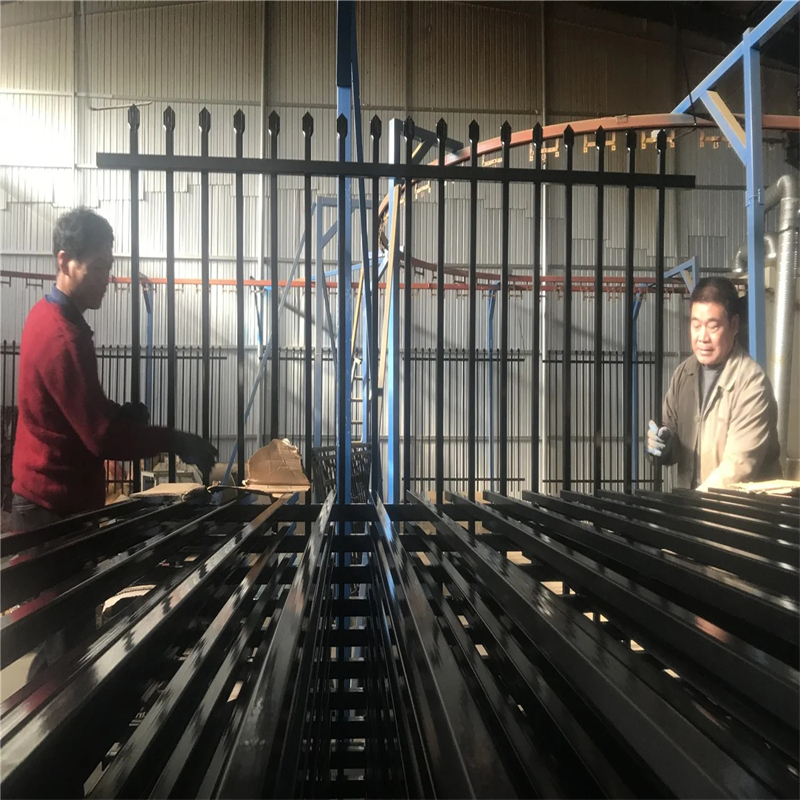

Top 11 Brutal Procurement Traps for Steel Tube Picket Fence (Especially #8)
Most steel tube picket fence losses are not dramatic—they are slow and expensive: extra labor, callbacks, coating touch-ups, gate misalignment, and early corrosion at the exact points people see first. Below are 11 high-frequency traps that quietly destroy budgets when a fence is purchased as a photo instead of a controlled system.
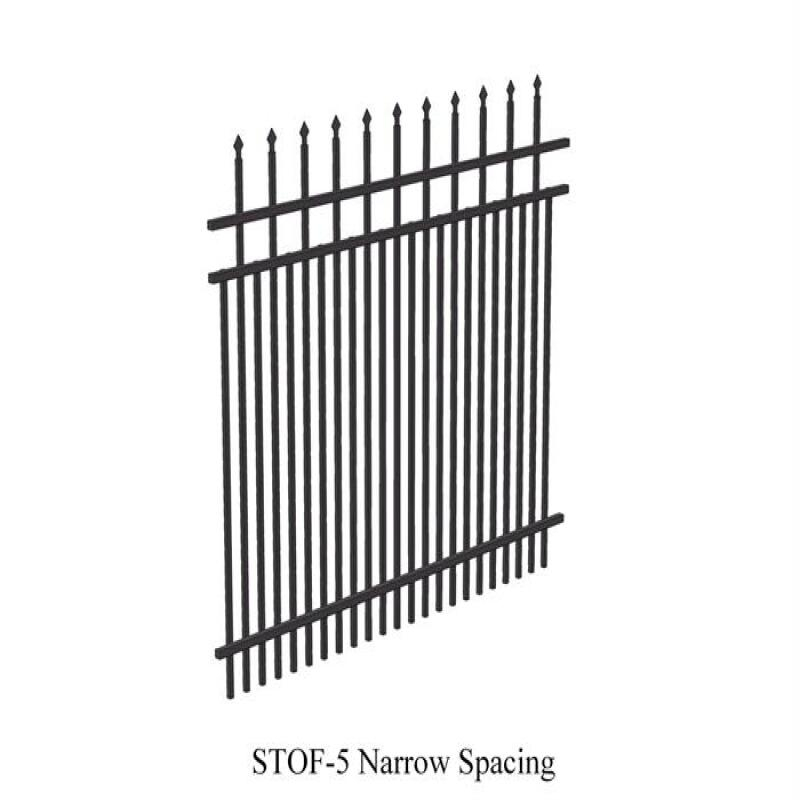
Trap #1: Spec Gap — Treating “Steel Tube Picket Fence” as a Keyword, Not a Schedule
If the purchase order does not lock fence height, fence width, rail frame size, picket size, and spacing, the supplier can legally deliver a “similar-looking” panel with a softer rail and thinner pickets. It installs, but it flexes, drifts, and ages faster.
Pitfall #2: Oversight — Picking Rail Frame Size by Habit Instead of Load Path
Rail frames (40×40 vs 45×45 vs 50×50) change stiffness more than buyers expect. A rail that is “almost the same” on paper can feel completely different once a long run is pinned and pushed.
Warning #3: Mistake — Ignoring Rail Thickness Until Rails Start Twisting
Rail thickness (1.60 / 2.00 / 2.50 / 3.00mm) is a core stiffness control. If thickness tolerance is not locked, you can receive rails that “breathe” under handling and the fence line will never look straight over distance.
Risk #4: Weakness — Selecting Upright Size Without Matching the Rail Choice
Pickets (16×16 / 25×25 / 30×30) must match the rail system. A strong rail with very light pickets creates denting and visible damage; heavy pickets with a light rail creates twist and stress at welds.
Cost #5: Misstep — Allowing Upright Thickness to Float in the Quote
Upright thickness (0.80 / 1.00 / 1.20 / 2.00mm) decides dent resistance and long-term straightness. If thickness is not explicitly controlled, the first “damage claim” often becomes an argument about what was “assumed.”
Problem #6: Error — Treating “Spacing” as a Single Number With No Picket Count Control
“100mm spacing” alone is not enough. Picket count per panel (16 / 17 / 18) and the resulting spacing must be defined together. Otherwise, the delivered line may fail safety expectations or look visibly inconsistent from bay to bay.
Danger #7: Loophole — Not Locking Post Size Options to Fence Height
Posts (60×60 / 65×65 / 75×75 / 80×80 / 100×100) must match height, wind exposure, and site abuse level. If the post option is left open, you can receive posts that technically “fit” but do not hold the fence line rigid in the real world.
Failure #8: Hazard — Forgetting Coating Strategy at Weld Zones (The Silent Killer)
The most expensive steel tube picket fence failures often start at weld heat zones: micro-cracks in powder, thin coating at sharp edges, and early rust where people touch and see first. If galvanizing level, surface prep, and powder build are not controlled, the fence looks perfect at delivery and ugly months later.
Drawback #9: Gap — Ordering Gates as an Afterthought
A steel tube picket fence line is only as strong as the gate. If hinges, latch posts, and gate frames are not matched to the fence schedule, you get sag, latch misalignment, and constant adjustment.
Threat #10: Crisis — Assuming the Site Is Level Without Slope Planning
If the site is not level and raking is not planned, installers start cutting, drilling, and touching up on site. That is where coating damage multiplies and corrosion risk spikes.
Checklist #11: Lesson — Skipping Packing Protection That Prevents “Arrival Damage”
Many “quality disputes” are actually packing disputes. If panels rub during transport, powder coat scuffs, rail corners chip, and the fence arrives looking older than it is. Packing is part of the product, not a bonus—especially for high-finish items like architectural mesh, where buyers often compare protection methods with products such as stainless wire rope mesh for sale.
Steel Tube Picket Fence Specifications (POLYMETAL)
The table below is a controlled specification framework for a steel tube picket fence. It keeps dimensional discipline while allowing practical options for rail frames, pickets, and posts based on site requirements.
| FENCE HEIGHT (Panel) | FENCE WIDTH | RAIL FRAME OPTIONS | RAIL THICKNESS | UPRIGHT (PICKET) OPTIONS | UPRIGHT THICKNESS | UPRIGHT QTY / SPACING | POST SIZE OPTIONS | POST WALL THICKNESS | FENCE POST HEIGHT |
|---|---|---|---|---|---|---|---|---|---|
| 1200mm | 2400mm | 40×40mm / 45×45mm / 50×50mm | 1.60mm / 2.00mm / 2.50mm / 3.00mm | 16×16mm / 25×25mm / 30×30mm | 0.80mm / 1.00mm / 1.20mm / 2.00mm | 16pcs (~115mm) / 17pcs (~108mm) / 18pcs (100mm) | 60×60 / 65×65 / 75×75 / 80×80 / 100×100 | 1.60mm / 2.00mm / 2.50mm | 1800mm |
| 1500mm | 2400mm | 40×40mm / 45×45mm / 50×50mm | 1.60mm / 2.00mm / 2.50mm / 3.00mm | 16×16mm / 25×25mm / 30×30mm | 0.80mm / 1.00mm / 1.20mm / 2.00mm | 16pcs (~115mm) / 17pcs (~108mm) / 18pcs (100mm) | 60×60 / 65×65 / 75×75 / 80×80 / 100×100 | 1.60mm / 2.00mm / 2.50mm | 2100mm |
| 1800mm | 2400mm | 40×40mm / 45×45mm / 50×50mm | 1.60mm / 2.00mm / 2.50mm / 3.00mm | 16×16mm / 25×25mm / 30×30mm | 0.80mm / 1.00mm / 1.20mm / 2.00mm | 16pcs (~115mm) / 17pcs (~108mm) / 18pcs (100mm) | 60×60 / 65×65 / 75×75 / 80×80 / 100×100 | 1.60mm / 2.00mm / 2.50mm | 2400mm / 2450mm |
| 2100mm | 2400mm | 40×40mm / 45×45mm / 50×50mm | 1.60mm / 2.00mm / 2.50mm / 3.00mm | 16×16mm / 25×25mm / 30×30mm | 0.80mm / 1.00mm / 1.20mm / 2.00mm | 16pcs (~115mm) / 17pcs (~108mm) / 18pcs (100mm) | 60×60 / 65×65 / 75×75 / 80×80 / 100×100 | 1.60mm / 2.00mm / 2.50mm | 2700mm |
| 2400mm | 2400mm | 40×40mm / 45×45mm / 50×50mm | 1.60mm / 2.00mm / 2.50mm / 3.00mm | 16×16mm / 25×25mm / 30×30mm | 0.80mm / 1.00mm / 1.20mm / 2.00mm | 16pcs (~115mm) / 17pcs (~108mm) / 18pcs (100mm) | 60×60 / 65×65 / 75×75 / 80×80 / 100×100 | 1.60mm / 2.00mm / 2.50mm | 3000mm |
Finish options for a steel tube picket fence can include hot dip galvanizing, pre-galvanized tube with powder coating, or duplex systems (galvanized + powder coated) depending on exposure category and appearance goals. For public-facing projects, color consistency and weld-zone protection should be treated as non-negotiable controls.
Applications
A steel tube picket fence is widely used where projects need a clean architectural boundary that still signals “restricted access” and resists tampering. Typical applications include schools, estates, parks, civic facilities, light industrial frontage, commercial perimeters, public infrastructure corridors, and any site that needs matching gate solutions for controlled entry.
Benefits
The biggest benefit of a controlled steel tube picket fence is that it stays visually straight over long runs. Rail stiffness, picket discipline, and post matching reduce the “wavy line” effect that makes a new fence look old.
Security performance improves when pickets are integrated through the rails because it increases resistance to levering and reduces the chance of picket movement under attack. A consistent manufacturing method also reduces site labor, because installers spend less time forcing alignment and less time doing coating touch-up after handling damage.
Packing
POLYMETAL packing for steel tube picket fence panels is designed to prevent the most common arrival losses: corner chipping, rail rub marks, and face scratches on high-visibility powder coated surfaces. Panels are typically stacked with separators to stop metal-to-metal contact, wrapped for abrasion control, and secured on pallets or stillages for forklift handling. Posts, brackets, and gate hardware are bundled and labeled to keep installation runs organized and reduce missing-item delays.
 |  |
Standards
Steel tube picket fence projects commonly reference galvanizing and coating standards to lock corrosion performance and appearance expectations. Depending on the market, buyers may specify hot dip galvanizing requirements (such as ISO 1461 / equivalent local standards) and powder coating quality controls (film build, adhesion, and impact resistance) to reduce early edge rust and weld-zone breakdown. A consistent QA process (material traceability, weld inspection, and coating checks) is also commonly aligned with ISO 9001-type factory controls.
FAQs
Can steel tube picket fence panels be made for sloping ground?
Yes. A steel tube picket fence can be produced as raked panels when site slope and transitions are confirmed before production. This prevents on-site cutting and touch-up that can damage coatings and increase corrosion risk.
Which rail frame is “best” for a steel tube picket fence?
The best rail frame (40×40, 45×45, or 50×50) depends on height, exposure, and required stiffness. Taller fences and higher-abuse sites typically benefit from stronger rail geometry and controlled thickness to resist twist and maintain straightness.
Why do some steel tube picket fence quotes look cheap but fail later?
Many quotes hide variability: rail thickness tolerance, picket thickness, weld discipline, and coating build at weld zones. Those differences often stay invisible until after installation—when rework, touch-up, and early corrosion become the real invoice.
Can POLYMETAL supply matching gates?
Yes. Matching pedestrian and vehicle gates can be supplied to align with the steel tube picket fence schedule, including compatible post sizing, hinges, latching, and locking options for a consistent boundary system.