Your One-Stop Wire Mesh Fence Supplier | POLYMETAL



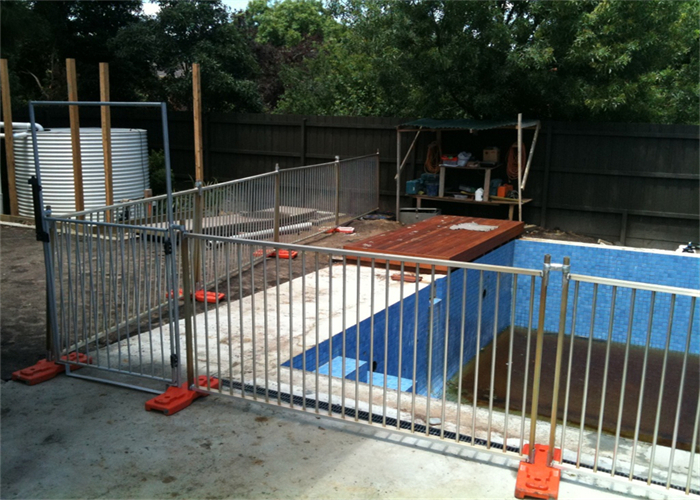
Why temp pool fence panels Fail in Real Life (And Why Buyers Pay Twice)
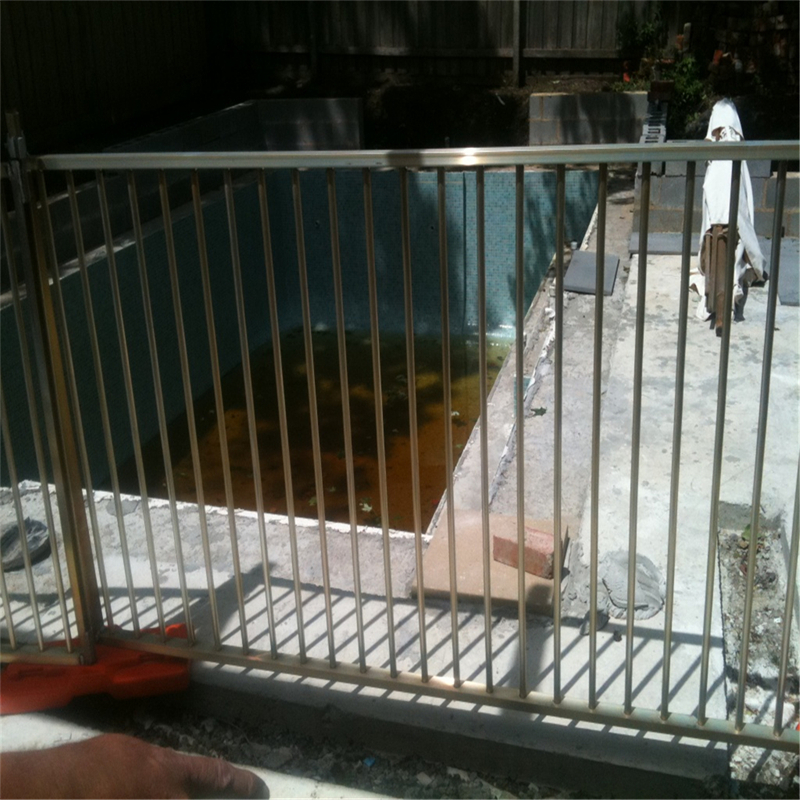
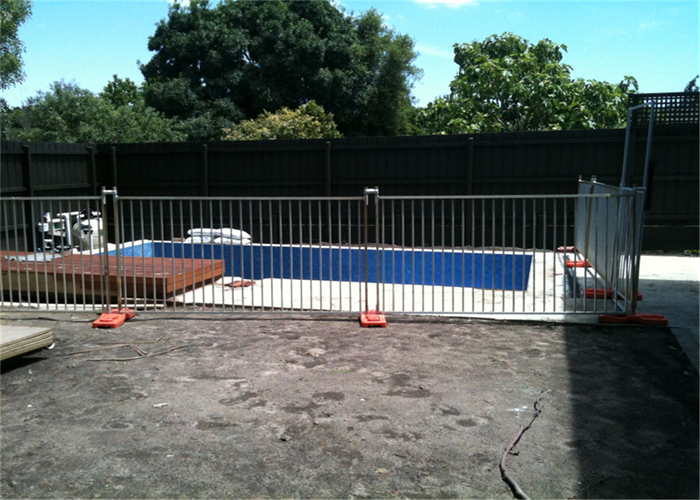
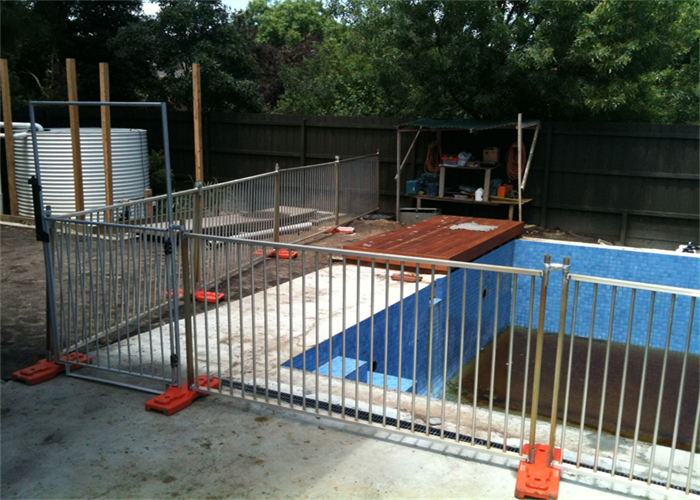
Most temporary pool fencing problems are not caused by one big defect—they happen when small spec decisions are skipped. A panel can look “fine” in photos but fail at the site boundary because the frame wall is too thin, the upright spacing is wrong for the safety intent, the finish was applied before welding, or the gates are not actually self-closing under real use. This is why POLYMETAL builds temp pool fence panels as repeatable modular units: consistent frame size, consistent upright spacing options, and hot-dip galvanised finishes that protect the weld zones where corrosion often starts first.
In short: temp pool fence panels are a safety product first, a construction product second. If you choose by price only, the hidden costs show up later as rework, rejected compliance paperwork, or worse—gaps at access points.
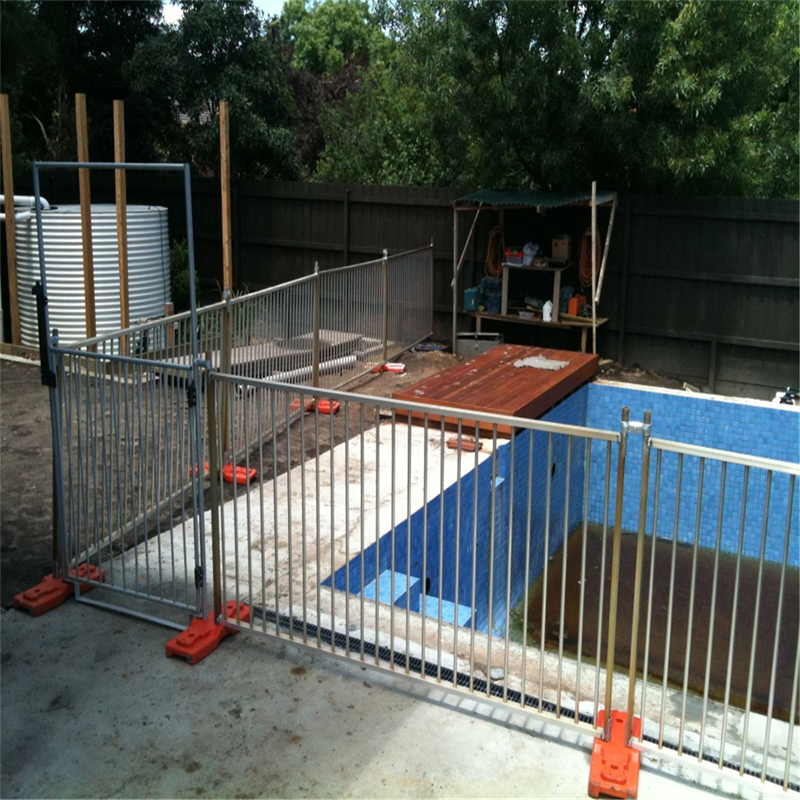
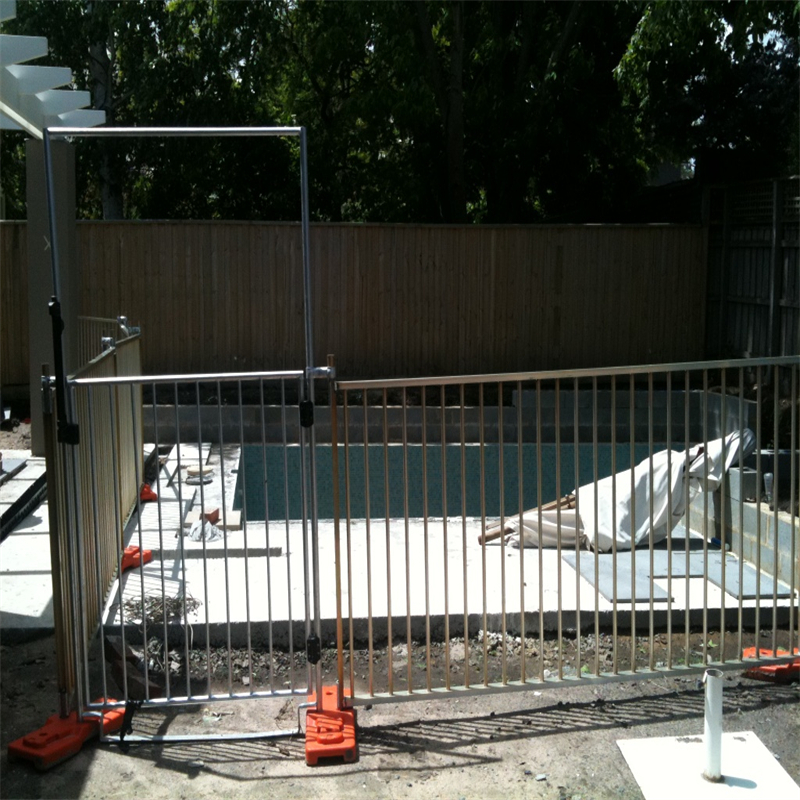
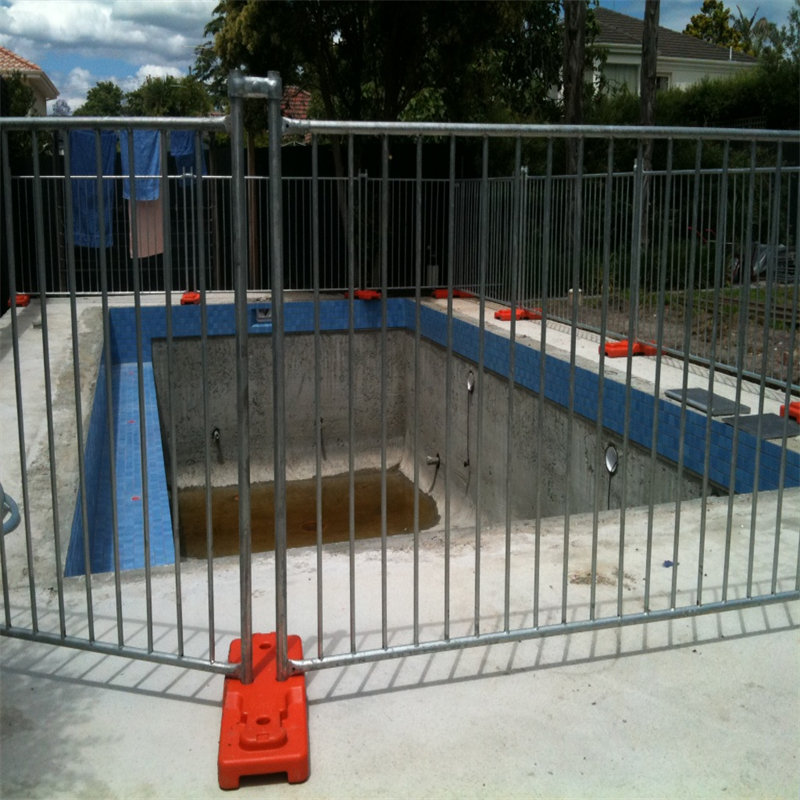
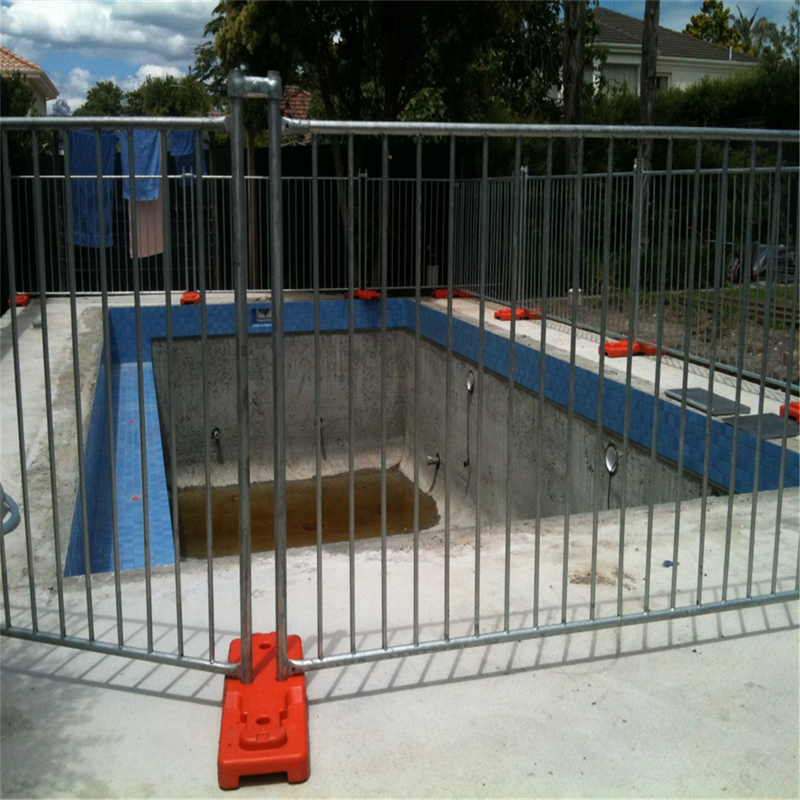
Product Description (POLYMETAL temp pool fence panels)
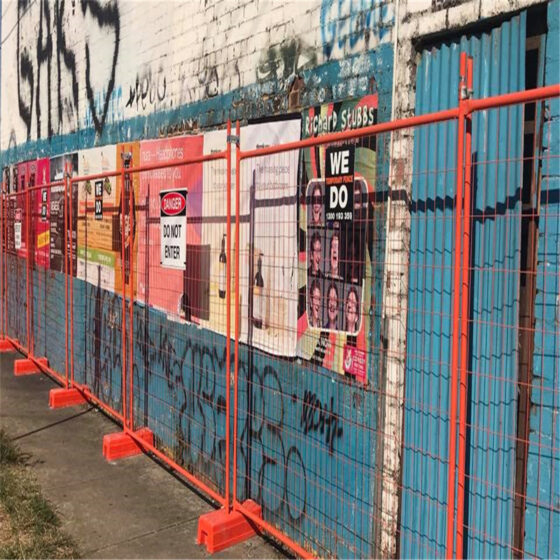
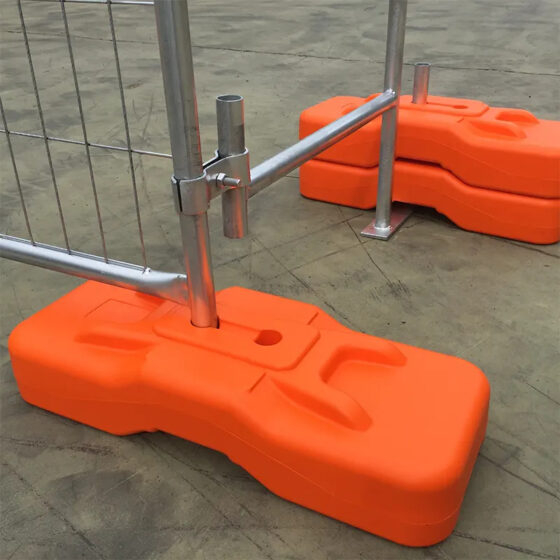
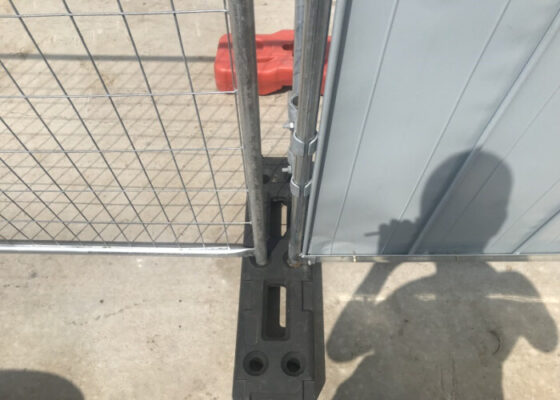
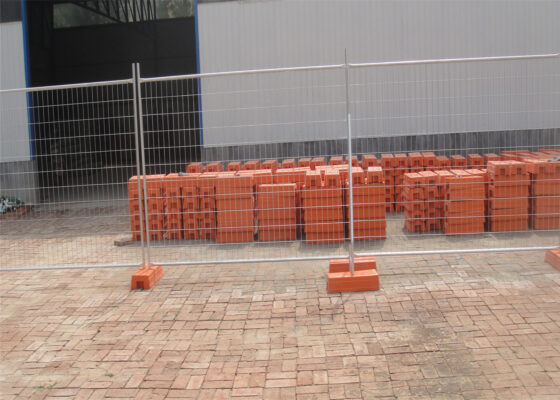
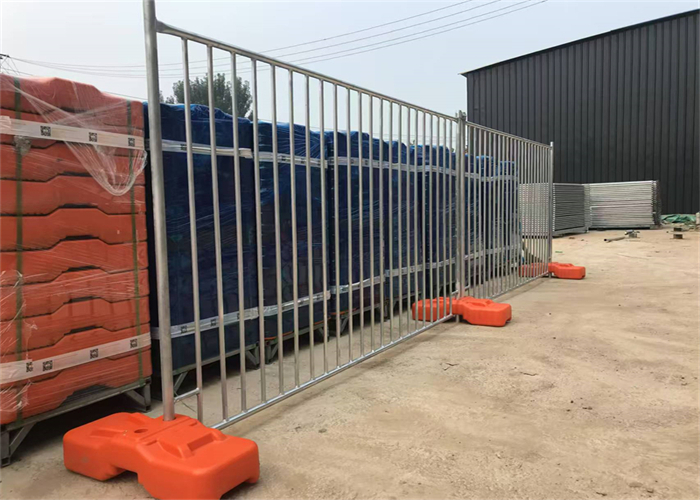
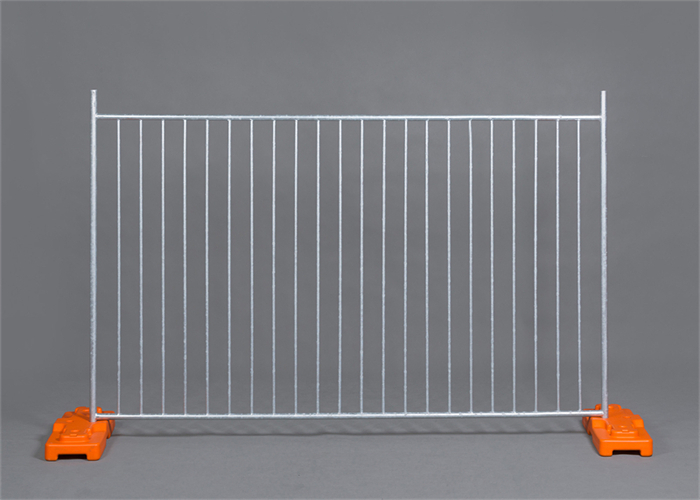
POLYMETAL temp pool fence panels are manufactured from low carbon steel pipe with welded frames and vertical infill pickets designed to form a stable temporary barrier around pool areas. Panels are offered in multiple heights and widths to match different site layouts, with frame sizes ranging from square hollow section frames to round pipe frames. Infill pickets are supplied in different outside diameters and wall thicknesses to control rigidity and spacing, while the finish is typically hot-dip galvanised (often after welding) to protect the full panel including weld seams. Feet systems include welded flat feet, plastic concrete feet, and removable feet for fast setup, and the fence line can be completed with self-closing gate access points that keep entry controlled.

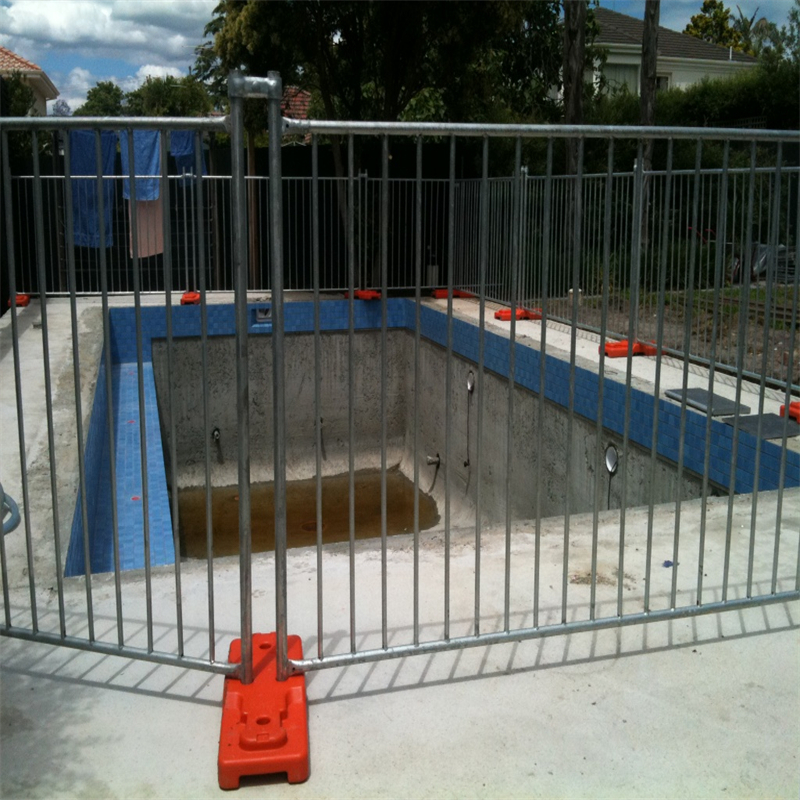

Specifications (Tables)
Table A: General Specifications (temp pool fence panels)
| Specifications | |
| Material | Low carbon steel pipe, hot-dipped galvanized pipe |
| Height (mm) | 1100, 1200, 1300, 1400, 1500 |
| Length (mm) | 1500, 2000, 2100, 2200, 2500 |
| Frame Size | 20mm, 25mm, 32mm, 38mm, 42mm, 48mm O.D. |
| Thickness | 1.0mm, 1.5mm, 2.0mm, 2.5mm, 3.0mm |
| Infill Pickets | 12mm, 14mm, 16mm, 20mm, 25mm O.D. (1.5mm thick); 60mm, 100mm, 120mm spacing |
| Pipe Thickness | 1.2mm, 1.5mm, 2.0mm, 2.5mm |
| Finished | Hot-dipped galvanized / Powder coating |
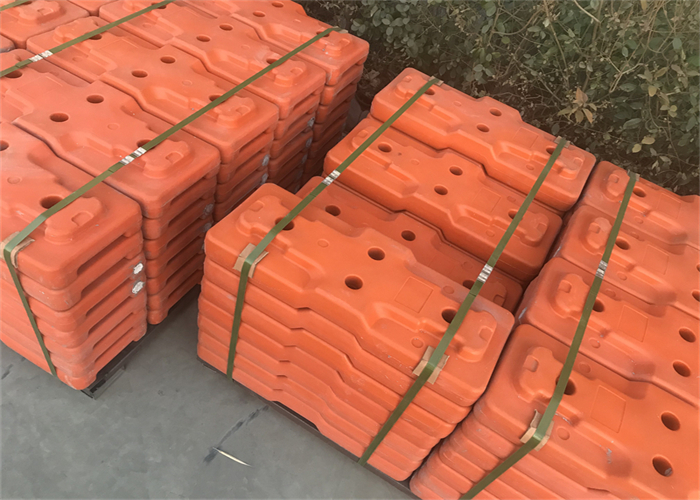
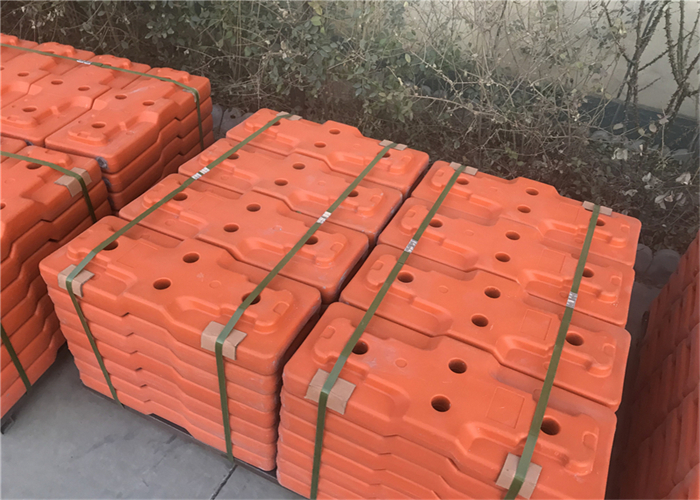
| Feet | Welded flat feet: 500×70×8.00mm; Plastic concrete feet: 620×230×150mm; Removable feet |
| Logo Plate: 200mm × 100mm × 2.5mm thick | |
| Minimum Zinc Thickness: 42 microns (Hot Dipped Gal) | |
| Colour: Yellow, White, Black, or as your requirement | |
| Structure: S shaped by hydraulic pressure with welded high-strength cool-draw low carbon wire and fixed with joint accessories and steel pipe pillars. | |
| Process: Iron tube + cut + punch + polish + weld + polish + hot galvanized / PVC painted | |
Table B: POLYMETAL Product Codes (Temporary Pool Fence Panels)
| POLYMETAL Product Code | Panel Height (mm) | Panel Width (mm) | Frame / Rails (size) | Frame Wall (mm) | Upright / Infill (size) | Upright Wall (mm) | Upright Spacing (mm) | Finish / Coating | Weight (kg) | Compliance claim |
|---|---|---|---|---|---|---|---|---|---|---|
| PTF-PF-1200-2000-01 | 1200 | 2000 | 25×25 SHS | 1.2 | 14 mm OD vertical pickets | 0.9 | 95 | Hot-dip galvanised (approx. 42 microns) | 16.8 | Notes compliance to AS 1926.1-2007 |
| PTF-PF-1200-2300-01 | 1200 | 2300 | 32 mm OD pipe (perimeter) | 1.2 | 14 mm OD vertical pickets | 0.9 | 95 | Hot-dip galvanised after welding | 17.9 | Certificate required for compliance confirmation |
| PTF-PF-1200-2400-01 | 1200 | 2400 | 32 mm OD pipe (top/bottom & sides) | 1.2 | 16 mm OD vertical bars | 1.0 | 95 | Hot-dip galvanised steel | 19.0 | Certificate required for compliance confirmation |
| PTF-PF-1250-2000-02 | 1250 | 2000 | 25×25 SHS | 1.4 | 16 mm OD vertical bars | 1.0 | 95 | Hot-dip galvanised (approx. 55 microns) | 19.2 | Certified to AS 4687 (temporary swimming pool fencing) |
| PTF-PF-1250-2300-02 | 1250 | 2300 | 32 mm OD pipe (perimeter) | 1.2 | 14 mm OD vertical pickets | 0.9 | 89 | Hot-dip galvanised after welding | 17.4 | Notes compliance to AS 1926.1-2007 |
| PTF-PF-1250-2400-02 | 1250 | 2400 | Side frame: 32 mm OD; top/bottom: 25 mm OD | 1.2 | 14 mm OD verticals | 0.9 | 95 | Hot-dip galvanised | 18.1 | Certificate required for compliance confirmation |
| PTF-PF-1300-2000-01 | 1300 | 2000 | 25×25 SHS | 1.2 | 20 mm OD pickets | 1.0 | 89 | Hot-dip galvanised (approx. 42 microns) | 19.6 | Certified to AS 4687 (temporary swimming pool fencing) |
| PTF-PF-1300-2300-01 | 1300 | 2300 | 32 mm OD pipe (perimeter) | 1.4 | 16 mm OD vertical bars | 1.0 | 95 | Hot-dip galvanised after welding | 20.3 | Certified to AS 4687 (temporary swimming pool fencing) |
| PTF-PF-1300-2400-01 | 1300 | 2400 | 38 mm OD pipe (top/bottom & sides) | 1.2 | 14 mm OD vertical pickets | 0.9 | 95 | Galvanised + powder coat (black) | 20.8 | Notes compliance to AS 1926.1-2007 |
| PTF-PF-1350-2000-01 | 1350 | 2000 | 32 mm OD pipe (perimeter) | 1.0 | 14 mm OD vertical pickets | 0.9 | 95 | Hot-dip galvanised after welding | 14.5 | Certificate required for compliance confirmation |
| PTF-PF-1350-2000-02 | 1350 | 2000 | 25 mm OD pipe (top/bottom & perimeter) | 1.2 | 16 mm OD vertical bars | 1.0 | 89 | Hot-dip galvanised | 16.2 | Notes compliance to AS 1926.1-2007 |
| PTF-PF-1350-2300-04 | 1350 | 2300 | 38 mm OD pipe (perimeter) | 1.2 | 16 mm OD vertical bars | 1.0 | 95 | Hot-dip galvanised (approx. 55 microns) | 18.9 | Certified to AS 4687 (temporary swimming pool fencing) |
| PTF-PF-1350-2400-02 | 1350 | 2400 | 38 mm OD pipe (perimeter) | 1.4 | 14 mm OD vertical pickets | 1.0 | 95 | Hot-dip galvanised after welding | 21.0 | Certificate required for compliance confirmation |
| PTF-PF-1400-2300-01 | 1400 | 2300 | 32 mm OD pipe (perimeter) | 1.6 | 14 mm OD vertical pickets | 1.0 | 89 | Galvanised | 21.5 | Certificate required for compliance confirmation |
| PTF-PF-1400-2400-01 | 1400 | 2400 | Side frame: 38 mm OD; top/bottom: 32 mm OD | 1.2 | 16 mm OD vertical bars | 1.0 | 95 | Hot-dip galvanised | 22.0 | Notes compliance to AS 1926.1-2007 |
| PTF-PF-1500-2000-01 | 1500 | 2000 | 32 mm OD pipe (perimeter) | 1.2 | 14 mm OD vertical pickets | 0.9 | 95 | Hot-dip galvanised after welding | 17.2 | Certificate required for compliance confirmation |
| PTF-PF-1500-2300-01 | 1500 | 2300 | 38 mm OD pipe (perimeter) | 1.2 | 16 mm OD vertical bars | 1.0 | 95 | Hot-dip galvanised (approx. 55 microns) | 21.8 | Certified to AS 4687 (temporary swimming pool fencing) |
| PTF-PF-1500-2400-01 | 1500 | 2400 | 38 mm OD pipe (perimeter) | 1.4 | 20 mm OD pickets | 1.2 | 89 | Hot-dip galvanised steel | 24.5 | Certified to AS 4687 (temporary swimming pool fencing) |
| PTF-PF-1600-2300-01 | 1600 | 2300 | 38 mm OD pipe (perimeter) | 1.6 | 16 mm OD vertical bars | 1.2 | 95 | Galvanised + powder coat (black) | 26.0 | Notes compliance to AS 1926.1-2007 |
| PTF-PF-1800-2300-01 | 1800 | 2300 | 38 mm OD pipe (perimeter) | 1.6 | 20 mm OD pickets | 1.2 | 89 | Hot-dip galvanised after welding | 29.5 | Certificate required for compliance confirmation |
Applications
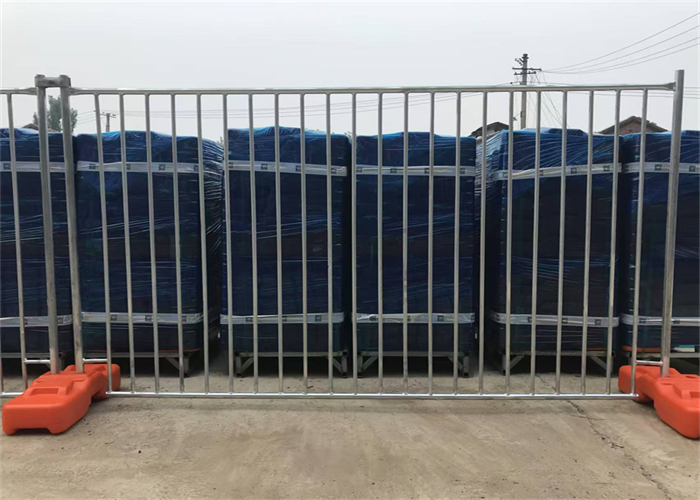
temp pool fence panels are used anywhere a pool area must be controlled quickly and clearly. Common applications include family homes, rental properties, display homes, renovation projects, childcare and community pools, temporary event pools, hotel refurbishments, construction sites with open water hazards, and any site that needs a fast barrier while permanent fencing is delayed. They are also used when owners need a short-term safety solution during landscaping, resurfacing, or pool equipment upgrades.

Benefits
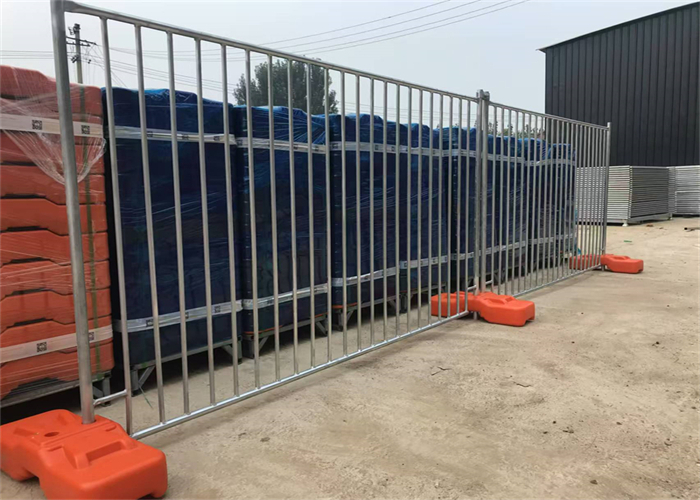
The biggest advantage of temp pool fence panels is speed: crews can create a stable perimeter in hours instead of waiting weeks for permanent fabrication. A modular panel line stays consistent and looks tidy, which reduces complaints from inspectors, property managers, and residents.
Hot-dip galvanised finishes protect the frame and weld seams where rust normally begins, while standard spacing and repeatable frame sizes make planning easier. When paired with self-closing access gates, temporary pool fencing adds another safety layer that helps prevent accidental entry into the pool zone.
And because stability often depends on what’s happening at ground level, it’s smart to plan your base support early—this quick guide on temp fence blocks shares practical tips for keeping panels steady on real sites without wasting time on rework.
Packing
POLYMETAL commonly packs temp pool fence panels in counted bundles to simplify site receiving. Panels are stacked with separation protection to reduce rubbing, then wrapped and palletised for forklift handling. Mixed-size orders are best shipped with clear labels by height group and feet type to prevent wrong installation.
Gate panels, hinges, latches, and smaller accessories are normally packed separately to keep parts clean and easy to check during unloading.
Standards
Temporary pool fencing is regularly tied to local regulatory expectations and project compliance documentation. Depending on the exact SKU and project requirements, POLYMETAL panels may carry compliance claims such as notes aligned to AS 1926.1-2007 or certification references for temporary fencing under AS 4687, with certificate handling controlled by the order documentation.
On higher-risk sites, buyers typically request compliance paperwork, batch traceability, and finish confirmation (zinc thickness or coating details) as part of the delivery checklist.

Top 22 Traps When Buying temp pool fence panels (Don’t Miss #17)
Trap 1: Ordering “temporary pool fence” without locking the exact panel height
1100mm vs 1500mm changes safety perception and inspection outcomes. Height mistakes cause instant rework.
Trap 2: Choosing the cheapest frame wall thickness
Thin frame walls bend at corners and gate returns—the fence looks straight on day one and twisted after week two.
Trap 3: Ignoring upright spacing until the last minute
Spacing drives safety function. Get it wrong and the whole perimeter becomes a risk zone.
Trap 4: Buying panels without confirming the finish process
Hot-dip galvanised after welding protects weld seams. The wrong process speeds up corrosion at the weakest points.
Trap 5: Forgetting to match feet type to the ground
Concrete feet, welded feet, and removable feet behave differently. Wrong feet = unstable fence line.
Trap 6: Ordering mixed widths without a layout plan
One “odd width” can force gaps or ugly overlaps that inspectors notice immediately.
Trap 7: Not checking weight vs handling reality
If your crew cannot handle the panel weight safely, panels get dragged, bent, or dropped—damage starts during install.
Trap 8: Assuming all latches are equal
A self-closing gate is only safe if the latch consistently catches. A “sometimes latch” is a failure.
Trap 9: Buying fence panels but not treating it as a full system
Panels alone do not create safety—corners, joins, feet, gates, and closures do.
Trap 10: Skipping gate planning early
Access points are where accidents happen. Gate placement must match real walking paths, not drawings only.
Trap 11: Ignoring wind load on exposed sites
Large open areas can push panels out of line. The wrong frame spec turns into constant straightening work.
Trap 12: Choosing powder coating without verifying base galvanising
Powder coat alone looks good until chips happen. Galvanising under it protects the steel when damage occurs.
Trap 13: Ordering without a counting/label plan
When panels arrive unlabelled, crews mix heights and spacing types—wrong installs happen fast.
Trap 14: Not checking weld quality at key stress zones
Corners and feet joints take the hit. Weak welds crack where people lean or push.
Trap 15: Assuming compliance paperwork will “appear later”
If your project needs a certificate, delays at handover can stop the job even if the fence is already installed.
Trap 16: Measuring your site perimeter wrong by small margins
Being short by even one panel forces gaps or unsafe temporary fixes—exact counts matter.
Trap 17: Top 22 LOSS (Where Most Buyers Get Hit the Hardest)
This is the money trap: the fence looks correct, but the weakest points are not engineered—gate returns, corners, and the first two panels beside an entry.
These zones take constant pressure. If you choose thin frame walls, light feet, or poor latch hardware, the fence shifts, the gate misaligns, and you pay twice: first to buy, then to replace or rework. The biggest losses happen when buyers treat temp pool fence panels as “simple panels” instead of a pressure-tested perimeter system.
Trap 18: Mixing different upright spacing panels in one run
The fence line becomes visually inconsistent and the “wide gap” sections attract attention and risk.
Trap 19: Ignoring zinc thickness
Thin zinc means faster rust—especially at welds and scratches from installation handling.
Trap 20: Not ordering spare clamps and joiners
Missing small accessories stops the whole install and forces unsafe improvised fixes.
Trap 21: Choosing the wrong colour for safety visibility
High-visibility colours reduce accidental impacts. Wrong colour increases site incidents.
Trap 22: No final checklist before opening the pool area
Most failures happen from skipped details—gate closure test, latch test, join test, and perimeter gap inspection.
FAQs
Q1: What is the best height for temp pool fence panels?
The best height is the one that matches your site requirement and inspection expectation. Many projects choose 1200–1500mm to strengthen safety perception and reduce “climb risk” behaviour.
Q2: Why does hot-dip galvanised after welding matter?
Because weld seams are the first place rust starts. Galvanising after welding protects the entire frame including weld zones.
Q3: What spacing is commonly used for vertical pickets?
Common spacing options include 89mm and 95mm in the product-code table, with some systems offering 60mm, 100mm, and 120mm depending on the build intent.
Q4: What feet options are available?
Typical options include welded flat feet, plastic concrete feet, and removable feet, selected based on speed, surface type, and stability needs.
Q5: What is the most common reason a temporary pool fence fails inspection?
The most common reason is incomplete system planning—panels are purchased, but gates, closures, feet stability, spacing decisions, and documentation are not locked in before delivery.