Your One-Stop Wire Mesh Fence Supplier | POLYMETAL

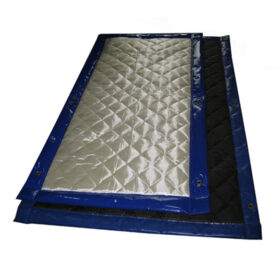
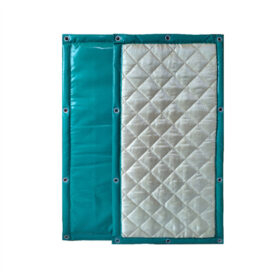

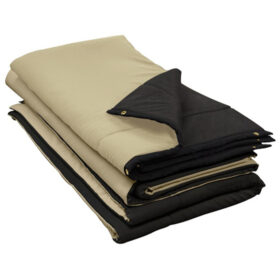
temporary acoustic barriers are selected for long-term site control because they reduce construction and industrial equipment noise across varied environments. The problem is that many temporary acoustic barriers look similar in photos and brochures, yet perform completely differently once wind, rain, repeated handling, rough site edges, and daily repositioning start testing the barrier system. Because supervisors judge temporary acoustic barriers after delivery rather than at quotation stage, small specification gaps can trigger rework, safety complaints, replacement costs, and schedule loss.
POLYMETAL manufactures temporary acoustic barriers as foldable, transport-efficient temporary noise fence modules designed for stacking and pallet handling, with controlled materials, measurable performance targets, and disciplined packing. When temporary acoustic barriers are specified correctly, they deliver predictable site noise control without turning your project into a dispute and rework site—especially for contractors who also manage event perimeter logistics and reference resources like crowd control barriers Sydney guide.
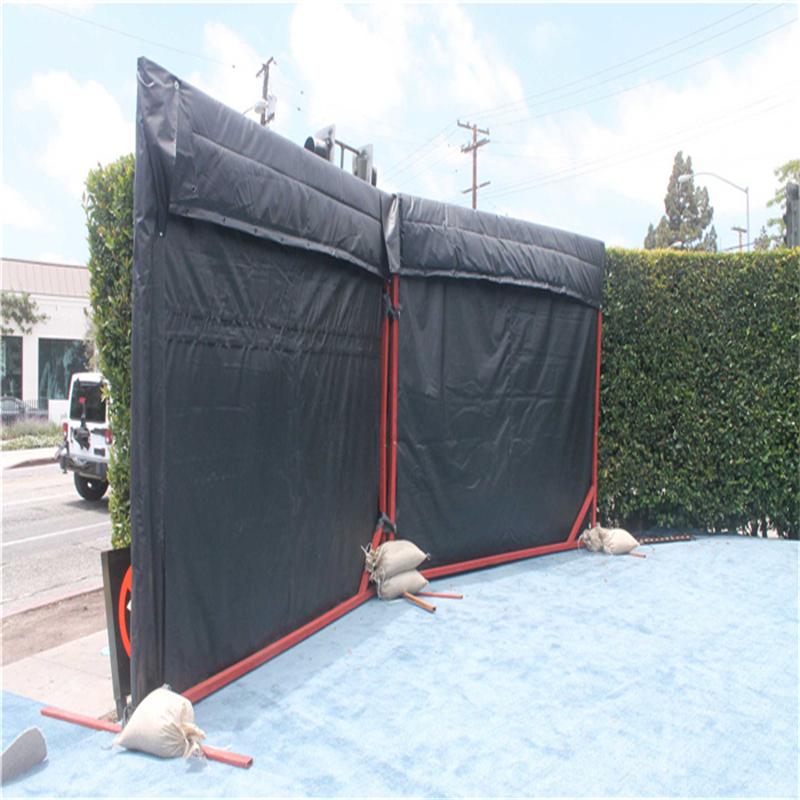

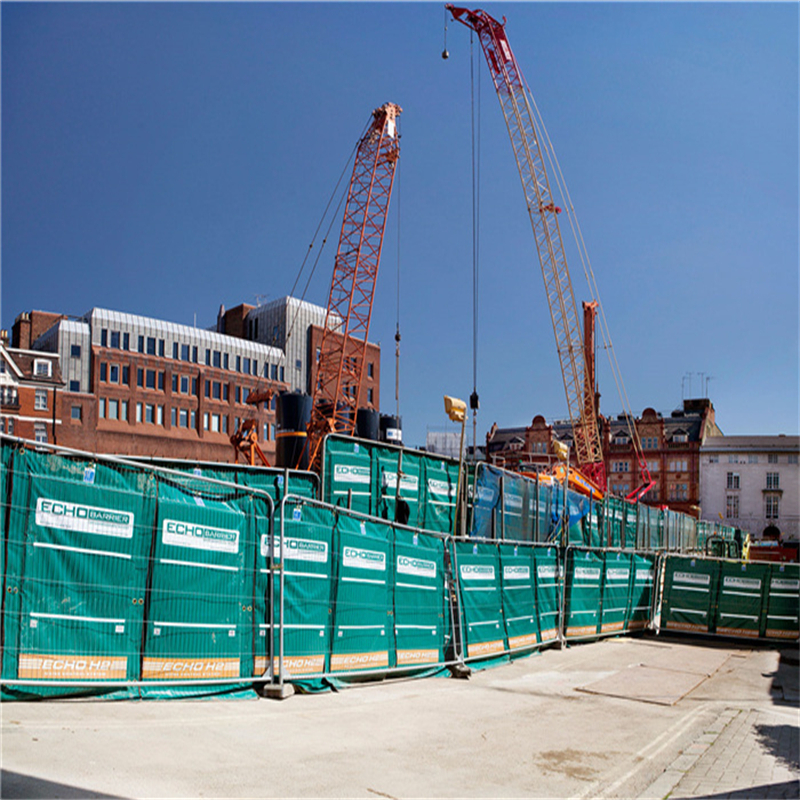
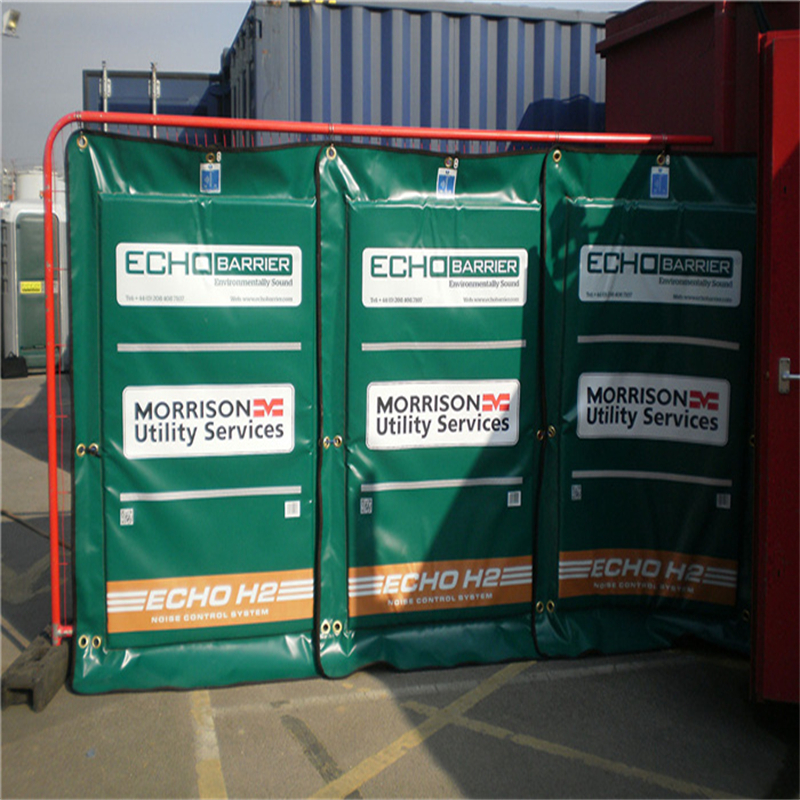
temporary acoustic barriers Top 18 Costly Traps You Must Lock Before You Buy (Especially #17)
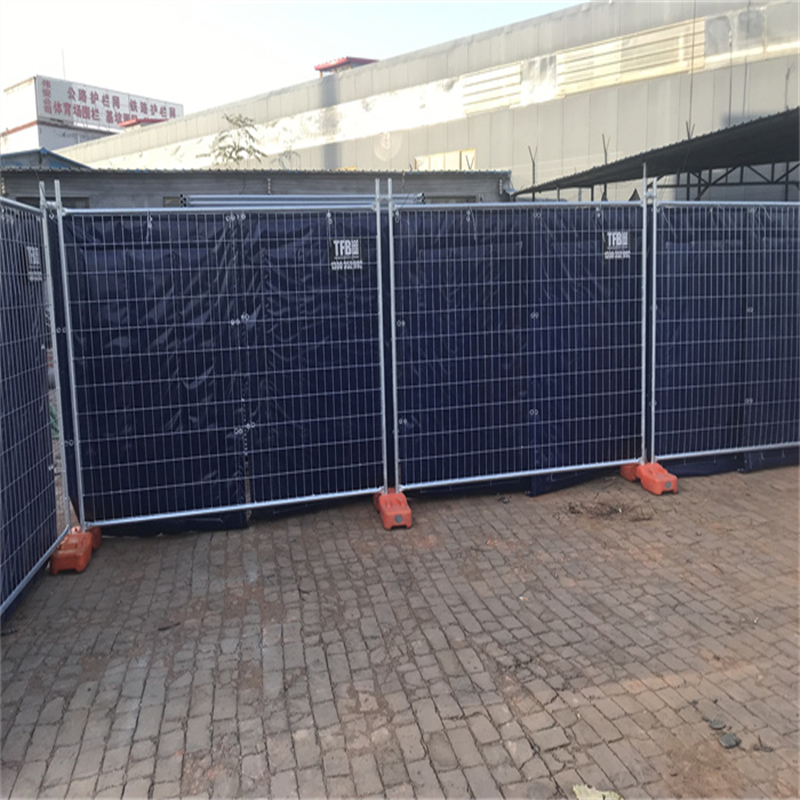
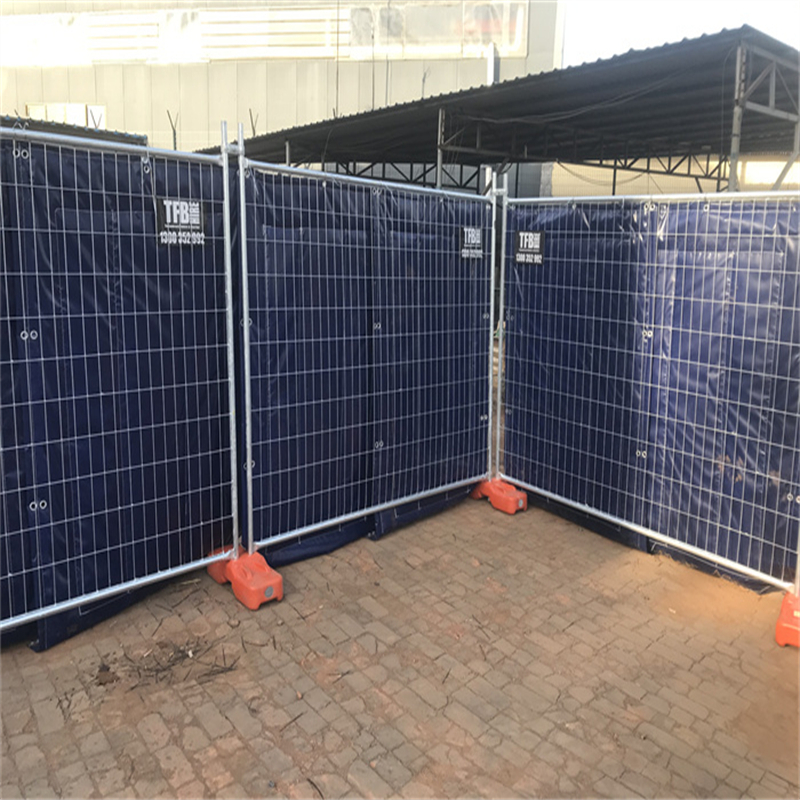

Trap #1: The “secret” behind vague dB claims that do not match real sites
temporary acoustic barriers can be advertised as “25–40 dB” without stating test method, installation condition, or per-area mass. If the order does not lock the rating target and the construction that achieves it, delivered panels can underperform when the site goes live.
Trap #2: The “detail” about composite layers that decides real attenuation
The inside composite layer controls sound energy loss. If the laminated structure (iron powder, quartz, rubber, and high-tenacity polyester) is not locked by thickness and mass, temporary acoustic barriers can feel flexible yet deliver weaker noise reduction than expected.
Trap #3: The “fact” about laminated thickness that drives the dB tier
A 1.2mm laminate is not the same product as a 2.0mm or 3.0mm laminate. If thickness is not locked, temporary acoustic barriers can arrive at a lower tier and the site still hears the same equipment noise.
Trap #4: The “truth” about surface film quality that controls durability
Outside PVC film protects the core and affects cleanability. If UV treatment and film grade are not specified, temporary acoustic barriers can age faster, become brittle, and lose performance during long exposure.
Trap #5: The “point” about water resistance that becomes a weight and safety issue
Waterproof claims must be backed by seam design and film integrity. If sealing is weak, temporary acoustic barriers can absorb water, gain weight, sag, and create handling risk.
Trap #6: The “note” about fire behavior that is ignored until a site audit
Sites often require fire performance expectations. If the fire-resistant requirement is not locked, temporary acoustic barriers can fail audits and trigger last-minute replacement.
Trap #7: The “tip” about eyelet spacing that prevents tearing and blowout
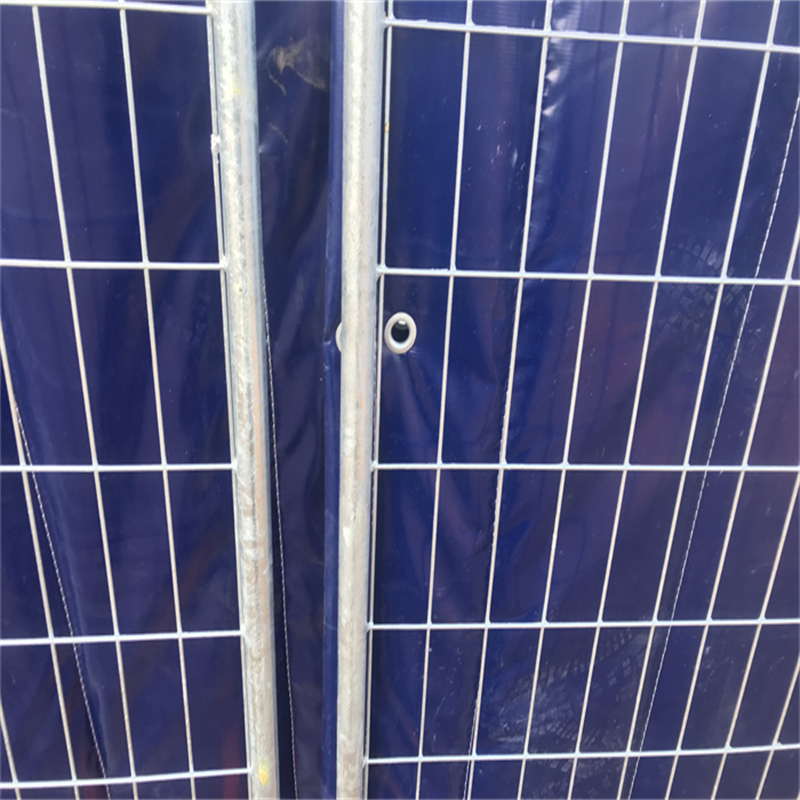
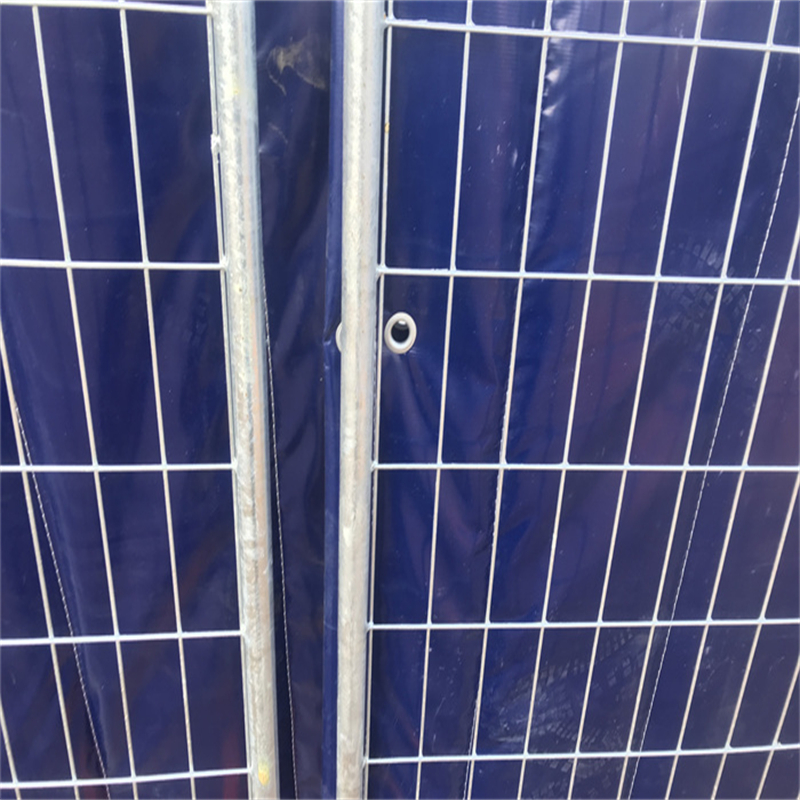
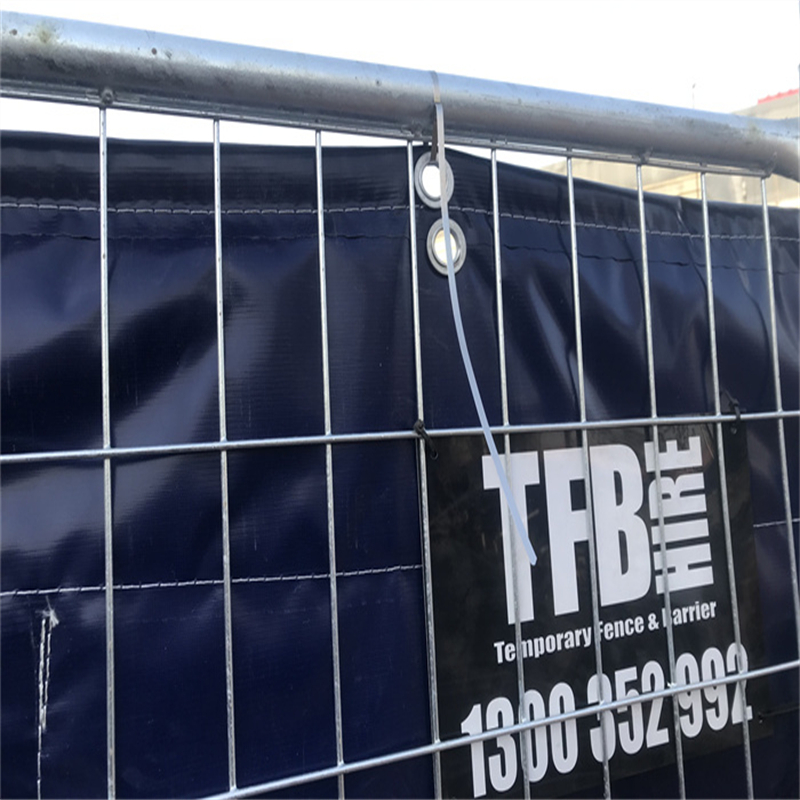
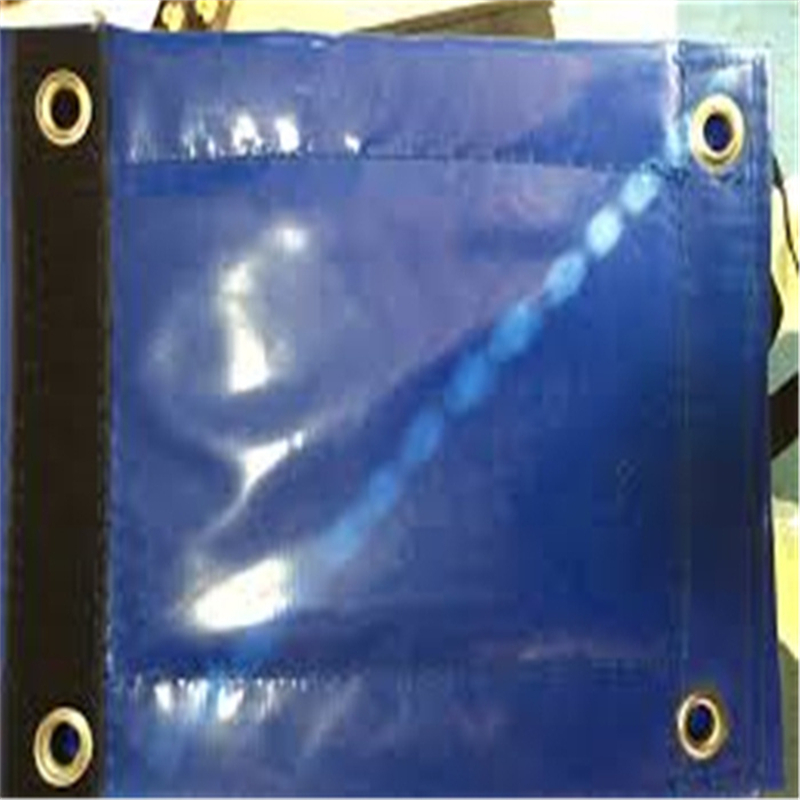
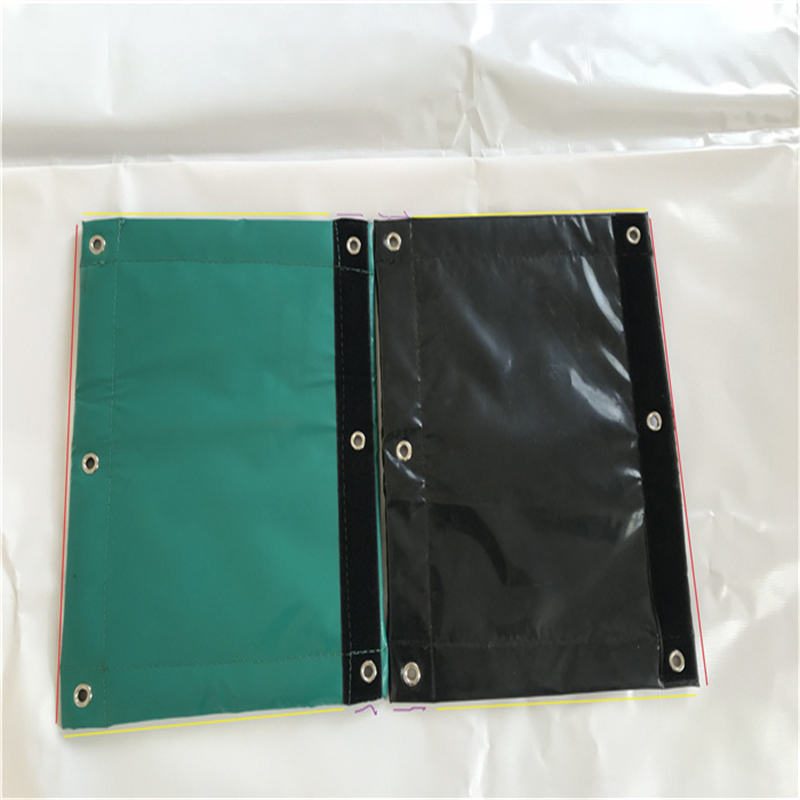
Eyelets control how loads are transferred into the barrier. If eyelet spacing (often 100mm per eyelet) and reinforcement are not specified, temporary acoustic barriers can tear at fixing points during wind events.
Trap #8: The “hint” about edge reinforcement that stops cracking when folded
Foldable barriers must handle repeated bending. If fold lines and edge reinforcements are not engineered, temporary acoustic barriers can crack or delaminate after repeated folding cycles.
Trap #9: The “idea” about panel size that decides transport cost
Size affects both coverage and logistics. If the build is not locked to a transport-efficient size such as 1950mm×1200mm or 1830mm×1500mm, temporary acoustic barriers can become expensive to ship and hard to store.
Trap #10: The “angle” about stacking discipline that prevents damage in transit
Even strong barriers can be damaged by uncontrolled stacking. If pallet stacking method and separators are not defined, temporary acoustic barriers can crease, puncture, or deform before they reach the site.
Trap #11: The “aspect” about installation method that controls real performance
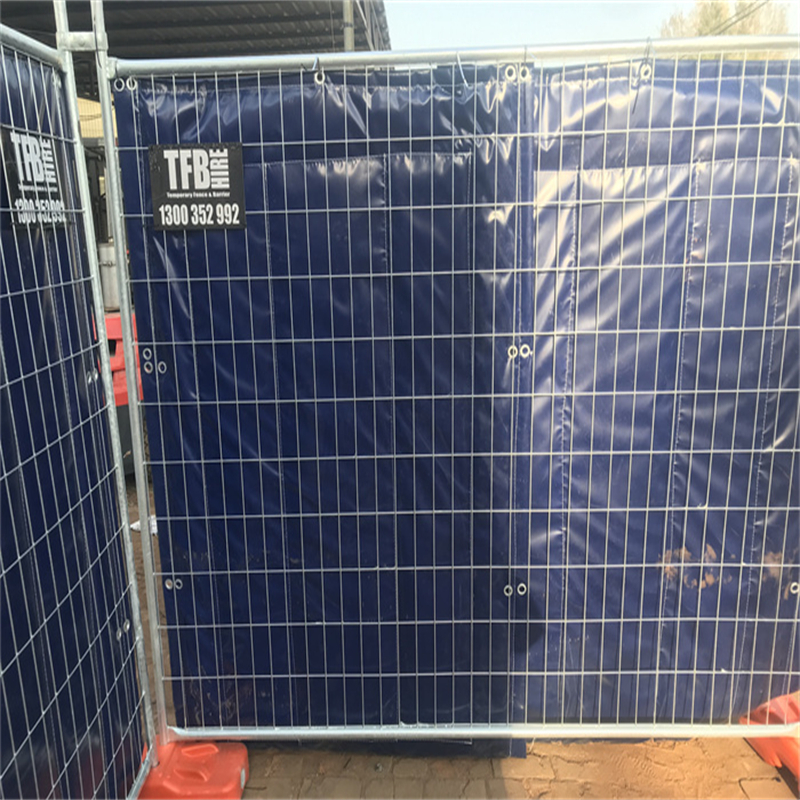
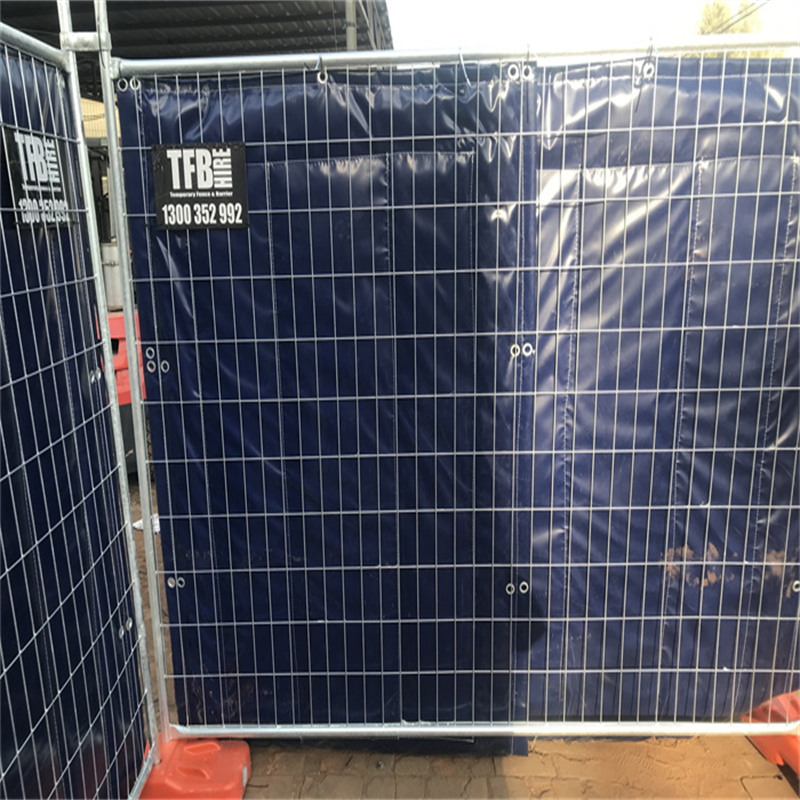
Noise reduction depends on how barriers are hung and sealed. If fixing method, overlap strategy, and gap control are not specified, temporary acoustic barriers can leak sound through joints and defeat the purpose.
Trap #12: The “element” of wind management that prevents flapping noise
A barrier that flaps becomes a noise source. If tensioning and fixing points are not planned, temporary acoustic barriers can create secondary noise and accelerate wear.
Trap #13: The “feature” of non-toxic materials that must be documented
Non-poisonous, non-irritant materials are valuable in sensitive environments. If material declarations are not provided or the build is changed, temporary acoustic barriers can create compliance headaches on projects with environmental controls.
Trap #14: The “trait” of lightweight panels that can become a weakness
Lightweight design improves handling, but if mass per square meter is too low for the required dB target, temporary acoustic barriers can be easy to install yet ineffective at real noise control.
Trap #15: The “view” about “flexibility” that hides weak reinforcement
Flexibility is good only when reinforcement is controlled. Without proper reinforcement, flexible temporary acoustic barriers can stretch, sag, and tear at stress points.
Trap #16: The “insight” about inspection checkpoints that prevent batch drift
If thickness, weight, and eyelet placement are not checked batch-by-batch, temporary acoustic barriers can drift in build quality across shipments, creating inconsistent performance on the same project.
Trap #17: The “finding” that triggers the biggest loss—mixed performance tiers in one shipment
The most expensive failure is not a small scratch—it is receiving temporary acoustic barriers where some panels are 1.2mm/25dB, others are 2.0mm/30dB, and others are 3.0mm/40dB mixed in the same delivery. That creates instant on-site sorting, uneven noise control, client complaints, and rework that destroys the entire savings plan. Lock one approved performance tier per SKU with fixed specifications, labeling, and inspection criteria so every panel behaves the same on site.
Trap #18: The “lesson” about missing packing labels that causes site chaos
If bundles are not labeled by size, thickness, and dB tier, crews waste hours sorting, and temporary acoustic barriers installs slow down when schedules are tight.
Product Description: POLYMETAL temporary acoustic barriers
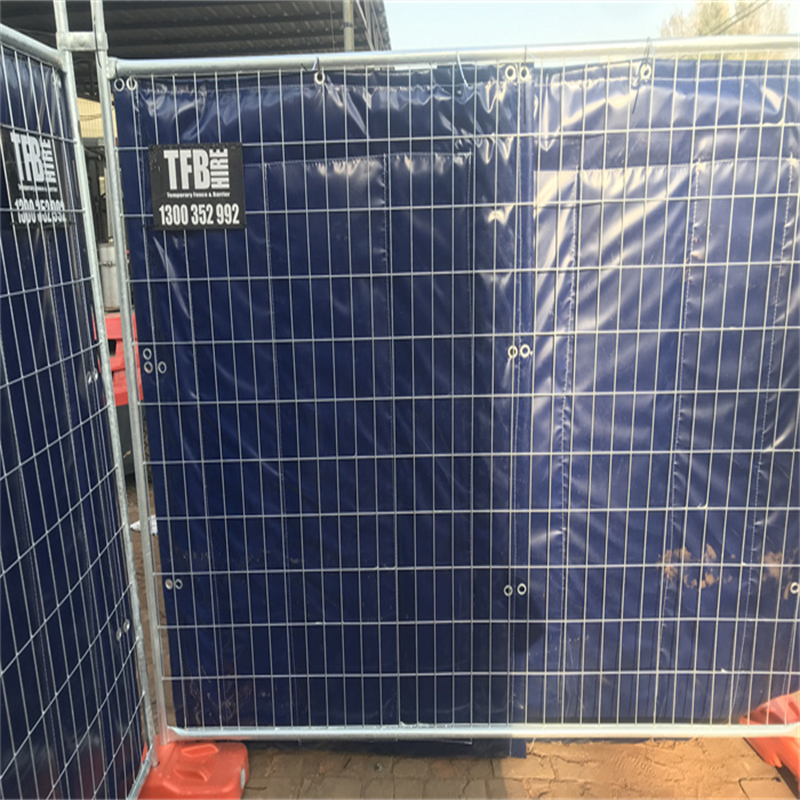
POLYMETAL temporary acoustic barriers are designed for long-term noise control across construction sites and industrial environments where equipment noise must be reduced quickly and consistently. The system is engineered as an economical solution for transportation and storage, using a foldable panel design that stacks efficiently on pallets. A common standard size is 1950mm×1200mm, and other sizes such as 1830mm×1500mm can be supplied to match site layouts, hoarding systems, scaffolding lines, and enclosure requirements.
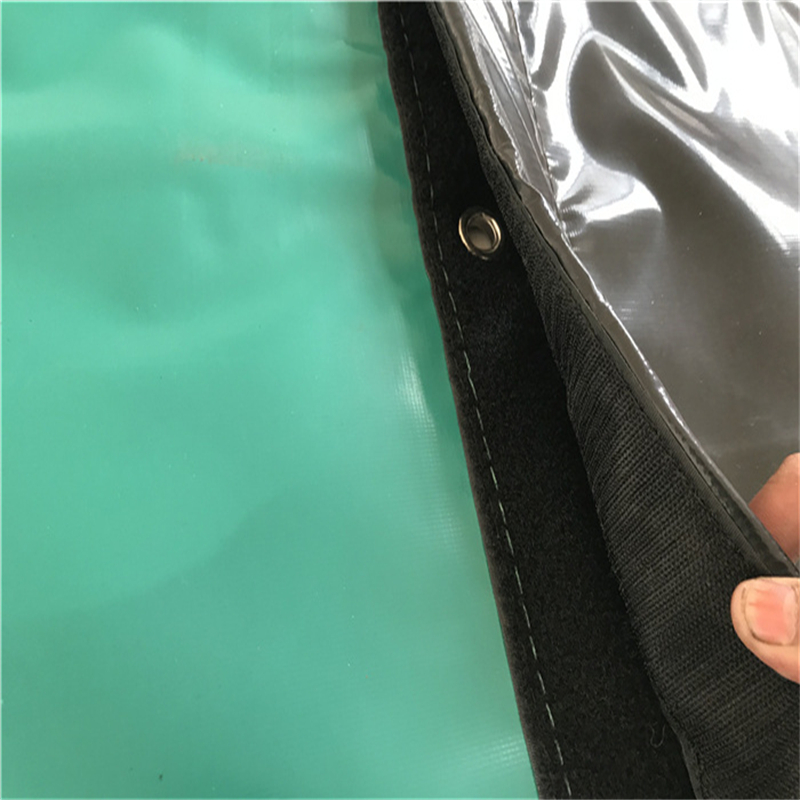
The barrier structure uses a composite laminated internal layer and a PVC film external layer that is easy to clean and UV treated for outdoor exposure. By locking laminated thickness and weight targets, POLYMETAL temporary acoustic barriers can be configured to deliver predictable noise reduction tiers, while maintaining waterproof behavior, fire resistance, and excellent flexibility without cracking under repeated folding. With controlled eyelet spacing and disciplined inspection checkpoints, the system installs cleanly, packs efficiently, and performs reliably across repeated handling cycles.
Specifications: temporary acoustic barriers (3 Tables, 10+ Specifications Each)
Table 1: Acoustic Performance Tiers (10 Configurations)
| Model Tier | Noise Reduction | Laminated Thickness | Weight (kg/m²) | Inside Materials | Outside Materials | UV Treated | Waterproof | Fire Resistance | Eyelet Spacing |
|---|---|---|---|---|---|---|---|---|---|
| TA-25A | 25 dB | 1.2 mm | 3.4 | Composite laminated (iron powder, quartz, rubber) + high-tenacity polyester | PVC film (easy clean) | Yes | Yes | Yes | 100 mm |
| TA-25B | 25 dB | 1.2 mm | 3.4 | Composite laminated + polyester | PVC film | Yes | Yes | Yes | 150 mm |
| TA-30A | 30 dB | 2.0 mm | 4.4 | Composite laminated + polyester | PVC film | Yes | Yes | Yes | 100 mm |
| TA-30B | 30 dB | 2.0 mm | 4.4 | Composite laminated + polyester | PVC film | Yes | Yes | Yes | 150 mm |
| TA-40A | 40 dB | 3.0 mm | 6.4 | Composite laminated + polyester | PVC film | Yes | Yes | Yes | 100 mm |
| TA-40B | 40 dB | 3.0 mm | 6.4 | Composite laminated + polyester | PVC film | Yes | Yes | Yes | 150 mm |
| TA-30C | 30 dB | 2.0 mm | 4.4 | Composite laminated + polyester | PVC film (anti-scratch) | Yes | Yes | Yes | 100 mm |
| TA-25C | 25 dB | 1.2 mm | 3.4 | Composite laminated + polyester | PVC film (anti-scratch) | Yes | Yes | Yes | 100 mm |
| TA-40C | 40 dB | 3.0 mm | 6.4 | Composite laminated + polyester | PVC film (heavy-duty) | Yes | Yes | Yes | 100 mm |
| TA-30D | 30 dB | 2.0 mm | 4.4 | Composite laminated + polyester | PVC film (easy clean) | Yes | Yes | Yes | 120 mm |
Table 2: Size, Folding, and Transport Series (10 Configurations)
| Panel Size (H×W) | Folding Type | Stacking Method | Pallet Friendly | Typical Use | Edge Reinforcement | Eyelet Spacing | UV Treated | Waterproof | Noise Tier Options |
|---|---|---|---|---|---|---|---|---|---|
| 1950×1200 mm | Foldable | Flat stack | Yes | Temporary fencing lines | Reinforced edges | 100 mm | Yes | Yes | 25/30/40 dB |
| 1950×1200 mm | Foldable | Flat stack | Yes | Construction scaffolding | Reinforced edges | 150 mm | Yes | Yes | 25/30 dB |
| 1830×1500 mm | Foldable | Flat stack | Yes | Solid hoarding | Reinforced edges | 100 mm | Yes | Yes | 30/40 dB |
| 2000×1200 mm | Foldable | Flat stack | Yes | Residential works | Reinforced edges | 120 mm | Yes | Yes | 25/30 dB |
| 2000×1500 mm | Foldable | Flat stack | Yes | Infrastructure projects | Heavy edge strip | 100 mm | Yes | Yes | 30/40 dB |
| 1950×1500 mm | Foldable | Flat stack | Yes | Retail renovation | Reinforced edges | 150 mm | Yes | Yes | 25/30 dB |
| 1950×1200 mm | Foldable | Flat stack | Yes | Mine sites | Heavy edge strip | 100 mm | Yes | Yes | 30/40 dB |
| 1830×1200 mm | Foldable | Flat stack | Yes | Factories & workshops | Reinforced edges | 100 mm | Yes | Yes | 25/30 dB |
| 1950×1200 mm | Foldable | Flat stack | Yes | Machinery enclosures | Heavy edge strip | 100 mm | Yes | Yes | 40 dB |
| 2000×1200 mm | Foldable | Flat stack | Yes | Offshore/onshore oil & gas | Heavy edge strip | 150 mm | Yes | Yes | 30/40 dB |
Table 3: Installation & Fixing Checklist Matrix (10 Configurations)
| Fixing Scenario | Mounting Base | Recommended Eyelet Spacing | Overlap Strategy | Gap Control | Wind Management | Noise Tier | Outside Film | Inside Composite | Typical Use |
|---|---|---|---|---|---|---|---|---|---|
| Temporary fencing | Fence rails | 100 mm | 50–100mm overlap | Seal corners | Tension straps | 25 dB | PVC easy clean | Composite laminated | Site boundary noise |
| Scaffolding wrap | Scaffold tubes | 100 mm | 100mm overlap | No open seams | Extra tie points | 30 dB | PVC UV treated | Composite laminated | High-rise works |
| Hoarding line | Timber/steel hoarding | 150 mm | 50mm overlap | Bottom seal | Bottom ballast | 25 dB | PVC film | Composite laminated | Retail renovation |
| Residential works | Temporary frames | 100 mm | 100mm overlap | Seal seams | Tension cords | 30 dB | PVC easy clean | Composite laminated | Neighborhood control |
| Infrastructure edge | Guard/temporary frames | 100 mm | 100mm overlap | Seal corners | Wind bracing | 40 dB | PVC heavy-duty | Composite laminated | Road works |
| Mine site | Temporary frames | 150 mm | 50–100mm overlap | Seal seams | Extra tie points | 30 dB | PVC anti-scratch | Composite laminated | High wear zones |
| Factory boundary | Steel frames | 100 mm | 50mm overlap | Bottom seal | Tension straps | 25 dB | PVC film | Composite laminated | General machinery noise |
| Machinery enclosure | Custom frame | 100 mm | Full overlap | No gaps | Rigid bracing | 40 dB | PVC heavy-duty | Composite laminated | Equipment enclosure |
| Oil & gas | Temporary frames | 150 mm | 100mm overlap | Seal seams | Extra tie points | 30 dB | PVC UV treated | Composite laminated | Processing plants |
| Workshop retrofit | Existing frames | 100 mm | 50mm overlap | Seal corners | Tension cords | 30 dB | PVC easy clean | Composite laminated | Retrofit noise control |
Applications of temporary acoustic barriers
temporary acoustic barriers are used for temporary fencing lines, construction scaffolding, solid hoarding, residential construction works, infrastructure projects, retail renovation, mine sites, offshore and onshore oil & gas, processing plants, factories and workshops, machinery enclosures, and any temporary noise fence or enclosure where equipment noise must be controlled reliably.
Benefits
POLYMETAL temporary acoustic barriers reduce hidden losses by locking measurable dB targets, laminated thickness, weight per square meter, and controlled eyelet spacing so the barriers install cleanly and perform consistently. The foldable design supports efficient transport and pallet stacking, while waterproof and fire-resistant behavior supports real site exposure. With excellent flexibility, temporary acoustic barriers can be folded without cracking when materials and reinforcements are controlled.
Packing
temporary acoustic barriers are packed for overseas delivery using flat stacking on pallets, protective separators, corner protection, and strapping to prevent creasing and puncture during loading and transport. Each bundle is labeled by size and dB tier so site crews can deploy quickly without sorting. The foldable design improves container utilization and storage efficiency.
Standard and inspection expectations
temporary acoustic barriers can be produced to meet commercial-class outdoor performance expectations when the purchase order states panel size, laminated thickness, weight per square meter, outside film specification, UV treatment, waterproof requirement, fire resistance expectation, eyelet spacing, fixing method, packing standard, and inspection criteria. Disciplined surface and seam checks help reduce early failure at weld zones (frames) and contact points (fixings), keeping the system consistent across repeated handling cycles—especially for projects that also require controlled pedestrian perimeters using security crowd control barriers.
FAQs
FAQ 1: Are you a factory or trading company?
POLYMETAL is a direct manufacturer for temporary acoustic barriers and temporary noise fence systems, supporting stable supply, controlled specifications, and flexible configurations for different sites.
FAQ 2: What noise reduction levels can you supply?
Common temporary acoustic barriers tiers include 25 dB, 30 dB, and 40 dB configurations, achieved by locking laminated thickness and weight per square meter.
FAQ 3: What sizes are available?
A common standard size is 1950mm×1200mm, and other sizes such as 1830mm×1500mm are available, with custom sizing supported to match fencing, scaffolding, and enclosure layouts.
FAQ 4: Are the barriers waterproof and UV treated?
Yes. Temporary acoustic barriers use PVC film that is easy to clean and UV treated, and the structure is designed to remain waterproof under outdoor exposure when seams and fixing points are controlled.
FAQ 5: How do you pack for shipping?
POLYMETAL packs temporary acoustic barriers in flat-stacked pallet bundles with separators and strapping, labeled by size and dB tier to reduce damage and speed up receiving.