Your One-Stop Wire Mesh Fence Supplier | POLYMETAL
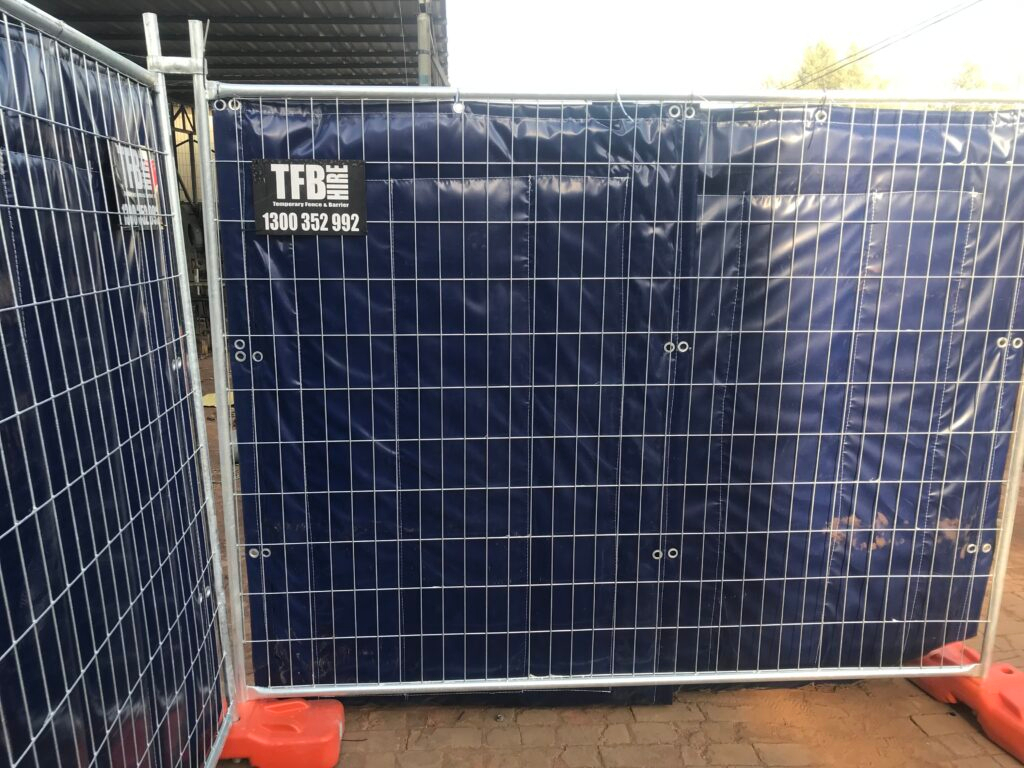
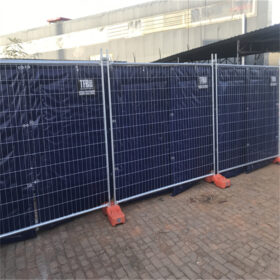
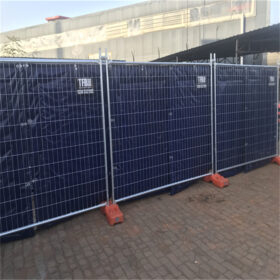
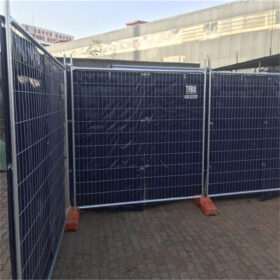
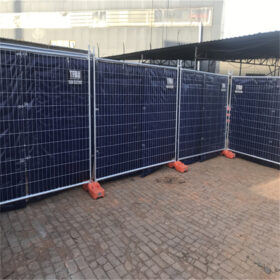
What a Temporary Construction Noise Barrier Is
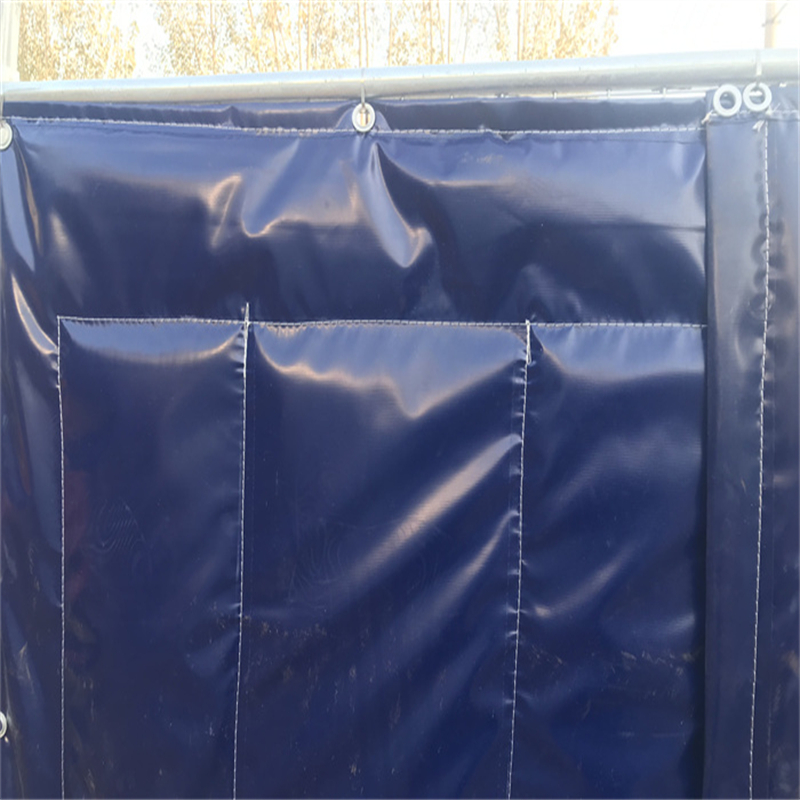
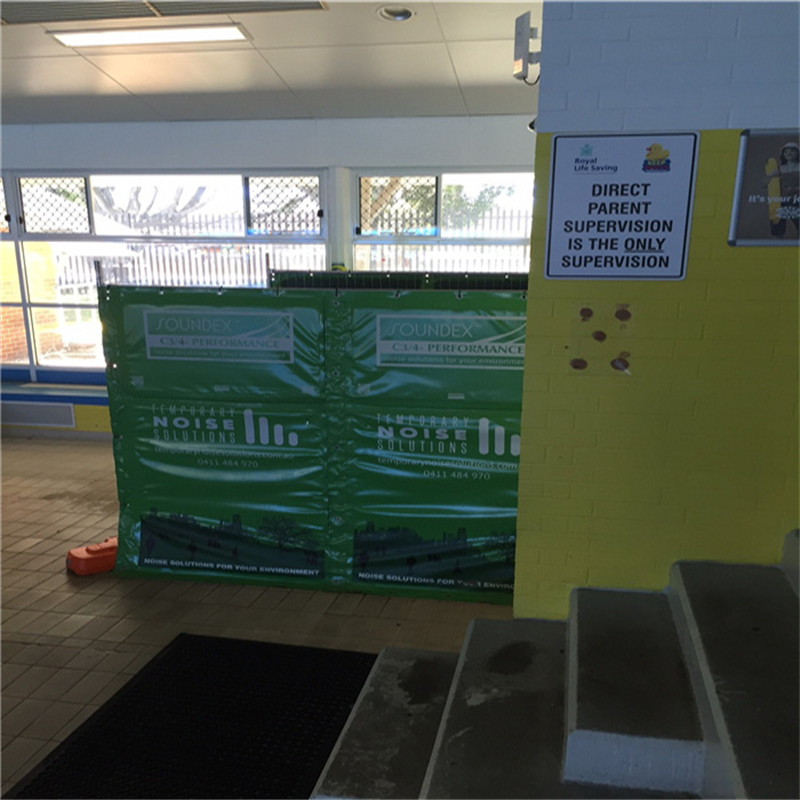
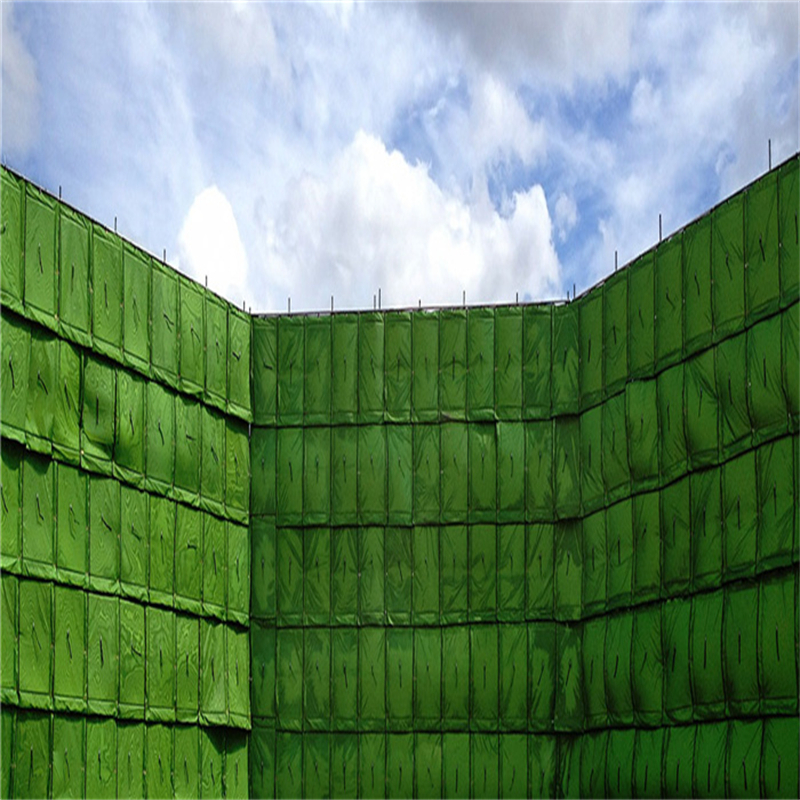
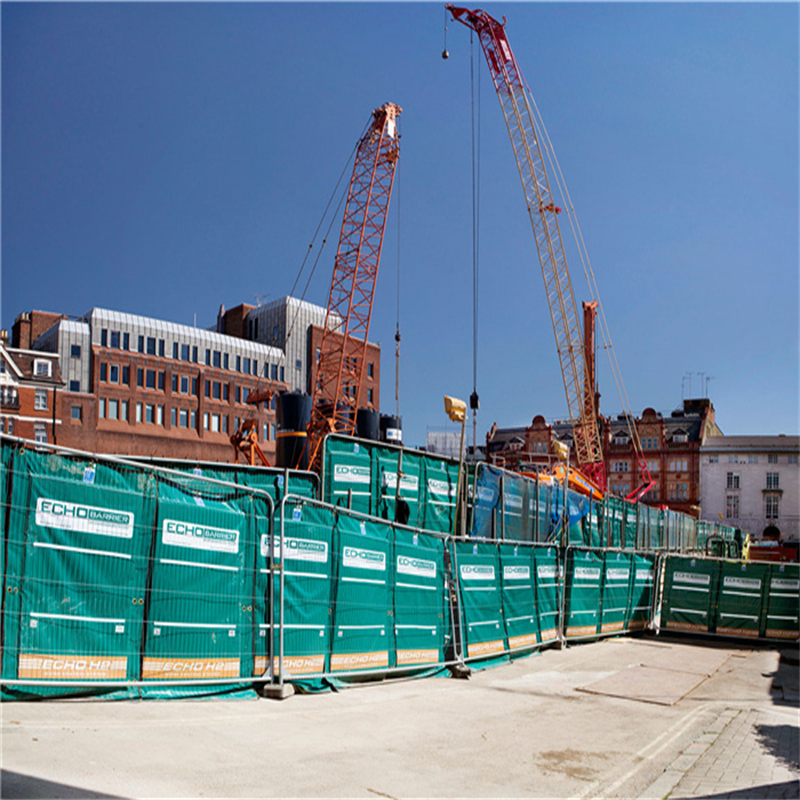
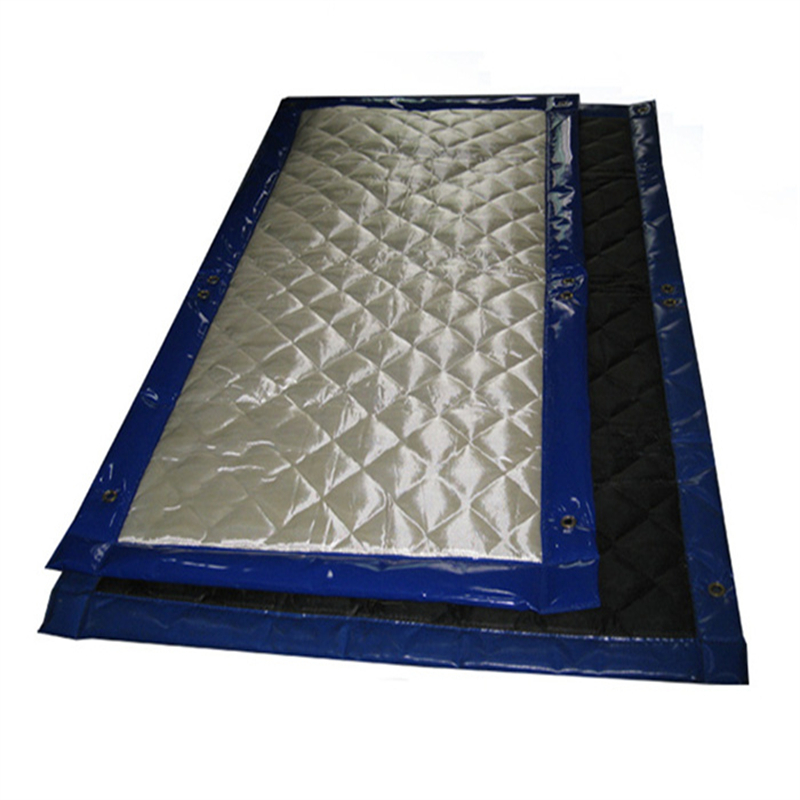
A temporary construction noise barrier is a portable acoustic screen that attaches to temporary fencing, scaffolding, hoarding, or a purpose-built enclosure frame. In real operations, the barrier is judged by measurable behavior: whether it stays attached under wind, whether seams and eyelets hold under tension, whether waterproofing prevents saturation, and whether the acoustic layers retain performance after repeated folding, stacking, and transport. For projects that also require high-precision screening materials, you can review ultra-thin stainless steel mesh as a related specialty option.
POLYMETAL Product Description
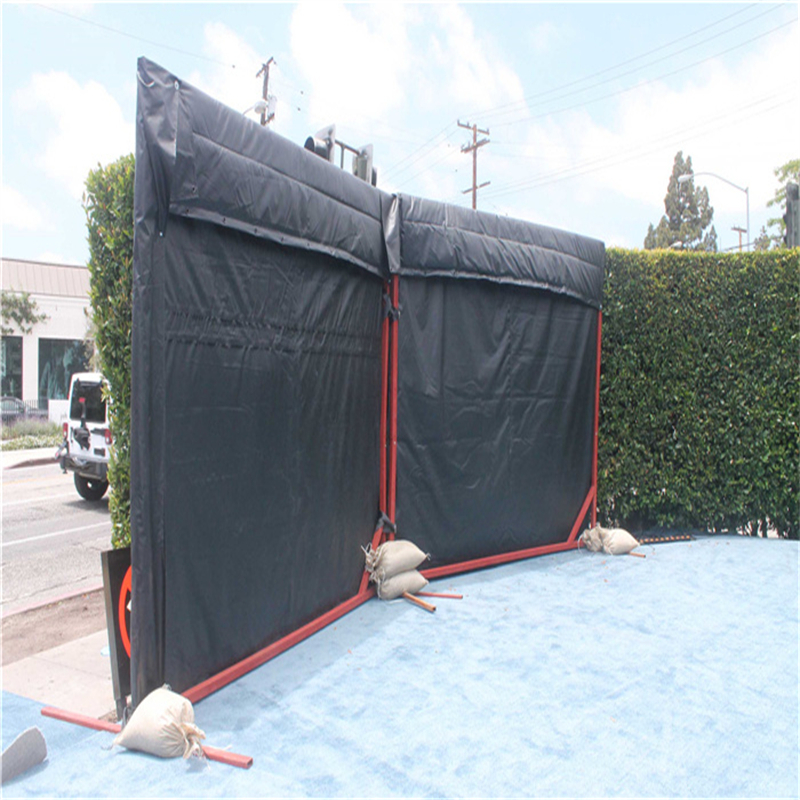
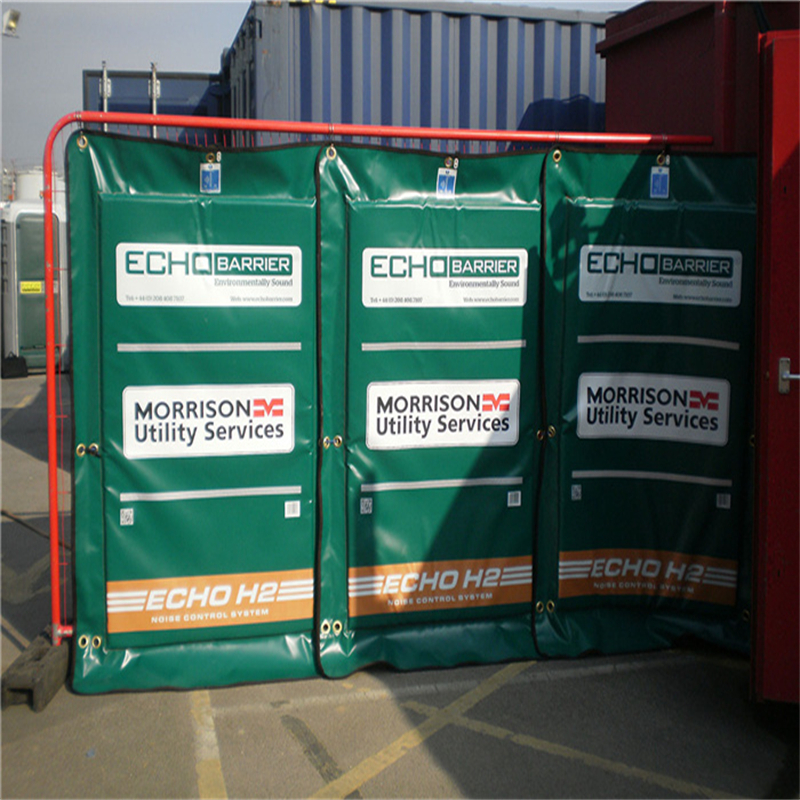
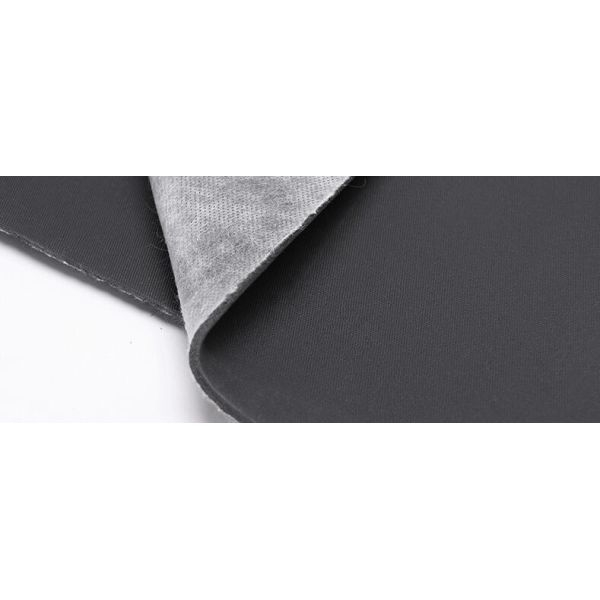
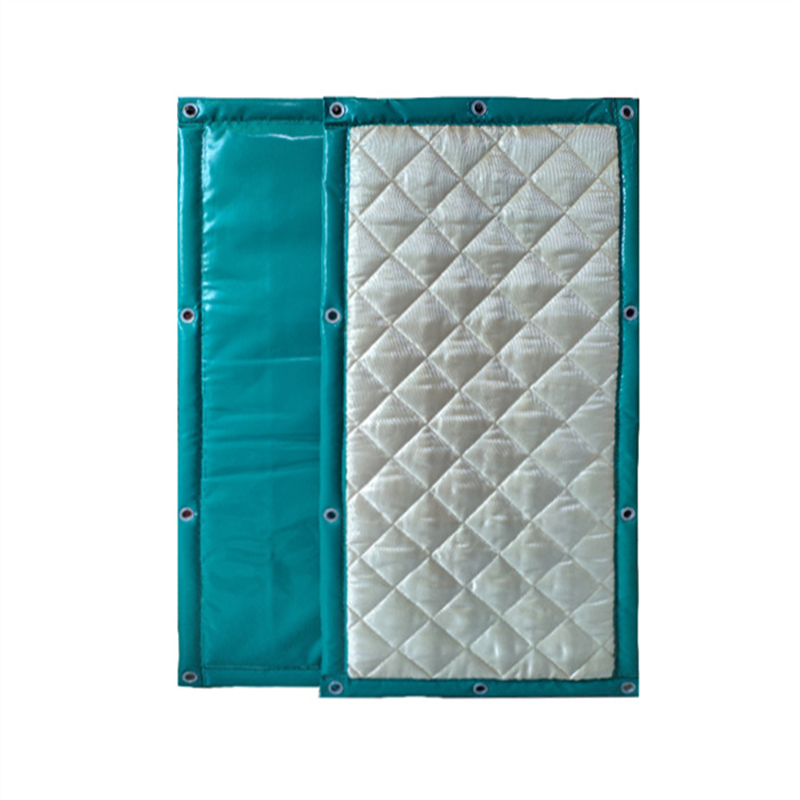
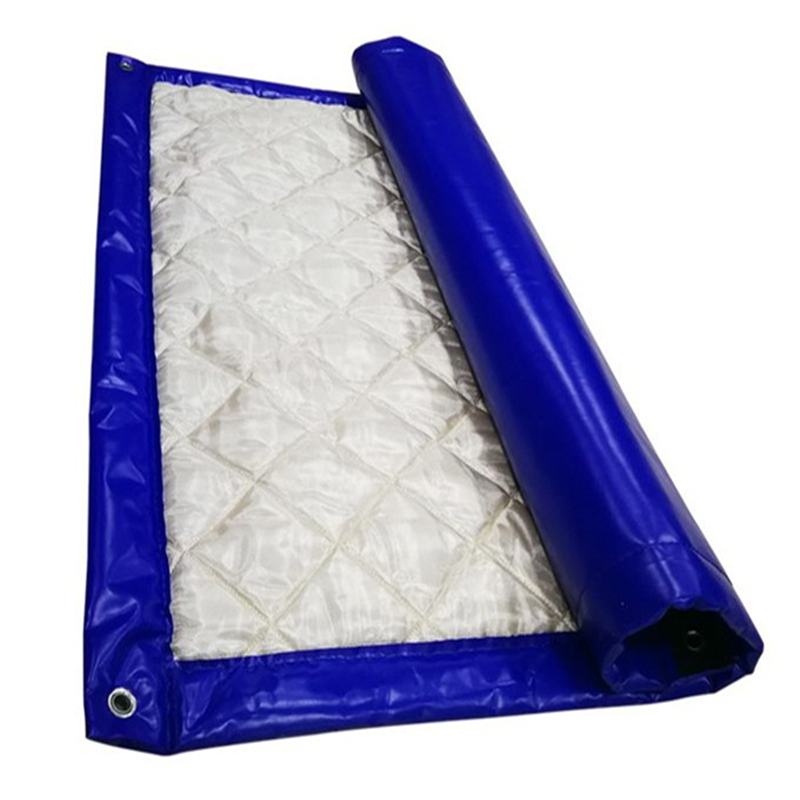
The POLYMETAL temporary construction noise barrier is built as a four-layer acoustic system designed for repeatable deployment. It uses an optimal weight and density PVC acoustic membrane and is hand-sewn for maximum seam strength. Inside, a dedicated sound insulation felt layer and an acoustic foam layer work together to absorb and block noise energy, while a unique waterproof lining protects the performance layers from weather exposure. This combination is designed for construction environments where barriers are moved, re-tensioned, and exposed to wind-driven rain, dust, and temperature changes.
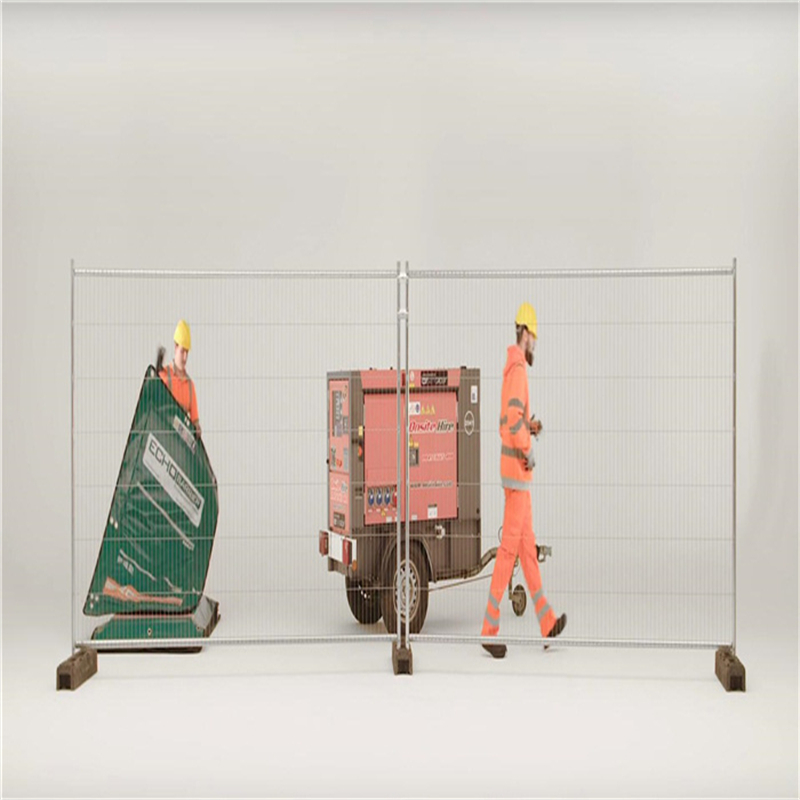
Top 20 Traps When Buying a Temporary Construction Noise Barrier (Especially #12)
Trap #1 — The hidden detail of “dB rating” without thickness and weight
A temporary construction noise barrier listing that only states a dB number can be misleading. Performance is tied to laminated thickness and weight per square meter, not marketing labels.
Trap #2 — The fact that seams fail before materials
If stitching and reinforcement are weak, the temporary construction noise barrier tears at seams long before the membrane wears out. Hand-sewn strength and edge reinforcement are critical.
Trap #3 — The truth about waterproofing protecting acoustic layers
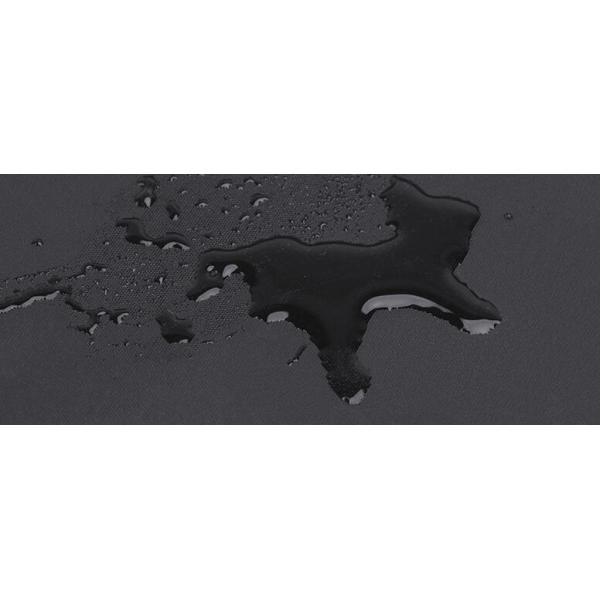
Water saturation can reduce effective performance and increase weight handling issues. A temporary construction noise barrier must include waterproof lining so insulation/foam stays stable.
Trap #4 — The point that eyelet spacing controls wind survival
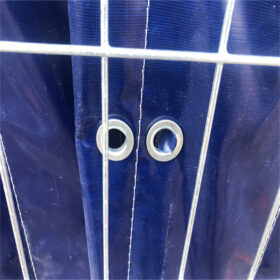
Too few eyelets creates high point-loads and tearing. A temporary construction noise barrier should use disciplined eyelet spacing (commonly around 100mm per one) for even load distribution.
Trap #5 — The note that “fits any fence” is rarely true
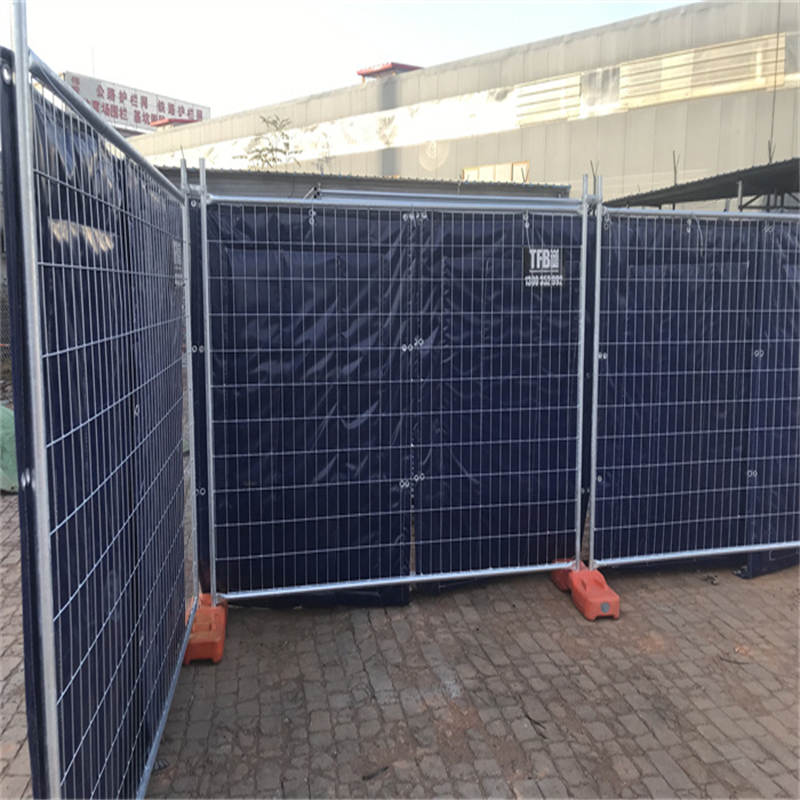
Fence height, panel width, and frame type vary. A temporary construction noise barrier must be sized and tied to your real fence/scaffold layout to avoid gaps and flapping.
Trap #6 — The tip to specify operating wind conditions, not only materials
Wind is the real stress test. A temporary construction noise barrier needs proper fixing patterns and tensioning so it doesn’t turn into a sail.
Trap #7 — The hint that “fire resistant” needs a defined build, not a slogan
Fire resistance depends on the composite structure. A temporary construction noise barrier should be built from non-irritant composite materials and structured layers designed for site safety behavior.
Trap #8 — The idea that light-duty is good—until it collapses on day one
Lightweight is convenient, but a temporary construction noise barrier still needs enough strength to resist tearing, stretching, and eyelet pull-out during repeated moves.
Trap #9 — The angle of performance loss caused by repeated folding
Poor lamination and weak internal bonding can degrade after repeated folding. A temporary construction noise barrier should be designed to fold and transport without delamination.
Trap #10 — The aspect of cleaning and UV stability being ignored
Outdoor barriers collect dust and residue. A temporary construction noise barrier should use UV-treated PVC film that is easy to clean so it stays usable and presentable.
Trap #11 — The element of missing edge reinforcement
Edges carry tension loads. Without reinforced edges, a temporary construction noise barrier can tear along the perimeter even if the membrane itself is strong.
Trap #12 — The critical feature: ignoring gaps, overlaps, and enclosure sealing
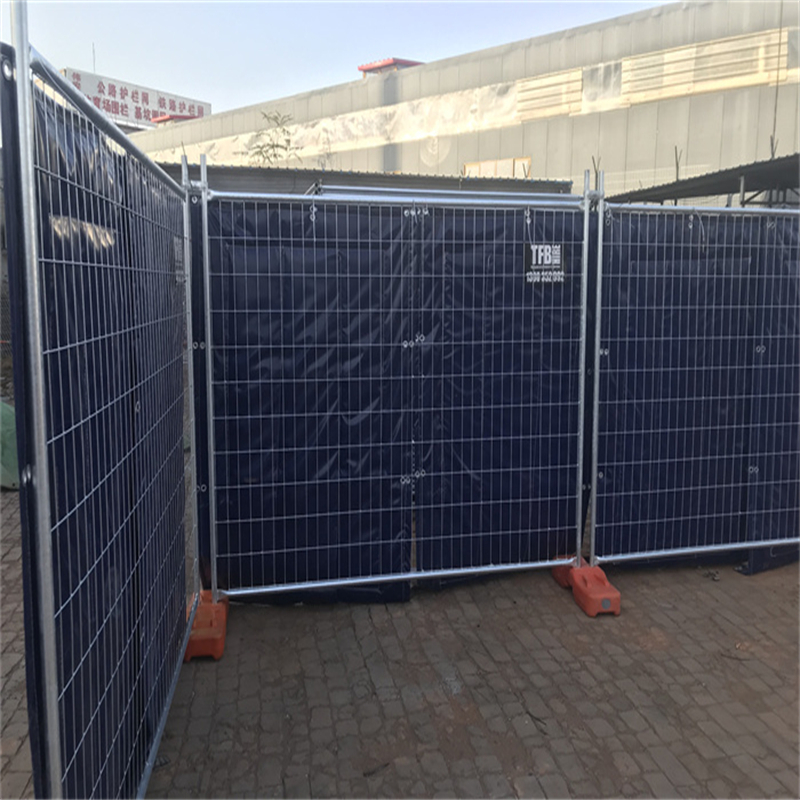
This is where buyers lose money. A temporary construction noise barrier can have good material performance and still fail on site if installation leaves gaps at the bottom, corners, or joins. Gaps leak sound, reduce effective dB reduction, and create complaints. The purchase order must specify panel sizing, overlap method, corner sealing, and the full height × width × length plan for your fence or enclosure. If you’re mounting the barrier onto a standard fence line, matching the panel layout to your garrison fence panels helps reduce gaps and keeps the run straight for cleaner sealing.
Trap #13 — The trait of choosing the wrong barrier size for your fence bay
If size is not matched, the temporary construction noise barrier flaps, strains eyelets, and forms openings that defeat acoustic control.
Trap #14 — The side effect of over-tensioning and tearing
Over-tensioning can rip eyelets and seams. A temporary construction noise barrier should be installed with even tension and correct tie spacing.
Trap #15 — The view that “one layer is enough” on high-noise work
High-noise operations often need multi-layer structure. A four-layer temporary construction noise barrier is chosen because it balances absorption, blocking, and weather stability.
Trap #16 — The insight that durability is mostly about stitching and hardware
The membrane may survive, but eyelets and seams can fail if not engineered. A temporary construction noise barrier must be built for repeated handling cycles.
Trap #17 — The finding that water weight can break fences and hoarding
If waterproofing is weak, water retention increases load and can stress frames. A temporary construction noise barrier must shed water to protect the supporting structure.
Trap #18 — The discovery that “portable” fails without pallet-friendly packing
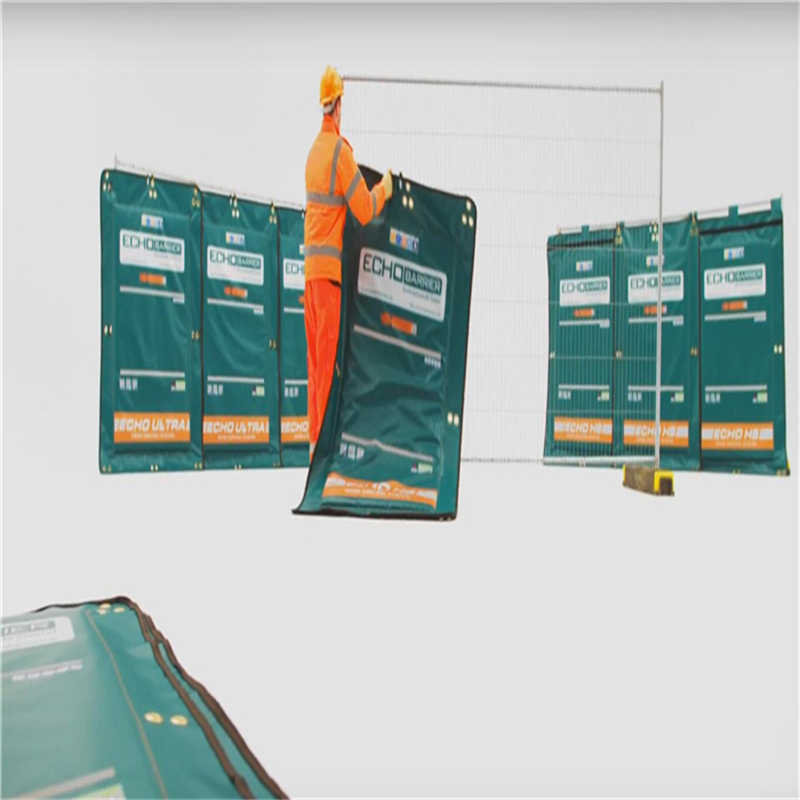
Portability includes logistics. A temporary construction noise barrier should fold and stack for pallets so crews can deploy and move it quickly.
Trap #19 — The lesson that ignoring site layout causes waste
Buying random quantities without a measured perimeter plan creates waste. A temporary construction noise barrier order should be tied to height × width × length and enclosure geometry.
Trap #20 — The rule: buy the system—barrier + fixing plan + frame plan
A temporary construction noise barrier is a system: acoustic layers + eyelets + ties + fence/scaffold frame + packing. If one component is weak, performance collapses in real conditions.
Advantages
- The light-duty design is easy to install and fold up to transport, stacking in pallets
- 100% non-poisonous No irritant composite materials friendly to the environment
- Waterproof 100%
- Entirely Resistant Fire
- Excellent flexibility and tenacity
 |  |
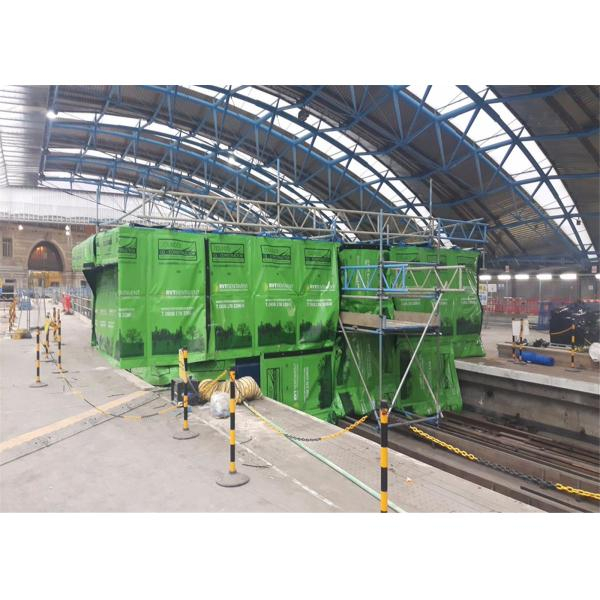 | 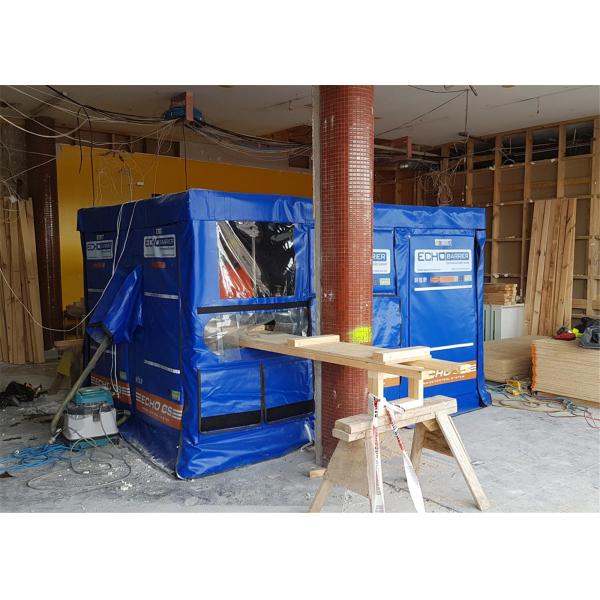 |
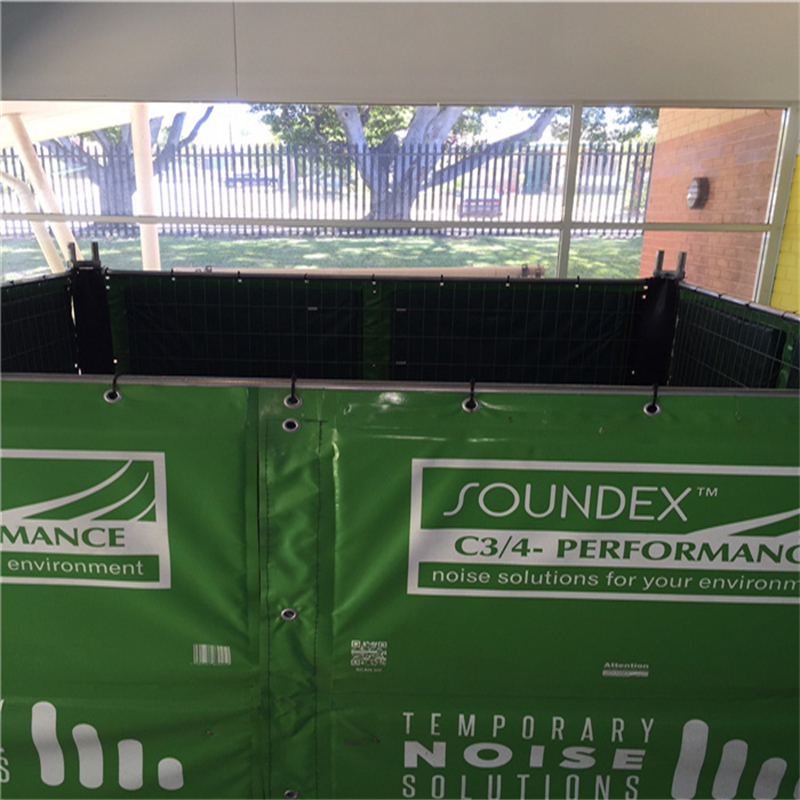
Several temporary construction noise barriers can be faster erected to an enclosure to build a temporary restroom or office on the construction sites. Just inform us of the height x width x length we will create a design and meet your budget. A temporary insulation room is an ideal area to operate many things
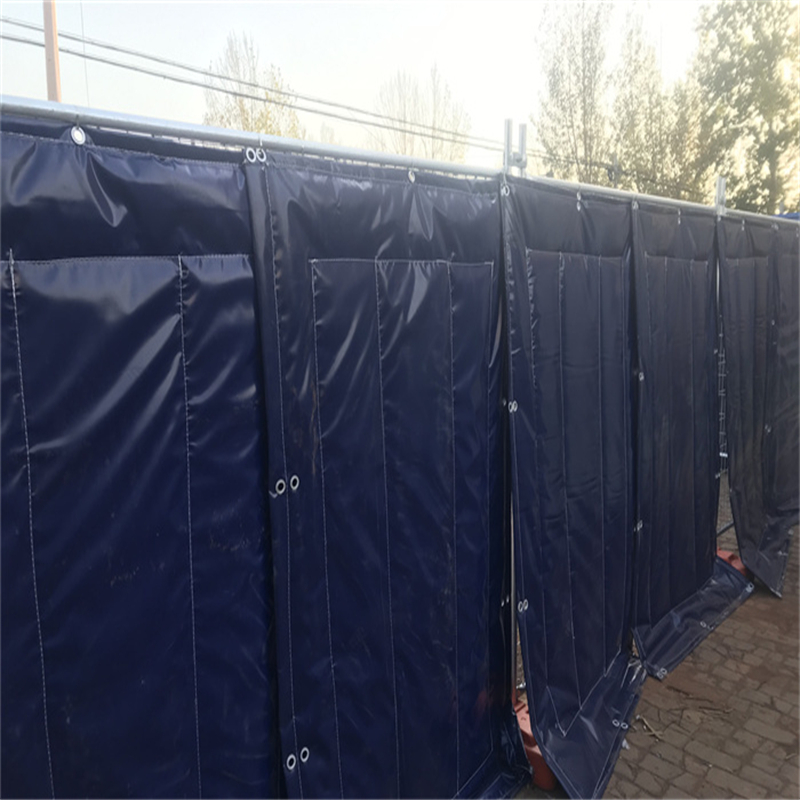
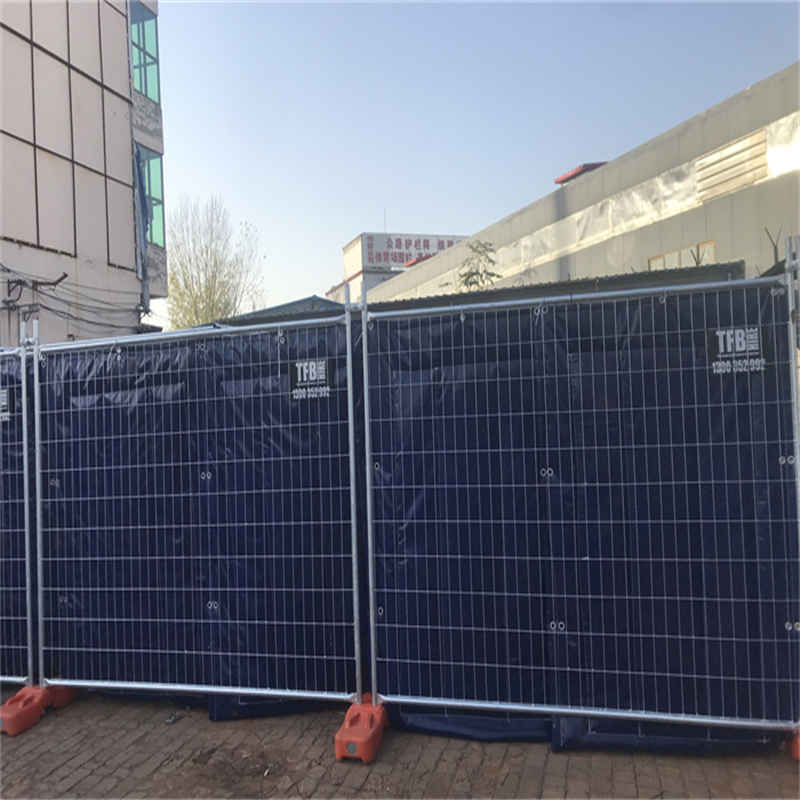
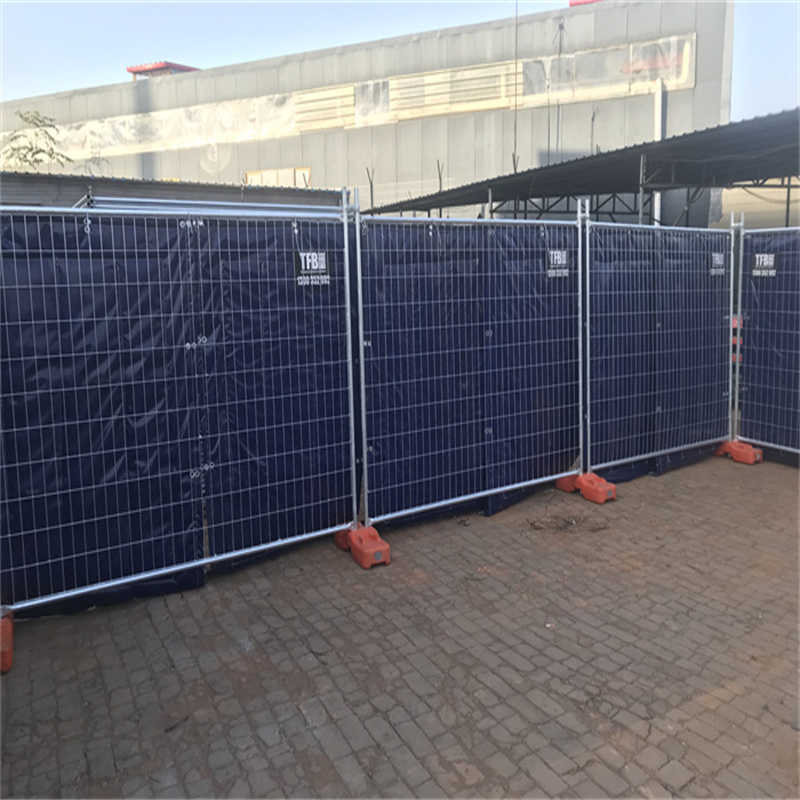
Applications
- Temporary Fencing
- Construction Scaffolding
- Solid hoarding
- Construction Residential
- Construction Projects
- Residential Works
- Infrastructure projects
- Retail renovation
- Mine sites
- Offshore and onshore oil & gas
- Processing plants
- factories & workshops
- Machinery enclosures
Specifications (Temporary Construction Noise Barrier)
The tables below help buyers lock performance. The first table is the factory reference specification you provided. Additional tables are added to make purchasing and site planning easier.
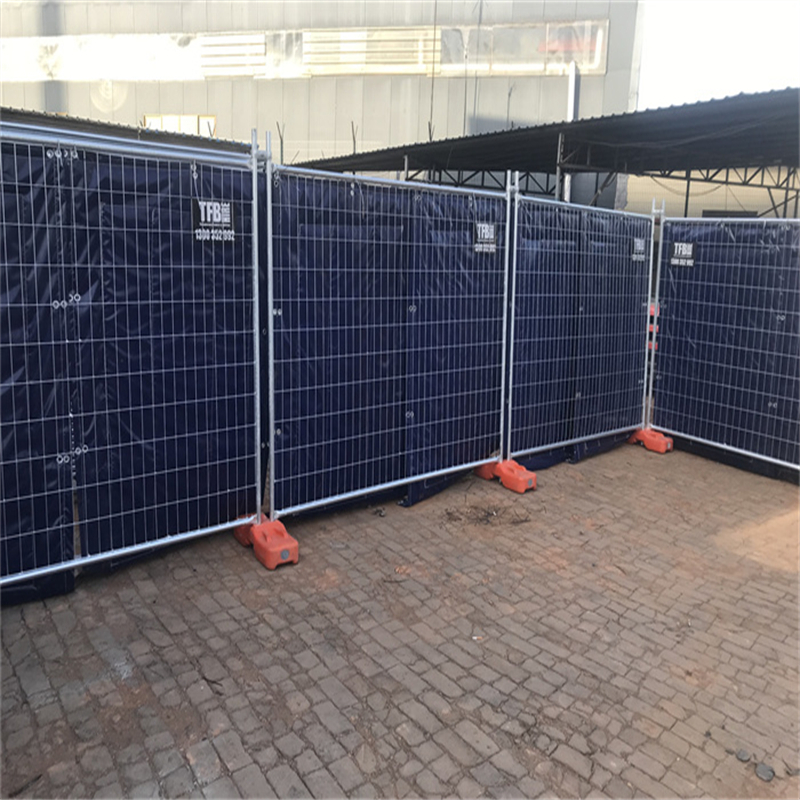
| Temporary Noise Fence /barriers /Enclosure | |
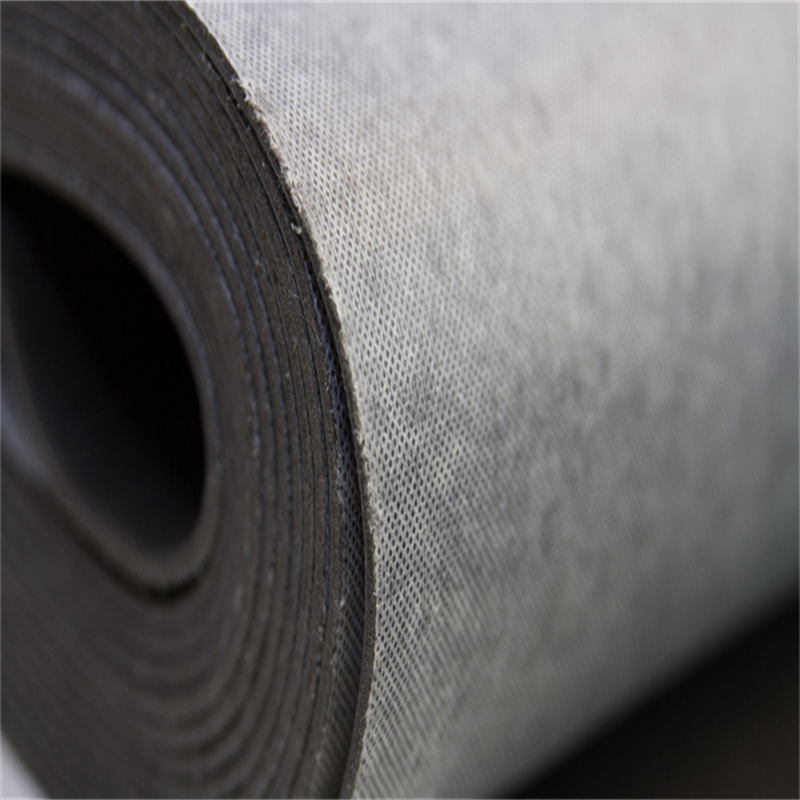
| Inside Materials | Composite Laminated ( Iron Powder, quartz, Rubber) high tenacity polyester |
| Outside Materials | PVC film is easy to clean UV treated |
| Size | Available customized standard 1950mm*1200mm 1830mm*1500mm etc |
| Temporary Acoustic barrier Eliminate Noise Rate | |
| 25dB per square meter weight 3.4kg laminated thick 1.2mm | |
| 30dB per square meter weight 4.4kg laminated thick 2.0mm | |
| 40dB per square meter weight 6.4kg laminated thick 3.0mm | |
| Eyelets | According to requirements usual 100mm per one |
Table A — Quick Selection Matrix (Common Site Builds)
| Model | Typical Size | Noise Reduction Target | Thickness | Weight (kg/m²) | Layer Build | Outside Skin | Back Lining | Eyelets | Best Use |
|---|---|---|---|---|---|---|---|---|---|
| TNF-25 | 1950×1200mm | 25dB | 1.2mm | 3.4 | 4-layer | UV PVC | Waterproof | ~100mm | General fencing lines |
| TNF-25 | 1830×1500mm | 25dB | 1.2mm | 3.4 | 4-layer | UV PVC | Waterproof | ~100mm | Scaffold screens |
| TNF-30 | 1950×1200mm | 30dB | 2.0mm | 4.4 | 4-layer | UV PVC | Waterproof | ~100mm | Residential edge works |
| TNF-30 | 1830×1500mm | 30dB | 2.0mm | 4.4 | 4-layer | UV PVC | Waterproof | ~100mm | Hoarding upgrades |
| TNF-40 | 1950×1200mm | 40dB | 3.0mm | 6.4 | 4-layer | UV PVC | Waterproof | ~100mm | High-noise equipment zones |
| TNF-40 | 1830×1500mm | 40dB | 3.0mm | 6.4 | 4-layer | UV PVC | Waterproof | ~100mm | Night works & sensitive sites |
| TNF-CUST | Custom | 25–40dB | 1.2–3.0mm | 3.4–6.4 | 4-layer | UV PVC | Waterproof | As required | Full enclosure rooms |
| TNF-CUST | Custom | 25–40dB | 1.2–3.0mm | 3.4–6.4 | 4-layer | UV PVC | Waterproof | As required | Machinery isolation |
| TNF-30 | Custom | 30dB | 2.0mm | 4.4 | 4-layer | UV PVC | Waterproof | As required | Retail renovation |
| TNF-25 | Custom | 25dB | 1.2mm | 3.4 | 4-layer | UV PVC | Waterproof | As required | Temporary fencing add-on |
Table B — Materials & Layer Profile (What You Are Actually Buying)
| Layer / Component | Material | Purpose | Benefit | Failure If Missing |
|---|---|---|---|---|
| Outer skin | UV-treated PVC film | Weather shield | Easy cleaning, UV stability | Cracking, dirt lock-in |
| Acoustic membrane | PVC acoustic membrane | Sound blocking | Mass barrier performance | Low noise reduction |
| Insulation felt | Sound insulation felt | Absorption | Reduces reflections | Echo leakage |
| Acoustic foam | Acoustic foam | Absorption | Stabilizes mid/high noise | Harsh high-frequency leakage |
| Back lining | Waterproof lining | Protection | Prevents saturation | Heavy, weak performance |
| Inside composite | Composite laminated (iron powder, quartz, rubber) + high tenacity polyester | Strength & mass | Durability + density | Early tearing, weak blocking |
| Stitching | Hand-sewn reinforcement | Seam strength | High pull resistance | Seam failure |
| Eyelets | Metal eyelets | Fixing points | Even tension distribution | Edge tearing |
| Edge banding | Reinforced perimeter | Load handling | Better wind survival | Fraying, tearing |
| Surface finish | Wipe-clean PVC | Site hygiene | Professional appearance | Permanent staining |
Table C — Installation & Packing Profile (Site-Ready Reality)
| Item | Standard Option | Purpose | Recommended Practice |
|---|---|---|---|
| Eyelet spacing | ~100mm per one | Load distribution | Match tie spacing to eyelets |
| Ties | Cable ties / rope ties | Attachment | Even tension, no over-pull |
| Overlap method | Side overlap | Gap control | Overlap joins to reduce leakage |
| Bottom sealing | Low-gap install | Leak prevention | Minimize ground gap where possible |
| Corner sealing | Wrapped corners | Leak prevention | Seal corners on enclosures |
| Fence mounting | Temp fence / hoarding | Support | Use stable frames for wind |
| Scaffold mounting | Scaffold tubes | Elevated use | Secure edges and corners |
| Folding | Foldable panels | Transport | Fold on clean surface to protect lining |
| Pallet stacking | Pallet stacks | Logistics | Stack flat, avoid sharp edges |
| Packaging | Wrapped pallet | Protection | Keep dry and protected in transit |
Benefits
- Fast noise control using a portable temporary construction noise barrier system
- Four-layer build helps resist performance deterioration over time
- Waterproof lining protects acoustic layers in harsh weather
- Foldable and pallet-stackable for efficient site moves
- Custom sizing supports temporary enclosures (restroom, office, machinery room)
Packing
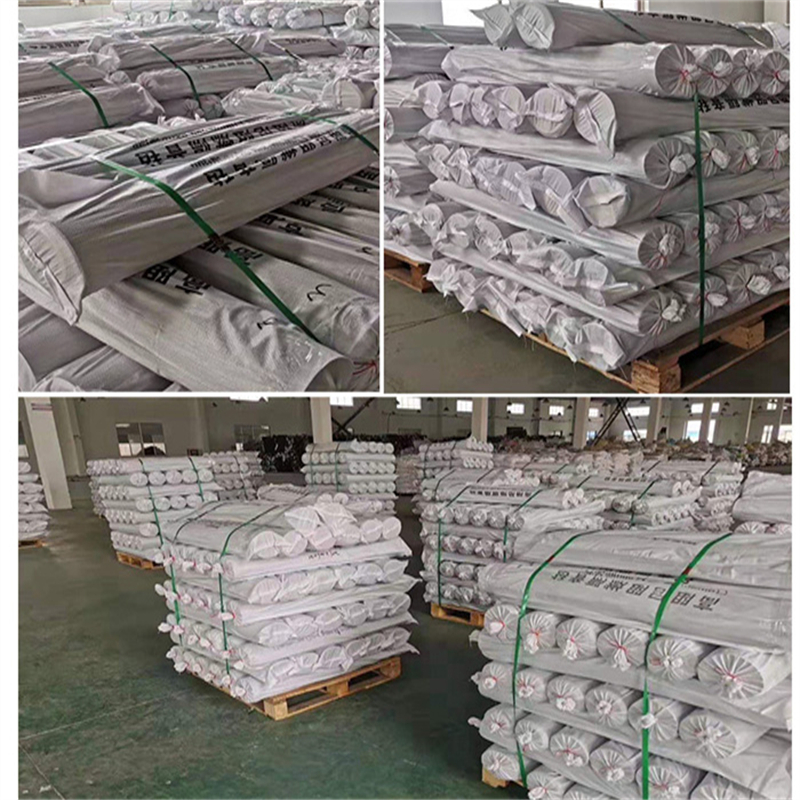
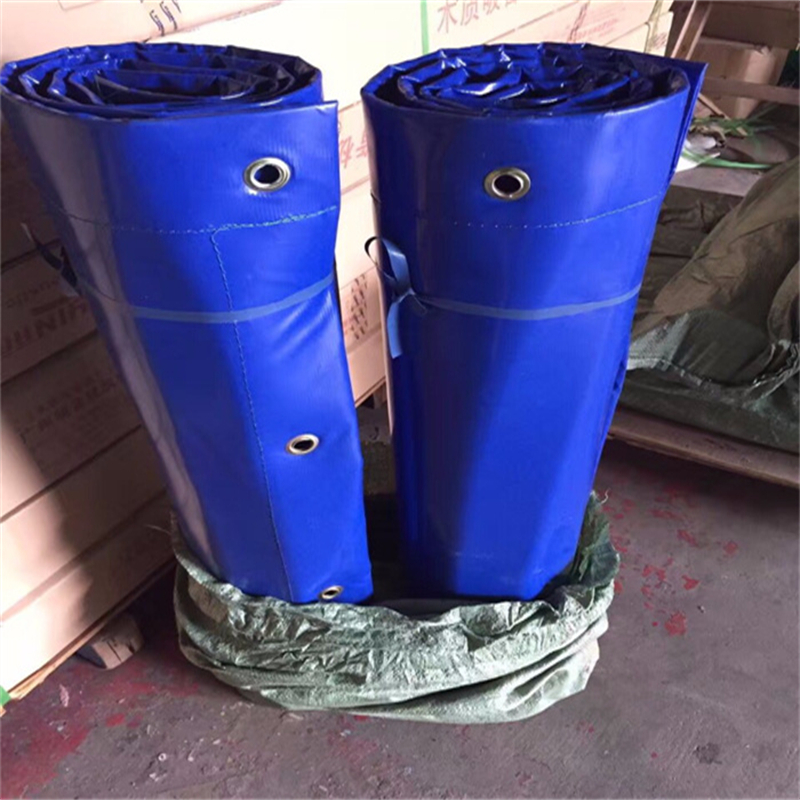
Packing is part of performance because repeated folding and transport can destroy weak barriers. POLYMETAL packs each temporary construction noise barrier for site logistics: barriers fold for transport, stack in pallets, and are wrapped to protect the PVC surface, stitching, and eyelets. Pallet stacking is optimized to reduce edge abrasion and prevent puncture damage during loading and unloading.
Standard
Temporary construction noise barriers can be produced to project specifications and inspection requirements. The safest procurement method is to lock measurable requirements directly into the purchase order: target dB build (25/30/40), laminated thickness and weight, size, eyelet spacing, seam reinforcement, waterproof lining, and installation method (fence/scaffold/hoarding/enclosure) so site performance matches expectation.
FAQs
What is the standard POLYMETAL temporary construction noise barrier?
The four-layer temporary construction noise barrier is our standard product: PVC acoustic membrane + insulation felt + acoustic foam + waterproof lining, with reinforced stitching.
Do you produce fixed iron/concrete sound walls?
No. Fixed sound barriers are typically iron or concrete and are installed for decades, so they are usually expensive. POLYMETAL focuses on portable temporary construction noise barrier systems.
Which dB option should I choose?
25dB suits general perimeter control, 30dB suits noise-sensitive boundaries, and 40dB suits higher-noise equipment zones where stronger reduction is required.
Can you design a temporary enclosure room?
Yes. Provide height × width × length and the support structure type, and we can build a temporary construction noise barrier enclosure plan for a restroom, office, or machinery isolation area.