Your One-Stop Wire Mesh Fence Supplier | POLYMETAL
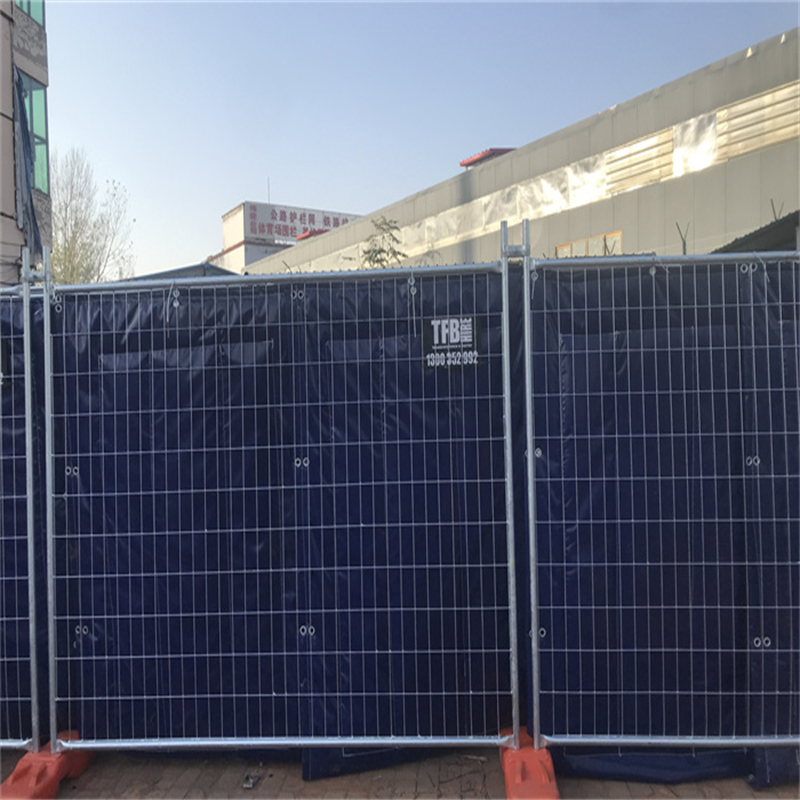
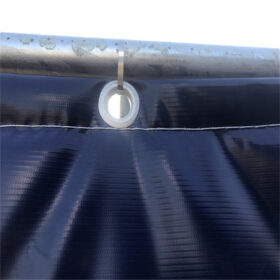
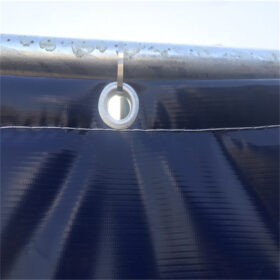
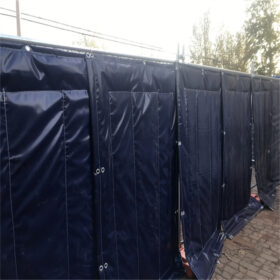
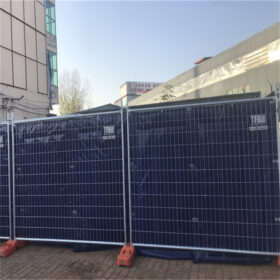
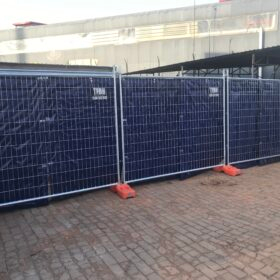
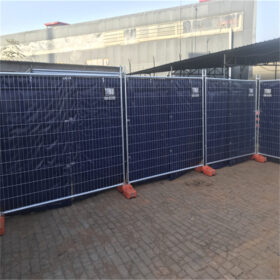
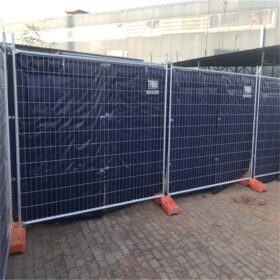
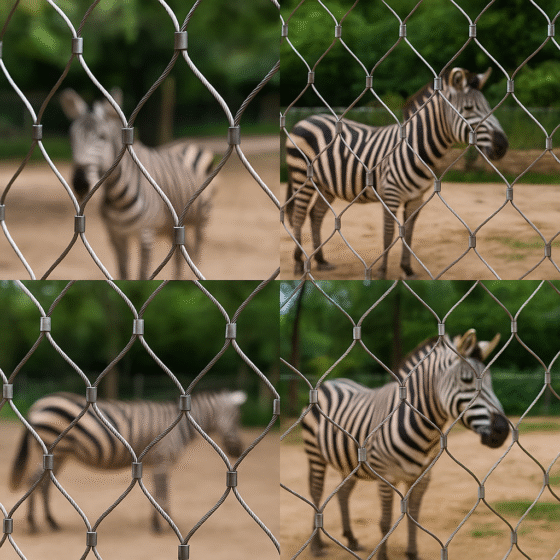
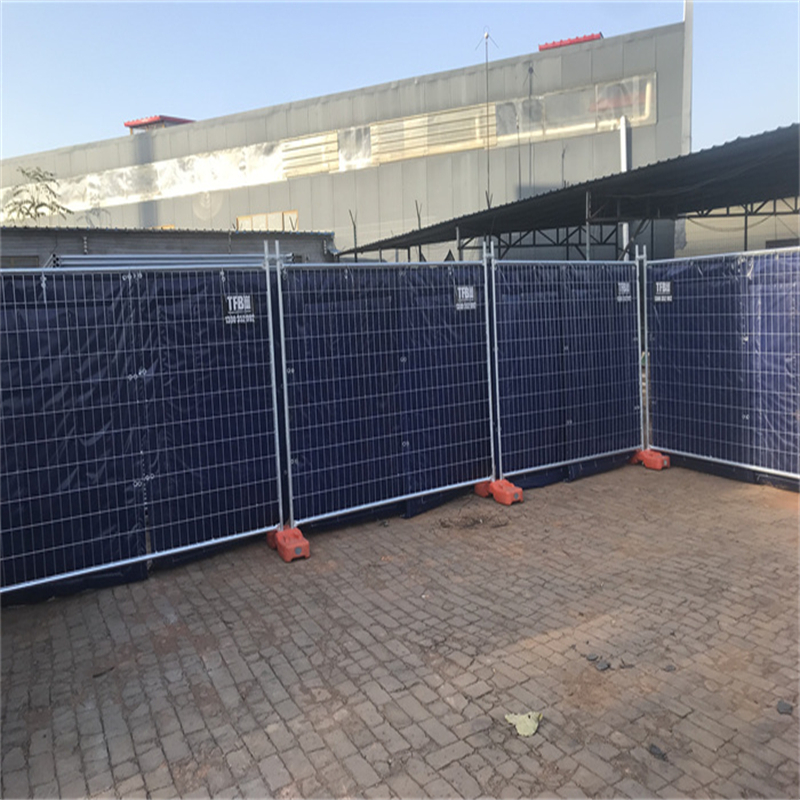
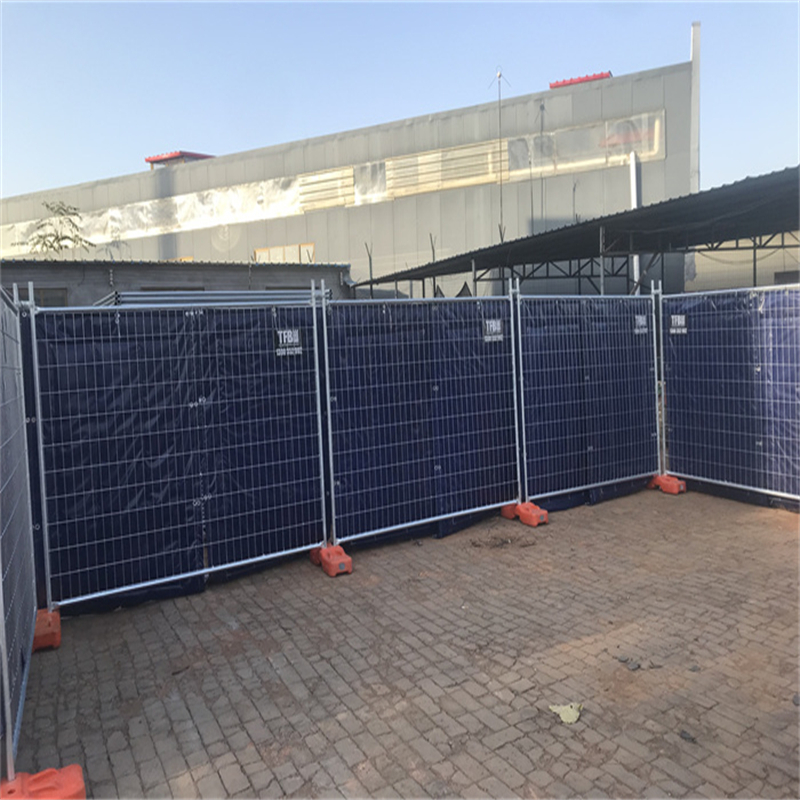
Temporary Construction Noise Barriers is mostly used in construction site, to help prevent noise transmissing to the neighborhood and control noise spreading as well as reducing noise level in the working area. It provide a better environment to the workers and avoid complaint from people nearby, especially when your project are in the downtown. For projects that also need safe visual containment and protected zones near public edges, some contractors add protective screening solutions like top 10 stainless steel rope mesh, and for temporary site organization or rural work areas that require fast, portable segregation, portable sheep panels Australia wide can be deployed as modular panels alongside noise-control layouts.
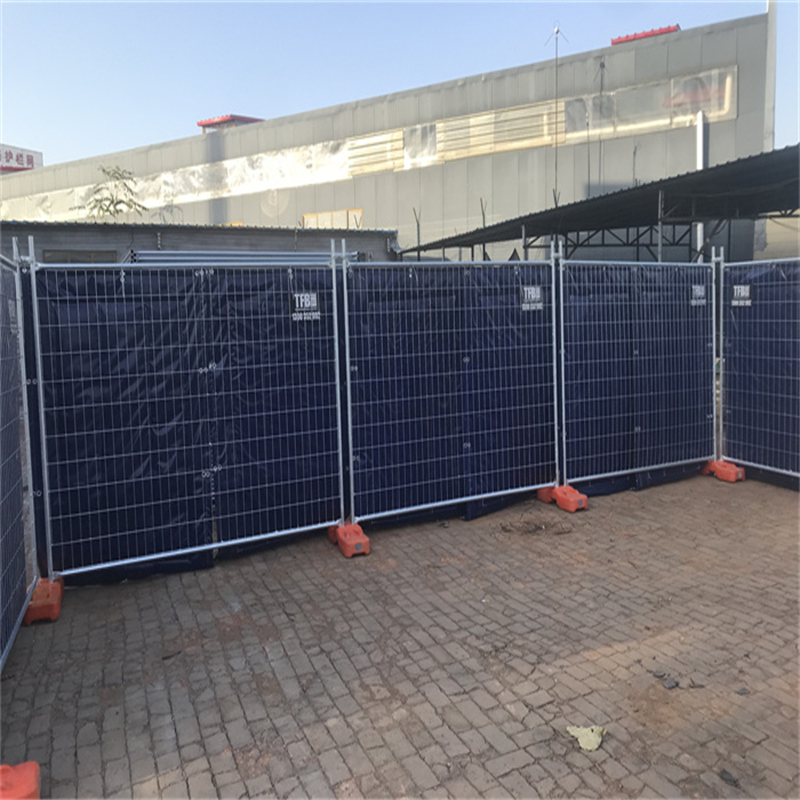
Why Buyers Choose Temporary Construction Noise Barriers
Neighbourhood complaint prevention
When projects operate near residential or public-facing areas, noise becomes a schedule risk. Temporary construction noise barriers help reduce noise spill so projects can keep moving without repeated complaints and enforcement pressure.
Better work-zone environment
Noise control is not only for the outside boundary. A barrier that absorbs sound reduces harsh reflection and can improve working comfort inside the site.
Fast installation and reuse
Temporary systems are chosen because they can be installed quickly, moved as work zones change, and reused across multiple stages of the same project.
Top 10 High-Risk Traps for Temporary Construction Noise Barriers Orders
Each trap below looks minor on a purchase order—but becomes expensive once the site is live and the neighborhood is watching. Pay special attention to #7, because that is where many buyers suffer the biggest loss.
Trap #1: Buying “noise barriers” without locking the full material stack
If the order does not lock the core and surface layers, suppliers may deliver a sheet that looks similar but blocks and absorbs far less noise. On site, that becomes immediate complaint risk.
Trap #2: Choosing thickness without matching it to noise intensity
Thickness options like 20mm, 25mm, and 50mm exist for a reason. If thickness is underspecified for heavy machinery zones, noise leaks remain high even when coverage looks complete.
Trap #3: Ignoring hanging pattern and edge loop strength
A hanging barrier lives at its edge. If loops and edge reinforcement are weak, wind and daily tension rip the hanging points first, forcing repairs and downtime.
Trap #4: Forgetting coverage continuity—then gaps become “noise windows”
Noise escapes through gaps at joins, corners, and bottom edges. If installation planning does not control overlap and sealing, the barrier line looks finished but performs poorly.
Trap #5: Choosing colour only for appearance and ignoring heat and dirt reality
Blue/green/black choices affect site presentation and dirt visibility. Wrong colour selection can make barriers look “aged” early in public-facing downtown projects.
Trap #6: Under-specifying flammability class for urban sites
Class A or B1 performance matters for many projects. If the wrong flammability class is supplied, the barrier becomes a compliance and safety risk.
Trap #7: Missing moisture control—then the barrier gets heavy, sags, and performance drops
This is the biggest loss point. Wet weather can load barriers with moisture, causing sagging, long dry times, edge stress, odor, and performance drop. When water exposure is ignored, barriers fail quietly first—then fail visibly, and replacement becomes unavoidable.
Trap #8: Treating hooks and fixing hardware as “standard”
If hooks and fixings are not matched to loop strength and barrier weight, the barrier line becomes unsafe. A few weak fixings can collapse a whole section under wind.
Trap #9: Underestimating handling damage—then seams and surfaces arrive pre-worn
If packing protection is weak, barriers arrive creased, scuffed, and with stressed loop points. That accelerates tearing once tension is applied on site.
Trap #10: Ordering without a repeatable installation method
Without a consistent hanging plan, crews install uneven tension, creating flapping. Flapping destroys seams, loops, and edges, turning a reusable barrier into scrap fast.
Product Description: POLYMETAL Temporary Construction Noise Barriers
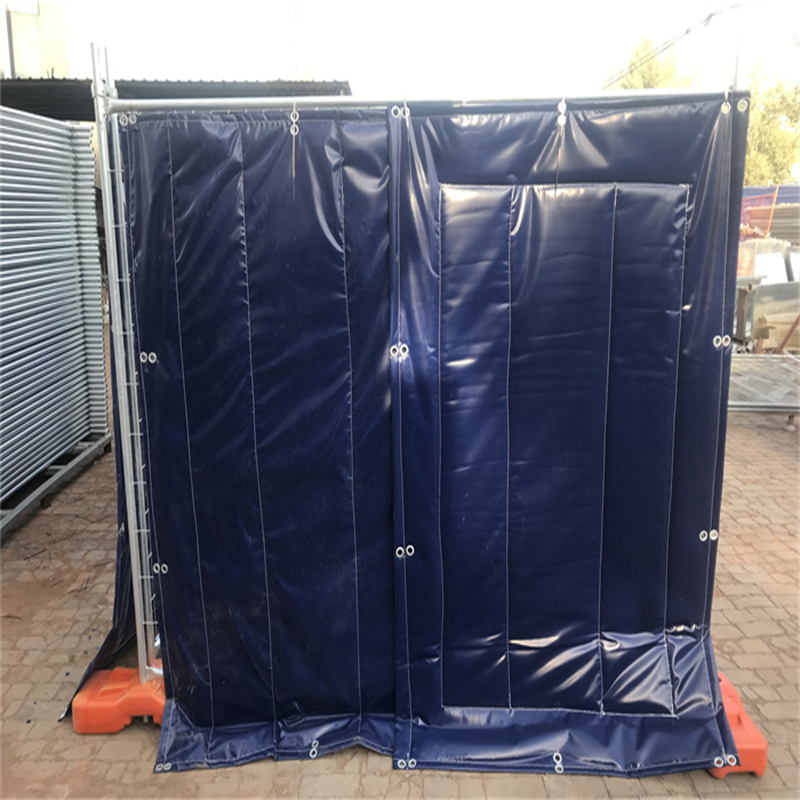
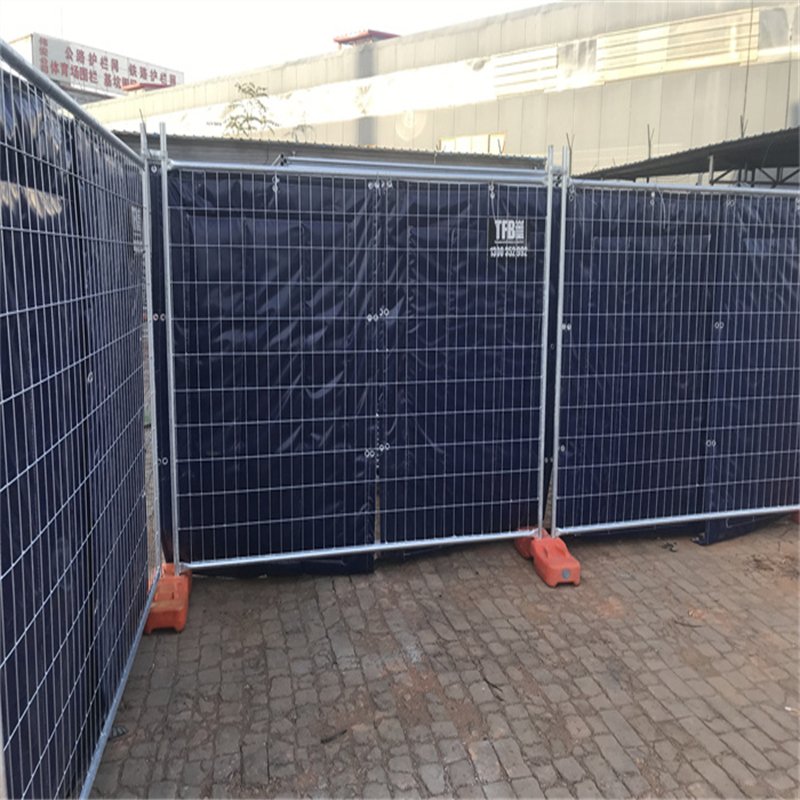
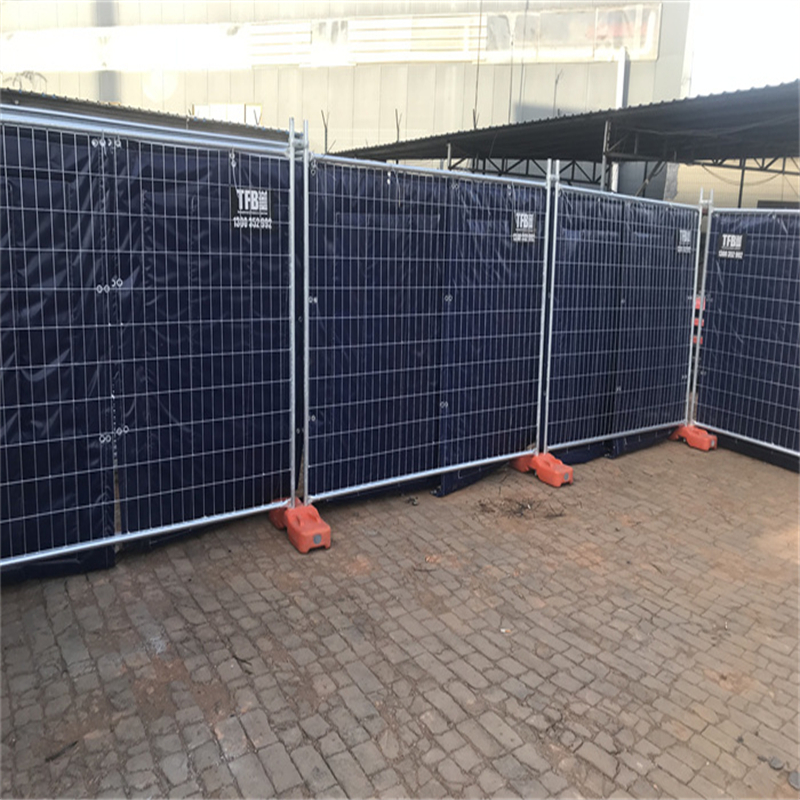
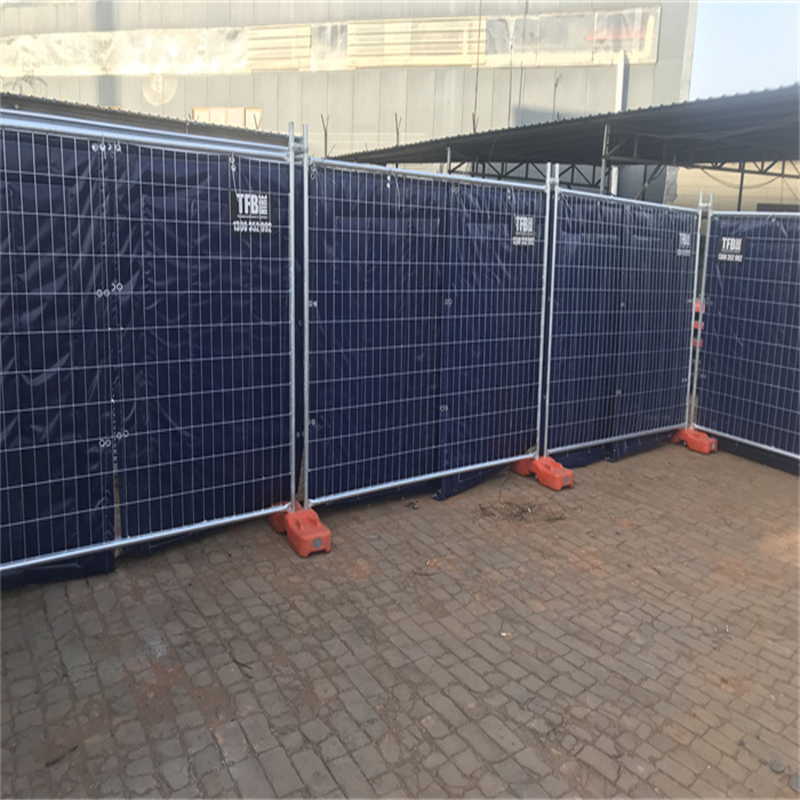
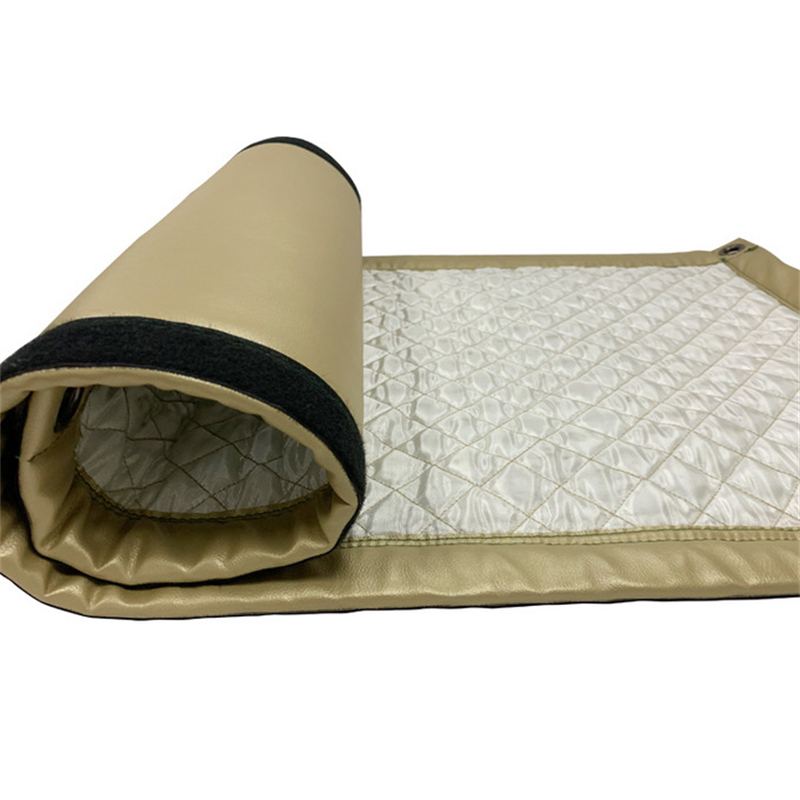
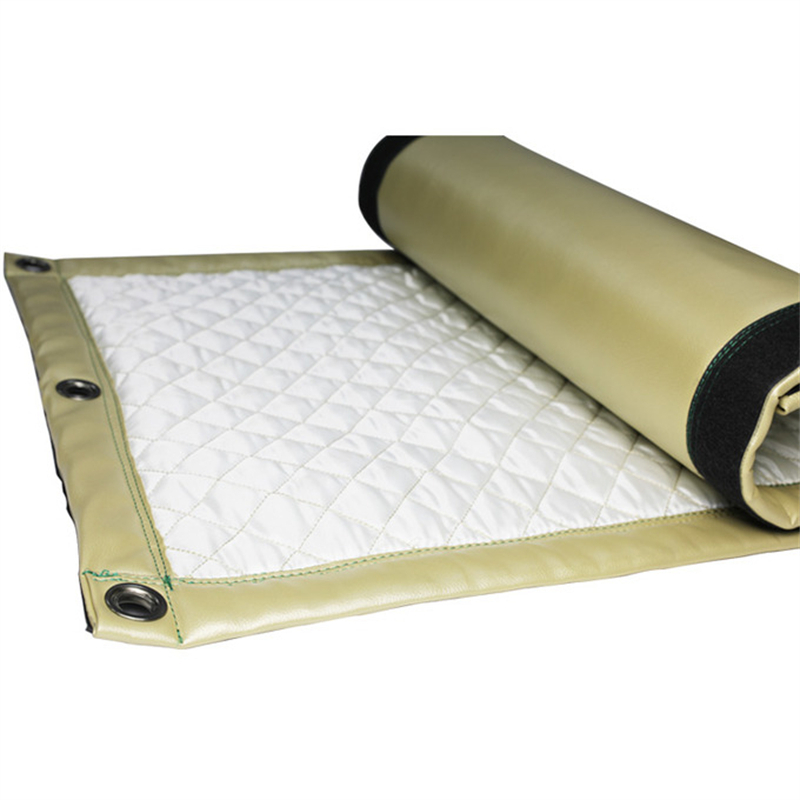
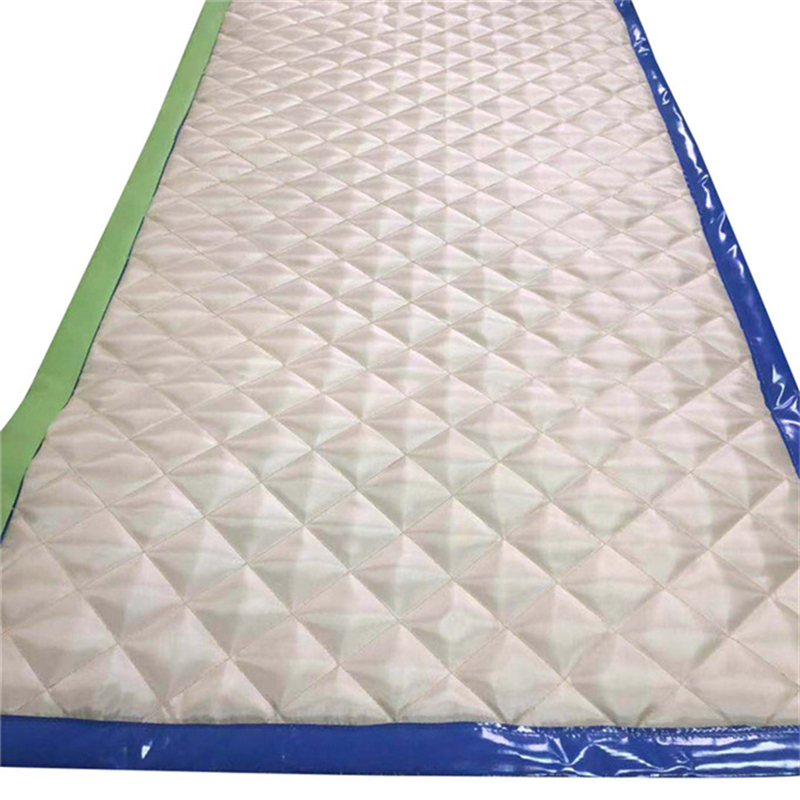
POLYMETAL temporary construction noise barriers are designed for construction and machinery work zones where fast noise control is required. The barrier uses an acoustic wool and sound insulation felt core, faced with PVC canvas and backed with fiberglass cloth to support noise blocking and absorption. A hanging pattern with loops on the edge allows quick installation using hooks on walls, fences, or site structures. When specified correctly, temporary construction noise barriers reduce noise transmission to nearby neighborhoods and help control noise spread inside work areas for better site conditions.
Specifications
Base Product Data Table (From Your Source)
| MATERIAL | Acoustic wool and sound insulation felt core, faced with pvc canvas, backed with fiberglass cloth |
| PATTERN | Hanging pattern |
| FEATURES | Effective and durabel noise absorber and block, easy install and reusable |
| APPLICATIONS | Construction site, machinery and work area enclosures |
| THICKNESS | 20mm, 25mm, 50mm |
| SIZE | 2000*1000mm |
| COLOR | Blue, Green and Black |
| FLAMMABILITY | Class A or B1 |
| INSTALLATION | There are loops on the edge of noise barrier, and we can hang it with hook on wall. |
Table 1: Standard City-Site Program (Balanced Performance + Reuse)
| Model | Size (mm) | Thickness | Face | Core | Back | Hanging Pattern | Colour | Flammability | Best Use |
|---|---|---|---|---|---|---|---|---|---|
| PM-TCNB-S01 | 2000×1000 | 20mm | PVC canvas | Acoustic wool + felt | Fiberglass cloth | Edge loops | Blue | Class B1 | General construction boundaries |
| PM-TCNB-S02 | 2000×1000 | 20mm | PVC canvas | Acoustic wool + felt | Fiberglass cloth | Edge loops | Green | Class B1 | Public-facing zones |
| PM-TCNB-S03 | 2000×1000 | 20mm | PVC canvas | Acoustic wool + felt | Fiberglass cloth | Edge loops | Black | Class B1 | High-dirt exposure areas |
| PM-TCNB-S04 | 2000×1000 | 25mm | PVC canvas | Acoustic wool + felt | Fiberglass cloth | Edge loops | Blue | Class B1 | Downtown mixed exposure |
| PM-TCNB-S05 | 2000×1000 | 25mm | PVC canvas | Acoustic wool + felt | Fiberglass cloth | Edge loops | Green | Class B1 | General reuse program |
| PM-TCNB-S06 | 2000×1000 | 25mm | PVC canvas | Acoustic wool + felt | Fiberglass cloth | Edge loops | Black | Class B1 | Machine boundary lines |
| PM-TCNB-S07 | 2000×1000 | 20mm | PVC canvas | Acoustic wool + felt | Fiberglass cloth | Edge loops | Blue | Class A | Higher compliance sites |
| PM-TCNB-S08 | 2000×1000 | 25mm | PVC canvas | Acoustic wool + felt | Fiberglass cloth | Edge loops | Green | Class A | Urban sensitive zones |
| PM-TCNB-S09 | 2000×1000 | 25mm | PVC canvas | Acoustic wool + felt | Fiberglass cloth | Edge loops | Black | Class A | Downtown strict sites |
| PM-TCNB-S10 | 2000×1000 | 20mm | PVC canvas | Acoustic wool + felt | Fiberglass cloth | Edge loops | Green | Class B1 | Temporary work zones |
Table 2: High Noise / Machinery Zones (Thicker Barrier + Better Control)
| Model | Size (mm) | Thickness | Face | Core | Back | Hanging Pattern | Colour | Flammability | Best Use |
|---|---|---|---|---|---|---|---|---|---|
| PM-TCNB-H01 | 2000×1000 | 50mm | PVC canvas | Acoustic wool + felt | Fiberglass cloth | Edge loops | Blue | Class B1 | High noise machinery lines |
| PM-TCNB-H02 | 2000×1000 | 50mm | PVC canvas | Acoustic wool + felt | Fiberglass cloth | Edge loops | Green | Class B1 | Demolition boundary zones |
| PM-TCNB-H03 | 2000×1000 | 50mm | PVC canvas | Acoustic wool + felt | Fiberglass cloth | Edge loops | Black | Class B1 | Generator & compressor areas |
| PM-TCNB-H04 | 2000×1000 | 50mm | PVC canvas | Acoustic wool + felt | Fiberglass cloth | Edge loops | Blue | Class A | Strict compliance sites |
| PM-TCNB-H05 | 2000×1000 | 50mm | PVC canvas | Acoustic wool + felt | Fiberglass cloth | Edge loops | Green | Class A | Urban sensitive boundaries |
| PM-TCNB-H06 | 2000×1000 | 50mm | PVC canvas | Acoustic wool + felt | Fiberglass cloth | Edge loops | Black | Class A | Night-work programs |
| PM-TCNB-H07 | 2000×1000 | 25mm | PVC canvas | Acoustic wool + felt | Fiberglass cloth | Edge loops | Blue | Class B1 | Medium-heavy equipment |
| PM-TCNB-H08 | 2000×1000 | 25mm | PVC canvas | Acoustic wool + felt | Fiberglass cloth | Edge loops | Green | Class B1 | High traffic work zones |
| PM-TCNB-H09 | 2000×1000 | 25mm | PVC canvas | Acoustic wool + felt | Fiberglass cloth | Edge loops | Black | Class B1 | Equipment screening |
| PM-TCNB-H10 | 2000×1000 | 25mm | PVC canvas | Acoustic wool + felt | Fiberglass cloth | Edge loops | Green | Class A | Higher fire compliance |
Table 3: Rental / High Handling Cycles (Repositioning + Durability Focus)
| Model | Size (mm) | Thickness | Face | Core | Back | Hanging Pattern | Colour | Flammability | Best Use |
|---|---|---|---|---|---|---|---|---|---|
| PM-TCNB-R01 | 2000×1000 | 20mm | PVC canvas | Acoustic wool + felt | Fiberglass cloth | Edge loops | Blue | Class B1 | Repeated move programs |
| PM-TCNB-R02 | 2000×1000 | 20mm | PVC canvas | Acoustic wool + felt | Fiberglass cloth | Edge loops | Green | Class B1 | Fence-line hanging |
| PM-TCNB-R03 | 2000×1000 | 20mm | PVC canvas | Acoustic wool + felt | Fiberglass cloth | Edge loops | Black | Class B1 | Dust & dirt exposure |
| PM-TCNB-R04 | 2000×1000 | 25mm | PVC canvas | Acoustic wool + felt | Fiberglass cloth | Edge loops | Blue | Class B1 | Better block performance |
| PM-TCNB-R05 | 2000×1000 | 25mm | PVC canvas | Acoustic wool + felt | Fiberglass cloth | Edge loops | Green | Class B1 | Reusable site program |
| PM-TCNB-R06 | 2000×1000 | 25mm | PVC canvas | Acoustic wool + felt | Fiberglass cloth | Edge loops | Black | Class B1 | High handling storage |
| PM-TCNB-R07 | 2000×1000 | 50mm | PVC canvas | Acoustic wool + felt | Fiberglass cloth | Edge loops | Blue | Class B1 | High noise + reuse |
| PM-TCNB-R08 | 2000×1000 | 50mm | PVC canvas | Acoustic wool + felt | Fiberglass cloth | Edge loops | Green | Class B1 | Industrial boundary reuse |
| PM-TCNB-R09 | 2000×1000 | 50mm | PVC canvas | Acoustic wool + felt | Fiberglass cloth | Edge loops | Black | Class B1 | Rental program |
| PM-TCNB-R10 | 2000×1000 | 25mm | PVC canvas | Acoustic wool + felt | Fiberglass cloth | Edge loops | Green | Class A | Higher safety sites |
Applications
Temporary construction noise barriers are used for construction sites, machinery zones, and work area enclosures where noise must be controlled quickly to reduce spill to neighboring areas and improve conditions inside the work zone.
Benefits
Noise absorption plus blocking
A properly built barrier helps reduce sound transmission while absorbing noise energy to limit reflection problems.
Easy installation and reuse
Hanging loop edges allow fast setup on fences, walls, and site structures, and the barriers can be reused across multiple stages of a project.
Better jobsite environment
Reducing harsh noise improves comfort and productivity, especially in dense downtown construction where noise exposure is constant.
Packing
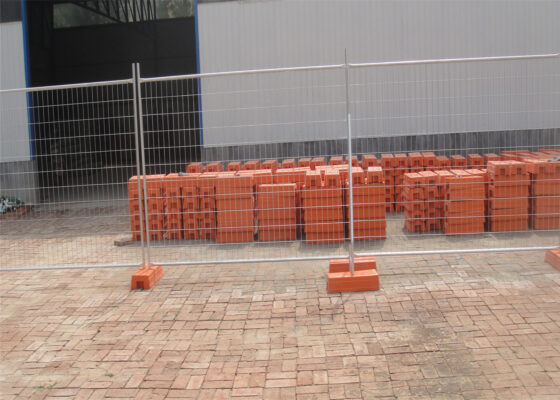
POLYMETAL typically packs temporary construction noise barriers in counted bundles with surface protection to reduce scuffing and loop damage. Bundles are labeled by thickness (20/25/50mm), color, and flammability class (A/B1) so crews can deploy the correct barrier quickly. Hooks and accessory items are packed as counted cartons for receiving verification, and when barriers are installed along temporary fence lines, stable foundations such as temporary fence feet help keep the line upright and reduce movement that can stress loops and fixings.
Standards and FAQs’
Standards
A professional temporary construction noise barriers purchase specification should lock the material stack, thickness, size (2000×1000mm), hanging pattern, edge loop reinforcement, flammability class (A or B1), color, and packing rules that prevent loop damage and surface wear.
FAQs
Q1. Can I have a sample order for Noise Barrier?
A: Yes, we welcome sample order to test and check quality.
Q2. What about the lead time?
A: Sample needs 5-14 days, mass production time needs 2-4 weeks for order quantity more than.
Q3. Do you have any MOQ limit for Noise Barrier order?
A: Low MOQ, 100 sqm is available.
Q4. How do you ship the goods and how long does it take to arrive?
A: We usually ship by sea. It usually takes 3-5 weeks to arrive.
Q5. How to proceed an order for Noise Barrier?
A: Firstly let us know your requirements or application.
Secondly We quote according to your requirements or our suggestions.
Thirdly customer confirms the samples and places deposit for formal order.
Fourthly We arrange the production.
Q6: Do you offer guarantee for the products?
A: Yes, we offer 1-3 years warranty to our products.
| Section | Photo |
|---|---|
| Detailed Images | 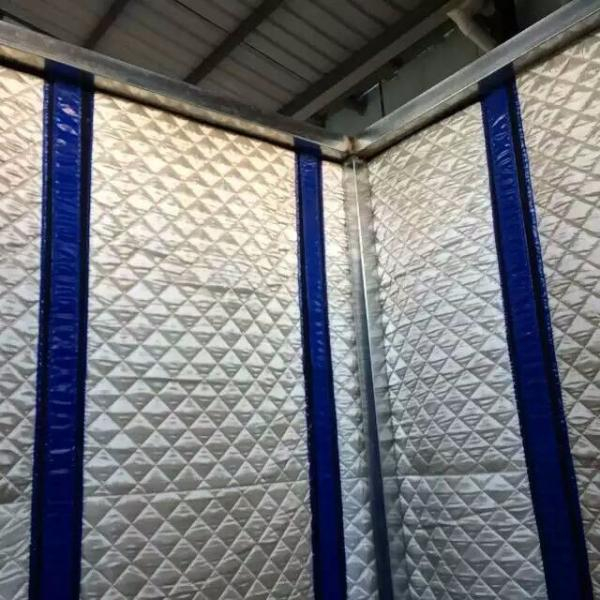 |
| Packing & Delivery | 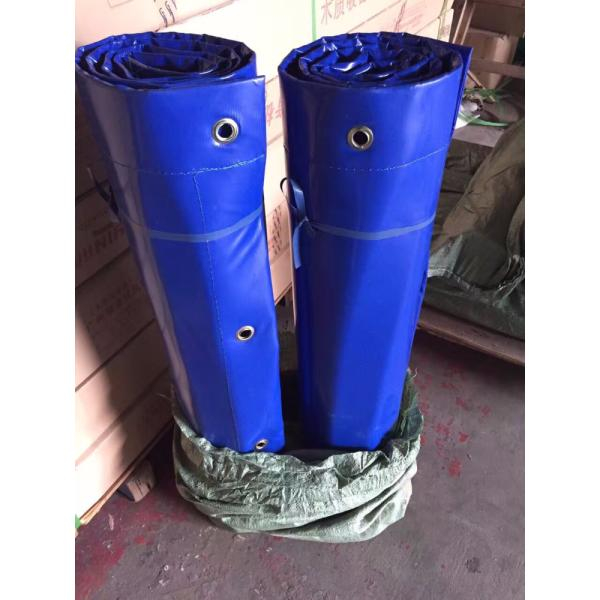 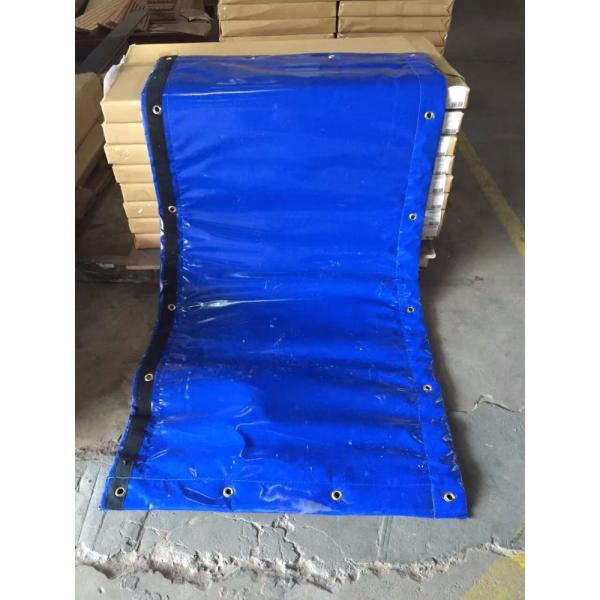 |
| Certifications | 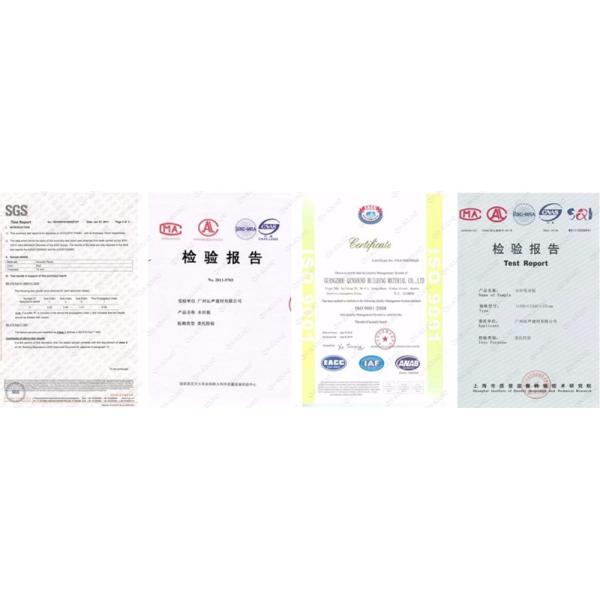 |