Your One-Stop Wire Mesh Fence Supplier | POLYMETAL
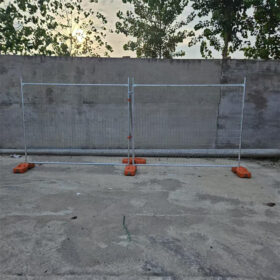
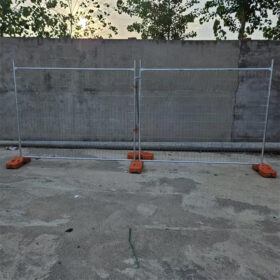
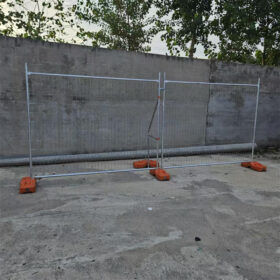
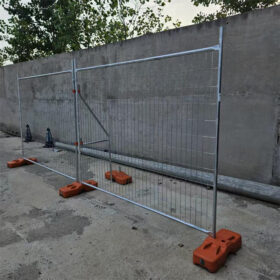
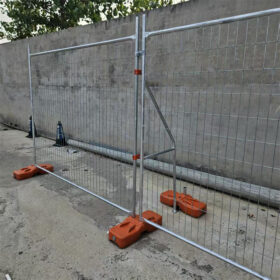
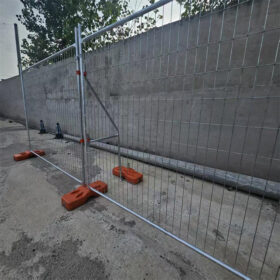
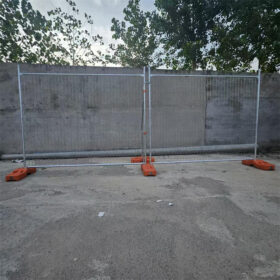
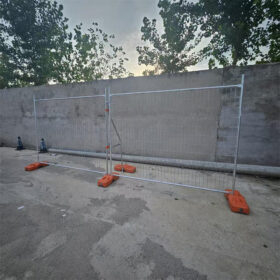
temporary fence melbourne is often bought or hired fast—because a site can’t open, a project can’t start, and an event can’t run without a safe boundary. The real danger is that many panels look identical from 5 meters away, but they do not perform the same after weeks of wind, handling, forklift bumps, and repeated installs. That’s how a “good deal” becomes the one that costs you the most in replacements, repairs, call-backs, and downtime.
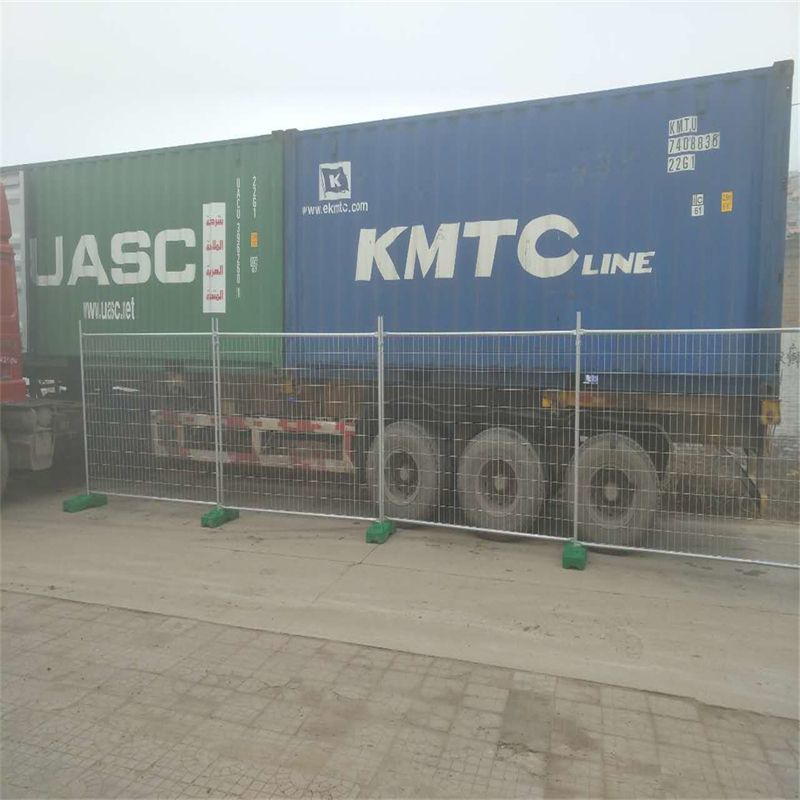
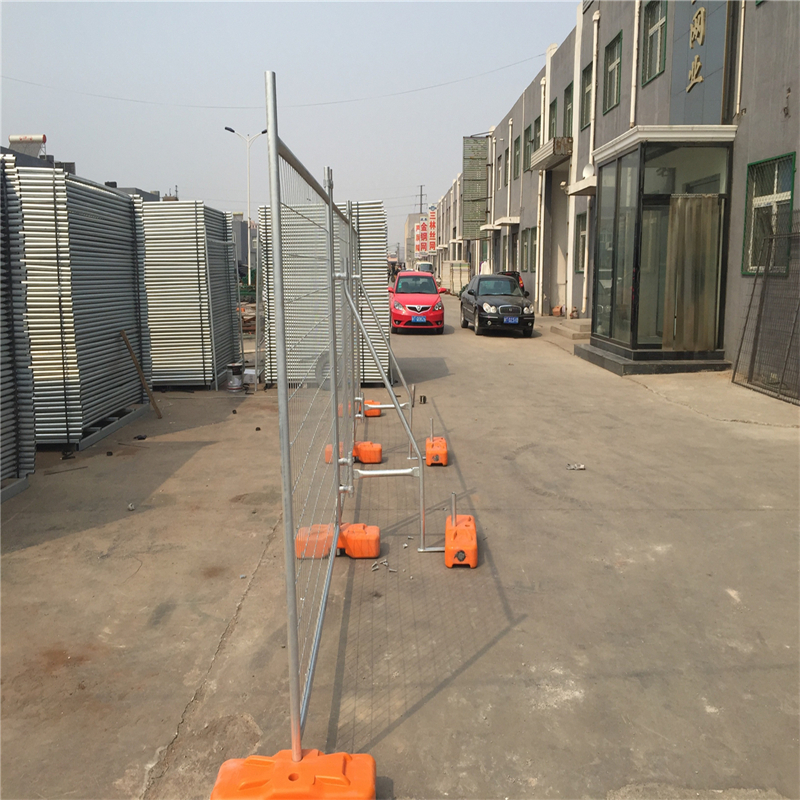
Why Melbourne Buyers Choose Temporary Fencing (Buy vs Hire Reality)
In Melbourne’s construction and event scene, temporary fencing is usually there for compliance, site safety, asset protection, and crowd control. Hiring can make sense for short jobs, but hire fleets get punished: constant transport, stacking, clamps overtightened, bases dragged, and panels dropped. If you’re buying for repeat use, the smartest approach is to choose a spec that survives handling and weather without destroying your cashflow.
From long-term supply experience in Australia, the most cost-performance balance is commonly found in 42 microns hot-dipped galvanized temporary fencing panels, widely accepted across Australia and New Zealand and often considered equivalent to around 300 g/m² zinc coverage. In contrast, 14 microns is frequently used for budget fleets where upfront cost is prioritized, but it typically shortens the working life under real hire abuse. If you want the fence to keep its value after repeated rentals, 42 microns usually wins the “total cost per job” battle.
What “Good Spec” Really Means in temporary fence melbourne
A dependable system is not just the panel. It’s the panel frame tube size, frame thickness, mesh wire diameter, weld quality, zinc thickness, clamps, bases, braces, and the discipline of installation. POLYMETAL designs temporary fencing as a complete system so your line stays straight, stands stable, and doesn’t quietly degrade into bent frames and rust bleed.
temporary fence melbourne Description
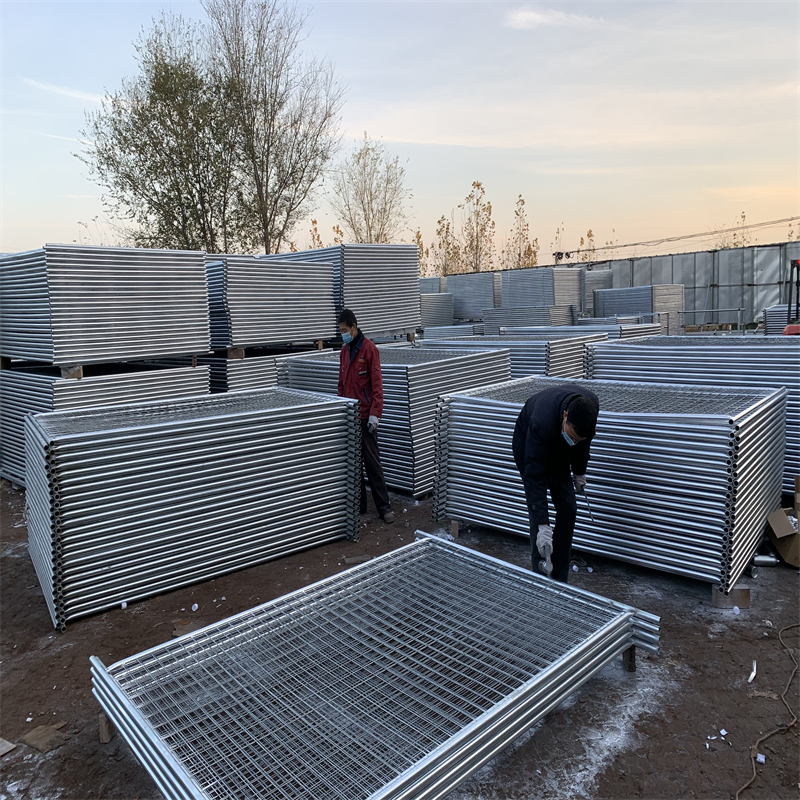
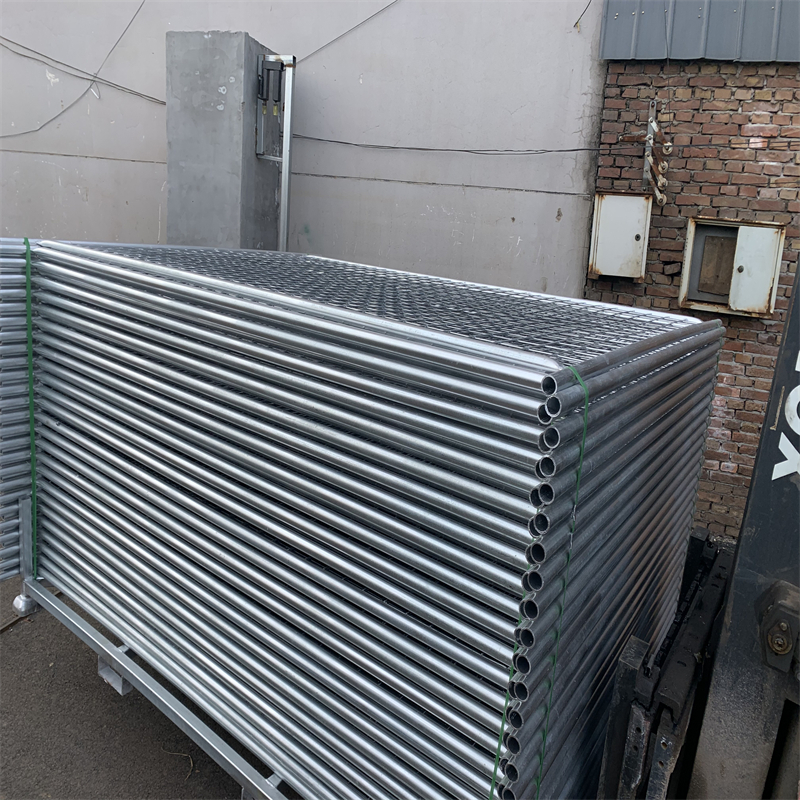
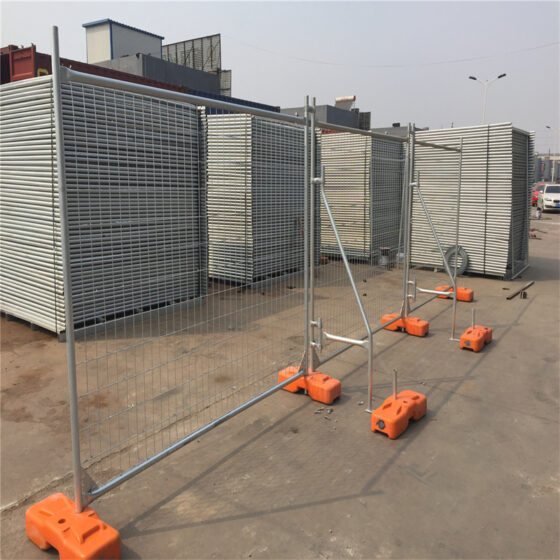
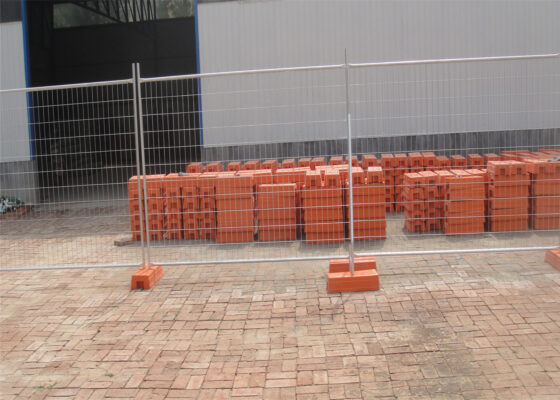
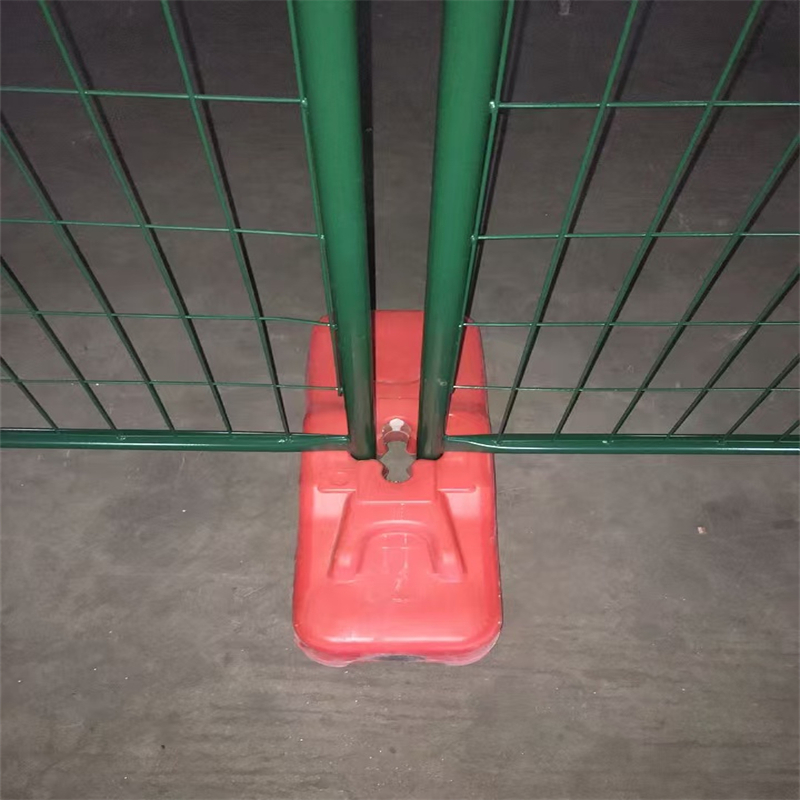
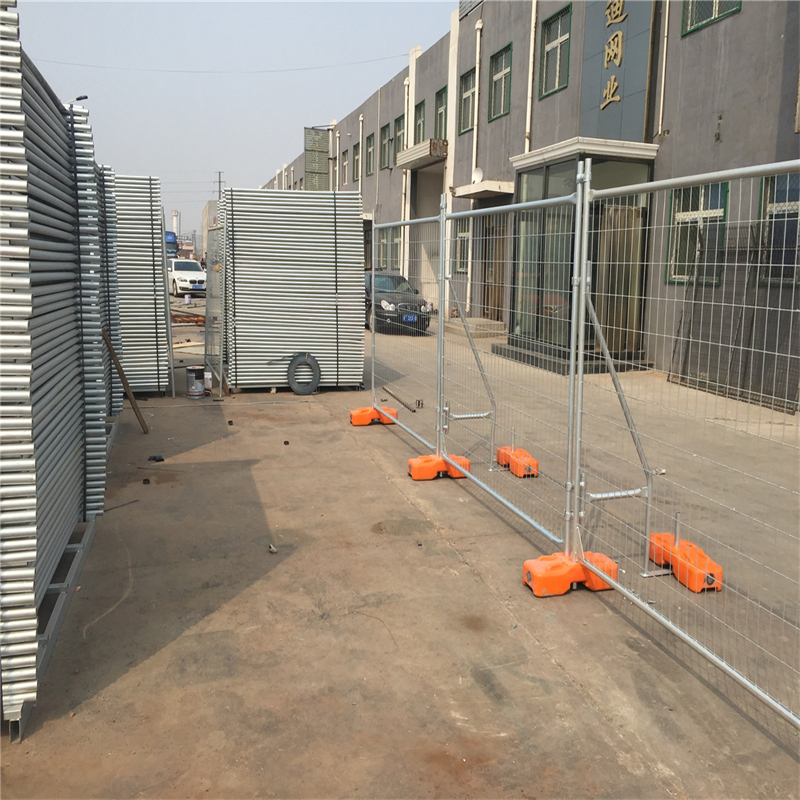
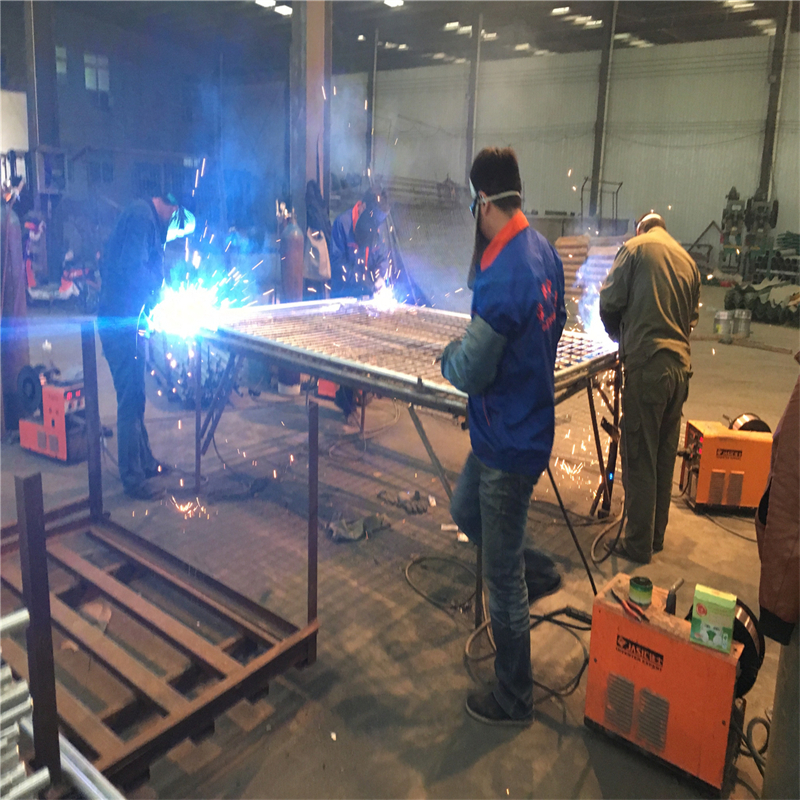
POLYMETAL temporary fence melbourne panels are engineered as a welded mesh temporary barrier system for construction sites, civil works, demolition zones, festivals, and controlled-access areas where fast installation must still meet safety expectations. The frame and infill mesh are fully welded to improve strength under repeated handling, while the galvanizing thickness options are matched to real use scenarios—from short-term projects to hire fleets that need durability across many cycles. With multiple frame tube ODs, frame thickness choices, mesh wire diameters, and widths up to 3.5 m with a middle rail, POLYMETAL panels are built to resist bending, maintain alignment, and reduce the “slow failure” problems that create leaning bays, loose connections, and corrosion at the most abused points.
Application Melbourne Temporary Fencing
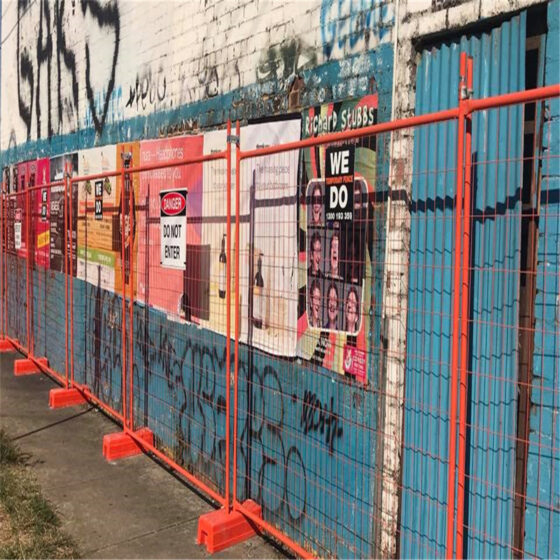
On construction sites and at festivals, safety is usually the top concern, and temporary fencing is a critical component of a safety plan. It reduces risk, helps define restricted zones, supports traffic and pedestrian separation, and can lower liability exposure when an incident occurs. For outdoor events, temporary fencing helps create clean perimeters and manage flows, and it is often paired with purpose-built crowd systems such as event barriers to separate VIP zones, protect talent access paths, guide queues, and keep guests in safe areas.
Photos
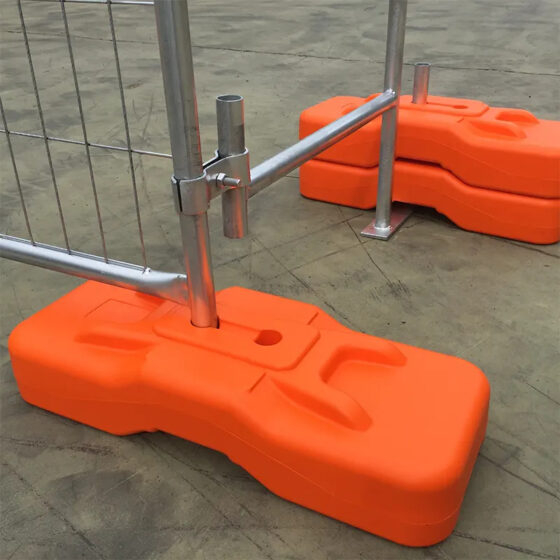
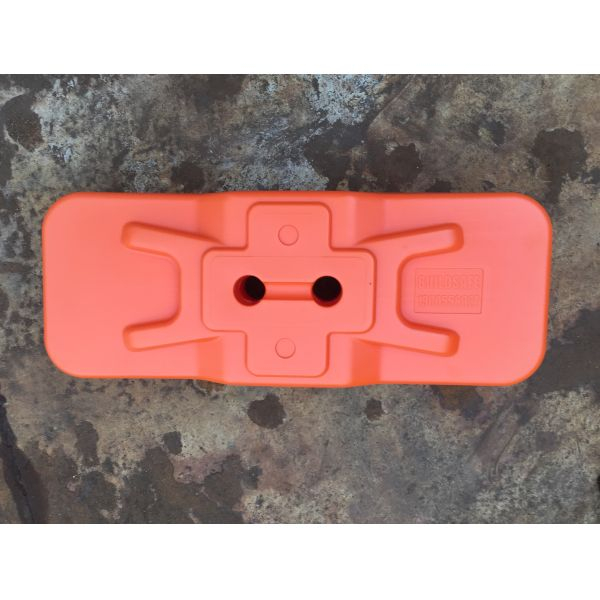 HDPE Base Variant | 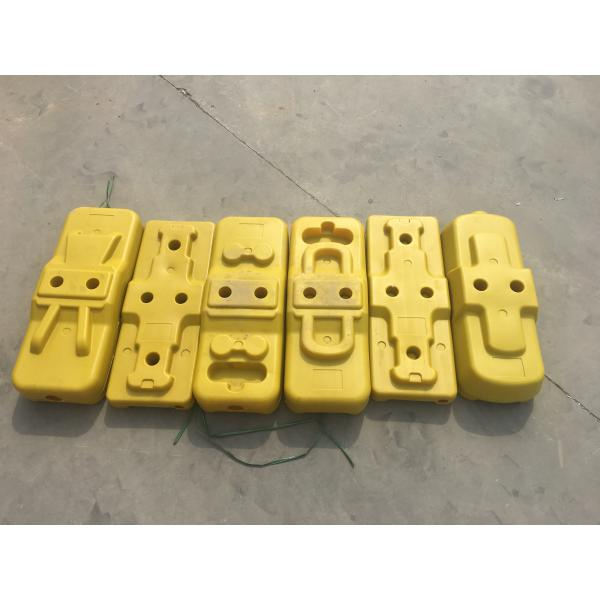 HDPE Base |
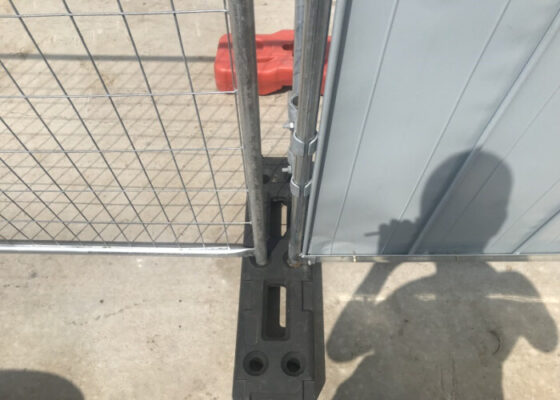
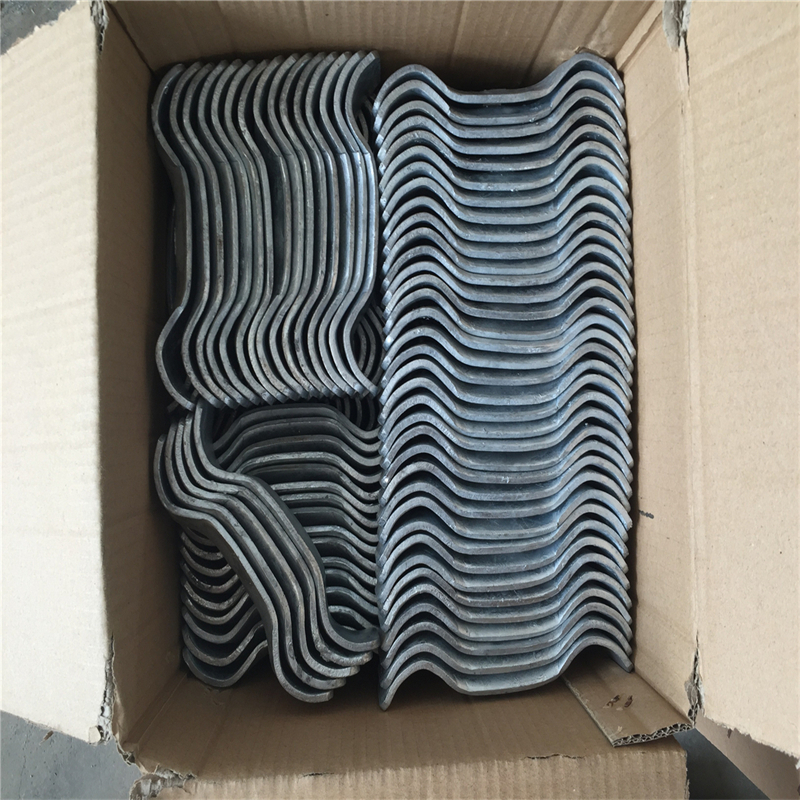
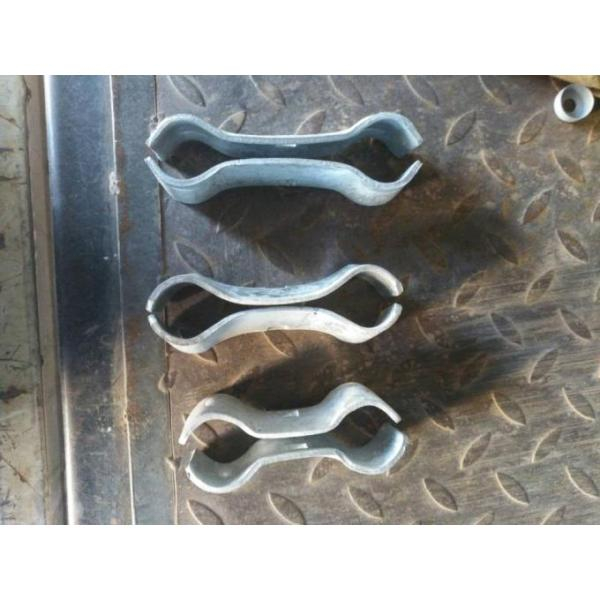 Temporary Fence Clamp 100 Type | 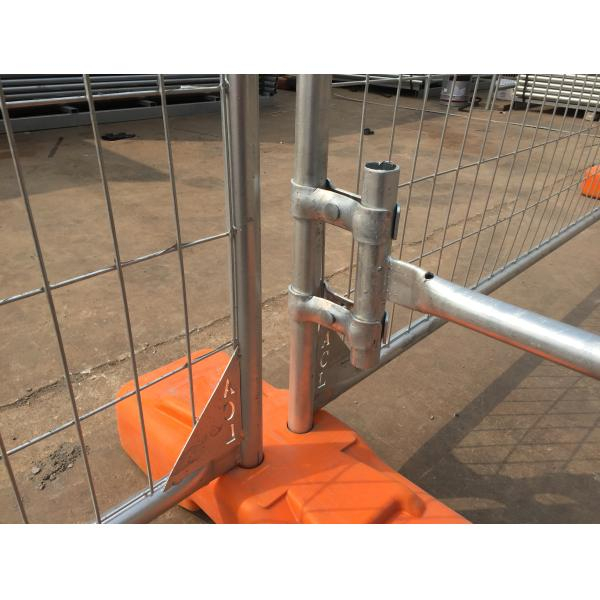 Temporary Fence Clamp 90 Type |
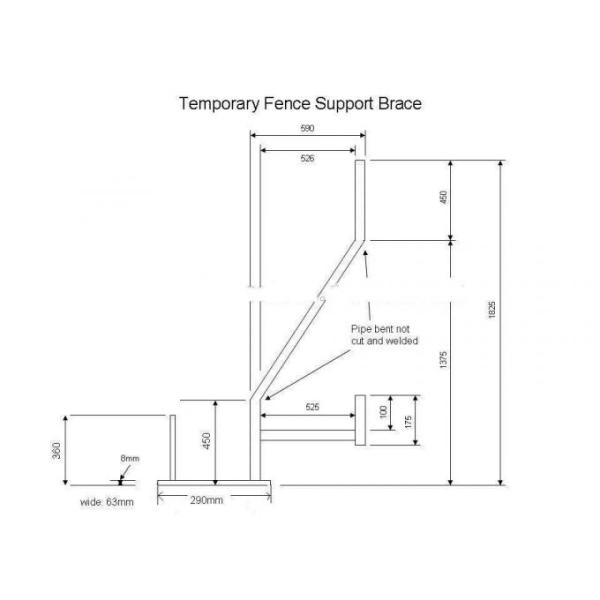 Temporary Fencing Brace | |
The 15 Traps You Don’t Know About temporary fence melbourne (Especially #12)
Trap #1: Buying “cheap panels” and paying later in replacements
Low-cost panels often fail where hire fleets suffer most: corners, weld points, and frame tubes that bend after repeated drops and stacking pressure.
Trap #2: Choosing frame tube size without matching handling intensity
A panel that survives careful owner-use may collapse in a hire cycle. Frame OD and wall thickness matter when trucks, forklifts, and crews move fast.
Trap #3: Forgetting the middle rail on wider panels
For 3.3 m and 3.5 m widths, a middle rail is not decoration—it reduces pumping and keeps the panel from “breathing” under wind.
Trap #4: Assuming all 60×150 mesh behaves the same
Same mesh opening does not mean same strength. Wire diameter and weld consistency determine whether the mesh stays tight or becomes wavy after impacts.
Trap #5: Ignoring weld integrity screening
Weak welds are silent until the first rough move. Then the mesh loosens, the bay looks tired, and the panel becomes “always broken.”
Trap #6: Underestimating how much clamps control your fence line
Clamps don’t just connect panels; they define alignment. Weak clamps or wrong center spacing creates leaning lines and constant re-tightening.
Trap #7: Using bases that crack or distort under drops
Bases get dragged, kicked, and dropped. If the base fails, the whole system fails—especially in wind.
Trap #8: Buying an “empty base” that is too light in real wind
Light bases look convenient until the first gust turns panels into dominoes. Proper base weight and brace strategy prevents chaos.
Trap #9: Treating braces as “optional”
In high-wind zones and long straight runs, braces reduce sway and stop the slow walk of panels that ends in gaps and collapse points.
Trap #10: Forgetting transport damage is corrosion damage
Galvanizing is tough, but rubbing and impact at edges create coating breaks. Once zinc is damaged, rust starts where you can’t ignore it.
Trap #11: Mixing specs inside one fleet
When one batch is stiffer and another is softer, the soft bays become the first bays to bend, and your fence line looks uneven and unprofessional.
Trap #12: Choosing 14 microns to “save cash” and triggering cashflow loss
This is the brutal one. In hire-heavy reality, thin zinc is punished by constant handling and wet storage. Rust starts sooner, panels get rejected on sites, replacements accelerate, and suddenly the “cheaper” fence becomes the one that eats your cashflow through repairs, write-offs, and lost hire days.
Trap #13: Ignoring Australian compliance expectations until inspection day
If a project demands compliance alignment and your fleet looks non-standard or inconsistent, you risk delays and forced upgrades.
Trap #14: Using the wrong clamp type for your tube OD
If your base and clamp system doesn’t match OD32/38/40/41 properly, you get wobble, twisted joints, and bays that never sit true.
Trap #15: No packing discipline, so the fleet arrives damaged before first use
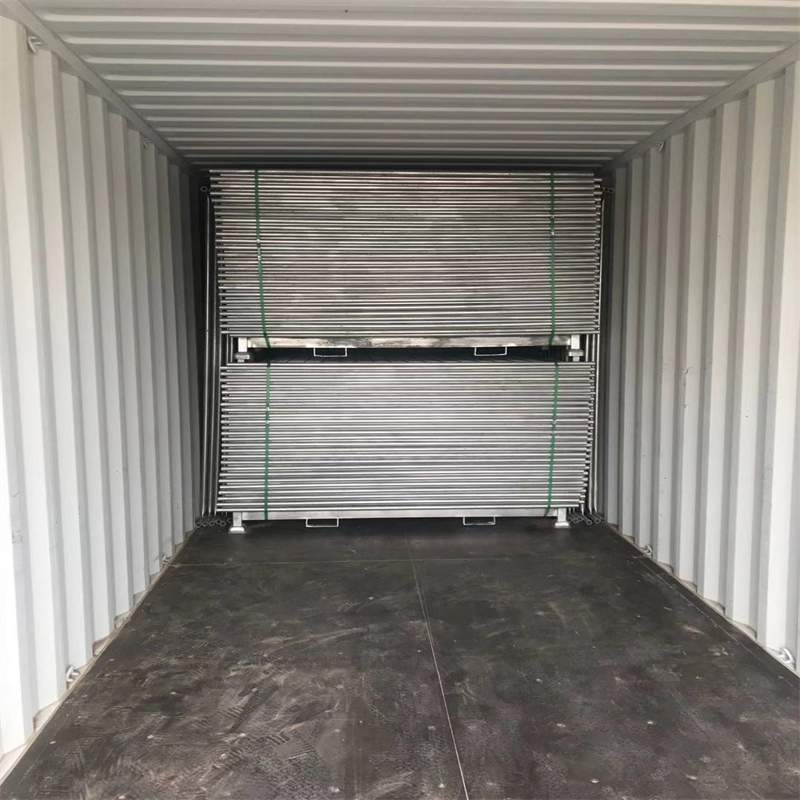
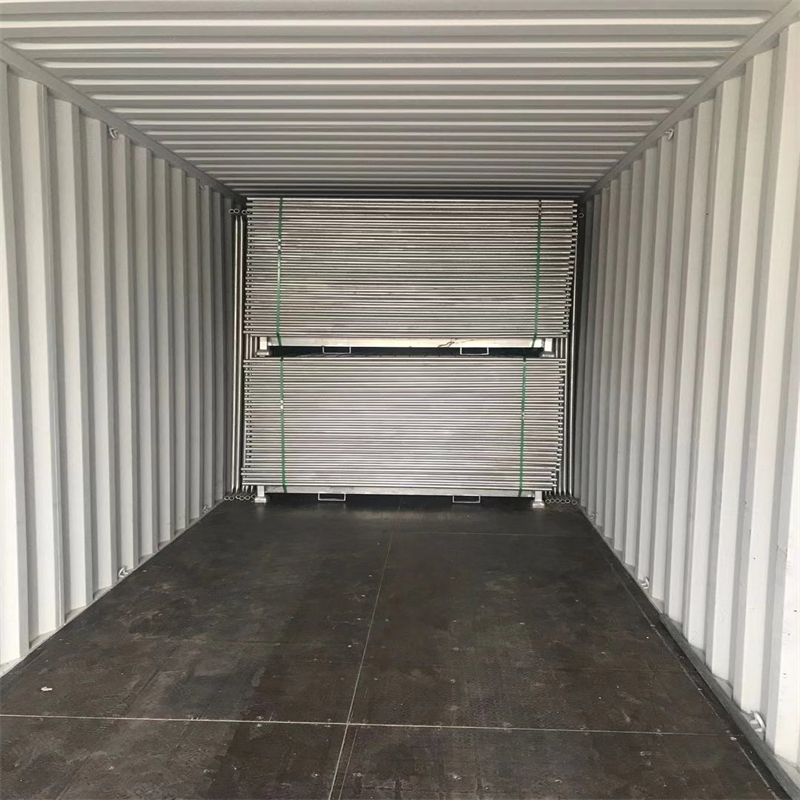
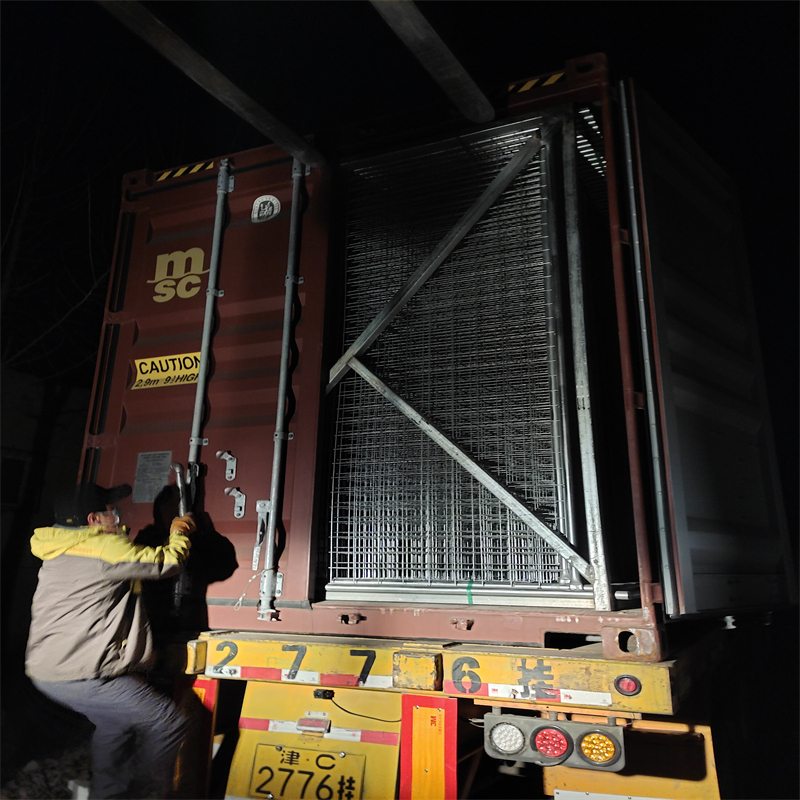
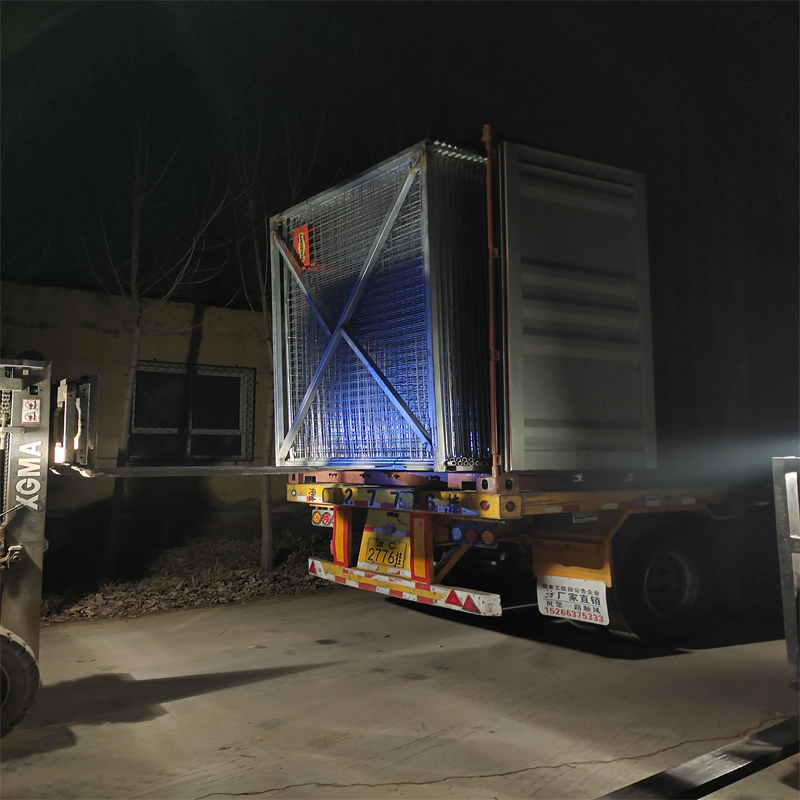
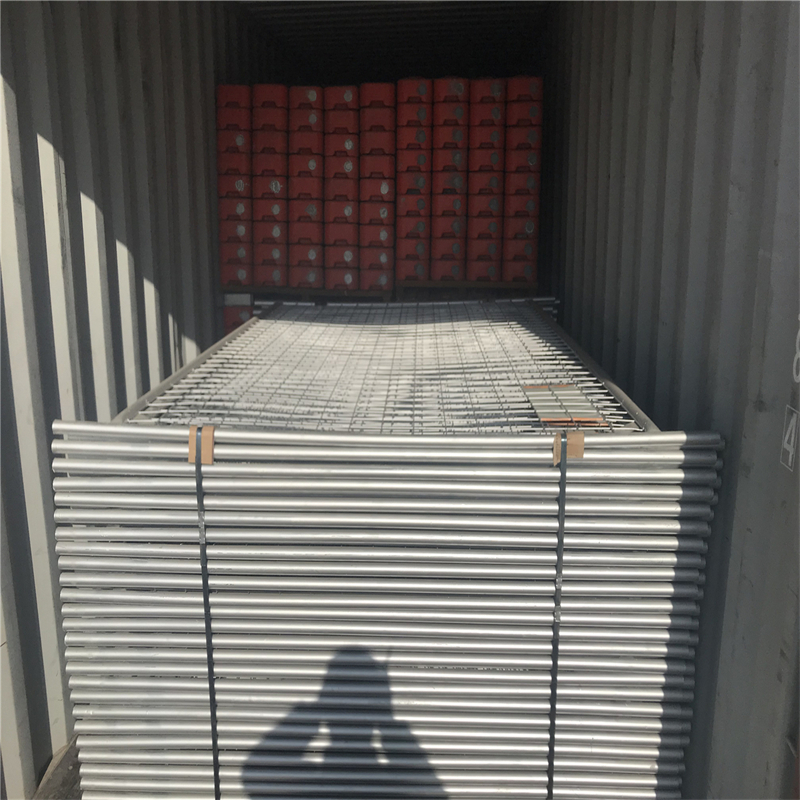
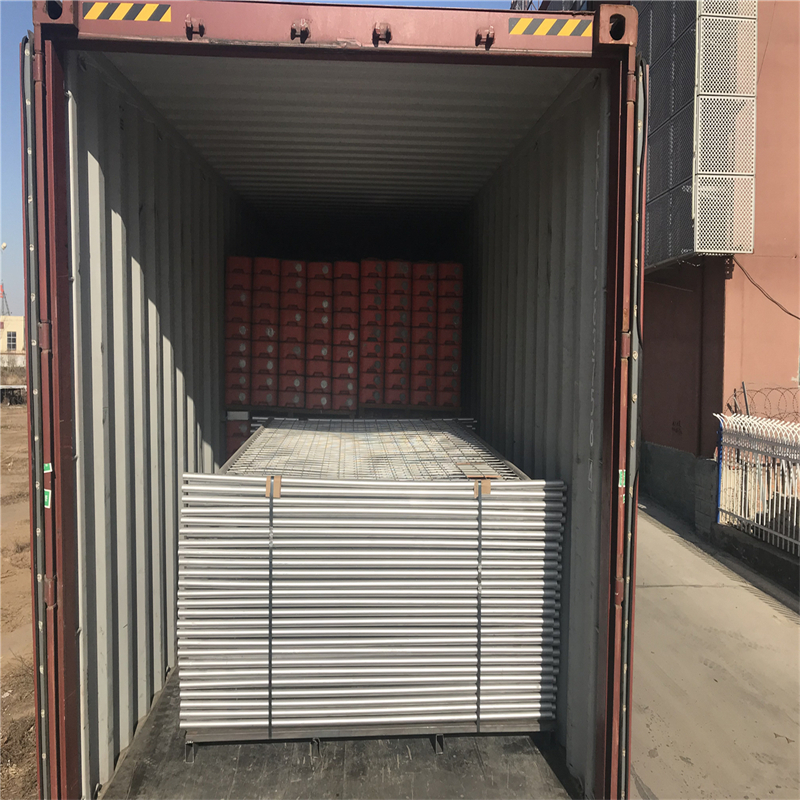
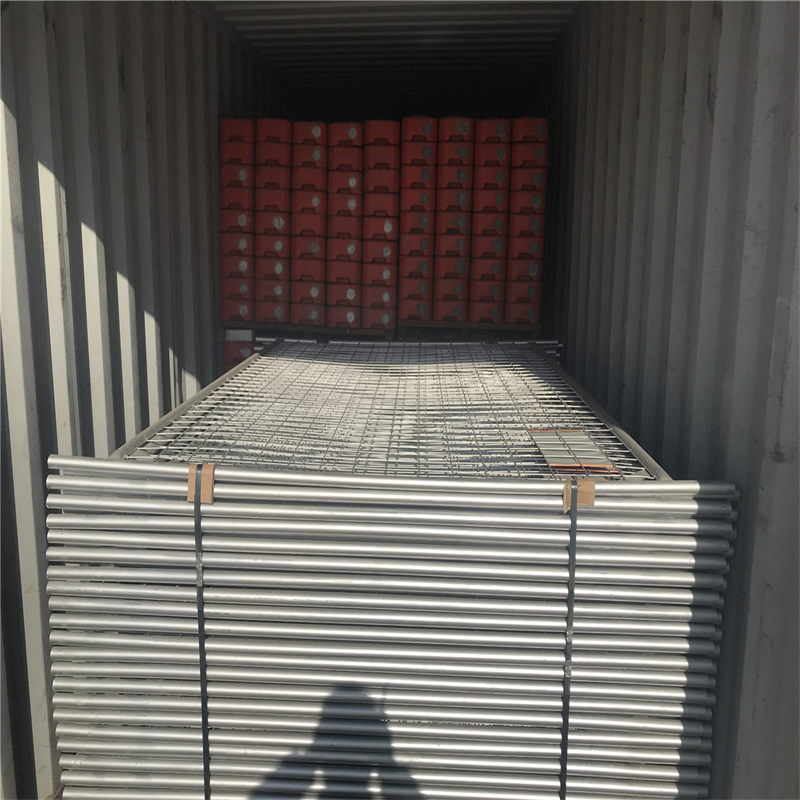
Poor stacking and no separators create rubbing damage that becomes early corrosion—before the panel even sees a jobsite.
Specifications temporary fence melbourne
Table 1: POLYMETAL Temporary Fence Panel Configurations (10 Common SKUs)
| Panel ID | Height (mm) | Width (mm) | Middle Rail | Frame Tube OD | Frame Thickness | Mesh Opening | Infill Wire Ø | Vertical Wires | Horizontal Wires | Finish Option |
|---|---|---|---|---|---|---|---|---|---|---|
| PM-TF-01 | 2100 | 2400 | No | OD32 | 1.2 mm | 60×150 mm | 2.7 mm | 12 pcs | 38 pcs | 14 µm HDG |
| PM-TF-02 | 2100 | 2400 | No | OD32 | 1.5 mm | 60×150 mm | 3.0 mm | 12 pcs | 38 pcs | 42 µm HDG |
| PM-TF-03 | 2100 | 2400 | No | OD38 | 1.2 mm | 60×150 mm | 3.0 mm | 12 pcs | 38 pcs | 42 µm HDG |
| PM-TF-04 | 2100 | 2400 | No | OD40 | 1.4 mm | 60×150 mm | 4.0 mm | 12 pcs | 38 pcs | 42 µm HDG |
| PM-TF-05 | 2100 | 2400 | No | OD41 | 2.0 mm | 60×150 mm | 4.0 mm | 12 pcs | 38 pcs | 100 µm HDG |
| PM-TF-06 | 2100 | 3300 | Yes | OD32 | 1.2 mm | 60×150 mm | 2.7 mm | 12 pcs | 53 pcs | 14 µm HDG |
| PM-TF-07 | 2100 | 3300 | Yes | OD38 | 1.4 mm | 60×150 mm | 3.0 mm | 12 pcs | 53 pcs | 42 µm HDG |
| PM-TF-08 | 2100 | 3300 | Yes | OD40 | 1.5 mm | 60×150 mm | 4.0 mm | 12 pcs | 53 pcs | 42 µm HDG |
| PM-TF-09 | 2100 | 3500 | Yes | OD38 | 1.4 mm | 60×150 mm | 3.0 mm | 12 pcs | 56 pcs | 42 µm HDG |
| PM-TF-10 | 2100 | 3500 | Yes | OD41 | 2.0 mm | 60×150 mm | 4.0 mm | 12 pcs | 56 pcs | 100 µm HDG |
Table 2: Galvanizing & Finish Systems (10 Build Levels)
| Finish ID | Zinc / Coating System | Thickness / Target | Typical Use Style | Corrosion Resistance Goal | Best Fit in Melbourne | Visual Result | Handling Tolerance | Notes | Recommended For |
|---|---|---|---|---|---|---|---|---|---|
| F-01 | HDG | 14 µm | Budget fleet | Basic | Short hire cycles | Silver | Medium-low | Lower upfront cost | Low-cycle hire |
| F-02 | HDG | 42 µm | Standard AU/NZ | Strong | All-round | Silver | High | Common market preference | Most buyers |
| F-03 | HDG | 100 µm | Heavy-duty | Very strong | Wet storage / harsh use | Silver | Very high | Premium durability | High-abuse fleets |
| F-04 | HDG + Clear seal | 42 µm + seal | Standard+ | Strong+ | Cleaner storage | Brighter | High | Extra surface stability | Repeated installs |
| F-05 | HDG + Powder coat | 42 µm + powder | Premium look | High | Public-facing sites | Colored | High | Better aesthetics | Events / councils |
| F-06 | HDG + Powder coat | 100 µm + powder | Maximum | Very high | Coastal trips / extreme | Colored | Very high | Heavy build | Long-life assets |
| F-07 | HDG + Black powder | 42 µm + black | Security look | High | Night events | Black | High | Reduced glare | Stage perimeters |
| F-08 | HDG + Safety color powder | 42 µm + color | Visibility | High | Busy pedestrian zones | Bright | High | Clear hazard marking | Traffic zones |
| F-09 | HDG (enhanced process) | 42 µm min | Consistency | High | Hire fleets | Uniform silver | High | Controlled thickness | Fleet standardization |
| F-10 | HDG + QA records pack | 42 µm + docs | Compliance-forward | High | Tender projects | Uniform | High | More traceability | Government / mining |
Table 3: POLYMETAL HDPE Blow-Molded temporary fence melbourne Base Options (10 Specs)
| Base ID | Size (mm) | Material | UV Additive | Empty Weight | Filled Weight | Pipe OD Suit | Clamp Center | Typical Colors | Notes |
|---|---|---|---|---|---|---|---|---|---|
| PM-B-01 | 600×228×150 | HDPE 5502 | UV2002/531 BHT | 1.20 kg | 27–29 kg | OD32/38/40/42/48 | 100 mm | Orange/Green/Yellow | Heavy filled base |
| PM-B-02 | 620×230×130 | HDPE 5502 | UV2002/531 BHT | 1.15 kg | 27–28 kg | OD32/38/40/42/48 | 90 mm | Orange/Green/Yellow | Compact footprint |
| PM-B-03 | 600×228×150 | HDPE 5502 | UV2002/531 BHT | 1.20 kg | 29 kg | OD32/38/40/42/48 | 80 mm | Orange/Green/Yellow | Tight clamp spacing |
| PM-B-04 | 650×250×150 | HDPE 5502 | UV stabilized | 1.30 kg | 30–32 kg | OD32/38/40/42/48 | 100 mm | Orange | Wind-focused base |
| PM-B-05 | 600×230×150 | HDPE 5502 | UV stabilized | 1.10 kg | 26–28 kg | OD32/38/40/41 | 100 mm | Yellow | OD41 friendly |
| PM-B-06 | 700×250×150 | HDPE 5502 | UV stabilized | 1.40 kg | 32–34 kg | OD32/38/40/42/48 | 100 mm | Orange | Heavy events use |
| PM-B-07 | 600×228×150 | HDPE 5502 | UV stabilized | 1.20 kg | 27–29 kg | OD32 | 100 mm | Green | Dedicated OD32 |
| PM-B-08 | 600×228×150 | HDPE 5502 | UV stabilized | 1.20 kg | 27–29 kg | OD38 | 100 mm | Orange | Dedicated OD38 |
| PM-B-09 | 600×228×150 | HDPE 5502 | UV stabilized | 1.20 kg | 27–29 kg | OD40 | 100 mm | Yellow | Dedicated OD40 |
| PM-B-10 | 600×228×150 | HDPE 5502 | UV stabilized | 1.20 kg | 27–29 kg | OD41 | 100 mm | Orange | Dedicated OD41 |
Table 4: temporary fence melbourne Clamps & Connections (10 Specs)
| Clamp ID | Type | Thickness | Center Distance | Material | Process | Treatment Options | Typical Use | Set Weight | Notes |
|---|---|---|---|---|---|---|---|---|---|
| PM-C-01 | Clamp-100 | 4.0 mm | 100 mm | Q195/Q235 | Punched | 14/42 µm HDG, powder | Panel to panel | 0.45 kg | Includes bolt & nuts |
| PM-C-02 | Clamp-90 | 4.0 mm | 90 mm | Q195/Q235 | Punched | 14/42 µm HDG, powder | Panel to panel | 0.40 kg | Common AU fit |
| PM-C-03 | Clamp-80 | 4.0 mm | 80 mm | Q195/Q235 | Punched | 14/42 µm HDG, powder | Tight spacing | 0.35 kg | Compact connection |
| PM-C-04 | Heavy-duty clamp | 4.0 mm | 100 mm | Q235 | Punched | 42/100 µm HDG | Hire fleets | 0.50 kg | Higher torque tolerance |
| PM-C-05 | Anti-lift clamp | 4.0 mm | 100 mm | Q235 | Punched | 42 µm HDG | Security upgrades | 0.48 kg | Reduces lift gaps |
| PM-C-06 | Gate hinge clamp | 4.0 mm | 100 mm | Q235 | Punched | 42 µm HDG | Temp gate mount | 0.55 kg | Gate compatibility |
| PM-C-07 | Brace clamp | 4.0 mm | 100 mm | Q235 | Punched | 42 µm HDG | Brace to panel | 0.46 kg | Wind stability |
| PM-C-08 | Corner clamp | 4.0 mm | 100 mm | Q235 | Punched | 42 µm HDG | Corners | 0.52 kg | Corner stiffness |
| PM-C-09 | Tamper-resistant clamp | 4.0 mm | 100 mm | Q235 | Punched | 42 µm HDG | Public events | 0.50 kg | Harder to remove |
| PM-C-10 | Universal OD clamp | 4.0 mm | 90 mm | Q235 | Punched | 42 µm HDG | Mixed OD fleets | 0.47 kg | Reduces mismatch issues |
Table 5: Packing & Logistics Control (10 Specs)
| Pack ID | Item | Packing Method | Protection Detail | Counting Method | Typical Units/Pallet | Strapping | Container Reference | Labeling | Purpose |
|---|---|---|---|---|---|---|---|---|---|
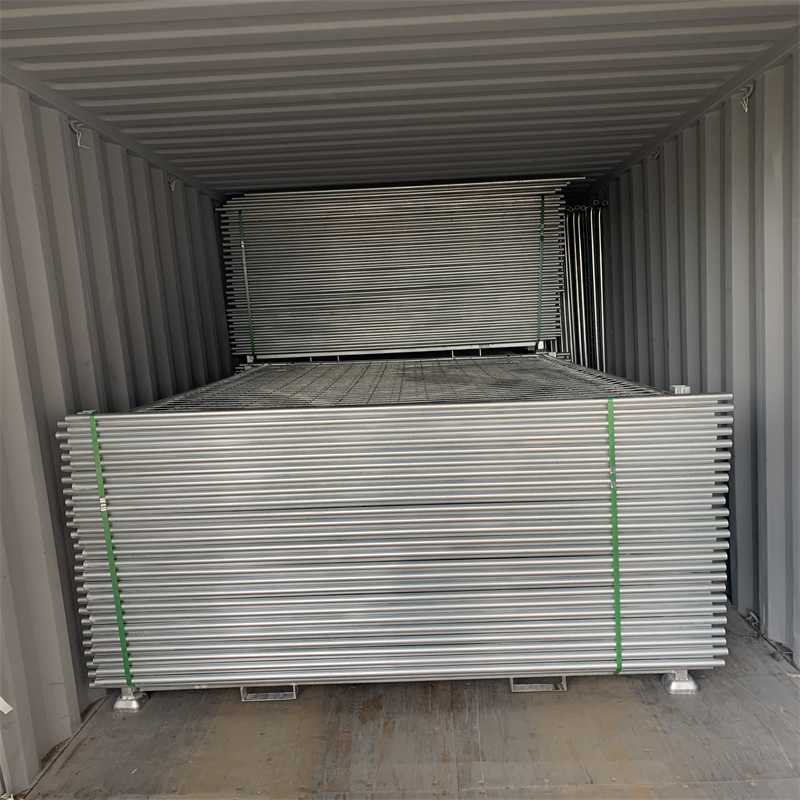
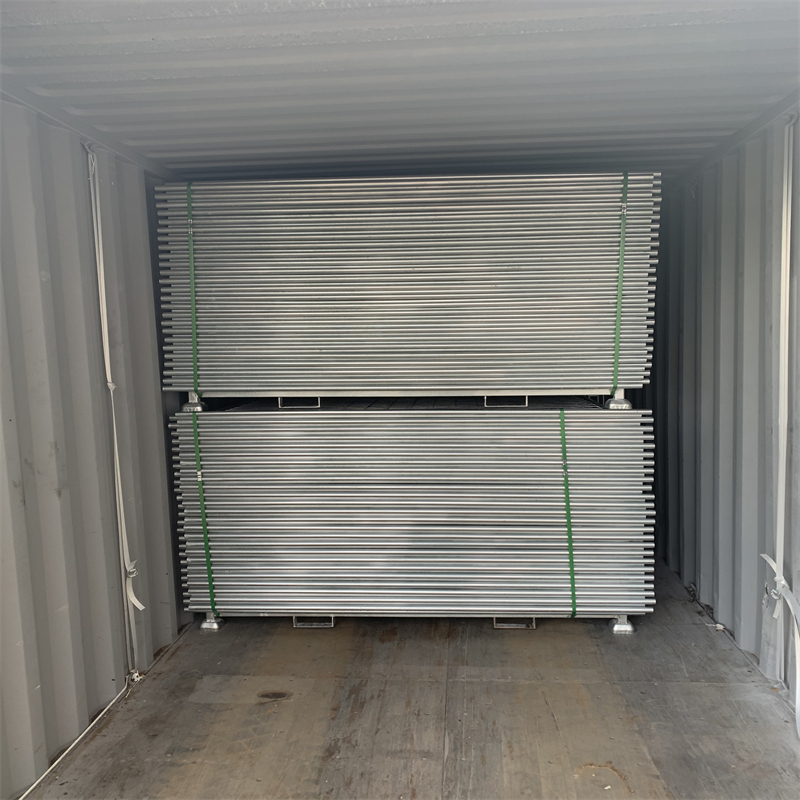
| PK-01 | Panels 2.1×2.4 | Metal pallet + film | Edge protection | Bundle list | 25–35 | Steel straps | 40HC up to ~560 sets (with base/clamp) | By size/finish | Prevent rubbing |
| PK-02 | Panels 2.1×3.3 | Metal pallet + film | Corner guards | Bundle list | 20–30 | Steel straps | Optimized by load plan | By size/finish | Prevent bending |
| PK-03 | Panels 2.1×3.5 | Metal pallet + film | Extra corner guard | Bundle list | 20–28 | Steel straps | Optimized by load plan | By size/finish | Prevent bowing |
| PK-04 | Posts / rails | Bundled + pallet | Film wrap | Count tags | 50–120 | Steel straps | By length | By OD/length | Speed unloading |
| PK-05 | Clamps | Bagged + carton | Moisture barrier | Box count | 200–500/ctn | Carton straps | By cartons | By type | Stop shortages |
| PK-06 | Bolts & nuts | Bagged + carton | Sealed bags | Box count | 500–2000/ctn | Carton straps | By cartons | By size | Prevent loss |
| PK-07 | HDPE bases | Pallet stacked | Anti-scratch sheets | Pallet count | 40–80 | Steel straps | By pallets | By model | Reduce scuffing |
| PK-08 | Braces | Bundled + film | End caps | Bundle list | 50–150 | Steel straps | By length | By model | Avoid bending |
| PK-09 | Mixed kit set | Palletized kit | Layer separators | Checklist | Per project | Steel straps | Project-based | Job ID labels | Faster installs |
| PK-10 | Final QC | Pre-load inspection | Photo record | Sign-off sheet | N/A | N/A | N/A | N/A | Stop defective bays |
Benefits
POLYMETAL temporary fence melbourne systems are designed to install fast while staying stable, straight, and presentable over repeated use. The 60×150 mesh format supports visibility and site supervision, the frame and infill welding adds strength against handling abuse, and the zinc thickness options let you choose a build that matches your true use cycle. With proper clamps, bases, and brace planning, the fence line remains controlled instead of slowly drifting into gaps and leaning bays.
Packing temporary fence melbourne
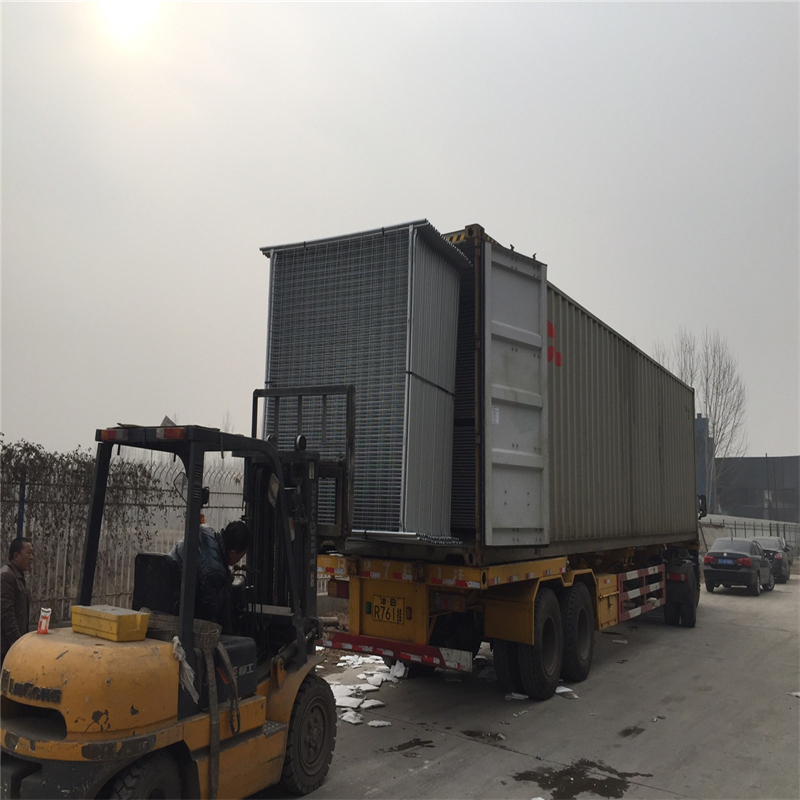
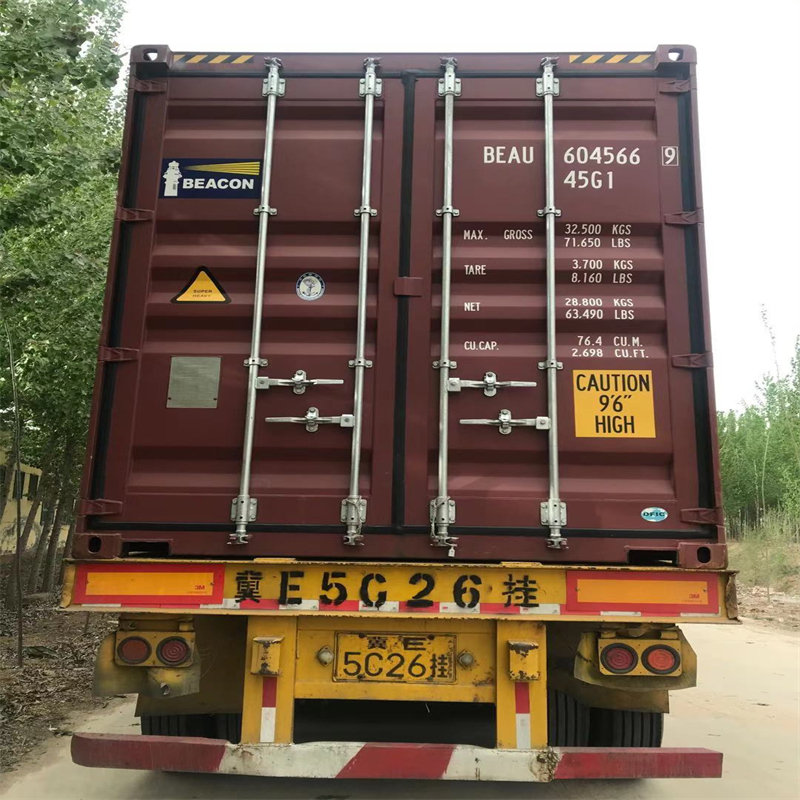
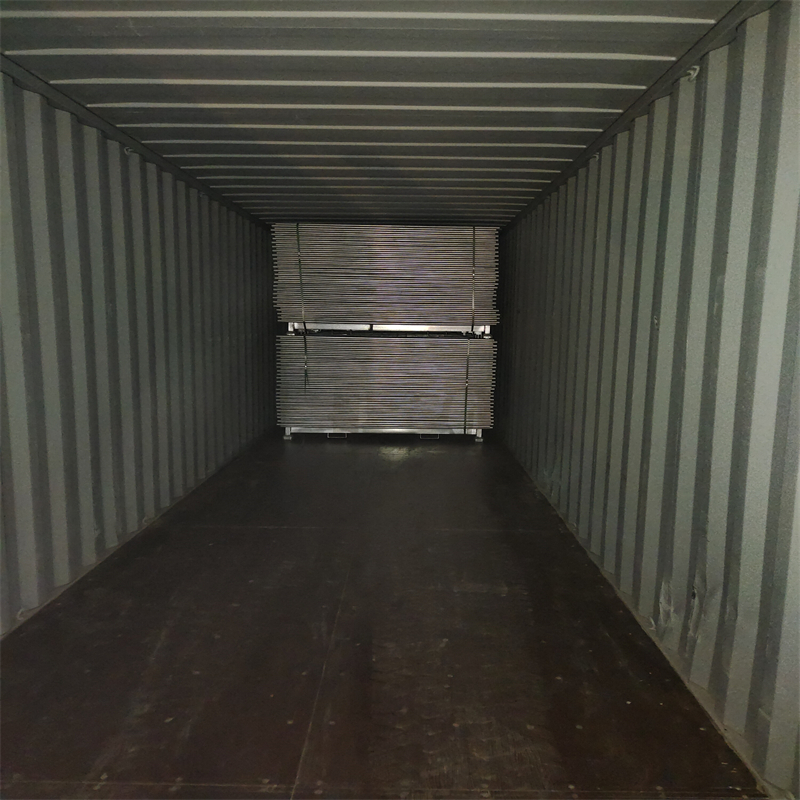
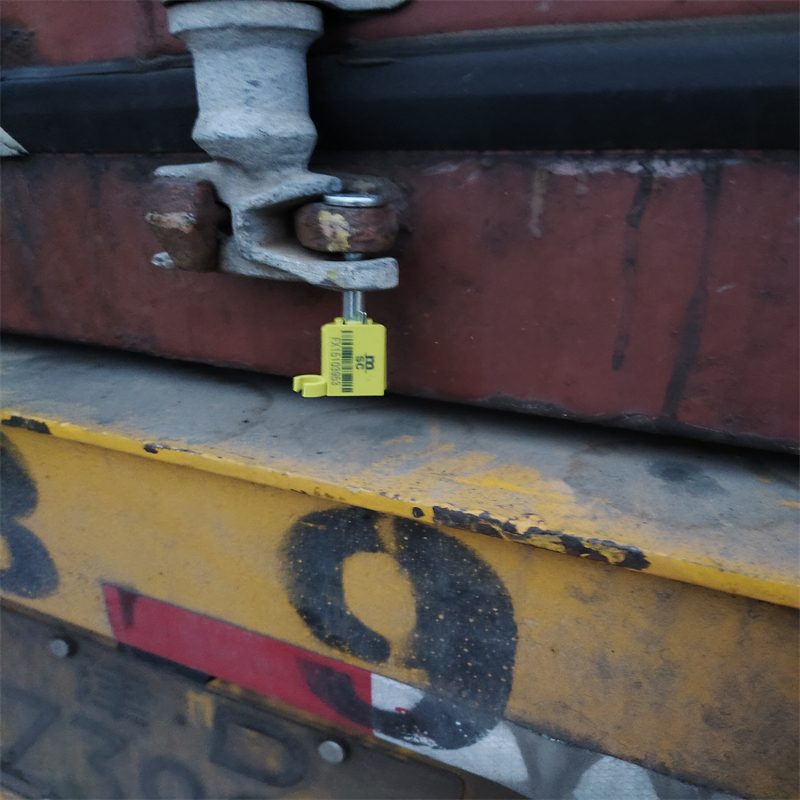
Panels are pallet-bundled with protective measures to reduce rubbing damage during transport, because transport scuffs often become the first corrosion points later. Bases are pallet-stacked to prevent distortion, clamps are bagged and boxed for accurate counting, and kits can be labeled by project spec so crews don’t mix widths, finishes, or clamp types onsite.
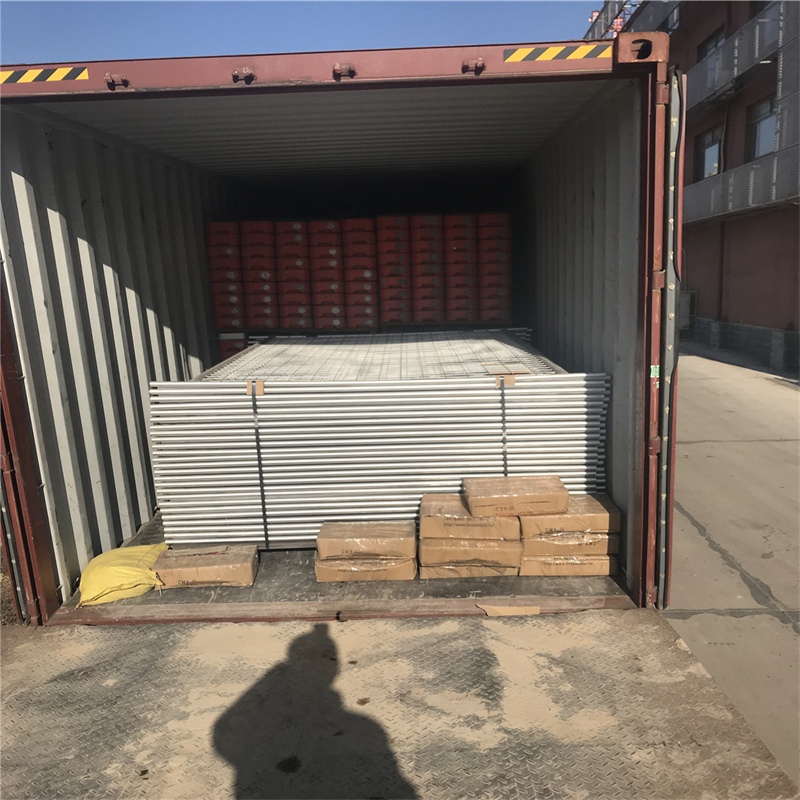
Standard and Quality Control
POLYMETAL temporary fence melbourne production and supply is written to comply with AS4687-2022. Quality control focuses on frame tube consistency, mesh opening accuracy, wire diameter, weld integrity, panel squareness, and galvanizing thickness. Staged checks after welding, after galvanizing, and before packing help prevent the common failures that cause onsite delays: out-of-square panels, weak weld points, and early rust spots created by handling damage.
FAQs temporary fence melbourne
What zinc thickness should I choose for temporary fence melbourne?
For most repeat-use and hire fleets, 42 microns hot-dipped galvanized is widely considered the best cost-performance standard. 14 microns fits budget/short-cycle use, while 100 microns is chosen when maximum durability and harsh storage/handling is expected.
Why does the middle rail matter on 3.3 m and 3.5 m panels?
The middle rail increases stiffness and reduces “pumping” under wind and movement, which helps prevent long-term bending and loosening.
Which detail causes the most expensive onsite problems?
Trap #12: choosing too-thin zinc for a high-abuse hire cycle, which accelerates rust, increases write-offs, and creates cashflow pain through replacements and lost hire days.
Do bases and braces really make that much difference?
Yes. Bases control stability at ground level, and braces control sway in wind. Together they reduce collapse risk and keep the fence line straight and credible.