Your One-Stop Wire Mesh Fence Supplier | POLYMETAL
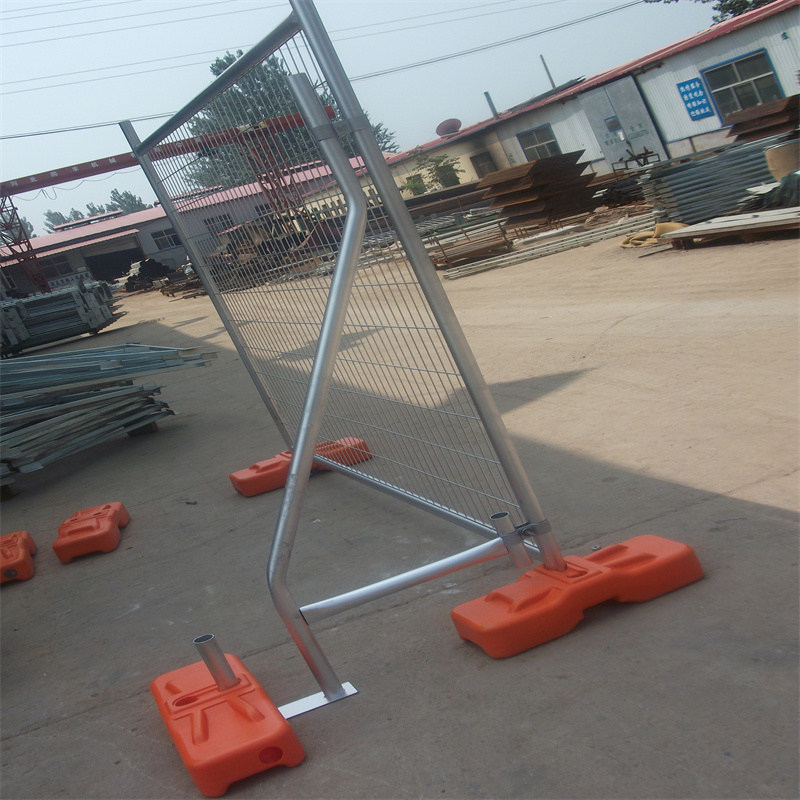
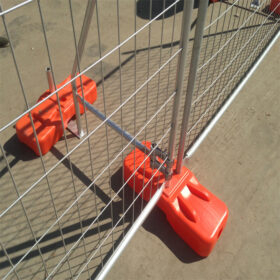
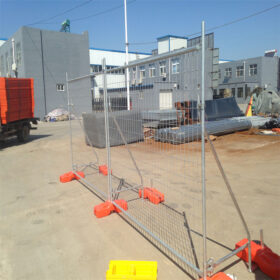
POLYMETAL temporary fence panels Melbourne solutions are designed for fast-moving construction sites, events, and short-term perimeter control where visibility, strength, and repeatable installation matter. A good temporary fencing system is more than “a panel and a foot”—it’s a consistent frame, stable mesh, correct wire counts, dependable coating protection, and packing that arrives straight and usable.
Product description
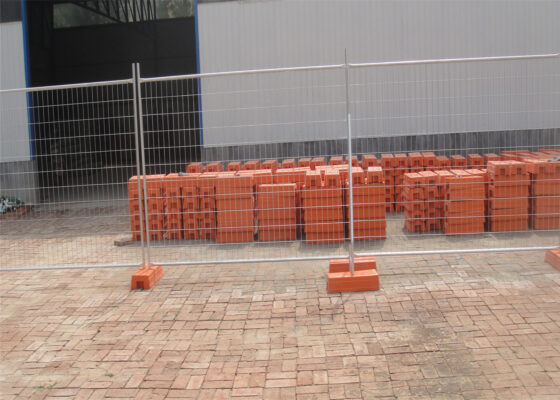
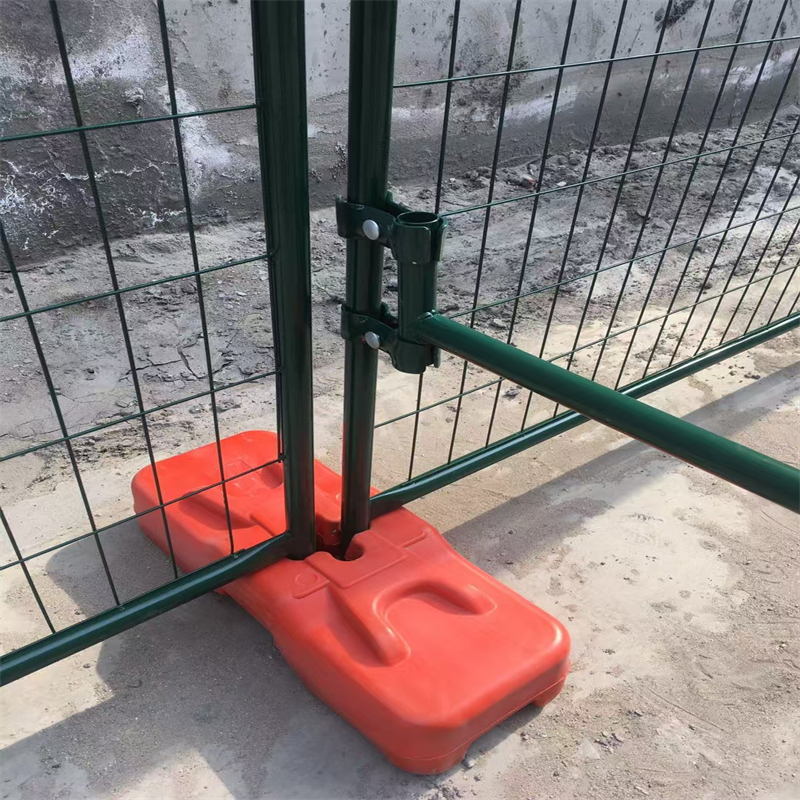
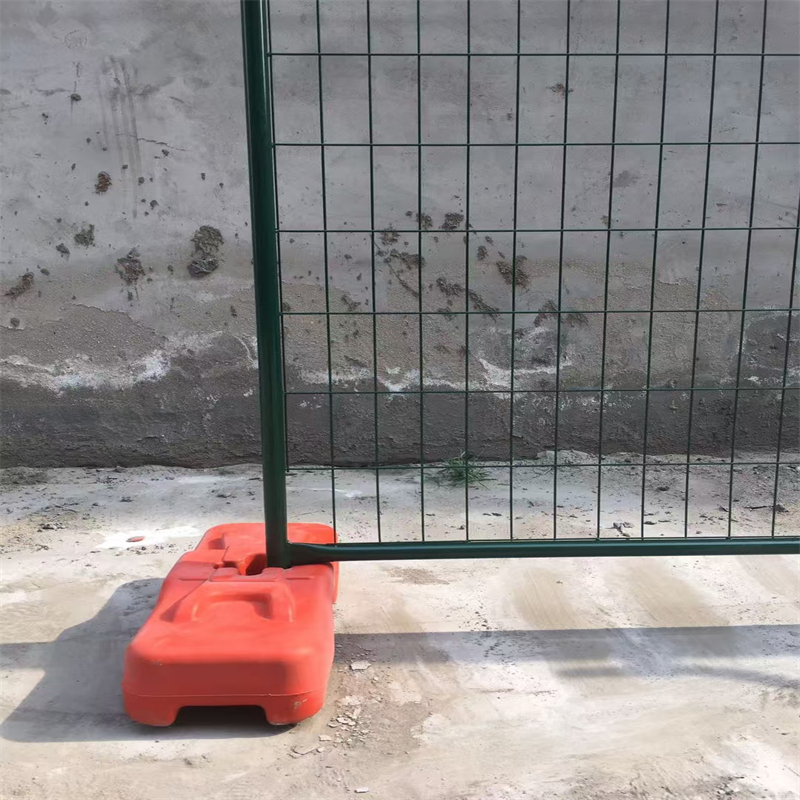
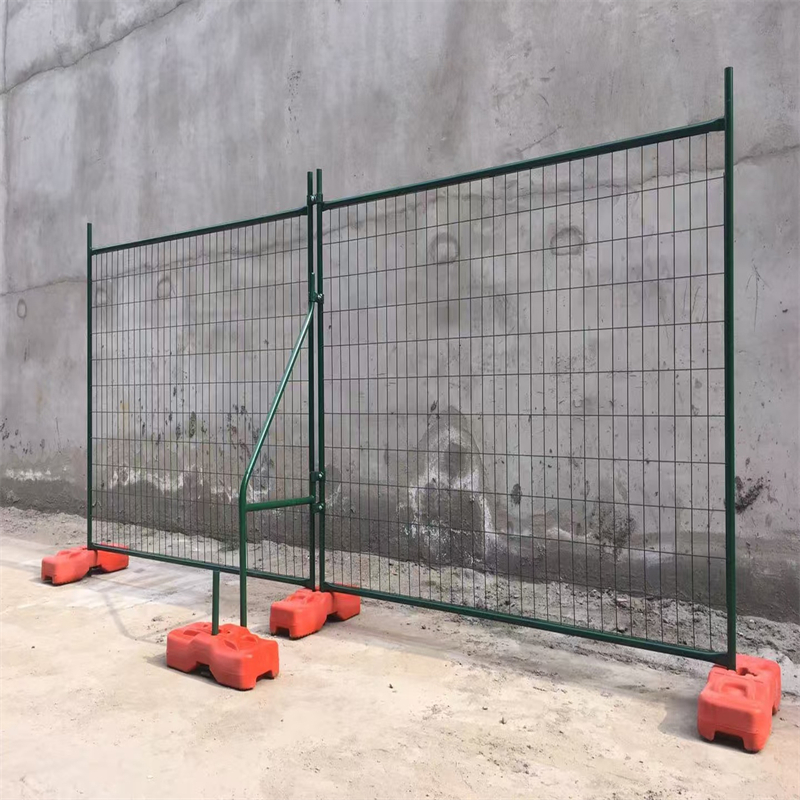
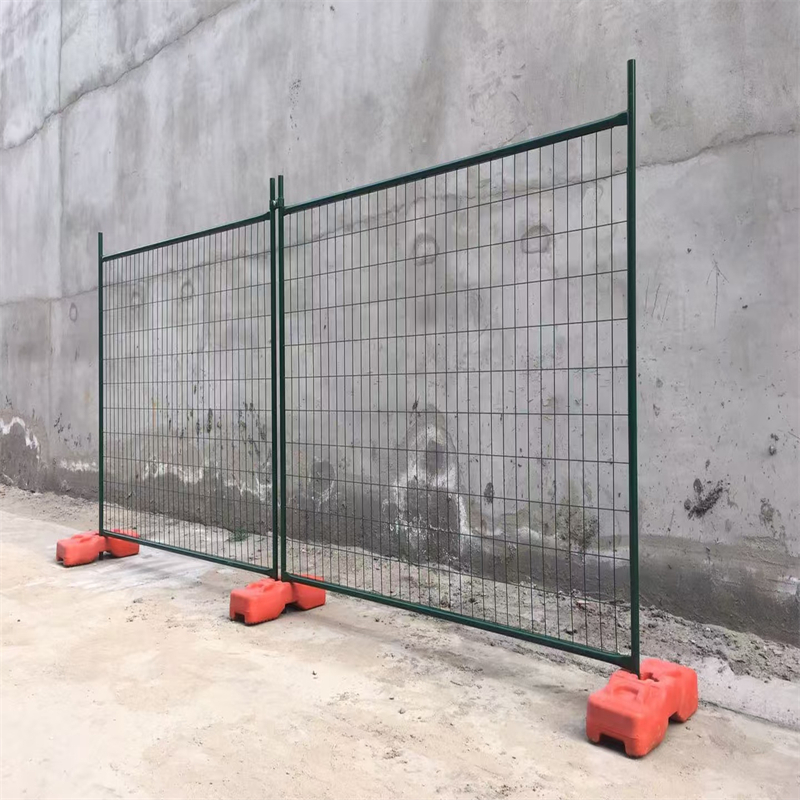
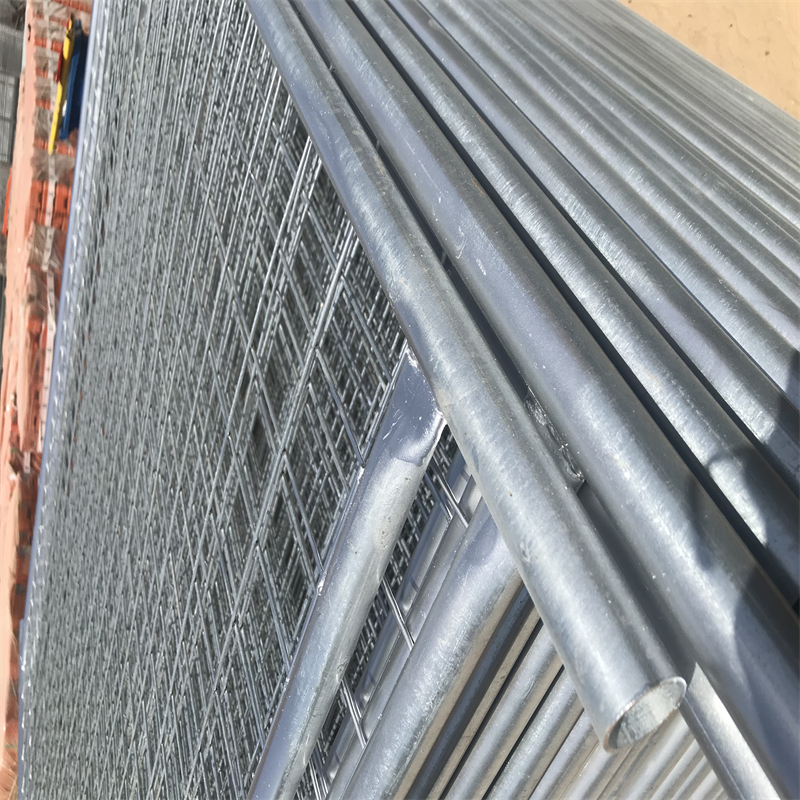
POLYMETAL temporary fence panels Melbourne are manufactured as heavy-duty welded mesh panels engineered to create a reliable temporary boundary for worksites and public-facing areas. The standard panel format is 2100 mm height paired with practical width modules such as 2400 mm, 3300 mm, and 3500 mm (with middle brace options for larger spans). The mesh uses a 60 mm × 150 mm opening with wire diameters commonly specified at 2.70 mm, 3.00 mm, or 4.00 mm, balancing visibility with barrier strength.
For durability in outdoor conditions, galvanizing is selected based on exposure level, with coating options such as 14 microns HDG, 42 microns hot dipped galvanized, or 100 microns hot dipped galvanized or powder coated for high-demand environments. Panel geometry is standardized for repeatable installation, with common wire layouts including 12 vertical wires and horizontal wire counts tuned to width modules (for example, 38 horizontal wires on 2.1 m × 2.4 m, 53 on 2.1 m × 3.3 m, and 56 on 2.1 m × 3.5 m). The full system is written to comply with AS4687-2022 expectations for temporary fencing applications.

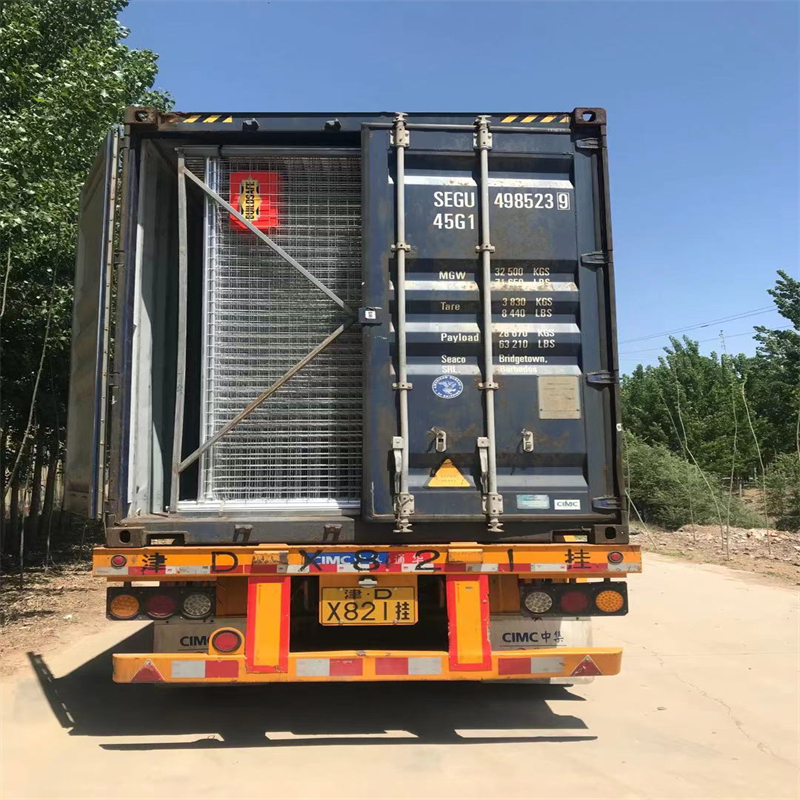
Product application
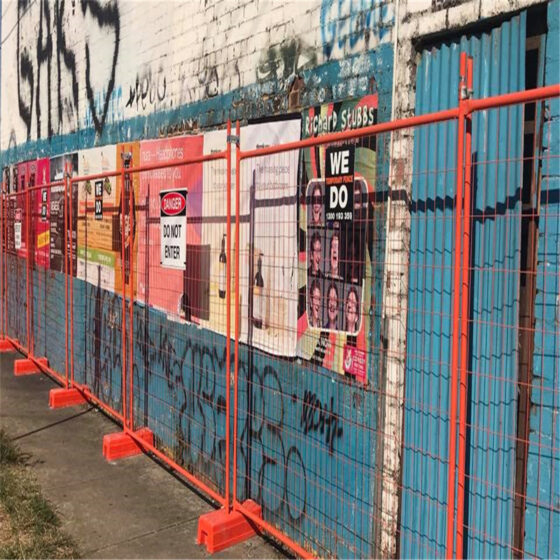
POLYMETAL temporary fence panels Melbourne are commonly used for construction sites, civil works, roadworks, events, crowd direction, storage yards, industrial compounds, and any location where a compliant temporary barrier is required quickly. The welded mesh format supports clear visibility for supervision and site monitoring while still presenting a strong physical boundary to discourage unauthorized access.
How performance works on real sites
Climbing deterrence is strengthened by welded mesh geometry and consistent wire layout that reduces easy footholds. Cutting resistance improves when wire diameter and weld quality are correctly specified, making casual tool attacks slower and less effective. Wind stability depends on frame tube diameter, frame thickness, middle brace use on wider panels, and correct footing/anchoring—because the jobsite wind doesn’t care how “good” the panel looked in the warehouse.
The Top 22 Pitfall headlines you can’t ignore in temporary fence panels Melbourne (Especially #17)
Pitfall #1: Buying “2.1 m panels” that aren’t truly straight
A slight bow becomes a visible line problem over long runs, and installers waste hours fighting alignment.
Pitfall #2: Choosing frame tube OD too small for exposed sites
A light OD can flex, shake, and loosen faster—especially in open or windy zones.
Pitfall #3: Ignoring frame thickness until dents appear on delivery
Thin-wall frames dent easily during forklift handling and transport stacking.
Pitfall #4: Selecting mesh wire diameter that’s too light for jobsite reality
Lighter wire looks fine until impact, repeated pushing, or tool pressure begins to deform it.
Pitfall #5: Poor weld consistency that “opens up” under load
If welds are weak, the mesh can separate under stress, turning a panel into a liability.
Pitfall #6: Ordering wide panels without a middle brace
Large spans need a brace to resist vibration and keep the panel from “oil-canning.”
Pitfall #7: Overlooking the correct horizontal wire count per width module
Wrong counts often signal non-standard builds that don’t match expected stiffness or layout.
Pitfall #8: Coating that’s thin where it matters most
Corners and contact points take the first damage—thin coating fails early.
Pitfall #9: Treating “HDG” as one single finish
Different coating builds perform very differently in the field; thin galvanizing loses the corrosion race quickly.
Pitfall #10: Mixing panel widths without planning the run
A fence line with random width modules creates awkward gaps and rushed “fixes.”
Pitfall #11: Underestimating Melbourne-style wind exposure on temporary systems
Temporary fences fail in gusts when feet, bracing, and panel stiffness aren’t planned as a system.
Pitfall #12: Using strong panels with weak feet or anchors
A panel is only as stable as the base holding it down.
Pitfall #13: Skipping connection consistency between panels
Loose couplers create rattling, shifting, and progressive misalignment down the line.
Pitfall #14: Not planning corners and returns
Corners are the first place people push, pull, and test—weak corners invite failure.
Pitfall #15: Installing on uneven ground without compensation
Gaps at the bottom become access points and trigger rework on inspection.
Pitfall #16: Choosing “event-light” panels for construction abuse
Wrong duty level gets destroyed fast, and replacement cost hits harder than the original savings.
Pitfall #17: Ordering “compliant” panels that fail AS4687-2022 expectations in practice
If tube OD, wall thickness, mesh wire, weld quality, and galvanizing build don’t match real site demand, the fence becomes unstable, gets rejected, or must be reworked—exactly when the project can’t afford delays.
Pitfall #18: Packing that allows panel-to-panel rubbing
Transit rubbing destroys coating at contact points and sets up early corrosion.
Pitfall #19: No protection at corners and edges during transport
Corners take impact first; once bent, the whole panel line looks cheap and installs slower.
Pitfall #20: Not controlling tolerance on overall panel size
Small size drift creates connection gaps, misfit clamps, and messy fence lines.
Pitfall #21: Forgetting that gates and vehicle access need matching hardware
Improvised gates are where temporary fencing becomes unsafe fast.
Pitfall #22: Treating temporary fencing as “temporary quality”
Temporary fences still face real wind, real traffic, and real safety responsibility—quality failures aren’t temporary.
Specifications for temporary fence panels Melbourne
All tables below use the requested core build logic: 2100 mm height, widths 2400 / 3300 / 3500 mm, mesh opening 60×150 mm, wire diameters 2.70 / 3.00 / 4.00 mm, frame tube OD32 / OD38 / OD40 / OD41 mm, frame thickness 1.0 / 1.2 / 1.4 / 1.5 / 2.0 mm, and finish options 14 / 42 / 100 microns galvanizing. Wire count notes follow the requested layouts.
Specifications Table 1: Standard 2.1 m × 2.4 m panels (12V / 38H)
| Panel size (H×W, mm) | Frame tube | Frame thickness | Mesh opening | Wire diameter | Vertical wires | Horizontal wires | Middle brace | Finish | Standard |
|---|---|---|---|---|---|---|---|---|---|
| 2100×2400 | OD32 | 1.0 | 60×150 | 2.70 | 12 | 38 | No | 14µ HDG | AS4687-2022 |
| 2100×2400 | OD32 | 1.2 | 60×150 | 3.00 | 12 | 38 | No | 14µ HDG | AS4687-2022 |
| 2100×2400 | OD38 | 1.2 | 60×150 | 2.70 | 12 | 38 | No | 42µ HDG | AS4687-2022 |
| 2100×2400 | OD38 | 1.4 | 60×150 | 3.00 | 12 | 38 | No | 42µ HDG | AS4687-2022 |
| 2100×2400 | OD40 | 1.4 | 60×150 | 3.00 | 12 | 38 | No | 42µ HDG | AS4687-2022 |
| 2100×2400 | OD40 | 1.5 | 60×150 | 4.00 | 12 | 38 | No | 42µ HDG | AS4687-2022 |
| 2100×2400 | OD41 | 1.5 | 60×150 | 3.00 | 12 | 38 | No | 100µ HDG | AS4687-2022 |
| 2100×2400 | OD41 | 2.0 | 60×150 | 4.00 | 12 | 38 | No | 100µ HDG | AS4687-2022 |
| 2100×2400 | OD38 | 1.5 | 60×150 | 4.00 | 12 | 38 | No | 100µ HDG | AS4687-2022 |
| 2100×2400 | OD40 | 2.0 | 60×150 | 4.00 | 12 | 38 | No | 100µ HDG | AS4687-2022 |
Specifications Table 2: Wide 2.1 m × 3.3 m panels (12V / 53H, with middle brace)
| Panel size (H×W, mm) | Frame tube | Frame thickness | Mesh opening | Wire diameter | Vertical wires | Horizontal wires | Middle brace | Finish | Standard |
|---|---|---|---|---|---|---|---|---|---|
| 2100×3300 | OD32 | 1.2 | 60×150 | 2.70 | 12 | 53 | Yes | 14µ HDG | AS4687-2022 |
| 2100×3300 | OD32 | 1.4 | 60×150 | 3.00 | 12 | 53 | Yes | 14µ HDG | AS4687-2022 |
| 2100×3300 | OD38 | 1.2 | 60×150 | 2.70 | 12 | 53 | Yes | 42µ HDG | AS4687-2022 |
| 2100×3300 | OD38 | 1.4 | 60×150 | 3.00 | 12 | 53 | Yes | 42µ HDG | AS4687-2022 |
| 2100×3300 | OD40 | 1.4 | 60×150 | 3.00 | 12 | 53 | Yes | 42µ HDG | AS4687-2022 |
| 2100×3300 | OD40 | 1.5 | 60×150 | 4.00 | 12 | 53 | Yes | 42µ HDG | AS4687-2022 |
| 2100×3300 | OD41 | 1.5 | 60×150 | 3.00 | 12 | 53 | Yes | 100µ HDG | AS4687-2022 |
| 2100×3300 | OD41 | 2.0 | 60×150 | 4.00 | 12 | 53 | Yes | 100µ HDG | AS4687-2022 |
| 2100×3300 | OD38 | 1.5 | 60×150 | 4.00 | 12 | 53 | Yes | 100µ HDG | AS4687-2022 |
| 2100×3300 | OD40 | 2.0 | 60×150 | 4.00 | 12 | 53 | Yes | 100µ HDG | AS4687-2022 |
Specifications Table 3: Extra-wide 2.1 m × 3.5 m panels (12V / 56H, with middle brace)
| Panel size (H×W, mm) | Frame tube | Frame thickness | Mesh opening | Wire diameter | Vertical wires | Horizontal wires | Middle brace | Finish | Standard |
|---|---|---|---|---|---|---|---|---|---|
| 2100×3500 | OD32 | 1.2 | 60×150 | 2.70 | 12 | 56 | Yes | 14µ HDG | AS4687-2022 |
| 2100×3500 | OD32 | 1.4 | 60×150 | 3.00 | 12 | 56 | Yes | 14µ HDG | AS4687-2022 |
| 2100×3500 | OD38 | 1.2 | 60×150 | 2.70 | 12 | 56 | Yes | 42µ HDG | AS4687-2022 |
| 2100×3500 | OD38 | 1.4 | 60×150 | 3.00 | 12 | 56 | Yes | 42µ HDG | AS4687-2022 |
| 2100×3500 | OD40 | 1.4 | 60×150 | 3.00 | 12 | 56 | Yes | 42µ HDG | AS4687-2022 |
| 2100×3500 | OD40 | 1.5 | 60×150 | 4.00 | 12 | 56 | Yes | 42µ HDG | AS4687-2022 |
| 2100×3500 | OD41 | 1.5 | 60×150 | 3.00 | 12 | 56 | Yes | 100µ HDG | AS4687-2022 |
| 2100×3500 | OD41 | 2.0 | 60×150 | 4.00 | 12 | 56 | Yes | 100µ HDG | AS4687-2022 |
| 2100×3500 | OD38 | 1.5 | 60×150 | 4.00 | 12 | 56 | Yes | 100µ HDG | AS4687-2022 |
| 2100×3500 | OD40 | 2.0 | 60×150 | 4.00 | 12 | 56 | Yes | 100µ HDG | AS4687-2022 |
Specifications Table 4: Wind-focused builds for temporary fence panels Melbourne (stiffer frames)
| Panel size (H×W, mm) | Frame tube | Frame thickness | Mesh opening | Wire diameter | Vertical wires | Horizontal wires | Middle brace | Finish | Standard |
|---|---|---|---|---|---|---|---|---|---|
| 2100×2400 | OD40 | 1.5 | 60×150 | 4.00 | 12 | 38 | No | 100µ HDG | AS4687-2022 |
| 2100×2400 | OD41 | 2.0 | 60×150 | 4.00 | 12 | 38 | No | 100µ HDG | AS4687-2022 |
| 2100×3300 | OD40 | 1.5 | 60×150 | 4.00 | 12 | 53 | Yes | 100µ HDG | AS4687-2022 |
| 2100×3300 | OD41 | 2.0 | 60×150 | 4.00 | 12 | 53 | Yes | 100µ HDG | AS4687-2022 |
| 2100×3500 | OD40 | 1.5 | 60×150 | 4.00 | 12 | 56 | Yes | 100µ HDG | AS4687-2022 |
| 2100×3500 | OD41 | 2.0 | 60×150 | 4.00 | 12 | 56 | Yes | 100µ HDG | AS4687-2022 |
| 2100×2400 | OD38 | 1.4 | 60×150 | 3.00 | 12 | 38 | No | 42µ HDG | AS4687-2022 |
| 2100×3300 | OD38 | 1.4 | 60×150 | 3.00 | 12 | 53 | Yes | 42µ HDG | AS4687-2022 |
| 2100×3500 | OD38 | 1.4 | 60×150 | 3.00 | 12 | 56 | Yes | 42µ HDG | AS4687-2022 |
| 2100×2400 | OD40 | 2.0 | 60×150 | 3.00 | 12 | 38 | No | 100µ HDG | AS4687-2022 |
Specifications Table 5: Cost-optimized builds (site control with standard geometry)
| Panel size (H×W, mm) | Frame tube | Frame thickness | Mesh opening | Wire diameter | Vertical wires | Horizontal wires | Middle brace | Finish | Standard |
|---|---|---|---|---|---|---|---|---|---|
| 2100×2400 | OD32 | 1.0 | 60×150 | 2.70 | 12 | 38 | No | 14µ HDG | AS4687-2022 |
| 2100×2400 | OD32 | 1.2 | 60×150 | 2.70 | 12 | 38 | No | 14µ HDG | AS4687-2022 |
| 2100×2400 | OD38 | 1.2 | 60×150 | 2.70 | 12 | 38 | No | 14µ HDG | AS4687-2022 |
| 2100×3300 | OD32 | 1.2 | 60×150 | 2.70 | 12 | 53 | Yes | 14µ HDG | AS4687-2022 |
| 2100×3300 | OD38 | 1.2 | 60×150 | 2.70 | 12 | 53 | Yes | 14µ HDG | AS4687-2022 |
| 2100×3500 | OD32 | 1.2 | 60×150 | 2.70 | 12 | 56 | Yes | 14µ HDG | AS4687-2022 |
| 2100×3500 | OD38 | 1.2 | 60×150 | 2.70 | 12 | 56 | Yes | 14µ HDG | AS4687-2022 |
| 2100×2400 | OD32 | 1.4 | 60×150 | 3.00 | 12 | 38 | No | 42µ HDG | AS4687-2022 |
| 2100×3300 | OD32 | 1.4 | 60×150 | 3.00 | 12 | 53 | Yes | 42µ HDG | AS4687-2022 |
| 2100×3500 | OD32 | 1.4 | 60×150 | 3.00 | 12 | 56 | Yes | 42µ HDG | AS4687-2022 |
Applications Temporary fence panels Melbourne
POLYMETAL temporary fence panels Melbourne are suited for building sites, renovations, demolition zones, infrastructure works, utilities projects, roadworks, festivals, crowd-flow management, equipment storage, and restricted access areas. The system supports rapid deployment, clear line-of-sight supervision, and a professional boundary that helps control risk and reduce unauthorized entry.
Benefits
POLYMETAL temporary fence panels Melbourne improve site control by creating fast, visible separation between public space and work zones. When the frame tube, thickness, wire diameter, and brace configuration are chosen correctly, panels stay straighter during handling, resist deformation in daily site use, and reduce the “constant re-fixing” cycle caused by wobble and shifting. A controlled galvanizing build helps protect appearance and slows corrosion at the points that suffer most: corners, contact zones, and stack-rub areas.
Packing Temporary fence panels Melbourne
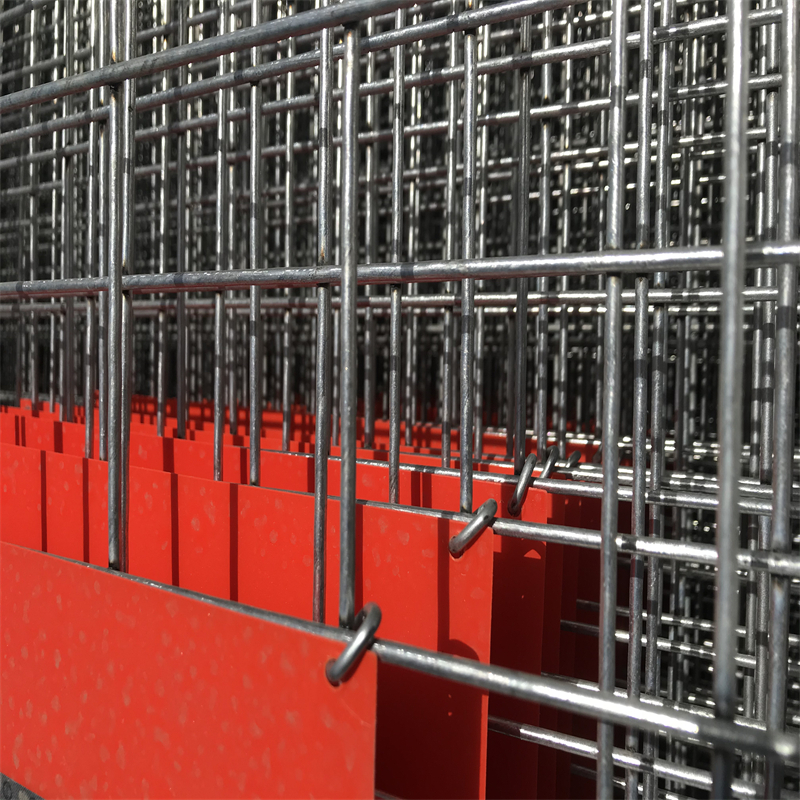
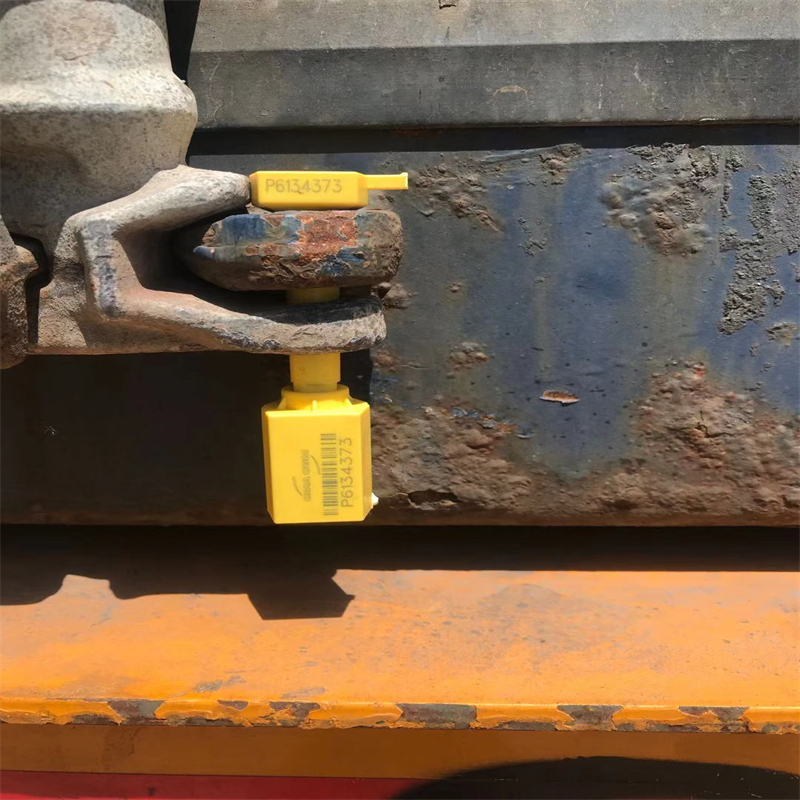
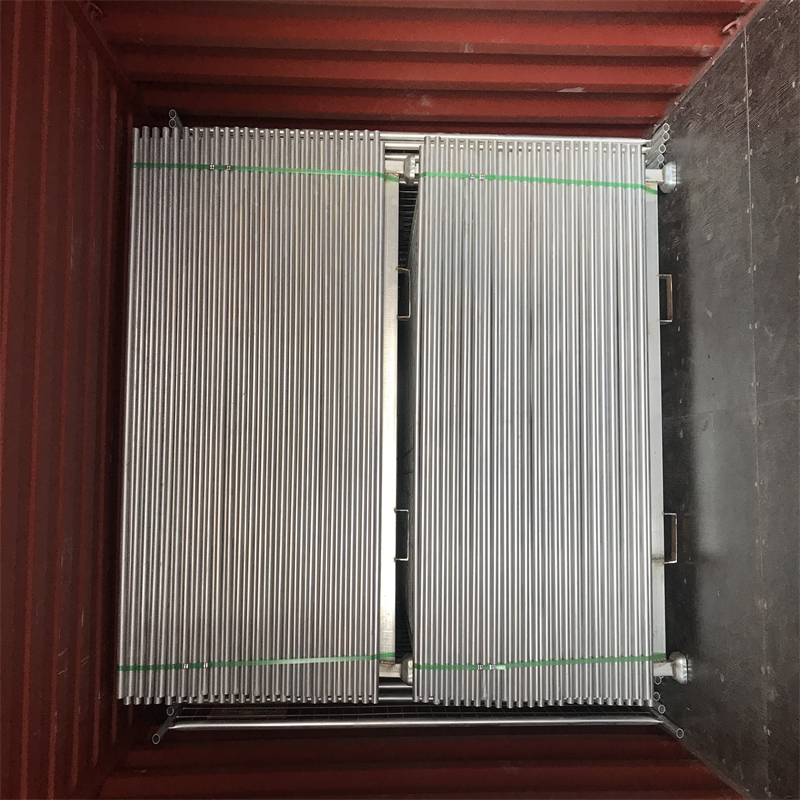
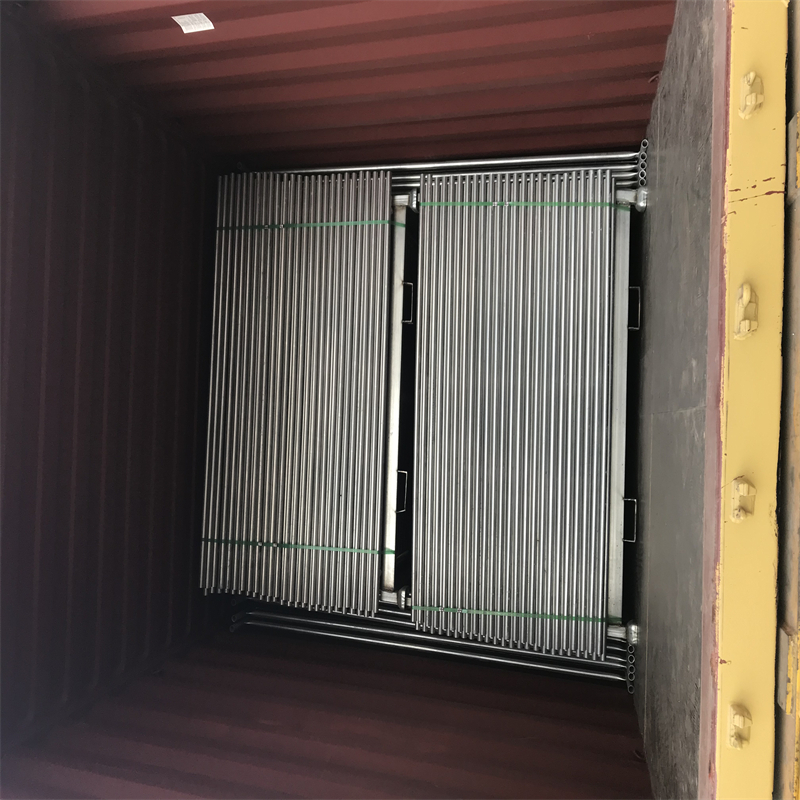
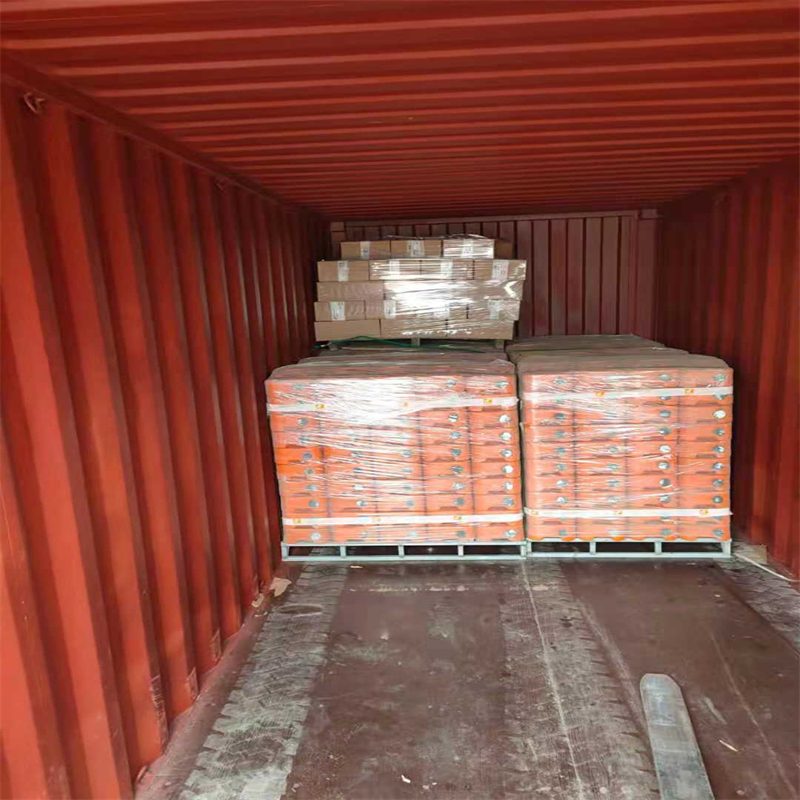
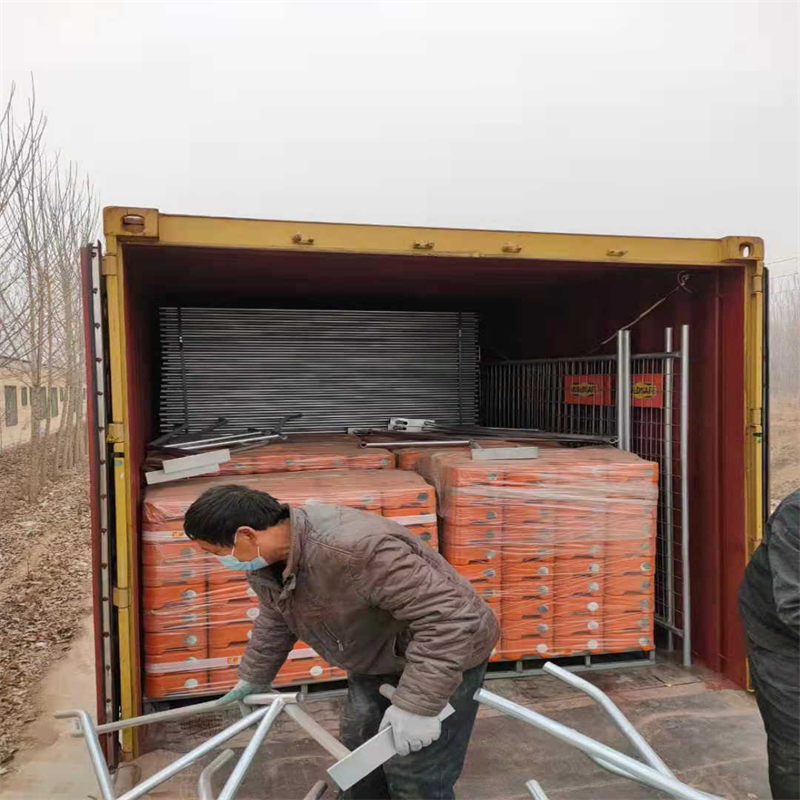
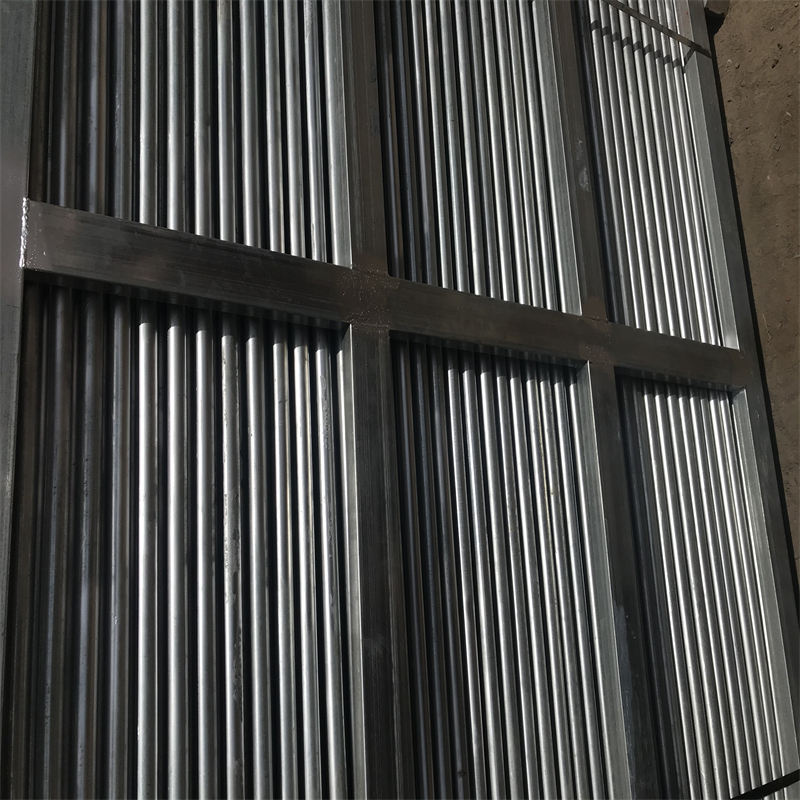
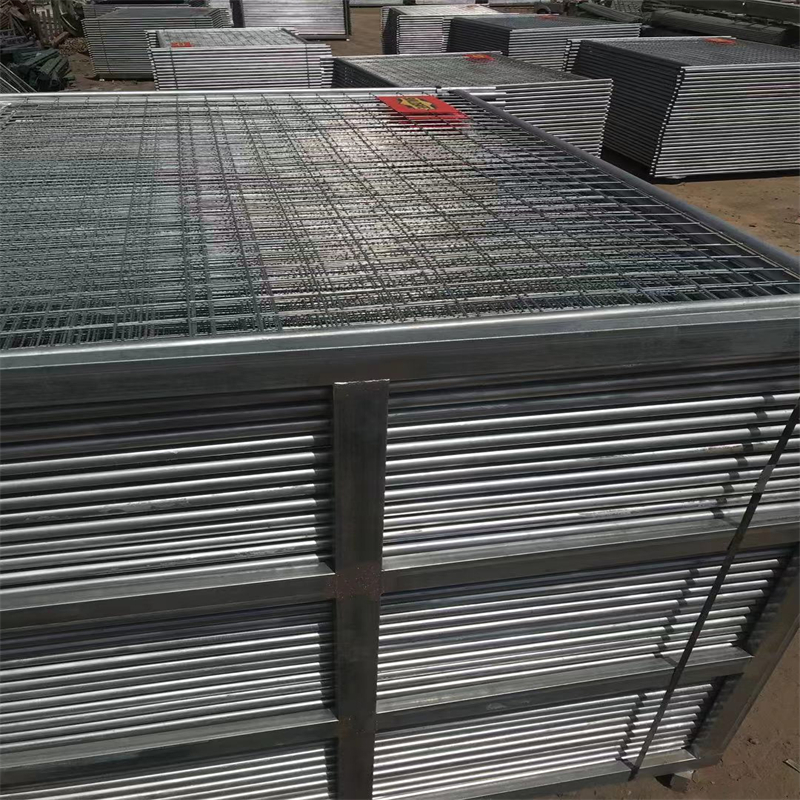
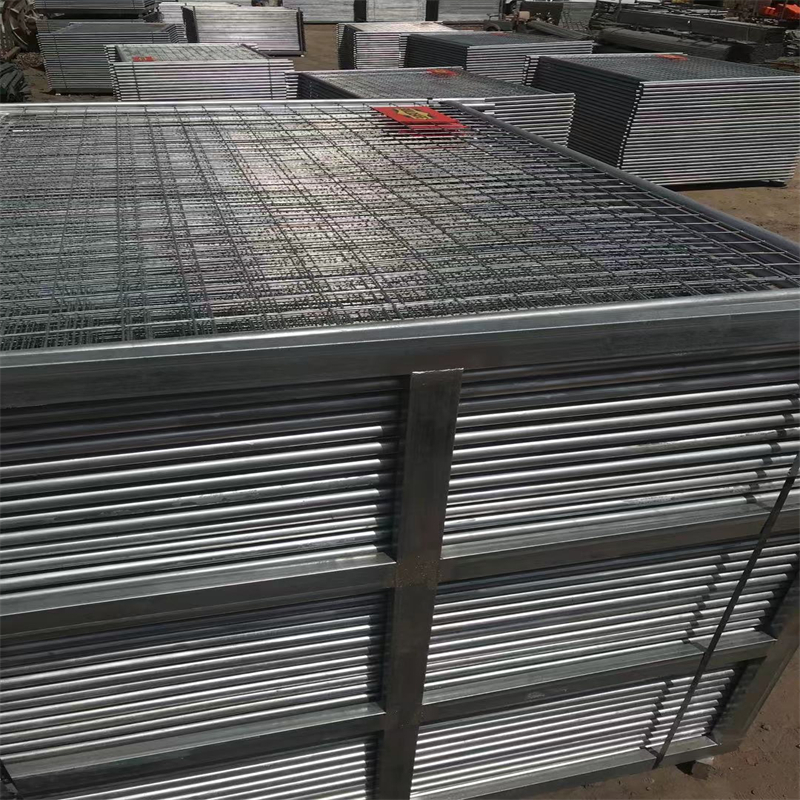
Panels are pallet-packed with separation to reduce rubbing damage, tightened with packing belts to prevent shifting, wrapped to reduce scuffing, and protected with metal corners to keep stacks stable during lifting and transport. Middle brace panels are stacked to avoid concentrated pressure points that bend frames. Accessories are packed in cartons for faster counting and safer on-site distribution.
Standard
POLYMETAL temporary fence panels Melbourne builds are written to comply with AS4687-2022, focusing on dimensional consistency, weld integrity, coating build control, and packing inspection so panels arrive straight, stable, and ready for repeatable installation outcomes.
FAQs
What is the most common size for temporary fence panels Melbourne sites?
The most common format is 2100 mm height, with 2400 mm width as a standard module, and 3300/3500 mm widths used where fewer panel joints are preferred.
Why do wide panels need a middle brace?
A middle brace increases stiffness and reduces vibration, helping wide panels hold shape and stay stable under wind and handling.
Which wire diameter is best?
2.70 mm is often used for standard site control, 3.00 mm is a strong general-purpose choice, and 4.00 mm is used when higher abuse resistance and stiffness are required.
Which galvanizing build should I choose?
Thicker galvanizing is typically selected for harsher exposure, longer service cycles, and more demanding handling conditions.
What causes temporary fencing lines to look “wavy” after install?
The usual causes are under-sized frame tubes, thin frame thickness, poor packing protection, and inconsistent coupler alignment across long runs.