Your One-Stop Wire Mesh Fence Supplier | POLYMETAL
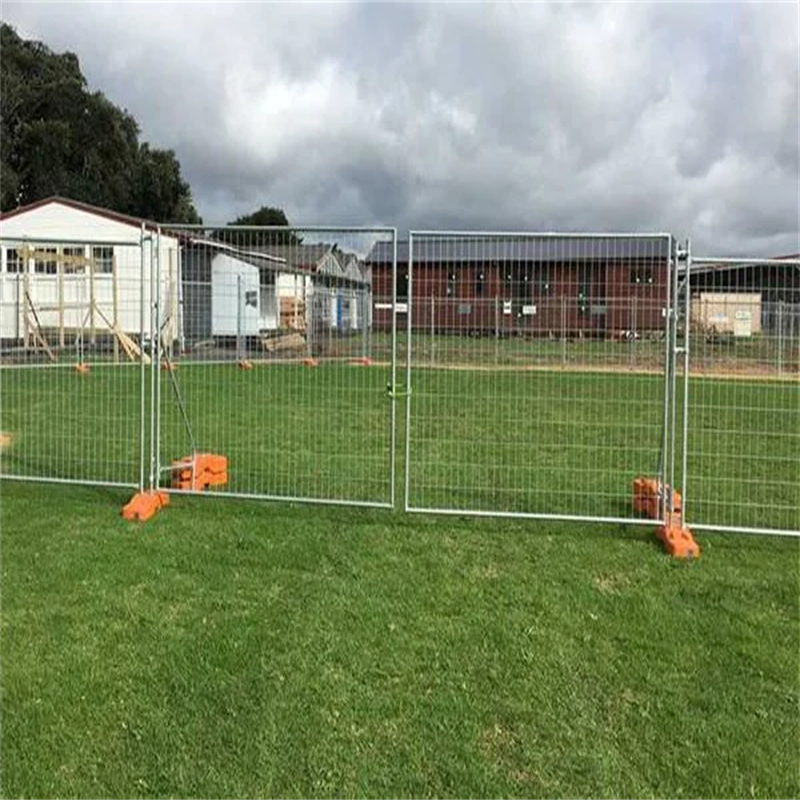
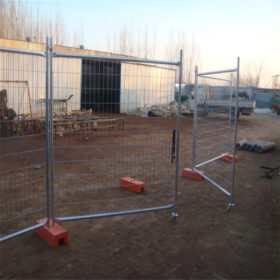
Temporary fencing is often installed quickly because a site can’t open, a delivery can’t enter, and a work zone can’t stay compliant without a controlled boundary. In Australia, the gate is the highest-abuse component in the whole temporary fencing line: it gets slammed, dragged, rattled by wind, bumped by forklifts, and over-tightened by crews trying to “make it work” under pressure.
That’s why Temporary Fencing Gates Australia should never be treated as an accessory—it is the access-control engine of your entire perimeter, and it’s also why understanding real market costs and spec differences matters (see temporary fencing prices complete guides).
What “Temporary Fencing Gates Australia” Really Means
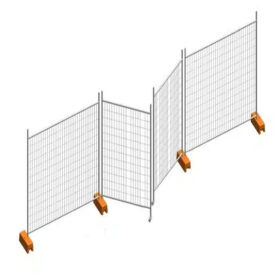
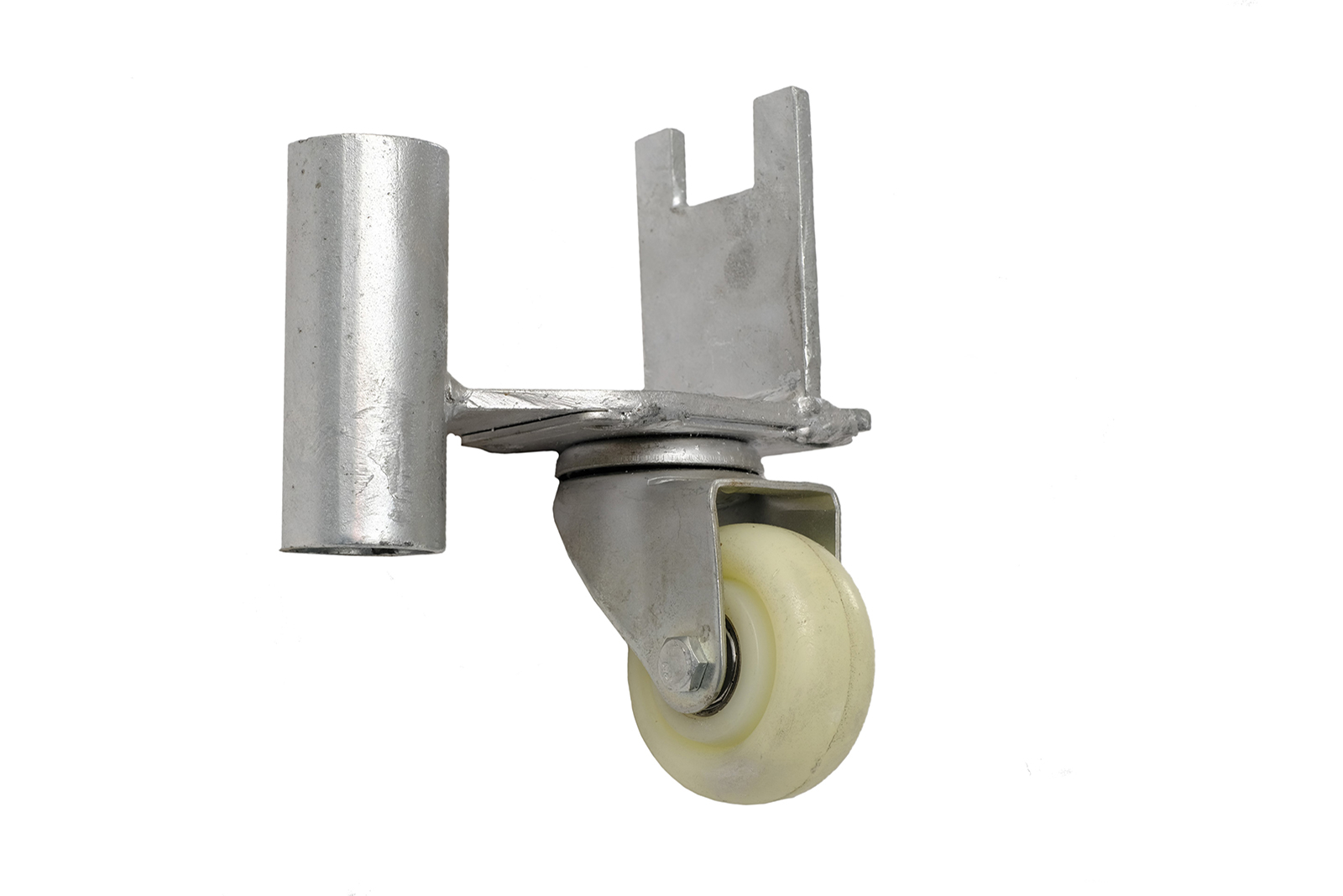
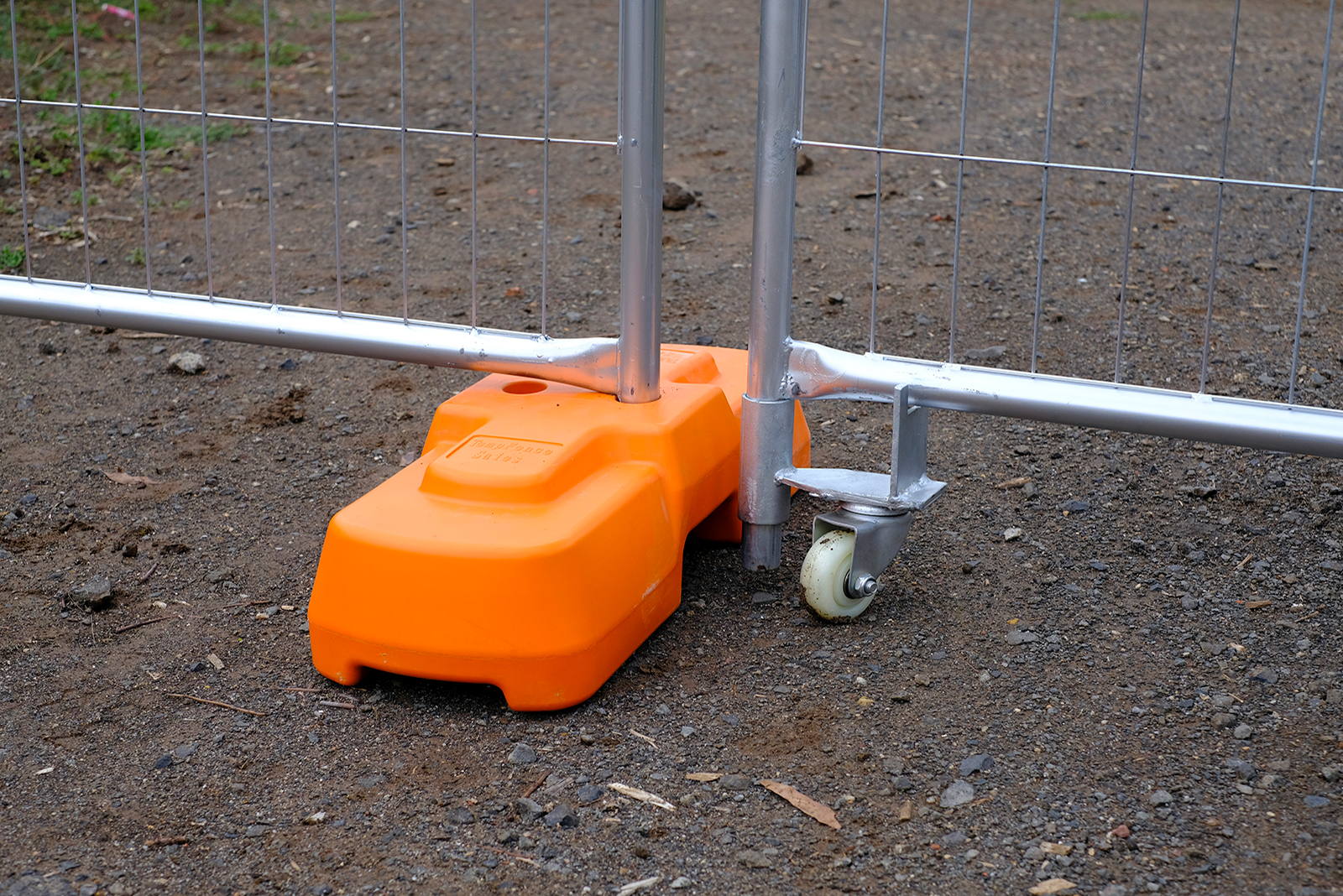
A temporary fencing gate is a modular entry panel built to match standard temporary fence panel height, mesh pattern, and connection method—so it integrates cleanly into a compliant fence line. A proper gate must swing freely without scraping bases, must not sag at the hinge side after repeated use, and must lock reliably without installers bending parts into shape. When gates are under-built, the fence line does not just look messy—it becomes unsafe, non-compliant, and operationally slow.
Product Description
POLYMETAL Temporary Fencing Gates Australia are designed and manufactured from proven site-use experience and engineered to align with AS4687-2022 expectations for temporary fencing systems. The gate frames use OD 32 mm pipes with 2.00 mm wall thickness for dependable handling strength, while the infill uses the common 60 mm × 150 mm mesh pattern with 4.00 mm wire for stability and visibility. Multiple hot-dip galvanizing levels—14 microns, 42 microns, and 84 microns—allow the gate to be matched to short-term projects, high-rotation hire cycles, and harsher storage or climate conditions. Accessories such as chain padlocking sets and coupler/hinged connection hardware are designed to keep the gate line secure, consistent, and quick to install, while custom sizes can be produced to suit specific pedestrian and vehicle entry requirements.
Photos
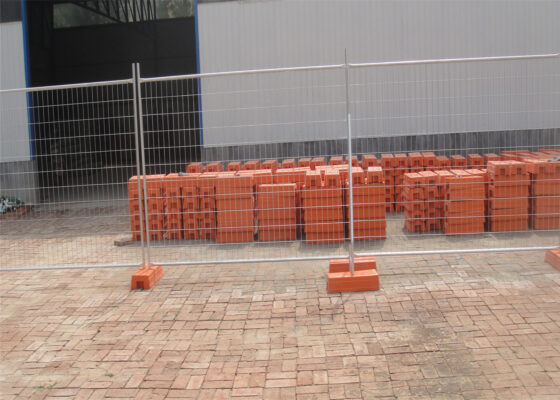
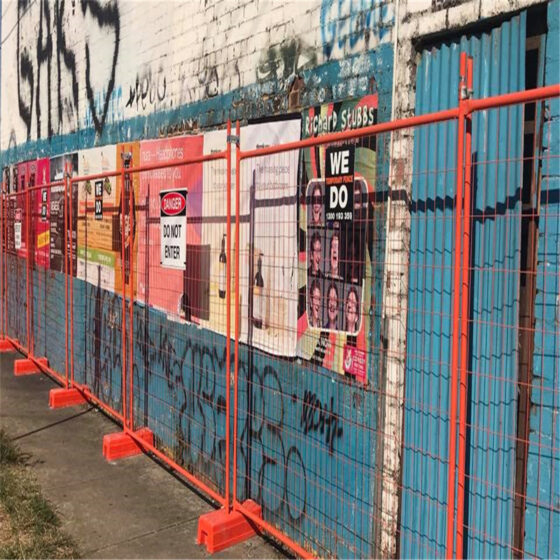
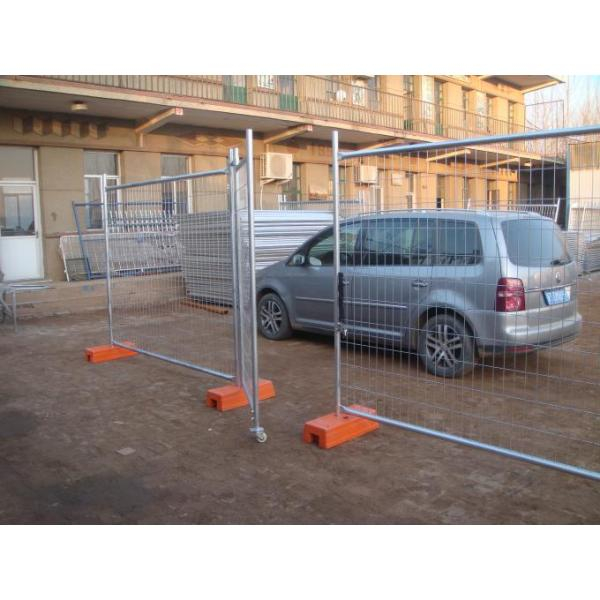 Pedestrian Gate | 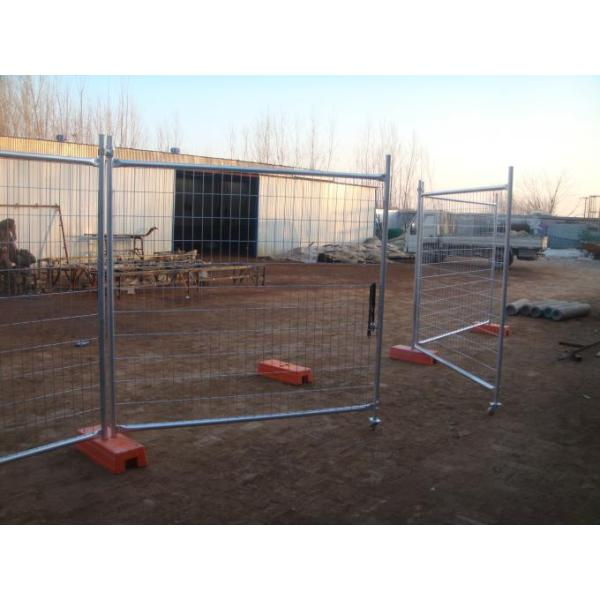 Vehicle Gate |
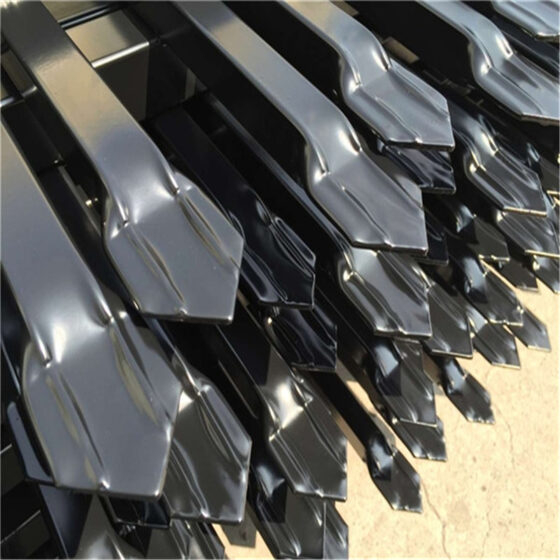
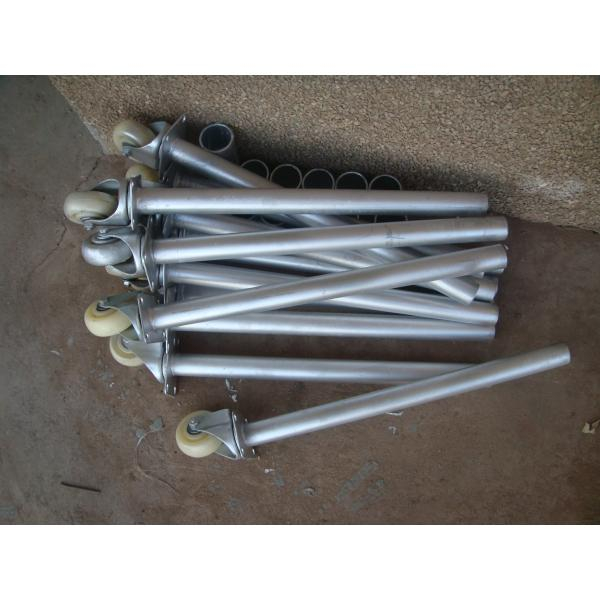 Gate Detail / System View | |
Specifications: POLYMETAL Temporary Fencing Gates Australia
| Gate Type | Panel Height (mm) | Gate Width (mm) | Frame Pipe | Mesh Opening | Infill Wire Ø | HDG Options | Accessories | Connection | Standard |
|---|---|---|---|---|---|---|---|---|---|
| Pedestrian Gate (Single Leaf) | 2100 | 1000 | OD32 × 2.00mm | 60 × 150mm | 4.00mm | 14µm / 42µm / 84µm | Chain + padlocking set | Coupler hinged (clip/foot style) | AS4687-2007 |
| Vehicle Gate (Single Leaf) | 2100 | 1000 | OD32 × 2.00mm | 60 × 150mm | 4.00mm | 14µm / 42µm / 84µm | Chain + padlocking set | Coupler hinged (clip/foot style) | AS4687-2007 |
| Pedestrian Gate (Wider Access) | 2100 | 1200 | OD32 × 2.00mm | 60 × 150mm | 4.00mm | 42µm / 84µm | Chain + padlocking set | Coupler hinged | AS4687-2007 |
| Pedestrian Gate (Heavy-Duty) | 2100 | 1000 | OD32 × 2.00mm (reinforced corners) | 60 × 150mm | 4.00mm | 84µm | Chain + padlocking set | Coupler hinged | AS4687-2007 |
| Vehicle Gate (Double Leaf) | 2100 | 2000 | OD32 × 2.00mm | 60 × 150mm | 4.00mm | 42µm / 84µm | Dual chain lock points | Coupler hinged (left/right) | AS4687-2007 |
| Vehicle Gate (Site Truck Access) | 2100 | 2400 | OD32 × 2.00mm | 60 × 150mm | 4.00mm | 42µm / 84µm | Chain + padlocking set | Coupler hinged | AS4687-2007 |
| Vehicle Gate (Wide Entry) | 2100 | 3000 | OD32 × 2.00mm | 60 × 150mm | 4.00mm | 84µm | Chain + padlocking set | Coupler hinged | AS4687-2007 |
| Emergency Exit Gate | 2100 | 1000 | OD32 × 2.00mm | 60 × 150mm | 4.00mm | 42µm | Quick-release latch option | Coupler hinged | AS4687-2007 |
| Event Back-of-House Gate | 2100 | 1200 | OD32 × 2.00mm | 60 × 150mm | 4.00mm | 42µm | Chain + padlocking set | Coupler hinged | AS4687-2007 |
| Custom Gate (Project-Specific) | 2100 | Custom | OD32 × 2.00mm (or upgraded) | 60 × 150mm | 4.00mm | 14µm / 42µm / 84µm | Chain/lock & hardware matched | Coupler hinged | AS4687-2007 |
The Top 17 Traps You Don’t Know About Temporary Fencing Gates Australia (Especially #16)
Trap #1: Buying a gate that “fits” but doesn’t swing cleanly on real ground
A gate that drags on bases or scrapes uneven ground becomes a daily failure point. Crews start forcing it, bending it, and damaging coatings.
Trap #2: Treating hinge alignment like a small detail
Misaligned hinges create sag. Sag creates rubbing. Rubbing destroys galvanizing at contact points, and rust starts exactly where you see it most.
Trap #3: Using the wrong coupler/connection method for the fence line
If the gate connection doesn’t match panel clips and bases, installers “adapt” on site—usually by over-tightening or twisting joints until the gate becomes unreliable.
Trap #4: Ignoring the real meaning of “4.00mm wire”
Wire diameter is meaningless without weld consistency. Weak welds loosen under vibration and handling, and the gate infill becomes wavy and tired fast.
Trap #5: Choosing a gate without thinking about wind load
Gates act like sails. In wind zones, poor control turns gates into repeated slam cycles that destroy hinges and latches.
Trap #6: “Pedestrian gate” hardware used for vehicle-entry abuse
Vehicle entries get hit, pushed, and rushed. If the latch and hinge system isn’t treated as heavy-use, the gate becomes the weak link that stops deliveries.
Trap #7: Relying on one lock point when the gate needs anti-pry control
A single chain point can be leveraged. Dual lock points and controlled closing stops reduce bending and tampering damage.
Trap #8: Skipping corrosion planning for wet storage
Hire fleets often store gates wet. Thin coatings can look fine at delivery and fail fast in stacked, damp storage.
Trap #9: Letting forklift handling damage the corners (then blaming “bad galvanizing”)
Corner impacts chip protection. Once the zinc layer is broken, rust begins at the most visible edges.
Trap #10: No stop mechanism—so the gate becomes a battering ram
Without controlled stops, the gate swings too far and slams into posts/panels, bending frame corners and loosening hinge joints.
Trap #11: Not designing for real access flow
If the gate opening is too narrow or placed wrong, drivers and crews force angles and impacts that destroy the gate line.
Trap #12: Under-specifying galvanizing for high-rotation hire cycles
14 microns can work for short-cycle projects, but hire fleets punish gates. Higher zinc thickness reduces early rust and reduces write-offs.
Trap #13: Mixing gate specs inside one site run
Different stiffness and hardware across one fence line creates “good gates” and “bad gates.” The bad ones become daily bottlenecks.
Trap #14: Buying gates without matching spare hardware availability
When hinges, couplers, and latches are not standardized, field repairs become slow, improvised, and inconsistent.
Trap #15: No inspection checkpoint before dispatch
A gate can be slightly twisted in a stack and look “fine.” On site it becomes the one that never closes properly and triggers complaints.
Trap #16: The hidden cash-loss trap—gate sag that turns into compliance and downtime
This is where projects bleed money. A sagging gate forces crews to lift it, drag it, slam it, and “fix” it repeatedly. That damages coatings, accelerates rust, triggers replacements, and slows access every day. On a busy Australian site, the time loss plus replacement cost can exceed the original gate cost many times over—especially when vehicle entry is delayed or safety control breaks down.
Trap #17: Thinking “any gate is fine” because it’s temporary
Temporary does not mean low-risk. Gates control movement, safety, and compliance. If the gate fails, the whole perimeter behaves like it’s failing.
Applications
Temporary Fencing Gates Australia are commonly used for construction sites, civil works, demolition zones, mining and infrastructure compounds, festivals and events, pedestrian safety corridors, controlled entry points, loading and delivery access lanes, and any worksite where access must be controlled without building a permanent gate structure.
Benefits
POLYMETAL Temporary Fencing Gates Australia improve access control without sacrificing fence line stability. The system-style frame and mesh layout supports clear visibility, the 4.00mm infill wire improves rigidity, and multiple galvanizing thickness options allow buyers to match gate life to real handling cycles. When gates stay square and swing cleanly, the entire site runs smoother—fewer delays, fewer repairs, and less perimeter chaos.
Packing
Gate panels are typically stacked in protected bundles with separators to reduce rubbing at corners and hinge zones, then strapped onto steel pallets for forklift handling. Hardware kits (chains, padlocks, couplers, hinge sets) are bagged and boxed for count control to prevent missing parts on site. Extra corner protection and hinge-side buffering reduces transport scuffs that later become rust points.
Standard and Quality Control
POLYMETAL Temporary Fencing Gates Australia are designed to align with AS4687-2022 site expectations. Quality control focuses on hinge alignment, swing clearance, frame squareness, weld integrity, mesh tension consistency, latch reliability, and galvanizing thickness. Staged checks after welding, after galvanizing, and before packing help prevent the most expensive failure: a gate that arrives on site and immediately becomes the daily bottleneck—especially for hire fleets and fast-turn projects where hidden rental issues can multiply costs, as highlighted in temporary fencing rental
FAQs
What gate size is most common for Temporary Fencing Gates Australia?
2100mm height is widely used to match standard temporary fence panels, with 1000mm width common for pedestrian access. Wider entries are often used where equipment and materials need clean movement.
Which galvanizing thickness should I choose: 14µm, 42µm, or 84µm?
14µm fits short-cycle or budget use, 42µm is a strong all-round choice for repeated use, and 84µm suits higher-abuse handling and harsher storage or climate exposure where longer corrosion resistance is needed.
What causes gates to sag the fastest?
Hinge misalignment, repeated slamming, poor stop control, and forced closing when ground is uneven. Once sag begins, coating damage and rust often follow.
How do I reduce daily access problems on busy sites?
Choose the correct width for the actual traffic flow, keep hinge alignment controlled, add proper stop control, and use standardized accessories so repairs are fast and consistent.
Can POLYMETAL make custom sizes?
Yes. Custom widths and configurations can be produced so your gate matches your access needs without forcing installers to “make it work” on site.